Glicociência
Subcategorias de "Glicociência"
- Amino açúcares(108 produtos)
- Anticorpos Glico-Relacionados(282 produtos)
- Glicolípidos(46 produtos)
- Glicosaminoglicanos (GAGs)(55 produtos)
- Glicosídeos(419 produtos)
- Monossacáridos(6.624 produtos)
- Oligossacarídeos(3.682 produtos)
- Polissacáridos(504 produtos)
Foram encontrados 11047 produtos de "Glicociência"
1,3-O-Benzylidene-4-O-DMT-D-threitol
1,3-O-Benzylidene-4-O-DMT-D-threitol is an oligosaccharide that is used as a synthetic building block for the synthesis of complex carbohydrates. This compound has been modified to include fluorine and methyl groups. It can be synthesized via a click reaction with 3,4,5,6-tetraiodoacetone. 1,3-O-Benzylidene-4-O-DMT-D-threitol is soluble in water and aqueous solutions and can be used as a carbohydrate marker. The modification of this compound allows it to be detected by electrophoresis or chromatography due to changes in its mobility and charge.Pureza:Min. 95%Methyl 2,3,4-tri-O-benzoyl-6-O-tert-butyldiphenylsilyl-a-D-mannopyranoside
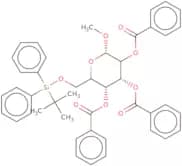
Methyl 2,3,4-tri-O-benzoyl-6-O-tert-butyldiphenylsilyl-a-D-mannopyranoside (MTBDPS) is a synthetic glycoside that is modified by fluorination, methylation and silylation. It is used as a monosaccharide or polysaccharide in the synthesis of complex carbohydrates. The product has a CAS number and can be custom synthesized to customer specifications. MTBDPS is available in high purity and can be used for click modification.Fórmula:C44H44O9SiPureza:Min. 95%Peso molecular:744.92 g/molD-myo-inositol 3-phosphate
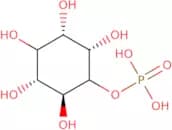
CAS:D-myo-inositol 3-phosphate (IP3) is a molecule that is involved in the metabolism of carbohydrates, fats, and proteins. It is synthesized from D-myo-inositol 1,4,5-trisphosphate through the action of an enzyme called phosphatidylinositol kinase. IP3 binds to the calmodulin protein and has been shown to have biological properties, such as cytosolic or chloroplastic localization and transcriptional regulation. IP3 also participates in the synthesis of DNA and RNA. The sequence of IP3 has been determined for plants such as Solanum tuberosum and Arabidopsis thaliana.Fórmula:C6H13O9PPureza:Min. 95%Peso molecular:260.14 g/molFurcellaran
CAS:Furcellaran (Danish agar) is similar to κ-carrageenan but is less sulphated (50%). It has been extracted from Furcellaria lumbricalis, which is mainly harvested off the coast of Denmark. This species, which is common to most parts of Europe, occurs as a loose form and only reproduces vegetatively. The image was kindly provided by Prof Mike Guiry from Cork who runs ‘The Seaweed Site’.Cor e Forma:PowderPropargyl a-D-galactopyranoside
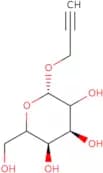
CAS:Propargyl a-D-galactopyranoside (PGAL) is a synthetic compound that belongs to the group of oligosaccharides. PGAL can be used in the synthesis of glycosylated saccharides, such as glycoproteins and glycolipids. The modification of PGAL with fluorine atoms is known to increase its stability. It has been shown that PGAL can be modified with methyl groups without affecting its chemical properties. Furthermore, PGAL can be modified with click chemistry reactions, which are chemoselective reactions that are catalyzed by copper(I) ions.Fórmula:C9H14O6Pureza:Min. 95%Cor e Forma:White to off-white oily solid.Peso molecular:218.21 g/molA2 Glycan, 2-AB labelled
The A2 Glycan is a custom synthesized oligosaccharide that is labelled with 2-AB. It contains the following sugars: Oligosaccharide, sugar, Synthetic, Fluorination, Custom synthesis, Methylation, Monosaccharide, Polysaccharide. The A2 Glycan has a purity of > 99%. CAS No. for this product is not available. Modification includes Click modification and complex carbohydrate.Pureza:Min. 95%N-[2-(4'-Nitrophenyl)-1-cyano-3-butene]-2,3,4,6-tetra-O-pivaloyl-D-glucopyranoside
The product is a methylation, saccharide, Polysaccharide, CAS No., Click modification, Modification, Oligosaccharide, Custom synthesis, Glycosylation and High purity. The product is a fluorination and complex carbohydrate.Fórmula:C36H51N3O11Pureza:Min. 95%Peso molecular:701.8 g/mol2-O-(α-D-Galactopyranosyl)-α-L-fucopyranosyl propylamine
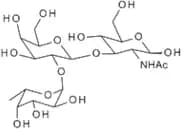
Please enquire for more information about 2-O-(α-D-Galactopyranosyl)-α-L-fucopyranosyl propylamine including the price, delivery time and more detailed product information at the technical inquiry form on this pageFórmula:C15H29NO10Pureza:Min. 95 Area-%Peso molecular:383.39 g/molPhenyl 2,3,4,6-tetra-O-acetyl-b-D-thiogalactopyranoside
CAS:Phenyl 2,3,4,6-tetra-O-acetyl-b-D-thiogalactopyranoside is a sugar that belongs to the class of glycosides. It is a white crystalline powder and has a molecular weight of 459.8. The chemical formula for this compound is C 12 H 18 O 9 . Phenyl 2,3,4,6-tetra-O-acetyl-b-D-thiogalactopyranoside is used in the synthesis of oligosaccharides and polysaccharides. It can be used to modify the structure of saccharides and sugar molecules by methylation or fluorination. This product also has CAS No. 24404-53-3 and can be custom synthesized according to your specifications.Fórmula:C20H24O9SPureza:Min. 95%Cor e Forma:PowderPeso molecular:440.47 g/mol2-O-b-D-Galactosylsucrose
CAS:2-O-b-D-Galactosylsucrose is a synthetic, fluorinated sugar that has been custom synthesized for your needs. It is a complex carbohydrate that has been modified with methylation and click chemistry. 2-O-b-D-Galactosylsucrose is a monosaccharide, polysaccharide, and saccharide that is soluble in water. It can be used as a research tool for glycobiology and glycosylation, or as an ingredient in industrial applications such as food processing and pharmaceuticals.Fórmula:C18H32O16Pureza:Min. 95%Cor e Forma:PowderPeso molecular:504.44 g/molMethyl 7-chloro-7-deoxy-1-thiolincosaminide
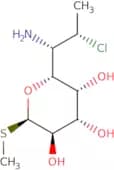
CAS:Methyl 7-chloro-7-deoxy-1-thiolincosaminide is a modification of the monosaccharide D-glucose. It has a CAS number of 22965-79-3 and is a white powder. Methyl 7-chloro-7-deoxy-1-thiolincosaminide can be used in the production of various carbohydrates, such as oligosaccharides and polysaccharides. This compound is also useful for the synthesis of sugar related products, including saccharides, glycosylation, and fluorination. Methyl 7-chloro-7-deoxy 1 -thiolincosaminide has been shown to be highly pure and synthetic, making it suitable for use in research or industrial settings.Fórmula:C9H18ClNO4SPureza:Min. 95%Cor e Forma:PowderPeso molecular:271.76 g/molGT1b-Ganglioside ammonium
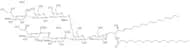
CAS:GT1b ganglioside (ammonium salt) has a core tetrasaccharide structure (Galβ1,3GalNAcβ1,4Galβ1,4Glc) with two sialic acids (NeuAc) linked α2,3/α2,8 to the inner galactose residue, sialic acid (NeuAc) linked α2,3 to the terminal galactose residue, and ceramide linked β to position 1 on the reducing terminal glucose residue (Ledeen, 2009). GT1b ganglioside is one of the major gangliosides in neuronal and glial membranes. It interacts with myelin-associated glycoprotein (MAG) and is essential for long-term axon-myelin stability. GT1b ganglioside also acts as a receptor for bacterial toxins, such as, tetanus and botulinum toxins (Nishiki, 1996), as well as for viruses. A few examples of which include: Merkel cell polyomavirus, JC virus, BK virus, norovirus, and others (Low, 2006).Fórmula:C95H165N5O48·xNH4Pureza:Min. 95%Cor e Forma:PowderPeso molecular:2,145.33 g/mol7-Deoxy-D-glycero-D-gluco-heptitol
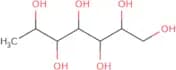
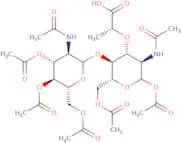
CAS:7-Deoxy-D-glycero-D-gluco-heptitol is a synthetic sugar that can be used as a building block for the synthesis of complex carbohydrates. 7DGDG has shown to be a good substrate for glycosylation and has been modified with fluorine, methyl, and click chemistry. This sugar also shows high reactivity towards saccharide and oligosaccharides. 7DGDG may be useful in the production of polysaccharides or glycosylations.Pureza:Min. 95%2-O-Acetamido-1,6-di-O-acetyl-2-deoxy-4-O-(2-acetamido-3,4,6-tri-O-acetyl-2-deoxy-D-glucopyranosyl)muramic acid
CAS:2-O-Acetamido-1,6-di-O-acetyl-2-deoxy-4-O-(2-acetamido-3,4,6-tri-O-acetyl)muramic acid is a synthetic oligosaccharide. This compound is used in research for the synthesis of glycosylides and glycosidase inhibitors. It can be modified to include fluorine atoms and click chemistry modifications. 2OAAmDDA is soluble in DMSO and acetone. It has a CAS number of 4891465.Fórmula:C29H42N2O18Pureza:Min. 90 Area-%Cor e Forma:PowderPeso molecular:706.65 g/mol1-Chloro-2-deoxy-3,5-di-O-toluoyl-D-ribofuranose
CAS:Synthetic building block for nucleic acid researchFórmula:C21H21ClO5Pureza:Min. 95%Cor e Forma:Off-White PowderPeso molecular:388.84 g/molPsyllium seed gum
CAS:Psyllium seed gum comes from plants of the Plantago genus and is cultivated mainly in the Mediterranian and in India. Psyllium has been used for many years medical applications and more recently there has been a resurgency of interest because it has been seen as a soluble dietary fibre. The proposed structure is of a backbone of D-xylopyranosyl units linked (1,4) and (1,3) with the 4-linked units bearing side chains. The side chains consist of α-L-arabinofuranosyl units linked (1,3) and (1,2) and β-D-xylopyranosyl units linked (1,3) and (1,2) and the α-D-GalAρ-(1,2)-α-L-Rhaρ aldobiuronic acid units linked (1,2) to the main chain.
Fórmula:C33H66O2Pureza:Min. 95%Cor e Forma:PowderPeso molecular:494.90 g/molPhenyl 2,3,4,6-tetra-O-acetyl-a-D-thiomannopyranoside
CAS:Phenyl 2,3,4,6-tetra-O-acetyl-a-D-thiomannopyranoside is an analog of a sugar molecule. This compound can be synthesized by the metathesis reaction between phenyl 2,3,4,6-tetra-O-acetyl-α-(2′→3′)-D-thiomannopyranoside and bis(trimethylsilyl) sulfate in the presence of polyphosphoric acid and potassium sulfate. The yield of this synthesis is high and can be increased with the addition of potassium sulfonate as a cofactor.Fórmula:C20H24O9SPureza:Min. 98%Cor e Forma:PowderPeso molecular:440.46 g/molTri-b-GalNAcAc3-6-aminoheaxanoate TFA
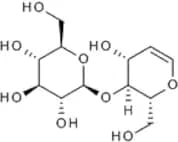
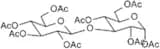
Tri-b-GalNAc-6-aminohexanoate TFA is the peracetylated TFA salt from MT184237. It is a synthetic ligand designed to target the asialoglycoprotein receptor (ASGPR) on hepatocytes. The three terminal beta-N-acetylgalactosamine (GalNAc) sugars provide an efficient ASGPR binding. It serves as a platform for lysosomal targeting chimera (LYTAC) development, allowing for the creation of chimeras that specifically target unwanted proteins for degradation within hepatocytes. In addition, tri-b-GalNAc-6-aminohexanoate facilitates the delivery of therapeutic cargo, such as RNA or Cas9 complexes, directly to hepatocytes via ASGPR-mediated endocytosis. This approach is promising for gene therapy and RNAi applications in the liver due to the specificity of ASGPR targeting and the versatility of the conjugation moiety.Fórmula:C85H140N11O37C2F3O2Pureza:Min. 95 Area-%Peso molecular:2,021.09 g/mol1,2,4,6-Tetra-O-acetyl-3-O-(2,3,4,6-tetra-O-acetyl-b-D-glucopyranosyl)-a-D-glucopyranose
CAS:Acetyl protected laminariboseFórmula:C28H38O19Pureza:Min. 95%Peso molecular:678.6 g/mol1,5-Anhydro-D-glucitol 6-dihydrogenphosphate
CAS:1,5-Anhydro-D-glucitol 6-dihydrogenphosphate is a biochemical analog. It has been shown to have anti-inflammatory effects in rat models of inflammatory bowel disease and metabolic disorders. 1,5-Anhydro-D-glucitol 6-dihydrogenphosphate inhibits the activity of bacterial enzymes that catalyze protein glycosylation. It also blocks the production of inflammatory cytokines and colony stimulating factors. The enzyme inhibition may be due to its ability to inhibit the synthesis of D-glucose from D-galactose by blocking the enzyme DALR (deleted in liver cancer).Fórmula:C6H13O8PPureza:Min. 95%Cor e Forma:PowderPeso molecular:244.14 g/mol2,3,4,6-Tetra-O-acetyl-a-D-mannopyranosyl bromide - stabilised with 2% CaCO3
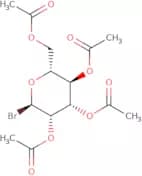
CAS:Donor for Koenigs-Knorr type mannosylation and other anomeric substitutions
Fórmula:C14H19BrO9Pureza:Min. 95%Cor e Forma:Yellow PowderPeso molecular:411.2 g/mol2,3,4-Tri-O-benzyl-D-glucuronide methyl ester
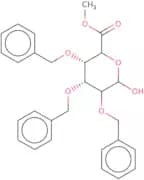
2,3,4-Tri-O-benzyl-D-glucuronide methyl ester is an organic compound that is structurally classified as a saccharide. It can be used as an intermediate in the synthesis of oligosaccharides and glycosylated proteins. This product has been modified with Click chemistry, which is a method for modifying chemical structures with a simple reaction between two groups. The modification is stable in acidic conditions and can be removed by treatment with base. 2,3,4-Tri-O-benzyl-D-glucuronide methyl ester also contains fluorine atoms that have been introduced during the synthetic process.Fórmula:C28H30O7Pureza:Min. 95%Cor e Forma:White PowderPeso molecular:478.53 g/mol1,2,3,4-Tetra-O-acetyl-6-O-(tert-butyldimethylsilyl)-b-D-glucopyranose
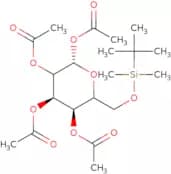
CAS:1,2,3,4-Tetra-O-acetyl-6-O-(tert-butyldimethylsilyl)-b-D-glucopyranose is a custom synthesis of an Oligosaccharide. It is a complex carbohydrate that has been modified with Methylation and Glycosylation. Carbohydrate Click chemistry has been used to modify the sugar molecule with Fluorination. This product is manufactured in high purity and can be used for pharmaceutical purposes.Fórmula:C20H34O10SiPureza:Min. 95%Peso molecular:462.57 g/mol2-Acetamido-3,4,6-tri-O-acetyl-2-deoxy-D-glucohydroximo-1,5-lactone
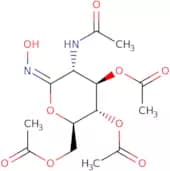
CAS:2-Acetamido-3,4,6-tri-O-acetyl-2-deoxy-D-glucohydroximo-1,5-lactone is a methylated sugar. It is a white to off white powder with a molecular weight of 518. The chemical formula for 2-Acetamido-3,4,6-tri-O-acetyl-2-deoxy--D--glucohydroximo--1,5--lactone is C16H26N2O8 and the structural formula is as follows:br>Fórmula:C14H20N2O9Pureza:Min. 95%Cor e Forma:White PowderPeso molecular:360.32 g/molPhenyl 3,4-di-O-acetyl-2-O-benzyl-a-L-thiofucopyranoside
CAS:This compound is a glycosylation product of the monosaccharide fucose and the disaccharide 2-O-benzyl-a-L-thiofucopyranoside. It is a custom synthesis that has been modified by fluorination, methylation and click chemistry. This product is available in high purity and with a CAS No. 183051-73-2.Pureza:Min. 95%4-O-Methyl-D-glucose
CAS:4-O-Methyl-D-glucose is an acidic sugar that is found in the cell walls of plants. It has been shown to have structural studies on plant cells, with ion-exchange and ester linkages. 4-O-Methyl-D-glucose is metabolized by microorganisms, including bacteria, fungi, and yeast. This sugar can be oxidized to form acid or oligosaccharides as well as oxidation products such as methylglyoxal. 4-O-Methyl-D-glucose is also used in the synthesis of mucopolysaccharides which make up the connective tissue of tumor cells. This sugar can be synthesized from D-mannose by a diazonium salt reaction followed by oxidation with sodium hypochlorite. The hydroxyl group on this sugar can be acetylated to form acetylated 4-O methyl glucose.Fórmula:C7H14O6Pureza:Min. 95%Cor e Forma:White PowderPeso molecular:194.18 g/molN-Acetyl-D-[1,2,3-¹³C3]neuraminic acid
CAS:N-Acetyl-D-[1,2,3-¹³C3]neuraminic acid is a modification of the natural sugar N-acetylneuraminic acid. It can be synthesized by reacting 1,2,3-¹³C3]cytidine with sodium hydroxide and acetic anhydride in methanol. It is a carbohydrate that can be found in many plants and animals. This compound has been shown to inhibit glycosylation and methylation reactions. N-Acetyl-D-[1,2,3-¹³C3]neuraminic acid is also a monosaccharide that belongs to the group of sugars. Due to its high purity and availability, this substance can be used as a substitute for sialic acid in research experiments.Fórmula:C3C8H19NO9Pureza:Min. 95%Cor e Forma:PowderPeso molecular:312.25 g/molD-Cellobial
CAS:This compound has been used in the study of cellulase kineticsFórmula:C12H20O9Pureza:Min. 95%Cor e Forma:PowderPeso molecular:308.28 g/molN-Butyldeoxynojirimycin hydrochloride
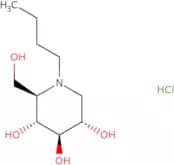
CAS:Competitive inhibitor of ceramide-glycosyltransferase used for substrate reduction therapy in lysosomal storage disorders. It inhibits glucosylceramide synthase, which catalyses the initial step in glycosphingolipid biosynthetic pathway. This compound delays the onset of symptoms in type 1 Gaucher disease, Sandhoff disease and Tay-Sachs disease. It also reduces brain abnormalities in mucolipidosis type IV.
Fórmula:C10H21NO4•HClPureza:Min. 95%Cor e Forma:PowderPeso molecular:255.74 g/mol2,4-O-Benzylidene-D-Threose
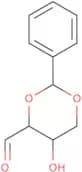
CAS:2,4-O-Benzylidene-D-Threose is a chemical compound that is used as a reagent in the synthesis of glycosphingolipids. It is prepared by the Wittig reaction of 2,4-dibromobenzaldehyde with potassium azide and phytosphingosine. The compound has also been used as a tool in biological studies to study the biosynthesis of glycosphingolipids. This product can react with carbinols to produce acetylides or diphosphate esters. 2,4-O-Benzylidene-D-Threose can be used as a reagent for the synthesis of methylmagnesium chloride, which is a Grignard reagent.Pureza:Min. 95%N-Acetylneuraminic acid dimer 1-O-propylamine
N-Acetylneuraminic acid dimer 1-O-propylamine is a synthetic N-acetylneuraminic acid (NANA) derivative that has been modified with an alkyl amine. This modification prevents the formation of NANA oligosaccharides and is used in the synthesis of complex carbohydrates. It is also used as a fluorinated building block for various saccharides, including monosaccharides, disaccharides, and polysaccharides. The purity of this product is greater than 99%.Pureza:Min. 95%Methyl 2,3,4-tri-O-pivaloyl-6-O-trityl-a-D-galactopyranoside
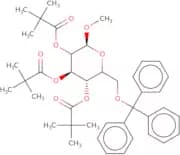
Methyl 2,3,4-tri-O-pivaloyl-6-O-trityl-a-D-galactopyranoside is a sugar with a molecular weight of 576.6 g/mol. The chemical formula for this compound is C36H50O24 and the structural formula is CH2(COOCH2)5(CHO)3(CHOH)4(COOCH2)5. This product can be custom synthesized to order. Methyl 2,3,4-tri-O-pivaloyl-6-O-trityl-a-D galactopyranoside is used in glycosylation reactions as a protecting group for the hydroxyl groups on the carbohydrate chain. It can also be used as a fluorination agent or in Click modification reactions to modify sugars and oligosaccharides. Methyl 2,3,4 tri - O - pFórmula:C41H52O9Pureza:Min. 95%Peso molecular:688.87 g/mol4-Methoxyphenyl 2-O-(3,4,6-tri-O-acetyl-2-deoxy-2-phthalimido-a-D-glucopyranosyl)-3,4-di-O-benzyl-6-O-pivaloy-a-D-mannopyranoside
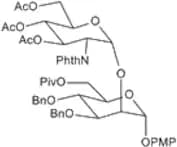
CAS:The chemical name of the compound is 4-Methoxyphenyl 2-O-(3,4,6-tri-O-acetyl-2-deoxy-2-phthalimido-a-D-glucopyranosyl)-3,4-di-O-benzyl--6--O--pivaloyl-[a]-D--mannopyranoside. The molecular formula is C47H69NO17. The molecular weight is 838.10 g/mol. This product is a white to off white solid that has no odor and a sweet taste. Compound can be custom synthesized to customer's specification and purity requirements. The CAS number for this compound is 1820574-70-6.
Fórmula:C52H57NO17Pureza:Min. 95%Peso molecular:968.01 g/molL-Threose - aqueous solution
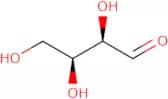
CAS:L-Threose is a sugar molecule that is used as a structural component of DNA and RNA. It is also an important part of the energy metabolism in cells. L-Threose can be enzymatically inactivated by glycosidases, which are enzymes that hydrolyze glycosidic bonds. The inhibition of glycosidases by L-threose may be useful for the prevention or treatment of diseases associated with enzyme activity, such as diabetes mellitus type II. L-Threose has been shown to have inhibitory properties against sephadex G-100, a membrane protein found in bacteria. L-Threose may be useful as a control agent for research into the response element of polymerase chain reaction (PCR).
Fórmula:C4H8O4Pureza:Min. 60 Area-%Cor e Forma:Clear LiquidPeso molecular:120.1 g/molLS-tetrasaccharide c ammonium salt
CAS:Sialylated tetrasaccharide found in human milk, possible health benefits for the neonate by supporting resistance to pathogens, gut maturation, immune function, and cognitive development.Fórmula:C37H62N2O29•NH3Pureza:Min. 95 Area-%Cor e Forma:White PowderPeso molecular:1,015.88 g/molBlood Group H type I trisaccharide
CAS:Core antigen fragment in ABO blood group systemFórmula:C20H35NO15Pureza:Min. 90%Cor e Forma:PowderPeso molecular:529.49 g/molEthyl 2-O-benzyl-b-D-thioglucopyranoside
Ethyl 2-O-benzyl-b-D-thioglucopyranoside is a custom synthesis product. It is an oligosaccharide that contains a saccharide monomer unit with a carbohydrate chain containing between 3 and 10 monomer units. This product has been modified to include fluorine atoms, which confers resistance to degradation by enzymes. The product has been synthesized from ethyl 2-O-benzyl-b-D-thioglucopyranoside and 2,4,5,6-tetrafluoroethanol in the presence of sodium methoxide in methanol at 120 °C for 24 hours.Pureza:Min. 95%N-Nonyldeoxynojirimycin
CAS:Inhibitor and pharmacological chaperone of lysosomal β-glucosidase (glucosylceramidase). The compound binds to the unstable glucosidase active site during the folding and post-translational processing in Golgi apparatus and endoplasmatic reticulum. It is effective in stabilising the enzyme and preventing accumulation of glucosylceramides in models for Gaucher disease, especially in the ones carrying N370S mutation. In addition, it has antiviral activity against Hepatitis C virus, which is mediated by misfolding of viral glycoproteins in the presence of the inhibitor.Fórmula:C15H31NO4Pureza:Min. 95%Cor e Forma:White PowderPeso molecular:289.41 g/mol1-Chloro-1-deoxy-D-fructose
CAS:glycosidase enzyme inhibitor. Formerly code MC04178.
Fórmula:C6H11ClO5Peso molecular:198.60 g/mol4-Aminophenyl a-D-mannopyranoside
CAS:4-Aminophenyl a-D-mannopyranoside is a compound that has been shown to have anti-inflammatory properties. It is also used as a starting material in the synthesis of other drugs. Rats with chronic kidney disease were given 4-aminophenyl a-D-mannopyranoside daily for three weeks, and it was found that this compound prevented the development of kidney injury markers. This drug has also been shown to be effective against mouse strains with nervous system diseases. 4-Aminophenyl a-D-mannopyranoside binds to lysine residues on proteins and prevents the interactions between these residues and the amino acid glutathione, which is required for glut1 uptake in brain cells. This uptake is essential for cellular function, and therefore 4-aminophenyl a-D-mannopyranoside may be useful as chemotherapeutic treatment for brain cancer.
Fórmula:C12H17NO6Pureza:Min. 95%Cor e Forma:Off-White PowderPeso molecular:271.27 g/mol3-Aminopropyl α-D-glucopyranoside
CAS:3-Aminopropyl α-D-glucopyranoside is a monomer that can be used to produce polymers. It has been shown to be effective in methylation, saccharide and oligosaccharide modifications. 3-Aminopropyl α-D-glucopyranoside is an alpha glucosidase inhibitor. The compound also inhibits the action of other enzymes, such as glycosidases, which are responsible for breaking down glycogen and starch. 3-Aminopropyl α-D-glucopyranoside is a white powder with a melting point of about 150°C and boiling point of about 300°C.Fórmula:C9H19NO6Pureza:Min. 95%Cor e Forma:PowderPeso molecular:237.35 g/molGala1-3Galb1-4Glc
CAS:Galacto-oligosaccharides (GOS) are a class of oligosaccharides that consist of galactose, galactose derivatives, and glucose. They are found in the human diet as a result of lactose breakdown by gut bacteria. GOS can bind to glycoconjugates in the human body, such as glycoproteins and glycolipids, and have been shown to be effective in preventing the growth of pathogens. Galacto-oligosaccharides are also synthetically produced, using a chromatographic method that separates them into individual sugars, where they can be used for research or diagnostic purposes. The biosynthesis of GOS is also known; it is an enzyme-catalyzed reaction involving calcium ions. This process is regulated by Ca2+ signaling, which leads to an increase in the production of GOS when there is a need for more immune cells or white blood cells.Fórmula:C18H32O16Pureza:Min. 90 Area-%Cor e Forma:White PowderPeso molecular:504.44 g/molMethyl 2,3,4-tri-O-acetyl-b-D-galactopyranuronosyl azide
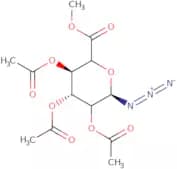
This is a custom synthesis of a carbohydrate. It is a methylated, glycosylated, fluorinated, complex carbohydrate that can be synthesized to any desired degree of substitution. This product has been designed for use as a fluorescent tag or label in biochemistry and cell biology research. It is modified at the anomeric position with an acetyl group and an azide group. The acetyl group confers solubility in water, while the azide group confers fluorescence. The modifications also allow for click chemistry reactions, which are used in protein labeling and activation studies.Fórmula:C13H17N3O9Pureza:Min. 95%Cor e Forma:PowderPeso molecular:359.29 g/mol6-O-(a-D-Mannopyranosyl)-D-mannose
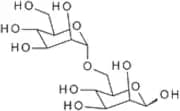
CAS:Produced by the reverse hydrolysis of a mannose substrate. Isolated from the partial hydrolysates of bakers' yeast (Saccharomyces cerevisiae) mannan. This disaccharide also forms the sugar portion of the phospholipid, phosphatidylinositodimannoside, of Mycobacterium tuberculosis.Fórmula:C12H22O11Pureza:Min. 95%Cor e Forma:White PowderPeso molecular:342.3 g/molChitotriose trihydrochloride
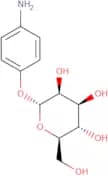
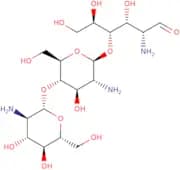
CAS:Chitotriose trihydrochloride is a modification of chitin, an oligosaccharide. Chitotriose trihydrochloride is a synthetic carbohydrate which is used as a raw material for the production of fibers, films, and adhesives. It can be used in the synthesis of complex carbohydrates such as starch and glycogen. Chitotriose trihydrochloride is a high purity carbohydrate with CAS No. 41708-93-4 that can be used to produce glycosylated proteins or polysaccharides.Fórmula:C18H35N3O13·3HClPureza:Min. 95 Area-%Cor e Forma:PowderPeso molecular:610.87 g/mol4-Aminophenyl-α-D-glucopyranoside
CAS:4-Aminophenyl-alpha-D-glucopyranoside is a natural product that has been found to be an antigen. The compound has been shown to have anticancer activity, which may be due to its ability to inhibit the growth of cells and induce apoptosis. 4-Aminophenyl-alpha-D-glucopyranoside also possesses magnetic properties. The chemical structure of this compound is characterized by an acrylate group, which is a small organic molecule with two carbon atoms and one oxygen atom. This compound is synthesized in a preparative manner using methoxy, ethyl bromoacetate, and mesitylene in the presence of irradiation. NMR spectroscopy can be used for the characterization of this compound as well as other compounds with similar structures that are catalytic in nature.Fórmula:C12H17NO6Pureza:Min. 98.0 Area-%Peso molecular:271.27 g/molMaltoheptaose tricosaacetate
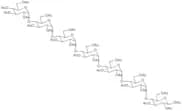
CAS:CO2-philic compound; used in pharmaceuticals and CO2-based processesFórmula:C88H118O59Pureza:Min. 95%Cor e Forma:PowderPeso molecular:2,119.92 g/molMethyl α-L-idopyranosiduronic acid sodium
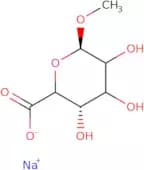
CAS:Methyl a-L-idopyranosiduronic acid sodium salt is an impedance sensor that has been developed for use in electroanalytic research. The sensor consists of a monolayer of mammalian cells that are grown on a microfabricated substrate and visualized using microscopy. Methyl a-L-idopyranosiduronic acid sodium salt is used to measure the biophysical properties of muscle cells, such as their phenotype, by measuring the electrical resistance of the cell membrane. This can be used to characterize muscle disorders and identify new drug targets for regenerative medicine.Fórmula:C7H12O7•NaPureza:Min. 95 Area-%Cor e Forma:SolidPeso molecular:231.15 g/mol5-Azido-5-deoxy-1,2-O-isopropylidene-a-D-galactofuranose
5-Azido-5-deoxy-1,2-O-isopropylidene-a-D-galactofuranose is a synthetic sugar that can be modified to create oligosaccharide and polysaccharides. It has been used in click chemistry to modify proteins and other biomolecules. This product is used for fluorination of sugars, methylation of monosaccharides, and modification of saccharides with a variety of functional groups. 5-Azido-5-deoxy-1,2-O-isopropylidene-a-D galactofuranose is also used for the synthesis of complex carbohydrates. This product can be purchased in large quantities for custom synthesis orders.Pureza:Min. 95%Cyanomethyl 2,3,4,6-tetra-O-acetyl-b-D-thioglucopyranoside
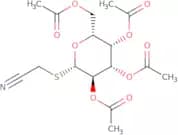
CAS:Cyanomethyl 2,3,4,6-tetra-O-acetyl-b-D-thioglucopyranoside is a synthetic glycosylation agent. It is an acetal derivative of b-D-thioglucopyranoside with a terminal methyl group at C2 and a fluorine atom at C6. This product can be used to modify saccharides and sugars in a variety of ways. It has been shown to react with various carbohydrates including polysaccharides and oligosaccharides. Synthetic glycosylations are often used in the synthesis of complex carbohydrates for use in pharmaceuticals or chemical engineering. The CAS number for this product is 61145-33-3.Fórmula:C16H21NO9SPureza:Min. 95%Peso molecular:403.41 g/mol



![N-[2-(4'-Nitrophenyl)-1-cyano-3-butene]-2,3,4,6-tetra-O-pivaloyl-D-glucopyranoside](/_next/image/?url=https%3A%2Fstatic.cymitquimica.com%2Fproducts%2F3D%2Fthumb-webp%2FMN08500.webp&w=3840&q=75)





![N-Acetyl-D-[1,2,3-¹³C3]neuraminic acid](/_next/image/?url=https%3A%2Fstatic.cymitquimica.com%2Fproducts%2F3D%2Fthumb-webp%2FMA182016.webp&w=3840&q=75)