Glicociência
Subcategorias de "Glicociência"
- Amino açúcares(108 produtos)
- Anticorpos Glico-Relacionados(282 produtos)
- Glicolípidos(46 produtos)
- Glicosaminoglicanos (GAGs)(55 produtos)
- Glicosídeos(419 produtos)
- Monossacáridos(6.616 produtos)
- Oligossacarídeos(3.718 produtos)
- Polissacáridos(502 produtos)
Foram encontrados 11010 produtos de "Glicociência"
(3αR,3βR,4αS,5S,5αS)-3β-[[[(1,1-Dimethylethyl)diphenylsilyl]oxy]methyl]hexahydro-2,2-dimethylcyclopropa[3,4]cyclopenta[1,2-d]-1,3-di oxol-5-ol
CAS:(1R,2R,3S,4S,5S)-1-(tert-Butyldiphenyl)silyloxymethyl-2,3-dioxy-O,O-isopropylidenebicyclo[3.1.0]hexan-4-ol is a sugar derivative that is used in the synthesis of saccharides and oligosaccharides. It can be fluorinated using the Click modification to create synthetic sugars for use in glycosylation reactions. This compound can be custom synthesized to meet your needs and specifications.
Fórmula:C26H34O4SiPureza:Min. 95%Cor e Forma:PowderPeso molecular:438.63 g/mol1,2-O-Isopropylidene-5-O-p-toluenesulfonyl-a-D-xylofuranose
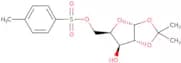
CAS:1,2-O-Isopropylidene-5-O-p-toluenesulfonyl-a-D-xylofuranose is a carbohydrate that belongs to the group of oligosaccharides. It is a synthetic saccharide that can be used in the production of various glycosylated and methylated compounds. This compound can be custom synthesized to order, with high purity and low price. The synthesis of 1,2-O-Isopropylidene-5-O-p-toluenesulfonyl-a-D -xylofuranose is accomplished through a click modification reaction between 1,2:5,6:7,8:9,10:11:12:13:14:15:16:17-(1H,6H)-heptaoxacyclooctadecane and pyridine.Fórmula:C15H20O7SPureza:Min. 95%Peso molecular:344.39 g/mol1-Deoxy-L-erythrulose
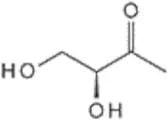
CAS:1-Deoxy-L-erythrulose is an electron acceptor that is a non-essential cofactor for the enzyme reductoisomerase. It binds to the active site of the enzyme and stabilizes its conformation, which leads to the formation of a dianion. 1-Deoxy-L-erythrulose also acts as an activator for phosphite, which is a transition state analog. This activation leads to the formation of ATP and NADPH as products.Fórmula:C4H8O3Pureza:Min. 95%Peso molecular:104.1 g/molXyloglucan
CAS:Xyloglucans are members of a group of polysaccharides typically refered to as hemicelluloses. Hemicelluloses are plant cell wall polysaccharides that are not solubilized by water but are solubilized by aqueous alkali (e.g. 1 and 4M KOH). Other hemicellulosic polysaccharides include xylan, glucuronoxylan, arabinoxylan, mannan, glucomannan and galactoglucomannan. Hemicelluloses have a backbone of 1,4-linked β-D-pyranosyl residues in which O4 is in the equatorial orientation (e.g. Glc, Man, and Xyl). Xyloglucan is the predominant hemicellulose in the primary walls of dicots and non-graminaceous monocots and may account for up to 20% of the dry weight of the primary wall. Xyloglucan has a backbone composed of 1,4-linked β-D-Glcp residues. Up to 75% of these residues are substituted at O6 with mono-, di-, or triglycosyl side chains.Pureza:(Dry Basis) Min. 95%Cor e Forma:PowderPhenyl 4,6-O-benzylidene-b-D-thiogalactopyranoside
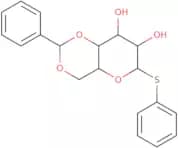
CAS:Phenyl 4,6-O-benzylidene-b-D-thiogalactopyranoside is a synthetic monosaccharide that is custom synthesized. It has a CAS number of 138922-03-9 and can be used in the modification of complex carbohydrates, saccharides, oligosaccharides, and polysaccharides. It is also used for methylation and fluorination. Phenyl 4,6-O-benzylidene-b-D-thiogalactopyranoside has a molecular weight of 270.27 g/mol and a melting point of 221 degrees Celsius.Fórmula:C19H20O5SPureza:Min. 95%Cor e Forma:PowderPeso molecular:360.42 g/mol3-O-Triisopropylsilyl-4,6-O-p-methoxybenzylidene-D-glucal
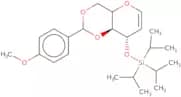
CAS:3-O-Triisopropylsilyl-4,6-O-p-methoxybenzylidene-D-glucal is a glycosylation reagent that is used to modify the carbohydrate chains of proteins. It can be applied in the synthesis of complex carbohydrates and oligosaccharides. This compound has been shown to have high reactivity with a wide range of sugars. 3-O-Triisopropylsilyl-4,6-O-p-methoxybenzylidene-D-glucal can be used for the preparation of saccharides and it's also known for its methylation properties.Fórmula:C23H36O5SiPureza:Min. 95%Peso molecular:420.61 g/molTipranovir b-D-glucuronide
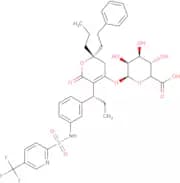
CAS:Tipranovir b-D-glucuronide is a high purity, custom synthesis, sugar modified, fluorinated, glycosylated, and methylated oligosaccharide that has been modified to form a complex carbohydrate. It is synthesized from saccharides and monosaccharides using Click chemistry. The glycosylation of the molecule can be achieved by either the addition of a glycosyl donor or removal of an alcohol group. Tipranovir b-D-glucuronide also contains a methyl group on the C6 hydroxyl position. This molecule is used as a synthetic intermediate in the production of pharmaceuticals and other products.Fórmula:C37H41F3N2O11SPureza:Min. 95%Peso molecular:778.79 g/molAllyl 2,3-di-O-benzyl-a-D-glucopyranoside
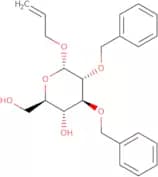
CAS:Allyl 2,3-di-O-benzyl-a-D-glucopyranoside is a plant growth regulator that stimulates callus formation. It belongs to the group of auxins and has been shown to promote callus growth in Arabidopsis thaliana cultivars, such as glaberrima and kinetin. This compound has also been shown to stimulate the formation of calli from coconut explants.Fórmula:C23H28O6Pureza:Min. 95%Peso molecular:400.46 g/mol2,3,4-Tri-O-acetyl-α-L-fucopyranosyl bromide
CAS:2,3,4-Tri-O-acetyl-alpha-L-fucopyranosyl bromide is a methylated alpha-L-fucopyranosyl bromide that is used as a glycosylation reagent for the synthesis of complex carbohydrates. It is also used in Click chemistry and has been shown to be an effective and selective glycosylation agent. 2,3,4-Tri-O-acetyl-alpha-L-fucopyranosyl bromide is available at high purity and can be custom synthesized to your specifications. This compound has CAS number 16741-27-8 and is listed on the FDA Inactive Ingredient Database (IID).Fórmula:C12H17BrO7Peso molecular:353.16 g/molRef: 3D-T-5921
1gA consultar5gA consultar250mgA consultar500mgA consultar2500mgA consultar-Unit-ggA consultarCYMAL-5 neopentyl glycol
CAS:CyMAL-5 neopentyl glycol is a membrane protein that is n-glycosylated. Its deglycosylation has been shown to be inhibited by light exposure, which may lead to an increase in the population of this protein. CyMAL-5 neopentyl glycol is a ligand for the G protein coupled receptor and can be used as a fluorescent probe for labeling and staining. It has been shown that the binding of this ligand to the receptor alters its conformation, causing it to activate downstream signaling pathways. The crystal structure of CyMAL-5 neopentyl glycol has also been determined, revealing its large size and shape.
Fórmula:C45H80O22Pureza:Min. 95%Peso molecular:973.1 g/molO-(Methyl b-D-glucopyranosyluronate)-(1,3)-2-deoxy-2-trichloroacetamido-D-galactopyranose
Methyl b-D-glucopyranosyluronate- (1,3)-2-deoxy-2-trichloroacetamido-D-galactopyranose is a fluorinated sugar that is synthesized from the glycosylation of methyl 2,3,4,6-tetrafluoro-b-D-(1,3) glucopyranoside with trichloroacetyl D-(1,3) galactopyranose. This compound is soluble in water and has a CAS number of 1058858. This product can be used as a reagent for glycosylation reactions such as Click chemistry and Methylation. It also has applications in carbohydrate modification and high purity custom synthesis.Pureza:Min. 95%2-(Benzyloxycarbonylamino)-2-deoxy-D-galactose
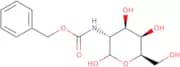
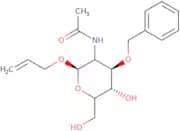
CAS:2-(Benzyloxycarbonylamino)-2-deoxy-D-galactose is a synthetic, fluorinated carbohydrate. It is a monosaccharide with the chemical formula C6H11NO5 and is soluble in water. The glycosylation of 2-(benzyloxycarbonylamino)-2-deoxy-D-galactose has been shown to be more stable than that of other sugars, such as glucose or maltose. This modification can be accomplished by a click reaction. 2-(Benzyloxycarbonylamino)-2-deoxy-D-galactose can be used to modify proteins, such as antibodies and enzymes, by glycosylating amino acid residues on the protein surface.Fórmula:C14H19NO7Pureza:Min. 95%Peso molecular:313.3 g/molAllyl 2-acetamido-3-O-benzyl-2-deoxy-b-D-glucopyranose
CAS:Allyl 2-acetamido-3-O-benzyl-2-deoxy-b-D-glucopyranose is a modification of allyl 2,3,4,6,7,8,-hexahydroxyheptopyranose. It is an oligosaccharide that is a member of the carbohydrate family. Allyl 2-acetamido-3-O-benzyl -2deoxy-b D glucopyranose is synthesized by methylating and glycosylating allyl 2,3,4,6,7,8 hexahydroxyheptopyranose with acetic acid in the presence of sulfuric acid. This compound has CAS number 65730-00-9.Fórmula:C18H25NO6Pureza:Min. 95%Peso molecular:351.4 g/molBenzyl 2-acetamido-3,6-di-O-benzyl-2-deoxy-b-D-glucopyranoside
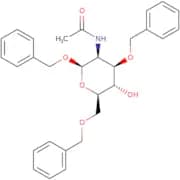
CAS:Benzyl 2-acetamido-3,6-di-O-benzyl-2-deoxy-b-D-glucopyranoside is a glycosylation reagent that has been modified with the Click reaction. This product is a white powder that is soluble in water. It has a molecular weight of 637.3 and an assay of 99% by HPLC.Pureza:Min. 95%Methyl 2,3-di-O-benzoyl-4,6-O-benzylidene-b-D-galactopyranoside
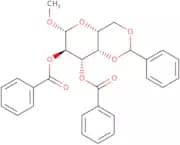
CAS:Methyl 2,3-di-O-benzoyl-4,6-O-benzylidene-b-D-galactopyranoside is a custom synthesis that belongs to the class of complex carbohydrates. This compound is an oligosaccharide or a polysaccharide that has been modified by methylation and glycosylation. The modification of this saccharide with methyl groups allows for fluorination which is a click modification. Methyl 2,3-di-O-benzoyl-4,6-O-benzylidene b -D galactopyranoside is synthesized via glycosylation followed by fluorination. This product can be used as a research chemical or in other applications.
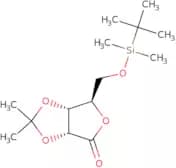
Fórmula:C28H26O8Pureza:Min. 95%Peso molecular:490.5 g/mol5-O-tert-Butyldimethylsilyl-2,3-O-isopropylidene-D-ribono-1,4-lactone
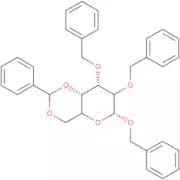
CAS:5-O-tert-Butyldimethylsilyl-2,3-O-isopropylidene-D-ribono-1,4-lactone is a synthetic sugar. It is an intermediate used in the synthesis of oligosaccharides and saccharides. 5-O-tert-Butyldimethylsilyl-2,3-O-isopropylidene lactone is also used for click chemistry modifications for complex carbohydrates. The chemical compound is soluble in water and has high purity. This product does not contain any other substances that may be harmful to humans or the environment.Fórmula:C14H26O5SiPureza:Min. 95%Peso molecular:302.44 g/mol1,2,3-Tri-O-benzyl-4,6-O-benzylidene-b-D-galactopyranose
CAS:1,2,3-Tri-O-benzyl-4,6-O-benzylidene-b-D-galactopyranose is a saccharide that is used as a building block for the synthesis of oligosaccharides and polysaccharides. It has been modified with fluorination, methylation, and click chemistry. 1,2,3-Tri-O-benzyl-4,6-O-benzylidene-b-D-galactopyranose is CAS No. 57783–80–9. This product can be custom synthesized to meet your needs.Fórmula:C34H34O6Pureza:Min. 95%Peso molecular:538.63 g/mol1,2-Dipalmitoyl-sn-glycero-3-phospho-(1'-myoinositol-4'-phosphate)
CAS:1,2-Dipalmitoyl-sn-glycero-3-phospho-(1'-myoinositol-4'-phosphate) is a lipid kinase that has been shown to be localized in the cytoplasm. This enzyme is activated by receptor activity and autophagy, and plays a role in protein transport. It also activates phosphatase activity which regulates the actin cytoskeleton, and can be regulated by insulin-stimulated glucose levels. 1,2-Dipalmitoyl-sn-glycero-3-phospho-(1'-myoinositol-4'-phosphate) has been shown to have a regulatory function in epidermal growth factor (EGF)-induced cell proliferation. The physiological function of this enzyme is not yet known.
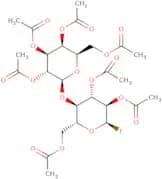
Fórmula:C41H80O16P2Pureza:Min. 95%Peso molecular:891.01 g/mol2,3,6,2',3',4',6'-Hepta-O-acetyl-a-D-lactosyl fluoride
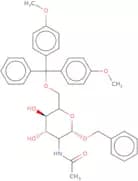
CAS:2,3,6,2',3',4',6'-Hepta-O-acetyl-a-D-lactosyl fluoride (HAP) is a synthetic compound that has been modified with fluorine and methyl groups. It is a monosaccharide with a glycosylation pattern that includes a terminal glucose unit. HAP has been shown to be an effective carbohydrate in the synthesis of complex carbohydrate structures.Fórmula:C26H35FO17Pureza:Min. 95%Peso molecular:638.54 g/molBenzyl 2-acetamido-2-deoxy-6-O-DMT-a-D-galactopyranoside
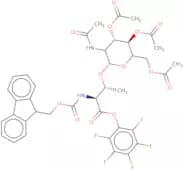
Benzyl 2-acetamido-2-deoxy-6-O-DMT-a-D-galactopyranoside is a synthetic monosaccharide that has been modified with fluorine and acetamide groups. It has shown to have a high degree of purity, which is an indication of its quality. This product is used in the modification of complex carbohydrates, such as saccharides and oligosaccharides, for research purposes. Benzyl 2-acetamido-2-deoxy-6-O-DMT-a-D-galactopyranoside is available for custom synthesis upon request.Fórmula:C36H39NO8Pureza:Min. 95%Peso molecular:613.7 g/mol2-Acetamido-3,4,6-tri-O-acetyl-2-deoxy-a-D-galactopyranosyl-L-threonine pentafluorophenyl ester
CAS:This product is a modification of a complex carbohydrate that has been synthesized from D-galactose and L-threonine. It is an Oligosaccharide, Carbohydrate, Custom synthesis, Synthetic, High purity, Monosaccharide, Methylation, Glycosylation, Polysaccharide with a CAS No. 182369-94-4. This product is fluorinated at the 2 position of the acetamido group. The saccharide unit has been methylated at the 2 position of the acetamido group. This product is also glycosylated at the 6 position of the acetamido group and it is an alpha-linked sugar.Fórmula:C39H37F5N2O13Pureza:Min. 95%Peso molecular:836.71 g/mol4-Methoxyphenyl 2-azido-4,6-O-benzylidene-2-deoxy-a-D-galactopyranose
CAS:4-Methoxyphenyl 2-azido-4,6-O-benzylidene-2-deoxy-a-D-galactopyranose is a custom synthesis of an oligosaccharide. It is a polysaccharide that contains a modified sugar with a methyl group at position C6 and a benzyl group at position 4. The glycosylation of this sugar is the result of an enzymatic process involving the transfer of glucose from UDP to C6. This modification is called Click chemistry, which can be done in vivo or in vitro using chemical reactions. This product has high purity and can be used as an inhibitor for bacterial growth or as a catalyst for organic synthesis.Fórmula:C20H21N3O6Pureza:Min. 95%Peso molecular:399.4 g/mol8-Methoxycarbonyloctyl 2-deoxy-2-phthalimido-b-D-glucopyranoside
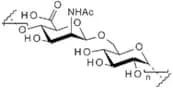
CAS:8-Methoxycarbonyloctyl 2-deoxy-2-phthalimido-b-D-glucopyranoside is a glycoconjugate that is used as an anti-tumor agent. It is a synthetic glycosaminoglycan with a polysaccharide backbone and fluorinated saccharide branches. The monosaccharides are linked by methylene bridges, and the oligosaccharides are modified with methoxycarbonyl groups. This compound has been shown to have activity against tumor cells in vitro and in vivo, and it may be useful for the treatment of cancer. 8-Methoxycarbonyloctyl 2-deoxy-2-phthalimido-b-D-glucopyranoside can be synthesized on request.Fórmula:C24H33NO9Pureza:Min. 95%Peso molecular:479.52 g/molTeichuronic acid
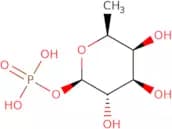
CAS:Teichuronic acid is isolated from the cell walls of Micrococcus luteus. The structure has been elucidated as [ManNAcUAp-(β-1,6)-Glcp-(α -1,4)]n.Pureza:Min. 95%β-L-Fucopyranosyl phosphate
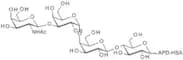
CAS:b-L-Fucopyranosyl phosphate is a glycosylphosphate that is expressed on the cell surface of many organisms and is an analog of the natural sugar. It has been shown to be a competitive inhibitor, uncompetitive inhibitor, or stereoselective of glycoconjugates. b-L-Fucopyranosyl phosphate binds to the lectin receptor by binding at the monosaccharide in the terminal position, which prevents the attachment of glycoconjugates to this receptor. This binding decreases cellular adhesion and causes cells to become less adherent to other cells or surfaces. The ph optimum for b-L-fucopyranosyl phosphate is 7.5 and it can be used in vitro as a preparative hplc column eluent for lectins.Fórmula:C6H13O8PPureza:Min. 95%Cor e Forma:PowderPeso molecular:244.14 g/molGlobo-N-tetraose-APD-HSA
Globo-N-tetraose conjugated to HSA with acetyl-phenylenediamine spacerPureza:Min. 95%Thioglucosides
Thioglucosides are a type of sugar that is modified with a thiol group at the C-3 position. A thioglucose can be synthesized by methylation, click modification, and fluorination. Thioglucoses have been used in the past for the production of oligosaccharides and polysaccharides, as well as in complex carbohydrate research. They are also used in the production of high purity monosaccharide sugars. This product is available for custom synthesis to meet your needs.
Pureza:Min. 95%Blood group B trisaccharide-GEL
Gala1-3(Fuca1-2)Gal Conjugated to BSA on Fractogel with glycosylamine formationPureza:Min. 95%2-Deoxy-2-fluoro-2-C-methyl-D-ribofuranose
2-Deoxy-2-fluoro-2-C-methyl-D-ribofuranose is a carbohydrate that contains a single sugar (monosaccharide) with the chemical formula C5H8O4. This compound is a synthetic monosaccharide that has been modified by fluorination, methylation, and glycosylation. It is often used in custom synthesis to create oligosaccharides or complex carbohydrates. 2DFFR can be ordered in high purity and has CAS No. 59737-89-7.Pureza:Min. 95%Ethyl 3-O-benzyl-4,6-O-benzylidene-b-D-thioglucopyranoside
Ethyl 3-O-benzyl-4,6-O-benzylidene-b-D-thioglucopyranoside is a custom synthesis of an oligosaccharide with a complex carbohydrate. It has been modified with methylation and glycosylation and can be used in the production of high purity saccharides. Ethyl 3-O-benzyl-4,6-O-benzylidene-b-D-thioglucopyranoside is synthesized by the fluorination of ethyl bromoacetate with sodium fluoride followed by alkylation with benzaldehyde. This product has a CAS number and can be used for food or pharmaceutical purposes.Pureza:Min. 95%2-Acetamido-1,3,4-tri-O-acetyl-6-azido-2,6-dideoxy-D-galactopyranose
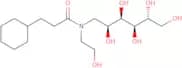
CAS:Please enquire for more information about 2-Acetamido-1,3,4-tri-O-acetyl-6-azido-2,6-dideoxy-D-galactopyranose including the price, delivery time and more detailed product information at the technical inquiry form on this pageFórmula:C14H20N4O8Pureza:Min. 95%Peso molecular:372.33 g/molCyclohexylpropanoyl-N-Hydroxyethylglucamide
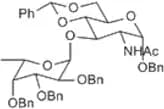
CAS:Cyclohexylpropanoyl-N-Hydroxyethylglucamide is a custom synthesis of a complex carbohydrate with high purity and high quality. This compound is an Oligosaccharide, Polysaccharide, and Modification. It is also a CAS No. 864434-14-0, Methylation, Glycosylation, Carbohydrate, Click modification, sugar and Fluorination. Cyclohexylpropanoyl-N-Hydroxyethylglucamide has been synthesized with Fluorination for use in the synthesis of new compounds.Fórmula:C17H33NO7Pureza:Min. 95%Peso molecular:363.45 g/molBenzyl 2-acetamido-3-O-(2,3,4-tri-O-benzyl-a-L-fucopyranosyl)-4,6-O-benzylidene-2-deoxy-a-D-glucopyranoside
CAS:Benzyl 2-acetamido-3-O-(2,3,4-tri-O-benzyl-a-L-fucopyranosyl)-4,6-O-benzylidene-2-deoxy-a-D-glucopyranoside is a high purity custom synthesis sugar. This compound has been synthesized by Click modification of the amino acid glycoside and fluorination of the sugar. It is an Oligosaccharide with a saccharide chain composed of Monosaccharides and Carbohydrates. The CAS number for this compound is 196941 – 73 – 8.Fórmula:C49H53NO10Pureza:Min. 95%Peso molecular:815.95 g/mol4-Toluoyl-2-O-benzyl-4,6-O-benzylidene-a-D-thiomannopyranoside
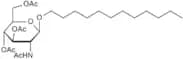
CAS:4-Toluoyl-2-O-benzyl-4,6-O-benzylidene-a-D-thiomannopyranoside is an oligosaccharide that contains a sugar moiety. It is synthetically derived from a sugar, such as D-glucose. This compound has been modified with fluorination and methylation. The resulting product is water soluble and can be used as a reagent in glycosylation reactions to form complex carbohydrates.Fórmula:C27H28O5SPureza:Min. 95%Peso molecular:464.57 g/molDodecyl 2-acetamido-3,4,6-tri-O-acetyl-2-deoxy-b-D-glucopyranoside
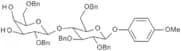
CAS:Dodecyl 2-acetamido-3,4,6-tri-O-acetyl-2-deoxy-b-D-glucopyranoside is a kinetic probe that can be used to measure the activity of cellular enzymes. The production of this probe is mediated by the enzyme profile and is influenced by kinetic parameters such as the substrate concentration, rate of reaction, and the concentrations of reactants. The profile can be determined by profiling experiments in which cells are grown with varying concentrations of substrate or varying rates of reaction. Dodecyl 2-acetamido-3,4,6-tri-O-acetyl-2-deoxyb -D -glucopyranoside can be used to study microorganisms such as bacteria and photosynthetic organisms that use polypeptides for catalysis. This probe can also be recycled to yield more probes for future experiments.Fórmula:C26H45NO9Pureza:Min. 95%Peso molecular:515.64 g/mol4-Methoxyphenyl 2,3,6-tri-O-benzyl-4-O-(2,6-di-O-benzyl-b-D-galactopyranosyl)-b-D-glucopyranoside
CAS:4-Methoxyphenyl 2,3,6-tri-O-benzyl-4-O-(2,6-di-O-benzyl-b-D-galactopyranosyl)-b-D-glucopyranoside is a custom synthesis that belongs to the class of complex carbohydrate. It has been modified by methylation and glycosylation. This product is a fluorinated saccharide and has been synthesized using click chemistry. The purity of this product is high.Fórmula:C54H58O12Pureza:Min. 95%Peso molecular:899.03 g/molN-(1-Deoxy-D-fructos-1-yl)-L-serine
CAS:The N-glycation of proteins is a process that occurs when protein reacts with glucose, which is called glycation. This process can lead to the formation of reactive oxygen species and subsequent oxidative stress. The oxidation of proteins can also lead to the formation of advanced glycation end products (AGEs), which are associated with complications such as diabetes, atherosclerosis, and cataracts. This product is an example of a protein that has undergone glycation. It has been shown to react with glucose in an enzymatic reaction and form glucose-derivatives called fructosamines, which are used for monitoring the level of glycation in humans. Fructosamines have been correlated with basic treatments such as medications or insulin therapy.Fórmula:C9H17NO8Pureza:Min. 95%Peso molecular:267.23 g/molCellotrionic acid
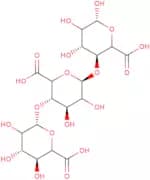
CAS:Cellotrionic acid is a biochemical that is found in the cell walls of bacteria. It is also known as Cellotriose, which is a type of sugar molecule. Cellotriose is composed of three molecules of glucose and it has reactive hydroxy groups. Hydroxy groups are reactive because they can form hydrogen bonds with other molecules. Cellotrionic acid has been shown to have a redox potential, which means that it can either accept or donate electrons. The crystalline structure of cellotrionic acid is similar to that of glucose and can be represented by the formula C6H8O6. Cellotrionic acid has been shown to have aerobic properties, meaning it requires oxygen for metabolism. One example of an aerobic process where cellotrionic acid participates in is the transfer of electrons during the oxidation-reduction reactions in photosynthesis. This biochemical also participates in glycolysis, which occurs during cellular respiration when sugars are broken down into smaller fragments
Fórmula:C18H32O17Pureza:Min. 95%Peso molecular:520.44 g/molHexyl 2-acetamido-3,4,6-tri-O-acetyl-2-deoxy-b-D-glucopyranoside
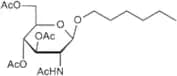
CAS:Hexyl 2-acetamido-3,4,6-tri-O-acetyl-2-deoxy-b-D-glucopyranoside is a compound that is used in the research of cellular biology. It was found to have a significant effect on gene expression levels. This compound has been shown to be able to alter the expression profile of cells and may be useful for understanding how different genes affect cell function. The high density microarray provides a highly sensitive and accurate way to measure changes in gene expression levels.Fórmula:C20H33NO9Pureza:Min. 95%Peso molecular:431.48 g/molOctadecyl 2-acetamido-3,4,6-tri-O-acetyl-2-deoxy-b-D-glucopyranoside
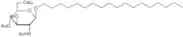
CAS:Octadecyl 2-acetamido-3,4,6-tri-O-acetyl-2-deoxy-b-D-glucopyranoside is a synthetic monosaccharide that has been modified with a click chemistry. It is also known as octadecyl 2-(N′,N′′-(diacetoxyacetyl)-2′,3′,4′,6′-triacetyl)alpha,alpha″-(1″→4″→1″)dideoxygalactopyranosiduronic acid. This compound is an oligosaccharide that consists of a chain of three sugar units and may have a glycosylation site at either position 1 or 4. Octadecyl 2-(N′,N′′-(diacetoxyacetyl)-2’,3’,4’,6’-triacetyl)alpha,alpha”-(Fórmula:C32H57NO9Pureza:Min. 95%Peso molecular:599.8 g/mol6-Chloro-6-deoxy-D-glucitol
6-Chloro-6-deoxy-D-glucitol is a synthetic sugar, in which the D-glucose moiety has been substituted with a 6-chloro group. It is an important precursor for the synthesis of many complex carbohydrates and polysaccharides. The product can be used as a methylating agent to modify saccharides, oligosaccharides, and polysaccharides. The product is also used to modify sugars by glycosylation, fluorination, or click chemistry. In addition, this product can be used as a starting material for the synthesis of other sugars via glycosylation or fluorination.Fórmula:C6H13ClO5Pureza:Min. 95%Peso molecular:200.62 g/mol(Hydroxypropyl)methyl cellulose - Viscocity 75000-140000 cP, 2 % in H2O
CAS:Viscoelastic polymer; excipient; food additivePureza:Min. 95%Octyl 2,3,4,6-tetra-O-acetyl-b-D-thioglucopyranoside
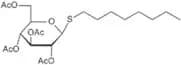
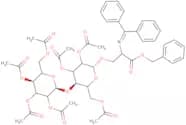
CAS:Octyl 2,3,4,6-tetra-O-acetyl-b-D-thioglucopyranoside is a chemical that is used to evaluate renal injury. It is typically detected in the urine of patients with renal injury and can be correlated with prognosis. Octyl 2,3,4,6-tetra-O-acetyl-b-D-thioglucopyranoside has been shown to be useful for the diagnosis of renal injury by detecting protein or body fluid in the reagents and assays. This substance is also used to detect protein in body fluids such as urine.Fórmula:C22H36O9SPureza:Min. 95%Cor e Forma:White PowderPeso molecular:476.58 g/molN-Diphenylmethylene-O-(2,3,6,2',3',4',6'-hepta-O-acetyl-b-D-lactosyl)-L-serine, benzyl ester
CAS:N-Diphenylmethylene-O-(2,3,6,2',3',4',6'-hepta-O-acetyl-b-D-lactosyl)-L-serine, benzyl ester is a complex carbohydrate that is used for the modification of saccharides. This compound has been synthesized using Click chemistry and NMR spectroscopy. It has a CAS number of 337903-59-0 and is an off white solid with a melting point of 155°C to 158°C.Fórmula:C49H55NO20Pureza:Min. 95%Peso molecular:977.96 g/molHyaluronate fluorescein - Molecular Weight - 50kDa
Hyaluronate fluorescein is a synthetic, high purity, custom-synthesized molecular weight of 50kDa. It is a complex carbohydrate with a sugar backbone and many attached monosaccharides. Hyaluronate fluorescein has been modified by methylation and glycosylation. This product can be used for fluorescent labeling of oligosaccharides and carbohydrates.Pureza:Min. 95%2-Deoxy-2-fluoro-D-lactose
Used for studies of the D-lactose pathway by non-invasive techniques, using ¹â¹F-NMR spectroscopy or positron emission from the ¹âžF-labeled compound.
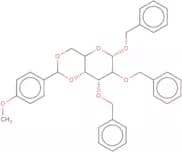
Fórmula:C12H21O10FPureza:Min. 95%Cor e Forma:White PowderPeso molecular:344.29 g/mol1,2,3-Tri-O-benzyl-4,6-O-(4-methoxybenzylidene)-a-D-mannopyranoside
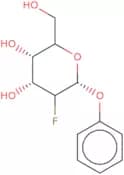
Ai Product Descriptions 50 CreativeFórmula:C35H36O7Pureza:Min. 95%Peso molecular:568.66 g/molPhenyl 2-deoxy-2-fluoro-a-D-glucopyranoside
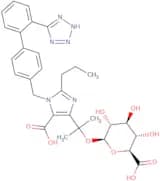
Phenyl 2-deoxy-2-fluoro-a-D-glucopyranoside is a sugar that belongs to the group of saccharides. It is a synthetic compound and is often used as an intermediate in the synthesis of complex carbohydrates, such as glycosides. Phenyl 2-deoxy-2-fluoro-a-D-glucopyranoside has been shown to have high purity, which makes it suitable for custom synthesis. This compound can be methylated and glycosylated, which increases its biological activity. The structure of this sugar can also be modified by fluorination, making it suitable for use in fluorescence studies.Fórmula:C12H15FO5Pureza:Min. 95%Peso molecular:258.24 g/molOlmesartan N2-glucuronide
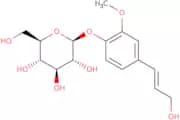
CAS:Olmesartan N2-glucuronide is a methylated metabolite of olmesartan, which is an angiotensin II receptor blocker. Olmesartan glucuronide is a high purity chemical compound with CAS No. 369395-57-3. It can be custom synthesized to order and has been used in glycosylation reactions as a sugar donor or acceptor. This product is also useful for the Click modification of oligosaccharides and polysaccharides, as well as for the modification of saccharides with fluorination and other chemical reactions.Fórmula:C30H34N6O9Pureza:Min. 95%Peso molecular:622.63 g/molConiferin
CAS:Coniferin is a phenolic compound found in plants. It is a 4-hydroxycinnamic acid ester of p-hydroxybenzoic acid. Coniferin can be used as an additive for food and animal feed, as well as a preservative for cellulose. Coniferin has been shown to inhibit the growth of cancer cells, such as K562 cells, by affecting energy metabolism and polymerase chain reaction activities. The physiological effects of coniferin have not been extensively studied but it has been shown to inhibit enzyme activities in plant tissues. Coniferin has also been shown to act synergistically with crystalline cellulose and dihydroconiferyl alcohol to produce HPC powder, which is used for the preparation of HPC-cellulose membranes for protein separation.Fórmula:C16H22O8Pureza:Min. 95%Peso molecular:342.34 g/mol
![(3αR,3βR,4αS,5S,5αS)-3β-[[[(1,1-Dimethylethyl)diphenylsilyl]oxy]methyl]hexahydro-2,2-dimethylcyclo…](/_next/image/?url=https%3A%2Fstatic.cymitquimica.com%2Fproducts%2F3D%2Fthumb-webp%2FMB159555.webp&w=3840&q=75)