Glicociência
A glicociência é o estudo dos carboidratos e seus derivados, bem como das interações e funções biológicas em que participam. Este campo de pesquisa é crucial para compreender uma ampla variedade de processos biológicos, incluindo o reconhecimento celular, a sinalização, a resposta imune e o desenvolvimento de doenças. A glicociência tem aplicações importantes na biotecnologia, na medicina e no desenvolvimento de novos medicamentos e terapias. Na CymitQuimica, oferecemos uma ampla seleção de produtos de alta qualidade e pureza para pesquisa em glicociência. Nosso catálogo inclui monossacarídeos, oligossacarídeos, polissacarídeos, glicoconjugados e reagentes específicos, projetados para apoiar os pesquisadores em seus estudos sobre a estrutura, função e aplicações dos carboidratos em sistemas biológicos. Esses recursos são destinados a facilitar descobertas científicas e aplicações práticas em diversas áreas das biociências e da medicina.
Subcategorias de "Glicociência"
- Amino açúcares(108 produtos)
- Anticorpos Glico-Relacionados(282 produtos)
- Glicolípidos(46 produtos)
- Glicosaminoglicanos (GAGs)(55 produtos)
- Glicosídeos(419 produtos)
- Monossacáridos(6.624 produtos)
- Oligossacarídeos(3.682 produtos)
- Polissacáridos(503 produtos)
Foram encontrados 11046 produtos de "Glicociência"
Ordenar por
Pureza (%)
0
100
|
0
|
50
|
90
|
95
|
100
3',4'-O-Carbonyl-6,6'-di-O-tert-butyldiphenylsilyl lactal
CAS:3',4'-O-Carbonyl-6,6'-di-O-tert-butyldiphenylsilyl lactal is a synthetic oligosaccharide that has been modified with a click modification. It is comprised of 3 different monosaccharides, one saccharide, and one carbonyl group. This carbohydrate is synthesized from the natural sugar D-ribose, which is modified with an O-tert-butyldiphenylsilyl lactal. The synthesis begins with the addition of a methyl group to the sugar's primary hydroxyl group. Then the sugar is reacted with fluorine gas to form an ether bond between the sugar's primary hydroxyl and its secondary hydroxyl. The final step in the synthesis involves glycosylation of the terminal hydroxyl groups on each monosaccharide.Fórmula:C45H54O10Si2Pureza:Min. 95%Peso molecular:811.08 g/mol1,2-O-Ethylidene b-D-mannopyranose
CAS:<p>1,2-O-Ethylidene b-D-mannopyranose is a complex carbohydrate that is synthesized from the modification of mannose with 1,2-O-ethylidene b-D-mannopyranose. This modification can be accomplished by either methylation or glycosylation. Modification of mannose with 1,2-O-ethylidene b-D-mannopyranose has been shown to increase the stability of the molecule and improve its resistance to degradation. The methylation of mannose with 1,2-O-ethylidene b-D-mannopyranose has been shown to produce a variety of derivatives that may have potential applications in drug design and cancer treatment. This complex carbohydrate is an important component in many saccharides and polysaccharides. It has also been used as a fluorinating agent in organic synthesis.</p>Fórmula:C8H14O6Pureza:Min. 95%Peso molecular:206.2 g/molBlood Group A type II linear trisaccharide
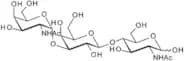
CAS:<p>GalNAca1-3Galb1-4GlcNAc</p>Fórmula:C22H38N2O16Pureza:Min. 95%Peso molecular:586.54 g/mol1,6-Anhydro-3-O-benzyl-b-L-idopyranose
CAS:1,6-Anhydro-3-O-benzyl-b-L-idopyranose is an oligosaccharide in which the aldehyde group of the original sugar has been modified. It is a complex carbohydrate that is synthesized by the fluorination of glucose with 1,6-dichlorohexane and benzyl bromide. The product is purified by crystallization and recrystallization to obtain a high purity. It is a monosaccharide sugar that can be used as a starting material for modification or synthesis of other carbohydrates.Fórmula:C13H16O5Pureza:Min. 95%Peso molecular:252.26 g/molD-Galactose diethyldithioacetal
CAS:<p>D-Galactose diethyldithioacetal is a phenylhydrazone that has an affinity for the C-3 position of sugars. It is synthesised from D-galactose and diethyldithiocarbonyl chloride, with a borohydride reduction to give the hydroxyl group. The hydroxyl group reacts with methyl glycosides or carbohydrates to produce 3-substituted glycosides or 3-substituted carbohydrate. D-Galactose diethyldithioacetal also inhibits glycosidase enzymes, which are enzymes that break down sugars, and thus prevents the digestion of sugars. The chemical structure of D-galactose diethyldithioacetal was determined by magnetic resonance spectroscopy. The product was found to be L-fucitol (a sweetener) after desulfurization using hydrogen gas for removal of sulfur compounds.</p>Fórmula:C10H22O5S2Pureza:Min. 95%Peso molecular:286.41 g/molD-[1-13C]Xylose
CAS:<p>D-[1-13C]Xylose is a carbon source that is used to study the metabolism of glycolytic carbon in cells. It has been labeled with 13C and can be used as a tracer for the study of the distribution of metabolites, including glucuronic acid, mannose, and xylose. This can be done by nuclear magnetic resonance (NMR) spectroscopy or by using a magnetic resonance spectroscopy technique. The use of D-[1-13C]xylose has been shown to be an effective way to label cryptococcus neoformans cells in order to understand their metabolism.</p>Fórmula:C5H10O5Pureza:Min. 95%Peso molecular:151.12 g/molD-(+)-Melezitose dihydrate
CAS:D-(+)-Melezitose dihydrate is a potent inhibitor of cancer cell growth. It has been shown to inhibit the proliferation of Chinese hamster ovary cells and human bladder cancer cells in vitro. D-(+)-Melezitose dihydrate is also found in urine samples from cancer patients, suggesting that it may be a potential biomarker for cancer diagnosis. This compound has been identified as an analog of indirubin, which is known to have anti-tumor properties. D-(+)-Melezitose dihydrate has been shown to induce apoptosis in cancer cells by inhibiting protein kinases, including the kinase inhibitors and tumor suppressor proteins. Additionally, this compound has demonstrated anticancer activity against a variety of tumors, making it a promising candidate for future cancer therapies.Fórmula:C18H36O18Pureza:Min. 95%Peso molecular:540.5 g/mol2,6-Deoxyfructosazine
CAS:<p>2,6-Deoxyfructosazine is a type of fructosamine that is derived from inulin. It is used as a matrix for chromatography. The 2,6-deoxyfructosazine molecule has a low molecular weight and can be easily separated from the other components of the plant material by means of chromatography. This compound can also be extracted with ether and then concentrated to produce a product with an analytical yield of up to 98%. The product can then be purified by recrystallization or sublimation. The reaction time required for this process varies depending on the type of solvent used and whether or not it is heated. For example, when using ether as the solvent, the reaction time ranges between 30 minutes to 1 hour at 45 degrees Celsius. However, when using chloroform as the solvent, the reaction time ranges between 3 hours to 5 hours at 40 degrees Celsius.</p>Fórmula:C12H20N2O7Pureza:Min. 95%Cor e Forma:PowderPeso molecular:304.3 g/molGal[2346Ac]b(1-3)GlcN3[46Bzd]-b-MP
<p>Gal[2346Ac]b(1-3)GlcN3[46Bzd]-b-MP is a custom synthesis that has been modified with fluorination, methylation, and modification. The product contains a monosaccharide, oligosaccharide, saccharides, and complex carbohydrates.</p>Fórmula:C34H39N3O15Pureza:Min. 95%Peso molecular:729.68 g/molD-Glucose 2-phosphate
CAS:D-Glucose 2-phosphate (D-G6P) is a glycolysis intermediate that is generated by the enzyme phosphoglucose isomerase. It is necessary for the synthesis of glycogen and starch, as well as for the formation of glucose 6-phosphate in glycolysis. D-G6P has been shown to be an important substrate for enzymes involved in phosphate transfer. D-G6P also plays a role in mitochondrial function, as it can be converted to ATP by the enzyme pyruvate kinase. D-G6P has been shown to alter physiological effects in wild type strains of yeast and plants, as well as having disease activity against human serum.Fórmula:C6H13O9PPureza:Min. 95 Area-%Cor e Forma:PowderPeso molecular:260.14 g/mol4-Aminophenyl 2,3,4-tri-O-acetyl-b-D-glucuronide methyl ester
CAS:4-Aminophenyl 2,3,4-tri-O-acetyl-b-D-glucuronide methyl ester is an organic compound that belongs to the group of Modifications. It is a colorless solid with a melting point of about 200. °C. This product is used in the synthesis of oligosaccharides and carbohydrates. The molecular formula for 4-aminophenyl 2,3,4-tri-O-acetyl-b-D-glucuronide methyl ester is C8H14N2O5 and its molecular weight is 240.24 g/mol. The CAS Registry Number (RN) for this product is 25218-22-8 and its EINECS number is 249 3 578 - 7 .Fórmula:C19H23NO10Pureza:Min. 95%Peso molecular:425.39 g/molMethyl 3-acetamido-2-chloro-2,3-dideoxy-a-D-altropyranoside
CAS:<p>Methyl 3-acetamido-2-chloro-2,3-dideoxy-a-D-altropyranoside is a high purity and custom synthesis Glycosylation product. It is a synthetic sugar that is used in the modification of complex carbohydrates. Methyl 3-acetamido-2-chloro-2,3-dideoxy-a-D-altropyranoside can be synthesized by fluorination and methylation of glycosylates or saccharides.</p>Fórmula:C9H16ClNO5Pureza:Min. 95%Peso molecular:253.68 g/mol4-(Methylnitrosamino)-1-(3-pyridyl)-1-butanol-N-b-D-glucuronide
CAS:<p>4-(Methylnitrosamino)-1-(3-pyridyl)-1-butanol-N-b-D-glucuronide is a glycosylated, modified sugar with a fluorinated methyl group. It is synthesized in the laboratory and does not occur naturally. The sugar moiety of this compound contains an oligosaccharide that consists of a complex carbohydrate, including saccharides, monosaccharides, and polysaccharides. This modification can be done by click chemistry or by other methods. 4-(Methylnitrosamino)-1-(3-pyridyl)-1-butanol-N-b-D-glucuronide is high purity and modification products are available upon request.</p>Fórmula:C16H23N3O8Pureza:Min. 95%Peso molecular:385.37 g/mol1,2,3,4-Tetra-O-acetyl-L-arabinopyranose
CAS:1,2,3,4-Tetra-O-acetyl-L-arabinopyranose is a custom synthesis that has been modified with fluorination and methylation. The monosaccharide is synthesized by using a Click modification and the oligosaccharides and polysaccharides are glycosylated. This compound has CAS No. 123163-97-3 and is a complex carbohydrate.Pureza:Min. 95%3-Hydroxystanozolol glucuronide
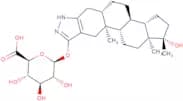
CAS:3-Hydroxystanozolol glucuronide is a metabolite of stanozolol that has been found in human urine. 3-Hydroxystanozolol glucuronide is formed as an intermediate during the metabolic conversion of stanozolol to its active form, which then is hydrolyzed by erythrocyte esterases or glucuronidases to form 3-hydroxystanozolol. This metabolite has been validated as an analytical marker for monitoring the use of stanozolol in sport and population studies.Fórmula:C26H38N2O8·C2H6Pureza:Min. 95%Peso molecular:536.66 g/molAllyl 6-o-allyl-α-D-galactopyranoside
CAS:<p>Allyl 6-o-allyl-α-D-galactopyranoside is a medicinal compound with potential anticancer properties. It is an analog of α-D-galactopyranoside and has been shown to inhibit the activity of protein kinases, which are enzymes involved in cell signaling and regulation. This inhibition can lead to apoptosis, or programmed cell death, in cancer cells. Allyl 6-o-allyl-α-D-galactopyranoside has been studied extensively in Chinese medicine as a potential inhibitor of tumor growth and has also been found in human urine. This compound holds great promise as a natural alternative for cancer treatment and warrants further investigation into its therapeutic potential.</p>Fórmula:C12H20O6Pureza:Min. 95%Peso molecular:260.28 g/molMethyl 3,4-di-O-benzyl-a-D-mannopyranoside
CAS:<p>Methyl 3,4-di-O-benzyl-a-D-mannopyranoside is a synthetic compound that belongs to the class of oligosaccharides. It is a sugar that has a complex carbohydrate structure with a glycosylated and methylated sugar. The compound is custom synthesized and is used as a reagent in glycosylation reactions. Methyl 3,4-di-O-benzyl-a-D-mannopyranoside can be used for click modification of proteins, polypeptides, and carbohydrates.</p>Fórmula:C21H26O6Pureza:Min. 95%Peso molecular:374.43 g/molEthyl 3-O-benzyl-4,6-O-benzylidene-2-deoxy-2-N-phthalamido-a-D-thioglucopyranoside
CAS:Ethyl 3-O-benzyl-4,6-O-benzylidene-2-deoxy-2-N-phthalamido-a-D-thioglucopyranoside is a custom synthesis of a complex carbohydrate made up of saccharides. This compound is an oligosaccharide with four monosaccharides and two other saccharides. It has been shown to be a potent inhibitor of bacterial growth in the presence of various antibiotics, including penicillin G, erythromycin, tetracycline, and ampicillin. It also inhibits the growth of fungi by binding to their cell walls and disrupting membrane integrity.Pureza:Min. 95%Blood group H tetraose type II
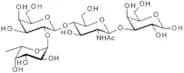
CAS:Core antigen fragment in ABO blood group systemFórmula:C26H45NO20Pureza:Min. 95%Cor e Forma:PowderPeso molecular:691.63 g/molEthyl 3-O-benzyl-4,6-O-benzylidene-D-thiomannopyranoside
CAS:Ethyl 3-O-benzyl-4,6-O-benzylidene-D-thiomannopyranoside is a custom synthetic glycosylated compound that is used in the synthesis of oligosaccharides and polysaccharides. This product has a high purity and is modified with fluorine to increase its stability. The CAS number for this product is 173935-67-6.Fórmula:C22H26O5SPureza:Min. 95%Cor e Forma:PowderPeso molecular:402.5 g/molEthyl 2,3,4-tri-O-benzyl-L-fucopyranoside
Ethyl 2,3,4-tri-O-benzyl-L-fucopyranoside is a polysaccharide that is modified by the addition of benzyl groups to the hydroxyl group at C2. This modification increases the resistance of this compound to degradation by glycosidases and also prevents any undesired reactions with other saccharides. Ethyl 2,3,4-tri-O-benzyl-L-fucopyranoside is a custom synthesis that can be made in high purity and with high carbohydrate content. The CAS number for this compound is 61721–76–8.Fórmula:C29H34O5Pureza:Min. 95%Peso molecular:462.58 g/mol3,4-Di-O-acetyl-D-glucuronal methyl ester
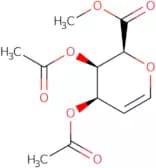
CAS:3,4-Di-O-acetyl-D-glucuronal methyl ester is a sugar that belongs to the group of complex carbohydrates. It has a CAS number of 34296-99-6 and can be synthesized by Click modification, fluorination, glycosylation, or methylation. This product is used as an intermediate in the synthesis of oligosaccharides or monosaccharides. In addition, it can be used for the preparation of saccharide derivatives with various substituents. 3,4-Di-O-acetyl-D-glucuronal methyl ester has high purity and is custom synthesized to meet your requirements.Fórmula:C11H14O7Pureza:Min. 95%Peso molecular:258.22 g/molMethyl 2-deoxy-2- (trifluoromethyl)-a-D-arabinofuranoside-diacetate
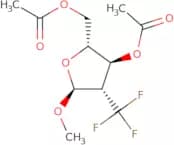
CAS:Methyl 2-deoxy-2- (trifluoromethyl)-a-D-arabinofuranoside-diacetate is a Custom synthesis, complex carbohydrate. It has CAS No. 159945-02-5, Polysaccharide. It has Modification, saccharide, Methylation, Glycosylation, Carbohydrate and Click modification. It is a sugar and it is High purity and Fluorination. It is Synthetic.Fórmula:C11H15F3O6Pureza:Min. 95%Peso molecular:300.23 g/molAllyl 2,3,4,6-tetra-O-acetyl-α-D-mannopyranoside
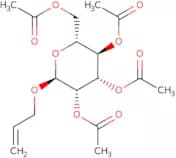
CAS:<p>Allyl 2,3,4,6-tetra-O-acetyl-a-D-mannopyranoside is a glycosylated monosaccharide with a complex carbohydrate structure. It has the CAS number 119111-31-8 and can be synthesized from allyl alcohol and acetaldehyde. This compound has been modified with fluorination, saccharide modification, and methylation. Allyl 2,3,4,6-tetra-O-acetyl-a-D-mannopyranoside is an oligosaccharide that can be custom synthesized to meet your needs.</p>Fórmula:C17H24O10Pureza:Min. 95%Cor e Forma:PowderPeso molecular:388.37 g/molTrehalose 6,6'-dimycolate
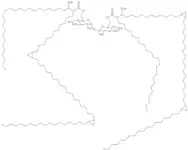
CAS:Trehalose 6,6'-dimycolate (T6DM) is a trehalose analog with lipophilic side chain. T6DM causes apoptosis by blocking the toll-like receptor 4 (TLR4) and TLR2 pathways. T6DM has also been shown to reduce the inflammatory response caused by lipopolysaccharides (LPS), which are bacterial cell wall components. T6DM is a promising agent for the treatment of infectious diseases such as tuberculosis and other bacterial infections that cause inflammation.Isolated from microbial source: mycobacterium bovisCor e Forma:White PowderPeso molecular:2642.48b-L-Rhamnopyranosyl nitromethane
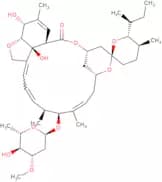
CAS:b-L-Rhamnopyranosyl nitromethane is a synthetic oligosaccharide that has been custom synthesized and modified with methyl groups. This compound is an important building block for the synthesis of complex carbohydrates and glycosides, as well as for the modification of saccharides. Click chemistry is used to modify this product, which employs copper(II) acetate and azide salts to form a single covalent bond between two molecules.Fórmula:C7H13NO6Pureza:Min. 95%Peso molecular:207.18 g/molIvermectin b1 monosaccharide
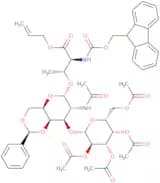
CAS:Ivermectin is a derivative of avermectin that is used for the treatment of parasitic infections. Ivermectin b1 monosaccharide is an analog of the parent molecule, which lacks a carbon atom at position 1 and has a spiroketal group at position 2. It is known to be more potent than ivermectin in animal studies.Fórmula:C41H62O11Pureza:Min. 95%Cor e Forma:PowderPeso molecular:730.92 g/molO-[2-Acetamido-4,6-O-benzylidene-2-deoxy-3-O-(2,3,4,6-tetra-O-acetyl-b-D-galactopyranosyl)-a-D-galactopyranosyl]-N-Fmoc-L-threonine allyl ester
CAS:<p>O-[2-Acetamido-4,6-O-benzylidene-2-deoxy-3-O-(2,3,4,6-tetra-O-acetyl-b-D-galactopyranosyl)-a-D-galactopyranosyl]-N -Fmoc--L--threonine allyl ester is a carbohydrate that can be custom synthesized. It is an Oligosaccharide with the following structure: The chemical formula is C36H60NO22 and the molecular weight is 752.8 g/mol. It has a CAS number of 384346–85–4 and it's Chemical Abstract Service (CAS) name is O-[2-(acetamido)-4,6-[O-(2,3,4,6 tetra‑O‑acetyl‑β‑D‑galactopyranosyl)‑α‑</p>Fórmula:C51H58N2O19Pureza:Min. 95%Peso molecular:1,003.01 g/molHesperetin 3'-O-beta-D-glucuronide
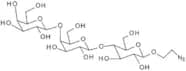
CAS:<p>Hesperetin 3'-O-beta-D-glucuronide is a glycosylate that is obtained by the glycosylation of hesperidin. Hesperetin 3'-O-beta-D-glucuronide is a sugar with a glycosylation site at the C3 position of the aglycone. It has shown to be an efficient inhibitor of Triglyceride Synthetase, which reduces triglycerides in the body. Hesperetin 3'-O-beta-D-glucuronide also has been shown to inhibit insulin release and increase insulin sensitivity in vitro.</p>Fórmula:C22H22O12Pureza:Min. 95%Peso molecular:478.4 g/molGalNAc-b-1-4-Gal-b-1-4-Glc-b-ethylazide
GalNAc-b-1-4-Gal-b-1-4-Glc-b-ethylazide is a custom synthesis, modification, and fluorination of a monosaccharide. It is a polysaccharide that has been synthesized using the click chemistry modification. The CAS number for GalNAc-b-1-4-Gal-b-1-4-Glc-b is 203359. GalNAc is an oligosaccharide that contains one or more sugars linked together by glycosyl bonds. This carbohydrate is made up of galactose and N acetylgalactosamine as its two monomers. The complex carbohydrate can be found in natural sources such as milk, egg white, and soybeans.Pureza:Min. 95%Etoposide-d4
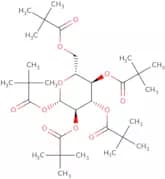
CAS:Produto ControladoEtoposide is a cytotoxic drug used in cancer chemotherapy. It inhibits DNA replication through inhibition of DNA topoisomerase II, thus catalysing cell cycle arrest and apoptosis. This compoud, Etoposide-d4, is a deuterated form of the drug.Fórmula:C29H32O13Pureza:Min. 95%1,2,3,4,6-Penta-O-pivaloyl-b-D-glucopyranose
CAS:1,2,3,4,6-Penta-O-pivaloyl-b-D-glucopyranose is a glycosylation that is used in the synthesis of complex carbohydrates. This product can be custom synthesized to meet your needs. It is also available in high purity and with a CAS No. of 81058-26-6.Fórmula:C31H52O11Pureza:Min. 95%Peso molecular:600.74 g/mol1,2,3,4-Tetra-O-acetyl-a-D-galacturonic acid methyl ester
CAS:1,2,3,4-Tetra-O-acetyl-a-D-galacturonic acid methyl ester is a custom synthesis that has been modified with fluorination and methylation. The monosaccharide is an acetylated form of galacturonic acid. This synthetic compound has been shown to be effective in inhibiting the glycosylation of polysaccharides. Its saccharide chain includes four monosaccharides linked by glycosidic bonds. 1,2,3,4-Tetra-O-acetyl-a-D-galacturonic acid methyl ester is used as a sugar in the production of complex carbohydrates.Pureza:Min. 95%N,N'-Diacetyl-3,6,3',4',6'-penta-O-acetyl-1-chlorochitobioside
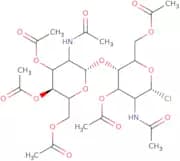
CAS:<p>N,N'-Diacetyl-3,6,3',4',6'-penta-O-acetyl-1-chlorochitobioside is a galactosyltransferase inhibitor. It prevents the enzymatic transfer of a sugar group from UDP-galactose to an acceptor molecule by binding to the enzyme. N,N'-Diacetyl-3,6,3',4',6'-penta-O-acetyl-1-chlorochitobioside inhibits the enzymatic galactosylation of glycoproteins in cells and has been shown to be effective against bacterial strains resistant to other antibiotics. This drug is also chemoenzymatically synthesized using enzymes and chemical reagents.</p>Fórmula:C26H37ClN2O15Pureza:Min. 95%Peso molecular:653.03 g/molMethyl 2,3,4,6-tetra-O-benzyl-D-mannopyranoside
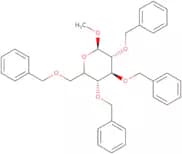
CAS:Methyl 2,3,4,6-tetra-O-benzyl-D-mannopyranoside is a benzylated sugar that has been glycosidically linked to an amino acid. This product has been shown to be a contaminant in the synthesis of other compounds and can be used as a chloride or benzylating reagent. It is used in the preparation of glycosyl halides and condensations. Methyl 2,3,4,6-tetra-O-benzyl-D-mannopyranoside is also used in the synthesis of natural products such as flavones and alkaloids.Fórmula:C35H38O6Pureza:Min. 95%Peso molecular:554.67 g/mol3,4-Di-O-acetyl-1,6-anhydro-2-deoxy-2-fluoro-b-D-glucopyranose
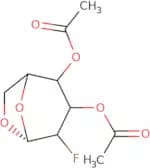
CAS:3,4-Di-O-acetyl-1,6-anhydro-2-deoxy-2-fluoro-b-D-glucopyranose is a synthetic sugar that has been modified to include a fluorine atom. It is a complex carbohydrate that is used in the synthesis of glycosides. 3,4-Di-O-acetyl-1,6-anhydro-2,3 -difluoro b D glucopyranose can be used in the synthesis of an acetylated glycoside with click chemistry. This modification can be achieved through methylation and/or glycosylation reactions. 3,4 Di O acetyl 1,6 anhydro 2 deoxy 2 fluoro b D glucopyranose can also be used in the synthesis of oligosaccharides or saccharides by modifying either its glycone or reducing end.Fórmula:C10H13FO6Pureza:Min. 95%Peso molecular:248.21 g/mol3,4,6-Tri-O-acetyl-2-deoxy-2-phthalimido-D-glucopyranosyl bromide
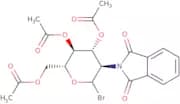
CAS:3,4,6-Tri-O-acetyl-2-deoxy-2-phthalimido-D-glucopyranosyl bromide is a synthetic compound that has been used in the synthesis of glycosides and oligosaccharides. It can be used to prepare an artificial sugar with a click modification. The chemical structure consists of three acetyl groups on the 2′ position on the sugar ring, which may be methylated or fluorinated. The compound is insoluble in water and melts at 161°C. 3,4,6-Tri-O-acetyl-2-deoxy-2-phthalimido-D-glucopyranosyl bromide is classified as a carbohydrate and is soluble in alcohols, ethers, and chloroform.Fórmula:C20H20BrNO9Pureza:Min. 95%Peso molecular:498.28 g/molMethyl 1-O-benzyl-2,3-O-isopropylidene-a-D-manno-hept-5-enofuranoside
Methyl 1-O-benzyl-2,3-O-isopropylidene-a-D-manno-hept-5-enofuranoside is a custom synthesis of a glycoconjugate consisting of a methylated monosaccharide. This compound is modified with fluorination and methylation. It has been shown to inhibit the growth of methicillin resistant Staphylococcus aureus (MRSA) and Clostridium perfringens. The structure of this compound has not been determined yet.Fórmula:C19H24O6Pureza:Min. 95%Peso molecular:348.39 g/mol2-[(Azidoacetyl)amino]-2-deoxy-D-galactose
CAS:<p>Azide funcationalised galactosamine. Can be used in click chemistry.</p>Pureza:Min. 95%Peso molecular:262.22 g/mol1,4-b-D-Cellotetraitol
CAS:<p>Cellotetraitol is a carbohydrate that has been isolated from the fungus Penicillium. It is a white crystalline solid that can be synthesized by hydrolyzing cellulose to cellobiose and then heating this sugar with acetic anhydride in the presence of sodium hydroxide. Cellotetraitol has two isomers, one of which is more active than the other. The most active form of cellotetraitol can be obtained as a crystalline solid at room temperature and has an optimal pH of 5. Cellotetraitol can be used for the synthesis of polyacrylamide gels, which are used to separate carbohydrates according to their size and charge.</p>Fórmula:C24H44O21Pureza:Min. 95%Peso molecular:668.59 g/molBenzyl 2-acetamido-3,6-di-O-benzoyl-2,4-dideoxy-4-fluoro-a-D-glucopyranoside
CAS:Benzyl 2-acetamido-3,6-di-O-benzoyl-2,4-dideoxy-4-fluoro-a-D-glucopyranoside is an oligosaccharide that possesses a complex sugar structure. It is custom synthesized in our laboratory and can be fluorinated, methylated, or modified with click chemistry. The compound is stable in water and has a high purity level.Fórmula:C29H28FNO7Pureza:Min. 95%Peso molecular:521.53 g/molL-Arabinose hydrazone
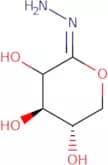
CAS:L-Arabinose hydrazone is a hydrazone of L-arabinose. It has been shown to be an efficient catalyst for the dehydration of ketones and secondary alcohols, and is also capable of catalyzing the dehydration of primary alcohols. The use of L-Arabinose hydrazone as a catalyst is sustainable because it does not produce any byproducts in the reaction.Fórmula:C5H10N2O4Pureza:Min. 95%Peso molecular:162.14 g/mol4-Fluorophenyl 2-acetamido-2-deoxy-b-D-glucopyranoside
CAS:<p>4-Fluorophenyl 2-acetamido-2-deoxy-b-D-glucopyranoside is a synthetic carbohydrate that has been modified with fluorine. It is a complex carbohydrate, which is a sugar composed of several monosaccharides linked together by glycosidic bonds. 4-Fluorophenyl 2-acetamido-2-deoxy-b-D-glucopyranoside can be methylated and glycosylated to produce desired structures. This product can be custom synthesized to meet your specifications. It is available in high purity and can be used for research purposes.</p>Fórmula:C14H18FNO6Pureza:Min. 95%Peso molecular:315.29 g/mol6-Azido-6-deoxy-2,3-O-isopropylidene-a-L-sorbofuranose
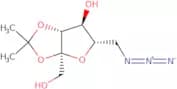
CAS:<p>6-Azido-6-deoxy-2,3-O-isopropylidene-a-L-sorbofuranose is a custom synthesis that is methylated with the click modification. This chemical can be used in the synthesis of oligosaccharides and polysaccharides. It has a purity of over 99%. This product is available for purchase as a monosaccharide or sugar.</p>Fórmula:C9H15N3O5Pureza:Min. 95%Peso molecular:245.24 g/molPhenyl 2-acetamido-2-deoxy-a-D-galactopyranoside
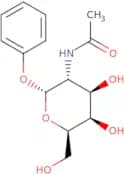
CAS:Phenyl 2-acetamido-2-deoxy-a-D-galactopyranoside is a high purity, custom synthesis, and synthetic carbohydrate. It is a modification of the natural sugar D-galactose by the addition of two acetamido groups at the C2 and C3 positions. Phenyl 2-acetamido-2-deoxy-a-D-galactopyranoside has been fluorinated to allow for chemoselective binding to DNA. This product is methylated at the C1 position, glycosylated at the C6 position, and click modified at the C5 position.Fórmula:C14H19NO6Pureza:Min. 95%Peso molecular:297.3 g/molMethyl 2,3-dideoxy-3-fluoro-5-O-pivaloyl-a-D-ribofuranoside
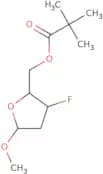
CAS:Methyl 2,3-dideoxy-3-fluoro-5-O-pivaloyl-a-D-ribofuranoside is a custom synthesis of the monosaccharide methyl 2,3-dideoxy-3-fluoro-5-(O-(2,2,2,-trifluoroethoxy)carbonyl)a-D-ribofuranoside. It has been modified by the addition of a pivaloyl group in order to enhance its stability and inhibit enzymatic degradation. This product is available for purchase as a custom synthesis with high purity and modification for use in oligosaccharides and polysaccharides.Pureza:Min. 95%Trichloroethyl 2,3,4-tri-O-acetyl-b-D-glucopyranosiduronic acid methyl ester
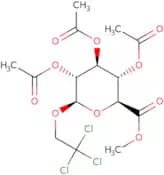
CAS:Trichloroethyl 2,3,4-tri-O-acetyl-b-D-glucopyranosiduronic acid methyl ester is a synthetic carbohydrate that can be used for glycosylation reactions. Trichloroethyl 2,3,4-tri-O-acetyl-b-D-glucopyranosiduronic acid methyl ester is an intermediate in the synthesis of oligosaccharides and complex carbohydrates. It can be used to modify the sugar component of glycoproteins and glycopeptides.Fórmula:C15H19Cl3O10Pureza:Min. 95%Peso molecular:465.66 g/mol2,3-O-Isopropylidene-1,5-di-O-toluoyl-b-D-ribofuranose
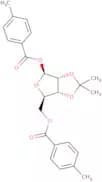
CAS:<p>2,3-O-Isopropylidene-1,5-di-O-toluoyl-b-D-ribofuranose (IPDT) is a saccharide that is modified with a methyl group at the 2' position of the ribose. This modification can be used to control the rate of glycosylation reactions, or to synthesize oligosaccharides and complex carbohydrates. IPDT is also an important precursor for click chemistry reactions, which are used in the synthesis of polymers and other organic compounds.</p>Fórmula:C24H26NO7Pureza:Min. 95%Peso molecular:440.47 g/mol(4-Methoxyphenyl)methylbeta-D-glucopyranoside
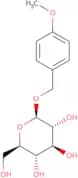
CAS:(4-Methoxyphenyl)methylbeta-D-glucopyranoside is a synthetic sugar that is used for research purposes. It has been modified with fluorine and methyl groups to create a new compound that can be used as a fluorescence probe for DNA. This sugar has been synthesized by glycosylation of 4-methoxyphenol, followed by an oxidation reaction. The molecular weight of this compound is 792.7 g/mol, and it has been assigned the CAS number 81381-72-8.Fórmula:C14H20O7Pureza:Min. 95%Peso molecular:300.3 g/mol




![D-[1-13C]Xylose](/_next/image/?url=https%3A%2Fstatic.cymitquimica.com%2Fproducts%2F3D%2Fthumb-webp%2FVCA84921.webp&w=3840&q=75)


![Gal[2346Ac]b(1-3)GlcN3[46Bzd]-b-MP](/_next/image/?url=https%3A%2Fstatic.cymitquimica.com%2Fproducts%2F3D%2Fthumb-webp%2FOG60595.webp&w=3840&q=75)










![2-[(Azidoacetyl)amino]-2-deoxy-D-galactose](/_next/image/?url=https%3A%2Fstatic.cymitquimica.com%2Fproducts%2F3D%2Fthumb-webp%2FMA32519.webp&w=3840&q=75)