Glicociência
A glicociência é o estudo dos carboidratos e seus derivados, bem como das interações e funções biológicas em que participam. Este campo de pesquisa é crucial para compreender uma ampla variedade de processos biológicos, incluindo o reconhecimento celular, a sinalização, a resposta imune e o desenvolvimento de doenças. A glicociência tem aplicações importantes na biotecnologia, na medicina e no desenvolvimento de novos medicamentos e terapias. Na CymitQuimica, oferecemos uma ampla seleção de produtos de alta qualidade e pureza para pesquisa em glicociência. Nosso catálogo inclui monossacarídeos, oligossacarídeos, polissacarídeos, glicoconjugados e reagentes específicos, projetados para apoiar os pesquisadores em seus estudos sobre a estrutura, função e aplicações dos carboidratos em sistemas biológicos. Esses recursos são destinados a facilitar descobertas científicas e aplicações práticas em diversas áreas das biociências e da medicina.
Subcategorias de "Glicociência"
- Amino açúcares(108 produtos)
- Anticorpos Glico-Relacionados(282 produtos)
- Glicolípidos(46 produtos)
- Glicosaminoglicanos (GAGs)(55 produtos)
- Glicosídeos(419 produtos)
- Monossacáridos(6.624 produtos)
- Oligossacarídeos(3.682 produtos)
- Polissacáridos(503 produtos)
Foram encontrados 11046 produtos de "Glicociência"
Ordenar por
Pureza (%)
0
100
|
0
|
50
|
90
|
95
|
100
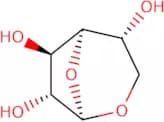
3,6-Anhydro-D-galactose dimethylacetal
CAS:3,6-Anhydro-D-galactose dimethylacetal is a glycosylation intermediate that has been modified for use in synthetic chemistry. It can be used to synthesize complex carbohydrates, polysaccharides, or oligosaccharides. The product is custom-synthesized and available in high purity.Fórmula:C8H16O6Pureza:Min. 95%Peso molecular:208.21 g/mol3,6-Di-O-tert-butyldimethylsilyl-D-glucal
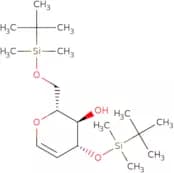
CAS:3,6-Di-O-tert-butyldimethylsilyl-D-glucal is a stereoselective synthetic compound that can be used as a glycosyl donor in the synthesis of glycosides. It is an intermediate in the synthesis of uridine, which is an important component of nucleic acids. 3,6-Di-O-tert-butyldimethylsilyl-D-glucal has been shown to inhibit the action of glycogen synthase and amylo-(1→4)-α-(1→2)-glycosidases. This inhibition prevents the breakdown of glycogen, which leads to a build up of glucose in the body and produces insulin resistance.Pureza:Min. 95%Methyl a-D-altropyranoside
CAS:<p>Methyl a-D-altropyranoside is an electrolyte solution that is used for the stabilization and selective separation of glycosides. It has been shown to be effective at diagnosing bacterial infections by selectively binding to glycosylated nucleotides. The methyl group on the molecule is necessary for this function, and therefore it cannot act as a glycosylated nucleotide in its own right. Methyl a-D-altropyranoside may be used to synthesize nucleotides with axial or equatorial configurations, which are not usually found in nature. The yields of these sequences can be increased using this compound.</p>Fórmula:C7H14O6Pureza:Min. 95%Peso molecular:194.18 g/molN-Boc-1,5-imino-D-glucitol
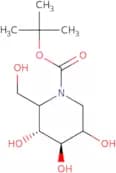
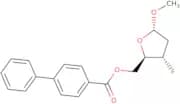
CAS:<p>N-Boc-1,5-imino-D-glucitol is a complex carbohydrate that is synthesized by the N-Boc protection group. It is an oligosaccharide with a molecular weight of about 190 daltons and it can be modified at the C1 position to produce various saccharides. N-Boc-1,5-imino-D-glucitol has been shown to be effective as a glycosylation agent for protein modification and for its ability to form stable complexes with other complex carbohydrates. This compound has also been used in the synthesis of polysaccharides and as a fluorination reagent.</p>Fórmula:C11H21NO6Pureza:Min. 95%Peso molecular:263.29 g/molMethyl-2,3-dideoxy-3-fluoro-5-O-(4-phenylbenzoyl)-a-D-erythro-pentofuranoside
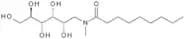
CAS:A mutant is a modified form of a gene that can be either natural or artificial. This gene has been modified by the introduction of an additional chemical group, such as methyl, at a specific position in the DNA sequence. The new compound is not found in nature and may have beneficial effects on the organism. The control system for this experiment is programmable and allows for the introduction of multiple mutations to be introduced simultaneously into a single gene. This technique has been shown to create mutants with neurological disorders, including protein overload, which occurs when there are too many proteins made by one particular gene.Pureza:Min. 95%N-Nonanoyl-N-methylglucamine
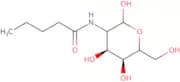
CAS:<p>N-Nonanoyl-N-methylglucamine is a nonionic surfactant that has been shown to be effective in the treatment of some inherited blood disorders. N-Nonanoyl-N-methylglucamine is used as a red cell membrane stabilizer and has been shown to increase the proton concentration in human serum. It also increases the transfer rate of p-nitrophenyl phosphate from erythrocytes to plasma. This drug has been found to have enzyme activity on soybean trypsin, model system, and epoxidase activity. N-Nonanoyl-N-methylglucamine has shown to be an effective protective agent against sodium citrate induced hemolysis and monoclonal antibody mediated cytotoxicity. It also shows kinetic data for protein synthesis and gene expression at different concentrations.</p>Fórmula:C16H33NO6Pureza:Min. 95%Cor e Forma:PowderPeso molecular:335.44 g/molN-Valeryl-D-glucosamine
CAS:<p>N-Valeryl-D-glucosamine is an aldol product of the condensation of acetone and formaldehyde. N-Valeryl-D-glucosamine is a bioactive molecule that has been shown to be synthesized by the c-glycosidic linkage of D-glucose molecules in bacteria and fungi. It is also found in plants, such as sugar cane and sugar beet. The synthesis of this molecule occurs through the aldol reaction, which involves the unactivated ketones (acetone). This compound can also be found in biomolecular chemistry, where it is used as a substrate for condensation reactions.</p>Fórmula:C11H21NO6Pureza:Min. 95%Cor e Forma:White PowderPeso molecular:263.29 g/molEthyl 2-deoxy-2-fluoro-L-thiofucopyranoside
Ethyl 2-deoxy-2-fluoro-L-thiofucopyranoside is a synthetic sugar that has been modified to include fluorine atoms. It is a custom synthesis and is available in quantities of 50 grams or more. It can be used as an ingredient in glycoprotein synthesis, where it is used to produce oligosaccharides. Ethyl 2-deoxy-2-fluoro-L-thiofucopyranoside may also be useful for the modification of sugars and polysaccharides, which are complex carbohydrates. The chemical can be modified with methyl groups and click chemistry, making it suitable for use in the production of monosaccharides or saccharides. This chemical can also be used for the synthesis of drugs that target specific cells, such as cancer cells.Pureza:Min. 95%3,7,7a-Triepicasuarine
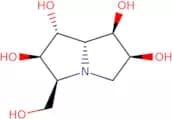
CAS:3,7,7a-Triepicasuarine is a synthetic compound that belongs to the group of polysaccharides. It can be used as a fluorinated reagent for the synthesis of complex carbohydrates and sugar molecules. 3,7,7a-Triepicasuarine is one of the most widely applied reagents in organic synthesis because it can be easily modified with various functional groups. This product has been shown to have high purity and may be used as an additive in other products.Fórmula:C8H15NO5Pureza:Min. 95%Peso molecular:205.21 g/mol1,2,3-Tri-O-benzyl-4,6-O-benzylidene-b-D-glucopyranoside
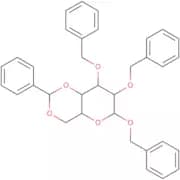
CAS:1,2,3-Tri-O-benzyl-4,6-O-benzylidene-b-D-glucopyranoside is a triol with an O benzyl group on C1. It is a synthetic modification of the sugar glucose and has been used as a building block for the synthesis of glycosides and oligosaccharides. 1,2,3-Tri-O-benzyl-4,6-O-benzylideneb -D -glucopyranoside can be used in methylation reactions to produce saccharides with methyl groups at positions that are not normally present. This product is highly pure and can be used in Click chemistry reactions to modify oligosaccharides. This product does not have an CAS number listed.Fórmula:C34H34O6Pureza:Min. 95%Peso molecular:538.63 g/mol1,5-Anhydro-4,6-O-benzylidene-3-O-[2,4-dichlorophenyl]thiocarbonyloxy-2-O-toluoyl-D-glucitol
<p>1,5-Anhydro-4,6-O-benzylidene-3-O-[2,4-dichlorophenyl]thiocarbonyloxy-2-O-toluoyl-D-glucitol is a glycosylation reagent that is custom synthesized for use in the synthesis of oligosaccharides. Fluorination and methylation of the sugar moiety can be done to give desired modifications. The product has been purified by high performance liquid chromatography (HPLC) and has a purity of >98%. CAS No.: 901061-95-8</p>Fórmula:C28H24Cl2O7SPureza:Min. 95%Peso molecular:575.46 g/mol1,2,3-Tri-O-acetyl-4,6-O-benzylidene-a-D-mannopyranose
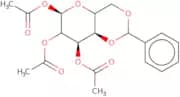
<p>1,2,3-Tri-O-acetyl-4,6-O-benzylidene-a-D-mannopyranose is a synthetic 1,2,3:4,6-di-O-(acetyloxy)-a-D-mannopyranose. It is a monosaccharide that has been selectively fluorinated at C1 and C2 positions. This sugar has been custom synthesized with high purity and methylated at the 3' and 4' positions of the ribose moiety. The synthesis of this carbohydrate is achieved by glycosylation using an acetal linker to attach the sugar fragment to a pentafluorophenyl ester and then click modification on the 4'-hydroxyl group.</p>Fórmula:C19H22O9Pureza:Min. 95%Peso molecular:394.37 g/mol2,3,4,6-Tetra-O-pivaloyl-a-D-mannopyranosyl bromide
CAS:2,3,4,6-Tetra-O-pivaloyl-a-D-mannopyranosyl bromide is a synthetic glycosylation reagent that is used in the synthesis of oligosaccharides and polysaccharides. It has been fluorinated to give 2,3,4,6-Tetra-O-pivaloyl-a-D-(2'-fluoroethyl)mannopyranosyl bromide (CAS No. 1360879-08). This compound can be methylated to give 2,3,4,6-Tetra-O-(2'-methoxy)pivaloylmannopyranosyl bromide (CAS No. 1360879-09). It is also a click modification agent for complex carbohydrates. This chemical has high purity and can be modified with other groups.Fórmula:C26H43BrO9Pureza:Min. 95%Peso molecular:579.52 g/mol4,6-O-p-Methoxylbenzylidene-D-glucal
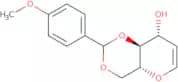
CAS:<p>4,6-O-p-Methoxylbenzylidene-D-glucal is a custom synthesis that can be modified to meet your needs. It is an oligosaccharide and polysaccharide which belongs to the group of carbohydrates. Carbohydrates are important in many biochemical processes. They are found in plants, animals, and bacteria and are the most abundant organic molecules in living things. Carbohydrates are composed of carbon (C), hydrogen (H), and oxygen (O). The general formula for carbohydrates is Cx(H2O)y where x represents the number of carbon atoms and y represents the number of water molecules. This product has high purity and can be used in a variety of applications including methylation, click modification, oligosaccharides, polysaccharides, saccharides, complex carbohydrate synthesis, monosaccharides, sugar synthesis, or synthetic modifications.</p>Pureza:Min. 95%Rhein 1-D-glucuronide
CAS:<p>Rhein 1-D-glucuronide is a synthetic sugar that can be used in the synthesis of complex carbohydrates. It is a monosaccharide that has been modified with fluorination and has been shown to have high purity. Rhein 1-D-glucuronide is a methylated form of rhein, which is an oligosaccharide or polysaccharide found in plants. The modification of rhein 1-D-glucuronide allows for an increased resistance to hydrolysis by esterases or glucuronidases, allowing for its use as a synthetic intermediate in the production of saccharides.</p>Pureza:Min. 95%4-Methoxyphenyl 3-O-allyl-4,6-O-benzylidene-2-deoxy-2-phthalimido-b-D-glucopyranoside
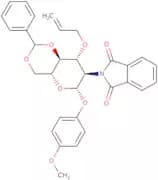
CAS:4-Methoxyphenyl 3-O-allyl-4,6-O-benzylidene-2-deoxy-2-phthalimido-b-D-glucopyranoside (BAP) is a phosphatase inhibitor. It binds to the active site of the enzyme phosphatase and prevents it from hydrolyzing phosphate esters. BAP is used to prevent the release of calcium ions from bone, which can lead to osteitis fibrosa cystica in patients with esophagectomy or those who have undergone abdominal surgery. Thermodynamic studies indicate that BAP binds to phosphatases with a 1:1 stoichiometry and that this binding is irreversible.Fórmula:C31H29NO8Pureza:Min. 95%Peso molecular:543.56 g/molPhenyl 2,4,6-Tri-O-acetyl-3-O-allyl-b-D-thiogalactopyranoside
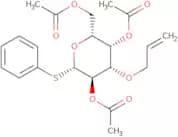
CAS:<p>Phenyl 2,4,6-Tri-O-acetyl-3-O-allyl-b-D-thiogalactopyranoside is a custom synthesis that can be modified to suit your needs. This product is a complex carbohydrate that is used in glycosylation reactions as an Oligosaccharide. It is fluorinated at the hydroxyl group of the sugar and methylated at the C5 position of the sugar. The CAS number for this product is 1820572-28-8.</p>Fórmula:C21H26O8SPureza:Min. 95%Peso molecular:438.49 g/mol1,2:5,6-Dianhydrogalactitol
CAS:1,2:5,6-Dianhydrogalactitol is a drug that has been shown to reduce the growth of tumors in mice. It is an antitumor agent that inhibits the activity of enzymes such as protein kinase A and phosphorylase kinase. This drug also inhibits the activity of the mitochondrial membrane potential, which is necessary for normal cellular function. The structure of 1,2:5,6-dianhydrogalactitol was first determined by analytical methods on mouse tumor tissue and then verified by a preparative high performance liquid chromatography (HPLC) experiment. It has been shown to be effective against pediatric tumors and is currently being evaluated for use in other cancer models.Fórmula:C6H10O4Pureza:Min. 95%Cor e Forma:PowderPeso molecular:146.14 g/molMethyl 2-acetamido-3-O-(2,3,4,6-tetra-O-acetyl-b-D-galactopyranosyl)-4,6-O-benzylidene-2-deoxy-b-D-glucopyranoside
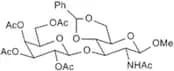
CAS:<p>Methyl 2-acetamido-3-O-(2,3,4,6-tetra-O-acetyl-b-D-galactopyranosyl)-4,6-O-benzylidene-2deoxyb-Dglucopyranoside is a sugar that is used in the preparation of various drugs. It has a pyranose ring and a pyranose form. The IR spectrum displays three distinct peaks at 1730 cm−1, 1590 cm−1 and 1410 cm−1. The axial orientation of the carbon atoms can be determined by looking at the absorption spectra. There are six carbons in the molecule with two axial orientations. The methyl group has an axial orientation and the acetamido group has an equatorial orientation. This compound is not soluble in water but dissolves well in methanol or ethanol. Methyl 2-acetamido 3 O</p>Fórmula:C30H39NO15Pureza:Min. 95%Peso molecular:653.64 g/molGD2-Oligosaccharide-b-(N-acetyl-propargyl)
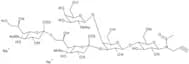
<p>The core trisaccharide of the ganglioside GD2,protected with a propargyl glycoside group, is the most prominent alkynyl glycoside used in oligosaccharide synthesis (Das, 2016). The structure (sodium salt) comprises (GalNAcβ1,4Galβ1,4Glc) of its two sialic acids linked α2,3/α2,8 to the central galactose residue (Ledeen, 2009). GD2 ganglioside is expressed at a low concentration in the central nervous system, nerves, skin melanocytes and stem cells in healthy adults. On the other hand, GD2 ganglioside is overexpressed in a number of tumors including neuroblastoma, melanoma, small cell lung carcinoma and brain tumors. Recently, GD2 ganglioside has been found in low concentrations on breast cancer stem cells (CSC) that possess: self-renewal properties (division without disrupting the undifferentiated state) and tumor-initiating capabilities. It has been suggested that GD2 ganglioside may be developed as an effective target antigen for CSC immunotherapy (Fleurence, 2017).</p>Fórmula:C47H72N4O32Na2Pureza:Min. 95%Peso molecular:1,251.06 g/mol3,4-Di-O-acetyl-2,6-di-O-(3,4,6-tri-O-acetyl-2-deoxy-2-phthalimido-b-D-glucopyranosyl)-a-D-mannopyranosyl trichloroacetimidate
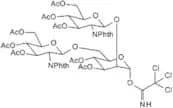
<p>3,4-Di-O-acetyl-2,6-di-O-(3,4,6-tri-O-acetyl-2-deoxy-2-phthalimido-b-D-glucopyranosyl)-a-D-mannopyranosyl trichloroacetimidate is a modified sugar with the molecular formula of C54H79F14N5O26. It is a complex carbohydrate that can be synthesized and custom made. It has high purity and CAS No., and can be methylated, glycosylated, or polysaccarided. This product can also be fluorinated to produce a saccharide with the molecular formula of C54H79F14N5O26F3.</p>Fórmula:C52H54Cl3N3O26Pureza:Min. 95%Peso molecular:1,243.35 g/molD-Galactose-3-O-sulphate sodium salt
<p>A sulfated galactose analogue</p>Fórmula:C6H11NaO9SPureza:Min. 95%Peso molecular:282.19 g/mol2,3,5-Tri-O-benzyl-L-lyxono-1,4-lactone
<p>Tri-O-benzyl-L-lyxono-1,4-lactone is a methylated saccharide. It can be used as a building block for the synthesis of oligosaccharides and glycosylations. It can also be used as a click modification to modify proteins and polymers.</p>Fórmula:C26H26O5Pureza:Min. 95%Cor e Forma:PowderPeso molecular:418.48 g/molFluorescein isothiocyanate-dextran - Average MW 3,000-5,000
CAS:<p>Fluorescein isothiocyanate dextran is a fluorescent derivative of a dextran fraction with an average molecular weight of approximately 4000. It is supplied as a yellow powder which is readily soluble in water.</p>Pureza:Min. 95%Ethyl 2,3,4,6-tetra-O-(4-methoxybenzyl)-b-D-thiogalactopyranoside S-oxide
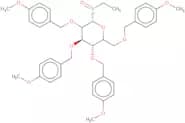
<p>Ethyl 2,3,4,6-tetra-O-(4-methoxybenzyl)-b-D-thiogalactopyranoside S-oxide is a custom synthesis product. It is an oligosaccharide with a saccharide structure that has been modified to include fluorine atoms. This modification makes the molecule more stable and resistant to degradation by enzymes. Ethyl 2,3,4,6-tetra-O-(4-methoxybenzyl)-b-D-thiogalactopyranoside S-oxide is a complex carbohydrate that can be used as an ingredient in food products or as a pharmaceutical agent for the treatment of cancer and other diseases.</p>Fórmula:C40H48O10SPureza:Min. 95%Peso molecular:720.87 g/molSinapaldehyde glucoside
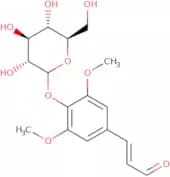
CAS:Sinapaldehyde glucoside is a phenolic compound found in the leaves of Sinapis alba. This compound has been shown to have antiviral and antibacterial properties. It has been shown to inhibit staphylococcal growth, with the most effective concentration being 0.5-2% w/v. The chemical structure of sinapaldehyde glucoside is similar to that of pomolic acid, which was also found to have anti-staphylococcal effects. Syringaresinol, a constituent of S. alba, may be responsible for the anti-staphylococcal activity due to its ability to inhibit bacterial protein synthesis. Sinapaldehyde glucoside can also be extracted from S. alba using ethanol or water as solvents and is soluble in both water and alcohols. Sinapaldehyde glucoside can also be extracted from eleutherococcus (Eleutherococcus senticosus) usingPureza:Min. 95%Globo-H hexasaccharide-sp-biotin
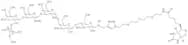
<p>Globo-H is a high purity, custom-synthesized hexasaccharide with a spacer arm and biotin at the non-reducing end. Globo-H is synthesized by reacting glycosylation reagents with an oligosaccharide on a solid support. The reaction generates an activated glycosylant, which is then reacted with the spacer arm and biotin to form the desired product. Globo-H has been modified for use in click chemistry reactions.</p>Fórmula:C61H102N8O35SPureza:Min. 90 Area-%Cor e Forma:PowderPeso molecular:1,539.56 g/molP1-Antigen
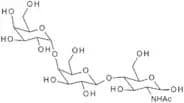
CAS:<p>The P1-antigen is a blood group antigen that is encoded by the gene. It is synthesized as a precursor protein of approximately 150 amino acids that undergoes proteolytic processing to generate two peptides, A and B, which are attached to the cell surface. The P1-antigen has been shown to be involved in transcriptional regulation and antimicrobial activity. It has also been shown to be present in metastatic colorectal cancer cells and its expression can be induced by trypsin treatment. The P1-antigen is also one of the most frequently studied proteins for its role in immune responses against bacteria, viruses, and parasites. This protein has been found to have response elements for several transcription factors including NF-κB, AP-1, NFAT, SP-1, and STAT3. The basic structure of this protein contains a diode region with two negatively charged regions that are critical for its function.</p>Fórmula:C20H35NO16Pureza:Min. 95%Cor e Forma:White Off-White PowderPeso molecular:545.49 g/mol1,4-b-D-Cellopentaitol
CAS:<p>1,4-B-D-Cellopentaitol is a high purity and custom synthesis sugar. It can be modified with fluorination, glycosylation, methylation, or modification. It has CAS No. 61473-65-2 and is an oligosaccharide with a saccharide backbone consisting of 1,4-linked D-glucopyranosyl units joined by alpha-(1,4) linkages and containing one or more monosaccharides (e.g., glucose) or disaccharides (e.g., cellobiose). The carbohydrate may be in the form of a complex carbohydrate.</p>Fórmula:C30H54O26Pureza:Min. 95%Peso molecular:830.73 g/molMethyl 2-deoxy-a-D-ribofuranoside
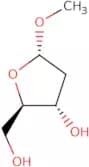
CAS:Methyl 2-deoxy-a-D-ribofuranoside is an atypical nucleoside, which is a component of the thiourea cofactors. It can be synthesized from chloroacetic acid and hydantoin, which are used as starting materials for the production of this compound. The methyl group in this compound is obtained from the methylation of glucose. Methyl 2-deoxy-a-D-ribofuranoside can be identified by its chromatographic properties, such as dimethylformamide (DMF) and chloride. It also contains anomeric substituents that are necessary for nucleosidation reactions. This nucleoside has been shown to have antiinflammatory activity against carrageenan in mice and rats.Fórmula:C6H12O4Pureza:Min. 95%Peso molecular:148.16 g/mol3,4,6-Tri-O-benzyl-2-deoxy-D-glucono-1,5-lactone
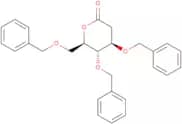
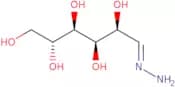
CAS:3,4,6-Tri-O-benzyl-2-deoxy-D-glucono-1,5-lactone is a carbohydrate that inhibits the enzyme sglt2. It is an activator of glycoconjugates and has been shown to be effective against certain cancers. 3,4,6-Tri-O-benzyl-2-deoxy-D-glucono-1,5-lactone has been shown to inhibit the growth of cancer cells in vitro and in vivo. This compound also inhibits lactate production by inhibiting the enzyme lactate dehydrogenase (LDH).Pureza:Min. 95%D-Glucose hydrazon
CAS:D-Glucose hydrazon is a custom synthesis of complex carbohydrate. It is made by the reaction of Methylation, Click modification, and Fluorination with saccharide and sugar. The product is a white crystalline solid that is soluble in water.Pureza:Min. 95%Glycerone phosphate
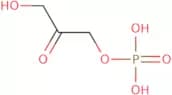
CAS:Glycerone phosphate is a cytosolic calcium (Ca2+) substrate molecule that is used to measure the activity of phospholipase A2, an enzyme that catalyzes the hydrolysis of membrane lipids. Glycerone phosphate has been shown to inhibit neuronal death and may be useful in treating neurodegenerative diseases such as Alzheimer's disease. Glycerone phosphate has also been shown to bind to monoclonal antibodies, which are proteins that bind specifically to antigens on the surface of cancer cells, thereby preventing them from binding to their corresponding receptors on healthy cells. This may limit the spread of tumor growth and increase their sensitivity to platinum-based chemotherapy.Fórmula:C3H7O6PPureza:Min. 95%Peso molecular:170.06 g/molPyrocatechol monoglucoside
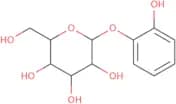
CAS:<p>Pyrocatechol monoglucoside is a phenolic compound that is found in many plants. It has an anti-thrombotic effect, inhibits bacterial growth, and has anticarcinogenic effects. Pyrocatechol monoglucoside is also hepatoprotective and can be used as a natural food preservative. It has a bitter taste and can be found in leuconostoc mesenteroides and mesenteroides strains of bacteria.</p>Pureza:Min. 95%Sambubiose
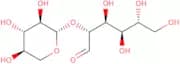
CAS:<p>Sambubiose is a flavonol glycoside that is found in the lacrimal gland of rabbits. It has been used as a dietary supplement and is said to be synthesized by hydrolysis of the starch-bound glucose disaccharides, maltose and maltotriose. Sambubiose is not readily absorbed by the gastrointestinal tract, which may be due to its low solubility in water and acidic pH. It is also poorly absorbed because it contains a glycosidic bond and a non-reducing terminal sugar group. Sambubiose can be detected by nuclear magnetic resonance spectroscopy at 1.5 ppm for the methylene protons from the OH group of the glycosidic bond. The chemical shift at 2.7 ppm corresponds to the methylene protons from the hydroxyl group on malonic acid (a component of sambubiose).</p>Fórmula:C11H20O10Pureza:Min. 95%Peso molecular:312.27 g/mol2,3,6-Tri-O-carboxymethyl-D-glucose
CAS:2,3,6-Tri-O-carboxymethyl-D-glucose (TCMG) is a potent polyelectrolyte that can be used as an additive to cellulose. TCMG is synthesized by the reaction of 2,3,6-tri-O-carboxymethylcellulose with potassium bitartrate in acidic medium. TCMG has been shown to interact with cellulose and form a gel matrix. This reaction is due to the ionic interactions between the carboxyl groups in TCMG and the hydroxyl groups in cellulose. The conductimetric titration measurement shows that TCMGs have a constant value at pH 5.5, indicating that they are anionic polyelectrolytes. Potentiometric titration indicates that TCMGs are nonionic polyelectrolytes and the interaction between these two polymers is due to electrostatic forces.Fórmula:C12H18O12Pureza:Min. 95%Cor e Forma:White To Off-White SolidPeso molecular:354.26 g/mol1,6-Anhydro-b-D-glucofuranose
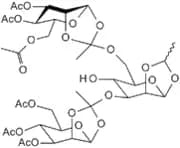
CAS:<p>B-D-glucofuranose is a natural compound with the molecular formula C6H12O6. It is found in plants, specifically in the seeds of the granatum tree. The calibration of this compound can be done using anions and ion chromatography. B-D-glucofuranose has antibacterial activity against Gram-positive bacteria, but not against Gram-negative bacteria or fungi. It also inhibits fatty acid synthesis and may have nutritional value for humans as a source of 5-hydroxymethylfurfural (HMF). HMF has been shown to inhibit the growth of cancer cells in vitro and induce apoptosis in cancer cells by uv irradiation. Mass spectrometric analysis and spectrometric methods are used to identify this compound.</p>Fórmula:C6H10O5Pureza:Min. 95%Cor e Forma:White PowderPeso molecular:162.14 g/mol3,6-Di-O-(3,4,6-tri-O-acetyl-b-D-mannopyranosylethylidyne)-1,2-O-ethylidene-b-D-mannopyranose
CAS:<p>3,6-Di-O-(3,4,6-tri-O-acetyl-b-D-mannopyranosylethylidyne)-1,2-O-ethylidene-b-D-mannopyranose is a synthetic glycoside that is used as an intermediate in the production of other compounds. It has been modified with fluorine to give it increased stability. This product is also known as 3,6:3',4',6'-di(1,2:1') ethylidene-.beta.-D-.mannopyranose and has CAS number 230963–26–5.</p>Fórmula:C37H52O23Pureza:Min. 95%Peso molecular:864.79 g/molD-Desosamine
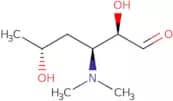
CAS:D-Desosamine is a chemical compound that has been isolated from human serum. It is an enzyme inhibitor that inhibits the activity of enzymes such as phosphatases, kinases, and proteases. D-Desosamine also has a matrix effect, which can be used to modify the properties of polymer matrices in order to improve their biocompatibility and mechanical properties. The molecular docking analysis indicated that desosamine can bind to bacterial serine/threonine protein kinase Streptococcus pyogenes phage T4 (SpyPK) and inhibit its activity. This inhibition may be due to the transfer reactions caused by desosamine binding to the enzyme's active site and blocking it. Structural analysis showed that D-desosamine forms hydrogen bonds with amino acids in SpyPK's active site, forming a covalent bond with cysteine residue Cys240. D-Desosamine has been shown to have anti-bacterial properties againstPureza:Min. 95%1,2-Dichloro-1,2-dideoxy-myo-inositol
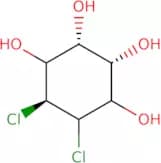
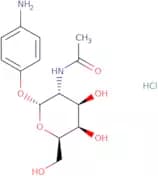
<p>1,2-Dichloro-1,2-dideoxy-myo-inositol is a methylated saccharide. It is used in the synthesis of complex carbohydrates and can be modified to include fluorine atoms. 1,2-Dichloro-1,2-dideoxy-myo-inositol has been shown to inhibit the growth of Staphylococcus aureus and Clostridium perfringens.</p>Pureza:Min. 95%4-Aminophenyl 2-acetamido-2-deoxy-a-D-galactopyranoside HCl
CAS:<p>4-Aminophenyl 2-acetamido-2-deoxy-a-D-galactopyranoside HCl is an oligosaccharide that is composed of glucose, galactose, and two amino acids. It has a molecular weight of 496.34 g/mol and a chemical formula of C14H20N2O8. This compound is synthesized by the click modification of 2,5-diaminopyridine with D -galactopyranosyl chloride. The methylation and glycosylation reactions are also performed to produce this compound.</p>Fórmula:C14H20N2O6·HClPureza:Min. 95%Peso molecular:348.78 g/mol3,4-Di-O-benzyl-2,6-di-O-(3,4,6-tri-O-acetyl-2-deoxy-2-phthalimido-b-D-glucopyranosyl)-a-D-mannopyranosyl trichloroacetimidate
3,4-Di-O-benzyl-2,6-di-O-(3,4,6-tri-O-acetyl-2-deoxy-2-phthalimido-b-D-glucopyranosyl)-a-D -mannopyranosyl trichloroacetimidate is a fluorinated monosaccharide that is synthesized by the glycosylation of 2,6 di O-(3,4,6 tri O acetyl 2 deoxy 2 phthalimido b D glucopyranosyl) a D mannopyranosyl chloride with 3,4 di O benzyl 2 chloroacetimidate. The complex carbohydrate has been modified with methylation and click chemistry. It has been shown to be active against Mycobacterium tuberculosis and Mycobacterium avium complex.Fórmula:C62H62Cl3N3O24Pureza:Min. 95%Peso molecular:1,339.52 g/molCellulose - Particle Size approx 50 um
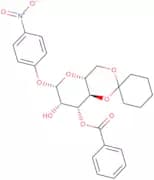
CAS:<p>Cellulose is a linear polysaccharide of β 1-4 linked glucose residues. The polysaccharide chains are bundled as microfibrils in cell walls and provide the essential structural components within growing plants. Each microfibril exhibits a high degree of three-dimensional internal bonding resulting in a crystalline structure that is insoluble in water, resistant to reagents and very strong.</p>Pureza:Min. 95%Cor e Forma:Powder4-Nitrophenyl 3-O-benzoyl-4,6-cyclohexylidene-b-D-mannopyranoside
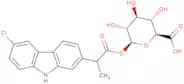
CAS:4-Nitrophenyl 3-O-benzoyl-4,6-cyclohexylidene-b-D-mannopyranoside is a Custom synthesis. It is an Oligosaccharide that consists of a Polysaccharide with Modification. The CAS No. 102717-17-9 is Methylation and Glycosylation and Carbohydrate. Click modification and saccharide are sugar and High purity. Fluorination is Synthetic.Fórmula:C25H27NO9Pureza:Min. 95%Peso molecular:485.48 g/molCarprofen acyl-glucuronide
CAS:<p>Carprofen acyl-glucuronide is an acidic drug that is used for the treatment of inflammation, pain and fever. It has been shown to be active in humans at a dosage of 10 mg/kg. Carprofen acyl-glucuronide binds to nicotinic acetylcholine receptors (nAChR) and has been shown to have a high affinity for ligands containing lysine residues. The molecule can also bind to fatty acids, which may lead to its reactivity with human serum and plasma proteins, as well as the matrix effect seen in acidic pH. This drug is also selective for glutamate stereospecificity. Carprofen acyl-glucuronide has been shown to produce a dose-dependent inhibition of diazepam binding to its specific ligand, alpha 1 beta 2 gamma 2 subunit.</p>Fórmula:C21H20ClNO8Pureza:Min. 95%Peso molecular:449.84 g/mol1,2-Dideoxy-2'-piperidin-1-yl-a-D-glucopyranoso-[2,1-d]-2'-thiazoline
<p>1,2-Dideoxy-2'-piperidin-1-yl-a-D-glucopyranoso-[2,1-d]-2'-thiazoline is a synthetic glycosylation reagent that is used in the synthesis of oligosaccharides and polysaccharides. This product is also used for click modification of complex carbohydrates and for fluoroination. 1,2-Dideoxy-2'-piperidin-1-yl-a-D-glucopyranoso-[2,1-d]-2'-thiazoline can be used to fluorinate saccharides or monosaccharides with high purity. It has a CAS number and can be custom synthesized.</p>Pureza:Min. 95%D-Fuculose
CAS:<p>D-Fuculose is a sugar that is used as a sweetener. It is produced by microbial fermentation of l-arabinose, which is an intermediate in the pentose phosphate pathway. D-Fuculose can be synthesized from glucose and fucose using enzymes such as sucrose isomerase or mutarotase. The conversion of glucose to D-fuculose proceeds at temperatures between 50 and 70 degrees Celsius, with optimal activity occurring at 60 degrees Celsius. D-Fuculose has been shown to have high catalytic activity and stability under acidic conditions, making it ideal for use as a food additive in acidic drinks or foods. It also has the highest sweetness intensity of all sugars tested to date.</p>Fórmula:C6H12O5Pureza:Min. 95%Peso molecular:164.16 g/molNicotinic acid acyl-b-D-glucuronide
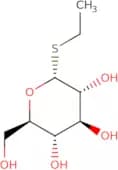
CAS:Nicotinic acid acyl-b-D-glucuronide is a carbohydrate that is synthesized by the condensation of nicotinic acid with b-D-glucuronic acid. It can be modified by fluorination, methylation, glycosylation, or click modification. The CAS Number for this product is 24719-73-1 and it has a purity of >98%. It has been custom synthesized at our lab and it is available in high purity.Fórmula:C12H13NO8Pureza:Min. 95%Peso molecular:299.23 g/molEthyl a-D-thioglucopyranoside
CAS:<p>Ethyl a-D-thioglucopyranoside is an organic compound that is used as a precursor in the synthesis of complex sugars. Ethyl a-D-thioglucopyranoside is an oligosaccharide that contains a methylated and glycosylated sugar. The glycosidic bond in this product can be modified by fluorination to give ethyl 2,3,4,5-tetrafluorothioglucopyranoside.</p>Fórmula:C8H16O5SPureza:Min. 95%Peso molecular:224.28 g/mol


![1,5-Anhydro-4,6-O-benzylidene-3-O-[2,4-dichlorophenyl]thiocarbonyloxy-2-O-toluoyl-D-glucitol](/_next/image/?url=https%3A%2Fstatic.cymitquimica.com%2Fproducts%2F3D%2Fthumb-webp%2FMA05714.webp&w=3840&q=75)









![1,2-Dideoxy-2'-piperidin-1-yl-a-D-glucopyranoso-[2,1-d]-2'-thiazoline](/_next/image/?url=https%3A%2Fstatic.cymitquimica.com%2Fproducts%2F3D%2Fthumb-webp%2FMD15732.webp&w=3840&q=75)