Glicociência
A glicociência é o estudo dos carboidratos e seus derivados, bem como das interações e funções biológicas em que participam. Este campo de pesquisa é crucial para compreender uma ampla variedade de processos biológicos, incluindo o reconhecimento celular, a sinalização, a resposta imune e o desenvolvimento de doenças. A glicociência tem aplicações importantes na biotecnologia, na medicina e no desenvolvimento de novos medicamentos e terapias. Na CymitQuimica, oferecemos uma ampla seleção de produtos de alta qualidade e pureza para pesquisa em glicociência. Nosso catálogo inclui monossacarídeos, oligossacarídeos, polissacarídeos, glicoconjugados e reagentes específicos, projetados para apoiar os pesquisadores em seus estudos sobre a estrutura, função e aplicações dos carboidratos em sistemas biológicos. Esses recursos são destinados a facilitar descobertas científicas e aplicações práticas em diversas áreas das biociências e da medicina.
Subcategorias de "Glicociência"
- Amino açúcares(108 produtos)
- Anticorpos Glico-Relacionados(282 produtos)
- Glicolípidos(46 produtos)
- Glicosaminoglicanos (GAGs)(55 produtos)
- Glicosídeos(419 produtos)
- Monossacáridos(6.624 produtos)
- Oligossacarídeos(3.682 produtos)
- Polissacáridos(503 produtos)
Foram encontrados 11046 produtos de "Glicociência"
Ordenar por
Pureza (%)
0
100
|
0
|
50
|
90
|
95
|
100
(R,R)-(+)-1,4-Dimethoxy-2,3-butanediol
CAS:(R,R)-(+)-1,4-Dimethoxy-2,3-butanediol is a modification of the sugar 1,4-dimethoxy-2,3-butanediol. It is a carbohydrate that can be synthesized and purified to high purity. The synthesis of (R,R)-(+)-1,4-dimethoxy-2,3-butanediol starts with the methylation of glycerol followed by the addition of an alpha hydroxyl group. The final product is produced by glycosylation and polysaccharide synthesis. This modification has been shown to be effective in treating cancer cells and may have potential applications in other areas as well.Fórmula:C6H14O4Pureza:Min. 95%Peso molecular:150.17 g/mol3,4,6-Tri-O-acetyl-2-azido-2-deoxy-a-D-glucopyranosyl trichloroacetimidate
CAS:3,4,6-Tri-O-acetyl-2-azido-2-deoxy-a-D-glucopyranosyl trichloroacetimidate is a custom synthesis of complex carbohydrates. This compound has CAS number 94715-56-7 and can be used for the modification of saccharides or carbohydrates. 3,4,6-Tri-O-acetyl-2-azido-2-deoxy -aD glucopyranosyl trichloroacetimidate can be modified with methylation, glycosylation, or fluorination. It is also a synthetic compound and has high purity.Fórmula:C14H17Cl3N4O8Pureza:Min. 95%Peso molecular:475.67 g/molb-D-Galactopyranosyl-(1,4)-O-b-D-glucopyranosyl-(1,4)-D-glucose
<p>This custom synthesis complex carbohydrate has a CAS number and is a polysaccharide. It is modified by methylation, glycosylation, click modification, and fluorination. This carbohydrate has high purity and is synthesized synthetically.</p>Pureza:Min. 95%4-O-[3-O-(2-Acetamido-2-deoxy-a-D-galactopyranosyl)-b-D-galactopyranosyl]-D-glucose
CAS:<p>4-O-[3-O-(2-Acetamido-2-deoxy-a-D-galactopyranosyl)-b-D-galactopyranosyl]-D-glucose is a saccharide that is modified with a methyl group at the C4 position. It can be used for the synthesis of other saccharides, oligosaccharides and polysaccharides. The molecular weight of this compound is 564.47 g/mol and its chemical formula is C44H62O30Glu. This product has CAS No. 96623-71-1 and can be purchased from custom synthesis companies with high purity and good quality.</p>Fórmula:C20H35NO16Pureza:Min. 95%Cor e Forma:PowderPeso molecular:545.5 g/mol5-O-(5-Amino-5-deoxy-b-D-ribofuranosyl)-1-N-[(S)-4-amino-2-hydroxy-butanoyl]paromamine
5-O-(5-Amino-5-deoxy-b-D-ribofuranosyl)-1-N-[(S)-4-amino-2-hydroxybutanoyl]paromamine is a Glycosylation agent that is used in the synthesis of oligosaccharides and polysaccharides. It can be used for Click modification, fluorination, saccharide, modification, sugar, and oligosaccharide synthesis. This product is CAS No. 51417-97-9 and has purity >99% (HPLC).Pureza:Min. 95%3-Deoxy-3-fluoro-D-glucitol
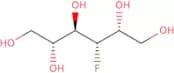
CAS:<p>3-Deoxy-3-fluoro-D-glucitol is a glucose analog that is used as a marker for glycogen in tissue extracts. 3-Deoxy-3-fluoro-D-glucitol has been shown to be the most sensitive molecular marker for muscle glycogen concentrations, although it does not react with all types of muscle. It can also be used as a marker for glycogen content in extracts of tissue or cells because it reacts with locusta migratoria fat body. In addition, 3-deoxy-3-fluoro-D-glucitol can be used as a nuclear magnetic resonance (NMR) probe to study the structure of trehalose and fructose. The compound has been shown to bind to locusta migratoria fat body and can be used as an NMR probe to study the structure of trehalose and fructose.</p>Fórmula:C6H13FO5Pureza:Min. 95%Peso molecular:184.16 g/mol4-Hydroxyestradiol-3-O-b-D-glucuronide
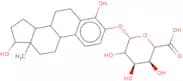
CAS:<p>4-Hydroxyestradiol-3-O-b-D-glucuronide is a synthetic compound that is custom synthesized using click chemistry. It is a methylated derivative of estradiol with a sugar moiety and a glucuronide group attached to the b carbon. This product is soluble in water and ethanol. Chemical modification of 4-hydroxyestradiol-3-O-b-D-glucuronide can be achieved by fluorination, saccharide conjugation, or carbonylation. The CAS number for this compound is 90746-94-4.</p>Fórmula:C24H32O9Pureza:Min. 95%Peso molecular:464.51 g/molN,N-Dimethyl-D-glucosamine
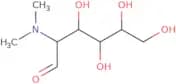
CAS:<p>N,N-Dimethyl-D-glucosamine is a natural amino sugar that yields pyrazoles, triazoles, and formaldehyde. It can be prepared by the reaction of acetyl chloride with potassium hydroxide in hydrochloric acid. The synthesis of N,N-Dimethyl-D-glucosamine has been optimized on a Raney nickel catalyst to produce high yields of the desired product. This product is a broad spectrum antibiotic that has been shown to inhibit bacterial growth through inhibition of protein synthesis. The salt form of N,N-Dimethyl-D-glucosamine is sodium salt.</p>Fórmula:C8H17NO5Pureza:Min. 95%Peso molecular:207.22 g/mol5-(Acetylamino)-5-deoxy-3-S-phenyl-3-thio-D-erythro-a-L-gluco-2-nonulopyranosonic acid methyl ester 2,4,7,8,9-pentaacetate
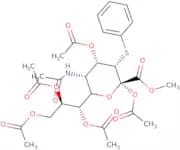
CAS:<p>5-(Acetylamino)-5-deoxy-3-S-phenyl-3-thio-D-erythro-a-L-gluco-2-nonulopyranosonic acid methyl ester 2,4,7,8,9-pentaacetate is a synthetic monosaccharide that can be used for glycosylation and polysaccharide modification. It can also be used as a click chemistry building block to modify sugars. This product has been custom synthesized for the specific needs of our customers. The purity of this compound is greater than 98%.</p>Fórmula:C28H35NO14SPureza:Min. 95%Peso molecular:641.64 g/moltrans-3'-Benzoyloxy cotinine 2,3,4-tri-O-acetyl-N-b-D-glucuronide methyl ester bromide
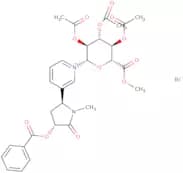
CAS:<p>Cotinine is a toxic alkaloid found in tobacco, which is used in the synthesis of a variety of drugs and other substances. Cotinine is used to prepare a range of modified and unmodified oligosaccharides, complex carbohydrates and polysaccharides. It can be synthesized by combining 3-benzoyloxy cotinine with glycosylation, methylation, or fluorination. The chemical structure of cotinine consists of a complex carbohydrate that contains an acidic sugar. Cotinine bromide can be used for the synthesis of saccharides with various chemical modifications.</p>Fórmula:C30H33BrN2O12Pureza:Min. 95%Peso molecular:693.49 g/molHydroxypropyl cellulose - Average MW 1,000,000
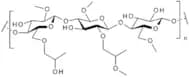
CAS:<p>Binder in tablets; food additive; has several pharmaceutical applications</p>Pureza:Min. 95%R,S-Ambrisentan-acyl-b-D-glucuronide
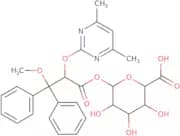
CAS:Ambrisentan is a synthetic, complex carbohydrate that belongs to the group of glycosylations. It has been shown to have anti-inflammatory and vasodilatory effects in animal studies. Ambrisentan is an inhibitor of angiotensin II type 1 receptor (AT1). It binds to the AT1 receptor and blocks the binding of angiotensin II, resulting in reduced blood pressure. The drug also inhibits the activity of sodium channels in vascular smooth muscle cells, which leads to decreased heart rate. Ambrisentan is used for the treatment of pulmonary hypertension.Fórmula:C28H30N2O10Pureza:Min. 95%Peso molecular:554.55 g/mol1,4:3,6-Dianhydro-5-nitro-D-glucitol
CAS:<p>Isosorbide is a naturally occurring sugar alcohol (polyol) that is found in small quantities in many plants and fruits. It is used as a pharmaceutical drug to treat angina pectoris, congestive heart failure, and high blood pressure. Isosorbide has been shown to inhibit the activity of matrix metalloproteinases (MMPs), which are enzymes that degrade extracellular matrix proteins. This effect may be beneficial for patients with disorders such as arthritis. Isosorbide also increases nitric oxide production, leading to vasodilation and improved blood flow. The therapeutic effect of isosorbide has been demonstrated in experimental models using mice with congestive heart failure due to myocardial infarction or chronic heart disease. Pharmacological treatment of these animals with isosorbide resulted in an improvement of left ventricular function, reduction of myocardial fibrosis, and reduced levels of cardiac markers.</p>Fórmula:C6H9NO6Pureza:Min. 95%Peso molecular:191.14 g/mol4-Methylphenyl 2,3,4-tri-O-benzyl-b-D-thioglucopyranoside
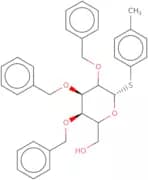
CAS:4-Methylphenyl 2,3,4-tri-O-benzyl-b-D-thioglucopyranoside is a custom synthesis of a fluorinated glycoside that is used as an intermediate for the production of saccharides. This compound has been modified by methylation, monosaccharide, and click chemistry. It is available in high purity and has undergone extensive purification to remove impurities.Fórmula:C34H36O5SPureza:Min. 95%Peso molecular:556.71 g/mol2,3,4-Tri-O-acetyl-1-deoxy-1-fluoro-b-D-arabinopyranosyl cyanide
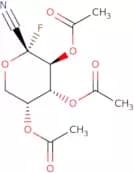
CAS:<p>2,3,4-Tri-O-acetyl-1-deoxy-1-fluoro-b-D-arabinopyranosyl cyanide is a high purity synthetic sugar that is custom synthesized to order. It has CAS No. 215942-92-0 and can be used for Click modification, fluorination, glycosylation, methylation and modification of oligosaccharides and monosaccharides. This compound has many uses in the synthesis of complex carbohydrates such as saccharides and oligosaccharides.</p>Fórmula:C12H14FNO7Pureza:Min. 95%Peso molecular:303.24 g/mol3,6-Di-O-tert-butyldiphenylsilyl-D-glucal
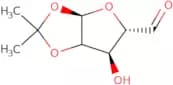
CAS:3,6-Di-O-tert-butyldiphenylsilyl-D-glucal is a monosaccharide that is synthesized from D-glucal. It can be modified with methyl groups and fluorine atoms. 3,6-Di-O-tert-butyldiphenylsilyl-D-glucal has been shown to be effective in modifying polysaccharides, glycosylation, and oligosaccharides. This compound is also used in the synthesis of complex carbohydrates.Pureza:Min. 95%Bis-(5-aldo-1,2-O-isopropylidene-D-xylo-pentofuranose) 5,5':3',5-Cyclic acetal
CAS:<p>Bis-(5-aldo-1,2-O-isopropylidene-D-xylo-pentofuranose) 5,5':3',5-Cyclic acetal is a synthetic saccharide that is used in the synthesis of complex carbohydrates. The compound is composed of an aldohexose and five cyclic acetal groups. It has a molecular weight of 618.11 g/mol and chemical formula C12H24O6. Bis-(5-aldo-1,2-O-isopropylidene-D-xylo-pentofuranose) 5,5':3',5 -cyclic acetal can be synthesized via the click chemistry reaction between 2′,3′,4′,6′,8′,9′ -octahydrobenzoin (1) and 4'-hydroxybutyric acid (2).</p>Pureza:Min. 95%5-Deoxy-1,2-O-isopropylidene-5-[(2R-pyridin-2-yl-pyrrolidine)-1-yl]-a-D-xylofuranose
CAS:<p>5-Deoxy-1,2-O-isopropylidene-5-[(2R-pyridin-2-yl-pyrrolidine)-1-yl]-a-D-xylofuranose is a custom synthesis that has been modified by fluorination, methylation, and monosaccharide addition. This chemical is also known as 5DIPXF.</p>Fórmula:C17H24N2O4Pureza:Min. 95%Peso molecular:320.39 g/mol3'-Sialyllactose-APD-HSA
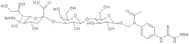
<p>3'-Sialyllactose-APD-HSA is a complex carbohydrate with Oligosaccharide and Polysaccharide. It is a modification of saccharides, which are composed of monosaccharides or simple sugars. 3'-Sialyllactose-APD-HSA is a synthetic compound that has been modified by the addition of fluorine atoms to the sugar molecule. This modification prevents the sugar from being broken down by enzymes in the body and ensures that it remains intact until it reaches its target site. 3'-Sialyllactose-APD-HSA is used as a drug delivery system for cancer drugs, such as doxorubicin and paclitaxel.</p>Pureza:Min. 95%Methyl a-D-altropyranoside
CAS:<p>Methyl a-D-altropyranoside is an electrolyte solution that is used for the stabilization and selective separation of glycosides. It has been shown to be effective at diagnosing bacterial infections by selectively binding to glycosylated nucleotides. The methyl group on the molecule is necessary for this function, and therefore it cannot act as a glycosylated nucleotide in its own right. Methyl a-D-altropyranoside may be used to synthesize nucleotides with axial or equatorial configurations, which are not usually found in nature. The yields of these sequences can be increased using this compound.</p>Fórmula:C7H14O6Pureza:Min. 95%Peso molecular:194.18 g/molN-Valeryl-D-glucosamine
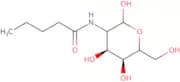
CAS:<p>N-Valeryl-D-glucosamine is an aldol product of the condensation of acetone and formaldehyde. N-Valeryl-D-glucosamine is a bioactive molecule that has been shown to be synthesized by the c-glycosidic linkage of D-glucose molecules in bacteria and fungi. It is also found in plants, such as sugar cane and sugar beet. The synthesis of this molecule occurs through the aldol reaction, which involves the unactivated ketones (acetone). This compound can also be found in biomolecular chemistry, where it is used as a substrate for condensation reactions.</p>Fórmula:C11H21NO6Pureza:Min. 95%Cor e Forma:White PowderPeso molecular:263.29 g/mol1,5-Anhydro-4,6-O-benzylidene-3-O-[2,4-dichlorophenyl]thiocarbonyloxy-2-O-toluoyl-D-glucitol
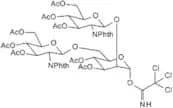
<p>1,5-Anhydro-4,6-O-benzylidene-3-O-[2,4-dichlorophenyl]thiocarbonyloxy-2-O-toluoyl-D-glucitol is a glycosylation reagent that is custom synthesized for use in the synthesis of oligosaccharides. Fluorination and methylation of the sugar moiety can be done to give desired modifications. The product has been purified by high performance liquid chromatography (HPLC) and has a purity of >98%. CAS No.: 901061-95-8</p>Fórmula:C28H24Cl2O7SPureza:Min. 95%Peso molecular:575.46 g/mol3,4-Di-O-acetyl-2,6-di-O-(3,4,6-tri-O-acetyl-2-deoxy-2-phthalimido-b-D-glucopyranosyl)-a-D-mannopyranosyl trichloroacetimidate
<p>3,4-Di-O-acetyl-2,6-di-O-(3,4,6-tri-O-acetyl-2-deoxy-2-phthalimido-b-D-glucopyranosyl)-a-D-mannopyranosyl trichloroacetimidate is a modified sugar with the molecular formula of C54H79F14N5O26. It is a complex carbohydrate that can be synthesized and custom made. It has high purity and CAS No., and can be methylated, glycosylated, or polysaccarided. This product can also be fluorinated to produce a saccharide with the molecular formula of C54H79F14N5O26F3.</p>Fórmula:C52H54Cl3N3O26Pureza:Min. 95%Peso molecular:1,243.35 g/mol2,3,5-Tri-O-benzyl-L-lyxono-1,4-lactone
<p>Tri-O-benzyl-L-lyxono-1,4-lactone is a methylated saccharide. It can be used as a building block for the synthesis of oligosaccharides and glycosylations. It can also be used as a click modification to modify proteins and polymers.</p>Fórmula:C26H26O5Pureza:Min. 95%Cor e Forma:PowderPeso molecular:418.48 g/mol3,4,6-Tri-O-benzyl-2-deoxy-D-glucono-1,5-lactone
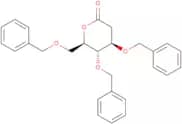
CAS:3,4,6-Tri-O-benzyl-2-deoxy-D-glucono-1,5-lactone is a carbohydrate that inhibits the enzyme sglt2. It is an activator of glycoconjugates and has been shown to be effective against certain cancers. 3,4,6-Tri-O-benzyl-2-deoxy-D-glucono-1,5-lactone has been shown to inhibit the growth of cancer cells in vitro and in vivo. This compound also inhibits lactate production by inhibiting the enzyme lactate dehydrogenase (LDH).Pureza:Min. 95%Sambubiose
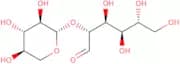
CAS:<p>Sambubiose is a flavonol glycoside that is found in the lacrimal gland of rabbits. It has been used as a dietary supplement and is said to be synthesized by hydrolysis of the starch-bound glucose disaccharides, maltose and maltotriose. Sambubiose is not readily absorbed by the gastrointestinal tract, which may be due to its low solubility in water and acidic pH. It is also poorly absorbed because it contains a glycosidic bond and a non-reducing terminal sugar group. Sambubiose can be detected by nuclear magnetic resonance spectroscopy at 1.5 ppm for the methylene protons from the OH group of the glycosidic bond. The chemical shift at 2.7 ppm corresponds to the methylene protons from the hydroxyl group on malonic acid (a component of sambubiose).</p>Fórmula:C11H20O10Pureza:Min. 95%Peso molecular:312.27 g/mol2,3,6-Tri-O-carboxymethyl-D-glucose
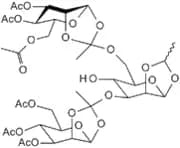
CAS:2,3,6-Tri-O-carboxymethyl-D-glucose (TCMG) is a potent polyelectrolyte that can be used as an additive to cellulose. TCMG is synthesized by the reaction of 2,3,6-tri-O-carboxymethylcellulose with potassium bitartrate in acidic medium. TCMG has been shown to interact with cellulose and form a gel matrix. This reaction is due to the ionic interactions between the carboxyl groups in TCMG and the hydroxyl groups in cellulose. The conductimetric titration measurement shows that TCMGs have a constant value at pH 5.5, indicating that they are anionic polyelectrolytes. Potentiometric titration indicates that TCMGs are nonionic polyelectrolytes and the interaction between these two polymers is due to electrostatic forces.Fórmula:C12H18O12Pureza:Min. 95%Cor e Forma:White To Off-White SolidPeso molecular:354.26 g/mol3,6-Di-O-(3,4,6-tri-O-acetyl-b-D-mannopyranosylethylidyne)-1,2-O-ethylidene-b-D-mannopyranose
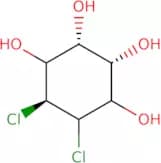
CAS:<p>3,6-Di-O-(3,4,6-tri-O-acetyl-b-D-mannopyranosylethylidyne)-1,2-O-ethylidene-b-D-mannopyranose is a synthetic glycoside that is used as an intermediate in the production of other compounds. It has been modified with fluorine to give it increased stability. This product is also known as 3,6:3',4',6'-di(1,2:1') ethylidene-.beta.-D-.mannopyranose and has CAS number 230963–26–5.</p>Fórmula:C37H52O23Pureza:Min. 95%Peso molecular:864.79 g/mol1,2-Dichloro-1,2-dideoxy-myo-inositol
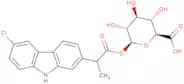
<p>1,2-Dichloro-1,2-dideoxy-myo-inositol is a methylated saccharide. It is used in the synthesis of complex carbohydrates and can be modified to include fluorine atoms. 1,2-Dichloro-1,2-dideoxy-myo-inositol has been shown to inhibit the growth of Staphylococcus aureus and Clostridium perfringens.</p>Pureza:Min. 95%Carprofen acyl-glucuronide
CAS:<p>Carprofen acyl-glucuronide is an acidic drug that is used for the treatment of inflammation, pain and fever. It has been shown to be active in humans at a dosage of 10 mg/kg. Carprofen acyl-glucuronide binds to nicotinic acetylcholine receptors (nAChR) and has been shown to have a high affinity for ligands containing lysine residues. The molecule can also bind to fatty acids, which may lead to its reactivity with human serum and plasma proteins, as well as the matrix effect seen in acidic pH. This drug is also selective for glutamate stereospecificity. Carprofen acyl-glucuronide has been shown to produce a dose-dependent inhibition of diazepam binding to its specific ligand, alpha 1 beta 2 gamma 2 subunit.</p>Fórmula:C21H20ClNO8Pureza:Min. 95%Peso molecular:449.84 g/mol1,2-Dideoxy-2'-piperidin-1-yl-a-D-glucopyranoso-[2,1-d]-2'-thiazoline
<p>1,2-Dideoxy-2'-piperidin-1-yl-a-D-glucopyranoso-[2,1-d]-2'-thiazoline is a synthetic glycosylation reagent that is used in the synthesis of oligosaccharides and polysaccharides. This product is also used for click modification of complex carbohydrates and for fluoroination. 1,2-Dideoxy-2'-piperidin-1-yl-a-D-glucopyranoso-[2,1-d]-2'-thiazoline can be used to fluorinate saccharides or monosaccharides with high purity. It has a CAS number and can be custom synthesized.</p>Pureza:Min. 95%Man-7 N-Glycan
Man-7 N-Glycan is a sugar that is composed of an oligosaccharide and a monosaccharide. The oligosaccharide is composed of an alpha-1,6-linked mannose, an alpha-1,2-linked mannose, and a beta-1,2-linked mannose. The monosaccharide is composed of glucose. This sugar has been modified with methylation and fluorination on the mannose side chains. It also contains glycosylation in the form of O-(alpha-D-mannopyranosyl)-(alpha-D-mannopyranosyl)n or O-(alpha-D-mannopyranosyl)-(beta-D-mannopyranosyl)m. A CAS number for this carbohydrate has not yet been assigned because it is custom synthesized. Man 7 N Glycan can be found in nature as a component of glycogenFórmula:C58H98N2O46Pureza:Min. 90 Area-%Cor e Forma:PowderPeso molecular:1,559.38 g/molA1 N-Glycan
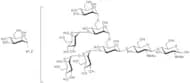
CAS:<p>A1 N-glycan is a custom synthesis, complex carbohydrate that is an oligosaccharide and polysaccharide. It is modified with saccharides, methylation, glycosylation, and fluorination. A1 N-Glycan has high purity and is custom synthesized to order.</p>Fórmula:C73H121N5O54Pureza:Min. 95%Cor e Forma:PowderPeso molecular:1,932.74 g/mol2-O-Acetyl-3,4,6-tri-O-benzyl-b-D-glucopyranosyl trichloroacetimidate
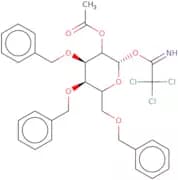
CAS:2-O-Acetyl-3,4,6-tri-O-benzyl-b-D-glucopyranosyl trichloroacetimidate is a product of sugar modification. The modification is performed by the addition of acetyl groups to the hydroxyl groups on the glucose molecule. This process can be used to produce oligosaccharides and complex carbohydrates. The compound has no fluorine atoms and is not methylated or glycosylated. It has a CAS number of 180714-32-3.Fórmula:C31H32Cl3NO7Pureza:Min. 95%Peso molecular:636.95 g/mol3'-a-Sialyl-N-acetyllactosamine-PAA-biotin
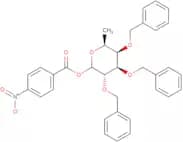
<p>3'-a-Sialyl-N-acetyllactosamine-PAA-biotin is a biotin labelled sialylglycoside</p>Pureza:Min. 95 Area-%Cor e Forma:Off-White Powder2,3,4-Tri-O-benzyl-1-O-(4-nitrobenzoyl)-L-fucopyranose
CAS:<p>2,3,4-Tri-O-benzyl-1-O-(4-nitrobenzoyl)-L-fucopyranose is a methylated, custom synthesized oligosaccharide. It has been modified with fluorination to give it high purity and complex carbohydrates with a saccharide backbone. This product is also a sugar and is synthesized from monosaccharides.</p>Fórmula:C34H33NO8Pureza:Min. 95%Peso molecular:583.63 g/mol1,2:4,5-Di-O-isopropylidene-b-L-erythro-2,3-hexodiulo-2,6-pyranose
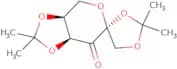
CAS:<p>1,2:4,5-Di-O-isopropylidene-b-L-erythro-2,3-hexodiulo-2,6-pyranose is a sugar that can be found in the human body. It has been shown to have a high level of hydrogen bonding and can be used as an energy source by replicon cells. It is also an enantiomer of 1,2:4,5:8,9-di-O-isopropylidene-b-(D)-threo--2,3--hexodiulo--2,6--pyranose. This molecule has been shown to inhibit the growth of herpes simplex virus in vitro and in vivo and has been investigated for its potential use as an antiherpes agent. 1,2:4,5:8,9 Di--O--isopropylidene--b-(D)--threo--2</p>Fórmula:C12H18O6Pureza:Min. 95%Peso molecular:258.27 g/mol3',4'-Di-O-(b-D-glucopyranosyl)-L-DOPA
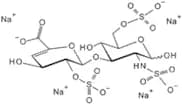
<p>3',4'-Di-O-(β-D-glucopyranosyl)-L-DOPA is a methylated form of L-DOPA that is used as a precursor in the synthesis of dopamine. It is available on custom synthesis, and can be modified with fluorination or click chemistry. This product is a synthetic monosaccharide sugar that is used in the production of polysaccharides and saccharides. It has a CAS number and is sold with high purity, which makes it an excellent candidate for modification.</p>Pureza:Min. 95%Heparin disaccharide I-S, tetrasodium salt
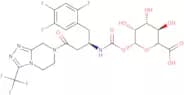
CAS:<p>Heparin disaccharide I-S, tetrasodium salt is a sodium salt of heparin that has been modified to contain two sulfate groups. The chemical modification of heparin disaccharide I-S, tetrasodium salt alters the molecule's charge and surface properties. This modification increases the molecule's ability to bind with cell surface markers and inhibits the activity of proteases. Heparin disaccharide I-S, tetrasodium salt is able to inhibit leukaemia proliferation in thp-1 cells by binding with cytoskeletal proteins such as vimentin and actin. This chemical also prevents PMA induced morphological changes in thp-1 cells. Heparin disaccharide I-S, tetrasodium salt is used as an anticoagulant in therapeutic settings. It is used to prevent blood clotting by inhibiting the activation of factors Xa and IIa. Heparin disaccharide</p>Fórmula:C12H15NO19S3·4NaPureza:Min. 98 Area-%Cor e Forma:White PowderPeso molecular:665.4 g/molSitagliptin carbamoyl b-D-glucuronide
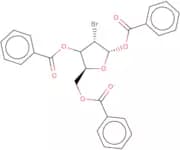
CAS:<p>Sitagliptin carbamoyl b-D-glucuronide is a synthetic drug that has been modified to be sitagliptin, which is an oral antihyperglycemic agent. Sitagliptin carbamoyl b-D-glucuronide has been synthesized through the methylation of a polysaccharide. It is a complex carbohydrate and is soluble in water. This product can be used as an additive to many food items because it does not affect their taste or texture. The CAS number for this product is 940002-59-5. This product is synthesized by the modification of natural saccharides with fluorine gas and it has a high purity level. It can be used as an intermediate in other organic synthesis reactions and its primary use is as a sugar substitute that is not metabolized by human enzymes.</p>Fórmula:C23H23F6N5O9Pureza:Min. 95%Peso molecular:627.45 g/mol1,3,5-Tri-O-benzoyl-2-bromo-2-deoxy-a-L-arabinofuranose
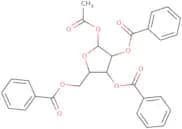
CAS:1,3,5-Tri-O-benzoyl-2-bromo-2-deoxy-a-L-arabinofuranose is a synthetic sugar molecule. It is a complex carbohydrate that can be modified by methylation and glycosylation. The carbons in the sugar backbone have been fluorinated to create a high purity product. The CAS number for this compound is 2011707-39-2.Fórmula:C26H21BrO7Pureza:Min. 95%Peso molecular:525.34 g/mol1-o-Acetyl-2,3,5-tri-o-benzoyl-L-ribose
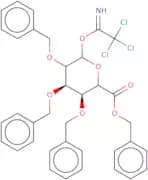
CAS:<p>1-o-Acetyl-2,3,5-tri-o-benzoyl-L-ribose is a potent inhibitor of human kinases and has been shown to have anticancer properties. It is an analog of tumor suppressor protein and induces apoptosis in cancer cells. This compound has been found in the urine of Chinese medicinal plants and has been extensively studied for its potential use in cancer treatment. Its ability to inhibit kinases makes it a promising candidate for the development of new anticancer drugs. Additionally, 1-o-Acetyl-2,3,5-tri-o-benzoyl-L-ribose has been found to have significant anti-inflammatory effects, which may also make it useful in treating other diseases associated with inflammation. Overall, this compound shows great potential as a therapeutic agent for various diseases and conditions.</p>Fórmula:C28H24O9Pureza:Min. 95%Peso molecular:504.5 g/mol2,3,4-Tri-O-benzyl-D-glucuronide benzyl ester trichloroacetimidate
The compound is a custom synthesis and modification of a complex carbohydrate. It has been synthesized by glycosylation, methylation, and click chemistry. The compound can be used as a building block for the synthesis of saccharides. It is also useful in the synthesis of polysaccharides, which are polymers consisting of long chains of sugars. The compound is a highly pure and fluorinated sugar that can be used in research as a standard or control.Fórmula:C36H34Cl3NO7Pureza:Min. 95%Peso molecular:699.02 g/mol7-a,17-a-Dimethyl-5-b-androstane-3-a,17-b-diol glucuronide
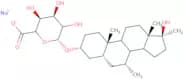
7-a,17-a-Dimethyl-5-b-androstane-3-a,17-b-diol glucuronide is a monosaccharide that is found in the brain and liver of humans. It is a synthetic compound that has been modified with methylation and glycosylation. This product also has high purity and can be custom synthesized to meet customer specifications.Fórmula:C27H43O8·NaPureza:Min. 95%Peso molecular:518.62 g/molPentaerythritol dibromide b-D-glucuronide
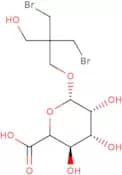
CAS:Pentaerythritol dibromide b-D-glucuronide is a high purity, custom synthesis, oligosaccharide with many potential applications. It is a complex carbohydrate that can be used for glycosylation and polysaccharide modifications. The fluorination of this compound allows for the synthesis of a wide variety of sugars including: monosaccharides, disaccharides, and polysaccharides. This product is available in powder form and has been shown to have excellent solubility in water.Fórmula:C11H18Br2O8Pureza:Min. 95%Peso molecular:438.06 g/mol2-Acetamido-4-O-(2-O-benzoyl-3,4,6-tri-O-benzyl-b-D-galactopyranosyl)-1,6-di-O-benzyl-2-deoxy-b-D-glucopyranoside
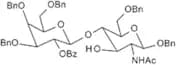
<p>This is a synthetic sugar that can be used for glycosylation, oligosaccharides, and saccharides. It has been modified with fluorination, methylation, and click chemistry. This product is available in custom synthesis upon request.</p>Fórmula:C56H59NO12Pureza:Min. 95%Peso molecular:938.07 g/mol4-Chlorophenyl 2-acetamido-2-deoxy-b-D-glucopyranoside
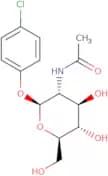
CAS:<p>4-Chlorophenyl 2-acetamido-2-deoxy-b-D-glucopyranoside is a molecule that belongs to the class of acid molecules and has been implicated in the metabolism of corynebacterium. The metabolic pathway for this molecule has been studied using databases and datasets, with population simulations and profile data being generated to help identify potential strategies for its positioning in the market. This molecule is also related to death, which may be related to its positioning.</p>Fórmula:C14H18ClNO6Pureza:Min. 95%Peso molecular:331.75 g/molMethyl 2,3-O-isopropylidene-D-ribofuranoside
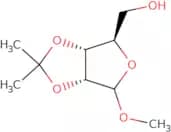
CAS:Methyl 2,3-O-isopropylidene-D-ribofuranoside is a nucleophile that reacts with amines to form a tetroxide intermediate. It has been shown to react with the cellular components of vesicular stomatitis virus and to have an interaction with malonic acid. This compound also reacts with osmium tetroxide in the presence of phosphite to produce a chloride ion and an osmate ester. Methyl 2,3-O-isopropylidene-D-ribofuranoside can be recycled by quaternization with sodium periodate, which yields methyl 3,5-dimethoxybenzoate.Fórmula:C9H16O5Pureza:Min. 95%Cor e Forma:Colorless PowderPeso molecular:204.2 g/molMethyl 2,3,4-triacetyl-D-glucopyranosiduronyl 1-(N-4-methoxyphenyl)-2,2,2-trifluoroacetimidate
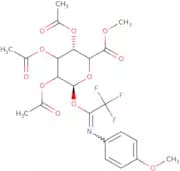
CAS:<p>Methyl 2,3,4-triacetyl-D-glucopyranosiduronyl 1-(N-4-methoxyphenyl)-2,2,2-trifluoroacetimidate is a synthetic saccharide that can be used for the modification of polysaccharides and oligosaccharides. It is often used in glycosylation reactions to produce complex carbohydrates with high purity. This chemical compound has been shown to methylate sugars at their C1 position with high selectivity and efficiency. Methyl 2,3,4-triacetyl-D-glucopyranosiduronyl 1-(N-4-methoxyphenyl)-2,2,2-trifluoroacetimidate is also known as CAS No. 918158-52-8.</p>Fórmula:C22H24F3NO11Pureza:Min. 95%Peso molecular:535.42 g/mol


![4-O-[3-O-(2-Acetamido-2-deoxy-a-D-galactopyranosyl)-b-D-galactopyranosyl]-D-glucose](/_next/image/?url=https%3A%2Fstatic.cymitquimica.com%2Fproducts%2F3D%2Fthumb-webp%2FOA10409.webp&w=3840&q=75)
![5-O-(5-Amino-5-deoxy-b-D-ribofuranosyl)-1-N-[(S)-4-amino-2-hydroxy-butanoyl]paromamine](/_next/image/?url=https%3A%2Fstatic.cymitquimica.com%2Fproducts%2F3D%2Fthumb-webp%2FOA32030.webp&w=3840&q=75)


![5-Deoxy-1,2-O-isopropylidene-5-[(2R-pyridin-2-yl-pyrrolidine)-1-yl]-a-D-xylofuranose](/_next/image/?url=https%3A%2Fstatic.cymitquimica.com%2Fproducts%2F3D%2Fthumb-webp%2FMD07487.webp&w=3840&q=75)

![1,5-Anhydro-4,6-O-benzylidene-3-O-[2,4-dichlorophenyl]thiocarbonyloxy-2-O-toluoyl-D-glucitol](/_next/image/?url=https%3A%2Fstatic.cymitquimica.com%2Fproducts%2F3D%2Fthumb-webp%2FMA05714.webp&w=3840&q=75)


![1,2-Dideoxy-2'-piperidin-1-yl-a-D-glucopyranoso-[2,1-d]-2'-thiazoline](/_next/image/?url=https%3A%2Fstatic.cymitquimica.com%2Fproducts%2F3D%2Fthumb-webp%2FMD15732.webp&w=3840&q=75)