Glicociência
A glicociência é o estudo dos carboidratos e seus derivados, bem como das interações e funções biológicas em que participam. Este campo de pesquisa é crucial para compreender uma ampla variedade de processos biológicos, incluindo o reconhecimento celular, a sinalização, a resposta imune e o desenvolvimento de doenças. A glicociência tem aplicações importantes na biotecnologia, na medicina e no desenvolvimento de novos medicamentos e terapias. Na CymitQuimica, oferecemos uma ampla seleção de produtos de alta qualidade e pureza para pesquisa em glicociência. Nosso catálogo inclui monossacarídeos, oligossacarídeos, polissacarídeos, glicoconjugados e reagentes específicos, projetados para apoiar os pesquisadores em seus estudos sobre a estrutura, função e aplicações dos carboidratos em sistemas biológicos. Esses recursos são destinados a facilitar descobertas científicas e aplicações práticas em diversas áreas das biociências e da medicina.
Subcategorias de "Glicociência"
- Amino açúcares(108 produtos)
- Anticorpos Glico-Relacionados(282 produtos)
- Glicolípidos(46 produtos)
- Glicosaminoglicanos (GAGs)(55 produtos)
- Glicosídeos(419 produtos)
- Monossacáridos(6.624 produtos)
- Oligossacarídeos(3.682 produtos)
- Polissacáridos(503 produtos)
Foram encontrados 11046 produtos de "Glicociência"
Ordenar por
Pureza (%)
0
100
|
0
|
50
|
90
|
95
|
100
1,2,3,5-Tetra-O-acetyl-L-arabinofuranose
CAS:<p>1,2,3,5-Tetra-O-acetyl-L-arabinofuranose is an organic compound that belongs to the group of sugars. It is a component of many polysaccharides and glycoproteins. 1,2,3,5-Tetra-O-acetyl-L-arabinofuranose is a useful intermediate in the synthesis of lysine and theophylline. The most common method for deacetylation involves using triphenylphosphine and chlorine in dichloromethane or chloroform as solvent. This reaction yields 1,2,3,5-tetra-O-(chloroacetoxy)-L-arabinofuranose which can be purified by chromatography. The bioassay for 1,2,3,5-tetra-O-[chloroacetoxy]-L arabinofuranose was found to be similar to that for</p>Fórmula:C13H18O9Pureza:Min. 95%Cor e Forma:Colorless PowderPeso molecular:318.28 g/molD-Mannose-6-13C
CAS:Please enquire for more information about D-Mannose-6-13C including the price, delivery time and more detailed product information at the technical inquiry form on this pageFórmula:C6H12O6Pureza:Min. 95%Peso molecular:180.16 g/molLS-tetrasaccharide c-GEL
<p>LS-tetrasaccharide c-GEL is a modified oligosaccharide carbohydrate that is synthesized to have a high degree of purity. It can be used in the synthesis of other saccharides and sugar derivatives, such as fluorinated saccharides. LS-tetrasaccharide c-GEL is an important raw material for the modification of glycans and glycolipids.</p>Pureza:Min. 95%3',4'-O-Carbonyl-6,6'-di-O-triisopropylsilyl lactal
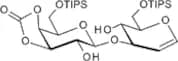
CAS:<p>3',4'-O-Carbonyl-6,6'-di-O-triisopropylsilyl lactal is a custom synthesis used for the modification of complex carbohydrates with glycosylation and methylation. It can be used to synthesize oligosaccharides or polysaccharides with high purity and good yield. 3',4'-O-Carbonyl-6,6'-di-O-triisopropylsilyl lactal is also an effective fluorinating agent that can be used in the synthesis of monosaccharides by click chemistry.</p>Fórmula:C31H58O10Si2Pureza:Min. 95%Peso molecular:646.96 g/molPhenyl 2-O-benzyl-a-L-thiorhamnopyranoside
CAS:<p>Phenyl 2-O-benzyl-a-L-thiorhamnopyranoside (PTBP) is a synthetic glycosylation product. It is used as a monosaccharide building block for oligosaccharides and polysaccharides. PTBP exhibits high purity, custom synthesis capability, and is available in bulk quantities.</p>Fórmula:C19H22O4SPureza:Min. 95%Peso molecular:346.44 g/mol5-Deoxy-5-iodo-1,2-o-(1-methylethylidene)pentofuranose
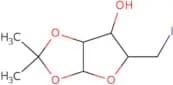
CAS:<p>5-Deoxy-5-iodo-1,2-o-(1-methylethylidene)pentofuranose is a synthetic sugar. It is a complex carbohydrate that can be custom synthesized and has high purity. This compound is an oligosaccharide with methylation, glycosylation, and polysaccharides. 5-Deoxy-5-iodo-1,2-o-(1-methylethylidene)pentofuranose has been fluorinated to give it saccharide properties.</p>Fórmula:C8H13IO4Pureza:Min. 95%Peso molecular:300.09 g/molMizoribine 5'-monophosphate
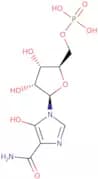
CAS:<p>Mizoribine 5'-monophosphate is a novel molecule that has been shown to have anti-inflammatory and immunosuppressive properties. It has been observed that Mizoribine 5'-monophosphate inhibits the activity of a number of enzymes, including neutral endopeptidases, aminopeptidases, and esterases, which may be involved in the pathogenesis of inflammatory bowel disease. Mizoribine 5'-monophosphate also blocks the production of autoantibodies and suppresses the immune response by inhibiting T cells. The therapeutic potential for Mizoribine 5'-monophosphate is currently being investigated in clinical trials for treatment of inflammatory bowel disease.</p>Fórmula:C9H14N3O9PPureza:Min. 95%Peso molecular:339.2 g/molMethyl 3,5-di-O-(p-chlorobenzoyl)-2-keto-a-D-ribofuranoside
<p>Methyl 3,5-di-O-(p-chlorobenzoyl)-2-keto-a-D-ribofuranoside is an organic compound that is a modification of an oligosaccharide. It is synthesized by the methylation and glycosylation of an aldose sugar. The modification occurs in the form of a fluorination and saccharide substitution on the original molecule. This compound has been shown to have complex carbohydrate properties, as well as being a monosaccharide and polysaccharide. It has been found to be useful in numerous applications such as drugs, industrial chemicals, and others.</p>Pureza:Min. 95%4-Amino-4-deoxy-D-glucopyranose
CAS:4-Amino-4-deoxy-D-glucopyranose is an anticancer agent that has been found to be effective against cancer cells. It is a chitosan derivative that acts as an inhibitor of apoptosis in cancer cells. This compound has been detected in urine and has been shown to inhibit the growth of human cancer cells by inhibiting kinase activity. 4-Amino-4-deoxy-D-glucopyranose is an analog of glucose and can be used as a potential therapeutic agent for the treatment of tumors. It specifically targets kinases involved in the regulation of cell growth and protein synthesis, which makes it a promising candidate for cancer treatment.Fórmula:C6H13NO5Pureza:Min. 95%Peso molecular:179.17 g/molSucrose - USP
CAS:<p>Consumed in large amounts around the world as a food ingredient. Other applications of sucrose include its use in surfactants (esters), polyurethanes (polyols), plastics (alkyds) to produce dextrans (Leuconostoc mesenteroides fermentation) and ethanol (Saccharomyces cerevisiae fermentation).</p>Fórmula:C12H22O11Pureza:Min. 95%Cor e Forma:White/Off-White SolidPeso molecular:342.3 g/mol3-O-tert-Butyldimethylsilyl-4,6-O-p-methoxybenzylidene-D-glucal
CAS:3-O-tert-Butyldimethylsilyl-4,6-O-p-methoxybenzylidene-D-glucal is a glycosylation agent that is used to modify complex carbohydrates and polysaccharides. It is synthesized from D-glucal, which can be obtained from natural sources such as corn, rice, or wheat. 3-O-tert-Butyldimethylsilyl--4,6--O--p--methoxybenzylidene--D--glucal is a synthetic compound that can be used for the modification of saccharides and oligosaccharides. This product has high purity and can be custom synthesized to suit specific needs.Pureza:Min. 95%L-[2-13C]Xylose
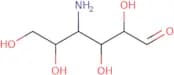
CAS:<p>Please enquire for more information about L-[2-13C]Xylose including the price, delivery time and more detailed product information at the technical inquiry form on this page</p>Fórmula:C5H10O5Pureza:Min. 95%Peso molecular:151.12 g/mol3,6-Di-O-tert-butyldimethylsilyl-D-galactal
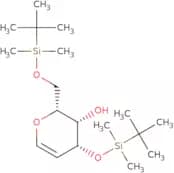
CAS:<p>3,6-Di-O-tert-butyldimethylsilyl-D-galactal is a sugar that has been modified with fluorination. This sugar can be used as an intermediate for the synthesis of complex carbohydrate or glycosylation. 3,6-Di-O-tert-butyldimethylsilyl-D-galactal can also be used in Click chemistry to modify proteins and polysaccharides. This product is offered at high purity and custom synthesis.</p>Pureza:Min. 95%2-C-(2,3,4,6-Tetra-O-acetyl-a-D-glucopyranosyl) ethyne
CAS:<p>2-C-(2,3,4,6-Tetra-O-acetyl-a-D-glucopyranosyl) ethyne is a custom synthesis that has been modified with fluorination. It is a monosaccharide sugar with a CAS number of 1236069-71-8. This chemical is also known as Oligo(2,3,4,6-tetraacetyl aD glucopyranosyl) ethyne. The chemical is used in the synthesis of oligosaccharides and polysaccharides.</p>Fórmula:C16H20O9Pureza:Min. 95%Peso molecular:356.32 g/mol4-Methoxyphenyl-D-ribofuranoside
<p>4-Methoxyphenyl-D-ribofuranoside is a monosaccharide that is used in the synthesis of oligosaccharides and polysaccharides. It is a synthetic compound that can be fluorinated, methylated, or glycosylated. The chemical formula for 4-methoxyphenyl-D-ribofuranoside is C6H8O5. The molecular weight of 4-methoxyphenyl-D-ribofuranoside is 184.12 g/mol. This product does not contain any hazardous chemicals and can be custom synthesized to meet your needs.</p>Pureza:Min. 95%HECAMEG
CAS:Please enquire for more information about HECAMEG including the price, delivery time and more detailed product information at the technical inquiry form on this pageFórmula:C15H29NO7Pureza:Min. 98 Area-%Peso molecular:335.40 g/mol2-Acetamido-1,4-imino-1,2,4-trideoxy-L-arabinitol
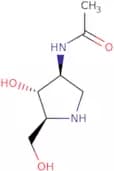
CAS:<p>2-Acetamido-1,4-imino-1,2,4-trideoxy-L-arabinitol is a competitive inhibitor of the enzyme arabinitol dehydrogenase. This compound has been shown to be an enantiomer of 1,4-imino-1,2,4-trideoxyglucitol and inhibits the growth of Mycobacterium tuberculosis in vitro assays. 2AITDG also has inhibitory properties against macrophage cells and noncompetitive inhibitors against glycoprotein glycoconjugates. 2AITDG binds to endoplasmic reticulum chaperones such as BiP/Grp78 to inhibit protein folding and cellular proliferation. It may also inhibit protein synthesis by binding to ribosomes or blocking the activity of factors involved in transcription and translation.</p>Fórmula:C7H14N2O3Pureza:Min. 95%Peso molecular:174.2 g/molAlphadolone 3-b-D-glucuronide
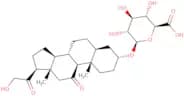
CAS:<p>Alphadolone 3-b-D-glucuronide is a compound that is synthetically derived from alphadolone. This product can be used for the synthesis of saccharides, polysaccharides, and oligosaccharides with click modification or glycosylation. It can also be used as a starting material for the preparation of methylated saccharides or glycopeptides. The chemical formula is C12H14O6F2, and it has a molecular weight of 290.20 g/mol. Alphadolone 3-b-D-glucuronide is soluble in water, methanol, and ethanol. It's CAS number is 70522-56-4.</p>Fórmula:C27H40O10Pureza:Min. 95%Peso molecular:524.6 g/molPhenyl a-D-thiogalactopyranoside
<p>Phenyl a-D-thiogalactopyranoside is a sugar with a galactose and thioglucose residue linked by an alpha-1,6 glycosidic bond. It is obtained from the hydrolysis of starch or starch derivatives such as maltodextrin. This compound can be modified through various reactions, including fluorination, glycosylation, methylation, and modification. Phenyl a-D-thiogalactopyranoside has CAS number 5664-77-5 and molecular weight of 288.24 g/mol.</p>Fórmula:C12H16O5SPureza:Min. 95%Peso molecular:272.32 g/molPhenyl 4,6-O-benzylidene-3-O-(4-methoxybenzyl)-a-D-thiomannopyranoside
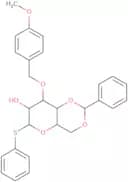
CAS:<p>Phenyl 4,6-O-benzylidene-3-O-(4-methoxybenzyl)-a-D-thiomannopyranoside is a custom synthetic sugar with a molecular weight of 514.87 and an empirical formula of C11H12FNO8. It has fluorination at the 2-, 3-, 4-, and 6-positions and methylation at the 2-, 3-, 4-, 5-, and 6-positions. Phenyl 4,6-O-benzylidene-3-O-(4-methoxybenzyl)-a-D-thiomannopyranoside is a modification of the natural product that is used in the synthesis of Oligosaccharides, Glycosylations, and Click modifications. This product is available for sale to qualified buyers.</p>Pureza:Min. 95%2,3,4,6,3',4',6'-Hepta-O-benzoylsucrose
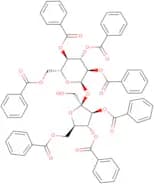
CAS:<p>2,3,4,6,3',4',6'-Hepta-O-benzoylsucrose (HBS) is a custom synthesis and modification of sucrose. The sugar is modified with 2,3,4,6-tetra-O-benzoyl groups at the 6′ position on the fructose unit and 3′ position on the glucose unit. HBS has been used in a click chemistry reaction as an acceptor for azide moieties.</p>Fórmula:C61H50O18Pureza:Min. 95%Cor e Forma:PowderPeso molecular:1,071.04 g/mol1,3,4,6-Tetra-O-acetyl-2-deoxy-2-iodo-a-D-glucopyranose
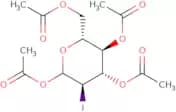
CAS:<p>1,3,4,6-Tetra-O-acetyl-2-deoxy-2-iodo-a-D-glucopyranose is a sugar molecule that is used to measure the efficiency of glycosidases. It has been shown to be an efficient site-specific inhibitor for glycosidases and analogues. This compound has been shown to inhibit the activity of glycoconjugates and glycan synthesis by interfering with the binding sites on enzymes such as endoglycosidase H. 1,3,4,6-Tetra-O-acetyl-2-deoxy-2-iodo-(1→4)-a-[alpha]-D-[beta]-D-[alpha]-glucopyranoside is an analog of this compound that can be used in place of it for specific purposes.</p>Fórmula:C14H19IO9Pureza:Min. 95%Peso molecular:458.2 g/mol3-Deoxy-D-ribose
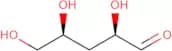
CAS:3-Deoxy-D-ribose is a monosaccharide with a molecular formula of CH(OH)CO. It is the 3-deoxy form of ribose and its pyranose ring has an oxygen atom at the 3 position. 3-Deoxy-D-ribose can be synthesized by periodate treatment of glyceric acid in the presence of hydrochloric acid, followed by hydrolysis to produce sorbose and then reaction with glycolaldehyde to produce D-glycero-D-galactopyranosyl bromide. The final step is conversion to 3-deoxyribose by reaction with aqueous ammonia. 3-Deoxyribose inhibits ribulose synthesis, which prevents the formation of an intermediate molecule required for the synthesis of fatty acids and phospholipids.Pureza:Min. 95%Tri-b-GalNAc-C12-amido-C3-azide
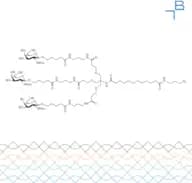
Tri-b-GalNAc-C12-amido-C3-azide is a unique bifunctional ligand for ASGPR-targeted applications. The three terminal GalNAc sugars can bind to ASGPR receptors that permit hepatocyte uptake, the C12-amide linker offers a stable spacer and the C3-azide moiety enables tailored bioconjugation via CuAAC click chemistry. This design has the potential for targeted delivery of therapeutic cargo (drugs, siRNA, nanoparticles) to hepatocytes, development of LYTACs for selective protein degradation, and creation of in vivo ASGPR imaging probes.Fórmula:C76H136N14O29Pureza:Min. 95%Peso molecular:1,709.97 g/molTri-b-GalNAc-triazolyl-C5-amine
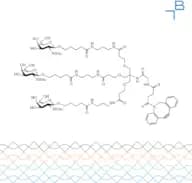
CAS:Tri-b-GalNAc-triazolyl-C5-amine is used for ASGPR-targeted delivery research. This molecule features three ASGPR-binding groups connected by a five-carbon alkyl (C5-alkyl) linker and a reactive amine group for attaching other molecules. When tri-b-GalNAc-triazolyl-C5-amine binds to ASGPR on cells, the entire complex is efficiently taken up into the cell and allows easy conjugation to various cargos such as RNA or Cas9 complexes, specifically to liver cells (hepatocytes). Additionally, tri-GalNAc-C5-amine can be used to create targeted chimeric molecules (LYTACs) or be attached to dyes for cellular imaging.Fórmula:C67H118N14O31Pureza:Min. 95%Peso molecular:1,615.73 g/molTri-b-GalNAc-gly-C6-DBCO
Tri-b-GalNAc-Gly-C6-DBCO is used for targeted siRNA therapies for liver diseases. This synthetic molecule boasts three terminal beta-N-acetylgalactosamine (GalNAc) sugars (tri-antennary GalNAc) enabling high-affinity binding to the asialoglycoprotein receptor (ASGPR) on hepatocyte surfaces. This specific recognition promotes efficient cellular uptake of these cluster conjugates via ASGPR-mediated endocytosis. Crucially, the presence of a C6 spacer and a dibenzoeylcyclooctynone (DBCO) group allows for the attachment of siRNA molecules through bioorthogonal click chemistry. This versatile approach facilitates the development of targeted siRNA conjugates that can be delivered specifically to hepatocytes for RNA interference (RNAi) applications in the liver.Fórmula:C84H130N12O30Pureza:Min. 95%Peso molecular:1,787.99 g/mol4-Deoxy-L-fucose
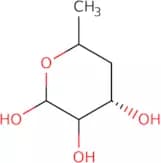
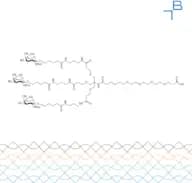
CAS:<p>4-Deoxy-l-fucose is a molecule that has been found to inhibit the synthesis of gangliosides. It is an acetylated derivative of l-fucose and can be synthesized from ethyl 4-deoxy-D-glucuronate with the help of a multivorans enzyme. This molecule is metabolically unstable and reacts with oxygen to form a divalent alcohol that can be identified by magnetic resonance spectroscopy. 4-Deoxy-l-fucose inhibits the biosynthesis of gangliosides, which are important molecules in cell signaling, through its ability to inhibit enzymes such as acetyltransferase.</p>Fórmula:C6H12O4Pureza:Min. 95%Cor e Forma:White To Off-White SolidPeso molecular:148.16 g/molTri-b-GalNAc-PEG2000-DSPE
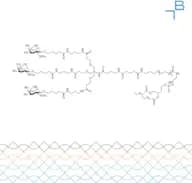
CAS:Tri-b-GalNAc-PEG2000 is a multivalent ligand containing three GalNAc moieties linked to a polyethylene glycol (PEG) spacer designed to selectively bind to the asialoglycoprotein receptor (ASGPR) expressed on hepatocytes. It can be used to create targeted drug delivery vehicles, such as liposomes or lipid nanoparticles, that specifically deliver therapeutic agents to the liver. The multivalent GalNAc ligands have high affinity for ASGPR, allowing for enhanced accumulation of drugs in the target organ while minimizing exposure to non-target tissues. The compound is typically conjugated to a phospholipid, such as 1,2-distearoyl-sn-glycero-3-phosphoethanolamine (DSPE), to create DSPE-PEG2000-triGalNAc. This lipid-based construct can be readily incorporated into liposomes or lipid nanoparticles during formulation, enabling the development of targeted drug delivery systems.Fórmula:(C2H4O)nC97H180N9O38PH3NPureza:Min. 95%Methyl a-L-arabinopyranoside
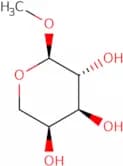
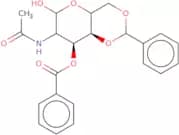
CAS:Methyl a-L-arabinopyranoside is an organic compound that has resonance configurations and can exist in two different stereoisomers. It can be synthesized by reacting 1,2-dichloroethane with glycerol and aqueous sodium hydroxide. The ethers of methyl a-L-arabinopyranoside are catalytic oxidation epoxides. Magnetic resonance analysis of the molecule has been done using nuclear magnetic resonance (NMR). Methylation of the compound will yield methyl ethers, which are obtained by reacting methyl a-L-arabinopyranoside with methanol and sodium methoxide in methanol.Pureza:Min. 95%2-Acetamido-3-O-benzoyl-4,6-O-benzylidene-2-deoxy-D-glucopyranose
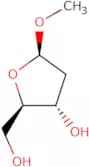
CAS:<p>This is a custom synthesized oligosaccharide that is a complex carbohydrate. This is an Oligosaccharide, Polysaccharide, and CAS No. 1486465-81-9. It has been modified by methylation, glycosylation, and carbamylation. This product has high purity and has been fluorinated. It is a saccharide and a sugar with Click modification.</p>Fórmula:C22H23NO7Pureza:Min. 95%Peso molecular:413.42 g/molMethyl 2-deoxy-b-D-ribofuranoside
CAS:<p>Methyl 2-deoxy-b-D-ribofuranoside is a methylglucoside that is used in the synthesis of thiourea. Methyl 2-deoxy-b-D-ribofuranoside inhibits the production of an atypical nucleotide, 5'-methylthioadenosine, which is used to synthesize thymine. It has been shown to be catalytic and may play a role in the biosynthesis of methionine and histidine. The chloride ion causes the reaction to proceed via an S N 2 mechanism. Methyl 2-deoxy-b-D-ribofuranoside can also be used in the synthesis of chloroacetic acid, azide, dimethylformamide, fluoride, anomeric alcohols, hydantoins and thionyl chloride. Methyl 2-deoxy-b-D-ribofuranoside can be chromatographically separated using silica</p>Fórmula:C6H12O4Pureza:Min. 95%Peso molecular:148.16 g/molBlood group B trisaccharide-APE-Biotin-BSA
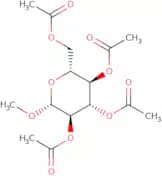
<p>Gala1-3(Fuca1-2)Gal Conjugated to BSA via Biotin & an aminophenyl ethyl spacer</p>Pureza:Min. 95%Methyl 2,3,4,6-tetra-O-acetyl-b-D-glucopyranose
CAS:Methyl 2,3,4,6-tetra-O-acetyl-b-D-glucopyranose is a fluorinated synthetic oligosaccharide. It is custom synthesized to meet your specifications. Methyl 2,3,4,6-tetra-O-acetyl-b-D-glucopyranose is a complex carbohydrate with a glycosylation pattern that can be modified and methylated. This product has CAS No. 486085 9 and purity of >99%.Fórmula:C15H22O10Pureza:Min. 95%Peso molecular:362.33 g/molTri-b-GalNAc-PEG5-carboxylic acid
CAS:Tri-b-GalNAc-PEG5-carboxylic acid, a trivalent beta-GalNAc ligand with a monodisperse PEG5 linker and carboxylic acid group for conjugation, targets the asialoglycoprotein receptor (ASGPR) for lysosomal degradation research (LYTACs). This facilitates efficient cargo delivery, such as RNA or Cas9 complexes, to hepatocytes.Fórmula:C75H134N10O35Pureza:Min. 95%Peso molecular:1,735.92 g/molTri-b-GalNAc-gly-biotin
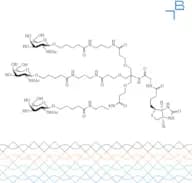
Tri-b-GalNAc-Gly-biotin is used for studying ASGPR-mediated processes. This molecule combines three terminal beta-N-acetylgalactosamine (GalNAc) sugars for efficient ASGPR binding with a glycine (Gly) spacer and a biotin moiety. The GalNAc moiety facilitates specific targeting to hepatocytes, while the glycine spacer provides flexibility. The terminal biotin group serves a dual purpose: it allows for straightforward purification of ASGPR-interacting molecules via affinity chromatography and enables further bioconjugation via established streptavidin-biotin conjugation strategies. This combination makes tri-b-GalNAc-Gly-biotin valuable for isolating ASGPR-binding ligands from complex mixtures, studying ASGPR-ligand interactions, and potentially developing targeted probes for in vitro and in vivo applications.Fórmula:C73H127N13O30SPureza:Min. 95%Peso molecular:1,698.93 g/mol1,2-O-Isopropylidene-b-L-apiose
CAS:1,2-O-Isopropylidene-b-L-apiose is a carbohydrate with the molecular formula C8H10O4. It is a monosaccharide that is derived from D-mannose by methylation and glycosylation. 1,2-O-Isopropylidene-b-L-apiose has been synthetically modified to improve its properties. The chemical structure of this compound has been modified by fluorination, saccharide modification and glycosylation to increase its solubility in water.Fórmula:C8H14O5Pureza:Min. 95%Peso molecular:190.19 g/molMethyl 2,3,4,6-tetra-O-acetyl-α-D-thiomannopyranoside
CAS:<p>Methyl 2,3,4,6-tetra-O-acetyl-a-D-thiomannopyranoside is a linker that is used in the synthesis of oligodeoxyribonucleotides. This compound has been shown to inhibit the expression of factor receptor α subunit in plant cells. In human studies, methyl 2,3,4,6-tetra-O-acetyl-a-D-thiomannopyranoside has been found to be effective against infectious diseases such as HIV and malaria by suppressing the production of growth factors. It also inhibits protein synthesis and cell division. Methyl 2,3,4,6-tetra-O-acetyl-a -D -thiomannopyranoside is synthesized from D -mannose and acetaldehyde in plants. The biosynthesis of this compound occurs by means of a sequence that begins with phosphorylation of D -mannose</p>Fórmula:C15H22O9SPureza:Min. 95%Peso molecular:378.4 g/mol1,2:4,5-Di-O-isopropylidene-D-mannitol
CAS:1,2:4,5-Di-O-isopropylidene-D-mannitol is a synthetic compound that is used as a non-ionic surfactant. It has been shown to have an enzymatic reaction with lipases and acetonitrile. The isomers of this compound are also synthesised from acetonitrile. 1,2:4,5-Di-O-isopropylidene-D-mannitol is found in human liver cells and can be used to synthesise polyols. This molecule forms orthoacids when it reacts with methoxyethylidene and the surfactant nonylphenoxypolyethoxyethanol (NPEE).Fórmula:C12H22O6Pureza:Min. 95%Cor e Forma:PowderPeso molecular:262.3 g/molD-Raffinose undecaacetate
CAS:<p>D-Raffinose undecaacetate is a sweetener that is used in some chewing gum and other foods. It is a sucrose ester with the chemical formula C12H24O11. D-Raffinose undecaacetate has been shown to increase the release of insulin, which may be due to its effects on glucose uptake or modulation of taste receptors on the tongue. It has also been shown to have an anti-inflammatory effect, which may be due to its interactions with the bitter taste receptors present in tissues such as the small intestine and liver.</p>Fórmula:C40H54O27Pureza:Min. 95%Peso molecular:966.84 g/mol1-Methyl-2-propenylbeta-D-glucopyranoside
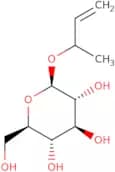
CAS:<p>1-Methyl-2-propenylbeta-D-glucopyranoside is a fluorinated carbohydrate that may be used for the modification of carbohydrates. It is a synthetic oligosaccharide that has been custom synthesized and modified with methylation, glycosylation, and click chemistry. This product is offered at high purity levels.</p>Fórmula:C10H18O6Pureza:Min. 95%Peso molecular:234.25 g/molN-Acetyl-2-chloro-2-deoxyneuraminic acid methyl ester 4,7,8,9-tetraacetate
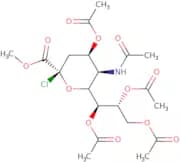
CAS:<p>N-Acetyl-2-chloro-2-deoxyneuraminic acid methyl ester 4,7,8,9-tetraacetate is a sialic acid analog that has been shown to have antiviral properties. It binds to the influenza virus and inhibits its activity by blocking the hemagglutinin receptor. The compound is soluble in water and organic solvents and can be modified with perbenzylated groups to increase its stability in plasma and tissues. N-Acetyl-2-chloro-2-deoxyneuraminic acid methyl ester 4,7,8,9-tetraacetate is resistant to hydrolysis by esterases and can also be used for the treatment of infections caused by bacteria or fungi.</p>Fórmula:C20H28ClNO12Pureza:Min. 95%Cor e Forma:PowderPeso molecular:509.89 g/mol2,6-Anhydro-3-deoxy-D-lyxo-hept-2-enononitrile
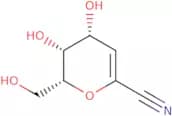
CAS:2,6-Anhydro-3-deoxy-D-lyxo-hept-2-enononitrile is a modified sugar that has been synthesized with Fluorination and saccharide. This compound is a custom synthesis of an oligosaccharide. It is also an Oligosaccharide Synthetic and is CAS No. 180336-27-0. This product has the molecular formula C8H12O5 and molecular weight of 228.24 g/mol. It has a purity of >99% (HPLC) and it is Custom synthesis, High purityFórmula:C7H9NO4Pureza:Min. 95%Peso molecular:171.15 g/mol2-Azido-1,3,4-tri-O-acetyl-2-deoxy-D-galacturonide methyl ester
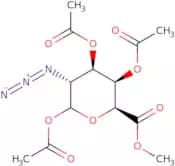
CAS:<p>2-Azido-1,3,4-tri-O-acetyl-2-deoxy-D-galacturonide methyl ester is a custom synthesis that is intended for use in research. This product is not a food or drug and is not intended to diagnose, treat, cure or prevent any disease.</p>Fórmula:C13H17N3O9Pureza:Min. 95%Cor e Forma:Colourless SolidPeso molecular:359.29 g/molDaunorubicin
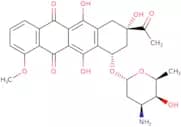
CAS:<p>Anthracycline antibiotic with potent anti-tumoral activity. The compound interferes with DNA replication and RNA transcription since it intercalates between the base pairs of nucleic acids. It also inhibits the topoisomerase II, proteasome and generates free radicals, which leads to cell death of treated cells. Moreover, daunorubicin triggers apoptosis trough the stimulation of ceramide synthesis. It has been used as chemotherapy agent for the treatment of myeloid leukaemia (AML) and acute lymphocytic leukaemia (ALL).</p>Fórmula:C27H29NO10Pureza:Min. 95%Peso molecular:527.52 g/mol2,3,5-Tri-O-benzyl-D-arabinofuranosyl chloride
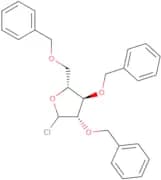
CAS:2,3,5-Tri-O-benzyl-D-arabinofuranosyl chloride is an antitumour drug that is a purine nucleoside analogue. It is a synthetic compound and has been shown to have chemotherapeutic and antitumor activities. This drug binds to the enzyme RNA polymerase II, leading to inhibition of DNA synthesis and cell death. 2,3,5-Tri-O-benzyl-D-arabinofuranosyl chloride has potential as an antitumor agent.Fórmula:C26H27ClO4Pureza:Min. 95%Peso molecular:438.94 g/mol4-Methoxyphenyl 3-O-allyl-2-azido-4,6-O-benzylidene-2-deoxy-b-D-galactopyranoside
CAS:<p>4-Methoxyphenyl 3-O-allyl-2-azido-4,6-O-benzylidene-2-deoxy-b-D-galactopyranoside is a glycosaminoglycan. It is used in the treatment of cancer to prevent metastasis and as an antiviral agent. 4MOP has been shown to inhibit the growth of virus in tissue culture by preventing the formation of new virus particles. The antiviral activity may be due to its ability to inhibit the replication of viruses at an early stage of the process. 4MOP also inhibits coagulation and antibody production, which are important for fighting infection.</p>Fórmula:C23H25N3O6Pureza:Min. 95%Peso molecular:439.46 g/mol2-Acetamido-4,6-O-benzylidene-N-Boc-1,2,5-trideoxy-1,5-imino-D-glucitol
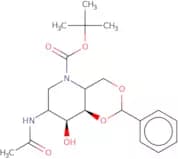
CAS:<p>2-Acetamido-4,6-O-benzylidene-N-Boc-1,2,5-trideoxy-1,5-imino-D-glucitol is a complex carbohydrate that belongs to the class of oligosaccharides. It is a methylated and glycosylated saccharide. 2ACBG has been modified with Click chemistry to introduce a fluorine atom at the C2 position on the glucose moiety. This modification prevents the formation of an intramolecular hemiacetal linkage between C2 and C3 in the ring structure, thereby preventing cyclization and stabilizing the linear configuration of 2ACBG. 2ACBG can be synthesized using high purity raw materials such as glucose and acetic acid in a two step process using ethyl bromoacetate as a reagent for acetylation followed by NBS (N-(3-bromopropyl)phthal</p>Fórmula:C20H28N2O6Pureza:Min. 95%Peso molecular:392.45 g/mol4-Formylphenyl 2-acetamido-3,4,6-tri-O-acetyl-2-deoxy-b-D-glucopyranoside
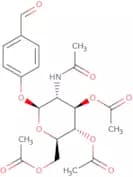
CAS:<p>4-Formylphenyl 2-acetamido-3,4,6-tri-O-acetyl-2-deoxy-β--glucopyranoside is a pyranoside that is a potent inhibitor of the enzyme glycosidase. It is used to study the interactions between enzymes and substrates. The crystal structure of 4FFAP has been determined using X-ray diffraction data. This compound has a six membered ring with two acetamido groups and one carbonyl group attached to the same carbon atom in the ring. 4FFAP interacts with other molecules through hydrogen bonding and van der Waals forces.</p>Fórmula:C21H25NO10Pureza:Min. 95%Peso molecular:451.42 g/mol2,3,4,6-Tetra-O-acetyl-a-D-mannopyranosyl-N-Fmoc-L-serine pentafluorophenyl ester
CAS:<p>2,3,4,6-Tetra-O-acetyl-a-D-mannopyranosyl-N-Fmoc-L-serine pentafluorophenyl ester is a saccharide that has been modified using the Click chemistry. It is a polysaccharide and an oligosaccharide with a high degree of purity. The chemical formula for this compound is C22H32FN3O14PS and its molecular weight is 594.06 g/mol. This substance can be used in the synthesis of complex carbohydrates.</p>Fórmula:C38F5H34NO14Pureza:Min. 95%Peso molecular:823.68 g/molMethyl 4-O-(a-D-mannopyranosyl)-a-D-mannopyranoside
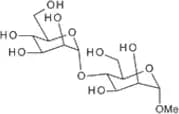
CAS:Methyl 4-O-(a-D-mannopyranosyl)-a-D-mannopyranoside is a custom synthesis, complex carbohydrate. It is an Oligosaccharide, Polysaccharide, Modification and a Carbohydrate. Methyl 4-O-(a-D-mannopyranosyl)-a-D-mannopyranoside has CAS No. 70427-91-7 and it is Fluorinated and Synthetic. This compound has high purity, Methylation, Glycosylation and Click modification.Fórmula:C13H24O11Pureza:Min. 95%Cor e Forma:SolidPeso molecular:356.32 g/mol






![L-[2-13C]Xylose](/_next/image/?url=https%3A%2Fstatic.cymitquimica.com%2Fproducts%2F3D%2Fthumb-webp%2FDUA50663.webp&w=3840&q=75)