Glicociência
A glicociência é o estudo dos carboidratos e seus derivados, bem como das interações e funções biológicas em que participam. Este campo de pesquisa é crucial para compreender uma ampla variedade de processos biológicos, incluindo o reconhecimento celular, a sinalização, a resposta imune e o desenvolvimento de doenças. A glicociência tem aplicações importantes na biotecnologia, na medicina e no desenvolvimento de novos medicamentos e terapias. Na CymitQuimica, oferecemos uma ampla seleção de produtos de alta qualidade e pureza para pesquisa em glicociência. Nosso catálogo inclui monossacarídeos, oligossacarídeos, polissacarídeos, glicoconjugados e reagentes específicos, projetados para apoiar os pesquisadores em seus estudos sobre a estrutura, função e aplicações dos carboidratos em sistemas biológicos. Esses recursos são destinados a facilitar descobertas científicas e aplicações práticas em diversas áreas das biociências e da medicina.
Subcategorias de "Glicociência"
- Amino açúcares(108 produtos)
- Anticorpos Glico-Relacionados(282 produtos)
- Glicolípidos(46 produtos)
- Glicosaminoglicanos (GAGs)(55 produtos)
- Glicosídeos(419 produtos)
- Monossacáridos(6.624 produtos)
- Oligossacarídeos(3.682 produtos)
- Polissacáridos(503 produtos)
Foram encontrados 11046 produtos de "Glicociência"
Ordenar por
Pureza (%)
0
100
|
0
|
50
|
90
|
95
|
100
(3R,4R,5R)-3-Fluoro-4-hydroxy-5-(hydroxymethyl)-3-methyloxolan-2-one
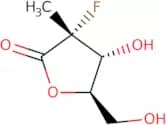
CAS:<p>(3R,4R,5R)-3-Fluoro-4-hydroxy-5-(hydroxymethyl)-3-methyloxolan-2-one is a nucleoside that has been synthesized and characterized by x-ray crystallographic analysis. It is an analog of the nucleoside fluorouracil which has been fluorinated at the 5 position of the oxo group. The crystal structure of (3R,4R,5R)-3-fluoro-4-hydroxy-5-(hydroxymethyl)-3-methyloxolan-2-one was determined using x ray crystallography to be a lactone with an anhydrous form. This compound is currently being investigated as a potential drug candidate for cancer treatment.</p>Fórmula:C6H9FO4Pureza:Min. 95%Peso molecular:164.13 g/mol3,5-Di-O-benzyl-2-deoxy-2-fluoro-D-ribono-1,4-lactone
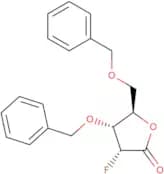
CAS:<p>Synthetic building block</p>Fórmula:C19H19FO4Pureza:Min. 95%Cor e Forma:PowderPeso molecular:330.35 g/mol1,2,3,6-Tetra-O-benzyl-4-O-trifluoromethanesulfonyl-b-D-mannopyranose
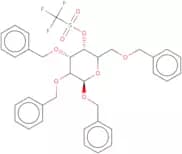
<p>1,2,3,6-Tetra-O-benzyl-4-O-trifluoromethanesulfonyl-b-D-mannopyranose is a synthetic sugar that can be custom synthesized with high purity. It is an oligosaccharide that has a sugar component and a glycosylation component. This product can be modified to order by methylation or fluorination and can be used in the synthesis of complex carbohydrates. It has been shown to have anti-inflammatory effects in rats.</p>Fórmula:C35H35F3O8SPureza:Min. 95%Peso molecular:672.71 g/molMoxifloxacin acyl D-glucuronide
<p>Moxifloxacin acyl D-glucuronide is a fluorinated, synthetic compound that inhibits bacterial growth by binding to the 16S ribosomal RNA. This drug has been shown to have a broad spectrum of activity against Gram-positive and Gram-negative bacteria. Moxifloxacin acyl D-glucuronide is not active against acid-fast bacteria such as Mycobacterium tuberculosis or Mycobacterium avium complex. The most common adverse effect associated with this drug is nausea.</p>Pureza:Min. 95%NA2F N-Glycan
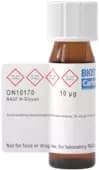
CAS:<p>NA2F N-Glycan is a custom synthesized, high purity and monosaccharide glycoprotein. NA2F N-Glycan has been fluorinated and methylated to produce NA2F N-Glycan. The product is a complex carbohydrate that is comprised of an oligosaccharide and polysaccharide. NA2F N-Glycan is synthesized from the sugar saccharide, which is a hexose made up of six carbon atoms that are bonded to each other in a ring.</p>Fórmula:C68H114N4O50Pureza:Min. 85 Area-%Cor e Forma:PowderPeso molecular:1,787.63 g/mol6-O-tert-Butyldiphenylsilyl-3,4-O-isopropylidene-D-galactal
CAS:<p>6-O-tert-Butyldiphenylsilyl-3,4-O-isopropylidene-D-galactal is a synthetic monosaccharide that is used as a building block for the synthesis of complex carbohydrates. This product is also used in glycosylation reactions and click modification. It is available in high purity and can be custom synthesized to meet customer needs.</p>Pureza:Min. 95%5,7-Bis-(benzyloxy)-a-(4-(benzyloxy)phenyl)-3-[3,4-di-O-acetyl-a-O-acetyl-a-L-rhamnopyranosyloxyl]-4H-chromen-4-one
CAS:<p>This product is a custom synthesis. This product is a methylation, click modification, and oligosaccharide. This product is a polysaccharide and saccharide. This product is fluorinated and complex carbohydrate. This product is high purity with modification. This product has monosaccharides and sugar. This product is synthetic and CAS No. 849938-27-8.</p>Fórmula:C53H48O12Pureza:Min. 95%Peso molecular:876.94 g/mol2N-Fmoc-4N-(2,3,4,6-tetra-O-acetyl-b-D-galactopyranosyl)-L-asparagine
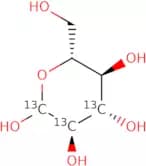
CAS:<p>2N-Fmoc-4N-(2,3,4,6-tetra-O-acetyl-b-D-galactopyranosyl)-L-asparagine is a fluorinated carbohydrate that has been synthesized and modified. It can be used in glycosylation reactions to produce oligosaccharides or polysaccharides. This compound is also useful in click chemistry since it can be methylated and undergo other chemical modifications. 2N-Fmoc-4N-(2,3,4,6-tetra-O-acetyl-b-Dgalactopyranosyl)-L asparagine is a white powder with a CAS number of 46746578.</p>Fórmula:C33H36N2O14Pureza:Min. 95%Peso molecular:684.66 g/molD-Glucose-1,2,3-13C3
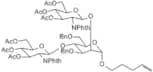
CAS:<p>D-Glucose-1,2,3-13C3 is a synthetic monosaccharide that has been fluorinated at the 1, 2 and 3 positions. The 13C isotope has been used to study the glycosylation of this compound. This product is available in custom synthesis quantities.</p>Fórmula:C3C3H12O6Pureza:Min. 95%Peso molecular:183.16 g/mol4-Pentenyl 2,4-di-O-(3,4,6-tri-O-acetyl-2-deoxy-2-phthalimido b-D-glucopyranosyl)-3,6-di-O-benzyl-a-D-mannopyranoside
<p>4-Pentenyl 2,4-di-O-(3,4,6-tri-O-acetyl-2-deoxy-2-phthalimido b-D-glucopyranosyl)-3,6-di-O-benzyl a D mannopyranoside is an oligosaccharide that is synthesized by the modification of 2,4 di O-(3,4,6 tri O acetyl 2 deoxy 2 phthalimido b D glucopyranosyl) 3 6 di O benzyl a D mannopyranoside. It is a complex carbohydrate and has the CAS number 59061–68–0. It is soluble in water and has a molecular weight of 1,000. The molecular formula is C22H34N2O11. The structure of this compound consists of two monosaccharides: 4 pentenyl (C5H10) and 2</p>Fórmula:C65H70N2O24Pureza:Min. 95%Peso molecular:1,263.25 g/mol2C-Hydroxymethyl-2,3:5,6-di-O-isopropylidene-D-talono-1,4-lactone
CAS:<p>2C-Hydroxymethyl-2,3:5,6-di-O-isopropylidene-D-talono-1,4-lactone is a synthetic monosaccharide that is used in the synthesis of oligosaccharides and polysaccharides. It can be fluorinated or methylated to form 2C-Fluoromethyl-2,3:5,6-di-O-(methyl)idene)-D-(talono)-1,4-lactone or 2C-(Methoxy)methyl -2,3:5,6 -di -O-(methyl)idene)-D-(talono)-1,4 -lactone. This product has been shown to have antiviral properties against HIV and influenza A virus.</p>Fórmula:C13H20O7Pureza:Min. 95%Peso molecular:288.29 g/molCYMAL-6 neopentyl glycol
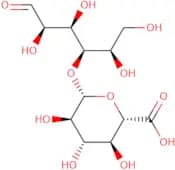
<p>CYMAL-6 neopentyl glycol (CYMAL-6) is a monoclonal antibody that binds to the chloride channel protein in human cells. CYMAL-6 has been shown to inhibit uptake of chloride ions, leading to an increase in extracellular pH and an inhibition of cellular respiration. It has been shown to be effective in patients with pigmentosa or hematological disorders such as leukemia and lymphoma. The structural studies on CYMAL-6 have shown that this drug can be used as a fluorescent probe for the study of chloride ion channels.</p>Fórmula:C47H84O22Pureza:Min. 95%Peso molecular:1,001.16 g/molCellobiuronic acid
CAS:<p>Cellobiuronic acid is a polysaccharide that contains glucose and uronic acids. It is found in the cell walls of gram-positive bacteria, where it may play an important role in maintaining the structural integrity of the cell wall. Cellobiuronic acid has been shown to be a potent antigen for pneumococcus. Cellobiuronic acid has also been shown to be conjugated with proteins and used as a vaccine adjuvant for inducing antibody responses against pneumococcal antigens. Cellobiuronic acid is synthesized from glucose by bacterial cells, which use it as a carbon source. The biosynthesis of cellobiuronic acid is poorly understood because it does not occur in mammalian cells.</p>Fórmula:C12H20O12Pureza:Min. 95%Peso molecular:356.28 g/molN-[(e-Benzyloxycarbonylamino)caproyl]-b-L-fucopyranosylamine
CAS:<p>N-[(e-Benzyloxycarbonylamino)caproyl]-b-L-fucopyranosylamine is a high purity, methylated, glycosylated, custom synthesized carbohydrate. It's a complex carbohydrate with an oligosaccharide structure. This product can be used for research purposes.</p>Fórmula:C20H30N2O7Pureza:Min. 95%Peso molecular:410.46 g/mol1,3-a-1,6-a-D-Mannotriosyl trichloroacetimidate
<p>1,3-α-D-mannopyranosyl trichloroacetimidate (1,3-α-DMTCA) is a fluorinated monosaccharide that is used as a building block for the synthesis of oligosaccharides and polysaccharides. The synthesis of 1,3-α-DMTCA involves the reaction of α,β-unsaturated chloral hydrate with mannose in aqueous solution. This produces an intermediate product that undergoes glycosylation with glycosylation reagents like glycosyl chloride to yield 1,3-α-DMTCA. The chemical structure of 1,3-α-DMTCA can be modified by various reactions including methylation or click modification. 1,3 DMTCA is also available as a high purity material.<br>1,3 α - D - mannosyltetrahydrochlorofonuimidoksyl</p>Pureza:Min. 95%1,2,3,4-Tetra-O-benzoyl-D-glucuronide methyl ester
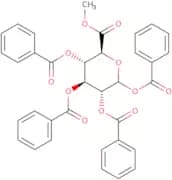
CAS:<p>1,2,3,4-Tetra-O-benzoyl-D-glucuronide methyl ester is an Oligosaccharide that is synthesized by the glycosylation of benzoyl chloride with a sugar. The reaction is catalyzed by base and proceeds in a two step process. The first step is the addition of the sugar to the benzoyl chloride followed by a second addition to form the 1,2,3,4-tetra-O-benzoyl-D-glucuronide methyl ester. The product can be obtained in high purity and custom synthesis can be provided on request. This product can be modified according to your specifications.</p>Fórmula:C35H28O11Pureza:Min. 95%Peso molecular:624.59 g/mol1,2,3,4-Tetra-O-benzyl-b-D-galactopyranoside
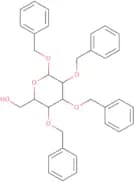
CAS:<p>1,2,3,4-Tetra-O-benzyl-b-D-galactopyranoside is a high purity oligosaccharide that can be custom synthesized. It is a complex carbohydrate that can be modified with methylation, glycosylation, and carbonylation. It has CAS No. 35017-04-0 and is a synthetic compound that can be fluorinated or click modified. This product also has high purity and is a synthetic saccharide sugar.</p>Fórmula:C34H36O6Pureza:Min. 95%Peso molecular:540.65 g/mola-D-Galactofuranosyl nitromethane
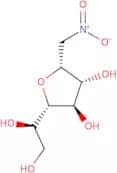
CAS:<p>a-D-Galactofuranosyl nitromethane is a sugar with a galactose (galactosyl) and a nitro group. It is used as a starting material for the synthesis of other glycosides, such as the synthesis of 3-indoxyl-6-fluoro β-D-galactopyranoside. This compound is also used for the synthesis of saccharides with fluorinated or methylated groups.<br>a-D-Galactofuranosyl nitromethane has CAS number 81812-46-6 and can be synthesized from 2,4,5,7 trichloroacetophenone and 1,2,3,4 benzene tetracarboxylic acid in the presence of sodium ethoxide.</p>Fórmula:C7H14NO7Pureza:Min. 95%Peso molecular:224.19 g/molEthyl 2,3-di-O-benzoyl-b-D-thiogalactopyranoside
CAS:<p>Ethyl 2,3-di-O-benzoyl-b-D-thiogalactopyranoside is a modification of the sugar galactose. It is an oligosaccharide that is a complex carbohydrate with a high purity and CAS No. 154391-05-6. This product is supplied as white powder and can be used in a number of applications including custom synthesis and synthetic chemistry. Ethyl 2,3-di-O-benzoyl-b-D-thiogalactopyranoside can be modified by methylation, glycosylation, and polysaccharide synthesis. The molecule has been fluorinated to create ethyl 2,3,4,5,6-[F]fluorohexanedioate.</p>Pureza:Min. 95%5-Azido-5-deoxy-1,2-O-isopropylidene-b-D-fructose
CAS:<p>5-Azido-5-deoxy-1,2-O-isopropylidene-b-D-fructose is an oligosaccharide that is custom synthesized to your specifications. This compound has been modified with a methyl group at position C1 and has been fluorinated at C2. It has also undergone glycosylation at the reducing end of the molecule and can be used as a saccharide in the synthesis of complex carbohydrates.</p>Fórmula:C9H15N3O5Pureza:Min. 95%Peso molecular:245.23 g/molMethyl 4,6-O-(4-nitrophenyl)methylene-a-D-galactopyranoside
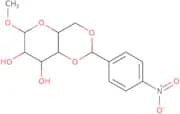
CAS:<p>Methyl 4,6-O-(4-nitrophenyl)methylene-a-D-galactopyranoside is a custom synthesis of a complex carbohydrate. This glycosylation can be modified by methylation and fluorination. The product is available in high purity and has CAS No. 849366-08-1.</p>Pureza:Min. 95%D-Mannose-6-phosphate barium salt hydrate
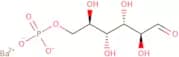
CAS:<p>D-Mannose-6-phosphate barium salt hydrate is a glycosylation agent, which can be used in the synthesis of complex carbohydrates and other saccharides. It is also a methylation agent and can be used to modify polysaccharides. D-Mannose-6-phosphate barium salt hydrate is fluorinated with trifluoromethanesulfonic acid to introduce Fluorination groups, which can then be modified with other reagents. The compound has been shown to have Click modification activity. D-Mannose-6-phosphate barium salt hydrate is a synthetic sugar that can be custom synthesized according to the customer’s requirements. This compound has CAS number 104872-94-8 and is available in high purity, which makes it suitable for use in pharmaceutical applications.</p>Fórmula:C6H11BaO9P·2H2OPureza:Min. 95%Cor e Forma:SolidPeso molecular:395.45 g/mola-L-Fucose-1-phosphate
<p>a-L-Fucose-1-phosphate is a Glycosylation, complex carbohydrate, Methylation, Click modification, Polysaccharide, Fluorination, saccharide, Modification, sugar, Oligosaccharide and Synthetic product. a-L-Fucose-1-phosphate is available for custom synthesis and can be ordered with high purity.</p>Pureza:Min. 95%C-(2,3,4,6-Tetra-O-acetyl-1-hydroxy-b-D-galactopyranosyl)formamide
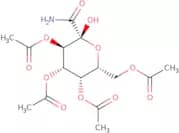
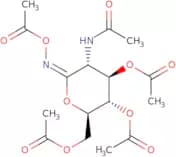
CAS:<p>C-(2,3,4,6-Tetra-O-acetyl-1-hydroxy-b-D-galactopyranosyl)formamide is a modified carbohydrate that has been synthesized and fluorinated. The chemical structure of this carbohydrate is composed of a monosaccharide and an oligosaccharide. This compound has been shown to have many different functions in the body. For example, it has been shown to inhibit the activity of the enzyme phospholipase A2 and to increase the production of prostaglandin E2. C-(2,3,4,6-Tetra-O-acetyl-1-hydroxy-b-D-galactopyranosyl)formamide has also been shown to be effective against methicillin resistant Staphylococcus aureus (MRSA).</p>Fórmula:C15H21NO11Pureza:Min. 95%Peso molecular:391.33 g/mol2-Acetamido-1,3,4,6-tetra-O-acetyl-2-deoxy-D-gluconhydroximo-1,5-lactone
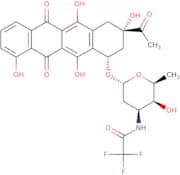
CAS:<p>2-Acetamido-1,3,4,6-tetra-O-acetyl-2-deoxy-D-gluconhydroximo-1,5-lactone is a custom synthesis. It is a modification of natural sugars. It has fluorination and methylation to make the product more stable. The product is an oligosaccharide that is a saccharide with two monosaccharides attached together. It is made up of complex carbohydrates.</p>Fórmula:C16H22N2O10Pureza:Min. 95%Peso molecular:402.35 g/molN-(Trifluoroacetyl)-1-desmethyl daunorubicin
CAS:<p>N-(trifluoroacetyl)-1-desmethyl daunorubicin is an analog of daunorubicin that is synthesized by the click chemistry and fluorination reactions. It contains a trifluoroacetyl group on the 1-position of the desmethyl group, which has been shown to increase its stability in vivo. N-(trifluoroacetyl)-1-desmethyl daunorubicin has been shown to be effective in the treatment of hematological malignancies such as leukemia and lymphoma. This compound is synthesized in high purity and with a purity of greater than 99%. It is also glycosylated and methylated.</p>Fórmula:C28H26F3NO11Pureza:Min. 95%Peso molecular:609.5 g/mol8-D-Glucopyranosyl-7,8,9,10-tetrahydro-6,10-methano-6H-pyrazino[2,3-h][3]benzazepine
<p>Please enquire for more information about 8-D-Glucopyranosyl-7,8,9,10-tetrahydro-6,10-methano-6H-pyrazino[2,3-h][3]benzazepine including the price, delivery time and more detailed product information at the technical inquiry form on this page</p>Fórmula:C19H23N3O5Pureza:Min. 95%Peso molecular:373.4 g/molBlood Group B type III/IV tetrasaccharide
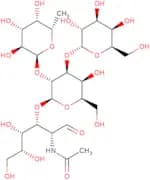
CAS:<p>The blood group B type III/IV tetrasaccharide is a synthetic, fluorinated carbohydrate that has been custom synthesized for glycosylation and methylation. The monosaccharide of the tetrasaccharide is a hexose, which can be modified with fluorine and click chemistry. The product is a complex carbohydrate with high purity and can be used in pharmaceuticals as an antigen for immunoglobulin G (IgG) production.</p>Fórmula:C26H45NO20Pureza:Min. 95%Peso molecular:691.63 g/mol4-O-(a-D-Galactopyranosyl)-b-D-galactopyranosyl-CETE-BSA Conjugate
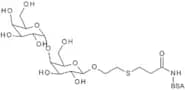
<p>This product is a complex carbohydrate that is used in the modification of oligosaccharides and polysaccharides. It is synthesized by reacting 4-O-(a-D-galactopyranosyl)-b-D-galactopyranosyl chloride with bovine serum albumin (BSA) under acidic conditions. The product has a purity of greater than 98% and a molecular weight of approximately 3,000 Daltons.</p>Pureza:Min. 95%Peso molecular:77,000 g/mol3-Deoxy-3-fluoro-1,2:5,6-di-O-isopropylidene-a-D-glucofuranose
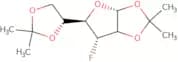
CAS:<p>3-Deoxy-3-fluoro-1,2:5,6-di-O-isopropylidene-a-D-glucofuranose (3DF) is a fluorinated sugar that is synthesized by reacting 2,3:5,6-di-O-isopropylidene a D glucofuranose with methyl iodide and trifluoromethanesulfonic acid. 3DF has been used for the synthesis of oligosaccharides and polysaccharides. It is also possible to use this compound for the preparation of other sugars as well as more complex carbohydrates. The purity of 3DF is 98% or higher. 3DF can be modified with click chemistry reactions and then reacted with amines to form amide bonds. This modification allows for the synthesis of high purity monosaccharides and disaccharides.</p>Fórmula:C12H19FO5Pureza:Min. 95%Peso molecular:262.27 g/mol1,2-13C-D-Mannose
<p>1,2-13C-D-Mannose is a synthetic monosaccharide that is used as a building block for oligosaccharides and polysaccharides. It has been modified with fluorination, methylation, and click chemistry to yield a complex carbohydrate with high purity. The 13C isotope can be labeled in the 2 position of the mannose ring or at the C1 position of the glucose moiety.</p>Fórmula:C2C4H12O6Pureza:Min. 95%Cor e Forma:White PowderPeso molecular:182.14 g/mol1-Amino-1-deoxy-D-xylitol hydrochloride
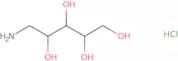
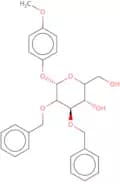
CAS:<p>1-Amino-1-deoxy-D-xylitol hydrochloride is a sugar that is used in the synthesis of complex carbohydrates and polysaccharides. It is also used to introduce fluorine atoms into saccharides or oligosaccharides, and can be custom synthesized to suit the needs of a customer. The chemical formula for 1-amino-1-deoxy-D-xylitol hydrochloride is C6H11NO4•HCl. Its CAS number is 22566-18-3. This product has a purity of ≥99%.</p>Pureza:Min. 95%4-Methoxyphenyl 2,3-di-O-benzyl-b-D-galactopyranoside
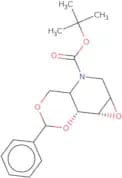
<p>4-Methoxyphenyl 2,3-di-O-benzyl-b-D-galactopyranoside is a high purity synthetic compound that can be custom synthesized to your specifications. This product is a carbohydrate with the molecular formula C7H8O6 and molecular weight of 232.14. The CAS number for this compound is 51878-93-5.</p>Fórmula:C27H30O7Pureza:Min. 95%Peso molecular:466.52 g/mol2,3-Anhydro-4,6-O-benzylidene-N-Boc-1,5-deoxy-1,5-imino-D-glucitol
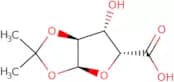
CAS:<p>2,3-Anhydro-4,6-O-benzylidene-N-Boc-1,5-deoxy-1,5-imino-D-glucitol is a fluorinated monosaccharide that is synthesized by reacting 2,3-anhydro-4,6-(O)-benzylidene glucose with Boc anhydride in the presence of triethylamine. It is an oligosaccharide derived from D-(+)-glucose and consists of a 1,5 anhydro ring linked to a 1,5 imino sugar. 2,3 Anhydro 4,6 O benzylidene N Boc 1 5 deoxy 1 5 imino D glucitol has been used as a building block for glycosylation reactions and has been shown to be useful in click chemistry. This compound is also available in various purity levels.</p>Fórmula:C18H23NO5Pureza:Min. 95%Peso molecular:333.38 g/mol1,2-O-Isopropylidene-a-D-xylofuranuronic acid
CAS:<p>1,2-O-Isopropylidene-a-D-xylofuranuronic acid is a methylated form of the sugar xylofuranose. It is also known as 1,2-di-O-methylxylofuranuronic acid. The compound belongs to the class of oligosaccharides and polysaccharides. It has CAS number 35522-89-5 and molecular weight of 206.24 g/mol. It is soluble in water and ethanol but insoluble in ether. It can be used for chemical synthesis and modification of saccharide chains.</p>Fórmula:C8H12O6Pureza:Min. 95%Peso molecular:204.18 g/molLacto-N-neotetraosa-APD-HSA
<p>Lacto-N-neotetraosa-APD-HSA is a synthetic monosaccharide that is structurally similar to tetrasaccharide and pentasaccharide. It can be synthesized by click chemistry and has been modified by fluorination and acetylation. Lacto-N-neotetraosa-APD-HSA has a high purity and is an excellent candidate for applications in the food industry, such as sugar substitutes.</p>Pureza:Min. 95%Benzyl 2-acetamido-2-deoxy-D-glucopyranoside
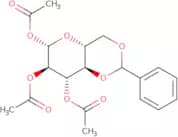
CAS:<p>Benzyl 2-acetamido-2-deoxy-D-glucopyranoside is a fluorinated glycosylation reagent that has been developed for the synthesis of complex carbohydrates, oligosaccharides, and saccharides. This compound is also useful in the modification of natural products and as a synthetic intermediate. Benzyl 2-acetamido-2-deoxy-D-glucopyranoside is an excellent substrate for Click chemistry, which can be used to modify saccharide units. The purity of this product is high, with no detectable impurities.</p>Fórmula:C15H21NO6Pureza:Min. 95%Peso molecular:311.33 g/mol1,2,3-Tri-O-acetyl-4,6-O-benzylidene-b-D-glucopyranose
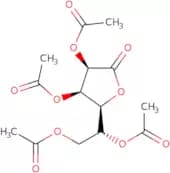
CAS:<p>This is a glycosylation product of 1,2,3-Tri-O-acetyl-4,6-O-benzylidene-b-D-glucopyranose with methyl and acetate groups. It is a synthetic oligosaccharide that has been fluorinated at the 4' position to provide protection from degradation. This product is custom synthesized for customers. It contains saccharides that are related to polysaccharides and complex carbohydrates. The compound is of high purity and does not contain any impurities. Click modification of the glucose moiety provides protection against enzymatic degradation by enzymes such as aminoglycoside N′ acetyltransferase.</p>Fórmula:C19H22O9Pureza:Min. 95%Peso molecular:394.37 g/mol2,3,5,6-Tetra-O-acetyl-D-gulonic acid -1,4-lactone
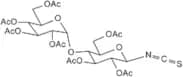
CAS:<p>2,3,5,6-Tetra-O-acetyl-D-gulonic acid -1,4-lactone is a synthetic sugar that is used in the synthesis of high purity oligosaccharides and polysaccharides. This product has been modified with fluorine and methyl groups. The reactions were performed under click chemistry conditions to produce this compound. This product is available for custom synthesis and fluoroamination.</p>Fórmula:C14H18O10Pureza:Min. 95%Cor e Forma:White To Off-White SolidPeso molecular:346.29 g/mol2,3,6,2',3',4',6'-Hepta-O-acetyl-b-D-maltosyl isothiocyanate
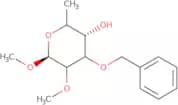
CAS:<p>2,3,6,2',3',4',6'-Hepta-O-acetyl-b-D-maltosyl isothiocyanate is a custom synthesis of a complex carbohydrate. It has been modified by fluorination and click chemistry. The product is available in high purity with CAS No. 81319-58-6. This product is synthesized from a monosaccharide and polysaccharide. The product is produced by methylation of the complex carbohydrate followed by modification with fluoro groups to create the desired product.</p>Fórmula:C27H35NO17SPureza:Min. 95%Peso molecular:677.64 g/molMethyl 3-O-benzyl-6-deoxy-2-O-methyl-a-D-galactopyranoside
CAS:<p>Methyl 3-O-benzyl-6-deoxy-2-O-methyl-a-D-galactopyranoside is a custom synthesis that has been modified by fluorination, methylation and click modification. This product is a monosaccharide that can be used in the synthesis of oligosaccharides and polysaccharides. It has been shown to have many applications including glycosylation, sugar, and carbohydrate.</p>Fórmula:C15H22O5Pureza:Min. 95%Peso molecular:282.34 g/mol2-O-Acetyl-1,3,4,6-tetra-O-benzyl-b-D-galactopyranoside
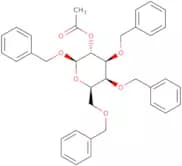
CAS:<p>2-O-Acetyl-1,3,4,6-tetra-O-benzyl-b-D-galactopyranoside is a custom synthesis that belongs to the class of complex carbohydrates. This compound contains a saccharide with a sugar group and is fluorinated at the 2 position. It has been modified by methylation on the C2 position and has an acetyl group on the C3 position.</p>Fórmula:C36H38O7Pureza:Min. 95%Peso molecular:582.68 g/mol1,6:3,4-Dianhydro-b-D-altropyranose
CAS:1,6:3,4-Dianhydro-b-D-altropyranose is a sugar that has been modified by methylation. It is a white powder with a melting point of 197°C. This product can be used as an intermediate in the synthesis of saccharides and polysaccharides. It can also be used as an intermediate for glycosylations and fluorinations. 1,6:3,4-Dianhydro-b-D-altropyranose is available in high purity and custom synthesis options.Fórmula:C6H8O4Pureza:Min. 95%Peso molecular:144.13 g/molGlycerone phosphate hemimagnesium salt hydrate
CAS:<p>Glycerone phosphate hemimagnesium salt hydrate is a substrate molecule that is used in the control analysis of dihydroxyacetone phosphate. Glycerone phosphate hemimagnesium salt hydrate is an optimum concentration for 3T3-L1 preadipocytes and has been shown to have an effect on energy metabolism. Glycerone phosphate hemimagnesium salt hydrate also has enzymatic activity, which can lead to neuronal death or skin cancer. This compound is a monosodium salt that can be found in cytosolic calcium, which is present in cells and helps regulate muscle contraction. Glycerone phosphate hemimagnesium salt hydrate can also be found in basic proteins that are vital for cell function.</p>Fórmula:C3H5O6P·xH2OMgPureza:Min. 95 Area-%Cor e Forma:PowderPeso molecular:180.19 g/mol2-Acetamido-6-O-(a-2-N-acetylneuraminyl)-2-deoxy-a-D-galactopyranosyl serine-biotin
<p>2-Acetamido-6-O-(a-2-N-acetylneuraminyl)-2-deoxy-a-D-galactopyranosyl serine (GalNAc) is a synthetic carbohydrate that contains a biotin moiety. It is synthesized by the glycosylation of 2,3,4,6 tetraacetamido sugar with 2,3,4,6 tetraacetamido sugar and 1,2,3 octaacetamido sugar. The product can be modified with methyl or fluorine groups to make it more reactive in click chemistry. This product has been shown to have high purity and can be used in custom synthesis projects.</p>Pureza:Min. 95%2-Amino-2-deoxy-D-idose
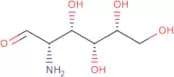
CAS:<p>2-Amino-2-deoxy-D-idose is a sugar that is found in the cell walls of bacteria. It has been shown to be an inhibitor of the enzymes that catalyze the acetylation and methylenecyclopropanes reactions, which are necessary for bacterial growth. 2-Amino-2-deoxy-D-idose binds to copper ions, preventing them from binding with the enzymes. This drug also chelates metals such as zinc, iron, and manganese to prevent their use by bacteria.</p>Fórmula:C6H13NO5Pureza:Min. 95%Peso molecular:179.17 g/molTopiramate didesacetal impurity
CAS:<p>Topiramate didesacetal impurity is a Custom synthesis, Modification, Fluorination, Methylation, Monosaccharide, Synthetic compound. It is used in the production of saccharides and polysaccharides. The Carbohydrate has a variety of uses including food additives and sweeteners.</p>Fórmula:C6H13NO8SPureza:Min. 95%Peso molecular:259.24 g/molMethyl 3-O-allyl-4,6-O-benzylidene-a-D-mannopyranoside
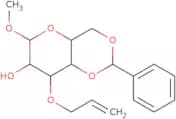
CAS:<p>Methyl 3-O-allyl-4,6-O-benzylidene-a-D-mannopyranoside is a glycosylation agent that is used in the synthesis of complex carbohydrates. It has been used to synthesize a sugar chain with a high purity and can be modified with methylation and fluorination. Methyl 3-O-allyl-4,6-O-benzylidene-a-D mannopyranoside has been shown to have good solubility in organic solvents. This product is custom synthesized and can be ordered in any quantity.</p>Fórmula:C17H22O6Pureza:Min. 95%Peso molecular:322.35 g/molUDP-D-galactosamine disodium salt
CAS:<p>UDP-D-galactosamine disodium salt is a type of sugar that is a substrate for UDP-glucuronosyltransferase (UGT), which catalyzes the transfer of galactose from UDP-D-galactose to other molecules. The product of this reaction is UDP-D-galacturonic acid. It is produced in the liver, where it participates in the synthesis of glycoproteins, glycolipids, and glycosaminoglycans. In addition, it can be found in the distal tubule of the kidney and in leukemia cells. The histological analysis of rat liver tissue showed that UDP-D-galactosamine disodium salt is present in hepatocytes. This sugar also helps with protein synthesis and activates uridine, which can be used as a carbon source. Histological analysis also revealed that UDP-D-galactosamine disodium salt plays an important role in glucose metabolism, as well as</p>Fórmula:C15H23N3O16P2Na2Pureza:Min. 95%Cor e Forma:PowderPeso molecular:609.28 g/mol(+)-Casuarine
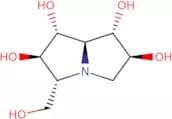
CAS:(+)-Casuarine is a chiral biomolecule that is structurally related to (+)-cinchonine. It has been shown to be an inhibitor of glycosidase, an enzyme that hydrolyzes glycosides, and as such it has potential use in the development of drugs for the treatment of diabetes mellitus. The enolate form of (+)-casuarine can undergo cycloadditions with oxygenated functional groups. This reaction is stereoselective and leads to polyhydroxylated products.Fórmula:C8H15NO5Pureza:Min. 95%Peso molecular:205.21 g/mol


![5,7-Bis-(benzyloxy)-a-(4-(benzyloxy)phenyl)-3-[3,4-di-O-acetyl-a-O-acetyl-a-L-rhamnopyranosyloxyl]…](/_next/image/?url=https%3A%2Fstatic.cymitquimica.com%2Fproducts%2F3D%2Fthumb-webp%2FMB16635.webp&w=3840&q=75)


![N-[(e-Benzyloxycarbonylamino)caproyl]-b-L-fucopyranosylamine](/_next/image/?url=https%3A%2Fstatic.cymitquimica.com%2Fproducts%2F3D%2Fthumb-webp%2FMB04503.webp&w=3840&q=75)


![8-D-Glucopyranosyl-7,8,9,10-tetrahydro-6,10-methano-6H-pyrazino[2,3-h][3]benzazepine](/_next/image/?url=https%3A%2Fstatic.cymitquimica.com%2Fproducts%2F3D%2Fthumb-webp%2FMG183915.webp&w=3840&q=75)