Glicociência
A glicociência é o estudo dos carboidratos e seus derivados, bem como das interações e funções biológicas em que participam. Este campo de pesquisa é crucial para compreender uma ampla variedade de processos biológicos, incluindo o reconhecimento celular, a sinalização, a resposta imune e o desenvolvimento de doenças. A glicociência tem aplicações importantes na biotecnologia, na medicina e no desenvolvimento de novos medicamentos e terapias. Na CymitQuimica, oferecemos uma ampla seleção de produtos de alta qualidade e pureza para pesquisa em glicociência. Nosso catálogo inclui monossacarídeos, oligossacarídeos, polissacarídeos, glicoconjugados e reagentes específicos, projetados para apoiar os pesquisadores em seus estudos sobre a estrutura, função e aplicações dos carboidratos em sistemas biológicos. Esses recursos são destinados a facilitar descobertas científicas e aplicações práticas em diversas áreas das biociências e da medicina.
Subcategorias de "Glicociência"
- Amino açúcares(108 produtos)
- Anticorpos Glico-Relacionados(282 produtos)
- Glicolípidos(46 produtos)
- Glicosaminoglicanos (GAGs)(55 produtos)
- Glicosídeos(419 produtos)
- Monossacáridos(6.622 produtos)
- Oligossacarídeos(3.682 produtos)
- Polissacáridos(503 produtos)
Foram encontrados 11041 produtos de "Glicociência"
Ordenar por
Pureza (%)
0
100
|
0
|
50
|
90
|
95
|
100
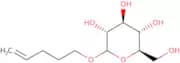
Pent-4-enyl-D-glucopyranoside
CAS:<p>Pent-4-enyl-D-glucopyranoside is a kind of compound that reacts with acetonitrile to form sodium methoxide. The reaction of the sodium methoxide with the acetonitrile will produce 2-chlorobenzoic acid and conformation. The result of this reaction is the stereospecifically, which is a pyranose ring.</p>Fórmula:C11H20O6Pureza:Min. 95%Peso molecular:248.27 g/molMethyl 3-O-(2-acetamido-2-deoxy-a-D-galactopyranosyl)-a-D-galactopyranoside
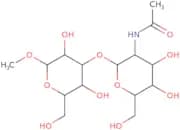
CAS:<p>Methyl 3-O-(2-acetamido-2-deoxy-a-D-galactopyranosyl)-a-D-galactopyranoside is a synthetic carbohydrate. It is a biochemically active compound that can be used as an intermediate in the synthesis of oligosaccharides and monosaccharides, as well as other natural products. Methyl 3-O-(2-acetamido-2-deoxy-a-D-galactopyranosyl)-a-D-galactopyranoside has been studied for its potential use in cancer treatments, antiaging, and diabetes treatments.</p>Fórmula:C15H27NO11Pureza:Min. 95%Cor e Forma:PowderPeso molecular:397.38 g/molDiosmetin-d3-3,7-O-di-Glucuronide
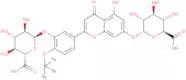
CAS:Produto Controlado<p>Diosmetin-d3-3,7-O-di-Glucuronide is a white to off-white powder that is soluble in water. It is a synthetic compound that can be used as a sugar or carbohydrate modification. It has been shown to be useful for the synthesis of complex carbohydrates and polysaccharides. This product can also be used in click chemistry, methylation, and fluoroination.</p>Fórmula:C28H25D3O18Pureza:Min. 95%Peso molecular:655.53 g/mol1,2,3,4-Tetra-O-acetyl-a-D-galacturonic acid methyl ester
CAS:<p>1,2,3,4-Tetra-O-acetyl-a-D-galacturonic acid methyl ester is a custom synthesis that has been modified with fluorination and methylation. The monosaccharide is an acetylated form of galacturonic acid. This synthetic compound has been shown to be effective in inhibiting the glycosylation of polysaccharides. Its saccharide chain includes four monosaccharides linked by glycosidic bonds. 1,2,3,4-Tetra-O-acetyl-a-D-galacturonic acid methyl ester is used as a sugar in the production of complex carbohydrates.</p>Pureza:Min. 95%D-Arabino-5-hexulosonic acid
CAS:<p>D-Arabino-5-hexulosonic acid is an intermediate in the pentose phosphate pathway. It is a component of the hexuronate, which is an important precursor for galactitol, 6-phosphate, and acid dehydrogenase. D-Arabino-5-hexulosonic acid is also an important intermediate in the glycolytic pathway for ATP production. The gene product has been shown to be involved in aerobic glycolysis, which is utilized by Staphylococcus aureus to produce energy from glucose fermentation. D-Arabino-5-hexulosonic acid plays a role in ion exchange and mitochondrial metabolism as well.</p>Fórmula:C6H10O7Pureza:Min. 95%Peso molecular:194.14 g/molMethyl 2,3,4,6-tetra-O-benzyl-D-mannopyranoside
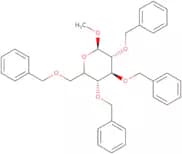
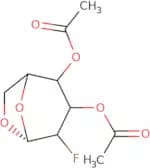
CAS:<p>Methyl 2,3,4,6-tetra-O-benzyl-D-mannopyranoside is a benzylated sugar that has been glycosidically linked to an amino acid. This product has been shown to be a contaminant in the synthesis of other compounds and can be used as a chloride or benzylating reagent. It is used in the preparation of glycosyl halides and condensations. Methyl 2,3,4,6-tetra-O-benzyl-D-mannopyranoside is also used in the synthesis of natural products such as flavones and alkaloids.</p>Fórmula:C35H38O6Pureza:Min. 95%Peso molecular:554.67 g/mol3,4-Di-O-acetyl-1,6-anhydro-2-deoxy-2-fluoro-b-D-glucopyranose
CAS:<p>3,4-Di-O-acetyl-1,6-anhydro-2-deoxy-2-fluoro-b-D-glucopyranose is a synthetic sugar that has been modified to include a fluorine atom. It is a complex carbohydrate that is used in the synthesis of glycosides. 3,4-Di-O-acetyl-1,6-anhydro-2,3 -difluoro b D glucopyranose can be used in the synthesis of an acetylated glycoside with click chemistry. This modification can be achieved through methylation and/or glycosylation reactions. 3,4 Di O acetyl 1,6 anhydro 2 deoxy 2 fluoro b D glucopyranose can also be used in the synthesis of oligosaccharides or saccharides by modifying either its glycone or reducing end.</p>Fórmula:C10H13FO6Pureza:Min. 95%Peso molecular:248.21 g/mol1,2:3,4:5,6-Tri-O-isopropylidene-D-mannitol
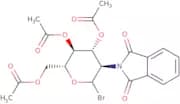
CAS:<p>1,2:3,4:5,6-Tri-O-isopropylidene-D-mannitol is a dietary fiber that is made up of <br>inulin and oligosaccharides. It can be found in various plants and vegetables. This dietary fiber has been shown to have cancer preventive properties. 1,2:3,4:5,6-Tri-O-isopropylidene-D-mannitol has also been shown to decrease the risk of colon cancer by reducing the production of diacylglycerol which is an important signaling molecule in carcinogenesis.</p>Fórmula:C15H26O6Pureza:Min. 95%Peso molecular:302.4 g/mol3,4,6-Tri-O-acetyl-2-deoxy-2-phthalimido-D-glucopyranosyl bromide
CAS:<p>3,4,6-Tri-O-acetyl-2-deoxy-2-phthalimido-D-glucopyranosyl bromide is a synthetic compound that has been used in the synthesis of glycosides and oligosaccharides. It can be used to prepare an artificial sugar with a click modification. The chemical structure consists of three acetyl groups on the 2′ position on the sugar ring, which may be methylated or fluorinated. The compound is insoluble in water and melts at 161°C. 3,4,6-Tri-O-acetyl-2-deoxy-2-phthalimido-D-glucopyranosyl bromide is classified as a carbohydrate and is soluble in alcohols, ethers, and chloroform.</p>Fórmula:C20H20BrNO9Pureza:Min. 95%Peso molecular:498.28 g/mol(2S, 4S, 4'R) [4,4'-bi-1,3-dioxolane]-2-methanol-2,2'-dimethyl
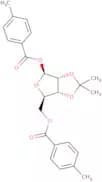
CAS:<p>2,4-Dioxolane is a synthetic compound with the molecular formula (2S, 4S, 4'R) [4,4'-bi-1,3-dioxolane]-2-methanol-2,2'-dimethyl. It was first synthesized in 1963 by C. L. Hedrick and coworkers at Eli Lilly and Company as a potential drug for the treatment of schizophrenia. The chemical structure of 2,4-dioxolane consists of two oxetanes linked together with an ether bond. In this molecule both hydroxyl groups are on the same side of the carbon chain.</p>Fórmula:C9H16O5Pureza:Min. 95%Peso molecular:204.22 g/mol2,3-O-Isopropylidene-1,5-di-O-toluoyl-b-D-ribofuranose
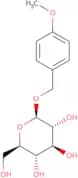
CAS:<p>2,3-O-Isopropylidene-1,5-di-O-toluoyl-b-D-ribofuranose (IPDT) is a saccharide that is modified with a methyl group at the 2' position of the ribose. This modification can be used to control the rate of glycosylation reactions, or to synthesize oligosaccharides and complex carbohydrates. IPDT is also an important precursor for click chemistry reactions, which are used in the synthesis of polymers and other organic compounds.</p>Fórmula:C24H26NO7Pureza:Min. 95%Peso molecular:440.47 g/mol(4-Methoxyphenyl)methylbeta-D-glucopyranoside
CAS:<p>(4-Methoxyphenyl)methylbeta-D-glucopyranoside is a synthetic sugar that is used for research purposes. It has been modified with fluorine and methyl groups to create a new compound that can be used as a fluorescence probe for DNA. This sugar has been synthesized by glycosylation of 4-methoxyphenol, followed by an oxidation reaction. The molecular weight of this compound is 792.7 g/mol, and it has been assigned the CAS number 81381-72-8.</p>Fórmula:C14H20O7Pureza:Min. 95%Peso molecular:300.3 g/molGlycyl-lacto-N-tetraose
<p>Glycyl-lacto-N-tetraose is an oligosaccharide that is modified with lactose. The structure of this carbohydrate is a glycosyl linkage between two glucose residues, plus a galactose residue at the non-reducing end of the chain. This sugar has been custom synthesized and purified to be free of other carbohydrates or contaminants. Glycyl-lacto-N-tetraose has a CAS number of 55719-02-1 and can be used in many applications including as a pharmaceutical ingredient, food additive, or cosmetic ingredient.</p>Fórmula:C28H49N3O21Pureza:Min. 95%Peso molecular:763.7 g/molGNA2 N-Glycan
<p>GNA2 N-glycan is a custom-synthesized modified oligosaccharide that is a complex carbohydrate. It is a high purity, methylated and glycosylated polysaccharide sugar with fluorination. GNA2 N-glycan has CAS No. 1295-70-1 and is monosaccharide. It has a molecular weight of 266.</p>Pureza:Min. 95%[UL-13C18]Maltotriose hydrate
<p>Maltotriose hydrate is a synthetic glycosylation product that is synthesized by the fluorination of maltotriose. Maltotriose hydrate is a sugar with a 3-D structure that is similar to maltodextrin, but with one less glucose residue. Maltotriose hydrate can be used in the synthesis of oligosaccharides and polysaccharides and has been shown to have high purity. Maltotriose hydrate can be modified by a variety of reactions, such as methylation, monosaccharide modification, or click chemistry. It has an CAS number and can be custom synthesized for clients' needs.</p>Fórmula:C18H32O16·xH2OPureza:Min. 95%Cor e Forma:White SolidPeso molecular:522.3 g/mol2-Hydroxyimipramine b-D-glucuronide
CAS:<p>2-Hydroxyimipramine b-D-glucuronide is a custom synthesis, modification, and fluorination of the drug 2-hydroxyimipramine. The methyl group from the molecule is replaced with a fluoro group. This modification leads to a new compound with improved pharmacokinetic properties. The new compound also has glycosylation sites on the sugar ring that are not present in the parent drug. This modification may lead to an increase in the therapeutic efficacy of 2-hydroxyimipramine b-D-glucuronide as it interacts with other drugs and increases their bioavailability.</p>Fórmula:C25H32N2O7Pureza:Min. 95%Cor e Forma:SolidPeso molecular:472.54 g/molMethyl 1-(4'-tert-butyldimethylsilyl-6-hydroxyraloxifene)-2,3,4-tri-O-acetyl-b-D-glycopyranuronate
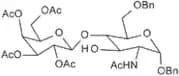
CAS:<p>Methyl 1-(4'-tert-butyldimethylsilyl-6-hydroxyraloxifene)-2,3,4-tri-O-acetyl-b-D-glycopyranuronate is a modified carbohydrate. It is a synthetic saccharide that has been modified with methylation, fluorination and saccharide synthesis. This product can be custom synthesized and is available in high purity. Methyl 1-(4'-tert-butyldimethylsilyl-6-hydroxyraloxifene)-2,3,4-tri-O-acetyl-b-D--glycopyranuronate can be used in glycosylation reactions as well as Click modification reactions. CAS No: 174264–49–4.</p>Fórmula:C46H55NO13SSiPureza:Min. 95%Peso molecular:890.08 g/mol2-Acetamido-4-O-(2,3,4,6-tetra-O-acetyl-b-D-galactopyranosyl)-1,6-di-O-benzyl-2-deoxy-a-D-glucopyranoside
CAS:<p>The glycoconjugate is a glycosylation of an oligosaccharide with a monosaccharide. It is synthesized by the reaction of an activated saccharide with an alcohol or amine, and is modified by methylation, click modification, fluorination or acetylation. The glycoconjugate has been shown to be used as a potential treatment for cancer.</p>Fórmula:C36H45NO15Pureza:Min. 95%Peso molecular:731.74 g/molD-Glucose 6-phosphate, disodium salt
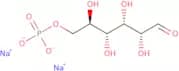
CAS:<p>D-Glucose 6-phosphate, disodium salt is an antibiotic that is used to treat gram-negative bacterial infections. It binds to the bacterial ribosome and inhibits protein synthesis, which leads to cell death by inhibiting the production of proteins vital for cell division. This drug has been shown to be active against a wide range of bacteria, including resistant strains such as Escherichia coli and Salmonella typhimurium. D-Glucose 6-phosphate, disodium salt also has anti-inflammatory properties and can be used as an anti-bacterial agent in the treatment of typhoid fever.</p>Fórmula:C6H11O9Na2PPeso molecular:304.10 g/molRef: 3D-G-3320
5gA consultar25gA consultar50gA consultar100gA consultar250gA consultar-Unit-ggA consultara-D-Galactose-PAA-biotin
<p>a-D-Galactose-PAA-biotin is a carbohydrate compound that has been modified by the addition of a PAA group and biotin. This compound can be synthesized with high purity and is available for custom synthesis. It is an oligosaccharide, a sugar, and a saccharide. The CAS number for this compound is 97320-93-4.</p>Pureza:Min. 95%Cor e Forma:SolidAllyl 4,6-O-benzylidene-a-D-glucopyranoside
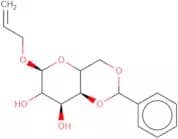
CAS:<p>Allyl 4,6-O-benzylidene-a-D-glucopyranoside is a custom synthesis of an oligosaccharide. It is a complex carbohydrate that belongs to the group of saccharides. This product is methylated and glycosylated, and contains a hexose sugar (glucose) at its reducing end. Allyl 4,6-O-benzylidene-a-D-glucopyranoside has been fluorinated with hydrogen fluoride gas in order to increase its purity. This product is synthesized by click chemistry and has CAS number 65987-12-4.</p>Fórmula:C16H20O6Pureza:Min. 95%Peso molecular:308.33 g/molα-D-Glucosamine 1-phosphate
CAS:<p>α-D-Glucosamine 1-phosphate is a methylated and glycosylated carbohydrate that is synthesized from glucose. It can be used as a building block for the synthesis of polysaccharides, such as chitin and cellulose. α-D-Glucosamine 1-phosphate can also be modified by fluorination to produce an active form with potent anticancer activity.</p>Fórmula:C6H14NO8PPureza:Min. 95%Peso molecular:259.15 g/molNeocarrabiose (b anomer, crystalline)
CAS:<p>Neocarrabiose is a complex carbohydrate that is synthesized by the methylation of carrageenan. It has a molecular weight of about 1,000 Daltons and consists of a linear chain of alternating units of D-galactose and D-glucuronic acid. Neocarrabiose is used in the production of polysaccharides such as heparin, glycosaminoglycans, and polysulfated glycosaminoglycans. The enzyme modification process converts the anomeric configuration to L-arabinofuranose in order to produce polysaccharides with high purity.</p>Fórmula:C12H20O10Pureza:Min. 95%Peso molecular:324.28 g/mol5-Deoxy-3,4-di-O-methyl-D-arabinose
<p>5-Deoxy-3,4-di-O-methyl-D-arabinose is a custom synthesis that is a complex carbohydrate. It has been modified by methylation and glycosylation. This product is soluble in water and can be used as a saccharide or sugar. The product has been fluorinated and modified with click chemistry to provide high purity.</p>Pureza:Min. 95%Rhein D-Glucuronide (mixture of 1 & 8 Isomers)
<p>Rhein D-Glucuronide is a mixture of 1 and 8 isomers. It is a natural product that has been modified by methylation and saccharide modification. The CAS number for Rhein D-Glucuronide is 7062-00-2. This product can be custom synthesized to meet your needs. Rhein D-Glucuronide has the following properties: Polysaccharides, Click modification, Modification, Oligosaccharides, Custom synthesis, Glycosylation, High purity, Carbohydrate sugar, Synthetic and Fluorination. Rhein D-Glucuronide is a complex carbohydrate with high purity.</p>Pureza:Min. 95%(R)-Propranolol glucuronide
CAS:<p>Propranolol is a racemic mixture of two optical isomers, which are (R)-propranolol and (S)-propranolol. The (-) form of propranolol metabolizes to the (+) form, and vice versa. The (+) form is more potent than the (-) form as an anti-hypertensive agent. It has been shown that the metabolism of propranolol in microsomes from rat liver differs from that in human liver microsomes. Both forms of propranolol can be metabolized by cytochrome P450 enzymes, but the (-) form can also be metabolized by esterases and glucuronidases.</p>Fórmula:C22H29NO8Pureza:Min. 95%Peso molecular:435.47 g/mol4-Aminophenyl b-D-thiocellobiose
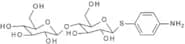
CAS:<p>4-Aminophenyl b-D-thiocellobiose is a modified sugar that has been synthesized and fluorinated. 4-Aminophenyl b-D-thiocellobiose is used in the synthesis of glycosylated bioactive molecules, including oligosaccharides and monosaccharides. The modification of this sugar is done by glycosylation, methylation, and conjugation. It can be used in the synthesis of complex carbohydrates as well as saccharides. This product's CAS No. is 68636-49-7.</p>Fórmula:C18H27NO10SPureza:Min. 95%Peso molecular:449.47 g/molDehydroclindamycin
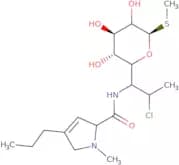
CAS:<p>Dehydroclindamycin is a semisynthetic antibiotic that belongs to the class of antibiotics known as lincosamides. It is used in clinical treatment for bacterial infections. Dehydroclindamycin acts by interfering with the bacterial ribosome and prevents the formation of proteins required for cell division. This drug may be susceptible to degradation by hydrolysis or oxidation, which can lead to impurities. Dehydroclindamycin is produced by hydrogenation of clindamycin hydrochloride using a Raney nickel catalyst, followed by chromatography. The spectrum of dehydroclindamycin consists of antibacterial activity against gram-positive bacteria such as Staphylococcus aureus and Enterococcus faecalis and gram-negative bacteria such as Escherichia coli and Klebsiella pneumoniae.</p>Fórmula:C18H31ClN2O5SPureza:Min. 95%Peso molecular:422.97 g/molEntecavir 3''-O-b-D-glucuronide
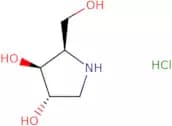
<p>Entecavir 3''-O-b-D-glucuronide is a synthetic compound that is a methylated, fluorinated, and modified oligosaccharide. It has CAS number 68655-87-8 and it is a high purity, complex carbohydrate with a saccharide unit. Entecavir 3''-O-b-D-glucuronide can be used in the synthesis of monosaccharides and polysaccharides.</p>Fórmula:C18H23N5O9Pureza:Min. 95%Cor e Forma:SolidPeso molecular:453.4 g/mol1,4-Dideoxy-1,4-imino-D-xylitol HCl
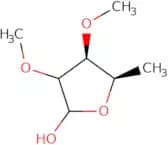
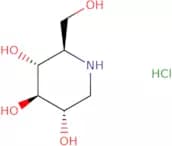
CAS:<p>1,4-Dideoxy-1,4-imino-D-xylitol HCl (DDX) is a potent inhibitor of the enzyme carboxypeptidase A2. DDX has been shown to inhibit the growth of HIV in vitro and in vivo. DDX also inhibits the production of proinflammatory cytokines and neurotrophic factors from HL60 cells. It has been shown to be a potential drug target for the treatment of infectious diseases such as alphaviruses, which produce a severe neuroinvasive disease in humans. DDX binds to dna with high affinity and specificity, but does not bind to RNA or proteins. DDX inhibits mitochondrial membrane potential by binding to ATP synthase and blocking the synthesis of ATP. DDX has also been shown to have an anti-oxidative injury effect on mitochondria, which may contribute to its inhibition of viral replication.</p>Fórmula:C5H11NO3·HClPureza:Min. 95%Peso molecular:169.61 g/mol5-Deoxy-3,4-di-O-methyl-D-ribose
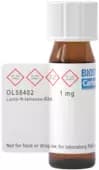
<p>5-Deoxy-3,4-di-O-methyl-D-ribose is a fluorinated monosaccharide that has been synthesized from D-ribose and 5-deoxyadenosine. It can be found in glycosylated polysaccharides or as the methylated derivative. This product is custom synthesized for research purposes, and is not intended for use in humans. It is available in high purity, with a CAS number of 6042-92-0.</p>Pureza:Min. 95%Lacto-N-fucopentaose II-BSA
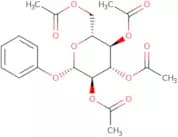
<p>Lacto-N-fucopentaose II-BSA is a glycosylation agent that is derived from the natural substrate N-acetylgalactosamine. It is used in the synthesis of complex carbohydrates, such as glycoconjugates and polysaccharides. Lacto-N-fucopentaose II-BSA can be modified with methyl groups or fluorine atoms to generate derivatives, which are useful for studying glycosylation reactions. The CAS number for this product is 46645-96-8. This product is synthesized using custom methods and has been purified to high purity levels.</p>Pureza:Min. 95%Phenyl 2,3,4,6-tetra-O-acetyl-b-D-glucopyranoside
CAS:<p>Phenyl 2,3,4,6-tetra-O-acetyl-b-D-glucopyranoside is an imidate that can be synthesized from glycosides and derivatized with a variety of groups. This molecule is reactive and can be used to form glycosides by the reaction of a saccharide with phenyl 2,3,4,6-tetra-O-acetyl-b-D-glucopyranoside in the presence of acid or base. The resulting compounds are called glycosides because they contain both a sugar and phenyl 2,3,4,6-tetra-O-acetyl-b-D-glucopyranoside. Phenyl 2,3,4,6 tetra O acetyl b D glucopyranoside can also react with disaccharides to form glycosides.</p>Pureza:Min. 95%Methyl 2-deoxy-D-threo-pentofuranoside
CAS:<p>Methyl 2-deoxy-D-threo-pentofuranoside is a synthetic monosaccharide that has been modified by fluorination. It can be used for the synthesis of oligosaccharides and complex carbohydrates. Methyl 2-deoxy-D-threo-pentofuranoside can also be used for glycosylation, methylation, or click modification reactions. This product is available in high purity and will not contain any impurities.</p>Pureza:Min. 95%cis-Resveratrol 4'-O-b-D-glucuronide
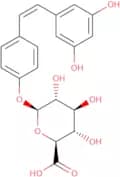
CAS:<p>cis-Resveratrol 4'-O-b-D-glucuronide is a synthetic compound that is a sugar, with a molecular weight of 598. It is an oligosaccharide and has been modified with fluorination on the C2 position. cis-Resveratrol 4'-O-b-D-glucuronide is the methylated form of resveratrol. It has been shown to have anti-inflammatory properties and can be used for the treatment of inflammation associated with arthritis, psoriasis, or septic shock. cis-Resveratrol 4'-O-b-D-glucuronide binds to polysaccharides in the body and inhibits their ability to bind to glycoproteins on cell surfaces. This results in a decrease in inflammation and other inflammatory responses that are mediated by these cells.</p>Fórmula:C20H20O9Pureza:Min. 95%Peso molecular:404.37 g/molTri-Lewis x-APE, HSA conjugate
<p>Tri-Lewis x-APE, HSA conjugate is a high purity, custom synthesized tri-Lewis x oligosaccharide with a Click modification. This product is used in the synthesis of glycosylated proteins and polysaccharides. It has been shown to have high purity and can be used for complex carbohydrate synthesis.</p>Pureza:Min. 95%1-Deoxy-L-ribose
CAS:<p>1-Deoxy-L-ribose is a metabolite of acetone. It is a monosaccharide that contains one less oxygen atom than its parent compound. 1-Deoxy-L-ribose is found in the urine and blood of humans and animals. In animals, it can be synthesized from glucose by the enzyme ribose 1-phosphate reductase. This reaction requires an energy source such as ATP or NADH to reduce ribose 1,5-bisphosphate to 1,4-dihydroxyacetone phosphate, which then undergoes spontaneous dehydration to form 1-deoxy-D-ribose.</p>Fórmula:C5H10O4Pureza:Min. 95%Peso molecular:134.13 g/mol1-Deoxy-L-altronojirimycin hydrochloride
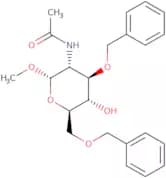
CAS:<p>L-altronojirimycin is a diterpene glycoside that belongs to the group of natural products that have inhibitory properties against lipid peroxidation. It has been shown to decrease the concentration of 1,2-dipalmitoylglycerophosphocholine (DPPC) in primary cells and reduce the rate of lipid peroxidation in a concentration-dependent manner. L-altronojirimycin inhibits the activity of enzymes such as acetylcholinesterase and phospholipase A2, which are involved in inflammation. This drug has also been shown to have cardioprotective effects and inhibit mutations in cardiac muscle cells. L-altronojirimycin has been tested for its long-term efficacy and shown to be effective against both bowel disease and cardiac effects.</p>Fórmula:C6H13NO4•HClPureza:Min. 95%Cor e Forma:PowderPeso molecular:199.63 g/molMethyl 2-acetamido-3,6-di-O-benzyl-2-deoxy-a-D-glucopyranoside
CAS:<p>Methyl 2-acetamido-3,6-di-O-benzyl-2-deoxy-a-D-glucopyranoside is a synthetic saccharide that is used in the synthesis of glycosides. This compound has been modified with fluorine to increase its stability and activity. Methyl 2-acetamido-3,6-di-O-benzyl-2-deoxyglucopyranoside can be used as a building block for glycosylation reactions due to its high purity and custom synthesis. It has been shown that this compound has click modification activity.</p>Fórmula:C23H29NO6Pureza:Min. 95%Peso molecular:415.48 g/molAgarodecaose
<p>Agarose is a polysaccharide found in red algae, typically Gelidium and Gracilaria. It is a strictly alternating polysaccharide of α-1,3 linked D-galactose and β-1,4 linked L-3,6 anhydrogalactose with occasional sulfation at position 6 of the anhydrogalactose residue. Agaro-oligosaccharides result from cleavage at galactose residues and neoagaro-oligosaccharides from cleavage at 3,6-anhydro residues. A number of publications have suggested that agarodecaose has properties that include: anti-microbial, antiviral, prebiotic, anti-tumoral, immunomodulatory, anti-inflammatory, glucosidase inhibitory, and hepatoprotective properties.</p>Fórmula:C66H102O51Pureza:Min. 95%Cor e Forma:SolidPeso molecular:1,711.49 g/molD-Lyxose-1-C-D
CAS:<p>Please enquire for more information about D-Lyxose-1-C-D including the price, delivery time and more detailed product information at the technical inquiry form on this page</p>Fórmula:C5H10O5Pureza:Min. 95%Peso molecular:151.14 g/molO-(2-Azido-4,6-O-benzylidene-2-deoxy-a-D-galactopyranosyl)-N-[(9H-fluoren-9-ylmethoxy)carbonyl]-L-threonine tert-Butyl Ester
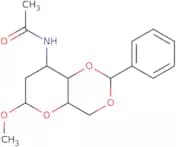
CAS:<p>The compound is an O-linked glycosylation site-specifically modified oligosaccharide. The modification is a methylation of the hydroxyl group on the 2-position of the sugar moiety. The carbohydrate is a polysaccharide that has been fluorinated at one or more positions. It has CAS No. 195976-07-9 and was synthesized by glycosylation and methylation of L-threonine tert-butyl ester with D-galactopyranosyl chloride in presence of 4,6-O-(2,3,4,6-tetraisopropoxybenzoyl)-D-galactopyranosyl chloride (TIPB) and sodium hydrogen carbonate (NaHCO).</p>Fórmula:C36H40N4O9Pureza:Min. 95%Peso molecular:672.72 g/molMethyl 3-acetamido-4,6-O-benzylidene-2,3-dideoxy-a-D-ribo-hexopyranoside
CAS:<p>Methyl 3-acetamido-4,6-O-benzylidene-2,3-dideoxy-a-D-ribohexopyranoside is an organic compound. It is a fluorescent glycosylation reagent used in the synthesis of oligosaccharides and polysaccharides. The modification of this product can be customized to suit your needs. This product is available in high purity and with a CAS No. 23819-31-0.</p>Fórmula:C16H21NO5Pureza:Min. 95%Peso molecular:307.35 g/molβ-D-Ribopyranosyl amine
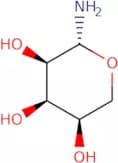
CAS:<p>b-D-Ribopyranosyl amine is a type of indoline that is derived from d-lyxose. It can be used to synthesize a variety of functionalized amines and derivatives. The stereospecificity of acetylated b-D-ribopyranosyl amine has been studied by spectroscopic methods. It has also been shown to have the ability to inhibit tyramine synthesis, which can lead to the development of Parkinson's disease.</p>Fórmula:C5H11NO4Pureza:Min. 95%Cor e Forma:PowderPeso molecular:149.15 g/mol5,7-Bis-(benzyloxy)-a-(4-(benzyloxy)phenyl)-3-[3,4-di-O-acetyl-a-O-acetyl-a-L-rhamnopyranosyloxyl]-4H-chromen-4-one
CAS:<p>This product is a custom synthesis. This product is a methylation, click modification, and oligosaccharide. This product is a polysaccharide and saccharide. This product is fluorinated and complex carbohydrate. This product is high purity with modification. This product has monosaccharides and sugar. This product is synthetic and CAS No. 849938-27-8.</p>Fórmula:C53H48O12Pureza:Min. 95%Peso molecular:876.94 g/molD-[UL-13C6,15N]Glucosamine HCl
<p>D-[UL-13C6,15N]Glucosamine HCl is a complex carbohydrate that can be custom synthesized to order. It is a synthetic sugar that has been modified by Click chemistry. The synthesis of this product requires the use of fluorination and glycosylation reactions. This product can be used in a variety of applications including methylation, modification, or oligosaccharide synthesis. D-[UL-13C6,15N]Glucosamine HCl is also known as glucosamine hydrochloride and has CAS number 1088-96-4.</p>Fórmula:C6H13NO5·HClPureza:Min. 95%Cor e Forma:White PowderPeso molecular:222.58 g/molLacto-N-tetraose-BSA
<p>Lacto-N-tetraose-BSA is a carbohydrate that contains four monosaccharides. It has been shown to be an autoantibody in patients with myasthenia gravis and can cause muscle weakness by binding to the muscle protein, actin. Lacto-N-tetraose-BSA has also been found to bind with nerve tissue and may be involved in the development of sclerosis. This carbohydrate is also negatively charged and agglutinates red blood cells. When used for immunofluorescence, it shows a strong reaction against glycoconjugates on the surface of neurons and nerve tissue. Lacto-N-tetraose-BSA binds specifically to bovine serum albumin (BSA) containing antibodies, which are produced by immune cells called B cells. The binding sites are located on the outer part of the molecule, near the sugar residues.</p>Pureza:Min. 95%Cor e Forma:PowderTarenflurbil-acyl-b-D-glucuronide
CAS:<p>Tarenflurbil-acyl-b-D-glucuronide is a custom synthesis that is a synthetic, high purity compound. This compound is an Oligosaccharide which is a complex carbohydrate that consists of two or more simple sugars linked together in a chain. It is synthesized by modifying the saccharide with Methylation and Glycosylation, Carbohydrates are polymers of sugar molecules. Tarenflurbil-acyl-b-D-glucuronide has been modified with Fluorination and Click chemistry to create an acylated derivative.</p>Fórmula:C21H21F1O8Pureza:Min. 95%Peso molecular:420.39 g/molMethyl 2,3,4-tri-O-acetyl-b-D-glucuronide methyl ester
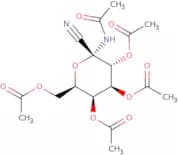
CAS:<p>Methyl 2,3,4-tri-O-acetyl-b-D-glucuronide methyl ester is a custom synthesis chemical. It has a molecular weight of 342.13 g/mol and the abbreviation CAS No. 34213-34-8. Methyl 2,3,4-tri-O-acetyl-b-D-glucuronide methyl ester is used as a Modification chemical in Fluorination reactions and can be used to synthesize Oligosaccharides and Polysaccharides. This chemical reacts with Glycosylation reactions to form complex carbohydrates such as saccharides and sugar.</p>Fórmula:C14H20O10Pureza:Min. 95%Peso molecular:348.31 g/mol1-Acetamido-2,3,4,6-tetra-O-acetyl-1-deoxy-b-D-galactopyranosyl cyanide
CAS:<p>1-Acetamido-2,3,4,6-tetra-O-acetyl-1-deoxy-b-D-galactopyranosyl cyanide is a fluorinated carbohydrate that is synthesized through the Click reaction. The product has a high degree of purity and can be used in pharmaceuticals and as a research tool. It can also be used to modify saccharides or oligosaccharides.</p>Fórmula:C17H22N2O10Pureza:Min. 95%Peso molecular:414.36 g/mol



![(2S, 4S, 4'R) [4,4'-bi-1,3-dioxolane]-2-methanol-2,2'-dimethyl](/_next/image/?url=https%3A%2Fstatic.cymitquimica.com%2Fproducts%2F3D%2Fthumb-webp%2FMM44925.webp&w=3840&q=75)
![[UL-13C18]Maltotriose hydrate](/_next/image/?url=https%3A%2Fstatic.cymitquimica.com%2Fproducts%2F3D%2Fthumb-webp%2FOM45239.webp&w=3840&q=75)







![O-(2-Azido-4,6-O-benzylidene-2-deoxy-a-D-galactopyranosyl)-N-[(9H-fluoren-9-ylmethoxy)carbonyl]-L-…](/_next/image/?url=https%3A%2Fstatic.cymitquimica.com%2Fproducts%2F3D%2Fthumb-webp%2FMA60609.webp&w=3840&q=75)
![5,7-Bis-(benzyloxy)-a-(4-(benzyloxy)phenyl)-3-[3,4-di-O-acetyl-a-O-acetyl-a-L-rhamnopyranosyloxyl]…](/_next/image/?url=https%3A%2Fstatic.cymitquimica.com%2Fproducts%2F3D%2Fthumb-webp%2FMB16635.webp&w=3840&q=75)
![D-[UL-13C6,15N]Glucosamine HCl](/_next/image/?url=https%3A%2Fstatic.cymitquimica.com%2Fproducts%2F3D%2Fthumb-webp%2FMG15630.webp&w=3840&q=75)