Glicociência
A glicociência é o estudo dos carboidratos e seus derivados, bem como das interações e funções biológicas em que participam. Este campo de pesquisa é crucial para compreender uma ampla variedade de processos biológicos, incluindo o reconhecimento celular, a sinalização, a resposta imune e o desenvolvimento de doenças. A glicociência tem aplicações importantes na biotecnologia, na medicina e no desenvolvimento de novos medicamentos e terapias. Na CymitQuimica, oferecemos uma ampla seleção de produtos de alta qualidade e pureza para pesquisa em glicociência. Nosso catálogo inclui monossacarídeos, oligossacarídeos, polissacarídeos, glicoconjugados e reagentes específicos, projetados para apoiar os pesquisadores em seus estudos sobre a estrutura, função e aplicações dos carboidratos em sistemas biológicos. Esses recursos são destinados a facilitar descobertas científicas e aplicações práticas em diversas áreas das biociências e da medicina.
Subcategorias de "Glicociência"
- Amino açúcares(108 produtos)
- Anticorpos Glico-Relacionados(282 produtos)
- Glicolípidos(46 produtos)
- Glicosaminoglicanos (GAGs)(55 produtos)
- Glicosídeos(419 produtos)
- Monossacáridos(6.624 produtos)
- Oligossacarídeos(3.682 produtos)
- Polissacáridos(503 produtos)
Foram encontrados 11046 produtos de "Glicociência"
Ordenar por
Pureza (%)
0
100
|
0
|
50
|
90
|
95
|
100
6-Deoxy-2,3:4,5-di-O-isopropylidene-D-gulonic acid methyl ester
6-Deoxy-2,3:4,5-di-O-isopropylidene-D-gulonic acid methyl ester is a monosaccharide that can be used as a glycosylation and methylation reagent. It's also an important building block in the synthesis of complex carbohydrate polymers. This product is custom synthesized to meet your requirements.Pureza:Min. 95%D-Sedoheptulose-7-phosphate barium salt-2,3,4,5,6,7-13C6
<p>D-Sedoheptulose-7-phosphate barium salt-2,3,4,5,6,7-13C6 is a high purity synthetic sugar. It is a custom synthesis that has been modified with fluorination and glycosylation. This product can be used in the production of complex carbohydrates such as oligosaccharides and monosaccharides.</p>Pureza:Min. 95%N- [(3R, 4R, 5R) - 4- (Acetyloxy) - 5- [(acetyloxy) methyl] - 1- benzyl- 3- pyrrolidinyl] -acetamide
N- [(3R, 4R, 5R) - 4- (Acetyloxy) - 5- [(acetyloxy) methyl] -1- benzyl- 3- pyrrolidinyl] -acetamide is a custom synthesis of our company. It can be used to synthesize oligosaccharides and polysaccharides by click modification. It is also used for fluorination of complex carbohydrates, saccharide and sugar.Pureza:Min. 95%2,3,6,2',3',4',6'-Hepta-O-acetyl-a-D-cellobiosyl bromide
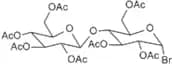
CAS:2,3,6,2',3',4',6'-Hepta-O-acetyl-a-D-cellobiosyl bromide is a naturally occurring trisubstituted steroidal glycoside. It is insoluble in water and activated by chloride ions. 2,3,6,2',3',4',6'-Hepta-O-acetyl-a-D-cellobiosyl bromide has been shown to have antiviral properties in mammalian tissue cultures. This compound also has potential use as an ingredient in skin care products due to its ability to inhibit the production of fatty acids that are essential for the replication of viruses. 2,3,6,2',3',4',6'-Hepta-O-acetyl-a-D-cellobiosyl bromide can be found in microalgae and food composition as a nutrient.Fórmula:C26H35BrO17Pureza:Min. 95%Cor e Forma:White PowderPeso molecular:699.45 g/molChloramphenicol 1-O-β-D-galactopyranoside
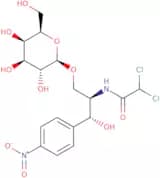
CAS:Chloramphenicol 1-O-b-D-galactopyranoside is an antibiotic that binds to the 50S ribosomal subunit and inhibits bacterial protein synthesis. It is a modified form of chloramphenicol, which has been chemically altered to make it more soluble in water. Chloramphenicol 1-O-b-D-galactopyranoside can be used for the treatment of infections caused by bacteria such as Mycobacterium avium complex, Clostridium perfringens, or Staphylococcus aureus. This drug is also used to protect against meningitis caused by H. influenzae type b and other Gram negative bacteria. Chloramphenicol 1-O-b-D-galactopyranoside is also used for the prevention of disease recurrence in patients with superficial bladder cancer who have had a partial cystectomy and are at high risk for tumor recurrenceFórmula:C17H22N2O10Cl2Pureza:Min. 95%Cor e Forma:PowderPeso molecular:485.27 g/mol4-Methoxyphenyl 4-O-(3,6-di-O-benzyl-2-deoxy-2-phthalimido-β-D-glucopyranosyl)-3-O-benzyl-6-O-(2,3,4-tri-O-benzyl-α-L-fucopyranosyl) -2-deoxy-2-phthalimido-β-D-glucopyranoside
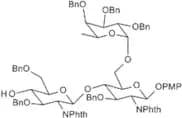
<p>4-Methoxyphenyl 4-O-(3,6-di-O-benzyl-2-deoxy-2-phthalimido-b-D-glucopyranosyl)-3-O-benzyl-6-O-(2,3,4,triO -benzyl--aLfucopyranosyl) -2 deoxy 2 phthalimido b D glucopyranoside is a complex carbohydrate with a molecular weight of 1807. It has been synthesized by the methylation of 4 methoxyphenol and 3 benzaldehyde followed by the click modification of a glycoside. The CAS No. is 123624–72–0. This product has been made in order to be used as an intermediate for the synthesis of oligosaccharides and polysaccharides. The purity level is high and the modification is customized according to customer requirements. This product contains sacchar</p>Fórmula:C83H80N2O18Pureza:Min. 95%Peso molecular:1,393.53 g/mol3,4:5,6-Di-O-Isopropylidene-2-O-tert.butyldimethylsilyl-L-idose
<p>3,4:5,6-Di-O-isopropylidene-2-O-tert.butyldimethylsilyl-L-idose is a custom synthesis that is used in the synthesis of oligosaccharides and polysaccharides. It is also used for glycosylation reactions and click chemistry modifications. 3,4:5,6-Di-O-isopropylidene-2-O-tert.butyldimethylsilyl L -idose has CAS No. 53762–04–2 and a sugar type of carbohydrate. This product is a high purity with 98% or greater purity.</p>Pureza:Min. 95%1-Deoxy-L-mannitol
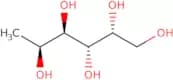
CAS:<p>1-Deoxy-L-mannitol is an effective oral hypoglycemic agent that has been used in the treatment of diabetes. It is a sugar alcohol with a chemical structure similar to glucose and erythritol. 1-Deoxy-L-mannitol is absorbed by the small intestine and enters the bloodstream after being hydrolyzed by pancreatic enzymes. It inhibits fatty acid synthesis, which leads to decreased levels of acetyl coenzyme A and increased levels of carnitine, leading to activation of fatty acid oxidation in liver cells. This drug also inhibits phosphatase activity, which leads to decreased production of glycerophosphate from triphosphate. This process results in an increase in intracellular pH and a decrease in plasma glucose concentration. The use of 1-deoxy-L-mannitol for the treatment of diabetes was first reported by George Cahill and his colleagues at Harvard University in 1967. It was shown that this drug could reduce blood sugar</p>Fórmula:C6H14O5Pureza:Min. 95%Cor e Forma:PowderPeso molecular:166.17 g/mol5'-(2,3,4,6-Tetra-O-acetyl-b-D-galactopyranosyl) tetrazole
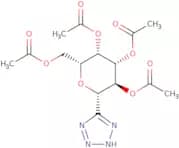
CAS:<p>Glycogen phosphorylase inhibitor</p>Fórmula:C15H20N4O9Pureza:Min. 95%Peso molecular:400.34 g/mol2,6-Di-O-tert-butyldimethylsilyl)-b-cyclodextrin
CAS:This beta-cyclodextrin (β-CD) derivative is a functionalized cyclic oligosaccharide composed of seven glucose units, characterized by a hydrophilic exterior and a lipophilic cavity (bigger than α-CD and smaller than γ-CDs), which allows it to encapsulate various guest molecules. This structural feature facilitates its use in multiple applications, including pharmaceuticals, food enhancement, and cosmetics. In the pharmaceutical industry, it enhances the solubility and stability of poorly water-soluble drugs, improving their bioavailability and efficacy while also masking unpleasant tastes. The food sector utilizes it as a stabilizer for flavors, colors, and nutrients, extending shelf life by protecting sensitive ingredients from degradation. In cosmetics, it serves as a complexing agent for fragrances and active components, ensuring their stability and controlled release. Its use expands to many other fields, including nanotechnology for drug delivery systems, environmental remediation for extracting organic pollutants, textiles for slow-release fragrances, and analytical chemistry for chiral separation.Fórmula:C126H266O35Si14Pureza:Min. 95%Peso molecular:2,734.64 g/mol1,2:3,4-Diacetone-β-D-glucopyranoside
CAS:1,2:3,4-Diacetone-b-D-glucopyranoside is a glycosylation agent that is used in the synthesis of polysaccharides. It reacts with the hydroxyl groups of saccharide molecules to form glycosidic bonds. 1,2:3,4-Diacetone-b-D-glucopyranoside can be modified by methylation and fluorination reactions to produce different derivatives. This product is CAS No. 496879-67-5 and has a purity of >98%.Fórmula:C12H20O6Pureza:Min. 97 Area-%Cor e Forma:PowderPeso molecular:260.29 g/molCalcium-D-arabonate
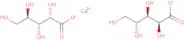
CAS:<p>Calcium-D-arabonate is a fatty acid that is used as a functional ingredient in the food industry. It has been shown to increase the rate of reactions, such as glycosidic bond cleavage and polymerization, by acting as an oxidation catalyst. This product also has a high molecular weight and can be used to modify the structure of polymers. Calcium-D-arabonate is often used in model systems because it reacts with other substances at a pH optimum of 6.0-7.5.</p>Fórmula:C5H9O6CaPureza:Min. 98%Cor e Forma:White PowderPeso molecular:185.16 g/mol2-Acetamido-4-O-(2-acetamido-2-deoxy-β-D-glucopyranosyl)-2-deoxy-D-muramic acid
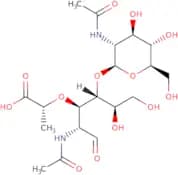
CAS:A MurNAc disaccharideFórmula:C19H32N2O13Pureza:Min. 95 Area-%Cor e Forma:PowderPeso molecular:496.46 g/mol4-Formylphenyl b-D-allopyranoside
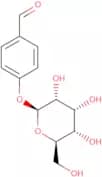
CAS:4-Formylphenyl b-D-allopyranoside is a natural drug that has been shown to have biological properties. It has shown to inhibit the transcriptional regulation of genes via the matrix effect and p-hydroxybenzoic acid, which may be due to its ability to form stable complexes with DNA. The stability of these complexes may be due in part to their interaction with the surface methodology. 4-Formylphenyl b-D-allopyranoside has also been shown to increase locomotor activity in mice, as well as inducing secretion from gland cells in human serum.Fórmula:C13H16O7Pureza:Min. 95%Cor e Forma:PowderPeso molecular:284.26 g/mol3-C-Methyl-allonolactone
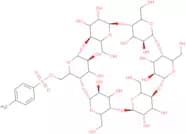
3-C-Methyl-allonolactone is an oligosaccharide that is modified by methylation, glycosylation, and polysaccharide. It is a custom synthesis and has a high purity. 3-C-Methyl-allonolactone may be used as a precursor to 3-carbon sugars.Pureza:Min. 95%Mono-6-O-(p-toluenesulfonyl)-a-cyclodextrin
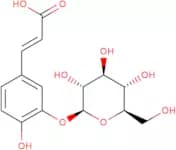
CAS:Alpha-cyclodextrin (α-CD) derivative with a hydrophilic exterior and lipophilic cavity (smaller than β-CDs and γ-CDs) to allocate certain guest molecules. This structural characteristic enables applications in molecular encapsulation, solubility enhancement, and stabilization across multiple industries. In pharmaceuticals, it serves as a drug delivery vehicle, enhancing the bioavailability and stability of active ingredients. The food industry utilizes it as a stabilizer for flavors, colors, and nutrients, as well as a functional ingredient for its effects on lipid metabolism. In cosmetics, it acts as a complex agent for fragrances and active components. Its applications extend to analytical chemistry for chiral separation and to materials science for developing smart materials and nanosystems.Fórmula:C43H66O32SPureza:Min. 95%Cor e Forma:White PowderPeso molecular:1,127.03 g/molCaffeic acid 3-O-b-D-glucopyranoside
CAS:Caffeic acid 3-O-b-D-glucopyranoside is a naturally occurring phenolic compound found in plants. It is a white to off-white powder that is soluble in methanol, ethanol, and water. Caffeic acid 3-O-b-D-glucopyranoside has been shown to have antioxidant properties by increasing the mitochondrial membrane potential in erythrocytes and reducing free radicals. It also may have anticancer activity due to its ability to inhibit tumor growth in vivo studies.Fórmula:C15H18O9Pureza:Min. 98 Area-%Cor e Forma:Off-White PowderPeso molecular:342.3 g/molL-Xylulose, 1.0 M aqueous solution
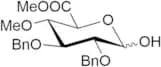
CAS:<p>L-Xylulose is a pentose sugar that can be used as a precursor for the synthesis of l-xylitol and arabinitol. L-Xylulose is an intermediate in the pentose phosphate pathway, which produces ribose 5-phosphate and NADPH. L-Xylulose has been shown to have anticancer activity by inhibiting polymerase chain reactions (PCRs) in cancerous tissues. This effect has been attributed to its ability to reduce the levels of dNTPs, which are required for DNA replication. L-Xylulose also inhibits aerobic respiration, which may be due to its ability to inhibit enzymatic activity of both ribitol dehydrogenase and l-arabinitol dehydrogenase.</p>Fórmula:C5H10O5Pureza:Min. 98 Area-%Cor e Forma:PowderPeso molecular:150.13 g/molMethyl (2,3-di-O-benzyl-4-O-methyl-α,β-D-glucopyranoside)uronate
CAS:A protected glucuronide which is an anomeric mixture.Fórmula:C22H26O7Pureza:Min. 95%Cor e Forma:PowderPeso molecular:402.44 g/mol6-Deoxy-L-allitol
<p>6-Deoxy-L-allitol is a white crystalline solid that melts at 122°C. It has an amorphous character and may be present as a mixture of rotations, form, and crystalline polymorphs. 6-Deoxy-L-allitol can be oxidized to its diol derivative by hydrogen peroxide or sodium periodate. This compound is soluble in water, methanol, and acetone. The molecular weight of this compound is 179.06 g/mol.</p>Pureza:Min. 95%2,3:5,6-Di-O-isopropylidene-α-D-mannofuranose
CAS:2,3:5,6-Di-O-isopropylidene-a-D-mannofuranose is a nutrient solution that can be used in tissue culture. It is a complex sugar with an active hydroxyl group and a hydrogen bond. This compound has been shown to have antiviral activity against HIV in the laboratory. 2,3:5,6-Di-O-isopropylidene-a-D-mannofuranose is also able to inhibit the growth of liver cells and can be used for diagnostic purposes.Fórmula:C12H20O6Pureza:Min. 95%Cor e Forma:PowderPeso molecular:260.28 g/molL-Fucitol
CAS:<p>L-Fucitol is a sugar that is found in the form of D-arabinose and D-xylitol. It is used in flow systems for the detection of herpes simplex virus type 1 (HSV1) glycoproteins and can be used to measure xylitol dehydrogenase activity. L-Fucitol has been shown to inhibit the growth of bacteria that are resistant to penicillin, ampicillin, and erythromycin. L-Fucitol also inhibits enzymes such as galactocerebrosidase, which breaks down galactocerebroside, a myelin constituent. This inhibition leads to accumulation of galactitol, an inhibitor of oligosaccharide synthesis. L-Fucitol also inhibits enzyme activities such as glycosidases and glycosyltransferases, which affect metabolic profiles by inhibiting the breakdown or synthesis of sugars. L-Fucitol is a monosac</p>Fórmula:C6H14O5Pureza:Min. 95%Cor e Forma:White Off-White PowderPeso molecular:166.17 g/mol1-O-Benzoyl-2,4-O-benzylidene-D-threitol
<p>1-O-Benzoyl-2,4-O-benzylidene-D-threitol is a high purity custom synthesis sugar with click modification, fluorination, glycosylation, and methylation. It has CAS number and is an Oligosaccharide. 1-O-Benzoyl-2,4-O-benzylidene-D-threitol Monosaccharide saccharide Carbohydrate complex carbohydrate. It is also Glycosylated and Synthetic.</p>Pureza:Min. 95%D-Talose
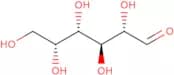
CAS:<p>Unnatural hexose used for the investigation of clostridial Rib-5-P-isomerases</p>Fórmula:C6H12O6Pureza:Min. 99 Area-%Cor e Forma:White PowderPeso molecular:180.16 g/molN-Acetyl-D-glucosamine 2-epimerase
CAS:<p>N-Acetyl-D-glucosamine 2-epimerase is an enzyme that catalyzes the conversion of N-acetyl D-glucosamine to N-acetyl D-mannosamine. This enzyme is a recombinant protein. It has been shown to be active against bacterial cells and has been used as a target for antibodies in research. The enzyme is insoluble at high concentrations, so it must be refolded before use. It is active in a denatured form, but can be made inactive by heat or other denaturing agents such as urea, guanidine hydrochloride, or sodium dodecyl sulfate (SDS). Refolding strategies include dilution, dialysis, or adsorption onto a solid support such as agarose beads.<br>!--</p>Pureza:Min. 95%Cor e Forma:Grey to brown solid.Linamarin
CAS:Cyanogenic glycosideFórmula:C10H17NO6Pureza:Min. 97 Area-%Cor e Forma:White PowderPeso molecular:247.25 g/molL-Rhamnose monohydrate
CAS:Used to differentiate microorganisms based on their metabolic properties.Fórmula:C6H14O6Pureza:Min. 98.0 Area-%Peso molecular:182.17 g/molRef: 3D-R-3000
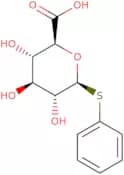
1kgA consultar5kgA consultar10kgA consultar500gA consultar2500gA consultar-Unit-kgkgA consultarPhenyl b-D-thioglucuronide
CAS:<p>Phenyl b-D-thioglucuronide is a synthetic molecule that has been used in studies of the carotid, abdominal and symmetric techniques. It can be used to study water absorption and squamous cell growth. Phenyl b-D-thioglucuronide has been used as a crosslinking agent for optical imaging techniques, such as fluorescence microscopy and confocal microscopy. The basic protein form of phenyl b-D-thioglucuronide is found in the human brain and spinal cord. There have been reports that phenyl b-D-thioglucuronide causes death and teratomas in mice when injected into the sigmoid colon or teratoma. Phenyl b-D-thioglucuronide also causes neuroinflammation, which may be due to its ability to induce matrix metalloproteinase production.</p>Fórmula:C12H14O6SPureza:(%) Min. 95%Peso molecular:286.3 g/molN- [(2R, 3R, 3aS, 9aR) - 2, 3, 3a, 9a- Tetrahydro- 3- hydroxy- 2- (hydroxymethyl) - 3a- methyl- 6H- furo[2', 3':4, 5] oxazolo[3, 2- a] pyrimidin- 6- ylidene] -benzamide
<p>N- [(2R, 3R, 3aS, 9aR) - 2, 3, 3a, 9a- Tetrahydro- 3- hydroxy- 2- (hydroxymethyl) - 3a- methyl- 6H- furo[2', 3':4, 5] oxazolo[3, 2- a] pyrimidin-- 6- ylidene] -benzamide is a modified carbohydrate. It is methylated at the C2' position and contains saccharide chains with polysaccharides. The molecular weight of this compound is 458.97 g/mol. This compound can be used for custom synthesis and modification.</p>Pureza:Min. 95%3-O-(a-D-Galactopyranosyl)-D-glucopyranose
CAS:3-O-(a-D-Galactopyranosyl)-D-glucopyranose is a custom synthesis that can be fluorinated, methylated, and modified with click chemistry. 3-O-(a-D-Galactopyranosyl)-D-glucopyranose is a sugar that can be used in the synthesis of oligosaccharide or polysaccharide. It also has saccharide binding properties. 3-O-(a-D-Galactopyranosyl)-D-glucopyranose is soluble in water and does not react with strong acids such as HCl.Fórmula:C12H22O11Pureza:Min. 95%Cor e Forma:PowderPeso molecular:342.3 g/mol2-Azido- 2- deoxy- 2, 4- di- C- methyl- 3, 4- O- isopropylidene - L- ribonic acid d- lactone
2-Azido-2-deoxy-2,4-di-C-methyl-3,4-O-isopropylidene -L-ribonic acid d -lactone is a synthetic carbohydrate. It is a monosaccharide that has been modified by the addition of fluorine atoms to the 2 and 4 positions of the ribose ring. The chemical name for this compound is 2-[(4S)-2,2'-azido]-2,4-[1S,3R,4R]dimethyl - 3,4-[1S,3R]oxirane - O-[(1Z)-1-(ethoxycarbonyl)propylidene]- L -ribonic acid d -lactone. This compound can be used in glycosylation reactions with saccharides and other carbohydrates that are not more than two carbons long. It can also be methylated at the 2 position on the ribPureza:Min. 95%D-Glucosamine sulfate
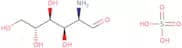
CAS:<p>D-Glucosamine sulfate is a pharmacological agent that has been shown to have activity against oxidative injury in vitro and in vivo. It inhibits the production of reactive oxygen species and lipid peroxidation, which are believed to be responsible for the development of liver disease. D-Glucosamine sulfate has also been shown to have activity against infectious diseases, with a particular focus on the inhibition of Toll-like receptor 4 signaling. The polymerase chain reaction (PCR) technique was used to detect the expression of glucosamine synthetase and other genes encoding enzymes that synthesize glucosamine in Mycobacterium tuberculosis. This drug may also be useful for treatment of inflammatory diseases such as rheumatoid arthritis, as it has been shown to inhibit prostaglandin synthesis, which is involved in the inflammatory response.</p>Fórmula:C6H13NO5•H2SO4Pureza:Min. 95%Cor e Forma:White PowderPeso molecular:277.25 g/molD-Glucosamine 6-phosphate
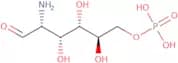
CAS:<p>D-Glucosamine 6-phosphate is a non-essential amino acid that belongs to the group of nucleotide sugar phosphates. It is a metabolite of the sugar D-glucose and it plays an important role in the energy metabolism of bacteria, plants, and animals. It has been shown to have anti-cancer effects on prostate cancer cells. D-Glucosamine 6-phosphate inhibits methyltransferase activity by binding to the enzyme's active site. This inhibition prevents DNA synthesis, leading to cell death. The structural analysis has been done using NMR spectroscopy on d-arabinose as a model substrate.</p>Fórmula:C6H14NO8PPureza:Min. 98 Area-%Cor e Forma:White PowderPeso molecular:259.15 g/mol3, 4- O- [(R) -Benzylidene] -2-O-trifluormethansulfonyl-D- ribonic acid d- lactone
3, 4- O- [(R) -Benzylidene] -2-O-trifluormethansulfonyl-D- ribonic acid d- lactone is a sugar derivative that is used as a reagent in organic synthesis. It has been used as a building block for the preparation of acetonitrile derivatives, which are useful for the synthesis of heterocycles. 3, 4- O- [(R) -Benzylidene] -2-O-trifluormethansulfonyl-D- ribonic acid d- lactone has also been shown to be an active site for catalyzing the reaction between nitroglycerin and trinitrate with dioxane as solvent. This compound can also be used to synthesize the antihypertensive drug hydroxypropanolamine by reacting with hydroxylamine and acetone in acidic conditions.Pureza:Min. 95%Benzyl 4-O-(2,6-di-O-benzyl-b-D-galactopyranosyl)-2,3,6-tri-O-benzyl-D-glucopyranoside
Benzyl 4-O-(2,6-di-O-benzyl-b-D-galactopyranosyl)-2,3,6-tri-O-benzyl-D-glucopyranoside is a carbohydrate that belongs to the oligosaccharide class of saccharides. It is a synthetic compound with a CAS number (CAS No.: 128364-79-5) and a high purity. The carbohydrate has been synthesized by methylation, glycosylation, and click modification. Its chemical name is benzyl 4-[(2,6-di-[3'-O-(4,4'-dimethoxytrityl)butyldimethylsilyl]benzoyl)-a -D--galactopyranosyl]-2,3,6-[3'-O-(4',4''dimethoxytrityl)butyl]tri[3',5']Fórmula:C34H88O11Pureza:Min. 98 Area-%Cor e Forma:PowderPeso molecular:673.06 g/mol1,3,4,6-Tetra-O-benzyl-b-D-galactopyranoside
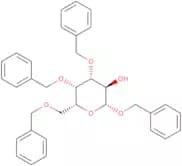
CAS:1,3,4,6-Tetra-O-benzyl-b-D-galactopyranoside is a custom synthesis that has been modified with methylation and fluorination. It is an oligosaccharide composed of saccharides linked by glycosidic bonds. Carbohydrates are polymers of monosaccharides, which can be classified as either simple sugars or complex carbohydrates. This product is a high purity, synthetic sugar that is suitable for use in the synthesis of complex carbohydrate polymers.Fórmula:C34H36O6Pureza:Min. 95%Cor e Forma:PowderPeso molecular:540.65 g/molAstragalus polysaccharide
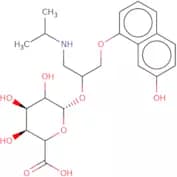
CAS:<p>The chemical structure of Astragalus polysaccharide is complex and consists of an α-D-(1,4)-Glc and (1,6)-α-D-Glcp backbone, and a branch point at O-6. The molecular weight is approximately 3.01 × 10⁵ Da from Mongolian Astragalus using low concentration of ethanol for precipitation and gel chromatography for purification. Spectral analysis results of 1H NMR and 13C NMR showed that the polysaccharide backbone has a 1,3-linked β-D-Gal residue and the branched portion has β-Glc, 1,6-linked α-Gal; 1,5-linked β-Xyl; 1,4-linked β-Gal; β-D-Gal, 1,2-linked α-Rha; and 1,2,4-linked α-Rha residues.</p>Fórmula:C10H7ClN2O2SPureza:Min. 95%Cor e Forma:Brown PowderPeso molecular:254.69 g/mol7'-Hydroxypropranolol-b-D-glucuronide
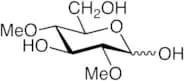
<p>7'-Hydroxypropranolol-b-D-glucuronide is a synthetic compound with a molecular formula of C21H28F3NO6. It has a melting point of 155 °C, and it is soluble in water. 7'-Hydroxypropranolol-b-D-glucuronide is an intermediate in the synthesis of other compounds, and it can be used as a building block for custom synthesis. This compound can be modified with click chemistry or saccharide linkages, providing additional opportunities for modification.</p>Fórmula:C22H29NO9Pureza:Min. 95%Peso molecular:451.47 g/mol2,4-Di-O-methyl-D-glucose
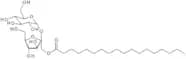
CAS:<p>2,4-Di-O-methyl-D-glucose is a partially O-methylated glucose sugar.</p>Fórmula:C8H16O6Pureza:Min. 95%Cor e Forma:PowderPeso molecular:208.21 g/molSucrose stearate - 70% monostearate
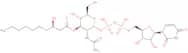
CAS:<p>The "tallowate" esters are probably the best known derivatives of sucrose and many attempts have been made to commercialise them in order to exploit their excellent surfactant functionalities. The most functional products are the mono- and diesters of the tallow acids (stearic, palmitic, oleic) with hydrophile-lipophile balance (HLB) values that lend themselves to surfactant applications in foods and cosmetics. They also have other uses, for example in coating fruits with a semipermeable membrane that acts as a preservative. Manufacturing economics have prevented these products from mass production and they remain in niche applications.</p>Fórmula:C30H56O12Pureza:Min. 90 Area-%Cor e Forma:White Off-White PowderPeso molecular:608.77 g/molUDP-3-O-(R-3-hydroxydecanoyl)-GlcNAc sodium salt
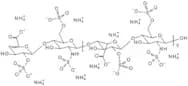
CAS:<p>Substrate for UDP-3-O-acyl-GlcNAc deacetylase</p>Fórmula:C27H43N3O19P2·xNaPureza:Min. 90 Area-%Cor e Forma:White Off-White Solidified MassPeso molecular:777.6 g/molHeparin derived dp12 Saccharide ammonium salt
<p>Heparin is a carbohydrate that is derived from the mucopolysaccharide heparin. It is a complex carbohydrate that consists of a chain of alternating N-acetylglucosamine and glucuronic acid. Heparin is used as an anticoagulant to prevent blood clotting, which may occur due to injury or during surgery. Heparin's use in medicine has been limited by its low solubility and rapid clearance from the body. Recently, it has been modified with a fluorine atom on the sugar ring, which increases their solubility and bioavailability. Click chemistry can be used to attach other molecules to the saccharide ammonium salt in order to modify the properties of heparin. This modification can be done with methyl groups or glycosyl groups, and it can also be done with other sugars such as galactose or glucose.</p>Pureza:Min. 95%Cor e Forma:PowderPeso molecular:~3550 (Average)5-O-(a-D-[6,6'-2H2]Glucopyranosyl)-D-fructopyranose
Produto Controlado<p>5-O-(a-D-[6,6'-2H2]Glucopyranosyl)-D-fructopyranose is a custom synthesis carbohydrate that is an oligosaccharide. It is a saccharide with a general formula of C6H10O5. One of its modifications is methylation. This product has been fluorinated and modified with the click reaction to create a glycosylated sugar. 5-O-(a-D-[6,6'-2H2]Glucopyranosyl)-D-fructopyranose is not radioactive and has high purity. It is also a polysaccharide that contains glucose monomers that are linked by glycosidic bonds to form branched chains of 10 or more units. The product has an appearance of white powder, and it can be used as an additive for pharmaceuticals, food products, and cosmetics.</p>Fórmula:C12H20O11D2Pureza:Min. 95%Peso molecular:344.31 g/mol1-Naphthyl 2-acetamido-2-deoxy-b-D-galactopyranose
<p>1-Naphthyl 2-acetamido-2-deoxy-b-D-galactopyranose is a modified carbohydrate that is used in the synthesis of polysaccharides. It is a high purity, custom synthesized monosaccharide that has been fluorinated and methylated. This chemical can be glycosylated or click modified to produce saccharides with desired properties.</p>Pureza:Min. 95%Chitin
CAS:<p>Chitin forms the tough fibrous exoskeletons of insects, crustaceans and other arthropods, and, in addition to its presence in some fungi, it occurs in at least one alga. The structure of chitin is similar to that of cellulose but with glucose replaced with N-acetyl-D-glucosaminyl units linked β-D-(1,4) in a linear chain. Chitin is normally produced from the shells of lobster, crab or shrimp.</p>Fórmula:(C8H13NO5)nCor e Forma:Powder3-(b-D-Mannopyranosyl)-D-rhamnose
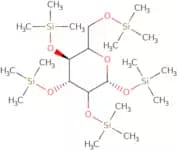
<p>3-(b-D-Mannopyranosyl)-D-rhamnose is a custom synthesized carbohydrate that is modified by fluorination. It is also a complex carbohydrate with an Oligosaccharide, sugar, and a Monosaccharide. 3-(b-D-Mannopyranosyl)-D-rhamnose has high purity and can be used for methylation, glycosylation, or Click modifications. Click modification is an organic chemistry technique that uses a copper ion to add chemical groups to the surface of molecules. This provides access to new functionalities, such as increased solubility or stability in organic solvents.</p>Pureza:Min. 95%1,2,3,4,6-Penta-O-trimethylsilyl-a-D-galactopyranose
CAS:1,2,3,4,6-Penta-O-trimethylsilyl-a-D-galactopyranose is a modification of the sugar galactose. It is a complex carbohydrate and an oligosaccharide that has been custom synthesized. The molecular weight of 1,2,3,4,6-Penta-O-trimethylsilyl-a-D-galactopyranose is 592.77 g/mol. The purity of this compound is >99%. This compound has been fluorinated and saccharide methylated.Fórmula:C21H52O6Si5Pureza:Min. 95%Peso molecular:541.07 g/molBlood group B hexasaccharide type II
Core antigen fragment in ABO blood group systemFórmula:C38H65NO30Pureza:Min. 90%Cor e Forma:PowderPeso molecular:1,015.93 g/molα-D-Glucosamine pentaacetate
CAS:Alpha-D-glucosamine pentaacetate is a carbohydrate that is a member of the glycoconjugates family. It is an acetylated form of alpha-D-glucosamine and is used in the synthesis of glycoproteins and glycosaminoglycans. Alpha-D-Glucosamine pentaacetate has been shown to be an effective inhibitor of methylation reactions. It can also be used as a fluorinating agent in organic synthesis or Click chemistry, which involves the reaction between an azide group and an alkyne group. Alpha-D-Glucosamine pentaacetate has been shown to be a potent antiviral agent against herpes simplex virus 1 (HSV1) by blocking viral adsorption and penetration into cells, inhibiting DNA replication, and reducing viral titers.Fórmula:C16H23NO10Peso molecular:389.36 g/molRef: 3D-G-2960
25gA consultar50gA consultar100gA consultar250gA consultar500gA consultar-Unit-ggA consultar2-C-(tert.Butylmethylsilyloxy)methyl-2,3:5,6-di-O-isopropylidene-D-mannono-1.4-lactone
2-C-(tert.Butylmethylsilyloxy)methyl-2,3:5,6-di-O-isopropylidene-D-mannono-1.4-lactone is a custom synthesis of a complex carbohydrate with Oligosaccharide, CAS No., Polysaccharide and Modification properties. It is a saccharide that is Methylation and Glycosylation modified. This product has Click modification and Carbohydrate properties. 2C-(tert.Butylmethylsilyloxy)methyl-2,3:5,6-di-O-isopropylidene-D-mannono 1,4 lactone is a high purity product with Fluorination and Synthetic properties.Pureza:Min. 95%

![N- [(3R, 4R, 5R) - 4- (Acetyloxy) - 5- [(acetyloxy) methyl] - 1- benzyl- 3- pyrrolidinyl] -acetami…](/_next/image/?url=https%3A%2Fstatic.cymitquimica.com%2Fproducts%2F3D%2Fthumb-webp%2FMA170395.webp&w=3840&q=75)








![3, 4- O- [(R) -Benzylidene] -2-O-trifluormethansulfonyl-D- ribonic acid d- lactone](/_next/image/?url=https%3A%2Fstatic.cymitquimica.com%2Fproducts%2F3D%2Fthumb-webp%2FMB163971.webp&w=3840&q=75)

![5-O-(a-D-[6,6'-2H2]Glucopyranosyl)-D-fructopyranose](/_next/image/?url=https%3A%2Fstatic.cymitquimica.com%2Fproducts%2F3D%2Fthumb-webp%2FOG11201.webp&w=3840&q=75)