Glicociência
A glicociência é o estudo dos carboidratos e seus derivados, bem como das interações e funções biológicas em que participam. Este campo de pesquisa é crucial para compreender uma ampla variedade de processos biológicos, incluindo o reconhecimento celular, a sinalização, a resposta imune e o desenvolvimento de doenças. A glicociência tem aplicações importantes na biotecnologia, na medicina e no desenvolvimento de novos medicamentos e terapias. Na CymitQuimica, oferecemos uma ampla seleção de produtos de alta qualidade e pureza para pesquisa em glicociência. Nosso catálogo inclui monossacarídeos, oligossacarídeos, polissacarídeos, glicoconjugados e reagentes específicos, projetados para apoiar os pesquisadores em seus estudos sobre a estrutura, função e aplicações dos carboidratos em sistemas biológicos. Esses recursos são destinados a facilitar descobertas científicas e aplicações práticas em diversas áreas das biociências e da medicina.
Subcategorias de "Glicociência"
- Amino açúcares(108 produtos)
- Anticorpos Glico-Relacionados(282 produtos)
- Glicolípidos(46 produtos)
- Glicosaminoglicanos (GAGs)(55 produtos)
- Glicosídeos(419 produtos)
- Monossacáridos(6.624 produtos)
- Oligossacarídeos(3.682 produtos)
- Polissacáridos(503 produtos)
Foram encontrados 11046 produtos de "Glicociência"
Ordenar por
Pureza (%)
0
100
|
0
|
50
|
90
|
95
|
100
Galactosyl-Tn-antigen
<p>Galactosyl-Tn-antigen is an antigen that is found in the urine of patients with bladder cancer. It is a glycoprotein that has been shown to be present in the urine of patients with bladder cancer and not in the urine of healthy individuals. Galactosyl-Tn-antigen was detected using a monoclonal antibody against an epitope on the Tn antigen and can be used for diagnosis of bladder cancer. The level of galactosyl-Tn-antigen in the serum varies with age and glomerular filtration rate, suggesting that it may be involved in renal function. Galactosyl-Tn-antigen has also been shown to have a role in cell adhesion and skin reactions, as well as autoimmune diseases such as cancer.</p>Fórmula:C17H30N2O13Pureza:Min. 95%Cor e Forma:PowderPeso molecular:470.43 g/mol(2R, 3S, 4R) -4- Azido- 3 benzhydryloxybis(trimethylsilyloxy)silyloxy - 2- [( benzhydryloxybis(trimethylsilyloxy)silyloxy) methyl] - 1- benzyl- pyrrolidine
(2R, 3S, 4R) -4- Azido- 3 benzhydryloxybis(trimethylsilyloxy)silyloxy - 2- [(benzhydryloxybis(trimethylsilyloxy)silyloxy) methyl] - 1- benzyl- pyrrolidine is a highly pure and custom synthesized oligosaccharide. It is a methylated saccharide with a high purity. The CAS number for this compound is 102780-43-1. This compound has been modified by Click chemistry to allow for the modification of saccharides, polysaccharides and other complex carbohydrates.Pureza:Min. 95%2-Azido-2-deoxy-L-lyxono-1,4-lactone
<p>2-Azido-2-deoxy-L-lyxono-1,4-lactone is a fluorinated monosaccharide. It is synthesized using the Curtius rearrangement of 2-azidoethyl 4,6-dioxohexanoate and a Lewis acid. This compound is used as an intermediate in the synthesis of glycosylides and polysaccharides. The methylation of this molecule has been shown to be useful for the modification of carbohydrates, such as polysaccharides. The product purity can be as high as 98% when it is custom synthesized to order.</p>Pureza:Min. 95%N-Benzyl-3,5-dideoxy-3,5-imino-D-lyxofuranose
<p>N-Benzyl-3,5-dideoxy-3,5-imino-D-lyxofuranose is a fluorinated sugar with a complex carbohydrate. It is synthesized by glycosylation of N-benzylglycine and D-lyxofuranose. This compound can be used for the synthesis of glycoproteins, polysaccharides and other complex carbohydrates. It has been modified using methylation and click chemistry to produce a wide range of derivatives. The compound can be used for research purposes in glycobiology, biochemistry, and materials science.</p>Pureza:Min. 95%Triclosan-beta-D-glucopyranoside
<p>Triclosan-beta-D-glucopyranoside is a synthetic sugar that can be used as a building block for the preparation of complex carbohydrates. Triclosan-beta-D-glucopyranoside is not known to have any commercial applications.</p>Fórmula:C18H17Cl3O7Pureza:Min. 95%Cor e Forma:PowderPeso molecular:451.68 g/mol(1R) -1- [(2R, 3S) -3-Hydroxy- N-nonyl-1- azetidinyl] -1, 2- ethanediol
(1R) -1- [(2R, 3S) -3-Hydroxy- N-nonyl-1- azetidinyl] -1, 2- ethanediol is a methylated saccharide that can be used in the synthesis of oligosaccharides. It has been shown to be an effective inhibitor of glycosylation and can be used for the modification of carbohydrates. The compound has a CAS number and is available for custom synthesis. It also has high purity and stability, as well as being a synthetic product.Pureza:Min. 95%Methyl 4,6-O-benzylidene-a-D-galactopyranoside
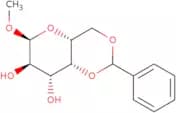
CAS:Methyl 4,6-O-benzylidene-a-D-galactopyranoside is a high purity, custom synthesis, sugar modified product. It has a CAS No. 72904-85-9, and can be synthesized by the click modification of methyl 1,4-O-diacetyl D-mannopyranoside. The fluorination of the glucose moiety in this molecule is accomplished using NCS/BF3 complex in acetonitrile. Glycosylation is achieved using NEM/HBTU and DCC in DMF. The saccharide is then modified with methyl 4,6-O-benzylidene alditol acetate to yield Methyl 4,6-O-benzylidene a D galactopyranoside. This product can also be synthesized by the glycosylation of methyl 2,5 dihydroxyacetophenone with methylFórmula:C14H18O6Pureza:Min. 95%Cor e Forma:White to off-white solid.Peso molecular:282.29 g/mol2-Deoxy-D-xylose
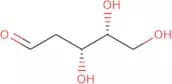
CAS:<p>2-Deoxy-D-xylose is a sugar that is metabolized by bacteria in the absence of oxygen. It has been shown to be highly chemotactic, inducing the migration of cells from the surrounding tissue into the area where it is present. 2-Deoxy-D-xylose has also been shown to inhibit the growth of cancer cells and induce apoptosis in vitro. 2-Deoxy-D-xylose binds to mitochondria and inhibits cytochrome oxidase, which may contribute to its anti-cancer activity. 2-Deoxy-D-xylose has also been shown to have angiogenic effects by stimulating endothelial cell proliferation and migration.</p>Fórmula:C5H10O4Pureza:Min. 98 Area-%Cor e Forma:White PowderPeso molecular:134.13 g/mol3,4-Di-O-acetyl-L-arabinal
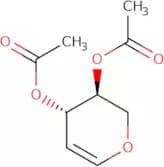
CAS:<p>3,4-Di-O-acetyl-L-arabinal is a synthetic compound that belongs to the class of monofluorides. It has been synthesized from l-arabinose by a stereoselective process, with triflic acid as the catalyst and propargylation as the key step. The synthetic pathway starts from an acid hydrolysis of L-arabinose to yield 3,4-di-O-acetyl-L-arabinonic acid. This acid is then converted to 3,4 diacetyl L arabinonic acid with acetic anhydride and acetic acid in the presence of triethylamine. The final product is then obtained by reacting this intermediate with 1 equivalent of sodium fluoride in tetrahydrofuran (THF) using catalytic reduction with sodium borohydride at 0 °C. The major advantage of this synthetic process is that it provides two stereoisomers: (</p>Fórmula:C9H12O5Pureza:Min. 95%Cor e Forma:Yellow Clear LiquidPeso molecular:200.19 g/mol1,6-Anhydro-2-O-acetyl-3,4-dideoxy-b-D-erythro-hex-3-enopyranose
CAS:<p>The 1,6-anhydro-2-O-acetyl-3,4-dideoxy-b-D-erythrohexopyranose is a modified monosaccharide that has been fluorinated and methylated at the C1 position. This modification has shown to affect the susceptibility of bacteria to antibiotics. Fluorination and methylation at the C1 position of the sugar molecule can alter antibiotic binding affinity, which may be used as an alternative strategy for treating drug resistant bacterial infections.</p>Fórmula:C8H10O4Pureza:Min. 95%Peso molecular:170.16 g/molN-Methyl-L-glucosamine
CAS:N-Methyl-L-glucosamine is a monosaccharide that is used as a building block for glycosaminoglycans. It can be synthesized by the enzyme glucoamylase from glucose and UDP-N-acetylglucosamine, or supplied exogenously as a dietary supplement. N-Methyl-L-glucosamine is stable in the presence of light and resistant to microbial degradation. This agent has been shown to be effective in inhibiting skin cancer in mice when combined with other agents such as hydroquinone, retinoic acid, and tretinoin. N-Methyl-L-glucosamine has been shown to have antiangiogenic properties on tubule cells, which may be due to its ability to inhibit the production of vascular endothelial growth factor (VEGF) in these cells.Fórmula:C7H15NO5Pureza:Min. 95%Peso molecular:193.2 g/mol2,6-Dideoxy-L- arabino- hexose
CAS:<p>2,6-Dideoxy-L-arabino-hexose is a carbohydrate that can be custom synthesized. It has a high purity with a custom synthesis and can be methylated and glycosylated. This modification changes the chemical structure of the sugar, which may have important therapeutic effects on cancer cells.</p>Fórmula:C6H12O4Pureza:Min. 95%Peso molecular:148.16 g/mol2-Methyl-(1,2-dideoxy-a-D-glucopyrano)-[2,1-d]-2-oxazoline
CAS:2-Methyl-(1,2-dideoxy-a-D-glucopyrano)-[2,1-d]-2-oxazoline is a high purity, custom synthesis carbohydrate. It has been fluorinated and methylated to increase its stability and resistance to proteases. This compound is used in the synthesis of oligosaccharides and polysaccharides. It can be glycosylated or click modified with thiol groups.Fórmula:C8H13NO5Pureza:Min. 95%Cor e Forma:PowderPeso molecular:203.19 g/molLincosamine
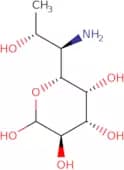
CAS:<p>Lincosamine is a nitrogen nucleophile that reacts with the electrophilic carbon of an activated aromatic ring in a chemical reaction. Lincosamine has been shown to be effective against infectious diseases caused by bacteria, such as Staphylococcus and Streptococcus, but not against viruses. The glycosidic bond between lincosamine and glucose is stereoselective. Lincosamine binds to the hybridoma cell strain through its monoclonal antibody and can be used for pharmacokinetic properties studies. Lincosamine has been used as an antimicrobial agent in biological samples such as urine, blood, and sputum.</p>Fórmula:C8H17NO6Pureza:Min. 95%Peso molecular:223.22 g/mol5-O-Acetyl-1,2-O-isopropylidene-a-D-xylofuranose
CAS:5-O-Acetyl-1,2-O-isopropylidene a-D-xylofuranose is a fluorinated carbohydrate that is synthesized from acetylene gas and the sugar 1,2-O-isopropylidene. It is a complex carbohydrate that can be used as an additive in the food industry. 5-O Acetyl 1,2-O isopropylidene a D xylofuranose has been shown to act as an inhibitor of bacterial growth. It also has the ability to inhibit methylation and glycosylation reactions by competitively binding to the enzyme UDP-Nacetylglucosamine pyrophosphorylase. 5 O Acetyl 1,2 - O isopropylidene a D xylofuranose can be custom synthesized with high purity and it can be modified with methylation or glycosylation.Fórmula:C10H16O6Pureza:Min. 95%Cor e Forma:White to off-white solid.Peso molecular:232.23 g/molHuman milk neutral di- to -tetrasaccharides
This mixture contains some of the lower oligosaccharides found in human milk. There are small amounts of lactose but the bulk of the mixture are tri- and tetrasaccharides. 3-Fucosyllactose, 3'-Sialyllactose, 6'-Sialyllactose, Lacto-N-tetraose, Sialyllacto-N-tetraose b, Sialyllacto-N-tetraose b and Blood Group A tetrasaccharide type V are the major components that have been found in the mixture by chromatography but there may be other minor components not mentioned here.Pureza:Min. 95%Ethyl 2,3,4,6-tetra-O-benzyl-β-D-thiogalactopyranoside
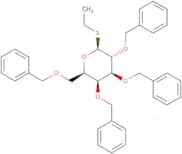
CAS:<p>Synthetic building block</p>Fórmula:C36H40O5SPureza:Min. 95%Cor e Forma:White PowderPeso molecular:584.77 g/molLewis B tetrasaccharide
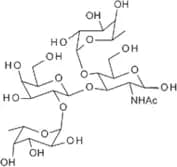
CAS:<p>Lewis B tetrasaccharide (LBT) is a glycosylated oligosaccharide that is found in the outer membrane of human pathogens, such as Helicobacter pylori. LBT has been shown to inhibit the growth of cancer cells and may be used as a potential therapeutic agent for cancer treatment. It has also been shown to have structural features similar to those found in inflammatory bowel disease patients, suggesting that it may play a role in regulating bowel inflammation. LBT is recognized by monoclonal antibodies and can be used to detect H. pylori in biological samples. Lewis B tetrasaccharide binds with methyl glycosides on human erythrocytes, which inhibits the polymerase chain reaction (PCR). This inhibition leads to reduced DNA synthesis and a decrease in bacterial replication, making it an effective antimicrobial agent.</p>Fórmula:C26H45NO19Pureza:Min. 90%Cor e Forma:White PowderPeso molecular:675.63 g/molEthyl 6-azido-6-deoxy-a-D-thiomannopyranoside
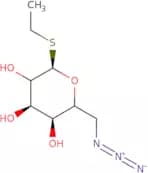
Ethyl 6-azido-6-deoxy-a-D-thiomannopyranoside is a custom synthesis of a complex carbohydrate that is used in the modification of saccharides and glycosylations. It can be modified with methylation, fluorination, or click chemistry to create new derivatives. The chemical name for this product is Ethyl 6-azido-6-deoxymannopyranoside. This product has CAS Number 141459-18-4 and molecular weight of 308.86 g/mol. It is available in high purity with 98% yield.Fórmula:C8H15N3O4SPureza:Min. 95%Peso molecular:249.29 g/mol6-Deoxy-L-tallose
CAS:<p>6-Deoxy-L-tallose is a heterocyclic compound that is an enol ether with a vicinal, β-unsaturated aldehyde and the correct stereochemistry. It can be synthesized from D-glucose by enolization of the hydroxyl group at C2, followed by oxidation to form an aldehyde. This reaction can also be accomplished using hydrogen peroxide in acetic acid. 6-Deoxy-L-tallose can also be synthesized from D-mannitol or D-sorbitol by reduction of the carbonyl group at C1, followed by oxidation to form an aldehyde. The synthesis of 6-deoxy L -tallose has been shown to be useful as a chiral synthon for the synthesis of other molecules.END></p>Fórmula:C6H12O5Pureza:Min. 95%Peso molecular:164.16 g/molSialyl Lewis X ceramide
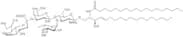
Sialyl Lewis X ceramide is a monosaccharide that belongs to the pentasaccharide group. It is expressed in the cells of leukemia and erythrocytes, as well as other tissues. Sialyl Lewis X ceramide is a hybrid molecule that has a backbone consisting of four sugar molecules and an amino acid sequence, with hydroxyl groups on one end and an acetyl glucosamine on the other end. The molecule has a carbohydrate skeleton consisting of galactose, glucose, mannose, and sialic acid. Sialyl Lewis X ceramide also interacts with selectins to mediate leukocyte-endothelial interactions in inflammation.Fórmula:C67H121N3O25Pureza:Min. 95%Peso molecular:1,368.68 g/mol(2R,3S,4R)-4-C-((2R,3S)-N-Benzyl-3-tert.butylsilyloxy-2-azetidinyl)-3-O-tert.butyldimethylsilyl-2,3,4-trihydroxybutanoic acid
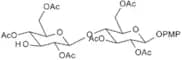
(2R,3S,4R)-4-C-((2R,3S)-N-Benzyl-3-tert.butylsilyloxy-2-azetidinyl)-3-O-tert.butyldimethylsilyl-2,3,4-trihydroxybutanoic acid is a methylated and fluorinated oligosaccharide with a high purity. It is a complex carbohydrate that can be modified to include saccharides and monosaccharides. This product is synthesized using Click chemistry and has been shown to have antiallergic activities.Pureza:Min. 95%4-Methoxyphenyl 2,3,6-O-acetyl-4-O-(2,4,6-tri-O-acetyl-β-D-galactopyranosyl)-β-D-glucopyranoside
The compound is a custom synthesis of a complex carbohydrate. It is an oligosaccharide with CAS No. and polysaccharide that has been modified by methylation, glycosylation, and click modification. The compound is Methylated, Glycosylated, Click-modified Carbohydrate Sugar with high purity and fluorination.Fórmula:C31H40O18Pureza:Min. 95%Peso molecular:700.64 g/mol1,2:3,5-Di-O-isopropylidene-a-D-xylofuranose
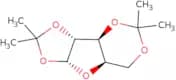
CAS:1,2:3,5-Di-O-isopropylidene-a-D-xylofuranose is a synthetic glycoside that is used in the synthesis of complex carbohydrates. It has been used for the modification of polysaccharides and oligosaccharides. This compound has also been modified with fluorine to form 1,2:3,5-Di-O-isopropylidene-a-D-(1'-fluoro)-xylofuranose. The chemical name of this product is CAS No. 20881-04-3.Fórmula:C11H18O5Pureza:Min. 95%Cor e Forma:White PowderPeso molecular:230.26 g/molTopiramate
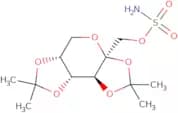
CAS:Produto Controlado<p>An anticonvulsant drug</p>Fórmula:C12H21NO8SPureza:Min. 95%Cor e Forma:PowderPeso molecular:339.37 g/mol5-Fluoropyrimidin-2-One β-Ribofuranoside
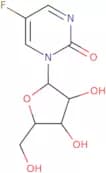
CAS:<p>5-Fluoropyrimidin-2-One beta-Ribofuranoside is a subunit of the enzyme cytidine deaminase. It interacts with a substrate binding site, which is located at the active site of cytidine deaminase. This molecule has been shown to stabilize the enzyme and increase its rate of reaction with the substrate. 5-Fluoropyrimidin-2-One beta-Ribofuranoside can also bind with a water molecule, which may be important for enzymatic activity.<br>5-Fluoropyrimidin-2-One beta-Ribofuranoside is homologous to other molecules that are involved in DNA synthesis, such as adenosine monophosphate (AMP), ribose, and uracil.</p>Fórmula:C9H11FN2O5Pureza:Min. 95%Peso molecular:246.19 g/molD-Leucrose
CAS:<p>Leucrose (5-O-a-d-glucopyranosyl-D-fructose) is formed by enzymatic synthesis using Leuconostoc mesenteroides in the presence of sucrose.</p>Fórmula:C12H22O11Pureza:Min. 95%Cor e Forma:PowderPeso molecular:342.3 g/mol1,4-β-D-Xylobiitol
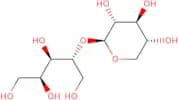
CAS:<p>1,4-β-D-Xylobiitol is a monosaccharide that is synthesized by the glycosylation of β-D-xylose. It is an important component of complex carbohydrates found in plants and animals. Xylobiitol can be modified with methylation or Click chemistry to produce 1,4-β-D-xylopyranosiduronic acid and 1,4-β-D-xylopyranuronic acid respectively. In addition, it can be fluorinated to create 1,4-β-D-fluoroxylobiitol and modified with saccharide or oligosaccharides to produce 1,4-[α]-,1,3-[α]- or 1,3-[β]-linked xylobiitols. Xylobiitol can also be modified with polysaccharides to form xylanolybioside conjugates in which GlcUA residues are linked</p>Fórmula:C10H20O9Pureza:Min. 95%Cor e Forma:PowderPeso molecular:284.26 g/mol4-Pentenyl 4,6-O-benzylidene-2,3-phenylethylidene-α-D-mannopyranoside
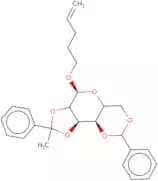
<p>4-Pentenyl 4,6-O-benzylidene-2,3-phenylethylidene-a-D-mannopyranoside is a modification of the natural oligosaccharide, mannose. The complex carbohydrate is synthesized using a custom synthesis and has a high purity that meets the CAS No. requirements. This molecule has been fluorinated and saccharides have been methylated and glycosylated.</p>Fórmula:C26H30O6Pureza:Min. 95%Peso molecular:438.51 g/molMethyl 3,4,6-tri-O-acetyl-2-deoxy-2-phthalimido-b-D-thioglucopyranoside
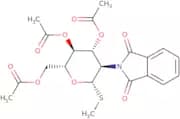
CAS:<p>Methyl 3,4,6-tri-O-acetyl-2-deoxy-2-phthalimido-b-D-thioglucopyranoside (MTATP) is a drug that has been shown to be effective in treating pancreatitis and colitis. It has also shown promise as an anticancer agent. MTATP is a small molecule that inhibits the growth of cancer cells by inhibiting the enzyme phosphodiesterase 4B. This enzyme plays a role in the regulation of intracellular signaling pathways and is involved in cell proliferation and differentiation. MTATP has been shown to inhibit the activity of this enzyme, preventing cancer cells from proliferating and promoting their differentiation instead.</p>Fórmula:C21H23NO9SPureza:Min. 95%Cor e Forma:White Off-White PowderPeso molecular:465.47 g/mol3,4:5,6-Di-O-isopropylidene-D-glucitol
CAS:<p>3,4:5,6-Di-O-isopropylidene-D-glucitol is a chemical compound that belongs to the class of aldehydes. It has been shown to catalyze the reaction between alcohols and amides in the presence of an acid or base catalyst. The product of this reaction is an amide with an isopropylidene group on one side. 3,4:5,6-Di-O-isopropylidene-D-glucitol also has two chiral centers and can be used to synthesize stereoselective aldoses, such as D-(+)-gluconic acid and L-(+)-gluconolactone.</p>Fórmula:C12H22O6Pureza:Min. 98 Area-%Cor e Forma:PowderPeso molecular:262.3 g/molL-Erythrulose
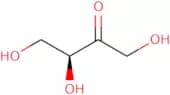
CAS:<p>L-Erythrulose is an organic compound that is a sugar alcohol. It can be synthesized from the aldol reaction of glycolaldehyde and dehydroascorbic acid, which are both found in natural sources. L-Erythrulose has shown to have intramolecular hydrogen transfer (H-transfer) reactions, where the hydroxyl group migrates from one C atom to another. This kinetic data was obtained using surface methodology on model systems containing l-erythrulose and bacteria with wild-type or mutant strains. The conformational properties of L-erythrulose were also investigated by comparing its chemical structures with those of other sugars.</p>Fórmula:C4H8O4Pureza:Min. 95%Cor e Forma:Yellow Clear LiquidPeso molecular:120.1 g/mol2,3,4,6-Tetra-O-acetyl-β-D-glucopyranosyl-Fmoc serine
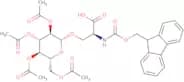
CAS:<p>2,3,4,6-Tetra-O-acetyl-b-D-glucopyranosyl-Fmoc serine is a protein that belongs to the group of bifunctional glycosides. It is used in recombinant virus production as a component of the viral coat protein (VP). 2,3,4,6-Tetra-O-acetyl-b-D-glucopyranosyl-Fmoc serine binds to tyrosine kinase receptors and inhibits their activity. This inhibition prevents cell adhesion and migration and can cause tumor regression in some cancers. 2,3,4,6-Tetra-O-acetyl-b-D--glucopyranosyl--Fmoc serine also has antiviral activity due to its ability to inhibit the replication of viruses containing RNA genomes.</p>Fórmula:C32H35NO14Pureza:Min. 95%Cor e Forma:SolidPeso molecular:657.63 g/molN-Acetyl-2-O-methyl-α-D-neuraminic acid
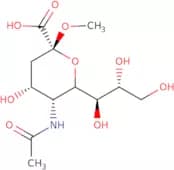
CAS:N-acetylneuraminic acid derivative and a useful tool for the study of sialic acid binding to its ligands. It was previously used for such purpose in studies on the influenza binding to hemagglutinin. This compound was also used for investigation of Clostridium botulinum toxin binding to various sugars.Fórmula:C12H21NO9Pureza:Min. 95%Cor e Forma:White PowderPeso molecular:323.3 g/molBenzyl 2-acetamido-4,6-O-benzylidene-2-deoxy-α-D-glucopyranoside
CAS:Please enquire for more information about Benzyl 2-acetamido-4,6-O-benzylidene-2-deoxy-α-D-glucopyranoside including the price, delivery time and more detailed product information at the technical inquiry form on this pageFórmula:C22H25NO6Pureza:Min. 98 Area-%Cor e Forma:White PowderPeso molecular:399.44 g/molPhenyl 4,6-O-benzylidene-2-deoxy-2-N-(2,2,2-trichloroethyl)-b-D-thioglucopyranoside
<p>Phenyl 4,6-O-benzylidene-2-deoxy-2-N-(2,2,2-trichloroethyl)-b-D-thioglucopyranoside is an oligosaccharide that has been synthesized by the glycosylation of a benzylidene glycosylamine with a sugar. It is a custom synthesis which has been fluorinated and methylated. This compound is an important intermediate in the synthesis of complex carbohydrates. Phenyl 4,6-O-benzylidene-2-deoxy-2-N-(2,2,2 trichloroethyl)-b -D thioglucopyranoside is not toxic and has a high purity.</p>Pureza:Min. 95%4-O-(α-L-Fucopyranosyl)-D-galactopyranose
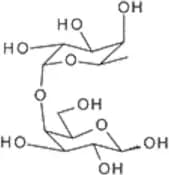
CAS:<p>4-O-(a-L-Fucopyranosyl)-D-galactopyranose is a glycosidic sugar that has an alpha-1,3 linkage and a galactose residue. The sequence of this sugar is the same as that of D-galactose. 4-O-(a-L-Fucopyranosyl)-D-galactopyranose belongs to the group of carbohydrates. It is found in plants, animals, or fungi and can be used as a precursor for the synthesis of many other compounds.</p>Fórmula:C12H22O10Pureza:Min. 95%Cor e Forma:PowderPeso molecular:326.3 g/molGangliosides
<p>Sialic acid-containing glycosphingolipids-important component of neuronal cells</p>Pureza:Min. 95 Area-%Cor e Forma:PowderMan-3a N-Glycan
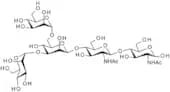
CAS:Man-3a N-Glycan is a N-linked oligosaccharide with a trimannosyl coreFórmula:C34H58N2O26Pureza:Min. 95%Cor e Forma:PowderPeso molecular:910.82 g/mol6-O-(b-D-Mannopyranosyl)-D-mannose
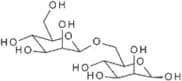
CAS:<p>Isolated from the products of the acid reversion of D-mannose</p>Fórmula:C12H22O11Pureza:Min. 98 Area-%Cor e Forma:PowderPeso molecular:342.3 g/mol1,2,6-Tri-O-acetyl-3,4-di-O-benzyl-α-D-mannopyranose
CAS:<p>1,2,6-Tri-O-acetyl-3,4-di-O-benzyl-a-D-mannopyranose is a synthetic sugar that has been modified with three acetates and benzyl groups. It is used in the synthesis of glycosides and oligosaccharides. 1,2,6-Tri-O-acetyl-3,4-di-O-benzyl-a-D-mannopyranose is also an important building block for the synthesis of complex carbohydrates.</p>Fórmula:C26H30O9Pureza:Min. 95%Peso molecular:486.51 g/mol4-Methoxyphenyl a-D-mannopyranoside
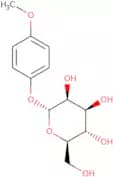
CAS:<p>4-Methoxyphenyl a-D-mannopyranoside is a fluorinated monosaccharide. It is synthesized by the reaction of 4-methoxyphenol with an aldose in the presence of sodium hydroxide and sulfuric acid. The product is purified by chromatography with silica gel and eluted with methanol. This compound is also used to produce polysaccharides, glycosyls, oligosaccharides, or complex carbohydrates through glycosylation or polysaccaride synthesis. 4-Methoxyphenyl a-D-mannopyranoside can be modified to produce methylated, acetalized, or deoxygenated derivatives for use in click chemistry reactions.</p>Fórmula:C13H18O7Pureza:Min. 95%Cor e Forma:White PowderPeso molecular:286.28 g/molIsomaltotriose
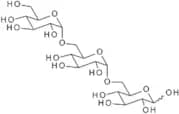
CAS:<p>Produced from high maltose syrup by treatment with transglucosidase</p>Fórmula:C18H32O16Pureza:Min. 97 Area-%Cor e Forma:White Off-White PowderPeso molecular:504.44 g/mol2, 3:5,6-Bis-O-(1-ethylpropylidene)-D-glycero-L-talo-heptonic acid γ-lactone
<p>2,3:5,6-Bis-O-(1-ethylpropylidene)-D-glycero-L-taloheptonic acid gamma-lactone (TAL) is a glycosylated saccharide that is synthesized by the click reaction of a terminal alkyne group with an azide group. TAL has been shown to have anti-inflammatory effects on mice. This compound also exhibits potent inhibition of bacterial growth and can be used as an alternative to penicillin.</p>Pureza:Min. 95%Phenyl 2,3,4-tri-O-acetyl-b-D-thioglucuronide methyl ester
CAS:<p>Phenyl 2,3,4-tri-O-acetyl-b-D-thioglucuronide methyl ester is a custom synthesis. It is a complex carbohydrate with an Oligosaccharide and Polysaccharide structure. The modification of saccharides with Methylation, Glycosylation, or Carbohydrate changes the chemical properties of this compound. Phenyl 2,3,4-tri-O-acetyl-b-D-thioglucuronide methyl ester has a CAS No. 62812-42-2 and is also known as sugar. This compound is fluorinated at the phenolic hydroxyl group to produce a stable molecule with high purity.</p>Pureza:Min. 95%scyllo-Inosamine
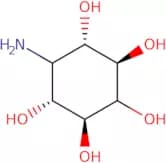
CAS:<p>Scyllo-inosamine is a redox potential that belongs to the class of antimicrobial agents. It is derived from the amino acid inosine, which is found in RNA and DNA. Scyllo-inosamine has been shown to inhibit bacterial growth by inhibiting protein synthesis. It also acts as an aminotransferase inhibitor, which may be used for the treatment of certain human pathogens. Scyllo-inosamine has been shown to have beneficial effects on the regulation of benzyl groups and hydroxyl group reactions. It has also been shown to inhibit polymerase chain reaction activity and titration calorimetry activity.</p>Fórmula:C6H13NO5Pureza:Min. 95%Cor e Forma:PowderPeso molecular:179.17 g/mol2,3,5-Tri-O-benzyl-D-lyxofuranose
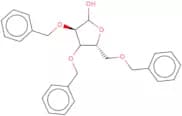
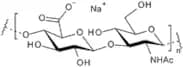
CAS:<p>2,3,5-Tri-O-benzyl-D-lyxofuranose is a custom organic synthesis. The product is an Oligosaccharide and Polysaccharide that belongs to the carbohydrate family. It can be used for methylation reactions and click chemistry modifications with other molecules. This product has been found to have high purity, and it can be used in various applications such as Fluorination, complex carbohydrate, and Modification. 2,3,5-Tri-O-benzyl-D-lyxofuranose is a monosaccharide sugar that has a molecular weight of 327.24 g/mol and a melting point of 155°C.</p>Fórmula:C26H28O5Pureza:Min. 95%Cor e Forma:Yellow PowderPeso molecular:420.5 g/molHyaluronic acid sodium salt - Average MW 0.6-2.5 million Daltons
CAS:Gycosaminoglycan in many organs; joint lubricant and shock absorberFórmula:(C14H20NO11Na)nPureza:Min. 95%Cor e Forma:Powder1,2,4,6-Tetra-O-acetyl-3-deoxy-D-galactose
1,2,4,6-Tetra-O-acetyl-3-deoxy-D-galactose (1,2,4,6TDA) is a custom synthesis that is a complex carbohydrate. It has been modified with methylation and glycosylation. 1,2,4,6TDA is an oligosaccharide with a molecular weight of 498.06 Da and a CAS number of 90193-74-8. This product is high purity and can be fluorinated. This product can also be synthesized using the click modification reaction.Fórmula:C14H20O9Pureza:Min. 95%Peso molecular:332.3 g/molEthyl 2,3-O-isopropylidene-a-L-thiorhamnopyranoside
CAS:Ethyl 2,3-O-isopropylidene-a-L-thiorhamnopyranoside (Ip) is a glycosylation inhibitor that inhibits the formation of an alpha-(1,2)-link between glucose and mannose in the glycosylation of the pentasaccharide. The maximum tolerated dosages of Ip have been determined in HL-60 cells. Trichloroacetimidate is used as a substitute for Ip in these experiments because it can be dissolved in water and has a high therapeutic index. Convergent synthesis of Ip was achieved by reacting pentasaccharides with trichloroacetimidate to produce pentasaccharides with substituted mannose residues at position two and three.Fórmula:C11H20O4SPureza:Min. 95%Peso molecular:248.34 g/mol


![(1R) -1- [(2R, 3S) -3-Hydroxy- N-nonyl-1- azetidinyl] -1, 2- ethanediol](/_next/image/?url=https%3A%2Fstatic.cymitquimica.com%2Fproducts%2F3D%2Fthumb-webp%2FMH163400.webp&w=3840&q=75)


![2-Methyl-(1,2-dideoxy-a-D-glucopyrano)-[2,1-d]-2-oxazoline](/_next/image/?url=https%3A%2Fstatic.cymitquimica.com%2Fproducts%2F3D%2Fthumb-webp%2FMM10955.webp&w=3840&q=75)