Compostos Relacionados com Enzimas, Peptídeos e Proteínas
Os compostos relacionados a enzimas, peptídeos e proteínas são críticos para o estudo e manipulação de vias bioquímicas. Estes compostos incluem enzimas que catalisam reações bioquímicas, peptídeos que atuam como hormônios e moléculas de sinalização, e proteínas que desempenham uma ampla gama de funções nos organismos. Esta categoria abrange inibidores, ativadores, substratos e outros reagentes essenciais para enzimologia, proteômica e pesquisa de peptídeos. Na CymitQuimica, oferecemos uma ampla seleção de compostos de alta qualidade para facilitar a sua pesquisa em cinética enzimática, função proteica e síntese de peptídeos, garantindo resultados precisos e confiáveis.
Subcategorias de "Compostos Relacionados com Enzimas, Peptídeos e Proteínas"
- Aminoácidos (AA)(40.493 produtos)
- Enzimas(3.560 produtos)
- Peptídeos(30.719 produtos)
- Proteínas(15.021 produtos)
Foram encontrados 1312 produtos de "Compostos Relacionados com Enzimas, Peptídeos e Proteínas"
Ordenar por
Pureza (%)
0
100
|
0
|
50
|
90
|
95
|
100
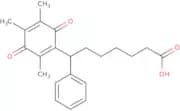
Seratrodast
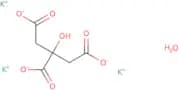
CAS:<p>Thromboxane A2 antagonist; anti-asthmatic</p>Fórmula:C22H26O4Pureza:Min. 95%Cor e Forma:Yellow PowderPeso molecular:354.44 g/molCitric acid tripotassium monohydrate
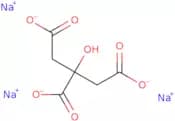
CAS:<p>Citric acid tripotassium salt monohydrate is a membrane-stabilizing agent that has been shown to improve the function of the circuitry in animals. It has been used for the treatment of motoneurons and muscle pain. Citric acid tripotassium salt monohydrate has also been found to be an effective treatment for chronic pain, which may be due to its ability to block pain signals from reaching the brain. This drug has also shown efficacy in treating neurological disorders such as Parkinson's disease, Alzheimer's disease, and multiple sclerosis. Citric acid tripotassium salt monohydrate is effective at improving the physiological mechanisms that are responsible for translating nervous system activity into movement.</p>Fórmula:C6H8O7•H2O•K3Pureza:Min. 95%Cor e Forma:White To Off-White SolidPeso molecular:237.43 g/molTri-sodium citrate
CAS:<p>Sodium citrate is widely used as an excipient in the pharmaceutical industry. It helps regulate the pH as a stabilizer or an alkalizing agent. Sodium citrate can also bind to certain metal ions in drug formulations providing stability and avoiding ht interference with the drug's main activity. In the food industry, its main use is as a food preservative.</p>Fórmula:C6H5Na3O7Pureza:Min. 98%Cor e Forma:White Off-White PowderPeso molecular:258.07 g/mol2,3-Dimethylphenylhydrazine hydrochloride hydrate
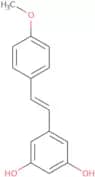
CAS:<p>2,3-Dimethylphenylhydrazine hydrochloride hydrate is a fine chemical that is used as a building block for research chemicals and speciality chemicals. It is also a high quality reagent and useful scaffold for the synthesis of complex compounds. 2,3-Dimethylphenylhydrazine hydrochloride hydrate is versatile, being able to be used in reactions involving nucleophilic substitution or elimination reactions. This product can be used in reactions involving the formation of carbon-carbon bonds.</p>Fórmula:C8H12N2•HCl•(H2O)xPureza:Min. 95%Cor e Forma:PowderPeso molecular:172.66 g/mol4'-Methoxyresveratrol
CAS:<p>4'-Methoxyresveratrol is a polyphenol found in red wine and other plants. It has been shown to have anti-angiogenic effects, which may be due to its ability to inhibit vascular endothelial growth factor (VEGF) synthesis. 4'-Methoxyresveratrol has also been shown to have long-term efficacy against autoimmune diseases such as colitis, arthritis and asthma. This compound has not been studied in women or animals for toxicity or carcinogenicity. The most common side effects include gastrointestinal disturbances, headache, dizziness and skin rash.</p>Fórmula:C15H14O3Pureza:Min. 95%Cor e Forma:White PowderPeso molecular:242.27 g/mol(5S)-N-(5-Amino-1-carboxypentyl) iminodiacetic acid hydrate
CAS:<p>(5S)-N-(5-Amino-1-carboxypentyl) iminodiacetic acid hydrate is a sophisticated chelating agent, designed for precise control in various biochemical applications. The reactive moieties of this compound are particularly useful in affinity chromatography and surface functionalization, making it a valuable tool in both protein purification and the development of biosensors or other biotechnological applications. Affinity chromatography: As a metal-chelator, it is particularly adept at binding divalent metal cations such as Ni²⁺, Co²⁺, and Cu²⁺, which are instrumental in stabilizing protein structures or facilitating enzyme activity. When complexed with Ni²⁺ (nickel) ions (5S)-N-(5-Amino-1-carboxypentyl) iminodiacetic acid forms a surface that can specifically capture proteins engineered with a polyhistidine tag (His-tag). Such interactions facilitate the purification and isolation of target proteins with high specificity, allowing immobilization in a controlled orientation without compromising functional integrity.Surface functionalization: The free amine group allows for conjugation via strong covalent bonds to surfaces such as glass, silica, gold (e.g., electrodes), polymers, hydrogels and magnetic beads. This creates metal-functionalized surfaces for biospecific interactions with His-tagged proteins. Examples of potential applications of this include Surface Plasmon Resonance (SPR), fluorescence microscopy and use in artificial cell systems with hydrogel-based cell-mimicking environments. Thus giving (5S)-N-(5-Amino-1-carboxypentyl) iminodiacetic acid a broad scope in its application in advanced biochemical assays and materials science.</p>Fórmula:C10H18N2O6·xH2OPureza:Min. 95 Area-%Cor e Forma:White PowderPeso molecular:262.26 g/mol5-Acetamido-6-amino-3-methyluracil hydrate
CAS:<p>5-Acetamido-6-amino-3-methyluracil hydrate (AAU) is a drug that is used as an analytical reagent in the determination of caffeine, 5-hydroxytryptophan, and other compounds. It can be used to assess interactions between drugs and enzyme activities. AAU has been shown to be a suitable substrate for many enzymes, including alcohol dehydrogenase, acetylcholinesterase, catalase, and glucose oxidase. The sample preparation procedure is performed by dissolving the compound in water or ethanol. The sample is then filtered before it is analyzed using high performance liquid chromatography (HPLC). The chemical properties of AAU are such that it can be easily transported from one place to another without undergoing significant changes in physical properties. AAU has been shown to have no effect on biological samples when exposed to radiation.</p>Fórmula:C7H10N4O3·H2OPureza:Min. 95%Cor e Forma:Slightly Yellow PowderPeso molecular:216.2 g/molCerium trichloride heptahydrate
CAS:<p>Cerium trichloride heptahydrate is a reactive compound. It reacts with amines, forming salts and other compounds. Cerium trichloride heptahydrate is highly toxic and can cause death in humans by inhalation or ingestion. This chemical has been shown to be effective against choroidal neovascularization (CNV) in a mouse model of age-related macular degeneration by intravitreal injection. The preparative method for this compound is precipitation from a solution of ceric nitrate, sodium carbonate, and hydrochloric acid. Cerium trichloride heptahydrate has an average particle diameter of about 0.4 micrometers and contains functional groups that are covalently bonded to the lanthanum atom. The reaction yield for this compound is 100%.</p>Fórmula:CeCl3•(H2O)7Pureza:Min. 98%Cor e Forma:PowderPeso molecular:372.58 g/molCreatine phosphate, disodium salt tetrahydrate, pH > 8.00
CAS:<p>Creatine phosphate, disodium salt tetrahydrate, is a fine chemical that is used as a versatile building block for the synthesis of other compounds. Creatine phosphate is useful in research because it can be converted to creatine, which can then be converted to phosphocreatine. Creatine phosphate has been shown to have a number of biological activities including the promotion of cell proliferation and differentiation. This product is an extremely high quality reagent for use in laboratory experiments.</p>Fórmula:C4H16N3Na2O9PPureza:Min. 95.0 Area-%Peso molecular:327.14 g/molGallic acid monohydrate
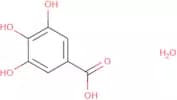
CAS:<p>Gallic acid monohydrate is a natural phenolic compound present in plants, such as oak and sumac. It has been shown to have anticarcinogenic properties in animal models of cancer. Gallic acid monohydrate inhibits the growth of tumor cells by binding to the DNA of tumor cells and inhibiting the synthesis of RNA and proteins. It also possesses antioxidant properties, which may be due to its ability to scavenge free radicals. Gallic acid monohydrate is soluble in water, but not in organic solvents such as ether or chloroform. It exists as two crystalline polymorphs: one anhydrous form that occurs at room temperature and a hydrated form that appears when heated above 40 degrees Celsius. In vitro assays have shown that gallic acid monohydrate is stable when exposed to heat, light, and pH changes.END></p>Fórmula:C7H8O6Pureza:Min. 95%Cor e Forma:White PowderPeso molecular:188.13 g/mol9-Mesityl-2,7-dimethyl-10-phenylacridinium tetrafluoroborate
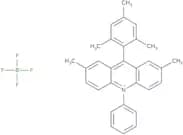
CAS:<p>9-Mesityl-2,7-dimethyl-10-phenylacridinium tetrafluoroborate is a versatile building block and reagent for organic synthesis. It is a fine chemical that is used in the production of research chemicals and speciality chemicals. 9-Mesityl-2,7-dimethyl-10-phenylacridinium tetrafluoroborate can be used as a reaction component to synthesize complex compounds with various functional groups. It has been reported to have high quality, being both useful and stable. CAS NO: 1621020-00-5</p>Fórmula:C30H28BF4NCor e Forma:Yellow PowderPeso molecular:489.35 g/molSodium ammonium phosphate tetrahydrate
CAS:<p>Sodium ammonium phosphate tetrahydrate is an inorganic compound that is a salt. It is used as a test compound to measure the inhibition of viral growth. The test compound binds to the virus and prevents it from binding to cells, thus inhibiting viral replication. Sodium ammonium phosphate tetrahydrate can also be used as a means of preventing cavities by lowering the pH level in the mouth and inhibiting bacterial growth. Selenium compounds have been shown to have antiviral properties when tested on the typhimurium virus. Selenium compounds are not active against herpes simplex virus, but protocatechuic acid has been shown to inhibit herpes simplex virus replication in vitro and in vivo. Protocatechuic acid has also been shown to inhibit fatty acid synthesis and chloride ion uptake into cells, which may be responsible for its anti-viral properties.</p>Fórmula:NaNH5PO4·4H2OPureza:Min. 95%Cor e Forma:PowderPeso molecular:209.07 g/molFerrocenium Tetrafluoroborate
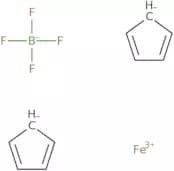
CAS:<p>Ferrocenium tetrafluoroborate is a chiral, unreactive compound that is synthesized through the reaction of ferrocene and tetrafluoroboric acid. Ferrocenium tetrafluoroborate is a kinetic polymer that can be used as a linker in the synthesis of polymeric materials. This compound has been shown to catalyze the epoxidation of aliphatic alcohols to yield epoxides. Ferrocenium tetrafluoroborate has also been shown to catalyze the epoxidation of cyclic olefins, such as 1-octene. Ferrocenium tetrafluoroborate is an achiral catalyst and does not change during the course of the reaction.</p>Fórmula:C10H2BF4FeCor e Forma:Brown PowderPeso molecular:264.77 g/molAlendronic acid monosodium salt trihydrate - USP
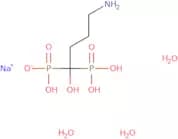
CAS:<p>Farnesyl diphosphate synthase inhibitor; inhibits bone resorption</p>Fórmula:C4H18NNaO10P2Pureza:Min. 95%Cor e Forma:White PowderPeso molecular:325.12 g/molDimethyl(methylthio)sulfonium Tetrafluoroborate
CAS:<p>Dimethyl(methylthio)sulfonium Tetrafluoroborate (DMTSBF) is a synthetic, activated, nucleophilic reagent that has the ability to cleave disulfide bonds in proteins. DMTSBF is used for the synthesis of fatty acids and other organic compounds. It can also be used as an analytical reagent for determining the blood group of proteins. The chloride ion is necessary for this reaction. DMTSBF reacts with a nucleophile (e.g., hydroxyl, amine, thiol) to form a new bond and release sodium carbonate and silver trifluoromethanesulfonate.</p>Fórmula:C3H9BF4S2Pureza:Min. 95%Cor e Forma:PowderPeso molecular:196.04 g/molStrontium chloride hexahydrate
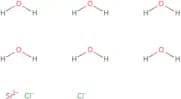
CAS:<p>Strontium chloride hexahydrate is a chemical compound that belongs to the group of strontium compounds. It is used as an injection solution and reaction solution, and has been shown to have a beneficial effect on liver lesions in mice. Strontium chloride hexahydrate can be injected intravenously or intraperitoneally to treat patients with hypercalcemia or hypophosphatemia. This drug also has a toll-like receptor (TLR) agonistic effect, which may be due to its ability to stimulate the production of proinflammatory cytokines such as IL-1β, IL-6, IL-8, and TNF-α in macrophages. The optimum concentration for this drug is 1 mmol/L. Strontium chloride hexahydrate binds to plasma proteins through ionic interactions with chloride ions. This binding makes it difficult for the drug to pass through cell membranes, which limits its effectiveness.</p>Fórmula:SrCl2•(H2O)6Pureza:Min 99%Cor e Forma:Colorless PowderPeso molecular:266.62 g/molChloral hydrate
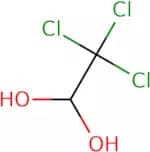
CAS:Produto Controlado<p>Chloral hydrate is a sedative and hypnotic drug that is used in the treatment of insomnia, anxiety disorders, and seizure disorders. It has also been used as an anticonvulsant and muscle relaxant. Chloral hydrate binds to the 5-HT2 receptors on neurons to produce its sedative effects. The therapeutic dose of chloral hydrate ranges from 1 to 3 g per day in adults, with a maximum dose of 12 g per day. Clinical studies have shown that chloral hydrate can cause liver damage when combined with other drugs such as acetaminophen or alcohol.</p>Fórmula:C2H3Cl3O2Pureza:Min. 95%Cor e Forma:PowderPeso molecular:165.4 g/molCalcium-D-galactonate hydrate
CAS:<p>Calcium-D-galactonate hydrate is a reagent that is used in organic synthesis as a complex compound. It can also be used as an intermediate for the synthesis of calcium-D-galactonate, which is a useful scaffold for the construction of bioactive molecules. Calcium-D-galactonate hydrate has been shown to have many uses in the pharmaceutical and fine chemical industries. This compound is also an important reactant in research, due to its versatility and usefulness in organic synthesis.</p>Fórmula:C12H22CaO14·5H2OPureza:Min. 98%Cor e Forma:White PowderPeso molecular:520.45 g/molOndansetron hydrochloride dihydrate
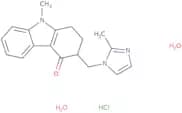
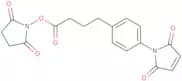
CAS:<p>Serotonin receptor 5-HT3 antagonist</p>Fórmula:C18H24N3O3ClPureza:Min. 95%Cor e Forma:PowderPeso molecular:365.85 g/molN-Succinimidyl 4-(p-maleimidophenyl)butyrate
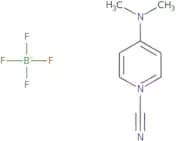
CAS:<p>N-Succinimidyl 4-(p-maleimidophenyl)butyrate is a fatty acid that has been shown to regulate the effector proteins of cell surface receptors. It has been shown to be site specific, with water permeability and a molecule size of about 200 Daltons. It is able to bind to the regulatory sites on proteins and inhibit their function. The binding of N-succinimidyl 4-(p-maleimidophenyl)butyrate to antibodies can cause an antibody response in humans and other mammals. Additionally, this fatty acid can also be used as a substrate for protein synthesis. N-Succinimidyl 4-(p-maleimidophenyl)butyrate binds to the subunits of proteins by hydrogen bonding or hydrophobic interactions, which are necessary for protein synthesis. This compound has been shown to inhibit the messenger RNA (mRNA) production in Galleria mellonella larvae,</p>Fórmula:C18H16N2O6Pureza:Min. 95%Cor e Forma:PowderPeso molecular:356.33 g/mol1-Cyano-4-(dimethylamino)pyridinium tetrafluoroborate
CAS:<p>1-Cyano-4-(dimethylamino)pyridinium tetrafluoroborate (CDAP) is an organic cyanylating agent. It is reactive under acidic conditions giving CDAP an advantage over other sulfhydryl labeling agents, as it can avoid potential thiol-disulfide exchange.</p>Fórmula:C8H10N3BF4Pureza:Min. 98 Area-%Cor e Forma:PowderPeso molecular:234.99 g/mol(Tyr0)-Prepro-Atrial Natriuretic Factor (104-123) (human) H-Tyr-Ser-Ser-Asp-Arg-Ser-Ala-Leu-Leu-Lys-Ser-Lys-Leu-Arg-Ala-Leu-Leu-Thr- Ala-Pro-Arg-OH
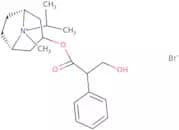
CAS:<p>(Tyr0)-Prepro-Atrial Natriuretic Factor (104-123) (human) H-Tyr-Ser-Ser-Asp-Arg-Ser-Ala-Leu-Leu-Lys-Ser-Lys-Leu-Arg-Ala-Leu-(OH)) is a fine chemical that is used as a building block in research and as a reagent. It has been shown to be an intermediate in the synthesis of various complex organic compounds, including pharmaceuticals. This compound also has many uses in organic synthesis, including as a building block for peptides and proteins. The CAS number for this compound is 309245-24 7.</p>Fórmula:C103H180N32O30Pureza:Min. 95%Cor e Forma:White PowderPeso molecular:2,346.73 g/molIpratropium bromide
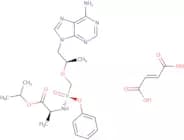
CAS:<p>Muscarinic antagonist</p>Fórmula:C20H30BrNO3Pureza:Min. 95%Cor e Forma:PowderPeso molecular:412.36 g/molTenofovir alafenamide fumarate
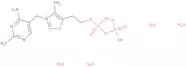
CAS:<p>Tenofovir alafenamide fumarate is a prodrug of tenofovir, an active antiretroviral agent. Tenofovir binds to the viral polymerase and blocks the synthesis of viral DNA. Tenofovir alafenamide fumarate is a prodrug that undergoes hydrolysis to form tenofovir. It has been shown to inhibit growth factor-β1, which may reduce the risk of opportunistic infections in people with HIV or AIDS. Tenofovir alafenamide fumarate has also been shown to be effective as an antiviral prophylaxis when used in combination with other drugs for active antiretroviral therapy.</p>Fórmula:C21H29N6O5P•C4H4O4Pureza:Min. 95%Cor e Forma:PowderPeso molecular:592.54 g/molCocarboxylase tetrahydrate
CAS:<p>Cocarboxylase tetrahydrate is a coenzyme form of vitamin B1; cofactor for enzymes involved in carbohydrate catabolism</p>Fórmula:C12H18N4O7P2S·4H2OPureza:Min 96%Cor e Forma:White PowderPeso molecular:496.37 g/molrec Stem Cell Factor (human)
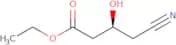
CAS:<p>Please enquire for more information about rec Stem Cell Factor (human) including the price, delivery time and more detailed product information at the technical inquiry form on this page</p>Pureza:Min. 95%Ethyl S-(+)-4-cyano-3-hydroxybutyrate
CAS:<p>Ethyl S-(+)-4-cyano-3-hydroxybutyrate is a chiral molecule that can be used as a catalyst in the transesterification reaction. It acts by binding to the enzyme and immobilizing it on a solid support, which increases its catalytic activity. The hydroxybutanoate is converted into butyric acid, which is produced at high yield using this method. This process of immobilization increases the kinetic rate of the reaction, making it possible for the product to be obtained more quickly.</p>Fórmula:C7H11NO3Pureza:Min. 95%Peso molecular:157.17 g/molMosapride citrate
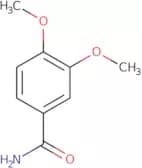
CAS:<p>Serotonin 5-HT4 receptor agonist</p>Fórmula:C27H25ClFN3O3•C6H8O7Pureza:Min. 95%Cor e Forma:PowderPeso molecular:614.02 g/molVeratramide
CAS:<p>Veratramide is a levorotatory, vanillic acid that has been synthesized by hydrolysis of esomeprazole. It is an ester of vanillic acid and hydrochloric acid. The cis-isomer is the more active form. Veratramide has been shown to be a prodrug for cisplatin, which is used in the treatment of cancer. Veratramide can also be metabolized to acetyl derivatives or flavonoids such as vitexin and metformin hydrochloride, which have anti-diabetic effects. Veratramide also binds to chloride ion channels, hypervalent ions (e.g., AlCl3), and quaternary ammonium salts (e.g., tetraethylammonium chloride).</p>Fórmula:C9H11NO3Pureza:Min. 95%Cor e Forma:PowderPeso molecular:181.19 g/molHuman growth hormone (1-43)
CAS:<p>Human growth hormone is a polypeptide hormone that stimulates the growth of tissues and organs. It also plays a role in the regulation of the metabolism of carbohydrates, fats, and proteins. It is produced by cells in the anterior pituitary gland and acts on cells in many different parts of the body to regulate cell function. Growth hormone is used as a research tool in endocrinology and cell biology. It can be used to study how hormones affect cells both in vitro and in vivo.<br>A recombinant form of human growth hormone (r-hGH) has been approved for treatment of children with deficient or insufficient growth due to idiopathic short stature, chronic renal insufficiency, Turner syndrome, Prader-Willi syndrome, or familial short stature.<br>HGH may also be used to treat adults who are experiencing age-related muscle loss or wasting associated with HIV/AIDS or cancer cachexia.</p>Fórmula:C240H358N62O67SPureza:Min. 95%Peso molecular:5,215.85 g/molAmmonium iron(II) sulfate hexahydrate
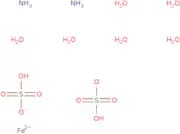
CAS:<p>Ammonium iron(II) sulfate hexahydrate is a salt that contains the metal ion ammonium and iron (II). It is used in cancer research as an electron-radiating agent. The drug molecules are encapsulated into the cavity of mesoporous silica nanoparticles by ionizing radiation. This process immobilizes the drug molecule and prevents it from diffusing away from the particle surface. Ammonium iron(II) sulfate hexahydrate has been shown to be effective against estrone and 17β-estradiol, which are types of estrogen.</p>Fórmula:Fe(NH4)2(SO4)2•6H2OCor e Forma:PowderPeso molecular:392.14 g/molCalcium 2-oxoglutarate
CAS:<p>Calcium 2-oxoglutarate (Ca2OG) is a metabolite of the TCA cycle and has been shown to regulate energy metabolism. It can be used as a precursor for the synthesis of glutamate, which is an important neurotransmitter in the central nervous system. Ca2OG also has inhibitory properties on many enzymes, including enzymes involved in the synthesis of amino acids and fatty acids. Ca2OG has been shown to have a role in transcriptional regulation, acting as a transcriptional activator or repressor depending on cell type and stimulus. Ca2OG also affects plant metabolism by regulating caproic acid levels. This compound is structurally similar to oxoglutarate, which is found in vivo, but it is more stable than this form of glutamic acid due to the presence of calcium ions. Ca2OG has been synthesized in vitro using x-ray crystallography and biochemical properties have been determined through various biochemical assays.br>br></p>Fórmula:C5H4O5·CaPureza:Min 98%Cor e Forma:PowderPeso molecular:184.16 g/molBrimonidine-D-tartrate
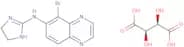
CAS:<p>Brimonidine-D-tartrate is a selective alpha-2 adrenergic agonist, which is a pharmacological compound derived synthetically, targeting specific receptor subtypes in the adrenergic receptor family. Its mode of action involves reducing aqueous humor production and increasing uveoscleral outflow in the eye, thereby lowering intraocular pressure. Additionally, it induces peripheral vasoconstriction, playing a role in reducing redness in rosacea.</p>Fórmula:C15H16BrN5O6Cor e Forma:White PowderPeso molecular:442.22 g/molBisoprolol hemifumarate
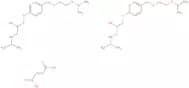
CAS:Produto Controlado<p>Bisoprolol hemifumarate is a selective beta-1 receptor blocker that has been used in the treatment of high blood pressure, heart failure, and other cardiovascular diseases. It is a prodrug that undergoes enzymatic hydrolysis to bisoprolol in the liver. Bisoprolol hemifumarate has been shown to be effective as an adjunctive therapy for patients with bowel disease and cardiac effects such as lowering blood pressure levels. This drug also has a positive effect on the heart by increasing the levels of natriuretic peptides and decreasing the level of atrial fibrillation (AF). Bisoprolol hemifumarate can be detected in human serum or plasma samples through an analytical method involving liquid chromatography (LC) coupled with tandem mass spectrometry (MS/MS), which can then be analyzed by multivariate logistic regression to control for confounding factors such as age, gender, ethnicity, alcohol intake, and smoking status.</p>Fórmula:C18H31NO4•(C4H4O4)0Pureza:Min. 98 Area-%Cor e Forma:PowderPeso molecular:383.48 g/molErgotamine D-tartrate
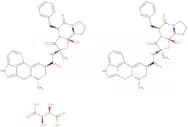
CAS:Produto Controlado<p>Ergotamine D-tartrate is a drug that belongs to the group of nonsteroidal anti-inflammatory drugs. It is used in the treatment of migraine and other headaches. Ergotamine D-tartrate inhibits the production of nitric oxide, which has been shown to be involved in the process of angiogenesis. This drug also has long-term efficacy for headaches and migraines, as well as an anti-migraine effect. Ergotamine D-tartrate binds to specific receptors on neurons called alpha2 adrenergic receptors, which are located on blood vessels in the brain and have been implicated in migraine pathophysiology. These receptors are not present on vessels elsewhere in the body, which makes ergotamine a more selective drug for migraine than other nonsteroidal anti-inflammatory drugs.</p>Fórmula:(C33H35N5O5)2•C4H6O6Pureza:Min. 95%Peso molecular:1,313.44 g/molOxytetracycline dihydrate
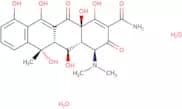
CAS:<p>A broad-spectrum antibiotic of tetracycline class which inhibits protein synthesis by targeting the 30S ribosome subunit. It has been used in human medicine as well as in veterinary medicine and agriculture.</p>Fórmula:C22H28N2O11Pureza:Min. 95%Cor e Forma:Yellow PowderPeso molecular:496.46 g/molIbutilide fumarate
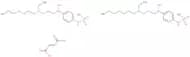
CAS:<p>Ibutilide is a class III antiarrhythmic drug that acts by inhibiting the rapid influx of calcium ions into cardiac cells. It has been shown to reduce fibrillation in patients with structural heart disease, and also to control ventricular rate in atrial fibrillation. Ibutilide has been found to have synergistic effects when combined with other pharmacological agents, such as amiodarone, procainamide, or lidocaine. This drug should be used cautiously in patients who are on concomitant therapy with digoxin or drugs that may decrease the levels of potassium or magnesium in the blood. The model system for ibutilide-induced torsades de pointes is an analytical method based on reaction solution and a model system.</p>Fórmula:C22H38N2O5SPureza:Min. 95%Cor e Forma:White/Off-White SolidPeso molecular:442.61 g/molNesfatin-1 (mouse) trifluoroacetate salt
CAS:<p>Please enquire for more information about Nesfatin-1 (mouse) trifluoroacetate salt including the price, delivery time and more detailed product information at the technical inquiry form on this page</p>Fórmula:C424H683N117O137Pureza:Min. 95%Peso molecular:9,611.67 g/molTirofiban hydrochloride monohydrate
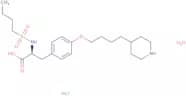
CAS:<p>Glycoprotein IIb/IIIa inhibitor; platelet aggregation inhibitor</p>Fórmula:C22H36N2O5S•HCl•H2OPureza:Min. 95%Cor e Forma:White PowderPeso molecular:495.07 g/molIrinotecan hydrochloride trihydrate
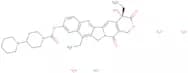
CAS:<p>Inhibitor of DNA topoisomerase I</p>Fórmula:C33H38N4O6•HCl•(H2O)3Pureza:Min. 97 Area-%Cor e Forma:Yellow PowderPeso molecular:677.18 g/molR-(+)-Aminoglutethimide L-tartrate
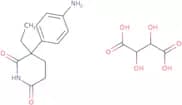
CAS:Produto Controlado<p>R-(+)-Aminoglutethimide is a potent inhibitor of mitochondrial electron transport and the cleavage enzyme 4-phenylimidazole. It inhibits mitochondrial ATP production by binding to the inner mitochondrial membrane and preventing the passage of electrons from cytochrome c oxidase to oxygen. This drug has been shown to be effective in treating corticotroph adenoma, a benign tumor of the anterior pituitary gland, which is due to excessive secretion of ACTH by the gland. R-(+)-Aminoglutethimide can also be used for treatment of Cushing's syndrome due to its ability to inhibit cortisol synthesis in the adrenal cortex. This drug has been shown to act as a potent inhibitor of progesterone synthesis in bovine and human ovaries, leading to decreased levels of pregnenolone, which is an important precursor for other steroid hormones such as testosterone or estrogens.</p>Fórmula:C17H22N2O8Pureza:Min. 95%Cor e Forma:White To Off-White SolidPeso molecular:382.37 g/molrec Glial Cell Line-Derived Neurotrophic Factor (human)
<p>Please enquire for more information about rec Glial Cell Line-Derived Neurotrophic Factor (human) including the price, delivery time and more detailed product information at the technical inquiry form on this page</p>Pureza:Min. 95%Zanamivir hydrate
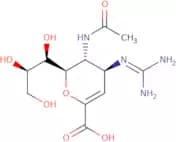
CAS:<p>Potent and selective inhibitor of influenza A and B sialidases (neuraminidases). This compound is a sialic acid analogue that occupies viral neuraminidase active site, inhibits enzyme’s hydrolytic activity and cleavage of sialic acid residues from host cell surface glycans. It therefore prevents shedding newly produced virions from infected cell surface and reduces infection of surrounding cells.</p>Fórmula:C12H20N4O7•(H2O)xPureza:Min. 95%Cor e Forma:White PowderPeso molecular:332.31 g/molAcevaltrate
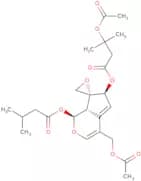
CAS:<p>Acevaltrate is an analytical method that can be used to determine the dry weight of a material. It is based on the reaction of isovaleric acid with acetate extract in the presence of epoxides and a catalyst. The product, methyl eicosanoate, is reconstituted in tissue culture media and drug metabolites are detected using gas chromatography-mass spectrometry. Acevaltrate has been used for determination of didrovaltrate, which is a pharmaceutical preparation containing 10% valerian root extract and 90% lactose. The dosage form contains 2 g of acevaltrate per tablet and thus contains 200 mg didrovaltrate per tablet. This analytical method has also been shown to have stimulant properties in mice.</p>Fórmula:C24H32O10Pureza:Min. 95%Cor e Forma:PowderPeso molecular:480.5 g/molrec β-Defensin 1 (human)
<p>Please enquire for more information about rec beta-Defensin 1 (human) including the price, delivery time and more detailed product information at the technical inquiry form on this page</p>Pureza:Min. 95%Formyltetrathiafulvalene
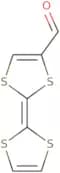
CAS:<p>Formyltetrathiafulvalene is an amide that contains a radical form. It is synthesized by the coordination of a copper complex with l-tartaric acid and imine. The optical properties of this molecule are sensitive to changes in its environment, such as pH and light intensity. Formyltetrathiafulvalene has been shown to absorb light and emit it again at a longer wavelength, which is the basis for its use in organic light-emitting diodes (OLEDs). Functional groups on the molecule can be used for hydrogen tartrate detection, electrochemical studies, or significant interactions with other molecules.</p>Fórmula:C7H4OS4Pureza:Min. 98%Cor e Forma:PowderPeso molecular:232.35 g/molMagnesium sulfate heptahydrate
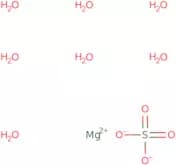
CAS:<p>Magnesium sulfate heptahydrate is a white crystalline solid that appears in the form of flakes or granules. It is the magnesium salt of sulfuric acid, with a chemical formula MgSO4.7H2O. Magnesium sulfate heptahydrate has a thermal expansion coefficient of about 2.6 x 10⁻⁵ K-1 and water vapor absorption coefficients of about 0.008 cm3/g at 25 °C and relative humidity of 100%. It is soluble in alkanoic acids and reacts with proteases to form products that are hydrolyzed to amino acids.</p>Fórmula:MgO4S•(H2O)7Cor e Forma:PowderPeso molecular:246.48 g/molMagnesium aspartate dihydrate
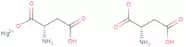
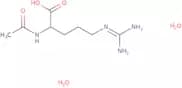
CAS:<p>Magnesium aspartate dihydrate is a chemical compound that is used to treat high blood pressure and heart disease. It is a salt of magnesium and L-aspartic acid, which are both active substances in the drug. Magnesium aspartate dihydrate has been shown to have a treatment effect on elevated levels of c-reactive protein (CRP) in men with normal kidney function. The drug has also been shown to be effective for the treatment of cavity, although it does not work for everyone. Magnesium aspartate dihydrate is chemically stable and can be used for diagnosis of magnesium deficiency, but it should not be given to women who are pregnant or breast-feeding. This drug may also inhibit the action of proton pumps, which are found in the body's cells that produce stomach acid.</p>Fórmula:C8H12N2O8Mg·2H2OCor e Forma:White PowderPeso molecular:324.53 g/molN-α-Acetyl-DL-arginine dihydrate
CAS:<p>N-alpha-Acetyl-DL-arginine dihydrate (AAD) is a versatile building block that can be used to synthesize functionalized molecules. AAD is an intermediate for the production of pharmaceuticals and other useful compounds. It is also a reaction component in organic synthesis, and has been shown to have high purity.</p>Fórmula:C8H16N4O3•(H2O)2Pureza:90%Cor e Forma:PowderPeso molecular:252.27 g/mol25-Hydroxyvitamin D3 monohydrate
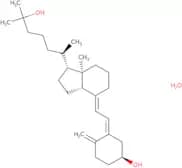
CAS:<p>25-Hydroxyvitamin D3 monohydrate is a vitamin D analog that has been shown to reduce elevated levels of parathyroid hormone and improve bone mineral density. It is used for the treatment of chronic kidney disease, hyperparathyroidism, and osteoporosis. 25-Hydroxyvitamin D3 monohydrate has been found to be effective in the treatment of these conditions because it increases the body's production of calcitriol, the active form of vitamin D. Calcitriol promotes calcium absorption in the gut and reduces renal excretion of calcium by inhibiting parathyroid hormone synthesis. This drug also inhibits pro-inflammatory cytokines such as IL-1β, IL-6, and TNF-α.</p>Fórmula:C27H44O2·H2OPureza:Min. 97 Area-%Cor e Forma:White PowderPeso molecular:418.65 g/mol