Antimicrobianos
Subcategorias de "Antimicrobianos"
- Antibióticos(4.131 produtos)
- Antifúngicos(912 produtos)
- Antiparasitários(706 produtos)
- Antivíricos(768 produtos)
Foram encontrados 2425 produtos de "Antimicrobianos"
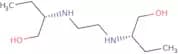
Ethambutol
CAS:Ethambutol is an antimicrobial compound, specifically an antitubercular agent, which is a synthetic derivative of ethylenediamine. It is classified as a bacteriostatic agent that primarily targets Mycobacterium tuberculosis. The mode of action of Ethambutol involves the inhibition of arabinosyl transferases, enzymes essential for the polymerization of arabinogalactan, a critical component of the mycobacterial cell wall. By disrupting cell wall biosynthesis, Ethambutol effectively hampers the growth and proliferation of the bacteria.
Fórmula:C10H24N2O2Pureza:Min. 95%Peso molecular:204.31 g/molGSK 2838232
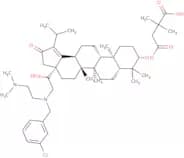
CAS:GSK 2838232 is a HIV-1 maturation inhibitor with action on HIV-1 Gag protein cleavage and is used for research on HIV treatment.
Fórmula:C48H73ClN2O6Pureza:Min. 95%Cor e Forma:White PowderPeso molecular:809.56 g/molRef: 3D-FG137685
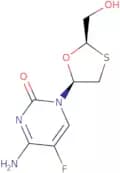
Produto descontinuadoEmtricitabine - Bio-X ™
CAS:Emtricitabine is an antiviral drug that is used to treat chronic viral hepatitis, which is caused by the hepatitis B and C viruses. The drug blocks the activity of reverse transcriptase, which is an enzyme necessary for the replication of viral RNA in the body. Emtricitabine has been shown to be effective against acute hepatitis B virus infection and chronic hepatitis B virus infection with or without cirrhosis. It also has been shown to be effective against chronic hepatitis C virus infection with or without cirrhosis.
Fórmula:C8H10FN3O3SPureza:Min. 95%Cor e Forma:White/Off-White SolidPeso molecular:247.25 g/molFostriecin
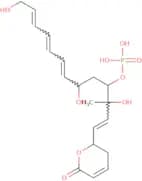
CAS:Fostriecin is a potent anticancer agent, which is a natural product isolated from the bacterium Streptomyces pulveraceus. It acts primarily as an inhibitor of protein phosphatases, particularly protein phosphatase 2A (PP2A) and protein phosphatase 4 (PP4), functioning by blocking their catalytic activity. This inhibition disrupts cell cycle regulation, leading to apoptosis in cancer cells.
Fórmula:C19H27O9PPureza:Min. 95%Peso molecular:403.4 g/molAmicoumacin A
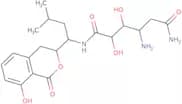
CAS:Amicoumacin A is an antibiotic compound, which is derived from the bacterium Bacillus subtilis. This natural source is known for its production of a variety of biologically active compounds that contribute to its utility in numerous scientific contexts. The mode of action of Amicoumacin A involves the inhibition of bacterial protein synthesis by targeting the ribosomal subunit. Specifically, it interferes with the translation process, effectively disrupting the growth and proliferation of susceptible bacterial strains.
Amicoumacin A is primarily utilized in research settings to study bacterial resistance mechanisms, as well as to explore novel antibacterial therapies. Its application in scientific research extends to examining its potential synergistic effects with other antimicrobial agents, and it serves as a model compound for understanding ribosomal inhibition. The study of Amicoumacin A not only contributes to the broader field of antibiotic development but also offers insights into the molecular interactions that underlie bacterial protein synthesis and antibiotic resistance. This compound's unique properties make it an important subject of investigation for microbiologists and pharmacologists alike, emphasizing its relevance in the ongoing battle against antibiotic-resistant pathogens.Fórmula:C20H29N3O7Pureza:Min. 95%Cor e Forma:PowderPeso molecular:423.46 g/molLedipasvir D-tartrate
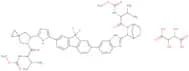
CAS:Ledipasvir D-tartrate is an antiviral compound, which is a direct-acting antiviral agent used in the treatment of hepatitis C virus (HCV) infection. It originates from synthetic sources designed to inhibit the replication of specific viral proteins. Ledipasvir functions by targeting the NS5A protein of the hepatitis C virus, a key component necessary for viral replication. By binding to this protein, Ledipasvir disrupts and inhibits the HCV replication complex, effectively suppressing the viral load in patients.
Fórmula:C53H60F2N8O12Pureza:Min. 95%Peso molecular:1,039.1 g/molTazobactam
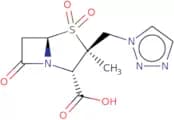
CAS:Inhibitor of beta-lactamase; inhibitor of cell wall synthesis; beta-lactam class
Fórmula:C10H12N4O5SPureza:Min. 95%Cor e Forma:White Off-White PowderPeso molecular:300.29 g/mol2-Methyl-4-isothiazolin-3-one hydrochloride
CAS:Methyl-4-isothiazolin-3-one HCl, also known as MIT hydrochloride is often used as a preservative in personal care products and other industrial applications. The product has shown to act as an antimicrobial and antifungal agent.
Fórmula:C4H6ClNOSPureza:Min. 99 Area-%Peso molecular:151.62 g/molRef: 3H-HE4005
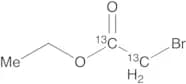
Produto descontinuadoEthyl Bromoacetate
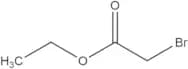
CAS:Fórmula:C4H7BrO2Cor e Forma:Clear Colourless to Yellow OilPeso molecular:167.0Ethyl Bromoacetate-1,2-13C2
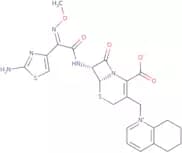
CAS:Fórmula:C2C2H7BrO2Cor e Forma:Clear Colourless OilPeso molecular:168.99Cefquinome
CAS:Cefquinome is a broad-spectrum antibiotic, which is a fourth-generation cephalosporin. It is derived from the β-lactam class of antibiotics and is specifically designed for veterinary applications. Its mode of action involves the inhibition of bacterial cell wall synthesis, leading to cell lysis and death. This action is facilitated through the binding of cefquinome to penicillin-binding proteins, which undermines the structural integrity of bacterial cell walls, proving effective against both Gram-positive and Gram-negative bacteria.
Fórmula:C23H24N6O5S2Pureza:Min. 95%Peso molecular:528.61 g/molCephalexin hydrate, Antibiotic for Culture Media Use Only
CAS:Please enquire for more information about Cephalexin hydrate, Antibiotic for Culture Media Use Only including the price, delivery time and more detailed product information at the technical inquiry form on this page
Fórmula:C16H19N3O5SPureza:Min. 95.0 Area-%Peso molecular:365.41 g/molRef: 3D-Q-200819
Produto descontinuado8-Fluoro erythromycin
CAS:8-Fluoro erythromycin is a synthetic derivative of the macrolide antibiotic erythromycin. It is derived from the fermentation of *Streptomyces erythraeus*, a species known for producing erythromycin, which is chemically modified to include a fluorine atom at the eighth position. This modification enhances its pharmacokinetic properties, improving its stability and bioavailability compared to the parent compound.
Fórmula:C37H66FNO13Pureza:Min. 95%Peso molecular:751.92 g/molRef: 3D-AF16726
Produto descontinuadoAbacavir sulfate
CAS:Abacavir sulfate is a pharmaceutical compound classified as a nucleoside reverse transcriptase inhibitor (NRTI), which is derived from synthetic sources. Its mode of action involves the inhibition of the reverse transcriptase enzyme, essential for the replication of HIV. By incorporating itself into the viral DNA chain during replication, Abacavir effectively halts the process, preventing further multiplication of the virus within the host cells.
This antiretroviral medication is primarily used in the management and treatment of human immunodeficiency virus (HIV-1) infections. Abacavir sulfate is a critical component in highly active antiretroviral therapy (HAART), contributing to the reduction of viral load, enhancing immune function, and improving the long-term clinical outcomes in patients living with HIV. Its application in combination therapies has been instrumental in transforming HIV from a fatal disease into a manageable chronic condition.Fórmula:C14H18N6O·H2O4SPureza:Min. 95%Peso molecular:384.41 g/molRef: 3D-RIA69907
Produto descontinuadoTromantadine hydrochloride
CAS:Produto ControladoTromantadine hydrochloride is a synthetic antiviral compound, which is a derivative of adamantane. It originates from chemical synthesis, tailored specifically to target viral processes. Tromantadine hydrochloride primarily exerts its effects by inhibiting the penetration of virus particles into host cells and impeding the subsequent stages of viral replication. This mode of action effectively reduces the viral load and hinders the progression of the infection.
Fórmula:C16H28N2O2•HClPureza:Min. 95%Peso molecular:316.87 g/molPerfluorodecanephosphonic acid
CAS:Perfluorodecanephosphonic acid is a fluorinated organic compound, which is synthesized through the controlled polymerization of fluorinated precursors. It is characterized by its unique perfluorinated alkyl chain and a phosphonic acid group, providing a distinctive combination of hydrophobic and functional properties. Its mode of action involves the strong adsorption onto surfaces through the phosphonic acid moiety, allowing the formation of highly stable self-assembled monolayers (SAMs).
Fórmula:C10H2F21O3PPureza:Min. 95%Peso molecular:600.06 g/molRef: 3D-CCA29926
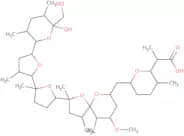
Produto descontinuadoNigericin sodium
CAS:Nigericin transports cations across the membrane of the cell and it is used to study anion transport. It can be used as a buffer to control pH value inside of the cell.
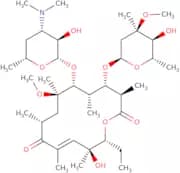
Fórmula:C40H67NaO11Pureza:Min. 95%Peso molecular:746.94 g/mol(10E)-10,11-Didehydro-11-deoxy-6-O-methylerythromycin
CAS:(E)-10,11-Didehydro-11-deoxy-6-O-methylerythromycin is a semisynthetic macrolide antibiotic, which is derived from erythromycin, a natural product obtained from the bacterium *Saccharopolyspora erythraea*. This compound functions as an inhibitor of protein synthesis by binding to the 50S ribosomal subunit of bacteria, thus preventing the growth and proliferation of susceptible bacterial strains. The alteration in its chemical structure, notably the methylation at the 6-O position, enhances its stability and improves its pharmacokinetic profile compared to the parent compound, erythromycin.
Fórmula:C38H67NO12Pureza:Min. 95%Peso molecular:729.94 g/molDicloxacillin sodium salt
CAS:Dicloxacillin is a penicillin antibiotic that is used to treat bacterial infections of the gastrointestinal tract, skin, and urinary tract. It binds to the penicillin-binding proteins in bacterial cell walls by competitive inhibition. Dicloxacillin inhibits bacterial growth by binding to the enzyme cell wall synthesis that is required for cell wall biosynthesis, inhibiting protein synthesis and cell division. This drug also has a toxic effect on respiratory system cells, which may be due to its ability to induce apoptosis. Dicloxacillin sodium salt is available as tablets for oral administration or as an intravenous solution for injection. It can interact with other drugs, such as benzalkonium chloride and matrix effect; it also has analytical methods such as chromatographic analysis and rate constant.
Fórmula:C19H17Cl2N3O5S·NaPureza:Min. 95%Peso molecular:493.32 g/molDesmethyl ferroquine
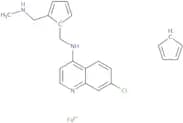
CAS:Desmethyl ferroquine is an antimalarial compound, which is a derivative of ferroquine. It is synthesized through chemical modification processes, specifically designed to enhance its pharmacokinetic and pharmacodynamic properties. This compound exhibits its mode of action by compromising the integrity of the Plasmodium parasite's digestive vacuole. By doing so, it disrupts heme detoxification, which is crucial for the parasite’s survival within red blood cells.
Fórmula:C22H22ClFeN3Pureza:Min. 95%Peso molecular:419.7 g/molRef: 3D-DLB54618
Produto descontinuadoGanciclovir, Antibiotic for Culture Media Use Only
CAS:Ganciclovir is an antiviral agent specifically designed for culture media use. It is a synthetic analogue of 2'-deoxy-guanosine, derived from nucleoside compounds, and operates primarily by inhibiting the replication of viral DNA. Its mode of action involves selective phosphorylation by viral kinases, which converts it into ganciclovir triphosphate, a potent inhibitor of viral DNA polymerase, ultimately preventing viral DNA synthesis.
Fórmula:C9H13N5O4Pureza:Min. 98.0 Area-%Peso molecular:255.23 g/molRef: 3D-Q-201148
Produto descontinuadoAminosidine
CAS:Aminosidine is a nucleoside analogue that inhibits the HIV-1 reverse transcriptase and the integrase, which are enzymes involved in viral DNA synthesis. Aminosidine is active against Leishmania spp., but not against bacteria. Aminosidine has been shown to be effective in experimental models of human bowel disease and in patients with inflammatory bowel disease. It was also found to be active against wild-type strains of human immunodeficiency virus type 1, but not resistant mutants. The mechanism of action is the inhibition of cellular mitochondrial membrane potential.
Pureza:Min. 95%Purfalcamine
CAS:Purfalcamine is a synthetic pharmaceutical compound that belongs to a class of molecules known as small-molecule inhibitors. It is sourced through advanced chemical synthesis, enabling precise structural modifications to optimize its biological activity. The mode of action of Purfalcamine involves selective inhibition of a specific target protein involved in key cellular signaling pathways. This targeted interaction disrupts abnormal cellular processes, making it a promising therapeutic candidate for certain diseases.
Fórmula:C29H33FN8OPureza:Min. 95%Peso molecular:528.6 g/molRef: 3D-NRB62068
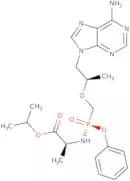
Produto descontinuadoTenofovir alafenamide (free base)
CAS:Tenofovir alafenamide (free base) is a prodrug of tenofovir with action on viral reverse transcriptase to block replication and is used for treating HIV/AIDS and chronic hepatitis B with improved safety profile.
Fórmula:C21H29N6O5PPureza:Min. 97 Area-%Cor e Forma:PowderPeso molecular:476.47 g/mol