Antimicrobianos
Os antimicrobianos são agentes que destroem ou inibem o crescimento de microrganismos, incluindo bactérias, vírus, fungos e parasitas. Esses compostos são essenciais na prevenção e tratamento de infecções, desempenhando um papel crucial na medicina, agricultura e indústria alimentícia. Na CymitQuimica, oferecemos uma ampla gama de antimicrobianos de alta qualidade e pureza, adequados para diversas aplicações científicas e industriais. Nosso catálogo inclui antibióticos, antifúngicos, antivirais e desinfetantes, todos projetados para atender às necessidades de pesquisa e desenvolvimento, bem como para aplicações clínicas e de produção. Com nossos produtos, os profissionais podem garantir a eficácia e a segurança no controle de infecções e na proteção da saúde pública.
Subcategorias de "Antimicrobianos"
- Antibióticos(4.121 produtos)
- Antifúngicos(871 produtos)
- Antiparasitários(699 produtos)
- Antivíricos(764 produtos)
Foram encontrados 2422 produtos de "Antimicrobianos"
Ordenar por
Pureza (%)
0
100
|
0
|
50
|
90
|
95
|
100
Deacetoxycephalothin
CAS:<p>Deacetoxycephalothin is a cephalosporin antibiotic, which is derived from the fungus Acremonium. It functions by inhibiting bacterial cell wall synthesis. This bactericidal activity is primarily focused on gram-positive bacteria, where it interferes with the final transpeptidation step of peptidoglycan synthesis, an essential component of the bacterial cell wall structure. By doing so, deacetoxycephalothin compromises cell wall integrity, leading to the lysis and death of bacterial cells.</p>Fórmula:C14H14N2O4S2Pureza:Min. 95%Peso molecular:338.4 g/molSofosbuvir - Bio-X ™
CAS:<p>Sofosbuvir is an antiviral agent that is used for the treatment of hepatitis C infections and is used in combination with other antiviral agents. This drug is an inhibitor of viral RNA polymerase called non-structural protein 5B (NS5B). As a result, it inhibits viral RNA replication.</p>Fórmula:C22H29FN3O9PPureza:Min. 95%Cor e Forma:PowderPeso molecular:529.45 g/molStavudine sodium
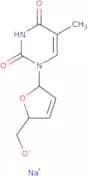
CAS:<p>Stavudine sodium is an antiretroviral medication, which is a synthetic nucleoside analogue. It is primarily sourced from chemical synthesis processes, enabling precise control over its molecular structure to ensure efficacy in its intended application. The mode of action for stavudine sodium involves its incorporation into viral DNA through reverse transcription. Once integrated, it acts as a chain terminator, inhibiting the elongation of the viral DNA and thus effectively halting the replication of the human immunodeficiency virus type 1 (HIV-1).</p>Fórmula:C10H11N2NaO4Pureza:Min. 95%Peso molecular:246.19 g/molFinafloxacin
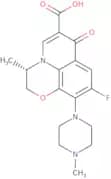
CAS:<p>Finafloxacin is a fluoroquinolone antibacterial agent, which is a synthetic compound derived from the quinolone family. It functions through the inhibition of bacterial DNA gyrase and topoisomerase IV, crucial enzymes in the replication, transcription, and repair of bacterial DNA. This mechanism leads to the prevention of bacterial cell division and ultimately results in cell death.</p>Fórmula:C20H19FN4O4Pureza:Min. 95%Peso molecular:398.39 g/molPristinamycin IA
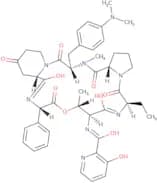
CAS:<p>Pristinamycin IA is a streptogramin antibiotic, which is a natural product derived from the bacterium *Streptomyces pristinaespiralis*. It operates by inhibiting bacterial protein synthesis through the disruption of ribosomal function, specifically targeting the 50S ribosomal subunit. This mode of action is effective in halting bacterial growth, making it particularly significant in combating resistant strains.</p>Fórmula:C45H54N8O10Pureza:Min. 95%Peso molecular:866.96 g/molIsoflucypram
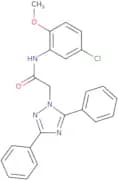
CAS:<p>Please enquire for more information about Isoflucypram including the price, delivery time and more detailed product information at the technical inquiry form on this page</p>Fórmula:C19H21ClF3N3OPureza:Min. 95%Peso molecular:399.8 g/molDimidazon
CAS:Dimidazon is a synthetic herbicide, which is derived from chemical synthesis processes involving aromatic and heterocyclic compounds. It possesses a mode of action that primarily inhibits specific enzymatic pathways required for plant growth, targeting essential biosynthesis mechanisms within the plant's cellular structure. This disruption leads to the cessation of vital processes, eventually causing plant death.Fórmula:C12H12N2O3Pureza:Min. 95%Peso molecular:232.23 g/molRibocil B
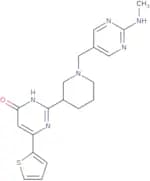
CAS:<p>Ribocil B is an analog of riboflavin, functioning as a synthetic antibiotic. It is derived from chemical synthesis, designed to mimic the structure of natural riboflavin analogs which are crucial for bacterial growth. Ribocil B acts by specifically inhibiting riboswitches, a type of non-coding RNA that regulates gene expression in response to small molecules. This inhibition disrupts RNA synthesis in bacteria by targeting the flavin mononucleotide (FMN) riboswitch.</p>Fórmula:C19H22N6OSPureza:Min. 95%Peso molecular:382.5 g/molN-((3-(4-(1,1-Dioxidothiomorpholin-4-yl)-3,5-difluorophenyl)-2-oxo-1,3-oxazolidin-5-yl)methyl)acetamide
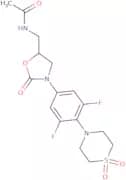
CAS:<p>N-((3-(4-(1,1-Dioxidothiomorpholin-4-yl)-3,5-difluorophenyl)-2-oxo-1,3-oxazolidin-5-yl)methyl)acetamide is a synthetic compound, often considered within the realm of small-molecule pharmacology. This compound is derived through complex organic synthesis, involving the incorporation of dioxidothiomorpholine and oxazolidinone rings, as well as fluorination, which are critical for its biochemical properties.</p>Fórmula:C16H19F2N3O5SPureza:Min. 95%Peso molecular:403.4 g/molClofoctol
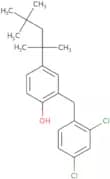
CAS:<p>Clofoctol is an antibacterial agent, which is derived from synthetic origins, specifically designed for therapeutic applications in bacterial infections. Its mode of action involves inhibiting bacterial protein synthesis, thereby preventing the growth and proliferation of harmful bacteria. This compound is particularly effective against Gram-positive bacteria.</p>Fórmula:C21H26Cl2OPureza:Min. 95%Peso molecular:365.34 g/molBesifloxacin hydrochloride
CAS:<p>Besifloxacin hydrochloride is a fourth-generation fluoroquinolone antibiotic, which is a synthetic derivative of the broad-spectrum quinolone class. Its origin can be traced to laboratory chemical synthesis, tailored specifically to target bacterial infections in ocular applications. The mode of action of besifloxacin involves the inhibition of bacterial enzymes DNA gyrase and topoisomerase IV. These enzymes play crucial roles in bacterial DNA replication, transcription, repair, and recombination. By disrupting these processes, besifloxacin effectively impedes bacterial cell division, leading to the death of the bacterial cells.</p>Fórmula:C19H21ClFN3O3·HClPureza:Min. 95%Peso molecular:430.3 g/molNeoaureothin
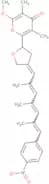
CAS:<p>Neoaureothin is a natural antibiotic product, which is derived from marine actinomycetes with a complex polyketide structure. Its mode of action involves the inhibition of bacterial protein synthesis by binding selectively to the ribosomal subunits, thereby obstructing the translation process in susceptible microbial strains. The specificity of its action allows it to target a broad spectrum of Gram-positive bacteria while presenting a lower risk of resistance development compared to traditional antibiotics.</p>Fórmula:C28H31NO6Pureza:Min. 95%Peso molecular:477.5 g/molPolymyxin B nonapeptide hydrochloride
CAS:<p>Polymyxin B nonapeptide hydrochloride is a potent antibiotic compound derived from the bacterium *Bacillus polymyxa*. As a cationic polypeptide, it exhibits its antibacterial activity by interacting with the lipopolysaccharides and phospholipids in the bacterial cell membrane, leading to increased permeability and ultimately causing cell lysis. The compound is specifically effective against a broad range of Gram-negative bacteria, making it crucial in studying antibiotic resistance mechanisms.</p>Fórmula:C43H74N14O11•(HCl)xPureza:Min. 95%Peso molecular:963.14 g/molPentosan polysulfate
CAS:<p>Pentosan polysulfate is a semi-synthetic polysaccharide, which is derived from xylan, sourced from beechwood hemicellulose. It functions as a heparin-like compound with anticoagulant and fibrinolytic properties. Its sulfated polysaccharide form allows it to adhere to the urothelium of the bladder, forming a protective layer that can prevent irritating solutes in urine from reaching bladder cells. Through this mechanism, it mitigates the pain and discomfort associated with interstitial cystitis (IC), a chronic condition characterized by bladder pain and urinary urgency.</p>Fórmula:C10H18O21S4Pureza:Min. 95%Peso molecular:602.5 g/molButirosin disulfate
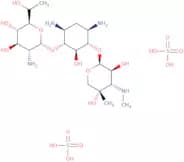
CAS:<p>Butirosin disulfate is an aminoglycoside antibiotic, which is derived from a strain of *Bacillus circulans*. Its primary mode of action involves binding to the 30S subunit of the bacterial ribosome, leading to the inhibition of protein synthesis. This interaction results in the misreading of mRNA, ultimately causing bactericidal effects.</p>Fórmula:C21H45N5O20S2Pureza:Min. 95%Peso molecular:751.7 g/molCefluprenam
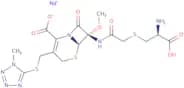
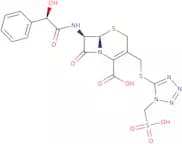
CAS:<p>Cefluprenam is a cephalosporin antibiotic, which is a synthetic derivative of the fungus Cephalosporium. It functions by inhibiting bacterial cell wall synthesis, effectively disrupting the peptidoglycan cross-linking process essential for bacterial structural integrity. This inhibition leads to cell lysis and ultimately bacterial death.</p>Fórmula:C20H25FN8O6S2Pureza:Min. 95%Peso molecular:556.60 g/molCefoxitin EP impurity B
<p>Cefoxitin EP impurity B is a chemical reference standard, which is derived from the synthesis and purification processes involved in producing Cefoxitin. As an impurity standard, its primary role is to serve as a benchmark for quality control in pharmaceutical formulations. The mode of action of Cefoxitin EP impurity B involves the structural analysis and quantification of impurity levels, ensuring that the primary pharmaceutical products meet necessary safety and efficacy criteria.</p>Fórmula:C16H17N3O7S2Pureza:Min. 95%Peso molecular:427.45 g/molSpiro-oxanthromicin A
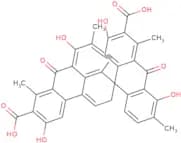
CAS:<p>Spiro-oxanthromicin A is a novel antibiotic compound, which is derived from a rare species of actinomycete bacteria. The unique structure of Spiro-oxanthromicin A integrates spiroketal and oxanthrone moieties, facilitating its distinctive antimicrobial properties. It operates by selectively binding to bacterial ribosomal subunits, inhibiting protein synthesis and effectively curbing pathogenic proliferation.</p>Fórmula:C36H26O10Pureza:Min. 95%Peso molecular:618.6 g/molNigericin sodium
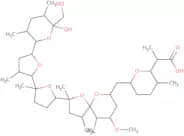
CAS:<p>Nigericin transports cations across the membrane of the cell and it is used to study anion transport. It can be used as a buffer to control pH value inside of the cell.</p>Fórmula:C40H67NaO11Pureza:Min. 95%Peso molecular:746.94 g/mol(2S)-2-[N-(Furan-2-carbonyl)-2,6-dimethylanilino]propanoic acid
CAS:<p>(2S)-2-[N-(Furan-2-carbonyl)-2,6-dimethylanilino]propanoic acid is a synthetic compound classified as a potentially bioactive molecule. It is derived through a series of organic synthesis steps that involve the coupling of furan-2-carbonyl chloride with 2,6-dimethylaniline, followed by modification with a chiral propanoic acid moiety.</p>Fórmula:C16H17NO4Pureza:Min. 95%Peso molecular:287.31 g/molSulfamethazine Sodium Salt
CAS:<p>Sulfamethazine Sodium Salt is a synthetic sulfonamide antibacterial agent derived from sulfanilamide compounds, characterized by its broad-spectrum efficacy against various bacterial pathogens. It operates by interfering with bacterial folic acid synthesis, specifically inhibiting the enzyme dihydropteroate synthase. This action results in the incapacitation of bacterial growth and replication, as folic acid is essential for nucleic acid formation and cell division.</p>Fórmula:C12H13N4O2S·NaPureza:Min. 95%Peso molecular:300.31 g/molQuinocarcin
CAS:<p>Quinocarcin is an antitumor antibiotic, which is a potent chemical compound derived from the bacterium Streptomyces. This compound exhibits its mode of action through interaction with DNA, where it induces DNA cross-linking and inhibits DNA replication, ultimately leading to cell death. The mechanism makes it particularly effective as a cytotoxic agent against rapidly dividing cancer cells.</p>Fórmula:C18H22N2O4Pureza:Min. 95%Peso molecular:330.4 g/molCefquinome
CAS:<p>Cefquinome is a broad-spectrum antibiotic, which is a fourth-generation cephalosporin. It is derived from the β-lactam class of antibiotics and is specifically designed for veterinary applications. Its mode of action involves the inhibition of bacterial cell wall synthesis, leading to cell lysis and death. This action is facilitated through the binding of cefquinome to penicillin-binding proteins, which undermines the structural integrity of bacterial cell walls, proving effective against both Gram-positive and Gram-negative bacteria.</p>Fórmula:C23H24N6O5S2Pureza:Min. 95%Peso molecular:528.61 g/molInteriotherinA
CAS:<p>InteriotherinA is a bioactive compound, which is derived from specific strains of bacteria. It operates through a sophisticated mode of action that involves modulating the activity of nerve cells by binding to particular receptors on their membranes. This interaction can alter ion channel function, thereby influencing the electrochemical signaling within these cells.</p>Fórmula:C29H28O8Pureza:Min. 95%Peso molecular:504.5 g/molDesmethyl doxorubicin oxalate
CAS:<p>Desmethyl doxorubicin oxalate is an anthracycline-type chemotherapeutic agent, which is derived from the naturally occurring antibiotic doxorubicin. This compound comprises a desmethylated form of doxorubicin combined with oxalate. Its mode of action involves intercalating DNA strands and inhibiting topoisomerase II, thereby disrupting DNA replication and transcription. This interference leads to the inhibition of cancer cell proliferation and induces apoptosis.</p>Fórmula:C26H27NO11Pureza:Min. 95%Peso molecular:529.49 g/molACX-362E
CAS:<p>ACX-362E is a novel antibacterial agent, which is a synthetic compound derived from small-molecule chemical libraries with selective action on bacterial pathogens. The mode of action of ACX-362E involves the inhibition of bacterial cell wall synthesis, specifically targeting essential enzymes involved in the peptidoglycan biosynthesis pathway. This interference disrupts cell wall integrity, leading to bacterial lysis and cell death.</p>Fórmula:C18H20Cl2N6O2Pureza:Min. 95%Peso molecular:423.3 g/molNicotinamide
CAS:<p>Nicotinamide is an amide form of vitamin B3, which is a water-soluble vitamin derived from dietary sources such as meat, fish, and yeast. In cellular biology, it functions as a precursor to nicotinamide adenine dinucleotide (NAD+), a critical coenzyme in redox reactions and energy production within the cells. Nicotinamide facilitates the transfer of electrons in metabolic processes, contributing to ATP production and cellular respiration. Moreover, it plays a pivotal role in DNA repair and cellular signaling through the regulation of sirtuins and poly(ADP-ribose) polymerases (PARPs).</p>Fórmula:C6H6N2OPureza:Min. 97.0 Area-%Peso molecular:122.12 g/molN'-Desmethyl azithromycin
CAS:<p>N'-Desmethyl azithromycin is a semi-synthetic derivative antibiotic, which is derived from the chemical modification of azithromycin, a macrolide antibiotic sourced originally from the bacterium *Streptomyces erythreus*. It functions primarily by inhibiting bacterial protein synthesis, binding specifically to the 50S ribosomal subunit, which results in the prevention of transpeptidation and translocation processes during translation. This action effectively halts bacterial growth, rendering it bacteriostatic.</p>Fórmula:C37H70N2O12Pureza:Min. 95%Peso molecular:734.96 g/molBaumycin C1
CAS:<p>Baumycin C1 is an anthracycline-type antibiotic, which is derived from the bacterium *Streptomyces coeruleorubidus*. The mode of action of Baumycin C1 involves intercalating into DNA strands, thereby disrupting the process of DNA synthesis and replication. This intercalation results in the inhibition of topoisomerase II, an enzyme crucial for DNA unwinding, leading to the generation of double-strand breaks and subsequent interruption of cellular proliferation.</p>Fórmula:C28H29NO11Pureza:Min. 95%Peso molecular:555.5 g/molSulfasymazine
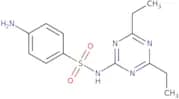
CAS:<p>Sulfasymazine is a synthetic antibacterial agent, which is derived from sulfonamide compounds. These compounds originate from chemical synthesis processes involving the introduction of sulfonamide groups to aromatic amines, creating potent inhibitors of bacterial growth. Sulfasymazine functions by interfering with the synthesis of folic acid within bacterial cells. It inhibits the enzyme dihydropteroate synthase, which is crucial for the production of dihydrofolate, a precursor of folic acid. This disruption hampers nucleic acid synthesis, impeding bacterial proliferation.</p>Fórmula:C13H17N5O2SPureza:Min. 95%Peso molecular:307.37 g/molCeftarolin fosamil
CAS:<p>Ceftaroline fosamil is an advanced antibiotic, which is a cephalosporin derived from synthetic sources with a broad spectrum of activity. It is a prodrug that, once metabolized, becomes active in the body, binding to penicillin-binding proteins (PBPs) of bacteria. This binding inhibits the proteins responsible for cell wall synthesis, leading to bacterial cell lysis and death.</p>Fórmula:C22H21N8O8PS4Pureza:Min. 95%Peso molecular:684.69 g/mol2'-O-Acetylspiramycin I
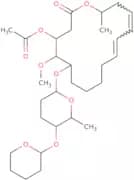
CAS:<p>2'-O-Acetylspiramycin I is a semi-synthetic derivative of spiramycin, which is a macrolide antibiotic originally sourced from the bacterium *Streptomyces ambofaciens*. The modification involves the acetylation at the 2'-hydroxyl group of spiramycin, enhancing certain pharmacokinetic properties.</p>Fórmula:C45H76N2O15Pureza:Min. 95%Peso molecular:885.09 g/mol1-Chloro-2,2-bis(4'-chlorophenyl)ethane
CAS:<p>1-Chloro-2,2-bis(4'-chlorophenyl)ethane is an organochlorine pesticide known for its agricultural applications. It is a synthetic product derived from chlorinated hydrocarbons. It functions primarily through its mode of action as an insecticide by interfering with the nervous system of insects. It disrupts normal nerve function by causing prolonged opening of sodium channels in nerve cells, leading to hyperexcitation and eventual paralysis of the target pests.</p>Fórmula:C14H11Cl3Pureza:Min. 95%Peso molecular:285.6 g/molBalapiravir
CAS:<p>Balapiravir is an antiviral agent, which is a synthetic derivative based on natural compounds, specifically designed to inhibit the replication of various viral pathogens. The source of Balapiravir integrates bio-based elements with modifications to enhance its therapeutic efficacy.</p>Fórmula:C21H30N6O8Pureza:Min. 95%Peso molecular:494.5 g/molChlorsulfuron-5-hydroxy
CAS:<p>Chlorsulfuron-5-hydroxy is a herbicide derivative, specifically an active metabolite of chlorsulfuron, which is a sulfonylurea herbicide. This compound is derived from synthetic chemistry processes that focus on altering the molecular structure of chlorsulfuron to enhance its properties or study its breakdown. The mode of action of Chlorsulfuron-5-hydroxy involves the inhibition of the enzyme acetolactate synthase (ALS), which plays a crucial role in the biosynthesis of branched-chain amino acids in plants such as valine, leucine, and isoleucine. This inhibition disrupts protein synthesis, leading to halted cell division and plant growth.</p>Fórmula:C12H12ClN5O5SPureza:Min. 95%Peso molecular:373.77 g/molKanzonol C
CAS:<p>Please enquire for more information about Kanzonol C including the price, delivery time and more detailed product information at the technical inquiry form on this page</p>Fórmula:C25H28O4Pureza:Min. 95%Peso molecular:392.5 g/molPK150
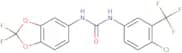
CAS:<p>PK150 is a soil amendment product, which is derived from natural mineral sources with a specific focus on enhancing plant growth through optimized nutrient uptake efficiency. This product works by modifying the soil's physical and chemical properties, thereby improving the availability and mobility of essential nutrients like phosphorus (P) and potassium (K), which are crucial for the development and yield of plants.</p>Fórmula:C15H8ClF5N2O3Pureza:Min. 95%Peso molecular:394.68 g/molSultasin
CAS:<p>Sultasin is a combination antibiotic product, which is derived from the synthesis of sulbactam, a β-lactamase inhibitor, and ampicillin, a β-lactam antibiotic. The mode of action of Sultasin involves the inhibition of bacterial cell wall synthesis. Ampicillin works by attaching to penicillin-binding proteins (PBPs) inside the bacterial cell wall, disrupting the final transpeptidation step of peptidoglycan synthesis, which leads to cell lysis. Sulbactam enhances the efficacy of ampicillin by inhibiting β-lactamase enzymes produced by resistant bacterial strains, thereby preventing the degradation of the antibiotic.</p>Fórmula:C25H29N3Na2O9S2Pureza:Min. 95%Peso molecular:625.6 g/molFomidacillin
CAS:<p>Please enquire for more information about Fomidacillin including the price, delivery time and more detailed product information at the technical inquiry form on this page</p>Fórmula:C24H28N6O10SPureza:Min. 95%Peso molecular:592.60 g/molMitomycin D
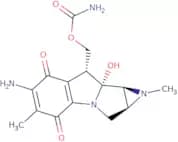
CAS:<p>Mitomycin D is an antibiotic and chemotherapeutic agent known for its ability to inhibit DNA synthesis, making it a potent antitumor agent. It is derived from the bacterium *Streptomyces caespitosus*. Mitomycin D functions as a DNA crosslinking agent by alkylating the DNA strands, which interferes with DNA replication and transcription. This mechanism leads to the cessation of cellular division and ultimately induces apoptosis in rapidly dividing cells.</p>Fórmula:C15H18N4O5Pureza:Min. 95%Peso molecular:334.33 g/molAclacinomycin HCl
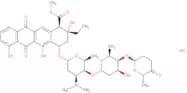
CAS:<p>Aclacinomycin HCl is a cytotoxic antibiotic that inhibits the growth of tumor cells. It has been shown to induce apoptosis in human leukemia cells by altering the transmembrane potential and inhibiting cell proliferation. Aclacinomycin HCl also induces DNA damage response, which leads to caspase activities and cell death. This drug is highly selective for tumor cells, with no effect on normal cells. It has been shown to be effective against primary liver cancer in animal models, as well as developmental disorders such as autism spectrum disorder (ASD).</p>Fórmula:C42H53NO15·HClPureza:Min. 95%Cor e Forma:Orange PowderPeso molecular:848.33 g/molBPH715
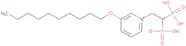
CAS:<p>Please enquire for more information about BPH715 including the price, delivery time and more detailed product information at the technical inquiry form on this page</p>Fórmula:C17H31NO7P2Pureza:Min. 95%Peso molecular:423.4 g/molGatifloxacin hydrate
CAS:<p>Gatifloxacin hydrate is a fluoroquinolone antibiotic, which is synthesized chemically. It exerts its bactericidal effects primarily by inhibiting bacterial DNA gyrase and topoisomerase IV. These enzymes are crucial for bacterial DNA replication, transcription, and repair. By preventing these processes, gatifloxacin effectively halts bacterial cell division, ultimately leading to cell death.</p>Fórmula:C19H24FN3O5Pureza:Min. 95%Peso molecular:393.4 g/molSarecycline
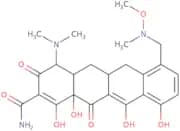
CAS:<p>Sarecycline is a tetracycline-class antibiotic, which is derived from naturally occurring tetracycline antibiotics. Its mode of action involves inhibition of bacterial protein synthesis by binding to the 30S ribosomal subunit, thereby preventing the addition of amino acids to nascent peptide chains. This specific mechanism disrupts bacterial growth, making Sarecycline effective against certain strains of bacteria implicated in dermatological conditions.</p>Fórmula:C24H29N3O8Pureza:Min. 95 Area-%Peso molecular:487.5 g/molViolacein
CAS:<p>Violacein is a model system for studying the effects of hydroxyl groups on cell lysis. It is a fatty acid that contains nitrogen atoms and has antimicrobial properties. Violacein has been shown to cause the loss of mitochondrial membrane potential in HL-60 cells, which may be due to its ability to act as a multidrug efflux pump inhibitor. Violacein also exhibits antimicrobial activity against several bacterial strains, including MRSA and methicillin-sensitive Staphylococcus aureus (MSSA). In addition, violacein has been shown to induce cell lysis in vitro via the degradation of proteins and lipids in the cytoplasm.</p>Fórmula:C20H13N3O3Pureza:Min. 95%Cor e Forma:PowderPeso molecular:343.3 g/molBleomycin HCl
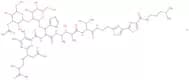
CAS:<p>Inducer of DNA strand breaks; glycopeptide antibiotic, anti-neoplastic</p>Fórmula:C50H71N16O21S2R•(HCl)xPureza:Min. 95%Cor e Forma:White To Off-White SolidCEF3
CAS:<p>CEF3 is a cephalosporin-based antibacterial agent, which is derived from the fermentation of Streptomyces species. This compound functions by inhibiting bacterial cell wall synthesis, specifically targeting the transpeptidase enzyme involved in the cross-linking of peptidoglycan layers. The disruption of this process results in weakened bacterial cell walls, leading to cell lysis and death, particularly affecting Gram-positive and some Gram-negative bacteria.</p>Fórmula:C42H74N10O12Pureza:Min. 95%Peso molecular:911.1 g/molTebufenozide-hydroxymethyl
CAS:<p>Tebufenozide-hydroxymethyl is an insect growth regulator, which is synthesized chemically to function as an agonist of the molting hormone, ecdysone, in target pest species. It operates by mimicking the effects of ecdysone, leading to premature and lethal molting in lepidopteran larvae. This disruption in the developmental cycle of the insects effectively suppresses their population by preventing them from reaching maturity and reproducing.</p>Fórmula:C22H28N2O3Pureza:Min. 95%Peso molecular:368.5 g/molFormycin A
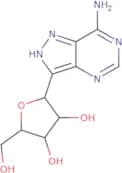
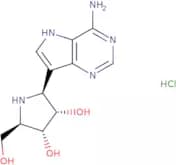
CAS:<p>Formycin A is a nucleoside analog, which is an antibiotic product derived from certain Streptomyces species. Its mode of action involves mimicking adenosine, one of the four nucleosides in RNA. By doing so, it interferes with the RNA processing of certain microorganisms, ultimately disrupting their ability to synthesize proteins effectively. This interference results in the inhibition of bacterial and parasitic growth.</p>Fórmula:C10H13N5O4Pureza:Min. 95%Peso molecular:267.24 g/molAtazanavir-d5
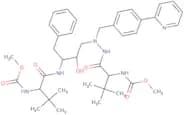
CAS:Atazanavir-d5 is an isotopically labeled variant of the antiretroviral drug Atazanavir, a non-peptidic HIV-1 protease inhibitor. It is synthesized using stable isotope labeling, specifically deuterium, which replaces five hydrogen atoms. The mechanism of action involves binding to the active site of the HIV-1 protease enzyme, a critical enzyme in the replication cycle of HIV, thereby preventing the cleavage of the viral gag-pol polyprotein precursors into the mature protein components of an infectious viral particle.Fórmula:C38H52N6O7Pureza:Min. 95%Peso molecular:709.9 g/molSE 563
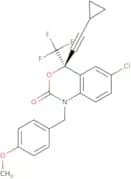
CAS:<p>SE 563 is a biocontrol agent, which is an organism-based product derived from natural sources. It is sourced from a specific strain of entomopathogenic nematodes known for their effectiveness in targeting and controlling insect pests. The mode of action involves the nematodes seeking out their insect hosts in the soil, entering through natural openings, and releasing symbiotic bacteria that kill the host from within.</p>Fórmula:C22H17ClF3NO3Pureza:Min. 95%Peso molecular:435.08491Viramidine hydrochloride
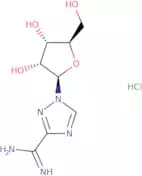
CAS:<p>Viramidine hydrochloride is an antiviral prodrug with action as a precursor to ribavirin, targeting viral RNA synthesis and is used for research on hepatitis C and other viral infections.</p>Fórmula:C8H14ClN5O4Pureza:Min. 95%Peso molecular:279.68 g/molAzoxystrobin-d4
CAS:<p>Azoxystrobin-d4 is a deuterated fungicide, which is a synthetic chemical compound designed for use in research, particularly within the field of agrochemical studies. It is a derivative of azoxystrobin, a well-known strobilurin fungicide, and is produced through isotope labeling, where hydrogen atoms are replaced with deuterium. This isotopic substitution does not alter the chemical activity of the compound but assists in analytical studies, such as mass spectrometry, by enabling precise tracking and quantification.</p>Fórmula:C22H17N3O5Pureza:Min. 95%Peso molecular:407.4 g/molβ-Cypermethrin
CAS:Beta-cypermethrin is a synthetic pyrethroid insecticide, which is a chemically altered derivative of natural pyrethrins found in chrysanthemum flowers. These pyrethrins are modified to enhance their stability and potency. Beta-cypermethrin acts by targeting the nervous system of insects, specifically by modifying the function of voltage-gated sodium channels. This action leads to prolonged depolarization of the neuron, resulting in paralysis and eventual death of the insect.Fórmula:C22H19Cl2NO3Pureza:Min. 95%Peso molecular:416.3 g/molSporidesmolide
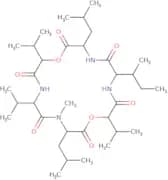
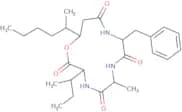
CAS:<p>Sporidesmolide is a cyclic depsipeptide, which is a type of compound characterized by having both ester and amide bonds in its structure. This product is derived from fungal sources, specifically certain species within the genus *Sporidesmium*. The mode of action for sporidesmolide involves disrupting microbial cell membrane integrity, leading to increased permeability and eventual cell death. This activity primarily targets bacteria and fungi, making it an important subject of study for its potential antimicrobial properties.</p>Fórmula:C34H60N4O8Pureza:Min. 95%Peso molecular:652.9 g/molThienamycin
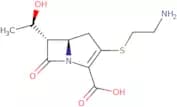
CAS:<p>Thienamycin is a β-lactam antibiotic, which originates from the fermentation of the bacterium *Streptomyces cattleya*. Its mode of action involves inhibiting the synthesis of bacterial cell walls. Thienamycin accomplishes this by binding to penicillin-binding proteins (PBPs) critical for peptidoglycan construction, thereby disrupting cell wall integrity and leading to bacterial lysis.</p>Fórmula:C11H16N2O4SPureza:80%MinCor e Forma:PowderPeso molecular:272.32 g/molTigemonam
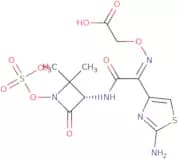
CAS:<p>Tigemonam is a synthetic beta-lactam antibiotic, which is derived from chemical synthesis processes. This compound operates by inhibiting bacterial cell wall synthesis, specifically targeting the penicillin-binding proteins (PBPs). The disruption of the cell wall synthesis ultimately leads to cell lysis and death of the bacteria, making it effective primarily against gram-negative bacterial infections.</p>Fórmula:C12H15N5O9S2Pureza:Min. 95%Peso molecular:437.41 g/molSARS-CoV-IN-2
CAS:<p>SARS-CoV-IN-2 is a highly specific and potent antiviral inhibitor, which is chemically synthesized to target SARS-CoV-2, the virus responsible for COVID-19. This compound functions by interfering with the viral replication process, specifically targeting the viral 3CL protease enzyme, crucial for viral polyprotein cleavage. By inhibiting this protease, SARS-CoV-IN-2 effectively hampers the replication cycle of the virus, limiting its ability to proliferate within the host cells.</p>Fórmula:C24H18ClFEN3OPureza:Min. 95%Peso molecular:455.72 g/molNifursemizone
CAS:<p>Nifursemizone is an antimicrobial agent, which is a synthetic nitrofuran derivative. It is engineered from chemical precursors through targeted synthetic processes designed to maximize its antibacterial properties. The mode of action of Nifursemizone involves the inhibition of bacterial enzymes and interference with nucleic acid synthesis. This action disrupts essential bacterial functions, leading to the inhibition of bacterial growth and eventual cell death.</p>Fórmula:C8H10N4O4Pureza:Min. 95%Peso molecular:226.19 g/molVirginiamycin - Complex of M1+S1
CAS:<p>Virginiamycin - Complex of M1+S1 is an antibiotic compound, which is derived from the actinobacterium Streptomyces virginiae. It functions through the inhibition of bacterial protein synthesis by binding to the 50S ribosomal subunit, thereby obstructing peptide bond formation and impeding microbial growth. The complex is composed of two major components: Virginiamycin M1 and Virginiamycin S1, which synergistically enhance antimicrobial efficacy.</p>Fórmula:C71H84N10O17Pureza:Min. 95%Peso molecular:1,349.48 g/mol(4S)-2-[Carboxy[[[3-(2-chloro-6-fluorophenyl)-5-methylisoxazol-4-yl]carbonyl]amino]methyl]-5,5-dimethylthiazolidine-4-carboxylic aci d disodium salt (penicilloic acids of flucloxacillin disodium salt)
CAS:<p>(4S)-2-[Carboxy[[[3-(2-chloro-6-fluorophenyl)-5-methylisoxazol-4-yl]carbonyl]amino]methyl]-5,5-dimethylthiazolidine-4-carboxylic acid disodium salt, known as the penicilloic acids of flucloxacillin disodium salt, is a β-lactam antibiotic. This compound is derived from the penicillin family and exhibits potent antibacterial properties. The mode of action involves the inhibition of bacterial cell wall synthesis, primarily targeting the transpeptidase enzyme, which plays a crucial role in cross-linking the peptidoglycan layers of the bacterial cell wall. By acylating this enzyme, the penicilloic acids disrupt the integrity of the cell wall, leading to cell lysis and death of the bacteria.</p>Fórmula:C19H17ClFN3Na2O6SPureza:Min. 95%Peso molecular:515.9 g/mol(4E)-1-(3,4-Dichlorophenyl)-4-[(4-ethoxyphenyl)methylidene]pyrazolidine-3,5-dione
CAS:(4E)-1-(3,4-Dichlorophenyl)-4-[(4-ethoxyphenyl)methylidene]pyrazolidine-3,5-dione is a synthetic compound belonging to the class of pyrazolidine diones. This compound is mainly derived from chemical synthesis in a laboratory setting. It acts through its interaction with specific biological pathways, potentially affecting enzyme activity or receptor sites involved in various physiological processes.Fórmula:C18H14Cl2N2O3Pureza:Min. 95%Peso molecular:377.2 g/mol2-Methyl-4-isothiazolin-3-one
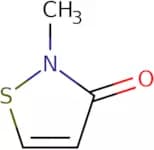
CAS:Produto Controlado<p>2-Methyl-4-isothiazolin-3-one or MIT is a powerful antimicrobial and antifungal agent which is widely used in personal care products. It is also used in industrial applications as a preservative and antifouling agent.</p>Fórmula:C4H5NOSPureza:Min. 96%Cor e Forma:Yellow PowderPeso molecular:115.15 g/molNeuraminidase-in-1
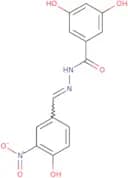
CAS:<p>Neuraminidase-in-1 is a chemical compound known as a neuraminidase inhibitor, which is synthetically derived. This inhibitor functions by blocking the activity of the neuraminidase enzyme, a glycoprotein found on the surface of various viruses, including influenza. The enzyme is crucial for the viral life cycle as it facilitates the release of new viral particles from infected host cells. By inhibiting this enzyme, Neuraminidase-in-1 effectively halts the replication and spread of the virus within the host organism.</p>Fórmula:C14H11N3O6Pureza:Min. 95%Peso molecular:317.25 g/molAlamethacin
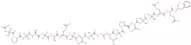
CAS:<p>Alamethacin is a peptide antibiotic, which is derived from the soil fungus Trichoderma viride. This compound consists of a sequence of amino acids that form a helical structure, enabling its interaction with lipid membranes. Alamethacin functions by inserting itself into cellular membranes and forming voltage-dependent ion channels. As a result, it alters membrane permeability, causing ion imbalance and leading to cell death.</p>Fórmula:C92H150N22O25Pureza:Min. 95%Cor e Forma:SolidPeso molecular:1,964.31 g/moltert-Butyl 4-[3-(4,4,5,5-tetramethyl-1,3,2-dioxaborolan-2-yl)pyrazol-1-yl]piperidine-1-carboxylate
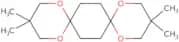
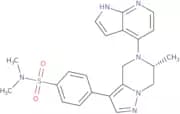
CAS:<p>Tert-Butyl 4-[3-(4,4,5,5-tetramethyl-1,3,2-dioxaborolan-2-yl)pyrazol-1-yl]piperidine-1-carboxylate is a boronic ester compound used primarily in organic synthesis. It is derived from the reaction of a piperidine-based carboxylate with a dioxaborolane moiety, forming a unique structural entity that serves as a versatile building block in molecular modification and drug development.</p>Fórmula:C19H32BN3O4Pureza:Min. 95%Peso molecular:377.3 g/molAcorafloxacin
CAS:<p>Acorafloxacin is a synthetic fluoroquinolone antibiotic, which is derived from the chemical modification of the quinolone core structure. It acts by inhibiting bacterial DNA gyrase and topoisomerase IV, enzymes crucial for bacterial DNA replication and transcription. The bactericidal action results from preventing the supercoiling and relaxation of the bacterial DNA, ultimately interrupting essential cellular processes.</p>Fórmula:C21H23F2N3O4Pureza:Min. 95%Peso molecular:419.4 g/molCefminox Sodium
CAS:<p>Cefminox Sodium is a beta-lactam antibiotic, which is synthesized through chemical modification of naturally occurring compounds. This product is classified as a second-generation cephalosporin, derived from cephalosporin C obtained from the fungus Acremonium. It exerts its mode of action by inhibiting bacterial cell wall synthesis. This occurs through the binding to penicillin-binding proteins, ultimately disrupting the cross-linking of peptidoglycan chains which are essential for bacterial cell wall integrity.</p>Fórmula:C16H20N7O7S3·NaPureza:Min. 95%Peso molecular:541.56 g/molLevofloxacin
CAS:<p>Levofloxacin is a fluoroquinolone antibiotic with a mode of action that inhibits bacterial DNA gyrase and topoisomerase IV. It is used for treating bacterial infections like pneumonia and urinary tract infections.</p>Fórmula:C18H20FN3O4Pureza:Min. 95%Cor e Forma:PowderPeso molecular:361.37 g/mol7-Ethyl-10-(4-amino-1-piperidino)carbonyloxycamptothecin-d3
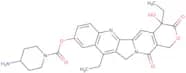
CAS:7-Ethyl-10-(4-amino-1-piperidino)carbonyloxycamptothecin-d3 is a synthetic chemical compound, which is a deuterated derivative of irinotecan. Deuteration involves the substitution of deuterium for hydrogen atoms, which is often utilized to enhance the metabolic stability and pharmacokinetic properties of compounds in research applications. The compound is derived from camptothecin, a natural alkaloid sourced from the Chinese tree Camptotheca acuminata.Fórmula:C28H30N4O6Pureza:Min. 95%Peso molecular:521.6 g/molPazufloxacin
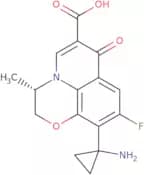
CAS:<p>Pazufloxacin is an antibacterial agent, which is a synthetic derivative originating from the fluoroquinolone class of compounds. This source categorizes it alongside a group of broad-spectrum antibiotics known for their efficacy against a wide variety of bacterial pathogens. The mode of action of pazufloxacin involves the inhibition of bacterial DNA gyrase and topoisomerase IV. These are essential enzymes for bacterial DNA replication, transcription, repair, and recombination processes. By inhibiting these enzymes, pazufloxacin disrupts the bacterial DNA processes, ultimately leading to cell death.</p>Fórmula:C16H15FN2O4Pureza:Min. 95%Peso molecular:318.3 g/molCefodizime
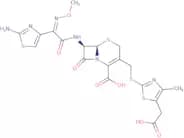
CAS:<p>Cefodizime is a third-generation cephalosporin antibiotic, which is derived from the fungus Acremonium. It exerts its bactericidal effects by inhibiting bacterial cell wall synthesis. This action is achieved through binding to penicillin-binding proteins (PBPs), leading to the interruption of peptidoglycan cross-linking essential for the bacterial cell wall integrity. The breakdown of cell wall synthesis results in the lysis and death of the bacterial cell.</p>Pureza:Min. 95%Porfiromycin
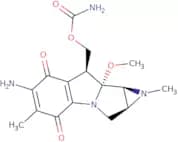
CAS:<p>Porfiromycin is an antineoplastic antibiotic with action on DNA alkylation and cross-linking and is used for research on cancer treatment, particularly for hypoxic tumors.</p>Fórmula:C16H20N4O5Pureza:Min. 95 Area-%Cor e Forma:PowderPeso molecular:348.35 g/mol(±)-Salbutamol
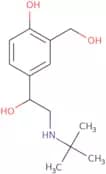
CAS:Produto Controlado<p>(±)-Salbutamol is a racemic mixture of a beta-2 adrenergic agonist, which is synthetically derived. This compound functions primarily by selectively stimulating beta-2 adrenergic receptors, which are predominantly located on the smooth muscle cells lining the airways. The activation of these receptors leads to the relaxation of bronchial muscle tissue, resulting in bronchodilation and improved airflow.</p>Fórmula:C13H21NO3Peso molecular:239.31 g/molAntimicrobial compound 1
CAS:<p>Antimicrobial Compound 1 is a broad-spectrum antimicrobial agent, which is derived from natural sources, specifically from marine bacteria with known potent antimicrobial properties. This compound acts by targeting and disrupting the synthesis of bacterial cell walls, specifically inhibiting peptidoglycan cross-linking, which ultimately leads to cell lysis and death due to osmotic instability. Such a mechanism offers a robust approach to tackling Gram-positive and Gram-negative bacteria.</p>Fórmula:C18H30BrNO2Pureza:Min. 95%Peso molecular:372.3 g/molPC 190723
CAS:<p>PC 190723 is a synthetic chemical compound, which is derived through targeted chemical synthesis processes involving precise organic reactions. Its mode of action involves disrupting cellular division by inhibiting specific protein functions essential for the mitotic process. This molecular interaction results in potent effects on cell division, making it a valuable tool for studying cellular mechanics and developing therapeutic strategies.</p>Fórmula:C14H8ClF2N3O2SPureza:Min. 95%Peso molecular:355.75 g/molUrdamycin B
CAS:<p>Urdamycin B is an anthracycline antibiotic, which is derived from the bacterium *Streptomyces fradiae*. This compound acts by intercalating into DNA, disrupting the replication and transcription processes, leading to cell death. Its mode of action involves inhibiting topoisomerase II, an enzyme critical for DNA replication and cell cycle progression. This mechanism impairs cellular proliferation, making it effective against rapidly dividing cells.</p>Fórmula:C37H44O13Pureza:Min. 95%Peso molecular:696.70 g/molMagnamycin B
CAS:<p>Magnamycin B is an antifungal antibiotic, which is derived from natural sources through microbial fermentation. Its mode of action involves the inhibition of cell wall synthesis in pathogenic fungi, thereby disrupting essential processes required for their growth and proliferation. Magnamycin B is particularly effective against a range of fungal pathogens that affect agricultural and clinical settings.</p>Fórmula:C42H67NO15Pureza:Min. 95%Peso molecular:826.00 g/molSofosbuvir impurity I
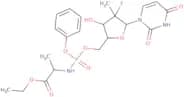
CAS:<p>Sofosbuvir impurity I is an organic chemical impurity often associated with the active pharmaceutical ingredient (API) Sofosbuvir, which is used in the treatment of hepatitis C. This impurity arises during the manufacturing process of Sofosbuvir as a byproduct. It is crucial to monitor and identify such impurities to ensure the safety, efficacy, and quality of the final pharmaceutical product.</p>Fórmula:C21H27FN3O9PPureza:Min. 95%Peso molecular:515.4 g/molGeneticin Disulfate (G418), Antibiotic for Culture Media Use Only
CAS:<p>Geneticin is very efficient against gram-negative bacteria, however it is not applied for treating infections due to high renal toxicity. Geneticin and its resistance genes found application in the selection of transgenic cell lines including yeasts such as P. pastoris and S. serevisiae, other eukaryotic cell lines such as CHO or HEK293, but also plant cells and bacterial cells.</p>Fórmula:C20H44N4O18S2Pureza:Min. 97.0 Area-%Peso molecular:692.71 g/molRef: 3D-G-2400
10gA consultar25gA consultar50gA consultar100gA consultar250gA consultar-Unit-ggA consultarBCX 4430 hydrochloride
CAS:<p>RNA polymerase (RdRp) inhibitor</p>Fórmula:C11H15N5O3Pureza:Min. 95%Peso molecular:265.27 g/molZiresovir
CAS:<p>Respiratory syncytial virus (RSV) fusion (F) protein inhibitor</p>Fórmula:C22H25N5O3SPureza:Min. 95%Cor e Forma:PowderPeso molecular:439.53 g/molBoromycin
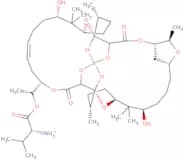
CAS:Boromycin is a macrolide antibiotic, which is derived from the fermentation of certain strains of Streptomyces bacteria. It operates as an ionophore with the ability to transport ions across lipid membranes, effectively disrupting ionic gradients. This mechanism of action compromises essential cellular processes in target organisms, thereby exerting its antimicrobial effects.Fórmula:C45H74BNO15Pureza:Min. 95%Peso molecular:879.88 g/molN-(4-(tert-Butyl)phenyl)-N-(2-(cyclohexylamino)-2-oxo-1-(pyridin-3-yl)ethyl)-1H-imidazole-4-carboxamide
CAS:<p>N-(4-(tert-Butyl)phenyl)-N-(2-(cyclohexylamino)-2-oxo-1-(pyridin-3-yl)ethyl)-1H-imidazole-4-carboxamide is a synthetic small molecule, which is a product of advanced organic synthesis. This compound is a derivative of imidazole carboxamides, primarily sourced through intricate organic reactions involving selective functionalization and cyclization processes to achieve its precise molecular architecture.</p>Fórmula:C27H33N5O2Pureza:Min. 95%Peso molecular:459.6 g/molM4284
CAS:<p>M4284 is a potent biochemical inhibitor, derived from synthetic organic compounds, designed to target specific enzymes within cell signaling pathways. This product functions by competitively binding to the active site of a target enzyme, effectively blocking its catalytic activity. The competitive inhibition mechanism employed by M4284 enables it to modulate enzymatic activity with high specificity, allowing researchers to dissect complex biochemical processes with precision.</p>Fórmula:C23H28N2O8Pureza:Min. 95%Peso molecular:460.5 g/molAcetyllovastatin
CAS:<p>Acetyllovastatin is a semi-synthetic derivative of lovastatin, which is a member of the statin class of pharmaceuticals. It is derived from the natural product lovastatin, originally isolated from the mold Aspergillus terreus, through acetylation to enhance its pharmacological properties. The mode of action of acetyllovastatin involves the inhibition of HMG-CoA reductase, a key enzyme in the mevalonate pathway responsible for cholesterol biosynthesis. By competitively inhibiting this enzyme, acetyllovastatin effectively reduces intracellular cholesterol levels, leading to upregulation of LDL receptors and increased clearance of low-density lipoprotein (LDL) from the bloodstream.</p>Fórmula:C26H38O6Pureza:Min. 95%Peso molecular:446.6 g/mol(+)-Madindoline A
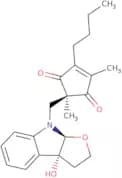
CAS:<p>(+)-Madindoline A is a chemical substance that inhibits the growth of cancer cells. It has been shown to inhibit colon cancer cell proliferation and induce apoptosis by inhibiting signal pathways and suppressing inflammatory responses. (+)-Madindoline A is an experimental model for the study of bowel disease and inflammatory diseases, as it can be used to treat both bowel disease and inflammatory diseases. It also has inhibitory effects on the production of proinflammatory cytokines in human protein cells and natural compounds in experimental models. (+)-Madindoline A is found in small amounts in food compositions such as apples, carrots, cauliflower, celery, cucumbers, garlic, leeks, lettuce, onions, peas, peppers, potatoes and tomatoes.</p>Fórmula:C22H27NO4Pureza:Min. 95%Peso molecular:369.45 g/mol1-(6-Amino-3,5-difluoropyridin-2-yl)-8-bromo-6-fluoro-7-[3-(methylamino)azetidin-1-yl]-4-oxoquinoline-3-carboxylic acid
CAS:<p>1-(6-Amino-3,5-difluoropyridin-2-yl)-8-bromo-6-fluoro-7-[3-(methylamino)azetidin-1-yl]-4-oxoquinoline-3-carboxylic acid is a synthetically derived quinoline derivative, which is produced through advanced organic chemistry methodologies involving halogenated pyridines and quinoline frameworks. The compound functions primarily as an antibacterial agent, targeting bacterial topoisomerase enzymes, thereby disrupting DNA replication and transcription processes.</p>Fórmula:C19H15BrF3N5O3Pureza:Min. 95%Peso molecular:498.3 g/molCefoselis hydrochloride
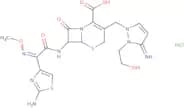
CAS:<p>Cefoselis hydrochloride is a broad-spectrum antibiotic, which is a synthetic cephalosporin derived from a semi-synthetic process involving modifications of naturally occurring cephalosporin C. Its mode of action involves inhibiting bacterial cell wall synthesis by binding to specific penicillin-binding proteins, leading to cell lysis and death.</p>Fórmula:C19H23ClN8O6S2Pureza:Min. 95%Peso molecular:559 g/molMepanipyrim-2-hydroxypropyl
CAS:<p>Mepanipyrim-2-hydroxypropyl is a fungicide, which is synthesized from chemical sources, specifically targeting pathogens by inhibiting their metabolic processes. Its mode of action involves the disruption of enzymatic activities crucial for fungal cell survival, leading to halted growth and eventual death of the fungus.</p>Fórmula:C14H17N3OPureza:Min. 95%Peso molecular:243.3 g/molCeftobiprole medocaril
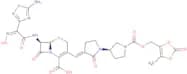
CAS:<p>Ceftobiprole medocaril is a prodrug of the cephalosporin class, which is a beta-lactam antibiotic. It is synthetically derived, designed to combat Gram-positive and Gram-negative bacteria. The mode of action involves binding to penicillin-binding proteins (PBPs), crucial for bacterial cell wall synthesis, ultimately leading to bacterial cell lysis and death.</p>Fórmula:C26H26N8O11S2Pureza:Min. 95%Peso molecular:690.66 g/molBixlozone
CAS:<p>Bixlozone is a pharmaceutical compound that serves as an antimicrobial agent, developed from synthetic origins. It operates by targeting specific microbial pathways, effectively disrupting the synthesis of essential cellular components within pathogenic organisms. The active mechanisms of Bixlozone involve inhibiting enzymatic functions that are crucial for the survival and replication of these pathogens.</p>Fórmula:C12H13Cl2NO2Pureza:Min. 95%Peso molecular:274.14 g/molENOblock
CAS:<p>ENOblock is a biochemical inhibitor, which is synthesized from specific small molecules with the capability to modulate metabolic pathways. This product is derived from a high-throughput screening aimed at identifying novel regulators of enzymatic processes and exhibits unique properties influencing nicotinamide adenine dinucleotide (NAD) metabolism.</p>Fórmula:C31H43FN8O3Pureza:Min. 95%Peso molecular:594.74 g/molCefonicid
CAS:<p>Cefonicid is a semisynthetic cephalosporin antibiotic, which is derived from the naturally occurring compound cephalosporin C, obtained from the mold *Cephalosporium acremonium*. Its mode of action involves inhibiting bacterial cell wall synthesis by binding to penicillin-binding proteins, leading to cell lysis and death, thereby exhibiting bactericidal activity.</p>Fórmula:C18H16N6O8S3Pureza:Min. 95%Peso molecular:540.55 g/molTriclosan methyl-d3 ether
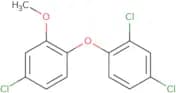
CAS:<p>Triclosan methyl-d3 ether is a labeled compound, which is a derivative of triclosan, commonly sourced from synthetic chemical synthesis involving deuterium incorporation. It serves as a stable isotope-labeled analog, specifically created to aid in the study of triclosan's metabolic pathways. The incorporation of deuterium atoms allows for precise tracking within biological systems using analytical techniques such as mass spectrometry. This approach enables researchers to differentiate the labeled compound from its naturally occurring counterpart effectively.</p>Fórmula:C13H9Cl3O2Pureza:Min. 95%Peso molecular:306.6 g/molBeauveriolide III
CAS:<p>Beauveriolide III is a cyclic depsipeptide, which is a specialized class of natural products. It is derived from the fungal species Beauveria, known for producing various biologically active compounds. The mode of action of Beauveriolide III involves the inhibition of acyl-CoA:cholesterol acyltransferase (ACAT), an enzyme crucial for cholesterol esterification in cells. This inhibition can lead to reduced cholesterol accumulation, making it a molecule of interest in the study of cholesterol metabolism.</p>Fórmula:C27H41N3O5Pureza:Min. 95%Peso molecular:487.6 g/molN-[[(5S)-3-(4-Methylsulfinylphenyl)-2-oxo-1,3-oxazolidin-5-yl]methyl]acetamide
CAS:<p>N-[[(5S)-3-(4-Methylsulfinylphenyl)-2-oxo-1,3-oxazolidin-5-yl]methyl]acetamide is a synthetic compound, which is derived from the oxazolidinone class of molecules known for their antimicrobial properties. Its mechanism of action involves the inhibition of bacterial protein synthesis by binding to the 50S subunit of the bacterial ribosome, thereby preventing the formation of a functional 70S initiation complex. This effectively disrupts the growth and replication of susceptible bacterial strains.</p>Fórmula:C13H16N2O4SPureza:Min. 95%Peso molecular:296.34 g/molDanofloxacin d3 (methyl d3)
CAS:<p>Danofloxacin d3 (methyl d3) is a synthetic fluoroquinolone antibiotic, which is derived from the parent compound, danofloxacin, incorporating stable isotope labeling with deuterium. The presence of three deuterium atoms in the methyl group offers an isotopic variation that is utilized in precise quantitative studies. The mechanism of action of danofloxacin d3 involves the inhibition of bacterial DNA gyrase and topoisomerase IV, which are crucial enzymes for bacterial DNA replication, transcription, and repair.</p>Fórmula:C19H20FN3O3Pureza:Min. 95%Peso molecular:360.4 g/molVanoxonin
CAS:<p>Please enquire for more information about Vanoxonin including the price, delivery time and more detailed product information at the technical inquiry form on this page</p>Fórmula:C18H25N3O9Pureza:Min. 95%Peso molecular:427.40 g/mol








![(2S)-2-[N-(Furan-2-carbonyl)-2,6-dimethylanilino]propanoic acid](/_next/image/?url=https%3A%2Fstatic.cymitquimica.com%2Fproducts%2F3D%2Fthumb-webp%2FTEA59719.webp&w=3840&q=75)














![(4S)-2-[Carboxy[[[3-(2-chloro-6-fluorophenyl)-5-methylisoxazol-4-yl]carbonyl]amino]methyl]-5,5-dim…](/_next/image/?url=https%3A%2Fstatic.cymitquimica.com%2Fproducts%2F3D%2Fthumb-webp%2FTCA72850.webp&w=3840&q=75)
![(4E)-1-(3,4-Dichlorophenyl)-4-[(4-ethoxyphenyl)methylidene]pyrazolidine-3,5-dione](/_next/image/?url=https%3A%2Fstatic.cymitquimica.com%2Fproducts%2F3D%2Fthumb-webp%2FISA23884.webp&w=3840&q=75)
![tert-Butyl 4-[3-(4,4,5,5-tetramethyl-1,3,2-dioxaborolan-2-yl)pyrazol-1-yl]piperidine-1-carboxylate](/_next/image/?url=https%3A%2Fstatic.cymitquimica.com%2Fproducts%2F3D%2Fthumb-webp%2FFP181624.webp&w=3840&q=75)





![1-(6-Amino-3,5-difluoropyridin-2-yl)-8-bromo-6-fluoro-7-[3-(methylamino)azetidin-1-yl]-4-oxoquinol…](/_next/image/?url=https%3A%2Fstatic.cymitquimica.com%2Fproducts%2F3D%2Fthumb-webp%2FPHA28013.webp&w=3840&q=75)

![N-[[(5S)-3-(4-Methylsulfinylphenyl)-2-oxo-1,3-oxazolidin-5-yl]methyl]acetamide](/_next/image/?url=https%3A%2Fstatic.cymitquimica.com%2Fproducts%2F3D%2Fthumb-webp%2FWDA80041.webp&w=3840&q=75)