Antimicrobianos
Subcategorias de "Antimicrobianos"
- Antibióticos(4.145 produtos)
- Antifúngicos(912 produtos)
- Antiparasitários(712 produtos)
- Antivíricos(767 produtos)
Foram encontrados 2427 produtos de "Antimicrobianos"
Bromobutide-desbromo
CAS:Bromobutide-desbromo is a chemical compound that functions as a selective herbicide. It is derived from synthetic sources and is specifically formulated to interfere with photosynthesis in target plants. The mode of action of bromobutide-desbromo involves inhibiting photosystem II, a crucial component of the photosynthetic electron transport chain in plants. This inhibition disrupts the energy conversion process, leading to a decrease in ATP and NADPH production, which are essential for plant growth.
Fórmula:C15H23NOPureza:Min. 95%Peso molecular:233.35 g/molRef: 3D-ADA46373
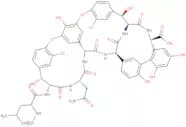
Produto descontinuadoVancomycin aglycon
CAS:Vancomycin aglycon is a glycopeptide antibiotic, which is a derivative of vancomycin. It is sourced from the fermentation products of certain Amycolatopsis species, a genus of actinobacteria. The mode of action of vancomycin aglycon involves the inhibition of bacterial cell wall synthesis. It specifically binds to the D-Ala-D-Ala terminus of nascent peptidoglycan chains, thereby preventing the cross-linking that is crucial for maintaining cell wall integrity.
Fórmula:C53H52Cl2N8O17Pureza:Min. 95%Peso molecular:1,143.93 g/molPolymyxin B nonapeptide hydrochloride
CAS:Polymyxin B nonapeptide hydrochloride is a potent antibiotic compound derived from the bacterium *Bacillus polymyxa*. As a cationic polypeptide, it exhibits its antibacterial activity by interacting with the lipopolysaccharides and phospholipids in the bacterial cell membrane, leading to increased permeability and ultimately causing cell lysis. The compound is specifically effective against a broad range of Gram-negative bacteria, making it crucial in studying antibiotic resistance mechanisms.
Fórmula:C43H74N14O11•(HCl)xPureza:Min. 95%Peso molecular:963.14 g/molRef: 3D-AP182838
Produto descontinuado(4S)-2-[Carboxy[[[3-(2-chloro-6-fluorophenyl)-5-methylisoxazol-4-yl]carbonyl]amino]methyl]-5,5-dimethylthiazolidine-4-carboxylic aci d disodium salt (penicilloic acids of flucloxacillin disodium salt)
CAS:(4S)-2-[Carboxy[[[3-(2-chloro-6-fluorophenyl)-5-methylisoxazol-4-yl]carbonyl]amino]methyl]-5,5-dimethylthiazolidine-4-carboxylic acid disodium salt, known as the penicilloic acids of flucloxacillin disodium salt, is a β-lactam antibiotic. This compound is derived from the penicillin family and exhibits potent antibacterial properties. The mode of action involves the inhibition of bacterial cell wall synthesis, primarily targeting the transpeptidase enzyme, which plays a crucial role in cross-linking the peptidoglycan layers of the bacterial cell wall. By acylating this enzyme, the penicilloic acids disrupt the integrity of the cell wall, leading to cell lysis and death of the bacteria.
Fórmula:C19H17ClFN3Na2O6SPureza:Min. 95%Peso molecular:515.9 g/molButirosin disulfate
CAS:Butirosin disulfate is an aminoglycoside antibiotic, which is derived from a strain of *Bacillus circulans*. Its primary mode of action involves binding to the 30S subunit of the bacterial ribosome, leading to the inhibition of protein synthesis. This interaction results in the misreading of mRNA, ultimately causing bactericidal effects.
Fórmula:C21H45N5O20S2Pureza:Min. 95%Peso molecular:751.7 g/molPNU 142300
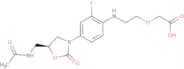
CAS:PNU 142300 is a non-peptidyl anticoagulant, which is a synthetically derived small molecule. This compound is sourced from advanced chemical synthesis techniques that focus on mimicking biological activity through non-biological materials. PNU 142300 acts by specifically inhibiting factor Xa, a crucial enzyme in the coagulation cascade responsible for the conversion of prothrombin to thrombin. By targeting this enzyme, it effectively prevents the formation of blood clots, thereby exhibiting potent anticoagulant properties.
Fórmula:C16H20FN3O6Pureza:Min. 95%Peso molecular:369.35 g/molRef: 3D-FP27102
Produto descontinuadoParvodicin C2
CAS:Parvodicin C2 is a natural antibiotic compound, which is derived from the fermentation of specific actinomycete strains. This antibiotic functions through the inhibition of bacterial protein synthesis, specifically targeting the ribosomal subunits and leading to disruption in the peptide chain elongation process. The targeted mode of action allows it to effectively limit the replication and survival of susceptible bacterial strains.
Fórmula:C83H88Cl2N8O29Pureza:Min. 95%Peso molecular:1,732.5 g/molRef: 3D-KEA88285
Produto descontinuadoLevomecol
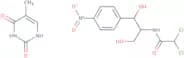
CAS:Levomekol is a topical antibiotic ointment, which is a synthesized pharmaceutical product with antibacterial and anti-inflammatory properties. It contains chloramphenicol, a broad-spectrum antibiotic, and methyluracil, which promotes tissue repair and regeneration. The mode of action involves the inhibition of bacterial protein synthesis by binding to the 50S ribosomal subunit of susceptible microorganisms, effectively curbing bacterial growth and proliferation. Concurrently, methyluracil stimulates leukocyte activity and enhances the healing process by promoting cellular regeneration and collagen production.
Fórmula:C16H18Cl2N4O7Pureza:Min. 95%Peso molecular:449.2 g/molRef: 3D-TEA57358
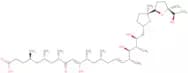
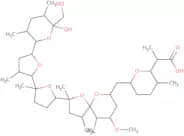
Produto descontinuadoIonomycin
CAS:Ionomycin is an ionophore compound with a mode of action that facilitates calcium ion transport across cell membranes. It is used in research to study calcium signaling and T-cell activation.
Fórmula:C41H72O9Pureza:Min. 98 Area-%Cor e Forma:PowderPeso molecular:709.01 g/molRef: 3D-FL162671
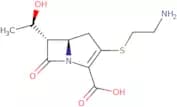
Produto descontinuadoThienamycin
CAS:Thienamycin is a β-lactam antibiotic, which originates from the fermentation of the bacterium *Streptomyces cattleya*. Its mode of action involves inhibiting the synthesis of bacterial cell walls. Thienamycin accomplishes this by binding to penicillin-binding proteins (PBPs) critical for peptidoglycan construction, thereby disrupting cell wall integrity and leading to bacterial lysis.
Fórmula:C11H16N2O4SPureza:80%MinCor e Forma:PowderPeso molecular:272.32 g/molRef: 3D-AT168178
Produto descontinuadoL-689502
CAS:L-689502 is a synthetic compound that functions as a selective antagonist for neuropeptide Y1 receptors. It is derived from chemical synthesis processes specifically designed to target and modulate these receptors. As an antagonist, its primary mode of action involves binding to the neuropeptide Y1 receptors and inhibiting their activity, thereby blocking the effects of the naturally occurring ligand, neuropeptide Y (NPY).
Fórmula:C39H51N3O7Pureza:Min. 95%Peso molecular:673.8 g/molCycloxaprid
CAS:Cycloxaprid is an insecticide, which is a chemical derived from natural compounds designed to manage pest populations. Its primary source is based on a modification of the neonicotinoids, a class of neuro-active insecticides modeled after nicotine. Cycloxaprid functions by acting on nicotinic acetylcholine receptors (nAChRs) within the insect’s nervous system. This mode of action involves binding to these receptors, leading to uncontrolled nerve firing and eventually, the insect’s death due to nervous system failure.
Fórmula:C14H15ClN4O3Pureza:Min. 95%Peso molecular:322.75 g/molRef: 3D-DYB79141
Produto descontinuado1,3,5-Triazine-2,4-diamine
CAS:1,3,5-Triazine-2,4-diamine is a selective herbicide, which is synthesized from chemical feedstocks via a process involving triazine ring formation and chlorination. This compound operates by inhibiting photosynthesis in susceptible plants, specifically targeting the photosystem II complex. When absorbed through the roots and leaves, it disrupts the electron transport chain, leading to chlorophyll loss and subsequent plant death.
Fórmula:C5H6F3N5OPureza:Min. 95%Peso molecular:209.13 g/molRef: 3D-TGC09528
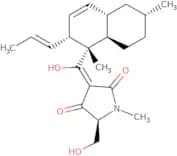
Produto descontinuadoEquisetin
CAS:Equisetin is a secondary metabolite, which is produced by the fungus *Fusarium equiseti*. It operates predominantly through the inhibition of protein synthesis and interference with cellular processes within target organisms. Equisetin exhibits potent antibacterial and antifungal activities primarily by interfering with cell wall synthesis in bacteria and disrupting key pathways in fungi.
Pureza:Min. 95%SE 563
CAS:SE 563 is a biocontrol agent, which is an organism-based product derived from natural sources. It is sourced from a specific strain of entomopathogenic nematodes known for their effectiveness in targeting and controlling insect pests. The mode of action involves the nematodes seeking out their insect hosts in the soil, entering through natural openings, and releasing symbiotic bacteria that kill the host from within.
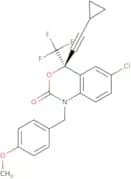
Fórmula:C22H17ClF3NO3Pureza:Min. 95%Peso molecular:435.08491Ref: 3D-AS178055
Produto descontinuadoGatifloxacin hydrate
CAS:Gatifloxacin hydrate is a fluoroquinolone antibiotic, which is synthesized chemically. It exerts its bactericidal effects primarily by inhibiting bacterial DNA gyrase and topoisomerase IV. These enzymes are crucial for bacterial DNA replication, transcription, and repair. By preventing these processes, gatifloxacin effectively halts bacterial cell division, ultimately leading to cell death.
Fórmula:C19H24FN3O5Pureza:Min. 95%Peso molecular:393.4 g/molRef: 3D-PZA75180
Produto descontinuadoNSC-60339
CAS:NSC-60339 is a synthetic antineoplastic agent derived from laboratory synthesis known for its targeted inhibition of specific cancer cell pathways. The compound operates by interfering with crucial cellular processes such as DNA replication or protein synthesis, depending on its exact mode of action.
Fórmula:C26H23ClN6O2Pureza:Min. 95%Peso molecular:487 g/molTromantadine hydrochloride
CAS:Produto ControladoTromantadine hydrochloride is a synthetic antiviral compound, which is a derivative of adamantane. It originates from chemical synthesis, tailored specifically to target viral processes. Tromantadine hydrochloride primarily exerts its effects by inhibiting the penetration of virus particles into host cells and impeding the subsequent stages of viral replication. This mode of action effectively reduces the viral load and hinders the progression of the infection.
Fórmula:C16H28N2O2•HClPureza:Min. 95%Peso molecular:316.87 g/molN'-Desmethyl azithromycin
CAS:N'-Desmethyl azithromycin is a semi-synthetic derivative antibiotic, which is derived from the chemical modification of azithromycin, a macrolide antibiotic sourced originally from the bacterium *Streptomyces erythreus*. It functions primarily by inhibiting bacterial protein synthesis, binding specifically to the 50S ribosomal subunit, which results in the prevention of transpeptidation and translocation processes during translation. This action effectively halts bacterial growth, rendering it bacteriostatic.
Fórmula:C37H70N2O12Pureza:Min. 95%Peso molecular:734.96 g/molCefquinome
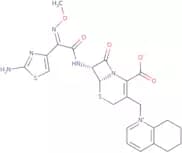
CAS:Cefquinome is a broad-spectrum antibiotic, which is a fourth-generation cephalosporin. It is derived from the β-lactam class of antibiotics and is specifically designed for veterinary applications. Its mode of action involves the inhibition of bacterial cell wall synthesis, leading to cell lysis and death. This action is facilitated through the binding of cefquinome to penicillin-binding proteins, which undermines the structural integrity of bacterial cell walls, proving effective against both Gram-positive and Gram-negative bacteria.
Fórmula:C23H24N6O5S2Pureza:Min. 95%Peso molecular:528.61 g/molQuinocarcin
CAS:Quinocarcin is an antitumor antibiotic, which is a potent chemical compound derived from the bacterium Streptomyces. This compound exhibits its mode of action through interaction with DNA, where it induces DNA cross-linking and inhibits DNA replication, ultimately leading to cell death. The mechanism makes it particularly effective as a cytotoxic agent against rapidly dividing cancer cells.
Fórmula:C18H22N2O4Pureza:Min. 95%Peso molecular:330.4 g/molOligomycin B
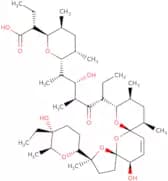
CAS:Oligomycin B is an antibiotic compound, which is derived from Streptomyces species. It is an inhibitor of the mitochondrial ATP synthase complex, specifically targeting the F₀ subunit of ATP synthase. This action obstructs the proton channel, preventing the flow of protons across the mitochondrial membrane. As a result, Oligomycin B effectively halts ATP synthesis by oxidative phosphorylation, which is crucial for the survival of aerobic organisms.
Fórmula:C45H72O12Pureza:Min. 95%Cor e Forma:PowderPeso molecular:805.05 g/molRef: 3D-AO65695
Produto descontinuadoSulfamethazine Sodium Salt
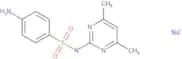
CAS:Sulfamethazine Sodium Salt is a synthetic sulfonamide antibacterial agent derived from sulfanilamide compounds, characterized by its broad-spectrum efficacy against various bacterial pathogens. It operates by interfering with bacterial folic acid synthesis, specifically inhibiting the enzyme dihydropteroate synthase. This action results in the incapacitation of bacterial growth and replication, as folic acid is essential for nucleic acid formation and cell division.
Fórmula:C12H13N4O2S·NaPureza:Min. 95%Peso molecular:300.31 g/molRef: 3D-BAA98158
Produto descontinuadoNigericin sodium
CAS:Nigericin transports cations across the membrane of the cell and it is used to study anion transport. It can be used as a buffer to control pH value inside of the cell.
Fórmula:C40H67NaO11Pureza:Min. 95%Peso molecular:746.94 g/molIsoflucypram
CAS:Please enquire for more information about Isoflucypram including the price, delivery time and more detailed product information at the technical inquiry form on this page
Fórmula:C19H21ClF3N3OPureza:Min. 95%Peso molecular:399.8 g/molRef: 3D-FAC73428
Produto descontinuado(S,S)-Valifenalate
CAS:(S,S)-Valifenalate is a chemical compound that serves as a systemic fungicide, a class of products designed to prevent or eliminate fungal diseases in plants. It is synthetically derived, indicating that its molecular structure is chemically engineered rather than extracted from natural sources. The compound operates by disrupting the fungal life cycle, specifically interfering with cell wall biosynthesis, ultimately inhibiting the growth and reproduction of fungal pathogens.
Fórmula:C19H27ClN2O5Pureza:Min. 95%Peso molecular:398.9 g/molRef: 3D-ILA15994
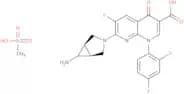
Produto descontinuadoTrovafloxacin mesylate
CAS:Trovafloxacin mesylate is a synthetic antibiotic belonging to the fluoroquinolone class, which is derived from chemical synthesis processes rather than natural sources. The mode of action of trovafloxacin mesylate involves the inhibition of bacterial enzymes DNA gyrase and topoisomerase IV. These enzymes are essential for DNA replication, repair, and transcription within the bacterial cell. By inhibiting these enzymes, trovafloxacin mesylate disrupts bacterial DNA processes, leading to cell death and exerting its antibacterial effects.
Fórmula:C21H19F3N4O6SPureza:Min. 95%Peso molecular:512.46 g/molRef: 3D-FT28618
Produto descontinuadoPicarbutrazox
CAS:Picarbutrazox is a fungicide, which is a product derived from chemical synthesis designed to protect crops by inhibiting fungal growth. It works through a specific mode of action that targets and disrupts the biosynthesis of essential lipids within fungal cells. This disruption ultimately leads to the cessation of cell membrane formation, impeding the growth and proliferation of the fungi.
Fórmula:C20H23N7O3Pureza:Min. 95%Peso molecular:409.4 g/molRef: 3D-AVA20704
Produto descontinuadoVapendavir diphosphate
CAS:Vapendavir diphosphate is an antiviral compound, which is a synthesized small molecule with selective activity targeting picornaviruses. This compound is derived from rigorous medicinal chemistry efforts focusing on the inhibition of viral replication. Vapendavir diphosphate functions by binding to a specific site on the viral capsid, thereby inhibiting the uncoating process essential for viral RNA release into the host cell. This mode of action effectively prevents the virus from replicating within the host.
Fórmula:C21H32N4O11P2Pureza:Min. 95%Peso molecular:578.4 g/molRef: 3D-YXB15175
Produto descontinuado8-Methylpyrido[2,3-d]pyridazin-5(6H)-one
CAS:8-Methylpyrido[2,3-d]pyridazin-5(6H)-one is a heterocyclic compound used in the field of medicinal chemistry. This compound is synthesized through complex organic reactions involving pyridazine and pyridine derivatives. As a molecule, its primary mode of action involves interactions with specific biochemical pathways, potentially influencing enzymatic activity or receptor bindings, leading to modulation of biological activities.
Fórmula:C8H7N3OPureza:Min. 95%Peso molecular:161.16 g/molDiclobutrazol
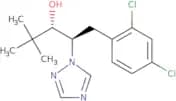
CAS:Diclobutrazol is a plant growth regulator, a synthetic compound primarily derived from chemical synthesis methods. This compound acts by inhibiting the biosynthesis of gibberellins, which are plant hormones that regulate various aspects of growth and development. The inhibition of gibberellin biosynthesis results in reduced plant elongation, leading to more compact growth forms.
Fórmula:C15H19Cl2N3OPureza:Min. 95%Peso molecular:328.24 g/molRef: 3D-ADA73633
Produto descontinuadoNarasin
CAS:Narasin is an ionophore antibiotic, which is a fermentation product derived from certain strains of the bacterium *Streptomyces aureofaciens*. It functions by disrupting the ion gradients across cell membranes, specifically facilitating the transport of sodium and potassium ions. This action interferes with the energy metabolism of certain pathogenic microorganisms, rendering them unable to proliferate effectively.
Fórmula:C43H72O11Pureza:Min. 95%Peso molecular:765.03 g/molAcepromazine hydrochloride
CAS:Acepromazine hydrochloride is a phenothiazine derivative tranquilizer, which is synthesized chemically. Its mode of action is primarily through antagonism of dopamine receptors in the central nervous system, leading to a sedative effect. Additionally, it exerts peripheral actions, including alpha-adrenergic blockade and diminished release of hypothalamic and hypophyseal hormones, contributing to vasodilation and other physiological effects.
Fórmula:C19H23ClN2OSPureza:Min. 95%Peso molecular:362.9 g/molRef: 3D-AAA97312
Produto descontinuadoTyrothricin
CAS:Tyrothricin is a peptide antibiotic, which is derived from the bacterium Bacillus brevis. This compound comprises a mixture of polypeptides, primarily gramicidin and tyrocidine, both of which are instrumental in its antimicrobial activity. The mode of action of tyrothricin involves disrupting bacterial cell membranes, leading to cell lysis and death. Gramicidin increases the permeability of the bacterial membrane to ions, while tyrocidine promotes disruption of membrane integrity, which together exert bactericidal and bacteriostatic effects.
Fórmula:C65H85N11O13Pureza:Min. 95%Peso molecular:1,228.44 g/molRef: 3D-AT30150
Produto descontinuadoCefquinome sulfate
CAS:Cefquinome sulfate is a cephalosporin antibiotic, which is a synthetic, broad-spectrum antimicrobial agent. It is derived from the beta-lactam family, specifically designed to combat Gram-positive and Gram-negative bacterial pathogens. The mode of action involves inhibiting bacterial cell wall synthesis. It achieves this by binding to penicillin-binding proteins (PBPs) within the bacterial cell wall, ultimately leading to cell lysis and death due to the interruption of necessary cell wall components.
Fórmula:C23H26N6O9S3Pureza:Min. 95%Cor e Forma:White To Light (Or Pale) Yellow To Beige To Light Brown SolidPeso molecular:626.69 g/molRef: 3D-AC19869
Produto descontinuadoDicloxacillin sodium salt
CAS:Dicloxacillin is a penicillin antibiotic that is used to treat bacterial infections of the gastrointestinal tract, skin, and urinary tract. It binds to the penicillin-binding proteins in bacterial cell walls by competitive inhibition. Dicloxacillin inhibits bacterial growth by binding to the enzyme cell wall synthesis that is required for cell wall biosynthesis, inhibiting protein synthesis and cell division. This drug also has a toxic effect on respiratory system cells, which may be due to its ability to induce apoptosis. Dicloxacillin sodium salt is available as tablets for oral administration or as an intravenous solution for injection. It can interact with other drugs, such as benzalkonium chloride and matrix effect; it also has analytical methods such as chromatographic analysis and rate constant.
Fórmula:C19H17Cl2N3O5S·NaPureza:Min. 95%Peso molecular:493.32 g/molRef: 3D-AN63363
Produto descontinuadoCephalexin hydrate, Antibiotic for Culture Media Use Only
CAS:Please enquire for more information about Cephalexin hydrate, Antibiotic for Culture Media Use Only including the price, delivery time and more detailed product information at the technical inquiry form on this page
Fórmula:C16H19N3O5SPureza:Min. 95.0 Area-%Peso molecular:365.41 g/molRef: 3D-Q-200819
Produto descontinuado1-Anthroylnitrile
CAS:1-Anthroylnitrile is a chemical compound, specifically an organic aromatic compound known as a polycyclic aromatic nitrile, which is synthesized from anthracene via nitrile substitution at the 1-position. With its aromatic structure, 1-Anthroylnitrile exhibits unique photophysical properties, functioning as a significant fluorescent probe due to its strong absorption and emission in the UV-visible spectrum.
Fórmula:C16H9NOPureza:Min. 95%Peso molecular:231.25 g/molRef: 3D-KDA98543
Produto descontinuadoCefmetazole lactone
CAS:Cefmetazole lactone is an antibiotic, classified as a cephalosporin, which is a type of β-lactam antimicrobial compound. It is derived from the Cephalosporium fungus, known for its progenitor antimicrobial properties. As a second-generation cephalosporin, cefmetazole lactone operates by inhibiting bacterial cell wall synthesis, essentially interfering with the transpeptidation process of peptidoglycan, a critical component of the bacterial cell wall. This disruption leads to cell lysis and eventual bacterial death, mainly affecting Gram-positive and some Gram-negative bacteria.
Fórmula:C13H13N3O5S2Pureza:Min. 95%Peso molecular:355.40 g/molRef: 3D-VCA99370
Produto descontinuadoSafracin B
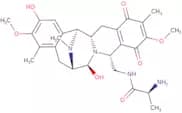
CAS:Exhibits antitumour activity against L1210 and P388 leukemias and B16 melanoma
Fórmula:C28H36N4O7Pureza:Min. 95%Peso molecular:540.61 g/molCarbovir triphosphate triethylamine
CAS:Carbovir triphosphate triethylamine is a nucleotide analog, which is a derivative of nucleoside analogs designed for antiviral applications. It is synthesized through chemical modification of guanosine analogs, resulting in its active triphosphate form. This compound functions as a potent antiretroviral agent by mimicking natural nucleotides and interfering with viral DNA synthesis. The active triphosphate impedes the action of viral reverse transcriptase by incorporating itself into the viral DNA chain, causing premature termination and effectively halting viral replication.
Pureza:Min. 95%Nocardicin G
CAS:Nocardicin G is a monocyclic β-lactam antibiotic, which is sourced from certain strains of the soil-dwelling actinobacterium *Nocardia*. This organism is known for its ability to synthesize various bioactive compounds. The mode of action of Nocardicin G involves inhibiting bacterial cell wall synthesis by targeting penicillin-binding proteins, resulting in the bactericidal effect against susceptible bacterial strains. This compound specifically disrupts the formation of the peptidoglycan layer, which is essential for bacterial integrity and survival.
Fórmula:C19H19N3O6Pureza:Min. 95%Peso molecular:385.4 g/molRef: 3D-QCA30911
Produto descontinuadoTigecycline hydrate
CAS:Inhibitor of protein synthesis; glycylcycline class
Fórmula:C29H39N5O8Pureza:Min. 95%Peso molecular:585.65 g/molRef: 3D-FT162672
Produto descontinuado(E)-Ceftriaxone disodium
CAS:(E)-Ceftriaxone disodium is a broad-spectrum cephalosporin antibiotic, which is derived from the fermentation of the fungus Acremonium. This semi-synthetic antibiotic works by inhibiting bacterial cell wall synthesis. It achieves this by binding to the penicillin-binding proteins (PBPs) in the bacterial cell membrane, which ultimately interferes with peptidoglycan cross-linking, leading to cell lysis and death.
Fórmula:C18H16N8Na2O7S3Pureza:Min. 95 Area-%Peso molecular:598.54 g/molRef: 3D-XDA16454
Produto descontinuadoAldicarb d3
CAS:Aldicarb d3 is an isotopically labeled compound, categorized as a carbamate pesticide, which is derived from chemical synthesis using deuterium labeling. Its mode of action involves the inhibition of acetylcholinesterase, an enzyme essential for nerve function, leading to the disruption of neurological processes in pest organisms.
Fórmula:C7H14N2O2SPureza:Min. 95%Peso molecular:193.28 g/molRef: 3D-VWC14283
Produto descontinuadoLoracarbef monohydrate
CAS:Loracarbef monohydrate is a synthetic antibiotic, which is derived from carbacephem compounds with a mode of action that involves inhibiting bacterial cell wall synthesis. This is achieved by binding to penicillin-binding proteins, thereby blocking the cross-linking of peptidoglycan chains which are crucial for bacterial cell wall structural integrity.
Fórmula:C16H16ClN3O4·H2OPureza:Min. 95%Peso molecular:367.78 g/mol(2RS,4S)-2-[[(phenylacetyl)amino]methyl]-5,5-dimethylthiazolidine-4-carboxylic acid (penilloic acids of benzylpenicillin)
CAS:(2RS,4S)-2-[[(Phenylacetyl)amino]methyl]-5,5-dimethylthiazolidine-4-carboxylic acid, commonly referred to as penilloic acids, is a hydrolytic degradation product of benzylpenicillin. It is derived through the enzymatic or chemical cleavage of the β-lactam ring of benzylpenicillin, which is a classic β-lactam antibiotic.
Fórmula:C15H20N2O3SPureza:Min. 95%Peso molecular:308.4 g/molRef: 3D-AAA50134
Produto descontinuadoCephamycin C
CAS:Cephamycin C is a cephalosporin antibiotic, which is a type of β-lactam antibiotic. It is derived from the fermentation process of certain Streptomyces species and other actinomycetes. Its mode of action involves inhibiting bacterial cell wall synthesis by binding to penicillin-binding proteins (PBPs). This inhibition disrupts the structural integrity of the bacterial cell wall, leading to cell lysis and death.
Fórmula:C16H22N4O9SPureza:Min. 95%Cor e Forma:PowderPeso molecular:446.4 g/molRef: 3D-AC09776
Produto descontinuadoTridehydro pirlimycin
CAS:Tridehydro pirlimycin is an antibiotic compound, which is a synthetic derivative with origins in the lincosamide family. It is characterized by its ability to inhibit bacterial protein synthesis by binding to the 50S ribosomal subunit, leading to a bacteriostatic effect. The compound is primarily developed for its use in veterinary medicine, particularly in the treatment and management of bacterial infections in animals.
Fórmula:C17H25ClN2O5SPureza:Min. 95%Peso molecular:404.91 g/molFenpicoxamid-phenol
CAS:Fenpicoxamid-phenol is a fungicide, which is a synthetic chemical compound primarily used in agriculture. It originates from advanced chemical synthesis methods that leverage specific molecular architectures to inhibit fungal growth effectively. The mode of action involves targeting and disrupting fungal respiration at the mitochondrial level, specifically inhibiting complex III of the electron transport chain. This selective interference curtails energy production in the fungal cells, thereby halting their growth and propagation.
Fórmula:C26H30N2O9Pureza:Min. 95%Peso molecular:514.5 g/molRef: 3D-SGA17385
Produto descontinuadoMecillinam, Antibiotic for Culture Media Use Only
CAS:Mecillinam is a beta-lactam antibiotic specifically designed for use in culture media. It is derived from the amidinopenicillin family, featuring a unique ability to interfere with bacterial cell wall synthesis. Its mode of action involves inhibiting penicillin-binding protein 2 (PBP2), an essential enzyme for cell wall elongation and maintenance in Gram-negative bacteria. This targeted inhibition results in the formation of spherical cells and subsequent cell lysis.
Fórmula:C15H23N3O3SPureza:Min. 95 Area-%Peso molecular:325.43 g/molDesmethyl ferroquine
CAS:Desmethyl ferroquine is an antimalarial compound, which is a derivative of ferroquine. It is synthesized through chemical modification processes, specifically designed to enhance its pharmacokinetic and pharmacodynamic properties. This compound exhibits its mode of action by compromising the integrity of the Plasmodium parasite's digestive vacuole. By doing so, it disrupts heme detoxification, which is crucial for the parasite’s survival within red blood cells.
Fórmula:C22H22ClFeN3Pureza:Min. 95%Peso molecular:419.7 g/molRef: 3D-DLB54618
Produto descontinuadoFormycin A
CAS:Formycin A is a nucleoside analog, which is an antibiotic product derived from certain Streptomyces species. Its mode of action involves mimicking adenosine, one of the four nucleosides in RNA. By doing so, it interferes with the RNA processing of certain microorganisms, ultimately disrupting their ability to synthesize proteins effectively. This interference results in the inhibition of bacterial and parasitic growth.
Fórmula:C10H13N5O4Pureza:Min. 95%Peso molecular:267.24 g/mol10, 11-Dehydrocurvularin
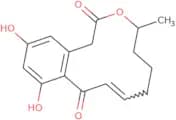
CAS:10, 11-Dehydrocurvularin is a fungal phytotoxin with heat shock response and immune-modulatory activitie. Curvularins inhibit the expression of the inducible nitric oxide synthase (iNOS), thereby acting as anti-inflammatory agents and immune system modulators
Pureza:Min. 95%Cor e Forma:PowderClindamycin 2-palmitate sulfoxide
CAS:Clindamycin 2-palmitate sulfoxide is a semisynthetic antibiotic, which is a derivative of clindamycin. It originates from lincomycin, a natural antibiotic produced by the bacterium *Streptomyces lincolnensis*. This compound functions as a prodrug, which is converted into its active form in the body. Its mode of action involves inhibiting bacterial protein synthesis by binding to the 50S subunit of the ribosome, thereby preventing the growth and replication of susceptible bacteria.
Fórmula:C34H64Cl2N2O7SPureza:Min. 95%Peso molecular:715.9 g/molRef: 3D-BKD92892
Produto descontinuadoLeptomycin A
CAS:Leptomycin A is a Streptomyces-produced inhibitor, which is derived from the bacterium Streptomyces spiroverticillatus. It functions by specifically binding to and inhibiting the CRM1 (exportin 1), a nuclear export receptor. This action blocks the nuclear export of proteins that contain a leucine-rich nuclear export signal (NES), thereby leading to their accumulation within the nucleus. The inhibition of CRM1 disrupts various cellular processes, including cell cycle regulation and signal transduction pathways.
Fórmula:C32H46O6Pureza:Min. 95%Peso molecular:526.7 g/molMetolachlor mercapturate
CAS:Metolachlor mercapturate is a metabolite of the herbicide Metolachlor, which is derived from the degradation of the primary active ingredient found in various agricultural herbicide formulations. It is formed through biotransformation processes in plants, soil, and water, where the parent compound undergoes enzymatic reactions leading to its metabolic products. The primary mode of action involves the inhibition of elongase enzymes, which are crucial for the synthesis of fatty acids in plants, thus preventing cell division and impacting weed growth effectively.
Fórmula:C20H30N2O5SPureza:Min. 95%Peso molecular:410.5 g/molRef: 3D-JGA95664
Produto descontinuado21-Norrapamycin
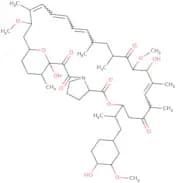
CAS:21-Norrapamycin is a macrocyclic lactone antibiotic, which is derived from the bacterium Streptomyces hygroscopicus. Its chemical structure is closely related to that of rapamycin, a well-known immunosuppressant. The mode of action of 21-Norrapamycin involves the inhibition of the mechanistic target of rapamycin (mTOR) signaling pathway. By binding to the FK506-binding protein 12 (FKBP12), it forms a complex that then inhibits mTOR, a crucial regulator of cell growth, proliferation, and survival.
Fórmula:C50H77NO13Pureza:Min. 95%Peso molecular:900.1 g/molSatranidazole
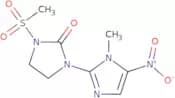
CAS:Satranidazole is an antimicrobial agent that falls under the category of synthetic nitroimidazoles. It is derived from chemical synthesis and is designed to combat infections caused by specific organisms. The mode of action involves the reduction of the nitro group within the organism, creating reactive intermediates that disrupt DNA synthesis and lead to cell death. This mode of action is notably effective against protozoal infections and anaerobic bacterial infections.
Fórmula:C8H11N5O5SPureza:Min. 95%Peso molecular:289.27 g/molAminosidine
CAS:Aminosidine is a nucleoside analogue that inhibits the HIV-1 reverse transcriptase and the integrase, which are enzymes involved in viral DNA synthesis. Aminosidine is active against Leishmania spp., but not against bacteria. Aminosidine has been shown to be effective in experimental models of human bowel disease and in patients with inflammatory bowel disease. It was also found to be active against wild-type strains of human immunodeficiency virus type 1, but not resistant mutants. The mechanism of action is the inhibition of cellular mitochondrial membrane potential.
Pureza:Min. 95%Purfalcamine
CAS:Purfalcamine is a synthetic pharmaceutical compound that belongs to a class of molecules known as small-molecule inhibitors. It is sourced through advanced chemical synthesis, enabling precise structural modifications to optimize its biological activity. The mode of action of Purfalcamine involves selective inhibition of a specific target protein involved in key cellular signaling pathways. This targeted interaction disrupts abnormal cellular processes, making it a promising therapeutic candidate for certain diseases.
Fórmula:C29H33FN8OPureza:Min. 95%Peso molecular:528.6 g/molRef: 3D-NRB62068
Produto descontinuadoLenacapavir
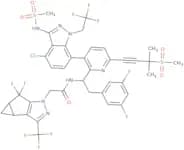
CAS:Lenacapavir is a capsid inhibitor with a mode of action that interferes with the HIV capsid protein, disrupting multiple stages of the viral lifecycle. It is used for treating multidrug-resistant HIV infections.
Fórmula:C39H32ClF10N7O5S2Pureza:Min. 95%Cor e Forma:PowderPeso molecular:968.28 g/molClarithromycin-13CD3
CAS:Clarithromycin-13CD3 is an isotopically labeled macrolide antibiotic, which is synthesized to include deuterium (D) and carbon-13 (^13C) in its molecular structure. This modified compound serves as a stable isotope-labeled standard, primarily sourced from chemical synthesis. The incorporation of these isotopes differentiates it from the naturally occurring antibiotic, enabling its use in precise analytical studies.
Fórmula:C37CH66D3NO13Pureza:Min. 95%Peso molecular:751.97 g/molRef: 3D-AC72406
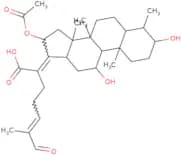
Produto descontinuado26-Oxofusidic acid
CAS:26-Oxofusidic acid is a derivative of fusidic acid, which is a potent antibacterial compound originally isolated from the fungus Fusidium coccineum. This compound exhibits a unique mode of action by inhibiting bacterial protein synthesis through interference with the elongation factor G (EF-G), a critical component in the translocation step of translation. By targeting this specific aspect of bacterial metabolism, 26-Oxofusidic acid effectively disrupts the growth of gram-positive bacteria, making it an invaluable tool in combating resistant bacterial strains.
Fórmula:C31H46O7Pureza:Min. 95%Peso molecular:530.69 g/molDidesethyl chloroquine hydroxyacetamide-d4
CAS:Didesethyl chloroquine hydroxyacetamide-d4 is a deuterated pharmaceutical compound, which serves as a stable isotope-labeled analog. Such compounds are often synthesized in specialized laboratories for research purposes, providing insightful data on pharmacokinetics and metabolic pathways. The deuteration, involving the replacement of hydrogen atoms with deuterium, offers enhanced accuracy in mass spectrometry analysis due to its unique isotopic signature.
Fórmula:C16H20ClN3O2Pureza:Min. 95%Peso molecular:325.82 g/molRef: 3D-RYB95686
Produto descontinuado(R)-Ambrisentan
CAS:(R)-Ambrisentan is an endothelin receptor antagonist, which is a pharmacological agent derived synthetically to target and inhibit specific cellular pathways. It is primarily utilized in the treatment of pulmonary arterial hypertension (PAH), where it plays a crucial role in modulating vascular function. The mode of action of (R)-Ambrisentan involves selective antagonism of the endothelin type A (ETA) receptors, which are responsible for vasoconstriction and proliferation of vascular smooth muscle cells. By blocking these receptors, it mitigates the effects of endothelin, a potent vasoconstrictor, thus reducing blood pressure and improving blood flow in pulmonary arteries.
Fórmula:C22H22N2O4Pureza:Min. 95%Peso molecular:378.40 g/molRef: 3D-HQB35876
Produto descontinuadoFlufenoxystrobin
CAS:Flufenoxystrobin is a synthetic fungicide, which is derived from the strobilurin class of compounds known for their antifungal properties. It operates by inhibiting mitochondrial respiration in fungal cells, specifically blocking the electron transport chain at the Qo site of cytochrome b. This disruption in energy production is lethal to the targeted fungi.
Fórmula:C19H16ClF3O4Pureza:Min. 95%Peso molecular:400.8 g/molRef: 3D-TLB16202
Produto descontinuadoTebufenozide-hydroxymethyl
CAS:Tebufenozide-hydroxymethyl is an insect growth regulator, which is synthesized chemically to function as an agonist of the molting hormone, ecdysone, in target pest species. It operates by mimicking the effects of ecdysone, leading to premature and lethal molting in lepidopteran larvae. This disruption in the developmental cycle of the insects effectively suppresses their population by preventing them from reaching maturity and reproducing.
Fórmula:C22H28N2O3Pureza:Min. 95%Peso molecular:368.5 g/molRef: 3D-RGA54761
Produto descontinuadoPikromycin
CAS:Pikromycin is an antibiotic, which is derived from the bacterium *Streptomyces venezuelae*. It functions by specifically binding to the 50S ribosomal subunit, thereby inhibiting bacterial protein synthesis. This action effectively blocks peptide chain elongation, leading to the cessation of bacterial growth and proliferation. Pikromycin serves as an important model compound in antibiotic research, particularly in the study of macrolides and polyketides, due to its unique structure and biosynthetic pathway.
Fórmula:C28H47NO8Pureza:Min. 95%Peso molecular:525.7 g/molRef: 3D-UAA72156
Produto descontinuadoSofosbuvir impurity N
CAS:Sofosbuvir impurity N is a chemical impurity found as a byproduct in the synthesis of sofosbuvir, a nucleotide analog used as an antiviral drug. Its origin is directly linked to the complex chemical processes involved in producing the active pharmaceutical ingredient. This impurity is specifically identified and analyzed to ensure the purity and efficacy of the sofosbuvir drug. Impurities like these are of significant interest in pharmaceutical development, as they provide insights into the synthetic pathways and potential degradation products.
Fórmula:C20H25FN3O9PPureza:Min. 95%Peso molecular:501.4 g/molPiperacillin oxalylamide
CAS:Piperacillin oxalylamide is an investigational antibiotic, which is a synthetic derivative of the widely used β-lactam antibiotic, piperacillin. Its development is rooted in the quest to combat β-lactamase-producing resistant bacterial strains, which are a growing threat in clinical settings. It operates by inhibiting bacterial cell wall synthesis, similar to other β-lactam antibiotics, but possesses a modified structure that enhances its resistance to enzymatic degradation by β-lactamases.
Fórmula:C23H29N5O8SPureza:Min. 95%Peso molecular:535.57 g/molCAP 3
CAS:CAP 3 is an enzymatic product, derived from genetically engineered microorganisms, known for its specificity and efficiency in catalyzing biochemical reactions. This enzyme functions via the hydrolysis of specific chemical bonds, promoting reaction pathways that enhance productivity in various industrial and laboratory settings.
Fórmula:C52H82N6O11Pureza:Min. 95%Peso molecular:967.20 g/molRef: 3D-SRD12303
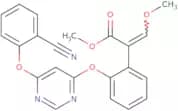
Produto descontinuado(Z)-Azoxystrobin
CAS:(Z)-Azoxystrobin is a strobilurin fungicide, which is a synthetic derivative of naturally occurring antifungal compounds produced by fungi such as *Strobilurus tenacellus*. Its mode of action involves the inhibition of mitochondrial respiration in target fungi, specifically by binding to the Qo site of the cytochrome bc1 complex. This disrupts electron transport in the mitochondria, leading to the cessation of ATP production and subsequent cell death.
Fórmula:C22H17N3O5Pureza:Min. 95%Peso molecular:403.4 g/molRef: 3D-TFA13094
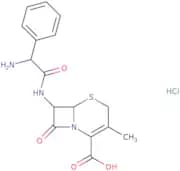
Produto descontinuadoCephalexin hydrochloride
CAS:Cephalexin hydrochloride is a cephalosporin antibiotic, which is a type of beta-lactam antibiotic. It is derived from the fungus Acremonium, previously known as Cephalosporium, with a bactericidal mode of action. This compound works by inhibiting bacterial cell wall synthesis. Specifically, it binds to one or more of the penicillin-binding proteins (PBPs), which in turn disrupts the final stages of bacterial cell wall formation and results in cell lysis mediated through autolytic enzyme action.
Fórmula:C16H18ClN3O4SPureza:Min. 95%Peso molecular:383.9 g/molE-Ceftazidime
CAS:E-Ceftazidime is a third-generation cephalosporin antibiotic, which is derived from the mold Acremonium. It functions by inhibiting bacterial cell wall synthesis, a crucial component for bacterial survival and replication. This inhibition occurs through the binding to specific penicillin-binding proteins (PBPs) within the bacterial cell wall, thus preventing cross-linking of the peptidoglycan chains, which results in the eventual lysis and death of the bacterial cell.
Fórmula:C22H22N6O7S2Pureza:Min. 95%Peso molecular:546.60 g/molRef: 3D-XDA14838
Produto descontinuadoOmaciclovir
CAS:Please enquire for more information about Omaciclovir including the price, delivery time and more detailed product information at the technical inquiry form on this page
Fórmula:C10H15N5O3Pureza:Min. 95%Peso molecular:253.26 g/molRef: 3D-ZEA26589
Produto descontinuadoβ-Lactoglobulin A from bovine milk
CAS:β-Lactoglobulin A is a whey protein found predominantly in bovine milk, characterized as a globular protein. It is sourced from the milk of cows and serves as a major component of whey, the liquid by-product of cheese production. The structure of β-Lactoglobulin A allows it to bind hydrophobic molecules, such as fatty acids and vitamins, which may facilitate their transport and absorption in the digestive tract.
Pureza:Min. 95%Ref: 3D-ACA86392
Produto descontinuadoPirlimycin HCl
CAS:Pirlimycin HCl is an antibacterial product, which is a semi-synthetic derivative of the natural antibiotic lincomycin produced by Streptomyces lincolnensis. Its mode of action involves the inhibition of bacterial protein synthesis by binding to the 50S ribosomal subunit, thereby preventing the elongation of peptide chains. This action is particularly effective against Gram-positive bacteria, including Staphylococcus and Streptococcus species.
Fórmula:C17H31ClN2O5S·HClPureza:Min. 95%Cor e Forma:White PowderPeso molecular:447.42 g/mol1-Naphthol-o-sulfate potassium
CAS:1-Naphthol-o-sulfate potassium is a sulfate ester, which is a derivative of naphthol. It is synthesized from 1-naphthol, a phenolic compound, through sulfation, typically using chlorosulfonic acid or oleum, followed by neutralization with potassium hydroxide to produce the potassium salt form. This particular compound is involved in various biochemical pathways, especially as a conjugated metabolite in phase II metabolism.
Fórmula:C10H8KO4SPureza:Min. 95%Peso molecular:263.33 g/molRef: 3D-GAA29574
Produto descontinuadoPenciclovir diacetate
CAS:Penciclovir diacetate is an antiviral compound, which is synthesized as a prodrug derivative of penciclovir. This compound originates from chemical modification processes designed to improve the pharmacokinetic properties of its active metabolite. Once administered, penciclovir diacetate undergoes in vivo conversion to penciclovir, an active nucleoside analog. The mode of action involves selective inhibition of viral DNA polymerase after being phosphorylated to its triphosphate form, thereby impeding viral DNA synthesis and replication.
Fórmula:C14H19N5O5Pureza:Min. 95%Peso molecular:337.33 g/molRef: 3D-XDA84572
Produto descontinuadoMalformin C
CAS:Malformin C is a cyclic pentapeptide, which is a secondary metabolite derived from certain strains of the fungus Aspergillus. Its mode of action involves disrupting cellular processes by interfering with cell division. Specifically, it is thought to affect mitotic spindle formation, leading to abnormal cell cycle progression.
Fórmula:C23H39N5O5S2Pureza:Min. 95%Cor e Forma:PowderPeso molecular:529.72 g/molRef: 3D-JCA92678
Produto descontinuadoTunicamycin V
CAS:Tunicamycin V is an antibiotic and nucleoside analog, which is a secondary metabolite derived from various Streptomyces species. It functions predominantly by inhibiting the initial step of N-linked glycosylation, a critical post-translational modification process in eukaryotic cells. This inhibition occurs through the blockage of UDP-N-acetylglucosamine: dolichyl-phosphate N-acetylglucosamine-1-phosphate transferase, thereby preventing the synthesis of dolichol-linked oligosaccharides and ultimately affecting protein folding and quality control mechanisms within the endoplasmic reticulum.
Fórmula:C38H62N4O16Pureza:Min. 95%Peso molecular:830.9 g/molRef: 3D-RCA05436
Produto descontinuadoThiadiazin
CAS:Thiadiazin is a synthetic compound, belonging to the class of heterocyclic chemical substances, which is primarily derived from chemical synthesis processes involving sulfur, nitrogen, and carbon atoms. It is characterized by a five-membered ring structure containing both sulfur and nitrogen atoms, which contributes to its diverse chemical properties.
Fórmula:C12H22N4S4Pureza:Min. 95%Peso molecular:350.6 g/molRef: 3D-DAA77349
Produto descontinuadoTropodithietic acid
CAS:Tropodithietic acid is a bioactive compound, which is a potent antibacterial agent derived from certain marine bacteria, including the genus Phaeobacter. This antibiotic is characterized by its ability to disrupt quorum sensing, a mechanism that bacteria use for communication and coordination of group behaviors, including virulence. By interfering with this process, tropodithietic acid impedes bacterial colonization and biofilm formation, effectively inhibiting pathogenic activity.
Pureza:Min. 95%Ref: 3D-BT162750
Produto descontinuadoDioxohongdenafil
CAS:Dioxohongdenafil is a synthetic compound, which is a type of pharmaceutical analog. It is derived from sildenafil, a well-known phosphodiesterase type 5 (PDE5) inhibitor, originally conceptualized through chemical modification of the parent compound. The mode of action of Dioxohongdenafil involves competitive inhibition of the PDE5 enzyme, leading to an increase in cyclic guanosine monophosphate (cGMP) levels. This biochemical alteration results in vasodilation and increased blood flow, mimicking the therapeutic mechanism observed in sildenafil.
Fórmula:C25H30N6O5Pureza:Min. 95%Peso molecular:494.5 g/molRef: 3D-JPC40533
Produto descontinuado2-Sec-butyl-1-(decyloxy)-4-tritylbenzene
CAS:2-Sec-butyl-1-(decyloxy)-4-tritylbenzene is a synthetic organic compound, typically utilized in chemical research and development. It is sourced through a series of organic synthesis reactions, involving alkylation, etherification, and aromatic substitution, primarily in a controlled laboratory environment.
Fórmula:C39H48OPureza:Min. 95%Peso molecular:532.8 g/molRef: 3D-EGC19037
Produto descontinuadoCladosporin
CAS:Cladosporin is a secondary metabolite and natural product, specifically a fungal cyclodepsipeptide, which is isolated from the fungus *Cladosporium cladosporioides*. It exhibits its mode of action by selectively inhibiting the lysyl-tRNA synthetase enzyme in the Plasmodium species, the causative agent of malaria. This inhibition disrupts the protein synthesis pathway crucial for the survival and proliferation of the parasite.
Fórmula:C16H20O5Pureza:Min. 95%Peso molecular:292.33 g/molRef: 3D-KBA81831
Produto descontinuadoVebufloxacin
CAS:Vebufloxacin is an antibacterial agent, which is synthesized as a member of the fluoroquinolone class of antibiotics. This compound is derived from chemical synthesis, specifically designed to target and inhibit bacterial DNA gyrase and topoisomerase IV. These enzymes play crucial roles in DNA replication and transcription, making them ideal targets for disrupting bacterial cell function.
Fórmula:C19H22FN3O3Pureza:Min. 95%Peso molecular:359.4 g/molOfloxacin methyl ester
CAS:Ofloxacin methyl ester is a chemical compound, which is a derivative utilized in scientific research, particularly in the synthesis of ofloxacin-related compounds. It is a synthetic ester, derived from chemical synthesis involving ofloxacin, a fluoroquinolone antibiotic. The mode of action of ofloxacin methyl ester is based on its role as an intermediate compound. It facilitates the creation of active forms or analogs that can be tested for their pharmacological properties. Although not directly used as a therapeutic agent, it plays a crucial role in the development and modification of molecules for antibacterial applications.
Fórmula:C19H22FN3O4Pureza:Min. 95%Peso molecular:375.4 g/molRef: 3D-IEA22482
Produto descontinuadoTolnifanide
CAS:Tolnifanide is a fungicidal product, which is a synthetic compound derived from chemical synthesis. It operates by interfering with the normal cellular function of fungi, inhibiting their growth and reproduction. This mode of action involves disrupting key processes within the fungal cells, rendering them unable to thrive in their host environment.
Fórmula:C15H15ClN2O4SPureza:Min. 95%Peso molecular:354.8 g/molRef: 3D-EMA91198
Produto descontinuadoCarbovir monophosphate
CAS:Carbovir monophosphate is an antiviral agent, which is a metabolite derived from the prodrug abacavir. It functions as a nucleotide analog that interferes with viral replication. The source of Carbovir monophosphate is the metabolic conversion of abacavir, an antiretroviral medication used in the treatment of HIV. This conversion occurs primarily in the liver, facilitated by cellular enzymes.
Fórmula:C11H14N5O5PPureza:Min. 95%Peso molecular:327.23 g/molRef: 3D-UFA49073
Produto descontinuadoTaxiphyllin
CAS:Taxiphyllin is a type of cyanogenic glucoside, which is a naturally occurring compound found in certain plants. It is derived primarily from bamboo shoots, among other plant sources. The compound undergoes hydrolysis when the plant tissue is damaged, such as during chewing or processing. This hydrolytic reaction, typically catalyzed by the enzyme β-glucosidase, results in the release of hydrogen cyanide, a potent defense mechanism for the plant against herbivores and pests.
Fórmula:C14H17NO7Pureza:Min. 95%Peso molecular:311.29 g/molRef: 3D-WAA40121
Produto descontinuadoTigecycline mesylate
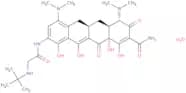
CAS:Tigecycline mesylate is a novel glycylcycline antibiotic, which is a derivative of the tetracycline class of antibiotics. It is a semi-synthetic product derived from minocycline, exhibiting a broad spectrum of antibacterial activity. Tigecycline mesylate functions through the inhibition of bacterial protein synthesis. It achieves this by binding to the 30S ribosomal subunit, thereby preventing the incorporation of amino acid residues into elongating peptide chains, a crucial step in protein production.
Fórmula:C30H43N5O11SPureza:Min. 95%Peso molecular:681.8 g/molRef: 3D-KVB87127
Produto descontinuadoCefotiam
CAS:Cefotiam is a broad-spectrum cephalosporin antibiotic, which is a beta-lactam compound derived from the mold Acremonium. It functions by inhibiting bacterial cell wall synthesis, particularly by targeting penicillin-binding proteins, which leads to cell lysis and death in susceptible bacteria. This mechanism of action makes it effective against various Gram-positive and Gram-negative bacteria.
Fórmula:C18H23N9O4S3Pureza:Min. 95%Cor e Forma:PowderPeso molecular:525.62 g/molRef: 3D-AC183647
Produto descontinuadoAzaconazole
CAS:Azaconazole is a systemic fungicide, which is derived from synthetic chemical processes, specifically within the class of triazoles. This compound functions by interfering with the biosynthesis of ergosterol, a critical component of fungal cell membranes. By inhibiting the cytochrome P450 enzyme 14α-demethylase, azaconazole disrupts the production of ergosterol, thereby compromising membrane integrity and inhibiting fungal growth.
Fórmula:C12H11Cl2N3O2Pureza:Min. 95%Peso molecular:300.14 g/molRef: 3D-KCA20731
Produto descontinuado8-Fluoro erythromycin
CAS:8-Fluoro erythromycin is a synthetic derivative of the macrolide antibiotic erythromycin. It is derived from the fermentation of *Streptomyces erythraeus*, a species known for producing erythromycin, which is chemically modified to include a fluorine atom at the eighth position. This modification enhances its pharmacokinetic properties, improving its stability and bioavailability compared to the parent compound.
Fórmula:C37H66FNO13Pureza:Min. 95%Peso molecular:751.92 g/molRef: 3D-AF16726
Produto descontinuadoClarithromycin - EP
CAS:A macrolide, broad-spectrum antibiotic that targets cytochrome P4503A4 (CYP3A4). Clarithromycin has been used to potentiate the pharmacological effects of some drugs that are metabolised by the cytochrome P450.
Fórmula:C38H69NO13Pureza:Min. 95%Peso molecular:747.95 g/mol2,4,5,6-Tetrachlorophenol-13C6
CAS:2,4,5,6-Tetrachlorophenol-13C6 is an isotopically labeled chemical compound, primarily used as a reference standard in analytical chemistry. This compound, derived from its non-labeled counterpart 2,4,5,6-tetrachlorophenol, is synthesized through the incorporation of carbon-13 isotopes. Its primary mode of action involves acting as a stable, traceable marker, facilitating accurate quantification and analysis of environmental samples, particularly in mass spectrometry.
Fórmula:C6H2Cl4OPureza:Min. 95%Peso molecular:237.8 g/molNonactin
CAS:Nonactin is a macrotetrolide antibiotic with action as an ionophore for potassium and ammonium ions and is used for research on ion transport and bacterial inhibition.
Fórmula:C40H64O12Pureza:Min. 95%Cor e Forma:PowderPeso molecular:736.93 g/molRef: 3D-AN32543
Produto descontinuado



![(4S)-2-[Carboxy[[[3-(2-chloro-6-fluorophenyl)-5-methylisoxazol-4-yl]carbonyl]amino]methyl]-5,5-dim…](/_next/image/?url=https%3A%2Fstatic.cymitquimica.com%2Fproducts%2F3D%2Fthumb-webp%2FTCA72850.webp&w=3840&q=75)







![8-Methylpyrido[2,3-d]pyridazin-5(6H)-one](/_next/image/?url=https%3A%2Fstatic.cymitquimica.com%2Fproducts%2F3D%2Fthumb-webp%2FQDA00407.webp&w=3840&q=75)







![(2RS,4S)-2-[[(phenylacetyl)amino]methyl]-5,5-dimethylthiazolidine-4-carboxylic acid (penilloic aci…](/_next/image/?url=https%3A%2Fstatic.cymitquimica.com%2Fproducts%2F3D%2Fthumb-webp%2FAAA50134.webp&w=3840&q=75)