Antimicrobianos
Subcategorias de "Antimicrobianos"
- Antibióticos(4.131 produtos)
- Antifúngicos(912 produtos)
- Antiparasitários(703 produtos)
- Antivíricos(767 produtos)
Foram encontrados 2425 produtos de "Antimicrobianos"
Oxpoconazole fumarate
CAS:Oxpoconazole fumarate is a systemic antifungal agent, which is a synthetic compound derived from chemical synthesis. It functions by inhibiting the biosynthesis of ergosterol, a critical component of fungal cell membranes, ultimately disrupting cell growth and replication. This inhibition interferes with the integrity and functionality of the fungal cell membrane, leading to cell death.
Fórmula:C42H52Cl2N6O8Pureza:Min. 95%Peso molecular:839.8 g/molClomocycline
CAS:Clomocycline is an antibiotic, which is a derivative of tetracycline originating from Streptomyces species. The mechanism of action involves inhibition of bacterial protein synthesis by binding to the 30S ribosomal subunit. This action blocks the attachment of aminoacyl-tRNA to the acceptor site on the mRNA-ribosome complex, ultimately impeding the addition of amino acids to the growing peptide chain and thus hindering bacterial growth.Fórmula:C23H25ClN2O9Pureza:Min. 95%Peso molecular:508.9 g/mol3-Chloro-10,11-dihydro-5H-dibenzo[B,D]azepine
CAS:3-Chloro-10,11-dihydro-5H-dibenzo[B,D]azepine is a tricyclic compound, which is typically synthesized through organic chemical processes involving multiple reaction steps to introduce the chloro and dihydro functionalities. With its distinct azepine ring structure, it acts primarily on the central nervous system by modulating neurotransmitter pathways, specifically targeting neurotransmitter reuptake.Fórmula:C14H12ClNPureza:Min. 95%Peso molecular:229.7 g/molLevofloxacin
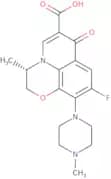
CAS:Levofloxacin is a fluoroquinolone antibiotic with a mode of action that inhibits bacterial DNA gyrase and topoisomerase IV. It is used for treating bacterial infections like pneumonia and urinary tract infections.Fórmula:C18H20FN3O4Pureza:Min. 95%Cor e Forma:PowderPeso molecular:361.37 g/mol7-Ethyl-10-(4-amino-1-piperidino)carbonyloxycamptothecin-d3
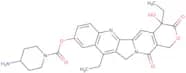
CAS:7-Ethyl-10-(4-amino-1-piperidino)carbonyloxycamptothecin-d3 is a synthetic chemical compound, which is a deuterated derivative of irinotecan. Deuteration involves the substitution of deuterium for hydrogen atoms, which is often utilized to enhance the metabolic stability and pharmacokinetic properties of compounds in research applications. The compound is derived from camptothecin, a natural alkaloid sourced from the Chinese tree Camptotheca acuminata.Fórmula:C28H30N4O6Pureza:Min. 95%Peso molecular:521.6 g/molPazufloxacin
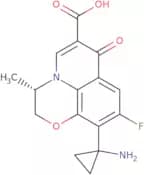
CAS:Pazufloxacin is an antibacterial agent, which is a synthetic derivative originating from the fluoroquinolone class of compounds. This source categorizes it alongside a group of broad-spectrum antibiotics known for their efficacy against a wide variety of bacterial pathogens. The mode of action of pazufloxacin involves the inhibition of bacterial DNA gyrase and topoisomerase IV. These are essential enzymes for bacterial DNA replication, transcription, repair, and recombination processes. By inhibiting these enzymes, pazufloxacin disrupts the bacterial DNA processes, ultimately leading to cell death.
Fórmula:C16H15FN2O4Pureza:Min. 95%Peso molecular:318.3 g/molAntimicrobial compound 1
CAS:Antimicrobial Compound 1 is a broad-spectrum antimicrobial agent, which is derived from natural sources, specifically from marine bacteria with known potent antimicrobial properties. This compound acts by targeting and disrupting the synthesis of bacterial cell walls, specifically inhibiting peptidoglycan cross-linking, which ultimately leads to cell lysis and death due to osmotic instability. Such a mechanism offers a robust approach to tackling Gram-positive and Gram-negative bacteria.
Fórmula:C18H30BrNO2Pureza:Min. 95%Peso molecular:372.3 g/molPC 190723
CAS:PC 190723 is a synthetic chemical compound, which is derived through targeted chemical synthesis processes involving precise organic reactions. Its mode of action involves disrupting cellular division by inhibiting specific protein functions essential for the mitotic process. This molecular interaction results in potent effects on cell division, making it a valuable tool for studying cellular mechanics and developing therapeutic strategies.
Fórmula:C14H8ClF2N3O2SPureza:Min. 95%Peso molecular:355.75 g/molCaerulomycin A
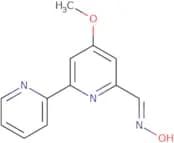
CAS:Caerulomycin A is a bioactive compound classified as a natural broad-spectrum antibiotic, which is derived from various Streptomyces species found in soil. Its mode of action involves inhibiting fungal and bacterial growth by interfering with essential cellular processes, effectively curbing the proliferation of pathogenic microorganisms. This potent molecule achieves its effects by binding to specific cellular targets, thereby disrupting cell wall synthesis and other critical metabolic pathways.Fórmula:C12H11N3O2Pureza:Min. 95%Peso molecular:229.23 g/molBorrelidin
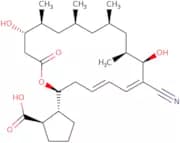
CAS:Borrelidin is a potent antibiotic of the polyketide class, which is isolated from various Streptomyces species. Its mode of action is characterized by its inhibition of threonyl-tRNA synthetase, effectively disrupting protein synthesis within bacteria. Additionally, Borrelidin is known for its unique anti-angiogenic properties, which result from the inhibition of endothelial cell proliferation, making it a compound of interest in cancer research.
Pureza:Min. 95%SP187
CAS:Please enquire for more information about SP187 including the price, delivery time and more detailed product information at the technical inquiry form on this page
Fórmula:C16H33NO5Pureza:Min. 95%Peso molecular:319.44 g/molBephenium
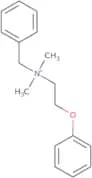
CAS:Bephenium is an anthelmintic agent, which is a type of product used to treat infections caused by parasitic worms. It originates from synthetic chemical processes specifically designed to combat nematode infestations. The mode of action involves disrupting the neuromuscular activity of susceptible parasitic worms, such as hookworms and roundworms, leading to their paralysis and eventual expulsion from the host organism.Fórmula:C17H22NOPureza:Min. 95%Peso molecular:256.36 g/molBCX 4430 hydrochloride
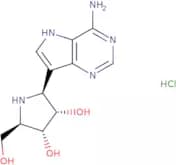
CAS:RNA polymerase (RdRp) inhibitor
Fórmula:C11H15N5O3Pureza:Min. 95%Peso molecular:265.27 g/molCarumonam disodium
CAS:Carumonam disodium is a monobactam antibiotic, which is derived from microbial fermentation processes. Its mode of action involves binding to penicillin-binding proteins (PBPs) of susceptible Gram-negative bacteria. This binding inhibits the final transpeptidation step of peptidoglycan synthesis in the bacterial cell wall, leading to cell lysis and death.Fórmula:C12H14N6Na2O10S2Pureza:Min. 95%Peso molecular:512.39 g/molCycloheximide, Antibiotic for Culture Media Use Only
CAS:Cycloheximide, Antibiotic for Culture Media Use Only, is an antifungal agent derived from the Streptomyces griseus bacterium. Its primary mode of action involves the inhibition of eukaryotic protein synthesis by interfering with the translocation step on the 80S ribosome. This leads to rapid arrest of protein assembly, effectively limiting fungal and certain yeast growth in culture.Fórmula:C15H23NO4Peso molecular:281.35 g/molRef: 3D-C-9217
10gA consultar25gA consultar50gA consultar100gA consultar250gA consultar-Unit-ggA consultarZiresovir
CAS:Respiratory syncytial virus (RSV) fusion (F) protein inhibitorFórmula:C22H25N5O3SPureza:Min. 95%Cor e Forma:PowderPeso molecular:439.53 g/molN-(4-(tert-Butyl)phenyl)-N-(2-(cyclohexylamino)-2-oxo-1-(pyridin-3-yl)ethyl)-1H-imidazole-4-carboxamide
CAS:N-(4-(tert-Butyl)phenyl)-N-(2-(cyclohexylamino)-2-oxo-1-(pyridin-3-yl)ethyl)-1H-imidazole-4-carboxamide is a synthetic small molecule, which is a product of advanced organic synthesis. This compound is a derivative of imidazole carboxamides, primarily sourced through intricate organic reactions involving selective functionalization and cyclization processes to achieve its precise molecular architecture.Fórmula:C27H33N5O2Pureza:Min. 95%Peso molecular:459.6 g/molFervenulin
CAS:Fervenulin is a synthetic compound, which is a chemically designed product developed for laboratory use. It is synthesized through a series of organic reactions, allowing for precise control over its molecular structure and properties. The mode of action for Fervenulin involves altering microbial growth pathways, particularly targeting specific enzymes and cellular processes critical for microbial proliferation. This mode of action effectively inhibits or modifies the activity of these cellular components, providing a tool for microbiologists to investigate microbial behavior under controlled conditions.
Fórmula:C7H7N5O2Pureza:Min. 95%Peso molecular:193.16 g/molAcetyllovastatin
CAS:Acetyllovastatin is a semi-synthetic derivative of lovastatin, which is a member of the statin class of pharmaceuticals. It is derived from the natural product lovastatin, originally isolated from the mold Aspergillus terreus, through acetylation to enhance its pharmacological properties. The mode of action of acetyllovastatin involves the inhibition of HMG-CoA reductase, a key enzyme in the mevalonate pathway responsible for cholesterol biosynthesis. By competitively inhibiting this enzyme, acetyllovastatin effectively reduces intracellular cholesterol levels, leading to upregulation of LDL receptors and increased clearance of low-density lipoprotein (LDL) from the bloodstream.Fórmula:C26H38O6Pureza:Min. 95%Peso molecular:446.6 g/molCefoselis hydrochloride
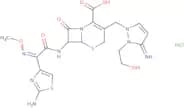
CAS:Cefoselis hydrochloride is a broad-spectrum antibiotic, which is a synthetic cephalosporin derived from a semi-synthetic process involving modifications of naturally occurring cephalosporin C. Its mode of action involves inhibiting bacterial cell wall synthesis by binding to specific penicillin-binding proteins, leading to cell lysis and death.Fórmula:C19H23ClN8O6S2Pureza:Min. 95%Peso molecular:559 g/mol


![3-Chloro-10,11-dihydro-5H-dibenzo[B,D]azepine](/_next/image/?url=https%3A%2Fstatic.cymitquimica.com%2Fproducts%2F3D%2Fthumb-webp%2FPBA60790.webp&w=3840&q=75)