Antimicrobianos
Os antimicrobianos são agentes que destroem ou inibem o crescimento de microrganismos, incluindo bactérias, vírus, fungos e parasitas. Esses compostos são essenciais na prevenção e tratamento de infecções, desempenhando um papel crucial na medicina, agricultura e indústria alimentícia. Na CymitQuimica, oferecemos uma ampla gama de antimicrobianos de alta qualidade e pureza, adequados para diversas aplicações científicas e industriais. Nosso catálogo inclui antibióticos, antifúngicos, antivirais e desinfetantes, todos projetados para atender às necessidades de pesquisa e desenvolvimento, bem como para aplicações clínicas e de produção. Com nossos produtos, os profissionais podem garantir a eficácia e a segurança no controle de infecções e na proteção da saúde pública.
Subcategorias de "Antimicrobianos"
- Antibióticos(4.130 produtos)
- Antifúngicos(909 produtos)
- Antiparasitários(703 produtos)
- Antivíricos(766 produtos)
Foram encontrados 2424 produtos de "Antimicrobianos"
Ordenar por
Pureza (%)
0
100
|
0
|
50
|
90
|
95
|
100
MGB-BP-3
CAS:<p>MGB-BP-3 is a synthetic antimicrobial agent, which is derived from natural DNA-binding minor groove binder (MGB) compounds. Its structure is based on distamycin, known for targeting the minor groove of DNA. MGB-BP-3 operates by binding to specific sequences within the DNA minor groove, thereby interfering with the replication and transcription processes of bacterial cells. This binding disrupts the DNA function and inhibits the growth and proliferation of bacterial pathogens.</p>Fórmula:C36H37N7O4Pureza:Min. 95%Peso molecular:631.7 g/molDeacetylanisomycin
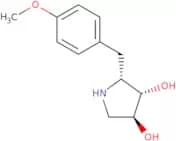
CAS:Deacetylanisomycin is a bacterial metabolite, which is derived from the soil bacterium Streptomyces griseolus. It acts as an inhibitor of protein synthesis by binding to the 60S ribosomal subunit, thus interfering with peptide bond formation during translation. This mode of action is key to its effectiveness in studying the mechanisms of protein synthesis interruption.Fórmula:C12H17NO3Pureza:Min. 95%Cor e Forma:White To Off-White SolidPeso molecular:223.27 g/molAtherosperminine
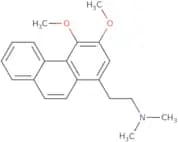
CAS:Produto ControladoAtherosperminine is an alkaloid compound, which is a bioactive chemical derived from plants. Specifically, it is sourced from members of the Lauraceae family, such as Atherosperma moschatum. This compound exhibits a range of pharmacological activities that are of significant interest to researchers. The mode of action of atherosperminine involves interactions with various biological pathways, potentially affecting physiological processes and exhibiting therapeutic effects.Fórmula:C20H23NO2Pureza:Min. 95%Peso molecular:309.4 g/molLTAS-IN-1
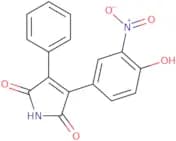
CAS:LTAS-IN-1 is a synthetic chemical compound designed as an advanced inhibitor, which is developed through a series of intricate chemical synthesis processes. The mode of action of LTAS-IN-1 involves the selective inhibition of specific enzyme targets, effectively modulating their biological pathways. This selective inhibition allows researchers to investigate the compound's effects on various cellular and molecular processes.Fórmula:C24H17N3O5Pureza:Min. 95%Peso molecular:427.4 g/molDeoxylapachol
CAS:Deoxylapachol is a naturally occurring metabolite, which is derived from the heartwood of certain Tabebuia tree species. It is a type of naphthoquinone, recognized for its biologically active properties. The mode of action of deoxylapachol involves the inhibition of certain enzymes and signaling pathways, contributing to its potential therapeutic effects. It disrupts cellular respiration and affects redox balance, which can lead to the selective targeting of certain pathogenic organisms and cancer cells.Fórmula:C15H14O2Pureza:Min. 95%Peso molecular:226.27 g/mol6-Chloro didesacetyl famciclovir
CAS:<p>6-Chloro didesacetyl famciclovir is a synthetic antiviral compound, which is derived from famciclovir, with specific modifications to enhance its biochemical properties. It is a chlorinated analog resulting from structural alterations to famciclovir, a prodrug of the antiviral agent penciclovir.</p>Fórmula:C10H14ClN5O2Pureza:Min. 95%Peso molecular:271.7 g/molMinocycline hydrochloride dihydrate
CAS:<p>Minocycline hydrochloride dihydrate is a broad-spectrum antibiotic, which is a synthetic derivative of tetracycline. It is sourced from chemical synthesis processes and possesses potent antimicrobial properties. The mode of action involves inhibiting bacterial protein synthesis by binding to the 30S ribosomal subunit, thereby preventing the addition of amino acids to the growing peptide chain. This mechanism effectively disrupts bacterial growth and replication.</p>Fórmula:C23H32ClN3O9Pureza:Min. 95%Peso molecular:530 g/molPantoprazole magnesium
CAS:Pantoprazole magnesium is a pharmaceutical compound that belongs to the class of proton pump inhibitors (PPIs). It is derived from the benzimidazole chemical family and synthesized through a chemical process that involves the formation of a magnesium salt of pantoprazole. This compound's mode of action involves the irreversible inhibition of the H+/K+ ATPase enzyme system located on the gastric parietal cell surface. By blocking this enzyme system, pantoprazole magnesium effectively reduces the secretion of gastric acid.Fórmula:C32H28F4MgN6O8S2Pureza:Min. 95%Peso molecular:789.00 g/molClenhexerol
CAS:<p>Clenhexerol is a topical antiseptic, which is a chemically synthesized product with broad-spectrum antimicrobial properties. It is derived from chlorhexidine, commonly used in various medical formulations for its efficacy against both Gram-positive and Gram-negative bacteria. Clenhexerol operates through disrupting microbial cell membranes, leading to leakage of cellular components and cell death, making it highly effective in reducing microbial load on skin and mucous membranes.</p>Fórmula:C14H22Cl2N2OPureza:Min. 95%Peso molecular:305.2 g/molβ-Cypermethrin
CAS:Beta-cypermethrin is a synthetic pyrethroid insecticide, which is a chemically altered derivative of natural pyrethrins found in chrysanthemum flowers. These pyrethrins are modified to enhance their stability and potency. Beta-cypermethrin acts by targeting the nervous system of insects, specifically by modifying the function of voltage-gated sodium channels. This action leads to prolonged depolarization of the neuron, resulting in paralysis and eventual death of the insect.Fórmula:C22H19Cl2NO3Pureza:Min. 95%Peso molecular:416.3 g/molSporidesmolide
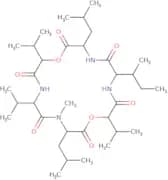
CAS:<p>Sporidesmolide is a cyclic depsipeptide, which is a type of compound characterized by having both ester and amide bonds in its structure. This product is derived from fungal sources, specifically certain species within the genus *Sporidesmium*. The mode of action for sporidesmolide involves disrupting microbial cell membrane integrity, leading to increased permeability and eventual cell death. This activity primarily targets bacteria and fungi, making it an important subject of study for its potential antimicrobial properties.</p>Fórmula:C34H60N4O8Pureza:Min. 95%Peso molecular:652.9 g/molPhenamacril
CAS:<p>Phenamacril is a synthetic fungicide, which is derived from chemical synthesis processes with a unique mode of action that targets fungal signaling pathways. It operates by inhibiting the myosin-5 ATPase activities within filamentous fungi, disrupting key cellular functions and effectively halting fungal growth.</p>Fórmula:C12H12N2O2Pureza:Min. 95%Peso molecular:216.24 g/molCyclosporin L
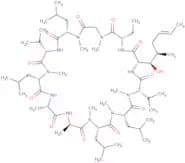
CAS:<p>Cyclosporin L is an immunosuppressive agent, which is a cyclic polypeptide derived from the soil fungus Tolypocladium inflatum. It primarily functions by inhibiting the activity of calcineurin, a key phosphatase involved in the activation of T-cells. This inhibition prevents the transcription of interleukin-2 and other cytokines critical for T-cell proliferation.</p>Fórmula:C61H109N11O12Pureza:90%MinPeso molecular:1,188.59 g/molAqabamycin C
CAS:Aqabamycin C is an antibiotic compound, which is derived from marine bacteria, specifically, the actinomycete strain found in marine environments. Its mode of action involves the disruption of bacterial cell wall synthesis, making it particularly effective against certain gram-negative bacteria. This antibiotic selectively inhibits pathogens by interfering with their essential cellular processes.Fórmula:C16H10N2O5Pureza:Min. 95%Peso molecular:310.26 g/molClindamycin-2,4-diphosphate
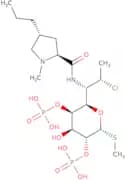
CAS:<p>Clindamycin-2,4-diphosphate is a phosphorylated derivative of the antibiotic clindamycin, which is a semi-synthetic lincosamide antibiotic originally derived from Streptomyces lincolnensis. Its mode of action involves the inhibition of bacterial protein synthesis by binding to the 50S ribosomal subunit, thereby preventing peptide chain elongation during translation. This mechanism effectively disrupts protein production in susceptible bacteria, leading to their growth inhibition or death.</p>Fórmula:C18H35ClN2O11P2SPureza:Min. 95%Peso molecular:584.94 g/mol4''-(p-Fluorobenzyl)tylosin A
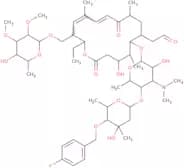
CAS:4''-(p-Fluorobenzyl)tylosin A is a semi-synthetic derivative of tylosin, which is a macrolide antibiotic produced by fermentation of the bacterium *Streptomyces fradiae*. This compound demonstrates a modified structure by incorporating a p-Fluorobenzyl group at the 4'' position of tylosin, enhancing its pharmaceutical properties. The mode of action involves binding to the 50S subunit of the bacterial ribosome, thereby inhibiting protein synthesis and exerting its bacteriostatic effects against Gram-positive bacteria.Fórmula:C53H82FNO17Pureza:Min. 95%Peso molecular:1,024.2 g/molMethicillin sodium hydrate
CAS:<p>Methicillin sodium hydrate is a semi-synthetic β-lactam antibiotic, which is a derivative of the naturally occurring antibiotic penicillin. It is sourced from the modification of the penicillin nucleus, specifically designed to resist degradation by the bacterial enzyme penicillinase. This enzyme, produced by certain bacterial strains, can render penicillin ineffective. Methicillin operates by inhibiting the synthesis of bacterial cell walls, specifically binding to penicillin-binding proteins (PBPs). This action disrupts the cross-linking of peptidoglycan chains, a critical component for bacterial cell wall integrity, ultimately leading to cell lysis and death.</p>Fórmula:C17H21N2NaO7SPureza:Min. 95%Peso molecular:420.4 g/molThienamycin
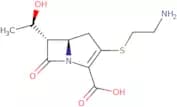
CAS:<p>Thienamycin is a β-lactam antibiotic, which originates from the fermentation of the bacterium *Streptomyces cattleya*. Its mode of action involves inhibiting the synthesis of bacterial cell walls. Thienamycin accomplishes this by binding to penicillin-binding proteins (PBPs) critical for peptidoglycan construction, thereby disrupting cell wall integrity and leading to bacterial lysis.</p>Fórmula:C11H16N2O4SPureza:80%MinCor e Forma:PowderPeso molecular:272.32 g/molGatifloxacin related compound E
CAS:<p>Gatifloxacin related compound E is a chemical reference standard, which is often used in pharmaceutical and analytical chemistry research for the identification and quantification of impurities. It is generally synthesized or isolated as part of the quality control and validation process for the production of the antibiotic Gatifloxacin. The mode of action of this compound revolves around its structural similarity to Gatifloxacin, which allows it to serve as a benchmark to ensure the accuracy and reliability of high-performance liquid chromatography (HPLC) and other analytical techniques.</p>Fórmula:C19H22FN3O4·HClPureza:Min. 95%Peso molecular:411.86 g/molMesosulfuron
CAS:<p>Mesosulfuron is a selective herbicide, which is a synthetic chemical compound with a specific mode of action designed to inhibit acetolactate synthase (ALS). This enzyme inhibition disrupts the biosynthesis of essential amino acids such as valine, leucine, and isoleucine, leading to the cessation of cell division and consequent plant growth arrest. The herbicide is primarily utilized in agricultural settings, particularly for post-emergence control of various grass weeds within cereal crops, including wheat and barley. Its application is crucial for managing weed competition that can significantly impact crop yield and quality. Mesosulfuron is absorbed through the foliage and roots of targeted species, providing systemic action that ensures effective control. Its usage is governed by stringent regulations to minimize environmental impact and to manage herbicide resistance through integrated weed management strategies.</p>Fórmula:C16H19N5O9S2Pureza:Min. 95%Peso molecular:489.5 g/mol