Antimicrobianos
Subcategorias de "Antimicrobianos"
- Antibióticos(4.131 produtos)
- Antifúngicos(912 produtos)
- Antiparasitários(706 produtos)
- Antivíricos(768 produtos)
Foram encontrados 2425 produtos de "Antimicrobianos"
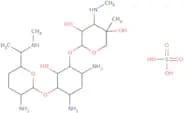
Gentamicin c1 sulfate
CAS:Gentamicin c1 sulfate is an aminoglycoside antibiotic, which is derived from the fermentation of the soil bacterium *Micromonospora purpurea*. Its mode of action involves binding to the 30S ribosomal subunit, disrupting protein synthesis by causing misreading of mRNA and inhibiting the initiation of translation. This mechanism is particularly effective against a broad spectrum of Gram-negative bacteria, including *Pseudomonas aeruginosa* and members of the Enterobacteriaceae family.Fórmula:C21H45N5O11SPureza:Min. 95%Peso molecular:575.7 g/molPosaconazole-d5
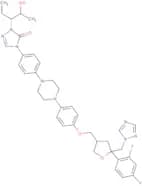
CAS:Posaconazole-d5 is a deuterated form of the antifungal agent posaconazole, which is a synthetic compound derived from triazole. The substitution of hydrogen atoms with deuterium in this compound allows for enhanced stability and differentiation in analytical applications, particularly in pharmacokinetic and metabolic studies.Fórmula:C37H42F2N8O4Pureza:Min. 95%Peso molecular:705.8 g/molPSI-7409
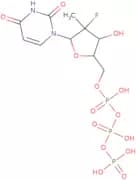
CAS:PSI-7409 is a novel antimicrobial compound, which is synthetically derived with a unique mechanism of action. This compound is engineered through a complex synthesis process ensuring high purity and efficacy. PSI-7409 exerts its effects by disrupting bacterial cell wall synthesis, leading to cell lysis and death. Its precise mode of interaction on the molecular level involves inhibition of key enzymatic pathways essential for peptidoglycan assembly, thereby compromising the structural integrity of bacterial cells.
Fórmula:C10H16FN2O14P3Pureza:Min. 95%Peso molecular:500.16 g/molFluxapyroxad-N-desmethyl
CAS:Fluxapyroxad-N-desmethyl is a fungicidal metabolite, which is derived from the parent compound fluxapyroxad, a pyridine carboxamide fungicide. The source of this compound is through the biological or chemical transformation of fluxapyroxad, which involves demethylation. Its mode of action involves the inhibition of succinate dehydrogenase, an essential enzyme in the fungal pathogen's mitochondrial electron transport chain. This inhibition results in disruption of energy production within the fungal cells, ultimately leading to their death.Fórmula:C17H10F5N3OPureza:Min. 95%Peso molecular:367.27 g/molFenbuconazole-lactone B rh-9130
CAS:Fenbuconazole-lactone B rh-9130 is an azole fungicide, which is a chemically synthesized compound. It is derived from the lactone form of fenbuconazole, an established triazole fungicide, and designed to inhibit sterol biosynthesis. Its mode of action involves disrupting the synthesis of ergosterol, a critical component of fungal cell membranes, thereby impeding fungal growth and reproduction.Fórmula:C19H16ClN3O2Pureza:Min. 95%Peso molecular:353.8 g/molN-Biotinyl-12-aminododecanoyltobramycin amide
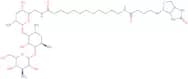
CAS:N-Biotinyl-12-aminododecanoyltobramycin amide is a synthetic bioconjugate, which is derived from the aminoglycoside antibiotic tobramycin. This compound is chemically modified by the addition of a biotin moiety linked through a 12-aminododecanoyl spacer. The source of this product is rooted in the conjugation of biotin to tobramycin, allowing for targeted delivery and potential hybrid applications in both therapeutic and diagnostic fields.
Fórmula:C40H74N8O12SPureza:Min. 95%Peso molecular:891.13 g/mol3'-N-Desmethyl-3'-N-formyl azithromycin
CAS:3'-N-Desmethyl-3'-N-formyl azithromycin is a semi-synthetic macrolide antibiotic, derived from the well-known azithromycin. It is created through structural modification, where the 3'-N-demethylated and 3'-N-formyl groups enhance its pharmacokinetic properties and potentially improve its antimicrobial efficacy.Fórmula:C38H70N2O13Pureza:Min. 95%Peso molecular:762.97 g/molDidesethyl chloroquine hydroxyacetamide-d4
CAS:Didesethyl chloroquine hydroxyacetamide-d4 is a deuterated pharmaceutical compound, which serves as a stable isotope-labeled analog. Such compounds are often synthesized in specialized laboratories for research purposes, providing insightful data on pharmacokinetics and metabolic pathways. The deuteration, involving the replacement of hydrogen atoms with deuterium, offers enhanced accuracy in mass spectrometry analysis due to its unique isotopic signature.
Fórmula:C16H20ClN3O2Pureza:Min. 95%Peso molecular:325.82 g/molCarbovir
CAS:Carbovir is a nucleoside reverse transcriptase inhibitor (NRTI), which is derived from carbocyclic nucleosides. Its mode of action involves the selective inhibition of the reverse transcriptase enzyme, an essential component in the replication cycle of retroviruses, such as HIV. By incorporating into the viral DNA chain during synthesis, Carbovir effectively halts chain elongation, thereby impeding the virus's ability to proliferate.Fórmula:C11H13N5O2Pureza:Min. 95%Peso molecular:247.25 g/mol8-Hydroxy-3,5,6,7,3',4'-hexamethoxyflavone
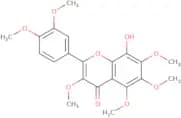
CAS:8-Hydroxy-3,5,6,7,3',4'-hexamethoxyflavone is a flavonoid compound, which is a naturally occurring polyphenolic substance found predominantly in various citrus fruits. As part of the flavone class of flavonoids, its structure is characterized by the presence of multiple methoxy and hydroxyl groups. These functional groups contribute to its biochemical properties, particularly its ability to act as an electron donor.Fórmula:C21H22O9Pureza:Min. 95%Peso molecular:418.4 g/molSatranidazole
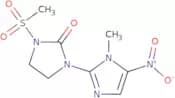
CAS:Satranidazole is an antimicrobial agent that falls under the category of synthetic nitroimidazoles. It is derived from chemical synthesis and is designed to combat infections caused by specific organisms. The mode of action involves the reduction of the nitro group within the organism, creating reactive intermediates that disrupt DNA synthesis and lead to cell death. This mode of action is notably effective against protozoal infections and anaerobic bacterial infections.
Fórmula:C8H11N5O5SPureza:Min. 95%Peso molecular:289.27 g/molTunicamycin
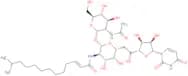
CAS:Inhibitor of N-glycosylation in eukaryotes
Fórmula:C37H60N4O16Pureza:Min. 95%Cor e Forma:PowderPeso molecular:816.89Virginiamycin M1
CAS:Inhibitor of protein synthesis; streptogramin
Fórmula:C28H35N3O7Pureza:Min. 95%Peso molecular:525.59 g/molFlorpyrauxifen
CAS:Florpyrauxifen is a synthetic auxin herbicide, which is derived from chemical synthesis. It functions by mimicking natural plant hormones called auxins, which regulate plant growth and development. The mode of action involves disrupting normal cellular function by causing uncontrolled growth, leading to plant death.
Fórmula:C13H8Cl2F2N2O3Pureza:Min. 95%Peso molecular:349.11 g/molTazobactam diphenylmethyl ester
CAS:Tazobactam diphenylmethyl ester is a chemical compound that serves as a precursor or intermediate in the synthesis of beta-lactamase inhibitors. This product originates from synthetic organic chemistry and plays a crucial role in antibiotic research and development. Its mode of action involves modifying or blocking the active site of beta-lactamase enzymes, which are responsible for granting bacteria resistance to beta-lactam antibiotics.
Fórmula:C23H22N4O5SPureza:Min. 95%Peso molecular:466.5 g/molPhthalic acid, bis[2-(2-ethoxyethoxy)ethyl] ester
CAS:Phthalic acid, bis[2-(2-ethoxyethoxy)ethyl] ester is a specialized industrial plasticizer, which is a type of additive used to enhance the flexibility and durability of polymer-based materials. It is derived from phthalic acid through esterification with ethylene glycol ether derivatives, resulting in a compound that effectively reduces the brittleness of plastic formulations by increasing their plasticity.Fórmula:C20H30O8Pureza:Min. 95%Peso molecular:398.4 g/molAWZ1066S
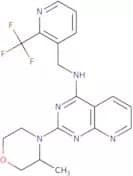
CAS:AWZ1066S is a synthetic analog, which is a chemically engineered compound designed to mimic or influence biological molecules. This product is derived from sophisticated organic synthesis techniques that enable the precise modification of its molecular structure to enhance its specificity and efficacy. AWZ1066S operates through targeted binding to specific biomolecules or receptors, thereby modulating their function or facilitating their detection in complex biological systems.Fórmula:C19H19F3N6OPureza:Min. 95%Peso molecular:404.4 g/molAvermectin a1b
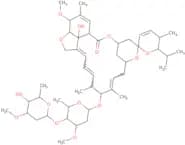
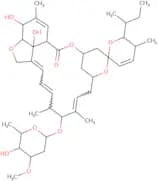
CAS:Avermectin A1b is an antiparasitic compound, which is a macrocyclic lactone isolated from the soil bacterium *Streptomyces avermitilis*. This compound functions primarily by enhancing the release of gamma-aminobutyric acid (GABA) and binding to glutamate-gated chloride channels in nerve and muscle cells of parasites. This interaction leads to an increase in the permeability of cell membranes to chloride ions, resulting in paralysis and death of the parasite.
Fórmula:C48H72O14Pureza:Min. 95%Peso molecular:873.1 g/molPuromycin aminonucleoside
CAS:Inducer of apoptosis; translational inhibitor; aminonucleoside antibiotic
Fórmula:C12H18N6O3Pureza:Min. 95%Peso molecular:294.31 g/molGriseoluteic acid
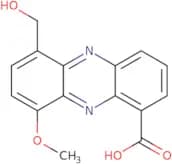
CAS:Griseoluteic acid is a cyclic lipopeptide that inhibits bacterial growth by binding to the enzyme cyclase, which is involved in the production of cyclic AMP. Griseoluteic acid also inhibits the synthesis of rRNA (ribosomal RNA), which is required for protein synthesis. The compound has been shown to have a high degree of resistance against antibiotic-resistant strains and exhibits a low toxicity profile in vitro. Griseoluteic acid also has an inhibitory effect on hydrogen bonding interactions, which may be due to its ability to inhibit energy metabolism. This compound also exhibits anti-inflammatory properties and has been shown to have neurodevelopmental effects in animal models.
Fórmula:C15H12N2O4Pureza:Min. 95%Peso molecular:284.27 g/molTriazoxide-desoxy
CAS:Triazoxide-desoxy is an investigational compound, which is a synthetic derivative of triazoxide, originating from pharmacological research aimed at modulating physiological pathways. This compound acts primarily by influencing ion channel activity at a cellular level, impacting the regulation of potassium channels which are crucial for maintaining cellular homeostasis and signaling.Fórmula:C10H6ClN5Pureza:Min. 95%Peso molecular:231.64 g/mol4′-O-De(2,6-dideoxy-3-O-methyl-α-L-arabino-hexopyranosyl)-5-O-demethylavermectin A1a
CAS:4′-O-De(2,6-dideoxy-3-O-methyl-α-L-arabino-hexopyranosyl)-5-O-demethylavermectin A1a is a semi-synthetic derivative of avermectin, which is a naturally occurring compound isolated from the fermentation broth of the soil bacterium *Streptomyces avermitilis*. This compound exhibits potent antiparasitic activity by targeting the glutamate-gated chloride channels in the nervous systems of parasitic organisms. By binding and activating these channels, it increases the permeability of the cell membrane to chloride ions, resulting in paralysis and death of the parasite.Fórmula:C41H60O11Pureza:Min. 95%Peso molecular:728.91 g/molCefotiam
CAS:Cefotiam is a broad-spectrum cephalosporin antibiotic, which is a beta-lactam compound derived from the mold Acremonium. It functions by inhibiting bacterial cell wall synthesis, particularly by targeting penicillin-binding proteins, which leads to cell lysis and death in susceptible bacteria. This mechanism of action makes it effective against various Gram-positive and Gram-negative bacteria.
Fórmula:C18H23N9O4S3Pureza:Min. 95%Cor e Forma:PowderPeso molecular:525.62 g/molBaumycin C1
CAS:Baumycin C1 is an anthracycline-type antibiotic, which is derived from the bacterium *Streptomyces coeruleorubidus*. The mode of action of Baumycin C1 involves intercalating into DNA strands, thereby disrupting the process of DNA synthesis and replication. This intercalation results in the inhibition of topoisomerase II, an enzyme crucial for DNA unwinding, leading to the generation of double-strand breaks and subsequent interruption of cellular proliferation.
Fórmula:C28H29NO11Pureza:Min. 95%Peso molecular:555.5 g/molAcetoxypolygodial
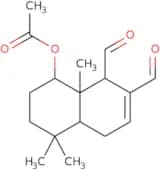
CAS:Acetoxypolygodial is a sesquiterpenoid compound, which is a naturally derived product from the roots of the plant Polygonum hydropiper. This compound exhibits its mode of action through its ability to disrupt microbial cell membranes, leading to increased permeability and eventual cell death. Its primary mechanism involves direct interaction with lipid bilayers, causing destabilization.Fórmula:C17H24O4Pureza:Min. 95%Peso molecular:292.4 g/molWF-3681
CAS:WF-3681 is a chemical compound utilized as an insecticide, which is synthesized from organic compounds through a controlled chemical process. The mode of action for WF-3681 involves the disruption of the neural pathways in target insects, leading to paralysis and eventual death. This mechanism specifically interferes with neurotransmitter functions, ensuring efficacy against a broad range of agricultural pests. The compound's specificity minimizes impacts on non-target organisms and the surrounding environment.Fórmula:C13H12O5Pureza:Min. 95%Peso molecular:248.23 g/molA2ti-2
CAS:A2ti-2 is an advanced metallurgical alloy, which is a synthesized product combining high-grade titanium and aluminum elements. It is engineered through a precise metallurgical process that involves controlled alloying at elevated temperatures, optimizing the atomic structure for superior performance traits. The mode of action for A2ti-2 involves its exceptional ability to maintain stability under extreme temperatures, providing resistance to thermal degradation and mechanical stress.Fórmula:C18H18N4O2SPureza:Min. 95%Peso molecular:354.4 g/mol2'-O-Acetylspiramycin I
CAS:2'-O-Acetylspiramycin I is a semi-synthetic derivative of spiramycin, which is a macrolide antibiotic originally sourced from the bacterium *Streptomyces ambofaciens*. The modification involves the acetylation at the 2'-hydroxyl group of spiramycin, enhancing certain pharmacokinetic properties.Fórmula:C45H76N2O15Pureza:Min. 95%Peso molecular:885.09 g/molFosravuconazole
CAS:Fosravuconazole is an antifungal agent, classified as a triazole antifungal, which is developed from a synthetic chemical source. It operates as a prodrug of ravuconazole, meaning that after administration, fosravuconazole is converted into its active form in the body. This conversion enhances the absorption and bioavailability of the drug, providing improved treatment efficacy against fungal infections.Fórmula:C23H20F2N5O5PSPureza:Min. 95%Peso molecular:547.5 g/molSultasin
CAS:Sultasin is a combination antibiotic product, which is derived from the synthesis of sulbactam, a β-lactamase inhibitor, and ampicillin, a β-lactam antibiotic. The mode of action of Sultasin involves the inhibition of bacterial cell wall synthesis. Ampicillin works by attaching to penicillin-binding proteins (PBPs) inside the bacterial cell wall, disrupting the final transpeptidation step of peptidoglycan synthesis, which leads to cell lysis. Sulbactam enhances the efficacy of ampicillin by inhibiting β-lactamase enzymes produced by resistant bacterial strains, thereby preventing the degradation of the antibiotic.Fórmula:C25H29N3Na2O9S2Pureza:Min. 95%Peso molecular:625.6 g/molAlbendazole-2-aminosulfoxide
CAS:Albendazole-2-aminosulfoxide is a metabolite of the benzimidazole class of antiparasitic agents, which is derived from the biotransformation of albendazole in the liver. As a potent bioactive compound, its mode of action primarily involves the selective binding to the β-tubulin of parasitic organisms, disrupting the polymerization of microtubules necessary for their cellular structures. This disruption impedes vital processes such as glucose uptake and cellular division, leading to parasite death.Fórmula:C10H13N3OSPureza:Min. 95%Peso molecular:223.3 g/molBO3482
CAS:Please enquire for more information about BO3482 including the price, delivery time and more detailed product information at the technical inquiry form on this pageFórmula:C14H20N2NaO5S2Pureza:Min. 95%Peso molecular:383.4 g/molMitomycin D
CAS:Mitomycin D is an antibiotic and chemotherapeutic agent known for its ability to inhibit DNA synthesis, making it a potent antitumor agent. It is derived from the bacterium *Streptomyces caespitosus*. Mitomycin D functions as a DNA crosslinking agent by alkylating the DNA strands, which interferes with DNA replication and transcription. This mechanism leads to the cessation of cellular division and ultimately induces apoptosis in rapidly dividing cells.Fórmula:C15H18N4O5Pureza:Min. 95%Peso molecular:334.33 g/molCycloxydim-sulfone-glutaric acid
CAS:Cycloxydim-sulfone-glutaric acid is a synthesized herbicide, which is a derivative of cycloxydim, a cyclohexanedione compound. It is characterized by its ability to effectively inhibit acetyl-CoA carboxylase, an enzyme crucial in fatty acid biosynthesis within plant systems. The source of this compound is primarily through complex chemical synthesis processes that combine its constituent elements to enhance its stability and efficacy as a herbicide.
Fórmula:C10H16O6SPureza:Min. 95%Peso molecular:264.3 g/molAclacinomycin HCl
CAS:Aclacinomycin HCl is a cytotoxic antibiotic that inhibits the growth of tumor cells. It has been shown to induce apoptosis in human leukemia cells by altering the transmembrane potential and inhibiting cell proliferation. Aclacinomycin HCl also induces DNA damage response, which leads to caspase activities and cell death. This drug is highly selective for tumor cells, with no effect on normal cells. It has been shown to be effective against primary liver cancer in animal models, as well as developmental disorders such as autism spectrum disorder (ASD).
Fórmula:C42H53NO15·HClPureza:Min. 95%Cor e Forma:Orange PowderPeso molecular:848.33 g/molArtelinic acid
CAS:Artelinic acid is a synthetic antimalarial agent, which is derived from artemisinin, a natural compound sourced from the sweet wormwood plant (Artemisia annua). The mode of action of Artelinic acid involves the generation of free radicals within the Plasmodium parasite, leading to oxidative stress and damage to the parasite’s cellular components, ultimately resulting in parasite death. This mechanism is particularly effective against Plasmodium species, including those strains resistant to other antimalarial drugs.
Fórmula:C23H30O7Pureza:Min. 95%Peso molecular:418.5 g/molNeticonazole
CAS:Neticonazole is a synthetic antifungal compound, which is derived from pharmaceutical chemical synthesis. It functions primarily as an imidazole derivative, disrupting the synthesis of ergosterol, a crucial component of fungal cell membranes. This interference leads to increased cell membrane permeability, ultimately causing cell lysis and death of the fungal organism.
Fórmula:C17H22N2OSPureza:Min. 95%Peso molecular:302.4 g/molGatifloxacin hydrate
CAS:Gatifloxacin hydrate is a fluoroquinolone antibiotic, which is synthesized chemically. It exerts its bactericidal effects primarily by inhibiting bacterial DNA gyrase and topoisomerase IV. These enzymes are crucial for bacterial DNA replication, transcription, and repair. By preventing these processes, gatifloxacin effectively halts bacterial cell division, ultimately leading to cell death.
Fórmula:C19H24FN3O5Pureza:Min. 95%Peso molecular:393.4 g/molBleomycin HCl
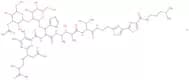
CAS:Inducer of DNA strand breaks; glycopeptide antibiotic, anti-neoplasticFórmula:C50H71N16O21S2R•(HCl)xPureza:Min. 95%Cor e Forma:White To Off-White SolidDimethenamid-oxalamid
CAS:Dimethenamid-oxalamid is a pre-emergent herbicide, which is a synthetic compound developed for agricultural use. It is derived from research focused on improving crop protection through chemical innovation. The mode of action involves inhibiting the synthesis of very long-chain fatty acids (VLCFAs) in weeds, disrupting their cell division and growth processes, ultimately leading to the prevention of weed emergence.
Fórmula:C12H17NO4SPureza:Min. 95%Peso molecular:271.33 g/mol7-epi-Clindamycin
CAS:7-epi-Clindamycin is a clindamycin derivative, which is a semisynthetic antibiotic derived from the bacterium *Streptomyces lincolnensis*. Its mode of action involves binding to the 50S subunit of the bacterial ribosome, thereby inhibiting protein synthesis. This results in the suppression of bacterial growth, making it effective against certain Gram-positive bacteria and anaerobic species.Fórmula:C18H34Cl2N2O5SPureza:Min. 95%Cor e Forma:White To Off-White SolidPeso molecular:461.44 g/molFaldaprevir
CAS:Hepatitis C virus protease inhibitorFórmula:C40H49BrN6O9SPureza:Min. 95%Cor e Forma:White PowderPeso molecular:869.82 g/molTelavancin
CAS:Telavancin is a lipoglycopeptide antibiotic, which is a semi-synthetic derivative of vancomycin. Its source is derived through modifications of the glycopeptide antibiotic, specifically aimed to enhance antibacterial activity. Telavancin functions by inhibiting cell wall synthesis in Gram-positive bacteria, including methicillin-resistant Staphylococcus aureus (MRSA). It does this by binding to the D-alanyl-D-alanine terminus of cell wall precursors, disrupting peptidoglycan polymerization and, consequently, cell wall integrity. Additionally, Telavancin increases membrane permeability and disrupts membrane potential, further enhancing its bactericidal activity.
Fórmula:C80H106Cl2N11O27PPureza:Min. 95%Peso molecular:1,755.64 g/molQuinthiophos
CAS:Quinthiophos is an organophosphate insecticide, which is synthesized chemically. Its mode of action involves the inhibition of the enzyme acetylcholinesterase, which is critical in nerve function. By disrupting this enzyme, quinthiophos causes an accumulation of acetylcholine at the synapses, leading to continual nerve signal transmission, paralysis, and eventual death of the targeted pests.
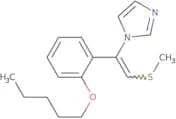
Fórmula:C17H16NO2PSPureza:Min. 95%Peso molecular:329.4 g/molSpiromesifen-alcohol-4-hydroxymethyl
CAS:Spiromesifen-alcohol-4-hydroxymethyl is a selective miticide, which is a derivative of spiromesifen. This compound is sourced from novel chemical synthesis approaches focusing on the manipulation of chemical structures to improve efficacy and selectivity. The mode of action of Spiromesifen-alcohol-4-hydroxymethyl centers on disrupting the lipid biosynthesis pathway within target mites and whiteflies. By inhibiting acetyl-CoA carboxylase, it leads to impaired energy storage and membrane biosynthesis, ultimately causing the mortality of these pests.
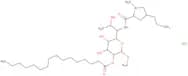
Fórmula:C17H20O4Pureza:Min. 95%Peso molecular:288.34 g/molLincomycin 2-palmitate hydrochloride
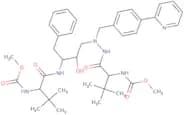
CAS:Lincomycin 2-palmitate hydrochloride is a semi-synthetic antibiotic, derived from the natural antibiotic lincomycin through chemical modification. It is sourced from fermentative processes involving the bacterium *Streptomyces lincolnensis*. The compound exerts its action by inhibiting protein synthesis in susceptible bacteria. This occurs through its binding to the 50S subunit of the bacterial ribosome, thereby hindering peptide chain elongation and ultimately arresting bacterial growth.Fórmula:C34H65ClN2O7SPureza:Min. 95%Peso molecular:681.41 g/molAtazanavir-d5
CAS:Atazanavir-d5 is an isotopically labeled variant of the antiretroviral drug Atazanavir, a non-peptidic HIV-1 protease inhibitor. It is synthesized using stable isotope labeling, specifically deuterium, which replaces five hydrogen atoms. The mechanism of action involves binding to the active site of the HIV-1 protease enzyme, a critical enzyme in the replication cycle of HIV, thereby preventing the cleavage of the viral gag-pol polyprotein precursors into the mature protein components of an infectious viral particle.Fórmula:C38H52N6O7Pureza:Min. 95%Peso molecular:709.9 g/molAtherosperminine
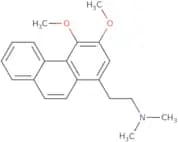
CAS:Produto ControladoAtherosperminine is an alkaloid compound, which is a bioactive chemical derived from plants. Specifically, it is sourced from members of the Lauraceae family, such as Atherosperma moschatum. This compound exhibits a range of pharmacological activities that are of significant interest to researchers. The mode of action of atherosperminine involves interactions with various biological pathways, potentially affecting physiological processes and exhibiting therapeutic effects.Fórmula:C20H23NO2Pureza:Min. 95%Peso molecular:309.4 g/molSE 563
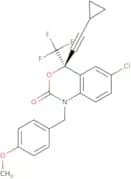
CAS:SE 563 is a biocontrol agent, which is an organism-based product derived from natural sources. It is sourced from a specific strain of entomopathogenic nematodes known for their effectiveness in targeting and controlling insect pests. The mode of action involves the nematodes seeking out their insect hosts in the soil, entering through natural openings, and releasing symbiotic bacteria that kill the host from within.
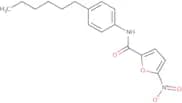
Fórmula:C22H17ClF3NO3Pureza:Min. 95%Peso molecular:435.08491N-(4-Hexylphenyl)-5-nitro-2-furancarboxamide
CAS:N-(4-Hexylphenyl)-5-nitro-2-furancarboxamide is a synthetic organic compound, categorized as a nitroaromatic amide. It is synthesized through a condensation reaction involving 4-hexylphenylamine and 5-nitro-2-furancarboxylic acid. The compound's mode of action involves the potential to interfere with specific biomolecular interactions due to its structure, which includes a nitro group capable of engaging in electron transfer reactions. These interactions may modulate enzymatic activities or alter binding affinities between proteins and other biomolecules.Fórmula:C17H20N2O4Pureza:Min. 95%Peso molecular:316.35 g/mol




![Phthalic acid, bis[2-(2-ethoxyethoxy)ethyl] ester](/_next/image/?url=https%3A%2Fstatic.cymitquimica.com%2Fproducts%2F3D%2Fthumb-webp%2FAAA11785.webp&w=3840&q=75)