Terpenóides
Os terpenoides, também conhecidos como isoprenoides, são a maior classe de compostos orgânicos naturais, derivados de unidades de isopreno de cinco carbonos. Eles são encontrados em diversas plantas e são conhecidos por suas propriedades aromáticas, bem como por seu papel na defesa e sinalização das plantas. Os terpenoides têm sido amplamente estudados por seus efeitos terapêuticos, incluindo propriedades anti-inflamatórias, antimicrobianas e anticancerígenas. Eles são usados nas indústrias farmacêutica, cosmética e alimentícia devido aos seus benefícios para a saúde e qualidades aromáticas. Na CymitQuimica, você encontrará uma ampla seleção de terpenoides, essenciais para a pesquisa em biologia vegetal, farmacologia e síntese de produtos naturais.
Subcategorias de "Terpenóides"
- Diterpenos (C₂₀)(671 produtos)
- Hemiterpenos (C₅)(21 produtos)
- Monoterpenos (C₁₀)(709 produtos)
- Sesquiterpenos (C₂₅)(452 produtos)
- Tetraterpenos (C₄₀)(63 produtos)
- Triterpenos (C₃₀)(1.130 produtos)
Foram encontrados 1423 produtos de "Terpenóides"
Ordenar por
Pureza (%)
0
100
|
0
|
50
|
90
|
95
|
100
llludin S
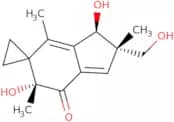
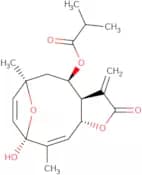
CAS:<p>Illudin S is a sesquiterpene toxin, which is a naturally occurring compound isolated from several species of fungi belonging to the genus Omphalotus, such as Omphalotus olearius, commonly known as the Jack-o'-lantern mushroom. Its mode of action involves alkylating DNA, which leads to DNA cross-linking and subsequent inhibition of DNA synthesis. This mechanism renders it highly cytotoxic, as it can induce cell death by disrupting normal cellular replication processes.</p>Fórmula:C15H20O4Pureza:Min. 95%Peso molecular:264.13616Juvenile hormone I
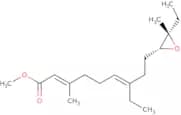
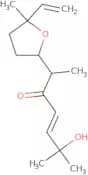
CAS:Juvenile hormone I is a sesquiterpenoid hormone, which is an endogenous regulatory compound found in insects. Its source is primarily the corpora allata, a pair of endocrine glands associated with the insect brain. Juvenile hormone I functions by modulating the expression of specific genes involved in development, metamorphosis, and reproduction, acting through a receptor-mediated mechanism that influences the transcriptional activity of target genes.Fórmula:C18H30O3Pureza:Min. 95%Cor e Forma:Clear LiquidPeso molecular:294.43 g/molα-Selinine
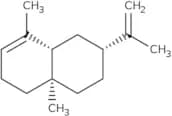
CAS:alpha-Selinine is a sesquiterpene compound, which is a naturally occurring organic molecule. It is extracted primarily from the essential oils of certain plant species, such as those within the Apiaceae family, including celery and parsley. The compound’s mode of action involves interactions at the molecular level with cellular targets, which can influence a range of biological pathways. Studies suggest that alpha-Selinine may exhibit various bioactivities, including antimicrobial, anti-inflammatory, and antioxidant effects, by modulating enzyme activity and cell signaling pathways.Fórmula:C15H24Pureza:85%MinPeso molecular:204.35 g/mol(+)-Nootkatone
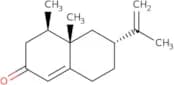
CAS:<p>Flavour and scent of grapefruit</p>Fórmula:C15H22OPureza:Min. 95%Peso molecular:218.33 g/molTagitinin A
CAS:<p>Tagitinin A is a naturally occurring sesquiterpene lactone, which is derived from the plant *Tithonia diversifolia*. This compound is known for its potential therapeutic properties, particularly in the field of oncology. As a sesquiterpene lactone, Tagitinin A is part of a larger class of secondary metabolites found in various plant species, which often exhibit diverse biological activities.</p>Pureza:Min. 95%Prosaikogenin F
CAS:<p>Prosaikogenin F is a saponin derivative, which is a bioactive compound typically derived from ginseng or related plants within the Araliaceae family. These sources are renowned for their complex saponins, known as ginsenosides, which play significant roles in traditional medicine and modern pharmacology.</p>Fórmula:C36H58O8Pureza:Min. 95%Peso molecular:618.84 g/molEscin Ib
CAS:<p>Escin Ib is a natural saponin glycoside, which is derived from the seeds of Aesculus hippocastanum, commonly known as horse chestnut. Its mode of action involves inhibiting the enzyme hyaluronidase, thereby reducing capillary permeability and effectively controlling edema and inflammation. Additionally, it acts by stabilizing lysosomal membranes, further contributing to its anti-inflammatory effects.</p>Pureza:Min. 95%8(17)13-Labdadiene-15,18-diol - Xcupressocyparis leylandii (cypress)
CAS:8(17)13-Labdadiene-15,18-diol is a diterpenoid compound, which is derived from the hybrid plant Xcupressocyparis leylandii, commonly known as Leyland cypress. This compound belongs to the labdane-type diterpenes, which are known for their diverse biological activities. The source, Xcupressocyparis leylandii, is a fast-growing evergreen tree often used in horticulture.Fórmula:C20H34O2Pureza:Min. 95%Peso molecular:306.48 g/molDaucene
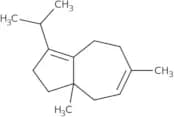
CAS:Daucene is a sesquiterpene lactone, which is isolated from plant sources, particularly from certain species of the Apiaceae family. It functions through modulating cellular pathways, primarily by inhibiting the NF-κB signaling pathway and inducing apoptosis in cancerous cells. This biochemical mode of action demonstrates Daucene's potential in disrupting cancer cell proliferation and promoting cell cycle arrest.Fórmula:C15H24Pureza:Min. 95%Peso molecular:204.35 g/mol8(17)13-Labdadien-15-ol - Pinus halepensis (Aleppo pine)
CAS:8(17)13-Labdadien-15-ol is a sesquiterpene alcohol, which is a bioactive compound originating from the oleoresin of Pinus halepensis, commonly known as the Aleppo pine. This compound is naturally produced in the pine’s resin and plays a critical role in the plant's defense mechanisms against pathogens and herbivores. Its mode of action involves disrupting the cell membranes of these invaders, ultimately impeding their growth and survival.Fórmula:C15H24O3Pureza:Min. 95%Peso molecular:252.35 g/molEscin IA
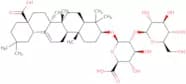
CAS:Escin IA is a potent anti-inflammatory agent, which is a natural compound extracted from the seeds of the horse chestnut tree (Aesculus hippocastanum). This triterpenoid saponin operates by enhancing blood circulation and reducing capillary permeability through the stabilization of endothelial barriers. Additionally, it exhibits anti-edematous and venotonic activities by modifying vascular wall integrity and decreasing inflammatory mediators. Escin IA is widely utilized in biomedical research for its therapeutic potential in the management of chronic venous insufficiency, edema, and associated conditions. Its unique mechanism of action provides an intriguing area of study for scientists exploring vascular health, anti-inflammatory strategies, and natural therapeutic compounds. The ongoing research continues to validate its efficacy and explore broader applications in vascular and inflammatory disorders.Pureza:Min. 95%Tagitinin F
CAS:<p>Tagitinin F is a sesquiterpene lactone, which is an organic compound derived from the aerial parts of the plant *Tithonia diversifolia*, commonly known as the Mexican sunflower. This plant-based compound functions through a mechanism that involves modulation of various cellular pathways, notably those related to inflammation and cancer progression, by interacting with cellular proteins and inhibiting key signaling molecules.</p>Pureza:Min. 95%Geniposide
CAS:<p>Geniposide is a natural iridoid glycoside, which is found in the fruit of Gardenia jasminoides Ellis, a plant commonly used in traditional Chinese medicine. As a prominent secondary metabolite, geniposide plays a critical role in various biological pathways. It undergoes enzymatic hydrolysis to genipin, which is believed to be the active component responsible for many of its biological effects.</p>Fórmula:C17H24O10Pureza:Min. 95.0 Area-%Peso molecular:388.37 g/molRef: 3D-Q-100317
1kgA consultar50gA consultar100gA consultar250gA consultar500gA consultar-Unit-ggA consultarNerolidol (cis/trans)
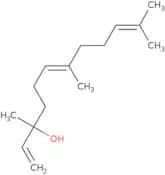
CAS:Nerolidol (cis/trans) is a naturally occurring sesquiterpene alcohol, which is typically sourced from essential oils of several aromatic plants, including lavender, jasmine, and tea tree. Its chemical structure includes two isomers: cis and trans, which differ in the spatial arrangement of their atoms, influencing their olfactory and biological activities.Fórmula:C15H26OPureza:Min. 95%Cor e Forma:Clear LiquidPeso molecular:222.37 g/molXylopic acid
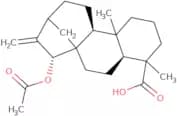
CAS:<p>Xylopic acid is a bioactive compound, which is a diterpenoid isolated from the plant species Xylopia aethiopica. This compound is derived primarily from the fruits of the plant, often referred to as the African pepper or grains of Selim. Xylopic acid exhibits its mode of action by interacting with various biological pathways, including anti-inflammatory and antimicrobial processes, as well as modulating specific cellular receptors and enzymatic activities.</p>Fórmula:C22H32O4Pureza:Min. 95%Peso molecular:360.49 g/molGypenoside L
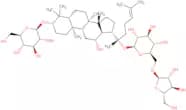
CAS:Gypenoside L is a saponin compound, which is a secondary metabolite derived from the plant Gynostemma pentaphyllum. This herbaceous plant, commonly known as Jiaogulan, is native to South China and other parts of Asia, where it has been traditionally used in herbal medicine. The mode of action of Gypenoside L involves modulating various biochemical pathways, potentially influencing cellular signaling and metabolic processes. It is known for its role in activating AMP-activated protein kinase (AMPK) pathways, enhancing cellular energy homeostasis, and exhibiting antioxidant properties.Fórmula:C42H72O14Pureza:Min. 95%Peso molecular:801.01 g/molZingibroside R1
CAS:Triterpenoid saponin with anti-tumour and antiangiogenic activityFórmula:C42H66O14Pureza:Min. 95%Peso molecular:794.97 g/molDanshenxinkun A
CAS:<p>Danshenxinkun A is a herbal compound, which is derived from the root of Salvia miltiorrhiza, commonly known as Danshen. This product utilizes the bioactive constituents of the plant, primarily focusing on its polyphenolic compounds. The mode of action involves modulating various biological pathways, including antioxidant activity, vasodilation, and anti-inflammatory responses, which contribute to enhanced cardiovascular function.</p>Fórmula:C18H16O4Pureza:Min. 95%Cor e Forma:PowderPeso molecular:296.32 g/molNotoginsenoside Fe
CAS:Notoginsenoside Fe is a bioactive saponin, which is a natural compound sourced from the roots of the Panax notoginseng plant, commonly used in traditional Chinese medicine. This compound is part of the ginsenoside family and is known for its diverse pharmacological properties. As a saponin, Notoginsenoside Fe operates by modulating various biological pathways, including anti-inflammatory and antioxidant effects, which contribute to its therapeutic potential.Fórmula:C47H80O17Pureza:Min. 95%Cor e Forma:SolidPeso molecular:917.13 g/molCarvacrol
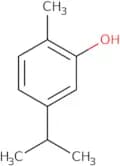
CAS:Carvacrol is a monoterpenoid phenol, which is primarily derived from essential oils of various aromatic plants, notably oregano (Origanum vulgare) and thyme (Thymus vulgaris). It exhibits potent antimicrobial activity by disrupting microbial cell membranes, leading to leakage of cellular contents and ultimately, cell death. Carvacrol's mechanism also includes inhibition of biofilm formation and interference with quorum sensing pathways in bacteria, enhancing its therapeutic potential.Fórmula:C10H14OPureza:Min. 95%Cor e Forma:Colorless Clear LiquidPeso molecular:150.22 g/mol