Terpenóides
Os terpenoides, também conhecidos como isoprenoides, são a maior classe de compostos orgânicos naturais, derivados de unidades de isopreno de cinco carbonos. Eles são encontrados em diversas plantas e são conhecidos por suas propriedades aromáticas, bem como por seu papel na defesa e sinalização das plantas. Os terpenoides têm sido amplamente estudados por seus efeitos terapêuticos, incluindo propriedades anti-inflamatórias, antimicrobianas e anticancerígenas. Eles são usados nas indústrias farmacêutica, cosmética e alimentícia devido aos seus benefícios para a saúde e qualidades aromáticas. Na CymitQuimica, você encontrará uma ampla seleção de terpenoides, essenciais para a pesquisa em biologia vegetal, farmacologia e síntese de produtos naturais.
Subcategorias de "Terpenóides"
- Diterpenos (C₂₀)(671 produtos)
- Hemiterpenos (C₅)(21 produtos)
- Monoterpenos (C₁₀)(709 produtos)
- Sesquiterpenos (C₂₅)(452 produtos)
- Tetraterpenos (C₄₀)(63 produtos)
- Triterpenos (C₃₀)(1.130 produtos)
Foram encontrados 1423 produtos de "Terpenóides"
Ordenar por
Pureza (%)
0
100
|
0
|
50
|
90
|
95
|
100
Sterebin A - Stevia rebaudiana
CAS:<p>Sterebin A is a natural sweetener, which is derived from the plant Stevia rebaudiana, a species native to South America. The primary source of Sterebin A is the leaves of this plant, which contain glycosides such as stevioside and rebaudioside. These glycosides interact with taste receptors on the tongue, providing a sweetness that is significantly more intense than sucrose, without the caloric content. The biochemical mechanism involves the binding of these compounds to specific receptor sites, simulating the perception of sweetness in humans.</p>Fórmula:C18H30O4Pureza:90%MinCor e Forma:PowderPeso molecular:310.43 g/molUrsolic acid - 90%
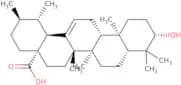
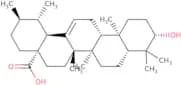
CAS:Produto ControladoUrsolic acid - 90% is a natural compound classified as a pentacyclic triterpenoid, which is derived predominantly from the waxy coating of apples, as well as other fruits and herbs such as rosemary and thyme. This highly concentrated form ensures a purity level suited for scientific research and application.Fórmula:C30H48O3Cor e Forma:White Off-White PowderPeso molecular:456.7 g/molAcetoxyvalerenic acid, valeriana officinalis (common valerian)
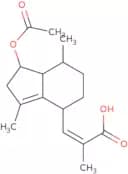
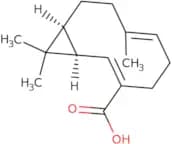
CAS:<p>**Acetoxyvalerenic acid** is a bioactive compound, which is a sesquiterpenic constituent derived from the roots of *Valeriana officinalis*, commonly known as valerian. This perennial flowering plant is indigenous to Europe and parts of Asia and has been historically utilized for its sedative and calming effects. Recent phytochemical studies have isolated acetoxyvalerenic acid as one of the active sesquiterpenoids contributing to these effects.</p>Fórmula:C17H24O4Pureza:Min. 90 Area-%Cor e Forma:Colorless Clear LiquidPeso molecular:292.37 g/molGinsenoside F11
CAS:<p>Ginsenoside F11 is a saponin compound, which is a bioactive component derived from Panax quinquefolius, commonly known as American ginseng. This compound is extracted from the roots of the plant, where it naturally occurs as part of its complex phytochemical profile. Ginsenoside F11 acts through multiple biochemical pathways, primarily by modulating neurotransmitter systems and exhibiting antioxidant properties. It influences cellular mechanisms by interacting with specific receptors and enzymes, thereby affecting signal transduction processes.</p>Pureza:Min. 95%Erythrodiol
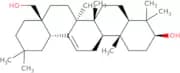
CAS:Produto Controlado<p>Erythrodiol is a pentacyclic triterpenoid alcohol, which is primarily derived from the hydrolysis of oleanolic acid, found predominantly in the leaves and fruits of the olive tree, Olea europaea. As a bioactive compound, it plays a significant role in various biological processes due to its potent antioxidant, anti-inflammatory, and cardioprotective properties.</p>Fórmula:C30H50O2Pureza:Min. 97 Area-%Cor e Forma:PowderPeso molecular:442.72 g/molManool
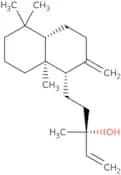
CAS:<p>Manool is a diterpene compound, which is derived from natural plant sources, predominantly from the essential oils of certain coniferous trees. It exhibits a unique cyclic structure and is classified within the group of labdane diterpenes. Manool is extracted through steam distillation of the plant material followed by purification processes to isolate its active form.</p>Fórmula:C20H34OPureza:Min. 90 Area-%Cor e Forma:Yellow PowderPeso molecular:290.48 g/molGinsenoside Rc
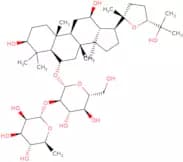
CAS:<p>Ginsenoside Rc is a bioactive compound, which is a triterpenoid saponin derived from the root of the Panax ginseng plant. It possesses a unique mode of action through its interaction with cell membrane receptors, influencing various signaling pathways. Among its many effects, Ginsenoside Rc modulates immune response, exhibits antioxidant properties, and can regulate glucose metabolism and cardiovascular function.</p>Fórmula:C53H90O22Pureza:Min. 98 Area-%Cor e Forma:White Off-White PowderPeso molecular:1,079.3 g/mol(20S)-Ginsenoside Rg3
CAS:<p>(20S)-Ginsenoside Rg3 is a bioactive saponin compound derived from the root of Panax ginseng. It is a naturally occurring component in ginseng, a traditional medicinal plant extensively studied for its diverse health benefits. The mode of action of (20S)-Ginsenoside Rg3 primarily involves the modulation of cellular pathways, such as the inhibition of tumor growth through apoptosis induction and anti-angiogenic effects. Additionally, it interacts with various signaling molecules, leading to its anti-inflammatory, antioxidant, and neuroprotective activities.</p>Fórmula:C42H72O13Pureza:Min. 98 Area-%Cor e Forma:White PowderPeso molecular:785.01 g/molBetulin diacetate
CAS:<p>Betulin diacetate is a synthesized compound derived from betulin, a naturally occurring triterpenoid. Betulin is primarily sourced from the bark of birch trees, specifically Betula species. The compound undergoes acetylation to form betulin diacetate, which enhances its solubility and bioavailability compared to its precursor.</p>Fórmula:C34H54O4Pureza:Min. 95%Cor e Forma:White Off-White PowderPeso molecular:526.79 g/molVolvalerenic acid
CAS:<p>Volvalerenic acid is a sesquiterpene compound, which is a naturally occurring organic constituent found in the roots of Valeriana species, particularly Valeriana officinalis. This compound is primarily obtained through the extraction of these roots utilizing organic solvents and further chromatographic purification methods.</p>Fórmula:C15H22O2Pureza:Min. 95%Peso molecular:234.33 g/molUrsolic acid - 98%
CAS:Produto Controlado<p>Ursolic acid - 98% is a naturally occurring triterpenoid compound, which is sourced primarily from the waxy coating of fruits, such as apples, as well as from several medicinal herbs like rosemary and holy basil. This compound is known to possess a variety of biological activities due to its molecular structure.</p>Fórmula:C30H48O3Cor e Forma:White Off-White PowderPeso molecular:456.7 g/molGentiopicroside
CAS:<p>Gentiopicroside is a bitter iridoid glycoside, which is predominantly sourced from plants of the Gentianaceae family, such as Gentiana lutea. It acts as a natural compound with several biological activities emanating from its unique chemical structure. The mode of action of gentiopicroside involves modulating various enzymatic pathways and exhibiting antioxidant properties due to its ability to scavenge free radicals and reduce oxidative stress.</p>Fórmula:C16H20O9Pureza:Min. 95%Cor e Forma:PowderPeso molecular:356.33 g/molPseudoginsenoside FII
CAS:Pseudoginsenoside FII is a ginsenoside derivative, which is an active saponin constituent derived from the plant Panax ginseng. This compound is known for its complex interaction with cellular pathways, primarily influencing metabolic and signaling processes within the human body. The mode of action involves modulation of various signal transduction pathways, including MAPK and PI3K/Akt, impacting apoptosis, proliferation, and differentiation of cells.Fórmula:C42H72O14Pureza:Min. 95%Cor e Forma:PowderPeso molecular:801.01 g/molValencene
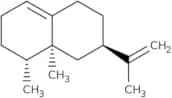
CAS:<p>Valencene is a sesquiterpene, which is a naturally occurring terpenoid hydrocarbon. It is primarily sourced from the essential oils of citrus fruits, particularly Valencia oranges. Its mode of action involves its volatile nature, which contributes to its distinctive, sweet, citrusy aroma. Valencene is often synthesized or extracted using advanced biotechnological methods, ensuring high purity and consistency.</p>Fórmula:C15H24Pureza:Min. 95%Cor e Forma:Colorless Clear LiquidPeso molecular:204.35 g/molBenzoylpaeoniflorin
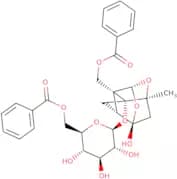
CAS:Benzoylpaeoniflorin is a glycoside, which is a naturally occurring compound found in certain plants. It is primarily sourced from the roots of *Paeonia lactiflora*, a herbaceous plant commonly used in traditional medicine. The compound exerts its effects through several mechanisms, including the inhibition of inflammatory mediators and modulation of oxidative stress pathways. Benzoylpaeoniflorin acts by targeting specific signaling pathways that regulate inflammation and cellular stress responses, contributing to its therapeutic potential.Fórmula:C30H32O12Pureza:Min. 95%Cor e Forma:White Off-White PowderPeso molecular:584.57 g/molSpathulenol
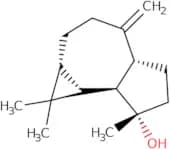
CAS:Herbal tasting plant metabolite from tarragon; anaesthetic and vasodilatorFórmula:C15H24OPureza:Min. 90 Area-%Cor e Forma:Clear LiquidPeso molecular:220.35 g/molFrondoside A hydrate
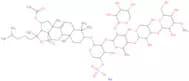
CAS:<p>Frondoside A hydrate is a bioactive compound, specifically a triterpenoid glycoside, which is derived from the sea cucumber species Cucumaria frondosa. It exhibits promising biological activities primarily due to its unique chemical structure, which includes a sugar moiety attached to a steroidal backbone.</p>Fórmula:C60H95O29SNa·xH2OPureza:Min. 95%Cor e Forma:White SolidDaucol
CAS:<p>Please enquire for more information about Daucol including the price, delivery time and more detailed product information at the technical inquiry form on this page</p>Fórmula:C15H26O2Pureza:Min. 95%Cor e Forma:PowderPeso molecular:238.37 g/molDigitoxin
CAS:<p>Digitoxin is a cardiac glycoside, which is a type of compound extracted primarily from the leaves of the Digitalis purpurea plant, also known as the common foxglove. This natural source provides digitoxin with its potent pharmacological properties.</p>Fórmula:C41H64O13Pureza:Min. 95 Area-%Cor e Forma:White Off-White PowderPeso molecular:764.96 g/molPicrotin
CAS:<p>Picrotin is a natural compound, which is derived from the Anamirta cocculus plant, commonly known as the Indian berry or fishberry. It belongs to the class of sesquiterpene lactones, which are known for their complex structures and bioactivity. The mode of action of picrotin primarily involves interactions with the central nervous system, although the exact molecular targets are not fully elucidated. Studies suggest that it may act as a GABA receptor antagonist, which can influence neurotransmitter activity.</p>Fórmula:C15H18O7Pureza:Min. 95%Cor e Forma:PowderPeso molecular:310.3 g/mol