Flavonóides
Subcategorias de "Flavonóides"
- Antocianidinas(46 produtos)
- Antocianinas(46 produtos)
- Catequinas(88 produtos)
- Chalconas(237 produtos)
- Pterocarpanos(28 produtos)
Foram encontrados 2408 produtos de "Flavonóides"
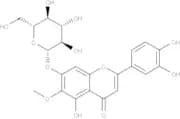
Nepetin-7-O-glucoside
CAS:Nepetin-7-O-glucoside analytical standard provided with w/w absolute assay, to be used for quantitative titration.
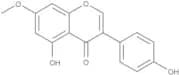
Fórmula:C22H22O12Pureza:(HPLC) ≥98%Cor e Forma:PowderPeso molecular:478.41Prunetin
CAS:Prunetin analytical standard provided with chromatographic purity, to be used as reference material for qualitative determination.
Fórmula:C16H12O5Pureza:(HPLC) ≥95%Cor e Forma:PowderPeso molecular:284.28Ipriflavone
CAS:Ipriflavone analytical standard provided with chromatographic purity, to be used as reference material for qualitative determination.
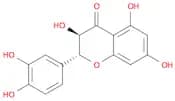
Fórmula:C18H16O3Pureza:(HPLC) ≥90%Cor e Forma:PowderPeso molecular:280.33(2R,3R)-3,3',4',5,7-Pentahydroxyflavanone
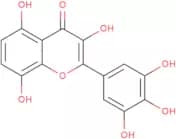
CAS:Fórmula:C15H12O7Pureza:98%Cor e Forma:SolidPeso molecular:304.25163,3',4',5,5',8-Hexahydroxyflavone
CAS:3,3',4',5,5',8-Hexahydroxyflavone is a naturally occurring flavonoid, which is a type of polyphenolic compound. It is derived from various plant sources, including fruits, vegetables, and certain medicinal herbs. The compound is characterized by its chemical structure, which includes multiple hydroxyl groups, contributing to its biological activity.
The mode of action of 3,3',4',5,5',8-Hexahydroxyflavone involves its interaction with various cellular pathways and enzymes. Primarily, it is known for its antioxidant properties, where it scavenges free radicals and reactive oxygen species, thereby reducing oxidative stress. Additionally, it may exhibit anti-inflammatory effects by modulating signaling pathways involved in inflammation.
In terms of uses and applications, 3,3',4',5,5',8-Hexahydroxyflavone is primarily explored in scientific research focusing on its potential health benefits. Studies investigate its role in disease prevention, particularly conditions associated with oxidative stress and inflammation, such as cardiovascular diseases and neurodegenerative disorders. While it holds promise in these areas, further research is necessary to fully understand its mechanisms and therapeutic potential.Fórmula:C15H10O8Pureza:Min. 95%Peso molecular:318.24 g/molIriskashmirianin
CAS:Iriskashmirianin is a naturally occurring flavonoid derivative, which is isolated from specific plant sources. It belongs to the broader class of flavonoids, compounds known for their bioactive properties. The mode of action of Iriskashmirianin involves its interaction with cellular pathways, where it functions primarily as an antioxidant and anti-inflammatory agent. It neutralizes free radicals and modulates inflammatory responses by influencing various signaling pathways at the molecular level.
Fórmula:C18H14O7Pureza:Min. 95%Peso molecular:342.3 g/mol6,7-Dimethoxy-2',4'-dihydroxyisoflavone
CAS:6,7-Dimethoxy-2',4'-dihydroxyisoflavone is a naturally occurring isoflavone, which is typically derived from various plant sources, such as legumes or medicinal herbs. It belongs to a class of polyphenolic compounds known for their antioxidative capabilities. This compound acts primarily by scavenging free radicals and reducing oxidative stress, thus protecting cellular structures from damage. Its mode of action involves the modulation of cellular antioxidant pathways and potential interaction with estrogen receptors, contributing to its biological effects.
Fórmula:C17H14O6Pureza:Min. 95%Peso molecular:314.29 g/mol