Flavonóides
Os flavonoides são um grupo de metabólitos vegetais com propriedades antioxidantes que contribuem para a cor de frutas e flores. Eles desempenham um papel importante na proteção das plantas contra radiação UV e patógenos. Os flavonoides são estudados por seus potenciais benefícios à saúde, incluindo propriedades anti-inflamatórias, antivirais e anticancerígenas. Eles são amplamente pesquisados nos campos da farmacologia, nutrição e biologia molecular.
Subcategorias de "Flavonóides"
- Antocianidinas(46 produtos)
- Antocianinas(46 produtos)
- Catequinas(88 produtos)
- Chalconas(237 produtos)
- Pterocarpanos(28 produtos)
Foram encontrados 2408 produtos de "Flavonóides"
Ordenar por
Pureza (%)
0
100
|
0
|
50
|
90
|
95
|
100
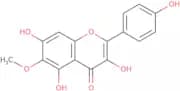
6-Methoxy-3,5,7,4'-tetrahydroxyflavone
CAS:<p>6-Methoxy-3,5,7,4'-tetrahydroxyflavone is a natural flavonoid derivative, which is primarily sourced from various plants known for their high polyphenolic content. It plays a significant role in the plant's defense mechanism due to its ability to scavenge free radicals and protect against oxidative stress. This compound exerts its mode of action through its potent antioxidant and anti-inflammatory capabilities, primarily by modulating signaling pathways and inhibiting the activity of enzymes involved in inflammation.</p>Fórmula:C16H12O7Pureza:Min. 95%Peso molecular:316.26 g/molRhusflavanone
CAS:<p>Rhusflavanone is a flavanone compound, which is a type of polyphenolic molecule found in certain medicinal plants. It is derived primarily from the Rhus genus, known for its rich content of bioactive compounds. The mode of action of Rhusflavanone involves the modulation of inflammatory pathways, as it exhibits inhibition of pro-inflammatory enzymes such as cyclooxygenase (COX) and lipoxygenase (LOX). Additionally, it shows potential in scavenging free radicals, contributing to its antioxidant capabilities.</p>Fórmula:C30H22O10Pureza:Min. 95%Peso molecular:542.5 g/molKaempferol 3-O-a-L-arabinopyranoside
CAS:Kaempferol 3-O-α-L-arabinopyranoside is a flavonoid glycoside, which is a naturally occurring compound found in a variety of plants, including fruits and vegetables. It is primarily isolated from plant sources such as tea, broccoli, and grapefruit, where it contributes to the plants' defense mechanisms.Fórmula:C20H18O10Pureza:Min. 95%Cor e Forma:White PowderPeso molecular:418.35 g/mol5-Hydroxy-7,8-dimethoxy (2R)-flavanone-5-o-β-D-glucopyranoside
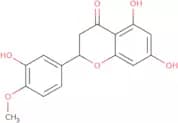
CAS:5-Hydroxy-7,8-dimethoxy (2R)-flavanone-5-o-beta-D-glucopyranoside is a flavanone glycoside, which is a type of naturally occurring polyphenolic compound. This compound is typically derived from various plant sources, particularly those used in traditional medicine.Fórmula:C23H26O10Pureza:Min. 95%Peso molecular:462.40 g/mol(S)-Hesperetin
CAS:<p>(S)-Hesperetin is a flavonoid compound, which is a naturally occurring polyphenolic structure. It is predominantly derived from citrus fruits, including oranges and lemons, through the metabolic breakdown of its glycoside form, hesperidin. This transformation occurs in the human body, where hesperidin is hydrolyzed to release hesperetin and other metabolites.</p>Fórmula:C16H14O6Pureza:Min. 95%Peso molecular:302.28 g/mol3,7,4-Trihydroxy-5-methoxy-8-prenylflavanone, (2R,3S)
CAS:3,7,4-Trihydroxy-5-methoxy-8-prenylflavanone, (2R,3S), is a prenylated flavanone, which is a type of polyphenolic compound. This compound is typically derived from various plant sources, particularly those that produce flavonoids as secondary metabolites. Its structure is characterized by the presence of hydroxyl and methoxy groups, as well as a prenylated side chain, which contribute to its physicochemical properties.Fórmula:C21H22O6Pureza:Min. 95%Peso molecular:370.4 g/molFarnisin
CAS:<p>Please enquire for more information about Farnisin including the price, delivery time and more detailed product information at the technical inquiry form on this page</p>Fórmula:C16H12O5Pureza:Min. 95%Peso molecular:284.26 g/molParvisoflavanone
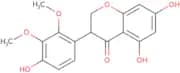
CAS:Parvisoflavanone is a naturally occurring flavanone, which is a type of plant-derived polyphenolic compound. It is sourced from various botanical origins, particularly within certain species of the plant kingdom known for their traditional medicinal uses. The mode of action of Parvisoflavanone involves its interaction with biological pathways that are implicated in antioxidative stress responses and anti-inflammatory mechanisms. It may act as a regulator of cellular signaling processes, thereby influencing cell proliferation and apoptosis.Fórmula:C17H16O7Pureza:Min. 95%Peso molecular:332.3 g/molLimocitrin
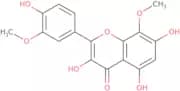
CAS:Limocitrin is a flavonoid compound, which is a naturally occurring plant secondary metabolite. Flavonoids are widely distributed in the plant kingdom and are known for their diverse biological activities. Limocitrin, specifically, has been isolated from various plant sources, including certain fruits and flowers. Its mode of action involves interacting with cellular signaling pathways, affecting processes such as oxidative stress response and gene expression regulation.Pureza:Min. 95%Picoxystrobin
CAS:<p>Picoxystrobin is a synthetic fungicide, belonging to the strobilurin chemical class, which is derived from naturally occurring compounds found in certain fungi. It functions by inhibiting mitochondrial respiration in fungal cells, specifically targeting the cytochrome bc1 complex in the electron transport chain. This mode of action disrupts energy production, effectively halting the growth and reproductive capabilities of pathogenic fungi.</p>Fórmula:C18H16F3NO4Pureza:Min. 98 Area-%Peso molecular:367.32 g/molRef: 3D-J-003622
1kgA consultar50gA consultar100gA consultar250gA consultar500gA consultar-Unit-ggA consultar5,7,3'-Trihydroxy-6,4',5'-trimethoxyflavanone
CAS:5,7,3'-Trihydroxy-6,4',5'-trimethoxyflavanone is a specialized flavanone derivative, which is a type of plant secondary metabolite found in various botanical sources. This compound originates primarily from citrus fruits and certain medicinal plants where it contributes to the plant’s defense mechanisms. As a flavonoid, its mode of action involves the modulation of enzyme activity, interaction with cell membranes, and potential antioxidant properties, allowing it to scavenge free radicals and reduce oxidative stress.Fórmula:C18H18O8Pureza:Min. 95%Peso molecular:362.3 g/mol6-Methoxykaempferol 3-O-rutinoside
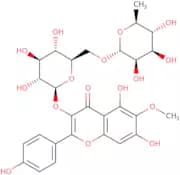
CAS:6-Methoxykaempferol 3-O-rutinoside is a flavonoid glucoside, which is derived from various plants, particularly those belonging to the Leguminosae family. This compound is of significant interest due to its potential biological activities and natural occurrence. The mode of action of 6-Methoxykaempferol 3-O-rutinoside primarily involves its antioxidant properties, which may help in neutralizing free radicals and reducing oxidative stress in biological systems.Pureza:Min. 95%Protogenkwanin 4'-glucoside
CAS:<p>Protogenkwanin 4'-glucoside is a flavonoid glucoside, which is a naturally occurring compound derived from various plant sources, particularly known to be present in certain medicinal herbs used in traditional medicine. As a flavonoid glucoside, it interacts with biological systems primarily through its antioxidant properties, which help in scavenging free radicals and reducing oxidative stress. This mode of action is crucial in mitigating cell damage and inflammation.</p>Fórmula:C22H24O11Pureza:Min. 95%Peso molecular:464.42 g/mol5,7,4’-Trihydroxy-8-methylflavanone
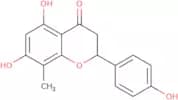
CAS:5,7,4’-Trihydroxy-8-methylflavanone is a flavanone, which is a type of flavonoid compound. Flavonoids are secondary metabolites commonly found in plants and are responsible for a variety of biological activities. This particular compound can be sourced from various plant species known for their rich content of natural phenolic substances.Fórmula:C16H14O5Pureza:Min. 95%Peso molecular:286.28 g/mol(E)-Deschlorophenyl fluoxastrobin
CAS:<p>(E)-Deschlorophenyl fluoxastrobin is a synthetic fungicide, which is derived from the strobilurin class of compounds, originally sourced from natural fungal metabolites. It functions by inhibiting mitochondrial respiration in fungal cells through disruption of the cytochrome bc1 complex, specifically at the Qo site. This mode of action effectively curtails the energy supply of the pathogen, leading to its death, and is integral in managing resistance issues known to occur with other fungicide groups.</p>Fórmula:C15H13FN4O5Pureza:Min. 95%Peso molecular:348.29 g/mol2'-Methoxyflavone
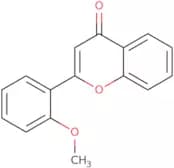
CAS:<p>Enhances TRAIL-induced apoptosis in MOLT-4- cells</p>Fórmula:C16H12O3Pureza:Min. 95%Cor e Forma:White PowderPeso molecular:252.26 g/mol5,6,7,2'-Tetrahydroxyflavone
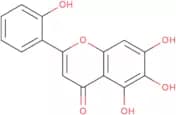
CAS:<p>5,6,7,2'-Tetrahydroxyflavone is a naturally occurring flavonoid, which is commonly found in various plants. As a bioactive compound, it is typically derived from the leaves, stems, or fruits of these plants, where it plays a crucial role in plant defense. The mode of action of 5,6,7,2'-Tetrahydroxyflavone is primarily through its potent antioxidant activity. It scavenges free radicals and reduces oxidative stress, thereby contributing to cellular protection and stability.</p>Fórmula:C15H10O6Pureza:Min. 95%Peso molecular:286.24 g/molEuchrestaflavanone A
CAS:<p>Euchrestaflavanone A is a naturally occurring flavanone, which is a type of polyphenolic compound. It is sourced from plants, specifically derived from the roots of Euchresta formosana, a species used traditionally in herbal medicine. The mode of action of Euchrestaflavanone A involves its interaction with various molecular pathways, influencing antioxidant activity and modulating enzyme function. It exhibits bioactive properties, including anti-inflammatory, antioxidant, and potential anticancer effects.</p>Fórmula:C25H28O5Pureza:Min. 95%Peso molecular:408.50 g/molWighteone
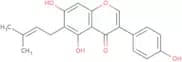
CAS:Please enquire for more information about Wighteone including the price, delivery time and more detailed product information at the technical inquiry form on this pageFórmula:C20H18O5Pureza:Min. 95%Peso molecular:338.35 g/molLicoflavonol
CAS:Licoflavonol is a bioactive compound that serves as an antioxidant, which is derived from plant sources, particularly flavonoid-rich species. Its mode of action involves scavenging free radicals and modulating pathways involved in oxidative stress and inflammation. By reducing oxidative damage, Licoflavonol can stabilize cellular environments and protect macromolecules such as DNA, proteins, and lipids from degenerative changes.Fórmula:C20H18O6Pureza:Min. 95%Peso molecular:354.35 g/mol