Flavonóides
Os flavonoides são um grupo de metabólitos vegetais com propriedades antioxidantes que contribuem para a cor de frutas e flores. Eles desempenham um papel importante na proteção das plantas contra radiação UV e patógenos. Os flavonoides são estudados por seus potenciais benefícios à saúde, incluindo propriedades anti-inflamatórias, antivirais e anticancerígenas. Eles são amplamente pesquisados nos campos da farmacologia, nutrição e biologia molecular.
Subcategorias de "Flavonóides"
- Antocianidinas(46 produtos)
- Antocianinas(46 produtos)
- Catequinas(88 produtos)
- Chalconas(237 produtos)
- Pterocarpanos(28 produtos)
Foram encontrados 2408 produtos de "Flavonóides"
Ordenar por
Pureza (%)
0
100
|
0
|
50
|
90
|
95
|
100
3'-Methoxypuerarin
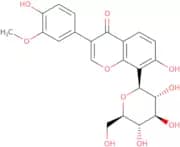
CAS:3'-Methoxypuerarin is a specialized isoflavone derivative, which is a type of phytochemical compound. This compound is primarily sourced from the roots of *Pueraria* species, which are well-known for their rich content of isoflavones. As an organic chemical, 3'-Methoxypuerarin exhibits potential pharmacological activity by interacting with various cellular pathways, often involving signal transduction mechanisms.Fórmula:C22H22O10Pureza:Min. 95%Cor e Forma:White PowderPeso molecular:446.4 g/mol6,4'-Dihydroxy-5,7-dimethoxyflavanone
CAS:6,4'-Dihydroxy-5,7-dimethoxyflavanone is a naturally occurring flavanone, which is a type of polyphenolic compound commonly found in various plant species. These compounds are synthesized through plant secondary metabolic pathways and are typically located in fruits, flowers, and leaves, playing essential roles in plant defense and pigmentation.Fórmula:C17H16O6Pureza:Min. 95%Peso molecular:316.3 g/mol2',5,6',7-Tetraacetoxyflavanone
CAS:2',5,6',7-Tetraacetoxyflavanone is a flavanone derivative, which is a type of flavonoid compound primarily sourced from plants, particularly citrus fruits. Its structure consists of a flavanone backbone with acetoxy groups at specific positions, which may influence its biochemical activity. Flavanones like 2',5,6',7-Tetraacetoxyflavanone are of interest in the scientific community due to their potential biological activities, including antioxidant properties.Fórmula:C23H20O10Pureza:Min. 95%Peso molecular:456.4 g/molrac-Tetrahydrodaidzein
CAS:rac-Tetrahydrodaidzein is a racemic compound, which is a mixture of two enantiomers. It is derived from the reduction of the isoflavone daidzein, primarily found in soybeans and other legumes. This compound exhibits interesting pharmacological properties due to its ability to interact with estrogen receptors, functioning as a modulator of estrogenic activity. Its mode of action involves binding to these receptors, potentially influencing various estrogen-mediated physiological processes.Fórmula:C15H14O4Pureza:Min. 95%Cor e Forma:PowderPeso molecular:258.27 g/mol7,4'-Dihydroxyhomoisoflavanone
CAS:Produto Controlado7,4'-Dihydroxyhomoisoflavanone is a naturally occurring compound, classified as a homoisoflavanone, which is a type of polyphenolic compound. It is primarily sourced from plants, specifically found in certain species of the Fabaceae family. The compound is characterized by its unique structural configuration, which contributes to its bioactivity.Fórmula:C16H14O4Pureza:Min. 95%Peso molecular:270.28 g/molCuneatin-7-methyl ether
CAS:Cuneatin-7-methyl ether is a naturally occurring compound, classified as a flavonoid derivative. It is primarily sourced from certain plant species known for producing bioactive flavonoids. These plants are typically found in specific geographical regions, and the compound can be extracted through meticulous phytochemical methods.Fórmula:C18H14O6Pureza:Min. 95%Cor e Forma:PowderPeso molecular:326.3 g/molSideritoflavone
CAS:<p>Sideritoflavone is a flavonoid compound, which is a type of secondary metabolite derived from the *Sideritis* plant species. These plants, commonly found in the Mediterranean region, are traditionally used in herbal remedies. The compound is known for its potential biological and pharmacological activities, which stem from its interaction with various biochemical pathways.</p>Fórmula:C18H16O8Pureza:Min. 95%Peso molecular:360.31 g/mol6,7,2',3',4'-Pentamethoxyisoflavone
CAS:<p>6,7,2',3',4'-Pentamethoxyisoflavone is a naturally occurring flavonoid compound, which is derived from certain plant sources known for their rich polyphenolic content. As part of the isoflavone family, this compound is structurally similar to estrogen, allowing it to potentially interact with estrogen receptors in the body. Its mode of action includes modulating various biochemical pathways, including antioxidant and anti-inflammatory pathways, due to its ability to influence enzyme activities and cell signaling processes.</p>Fórmula:C20H20O7Pureza:Min. 95%Cor e Forma:PowderPeso molecular:372.37 g/mol5,7-Dihydroxy-3',4',5'-trimethoxyflavanone
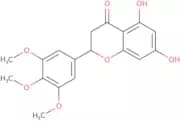
CAS:<p>5,7-Dihydroxy-3',4',5'-trimethoxyflavanone is a flavanone compound, which is a type of polyphenolic compound found predominantly in the plant kingdom. This compound can be sourced from various plants, where it often occurs as part of the natural defense mechanisms to protect the organism from environmental stressors.</p>Fórmula:C18H18O7Pureza:Min. 95%Peso molecular:346.33 g/mol5,3'-Dihydroxyflavone
CAS:<p>5,3'-Dihydroxyflavone is a flavonoid compound, which is a class of polyphenolic molecules. It is derived from various plants, where it occurs naturally as part of the complex biochemical repertoire involved in defense mechanisms and signaling processes. This compound acts as an antioxidant, neutralizing free radicals and reducing oxidative stress. It also exhibits potential neuroprotective effects by modulating specific signaling pathways and interacting with enzymes linked to inflammation and cellular health.</p>Fórmula:C15H10O4Pureza:Min. 95%Peso molecular:254.24 g/molPodospicatin
CAS:<p>Podospicatin is a type of natural compound, which is derived from fungal sources. This unique compound is isolated from specific fungal species known for their ability to produce bioactive secondary metabolites. Podospicatin is characterized by its distinctive molecular structure, which contributes to its potential bioactivity.</p>Fórmula:C17H14O7Pureza:Min. 95%Cor e Forma:PowderPeso molecular:330.29 g/molBiochanin A-7-O-glucoside
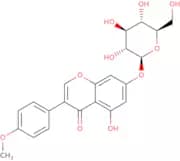
CAS:<p>Biochanin A-7-O-glucoside is a naturally occurring isoflavone glucoside, which is derived from various plants, particularly red clover and soy. It is a secondary metabolite, commonly found in legumes and other related species. The mode of action of Biochanin A-7-O-glucoside involves its structural ability to act as an antioxidant, scavenging free radicals and mitigating oxidative stress. This biochemical property allows it to influence various molecular pathways related to cell signaling and gene expression.</p>Fórmula:C22H22O10Pureza:Min. 95%Cor e Forma:SolidPeso molecular:446.4 g/molDatiscin
CAS:<p>Datiscin is a flavonoid glycoside, which is a type of naturally occurring compound found in plants. It is derived from various botanical sources, notably within the Datisca genus. These compounds are characterized by a flavonoid core structure bonded to sugar moieties. The mode of action of Datiscin primarily involves its interaction with free radicals and reactive oxygen species, suggesting potential antioxidative properties. This mechanism can help mitigate oxidative stress within biological systems.</p>Fórmula:C27H30O15Pureza:Min. 95%Peso molecular:594.52 g/molKaempferol-3-rutinoside-7-rhamnoside
CAS:Kaempferol-3-rutinoside-7-rhamnoside is a flavonoid glycoside, which is an organic compound derived from specific plant species like tea, onions, and broccoli. It primarily exists as a complex molecule formed by the bonding of kaempferol with sugar moieties—rutinoside and rhamnoside. This compound functions by modulating various cellular signaling pathways, including those involved in oxidation-reduction processes, apoptosis, and inflammation. It combats oxidative stress by scavenging free radicals, thereby providing a protective effect against cellular damage.Fórmula:C33H40O19Pureza:Min. 95%Cor e Forma:Off-White PowderPeso molecular:740.66 g/molLeucoside
CAS:Leucoside is a biochemical compound, which is derived from activated human leucocytes. This product is obtained through a meticulous extraction process that isolates specific bioactive molecules. Its mode of action involves the modulation of immune responses, potentially by influencing cytokine signaling pathways. Leucoside interacts with immune cells, potentially enhancing or dampening specific activities to achieve desired immunomodulatory effects.Pureza:Min. 95%4'-Hydroxywogonin
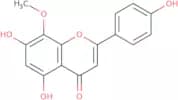
CAS:4'-Hydroxywogonin is a bioactive flavonoid, which is derived primarily from the roots of the plant *Scutellaria baicalensis*. This compound is a naturally occurring flavone, a subclass of flavonoids, known for its potential therapeutic properties. The mode of action of 4'-Hydroxywogonin involves its ability to modulate various cellular signaling pathways. It is particularly noted for its anti-inflammatory and antioxidant effects, which are mediated through the inhibition of pro-inflammatory cytokines and the scavenging of free radicals, respectively.Fórmula:C16H12O6Pureza:Min. 95%Cor e Forma:SolidPeso molecular:300.26 g/molCinnamtannin B-1
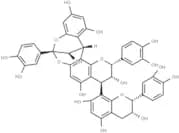
CAS:Cinnamtannin B-1 (LDN 0022358) is an A-type proanthocyanidin contained in several plant species such as Vaccinium vitis-idaea, Laurus nobilis L., CinnamomumFórmula:C45H36O18Pureza:99.72%Cor e Forma:SolidPeso molecular:864.76Isoflavone - 40%
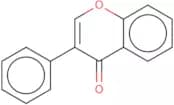
CAS:Isoflavone - 40% is a phytochemical compound, specifically classified as a type of polyphenolic plant-derived compound. It is sourced primarily from soybeans and other legumes, where it naturally occurs as part of the plant's secondary metabolites. The mode of action of isoflavones involves their ability to mimic estrogen. Due to their structural similarity to estrogen, isoflavones can bind to estrogen receptors and exert weak estrogenic effects, which are particularly relevant in humans and animals.Fórmula:C15H10O2Pureza:Min. 95%Cor e Forma:Off-White Clear LiquidPeso molecular:222.24 g/molBiochanin A
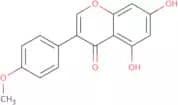
CAS:Biochanin A is a naturally occurring isoflavone, which is derived from plants such as red clover and soy. This compound functions as a phytoestrogen, exerting its effects by modulating estrogen receptors, and showcases antioxidant capabilities through the scavenging of free radicals. As a result, Biochanin A holds significant interest for research in the modulation of hormonal pathways and in providing protection against oxidative stress.Fórmula:C16H12O5Pureza:Min. 95%Cor e Forma:White PowderPeso molecular:284.26 g/molIsovitexin
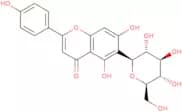
CAS:Isovitexin is a naturally occurring flavonoid compound, specifically a C-glycosyl flavone, which is found in a variety of plants, including green tea, passionflower, and barley leaves. Derived from these botanical sources, isovitexin is characterized by its structural complexity, contributing to its biological activity. The mode of action of isovitexin involves its ability to scavenge free radicals and inhibit oxidative stress. It exhibits strong antioxidant properties that allow it to stabilize reactive oxygen species (ROS), thereby preventing cellular damage. Additionally, isovitexin has been studied for its potential anti-inflammatory and neuroprotective effects, attributed to its influence on signaling pathways and enzyme activities related to inflammation and cell survival. Isovitexin is primarily utilized in the context of scientific research to explore its pharmacological potentials. Researchers study its application in fields such as neuroprotection, cardioprotection, and its role in mitigating the effects of metabolic disorders. Its broad spectrum of activity makes it a compound of interest in both the development of therapeutic agents and the enhancement of nutritional supplements.Fórmula:C21H20O10Pureza:Min. 98 Area-%Cor e Forma:Off-White Yellow PowderPeso molecular:432.38 g/mol