Flavonóides
Os flavonoides são um grupo de metabólitos vegetais com propriedades antioxidantes que contribuem para a cor de frutas e flores. Eles desempenham um papel importante na proteção das plantas contra radiação UV e patógenos. Os flavonoides são estudados por seus potenciais benefícios à saúde, incluindo propriedades anti-inflamatórias, antivirais e anticancerígenas. Eles são amplamente pesquisados nos campos da farmacologia, nutrição e biologia molecular.
Subcategorias de "Flavonóides"
- Antocianidinas(46 produtos)
- Antocianinas(46 produtos)
- Catequinas(88 produtos)
- Chalconas(237 produtos)
- Pterocarpanos(28 produtos)
Foram encontrados 2408 produtos de "Flavonóides"
Ordenar por
Pureza (%)
0
100
|
0
|
50
|
90
|
95
|
100
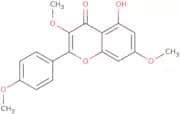
Kaempferol-3,7,4'-trimethyl ether
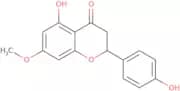
CAS:<p>Kaempferol-3,7,4'-trimethyl ether is a methylated flavonoid compound, which is naturally derived from various plant sources known for their rich polyphenol content. This compound is characterized by its three methoxy groups attached to the kaempferol structure, enhancing its hydrophobic nature and overall stability. The primary mode of action of Kaempferol-3,7,4'-trimethyl ether involves modulation of various cellular signaling pathways, including those related to antioxidant and anti-inflammatory processes. It exerts its effects by interacting with key enzymes and receptors, leading to the modulation of gene expression linked to cellular stress responses.</p>Fórmula:C18H16O6Pureza:Min. 98 Area-%Cor e Forma:PowderPeso molecular:328.32 g/molSakuranetin
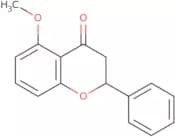
CAS:<p>Sakuranetin is a flavonoid, which is a natural compound derived predominantly from cherry blossoms and various citrus plants. As a phytochemical, it is primarily sourced from plants where it functions as a natural defense mechanism against environmental stressors. The mode of action of sakuranetin involves the inhibition of key pro-inflammatory pathways, notably blocking the activation of NF-κB, a protein complex that plays a crucial role in controlling the transcription of DNA, cytokine production, and cell survival.</p>Fórmula:C16H14O5Pureza:Min. 95%Cor e Forma:PowderPeso molecular:286.28 g/mol5-Methoxyflavanone
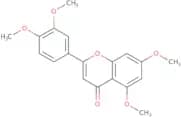
CAS:5-Methoxyflavanone is a synthetic flavonoid compound, which is derived from chemical modifications of naturally occurring flavonoids. These modifications often enhance bioavailability and activity compared to their natural counterparts. This compound functions primarily through its antioxidant activity, scavenging free radicals and reducing oxidative stress within biological systems. This mode of action is vital in cellular protection against damage caused by oxidative agents.Fórmula:C16H14O3Pureza:Min. 95%Cor e Forma:White PowderPeso molecular:254.28 g/mol3',4',5,7-Tetramethoxyflavone
CAS:<p>3',4',5,7-Tetramethoxyflavone is a polyphenolic compound, which is a specific type of flavonoid. It is derived from various plant sources, where it occurs naturally as part of the plant's defense mechanism against environmental stressors. This compound exerts its activity through various biochemical pathways, including modulation of enzyme activities and interference with cellular signaling pathways. Studies suggest it may inhibit certain enzymes involved in inflammation and oxidative stress, thereby playing a potential role in therapeutic applications.</p>Fórmula:C19H18O6Pureza:Min. 95%Cor e Forma:White PowderPeso molecular:342.34 g/molLotisoflavan
CAS:<p>Phytoalexin isolated from the fungus-inoculated leaflets of Lotus angustissimus</p>Fórmula:C17H18O5Pureza:Min. 95%Cor e Forma:PowderPeso molecular:302.32 g/mol5,7-Dihydroxyflavone
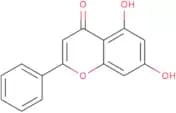
CAS:5,7-Dihydroxyflavone is a naturally occurring flavonoid, which is derived from various plant sources, including herbs and fruits. With its structure characterized by hydroxyl groups at positions 5 and 7, it serves as a bioactive compound with strong antioxidant properties. This flavonoid is known to interact with cellular pathways by scavenging free radicals and modulating enzyme activity, thereby protecting cells from oxidative stress and potential damage.Fórmula:C15H10O4Pureza:Min. 95%Cor e Forma:Yellow PowderPeso molecular:254.24 g/mol2'-Hydroxyflavanone
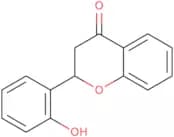
CAS:<p>2'-Hydroxyflavanone is a flavonoid, which is a type of polyphenolic compound found naturally in a variety of plants. These compounds are widely distributed in the plant kingdom and are particularly abundant in fruits, vegetables, and certain herbs. The source of 2'-Hydroxyflavanone can be traced back to its presence in citrus fruits and other plant materials, where it serves as a secondary metabolite.</p>Fórmula:C15H12O3Pureza:Min. 98 Area-%Cor e Forma:PowderPeso molecular:240.25 g/molChrysoeriol-7-diglucoside
CAS:<p>Chrysoeriol-7-diglucoside is a flavonoid glycoside, which is commonly found in various plants. As a naturally occurring compound, it is typically derived from botanical sources such as flowers, leaves, or seeds of specific plant species. Its structure consists of a chrysoeriol molecule bonded to two glucose units. The mode of action of Chrysoeriol-7-diglucoside involves its interaction with biological pathways associated with oxidative stress and inflammation. It exhibits antioxidant properties by scavenging free radicals and potentially modulating enzymatic activity related to these processes.</p>Fórmula:C28H32O16Pureza:Min. 95%Peso molecular:624.54 g/molPinocembrin 7-O-beta-D-glucoside
CAS:<p>Pinocembrin 7-O-beta-D-glucoside is a flavonoid glucoside, which is a specialized type of plant secondary metabolite. This compound is primarily sourced from the plant genus *Eremurus*. The mode of action of Pinocembrin 7-O-beta-D-glucoside involves its interaction with various biological pathways, where it exhibits antioxidant, anti-inflammatory, and neuroprotective properties. It functions by modulating oxidative stress and reducing inflammation, which contributes to its protective roles in cellular systems.</p>Fórmula:C21H22O9Pureza:Min. 95%Cor e Forma:SolidPeso molecular:418.39 g/molIsoneorautenol
CAS:<p>Isoneorautenol is a synthetic compound, which is derived from complex organic synthesis processes. Its unique chemical structure allows it to interact specifically with certain molecular targets, making it an intriguing candidate for various biological and chemical applications. The mode of action of Isoneorautenol involves the modulation of specific biochemical pathways, potentially influencing cellular behavior and function.</p>Fórmula:C20H18O4Pureza:Min. 95%Cor e Forma:PowderPeso molecular:322.35 g/molMethyl hesperidine
CAS:Methyl hesperidine is a flavonoid derivative, which is a chemical compound sourced from citrus fruits, particularly from the peels. It is a modified form of hesperidin, a natural flavonoid found predominantly in oranges and other citrus species. The mode of action for methyl hesperidine involves its antioxidant and anti-inflammatory properties. It works by scavenging free radicals and reducing oxidative stress, which can help protect cells and tissues from damage.Fórmula:C29H36O15Pureza:Min. 95%Cor e Forma:PowderPeso molecular:624.59 g/mol3'-Methoxy-α-napthoflavone
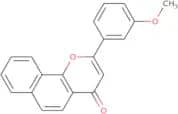
CAS:3'-Methoxy-α-napthoflavone is a synthetic small molecule inhibitor, which is derived from naphthoflavone structures known for their affinity with cytochrome P450 enzymes. It primarily acts as a selective inhibitor of CYP1A enzymes, particularly CYP1A1 and CYP1A2. The compound's mode of action involves binding to the active site of the CYP1A enzymes, thereby hindering the enzyme's metabolic activity and preventing substrate access.Fórmula:C20H14O3Pureza:Min. 95%Peso molecular:302.32 g/mol5,7-Dihydroxy-2',3',4',5'-tetramethoxyflavone
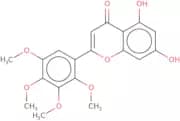
CAS:5,7-Dihydroxy-2',3',4',5'-tetramethoxyflavone is a naturally occurring flavonoid, which is a type of polyphenolic compound. It is sourced primarily from various plant species, particularly those belonging to the genus *Scutellaria* and other related species known for their rich flavonoid content. The mode of action of 5,7-Dihydroxy-2',3',4',5'-tetramethoxyflavone involves modulation of key signaling pathways associated with oxidative stress and inflammatory processes, which can contribute to cellular protection and homeostasis.Fórmula:C19H18O8Pureza:Min. 95%Cor e Forma:SolidPeso molecular:374.34 g/mol5',3'''-Dihydroxyrobustaflavone
CAS:5',3'''-Dihydroxyrobustaflavone is a naturally occurring biflavonoid, which is a type of polyphenolic compound known for its diverse biological activities. It is derived from various plant sources, often found in species belonging to the Moraceae family, among others. The compound's chemical structure comprises multiple flavonoid units linked together, contributing to its unique properties.Fórmula:C30H18O12Pureza:Min. 95%Peso molecular:570.46 g/mol3,7,8,3',4'-Pentahydroxyflavone
CAS:<p>3,7,8,3',4'-Pentahydroxyflavone is a naturally occurring flavonoid, which is commonly found in plants and contributes to their defensive mechanisms. This compound is sourced from a variety of plant materials, where it acts as a potent antioxidant by scavenging free radicals and inhibiting oxidative stress pathways.</p>Fórmula:C15H10O7Pureza:Min. 95%Cor e Forma:PowderPeso molecular:302.24 g/molMyricetin trimethyl ether
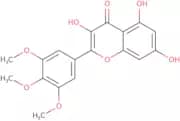
CAS:Myricetin trimethyl ether is a flavonoid derivative, which is a metabolite of myricetin, a naturally occurring flavonoid found in various fruits, vegetables, and herbs. This compound is of significant interest due to its potential bioactive properties. It is commonly studied within the context of its antioxidative mechanisms, where it functions by neutralizing free radicals and attenuating oxidative stress, a key factor implicated in the pathogenesis of numerous chronic diseases.Fórmula:C18H16O8Cor e Forma:PowderPeso molecular:360.31 g/mol4'-Hydroxyflavone
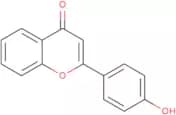
CAS:<p>4'-Hydroxyflavone is a hydroxylated flavone, which is a type of organic compound belonging to the flavonoid family. These compounds are naturally found in a variety of plants, such as fruits, vegetables, and herbs, where they often contribute to pigmentation. This particular flavonoid possesses a hydroxyl group on its fourth carbon, structurally distinguishing it and potentially altering its biological activity compared to other flavones.</p>Fórmula:C15H10O3Pureza:Min. 95%Cor e Forma:PowderPeso molecular:238.24 g/molEupatorin - 94%
CAS:Eupatorin - 94% is a bioactive flavonoid compound, which is a natural extract primarily derived from the plant species Eupatorium. This compound is characterized by its high degree of purity, standing at 94%, making it suitable for rigorous scientific investigation. Eupatorin is widely recognized for its pharmacological potential due to its ability to modulate various biochemical pathways.Fórmula:C18H16O7Pureza:Min. 95%Cor e Forma:White PowderPeso molecular:344.32 g/molChrysin dimethyl ether
CAS:<p>Chrysin dimethyl ether is a methylated flavonoid derivative, which is naturally sourced from various plants. This compound is synthesized by methylation of the hydroxyl groups on the chrysin molecule, a process often accomplished using organic synthesis methods. The mode of action for Chrysin dimethyl ether involves modulation of various biological pathways, including antioxidant activity and interaction with cell signaling pathways. Its phenolic structure confers radical scavenging properties, potentially influencing oxidative stress processes in biological systems.</p>Fórmula:C17H14O4Pureza:Min. 95%Cor e Forma:White PowderPeso molecular:282.29 g/molGlycitein
CAS:<p>Glycitein is an isoflavone compound, which is a type of phytoestrogen primarily derived from soy products. It is sourced from soybeans, where it functions as a secondary metabolite. In biochemical terms, glycitein exhibits modes of action characterized by its estrogenic and antioxidant activities. It interacts with estrogen receptors in the body, mimicking the hormone's effects to a certain extent, which can influence numerous physiological processes.</p>Fórmula:C16H12O5Pureza:Min. 95%Cor e Forma:PowderPeso molecular:284.26 g/mol