Anticorpos primários
Os anticorpos primários são imunoglobulinas que se ligam especificamente a um antígeno de interesse, permitindo a detecção e quantificação de proteínas, peptídeos ou outras biomoléculas. Estes anticorpos são ferramentas essenciais em uma ampla gama de aplicações, incluindo Western blot, imunohistoquímica e ELISA. Na CymitQuimica, oferecemos uma vasta seleção de anticorpos primários de alta qualidade, proporcionando especificidade e sensibilidade para diversas necessidades de pesquisa, incluindo estudos sobre câncer, imunologia e biologia celular.
Subcategorias de "Anticorpos primários"
- Investigação de anticorpos do cancro(3.620 produtos)
- Anticorpos Cardiovasculares(2 produtos)
- Biologia do Desenvolvimento(751 produtos)
- Anticorpos Epigenética(162 produtos)
- Anticorpos imunológicos(2.790 produtos)
- Anticorpos metabólicos(279 produtos)
- Anticorpos de Microbiologia(736 produtos)
- Transdução de sinal(2.717 produtos)
- Etiquetas e Marcadores Celulares(33 produtos)
Exibir 1 mais subcategorias
Foram encontrados 75326 produtos de "Anticorpos primários"
Ordenar por
Pureza (%)
0
100
|
0
|
50
|
90
|
95
|
100
MxB rabbit pAb
The protein encoded by this gene has a nuclear and a cytoplasmic form and is a member of both the dynamin family and the family of large GTPases. The nuclear form is localized in a granular pattern in the heterochromatin region beneath the nuclear envelope. A nuclear localization signal (NLS) is present at the amino terminal end of the nuclear form but is lacking in the cytoplasmic form due to use of an alternate translation start codon. This protein is upregulated by interferon-alpha but does not contain the antiviral activity of a similar myxovirus resistance protein 1. [provided by RefSeq, Jul 2008],MRP-L47 rabbit pAb
Mammalian mitochondrial ribosomal proteins are encoded by nuclear genes and help in protein synthesis within the mitochondrion. Mitochondrial ribosomes (mitoribosomes) consist of a small 28S subunit and a large 39S subunit. They have an estimated 75% protein to rRNA composition compared to prokaryotic ribosomes, where this ratio is reversed. Another difference between mammalian mitoribosomes and prokaryotic ribosomes is that the latter contain a 5S rRNA. Among different species, the proteins comprising the mitoribosome differ greatly in sequence, and sometimes in biochemical properties, which prevents easy recognition by sequence homology. This gene encodes a 39S subunit protein. This gene is immediately adjacent to the gene for BAF complex 53 kDa subunit protein a (BAF53a), in a tail-to-tail orientation. Two transcript variants encoding different protein isoforms have been identifieMet (Phospho Tyr1235) rabbit pAb
catalytic activity:ATP + a [protein]-L-tyrosine = ADP + a [protein]-L-tyrosine phosphate.,disease:Activation of MET after rearrangement with the TPR gene produces an oncogenic protein.,disease:Defects in MET are a cause of hepatocellular carcinoma (HCC) [MIM:114550].,disease:Defects in MET are a cause of hereditary papillary renal carcinoma (HPRC) [MIM:605074]; also known as papillary renal cell carcinoma 2 (RCCP2). HPRC is a form of inherited kidney cancer characterized by a predisposition to develop multiple, bilateral papillary renal tumors. The pattern of inheritance is consistent with autosomal dominant transmission with reduced penetrance.,disease:Defects in MET may be associated with gastric cancer.,disease:Genetic variations in MET may be associated with susceptibility to autism type 9 (AUTS9) [MIM:611015]. Autism is a neurodevelopmental disorder characterized by disturbance in language, perception and socialization. The disorder is classically defined by a triad of limited or absent verbal communication, a lack of reciprocal social interaction or responsiveness, and restricted, stereotypical, and ritualized patterns of interests and behavior.,domain:The kinase domain is involved in SPSB1 binding.,function:Receptor for hepatocyte growth factor and scatter factor. Has a tyrosine-protein kinase activity. Functions in cell proliferation, scattering, morphogenesis and survival.,online information:C-MET entry,similarity:Belongs to the protein kinase superfamily. Tyr protein kinase family.,similarity:Contains 1 protein kinase domain.,similarity:Contains 1 Sema domain.,similarity:Contains 3 IPT/TIG domains.,subunit:Heterodimer formed of an alpha chain (50 kDa) and a beta chain (145 kDa) which are disulfide linked. Binds PLXNB1 and GRB2. Interacts with SPSB1, SPSB2 and SPSB4 (By similarity). Interacts with INPP5D/SHIP1. When phosphorylated at Tyr-1356, interacts with INPPL1/SHIP2. Interacts with RANBP9 and RANBP10, as well as SPSB1, SPSB2, SPSB3 and SPSB4. SPSB1 binding occurs in the presence and in the absence of HGF, however HGF treatment has a positive effect on this interaction. Interacts with MUC20; prevents interaction with GRB2 and suppresses hepatocyte growth factor-induced cell proliferation.,ANS1A rabbit pAb
function:May play a negative role in growth factor receptor signaling pathways.,PTM:Phosphorylated on tyrosine residues in response to EGF and PDGF.,similarity:Contains 1 PID domain.,similarity:Contains 2 SAM (sterile alpha motif) domains.,similarity:Contains 6 ANK repeats.,subcellular location:Cytoplasmic before and after growth factor treatment.,tissue specificity:Widely expressed (at protein level).,WBS22 rabbit pAb
This gene encodes a protein containing a nuclear localization signal and an S-adenosyl-L-methionine binding motif typical of methyltransferases, suggesting that the encoded protein may act on DNA methylation. This gene is deleted in Williams syndrome, a multisystem developmental disorder caused by the deletion of contiguous genes at 7q11.23. Alternatively spliced transcript variants have been found. [provided by RefSeq, Feb 2011],MRP-S21 rabbit pAb
Mammalian mitochondrial ribosomal proteins are encoded by nuclear genes and help in protein synthesis within the mitochondrion. Mitochondrial ribosomes (mitoribosomes) consist of a small 28S subunit and a large 39S subunit. They have an estimated 75% protein to rRNA composition compared to prokaryotic ribosomes, where this ratio is reversed. Another difference between mammalian mitoribosomes and prokaryotic ribosomes is that the latter contain a 5S rRNA. Among different species, the proteins comprising the mitoribosome differ greatly in sequence, and sometimes in biochemical properties, which prevents easy recognition by sequence homology. This gene encodes a 28S subunit protein that belongs to the ribosomal protein S21P family. Pseudogenes corresponding to this gene are found on chromosomes 1p, 1q, 9p, 10p, 10q, 16q, and 17q. Available sequence data analyses identified splice varianNPY5-R rabbit pAb
The protein encoded by this gene is a receptor for neuropeptide Y and peptide YY. The encoded protein appears to be involved in regulating food intake, with defects in this gene being associated with eating disorders. Also, the encoded protein is involved in a pathway that protects neuroblastoma cells from chemotherapy-induced cell death, providing a possible therapeutic target against neuroblastoma. Three transcript variants encoding the same protein have been found for this gene. [provided by RefSeq, Nov 2015],S36A2 rabbit pAb
This gene encodes a pH-dependent proton-coupled amino acid transporter that belongs to the amino acid auxin permease 1 protein family. The encoded protein primarily transports small amino acids such as glycine, alanine and proline. Mutations in this gene are associated with iminoglycinuria and hyperglycinuria. [provided by RefSeq, Sep 2010],E-Cadherin Rabbit pAb
E-Cadherin is a calcium-dependent cell-cell adhesion glycoprotein composed of five extracellular cadherin repeats, a transmembrane region, and a highly conserved cytoplasmic tail.S2545 rabbit pAb
SLC25A45 belongs to the SLC25 family of mitochondrial carrier proteins (Haitina et al., 2006 [PubMed 16949250]).[supplied by OMIM, Mar 2008],Neu (phospho Tyr1112) rabbit pAb
This gene encodes a member of the epidermal growth factor (EGF) receptor family of receptor tyrosine kinases. This protein has no ligand binding domain of its own and therefore cannot bind growth factors. However, it does bind tightly to other ligand-bound EGF receptor family members to form a heterodimer, stabilizing ligand binding and enhancing kinase-mediated activation of downstream signalling pathways, such as those involving mitogen-activated protein kinase and phosphatidylinositol-3 kinase. Allelic variations at amino acid positions 654 and 655 of isoform a (positions 624 and 625 of isoform b) have been reported, with the most common allele, Ile654/Ile655, shown here. Amplification and/or overexpression of this gene has been reported in numerous cancers, including breast and ovarian tumors. Alternative splicing results in several additional transcript variants, some encoding dCCL1 rabbit pAb
This antimicrobial gene is one of several chemokine genes clustered on the q-arm of chromosome 17. Chemokines form a superfamily of secreted proteins involved in immunoregulatory and inflammatory processes. The superfamily is divided into four subfamilies based on the arrangement of the N-terminal cysteine residues of the mature peptide. This chemokine, a member of the CC subfamily, is secreted by activated T cells and displays chemotactic activity for monocytes but not for neutrophils. It binds to the chemokine (C-C motif) receptor 8. [provided by RefSeq, Sep 2014],ST1B1 rabbit pAb
Sulfotransferase enzymes catalyze the sulfate conjugation of many hormones, neurotransmitters, drugs, and xenobiotic compounds. These cytosolic enzymes are different in their tissue distributions and substrate specificities. The gene structure (number and length of exons) is similar among family members. However, the total genomic length of this gene is greater than that of other SULT1 genes. [provided by RefSeq, Jul 2008],CDX2 Mouse mAb
CDX2 is a caudal type homeobox gene that encodes an intestine-specific transcription factor that is expressed early in intestinal development and may be involved in the regulation of proliferation and differentiation of intestinal epithelial cells. It is expressed in the nuclei of epithelial cells throughout the intestine, from duodenum to rectum. The CDX2 protein is expressed in primary and metastatic colorectal carcinomas and has also been demonstrated in the intestinal metaplasia of the stomach and intestinal-type gastric cancer, while it is not expressed in the normal gastric mucosa. Studies have shown that CDX2 is superior marker compared to CK20.M-RIP rabbit pAb
function:Targets myosin phosphatase to the actin cytoskeleton. Required for the regulation of the actin cytoskeleton by RhoA and ROCK1. Depletion leads to an increased number of stress fibers in smooth muscle cells through stabilization of actin fibers by phosphorylated myosin. Overexpression of MRIP as well as its F-actin-binding region leads to disassembly of stress fibers in neuronal cells.,similarity:Contains 1 PH domain.,similarity:Contains 2 PH domains.,subcellular location:Colocalizes with F-actin.,subunit:Binds F-actin through its N-terminus (By similarity). Binds RHOA, PPP1R12A/MBS and PPP1R12C/MBS85 through adjacent coiled coil domains.,S-100P rabbit pAb
The protein encoded by this gene is a member of the S100 family of proteins containing 2 EF-hand calcium-binding motifs. S100 proteins are localized in the cytoplasm and/or nucleus of a wide range of cells, and involved in the regulation of a number of cellular processes such as cell cycle progression and differentiation. S100 genes include at least 13 members which are located as a cluster on chromosome 1q21; however, this gene is located at 4p16. This protein, in addition to binding Ca2+, also binds Zn2+ and Mg2+. This protein may play a role in the etiology of prostate cancer. [provided by RefSeq, Jul 2008],PSG3 rabbit pAb
The human pregnancy-specific glycoproteins (PSGs) are a family of proteins that are synthesized in large amounts by placental trophoblasts and released into the maternal circulation during pregnancy. Molecular cloning and analysis of several PSG genes has indicated that the PSGs form a subgroup of the carcinoembryonic antigen (CEA) gene family, which belongs to the immunoglobulin superfamily of genes. Members of the CEA family consist of a single N domain, with structural similarity to the immunoglobulin variable domains, followed by a variable number of immunoglobulin constant-like A and/or B domains. Most PSGs have an arg-gly-asp (RGD) motif, which has been shown to function as an adhesion recognition signal for several integrins, in the N-terminal domain (summary by Teglund et al., 1994 [PubMed 7851896]). For additional general information about the PSG gene family, see PSG1 (MIMHMCS1 rabbit pAb
catalytic activity:Acetyl-CoA + H(2)O + acetoacetyl-CoA = (S)-3-hydroxy-3-methylglutaryl-CoA + CoA.,function:This enzyme condenses acetyl-CoA with acetoacetyl-CoA to form HMG-CoA, which is the substrate for HMG-CoA reductase.,pathway:Metabolic intermediate biosynthesis; mevalonic acid biosynthesis; (R)-mevalonic acid from acetyl-CoA: step 2/3.,similarity:Belongs to the HMG-CoA synthase family.,PDGFR-α (phospho Tyr754) rabbit pAb
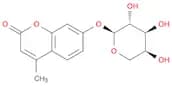
This gene encodes a cell surface tyrosine kinase receptor for members of the platelet-derived growth factor family. These growth factors are mitogens for cells of mesenchymal origin. The identity of the growth factor bound to a receptor monomer determines whether the functional receptor is a homodimer or a heterodimer, composed of both platelet-derived growth factor receptor alpha and beta polypeptides. Studies suggest that this gene plays a role in organ development, wound healing, and tumor progression. Mutations in this gene have been associated with idiopathic hypereosinophilic syndrome, somatic and familial gastrointestinal stromal tumors, and a variety of other cancers. [provided by RefSeq, Mar 2012],4-Methylumbelliferyl a-L-arabinopyranoside
CAS:Fórmula:C15H16O7Pureza:98%Cor e Forma:SolidPeso molecular:308.2833NU2M rabbit pAb
catalytic activity:NADH + ubiquinone = NAD(+) + ubiquinol.,disease:Defects in MT-ND2 are a cause of Leber hereditary optic neuropathy (LHON) [MIM:535000]. LHON is a maternally inherited disease resulting in acute or subacute loss of central vision, due to optic nerve dysfunction. Cardiac conduction defects and neurological defects have also been described in some patients. LHON results from primary mitochondrial DNA mutations affecting the respiratory chain complexes.,disease:Defects in MT-ND2 may be associated with mitochondrial susceptibility to Alzheimer disease (AD) [MIM:502500].,function:Core subunit of the mitochondrial membrane respiratory chain NADH dehydrogenase (Complex I) that is believed to belong to the minimal assembly required for catalysis. Complex I functions in the transfer of electrons from NADH to the respiratory chain. The immediate electron acceptor for the enzyme is believed to be ubiquinone.,similarity:Belongs to the complex I subunit 2 family.,Cleaved-Plasma Kallikrein HC (R390) rabbit pAb
This gene encodes a glycoprotein that participates in the surface-dependent activation of blood coagulation, fibrinolysis, kinin generation and inflammation. The encoded preproprotein present in plasma as a non-covalent complex with high molecular weight kininogen undergoes proteolytic processing mediated by activated coagulation factor XII to generate a disulfide-linked, heterodimeric serine protease comprised of heavy and light chains. Certain mutations in this gene cause prekallikrein deficiency. Alternative splicing results in multiple transcript variants encoding different isoforms. [provided by RefSeq, Jan 2016],OB-cadherin rabbit pAb
This gene encodes a type II classical cadherin from the cadherin superfamily, integral membrane proteins that mediate calcium-dependent cell-cell adhesion. Mature cadherin proteins are composed of a large N-terminal extracellular domain, a single membrane-spanning domain, and a small, highly conserved C-terminal cytoplasmic domain. Type II (atypical) cadherins are defined based on their lack of a HAV cell adhesion recognition sequence specific to type I cadherins. Expression of this particular cadherin in osteoblastic cell lines, and its upregulation during differentiation, suggests a specific function in bone development and maintenance. [provided by RefSeq, Jul 2008],EDG-1 rabbit pAb
The protein encoded by this gene is structurally similar to G protein-coupled receptors and is highly expressed in endothelial cells. It binds the ligand sphingosine-1-phosphate with high affinity and high specificity, and suggested to be involved in the processes that regulate the differentiation of endothelial cells. Activation of this receptor induces cell-cell adhesion. Alternative splicing results in multiple transcript variants. [provided by RefSeq, Mar 2016],NPHP3 rabbit pAb
This gene encodes a protein containing a coiled-coil (CC) domain, a tubulin-tyrosine ligase (TTL) domain, and a tetratrico peptide repeat (TPR) domain. The encoded protein interacts with nephrocystin, it is required for normal ciliary development, and it functions in renal tubular development. Mutations in this gene are associated with nephronophthisis type 3, and also with renal-hepatic-pancreatic dysplasia, and Meckel syndrome type 7. Naturally occurring read-through transcripts exist between this gene and the downstream ACAD11 (acyl-CoA dehydrogenase family, member 11) gene. [provided by RefSeq, Feb 2011],S29A2 rabbit pAb
The uptake of nucleosides by transporters, such as SLC29A2, is essential for nucleotide synthesis by salvage pathways in cells that lack de novo biosynthetic pathways. Nucleoside transport also plays a key role in the regulation of many physiologic processes through its effect on adenosine concentration at the cell surface (Griffiths et al., 1997 [PubMed 9396714]).[supplied by OMIM, Nov 2008],p130 Cas (phospho Tyr410) rabbit pAb
BCAR1, or CAS, is an Src (MIM 190090) family kinase substrate involved in various cellular events, including migration, survival, transformation, and invasion (Sawada et al., 2006 [PubMed 17129785]).[supplied by OMIM, May 2009],SIRT1 (GlcNAc D548) rabbit pAb
This gene encodes a member of the sirtuin family of proteins, homologs to the yeast Sir2 protein. Members of the sirtuin family are characterized by a sirtuin core domain and grouped into four classes. The functions of human sirtuins have not yet been determined; however, yeast sirtuin proteins are known to regulate epigenetic gene silencing and suppress recombination of rDNA. Studies suggest that the human sirtuins may function as intracellular regulatory proteins with mono-ADP-ribosyltransferase activity. The protein encoded by this gene is included in class I of the sirtuin family. Alternative splicing results in multiple transcript variants. [provided by RefSeq, Dec 2008],COX10 rabbit pAb
Cytochrome c oxidase (COX), the terminal component of the mitochondrial respiratory chain, catalyzes the electron transfer from reduced cytochrome c to oxygen. This component is a heteromeric complex consisting of 3 catalytic subunits encoded by mitochondrial genes and multiple structural subunits encoded by nuclear genes. The mitochondrially-encoded subunits function in electron transfer, and the nuclear-encoded subunits may function in the regulation and assembly of the complex. This nuclear gene encodes heme A:farnesyltransferase, which is not a structural subunit but required for the expression of functional COX and functions in the maturation of the heme A prosthetic group of COX. This protein is predicted to contain 7-9 transmembrane domains localized in the mitochondrial inner membrane. A gene mutation, which results in the substitution of a lysNuclear Receptor NR4A1 (Phospho-Ser351) Antibody
This gene encodes a member of the steroid-thyroid hormone-retinoid receptor superfamily. Expression is induced by phytohemagglutinin in human lymphocytes and by serum stimulation of arrested fibroblasts. The encoded protein acts as a nuclear transcription factor. Translocation of the protein from the nucleus to mitochondria induces apoptosis. Multiple transcript variants encoding different isoforms have been found for this gene. [provided by RefSeq, Jan 2011],Myosin IXb rabbit pAb
This gene encodes a member of the myosin family of actin-based molecular motor heavy chain proteins. The protein represents an unconventional myosin; it should not be confused with the conventional non-muscle myosin-9 (MYH9). The protein has four IQ motifs located in the neck domain that bind calmodulin, which serves as a light chain. The protein complex has a single-headed structure and exhibits processive movement on actin filaments toward the minus-end. The protein also has rho-GTPase activity. Polymorphisms in this gene are associated with celiac disease and ulcerative colitis susceptibility. Multiple transcript variants encoding different isoforms have been found for this gene. [provided by RefSeq, Dec 2011],Mox1 rabbit pAb
This gene encodes a member of the NADPH oxidase family of enzymes responsible for the catalytic one-electron transfer of oxygen to generate superoxide or hydrogen peroxide. Alternatively spliced transcript variants encoding multiple isoforms have been observed for this gene. [provided by RefSeq, Nov 2012],ApoL4 rabbit pAb
The protein encoded by this gene is a member of the apolipoprotein L family and may play a role in lipid exchange and transport throughout the body, as well as in reverse cholesterol transport from peripheral cells to the liver. Two transcript variants encoding two different isoforms have been found for this gene. Only one of the isoforms appears to be a secreted protein. [provided by RefSeq, Jul 2008],REXO1 rabbit pAb
function:Seems to have no detectable effect on transcription elongation in vitro.,similarity:Belongs to the REXO1/REXO3 family.,similarity:Contains 1 exonuclease domain.,subunit:Interacts with TCEA2 and TCEB3.,tissue specificity:Ubiquitously expressed.,CART rabbit pAb
This gene encodes a preproprotein that is proteolytically processed to generate multiple biologically active peptides. These peptides play a role in appetite, energy balance, maintenance of body weight, reward and addiction, and the stress response. Expression of a similar gene transcript in rodents is upregulated following administration of cocaine and amphetamine. Mutations in this gene are associated with susceptibility to obesity in humans. [provided by RefSeq, Feb 2016],Somatotropin rabbit pAb
The protein encoded by this gene is a member of the somatotropin/prolactin family of hormones which play an important role in growth control. The gene, along with four other related genes, is located at the growth hormone locus on chromosome 17 where they are interspersed in the same transcriptional orientation; an arrangement which is thought to have evolved by a series of gene duplications. The five genes share a remarkably high degree of sequence identity. Alternative splicing generates additional isoforms of each of the five growth hormones, leading to further diversity and potential for specialization. This particular family member is expressed in the pituitary but not in placental tissue as is the case for the other four genes in the growth hormone locus. Mutations in or deletions of the gene lead to growth hormone deficiency and short stature. [provided by RefSeq, Jul 2008],NuMA (phospho-Ser395) rabbit pAb
This gene encodes a large protein that forms a structural component of the nuclear matrix. The encoded protein interacts with microtubules and plays a role in the formation and organization of the mitotic spindle during cell division. Chromosomal translocation of this gene with the RARA (retinoic acid receptor, alpha) gene on chromosome 17 have been detected in patients with acute promyelocytic leukemia. Alternative splicing results in multiple transcript variants. [provided by RefSeq, Nov 2013],Kinesin-like Protein KIF1C (Phospho Ser1092) rabbit pAb
kinesin family member 1C(KIF1C) Homo sapiens The protein encoded by this gene is a member of the kinesin-like protein family. The family members are microtubule-dependent molecular motors that transport organelles within cells and move chromosomes during cell division. Mutations in this gene are a cause of spastic ataxia 2, autosomal recessive. [provided by RefSeq, May 2014],Kpm rabbit pAb
This gene encodes a serine/threonine protein kinase belonging to the LATS tumor suppressor family. The protein localizes to centrosomes during interphase, and early and late metaphase. It interacts with the centrosomal proteins aurora-A and ajuba and is required for accumulation of gamma-tubulin and spindle formation at the onset of mitosis. It also interacts with a negative regulator of p53 and may function in a positive feedback loop with p53 that responds to cytoskeleton damage. Additionally, it can function as a co-repressor of androgen-responsive gene expression. [provided by RefSeq, Jul 2008],NGAL rabbit pAb
This gene encodes a protein that belongs to the lipocalin family. Members of this family transport small hydrophobic molecules such as lipids, steroid hormones and retinoids. The protein encoded by this gene is a neutrophil gelatinase-associated lipocalin and plays a role in innate immunity by limiting bacterial growth as a result of sequestering iron-containing siderophores. The presence of this protein in blood and urine is an early biomarker of acute kidney injury. This protein is thought to be be involved in multiple cellular processes, including maintenance of skin homeostasis, and suppression of invasiveness and metastasis. Mice lacking this gene are more susceptible to bacterial infection than wild type mice. [provided by RefSeq, Sep 2015],PRKRA rabbit pAb
This gene encodes a protein kinase activated by double-stranded RNA which mediates the effects of interferon in response to viral infection. Mutations in this gene have been associated with dystonia. Alternative splicing results in multiple transcript variants. [provided by RefSeq, Nov 2008],KV4.1 rabbit pAb
This gene encodes a multipass membrane protein that comprises the pore subunit of the voltage-gated A-type potassium channel, which functions in the repolarization of membrane action potentials. Activity of voltage-gated potassium channels is important in a number of physiological processes, among them the regulation of neurotransmitter release, heart rate, insulin secretion, and smooth muscle contraction. [provided by RefSeq, Aug 2013],Bcl-10 rabbit pAb
This gene was identified by its translocation in a case of mucosa-associated lymphoid tissue (MALT) lymphoma. The protein encoded by this gene contains a caspase recruitment domain (CARD), and has been shown to induce apoptosis and to activate NF-kappaB. This protein is reported to interact with other CARD domain containing proteins including CARD9, 10, 11 and 14, which are thought to function as upstream regulators in NF-kappaB signaling. This protein is found to form a complex with MALT1, a protein encoded by another gene known to be translocated in MALT lymphoma. MALT1 and this protein are thought to synergize in the activation of NF-kappaB, and the deregulation of either of them may contribute to the same pathogenetic process that leads to the malignancy. Alternative splicing results in multiple transcript variants. [provided by RefSeq, Mar 2016],USH2A rabbit pAb
This gene encodes a protein that contains laminin EGF motifs, a pentaxin domain, and many fibronectin type III motifs. The protein is found in the basement membrane, and may be important in development and homeostasis of the inner ear and retina. Mutations within this gene have been associated with Usher syndrome type IIa and retinitis pigmentosa. Multiple transcript variants encoding different isoforms have been found for this gene. [provided by RefSeq, Dec 2008],cGKII rabbit pAb
This gene encodes a protein that belongs to the serine/threonine protein kinase family of proteins. The encoded protein plays a role in the regulation of fluid balance in the intestine. A similar protein in mouse is thought to regulate differentiation and proliferation of cells in the colon. Alternate splicing results in multiple transcript variants. [provided by RefSeq, Sep 2013],p53 (Mono Methyl Lys370) rabbit pAb
tumor protein p53(TP53) Homo sapiens This gene encodes a tumor suppressor protein containing transcriptional activation, DNA binding, and oligomerization domains. The encoded protein responds to diverse cellular stresses to regulate expression of target genes, thereby inducing cell cycle arrest, apoptosis, senescence, DNA repair, or changes in metabolism. Mutations in this gene are associated with a variety of human cancers, including hereditary cancers such as Li-Fraumeni syndrome. Alternative splicing of this gene and the use of alternate promoters result in multiple transcript variants and isoforms. Additional isoforms have also been shown to result from the use of alternate translation initiation codons (PMIDs: 12032546, 20937277). [provided by RefSeq, Feb 2013],TFIIIA rabbit pAb
The product of this gene is a zinc finger protein with nine Cis[2]-His[2] zinc finger domains. It functions as an RNA polymerase III transcription factor to induce transcription of the 5S rRNA genes. The protein binds to a 50 bp internal promoter in the 5S genes called the internal control region (ICR), and nucleates formation of a stable preinitiation complex. This complex recruits the TFIIIC and TFIIIB transcription factors and RNA polymerase III to form the complete transcription complex. The protein is thought to be translated using a non-AUG translation initiation site in mammals based on sequence analysis, protein homology, and the size of the purified protein. [provided by RefSeq, Jul 2008],HoxB5 rabbit pAb
This gene is a member of the Antp homeobox family and encodes a nuclear protein with a homeobox DNA-binding domain. It is included in a cluster of homeobox B genes located on chromosome 17. The encoded protein functions as a sequence-specific transcription factor that is involved in lung and gut development. Increased expression of this gene is associated with a distinct biologic subset of acute myeloid leukemia (AML) and the occurrence of bronchopulmonary sequestration (BPS) and congenital cystic adenomatoid malformation (CCAM) tissue. [provided by RefSeq, Jul 2008],GBLP rabbit pAb
domain:The WD repeats domain 5 mediates interaction with TRIM63.,function:Seems to bind protein kinase C acting as an intracellular receptor to anchor the activated PKC to the cytoskeleton. May be involved in up-regulation of the activity of kinases such as PKC via binding to KRT1. Together with KRT1 and ITGB1, serves as a platform for SRC activation or inactivation. May play an important role in the developing brain and neuronal differentiation.,similarity:Belongs to the WD repeat G protein beta family.,similarity:Contains 7 WD repeats.,subcellular location:Located on plasma membrane of neuroblastoma NMB7 cells.,subunit:Binds SLC9A3R1. Forms a ternary complex with TRIM63 and PRKCE. Interacts with HABP4 and KRT1.,SIG14 rabbit pAb
function:Putative adhesion molecule. Sialic acid-binding paired receptor which may activate associated receptors.,similarity:Belongs to the immunoglobulin superfamily. SIGLEC (sialic acid binding Ig-like lectin) family.,similarity:Contains 1 Ig-like V-type (immunoglobulin-like) domain.,similarity:Contains 2 Ig-like C2-type (immunoglobulin-like) domains.,subunit:Interacts with TYROBP.,tissue specificity:Mainly expressed in hematopoietic tissues including bone marrow, spleen and fetal liver. Also detected in lung and testis.,Tyk 2 (Phospho Tyr292) rabbit pAb
tyrosine kinase 2(TYK2) Homo sapiens This gene encodes a member of the tyrosine kinase and, more specifically, the Janus kinases (JAKs) protein families. This protein associates with the cytoplasmic domain of type I and type II cytokine receptors and promulgate cytokine signals by phosphorylating receptor subunits. It is also component of both the type I and type III interferon signaling pathways. As such, it may play a role in anti-viral immunity. A mutation in this gene has been associated with hyperimmunoglobulin E syndrome (HIES) - a primary immunodeficiency characterized by elevated serum immunoglobulin E. [provided by RefSeq, Jul 2008],GP128 rabbit pAb
function:Orphan receptor.,similarity:Belongs to the G-protein coupled receptor 2 family. LN-TM7 subfamily.,similarity:Contains 1 GPS domain.,LDHA (phospho-Tyr10) rabbit pAb
The protein encoded by this gene catalyzes the conversion of L-lactate and NAD to pyruvate and NADH in the final step of anaerobic glycolysis. The protein is found predominantly in muscle tissue and belongs to the lactate dehydrogenase family. Mutations in this gene have been linked to exertional myoglobinuria. Multiple transcript variants encoding different isoforms have been found for this gene. The human genome contains several non-transcribed pseudogenes of this gene. [provided by RefSeq, Sep 2008],SNX4 rabbit pAb
This gene encodes a member of the sorting nexin family. Members of this family contain a phox (PX) domain, which is a phosphoinositide binding domain, and are involved in intracellular trafficking. This protein associated with the long isoform of the leptin receptor and with receptor tyrosine kinases for platelet-derived growth factor, insulin, and epidermal growth factor in cell cultures, but its function is unknown. This protein may form oligomeric complexes with family members. Two transcript variants, one protein coding and the other non-protein coding, have been found for this gene. [provided by RefSeq, Nov 2012],Connexin 25 rabbit pAb
Connexins, such as GJB7, are involved in the formation of gap junctions, intercellular conduits that directly connect the cytoplasms of contacting cells. Each gap junction channel is formed by docking of 2 hemichannels, each of which contains 6 connexin subunits (Sohl et al., 2003 [PubMed 12881038]).[supplied by OMIM, Mar 2008],JIP4 rabbit pAb
This gene encodes a member of the cancer testis antigen gene family. The encoded protein functions as a scaffold protein that structurally organizes mitogen-activated protein kinases and mediates c-Jun-terminal kinase signaling. This protein also binds to kinesin-1 and may be involved in microtubule-based membrane transport. This protein may play a role in tumor growth and development. Alternate splicing results in multiple transcript variants. [provided by RefSeq, Oct 2011],c-Abl (phospho-Thr735) rabbit pAb
This gene is a protooncogene that encodes a protein tyrosine kinase involved in a variety of cellular processes, including cell division, adhesion, differentiation, and response to stress. The activity of the protein is negatively regulated by its SH3 domain, whereby deletion of the region encoding this domain results in an oncogene. The ubiquitously expressed protein has DNA-binding activity that is regulated by CDC2-mediated phosphorylation, suggesting a cell cycle function. This gene has been found fused to a variety of translocation partner genes in various leukemias, most notably the t(9;22) translocation that results in a fusion with the 5' end of the breakpoint cluster region gene (BCR; MIM:151410). Alternative splicing of this gene results in two transcript variants, which contain alternative first exons that are spliced to the remaining common exons. [prEVX2 rabbit pAb
This gene is located at the 5' end of the HOXD gene cluster on chromosome 2. The encoded protein is a homeobox transcription factor that is related to the protein encoded by the Drosophila even-skipped (eve) gene, a member of the pair-rule class of segmentation genes. A 117 kb microdeletion at the 5' end of the HOXD gene cluster, which includes this gene and the HOXD9-HOXD13 genes, causes synpolydactyly, a dominantly inherited disease resulting in limb malformation. [provided by RefSeq, Sep 2009],NDUAD rabbit pAb
This gene encodes a subunit of the mitochondrial membrane respiratory chain NADH dehydrogenase (Complex I), which functions in the transfer of electrons from NADH to the respiratory chain. The protein is required for complex I assembly and electron transfer activity. The protein binds the signal transducers and activators of transcription 3 (STAT3) transcription factor, and can function as a tumor suppressor. The human protein purified from mitochondria migrates at approximately 16 kDa. Transcripts originating from an upstream promoter and capable of expressing a protein with a longer N-terminus have been found, but their biological validity has not been determined. [provided by RefSeq, Oct 2009],BAGE3 rabbit pAb
function:Unknown. Candidate gene encoding tumor antigens.,miscellaneous:The ancestral BAGE gene was generated by juxtacentromeric reshuffling of the MLL3 gene. The BAGE family was expanded by juxtacentromeric movement and/or acrocentric exchanges. BAGE family is composed of expressed genes that map to the juxtacentromeric regions of chromosomes 13 and 21 and of unexpressed gene fragments that scattered in the juxtacentromeric regions of several chromosomes, including chromosomes 9, 13, 18 and 21.,similarity:Belongs to the BAGE family.,tissue specificity:Not expressed in normal tissues except in testis. Expressed in 22% of melanomas, in bladder and lung carcinomas.,tissue specificity:Not expressed in normal tissues except in testis. Expressed in melanoma, bladder and lung carcinomas.,HEM6 rabbit pAb
The protein encoded by this gene is the sixth enzyme of the heme biosynthetic pathway. The encoded enzyme is soluble and found in the intermembrane space of mitochondria. This enzyme catalyzes the stepwise oxidative decarboxylation of coproporphyrinogen III to protoporphyrinogen IX, a precursor of heme. Defects in this gene are a cause of hereditary coproporphyria (HCP).[provided by RefSeq, Oct 2009],Cleaved-Factor Xa activated HC (I235) rabbit pAb
This gene encodes the vitamin K-dependent coagulation factor X of the blood coagulation cascade. This factor undergoes multiple processing steps before its preproprotein is converted to a mature two-chain form by the excision of the tripeptide RKR. Two chains of the factor are held together by 1 or more disulfide bonds; the light chain contains 2 EGF-like domains, while the heavy chain contains the catalytic domain which is structurally homologous to those of the other hemostatic serine proteases. The mature factor is activated by the cleavage of the activation peptide by factor IXa (in the intrisic pathway), or by factor VIIa (in the extrinsic pathway). The activated factor then converts prothrombin to thrombin in the presence of factor Va, Ca+2, and phospholipid during blood clotting. Mutations of this gene result in factor X deficiency, a hemorrhagic condition of variable severity. Alternative spWISP-3 rabbit pAb
This gene encodes a member of the WNT1 inducible signaling pathway (WISP) protein subfamily, which belongs to the connective tissue growth factor (CTGF) family. WNT1 is a member of a family of cysteine-rich, glycosylated signaling proteins that mediate diverse developmental processes. The CTGF family members are characterized by four conserved cysteine-rich domains: insulin-like growth factor-binding domain, von Willebrand factor type C module, thrombospondin domain and C-terminal cystine knot-like domain. This gene is overexpressed in colon tumors. It may be downstream in the WNT1 signaling pathway that is relevant to malignant transformation. Mutations of this gene are associated with progressive pseudorheumatoid dysplasia, an autosomal recessive skeletal disorder, indicating that the gene is essential for normal postnatal skeletal growth and cartilage homeostasis. MultipleZC3H4 rabbit pAb
This gene encodes a member of a family of CCCH (C-x8-C-x5-C-x3-H type) zinc finger domain-containing proteins. These zinc finger domains, which coordinate zinc finger binding and are characterized by three cysteine residues and one histidine residue, are nucleic acid-binding. Other family members are known to function in post-transcriptional regulation. [provided by RefSeq, Aug 2011],BET3 rabbit pAb
trafficking protein particle complex 3(TRAPPC3) Homo sapiens This gene encodes a component of the trafficking protein particle complex, which tethers transport vesicles to the cis-Golgi membrane. The encoded protein participates in the regulation of transport from the endoplasmic reticulum to the Golgi apparatus. Alternative splicing results in multiple transcript variants. [provided by RefSeq, Aug 2012],SP7 rabbit pAb
This gene encodes a member of the Sp subfamily of Sp/XKLF transcription factors. Sp family proteins are sequence-specific DNA-binding proteins characterized by an amino-terminal trans-activation domain and three carboxy-terminal zinc finger motifs. This protein is a bone specific transcription factor and is required for osteoblast differentiation and bone formation.[provided by RefSeq, Jul 2010],PCY1A rabbit pAb
This gene belongs to the cytidylyltransferase family and is involved in the regulation of phosphatidylcholine biosynthesis. Mutations in this gene are associated with spondylometaphyseal dysplasia with cone-rod dystrophy. Alternatively spliced transcript variants have been found for this gene. [provided by RefSeq, Aug 2015],p23 (phospho Ser113) rabbit pAb
This gene encodes an enzyme that converts prostaglandin endoperoxide H2 (PGH2) to prostaglandin E2 (PGE2). This protein functions as a co-chaperone with heat shock protein 90 (HSP90), localizing to response elements in DNA and disrupting transcriptional activation complexes. Alternative splicing results in multiple transcript variants. There are multiple pseudogenes of this gene on several different chromosomes. [provided by RefSeq, Feb 2016],Keap-1 rabbit pAb
This gene encodes a protein containing KELCH-1 like domains, as well as a BTB/POZ domain. Kelch-like ECH-associated protein 1 interacts with NF-E2-related factor 2 in a redox-sensitive manner and the dissociation of the proteins in the cytoplasm is followed by transportation of NF-E2-related factor 2 to the nucleus. This interaction results in the expression of the catalytic subunit of gamma-glutamylcysteine synthetase. Two alternatively spliced transcript variants encoding the same isoform have been found for this gene. [provided by RefSeq, Jul 2008],RAMP3 rabbit pAb
The protein encoded by this gene is a member of the RAMP family of single-transmembrane-domain proteins, called receptor (calcitonin) activity modifying proteins (RAMPs). RAMPs are type I transmembrane proteins with an extracellular N terminus and a cytoplasmic C terminus. RAMPs are required to transport calcitonin-receptor-like receptor (CRLR) to the plasma membrane. CRLR, a receptor with seven transmembrane domains, can function as either a calcitonin-gene-related peptide (CGRP) receptor or an adrenomedullin receptor, depending on which members of the RAMP family are expressed. In the presence of this (RAMP3) protein, CRLR functions as an adrenomedullin receptor. [provided by RefSeq, Jul 2008],DB132 rabbit pAb
Defensins are cysteine-rich cationic polypeptides that are important in the immunologic response to invading microorganisms. The protein encoded by this gene is secreted and is a member of the beta defensin protein family. This protein binds spermatozoa and has antimicrobial activity against E. coli. Beta defensin genes are found in several clusters throughout the genome, with this gene mapping to a cluster at 20p13. [provided by RefSeq, Nov 2014],BNIP-3 rabbit pAb
This gene is encodes a mitochondrial protein that contains a BH3 domain and acts as a pro-apoptotic factor. The encoded protein interacts with anti-apoptotic proteins, including the E1B 19 kDa protein and Bcl2. This gene is silenced in tumors by DNA methylation. [provided by RefSeq, Dec 2014],dTMP Kinase rabbit pAb
catalytic activity:ATP + dTMP = ADP + dTDP.,function:Catalyzes the conversion of dTMP to dTDP.,pathway:Pyrimidine metabolism; dTTP biosynthesis.,similarity:Belongs to the thymidylate kinase family.,CD69 rabbit pAb
This gene encodes a member of the calcium dependent lectin superfamily of type II transmembrane receptors. Expression of the encoded protein is induced upon activation of T lymphocytes, and may play a role in proliferation. Furthermore, the protein may act to transmit signals in natural killer cells and platelets. [provided by RefSeq, Aug 2011],OR2BB rabbit pAb
Olfactory receptors interact with odorant molecules in the nose, to initiate a neuronal response that triggers the perception of a smell. The olfactory receptor proteins are members of a large family of G-protein-coupled receptors (GPCR) arising from single coding-exon genes. Olfactory receptors share a 7-transmembrane domain structure with many neurotransmitter and hormone receptors and are responsible for the recognition and G protein-mediated transduction of odorant signals. The olfactory receptor gene family is the largest in the genome. The nomenclature assigned to the olfactory receptor genes and proteins for this organism is independent of other organisms. [provided by RefSeq, Jul 2008],DEF6 rabbit pAb
defensin alpha 6(DEFA6) Homo sapiens Defensins are a family of antimicrobial and cytotoxic peptides thought to be involved in host defense. They are abundant in the granules of neutrophils and also found in the epithelia of mucosal surfaces such as those of the intestine, respiratory tract, urinary tract, and vagina. Members of the defensin family are highly similar in protein sequence and distinguished by a conserved cysteine motif. Several alpha defensin genes appear to be clustered on chromosome 8. The protein encoded by this gene, defensin, alpha 6, is highly expressed in the secretory granules of Paneth cells of the small intestine, and likely plays a role in host defense of human bowel. [provided by RefSeq, Oct 2014],Troponin I-C rabbit pAb
Troponin I (TnI), along with troponin T (TnT) and troponin C (TnC), is one of 3 subunits that form the troponin complex of the thin filaments of striated muscle. TnI is the inhibitory subunit; blocking actin-myosin interactions and thereby mediating striated muscle relaxation. The TnI subfamily contains three genes: TnI-skeletal-fast-twitch, TnI-skeletal-slow-twitch, and TnI-cardiac. This gene encodes the TnI-cardiac protein and is exclusively expressed in cardiac muscle tissues. Mutations in this gene cause familial hypertrophic cardiomyopathy type 7 (CMH7) and familial restrictive cardiomyopathy (RCM). [provided by RefSeq, Jul 2008],FLVC2 rabbit pAb
This gene encodes a member of the major facilitator superfamily. The encoded transmembrane protein is a calcium transporter. Unlike the related protein feline leukemia virus subgroup C receptor 1, the protein encoded by this locus does not bind to feline leukemia virus subgroup C envelope protein. The encoded protein may play a role in development of brain vascular endothelial cells, as mutations at this locus have been associated with proliferative vasculopathy and hydranencephaly-hydrocephaly syndrome. Alternatively spliced transcript variants have been described.[provided by RefSeq, Aug 2010],SUHW1 rabbit pAb
This gene encodes a zinc finger protein. The encoded protein contains 4 C2H2-type zinc fingers, which are commonly found in transcription factors. A variety of functions may be performed by this type of zinc finger protein, including the binding of DNA or RNA. [provided by RefSeq, Apr 2014],PACRG rabbit pAb
This gene encodes a protein that is conserved across metazoans. In vertebrates, this gene is linked in a head-to-head arrangement with the adjacent parkin gene, which is associated with autosomal recessive juvenile Parkinson's disease. These genes are co-regulated in various tissues and they share a bi-directional promoter. Both genes are associated with susceptibility to leprosy. The parkin co-regulated gene protein forms a large molecular complex with chaperones, including heat shock proteins 70 and 90, and chaperonin components. This protein is also a component of Lewy bodies in Parkinson's disease patients, and it suppresses unfolded Pael receptor-induced neuronal cell death. Multiple transcript variants encoding different isoforms have been found for this gene. [provided by RefSeq, Jul 2008],PCBP3 rabbit pAb
This gene encodes a member of the KH-domain protein subfamily. Proteins of this subfamily, also referred to as alpha-CPs, bind to RNA with a specificity for C-rich pyrimidine regions. Alpha-CPs play important roles in post-transcriptional activities and have different cellular distributions. This gene's protein is found in the cytoplasm, yet it lacks the nuclear localization signals found in other subfamily members. Alternative splicing results in multiple transcript variants encoding distinct isoforms. [provided by RefSeq, Jul 2008],IL-6Rα rabbit pAb
This gene encodes a subunit of the interleukin 6 (IL6) receptor complex. Interleukin 6 is a potent pleiotropic cytokine that regulates cell growth and differentiation and plays an important role in the immune response. The IL6 receptor is a protein complex consisting of this protein and interleukin 6 signal transducer (IL6ST/GP130/IL6-beta), a receptor subunit also shared by many other cytokines. Dysregulated production of IL6 and this receptor are implicated in the pathogenesis of many diseases, such as multiple myeloma, autoimmune diseases and prostate cancer. Alternatively spliced transcript variants encoding distinct isoforms have been reported. A pseudogene of this gene is found on chromosome 9.[provided by RefSeq, May 2011],