Anticorpos primários
Os anticorpos primários são imunoglobulinas que se ligam especificamente a um antígeno de interesse, permitindo a detecção e quantificação de proteínas, peptídeos ou outras biomoléculas. Estes anticorpos são ferramentas essenciais em uma ampla gama de aplicações, incluindo Western blot, imunohistoquímica e ELISA. Na CymitQuimica, oferecemos uma vasta seleção de anticorpos primários de alta qualidade, proporcionando especificidade e sensibilidade para diversas necessidades de pesquisa, incluindo estudos sobre câncer, imunologia e biologia celular.
Subcategorias de "Anticorpos primários"
- Investigação de anticorpos do cancro(3.620 produtos)
- Anticorpos Cardiovasculares(2 produtos)
- Biologia do Desenvolvimento(751 produtos)
- Anticorpos Epigenética(162 produtos)
- Anticorpos imunológicos(2.793 produtos)
- Anticorpos metabólicos(279 produtos)
- Anticorpos de Microbiologia(736 produtos)
- Transdução de sinal(2.717 produtos)
- Etiquetas e Marcadores Celulares(33 produtos)
Exibir 1 mais subcategorias
Foram encontrados 75326 produtos de "Anticorpos primários"
Ordenar por
Pureza (%)
0
100
|
0
|
50
|
90
|
95
|
100
NDUB8 rabbit pAb
function:Accessory subunit of the mitochondrial membrane respiratory chain NADH dehydrogenase (Complex I), that is believed to be not involved in catalysis. Complex I functions in the transfer of electrons from NADH to the respiratory chain. The immediate electron acceptor for the enzyme is believed to be ubiquinone.,similarity:Belongs to the complex I NDUFB8 subunit family.,subunit:Complex I is composed of 45 different subunits.,NFκB-p105/p50 rabbit pAb
nuclear factor kappa B subunit 1(NFKB1) Homo sapiens This gene encodes a 105 kD protein which can undergo cotranslational processing by the 26S proteasome to produce a 50 kD protein. The 105 kD protein is a Rel protein-specific transcription inhibitor and the 50 kD protein is a DNA binding subunit of the NF-kappa-B (NFKB) protein complex. NFKB is a transcription regulator that is activated by various intra- and extra-cellular stimuli such as cytokines, oxidant-free radicals, ultraviolet irradiation, and bacterial or viral products. Activated NFKB translocates into the nucleus and stimulates the expression of genes involved in a wide variety of biological functions. Inappropriate activation of NFKB has been associated with a number of inflammatory diseases while persistent inhibition of NFKB leads to inappropriate immune cell development or delayed cell growth. Alternative splicing results in multiple transcript variants encoding different isofNGRN rabbit pAb
function:May be involved in neuronal differentiation.,induction:Highly up-regulated in neuroblastostoma cells by RA treatment inducing neurite outgrowth.,similarity:Belongs to the neugrin family.,tissue specificity:Expressed at high levels in heart, brain and skeletal muscle. In brain, mainly expressed in neurons rather than glial cells.,TIMP-1 rabbit pAb
This gene belongs to the TIMP gene family. The proteins encoded by this gene family are natural inhibitors of the matrix metalloproteinases (MMPs), a group of peptidases involved in degradation of the extracellular matrix. In addition to its inhibitory role against most of the known MMPs, the encoded protein is able to promote cell proliferation in a wide range of cell types, and may also have an anti-apoptotic function. Transcription of this gene is highly inducible in response to many cytokines and hormones. In addition, the expression from some but not all inactive X chromosomes suggests that this gene inactivation is polymorphic in human females. This gene is located within intron 6 of the synapsin I gene and is transcribed in the opposite direction. [provided by RefSeq, Jul 2008],Acyclovir
CAS:Acyclovir (Aciclovir) is a synthetic analog of the purine nucleoside, guanosine, with potent antiviral activity against herpes simplex viruses type 1 and 2,Fórmula:C8H11N5O3Pureza:99.77% - >99.99%Cor e Forma:Crystals From Methanol SolidPeso molecular:225.2EGFR (phospho Tyr1172) rabbit pAb
The protein encoded by this gene is a transmembrane glycoprotein that is a member of the protein kinase superfamily. This protein is a receptor for members of the epidermal growth factor family. EGFR is a cell surface protein that binds to epidermal growth factor. Binding of the protein to a ligand induces receptor dimerization and tyrosine autophosphorylation and leads to cell proliferation. Mutations in this gene are associated with lung cancer. [provided by RefSeq, Jun 2016],AT2C2 rabbit pAb
catalytic activity:ATP + H(2)O + Ca(2+)(Cis) = ADP + phosphate + Ca(2+)(Trans).,function:This magnesium-dependent enzyme catalyzes the hydrolysis of ATP coupled with the transport of calcium.,similarity:Belongs to the cation transport ATPase (P-type) family.,similarity:Belongs to the cation transport ATPase (P-type) family. Type IIA subfamily.,Acetic acid, [[2-(diethylamino)ethyl]thio]-,(3aS,4R,5S,6S,8R,9S,9aR,10R)-6-ethenyldecahydro-5-hydroxy-4,6,9,10-tetramethyl-1-oxo-3a,9-propano-3aH-cyclopentacycloocten-8-ylester, (2E)-2-butenedioate (1:1) (salt)
CAS:Fórmula:C32H51NO8SPureza:98%Cor e Forma:SolidPeso molecular:609.8142SPP2A rabbit pAb
This gene encodes a member of the GXGD family of aspartic proteases, which are transmembrane proteins with two conserved catalytic motifs localized within the membrane-spanning regions, as well as a member of the signal peptide peptidase-like protease (SPPL) family. This protein is expressed in all major adult human tissues and localizes to late endosomal compartments and lysosomal membranes. A pseudogene of this gene also lies on chromosome 15. [provided by RefSeq, Feb 2012],S39A5 rabbit pAb
The protein encoded by this gene belongs to the ZIP family of zinc transporters that transport zinc into cells from outside, and play a crucial role in controlling intracellular zinc levels. Zinc is an essential cofactor for many enzymes and proteins involved in gene transcription, growth, development and differentiation. Mutations in this gene have been associated with autosomal dominant high myopia (MYP24). Alternatively spliced transcript variants have been found for this gene. [provided by RefSeq, Sep 2014],Neuromedin-U rabbit pAb
This gene encodes a member of the neuromedin family of neuropeptides. The encoded protein is a precursor that is proteolytically processed to generate a biologically active neuropeptide that plays a role in pain, stress, immune-mediated inflammatory diseases and feeding regulation. Increased expression of this gene was observed in renal, pancreatic and lung cancers. Alternative splicing results in multiple transcript variants encoding different isoforms. Some of these isoforms may undergo similar processing to generate the mature peptide. [provided by RefSeq, Jul 2015],LFTY1 rabbit pAb
This gene encodes a secreted ligand of the TGF-beta (transforming growth factor-beta) superfamily of proteins. Ligands of this family bind various TGF-beta receptors leading to recruitment and activation of SMAD family transcription factors that regulate gene expression. The encoded preproprotein is proteolytically processed to generate the mature protein, which plays a role in left-right asymmetry determination of organ systems during development. This gene is closely linked to both a related family member and a related pseudogene. [provided by RefSeq, Aug 2016],TPPC4 rabbit pAb
function:May play a role in vesicular transport from endoplasmic reticulum to Golgi.,similarity:Belongs to the TRAPP small subunits family. TRAPPC4 subfamily.,subunit:Part of the multisubunit TRAPP (transport protein particle) complex. Interacts with SDC2.,IGFL1 rabbit pAb
IGF like family member 1(IGFL1) Homo sapiens The protein encoded by this gene is a member of the insulin-like growth factor family of signaling molecules. The encoded protein is synthesized as a precursor protein and is proteolytically cleaved to form a secreted mature peptide. The mature peptide binds to a receptor, which in mouse was found on the cell surface of T cells. Increased expression of this gene may be linked to psoriasis. [provided by RefSeq, Aug 2016],B23 (phospho Thr234) rabbit pAb
This gene encodes a phosphoprotein which moves between the nucleus and the cytoplasm. The gene product is thought to be involved in several processes including regulation of the ARF/p53 pathway. A number of genes are fusion partners have been characterized, in particular the anaplastic lymphoma kinase gene on chromosome 2. Mutations in this gene are associated with acute myeloid leukemia. More than a dozen pseudogenes of this gene have been identified. Alternative splicing results in multiple transcript variants.[provided by RefSeq, Nov 2009],BMP-2 rabbit pAb
This gene encodes a secreted ligand of the TGF-beta (transforming growth factor-beta) superfamily of proteins. Ligands of this family bind various TGF-beta receptors leading to recruitment and activation of SMAD family transcription factors that regulate gene expression. The encoded preproprotein is proteolytically processed to generate each subunit of the disulfide-linked homodimer, which plays a role in bone and cartilage development. Duplication of a regulatory region downstream of this gene causes a form of brachydactyly characterized by a malformed index finger and second toe in human patients. [provided by RefSeq, Jul 2016],Ku-70 (Acetyl Lys542) rabbit pAb
The p70/p80 autoantigen is a nuclear complex consisting of two subunits with molecular masses of approximately 70 and 80 kDa. The complex functions as a single-stranded DNA-dependent ATP-dependent helicase. The complex may be involved in the repair of nonhomologous DNA ends such as that required for double-strand break repair, transposition, and V(D)J recombination. High levels of autoantibodies to p70 and p80 have been found in some patients with systemic lupus erythematosus. [provided by RefSeq, Jul 2008],PAR15 rabbit pAb
PARP15 is a macrodomain-containing transcriptional repressor with poly(ADP-ribose) polymerase activity (Aguiar et al., 2005 [PubMed 16061477]).[supplied by OMIM, May 2008],Arg rabbit pAb
This gene encodes a member of the Abelson family of nonreceptor tyrosine protein kinases. The protein is highly similar to the c-abl oncogene 1 protein, including the tyrosine kinase, SH2 and SH3 domains, and it plays a role in cytoskeletal rearrangements through its C-terminal F-actin- and microtubule-binding sequences. This gene is expressed in both normal and tumor cells, and is involved in translocation with the ets variant 6 gene in leukemia. Multiple alternatively spliced transcript variants encoding different protein isoforms have been found for this gene. [provided by RefSeq, Nov 2009],Pim-1 rabbit pAb
The protein encoded by this gene belongs to the Ser/Thr protein kinase family, and PIM subfamily. This gene is expressed primarily in B-lymphoid and myeloid cell lines, and is overexpressed in hematopoietic malignancies and in prostate cancer. It plays a role in signal transduction in blood cells, contributing to both cell proliferation and survival, and thus provides a selective advantage in tumorigenesis. Both the human and orthologous mouse genes have been reported to encode two isoforms (with preferential cellular localization) resulting from the use of alternative in-frame translation initiation codons, the upstream non-AUG (CUG) and downstream AUG codons (PMIDs:16186805, 1825810).[provided by RefSeq, Aug 2011],Arnt 2 rabbit pAb
aryl hydrocarbon receptor nuclear translocator 2(ARNT2) Homo sapiens This gene encodes a member of the basic-helix-loop-helix-Per-Arnt-Sim (bHLH-PAS) superfamily of transcription factors. The encoded protein acts as a partner for several sensor proteins of the bHLH-PAS family, forming heterodimers with the sensor proteins that bind regulatory DNA sequences in genes responsive to developmental and environmental stimuli. Under hypoxic conditions, the encoded protein complexes with hypoxia-inducible factor 1alpha in the nucleus and this complex binds to hypoxia-responsive elements in enhancers and promoters of oxygen-responsive genes. A highly similar protein in mouse forms functional complexes with both aryl hydrocarbon receptors and Single-minded proteins, suggesting additional roles for the encoded protein in the metabolism of xenobiotic compounds and the regulation of neurogenesis, respectively. [provided by RefSeq, Dec 2013],RPA14 rabbit pAb
function:Required for DNA recombination, repair and replication. The activity of RP-A is mediated by single-stranded DNA binding and protein interactions.,subunit:Heterotrimer of 70, 32 and 14 kDa chains. The DNA-binding activity may reside exclusively on the 70 kDa subunit. Interacts with RPA4.,RPAP3 rabbit pAb
This gene encodes an RNA polymerase II-associated protein. The encoded protein may function in transcriptional regulation and may also regulate apoptosis. Alternatively spliced transcript variants have been described. [provided by RefSeq, Mar 2009],BCoR rabbit pAb
The protein encoded by this gene was identified as an interacting corepressor of BCL6, a POZ/zinc finger transcription repressor that is required for germinal center formation and may influence apoptosis. This protein selectively interacts with the POZ domain of BCL6, but not with eight other POZ proteins. Specific class I and II histone deacetylases (HDACs) have been shown to interact with this protein, which suggests a possible link between the two classes of HDACs. Several transcript variants encoding different isoforms have been found for this gene. A pseudogene of this gene is found on chromosome Y.[provided by RefSeq, Jun 2010],RM23 rabbit pAb
Mammalian mitochondrial ribosomal proteins are encoded by nuclear genes and help in protein synthesis within the mitochondrion. Mitochondrial ribosomes (mitoribosomes) consist of a small 28S subunit and a large 39S subunit. They have an estimated 75% protein to rRNA composition compared to prokaryotic ribosomes, where this ratio is reversed. Another difference between mammalian mitoribosomes and prokaryotic ribosomes is that the latter contain a 5S rRNA. Among different species, the proteins comprising the mitoribosome differ greatly in sequence, and sometimes in biochemical properties, which prevents easy recognition by sequence homology. This gene encodes a 39S subunit protein. The gene is biallelically expressed, despite its location within a region of imprinted genes on chromosome 11. [provided by RefSeq, Jul 2008],Pmp24 rabbit pAb
similarity:Belongs to the peroxisomal membrane protein PXMP2/4 family.,subunit:Interacts with PEX19.,HPK1 rabbit pAb
catalytic activity:ATP + a protein = ADP + a phosphoprotein.,cofactor:Magnesium.,function:May play a role in the response to environmental stress. Appears to act upstream of the JUN N-terminal pathway. May play a role in hematopoietic lineage decisions and growth regulation.,similarity:Belongs to the protein kinase superfamily. STE Ser/Thr protein kinase family. STE20 subfamily.,similarity:Contains 1 CNH domain.,similarity:Contains 1 protein kinase domain.,subunit:Interacts with MAP3K1.,tissue specificity:Expressed primarily in hematopoietic organs, including bone marrow, spleen and thymus. Also expressed at very low levels in lung, kidney, mammary glands and small intestine.,Peroxin 10 rabbit pAb
peroxisomal biogenesis factor 10(PEX10) Homo sapiens This gene encodes a protein involved in import of peroxisomal matrix proteins. This protein localizes to the peroxisomal membrane. Mutations in this gene result in phenotypes within the Zellweger spectrum of peroxisomal biogenesis disorders, ranging from neonatal adrenoleukodystrophy to Zellweger syndrome. Alternative splicing results in two transcript variants encoding different isoforms. [provided by RefSeq, Jul 2008],β Tubulin rabbit pAb
tubulin beta 3 class III(TUBB3) Homo sapiens This gene encodes a class III member of the beta tubulin protein family. Beta tubulins are one of two core protein families (alpha and beta tubulins) that heterodimerize and assemble to form microtubules. This protein is primarily expressed in neurons and may be involved in neurogenesis and axon guidance and maintenance. Mutations in this gene are the cause of congenital fibrosis of the extraocular muscles type 3. Alternate splicing results in multiple transcript variants. A pseudogene of this gene is found on chromosome 6. [provided by RefSeq, Oct 2010],MAST205 rabbit pAb
catalytic activity:ATP + a protein = ADP + a phosphoprotein.,cofactor:Magnesium.,function:Appears to link the dystrophin/utrophin network with microtubule filaments via the syntrophins. Phosphorylation of DMD or UTRN may modulate their affinities for associated proteins. Functions in a multi-protein complex in spermatid maturation. Regulates lipopolysaccharide-induced IL-12 synthesis in macrophages by forming a complex with TRAF6, resulting in the inhibition of TRAF6 NF-kappa-B activation.,PTM:Phosphorylated and ubiquitinated. N-terminal ubiquitination leads to degradation of MAST2 by proteasome-mediated proteolysis. N-terminal phosphorylation appears to be a prerequisite for ubiquitination.,similarity:Belongs to the protein kinase superfamily. AGC Ser/Thr protein kinase family.,similarity:Contains 1 AGC-kinase C-terminal domain.,similarity:Contains 1 PDZ (DHR) domain.,similarity:Contains 1 protein kinase domain.,subcellular location:Recruited to the sub-membranous area on interaction with PC-LKC.,tissue specificity:Abundant in the testis.,Ref: IN-DA00IA14
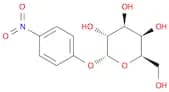
1g63,00€5g120,00€10g208,00€1kgA consultar25g255,00€250g503,00€500gA consultar250mg39,00€4-Nitrophenyl a-D-galactopyranoside
CAS:Fórmula:C12H15NO8Pureza:97%Cor e Forma:SolidPeso molecular:301.2494ATG5 (3C7) Mouse mAb
Autophagy is generally activated by conditions of nutrient deprivation but has also been associated with a number of physiological processes including development, differentiation, neurodegeneration, infection, and cancer. Formation of the autophagosome involves a ubiquitin-like conjugation system in which Atg12 is covalently bound to Atg5 and targeted to autophagosome vesicles. This conjugation reaction is mediated by the ubiquitin E1-like enzyme Atg7 and the E2-like enzyme Atg10.Nup160 rabbit pAb
nucleoporin 160(NUP160) Homo sapiens NUP160 is 1 of up to 60 proteins that make up the 120-MD nuclear pore complex, which mediates nucleoplasmic transport.[supplied by OMIM, Apr 2004],Tuberin/TSC2 (phospho-Ser1387) rabbit pAb
Mutations in this gene lead to tuberous sclerosis complex. Its gene product is believed to be a tumor suppressor and is able to stimulate specific GTPases. The protein associates with hamartin in a cytosolic complex, possibly acting as a chaperone for hamartin. Alternative splicing results in multiple transcript variants encoding different isoforms. [provided by RefSeq, Jul 2008],TCPG rabbit pAb
The protein encoded by this gene is a molecular chaperone that is a member of the chaperonin containing TCP1 complex (CCT), also known as the TCP1 ring complex (TRiC). This complex consists of two identical stacked rings, each containing eight different proteins. Unfolded polypeptides enter the central cavity of the complex and are folded in an ATP-dependent manner. The complex folds various proteins, including actin and tubulin. Alternate transcriptional splice variants have been characterized for this gene. In addition, a pseudogene of this gene has been found on chromosome 8. [provided by RefSeq, Aug 2010],Paxillin rabbit pAb
This gene encodes a cytoskeletal protein involved in actin-membrane attachment at sites of cell adhesion to the extracellular matrix (focal adhesion). Alternatively spliced transcript variants encoding different isoforms have been described for this gene. These isoforms exhibit different expression pattern, and have different biochemical, as well as physiological properties (PMID:9054445). [provided by RefSeq, Aug 2011],SIGIR rabbit pAb
function:Acts as a negative regulator of the Toll-like and IL-1R receptor signaling pathways. Attenuates the recruitment of receptor-proximal signaling components to the TLR4 receptor, probably through an TIR-TIR domain interaction with TLR4. Through its extracellular domain interferes with the heterodimerization of Il1R1 and IL1RAP.,similarity:Belongs to the interleukin-1 receptor family.,similarity:Contains 1 Ig-like C2-type (immunoglobulin-like) domain.,similarity:Contains 1 TIR domain.,subunit:Interacts with IL1R1, IRAK1, TLR4, TLR5, TLR9 and TRAF6. Upon IL-1 stimulation found in a complex at least composed of IL1R1, SIGIRR, MYD88, IRAK1 and TRAF6. Upon stimulation with LPC found in a complex at least composed of TLR4, SIG1IR, MYD88, IRAK1 and TRAF6.,tissue specificity:Mainly expressed in epithelial tissues such as kidney, lung and gut.,CD88 rabbit pAb
function:Receptor for the chemotactic and inflammatory peptide anaphylatoxin C5a. This receptor stimulates chemotaxis, granule enzyme release and superoxide anion production.,PTM:Sulfation plays a critical role in the association of the receptor with C5a, but no significant role in the ability of the receptor to transduce a signal and mobilize calcium in response to a small peptide agonist.,similarity:Belongs to the G-protein coupled receptor 1 family.,Cleaved-Integrin α5 LC (E895) rabbit pAb
integrin subunit alpha 5(ITGA5) Homo sapiens The product of this gene belongs to the integrin alpha chain family. Integrins are heterodimeric integral membrane proteins composed of an alpha subunit and a beta subunit that function in cell surface adhesion and signaling. The encoded preproprotein is proteolytically processed to generate light and heavy chains that comprise the alpha 5 subunit. This subunit associates with the beta 1 subunit to form a fibronectin receptor. This integrin may promote tumor invasion, and higher expression of this gene may be correlated with shorter survival time in lung cancer patients. Note that the integrin alpha 5 and integrin alpha V subunits are encoded by distinct genes. [provided by RefSeq, Oct 2015],4-Amino-N-(5-methyl-3-isoxazolyl)benzenesulfonamide
CAS:Fórmula:C10H11N3O3SPureza:95%Cor e Forma:SolidPeso molecular:253.2776Ref: IN-DA0036NZ
5gA consultar1kg109,00€25g25,00€50g29,00€100g34,00€10kgA consultar250g63,00€25kgA consultar500g77,00€TIS11B (phospho Ser92) rabbit pAb
This gene is a member of the TIS11 family of early response genes, which are induced by various agonists such as the phorbol ester TPA and the polypeptide mitogen EGF. This gene is well conserved across species and has a promoter that contains motifs seen in other early-response genes. The encoded protein contains a distinguishing putative zinc finger domain with a repeating cys-his motif. This putative nuclear transcription factor most likely functions in regulating the response to growth factors. Alternatively spliced transcript variants encoding different isoforms have been found for this gene. [provided by RefSeq, Sep 2011],EPYC rabbit pAb
epiphycan(EPYC) Homo sapiens Dermatan sulfate proteoglycan 3 is a member of the small leucine-rich repeat proteoglycan family. This gene is composed of seven exons. It regulates fibrillogenesis by interacting with collagen fibrils and other extracellular matrix proteins. [provided by RefSeq, Jul 2008],KERA rabbit pAb
The protein encoded by this gene is a keratan sulfate proteoglycan that is involved in corneal transparency. Defects in this gene are a cause of autosomal recessive cornea plana 2 (CNA2).[provided by RefSeq, May 2010],CKR-5 rabbit pAb
This gene encodes a member of the beta chemokine receptor family, which is predicted to be a seven transmembrane protein similar to G protein-coupled receptors. This protein is expressed by T cells and macrophages, and is known to be an important co-receptor for macrophage-tropic virus, including HIV, to enter host cells. Defective alleles of this gene have been associated with the HIV infection resistance. The ligands of this receptor include monocyte chemoattractant protein 2 (MCP-2), macrophage inflammatory protein 1 alpha (MIP-1 alpha), macrophage inflammatory protein 1 beta (MIP-1 beta) and regulated on activation normal T expressed and secreted protein (RANTES). Expression of this gene was also detected in a promyeloblastic cell line, suggesting that this protein may play a role in granulocyte lineage proliferation and differentiation. This gene is located at the chemokDAPK2 rabbit pAb
This gene encodes a protein that belongs to the serine/threonine protein kinase family. This protein contains a N-terminal protein kinase domain followed by a conserved calmodulin-binding domain with significant similarity to that of death-associated protein kinase 1 (DAPK1), a positive regulator of programmed cell death. Overexpression of this gene was shown to induce cell apoptosis. It uses multiple polyadenylation sites. [provided by RefSeq, Jul 2008],PKC θ (phospho Thr538) rabbit pAb
Protein kinase C (PKC) is a family of serine- and threonine-specific protein kinases that can be activated by calcium and the second messenger diacylglycerol. PKC family members phosphorylate a wide variety of protein targets and are known to be involved in diverse cellular signaling pathways. PKC family members also serve as major receptors for phorbol esters, a class of tumor promoters. Each member of the PKC family has a specific expression profile and is believed to play a distinct role. The protein encoded by this gene is one of the PKC family members. It is a calcium-independent and phospholipid-dependent protein kinase. This kinase is important for T-cell activation. It is required for the activation of the transcription factors NF-kappaB and AP-1, and may link the T cell receptor (TCR) signaling complex to the activation of the transcription factors. [provided by RefSeq, Jul 2008],(2S,3S,4S,5R,6R)-3,4,5-Trihydroxy-6-(4-nitrophenoxy)tetrahydro-2H-pyran-2-carboxylic acid
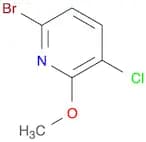
CAS:Fórmula:C12H13NO9Pureza:97%Cor e Forma:SolidPeso molecular:315.23296-Bromo-3-chloro-2-methoxypyridine
CAS:Fórmula:C6H5BrClNOPureza:96%Cor e Forma:SolidPeso molecular:222.4670Otubain-1 rabbit pAb
OTU deubiquitinase, ubiquitin aldehyde binding 1(OTUB1) Homo sapiens The product of this gene is a member of the OTU (ovarian tumor) superfamily of predicted cysteine proteases. The encoded protein is a highly specific ubiquitin iso-peptidase, and cleaves ubiquitin from branched poly-ubiquitin chains but not from ubiquitinated substrates. It interacts with another ubiquitin protease and an E3 ubiquitin ligase that inhibits cytokine gene transcription in the immune system. It is proposed to function in specific ubiquitin-dependent pathways, possibly by providing an editing function for polyubiquitin chain growth. Alternative splicing results in multiple transcript variants. [provided by RefSeq, Jul 2008],C1S (light chain, Cleaved-Ile438) rabbit pAb
catalytic activity:Cleavage of Arg-|-Ala bond in complement component C4 to form C4a and C4b, and Lys(or Arg)-|-Lys bond in complement component C2 to form C2a and C2b: the 'classical' pathway C3 convertase.,disease:Defects in C1S are the cause of selective C1s deficiency [MIM:120580]; that is associated with early onset multiple autoimmune diseases.,enzyme regulation:Inhibited by SERPING1.,function:C1s B chain is a serine protease that combines with C1q and C1s to form C1, the first component of the classical pathway of the complement system. C1r activates C1s so that it can, in turn, activate C2 and C4.,online information:C1S mutation db,PTM:The iron and 2-oxoglutarate dependent 3-hydroxylation of aspartate and asparagine is (R) stereospecific within EGF domains.,similarity:Belongs to the peptidase S1 family.,similarity:Contains 1 EGF-like domain.,similarity:Contains 1 peptidase S1 domain.,similarity:Contains 2 CUB domains.,similarity:Contains 2 Sushi (CCP/SCR) domains.,subunit:C1 is a calcium-dependent trimolecular complex of C1q, C1r and C1s in the molar ration of 1:2:2. Activated C1s is an disulfide-linked heterodimer of a heavy chain and a light chain.,HDAC1 (Acetyl Lys432) rabbit pAb
catalytic activity:Hydrolysis of an N(6)-acetyl-lysine residue of a histone to yield a deacetylated histone.,function:Responsible for the deacetylation of lysine residues on the N-terminal part of the core histones (H2A, H2B, H3 and H4). Histone deacetylation gives a tag for epigenetic repression and plays an important role in transcriptional regulation, cell cycle progression and developmental events. Histone deacetylases act via the formation of large multiprotein complexes.,PTM:Phosphorylation on Ser-421 and Ser-423 promotes enzymatic activity and interactions with NuRD and SIN3 complexes.,PTM:Sumoylated on Lys-444 and Lys-476; which promotes enzymatic activity. Desumoylated by SENP1.,similarity:Belongs to the histone deacetylase family. Type 1 subfamily.,subunit:Part of the core histone deacetylase (HDAC) complex composed of HDAC1, HDAC2, RBBP4 and RBBP7. The core complex associates with MTA2, MBD2, MBD3, MTA1L1, CHD3 and CHD4 to form the nucleosome remodeling and histone deacetylation (NuRD) complex, or with SIN3, SAP18 and SAP30 to form the SIN3 HDAC complex. Component of a BHC histone deacetylase complex that contains HDAC1, HDAC2, HMG20B/BRAF35, AOF2/LSD1, RCOR1/CoREST and PHF21A/BHC80. The BHC complex may also contain ZMYM2, ZNF217, ZMYM3, GSE1 and GTF2I. Associates with the 9-1-1 complex; interacts with HUS1. Found in a complex with DNMT3A and HDAC7. Interacts with BCOR, BRMS1L, DAXX, DNMT1, EP300, HCFC1, NFE4, PCAF, PHB2, MIER1, KDM4A, MINT, NRIP1, PRDM6, RERE, SETDB1, SUV39H1, TGIF, TGIF2, UHRF1, UHRF2 and ZNF541. Interacts with the non-histone region of H2AFY. Interacts with HDAC9. Component of a mSin3A corepressor complex that contains SIN3A, SAP130, SUDS3/SAP45, ARID4B/SAP180, HDAC1 and HDAC2. Interacts with BANP, CBFA2T3 and KDM5B. Interacts with SAP30L. Interacts with E4F1. Interacts with KFL1 (By similarity). Interacts with SV40 large T antigen.,tissue specificity:Ubiquitous, with higher levels in heart, pancreas and testis, and lower levels in kidney and brain.,Raf-1 (phospho Ser621) rabbit pAb
This gene is the cellular homolog of viral raf gene (v-raf). The encoded protein is a MAP kinase kinase kinase (MAP3K), which functions downstream of the Ras family of membrane associated GTPases to which it binds directly. Once activated, the cellular RAF1 protein can phosphorylate to activate the dual specificity protein kinases MEK1 and MEK2, which in turn phosphorylate to activate the serine/threonine specific protein kinases, ERK1 and ERK2. Activated ERKs are pleiotropic effectors of cell physiology and play an important role in the control of gene expression involved in the cell division cycle, apoptosis, cell differentiation and cell migration. Mutations in this gene are associated with Noonan syndrome 5 and LEOPARD syndrome 2. [provided by RefSeq, Jul 2008],Cleaved-PARP-1 (G215) rabbit pAb
This gene encodes a chromatin-associated enzyme, poly(ADP-ribosyl)transferase, which modifies various nuclear proteins by poly(ADP-ribosyl)ation. The modification is dependent on DNA and is involved in the regulation of various important cellular processes such as differentiation, proliferation, and tumor transformation and also in the regulation of the molecular events involved in the recovery of cell from DNA damage. In addition, this enzyme may be the site of mutation in Fanconi anemia, and may participate in the pathophysiology of type I diabetes. [provided by RefSeq, Jul 2008],LKB1 rabbit pAb
This gene, which encodes a member of the serine/threonine kinase family, regulates cell polarity and functions as a tumor suppressor. Mutations in this gene have been associated with Peutz-Jeghers syndrome, an autosomal dominant disorder characterized by the growth of polyps in the gastrointestinal tract, pigmented macules on the skin and mouth, and other neoplasms. Alternate transcriptional splice variants of this gene have been observed but have not been thoroughly characterized. [provided by RefSeq, Jul 2008],AMMR1 rabbit pAb
The exact function of this gene is not known, however, submicroscopic deletion of the X chromosome including this gene, COL4A5, and FACL4 genes, result in a contiguous gene deletion syndrome, the AMME complex (Alport syndrome, mental retardation, midface hypoplasia, and elliptocytosis). Alternatively spliced transcript variants encoding different isoforms have been found for this gene. [provided by RefSeq, Jan 2010],ATM Rabbit pAb
Ataxia telangiectasia mutated kinase (ATM) is a serine/threonine kinase that regulates cell cycle checkpoints and DNA repair. ATM kinase regulates a number of proteins involved in cell cycle checkpoint control, apoptosis, and DNA repair.AKAP4 rabbit pAb
The A-kinase anchor proteins (AKAPs) are a group of structurally diverse proteins, which have the common function of binding to the regulatory subunit of protein kinase A (PKA) and confining the holoenzyme to discrete locations within the cell. This gene encodes a member of the AKAP family. The encoded protein is localized to the sperm flagellum and may be involved in the regulation of sperm motility. Alternative splicing of this gene results in two transcript variants encoding different isoforms. [provided by RefSeq, Jul 2008],PPAR-α rabbit pAb
peroxisome proliferator activated receptor alpha(PPARA) Homo sapiens Peroxisome proliferators include hypolipidemic drugs, herbicides, leukotriene antagonists, and plasticizers; this term arises because they induce an increase in the size and number of peroxisomes. Peroxisomes are subcellular organelles found in plants and animals that contain enzymes for respiration and for cholesterol and lipid metabolism. The action of peroxisome proliferators is thought to be mediated via specific receptors, called PPARs, which belong to the steroid hormone receptor superfamily. PPARs affect the expression of target genes involved in cell proliferation, cell differentiation and in immune and inflammation responses. Three closely related subtypes (alpha, beta/delta, and gamma) have been identified. This gene encodes the subtype PPAR-alpha, which is a nuclear transcription factor.PHAPI2 rabbit pAb
function:Multifunctional protein working as a cell cycle progression factor as well as a cell survival factor. Required for the progression from the G1 to the S phase. Anti-apoptotic protein which functions as a caspase-3 inhibitor. Has no phosphatase 2A (PP2A) inhibitor activity.,similarity:Belongs to the ANP32 family.,similarity:Contains 4 LRR (leucine-rich) repeats.,subcellular location:Accumulates in the nuclei at the S phase.,tissue specificity:Expressed in heart, lung, pancreas, prostate and in spleen, thymus and placenta.,TRα rabbit pAb
The protein encoded by this gene is a nuclear hormone receptor for triiodothyronine. It is one of the several receptors for thyroid hormone, and has been shown to mediate the biological activities of thyroid hormone. Knockout studies in mice suggest that the different receptors, while having certain extent of redundancy, may mediate different functions of thyroid hormone. Alternatively spliced transcript variants encoding distinct isoforms have been reported. [provided by RefSeq, Jul 2008],POGZ rabbit pAb
pogo transposable element with ZNF domain(POGZ) Homo sapiens The protein encoded by this gene appears to be a zinc finger protein containing a transposase domain at the C-terminus. This protein was found to interact with the transcription factor SP1 in a yeast two-hybrid system. Alternatively spliced transcript variants encoding distinct isoforms have been observed. [provided by RefSeq, Aug 2010],eEF2K (phospho Ser366) rabbit pAb
This gene encodes a highly conserved protein kinase in the calmodulin-mediated signaling pathway that links activation of cell surface receptors to cell division. This kinase is involved in the regulation of protein synthesis. It phosphorylates eukaryotic elongation factor 2 (EEF2) and thus inhibits the EEF2 function. The activity of this kinase is increased in many cancers and may be a valid target for anti-cancer treatment. [provided by RefSeq, Jul 2008],LAT (Phospho Tyr255) rabbit pAb
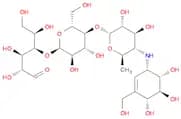
function:Required for TCR (T-cell antigen receptor)- and pre-TCR-mediated signaling, both in mature T-cells and during their development. Involved in FCGR3 (low affinity immunoglobulin gamma Fc region receptor III)-mediated signaling in natural killer cells and FCER1 (high affinity immunoglobulin epsilon receptor)-mediated signaling in mast cells. Couples activation of these receptors and their associated kinases with distal intracellular events such as mobilization of intracellular calcium stores, PKC activation, MAPK activation or cytoskeletal reorganization through the recruitment of PLCG1, GRB2, GRAP2, and other signaling molecules.,miscellaneous:Engagement of killer inhibitory receptors (KIR) disrupts the interaction of PLCG1 with LAT and blocks target cell-induced activation of PLC, maybe by inducing the dephosphorylation of LAT.,PTM:Palmitoylation of Cys-26 and Cys-29 is required for raft targeting and efficient phosphorylation.,PTM:Phosphorylated on tyrosines by ZAP-70 upon TCR activation, or by SYK upon other immunoreceptor activation; which leads to the recruitment of multiple signaling molecules. Is one of the most prominently tyrosine-phosphorylated proteins detected following TCR engagement.,subcellular location:Present in lipid rafts.,subunit:When phosphorylated, interacts directly with the PIK3R1 subunit of phosphoinositide 3-kinase and the SH2 domains of GRB2, GRAP, GRAP2, PLCG1 and PLCG2. Interacts indirectly with CBL, SOS, VAV, and LCP2. Interacts with SHB, SKAP2 and CLNK (By similarity). Interacts with FCGR1A.,tissue specificity:Expressed in thymus, T-cells, NK cells, mast cells and, at lower levels, in spleen. Present in T-cells but not B-cells (at protein level).,Platycoside E
CAS:<p>Platycoside E (Platycodin E) is a platycodigenin-type saponin isolated from the root of Platycodon grandiflorum with haemolytic activity and adjuvant potential.</p>Fórmula:C69H112O38Pureza:99.27% - 99.82%Cor e Forma:SolidPeso molecular:1549.6GRK 1 rabbit pAb
This gene encodes a member of the guanine nucleotide-binding protein (G protein)-coupled receptor kinase subfamily of the Ser/Thr protein kinase family. The protein phosphorylates rhodopsin and initiates its deactivation. Defects in GRK1 are known to cause Oguchi disease 2 (also known as stationary night blindness Oguchi type-2). [provided by RefSeq, Jul 2008],UBP29 rabbit pAb
catalytic activity:Ubiquitin C-terminal thioester + H(2)O = ubiquitin + a thiol.,similarity:Belongs to the peptidase C19 family.,Cdc6 (phospho Ser54) rabbit pAb
The protein encoded by this gene is highly similar to Saccharomyces cerevisiae Cdc6, a protein essential for the initiation of DNA replication. This protein functions as a regulator at the early steps of DNA replication. It localizes in cell nucleus during cell cyle G1, but translocates to the cytoplasm at the start of S phase. The subcellular translocation of this protein during cell cyle is regulated through its phosphorylation by Cdks. Transcription of this protein was reported to be regulated in response to mitogenic signals through transcriptional control mechanism involving E2F proteins. [provided by RefSeq, Jul 2008],SSF1 rabbit pAb
The protein encoded by this gene is an evolutionarily conserved protein similar to yeast SSF1 as well as to the gene product of the Drosophila gene peter pan (ppan). SSF1 is known to be involved in the second step of mRNA splicing. Both SSF1 and ppan are essential for cell growth and proliferation. Exogenous expression of this gene was reported to reduce the anchorage-independent growth of some tumor cells. Read-through transcription of this gene with P2RY11/P2Y(11), an adjacent downstream gene that encodes an ATP receptor, has been found. These read-through transcripts are ubiquitously present and up-regulated during granulocyte differentiation. [provided by RefSeq, Nov 2010],ACADL rabbit pAb
The protein encoded by this gene belongs to the acyl-CoA dehydrogenase family, which is a family of mitochondrial flavoenzymes involved in fatty acid and branched chain amino-acid metabolism. This protein is one of the four enzymes that catalyze the initial step of mitochondrial beta-oxidation of straight-chain fatty acid. Defects in this gene are the cause of long-chain acyl-CoA dehydrogenase (LCAD) deficiency, leading to nonketotic hypoglycemia. [provided by RefSeq, Jul 2008],Vitronectin rabbit pAb
The protein encoded by this gene is a member of the pexin family. It is found in serum and tissues and promotes cell adhesion and spreading, inhibits the membrane-damaging effect of the terminal cytolytic complement pathway, and binds to several serpin serine protease inhibitors. It is a secreted protein and exists in either a single chain form or a clipped, two chain form held together by a disulfide bond. [provided by RefSeq, Jul 2008],OR8B8 rabbit pAb
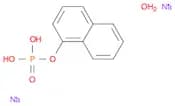
olfactory receptor family 8 subfamily B member 8(OR8B8) Homo sapiens Olfactory receptors interact with odorant molecules in the nose, to initiate a neuronal response that triggers the perception of a smell. The olfactory receptor proteins are members of a large family of G-protein-coupled receptors (GPCR) arising from single coding-exon genes. Olfactory receptors share a 7-transmembrane domain structure with many neurotransmitter and hormone receptors and are responsible for the recognition and G protein-mediated transduction of odorant signals. The olfactory receptor gene family is the largest in the genome. The nomenclature assigned to the olfactory receptor genes and proteins for this organism is independent of other organisms. [provided by RefSeq, Jul 2008],Sodium naphthalen-1-yl phosphate hydrate
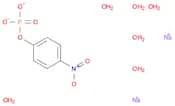
CAS:Fórmula:C10H9Na2O5PPureza:95%Cor e Forma:SolidPeso molecular:286.1288Phosphoric acid, mono(4-nitrophenyl) ester, sodium salt, hydrate(1:2:6)OTHER CA INDEX NAMES:Phosphoric acid, mono(4-nitrophenyl) ester, disodium salt, hexahydrate
CAS:Fórmula:C6H16NNa2O12PPureza:97%Cor e Forma:SolidPeso molecular:371.1440Histone H2A.Z (Acetyl Lys12) rabbit pAb
function:Variant histone H2A which replaces conventional H2A in a subset of nucleosomes. Nucleosomes wrap and compact DNA into chromatin, limiting DNA accessibility to the cellular machineries which require DNA as a template. Histones thereby play a central role in transcription regulation, DNA repair, DNA replication and chromosomal stability. DNA accessibility is regulated via a complex set of post-translational modifications of histones, also called histone code, and nucleosome remodeling. May be involved in the formation of constitutive heterochromatin. May be required for chromosome segregation during cell division.,mass spectrometry:Monoisotopic, not modified PubMed:16457589,PTM:Acetylated on Lys-5, Lys-8 and Lys-12 during interphase. Acetylation disappears at mitosis.,PTM:Monoubiquitination of Lys-122 gives a specific tag for epigenetic transcriptional repression.,PTM:Not phosphorylated.,similarity:Belongs to the histone H2A family.,subunit:The nucleosome is a histone octamer containing two molecules each of H2A, H2B, H3 and H4 assembled in one H3-H4 heterotetramer and two H2A-H2B heterodimers. The octamer wraps approximately 147 bp of DNA. H2A or its variant H2AFZ forms an heterodimer with H2B. H2AFZ interacts with INCENP.,HLX1 rabbit pAb
function:Transcription factor required for TBX21/T-bet-dependent maturation of Th1 cells as well as maintenance of Th1-specific gene expression. Involved in embryogenesis and hematopoiesis.,sequence caution:Translation N-terminally extended.,similarity:Belongs to the H2.0 homeobox family.,similarity:Contains 1 homeobox DNA-binding domain.,tissue specificity:Low level in normal B and T-cells, high level in activated lymphocytes and monocytes. Also found in thymus, tonsil, bone marrow, developing vessels, and fetal brain.,ARHGAP23 rabbit pAb
The RHO (see ARHA; MIM 165390) family of small GTPases are involved in signal transduction through transmembrane receptors, and they are inactive in the GDP-bound form and active in the GTP-bound form. GTPase-activating proteins, such as ARHGAP23, inactivate RHO family proteins by stimulating their hydrolysis of GTP (Katoh and Katoh, 2004 [PubMed 15254754]).[supplied by OMIM, Mar 2008],G2A rabbit pAb
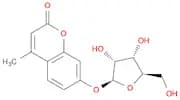
This gene encodes a member of the guanine nucleotide-binding protein (G protein)-coupled receptor (GPCR) superfamily. The receptors are seven-pass transmembrane proteins that respond to extracellular cues and activate intracellular signal transduction pathways. This protein was reported to be a receptor for lysophosphatidylcholine action, but PubMedID: 15653487 retracts this finding and instead suggests this protein to be an effector of lysophosphatidylcholine action. This protein may have proton-sensing activity and may be a receptor for oxidized free fatty acids. Alternative splicing results in multiple transcript variants. [provided by RefSeq, Jul 2013],4-Methylumbelliferyl β-D-ribofuranoside
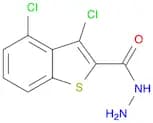
CAS:Fórmula:C15H16O7Pureza:98%Cor e Forma:SolidPeso molecular:308.28333,4-DICHLORO-1-BENZOTHIOPHENE-2-CARBOHYDRAZIDE
CAS:Fórmula:C9H6Cl2N2OSPureza:98%Cor e Forma:SolidPeso molecular:261.1277



![Acetic acid, [[2-(diethylamino)ethyl]thio]-,(3aS,4R,5S,6S,8R,9S,9aR,10R)-6-ethenyldecahydro-5-hydr…](/_next/image/?url=https%3A%2Fstatic.cymitquimica.com%2Fproducts%2FIN%2Fthumb-webp%2FDA01CCMN.webp&w=3840&q=75)