Anticorpos primários
Os anticorpos primários são imunoglobulinas que se ligam especificamente a um antígeno de interesse, permitindo a detecção e quantificação de proteínas, peptídeos ou outras biomoléculas. Estes anticorpos são ferramentas essenciais em uma ampla gama de aplicações, incluindo Western blot, imunohistoquímica e ELISA. Na CymitQuimica, oferecemos uma vasta seleção de anticorpos primários de alta qualidade, proporcionando especificidade e sensibilidade para diversas necessidades de pesquisa, incluindo estudos sobre câncer, imunologia e biologia celular.
Subcategorias de "Anticorpos primários"
- Investigação de anticorpos do cancro(3.620 produtos)
- Anticorpos Cardiovasculares(2 produtos)
- Biologia do Desenvolvimento(751 produtos)
- Anticorpos Epigenética(162 produtos)
- Anticorpos imunológicos(2.709 produtos)
- Anticorpos metabólicos(279 produtos)
- Anticorpos de Microbiologia(738 produtos)
- Transdução de sinal(2.717 produtos)
- Etiquetas e Marcadores Celulares(33 produtos)
Exibir 1 mais subcategorias
Foram encontrados 75327 produtos de "Anticorpos primários"
Ordenar por
Pureza (%)
0
100
|
0
|
50
|
90
|
95
|
100
Cleaved-Factor VII LC (R212) rabbit pAb
This gene encodes coagulation factor VII which is a vitamin K-dependent factor essential for hemostasis. This factor circulates in the blood in a zymogen form, and is converted to an active form by either factor IXa, factor Xa, factor XIIa, or thrombin by minor proteolysis. Upon activation of the factor VII, a heavy chain containing a catalytic domain and a light chain containing 2 EGF-like domains are generated, and two chains are held together by a disulfide bond. In the presence of factor III and calcium ions, the activated factor then further activates the coagulation cascade by converting factor IX to factor IXa and/or factor X to factor Xa. Defects in this gene can cause coagulopathy. Alternative splicing results in multiple transcript variants encoding different isoforms that may undergo similar proteolytic processing to generate mature polypeptides. [provided by RefSeq, Aug 2015],TBX15 rabbit pAb
T-box 15(TBX15) Homo sapiens This gene belongs to the T-box family of genes, which encode a phylogenetically conserved family of transcription factors that regulate a variety of developmental processes. All these genes contain a common T-box DNA-binding domain. Mutations in this gene are associated with Cousin syndrome.[provided by RefSeq, Oct 2009],BACH1 rabbit pAb
This gene encodes a transcription factor that belongs to the cap'n'collar type of basic region leucine zipper factor family (CNC-bZip). The encoded protein contains broad complex, tramtrack, bric-a-brac/poxvirus and zinc finger (BTB/POZ) domains, which is atypical of CNC-bZip family members. These BTB/POZ domains facilitate protein-protein interactions and formation of homo- and/or hetero-oligomers. When this encoded protein forms a heterodimer with MafK, it functions as a repressor of Maf recognition element (MARE) and transcription is repressed. Multiple alternatively spliced transcript variants have been identified for this gene. [provided by RefSeq, May 2009],MYOC rabbit pAb
MYOC encodes the protein myocilin, which is believed to have a role in cytoskeletal function. MYOC is expressed in many occular tissues, including the trabecular meshwork, and was revealed to be the trabecular meshwork glucocorticoid-inducible response protein (TIGR). The trabecular meshwork is a specialized eye tissue essential in regulating intraocular pressure, and mutations in MYOC have been identified as the cause of hereditary juvenile-onset open-angle glaucoma. [provided by RefSeq, Jul 2008],KILIN rabbit pAb
The protein encoded by this intronless gene is found in the nucleus, where it can inhibit DNA synthesis and promote S phase arrest coupled to apoptosis. The expression of this DNA binding protein is upregulated by transcription factor p53. [provided by RefSeq, Dec 2012],CRBP-III rabbit pAb
retinol binding protein 5(RBP5) Homo sapiens The protein encoded by this gene is a cellular retinol-binding protein expressed highly in kidney and liver. Down-regulation of the encoded protein in hepatocellular carcinoma was associated with large tumor size and poor patient survival rates. [provided by RefSeq, Jul 2016],Calpain 2 rabbit pAb
The calpains, calcium-activated neutral proteases, are nonlysosomal, intracellular cysteine proteases. The mammalian calpains include ubiquitous, stomach-specific, and muscle-specific proteins. The ubiquitous enzymes consist of heterodimers with distinct large, catalytic subunits associated with a common small, regulatory subunit. This gene encodes the large subunit of the ubiquitous enzyme, calpain 2. Multiple heterogeneous transcriptional start sites in the 5' UTR have been reported. Two transcript variants encoding different isoforms have been found for this gene. [provided by RefSeq, Mar 2009],Connexin 45 rabbit pAb
This gene is a member of the connexin gene family. The encoded protein is a component of gap junctions, which are composed of arrays of intercellular channels that provide a route for the diffusion of low molecular weight materials from cell to cell. Alternatively spliced transcript variants encoding the same isoform have been described. [provided by RefSeq, Jul 2008],SHPRH rabbit pAb
SHPRH is a ubiquitously expressed protein that contains motifs characteristics of several DNA repair proteins, transcription factors, and helicases. SHPRH is a functional homolog of S. cerevisiae RAD5 (Unk et al., 2006 [PubMed 17108083]).[supplied by OMIM, Mar 2008],GAPDH Mouse mAb
Glyceraldehyde 3 phosphate dehydrogenase (GAPDH) is well known as one of the key enzymes involved in glycolysis. GAPDH is constitutively expressed in almost all tissues at high levels, therefore antibodies against GAPDH are useful as loading controls for Western Blotting. Some physiological factors, such as hypoxia and diabetes, increase GAPDH expression in certain cell types.RHPN2 rabbit pAb
This gene encodes a member of the rhophilin family of Ras-homologous (Rho)-GTPase binding proteins. The encoded protein binds both GTP- and GDP-bound RhoA and GTP-bound RhoB and may be involved in the organization of the actin cytoskeleton. [provided by RefSeq, Apr 2009],TBX10 rabbit pAb
T-box 10(TBX10) Homo sapiens This gene encodes a member of the T-box family of transcription factors. These transcription factors share a DNA-binding domain called the T-box, and play a role in several developmental processes including early embryonic cell fate and organogenesis. The encoded protein is a member of the T-box 1 subfamily. Mutations in this gene are thought to be a cause of isolated cleft lip with or without cleft palate. [provided by RefSeq, Nov 2010],GNAS2 rabbit pAb
This locus has a highly complex imprinted expression pattern. It gives rise to maternally, paternally, and biallelically expressed transcripts that are derived from four alternative promoters and 5' exons. Some transcripts contain a differentially methylated region (DMR) at their 5' exons, and this DMR is commonly found in imprinted genes and correlates with transcript expression. An antisense transcript is produced from an overlapping locus on the opposite strand. One of the transcripts produced from this locus, and the antisense transcript, are paternally expressed noncoding RNAs, and may regulate imprinting in this region. In addition, one of the transcripts contains a second overlapping ORF, which encodes a structurally unrelated protein - Alex. Alternative splicing of downstream exons is also observed, which results in different forms of the stimulatory G-protein alpha subunit, a key element of the classical signal transduction pathway linking receptor-ligand interactions with the activation of adenylyl cyclase and a variety of cellular reponses. Multiple transcript variants encoding different isoforms have been found for this gene. Mutations in this gene result in pseudohypoparathyroidism type 1a, pseudohypoparathyroidism type 1b, Albright hereditary osteodystrophy, pseudopseudohypoparathyroidism, McCune-Albright syndrome, progressive osseus heteroplasia, polyostotic fibrous dysplasia of bone, and some pituitary tumors. [provided by RefSeq, Aug 2012],ALS rabbit pAb
The protein encoded by this gene is a serum protein that binds insulin-like growth factors, increasing their half-life and their vascular localization. Production of the encoded protein, which contains twenty leucine-rich repeats, is stimulated by growth hormone. Defects in this gene are a cause of acid-labile subunit deficiency, which maifests itself in a delayed and slow puberty. Three transcript variants encoding two different isoforms have been found for this gene. [provided by RefSeq, Mar 2009],DSC3 rabbit pAb
The protein encoded by this gene is a calcium-dependent glycoprotein that is a member of the desmocollin subfamily of the cadherin superfamily. These desmosomal family members, along with the desmogleins, are found primarily in epithelial cells where they constitute the adhesive proteins of the desmosome cell-cell junction and are required for cell adhesion and desmosome formation. The desmosomal family members are arranged in two clusters on chromosome 18, occupying less than 650 kb combined. Mutations in this gene are a cause of hypotrichosis and recurrent skin vesicles disorder. The protein can act as an autoantigen in pemphigus diseases, and it is also considered to be a biomarker for some cancers. Alternative splicing of this gene results in multiple transcript variants. [provided by RefSeq, Apr 2014],PAR15 rabbit pAb
PARP15 is a macrodomain-containing transcriptional repressor with poly(ADP-ribose) polymerase activity (Aguiar et al., 2005 [PubMed 16061477]).[supplied by OMIM, May 2008],EF-Tu rabbit pAb
This gene encodes a protein which participates in protein translation in mitochondria. Mutations in this gene have been associated with combined oxidative phosphorylation deficiency resulting in lactic acidosis and fatal encephalopathy. A pseudogene has been identified on chromosome 17. [provided by RefSeq, Jul 2008],4E-BP1 (phospho Thr46) rabbit pAb
eukaryotic translation initiation factor 4E binding protein 1(EIF4EBP1) Homo sapiens This gene encodes one member of a family of translation repressor proteins. The protein directly interacts with eukaryotic translation initiation factor 4E (eIF4E), which is a limiting component of the multisubunit complex that recruits 40S ribosomal subunits to the 5' end of mRNAs. Interaction of this protein with eIF4E inhibits complex assembly and represses translation. This protein is phosphorylated in response to various signals including UV irradiation and insulin signaling, resulting in its dissociation from eIF4E and activation of mRNA translation. [provided by RefSeq, Jul 2008],BMP-2 rabbit pAb
This gene encodes a secreted ligand of the TGF-beta (transforming growth factor-beta) superfamily of proteins. Ligands of this family bind various TGF-beta receptors leading to recruitment and activation of SMAD family transcription factors that regulate gene expression. The encoded preproprotein is proteolytically processed to generate each subunit of the disulfide-linked homodimer, which plays a role in bone and cartilage development. Duplication of a regulatory region downstream of this gene causes a form of brachydactyly characterized by a malformed index finger and second toe in human patients. [provided by RefSeq, Jul 2016],C27C1 rabbit pAb
cytochrome P450 family 27 subfamily C member 1(CYP27C1) Homo sapiens This gene encodes a member of the cytochrome P450 superfamily of enzymes. The cytochrome P450 proteins are monooxygenases which catalyze many reactions involved in drug metabolism and synthesis of cholesterol, steroids and other lipids. [provided by RefSeq, Jul 2008],CDA7L rabbit pAb
function:Plays a role in transcriptional regulation as a repressor that inhibits monoamine oxidase A (MAOA) activity and gene expression by binding to the promoter. Plays an important oncogenic role in mediating the full transforming effect of MYC in medulloblastoma cells. Involved in apoptotic signaling pathways; May act downstream of P38-kinase and BCL-2, but upstream of CASP3/caspase-3 as well as CCND1/cyclin D1 and E2F1.,induction:By MYC overexpression in a concentration dependent manner in neuroblastoma cell line.,miscellaneous:Cells lacking CDCA7L display a reduction of 25-30% of colony formation in medulloblastoma cell lines. CDCA7L overexpression induces colony formation.,subcellular location:Associates with chromatin. Translocates from cytoplasm to nucleus under dexamethasone induction.,subunit:Interacts with MYC and PSIP1.,tissue specificity:Ubiquitous. Overexpressed in medulloblastoma.,O14CZ rabbit pAb
Olfactory receptors interact with odorant molecules in the nose, to initiate a neuronal response that triggers the perception of a smell. The olfactory receptor proteins are members of a large family of G-protein-coupled receptors (GPCR) arising from single coding-exon genes. Olfactory receptors share a 7-transmembrane domain structure with many neurotransmitter and hormone receptors and are responsible for the recognition and G protein-mediated transduction of odorant signals. The olfactory receptor gene family is the largest in the genome. The nomenclature assigned to the olfactory receptor genes and proteins for this organism is independent of other organisms. [provided by RefSeq, Jul 2008],PTG rabbit pAb
This gene encodes a carbohydrate binding protein that is a subunit of the protein phosphatase 1 (PP1) complex. PP1 catalyzes reversible protein phosphorylation, which is important in a wide range of cellular activities. The encoded protein affects glycogen biosynthesis by activating glycogen synthase and limiting glycogen breakdown by reducing glycogen phosphorylase activity. DNA hypermethylation of this gene has been found in colorectal cancer patients. The encoded protein also interacts with the laforin protein, which is a protein tyrosine phosphatase implicated in Lafora disease. [provided by RefSeq, Sep 2016],E2F-5 rabbit pAb
The protein encoded by this gene is a member of the E2F family of transcription factors. The E2F family plays a crucial role in the control of cell cycle and action of tumor suppressor proteins and is also a target of the transforming proteins of small DNA tumor viruses. The E2F proteins contain several evolutionarily conserved domains that are present in most members of the family. These domains include a DNA binding domain, a dimerization domain which determines interaction with the differentiation regulated transcription factor proteins (DP), a transactivation domain enriched in acidic amino acids, and a tumor suppressor protein association domain which is embedded within the transactivation domain. This protein is differentially phosphorylated and is expressed in a wide variety of human tissues. It has higher identity to E2F4 than to other family members. Both this protein and E2F4 interD106A rabbit pAb
Defensins form a family of antimicrobial and cytotoxic peptides made by neutrophils. Defensins are short, processed peptide molecules that are classified by structure into three groups: alpha-defensins, beta-defensins and theta-defensins. All beta-defensin genes are densely clustered in four to five syntenic chromosomal regions. Chromosome 8p23 contains at least two copies of the duplicated beta-defensin cluster. This duplication results in two identical copies of defensin, beta 106, DEFB106A and DEFB106B, in head-to-head orientation. This gene, DEFB106A, represents the more centromeric copy. [provided by RefSeq, Oct 2014],EGFL4 rabbit pAb
The protein encoded by this gene is a single-pass type I membrane protein of unknown function that contains several EGF-like domains, Kelch repeats, and PSI domains. Defects in this gene are a cause of Carpenter syndrome 2. Two transcript variants encoding different isoforms have been found for this gene. [provided by RefSeq, Dec 2012],RECQ5 rabbit pAb
The protein encoded by this gene is a helicase that is important for genome stability. The encoded protein also prevents aberrant homologous recombination by displacing RAD51 from ssDNA. Three transcript variants encoding different isoforms have been found for this gene. [provided by RefSeq, Jul 2011],Abl1/2 (phospho Tyr393/439) rabbit pAb
This gene is a protooncogene that encodes a protein tyrosine kinase involved in a variety of cellular processes, including cell division, adhesion, differentiation, and response to stress. The activity of the protein is negatively regulated by its SH3 domain, whereby deletion of the region encoding this domain results in an oncogene. The ubiquitously expressed protein has DNA-binding activity that is regulated by CDC2-mediated phosphorylation, suggesting a cell cycle function. This gene has been found fused to a variety of translocation partner genes in various leukemias, most notably the t(9;22) translocation that results in a fusion with the 5' end of the breakpoint cluster region gene (BCR; MIM:151410). Alternative splicing of this gene results in two transcript variants, which contain alternative first exons that are spliced to the remaining common exons. [prGlypican-2 rabbit pAb
function:Cell surface proteoglycan that bears heparan sulfate. May fulfill a function related to the motile behaviors of developing neurons.,similarity:Belongs to the glypican family.,Ribosomal Protein L34 rabbit pAb
Ribosomes, the organelles that catalyze protein synthesis, consist of a small 40S subunit and a large 60S subunit. Together these subunits are composed of 4 RNA species and approximately 80 structurally distinct proteins. This gene encodes a ribosomal protein that is a component of the 60S subunit. The protein belongs to the L34E family of ribosomal proteins. It is located in the cytoplasm. This gene originally was thought to be located at 17q21, but it has been mapped to 4q. Overexpression of this gene has been observed in some cancer cells. Alternative splicing results in multiple transcript variants, all encoding the same isoform. As is typical for genes encoding ribosomal proteins, there are multiple processed pseudogenes of this gene dispersed through the genome. [provided by RefSeq, Feb 2016],SRBP2 rabbit pAb
This gene encodes a member of the a ubiquitously expressed transcription factor that controls cholesterol homeostasis by regulating transcription of sterol-regulated genes. The encoded protein contains a basic helix-loop-helix-leucine zipper (bHLH-Zip) domain and binds the sterol regulatory element 1 motif. Alternate splicing results in multiple transcript variants. [provided by RefSeq, Jul 2013],(2S,3S,4S,5R,6R)-3,4,5-Trihydroxy-6-(4-nitrophenoxy)tetrahydro-2H-pyran-2-carboxylic acid
CAS:Fórmula:C12H13NO9Pureza:97%Cor e Forma:SolidPeso molecular:315.2329DDR1 (phospho-Tyr792) rabbit pAb
Receptor tyrosine kinases play a key role in the communication of cells with their microenvironment. These kinases are involved in the regulation of cell growth, differentiation and metabolism. The protein encoded by this gene belongs to a subfamily of tyrosine kinase receptors with homology to Dictyostelium discoideum protein discoidin I in their extracellular domain, and that are activated by various types of collagen. Expression of this protein is restricted to epithelial cells, particularly in the kidney, lung, gastrointestinal tract, and brain. In addition, it has been shown to be significantly overexpressed in several human tumors. Alternatively spliced transcript variants encoding different isoforms have been described for this gene. [provided by RefSeq, Feb 2011],ADAM32 rabbit pAb
ADAM metallopeptidase domain 32(ADAM32) Homo sapiens This gene encodes a member of the disintegrin family of membrane-anchored proteins that play a role in diverse biological processes such as brain development, fertilization, tumor development and inflammation. This gene is predominantly expressed in the testis. The encoded protein undergoes proteolytic processing to generate a mature polypeptide comprised of an metalloprotease, disintegrin and epidermal growth factor-like domains. This gene is located in a cluster of other disintegrin and metallopeptidase family genes on chromosome 8. Alternative splicing results in multiple transcript variants encoding different isoforms. [provided by RefSeq, Sep 2015],FoxO4 (Acetyl Lys189) rabbit pAb
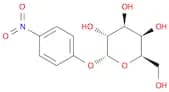
This gene encodes a member of the O class of winged helix/forkhead transcription factor family. Proteins encoded by this class are regulated by factors involved in growth and differentiation indicating they play a role in these processes. A translocation involving this gene on chromosome X and the homolog of the Drosophila trithorax gene, encoding a DNA binding protein, located on chromosome 11 is associated with leukemia. Multiple transcript variants encoding different isoforms have been found for this gene. [provided by RefSeq, Jan 2010],4-Nitrophenyl a-D-galactopyranoside
CAS:Fórmula:C12H15NO8Pureza:97%Cor e Forma:SolidPeso molecular:301.2494RM23 rabbit pAb
Mammalian mitochondrial ribosomal proteins are encoded by nuclear genes and help in protein synthesis within the mitochondrion. Mitochondrial ribosomes (mitoribosomes) consist of a small 28S subunit and a large 39S subunit. They have an estimated 75% protein to rRNA composition compared to prokaryotic ribosomes, where this ratio is reversed. Another difference between mammalian mitoribosomes and prokaryotic ribosomes is that the latter contain a 5S rRNA. Among different species, the proteins comprising the mitoribosome differ greatly in sequence, and sometimes in biochemical properties, which prevents easy recognition by sequence homology. This gene encodes a 39S subunit protein. The gene is biallelically expressed, despite its location within a region of imprinted genes on chromosome 11. [provided by RefSeq, Jul 2008],TPPC4 rabbit pAb
function:May play a role in vesicular transport from endoplasmic reticulum to Golgi.,similarity:Belongs to the TRAPP small subunits family. TRAPPC4 subfamily.,subunit:Part of the multisubunit TRAPP (transport protein particle) complex. Interacts with SDC2.,Pim-1 rabbit pAb
The protein encoded by this gene belongs to the Ser/Thr protein kinase family, and PIM subfamily. This gene is expressed primarily in B-lymphoid and myeloid cell lines, and is overexpressed in hematopoietic malignancies and in prostate cancer. It plays a role in signal transduction in blood cells, contributing to both cell proliferation and survival, and thus provides a selective advantage in tumorigenesis. Both the human and orthologous mouse genes have been reported to encode two isoforms (with preferential cellular localization) resulting from the use of alternative in-frame translation initiation codons, the upstream non-AUG (CUG) and downstream AUG codons (PMIDs:16186805, 1825810).[provided by RefSeq, Aug 2011],IGFL1 rabbit pAb
IGF like family member 1(IGFL1) Homo sapiens The protein encoded by this gene is a member of the insulin-like growth factor family of signaling molecules. The encoded protein is synthesized as a precursor protein and is proteolytically cleaved to form a secreted mature peptide. The mature peptide binds to a receptor, which in mouse was found on the cell surface of T cells. Increased expression of this gene may be linked to psoriasis. [provided by RefSeq, Aug 2016],S39A5 rabbit pAb
The protein encoded by this gene belongs to the ZIP family of zinc transporters that transport zinc into cells from outside, and play a crucial role in controlling intracellular zinc levels. Zinc is an essential cofactor for many enzymes and proteins involved in gene transcription, growth, development and differentiation. Mutations in this gene have been associated with autosomal dominant high myopia (MYP24). Alternatively spliced transcript variants have been found for this gene. [provided by RefSeq, Sep 2014],B23 (phospho Thr234) rabbit pAb
This gene encodes a phosphoprotein which moves between the nucleus and the cytoplasm. The gene product is thought to be involved in several processes including regulation of the ARF/p53 pathway. A number of genes are fusion partners have been characterized, in particular the anaplastic lymphoma kinase gene on chromosome 2. Mutations in this gene are associated with acute myeloid leukemia. More than a dozen pseudogenes of this gene have been identified. Alternative splicing results in multiple transcript variants.[provided by RefSeq, Nov 2009],CHSTF rabbit pAb
Chondroitin sulfate (CS) is a glycosaminoglycan which is an important structural component of the extracellular matrix and which links to proteins to form proteoglycans. Chondroitin sulfate E (CS-E) is an isomer of chondroitin sulfate in which the C-4 and C-6 hydroxyl groups are sulfated. This gene encodes a type II transmembrane glycoprotein that acts as a sulfotransferase to transfer sulfate to the C-6 hydroxal group of chondroitin sulfate. This gene has also been identified as being co-expressed with RAG1 in B-cells and as potentially acting as a B-cell surface signaling receptor. Alternative splicing results in multiple transcript variants encoding distinct isoforms. [provided by RefSeq, Jul 2012],Cdc42EP2 rabbit pAb
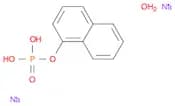
CDC42, a small Rho GTPase, regulates the formation of F-actin-containing structures through its interaction with the downstream effector proteins. The protein encoded by this gene is a member of the Borg family of CDC42 effector proteins. Borg family proteins contain a CRIB (Cdc42/Rac interactive-binding) domain. They bind to, and negatively regulate the function of CDC42. Coexpression of this protein with CDC42 suggested a role of this protein in actin filament assembly and cell shape control. [provided by RefSeq, Aug 2011],Sodium naphthalen-1-yl phosphate hydrate
CAS:Fórmula:C10H9Na2O5PPureza:95%Cor e Forma:SolidPeso molecular:286.1288NSUN2 rabbit pAb
This gene encodes a methyltransferase that catalyzes the methylation of cytosine to 5-methylcytosine (m5C) at position 34 of intron-containing tRNA(Leu)(CAA) precursors. This modification is necessary to stabilize the anticodon-codon pairing and correctly translate the mRNA. Alternatively spliced transcript variants encoding different isoforms have been noted for this gene.[provided by RefSeq, Mar 2011],USP11 rabbit pAb
Protein ubiquitination controls many intracellular processes, including cell cycle progression, transcriptional activation, and signal transduction. This dynamic process, involving ubiquitin conjugating enzymes and deubiquitinating enzymes, adds and removes ubiquitin. Deubiquitinating enzymes are cysteine proteases that specifically cleave ubiquitin from ubiquitin-conjugated protein substrates. This gene encodes a deubiquitinating enzyme which lies in a gene cluster on chromosome Xp11.23 [provided by RefSeq, Jul 2008],NDUB8 rabbit pAb
function:Accessory subunit of the mitochondrial membrane respiratory chain NADH dehydrogenase (Complex I), that is believed to be not involved in catalysis. Complex I functions in the transfer of electrons from NADH to the respiratory chain. The immediate electron acceptor for the enzyme is believed to be ubiquinone.,similarity:Belongs to the complex I NDUFB8 subunit family.,subunit:Complex I is composed of 45 different subunits.,NGRN rabbit pAb
function:May be involved in neuronal differentiation.,induction:Highly up-regulated in neuroblastostoma cells by RA treatment inducing neurite outgrowth.,similarity:Belongs to the neugrin family.,tissue specificity:Expressed at high levels in heart, brain and skeletal muscle. In brain, mainly expressed in neurons rather than glial cells.,TIMP-1 rabbit pAb
This gene belongs to the TIMP gene family. The proteins encoded by this gene family are natural inhibitors of the matrix metalloproteinases (MMPs), a group of peptidases involved in degradation of the extracellular matrix. In addition to its inhibitory role against most of the known MMPs, the encoded protein is able to promote cell proliferation in a wide range of cell types, and may also have an anti-apoptotic function. Transcription of this gene is highly inducible in response to many cytokines and hormones. In addition, the expression from some but not all inactive X chromosomes suggests that this gene inactivation is polymorphic in human females. This gene is located within intron 6 of the synapsin I gene and is transcribed in the opposite direction. [provided by RefSeq, Jul 2008],EGFR (phospho Tyr1172) rabbit pAb
The protein encoded by this gene is a transmembrane glycoprotein that is a member of the protein kinase superfamily. This protein is a receptor for members of the epidermal growth factor family. EGFR is a cell surface protein that binds to epidermal growth factor. Binding of the protein to a ligand induces receptor dimerization and tyrosine autophosphorylation and leads to cell proliferation. Mutations in this gene are associated with lung cancer. [provided by RefSeq, Jun 2016],Nek9 rabbit pAb
This gene encodes a member of the NimA (never in mitosis A) family of serine/threonine protein kinases. The encoded protein is activated in mitosis and, in turn, activates other family members during mitosis. This protein also mediates cellular processes that are essential for interphase progression. [provided by RefSeq, Jul 2016],Ku-70 (Acetyl Lys542) rabbit pAb
The p70/p80 autoantigen is a nuclear complex consisting of two subunits with molecular masses of approximately 70 and 80 kDa. The complex functions as a single-stranded DNA-dependent ATP-dependent helicase. The complex may be involved in the repair of nonhomologous DNA ends such as that required for double-strand break repair, transposition, and V(D)J recombination. High levels of autoantibodies to p70 and p80 have been found in some patients with systemic lupus erythematosus. [provided by RefSeq, Jul 2008],Cyclin A1 rabbit pAb
The protein encoded by this gene belongs to the highly conserved cyclin family, whose members are characterized by a dramatic periodicity in protein abundance through the cell cycle. Cyclins function as regulators of CDK kinases. Different cyclins exhibit distinct expression and degradation patterns which contribute to the temporal coordination of each mitotic event. The cyclin encoded by this gene was shown to be expressed in testis and brain, as well as in several leukemic cell lines, and is thought to primarily function in the control of the germline meiotic cell cycle. This cyclin binds both CDK2 and CDC2 kinases, which give two distinct kinase activities, one appearing in S phase, the other in G2, and thus regulate separate functions in cell cycle. This cyclin was found to bind to important cell cycle regulators, such as Rb family proteins, transcription factor E2F-1, and the p21 family proteins. MultiTIG3 rabbit pAb
Retinoids exert biologic effects such as potent growth inhibitory and cell differentiation activities and are used in the treatment of hyperproliferative dermatological diseases. These effects are mediated by specific nuclear receptor proteins that are members of the steroid and thyroid hormone receptor superfamily of transcriptional regulators. RARRES1, RARRES2, and RARRES3 are genes whose expression is upregulated by the synthetic retinoid tazarotene. RARRES3 is thought act as a tumor suppressor or growth regulator. [provided by RefSeq, Jul 2008],Arginase I rabbit pAb
Arginase catalyzes the hydrolysis of arginine to ornithine and urea. At least two isoforms of mammalian arginase exist (types I and II) which differ in their tissue distribution, subcellular localization, immunologic crossreactivity and physiologic function. The type I isoform encoded by this gene, is a cytosolic enzyme and expressed predominantly in the liver as a component of the urea cycle. Inherited deficiency of this enzyme results in argininemia, an autosomal recessive disorder characterized by hyperammonemia. Two transcript variants encoding different isoforms have been found for this gene. [provided by RefSeq, Sep 2011],PPM1E rabbit pAb
This gene encodes a member of the PPM family of serine/threonine-protein phosphatases. The encoded protein is localized to the nucleus and dephosphorylates and inactivates multiple substrates including serine/threonine-protein kinase PAK 1, 5'-AMP-activated protein kinase (AMPK) and the multifunctional calcium/calmodulin-dependent protein kinases. Alternatively spliced transcript variants have been observed for this gene. [provided by RefSeq, May 2012],KCNH6 rabbit pAb
Voltage-gated potassium (Kv) channels represent the most complex class of voltage-gated ion channels from both functional and structural standpoints. Their diverse functions include regulating neurotransmitter release, heart rate, insulin secretion, neuronal excitability, epithelial electrolyte transport, smooth muscle contraction, and cell volume. This gene encodes a member of the potassium channel, voltage-gated, subfamily H. This member is a pore-forming (alpha) subunit. Alternative splicing results in multiple transcript variants that encode different isoforms. [provided by RefSeq, Jul 2013],ACHB3 rabbit pAb
The nicotinic acetylcholine receptors (nAChRs) are members of a superfamily of ligand-gated ion channels that mediate fast signal transmission at synapses. The nAChRs are (hetero)pentamers composed of homologous subunits. The subunits that make up the muscle and neuronal forms of nAChRs are encoded by separate genes and have different primary structure. There are several subtypes of neuronal nAChRs that vary based on which homologous subunits are arranged around the central channel. They are classified as alpha-subunits if, like muscle alpha-1 (MIM 100690), they have a pair of adjacent cysteines as part of the presumed acetylcholine binding site. Subunits lacking these cysteine residues are classified as beta-subunits (Groot Kormelink and Luyten, 1997 [PubMed 9009220]). Elliott et al. (1996) [PubMed 8906617] stated that the proposed structure for each subunit is a conserved NHXA10 rabbit pAb
In vertebrates, the genes encoding the class of transcription factors called homeobox genes are found in clusters named A, B, C, and D on four separate chromosomes. Expression of these proteins is spatially and temporally regulated during embryonic development. This gene is part of the A cluster on chromosome 7 and encodes a DNA-binding transcription factor that may regulate gene expression, morphogenesis, and differentiation. More specifically, it may function in fertility, embryo viability, and regulation of hematopoietic lineage commitment. Alternatively spliced transcript variants have been described. Read-through transcription also exists between this gene and the downstream homeobox A9 (HOXA9) gene. [provided by RefSeq, Mar 2011],Lamin B1 Mouse mAb
The nuclear lamina consists of a two-dimensional matrix of proteins located next to the inner nuclear membrane. The lamin family of proteins make up the matrix and are highly conserved in evolution. During mitosis, the lamina matrix is reversibly disassembled as the lamin proteins are phosphorylated. Lamin proteins are thought to be involved in nuclear stability, chromatin structure and gene expression. Vertebrate lamins consist of two types, A and B. This gene encodes one of the two B type proteins, B1.TACC1 rabbit pAb
This locus may represent a breast cancer candidate gene. It is located close to FGFR1 on a region of chromosome 8 that is amplified in some breast cancers. Three transcript variants encoding different isoforms have been found for this gene. [provided by RefSeq, Apr 2009],USP19 rabbit pAb
catalytic activity:Ubiquitin C-terminal thioester + H(2)O = ubiquitin + a thiol.,function:Involved in the ubiquitin-dependent proteolytic pathway in conjunction with the 26S proteasome.,PTM:Phosphorylated upon DNA damage, probably by ATM or ATR.,sequence caution:Translation N-terminally shortened.,similarity:Belongs to the peptidase C19 family.,similarity:Contains 1 MYND-type zinc finger.,similarity:Contains 2 CS domains.,I17RD rabbit pAb
This gene encodes a membrane protein belonging to the interleukin-17 receptor (IL-17R) protein family. The encoded protein is a component of the interleukin-17 receptor signaling complex, and the interaction between this protein and IL-17R does not require the interleukin. The gene product also affects fibroblast growth factor signaling, inhibiting or stimulating growth through MAPK/ERK signaling. Alternate splicing generates multiple transcript variants encoding distinct isoforms. [provided by RefSeq, Jan 2016],SOD1 Rabbit pAb
Superoxide dismutase [Cu-Zn] also known as superoxide dismutase 1 or SOD1 is an enzyme that in humans is encoded by the SOD1 gene, located on chromosome 21. SOD1 is one of three human superoxide dismutases.ATOH7 rabbit pAb
This intronless gene encodes a member of the basic helix-loop-helix family of transcription factors, with similarity to Drosophila atonal gene that controls photoreceptor development. Studies in mice suggest that this gene plays a central role in retinal ganglion cell and optic nerve formation. Mutations in this gene are associated with nonsyndromic congenital retinal nonattachment. [provided by RefSeq, Dec 2011],53BP1 (phospho Ser6) rabbit pAb
function:May have a role in checkpoint signaling during mitosis (By similarity). Enhances TP53-mediated transcriptional activation. Plays a role in the response to DNA damage.,PTM:Asymmetrically dimethylated on Arg residues by PRMT1. Methylation is required for DNA binding.,PTM:Phosphorylated at basal level in the absence of DNA damage. Hyper-phosphorylated in an ATM-dependent manner in response to DNA damage induced by ionizing radiation. Hyper-phosphorylated in an ATR-dependent manner in response to DNA damage induced by UV irradiation.,similarity:Contains 2 BRCT domains.,subcellular location:Associated with kinetochores. Both nuclear and cytoplasmic in some cells. Recruited to sites of DNA damage, such as double stand breaks. Methylation of histone H4 at 'Lys-20' is required for efficient localization to double strand breaks.,subunit:Interacts with IFI202A (By similarity). Binds to the central domain of TP53/p53. May form homo-oligomers. Interacts with DCLRE1C. Interacts with histone H2AFX and this requires phosphorylation of H2AFX on 'Ser-139'. Interacts with histone H4 that has been dimethylated at 'Lys-20'. Has low affinity for histone H4 containing monomethylated 'Lys-20'. Does not bind histone H4 containing unmethylated or trimethylated 'Lys-20'. Has low affinity for histone H3 that has been dimethylated on 'Lys-79'. Has very low affinity for histone H3 that has been monomethylated on 'Lys-79' (in vitro). Does not bind unmethylated histone H3.,Cleaved-Caspase-3 p12 (D175) rabbit pAb
This gene encodes a protein which is a member of the cysteine-aspartic acid protease (caspase) family. Sequential activation of caspases plays a central role in the execution-phase of cell apoptosis. Caspases exist as inactive proenzymes which undergo proteolytic processing at conserved aspartic residues to produce two subunits, large and small, that dimerize to form the active enzyme. This protein cleaves and activates caspases 6, 7 and 9, and the protein itself is processed by caspases 8, 9 and 10. It is the predominant caspase involved in the cleavage of amyloid-beta 4A precursor protein, which is associated with neuronal death in Alzheimer's disease. Alternative splicing of this gene results in two transcript variants that encode the same protein. [provided by RefSeq, Jul 2008],CD241 rabbit pAb
The protein encoded by this gene is erythrocyte-specific and is thought to be part of a membrane channel that transports ammonium and carbon dioxide across the blood cell membrane. The encoded protein appears to interact with Rh blood group antigens and Rh30 polypeptides. Defects in this gene are a cause of regulator type Rh-null hemolytic anemia (RHN), or Rh-deficiency syndrome.[provided by RefSeq, Mar 2009],ARHG4 rabbit pAb
Rho GTPases play a fundamental role in numerous cellular processes that are initiated by extracellular stimuli that work through G protein coupled receptors. The protein encoded by this gene may form complex with G proteins and stimulate Rho-dependent signals. Multiple alternatively spliced transcript variants encoding different isoforms have been found, but the full-length nature of some variants has not been determined. [provided by RefSeq, Jun 2013],NALP4 rabbit pAb
NALPs are cytoplasmic proteins that form a subfamily within the larger CATERPILLER protein family. Most short NALPs, such as NALP4, have an N-terminal pyrin (MEFV; MIM 608107) domain (PYD), followed by a NACHT domain, a NACHT-associated domain (NAD), and a C-terminal leucine-rich repeat (LRR) region. The long NALP, NALP1 (MIM 606636), also has a C-terminal extension containing a function to find domain (FIIND) and a caspase recruitment domain (CARD). NALPs are implicated in the activation of proinflammatory caspases (e.g., CASP1; MIM 147678) via their involvement in multiprotein complexes called inflammasomes (Tschopp et al., 2003 [PubMed 12563287]).[supplied by OMIM, Mar 2008],MAN1 rabbit pAb
This locus encodes a LEM domain-containing protein. The encoded protein functions to antagonize transforming growth factor-beta signaling at the inner nuclear membrane. Two transcript variants encoding different isoforms have been found for this gene. Mutations in this gene have been associated with osteopoikilosis, Buschke-Ollendorff syndrome and melorheostosis.[provided by RefSeq, Nov 2009],ATRIP (phospho Ser224) rabbit pAb
This gene encodes an essential component of the DNA damage checkpoint. The encoded protein binds to single-stranded DNA coated with replication protein A. The protein also interacts with the ataxia telangiectasia and Rad3 related protein kinase, resulting in its accumulation at intranuclear foci induced by DNA damage. Multiple transcript variants encoding different isoforms have been found for this gene. [provided by RefSeq, Aug 2012],HSV-Tag Mouse mAb
HSV-tag peptide QPELAPEDPED conjugated to KLH. HSV- Tag antibody can recognize C-terminal, internal, and N-terminal HSV-tagged proteins.BTF rabbit pAb
This gene encodes a transcriptional repressor that interacts with several members of the BCL2 family of proteins. Overexpression of this protein induces apoptosis, which can be suppressed by co-expression of BCL2 proteins. The protein localizes to dot-like structures throughout the nucleus, and redistributes to a zone near the nuclear envelope in cells undergoing apoptosis. Multiple transcript variants encoding different isoforms have been found for this gene. [provided by RefSeq, Jul 2008],Neurexophilin-1 rabbit pAb
This gene is a member of the neurexophilin family and encodes a secreted protein with a variable N-terminal domain, a highly conserved, N-glycosylated central domain, a short linker region, and a cysteine-rich C-terminal domain. This protein forms a very tight complex with alpha neurexins, a group of proteins that promote adhesion between dendrites and axons. [provided by RefSeq, Jul 2008],PAR11 rabbit pAb
catalytic activity:NAD(+) + (ADP-D-ribosyl)(n)-acceptor = nicotinamide + (ADP-D-ribosyl)(n+1)-acceptor.,similarity:Contains 1 PARP catalytic domain.,similarity:Contains 1 WWE domain.,ZN750 rabbit pAb
zinc finger protein 750(ZNF750) Homo sapiens This gene encodes a protein with a nuclear localization site and a C2H2 zinc finger domain. Mutations in this gene have been associated with seborrhea-like dermatitis with psoriasiform elements. [provided by RefSeq, Jul 2008],ZN441 rabbit pAb
function:May be involved in transcriptional regulation.,similarity:Belongs to the krueppel C2H2-type zinc-finger protein family.,similarity:Contains 19 C2H2-type zinc fingers.,Cortactin (phospho Tyr466) rabbit pAb
cortactin(CTTN) Homo sapiens This gene is overexpressed in breast cancer and squamous cell carcinomas of the head and neck. The encoded protein is localized in the cytoplasm and in areas of the cell-substratum contacts. This gene has two roles: (1) regulating the interactions between components of adherens-type junctions and (2) organizing the cytoskeleton and cell adhesion structures of epithelia and carcinoma cells. During apoptosis, the encoded protein is degraded in a caspase-dependent manner. The aberrant regulation of this gene contributes to tumor cell invasion and metastasis. Three splice variants that encode different isoforms have been identified for this gene. [provided by RefSeq, May 2010],IF6 rabbit pAb
Hemidesmosomes are structures which link the basal lamina to the intermediate filament cytoskeleton. An important functional component of hemidesmosomes is the integrin beta-4 subunit (ITGB4), a protein containing two fibronectin type III domains. The protein encoded by this gene binds to the fibronectin type III domains of ITGB4 and may help link ITGB4 to the intermediate filament cytoskeleton. The encoded protein, which is insoluble and found both in the nucleus and in the cytoplasm, can function as a translation initiation factor and prevent the association of the 40S and 60S ribosomal subunits. Multiple non-protein coding transcript variants and variants encoding two different isoforms have been found for this gene. [provided by RefSeq, Jun 2012],Raf-1 rabbit pAb
This gene is the cellular homolog of viral raf gene (v-raf). The encoded protein is a MAP kinase kinase kinase (MAP3K), which functions downstream of the Ras family of membrane associated GTPases to which it binds directly. Once activated, the cellular RAF1 protein can phosphorylate to activate the dual specificity protein kinases MEK1 and MEK2, which in turn phosphorylate to activate the serine/threonine specific protein kinases, ERK1 and ERK2. Activated ERKs are pleiotropic effectors of cell physiology and play an important role in the control of gene expression involved in the cell division cycle, apoptosis, cell differentiation and cell migration. Mutations in this gene are associated with Noonan syndrome 5 and LEOPARD syndrome 2. [provided by RefSeq, Jul 2008],AChE rabbit pAb
Acetylcholinesterase hydrolyzes the neurotransmitter, acetylcholine at neuromuscular junctions and brain cholinergic synapses, and thus terminates signal transmission. It is also found on the red blood cell membranes, where it constitutes the Yt blood group antigen. Acetylcholinesterase exists in multiple molecular forms which possess similar catalytic properties, but differ in their oligomeric assembly and mode of cell attachment to the cell surface. It is encoded by the single ACHE gene, and the structural diversity in the gene products arises from alternative mRNA splicing, and post-translational associations of catalytic and structural subunits. The major form of acetylcholinesterase found in brain, muscle and other tissues is the hydrophilic species, which forms disulfide-linked oligomers with collagenous, or lipid-containing structural subunits. The other, alternativelyERC2 rabbit pAb
This gene encodes a protein that belongs to the Rab3-interacting molecule (RIM)-binding protein family. Members of this protein family form part of the cytomatrix at the active zone (CAZ) complex and function as regulators of neurotransmitter release. Alternative splicing results in multiple transcript variants. [provided by RefSeq, Nov 2015],INSL6 rabbit pAb
The protein encoded by this gene contains a classical signature of the insulin superfamily and is significantly similar to relaxin and relaxin-like factor. This gene is preferentially expressed in testis. Its expression in testis is restricted to interstitial cells surrounding seminiferous tubules, which suggests a role in sperm development and fertilization. [provided by RefSeq, Jul 2008],Tau (phospho Ser235) rabbit pAb
This gene encodes the microtubule-associated protein tau (MAPT) whose transcript undergoes complex, regulated alternative splicing, giving rise to several mRNA species. MAPT transcripts are differentially expressed in the nervous system, depending on stage of neuronal maturation and neuron type. MAPT gene mutations have been associated with several neurodegenerative disorders such as Alzheimer's disease, Pick's disease, frontotemporal dementia, cortico-basal degeneration and progressive supranuclear palsy. [provided by RefSeq, Jul 2008],