Anticorpos primários
Os anticorpos primários são imunoglobulinas que se ligam especificamente a um antígeno de interesse, permitindo a detecção e quantificação de proteínas, peptídeos ou outras biomoléculas. Estes anticorpos são ferramentas essenciais em uma ampla gama de aplicações, incluindo Western blot, imunohistoquímica e ELISA. Na CymitQuimica, oferecemos uma vasta seleção de anticorpos primários de alta qualidade, proporcionando especificidade e sensibilidade para diversas necessidades de pesquisa, incluindo estudos sobre câncer, imunologia e biologia celular.
Subcategorias de "Anticorpos primários"
- Investigação de anticorpos do cancro(3.620 produtos)
- Anticorpos Cardiovasculares(2 produtos)
- Biologia do Desenvolvimento(751 produtos)
- Anticorpos Epigenética(162 produtos)
- Anticorpos imunológicos(2.551 produtos)
- Anticorpos metabólicos(279 produtos)
- Anticorpos de Microbiologia(740 produtos)
- Transdução de sinal(2.717 produtos)
- Etiquetas e Marcadores Celulares(33 produtos)
Exibir 1 mais subcategorias
Foram encontrados 75447 produtos de "Anticorpos primários"
Ordenar por
Pureza (%)
0
100
|
0
|
50
|
90
|
95
|
100
ZnT-4 rabbit pAb
Zinc is the second most abundant trace metal in the human body. It is an essential element, serving both a structural role, as in the formation of zinc fingers in DNA-binding proteins, and a catalytic role in metalloenzymes, such as pancreatic carboxypeptidases (e.g., MIM 114852), alkaline phosphatases (e.g., MIM 171760), various dehydrogenases, and superoxide dismutases (e.g., MIM 147450). SLC30A4, or ZNT4, belongs to the ZNT family of zinc transporters. ZNTs are involved in transporting zinc out of the cytoplasm and have similar structures, consisting of 6 transmembrane domains and a histidine-rich cytoplasmic loop (Huang and Gitschier, 1997 [PubMed 9354792]).[supplied by OMIM, Mar 2008],ANM7 rabbit pAb
Arginine methylation is an apparently irreversible protein modification catalyzed by arginine methyltransferases, such as PMT7, using S-adenosylmethionine (AdoMet) as the methyl donor. Arginine methylation is implicated in signal transduction, RNA transport, and RNA splicing (Miranda et al., 2004 [PubMed 15044439]).[supplied by OMIM, Mar 2008],Olfactory receptor 2Z1 rabbit pAb
olfactory receptor family 2 subfamily Z member 1(OR2Z1) Homo sapiens Olfactory receptors interact with odorant molecules in the nose, to initiate a neuronal response that triggers the perception of a smell. The olfactory receptor proteins are members of a large family of G-protein-coupled receptors (GPCR) arising from single coding-exon genes. Olfactory receptors share a 7-transmembrane domain structure with many neurotransmitter and hormone receptors and are responsible for the recognition and G protein-mediated transduction of odorant signals. The olfactory receptor gene family is the largest in the genome. The nomenclature assigned to the olfactory receptor genes and proteins for this organism is independent of other organisms. [provided by RefSeq, Jul 2008],PTEN (phospho Ser385) rabbit pAb
This gene was identified as a tumor suppressor that is mutated in a large number of cancers at high frequency. The protein encoded by this gene is a phosphatidylinositol-3,4,5-trisphosphate 3-phosphatase. It contains a tensin like domain as well as a catalytic domain similar to that of the dual specificity protein tyrosine phosphatases. Unlike most of the protein tyrosine phosphatases, this protein preferentially dephosphorylates phosphoinositide substrates. It negatively regulates intracellular levels of phosphatidylinositol-3,4,5-trisphosphate in cells and functions as a tumor suppressor by negatively regulating AKT/PKB signaling pathway. The use of a non-canonical (CUG) upstream initiation site produces a longer isoform that initiates translation with a leucine, and is thought to be preferentially associated with the mitochondrial inner membrane. This longer isoform may help regulate enerElk-1 rabbit pAb
This gene is a member of the Ets family of transcription factors and of the ternary complex factor (TCF) subfamily. Proteins of the TCF subfamily form a ternary complex by binding to the the serum response factor and the serum response element in the promoter of the c-fos proto-oncogene. The protein encoded by this gene is a nuclear target for the ras-raf-MAPK signaling cascade. This gene produces multiple isoforms by using alternative translational start codons and by alternative splicing. Related pseudogenes have been identified on chromosomes 7 and 14. [provided by RefSeq, Mar 2012],IMA1 rabbit pAb
The transport of molecules between the nucleus and the cytoplasm in eukaryotic cells is mediated by the nuclear pore complex (NPC), which consists of 60-100 proteins. Small molecules (up to 70 kD) can pass through the nuclear pore by nonselective diffusion while larger molecules are transported by an active process. The protein encoded by this gene belongs to the importin alpha family, and is involved in nuclear protein import. This protein interacts with the recombination activating gene 1 (RAG1) protein and is a putative substrate of the RAG1 ubiquitin ligase. Alternative splicing results in multiple transcript variants. [provided by RefSeq, Nov 2012],GDC rabbit pAb
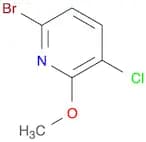
This gene encodes a protein that contains three tandemly repeated mitochondrial carrier protein domains. The encoded protein is localized in the inner membrane and facilitates the rapid transport and exchange of molecules between the cytosol and the mitochondrial matrix space. This gene has a possible role in Graves' disease. [provided by RefSeq, Jul 2008],6-Bromo-3-chloro-2-methoxypyridine
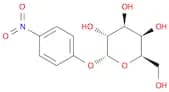
CAS:Fórmula:C6H5BrClNOPureza:96%Cor e Forma:SolidPeso molecular:222.46704-Nitrophenyl a-D-galactopyranoside
CAS:Fórmula:C12H15NO8Pureza:97%Cor e Forma:SolidPeso molecular:301.2494NDUB8 rabbit pAb
function:Accessory subunit of the mitochondrial membrane respiratory chain NADH dehydrogenase (Complex I), that is believed to be not involved in catalysis. Complex I functions in the transfer of electrons from NADH to the respiratory chain. The immediate electron acceptor for the enzyme is believed to be ubiquinone.,similarity:Belongs to the complex I NDUFB8 subunit family.,subunit:Complex I is composed of 45 different subunits.,AP-2α/β rabbit pAb
transcription factor AP-2 alpha(TFAP2A) Homo sapiens The protein encoded by this gene is a transcription factor that binds the consensus sequence 5'-GCCNNNGGC-3'. The encoded protein functions as either a homodimer or as a heterodimer with similar family members. This protein activates the transcription of some genes while inhibiting the transcription of others. Defects in this gene are a cause of branchiooculofacial syndrome (BOFS). Three transcript variants encoding different isoforms have been found for this gene.[provided by RefSeq, Dec 2009],PGE synthase rabbit pAb
prostaglandin E synthase(PTGES) Homo sapiens The protein encoded by this gene is a glutathione-dependent prostaglandin E synthase. The expression of this gene has been shown to be induced by proinflammatory cytokine interleukin 1 beta (IL1B). Its expression can also be induced by tumor suppressor protein TP53, and may be involved in TP53 induced apoptosis. Knockout studies in mice suggest that this gene may contribute to the pathogenesis of collagen-induced arthritis and mediate acute pain during inflammatory responses. [provided by RefSeq, Jul 2008],RM23 rabbit pAb
Mammalian mitochondrial ribosomal proteins are encoded by nuclear genes and help in protein synthesis within the mitochondrion. Mitochondrial ribosomes (mitoribosomes) consist of a small 28S subunit and a large 39S subunit. They have an estimated 75% protein to rRNA composition compared to prokaryotic ribosomes, where this ratio is reversed. Another difference between mammalian mitoribosomes and prokaryotic ribosomes is that the latter contain a 5S rRNA. Among different species, the proteins comprising the mitoribosome differ greatly in sequence, and sometimes in biochemical properties, which prevents easy recognition by sequence homology. This gene encodes a 39S subunit protein. The gene is biallelically expressed, despite its location within a region of imprinted genes on chromosome 11. [provided by RefSeq, Jul 2008],PAR15 rabbit pAb
PARP15 is a macrodomain-containing transcriptional repressor with poly(ADP-ribose) polymerase activity (Aguiar et al., 2005 [PubMed 16061477]).[supplied by OMIM, May 2008],BMP-2 rabbit pAb
This gene encodes a secreted ligand of the TGF-beta (transforming growth factor-beta) superfamily of proteins. Ligands of this family bind various TGF-beta receptors leading to recruitment and activation of SMAD family transcription factors that regulate gene expression. The encoded preproprotein is proteolytically processed to generate each subunit of the disulfide-linked homodimer, which plays a role in bone and cartilage development. Duplication of a regulatory region downstream of this gene causes a form of brachydactyly characterized by a malformed index finger and second toe in human patients. [provided by RefSeq, Jul 2016],TPPC4 rabbit pAb
function:May play a role in vesicular transport from endoplasmic reticulum to Golgi.,similarity:Belongs to the TRAPP small subunits family. TRAPPC4 subfamily.,subunit:Part of the multisubunit TRAPP (transport protein particle) complex. Interacts with SDC2.,IGFL1 rabbit pAb
IGF like family member 1(IGFL1) Homo sapiens The protein encoded by this gene is a member of the insulin-like growth factor family of signaling molecules. The encoded protein is synthesized as a precursor protein and is proteolytically cleaved to form a secreted mature peptide. The mature peptide binds to a receptor, which in mouse was found on the cell surface of T cells. Increased expression of this gene may be linked to psoriasis. [provided by RefSeq, Aug 2016],Neuromedin-U rabbit pAb
This gene encodes a member of the neuromedin family of neuropeptides. The encoded protein is a precursor that is proteolytically processed to generate a biologically active neuropeptide that plays a role in pain, stress, immune-mediated inflammatory diseases and feeding regulation. Increased expression of this gene was observed in renal, pancreatic and lung cancers. Alternative splicing results in multiple transcript variants encoding different isoforms. Some of these isoforms may undergo similar processing to generate the mature peptide. [provided by RefSeq, Jul 2015],LFTY1 rabbit pAb
This gene encodes a secreted ligand of the TGF-beta (transforming growth factor-beta) superfamily of proteins. Ligands of this family bind various TGF-beta receptors leading to recruitment and activation of SMAD family transcription factors that regulate gene expression. The encoded preproprotein is proteolytically processed to generate the mature protein, which plays a role in left-right asymmetry determination of organ systems during development. This gene is closely linked to both a related family member and a related pseudogene. [provided by RefSeq, Aug 2016],