Anticorpos primários
Os anticorpos primários são imunoglobulinas que se ligam especificamente a um antígeno de interesse, permitindo a detecção e quantificação de proteínas, peptídeos ou outras biomoléculas. Estes anticorpos são ferramentas essenciais em uma ampla gama de aplicações, incluindo Western blot, imunohistoquímica e ELISA. Na CymitQuimica, oferecemos uma vasta seleção de anticorpos primários de alta qualidade, proporcionando especificidade e sensibilidade para diversas necessidades de pesquisa, incluindo estudos sobre câncer, imunologia e biologia celular.
Subcategorias de "Anticorpos primários"
- Investigação de anticorpos do cancro(3.620 produtos)
- Anticorpos Cardiovasculares(2 produtos)
- Biologia do Desenvolvimento(751 produtos)
- Anticorpos Epigenética(162 produtos)
- Anticorpos imunológicos(2.551 produtos)
- Anticorpos metabólicos(279 produtos)
- Anticorpos de Microbiologia(740 produtos)
- Transdução de sinal(2.717 produtos)
- Etiquetas e Marcadores Celulares(33 produtos)
Exibir 1 mais subcategorias
Foram encontrados 75459 produtos de "Anticorpos primários"
Ordenar por
Pureza (%)
0
100
|
0
|
50
|
90
|
95
|
100
TINAL rabbit pAb
The protein encoded by this gene is similar in sequence to tubulointerstitial nephritis antigen, a secreted glycoprotein that is recognized by antibodies in some types of immune-related tubulointerstitial nephritis. Three transcript variants encoding different isoforms have been found for this gene. [provided by RefSeq, Feb 2011],DDB2 rabbit pAb
This gene encodes a protein that is necessary for the repair of ultraviolet light-damaged DNA. This protein is the smaller subunit of a heterodimeric protein complex that participates in nucleotide excision repair, and this complex mediates the ubiquitylation of histones H3 and H4, which facilitates the cellular response to DNA damage. This subunit appears to be required for DNA binding. Mutations in this gene cause xeroderma pigmentosum complementation group E, a recessive disease that is characterized by an increased sensitivity to UV light and a high predisposition for skin cancer development, in some cases accompanied by neurological abnormalities. Two transcript variants encoding different isoforms have been found for this gene. [provided by RefSeq, Jul 2014],IDH3A rabbit pAb
Isocitrate dehydrogenases catalyze the oxidative decarboxylation of isocitrate to 2-oxoglutarate. These enzymes belong to two distinct subclasses, one of which utilizes NAD(+) as the electron acceptor and the other NADP(+). Five isocitrate dehydrogenases have been reported: three NAD(+)-dependent isocitrate dehydrogenases, which localize to the mitochondrial matrix, and two NADP(+)-dependent isocitrate dehydrogenases, one of which is mitochondrial and the other predominantly cytosolic. NAD(+)-dependent isocitrate dehydrogenases catalyze the allosterically regulated rate-limiting step of the tricarboxylic acid cycle. Each isozyme is a heterotetramer that is composed of two alpha subunits, one beta subunit, and one gamma subunit. The protein encoded by this gene is the alpha subunit of one isozyme of NAD(+)-dependent isocitrate dehydrogenase. [provided by RefSeq, Jul 2008],LIN41 rabbit pAb
The protein encoded by this gene is an E3 ubiquitin-protein ligase that binds with miRNAs and maintains the growth and upkeep of embryonic stem cells. This gene also is involved in the G1-S phase transition of the cell cycle. [provided by RefSeq, Dec 2015],Ran rabbit pAb
RAN (ras-related nuclear protein) is a small GTP binding protein belonging to the RAS superfamily that is essential for the translocation of RNA and proteins through the nuclear pore complex. The RAN protein is also involved in control of DNA synthesis and cell cycle progression. Nuclear localization of RAN requires the presence of regulator of chromosome condensation 1 (RCC1). Mutations in RAN disrupt DNA synthesis. Because of its many functions, it is likely that RAN interacts with several other proteins. RAN regulates formation and organization of the microtubule network independently of its role in the nucleus-cytosol exchange of macromolecules. RAN could be a key signaling molecule regulating microtubule polymerization during mitosis. RCC1 generates a high local concentration of RAN-GTP around chromatin which, in turn, induces the local nucleation of microtubules. RAN is an androgen reMK12 rabbit pAb
Activation of members of the mitogen-activated protein kinase family is a major mechanism for transduction of extracellular signals. Stress-activated protein kinases are one subclass of MAP kinases. The protein encoded by this gene functions as a signal transducer during differentiation of myoblasts to myotubes. [provided by RefSeq, Jul 2008],S2546 rabbit pAb
This gene encodes a mitochondrial solute carrier protein family member. It functions in promoting mitochondrial fission, and prevents the formation of hyperfilamentous mitochondria. Mutation of this gene results in neuropathy and optic atrophy. [provided by RefSeq, Aug 2016],ZNF499 Rabbit pAb
Zinc finger proteins are DNA and RNA binding proteins that contain motifs where amino acids are folded into a single structural unit around a zinc atom. In a standard zinc finger, one zinc atom is bound to two cysteines and two histidinesPLCD3 rabbit pAb
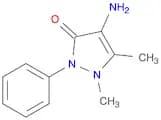
This gene encodes a member of the phospholipase C family, which catalyze the hydrolysis of phosphatidylinositol 4,5-bisphosphate to generate the second messengers diacylglycerol and inositol 1,4,5-trisphosphate (IP3). Diacylglycerol and IP3 mediate a variety of cellular responses to extracellular stimuli by inducing protein kinase C and increasing cytosolic Ca(2+) concentrations. This enzyme localizes to the plasma membrane and requires calcium for activation. Its activity is inhibited by spermine, sphingosine, and several phospholipids. [provided by RefSeq, Jul 2008],4-Amino-1,5-dimethyl-2-phenyl-1H-pyrazol-3(2H)-one
CAS:Fórmula:C11H13N3OPureza:98%Cor e Forma:SolidPeso molecular:203.2404Ref: IN-DA003KQQ
5g26,00€10g25,00€1kg235,00€25g28,00€50g47,00€5kgA consultar100g65,00€10kgA consultar500g194,00€PTGR2 rabbit pAb
This gene encodes an enzyme involved in the metabolism of prostaglandins. The encoded protein catalyzes the NADPH-dependent conversion of 15-keto-prostaglandin E2 to 15-keto-13,14-dihydro-prostaglandin E2. This protein may also be involved in regulating activation of the peroxisome proliferator-activated receptor. Alternative splicing results in multiple transcript variants. [provided by RefSeq, Apr 2009],Olfactory receptor 10G9 rabbit pAb
Olfactory receptors interact with odorant molecules in the nose, to initiate a neuronal response that triggers the perception of a smell. The olfactory receptor proteins are members of a large family of G-protein-coupled receptors (GPCR) arising from single coding-exon genes. Olfactory receptors share a 7-transmembrane domain structure with many neurotransmitter and hormone receptors and are responsible for the recognition and G protein-mediated transduction of odorant signals. The olfactory receptor gene family is the largest in the genome. The nomenclature assigned to the olfactory receptor genes and proteins for this organism is independent of other organisms. [provided by RefSeq, Jul 2008],GPR174 rabbit pAb
This gene encodes a protein belonging to the G protein-coupled receptor superfamily. These proteins are characterized by the presence of seven alpha-helical transmembrane domains, and they activate or interact with various endogenous or exogenous ligands, including neurotransmitters, hormones, and odorant and taste substances. This family member is classified as an orphan receptor because the cognate ligand has not been identified. [provided by RefSeq, Sep 2011],COL4A1 rabbit pAb
This gene encodes a type IV collagen alpha protein. Type IV collagen proteins are integral components of basement membranes. This gene shares a bidirectional promoter with a paralogous gene on the opposite strand. The protein consists of an amino-terminal 7S domain, a triple-helix forming collagenous domain, and a carboxy-terminal non-collagenous domain. It functions as part of a heterotrimer and interacts with other extracellular matrix components such as perlecans, proteoglycans, and laminins. In addition, proteolytic cleavage of the non-collagenous carboxy-terminal domain results in a biologically active fragment known as arresten, which has anti-angiogenic and tumor suppressor properties. Mutations in this gene cause porencephaly, cerebrovascular disease, and renal and muscular defects. Alternative splicing results in multiple transcript variants. [provided by RefSeq, Dec 2014],β-1,4-Gal-T1 rabbit pAb
This gene is one of seven beta-1,4-galactosyltransferase (beta4GalT) genes. They encode type II membrane-bound glycoproteins that appear to have exclusive specificity for the donor substrate UDP-galactose; all transfer galactose in a beta1,4 linkage to similar acceptor sugars: GlcNAc, Glc, and Xyl. Each beta4GalT has a distinct function in the biosynthesis of different glycoconjugates and saccharide structures. As type II membrane proteins, they have an N-terminal hydrophobic signal sequence that directs the protein to the Golgi apparatus and which then remains uncleaved to function as a transmembrane anchor. By sequence similarity, the beta4GalTs form four groups: beta4GalT1 and beta4GalT2, beta4GalT3 and beta4GalT4, beta4GalT5 and beta4GalT6, and beta4GalT7. This gene is unique among the beta4GalT genes because it encodes an enzyme that participates both in glycoconjugate and lactoPABP4 rabbit pAb
Poly(A)-binding proteins (PABPs) bind to the poly(A) tail present at the 3-prime ends of most eukaryotic mRNAs. PABPC4 or IPABP (inducible PABP) was isolated as an activation-induced T-cell mRNA encoding a protein. Activation of T cells increased PABPC4 mRNA levels in T cells approximately 5-fold. PABPC4 contains 4 RNA-binding domains and proline-rich C terminus. PABPC4 is localized primarily to the cytoplasm. It is suggested that PABPC4 might be necessary for regulation of stability of labile mRNA species in activated T cells. PABPC4 was also identified as an antigen, APP1 (activated-platelet protein-1), expressed on thrombin-activated rabbit platelets. PABPC4 may also be involved in the regulation of protein translation in platelets and megakaryocytes or may participate in the binding or stabilization of polyadenylates in platelet dense granules. Alternatively spliced transcript vaFILA2 rabbit pAb
The filaggrin-like protein encoded by this gene is upregulated by calcium, proteolyzed by calpain 1, and is involved in epithelial homeostasis. The encoded protein is required for proper cornification in skin, with defects in this gene being associated with skin diseases. This protein also has a function in skin barrier protection. In fact, in addition to providing a physical barrier, C-terminal fragments of this protein display antimicrobial activity against P. aeruginosa. [provided by RefSeq, Dec 2015],