Açúcares e Nucleobases da Espinha Dorsal
Foram encontrados 1002 produtos de "Açúcares e Nucleobases da Espinha Dorsal"
3’-β-Amino-2’,3’-dideoxy-5-fluorouridine
CAS:Please enquire for more information about 3’-beta-Amino-2’,3’-dideoxy-5-fluorouridine including the price, delivery time and more detailed product information at the technical inquiry form on this pagePureza:Min. 95%5-Bromouracil
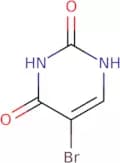
CAS:5-Bromouracil is a cytotoxic agent that inhibits the synthesis of DNA by inhibiting the enzyme thymine-5-bromo-2'-deoxyribonucleotide synthetase. It also has genotoxic effects on the organism, which can be observed in transfection experiments with human lymphocytes and polymerase chain reaction (PCR) experiments. 5-Bromouracil binds to the hydroxyl group of thymine and interacts with the nucleic acid bases, blocking the process of DNA synthesis. This drug is used to treat cancer in humans, but it is also toxic to eosinophils, which are white blood cells that produce chemicals such as peroxidases that help fight infections. The mechanism of action for 5-Bromouracil is not yet fully understood.Fórmula:C4H3BrN2O2Pureza:Min. 95%Cor e Forma:Yellow PowderPeso molecular:190.98 g/molUracil-4-acetic acid
CAS:Uracil-4-acetic acid is a monocarboxylic acid that is synthesized in mammalian cells. It can also be obtained by hydrolysis of orotic acid, which was previously synthesized from uridine and phosphorolysis of sephadex g-100. Uracil-4-acetic acid is used to produce uridine through the action of an enzyme called uridine phosphorylase. This enzyme catalyzes the reaction between ATP and uracil, as well as the conversion of orotic acid to orotidine 5′-monophosphate decarboxylase. Uracil-4-acetic acid has been shown to inhibit the growth of toxoplasma, but it has not been determined whether this inhibition is due to its role in the synthesis of uridine or its toxic effects on the parasite.Fórmula:C6H6N2O4Pureza:Min. 95%Cor e Forma:White SolidPeso molecular:170.12 g/mol1,3-Dimethyluracil
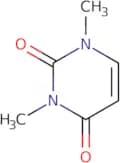
CAS:1,3-Dimethyluracil is a uracil derivative that is used as a hydrogen-bond donor, which helps to repair DNA. It has been shown to have a kinetic isotope effect in the deuterium isotope effect studies. The carbonyl group of 1,3-dimethyluracil can form hydrogen bonds with the guanine base in DNA and lead to the formation of an adduct. This adduct can be repaired by nucleotide excision repair when it forms a dimer with another 1,3-dimethyluracol molecule or by base excision repair when it forms a dimer with another purine or pyrimidine base. Aqueous solutions of 1,3-dimethyluracil are stable for short periods of time but decompose rapidly on heating. X-ray crystal structures show that 1,3-dimethyluracil binds to hydrochloric acid and x-ray crystallographic analysisFórmula:C6H8N2O2Pureza:Min. 95%Cor e Forma:Off-White Slightly Brown PowderPeso molecular:140.14 g/mol3’-Azido-3’-deoxyguanosine
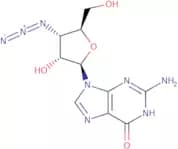
CAS:Please enquire for more information about 3’-Azido-3’-deoxyguanosine including the price, delivery time and more detailed product information at the technical inquiry form on this page
Fórmula:C10H12N8O4Pureza:Min. 95%Peso molecular:308.09815Hypoxanthine monosodium salt
CAS:Hypoxanthine is a nucleotide, which is a building block of DNA and RNA. It is a useful intermediate for the production of other chemicals and drugs. Hypoxanthine can be used as a reagent in biochemical research, to study the effects of hypoxia on cells, or as a catalyst in organic synthesis. Hypoxanthine monosodium salt is an important building block for complex compounds with many uses. It is also used as a reaction component in many chemical reactions as well as being a versatile scaffold for drug design.Fórmula:C5H4N4NaOPureza:Min. 97 Area-%Cor e Forma:White PowderPeso molecular:159.1 g/mol8-Hydroxyadenine
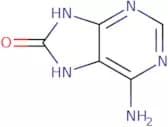
CAS:8-Hydroxyadenine is a reactive molecule that is used in the treatment of HIV infection. It is an inhibitor of reverse transcriptase and has been used to protect DNA against radiation damage. 8-Hydroxyadenine has been shown to induce a number of genotoxic effects, including neuronal death. 8-Hydroxyadenine can also be used as a DNA probe for the detection of HIV, with the advantage over other probes of having a high specificity for its target sequence.
Fórmula:C5H5N5OPureza:Min. 95%Cor e Forma:PowderPeso molecular:151.13 g/mol8-Methylxanthine
CAS:8-Methylxanthine is a metabolite of caffeine and theophylline. It has been shown to be a pro-inflammatory cytokine that stimulates the production of other pro-inflammatory cytokines such as interleukin (IL)-1β, IL-6, and tumor necrosis factor alpha (TNFα). 8-Methylxanthine is also a substrate for cytochrome P450 enzyme activity, which is responsible for metabolizing many drugs and other chemicals in the body. This compound has been detected in human liver and urine samples. 8-Methylxanthine has cytotoxic properties and may serve as an antioxidant. Mass spectrometric detection methods are used to identify this compound in biological fluids.Fórmula:C6H6N4O2Pureza:Min. 95%Cor e Forma:PowderPeso molecular:166.14 g/molNb-N-(benzhydryloxycarbonyl)cytosine)-1-acetic acid
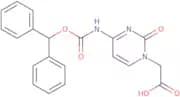
CAS:Nb-N-(benzhydryloxycarbonyl)cytosine)-1-acetic acid is a speciality chemical that is used as a reagent, building block, and scaffold for organic synthesis. This compound can be used in various reactions to produce complex compounds with high purity. Nb-N-(benzhydryloxycarbonyl)cytosine)-1-acetic acid is an excellent starting material for the production of fine chemicals, research chemicals, and versatile building blocks. It is also a useful intermediate for the production of pharmaceuticals and other useful compounds.Fórmula:C20H17N3O5Pureza:Min. 98 Area-%Cor e Forma:White PowderPeso molecular:379.37 g/mol7-[4-[4-(4-Fluorobenzoyl)Piperidin-1-Yl]Butyl]-1,3-Dimethylpurine-2,6-Dione
CAS:Produto Controlado7-[4-[4-(4-Fluorobenzoyl)Piperidin-1-Yl]Butyl]-1,3-Dimethylpurine-2,6-Dione is a drug that belongs to the group of adenosine receptor antagonists. It has been shown to inhibit phosphodiesterase activity and is used as a pharmaceutical dosage. 7-[4-[4-(4-Fluorobenzoyl)Piperidin-1-Yl]Butyl]-1,3-Dimethylpurine-2,6-Dione has been shown to bind to the 5HT2C receptor in vitro. This drug may have therapeutic potential for obesity and type 2 diabetes mellitus treatment.Fórmula:C23H28FN5O3Pureza:Min. 95%Peso molecular:441.5 g/mol2-Chloroinosine 3',4',6'-triacetate
CAS:2-Chloroinosine 3',4',6'-triacetate is a reagent, useful intermediate, fine chemical, and speciality chemical. It is used as an important building block in organic synthesis. 2-Chloroinosine 3',4',6'-triacetate can be used as a versatile building block for the synthesis of many other compounds. The high quality and usefulness of this compound make it a good choice for research chemicals.Fórmula:C16H17ClN4O8Pureza:Min. 95%Cor e Forma:White to pale yellow solid.Peso molecular:428.78 g/mol6-Methylmercaptopurine
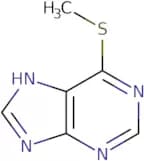
CAS:6-Methylmercaptopurine is an important metabolite of 6-methylmercaptopurine, which is a vital component of the nucleotide synthesis pathway. It is used in analytical methods to determine levels of nucleotides, as well as in biological studies for its effect on autoimmune diseases. 6-Methylmercaptopurine can inhibit replication by inhibiting the methyltransferase enzyme.Fórmula:C6H6N4SPureza:Min. 95%Cor e Forma:Off-White Yellow PowderPeso molecular:166.2 g/molAdenine sulphate
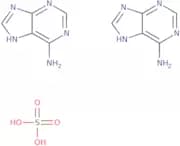
CAS:Adenine sulphate is a nucleotide that is involved in the formation of DNA and RNA. Adenine sulphate is synthesized from adenosine triphosphate and sulfuric acid. It has been shown to be an important component of DNA polymerase, which is responsible for the production of RNA and DNA. Adenine sulphate also plays a role in the development of insect resistance in plants and tissue culture cells. Adenine sulphate levels have been found to be reduced in patients with orotic aciduria, a condition characterized by high levels of orotic acid in the urine. The decreased adenine sulfate levels are thought to be due to an imbalance between adenosine diphosphate, which inhibits adenylosuccinate lyase (ADSL), and sulfite oxidase (SOX) activity. ADSL converts adenosine diphosphate into adenosinethiol disulfide, while SOX converts sulfite into hydrogen sulfide
Fórmula:C5H5N5•(H2O4S)0Pureza:Min. 95%Cor e Forma:White PowderPeso molecular:184.17 g/mol6-Chloro-9-(tetrahydro-2H-pyran-2-yl)purine
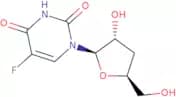
CAS:6-Chloro-9-(tetrahydro-2H-pyran-2-yl)purine is a nucleoside analog that is used to treat various types of cancer. It is a c–h bond regiospecific nucleophile that forms the 6-chloro 9-(tetrahydro-2H-pyran-2-yl)purine intermediate. The chloride ion acts as a nucleophile in the first step of this process, which results in the formation of an organocuprate and glyoxylate. 6CPP binds to DNA and inhibits RNA synthesis, leading to cell death by apoptosis or necrosis. This drug has been shown to be effective for treating human cell lines. 6CPP is also known for its antitumor effects, which may be due to its ability to inhibit phosphonates and cross-coupling reactions.Fórmula:C10H11ClN4OPureza:Min. 95%Cor e Forma:SolidPeso molecular:238.67 g/mol3’-Deoxy-5-fluorouridine
CAS:3’-Deoxy-5-fluorouridine is a synthetic compound that is used as an anticancer drug. It has been shown to induce apoptosis in cancer cells through the modulation of polymerase, synthetase and other enzymes involved in DNA synthesis. 3’-Deoxy-5-fluorouridine also inhibits the activity of viral thymidylate synthase, which prevents the conversion of deoxyuridine triphosphate (dUTP) to thymidylate monophosphate (dTMP), preventing DNA replication and cell division. This chemical can be synthesized by reacting uracil with trifluoroacetic acid followed by saponification.
Pureza:Min. 95%N6-Ethenoadenine
CAS:N6-Ethenoadenine is a nucleoside that is generated during DNA repair. It is formed by the enzymatic activity of the enzyme N6-adenosyltransferase in the presence of ATP and S-adenosylmethionine. It has been shown to be a potent inducer of DNA damage and mutagenesis, as well as an inhibitor of polymerase chain reaction (PCR) and DNA replication. N6-Ethenoadenine is also an agonist for P2Y receptors, which are important in chemical biology. This nucleoside may serve as a potential biomarker for genotoxic events, such as chemotherapy treatments or exposure to ionizing radiation.Fórmula:C7H5N5Pureza:Min. 95%Cor e Forma:White PowderPeso molecular:159.15 g/mol5,6-Diamino-1,3-dimethyl uracil hydrate
CAS:5,6-Diamino-1,3-dimethyl uracil hydrate is a purine derivative that inhibits the growth of cancer cells by blocking the enzyme ribonucleotide reductase. This leads to a decrease in DNA synthesis, protein synthesis, and cell division. The anticancer activity of 5,6-Diamino-1,3-dimethyl uracil hydrate is due to its ability to inhibit the formation of ATP and the GTP cycle. It also has a potent inhibitory effect on the structural analysis of DNA and RNA. 5,6-Diamino-1,3-dimethyl uracil hydrate has been shown to produce apoptotic effects in many types of cancer cells. This drug also has specific agonist properties for G protein coupled receptors that are responsible for activating apoptosis.Fórmula:C6H10N4O2·xH2OPureza:Min. 95%Cor e Forma:PowderPeso molecular:170.17 g/mol3’-Azido-3’-deoxy-5-fluorouridine
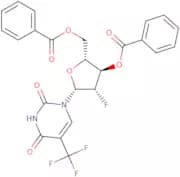
CAS:Please enquire for more information about 3’-Azido-3’-deoxy-5-fluorouridine including the price, delivery time and more detailed product information at the technical inquiry form on this pagePureza:Min. 95%3’,5’-Di-O-benzoyl-2’-deoxy-2’-fluoro-5-trifluoromethyl-arabinouridine
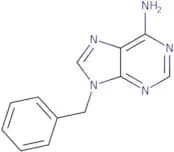
CAS:Please enquire for more information about 3’,5’-Di-O-benzoyl-2’-deoxy-2’-fluoro-5-trifluoromethyl-arabinouridine including the price, delivery time and more detailed product information at the technical inquiry form on this pagePureza:Min. 95%N9-Benzyladenine
CAS:N9-Benzyladenine is a drug that regulates the activity of adenosine receptors. It is an endogenous substance found in plants and animals, but can also be synthesized chemically. N9-Benzyladenine has been shown to inhibit protein synthesis by binding to cyclic nucleotide phosphodiesterases, resulting in the accumulation of cyclic AMP and activation of adenylate cyclase. This leads to an increase in intracellular cAMP levels that is mediated by Gs protein coupled receptors. N9-Benzyladenine has been shown to have anti-inflammatory properties, which may be due to its ability to inhibit the release of tumor necrosis factor-α (TNF-α).
Fórmula:C12H11N5Pureza:Min. 95%Cor e Forma:PowderPeso molecular:225.25 g/mol2-Fluoroadenine
CAS:2-Fluoroadenine is an inhibitor of DNA synthesis, which is used to study the effect of carcinogens on the cell cycle. It is a potent inducer of G2/M arrest in HL-60 cells, and has been shown to be cytotoxic to a number of different carcinoma cell lines. 2-Fluoroadenine disrupts collagen gel networks by binding to nitrogens in the protein matrix. This inhibits the glycosylation process that stabilizes collagen networks. The use of 2-fluoroadenine as a chemotherapeutic agent has been studied in animal models and clinical trials. 2-Fluoroadenine has been shown to inhibit mitochondrial membrane potential, leading to apoptosis caused by oxidative stress.Fórmula:C5H4FN5Pureza:Min. 98 Area-%Cor e Forma:Off-White PowderPeso molecular:153.12 g/mol8-Aza-2,6-diaminopurine sulfate (1:x)
CAS:8-Aza-2,6-diaminopurine sulfate (1:x) is a sulfate salt that is soluble in water. The molecular mass of the compound is 581.10 g/mol and it has a molecular formula of C5H7N3O4S. The crystal structure of the compound consists of an asymmetric unit containing one molecule. The 8-aza-2,6-diaminopurine monohydrate salt has a solubility of 1 g/100 mL in water at 25°C. It also has a melting point of 190°C and a boiling point of 340°C.
Fórmula:C4H5N7·xH2SO4Pureza:Min. 95%Cor e Forma:Slightly Yellow PowderPeso molecular:151.13 g/mol5-Ethyluracil
CAS:5-Ethyluracil is a nucleobase that is structurally similar to thymine. It inhibits the replication of human mitochondrial DNA and herpes simplex virus type-1 (HSV-1) by binding with the viral nucleic acid. 5-Ethyluracil has been shown to be an effective antiviral agent in clinical trials, where it was found to inhibit the replication of HSV-1 in both HIV-positive and HIV-negative patients. 5-Ethyluracil has also been shown to have an inhibitory effect on mammalian cells and has been used for treatment of certain types of cancer. This drug's low energy makes it useful as a topical analgesic. The glycosidic bond makes this drug water soluble, which allows for its use as an antiseptic or disinfectant. 5-Ethyluracil is metabolized by hydrochloric acid, which produces urate, ammonia, and carbon dioxide. This drug can be
Fórmula:C6H8N2O2Pureza:Min. 95%Cor e Forma:PowderPeso molecular:140.14 g/mol7-Deazaguanine
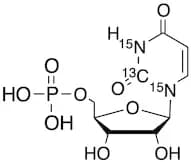
CAS:7-Deazaguanine is a nucleoside with potential as an antiviral agent. 7-Deazaguanine inhibits the activity of the enzyme RNA polymerase II, which is required for viral replication. The drug binds to the DNA template, inhibiting polymerase chain reaction (PCR), and prevents transcription of viral RNA by hydrogen bonding to its complementary strands. In addition, it has been shown to reduce the production of epidermal growth factor in cells.Fórmula:C6H6N4OPureza:Min. 95%Cor e Forma:Brown PowderPeso molecular:150.14 g/molUracil Lyxonucleoside-13C,15N2 5'-Phosphate
CAS:Produto ControladoApplications Uracil Lyxonucleoside 5'-Phosphate is an intermediate in the synthesis of Trilithium UDP-glucuronic Acid-13C1, 15N2 (T886287), which is an isotope labelled analog of Trisodium UDP-glucuronic Acid (T886285). Trisodium UDP-glucuronic Acid is a reactant used in the enzymatic preparation of β-glucuronides.
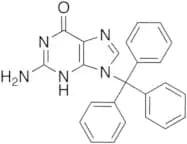
References Stevenson, D.E., et. al.: Collect Czech. Chem. C., 65, 117 (2000); Robotham, S.A., Brodbelt, J.S.: Biochem. Pharmacol., 82, 1764 (2011); Kren, V., et. al.: Drug Metab. Dispos., 28, 1513 (2000)Fórmula:C813CH1315N2O9PCor e Forma:NeatPeso molecular:327.169N-Trityl Guanine
CAS:Produto ControladoApplications Protected Guanine.
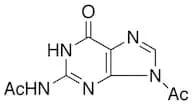
References Hakimelahi, G., et al.: J. Med. Chem., 44, 3710 (2001),Fórmula:C24H19N5OCor e Forma:NeatPeso molecular:393.44N2,9-Diacetylguanine
CAS:Produto ControladoImpurity Acicclovir EP Impurity L
Applications N2,9-Diacetylguanine (Acicclovir EP Impurity L) is used to synthesize acyclic analogues of deoxyguanosine.
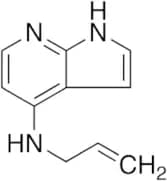
References Martin, J. C., et al.: J Med Chem. 26, 759 (1983)Fórmula:C9H9N5O3Cor e Forma:NeatPeso molecular:235.2N-Allyl-1,7-dideazaadenine
CAS:Produto ControladoApplications Used in the preparation of pyrrolotriazines.
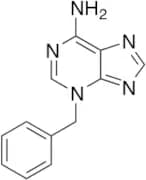
Fórmula:C10H11N3Cor e Forma:NeatPeso molecular:173.213-Benzyladenine
CAS:Produto ControladoApplications 3-BENZYLADENINE (cas# 7280-81-1) is a useful research chemical.
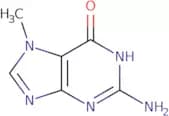
Fórmula:C12H11N5Cor e Forma:NeatPeso molecular:225.257-Methylguanine
CAS:Temozolomide is an anticancer drug that is used in the treatment of malignant brain tumors. It is a prodrug which undergoes conversion to its active form 7-methylguanine by deamination and oxidation. Temozolomide inhibits viral replication by inhibiting the synthesis of nuclear DNA and blocking the progression of RNA polymerase. The reaction mechanism involves oxidative injury to DNA, leading to crosslinking and breakage with subsequent inhibition of polymerase chain reaction amplification. Temozolomide has been shown to have carcinogenic potential in laboratory animals. This drug has been shown to have biochemical properties that are similar to those found in other drugs such as cisplatin, vinblastine, and adriamycin, which also inhibit cellular growth through reactive oxygen species (ROS) production. Structural analysis has revealed that temozolomide binds tightly to nuclear DNA with a conformation that is similar to the natural substrate for DNA gyrase, topFórmula:C6H7N5OPureza:Min. 95 Area-%Cor e Forma:Slightly Brown PowderPeso molecular:165.15 g/mol8-Hydroxyguanine hydrochloride
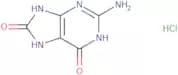
CAS:8-Hydroxyguanine hydrochloride is a fine chemical that is used as a building block in the synthesis of pharmaceuticals, agrochemicals and other organic compounds. It is also used as a reagent for research into the mechanisms of DNA damage. CAS No. 1246818-54-1 8-Hydroxyguanine hydrochloride is a complex compound that can be used as a versatile building block for the synthesis of many different types of molecules, including valuable intermediates and scaffolds for drug discovery.
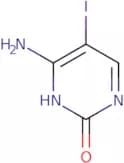
Fórmula:C5H5N5O2•HClPureza:Min. 90 Area-%Cor e Forma:White PowderPeso molecular:203.59 g/mol5-Iodocytosine
CAS:5-Iodocytosine (5-IC) is an analog of cytosine that can be used as a precursor for the synthesis of thymine. 5-IC has been shown to cross-couple with DNA, which may contribute to its antiviral potency. 5-IC is also a potent inhibitor of dna replication and herpes simplex virus. The biochemical properties of 5-IC have been extensively studied, including its ability to react with hydrochloric acid to form the corresponding tautomers. The hydrolysis rate increases at higher pH values and decreases at lower pH values. Bioconjugate chemistry has been applied to synthesize a bioconjugated prodrug of 5-IC for cancer treatment.
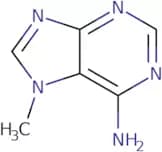
Fórmula:C4H4IN3OPureza:Min. 95%Cor e Forma:PowderPeso molecular:237 g/mol7-Methyladenine
CAS:7-Methyladenine is a nitrogen-containing compound that has been shown to cause an increase in renal blood flow. It is also a synthetic estrogen. 7-Methyladenine is mainly metabolized by methylation, and it can be detected in urine samples. This substance has been shown to have a direct effect on cardiac contractility and blood pressure. 7-Methyladenine also has the ability to stimulate the growth of cells and tissues, as well as being able to inhibit the synthesis of certain proteins.Fórmula:C6H7N5Pureza:Min. 95%Cor e Forma:White To Off-White SolidPeso molecular:149.15 g/mol2-Thiothymine
CAS:2-Thiothymine is a nucleotide that can be synthesized by the polymerase chain reaction. It is used as a probe for determining the sequence of DNA duplexes. 2-Thiothymine binds to dna and forms hydrogen bonds with the nitrogen atoms in dna bases, which prevents them from being able to bind with other dna bases, thereby disrupting the binding of dna strands. This leads to chain reactions that result in high temperatures and could cause damage to the cells. 2-Thiothymine has been shown to be toxic to both bacteria and human cells. It was found to inhibit HIV infection by binding to viral RNA and preventing it from being translated into protein, leading to cell death.
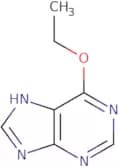
Fórmula:C5H6N2OSPureza:Min. 95%Cor e Forma:Off-White PowderPeso molecular:142.18 g/mol6-Ethoxypurine
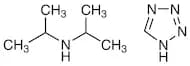
CAS:6-Ethoxypurine is a nucleoside analog that inhibits the enzyme ribonucleotide reductase, which converts ribonucleotides to deoxyribonucleotides. It is used in cell culture to measure the effects of radiation and hydrochloric acid on the production of ATP. 6-Ethoxypurine has been shown to inhibit influenza virus replication with an IC50 of 10 μM. This compound has reactive hydroxyl groups that allow it to participate in hydrogen bonding, which can be beneficial for interactions with other molecules. 6-Ethoxypurine also exhibits nucleophilic properties, which allows it to react with other chemical species and can be useful for generating new chemical compounds.Fórmula:C7H8N4OPureza:Min. 95%Cor e Forma:PowderPeso molecular:164.16 g/molDiisopropylammonium Tetrazol-1-ide
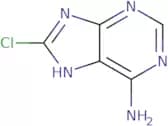
CAS:Fórmula:C6H15N·CH2N4Pureza:>98.0%(T)(HPLC)Cor e Forma:White to Light yellow powder to crystalPeso molecular:171.258-Chloroadenine
CAS:8-Chloroadenine is an antimicrobial agent that inhibits the DNA replication of bacteria by binding to the dna template. It is a potent inhibitor of oxidative DNA damage and has been shown to be effective against various bacteria, including Staphylococcus aureus. 8-Chloroadenine also has reactive properties and can react with chloride in the environment to form hypochlorous acid (HOCl) and 8-chloroguanine. This compound may also act as an enzyme catalyst for the enzymatic reaction between hypochlorous acid and chloride ions.Fórmula:C5H4ClN5Pureza:Min. 95%Cor e Forma:PowderPeso molecular:169.57 g/mol8-Azaadenine
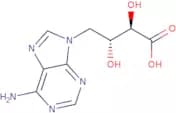
CAS:8-Azaadenine is an analog of adenine that binds to the purine receptor in the cell membrane. It has been shown to inhibit the growth of bacterial strains, such as Klebsiella pneumoniae and Staphylococcus aureus, by targeting their DNA gyrase and topoisomerase IV. 8-Azaadenine has also been shown to have a high resistance to bacterial mutants resistant to other antibiotics. It has been found that the nitrogen atoms in 8-azaadenine are important for its biological properties. The optimum pH for this antibiotic is 7.4.Fórmula:C4H4N6Pureza:Min. 95%Cor e Forma:PowderPeso molecular:136.12 g/molEritadenine
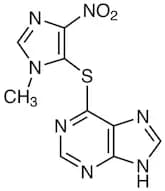
CAS:Eritadenine is a glycoside that has been found in the edible roots of plants belonging to the family Euphorbiaceae. Eritadenine is an inhibitor of malonic acid, which is a precursor for fatty acid synthesis. It has also been shown to have biological properties, such as inhibiting fat cell growth and reducing cholesterol levels in rats. Eritadenine can be detected with an analytical method that uses high-performance liquid chromatography coupled with a photodiode array detector. This method separates and identifies eritadenine from other compounds using polymerase chain reaction amplification on camp levels and sodium salts. Eritadenine can also be found in samples of liver cells or ethanolamine.Fórmula:C9H11N5O4Pureza:Min. 95%Cor e Forma:PowderPeso molecular:253.21 g/molAzathioprine
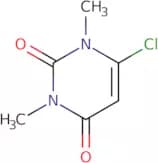
CAS:Fórmula:C9H7N7O2SPureza:>98.0%(T)(HPLC)Cor e Forma:Light yellow to Yellow to Green powder to crystalPeso molecular:277.266-Chloro-1,3-dimethyluracil
CAS:6-Chloro-1,3-dimethyluracil is a nucleoside analog that has been shown to be cytotoxic in vitro. This compound can be synthesized by reacting naphthalene with a nucleophilic nitrogen source, such as sodium carbonate and chlorinating the resulting product with trifluoroacetic acid. 6-Chloro-1,3-dimethyluracil can also be synthesized by reacting malonic acid with cyclen and uridine in the presence of copper metal. The reaction mechanism is believed to involve photoelectron transfer from the copper metal to the uridine ring.
Fórmula:C6H7ClN2O2Pureza:Min. 95%Cor e Forma:White PowderPeso molecular:174.58 g/mol5-Bromo-6-azauracil
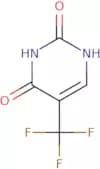
CAS:5-Bromo-6-azauracil is a nucleophilic compound that can be used to treat wastewater. It is also able to lyse cells and has been used as an immobilizing agent. The reactive nature of 5-Bromo-6-azauracil enables it to undergo nucleophilic substitutions with amines, which are present in the cell wall and other biomolecules. This process results in the formation of amide bonds, which leads to the inhibition of protein synthesis. 5-Bromo-6-azauracil has shown inhibitory effects on glucans, which may be due to its ability to form covalent bonds with glucose molecules.Fórmula:C3H2BrN3O2Pureza:Min. 95%Cor e Forma:White To Off-White SolidPeso molecular:191.97 g/mol5-Trifluorothymine
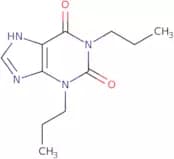
CAS:Intermediate in the synthesis of tipiracil + trifluridineFórmula:C5H3F3N2O2Pureza:Min. 95%Cor e Forma:PowderPeso molecular:180.08 g/mol1,3-Dipropylxanthine
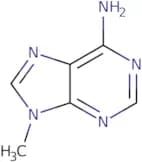
CAS:Produto Controlado1,3-Dipropylxanthine is a congener of caffeine. It is a nonselective adenosine receptor antagonist that binds to the adenosine receptors in the kidney. 1,3-Dipropylxanthine has been shown to increase renal blood flow and increase urine output. This drug may be used as a mobilisation agent for patients who are bedridden or have limited mobility. It should not be given to patients with heart disease or high blood pressure. 1,3-Dipropylxanthine has also been shown to inhibit the binding of pyrimido [1,2-a]benzimidazole (PPIM) and furyl derivatives to the adenosine receptor.Fórmula:C11H16N4O2Pureza:Min. 95%Cor e Forma:PowderPeso molecular:236.27 g/molN9-Methyladenine
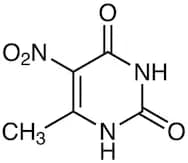
CAS:N9-Methyladenine is a purine derivative that has been shown to be an antagonist at the adenosine receptor. It can be synthesized by reacting N6-benzoyladenine with methanol, followed by treatment with aqueous sodium hydroxide and hydrogen peroxide. The molecule is planar, with a neutral pKa of 7.4. Proton and nitrogen NMR spectra were obtained for this compound, which showed it to have two hydrogen bonds and one intermolecular hydrogen bond. The proton resonances are observed at 2.97 ppm (H1) and 3.27 ppm (H2).Fórmula:C6H7N5Pureza:Min. 95%Cor e Forma:PowderPeso molecular:149.15 g/mol6-Methyl-5-nitrouracil
CAS:Fórmula:C5H5N3O4Pureza:>95.0%(T)(HPLC)Cor e Forma:Light orange to Yellow to Green powder to crystalPeso molecular:171.117-Deaza-6-hydroxypurine
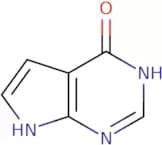
CAS:7-Deaza-6-hydroxypurine is a skeleton of nucleosides that inhibits enzymes. It has been shown to inhibit the activity of hydrochloric acid, a tumor metastasis promoter. The constant for this drug was determined using molecular modeling and inhibition constants. 7-Deaza-6-hydroxypurine has anticancer activity and can be used for the treatment of cancer. This drug is used as a noncompetitive inhibitor in which it binds to two different sites on the enzyme. It has also been shown to bind to subunits, which are parts of a protein that make up its structure, in biological studies.br> 7-Deaza-6-hydroxypurine is an inhibitor that binds to two different sites on an enzyme. It has been shown to have anticancer activity and can be used for the treatment of cancer. This drug is used as a noncompetitive inhibitor in which it binds to two different sites on the enzyme. ItFórmula:C6H5N3OPureza:Min. 95%Cor e Forma:PowderPeso molecular:135.12 g/mol(R)-(+)-9-(2-Hydroxypropyl)adenine
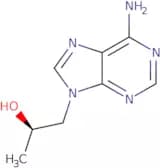
CAS:(R)-(+)-9-(2-Hydroxypropyl)adenine (HPA) is a carbocyclic nucleoside that has been shown to be effective against the human immunodeficiency virus (HIV). HPA inhibits the reverse transcriptase and integrase enzymes, which are necessary for HIV replication. It also inhibits phosphorylation of host cell proteins, leading to decreased viral protein synthesis. The reaction yield of this compound is high and it can be industrially produced with a synthetic process. HPA is synthesized from adenosine by the addition of two hydroxyl groups on the adjacent carbon atoms. HPA has a low energy ring-opening reaction with hydrogen chloride, which leads to its potent inhibition of HIV infection.Fórmula:C8H11N5OPureza:Min. 95%Cor e Forma:PowderPeso molecular:193.21 g/mol3’-O-t-Bulyldimethylsilyl thymidine
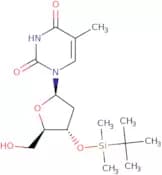
CAS:3’-O-t-Bulyldimethylsilyl thymidine is a nucleoside analog that is chemically stable and has been shown to be a potential biomarker for the diagnosis of fetal bovine spongiform encephalopathy (BSE). 3’-O-t-Bulyldimethylsilyl thymidine binds to basic proteins in the cell nucleus, which can be detected by immunoassay. It also has been shown to inhibit protein synthesis in tubule cells of the kidney and skin cancer cells. The drug is metabolized by dephosphorylation to t-butyldeoxyuridine, which is then converted into thymidine.Fórmula:C16H28N2O5SiPureza:Min. 95%Cor e Forma:White PowderPeso molecular:356.49 g/mol8-Nitroguanine
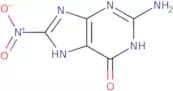
CAS:8-Nitroguanine is a reactive cell factor that can be found in the skin and other tissues. It is an endogenous product of nitric oxide, which can be formed by the reaction of nitric oxide with superoxide in the presence of peroxynitrite. 8-Nitroguanine has been shown to inhibit matrix metalloproteinase-9 activity and to have a protective effect on cells from UV radiation. 8-Nitroguanine also has been shown to be a potential biomarker for bowel disease and damage. The levels of 8-nitroguanine increase in chronic viral hepatitis and cancer tissues. This compound can also be used as an analytical method for detection of inflammation, oxidative stress, or DNA damage.Fórmula:C5H4N6O3Pureza:Min. 95%Cor e Forma:PowderPeso molecular:196.13 g/mol




![7-[4-[4-(4-Fluorobenzoyl)Piperidin-1-Yl]Butyl]-1,3-Dimethylpurine-2,6-Dione](/_next/image/?url=https%3A%2Fstatic.cymitquimica.com%2Fproducts%2F3D%2Fthumb-webp%2FFF99814.webp&w=3840&q=75)