Nucleotídeos
Subcategorias de "Nucleotídeos"
Foram encontrados 2638 produtos de "Nucleotídeos"
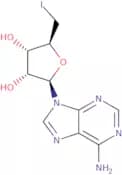
5'-Deoxy-5'-iodoadenosine
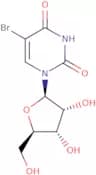
CAS:5'-Deoxy-5'-iodoadenosine is a nucleoside analog that inhibits the activity of the adenosine receptor. This drug binds to adenosine receptors, which are found on the surface of cells. The binding results in an inhibitory effect on viral replication and cell proliferation. 5'-Deoxy-5'-iodoadenosine has been shown to be effective against hepatitis B virus, hepatitis C virus, and human T-cell leukemia virus type 1 (HTLV-1). It is also active against animal models of human diseases such as l1210 murine leukemia and t-cell leukemia. 5'-Deoxy-5'-iodoadenosine has been shown to inhibit the growth of hl-60 cells in cell culture by blocking the synthesis of adenylate cyclase and protein kinase A.Fórmula:C10H12IN5O3Pureza:Min. 95%Cor e Forma:PowderPeso molecular:377.14 g/mol5-Bromouridine
CAS:5-Bromouridine is an energy-related metabolite that is a precursor of uridine. It is a nucleotide base that is incorporated into DNA during DNA replication. 5-Bromouridine has been shown to have radiation resistance and high resistance to viral life. It also binds to the nuclear DNA in cells, where it can act as a transcriptional regulator. 5-Bromouridine is used in the treatment of malignant brain tumors, where it can inhibit tumor growth by binding to the dna of cancer cells and preventing the synthesis of proteins required for cell division. 5-Bromouridine binds with high affinity to basic fibroblast, which may be related to its effects on cancer cells.Fórmula:C9H11BrN2O6Pureza:Min. 95%Cor e Forma:White PowderPeso molecular:323.1 g/mol8-Bromoguanosine 3',5'-cyclic monophosphate sodium salt
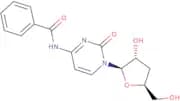
CAS:Activator of cGMP-dependent protein kinasesFórmula:C10H10BrN5NaO7PPureza:Min. 95%Cor e Forma:PowderPeso molecular:446.08 g/molN4-Benzoyl-3'-deoxycytidine
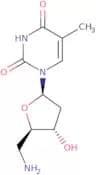
CAS:N4-Benzoyl-3'-deoxycytidine is a novel antiviral agent that has shown activity against DNA and RNA viruses. It is an activator of DNA polymerase, which is essential for replication of viral nucleic acids. The compound is a modified nucleoside with a benzoyl group at the 4' position of the ribose moiety. It also has phosphoramidite, monophosphate, and diphosphate analogues. N4-Benzoyl-3'-deoxycytidine binds to the enzyme DNA polymerase, thereby inhibiting its ability to synthesize deoxyribonucleotides from ribonucleotides. This results in inhibition of viral DNA synthesis and subsequent inhibition of viral replication.Fórmula:C16H17N3O5Pureza:Min. 95%Cor e Forma:White To Off-White SolidPeso molecular:331.32 g/mol5'-Amino-5'-deoxythymidine
CAS:5'-Amino-5'-deoxythymidine is a nucleoside that is structurally related to thymidine. It has been shown to be a substrate for fatty acid synthase, which is a key enzyme in the synthesis of membrane lipids. 5'-Amino-5'-deoxythymidine has been shown to induce tumorigenesis in mouse bladder carcinoma cells. This compound also does not form stable complexes with DNA duplexes and can inhibit uptake of thymidylate into cells by competitive inhibition. 5'-Amino-5'-deoxythymidine binds to the cell surface and acts as an antibody response modifier.Fórmula:C10H15N3O4Pureza:Min. 98 Area-%Cor e Forma:White Off-White PowderPeso molecular:241.24 g/mol3'-O-Benzoyl-2'-deoxyuridine
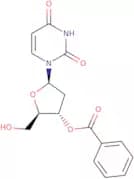
CAS:3'-O-Benzoyl-2'-deoxyuridine is a synthetic nucleoside that is used in the synthesis of DNA and RNA. 3'-O-Benzoyl-2'-deoxyuridine is also an antiviral agent that has shown efficacy against HIV, HSV, and influenza virus. 3'-O-Benzoyl-2'-deoxyuridine is a phosphoramidite monophosphate that can be used as a building block for DNA or RNA synthesis. It is also a diphosphate that can be used to synthesize modified nucleosides. This product has novel properties and high purity, making it suitable for research purposes.Fórmula:C16H16N2O6Pureza:Min. 95%Cor e Forma:PowderPeso molecular:332.31 g/mol2'-Deoxy-5-hydroxyuridine
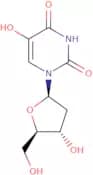
CAS:2'-Deoxy-5-hydroxyuridine is a hydrated form of uracil that is used in the synthesis of nucleic acids. It is also a substrate for DNA polymerases and has been shown to inhibit the replication of herpes simplex virus. 2'-Deoxy-5-hydroxyuridine has been shown to have biological properties, such as inhibition of radiation-induced transformation, inhibition of cancer cell growth, and antiviral activity. The mechanism by which 2'-deoxy-5-hydroxyuridine inhibits the replication of herpes simplex virus is unclear but may be due to its ability to inhibit cellular metabolism.Fórmula:C9H12N2O6Pureza:Min. 95 Area-%Cor e Forma:White PowderPeso molecular:244.21 g/mol2',3'-Dideoxy-5'-O-DMT-cytidine
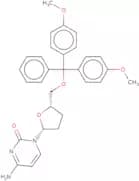
CAS:2',3'-Dideoxy-5'-O-DMT-cytidine is a chemically modified cytidine nucleoside which can be used in synthetic chemistry, especially in nucleic acid synthesis. A dimethoxytrityl (DMT) protecting group is attached to the 5'-oxygen of the sugar. This is not biologically active, but it’s commonly used in solid-phase oligonucleotide synthesis to protect the 5' end during step-by-step DNA or RNA construction.Fórmula:C30H31N3O5Pureza:Min. 95%Cor e Forma:PowderPeso molecular:513.6 g/mol8-(Benzyloxy)guanosine
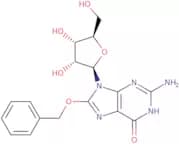
CAS:8-(Benzyloxy)guanosine is a novel nucleoside analog that is an activator of ribonucleotide reductase. It has been shown to inhibit the proliferation of cancer cells in vitro and in vivo, as well as inhibit the production of diphosphate from ATP. This compound also has antiviral activity against herpes simplex virus type 1 (HSV-1) and human immunodeficiency virus type 1 (HIV-1). 8-(Benzyloxy)guanosine is synthesized by reacting the 8-hydroxy group on guanosine with benzaldehyde, followed by phosphorylation with diphosphate. This compound has CAS No. 3868-36-8 and can be used for research purposes only.Fórmula:C17H19N5O6Pureza:Min. 95 Area-%Cor e Forma:White To Off-White SolidPeso molecular:389.36 g/molAdenosine 5'-monophosphate disodium salt
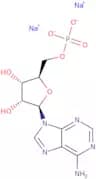
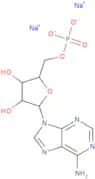
CAS:Adenosine 5'-monophosphate disodium salt (AMP-Na2) is a chemical compound that has been used in the study of metabolic disorders. It belongs to the class of ethylene diamines and has been shown to increase the glomerular filtration rate. Ammonium adenosine 5'-monophosphate disodium salt has also been shown to increase the activity of glutamate decarboxylase, which converts glutamate into GABA, an inhibitory neurotransmitter. The neutral pH optimum for AMP-Na2 is 6.5-7.5, which may be due to its lysine residues. AMP-Na2 has a carbonyl group that can be oxidized by reactive oxygen species and cause oxidative injury to cells in vivo and in vitro. This damage was found mainly in microglia cells, which are responsible for removing dead or damaged neurons from the central nervous system (CNS). AMP-Na2 also activates adFórmula:C10H12N5Na2O7PPureza:Min. 98 Area-%Cor e Forma:PowderPeso molecular:391.19 g/molInosine 5'-triphosphate disodium
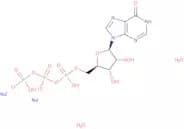
CAS:Inosine 5'-triphosphate disodium salt is a phosphoramidite that can be used as an activator for DNA synthesis. It also has antiviral and anticancer properties. Inosine 5'-triphosphate disodium salt is used in the synthesis of deoxyribonucleosides and other nucleotides.Fórmula:C10H13N4O14P3•Na2Pureza:Min. 95%Cor e Forma:PowderPeso molecular:552.13 g/molStavudine
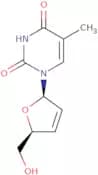
CAS:Anti-viral; reverse transcriptase inhibitorFórmula:C10H12N2O4Pureza:Min. 95%Cor e Forma:White PowderPeso molecular:224.22 g/mol2'-Deoxyuridine-5'-triphosphate trisodium
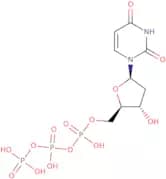
CAS:2'-Deoxyuridine-5'-triphosphate trisodium salt is a fluorophore that is excited by the absorption of light at wavelengths of 365 nm. The emission spectrum ranges from 380 to 500 nm and has a maximum at 480 nm. 2'-Deoxyuridine-5'-triphosphate trisodium salt can be used as a labeling agent for metal ion, molecule, or macrocyclic ligand. It can also be used as an acceptor in fluorescence energy transfer experiments.Fórmula:C9H15N2O14P3•Na3Pureza:Min. 95%Cor e Forma:PowderPeso molecular:537.11 g/mol5,6-Dihydro-5-azacytidine acetate
5,6-Dihydro-5-azacytidine acetate is a monophosphate nucleoside that is used in the synthesis of DNA and RNA. It is an antiviral agent that inhibits the synthesis of DNA by preventing the conversion of deoxyribonucleotides to diphosphates. 5,6-Dihydro-5-azacytidine acetate has been found to have anticancer properties and is used in cancer treatment. This chemical also has a high purity and quality, making it a suitable reagent for use in phosphoramidite coupling reactions for oligonucleotide synthesis. 5,6-Dihydro-5-azacytidine acetate has been shown to be active against a variety of human tumor cell lines, including leukemia cells.Fórmula:C10H17N4O7Pureza:Min. 95%Cor e Forma:White PowderPeso molecular:305.26 g/molN4-Acetyl-2'-deoxycytidine
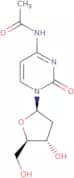
CAS:N4-Acetyl-2'-deoxycytidine is a nucleoside analogue that acts as an inhibitor of DNA synthesis. It binds to the active site of the enzyme ribonucleotide reductase, blocking the conversion of ribonucleotides to deoxyribonucleotides. This prevents DNA synthesis and replication, which leads to cell death. N4-Acetyl-2'-deoxycytidine has been shown to be more efficient than other analogues in terms of energy efficiency, control levels, and constant linear model. This compound is reactive and can cause low yields when isolated from solutions with high concentrations. A diode can be used for analytical purposes, while calcium binding may be used as a mathematical model in order to analyze this drug.Fórmula:C11H15N3O5Pureza:Min. 98 Area-%Cor e Forma:PowderPeso molecular:269.25 g/mol3-Deazaadenosine
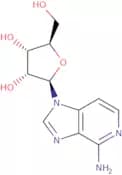
CAS:A potential role in apoptosis and cellular senescence.Fórmula:C11H14N4O4Pureza:Min. 99 Area-%Cor e Forma:PowderPeso molecular:266.26 g/mol7-Deaza-2'-deoxy-7-iodoadenosine
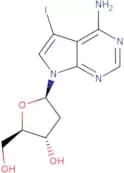
CAS:7-Deaza-2'-deoxy-7-iodoadenosine is an oligomer with a stabilized backbone that has been shown to inhibit the growth of bacteria in vitro. It binds to DNA and prevents RNA synthesis. 7-Deaza-2'-deoxy-7-iodoadenosine is a synthetic nucleotide analogue that is used as a probe for mapping RNA sequences and as an inhibitor of bacterial growth. This compound is also used in the synthesis of oligodeoxynucleotides because it has a high affinity for guanine residues, which can be incorporated into the oligonucleotide chain by chemical ligation. The octameric form of 7-deaza-2'-deoxyadenosine is most active against bacterial cells.
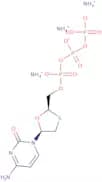
Fórmula:C11H13IN4O3Pureza:Min. 98 Area-%Cor e Forma:White Off-White PowderPeso molecular:376.16 g/molLamivudine 5'-triphosphate triethylammonium salt (Ethanol solution)
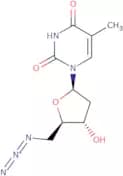
CAS:Sold by weight of nucleoside as solution in ethanol.Fórmula:C20H46N5O12P3SPureza:Min. 95%Cor e Forma:Clear LiquidPeso molecular:673.59 g/mol5'-Azido-5'-deoxythymidine
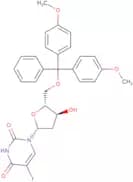
CAS:5'-Azido-5'-deoxythymidine is a synthetic analogue of thymidine. The compound has been synthesised and fluorescently labelled with ferrocene. 5'-Azido-5'-deoxythymidine is not cytotoxic to cancer cells, but it is shown to be an effective inhibitor of DNA synthesis by binding to the enzyme DNA polymerase. This causes a decrease in the rate of DNA synthesis and thus inhibits cancer cell growth.Fórmula:C10H13N5O4Pureza:Min. 95%Cor e Forma:White PowderPeso molecular:267.24 g/mol2'-Deoxy-5'-O-DMT-5-iodouridine
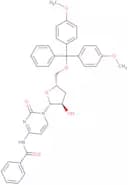
CAS:2'-Deoxy-5'-O-DMT-5-iodouridine is an intercalating agent that binds to DNA and RNA. It can be used as a probe for the detection of specific sequences in human cells. The fluorophore attached to the molecule allows it to be detected by fluorescence microscopy, while the chromophore is responsible for its ability to emit light at a wavelength of 535 nm. 2'-Deoxy-5'-O-DMT-5-iodouridine has been shown to enhance nucleotide excision repair and increase the sensitivity of cancer cells to chemotherapy drugs such as cisplatin. The molecule can also be used as a fluorescent protein marker in her-2 gene amplification and overexpression studies.Fórmula:C30H29IN2O7Pureza:Min. 95%Cor e Forma:PowderPeso molecular:656.48 g/molN4-Benzoyl-3'-deoxy-5'-O-DMT-cytidine
CAS:N4-Benzoyl-3'-deoxy-5'-O-DMT-cytidine is a synthetic nucleoside that is used as an activator for DNA synthesis. It is also used in the preparation of diphosphate derivatives for use as antiviral and anticancer agents or as probes for DNA and RNA research. N4-Benzoyl-3'-deoxy-5'-O-DMT-cytidine is a novel, high purity, and high quality chemical with CAS No. 86234-45-9.
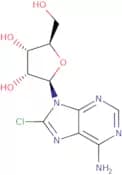
Fórmula:C37H35N3O7Pureza:Min. 95%Peso molecular:633.69 g/mol8-Chloroadenosine
CAS:8-Chloroadenosine is a potent inhibitor of apoptosis, which is the process by which cells die. It has been shown to inhibit cell growth in murine hepatoma cells and synergize with other cytotoxic agents. 8-Chloroadenosine inhibits the activity of bcl-2 protein and thus blocks the release of cytochrome c from mitochondria. This causes DNA damage by inhibiting DNA synthesis and protein synthesis, leading to apoptosis. 8-Chloroadenosine has also been shown to be an active inhibitor of cancer cells, especially myeloma cell lines. The response element for 8-chloroadenosine is located in the promoter region of the gene encoding cyclooxygenase 2 (COX-2), which encodes a protein that produces prostaglandins involved in inflammation and tumor growth. The concentration of camp in cancer tissues determines whether these cells will respond favorably or unfavorably to this drug.Fórmula:C10H12ClN5O4Pureza:Min. 95%Cor e Forma:PowderPeso molecular:301.69 g/molDenufosol tetrasodium
CAS:A P2Y2 receptor agonist that has been studied in cystic fibrosis and retinal diseases such as retinal detachment. Denufosol was studied as an inhaled drug for cystic fibrosis, due to its ability to activate an alternative chloride channel and avoiding the defective CFTR chloride channel. This enhances hydration of the lung mucosa and improves mucociliary clearance. The drug did not progress from phase III clinical trials. Denufosol resulted in subretinal fluid reabsorption in in vivo model of retinal detachment.
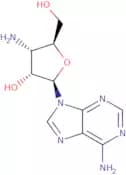
Fórmula:C18H23N5Na4O21P4Pureza:Min. 90 Area-%Cor e Forma:PowderPeso molecular:861.25 g/mol3'-Amino-3'-deoxyadenosine
CAS:3'-Amino-3'-deoxyadenosine, also known as spalgomycin, is a natural enediyne antibiotic with potent antibacterial and, more notably, antitumor activity observed in research settings. Its primary use is as a tool to study the mechanisms of enediyne-mediated DNA damage and as a lead compound in the search for novel anticancer therapeutics.Fórmula:C10H14N6O3Cor e Forma:White Off-White PowderPeso molecular:266.26 g/mol2',3'-Dideoxy-5-methylcytidine
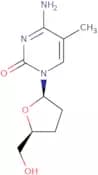
CAS:2',3'-Dideoxy-5-methylcytidine is a synthetic nucleoside analog based on cytidine, a natural building block of DNA and RNA. This molecule is chemically modified to interfere with nucleic acid synthesis, making it a potential tool in antiviral or anticancer therapy, or for studying epigenetics.Fórmula:C10H15N3O3Pureza:Min. 95%Cor e Forma:PowderPeso molecular:225.25 g/molAcetoacetyl coenzyme A lithium salt
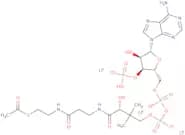
CAS:Acetoacetyl coenzyme A lithium salt is a novel phosphoramidite building block. It's a modified nucleoside that can be used in the synthesis of oligonucleotides and DNA. Acetoacetyl coenzyme A lithium salt has antiviral, anticancer, and antifungal activities.Fórmula:C25H36N7O18P3SLi4·5H2OPureza:Min. 96 Area-%Cor e Forma:PowderPeso molecular:965.42 g/molCytidyl-3'-5'-uridine ammonium
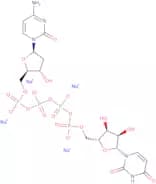
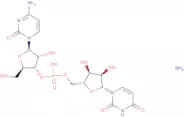
CAS:Cytidyl-3'-5'-uridine ammonium salt is a nucleoside analog that is used as an antiviral and anticancer agent. Cytidyl-3'-5'-uridine ammonium salt inhibits the synthesis of DNA by inhibiting the activity of enzymes such as DNA polymerase, RNA polymerase, or reverse transcriptase. It also has antitumor properties and can be used to treat leukemia and other types of cancer. Cytidyl-3'-5'-uridine ammonium salt has been shown to be more potent than cytidyl-2',4',6'-triaminopyrimidine (CTAP) in inhibiting the growth of lymphocytic leukemia cells.
Fórmula:C18H24N5O13P•NH3Pureza:Min. 95%Cor e Forma:PowderPeso molecular:566.42 g/molN6-Benzoyl-5'-O-DMT-adenosine
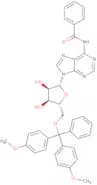
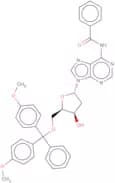
CAS:N6-Benzoyl-5'-O-DMT-adenosine is a synthetic nucleoside with antiviral activity. It is an activator of viral DNA polymerase and inhibits viral replication by inhibiting DNA synthesis in the host cell. N6-Benzoyl-5'-O-DMT-adenosine has shown anticancer activity in tumor cells, which may be due to its ability to inhibit ribonucleotide reductase and diphosphate kinase.
Fórmula:C38H35N5O7Pureza:Min. 95%Cor e Forma:White PowderPeso molecular:673.73 g/molN4-Acetylcytidine
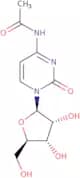
CAS:N4-Acetylcytidine is a modified nucleoside and endogenous urinary nucleoside product of the degradation of tRNA. N4-Acetylcytidine is a biological marker for various cancers with elevated concentrations present in urine. N4-Acetylcytidine is also a partially protected cytidine and therefore can be used as a synthetic building block to prepare further derivatized nucleosides such as 2’,3’-dideoxycytidine.Fórmula:C11H15N3O6Pureza:Min. 95%Cor e Forma:White PowderPeso molecular:285.25 g/molN6-Benzoyl-3'-O-methyladenosine
CAS:N6-Benzoyl-3'-O-methyladenosine is a novel modified nucleoside that has antiviral activity. It has been shown to possess high purity and high quality, and can be used as an activator for DNA synthesis. N6-Benzoyl-3'-O-methyladenosine is synthesized from 3'-O-methyladenosine with the use of phosphoramidites, ribonucleosides, or monophosphate nucleotides. The compound is CAS No. 85090-30-8 and is soluble in water.Fórmula:C18H19N5O5Pureza:Min. 96 Area-%Cor e Forma:Off-White PowderPeso molecular:385.37 g/molAdenosine 2',3'-cyclic monophosphate sodium
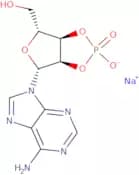
CAS:Adenosine 2',3'-cyclic monophosphate sodium (AMP-Na) is a chemical compound that is found in Streptomyces coelicolor. It has been shown to have an active role in the biotechnology industry for research and development. AMP-Na inhibits the synthesis of carbohydrates by binding to enzymes such as adenosyl-l-methionine peroxidase, which is involved in the metabolism of carbohydrates. Adenosine 2',3'-cyclic monophosphate sodium also has a long half-life, which makes it useful for therapeutic purposes.Fórmula:C10H11N5NaO6PPureza:Min. 95%Cor e Forma:PowderPeso molecular:351.19 g/mol5-(Azidomethyl)-2’-deoxyuridine
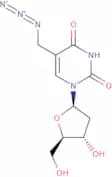
CAS:5-azidomethyl-2-deoxyuridine (AmdU) is a nucleoside that contains an azide group. The structure of the nucleoside is similar to thymidine, and it is incorporated into nascent DNA by cellular polymerases, similarly to EdU (NE08701). Unlike EdU that needs to be further modified with azides in the presence of copper catalyst, AmdU can also react in the absence of copper catalyst using spAAC Click Chemistry with strained cycloalkynes, such as cyclooctynes. This enables detection of nascent DNA in benign, copper free conditions.
Fórmula:C10H13N5O5Pureza:Min. 95%Cor e Forma:PowderPeso molecular:283.24 g/mol2'-O-(2-Methoxyethyl)adenosine
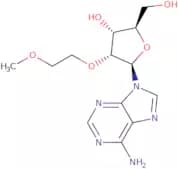
CAS:2'-O-(2-Methoxyethyl)adenosine is a nucleoside derivative that is produced by the methylation of 2'-deoxyadenosine. It is used in organic synthesis as a reagent for the alkylation of aromatic hydrocarbons and as an intermediate in the synthesis of purines. The product can be isolated with yields of 78% or greater, depending on reaction conditions and purification methods. Isomeric purity can be achieved with high purity (>99%) by recrystallization from water or ethanol. The compound has a number of physical properties that are similar to those of adenosine, including boiling point, melting point, density, and refractive index. The molecule also has two chiral centers at C2 and C4 that contribute to its isomeric nature. Adenosine is found in human connective tissue cells, where it plays a role in cell metabolism by regulating the production of RNA and DNA.Fórmula:C13H19N5O5Pureza:Min. 95%Cor e Forma:White Off-White PowderPeso molecular:325.32 g/mol2-Chloro-6-O-methylinosine
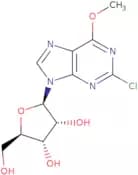
CAS:2-Chloro-6-O-methylinosine is a modified nucleoside analog. Its structure is based on inosine and at position 2 a chlorine atom replaces the hydrogen. At position 6, the keto oxygen (normally part of the purine ring) is O-methylated, forming a methoxy group (-OCH₃)Fórmula:C11H13ClN4O5Pureza:Min. 95%Cor e Forma:PowderPeso molecular:316.7 g/molL-Adenosine 5'-monophosphate disodium
CAS:L-Adenosine 5'-monophosphate disodium is a high quality, novel, modified phosphoramidite used for the synthesis of deoxyribonucleosides and nucleosides. It is also used as an antiviral agent and has anti-cancer properties. L-Adenosine 5'-monophosphate disodium is an activator of ribonucleoside activities and inhibits viral replication by inhibiting the enzyme RNA polymerase. It has been shown to be effective against HIV, herpes simplex virus (HSV), cytomegalovirus (CMV), Epstein-Barr virus (EBV), influenza A virus, and influenza B virus.Fórmula:C10H12N5Na2O7PPureza:Min. 98 Area-%Cor e Forma:PowderPeso molecular:391.18 g/mol8-Bromoinosine
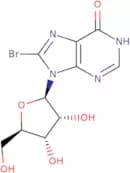
CAS:8-Bromoinosine is a potent chemical probe that can be used to study the molecular mechanism of cGMP-dependent protein kinase (PKG). 8-Bromoinosine reacts with the acceptor site in PKG, which is located at the base of the active site cleft. Electrons from hydrogen bond donor sites on 8-bromoadenosine are transferred to chloride ion and the resulting 8-bromoinosine chloride complex is an effective inhibitor of PKG. It has been shown that stereoselectivity plays a role in this reaction mechanism.
Fórmula:C10H11BrN4O5Pureza:Min. 95%Cor e Forma:PowderPeso molecular:347.13 g/molPseudothymidine
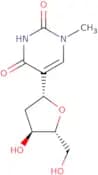
CAS:Pseudothymidine is the nucleobase analog of thymidine. It is a synthetic substance that has been used in the polymerase chain reactions (PCRs) to form DNA molecules. Pseudothymidine is not naturally found in cells and can be used as a substitute for thymidine during PCR to make more copies of DNA sequences. It has been shown that pseudothymidine can be incorporated into DNA without disrupting the polymerase chain reaction. The thermal denaturation of pseudothymidine is 10 °C lower than that of thymidine, allowing it to be used at higher temperatures with less risk of degradation.Fórmula:C10H14N2O5Pureza:Min. 95%Cor e Forma:PowderPeso molecular:242.23 g/mol1-(β-D-Arabinofuranosyl)cytosine 5'-monophosphate
CAS:1-(β-D-Arabinofuranosyl)cytidine 5'-monophosphate (ara-CMP) is a nucleotide derivative of cytidine, specifically a nucleotide where the ribose sugar is replaced by the arabinose sugar. It's a pyrimidine nucleotide commonly known as Cytarabine 5'-monophosphate or arabinosylcytosine 5'-monophosphate.Fórmula:C9H14N3O8PPureza:Min. 95 Area-%Cor e Forma:White PowderPeso molecular:323.2 g/molClofarabine
CAS:Clofarabine is FDA-approved for treating relapsed or refractory acute lymphoblastic leukaemia (ALL) in children after at least two other types of treatment have failedFórmula:C10H11ClFN5O3Pureza:Min. 98 Area-%Cor e Forma:White Off-White PowderPeso molecular:303.68 g/mol2-Amino-9-(β-D-ribofuranosyl)purine
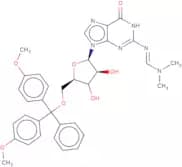
CAS:2-Amino-9-(β-D-ribofuranosyl)purine is a purine nucleoside consisting of the base 2-aminopurine linked via an N9-glycosidic bond to β-D-ribofuranose. As an analog of adenosine, it retains structural compatibility with nucleic acids but exhibits distinct biochemical properties, most notably intrinsic fluorescence. This makes it a valuable probe in molecular biology for studying nucleic acid structure, base pairing, and conformational changes, as its fluorescence is sensitive to local stacking interactions and environmental conditions.Fórmula:C10H13N5O4Pureza:Min. 95%Cor e Forma:White PowderPeso molecular:267.24 g/mol5'-O-DMT-N2-DMF-guanosine
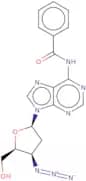
CAS:5'-O-DMT-N2-DMF-guanosine is a novel nucleoside that has been modified with an acetyl group on the 5'-hydroxyl group. This nucleoside has antiviral, anticancer and deoxyribonucleoside properties. It also activates diphosphate synthesis and inhibits protein synthesis. The drug is synthesized in high purity and quality, making it an excellent activator for phosphoramidites.Fórmula:C34H36N6O7Pureza:(%) Min. 85%Peso molecular:640.69 g/mol3'-Azido-N6-benzoyl-2',3'-dideoxyadenosine
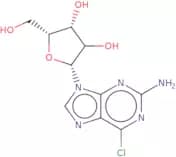
CAS:3'-Azido-N6-benzoyl-2',3'-dideoxyadenosine is an antiviral drug that inhibits the synthesis of viral DNA and RNA. This antiviral drug is a novel synthetic nucleoside analogue that is phosphorylated to form monophosphate, which inhibits the synthesis of RNA. 3'-Azido-N6-benzoyl-2',3'-dideoxyadenosine has been shown to be effective against cancer cells by inhibiting ribonucleotide reductase and DNA synthesis. 3'-Azido-N6-benzoyl-2',3'-dideoxyadenosine also inhibits DNA synthesis by blocking the enzymes DNA polymerase and deoxyribonucleoside kinase.Fórmula:C17H16N8O3Pureza:Min. 95%Cor e Forma:PowderPeso molecular:380.36 g/mol2-Amino-6-chloro-9-(b-D-ribofuranosyl)purine
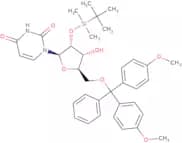
CAS:Intermediate in the synthesis of nelarabineFórmula:C10H12ClN5O4Pureza:Min. 97 Area-%Cor e Forma:Off-White PowderPeso molecular:301.69 g/mol2'-O-tert-Butyldimethylsilyl-5'-O-DMT-uridine
CAS:2'-O-tert-Butyldimethylsilyl-5'-O-DMT-uridine is a synthetic nucleoside that is used in the synthesis of RNA. It has been shown to be resistant to heat and both acidic and basic conditions. 2'-O-tert-Butyldimethylsilyl-5'-O-DMT-uridine can be used for modifications of oligonucleotides and as a convenient sealant for the synthesis of DNA, RNA, or other nucleic acids. This product is neutralized with hydrochloric acid prior to use.Fórmula:C36H44N2O8SiPureza:Min. 98 Area-%Cor e Forma:PowderPeso molecular:660.83 g/mol3-(3-Acetamido-3-carboxypropyl)uridine
CAS:acetylated derivative from 3-(3-amino-3-carboxypropyl)uridine
Fórmula:C15H21N3O9Pureza:Min. 95%Cor e Forma:SolidPeso molecular:387.34 g/molN6-Benzoyl-2'-deoxy-5'-O-DMT-a-adenosine
CAS:N6-Benzoyl-2'-deoxy-5'-O-DMT-a-adenosine is a novel nucleoside analog with antiviral, anticancer and immunomodulatory activities. It has been shown to inhibit the replication of HIV-1 and to induce apoptosis in tumor cells. N6-Benzoyl-2'-deoxy-5'-O-DMT-a-adenosine is a phosphoramidite that can be used for the synthesis of DNA, RNA, and deoxyribonucleotides. This product is synthesized by using an automated high purity process.Fórmula:C38H35N5O6Pureza:Min. 95%Cor e Forma:PowderPeso molecular:657.73 g/mol3'-O-Methylguanosine 5'-triphosphate lithium
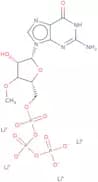
CAS:3'-O-Methylguanosine 5'-triphosphate lithium is a nucleotide that has been synthesized and characterized. It is a biochemical regulatory molecule that is involved in the synthesis of DNA, RNA, and proteins. 3'-O-Methylguanosine 5'-triphosphate lithium binds to the guanine nucleotide binding protein G, which acts as an allosteric activator of the enzyme ribonucleotide reductase. The reconstituted enzyme system containing 3'-O-methylguanosine 5'-triphosphate lithium has demonstrated a high level of fidelity in the replication of dna templates.
Fórmula:C11H18N5O14P3•Li4Pureza:Min. 95%Cor e Forma:PowderPeso molecular:564.97 g/molN4-Benzoyl-5'-O-DMT-2'-O-methylcytidine
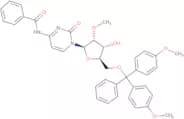
CAS:N4-Benzoyl-5'-O-DMT-2'-O-methylcytidine is an antiviral agent that inhibits the replication of a number of DNA viruses, including herpes simplex virus type 1 and type 2. It is a monophosphate inhibitor that binds to the ribonucleotide reductase enzyme, preventing formation of deoxyribonucleotides. N4-Benzoyl-5'-O-DMT-2'-O-methylcytidine is also used as an anticancer agent. This drug has been shown to inhibit the growth of human leukemia cell cultures and can be used for treatment of leukemia in combination with other drugs. The novel properties of this compound make it useful for research purposes and it has been synthesized in high quality at low cost.Fórmula:C38H37N3O8Pureza:Min. 95%Cor e Forma:PowderPeso molecular:663.72 g/mol4'-C-Azido-2'-deoxy-2'-fluoro-β-D-arabinocytidine
CAS:4'-C-Azido-2'-deoxy-2'-fluoro-β-D-arabinocytidine (4FA) is a potent inhibitor of the growth of HIV. It has been shown to inhibit the production of inflammatory cytokines and chemokines, which are associated with inflammatory diseases such as arthritis and asthma. 4FA has also been shown to inhibit glycogen synthase kinase 3 (GSK3), which is involved in the regulation of cellular signaling pathways that control cell growth and proliferation. Furthermore, 4FA inhibits an enzyme that is needed for viral replication and can be used as a therapeutic agent against viruses such as hepatitis C virus.Fórmula:C9H11FN6O4Pureza:Min. 95%Cor e Forma:Off-White PowderPeso molecular:286.22 g/molN6-Benzoyl-2'-O-tert-butyldimethylsilyl-5'-O-DMT-adenosine
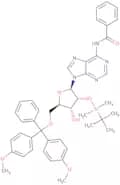
CAS:N6-Benzoyl-2'-O-tert-butyldimethylsilyl-5'-O-DMT-adenosine is a nucleoside that can be used in the synthesis of oligomers. It is a synthetic nucleoside with an absorption maximum at 410 nm and emission maximum at 522 nm. This compound has been shown to be efficient in the synthesis of phosphoramidites and ligands, as well as in rna synthesis and modifications. N6-Benzoyl-2'-O-tert-butyldimethylsilyl-5'-O-DMT-adenosine may inhibit bacterial growth by binding to the ribosome, preventing protein synthesis.
Fórmula:C44H49N5O7SiPureza:Min. 97 Area-%Cor e Forma:PowderPeso molecular:787.97 g/mol