Nucleosídeos
Foram encontrados 3570 produtos de "Nucleosídeos"
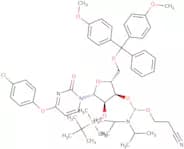
2'-O-tert-Butyldimethylsilyl-O4-(4-chlorophenyl)-5'-O-DMT-uridine 3'-CE-phosphoramidite
CAS:2'-O-tert-Butyldimethylsilyl-O4-(4-chlorophenyl)-5'-O-DMT-uridine 3'-CE-phosphoramidite is a nucleoside that is used in the synthesis of DNA. It is a novel synthetic nucleotide with antiviral and anticancer properties. The phosphoramidite has been modified to give it high purity, and the monophosphate form has been synthesized. This nucleotide is synthesized through the use of an Activator, which activates the 2' position of the sugar moiety on the 5' phosphate terminus. This product is of high quality due to its high purity and novel synthetic nature.Fórmula:C51H64CIN4O9PSPureza:Min. 95%Peso molecular:971.6 g/mol2'-O-tert-Butyldimethylsilyl-5-O-DMT-nebularine 3'-CE phosphoramidite
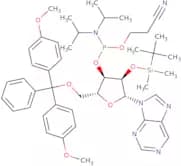
CAS:2'-O-tert-Butyldimethylsilyl-5-O-DMT-nebularine 3'-CE phosphoramidite is a monophosphate nucleoside analog. It has been shown to have anticancer and antiviral activity. This compound is synthesized by reacting 5'-O-DMT-nebularine with 2'-deoxyribonucleosides with an activator, such as pyridine. The resulting product can be used as a building block in the synthesis of DNA or RNA.Fórmula:C46H61N6O7PSiPureza:Min. 95 Area-%Cor e Forma:PowderPeso molecular:869.07 g/mol2'-TFA-NH-dA
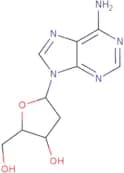
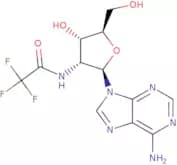
CAS:2'-TFA-NH-dA is a monophosphate nucleotide. It is a novel and modified ribonucleoside that can be used as an activator to promote the synthesis of diphosphate, deoxyribonucleosides, and phosphoramidites. 2'-TFA-NH-dA has been shown to have anticancer properties in vitro and antiviral properties in vivo. This compound is synthesized from 2'-deoxyadenosine 5'-phosphate (2'-DAP), which is obtained from the amino acid ATP.Fórmula:C12H13F3N6O4Pureza:Min. 95%Peso molecular:362.26 g/mol2,2'-Anhydro-5'-O-tert-butyldiphenylsilylthymidine
2,2'-Anhydro-5'-O-tert-butyldiphenylsilylthymidine is a novel monophosphate nucleoside analog that has antiviral activity against herpes simplex virus type 1 (HSV-1) and herpes simplex virus type 2 (HSV-2). This compound is chemically synthesized by the reaction between thymidine with bis-(2,6-diisopropylphenyl) disilazane in the presence of an activator. The synthesis of 2,2'-anhydro-5'-O-tert-butyldiphenylsilylthymidine is performed by reacting 5'-O-(4,4'-dimethoxytrityl)-thymidine with bis-(2,6-diisopropylphenyl) disilazane in the presence of tetrakis(triphenylphosphine)palladium(0Pureza:Min. 95%3',5'-Di-O-acetyl-2'-deoxyinosine
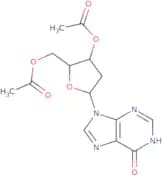
CAS:3',5'-Di-O-acetyl-2'-deoxyinosine is a dimer of 2'-deoxyinosine, which is an analog of inosine. It catalyzes the chlorination of aromatic substrates such as benzene or toluene with chlorine gas in the presence of FeCl3. The resulting product is a chlorinated aromatic compound. This reaction proceeds by electrophilic substitution at the C-2 position. 3',5'-Di-O-acetyl-2'-deoxyinosine has been shown to be more active than 2'-deoxyinosine in this reaction because it reacts faster and its reactive intermediate is more stable.Fórmula:C14H16N4O6Pureza:Min. 95%Peso molecular:336.3 g/mol3',5'-Di-O-Benzoyl-N4-benzoyl-2'-deoxy-2'-fluoroarabinocytidine
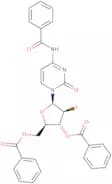
CAS:3',5'-Di-O-Benzoyl-N4-benzoyl-2'-deoxy-2'-fluoroarabinocytidine is a novel nucleoside analogue that has been synthesized to inhibit the activity of DNA polymerase. This compound is also an activator of diphosphate and ribonucleoside monophosphate. 3',5'-Di-O-Benzoyl-N4-benzoyl-2'-deoxy-2'-fluoroarabinocytidine has been shown to inhibit the replication of herpes simplex virus type 1 in cell culture and the replication of human cytomegalovirus in cell culture. 3',5'-Di-O-Benzoyl-N4-benzoyl-2'-deoxy-- 2'-fluoroarabinocytidine does not have any antiviral activity against HIV.Pureza:Min. 95%5-Methylcytidine-5'-triphosphate lithium salt - 100mM aqueous solution
5-Methylcytidine-5'-triphosphate lithium salt is a nucleotide analog that inhibits thrombin by binding to the active site and blocking the catalytic activity. This compound is useful for the study of cellular function and viral life. 5-Methylcytidine-5'-triphosphate lithium salt has been shown to inhibit intracellular levels of thrombin, which can be used for anticoagulation in vitro. In addition, this compound has been shown to have regenerative properties in vivo and may be used for tissue engineering purposes. 5-Methylcytidine-5'-triphosphate lithium salt has also been shown to inhibit viral replication in mammalian cells.Fórmula:C10H18N3O14P3·xLiPureza:Min. 95%Peso molecular:497.18 g/mol5-Aminoallylcytidine 5'-triphosphate lithium salt - 100mM aqueous solution
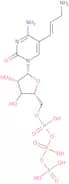
5-Aminoallylcytidine 5'-triphosphate lithium salt - 100mM aqueous solution is a DNA nucleoside analog that is used as an antiviral, anticancer and activator. It has the chemical formula C10H14N2O6P3Li. The CAS number is 182700-18-0. 5-Aminoallylcytidine 5'-triphosphate lithium salt - 100mM aqueous solution is also known by the following synonyms: (5-Amino)allylcytidinium chloride trihydrate; (5-Amino)allylcytidinium chloride, lithium salt; 5-(Amino)allyl cytidylic acid triphosphate lithium salt; 5-[(3-aminopropoxy)propyl]uracil triphosphate lithium salt; 5-[(3-aminopropoxyFórmula:C12H21N4O14P3·xLiPureza:Min. 95%Peso molecular:538.23 g/mol2'-Deoxy-5-iodo-3',5'-di-O-p-toluoyluridine
CAS:2'-Deoxy-5-iodo-3',5'-di-O-p-toluoyluridine is a nucleoside that has antiviral and anticancer effects. It can be used as an activator for phosphoramidites and as a precursor for the synthesis of other nucleosides. 2'-Deoxy-5-iodo-3',5'-di-O-p-toluoyluridine is synthesized from 2,4,6-triisopropylbenzenesulfonyl chloride and 5-(N,N-dimethylamino)valeronitrile in the presence of triethylamine and potassium carbonate in acetonitrile with subsequent purification by silica gel chromatography. The resulting compound is then converted to its diphosphate form by treatment with dithiothreitol in dimethylformamide. This product has been shown to inhibit DNA replication andFórmula:C25H23IN2O7Pureza:Min. 95%Peso molecular:590.36 g/mol2'-Deoxy-2'-iodo-adenosine-5'-[(beta,gamma)-imido]triphosphate sodium salt - 10mM aqueous solution
CAS:2'-Deoxy-2'-iodo-adenosine-5'-[(beta,gamma)-imido]triphosphate sodium salt - 10mM aqueous solution is a nucleoside that has antiviral activity. It is also used as an anticancer agent and can be used as a monophosphate, diphosphate or activator of deoxyribonucleosides. 2'-Deoxy-2'-iodo-adenosine-5'-[(beta,gamma)-imido]triphosphate sodium salt - 10mM aqueous solution has been modified for use in DNA synthesis. This nucleoside is used to produce phosphoramidites for the synthesis of oligonucleotides and other modified nucleic acid derivatives.
Fórmula:C10H16N6O11P3IPureza:Min. 95%Peso molecular:616.09 g/molN4-Benzoyl-5'-O-DMT-2'-ethylfluoro-5-methylcytidine
N4-Benzoyl-5'-O-DMT-2'-ethylfluoro-5-methylcytidine is a synthetic nucleoside that inhibits the enzyme ribonucleotide reductase. It has antiviral and anticancer activities.Pureza:Min. 95%2'-CMethylcytidine 5'-monophosphate
2'-CMethylcytidine 5'-monophosphate (2'-C-5MP) is a synthetic nucleoside that is chemically modified to inhibit viral replication. 2'-C-5MP inhibits the synthesis of DNA by binding to the polymerase enzyme of the virus and preventing it from synthesizing new DNA strands. This prevents the virus from replicating, which in turn prevents it from spreading through the body. The antiviral activity of 2'-C-5MP has been demonstrated in vitro against herpes simplex virus type 1 (HSV-1), herpes simplex virus type 2 (HSV-2), cytomegalovirus (CMV), respiratory syncytial virus (RSV), and human immunodeficiency virus type 1 (HIV-1). It also has anticancer activity and can be used as an alternative to chemotherapy for treating cancer cells. 2'-C-5MP is a novel compound with high purity and high quality, as evidencedPureza:Min. 95%2'-Deoxy-5'-O-DMT-uridine succinyl 3'-CPG
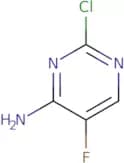
2'-Deoxy-5'-O-DMT-uridine succinyl 3'-CPG is a novel, synthetic, high purity, and high quality activator for oligonucleotide synthesis. It is a modified nucleoside with a 2' -deoxy-5'-O-dimethoxytrityl group attached to the sugar moiety. This product is used in monophosphate form and can be used as an anticancer agent. This product has antiviral activity, which may be due to its ability to inhibit viral DNA and RNA synthesis.Pureza:Min. 95%4-Amino-2-chloro-5-fluoropyrimidine
CAS:4-Amino-2-chloro-5-fluoropyrimidine is a chlorinating agent that is used in the synthesis of 4,5-dichloropyrimidine and 4,6-dichloropyrimidine. It is also used for the synthesis of oxychloride by reacting with phosphorus oxychloride or phosphorus.Pureza:Min. 95%3,5-Di-o-acetyl-5-fluoro-O4-(2,4,6-trimethylphenyl)-2-deoxyuridine
CAS:3,5-Di-o-acetyl-5-fluoro-O4-(2,4,6-trimethylphenyl)-2-deoxyuridine is a novel modified monophosphate nucleoside. It is an antiviral agent and has been shown to have anticancer activity. 3,5-Di-o-acetyl-5-fluoro-O4-(2,4,6-trimethylphenyl)-2-deoxyuridine is synthesized by the reaction of 5'-triphosphates with 2'-deoxyribonucleosides in the presence of a phosphoramidite. This nucleoside has been found to be cytotoxic in vitro and in vivo against cancer cell lines and can be used as a therapeutic agent for the treatment of leukemia.Fórmula:C22H25FN2O7Pureza:Min. 95%Peso molecular:448.40 g/molantisense
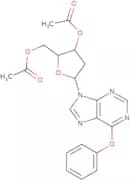
Antisense is a type of experimental therapy that uses a single-stranded RNA molecule to bind to complementary RNA molecules, blocking their function. Antisense rna is often used in gene regulation and chromatin remodeling. It also regulates the transcription of mRNA by binding to the messenger RNA molecule as it leaves the nucleus. The main output of antisense is an increase in the production of one type of protein or a decrease in another. Antisense has been shown to be effective in regulating gene expression and can be used to treat diseases such as cancer and autoimmune disorders.Pureza:Min. 95%3',5'-Di-o-acetyl-O6-phenyl-2'-deoxyinosine
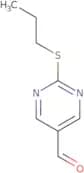
CAS:3',5'-Di-O-acetyl-O6-phenyl-2'-deoxyinosine is a nucleoside analog that has antiviral and anticancer activities. It is an activator of the enzyme ribonucleotide reductase and has been shown to be effective against herpes simplex virus type 1 and 2, cytomegalovirus, Epstein Barr virus, human immunodeficiency virus type 1, and Kaposi sarcoma cells. 3',5'-Di-O-acetyl-O6-phenyl-2'-deoxyinosine also inhibits the production of tumor necrosis factor alpha (TNFα), which can cause inflammatory reactions in the body. This compound is a modified nucleoside with high purity and quality. It has CAS number 133471-06-4.Fórmula:C20H20N4O6Pureza:Min. 95%Peso molecular:412.4 g/mol2-(Propylthio)pyrimidine-5-carbaldehyde
CAS:2-(Propylthio)pyrimidine-5-carbaldehyde (2-PSPCA) is a novel, modified ribonucleoside that has been shown to activate the DNA polymerase. 2-PSPCA has been used in the synthesis of deoxyribonucleosides and phosphoramidites for use in the research and development of antiviral agents and anticancer drugs. 2-PSPCA is a monophosphate with an IC50 of 0.6 mM against human leukemia cells.Fórmula:C8H10N2OSPureza:Min. 95%Peso molecular:182.24 g/mol2'-Deoxy-5'-O-DMT-guanosine-(iBu)-3'-succinyl CPG 2000 Å
2'-Deoxy-5'-O-DMT-guanosine-(iBu)-3'-succinyl CPG 2000 Å is a novel, high quality, and modified nucleoside that can be used in the synthesis of DNA and RNA. It is a phosphoramidite monophosphate that has antiviral and anticancer properties. It can also be used as an activator for the synthesis of oligonucleotides.
Pureza:Min. 95%2'-Deoxyuridine-5'-[(a,b)-methyleno]triphosphate sodium salt - 10 mM aqueous solution
CAS:2'-Deoxyuridine-5'-[(a,b)-methyleno]triphosphate sodium salt - 10 mM aqueous solution is an activator of nucleoside diphosphates. It is a novel and anticancer nucleoside analog with high purity, high quality and a CAS number of 170428-84-9. This activator has been shown to inhibit the growth of tumor cells by inhibiting DNA synthesis and ribonucleotide reductase activity. The 2'-deoxyuridine-5'-[(a,b)-methyleno]triphosphate sodium salt - 10 mM aqueous solution can be used in the synthesis of deoxyribonucleosides and phosphoramidites as well as modified DNA.Fórmula:C10H17N2O13P3Pureza:Min. 95%Cor e Forma:liquid.Peso molecular:466.17 g/mol2'-Deoxy-5'-O-DMT-N2-isobutyrylguanosine 3'-H phosphonate triethylammonium salt
CAS:2'-Deoxy-5'-O-DMT-N2-isobutyrylguanosine 3'-H phosphonate triethylammonium salt is a novel nucleoside analog. It has been shown to be cytotoxic to cancer cells in vitro and in vivo. 2'-Deoxy-5'-O-DMT-N2-isobutyrylguanosine 3'-H phosphonate triethylammonium salt inhibits viral replication, including herpes simplex virus type 1 (HSV1) and human immunodeficiency virus type 1 (HIV1), by inhibiting DNA synthesis.Fórmula:C35H37N5O9PPureza:Min. 95%Peso molecular:804.89 g/mol2'-Deoxyuridine-5'-[(a,b)-imido]triphosphate sodium salt - 10mM aqueous solution
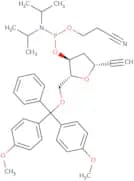
CAS:2'-Deoxyuridine-5'-[(a,b)-imido]triphosphate sodium salt - 10mM aqueous solution is an antiviral nucleoside phosphoramidite that is used in the synthesis of deoxyribonucleosides. It has been shown to be effective against some DNA viruses and has anticancer activity. 2'-Deoxyuridine-5'-[(a,b)-imido]triphosphate sodium salt - 10mM aqueous solution is synthesized from 2',3',4',5',6-pentakis(2-hydroxypropyl)carbamate and 2-deoxyuridine 5'-monophosphate.Fórmula:C9H16N3O13P3Pureza:Min. 95%Cor e Forma:liquid.Peso molecular:467.16 g/molEthynyl 2-deoxy-5-O-DMT-ribosyl 3-CE phosphoramidite
CAS:Ethynyl 2-deoxy-5-O-DMT-ribosyl 3-CE phosphoramidite is a monophosphate nucleoside analog. The ethynyl group is attached to the 2'-hydroxyl group of the ribose sugar. This nucleotide analogue inhibits DNA and RNA synthesis by inhibiting DNA polymerase and RNA polymerase. Ethynyl 2-deoxy-5-O-DMT-ribosyl 3-CE phosphoramidite has antiviral activity against Herpes simplex virus type 1 (HSV1) and type 2 (HSV2) in vitro, as well as cytotoxic activity against human leukemia cells in vitro.Fórmula:C37H45N2O6PPureza:Min. 95%Peso molecular:644.74 g/mol4,5-Dimethoxy-2-nitrobenzyl adenosine 3',5'-cyclic monophosphate
4,5-Dimethoxy-2-nitrobenzyl adenosine 3',5'-cyclic monophosphate is a synthetic nucleotide that can be activated to form an antiviral and anticancer agent. This compound has been shown to inhibit the proliferation of leukemia cells in culture. It also inhibits the synthesis of DNA and RNA, leading to cell death by inhibiting the production of proteins vital for cell division. 4,5-Dimethoxy-2-nitrobenzyl adenosine 3',5'-cyclic monophosphate is a novel nucleoside with high purity and CAS number: 57314-27-1.Fórmula:C19H21N6O10PPureza:Min. 95%Peso molecular:524.38 g/mol3'-O-Aminoacetoxy-2'-deoxyadenosine 5'-O-triphosphate triethylammonium salt
Please enquire for more information about 3'-O-Aminoacetoxy-2'-deoxyadenosine 5'-O-triphosphate triethylammonium salt including the price, delivery time and more detailed product information at the technical inquiry form on this page
Fórmula:C13H21N6P3O12•NaxPureza:Min. 98 Area-%Cor e Forma:PowderPeso molecular:546.26 g/mol6-Chloropurine riboside 5'-monophosphate disodium salt
CAS:6-Chloropurine riboside 5'-monophosphate disodium salt is a synthetic nucleoside that is used as an antiviral and anticancer agent. It is a DNA precursor that can be incorporated into DNA by the enzyme thymidylate synthase to form thymine and diphosphate. 6-Chloropurine riboside 5'-monophosphate disodium salt has been shown to inhibit the replication of some viruses, such as HIV, and also inhibits tumor growth in experimental models.Fórmula:C10H10ClN4Na2O7PH2OPureza:Min. 95%Peso molecular:428.63 g/molGuanosine 5'-triphosphate
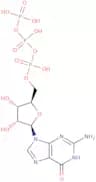
CAS:Guanosine 5'-triphosphate (GTP) is a nucleotide that is involved in many cellular processes including transcription, protein synthesis, and intracellular signaling. GTP binds to the enzyme guanine nucleotide-binding proteins and regulates the activity of certain enzymes. One such enzyme is adenylyl cyclase, which converts ATP into cAMP. GTP also activates other enzymes that are involved in signal transduction pathways, such as phospholipase C-β1 and phospholipase D. The antimicrobial agents can inhibit these enzymes, thereby preventing bacterial growth and replication.
Fórmula:C10H16N5O14P3Pureza:Min. 95%Peso molecular:523.18 g/mol4-Amino-6-methyl-8-(2'-deoxy-b-D-ribofuranosyl)-7-pteridone
CAS:4-Amino-6-methyl-8-(2'-deoxy-b-D-ribofuranosyl)-7-pteridone (4AMD) is an adenosine analog that is fluorescent. 4AMD is not hydrolyzed by adenosine deaminase and has a higher affinity for the A1 receptor than for the A2a receptor. This makes it a useful probe for the study of adenosine mediated, yields, and analogs. The fluorescence properties of 4AMD were studied in different solvents at various temperatures to monitor the interaction of 4AMD with catalysis. The monomeric form of 4AMD was used to measure its fluorescence properties.Fórmula:C12H15N5O4Pureza:Min. 95%Peso molecular:293.28 g/mol3'-Deoxy-N2-DMF-5'-O-DMT-guanosine
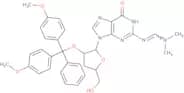
CAS:3'-Deoxy-N2-DMF-5'-O-DMT-guanosine is a modified nucleoside that is phosphorylated to the 3'-deoxyribonucleotide form. It has antiviral and anticancer activities, as well as being an activator of DNA and RNA synthesis. This compound has been shown to inhibit the growth of several cancer cell lines in vitro and in vivo. 3'-Deoxy-N2-DMF-5'-O-DMT-guanosine is also effective against herpes simplex virus type 1 (HSV1) and HSV type 2 in cell culture, although it does not have any effect on HSV type 1 replication in animal models.Fórmula:C34H36N6O6Pureza:Min. 95%Peso molecular:624.69 g/mol6-Pyrrolidino-7-deazapurine
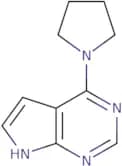
CAS:6-Pyrrolidino-7-deazapurine is a monophosphate nucleoside, which is a synthetic nucleotide. It has been shown to activate DNA synthesis and inhibit the growth of tumor cells. 6-Pyrrolidino-7-deazapurine has also been shown to be active against viruses, such as herpes, by inhibiting their replication. This product is stable at room temperature for up to one year and can be stored at -20°C for up to three years. The purity of this product is >98% with no detectable impurities.
Fórmula:C10H12N4Pureza:Min. 95%Peso molecular:188.23 g/mol4-Amino-1-(2',3',5'-tri-O-tert-butyldimethylsilyl-b-D-ribofuranosyl)-imidazo[4,5-c]pyridine
CAS:4-Amino-1-(2',3',5'-tri-O-tert-butyldimethylsilyl-b-D-ribofuranosyl)-imidazo[4,5-c]pyridine is a novel nucleoside analogue that has high purity and high quality. It is an activator of DNA synthesis, diphosphate and monophosphate of deoxyribonucleosides, ribonucleosides and analogues. 4-Amino-1-(2',3',5'-tri-O-tert-butyldimethylsilyl-b-D-ribofuranosyl)-imidazo[4,5-c]pyridine has been shown to have antiviral activities against herpes simplex virus type 1 (HSV1) in cell culture.Fórmula:C29H56N4O4Si3Pureza:Min. 95%Peso molecular:609.04 g/mol2'-Deoxy-5'-O-DMT-inosine 3'-succinyl CPG 1000Å
2'-Deoxy-5'-O-DMT-inosine 3'-succinyl CPG 1000Å is an antiviral and anticancer nucleoside. It is synthesized by the reaction of 2'-deoxy-5'-O-dimethoxytrityl-N4-benzoyladenosine with succinic anhydride. This product is a modified nucleoside that can be used in the synthesis of DNA or RNA, as well as to produce antiviral and anticancer compounds. The purity of this compound is typically greater than 99% and it has been shown to be stable for up to six months at room temperature.
2'-Deoxy-5'-O-DMT-inosine 3'-succinyl CPG 1000Å is also known by CAS number 57568-24-8.Pureza:Min. 95%2'-Deoxy-2'-fluoroadenosine-5'-triphosphate sodium salt - 100mM aqueous solution
2'-Deoxy-2'-fluoroadenosine-5'-triphosphate sodium salt - 100mM aqueous solution is a high purity synthetic compound that is used as an activator for the synthesis of DNA, RNA, and phosphoramidites. The product is in the form of a white to off-white solid and has high quality with purity of >99%. 2'-Deoxy-2'-fluoroadenosine-5'-triphosphate sodium salt - 100mM aqueous solution can be used in antiviral, anticancer, and antideoxyribonucleoside therapy. It inhibits viral replication by inhibiting reverse transcriptase activity in HIV and other retroviruses. It also inhibits tumor growth by interfering with DNA synthesis.Fórmula:C10H15FNO12P3·xNaPureza:Min. 95%Peso molecular:453.15 g/mol5'-O-DMT-4-thiouridine
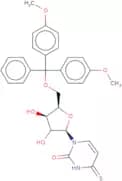
5'-O-DMT-4-thiouridine is a nucleoside analog that is used as a research tool in anticancer and antiviral studies. It is an activator of the phosphatase PP1 and has been shown to inhibit the growth of cultured human leukemia cells by inhibiting DNA synthesis. This compound has also been shown to be an inhibitor of HIV replication in vitro and in vivo, but it is not active against other viruses. 5'-O-DMT-4-thiouridine can be synthesized from uracil, 4-thiouracil, and DMT (dimethoxytrityl) using standard phosphoramidite chemistry. The purity of this compound is greater than 99%, and it can be obtained for use at a reasonable price.
Fórmula:C30H30N2O7SPureza:Min. 95%Peso molecular:562.64 g/mol2',3'-Dideoxy-3'-fluorocytidine
CAS:2',3'-Dideoxy-3'-fluorocytidine is a synthetic nucleoside analog that inhibits DNA synthesis by blocking the incorporation of deoxycytidine into DNA. It is used to treat lymphocytic leukemia, hepatitis, and virus infections. 2',3'-Dideoxy-3'-fluorocytidine has been shown to inhibit cell growth in solid tumours. The drug has also been shown to inhibit the production of immunodeficiency viruses such as human immunodeficiency virus type 1 (HIV-1) and human T-lymphotropic virus type I (HTLV-I), which causes acquired immune deficiency syndrome (AIDS). 2',3'-Dideoxy-3'-fluorocytidine inhibits viral replication by inhibiting the activity of the enzyme deaminase, which converts dATP to dTTP. This prevents DNA replication and transcription.Fórmula:C9H12FN3O3Pureza:Min. 95%Peso molecular:229.21 g/mol2'-Deoxyxanthosine ce-phosphoramidite (dx ce-phosphoramidite)
CAS:Please enquire for more information about 2'-Deoxyxanthosine ce-phosphoramidite (dx ce-phosphoramidite) including the price, delivery time and more detailed product information at the technical inquiry form on this page
Fórmula:C56H61N8O12PPureza:Min. 95%Peso molecular:1,069.1 g/mol7H-Pyrrolo[2,3d]pyrimidine
CAS:7H-Pyrrolo[2,3d]pyrimidine is a pyrimidine compound that has been shown to have potent antitumor activity. It inhibits the enzyme acyl-coenzyme A carboxylase (ACC) and blocks the production of malonyl-CoA, an intermediate in the metabolism of fatty acids. Malonyl-CoA is an allosteric activator of ACC, which is an important enzyme for regulating fatty acid synthesis. 7H-Pyrrolo[2,3d]pyrimidine also inhibits the expression of the gene encoding cb2 receptor, which is involved in inflammatory processes. The compound binds to a hydroxyl group on ACC to inhibit its activity. 7H-Pyrrolo[2,3d]pyrimidine has been shown to be effective against miapaca-2 cells and other cancer cell lines at concentrations as low as 1 nM. This compound also has aFórmula:C6H5N3Pureza:Min. 95%Peso molecular:119.12 g/molN6-Benzoyl-7-deaza-2'-deoxy-5'-O-tert-butyldimethylsilyl-7-iodoadenosine
CAS:N6-Benzoyl-7-deaza-2'-deoxy-5'-O-tert-butyldimethylsilyl-7-iodoadenosine is a novel nucleoside that has been shown to have anticancer and antiviral properties. It is a phosphoramidite of 7-iodoadenosine that has been modified to contain a benzoyl group at the 6 position. N6-Benzoyl-7-deaza-2'-deoxy-5'-O-tert-butyldimethylsilyl-(7)iodoadenosine can be used for the synthesis of oligonucleotides and DNA, as well as for the activation of latent HIV genes. This compound is also used in vitro to study the interactions between phosphoramidites and nucleosides.Fórmula:C24H31IN4O4SiPureza:Min. 95%Peso molecular:594.52 g/mol5'-O-DMT-inosine
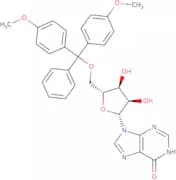
CAS:5'-O-DMT-inosine is a novel monophosphate nucleotide analogue. It is modified by the attachment of an aminooxy group to the 5' position of the pentose. This modification prevents ribonucleotide reductase from converting it into deoxyribonucleotides, which are then incorporated into DNA. 5'-O-DMT-inosine has been shown to be cytotoxic in human leukemia cells due to its ability to inhibit the synthesis of DNA and RNA.
Fórmula:C31H30N4O7Pureza:Min. 95%Peso molecular:570.59 g/mol8-Bromo-DA cep
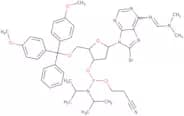
CAS:8-Bromo-2'-deoxyadenosine cep is a modified nucleoside that is used in the treatment of cancer. It has been shown to be effective in treating leukemia, lymphoma and myeloma. 8-Bromo-2'-deoxyadenosine cep inhibits the growth of cells by inhibiting DNA synthesis through inhibition of deoxynucleotide biosynthesis. This drug also has antiviral activity against herpes simplex virus type 1 (HSV1), herpes simplex virus type 2 (HSV2) and human immunodeficiency virus type 1 (HIV1). 8-Bromo-2'-deoxyadenosine cep is a synthetic nucleoside that is phosphoramidite that can be used to synthesize DNA or RNA.
Fórmula:C43H52BrN8O6PPureza:Min. 95%Cor e Forma:PowderPeso molecular:887.8 g/molN6-Benzoyl-9-(2'-deoxy-5'-O-DMT-2'-fluoro-b-D-arabinofuranosyl)adenine
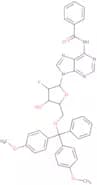
CAS:N6-Benzoyl-9-(2'-deoxy-5'-O-DMT-2'-fluoro-b-D-arabinofuranosyl)adenine is a synthetic nucleoside that has antiviral activity. It is activated by the enzyme ribonucleotide reductase and inhibits viral DNA synthesis. This agent also inhibits the production of deoxyribonucleosides, which are needed for DNA synthesis. In addition, this compound inhibits bacterial growth by inhibiting the enzyme DNA gyrase. N6-Benzoyl-9-(2'-deoxy-5'-O-DMT-2'-fluoro-b-D-arabinofuranosyl)adenine has novel properties in that it does not contain any ribose or phosphate groups. This product is available as a white powder with a purity of at least 98%.Fórmula:C38H34FN5O6Pureza:Min. 95%Peso molecular:675.71 g/mol2'-O-Acetyl-5'-O-benzoyl-3'-deoxy-5-methyluridine
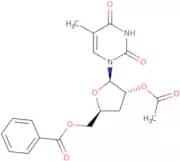
CAS:2'-O-Acetyl-5'-O-benzoyl-3'-deoxy-5-methyluridine (ABT-888) is a nucleoside analog that inhibits DNA synthesis and RNA transcription. It has been shown to induce apoptosis in human cancer cells, including leukemia, lymphoma and breast cancer cells. ABT-888 also has antiviral activity against herpes simplex virus type 1 and 2, vaccinia virus, and vesicular stomatitis virus.Fórmula:C19H20N2O7Pureza:Min. 95%Peso molecular:388.37 g/mol1-(a-D-Mannopyranosyl)thymine
CAS:1-(a-D-Mannopyranosyl)thymine is a phosphoramidite nucleoside with antiviral activity. It is an analog of thymine, in which the oxygen atom at the 5-position has been replaced by a mannose group and the hydroxyl group at the 4-position has been replaced by a methyl group. This compound has shown to have anticancer properties as well as inhibitory effects on HIV replication. Studies have also shown that 1-(a-D-mannopyranosyl)thymine inhibits proliferation and induces apoptosis in human cancer cell lines.Fórmula:C11H16N2O7Pureza:Min. 95%Cor e Forma:Light (Or Pale) Yellow SolidPeso molecular:288.75 g/mol2'-Deoxy-2'-fluorouridine-5'-triphosphate lithium salt - 100mM aqueous solution
2'-Deoxy-2'-fluorouridine-5'-triphosphate lithium salt is an antiviral drug that inhibits viral DNA replication by inhibiting viral polymerase. It is a novel nucleoside analogue with antiviral activity against RNA viruses, including influenza virus and HIV. 2'-Deoxy-2'-fluorouridine-5'-triphosphate lithium salt can be used as a precursor for the synthesis of modified monophosphate nucleosides, ribonucleosides and phosphoramidites. This product is supplied in high purity (98%) and high quality.Fórmula:C9H14N2O14P3F·xLiPureza:Min. 95%Peso molecular:486.13 g/molN4-Benzoyl-2'-deoxy-5-iodocytidine
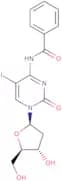
CAS:N4-Benzoyl-2'-deoxy-5-iodocytidine is a nucleoside that is used as an activator for RNA synthesis and in the synthesis of phosphoramidites. It has antiviral and anticancer properties and is novel for its potential use as a therapeutic agent.Fórmula:C16H18IN3O4Pureza:Min. 95%Peso molecular:443.24 g/molN4-Anisoyl-2'-deoxycytidine
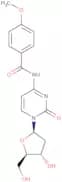
CAS:N4-Anisoyl-2'-deoxycytidine is a nucleoside that contains a long chain of four carbon atoms. It is the cyclic form of N4-anisoyl-2'-deoxyadenosine. This compound has been shown to be synthesized in yields of up to 71% using acid anhydrides and diamino compounds. N4-Anisoyl-2'-deoxycytidine is a bifunctional reagent that can be used as a starting material for the synthesis of oligodeoxyribonucleotides. The compound has also been shown to function as an effective inhibitor of DNA synthesis, which may lead to anti-cancer effects.Fórmula:C17H19N3O6Pureza:Min. 95%Cor e Forma:PowderPeso molecular:361.35 g/mol5-Ethynylpyrimidine
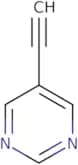
CAS:5-Ethynylpyrimidine is a supramolecular alkynyl group that has been shown to inhibit tyrosine kinase activity, cross-coupling, and the synthesis of proteins. It also exhibits luminescent properties and can be used in supramolecular chemistry. 5-Ethynylpyrimidine is a pyrimidine nucleoside, which is an organic compound that is a component of RNA. Pyrimidine nucleosides are important for protein synthesis and are used as luminophores or fluorescent resonance quenchers in biochemical assays for enzyme activity; they have also been shown to inhibit herpes simplex virus (HSV) replication. 5-Ethynylpyrimidine has been found to be able to bind terminal alkynes with high affinity.Fórmula:C6H4N2Pureza:Min. 95%Peso molecular:104.11 g/molAICAR 3',5'-cyclic phosphate
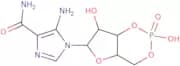
CAS:AICAR 3',5'-cyclic phosphate is an antiviral and anticancer agent that inhibits the production of DNA and RNA, which may be due to its ability to activate AMP-activated protein kinase. AICAR 3',5'-cyclic phosphate has been shown to inhibit the proliferation of human breast cancer cells in vitro. This drug also has anticancer activity against various types of cancers, including prostate cancer and melanoma. AICAR 3',5'-cyclic phosphate is a novel compound that can be used as a phosphoramidite reagent for the synthesis of oligonucleotides.
Fórmula:C9H13N4O7PPureza:Min. 95%Peso molecular:320.2 g/mol7’-OH-N-trityl morpholino uracil
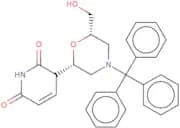
CAS:Please enquire for more information about 7’-OH-N-trityl morpholino uracil including the price, delivery time and more detailed product information at the technical inquiry form on this page
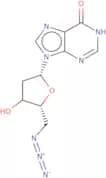
Fórmula:C28H27N3O4Peso molecular:469.53 g/mol5'-Azido-2',5'-dideoxyinosine
CAS:5'-Azido-2',5'-dideoxyinosine is a novel nucleoside which has been synthesized to investigate its anticancer and antiviral properties. 5'-Azido-2',5'-dideoxyinosine is an activator of ribonucleosides and deoxyribonucleosides, converting them into the corresponding monophosphate or diphosphate form. This product can be used as a building block for the synthesis of phosphoramidites and modified nucleosides. 5'-Azido-2',5'-dideoxyinosine has shown activity against cancer cells in vitro, in particular leukemia cell lines. It also has antiviral activity against HIV, herpes simplex virus type 1, and human cytomegalovirus (HCMV).Fórmula:C10H11N7O3Pureza:Min. 95%Peso molecular:277.24 g/molTroxacitabine
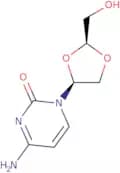
CAS:Troxacitabine is a nucleoside analog that inhibits DNA synthesis by selectively blocking the function of DNA polymerase. It has been shown to have potent antitumor activity in mouse tumor models and in a human breast cancer xenograft model. Troxacitabine has also been shown to inhibit the proliferation of renal cell cancer cells and induce apoptosis in these cells, as well as reduce the viability of cancer cells from other tumor types. Troxacitabine has also been shown to have an effect on body mass index and hematologic response, although it is not currently approved for use in humans.Fórmula:C8H11N3O4Pureza:Min. 95%Cor e Forma:White To Off-White SolidPeso molecular:213.19 g/molN4-Acetyl-2'-deoxy-5'-O-DMT-cytidine 3'-Q linker CPG 1000Å
N4-Acetyl-2'-deoxy-5'-O-DMT-cytidine 3'-Q linker CPG 1000Å is a nucleoside analog that is used in the synthesis of DNA. It is a phosphoramidite that has been modified with an acetyl group at the 2' position and a Q linker at the 3' position. This product can be used as an antiviral or anticancer agent, as well as for other research purposes. The CAS number for this product is 62660-67-7, and it has been shown to be active against HIV and HCV.Pureza:Min. 95%2'-Deoxy-1,N6-dimethyladenosine
2'-Deoxy-1,N6-dimethyladenosine is a nucleoside that is used for the synthesis of DNA and RNA. It has antiviral activity against HIV and herpes simplex virus type 1 (HSV-1). 2'-Deoxy-1,N6-dimethyladenosine binds to viral DNA and inhibits viral replication by preventing the viral DNA from being replicated. It also inhibits the synthesis of viral proteins. This nucleoside is synthesized in a high purity and quality, which makes it an excellent starting material for use in the synthesis of other nucleosides or phosphoramidites.Pureza:Min. 95%2',3'-Di-O-isopropylidene-isocytidine
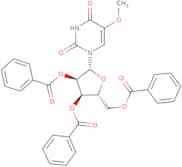
CAS:2',3'-Di-O-isopropylidene-isocytidine is a nucleoside that belongs to the group of antiviral and anticancer compounds. It is an analog of cytidine, and has been shown to be an activator of phosphoramidites, DNA, and RNA. 2',3'-Di-O-isopropylidene-isocytidine has been shown to have antineoplastic effects on tumor cells by inhibiting rna synthesis and protein synthesis. This compound also inhibits the growth of bacteria, including Mycobacterium tuberculosis and Mycobacterium avium complex. 2',3'-Di-O-isopropylidene-isocytidine has been shown to be a novel modified nucleoside with high purity and high quality.Pureza:Min. 95%2’,3’,5’-Tri-O-benzoyl-5-methoxyuridine
CAS:2’,3’,5’-Tri-O-benzoyl-5-methoxyuridine is a modified nucleoside that is structurally similar to the natural nucleoside uridine. It has antiviral properties and can be used as a monophosphate, diphosphate, or nucleotide. 2’,3’,5’-Tri-O-benzoyl-5-methoxyuridine is synthesized by reacting 5′-(triacetyl)aminoimidazole with 5′-(triisopropyl)phosphoroamidite in acetonitrile. The product has been shown to have anticancer activity in vitro and in vivo.Pureza:Min. 95%[1',2',3',4',5'-13C5]-4-Thiothymidine
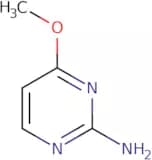
[1',2',3',4',5'-13C5]-4-Thiothymidine is an antiviral, anticancer, and activator of DNA synthesis. It is a monophosphate analog of thymidine that has been modified to include a radioactive isotope. [1',2',3',4',5'-13C5]-4-Thiothymidine binds to the active site of the enzyme ribonucleotide reductase which is responsible for the production of DNA from RNA. The incorporation of this radioactively labeled analog into DNA prevents its degradation by nucleases and allows for the detection and quantification of DNA synthesis via autoradiography.Pureza:Min. 95%2-Amino-4-methoxypyrimidine
CAS:2-Amino-4-methoxypyrimidine is an organic compound that can be synthesized from 2-amino-4-chloropyrimidine. It is a colorless, water soluble solid with a melting point of 166°C. The UV spectrum of 2-amino-4-methoxypyrimidine exhibits absorption maxima at 240 nm and 280 nm. When 2-amino-4-methoxypyrimidine is exposed to UV light, it emits fluorescent light at 360 nm. The IR spectrum exhibits absorption bands at 3200 cm−1, 1650 cm−1, and 1530 cm−1. Hydrogen bonding interactions occur between the methoxy group and the protonated amine group in the molecule's structure. The yield of this reaction was found to be 65% by GC analysis. This reaction occurs in two steps: first, the imino group reacts with n hexane to form an iminium ion
Pureza:Min. 95%5’-O-DMT-N4-Phenoxyacetyl-2’-O-methylcytidine
5’-O-DMT-N4-Phenoxyacetyl-2’-O-methylcytidine is an Activator and Anticancer agent. The synthesis of this product is based on the modification of cytidine to 2’,4,6,-trimethoxybenzoylcytidine. This product has been shown to be more potent than other cytidine analogs in inhibiting the growth of cancer cells. 5'-O-DMT-N4-Phenoxyacetyl-2'-O-methylcytidine is a novel nucleoside that has been shown to have antiviral activity against human immunodeficiency virus (HIV).Pureza:Min. 95%5-[(Methylamino)methyl]uridine
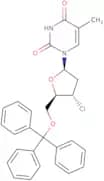
CAS:5-[(Methylamino)methyl]uridine is a proton-containing analog of uridine. It is an epigenetic modifier that has been shown to have conformational properties that are similar to those of uridine. 5-[(Methylamino)methyl]uridine has been shown to modify the glycosidic bond and ring structures, which are important for its function in protein synthesis. The compound can also be found as a chemical structure in the ribosomal subunit, where it is involved in protein synthesis and translation. 5-[(Methylamino)methyl]uridine has shown potential as a therapeutic agent for cancer treatment due to its ability to inhibit the expression of oncogenes in cells and induce programmed cell death (apoptosis).Fórmula:C11H17N3O6Pureza:Min. 95%Peso molecular:287.27 g/mol2’,3’-Dideoxy-3’-chloro-5-methyl-5’-O-trityluridine
CAS:2’,3’-Dideoxy-3’-chloro-5-methyl-5’-O-trityluridine (ddCTP) is a novel nucleoside analog that is synthesized by the protection of the 5'-hydroxyl group with an acetyl group followed by a 2',3'-dideoxy substitution. This compound has been shown to have antiviral and anticancer activities. ddCTP is an activator of DNA polymerase and inhibits viral DNA synthesis in vitro. It also inhibits protein synthesis and cell division by binding to the RNA template strand, which prevents it from being used as a template for protein synthesis.Pureza:Min. 95%9-(2'-Deoxy-b-D-xylofuranosyl)adenine
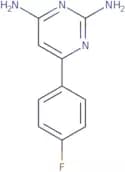
CAS:9-(2'-Deoxy-b-D-xylofuranosyl)adenine is a nucleoside that is used in the treatment of bowel disease, cancer, and other diseases. It is also a potential drug target for antimicrobial agents and pharmacological agents. 9-(2'-Deoxy-b-D-xylofuranosyl)adenine has been shown to inhibit DNA synthesis and cause cell death in mouse tumor cells. It also inhibits adenosine uptake by binding to the A3 receptor, which may be due to its similarity to adenosine. This drug has been shown to have anticancer properties in various carcinoma cell lines. 9-(2'-Deoxy-b-D-xylofuranosyl)adenine is metabolized into deoxyadenosine, which can be converted back into adenosinergic acid or deoxyadenosinergic acid, which are potent inhibitors of DNA polymerase alpha activity.Pureza:Min. 95%6-(4-Fluorophenyl)pyrimidine-2,4-diamine
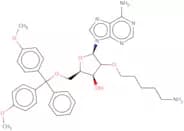
CAS:6-(4-Fluorophenyl)pyrimidine-2,4-diamine is an organic compound that has been shown to inhibit the proliferation of cells in vitro and to induce apoptosis. It also inhibits the growth of cancer cells. 6-(4-Fluorophenyl)pyrimidine-2,4-diamine mediates the activation of arylation, which is a chemical reaction that produces a new carbon-carbon bond between two or more molecules. This reaction is involved in the process of angiogenesis. In addition, this compound has been shown to be reactive with other compounds that are known to cause mutations and cellular damage.Fórmula:C10H9FN4Pureza:Min. 95%Peso molecular:204.2 g/mol5'-O-DMT-2'-O-hexylaminoadenosine
5'-O-DMT-2'-O-hexylaminoadenosine is a modified nucleoside that has antiviral activity. It is the monophosphate form of 5'-O-DMT-2'-O-hexylaminoadenosine, and it is used in the synthesis of phosphoramidites for DNA and RNA. This nucleoside is also an activator for novel antiviral drugs.Fórmula:C37H44N6O6Pureza:Min. 95%Peso molecular:668.8 g/mol1-(b-D-Arabinofuranosyl)-5-iodouracil
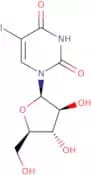
CAS:1-(b-D-Arabinofuranosyl)-5-iodouracil is a synthetic nucleoside that has antiviral and anticancer properties. It is a monophosphate nucleotide that inhibits viral RNA synthesis by inhibiting the enzyme ribonucleotide reductase, which converts ribonucleotides to deoxyribonucleotides. This inhibitor also blocks DNA synthesis by preventing the incorporation of b-D-arabinofuranosyl monophosphate into DNA. 1-(b-D-Arabinofuranosyl)-5-iodouracil has been shown to be effective in treating various types of cancer, including breast, lung, and prostate cancers. It also exhibits antitumor activity against certain human leukemia cells.Fórmula:C9H11IN2O6Pureza:Min. 95%Peso molecular:370.1 g/mol2'-Ethylfluoro-5'-O-DMT-5-methylcytidine
2'-Ethylfluoro-5'-O-DMT-5-methylcytidine is a novel antiviral agent that is synthesized from 2'-deoxyribonucleosides. This product has been shown to be an effective activator of the human immune system and has potent anticancer activity. It inhibits DNA synthesis and protein synthesis, which leads to the death of cancer cells. In addition, this product has a high purity and high quality.Pureza:Min. 95%5'-O-DMT-2'-O-pentylaminoadenosine
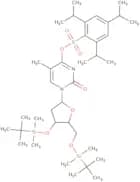
5'-O-DMT-2'-O-pentylaminoadenosine is a phosphoramidite nucleoside monophosphate. It is a novel anticancer and antiviral agent that has been shown to kill cancer cells, inhibit viral replication, and inhibit the synthesis of DNA in the cell. 5'-O-DMT-2'-O-pentylaminoadenosine has been shown to be an effective inhibitor of herpes simplex virus type 1 (HSV1) replication in vitro. This drug also inhibits the synthesis of DNA and RNA by inhibiting nucleoside diphosphate kinase, which is a key enzyme in the metabolism of nucleosides.Fórmula:C36H42N6O6Pureza:Min. 95%Peso molecular:654.77 g/mol3',5'-Bis-o-(t-butyldimethylsilyl)-O4-(2,4,6-triisopropylphenylsulfonyl)thymidine
CAS:3',5'-Bis-o-(t-butyldimethylsilyl)-O4-(2,4,6-triisopropylphenylsulfonyl)thymidine (SQ22536) is a modified nucleoside with anticancer activity. It is a deoxyribonucleoside and phosphoramidate analog of thymidine. SQ22536 can be used in the synthesis of DNA or RNA and as an antiviral agent. It has been shown to inhibit the replication of HIV-1 in vitro by inhibiting HIV reverse transcriptase and DNA polymerase.Fórmula:C37H64N2O7SSi2Pureza:Min. 95%Peso molecular:737.1 g/mol3'-Deoxy-5'-O-DMT-5-methyluridine 2'-CE phosphoramidite
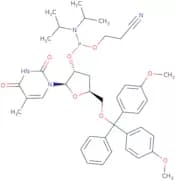
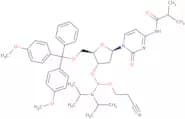
CAS:3'-Deoxy-5'-O-DMT-5-methyluridine 2'-CE phosphoramidite is a nucleotide analogue that is used in the synthesis of DNA. It is a modified nucleoside that contains an amino group at the 5' position of the pentose sugar and a methyl group at the 2' position. 3'-Deoxy-5'-O-DMT-5-methyluridine 2'-CE phosphoramidite inhibits viral replication and has shown anticancer activity. It also possesses antiviral activity against Herpes simplex virus types 1 and 2, cytomegalovirus, varicella zoster virus, Epstein Barr virus, influenza A virus type A/PR/8/34 (H1N1), and human immunodeficiency virus type 1 (HIV).Fórmula:C40H49N4O8PPureza:Min. 95%Peso molecular:744.81 g/mol2'-Deoxy-5'-O-DMT-N4-isobutyrylcytidine 3'-CE phosphoramidite
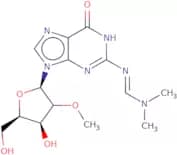
CAS:This is a nucleotide analog that is used as a building block in DNA synthesis. It can be obtained from various sources, such as Sigma-Aldrich, Inc.Pureza:Min. 95%N2-DMF-2'-O-methylguanosine
CAS:N2-DMF-2'-O-methylguanosine is a nucleoside that is used as an antiviral agent and anticancer drug. It has been shown to inhibit the growth of human cancer cells in vitro and in vivo. N2-DMF-2'-O-methylguanosine has also been shown to inhibit viral replication by inhibiting DNA synthesis. This nucleoside is a novel compound that can be synthesized using phosphoramidites, which are high quality and yield high purity products.
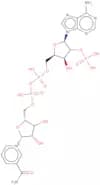
Fórmula:C14H20N6O5Pureza:Min. 95%Peso molecular:352.35 g/molL-Ribose NAD
L-Ribose NAD is a nucleoside that belongs to the group of ribonucleosides. It is a novel modified monophosphate and diphosphate nucleotide. L-Ribose NAD has antiviral, anticancer, and immunomodulatory activities. L-Ribose NAD can activate cells with DNA damage by inhibiting the synthesis of deoxyribonucleosides, which are needed for DNA repair. This product has a high purity level and high quality.Pureza:Min. 95%Peso molecular:663 g/molN6,5'-O-Dibenzoyl-2'-deoxy-adenosine
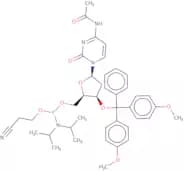
N6,5'-O-Dibenzoyl-2'-deoxy-adenosine is a monophosphate nucleoside that is used in the synthesis of DNA. It is synthesized from 2'-deoxyadenosine, which is an antiviral agent against influenza virus and anticancer agent. N6,5'-O-Dibenzoyl-2'-deoxy-adenosine has been shown to be a potent activator of the polymerase chain reaction with high purity and novel properties.Fórmula:C24H21N5O5Pureza:Min. 95%Peso molecular:475.45 g/molN4-Acetyl-2'-deoxy-3'-O-DMT-cytidine 5'-CE phosphoramidite
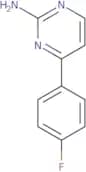
CAS:N4-Acetyl-2'-deoxy-3'-O-DMT-cytidine 5'-CE phosphoramidite is a novel nucleoside. It is a monophosphate and cytidine analog that has been shown to be effective in the treatment of cancer. N4-Acetyl-2'-deoxy-3'-O-DMT-cytidine 5'-CE phosphoramidite also inhibits viral replication by preventing the synthesis of DNA and RNA. This drug can be used as an activator for synthesis of modified oligonucleotides.Fórmula:C41H50N5O8PPureza:Min. 95%Peso molecular:771.84 g/mol2-Amino-4-(4-fluorophenyl)pyrimidine
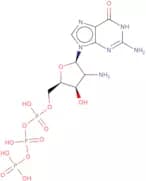
CAS:2-Amino-4-(4-fluorophenyl)pyrimidine is a fluorinated derivative of imatinib, which is a chemical that inhibits the activity of tyrosine kinases. It has been shown to be a more potent inhibitor than imatinib, and it also offers high yields and regioselectivity. This compound can be used in organic chemistry to produce fluorinated derivatives.Fórmula:C10H8FN3Pureza:Min. 95%Peso molecular:189.19 g/mol2'-Amino-2'-deoxyguanosine-5'-triphospate tetralithium salt
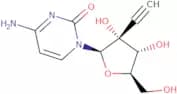
CAS:2'-Amino-2'-deoxyguanosine-5'-triphosphate tetralithium salt is a novel nucleoside analog that has antiviral and anticancer activities. It is a high quality, modified nucleoside that can be used for the synthesis of deoxyribonucleosides or ribonucleosides. It is synthesized from 2'-amino-2'-deoxyguanosine triphosphate and a lithium salt of tetrabutylammonium. This product has a CAS number of 108269-13-2 and a purity level of ≥99%.Fórmula:C10H17N6O13P3Li4Pureza:Min. 95%Peso molecular:549.96 g/mol2'-C-Ethynylcytidine
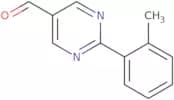
CAS:2'-C-Ethynylcytidine is a synthetic surfactant that can be used in coatings and other surface treatments. It has been shown to inhibit the growth of bacteria and viruses, as well as being effective against a variety of bacterial species. 2'-C-Ethynylcytidine binds to sulfide, which is produced by bacteria, leading to cell death. The antimicrobial activity of 2'-C-Ethynylcytidine is due to its ability to form ester linkages with polyesters, which are able to penetrate the bacterial cell membrane and disrupt the integrity of the cytoplasmic membrane. This leads to leakage of intracellular contents, followed by cell death. 2'-C-Ethynylcytidine also has been shown to bind to metal ions such as silver, copper, zinc and cadmium and prevent their uptake into cells.Pureza:Min. 95%2-(2-Methylphenyl)pyrimidine-5-carbaldehyde
CAS:2-(2-Methylphenyl)pyrimidine-5-carbaldehyde is a crystalline solid that has been shown to have synergistic effects with polypropylene. It is synthesized from 2-methylphenylacetonitrile and 2,4-dichloro-6-(trifluoromethyl)pyrimidine in the presence of sodium metal. The product is soluble in alcohols and ethers, but insoluble in water.Fórmula:C12H10N2OPureza:Min. 95%Peso molecular:198.22 g/mol5'-O-DMT-thymidine 3'-Me phosphoramidite
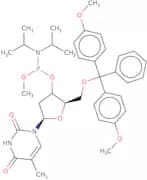
5’-O-DMT-thymidine 3’-Me phosphoramidite is a novel and modified nucleotide analog that is used as an antiviral agent. It has been shown to be active against herpes simplex virus type 1 (HSV-1) and Epstein-Barr virus (EBV). 5'-O-DMT-thymidine 3’-Me phosphoramidite is not active against HIV, although it has been shown to inhibit the replication of Hepatitis B virus. This compound can also be used in cancer therapy.
5'-O-DMT-thymidine 3' -Me phosphoramidite inhibits cellular DNA synthesis by competing with natural thymidine monophosphate (TMP) for incorporation into DNA. The incorporation of 5'-O-DMT-thymidine 3' -Me into DNA leads to a high frequency of mutations, which causes the death of the cell.Fórmula:C38H48N3O8PPureza:Min. 96 Area-%Cor e Forma:White Off-White PowderPeso molecular:705.78 g/mol2'-Deoxy-5'-O-DMT-5-fluoro-4-O-(2,4,6-trimethylphenyl)uridine 3'-CE-phosphoramidite
2'-Deoxy-5'-O-DMT-5-fluoro-4-O-(2,4,6-trimethylphenyl)uridine 3'-CE-phosphoramidite is a novel phosphoramidite monophosphate. It is modified to include fluorine at the 5 position of the uridine moiety and has antiviral activity. This product is a nucleoside with antiviral properties that can be used in cancer treatments. 2'-Deoxy-5'-O-DMT-5-fluoro-4-O-(2,4,6-trimethylphenyl)uridine 3'-CE phosphoramidite is synthesized from deoxyribonucleosides and ribonucleosides by using a high purity process.Pureza:Min. 95%b-Nicotinamide adenine dinucleotide phosphate potassium salt hydrate
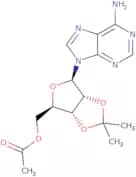
CAS:b-Nicotinamide adenine dinucleotide phosphate potassium salt hydrate is a novel anticancer compound that has been shown to inhibit the growth of cancer cells in vitro. The mechanism of action of b-NADP+ is still unknown, but it may involve the inhibition of ribonucleoside reductase and deoxyribonucleoside reductase. It also inhibits viral DNA synthesis, which can be an effective antiviral drug. b-NADP+ is a nucleotide analogue that is synthesized from diphosphate and monophosphate forms, which are activated by phosphoramidites.Fórmula:C21H28N7O17P3•K•(H2O)2Pureza:Min. 95%Peso molecular:818.5 g/mol5'-O-Acetyl-2',3'-O-isopropylideneadenosine
CAS:5'-O-Acetyl-2',3'-O-isopropylideneadenosine is an anti-leishmanial agent that is synthesized from 2,3-O-isopropylideneadenosine by acetylating the 5' hydroxyl group. It was found to be more potent than the parent compound and other related compounds in inhibiting Leishmania amazonensis promastigotes. The proposed mechanism of action of 5'-O-acetyl-2',3'-O-isopropylideneadenosine involves hydrogen bonding with the guanosine moiety of DNA and inhibition of RNA synthesis. This drug also has an effect on carbonyl oxygens and resonances, which are observed in the nmr spectra. The synthetic scheme for this drug starts with uridine, which is converted to cytidine by reacting it with sodium cyanide in aqueous solution at 0°C. Cytidine
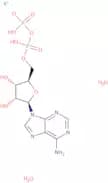
Fórmula:C15H19N5O5Pureza:Min. 95%Cor e Forma:PowderPeso molecular:349.34 g/molAdenosine 5'-diphosphate potassium salt
CAS:Adenosine 5'-diphosphate potassium salt can be used as a substrate for a variety of protein kinases known as AMP-activated protein kinases (AMPK)Fórmula:C10H14N5O10P2·KPureza:Min. 95%Cor e Forma:PowderPeso molecular:465.29 g/molN6-Benzoyl-2'-tert-butyldimethylsilyl-7-deaza-5'-O-DMT-adenosine 3'-CE phosphoramidite
CAS:N6-Benzoyl-2'-tert-butyldimethylsilyl-7-deaza-5'-O-DMT-adenosine 3'-CE phosphoramidite is a modified nucleoside that is used as an anticancer agent. It has the ability to inhibit DNA synthesis and can be used to treat leukemia, lymphoma, and other cancers. N6-Benzoyl-2'-tert-butyldimethylsilyl-7-deaza-5'-O-DMT adenosine 3'-CE phosphoramidite is also an antiviral agent that prevents the replication of HIV by interfering with the production of viral RNA. This drug has been shown to have high purity and quality.Fórmula:C54H67N6O8PSiPureza:Min. 95%Peso molecular:987.2 g/mol2'-O-tert-Butyldimethylsilyluridine
CAS:2'-O-tert-Butyldimethylsilyluridine is a nucleoside that is used in DNA synthesis, antiviral research, and anticancer therapy. It is synthesized from 2'-deoxyuridine monophosphate (2'-dUMP) with the aid of a phosphoramidite coupling agent. It has shown to be an effective activator in the synthesis of oligonucleotides, which are short chains of nucleotide units that can be used for various purposes including the treatment of cancer cells. These chains are synthesized by linking together individual nucleosides with phosphate molecules at each end. The bonds between these phosphate groups and the sugar-phosphate backbone of the nucleotide units are called phosphodiester bonds. This synthetic process can be used to produce DNA or RNA strands as well as modified versions of these strands such as those that have been synthesized with other chemical groups on their sugar-phosphate backbones.
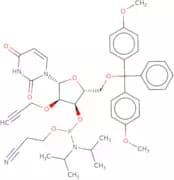
Fórmula:C15H26N2O6SiPureza:Min. 95%Cor e Forma:PowderPeso molecular:358.46 g/mol5'-O-DMT-2'-O-propynyluridine 3'-CE phosphoramidite
CAS:5'-O-DMT-2'-O-propynyluridine 3'-CE phosphoramidite is a novel nucleoside analogue that can be used to synthesize DNA and RNA. This compound has antiviral and anticancer properties, which may be due to its ability to inhibit the synthesis of RNA. This product is also high quality, high purity, and low cost. 5'-O-DMT-2'-O-propynyluridine 3'-CE phosphoramidite is an excellent chemical intermediate for the synthesis of nucleosides with modified sugar moieties. It can be used in pharmaceuticals and other chemical industries.Fórmula:C42H49N4O9PPureza:Min. 95%Peso molecular:784.83 g/mol2'-Deoxy-2'-fluoro-2-hydroxy-b-D-arabinoadenosine
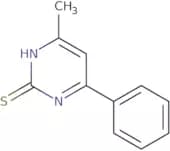
CAS:2'-Deoxy-2'-fluoro-2-hydroxy-b-D-arabinoadenosine is a novel nucleoside that was synthesized as a potential antiviral agent. It is an analog of adenosine and has been shown to inhibit the replication of HIV in vitro. This nucleoside is synthesized using a modified phosphoramidite approach and can be used in the synthesis of DNA or RNA. 2'-Deoxy-2'-fluoro-2-hydroxy-b-D-arabinoadenosine has also been shown to have anticancer activity.Fórmula:C10H12FN5O4Pureza:Min. 95%Peso molecular:285.23 g/mol4-Methyl-6-phenyl-pyrimidine-2-thiol
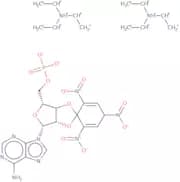
CAS:4-Methyl-6-phenyl-pyrimidine-2-thiol is a copper(II) dehalogenating agent that belongs to the group of amplifiers. It has been used in the preparation of syntheses, including as an intermediate in the synthesis of phenylpyrimidines and amidines. The synthesis of 4-methyl-6-phenyl-pyrimidine-2-thiol can be accomplished by condensation of phleomycin with a biaryl. This reaction is followed by oxidation to give a biaryl sulfone, which is then reduced with hydrogen gas and ammonium formate.Fórmula:C11H10N2SPureza:Min. 95%Peso molecular:202.28 g/mol2',3'-O-Trinitrophenyl-adenosine-5'-monophosphate triethylammonium salt
CAS:Ribonucleosides are a class of nucleosides that contain ribose as their sugar moiety. The 2' and 3'-O-trinitrophenyl-adenosine-5'-monophosphate triethylammonium salt is an example of a ribonucleoside with the formula CHNO. It has been shown to be active against cancer cells in vitro, but has not yet been used in clinical trials. Ribonucleosides have also been shown to inhibit viral replication and can be used as antiviral agents. Ribonucleosides are also used to synthesize DNA and RNA molecules for use in molecular biology, biochemistry, and genetic engineering.
Fórmula:C16H15N8O13PPureza:Min. 95%Peso molecular:558.31 g/mol3'-Azido-3'-deoxythymidine-methyl-D3-2,3,4-tri-O-acetyl-b-D-glucuronide methyl ester
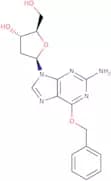
Produto Controlado3'-Azido-3'-deoxythymidine-methyl-D3-2,3,4-tri-O-acetyl-b-D-glucuronide methyl ester (AZT) is a novel nucleoside compound that is a phosphoramidite. AZT has antiviral activity against various DNA and RNA viruses, including HIV. It is also effective in the treatment of cancer. AZT inhibits viral replication by competitively inhibiting the incorporation of diphosphate into viral DNA or RNA. This process prevents the synthesis of new virus particles and the spread of infection to healthy cells. In addition, AZT may inhibit tumor growth by interfering with cell division and DNA synthesis.Fórmula:C23H26D3N5O13Pureza:Min. 95%Peso molecular:586.52 g/mol6-O-Benzyl-2'-deoxyguanosine
CAS:6-O-Benzyl-2'-deoxyguanosine is a synthetic nucleoside analog that inhibits the synthesis of DNA. It is used in animal studies as a pancreatic carcinogen, and has been shown to inhibit tumor growth in mice. This drug specifically binds to DNA at the O6 position of guanine and methylates the adjacent cytosine residue, thereby preventing synthesis of DNA. 6-O-Benzyl-2'-deoxyguanosine also inhibits the activity of an enzyme called methyltransferase, which converts S-adenosylmethionine into S-adenosylhomocysteine, an intermediate in one of the pathways that produce methionine from homocysteine. This inhibition leads to an accumulation of methionine and its metabolites, including homocysteine and cystathione beta synthase, which can cause cell death.Fórmula:C17H19N5O4Pureza:Min. 95%Peso molecular:357.36 g/mol3'-Deoxyguanosine-5'-triphosphate lithium salt - 100mM aqueous solution
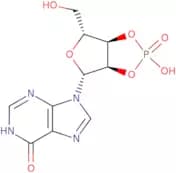
3'-Deoxyguanosine-5'-triphosphate lithium salt - 100mM aqueous solution is Novel and Antiviral. 3'-Deoxyguanosine-5'-triphosphate lithium salt - 100mM aqueous solution is Synthetic and Deoxyribonucleosides. 3'-Deoxyguanosine-5'-triphosphate lithium salt - 100mM aqueous solution is High quality and Ribonuclesides. 3'-Deoxyguanosine-5'-triphosphate lithium salt - 100mM aqueous solution has CAS No. 51445-81-9, Activator, Phosphoramidites, Modified and Anticancer.Fórmula:C10H12N5O13P3Li4Pureza:Min. 95%Cor e Forma:PowderPeso molecular:530.91 g/molInosine 2',3'-cyclic monophosphate sodium salt
CAS:Inosine 2',3'-cyclic monophosphate sodium salt (ICMP) is a phosphodiesterase inhibitor that inhibits the activity of protein kinases and phosphatases. ICMP is used in biochemical studies to inhibit tryptophan metabolism and protein synthesis. It also has been shown to be useful in the study of sequences, such as those found in DNA and RNA. ICMP has been shown to increase the mRNA levels of a number of proteins at lower concentrations than other inhibitors, making it a valuable tool for studying protein synthesis. The enzyme-inhibiting properties of ICMP have been observed in calf thymus DNA and bacterial DNA gyrase, dna topoisomerase, and rna synthesis. ICMP also inhibits caenorhabditis elegans phosphatases and can be used in genetic engineering experiments involving Xenopus oocytes.Pureza:Min. 95%L-Cystine dihydrochloride
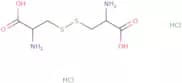
CAS:L-Cystine dihydrochloride is a white crystalline powder that is used to treat acute radiation syndrome. It is an amino acid that contains two cysteine residues linked by a disulfide bond. Cysteine is necessary for the formation of proteins and peptides, which are important in antibody production. L-Cystine dihydrochloride has been shown to increase the uptake of radioactive substances in cells. This drug also increases the amount of bioactive molecules such as glutathione, which protects cells from oxidative damage caused by radiation. The effects of L-cystine dihydrochloride are dose dependent, with higher doses leading to greater cellular death.
The unpaired cysteines in L-cystine dihydrochloride can react with each other, forming a new molecule called S-thiolactone. This reaction is catalyzed by porcine pancreatic lipase (PPLL), a membrane protein found in pancreatFórmula:C6H14Cl2N2O4S2Pureza:Min. 95%Peso molecular:313.2 g/mol7,8-Dihydro-8-thioxo-adenosine
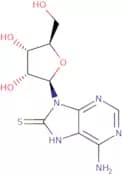
CAS:7,8-Dihydro-8-thioxo-adenosine is a synthetic nucleoside that activates the synthesis of DNA and RNA by acting as a ribonucleotide. It also has antiviral and anticancer activities. 7,8-Dihydro-8-thioxo-adenosine is an antiviral agent against herpesviruses and retroviruses. The antitumor activity of this compound is due to its ability to inhibit the proliferation of tumor cells by inhibiting DNA synthesis. 7,8-Dihydro-8-thioxo-adenosine can be used in the treatment of leukemia and other cancers that are sensitive to cytotoxic drugs. This drug has been shown to have low toxicity in rats.Fórmula:C10H13SN5O4Pureza:Min. 95%Peso molecular:299.31 g/mol3'-Deoxy-N6-octanoyladenosine
CAS:3'-Deoxy-N6-octanoyladenosine is a nucleoside that is used to synthesize DNA, RNA, and other nucleic acid molecules. It has antiviral and anticancer properties. 3'-Deoxy-N6-octanoyladenosine has been shown to be an activator of phosphoramidites in the synthesis of DNA. This compound also inhibits the growth of cancer cells by inhibiting the synthesis of DNA and RNA in cells. The purity of this product is >98% and it can be used for research purposes or as a pharmaceutical intermediate.Fórmula:C18H27N5O4Pureza:Min. 95%Peso molecular:377.44 g/mol2'-Methyl-cytidine-(Bz)-succinyl-CPG; 500 Å (RNA)
2-Methyl-cytidine-(Bz)-succinyl-CPG; 500 Å (RNA) is a nucleoside analog that is modified with a 2'-methyl group. It is synthesized by the phosphoramidite method, which is performed in a high purity and high quality environment. This product can be used as an activator for DNA synthesis and has been shown to have anti-cancer and antiviral properties.
Pureza:Min. 95%3,5-Di-O-toluoyl 6-chloropurine-7-b-D-deoxyriboside
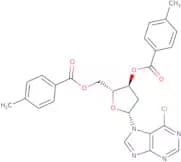
CAS:3,5-Di-O-toluoyl 6-chloropurine-7-b-D-deoxyriboside is a modified monophosphate nucleotide with antiviral and anticancer activity. It has been shown to be a potent activator of the enzyme DNA polymerase in vitro. This drug is synthesized by reacting 3,5-di-O-toluoyl 6-chloropurine with boron trichloride at high temperature. The final product was purified by HPLC and characterized using mass spectrometry. The purity of this compound is >99% as determined by HPLC analysis.Fórmula:C26H23ClN4O5Pureza:Min. 95%Peso molecular:506.94 g/mol2',3'-Dideoxyinosine-5'-monophosphate sodium salt
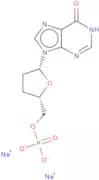
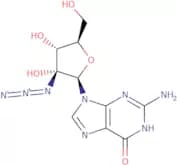
CAS:2',3'-Dideoxyinosine-5'-monophosphate sodium salt (ddI-MP) is an antiviral drug that is effective against HIV. It inhibits the reverse transcriptase enzyme, which is responsible for the conversion of RNA to DNA. ddI-MP has cytotoxic properties and prevents the production of DNA and protein. This agent also has a prophylactic effect against retroviruses, such as HIV, by preventing them from establishing latency in lymphocytes.Fórmula:C10H11N4O6P·Na2Pureza:Min. 95%Peso molecular:360.17 g/mol2'-Azido-2'-deoxyguanosine
CAS:2'-Azido-2'-deoxyguanosine is an analog of guanine that is used as a fluorescent probe in biochemical and chemical biology studies. It can be synthesized using the azide method, which involves coupling an azide functional group to an aromatic ring. 2'-Azido-2'-deoxyguanosine can also be modified by a number of modifications, including attachment of fluorescent molecules or biotin for labeling purposes. The chemical structure of this compound has been shown to have a conformation that is similar to that of natural guanosine and uridine. 2'-Azido-2'-deoxyguanosine can be detected by proton nuclear magnetic resonance spectroscopy at about 3 ppm, which corresponds to its chemical shift in the range of 200–300 Hz. This compound also has biochemical properties that are similar to those observed for natural guanine and uridine.Fórmula:C10H12N8O4Pureza:Min. 95%Peso molecular:308.25 g/mol3',5'-O-(1,1,3,3-Tetraisopropyl-1,3-disiloxanediyl)-5-methyluridine
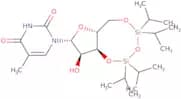
CAS:3',5'-O-(1,1,3,3-Tetraisopropyl-1,3-disiloxanediyl)-5-methyluridine is a novel nucleoside that is used for the synthesis of DNA and RNA. It is a modified nucleoside with antiviral and anticancer properties. 3',5'-O-(1,1,3,3-Tetraisopropyl-1,3-disiloxanediyl)-5-methyluridine has been shown to inhibit human immunodeficiency virus type 1 (HIV) replication in cultured cells. In addition to its antiviral activity against HIV type 1 (HIV-1), 3',5'-O-(1,1,3,3-Tetraisopropyl-1,3-disiloxanediyl)-5-methyluridine also inhibits the growth of cancerous cells by acting as an inhibitor of DNAFórmula:C22H40N2O7Si2Pureza:Min. 95%Peso molecular:500.73 g/mol




![2'-Deoxy-2'-iodo-adenosine-5'-[(beta,gamma)-imido]triphosphate sodium salt - 10mM aqueous solution](/_next/image/?url=https%3A%2Fstatic.cymitquimica.com%2Fproducts%2F3D%2Fthumb-webp%2FND166258.webp&w=3840&q=75)






![2'-Deoxyuridine-5'-[(a,b)-methyleno]triphosphate sodium salt - 10 mM aqueous solution](/_next/image/?url=https%3A%2Fstatic.cymitquimica.com%2Fproducts%2F3D%2Fthumb-webp%2FND45198.webp&w=3840&q=75)

![2'-Deoxyuridine-5'-[(a,b)-imido]triphosphate sodium salt - 10mM aqueous solution](/_next/image/?url=https%3A%2Fstatic.cymitquimica.com%2Fproducts%2F3D%2Fthumb-webp%2FND45196.webp&w=3840&q=75)



![4-Amino-1-(2',3',5'-tri-O-tert-butyldimethylsilyl-b-D-ribofuranosyl)-imidazo[4,5-c]pyridine](/_next/image/?url=https%3A%2Fstatic.cymitquimica.com%2Fproducts%2F3D%2Fthumb-webp%2FNA04493.webp&w=3840&q=75)


![7H-Pyrrolo[2,3d]pyrimidine](/_next/image/?url=https%3A%2Fstatic.cymitquimica.com%2Fproducts%2F3D%2Fthumb-webp%2FNP32608.webp&w=3840&q=75)






![[1',2',3',4',5'-13C5]-4-Thiothymidine](/_next/image/?url=https%3A%2Fstatic.cymitquimica.com%2Fproducts%2F3D%2Fthumb-webp%2FNT35287.webp&w=3840&q=75)

![5-[(Methylamino)methyl]uridine](/_next/image/?url=https%3A%2Fstatic.cymitquimica.com%2Fproducts%2F3D%2Fthumb-webp%2FNM159410.webp&w=3840&q=75)