Nucleosídeos
Os nucleosídeos são building blocks fundamentais dos ácidos nucleicos, compostos por uma base nitrogenada ligada a uma molécula de açúcar. Nesta seção, você encontrará uma ampla variedade de nucleosídeos essenciais para pesquisas em biologia molecular, bioquímica e farmacologia. Esses compostos desempenham papéis cruciais na síntese de DNA e RNA, e também são vitais em vários processos metabólicos. Os nucleosídeos são usados para estudar material genético, desenvolver terapias antivirais e anticancerígenas, e entender os mecanismos celulares. Na CymitQuimica, fornecemos nucleosídeos de alta qualidade para apoiar suas necessidades de pesquisa e desenvolvimento, garantindo pureza e confiabilidade para suas aplicações experimentais.
Foram encontrados 3569 produtos de "Nucleosídeos"
Ordenar por
Pureza (%)
0
100
|
0
|
50
|
90
|
95
|
100
3,5-Di-o-(p-toluoyl)-5-(2-hydroxyethyl)-2-deoxyuridine
CAS:<p>3,5-Di-o-(p-toluoyl)-5-(2-hydroxyethyl)-2-deoxyuridine is a nucleoside analogue that has antiviral and anticancer activities. It is synthesized by the condensation of orotic acid with 2'-deoxyuridine in the presence of N,N'-dicyclohexylcarbodiimide (DCC). 3,5-Di-o-(p-toluoyl)-5-(2-hydroxyethyl)-2-deoxyuridine is an activator of ribonucleotide reductase, which is an enzyme involved in DNA synthesis and repair. 3,5-Di-o-(p-toluoyl)-5-(2-hydroxyethyl)-2-deoxyuridine is also capable of inhibiting DNA polymerases and RNA polymerases. This drug can be used for treatment against cancer and antiviral infections.</p>Fórmula:C27H28N2O8Pureza:Min. 95%Peso molecular:508.50 g/molN4-Benzoyl-1-(a-D-mannopyranosyl)cytosine
N4-Benzoyl-1-(a-D-mannopyranosyl)cytosine is a modified deoxyribonucleoside that has antiviral and anticancer activities. It is a phosphoramidite, which can be converted to nucleosides using standard methods. N4-Benzoyl-1-(a-D-mannopyranosyl)cytosine is also an activator of the DNA polymerase enzyme and a high quality, novel anti-cancer drug.Fórmula:C17H19N3O7Pureza:Min. 95%Cor e Forma:White to off-white powder.Peso molecular:377.35 g/mol5'-O-Levulinoylthymidine 3'-CE phosphoramidite
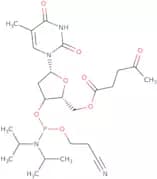
CAS:<p>5'-O-Levulinoylthymidine 3'-CE phosphoramidite is a novel, high quality diphosphate nucleoside. It is modified with levulinic acid and has antiviral and anticancer properties. 5'-O-Levulinoylthymidine 3'-CE phosphoramidite is synthesized from 5'-O-levulinoylthymidine monophosphate, which is synthesized from thymidine and levulinic acid. The synthesis of 5'-O-levulinoylthymidine 3'-CE phosphoramidite starts with the reaction of 1 equivalent of thymidine with 1 equivalent of levulinic acid in aqueous solution at pH 7 to 8 at 100°C for 2 hours, followed by purification by HPLC.</p>Fórmula:C24H37N4O8PPureza:Min. 95%Peso molecular:540.55 g/molLNA-guanosine 3'-CE phosphoramidite
CAS:<p>LNA-guanosine 3'-CE phosphoramidite is a novel, high purity, activated nucleoside. It is an anti-cancer and antiviral agent that is synthetically modified to include a phosphate group at the 3' position of the sugar moiety. This modification prevents viral inhibition by inhibiting viral DNA synthesis. LNA-guanosine 3'-CE phosphoramidite is also used as an anticancer agent due to its ability to inhibit ribonucleotide reductase and diphosphate reductase, which are enzymes required for DNA synthesis.</p>Pureza:Min. 95%4'-C-Azido-2'-deoxy-2'-fluoro-b-D-arabinouridine
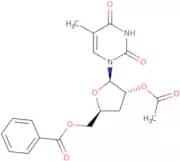
CAS:<p>4'-C-Azido-2'-deoxy-2'-fluoro-b-D-arabinouridine is a novel nucleoside analog that can be activated to the monophosphate form for incorporation into DNA. It has antiviral and anticancer properties. 4'-C-Azido-2'-deoxy-2'-fluoro-b-D-arabinouridine has been shown to inhibit the proliferation of cultured tumor cells, suggesting a potential use in cancer chemotherapy.</p>Fórmula:C9H10FN5O5Pureza:Min. 95%Peso molecular:287.2 g/mol2'-O-Acetyl-5'-O-benzoyl-3'-deoxy-5-methyluridine
CAS:2'-O-Acetyl-5'-O-benzoyl-3'-deoxy-5-methyluridine (ABT-888) is a nucleoside analog that inhibits DNA synthesis and RNA transcription. It has been shown to induce apoptosis in human cancer cells, including leukemia, lymphoma and breast cancer cells. ABT-888 also has antiviral activity against herpes simplex virus type 1 and 2, vaccinia virus, and vesicular stomatitis virus.Fórmula:C19H20N2O7Pureza:Min. 95%Peso molecular:388.37 g/molcis-Zeatin-o-glucoside riboside
CAS:<p>Cis-Zeatin-o-glucoside riboside is a plant metabolite that belongs to the class of phenylpropanoids. It is the product of the conversion of zeatin by a polyphenol oxidase. Cis-Zeatin-o-glucoside riboside has been found in plants, such as Eucomis and Alnifolia, at levels ranging from 0.2 to 1%. This metabolite is also present in animal tissues, such as rat brain and bovine mammary gland. The metabolic pathway for cis-Zeatin-o-glucoside riboside has been elucidated through tissue culture experiments with Eucomis and 24-epibrassinolide. The biosynthesis of this metabolite involves a two step process: first, an oxidative cleavage of zeatin to indole-3-acetyl l -aspartic acid and then conversion to</p>Fórmula:C21H31N5O10Pureza:Min. 95%Peso molecular:513.5 g/molO6-Chlorophenyl-I ce-phosphoramidite
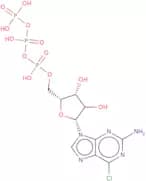
CAS:<p>Please enquire for more information about O6-Chlorophenyl-I ce-phosphoramidite including the price, delivery time and more detailed product information at the technical inquiry form on this page</p>Fórmula:C52H64ClN6O8PSiPureza:Min. 95%Peso molecular:995.6 g/mol2-Amino-6-chloro-(b-D-ribofuranosyl)purine-5'-triphosphate
2-Amino-6-chloro-(b-D-ribofuranosyl)purine-5'-triphosphate is a modified nucleotide analog that is used as an antiviral agent. It inhibits the synthesis of viral DNA by competitively inhibiting the incorporation of deoxyribonucleoside triphosphates into the growing DNA chain. 2-Amino-6-chloro-(b-D-ribofuranosyl)purine-5'-triphosphate is phosphorylated to 2-[2-(2,6,8,10,12,14,16,-doxohexadecyl)-1H--imidazo[4,5--c]pyridine--1--carboxylic acid]ethanol phosphate in vivo and this active form inhibits human immunodeficiency virus type 1 (HIV1) replication in vitro with an IC 50 of 0.06 μM.Fórmula:C10H15ClN5O13P3Pureza:Min. 95%Peso molecular:541.63 g/mol3-(2'-Deoxy-β-D-2-ribofuranosyl)pyrido[2,3-d]pyrimidine-2,7(8H)-dione
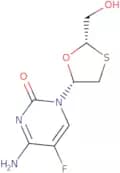
CAS:3-(2'-Deoxy-β-D-2-ribofuranosyl)pyrido[2,3-d]pyrimidine-2,7(8H)-dione is a synthetic nucleoside analogue that has been modified by the replacement of the 2' oxygen atom. The phosphoramidite is used to produce 3-(2'-Deoxy-β-D-2-ribofuranosyl)pyrido[2,3-d]pyrimidine-2,7(8H)-dione in high purity and high quality. This product can be used as an antiviral agent and as an anticancer agent. It has also been shown to inhibit DNA synthesis and RNA synthesis.Fórmula:C12H13N3O5Pureza:Min. 95%Peso molecular:279.25 g/mol(+)-Emtricitabine
CAS:Emtricitabine is a synthetic nucleoside analog of cytidine. It is used in the treatment of HIV infection and hepatitis B virus infection. Emtricitabine binds to human DNA polymerase, preventing the incorporation of viral DNA into the host cell's genome. This prevents the virus from multiplying and reproducing, thereby inhibiting the spread of HIV in humans. The drug has been shown to inhibit replication at all stages of HIV-1, including reverse transcription and integration into host cell DNA. Emtricitabine also inhibits replication of other viruses such as herpes simplex virus type 1 (HSV-1) and hepatitis C virus (HCV). Emtricitabine is a prodrug that must be activated by phosphorylation before it can be incorporated into DNA. This activation requires tenofovir alafenamide hemifumarate as an activator, which is an experimental drug with improved bioavailability, reduced renal clearance, andFórmula:C8H10FN3O3SPureza:Min. 95%Peso molecular:247.25 g/molFluorescein-dt cep
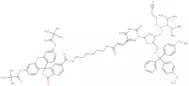
CAS:Fluorescein-dt cep is a monophosphate nucleoside analog that is modified with an activated ester group. It is used as a prodrug for the treatment of influenza in humans. Fluorescein-dt cep has antiviral activity, which may be due to its ability to inhibit viral RNA synthesis. This agent also has anticancer activity and has been shown to kill leukemia cells by interfering with DNA synthesis. The chemical name for fluorescein-dt cep is 1-(2,6-dichloro-4-(5,7-dimethoxy-4-methylpyridiniumyl)phenyl)cytosine monophosphate. Fluorescein-dt cep is also known by the following synonyms: 1-(2,6-Dichloro-4-(5,7-dimethoxyquinoliniumyl)phenyl)-1H-[1,3]dioxFórmula:C79H89N6O17PPureza:Min. 95%Peso molecular:1,425.6 g/molThymidine 5'- triphosphate-3'-monophosphate
CAS:Thymidine 5'-triphosphate-3'-monophosphate is a nucleoside that is used in the synthesis of DNA. It is an activator of anticancer drugs, and has been shown to have antiviral properties. Thymidine 5'-triphosphate-3'-monophosphate can be used for the treatment of viral diseases such as herpes simplex virus type 1 (HSV-1), herpes simplex virus type 2 (HSV-2), cytomegalovirus (CMV), and human immunodeficiency virus (HIV) infection. This nucleoside also plays a role in the prevention of tumor growth and metastasis because it inhibits DNA synthesis.Fórmula:C10H18N2O17P4Pureza:Min. 95%Peso molecular:562.15 g/mol6-Chloropurine-9-b-D-glucoside
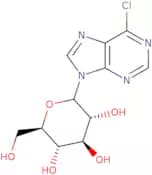
CAS:<p>6-Chloropurine-9-b-D-glucoside is a nucleoside that belongs to the family of modified nucleosides. It is used as an activator and a phosphoramidate in the synthesis of oligonucleotides. 6-Chloropurine-9-b-D-glucoside is also used in anticancer therapy because it inhibits DNA, RNA, and protein synthesis. 6CPG has antiviral activity against herpes virus and other viruses. This compound has been shown to have antiinflammatory activities by inhibiting the production of prostaglandins. 6CPG is also classified as a carcinogen by the International Agency for Research on Cancer (IARC).</p>Fórmula:C11H13CIN4O5Pureza:Min. 95%Peso molecular:420.16 g/mol2-Deoxycytidine 3',5'-diphosphate
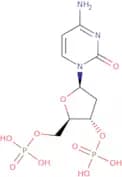
CAS:<p>2-Deoxycytidine 3',5'-diphosphate is an additive that is used in the production of DNA. It is a single-stranded nucleotide with a guanine base. 2-Deoxycytidine 3',5'-diphosphate has been shown to inhibit bacterial growth by reacting with hydrogen peroxide, which is produced during the process of oxidative phosphorylation. This reaction leads to the formation of reactive oxygen species, which damage DNA and cause cell death. The compound also binds to metal ions and prevents them from interacting with cellular components. 2-Deoxycytidine 3',5'-diphosphate can be used as a chromatographic agent for separating DNA fragments according to their size.</p>Fórmula:C9H15N3O10P2Pureza:Min. 95%Peso molecular:387.18 g/mol4-(2-Cyanoethylthio)-5'-O-DMT-thymidine 3'-CE phosphoramidite
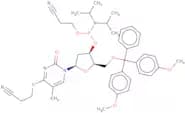
4-(2-Cyanoethylthio)-5'-O-DMT-thymidine 3'-CE phosphoramidite is a novel, modified nucleoside with antiviral activity. It is activated by the addition of a DMT group to its 5' end and has an anticancer effect. The monophosphate form of 4-(2-Cyanoethylthio)-5'-O-DMT-thymidine 3'-CE phosphoramidite has been shown to inhibit viral DNA synthesis in vitro and to be cytotoxic against human cancer cell lines. 4-(2-Cyanoethylthio)-5'-O-DMT- thymidine 3'-CE phosphoramidite is a high quality, high purity product that can be used as a nucleoside or nucleotide in anticancer drugs.Fórmula:C43H52N5O7PSPureza:Min. 95%Peso molecular:813.96 g/molN6-Acetyl-2'-deoxy-5'-O-DMT-adenosine 3'-CE phosphoramidite
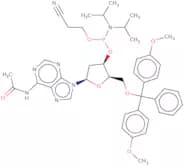
CAS:<p>N6-Acetyl-2'-deoxy-5'-O-DMT-adenosine 3'-CE phosphoramidite is a novel, modified, activator with antiviral and anticancer properties. It is the monophosphate of the acetylated 2'-deoxyadenosine 3'-cyanoethylphosphoramidite and has been shown to be effective in inhibiting DNA synthesis in cell cultures. This product is synthesized using high purity reagents and purification techniques.</p>Fórmula:C42H50N7O7PPureza:Min. 95%Cor e Forma:SolidPeso molecular:795.86 g/mol6-[(4-Nitrobenzyl)thio]-9-(b-D-ribofuranosyl)purine-5'-monophosphate disodium salt
CAS:6-[(4-Nitrobenzyl)thio]purine-5'-monophosphate disodium salt is a modified nucleoside that has anticancer activity. It is phosphorylated to the corresponding nucleotide in vivo and inhibits the growth of cancer cells. 6-[(4-Nitrobenzyl)thio]purine-5'-monophosphate disodium salt has a novel structure and can be used as an activator for ribonucleotides or deoxyribonucleotides. It is also used as a component in DNA synthesis, which may be due to its ability to inhibit viral RNA replication. This drug can be synthesized through chemical reactions that involve diphosphate, nucleosides, and phosphoramidites. 6-[(4-Nitrobenzyl)thio]purine-5'-monophosphate disodium salt is not currently available on the market; however, it canFórmula:C17H16N5Na2O9PSPureza:Min. 95%Cor e Forma:White to off-white solid.Peso molecular:543.36 g/molTFA-ap-dU
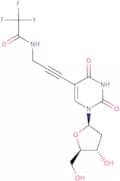
CAS:<p>TFA-ap-dU is a modified, ribonucleosides that are used in DNA synthesis. The polymerase chain reaction (PCR) technique can be used to generate a large number of copies of a specific sequence of nucleotides from the original DNA template. This product is used for antiviral and anticancer research. TFA-ap-dU has been shown to be effective against Hepatitis B virus and Human Immunodeficiency Virus (HIV). It is also an activator of DNA and RNA synthesis.</p>Fórmula:C14H14F3N3O6Pureza:Min. 95%Peso molecular:377.27 g/mol2’-Chloro-2’-deoxyadenosine
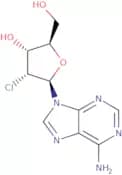
CAS:<p>2’-Chloro-2’-deoxyadenosine (2CDA) is a synthetic nucleoside analogue that is used as an antineoplastic agent for the treatment of non-Hodgkin lymphoma and histiocytic lymphoma. It is typically used in combination with other cytotoxic drugs. 2CDA has been shown to be effective against resistant tumor cell lines and has been used to treat patients with metastatic breast cancer, Hodgkin lymphoma, and multiple myeloma. The drug can cause thrombocytopenia, which may be due to its effects on platelets or bone marrow cells. Other toxicities include bone marrow suppression, nausea, vomiting, diarrhea, anorexia, and liver damage. Patients who are at risk for these toxicities should be closely monitored.</p>Fórmula:C10H12ClN5O3Pureza:Min. 95%Cor e Forma:PowderPeso molecular:285.69 g/mol2-Chloro-3-deazaadenosine
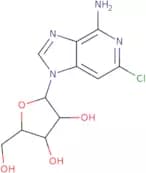
CAS:<p>2-Chloro-3-deazaadenosine is an antiviral drug that inhibits the synthesis of DNA by acting as a competitive inhibitor for adenosine. It has been shown to be effective in the treatment of hepatitis B virus and herpes simplex virus infections. 2-Chloro-3-deazaadenosine prevents the incorporation of the natural nucleoside adenosine into DNA, which leads to inhibition of viral replication and cell division. This drug also has been shown to inactivate liver cells in bovines, which may account for its toxicity. The synthesis of 2-chloroadenosine is difficult and laborious due to its glycosylation, making it more expensive than other analogues that are more easily synthesized.</p>Fórmula:C11H13ClN4O4Pureza:Min. 95%Cor e Forma:PowderPeso molecular:300.7 g/molN6-Benzoyl-2'-deoxy-5'-O-DMT-adenosine 3'-Rp-oxazaphospholidine
N6-Benzoyl-2'-deoxy-5'-O-DMT-adenosine 3'-Rp-oxazaphospholidine is an activator of DNA polymerase. It has been shown to be a potent inhibitor of viral replication and an anticancer agent in vitro. The compound has also been shown to inhibit the growth of tumor cells in vivo. N6-Benzoyl-2'-deoxy-5'-O-DMT-adenosine 3'-Rp-oxazaphospholidine is a novel nucleoside analogue that has not been previously reported.Pureza:Min. 95%5'-O-Benzoyl-2'-deoxyuridine
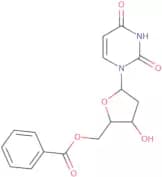
CAS:5'-O-Benzoyl-2'-deoxyuridine is a synthetic nucleoside that is a component of DNA. 5'-O-Benzoyl-2'-deoxyuridine is used as an antiviral agent and for the treatment of some cancers, including lymphomas, leukemia, and certain types of solid tumors. It has also been shown to be effective in the treatment of hepatitis B virus infection. This compound inhibits viral replication by competing with natural nucleosides for incorporation into DNA and RNA. 5'-O-Benzoyl-2'-deoxyuridine binds to double helix DNA at the groove between adenine and thymine bases and prevents further binding of nucleotides to this site. It also inhibits viral DNA synthesis by preventing conversion of ribonucleotides to deoxynucleosides. This drug is not active against bacteria or fungi; however, it can cause serious side effects such as pancreatitis and liver toxicity.Fórmula:C16H16N2O6Pureza:Min. 95%Peso molecular:332.32 g/molCarbodine
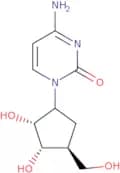
CAS:Carbocyclic analog of cytidineFórmula:C10H15N3O4Pureza:Min. 95%Cor e Forma:PowderPeso molecular:241.24 g/mol2-(Aminomethyl)pyrimidine oxalate
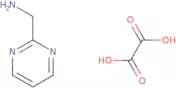
CAS:<p>2-(Aminomethyl)pyrimidine oxalate is a substance that can be found in cicer arietinum. This compound has been shown to be tumorigenic, and it is hypothesized that the tumorigenicity of this compound is due to its ability to recombine with DNA and expressed genes, which may lead to the development of tumors. 2-(Aminomethyl)pyrimidine oxalate has been shown to activate translation of genes that are involved in tumorigenesis. The gene product which has been identified as being activated by 2-(aminomethyl)pyrimidine oxalate is called rhizogenes. Rhizogenes have been shown to have virulent phenotypes when exposed to cicer arietinum. With all these properties, it is believed that 2-(aminomethyl)pyrimidine oxalate may cause cancer or other harmful effects on organisms.br><br>br></p>Fórmula:C5H7N3·C2H2O4Pureza:Min. 95%Peso molecular:199.16 g/molBis(2-cyanoethyl)-N,N-diisopropyl phosphoramidite
CAS:Bis(2-cyanoethyl)-N,N-diisopropyl phosphoramidite is a potent inhibitor that targets human immunodeficiency virus (HIV) and cancer. It acts as an analog of substrates for human plasma membrane kinases, which are essential for the replication of HIV. Bis(2-cyanoethyl)-N,N-diisopropyl phosphoramidite has been shown to inhibit lung metastasis in mice, indicating its potential therapeutic use against cancer. This compound also exhibits inhibitory activities against Escherichia coli alkaline phosphatase and other enzymes, suggesting its pharmacological activity may extend beyond HIV and cancer treatment. Overall, Bis(2-cyanoethyl)-N,N-diisopropyl phosphoramidite is a promising inhibitor with potential applications in multiple fields.Fórmula:C12H22N3O2PPureza:Min. 90 Area-%Cor e Forma:Slightly Yellow Clear LiquidPeso molecular:271.3 g/mol9-Deaza-2'-deoxyguanosine
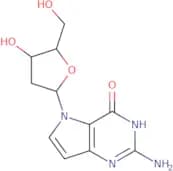
CAS:9-Deaza-2'-deoxyguanosine is a novel synthetic nucleoside that activates the ribonucleotide reductase enzyme. The activation of this enzyme was found to be dependent on the presence of diphosphate, which is a cofactor for this enzyme. 9-Deaza-2'-deoxyguanosine has been shown to inhibit the growth of cells in culture and to induce apoptosis. It also inhibits viral replication by interfering with the synthesis of viral DNA. In addition, 9-Deaza-2'-deoxyguanosine can inhibit tumor cell proliferation and promote differentiation in vitro.Fórmula:C11H14N4O4Pureza:Min. 95%Peso molecular:266.25 g/mol3'-Azido-3'-deoxythymidine-methyl-D3-2,3,4-tri-O-acetyl-b-D-glucuronide methyl ester
Produto Controlado3'-Azido-3'-deoxythymidine-methyl-D3-2,3,4-tri-O-acetyl-b-D-glucuronide methyl ester (AZT) is a novel nucleoside compound that is a phosphoramidite. AZT has antiviral activity against various DNA and RNA viruses, including HIV. It is also effective in the treatment of cancer. AZT inhibits viral replication by competitively inhibiting the incorporation of diphosphate into viral DNA or RNA. This process prevents the synthesis of new virus particles and the spread of infection to healthy cells. In addition, AZT may inhibit tumor growth by interfering with cell division and DNA synthesis.Fórmula:C23H26D3N5O13Pureza:Min. 95%Peso molecular:586.52 g/mol(2'R)-N-Benzoyl-2'-deoxy-2'-fluoro-2'-methylcytidine 3',5'-d
CAS:(2'R)-N-Benzoyl-2'-deoxy-2'-fluoro-2'-methylcytidine 3',5'-diphosphate (2'R)-N-benzoyl-2'-deoxy-2'-fluoro-2'-methylcytidine 3',5'-diphosphate) is a modified nucleoside that is an antiviral, anticancer, and activator of DNA synthesis. It has been shown to be the first synthetic nucleotide analogue to have significant activity against HIV in vitro. The synthesis of this compound starts with the diphosphate or monophosphate form of cytidine. The phosphate group is removed and replaced with a 2'R benzoyl group. This process is followed by fluorination and methylation steps. Finally, the 5' hydroxyl group is cleaved to give 2'R -N benzoyl 2'-deoxy-2'-fluoro-2'-Fórmula:C31H26FN3O7Pureza:Min. 95%Peso molecular:571.55 g/mol5-Hydroxymethyl-dc ce-phosphoramidite (hmdc)
CAS:<p>Please enquire for more information about 5-Hydroxymethyl-dc ce-phosphoramidite (hmdc) including the price, delivery time and more detailed product information at the technical inquiry form on this page</p>Fórmula:C50H57N6O9PPureza:Min. 95%Peso molecular:917 g/mol5-Phenylcytidine
CAS:5-Phenylcytidine is a nitro compound that is used as an antiviral agent. It inhibits the replication of the virus by interfering with viral DNA synthesis and preventing the assembly of viral proteins. 5-Phenylcytidine is also capable of inhibiting influenza A virus in vitro at concentrations below 1 μM and has been shown to inhibit herpes simplex virus type 1 (HSV-1) in cell culture. The antiviral activity of 5-phenylcytidine may be due to its ability to form a stable reaction product with cytosine in alkaline conditions, which prevents the incorporation of this nucleobase into DNA or RNA.Pureza:Min. 95%N4-Acetyl-5'-O-DMT-2'-O-triisopropylsilyloxymethyl-5-methylcytidine 3'-CE phosphoramidite
CAS:N4-Acetyl-5'-O-DMT-2'-O-triisopropylsilyloxymethyl-5-methylcytidine 3'-CE phosphoramidite is a novel nucleoside phosphoramidite. It has been synthesized and purified by using the latest technology. It is a monophosphate, which is used in the synthesis of DNA, RNA, and other nucleic acids. It can be used for anticancer research and as a pharmaceutical intermediate.Fórmula:C52H74N5O10PSiPureza:Min. 95%Cor e Forma:White/Off-White SolidPeso molecular:988.23 g/mol5-O-Tritylinosine
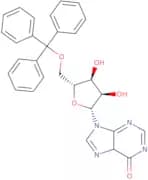
CAS:5-O-Tritylinosine is a modified nucleoside that has shown anticancer and antiviral properties. It is the monophosphate ester of 5-methyluracil and has been shown to inhibit DNA synthesis in vitro. 5-O-Tritylinosine has also been shown to inhibit the replication of herpes simplex virus type 1, which may be due to its ability to inhibit viral DNA polymerase.Fórmula:C29H26N4O5Pureza:Min. 95%Peso molecular:510.54 g/molIsowyosine
CAS:<p>Isowyosine is a protein that catalyzes the synthesis of purines, which are essential for DNA synthesis and repair. Isowyosine is found in mammalian cells, where it has been observed to play a role in the translation of messenger RNA (mRNA). Isowyosine also plays a role in the synthesis of viral proteins and viral replication. It has been shown to be active against various viruses, including herpes simplex virus and influenza virus. Isowyosine may also have anti-cancer properties due to its ability to inhibit tumor growth.</p>Fórmula:C14H17N5O5Pureza:Min. 95%Cor e Forma:PowderPeso molecular:335.32 g/molN6-Acetyl-2'-deoxy-5'-O-DMT-adenosine
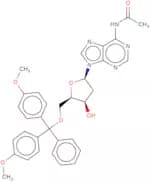
<p>N6-Acetyl-2'-deoxy-5'-O-DMT adenosine is a modified nucleoside that can be used as an antiviral or anticancer agent. It has been shown to inhibit the replication of HIV in vitro and in vivo, and also inhibits the replication of hepatitis B virus. N6-Acetyl-2'-deoxy-5'-O-DMT adenosine is active against cancer cells in vitro and inhibits the growth of human breast cancer xenografts in athymic mice. This compound also has high purity, high quality, and novel properties.</p>Fórmula:C33H33N5O6Pureza:Min. 95%Peso molecular:595.65 g/molN4-Benzoyl-2'-O-tert-butyldimethylsilyl-5'-O-DMT-cytidine 3'-CE phosphoramidite
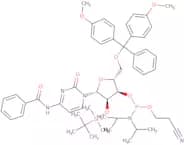
CAS:<p>N4-Benzoyl-2'-O-tert-butyldimethylsilyl-5'-O-DMT-cytidine 3'-CE phosphoramidite is a high purity, Ribonuclesides, Anticancer, High quality, Antiviral, Nucleosides, CAS No. 118380-84-0, Deoxyribonucleosides, Modified, monophosphate and Phosphoramidites. It is an important reagent for the synthesis of DNA and RNA oligonucleotides. This product has novel properties as an anticancer drug and antiviral agent.</p>Fórmula:C52H66N5O9PSiPureza:Min. 95%Cor e Forma:PowderPeso molecular:964.19 g/mol5’-Azido-2’,5’-dideoxyuridine
CAS:<p>5’-Azido-2’,5’-dideoxyuridine (5ADU) is a pyrimidine nucleoside that has been used to treat cancer. It is converted to 5-azidouracil which inhibits the synthesis of thymidylate, an essential component of DNA. 5ADU is also active against herpes virus and can be used as an antiviral agent. This drug has been shown to protect against radiation damage by inhibiting the formation of free radicals. The protonation of 5ADU leads to a stereochemical rearrangement that prevents the formation of free radicals. 5ADU does not inhibit bacterial enzymes, but it does have some effect on viruses, such as herpes virus, because they contain DNA or RNA similar to human cells.</p>Fórmula:C9H11N5O4Pureza:Min. 95%Peso molecular:253.21 g/mol8-Methoxyadenosine
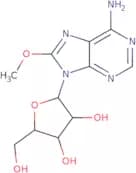
CAS:8-Methoxyadenosine is an acidic adenosine that acts as a competitive antagonist of the A1 receptor. It has a high affinity for this receptor and blocks the binding of adenosine to the receptor, thereby inhibiting its function. 8-Methoxyadenosine is also a competitive antagonist of the uridine nucleotide, which inhibits enzymatic catalysis by ribonucleoside kinase and ribonucleotide reductase. It has been shown to have properties similar to those of other pyrimidine nucleosides such as cytidine, thymine, and uridine. This molecule has a hydroxyl group in its structure, which is essential for binding to these enzymes. 8-Methoxyadenosine also has a phosphate group in its structure, which is necessary for the synthesis of DNA or RNA from deoxyribonucleotides. The benzoate group in 8-methoxyadenosine's structure makesPureza:Min. 95%3'-O-Allyluridine
<p>3'-O-Allyluridine is a nucleoside that has antiviral, anticancer, and antibacterial activities. 3'-O-Allyluridine is an activator of RNA polymerase and is used to synthesize DNA in vitro. It can be used as a substrate for phosphoramidites in the synthesis of oligonucleotides with modified backbones. 3'-O-Allyluridine has been shown to inhibit the growth of cancer cells by blocking the synthesis of DNA and RNA. The drug also inhibits the production of ribonucleases, which are enzymes that break down RNA in cells.</p>Fórmula:C12H16N2O6Pureza:Min. 95%Peso molecular:284.27 g/molN,7-Dimethyl- 2'- O- methylguanosine
CAS:<p>N,7-Dimethyl-2'-O-methylguanosine (DMOG) is a modified nucleoside with antiviral and anticancer properties. DMOG can be used as an activator of transcription, which activates the synthesis of viral RNA and dsDNA. This compound has shown to inhibit the activity of HIV by preventing reverse transcriptase from synthesizing DNA from viral RNA. It also inhibits tumor cell proliferation by inhibiting DNA synthesis and protein synthesis. DMOG is synthesized in high purity by chemical phosphoramidite chemistry.</p>Fórmula:C13H20N5O5Pureza:Min. 95%Peso molecular:326.33 g/mol5-Fluorocytosine arabinoside
CAS:<p>5-Fluorocytosine arabinoside (5FCA) is an analog of fluorocytosine and a degradable prodrug that is converted to fluorouracil (5FU) in the human liver. It acts as an inhibitor of DNA synthesis and has been used for the treatment of leukemias. 5-Fluorocytosine arabinoside is rapidly degraded by tissue culture cells, which may be due to its reactive functional groups. The inhibitory activity of this drug against cell culture was found to be minimal at low concentrations and reached a maximum at concentrations greater than 1 mM. The affinity ligands for this compound are reactive functional groups such as sulfhydryl, hydroxyl, and carboxyl groups, but not ester or amide bonds. This drug can be used in the synthesis of affinity ligands with a reactive functional group.</p>Fórmula:C9H12FN3O5Pureza:Min. 95%Peso molecular:261.21 g/molN4-Benzoyl-2'-deoxy-3'-O-levulinoylcytidine
<p>N4-Benzoyl-2'-deoxy-3'-O-levulinoylcytidine is a nucleoside that is used as an antiviral and anticancer agent. It is a modified deoxyribonucleoside that has antiviral activity against HSV-1, HSV-2, and HIV. N4-Benzoyl-2'-deoxy-3'-O-levulinoylcytidine also has anticancer effects against leukemia cells in mice. This drug is synthesized from 2′,3′,5′triacetyladenosine by the reaction of 4-(1H)-benzoyloxymethyl)phenylacetic acid with triethylamine and levulinic acid chloride.</p>Fórmula:C21H23N3O7Pureza:Min. 95%Peso molecular:429.43 g/molN4-Benzoyl-2'-O-tert-butyldimethylsilyl-5'-O-DMT-2'C-methylcytidine 3'-CE phosphoramidite
<p>N4-Benzoyl-2'-O-tert-butyldimethylsilyl-5'-O-DMT-2'C-methylcytidine 3'-CE phosphoramidite is a novel, deoxynucleoside phosphoramidite with high purity and high quality. It has been used in the synthesis of anticancer agents, ribonucleotide analogues and antiviral agents. N4-Benzoyl-2'-O-tert-butyldimethylsilyl-5'-O-DMT-2'C-methylcytidine 3'-CE phosphoramidite can be used as an activator for DNA polymerase to synthesize DNA molecule.</p>Fórmula:C53H68N5O9PSiPureza:Min. 95%Peso molecular:978.19 g/molAdenylyl-3'-5'-uridine ammonium salt
CAS:<p>Adenylyl-3'-5'-uridine ammonium salt is a novel antiviral agent that has been shown to inhibit the activity of viral DNA polymerase, RNA polymerase and reverse transcriptase. It is also an anticancer agent that can be used as a cytotoxic agent against leukemia and lymphoma cells. Adenylyl-3'-5'-uridine ammonium salt is synthesized by the reaction of adenosine monophosphate with uracil in the presence of phosphate and ammonia. This compound can then be converted to ribonucleosides or deoxyribonucleosides by phosphorylation.<br>SYNONYMS: AMP-uridine; AMP-U; UMP</p>Fórmula:C19H24N7O12PPureza:Min. 95%Peso molecular:573.41 g/molN6-(tert-Butylphenoxyacetyl)-2'-O-methyl-5'-O-DMT-adenosine 3'-CE phosphoramidite
N6-(tert-Butylphenoxyacetyl)-2'-O-methyl-5'-O-DMT-adenosine 3'-CE phosphoramidite is a novel anticancer, antiviral and antifungal agent. It is synthesized by reacting the nucleoside adenosine with tert-butyl phenoxyacetic acid to form an activated ester derivative which reacts with 2'-O-methyl 5'-O-DMT in the presence of a phosphoramidite reagent to form a DNA precursor. The modified nucleotide has been shown to have high purity and good quality, as well as high antiviral and anti-cancer activities.Fórmula:C53H64N7O9PPureza:Min. 95%Peso molecular:974.09 g/mol8-(4-Amino-(2',3',4',5',6'-D5-biphenyl)-2'-deoxyguanosine
Produto Controlado<p>8-(4-Amino-(2',3',4',5',6'-D5-biphenyl)-2'-deoxyguanosine is a novel, diphosphate nucleoside with antiviral and anticancer activity. It has been shown to activate the transcription of genes that are involved in cell growth and differentiation. This drug also inhibits the synthesis of viral DNA by binding to the viral DNA polymerase, thereby inhibiting its function. 8-(4-Amino-(2',3',4',5',6'-D5-biphenyl)-2'-deoxyguanosine can be used as a phosphoramidite for the preparation of oligonucleotides for use in gene therapy.</p>Fórmula:C22H17N6O4D5Pureza:Min. 95%Cor e Forma:PowderPeso molecular:439.48 g/mol2-Amino-2'-deoxyadenosine 5'-triphosphate
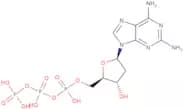
CAS:2-Amino-2'-deoxyadenosine 5'-triphosphate (2ADP) is a nucleotide that is involved in the synthesis of DNA. It is an important part of the process of DNA replication, as it provides the necessary energy to drive reactions that synthesize new DNA strands. It also has anti-viral properties and can be used as a molecular probe to detect acid. 2ADP is detectable with most common detection methods, such as UV/visible absorbance spectroscopy, fluorescence spectroscopy, and chemiluminescence. It is one of the three triphosphates found in cells and can be used to polymerize RNA by adding ribose phosphate groups to the sugar molecule in RNA. This reaction requires ATP, which produces AMP, ADP, and 2ADP.Fórmula:C10H17N6O12P3Pureza:Min. 95%Peso molecular:506.2 g/molDdCTP trilithium
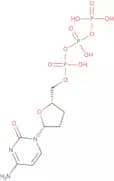
CAS:<p>2',3'-Dideoxycytidine-5'-triphosphate trilithium salt (ddCTP) is a nucleoside analogue that has been shown to inhibit the enzyme activity of DNA polymerase. The ddCTP is a prodrug, which is activated by phosphorylation catalyzed by cellular kinases and then hydrolyzed to its active form, dideoxycytidine triphosphate (ddCTP). This drug also inhibits the synthesis of DNA and RNA. In vitro studies have shown that ddCTP causes cell lysis in murine sarcoma virus-infected cells, although it does not affect uninfected cells. 2',3'-Dideoxycytidine-5'-triphosphate trilithium salt has been shown to be an effective inhibitor of HIV reverse transcriptase and HIV protease in biochemical assays. It has also been found to be an effective inhibitor of mouse monoclon</p>Fórmula:C9H13N3Li3O12P3Pureza:Min. 95%Cor e Forma:LiquidPeso molecular:468.96 g/mol3'-Azido-2'-deoxy-5'-O-DMT-thymidine
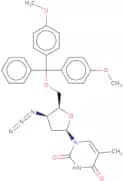
CAS:3'-Azido-2'-deoxy-5'-O-DMT-thymidine is a novel and potent activator of ribonucleotide reductase. It has been shown to be an effective inhibitor of DNA synthesis and antiviral agent, with a low cytotoxicity profile. 3'-Azido-2'-deoxy-5'-O-DMT-thymidine is synthesized from DMT, which is readily available in the form of its monophosphate or diphosphate. The compound has been shown to inhibit viral replication by inhibiting viral reverse transcriptase activity. 3'-Azido-2'-deoxy-5'-O-DMT-thymidine also inhibits DNA synthesis in cancer cells.Fórmula:C31H31N5O6Pureza:Min. 95%Peso molecular:569.61 g/molN4-Acetyl-5'-O-DMT-cytidine 3'-CE phosphoramidite
N4-Acetyl-5'-O-DMT-cytidine 3'-CE phosphoramidite is a monophosphate nucleoside that is an important building block in nucleic acid synthesis. It has been shown to be effective against cancer cells and HIV infection. N4-Acetyl-5'-O-DMT-cytidine 3'-CE phosphoramidite also inhibits the production of viral proteins, including new viral particles, by binding to the RNA polymerase enzyme in cells. This compound can be used as a novel antiviral agent for the treatment of human immunodeficiency virus type 1 (HIV1) infections.Pureza:Min. 95%





![3-(2'-Deoxy-β-D-2-ribofuranosyl)pyrido[2,3-d]pyrimidine-2,7(8H)-dione](/_next/image/?url=https%3A%2Fstatic.cymitquimica.com%2Fproducts%2F3D%2Fthumb-webp%2FZDA51798.webp&w=3840&q=75)

![6-[(4-Nitrobenzyl)thio]-9-(b-D-ribofuranosyl)purine-5'-monophosphate disodium salt](/_next/image/?url=https%3A%2Fstatic.cymitquimica.com%2Fproducts%2F3D%2Fthumb-webp%2FNN07313.webp&w=3840&q=75)