Outros
Foram encontrados 6275 produtos de "Outros"
Ordenar por
Pureza (%)
0
100
|
0
|
50
|
90
|
95
|
100
MDV 3100 (Enzalutamide)
CAS:Produto Controlado<p>Applications MDV 3100 is an androgen-receptor antagonist that blocks androgens from binding to the androgen receptor and prevents nuclear translocation and co-activator recruitment of the ligand-receptor complex. MDV 3100 has also been shown to induce tumor cell apoptosis, and has no agonist activity. MDV 3100 is a candidate for the treatment of castration-resistant prostate cancer.<br>References Scher, H.I. et al.: Lancet, 375, 1437 (2010); Bellmunt, J. et al.: Ther. Adv. Med. Oncol., 2, 189 (2010); Ryan, C.J. et al.: J. Clin. Oncol., 29, 3651 (2011);<br></p>Fórmula:C21H16F4N4O2SCor e Forma:WhitePeso molecular:464.44Zopiclone
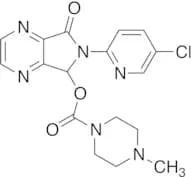
CAS:Produto Controlado<p>Stability Hygroscopic<br>Applications Cyclopyrrolone member of a family of non-benzodiazepine GABAA receptor agonists. This is a controlled substance (depressant) in the US but not in Canada. Sedative, hypnotic.<br>References Noble, S., et al.: Drugs, 55, 277 (1998), Musch, B., et al.: Int. J. Clin. Psychopharmacol., 5, 147 (1990),<br></p>Fórmula:C17H17ClN6O3Cor e Forma:White To Off-WhitePeso molecular:388.81cis-Entacapone
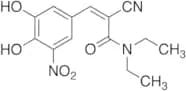
CAS:Produto Controlado<p>Impurity Entacapone EP Impurity A<br>Applications cis-Entacapone (Entacapone EP Impurity A) is the (Z)-Isomer of Entacapone polymorphic form B. Antiparkinsonian.<br>References Karlsson, M., et al.: J. Pharm. Biomed. Anal., 10, 593 (1992), Nissinen, E., et al.: Arch. Pharmacol., 346, 262 (1992), Wikberg, T., et al.: Eur. J. Drug Metab. Pharmacokinet., 18, 359 (1993),<br></p>Fórmula:C14H15N3O5Cor e Forma:NeatPeso molecular:305.29Memantine Glycine
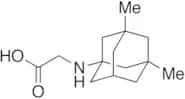
CAS:Produto Controlado<p>Stability Hygroscopic<br>Applications An impurity of the antiparkinsonian and antispasmodic agent Memantine (M218000).<br>References Rystov, L. et al.: J. Pharmac. Biomed. Anal., 56, 887 (2011);<br></p>Fórmula:C14H23NO2Cor e Forma:NeatPeso molecular:237.34Zafirlukast-d7
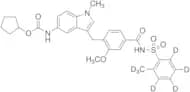
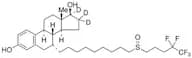
CAS:Produto Controlado<p>Applications A potent, selective and orally active labelled cysteinyl leukotriene type 1 receptor antagonist. Used as an antiasthmatic.<br>References Matassa, V.G., et al.: J. Med. Chem., 33, 1781 (1990), Findlay, S.R., et al.: J. Allergy Clin. Immunol., 89, 1040 (1992), Krell, R.D., et al.: Am. Rev. Respir. Dis., 141, 978 (1990), Dunn, C.J., Drugs, 61, 285 (2001),<br></p>Fórmula:C31H26D7N3O6SCor e Forma:NeatPeso molecular:582.72Fulvestrant-d3
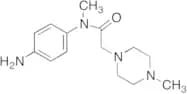
CAS:Produto ControladoFórmula:C32H44D3F5O3SCor e Forma:White To Off-WhitePeso molecular:609.79N-(4-Aminophenyl)-N-methyl-2-(4-methylpiperazin-1-yl)acetamide
CAS:Fórmula:C14H22N4OCor e Forma:Off-White To BeigePeso molecular:262.354-Hydroxybenzoic Acid-d4
CAS:Produto Controlado<p>Applications An impurity of labelled Salicylic Acid synthesis<br>References Kovacik, J., et al.: J. Agric. Food Chem., 57, 9848 (2009), Gao, X., et al.: Anal. Biochem., 393, 163 (2009), Rocher, F., et al.: Plant Physiol., 150, 2081 (2009),<br></p>Fórmula:C72H4H2O3Cor e Forma:NeatPeso molecular:142.157-Ethyl-5-oxo-5H-[1]benzopyrano[2,3-b]pyridine
CAS:Produto Controlado<p>Applications 7-Ethyl-5-oxo-5H-[1]benzopyrano[2,3-b]pyridine is known to show antihistiminic and anaphylactic compounds.<br>References Tozzi, S. et al.: J. Med. Chem., 18, 1 (1975);<br></p>Fórmula:C14H11NO2Cor e Forma:NeatPeso molecular:225.24Gimeracil-13C3
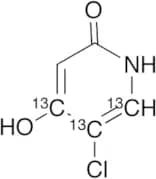
CAS:Produto Controlado<p>Applications Antitumor agent. A potent inhibitor of dihydropyrimidine dehydrogenase (DPD).<br>References Shirasaka, T., et al.: Cancer Res., 56, 2602 (1996), Patt, Y., et al.: J. Clin. Oncol., 22, 271 (2004), Shirao, K., et al.: Cancer, 100, 2355 (2004), Kelly, H., et al.: J. Clin. Oncol., 23, 4553 (2005),<br></p>Fórmula:C213C3H4ClNO2Cor e Forma:NeatPeso molecular:148.524-[[4-Fluoro-3-(1-piperazinylcarbonyl)phenyl]methyl]-1(2H)-phthalazinone
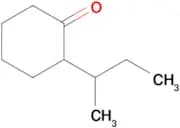
CAS:Produto ControladoFórmula:C20H19FN4O2Cor e Forma:Off-WhitePeso molecular:366.392-(sec-Butyl)cyclohexanone
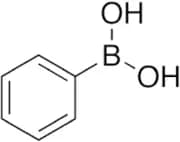
CAS:Pureza:95.0%Cor e Forma:Liquid, No data available.Peso molecular:154.2530059814453Phenylboronic Acid (95%)
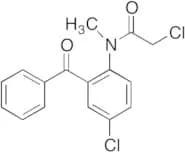
CAS:Produto Controlado<p>Applications Phenylboronic Acid is a compound used in organic synthesis of various pharmaceutical goods.<br>References Ainley, A.D., et al.: J. Chem. Soc., 2171 (1930);<br></p>Fórmula:C6H7BO2Pureza:95%Cor e Forma:NeatPeso molecular:121.93N-(2-Benzoyl-4-chlorophenyl)-2-chloro-N-methylacetamide
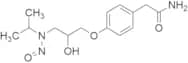
CAS:Produto Controlado<p>Impurity Diazepam EP Impurity B<br>Applications N-(2-Benzoyl-4-chlorophenyl)-2-chloro-N-methylacetamide (Diazepam EP Impurity B) is the impurity of Temazepam (T017200), which is a pharmacologically active metabolite of Diazepam. It is used as a sedative and hypnotic drug.<br>References Sarteschi, P., et al.: Arzneim.-Forsch., 22, 93 (1972), Schwandt, H.J., et al.: Xenobiotica, 4, 733 (1974), Curry, S.H., et al.: Br. J. Pharmacol., 57, 427 (1976), Heel, R.C., et al.: Drugs, 21, 321 (1981)<br></p>Fórmula:C16H13Cl2NO2Cor e Forma:White To Light BeigePeso molecular:322.19N-Nitrosoatenolol
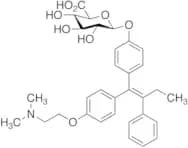
CAS:Produto Controlado<p>Applications N-Nitrosoatenolol is an N-nitroso derivative of Atenolol (A790075), which is a cardioselective β-adrenergic blocker. Antihypertensive, antianginal, antiarrhythmic (class II). N-Nitrosoatenolol can be used for its genotoxic effect in rat and human hepatocytes.<br>References Caplar, V., et al.: Anal. Profiles Drug Subs., 13, 1 (1984); Robbiano, L., et.al., Cancer Res., 51, 2273-2279, (1991);<br></p>Fórmula:C14H21N3O4Cor e Forma:White To Off-WhitePeso molecular:295.33(E)-4-Hydroxy Tamoxifen O-β-D-Glucuronide
CAS:Produto Controlado<p>Applications A glucuronide of (Z)-4-Hydroxy Tamoxifen (or trans-4-hydroxytamoxifen), an active metabolite of Tamoxifen (T006000).<br>References Beaulieu, M., et al.: J. Biol. Chem., 271, 22855 (1996), Green, M., et al.: Drug Metab. Dispos., 26, 860 (1998), Nishiyama, T., et al.: Biochem. Pharmacol., 63, 1817 (2002),<br></p>Fórmula:C32H37NO8Pureza:>90%Cor e Forma:NeatPeso molecular:563.643,5-Dimethyl-1-adamantanol
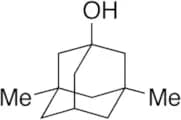
CAS:Produto Controlado<p>Impurity Memantine USP Related Compound B (3,5-Dimethyladamantane-1-ol)<br>Applications 3,5-Dimethyl-1-adamantanol is an impurity of Memantine (M218000). Memantine impurity B. Memantine USP Related Compound B (3,5-Dimethyladamantane-1-ol).<br>References England, P., et al.: Biochemistry, 43, 11623 (2004), Schousboe, A., et al.: Eur. J. Pharmacol., 500, 281 (2004), Horvat, S., et al.: J. Med. Chem., 49, 3136 (2006),<br></p>Fórmula:C12H20OCor e Forma:WhitePeso molecular:180.29Gentisuric Acid
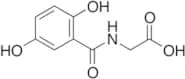
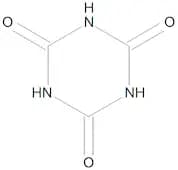
CAS:<p>Applications Gentisuric Acid is a metabolite that was found in hen plasma, tissues, and eggs as a result of the consumption of naturally occurring salicylates.<br>References Protasiuk, E., & Olejnik, M.: Food Addit. Contam. Part A, 37, 946 (2020)<br></p>Fórmula:C9H9NO5Cor e Forma:NeatPeso molecular:211.17Cyanuric Acid (1 mg/10 mL in 84:16% ACN:H2O)
CAS:Produto ControladoFórmula:C3H3N3O3Cor e Forma:Single SolutionPeso molecular:129.07{5-[1-(benzylamino)cyclohexyl]-1H-tetrazol-1-yl}acetic acid
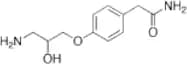
CAS:Pureza:95.0%Peso molecular:315.377014160156254-(3-Amino-2-hydroxypropoxy)phenylacetamide
CAS:Produto Controlado<p>Impurity Atenolol Impurity 3; Atenolol Impurity 1<br>Applications Atenolol Impurity 3. Atenolol Impurity 1.<br> Not a dangerous good if item is equal to or less than 1g/ml and there is less than 100g/ml in the package<br></p>Fórmula:C11H16N2O3Cor e Forma:NeatPeso molecular:224.267,7’-Nonane-1,9-diylbis[estra-1,3,5(10)-triene-3,17β-diol](Mixture of Diastereomers)
Produto Controlado<p>Applications Fulvestrant (F862500) impurity D.<br></p>Fórmula:C45H64O4Cor e Forma:NeatPeso molecular:668.99(2-Cyclohexyl)ethyl 5-(1,3-dioxolan-2-yl)-2-thienyl ketone
CAS:Pureza:97.0%Peso molecular:294.4100036621094Cimaterol-d7
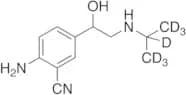
CAS:Produto Controlado<p>Applications A labelled β-adrenergic agonist, related to Clenbuterol and Mabuterol. A repartitioning agent.<br>References Engelhardt, G., et al.: Arzneim.-Forsch., 34, 1625 (1984),<br></p>Fórmula:C122H7H10N3OCor e Forma:NeatPeso molecular:226.332,8-Dichloro-6,12-diphenyldibenzo[b,f][1,5]diazocine
CAS:Produto ControladoFórmula:C26H16Cl2N2Cor e Forma:NeatPeso molecular:427.325Bimatoprost-d5
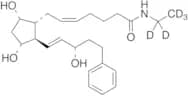
CAS:Produto Controlado<p>Applications Labelled Bimatoprost (B386800). Bimatoprost is an antiglaucoma agent. Bimatoprost is an synthetic prostamide; structurally related to prostaglandin F2α.<br>References Brandt, J.D., et al.: Ophthalmology, 108, 1023 (2001), Woodward, D.F., et al.: J. Pharmacol. Exp. Ther., 305, 772 (2003), Quinones, R., et al.: J. Ocul. Pharmacol. Ther., 20, 115 (2004),<br></p>Fórmula:C25H32D5NO4Cor e Forma:NeatPeso molecular:420.6Nordazepam-d5
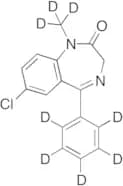
CAS:Produto Controlado<p>Applications The primary labelled metabolite of Diazepam. A ligand for the GABAA receptor benzodiazepine modulatory site. Anxiolytic.Controlled substance (depressant).<br>References Klotz, U., et al.: Br. J. Clin. Pharmacol., 7, 119 (1979), Konishi, M., et al.: J. Pharm. Sci., 67, 1777 (1978), Andreoli, V., et al.: Arzneim.-Forsch., 27, 436 (1977), Miller, R.P., et al.: Toxicol. Appl. Pharmacol., 25, 453 (1973), Margolis, J., et al.: Drug Metab. Dispos., 31, 606 (2003),<br></p>Fórmula:C152H5H6ClN2OCor e Forma:NeatPeso molecular:275.74d-Cloprostenol Sodium Salt
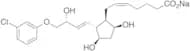
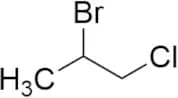
CAS:<p>Stability Hygroscopic<br>Applications d-Cloprostenol Sodium Salt is the d-enantiomer of Cloprostenol (C587300), an aryl-oxymethyl analog of prostaglandin F2α.<br>References Gumen, A., et al.: J. Animal. Sci., 56, 279 (2011); Leterlier, C.A., et al.: Reproduct. Domestic. Animals., 46, 481 (2011); Martins, J.P.N., et al.: J. Diary. Sci., 94, 2815 (2011);<br></p>Fórmula:C22H28ClO6·NaCor e Forma:NeatPeso molecular:446.902-Bromo-1-chloropropane
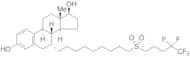
CAS:Fórmula:C3H6BrClPureza:>90%Cor e Forma:Colourless LiquidPeso molecular:157.44Fulvestrant 9-Sulfone
CAS:Produto Controlado<p>Impurity Fulvestrant EP Impurity B<br>Applications A metabolite of Fulvestrant (F862500).<br>References Rao, P., et al.: J. Steroid Biochem., 25, 417 (1986), Wakeling, A., et al.: J. Steroid Biochem. Mol. Biol., 43, 173 (1992), DeFriend, D., et al.: Cancer Res., 54, 408 (1994),<br></p>Fórmula:C32H47F5O4SCor e Forma:NeatPeso molecular:622.772,3-Dihydro-1-(3-hydroxypropyl)-5-[(2R)-2-[[2-[2-(2,2,2-trifluoroethoxy)phenoxy]ethyl]amino]propyl]
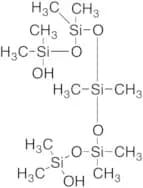
CAS:Produto Controlado<p>Applications An impurity in the synthesis of Silodosin (S465000), an α1a-adrenoceptor antagonist. It is used in treatment of benign prostatic hypertophy.<br>References Barve, I. et al.: Tetra., 69, 2834 (2013); Shibata, K., et al.: Mol. Pharmacol., 48, 250 (1995), Murata, S., et al.: J. Urol., 164, 578 (2000),<br></p>Fórmula:C25H30F3N3O3Cor e Forma:Light YellowPeso molecular:477.52Decamethyl-1,9-Pentasiloxanediol
CAS:Produto ControladoFórmula:C10H32O6Si5Cor e Forma:ColourlessPeso molecular:388.78Zaleplon-d5
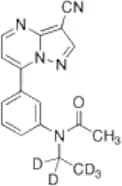
CAS:Produto Controlado<p>Applications Selective non-benzodiazepine GABAA receptor agonist.<br>References Allen, D., et al.: Eur. J. Clin. Pharmacol., 45, 313 (1993), Beer, B., et al.: J. Clin. Pharmacol., 34, 335 (1994), Rosen, A.S., et al.: Biopharm. Drug Dispos., 20, 171 (1999), Elie, R., et al.: J. Clin. Psychiatry, 60, 536 (1999), Heydorn, W.E., et al.: Expert Opin. Invest. Drugs, 9, 841 (2000)<br></p>Fórmula:C172H5H10N5OCor e Forma:Off White SolidPeso molecular:310.36Gimeracil
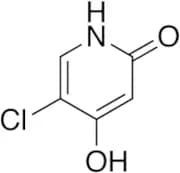
CAS:Produto Controlado<p>Applications Gimeracil is an antitumor agent. Gimeracil is a potent inhibitor of dihydropyrimidine dehydrogenase (DPD).<br>References Shirasaka, T., et al.: Cancer Res., 56, 2602 (1996), Patt, Y., et al.: J. Clin. Oncol., 22, 271 (2004), Shirao, K., et al.: Cancer, 100, 2355 (2004), Kelly, H., et al.: J. Clin. Oncol., 23, 4553 (2005),<br></p>Fórmula:C5H4ClNO2Cor e Forma:NeatPeso molecular:145.54α-Methyl-5-oxo-5H-[1]benzopyrano[2,3-b]pyridine-7-acetic Acid
CAS:<p>Applications 7-Ethyl-5-oxo-5H-[1]benzopyrano[2,3-b]pyridine is known to show antihistiminic and anaphylactic compounds. Maintains potential anti-inflammatory compounds.<br>References Valhondo, M. et al.: J. Med. Chem., 56, 7851 (2013); Ozcan, S. et al.: J. Med. Chem., 56, 3783 (2013); Tozzi, S. et al.: J. Med. Chem., 18, 1 (1975);<br></p>Fórmula:C15H11NO4Cor e Forma:NeatPeso molecular:269.25214-(3-Chloro-2-hydroxypropoxy)benzeneacetamide (Atenolol Impurity D)
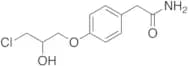
CAS:Produto Controlado<p>Impurity Atenolol EP Impurity D<br>Applications 4-(3-Chloro-2-hydroxypropoxy)benzeneacetamide is an impurity of Atenolol (A790075), a cardioselective β-adrenergic blocker. Atenolol EP Impurity D<br>References Caplar, V., et al.: Anal. Profiles Drug Subs., 13, 1 (1984); Pai, N.R., et al.: J. Chem. Pharma. Rsch., 4, 375 (2012);<br></p>Fórmula:C11H14ClNO3Cor e Forma:WhitePeso molecular:243.69Delorazepam 4-Oxide
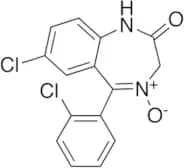
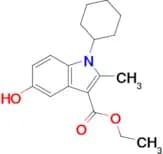
CAS:Produto Controlado<p>Applications Delorazepam 4-Oxide is an N-oxide of Delorazepam (D230675) and an intermediate in the synthesis of Lorazepam (L469850).<br>References Cepanec, I. et al.: Org. Proc. Res. Dev., 10, 1192 (2006); Guerrato, A. et al.: Boll. Chim. Farm., 126, 170 (1987);<br></p>Fórmula:C15H10Cl2N2O2Cor e Forma:WhitePeso molecular:321.16Ethyl 1-cyclohexyl-5-hydroxy-2-methyl-1h-indole-3-carboxylate
CAS:Pureza:98+%Peso molecular:301.385986328125Hexamethyldisilazane
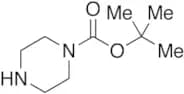
CAS:Produto Controlado<p>Applications Hexamethyldisilazane is used in the preparation of 5-azacytidine, an antineoplastic drug. Also used in the preparation of β3-AR agonists used in anti-stress formulations.<br> Not a dangerous good if item is equal to or less than 1g/ml and there is less than 100g/ml in the package<br>References Vujjini, S. et al.: Org. Proc. Res. Dev., 17, 303 (2013); Xu, F. et al.: Org. Lett., 15, 1342 (2013);<br></p>Fórmula:C6H19NSi2Cor e Forma:NeatPeso molecular:161.39N-Boc-piperazine
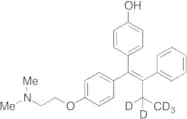
CAS:<p>Applications N-Boc-piperazine (cas# 57260-71-6) is a compound useful in organic synthesis.<br></p>Fórmula:C9H18N2O2Cor e Forma:NeatPeso molecular:186.25(E)-4-Hydroxy Tamoxifen-d5 (Contains up to 10% Z isomer)
CAS:Produto Controlado<p>Applications (E)-4-Hydroxy Tamoxifen-d5 is an labelled metabolite of Tamoxifen (T006000). A hydroxylated analogue of Tamoxifen with anti-estrogenic properties.<br>References Muerdter, T.E., et al.: Clin. Pharmacol. Therapeut., 89, 708 (2011); Dorchies, O. M., et al.: Am. J. Pathol., 182, 485 (2013);<br></p>Fórmula:C26H24D5NO2Cor e Forma:NeatPeso molecular:392.54Atenolol-d7
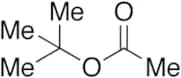
CAS:Produto Controlado<p>Applications Cardioselective β-adrenergic blocker. Antihypertensive, antianginal, antiarrhythmic (class II).<br>References Caplar, V., et al.: Anal. Profiles Drug Subs., 13, 1 (1984),<br></p>Fórmula:C14D7H15N2O3Cor e Forma:Off-WhitePeso molecular:273.38Tert-butyl Acetate
CAS:Produto Controlado<p>Applications Tert-butyl Acetate is a common solvent used in the production of various industrial cleansers, thinners and adhesives and is also known as a VOC.Environmental contaminants; Food contaminants<br> Not a dangerous good if item is equal to or less than 1g/ml and there is less than 100g/ml in the package<br>References Mackay, D., et al.: SAR. QSAR. Enviro. Res., 23, 205 (2012); Yang, Y.S., et al.: Toxicol. Res., 26, 293 (2010);<br></p>Fórmula:C6H12O2Cor e Forma:ColourlessPeso molecular:116.16Carfilzomib (2R,4R)-Diol
Produto Controlado<p>Applications Carfilzomib (2R,4R)-Diol is a derivative of Carflizomib (C183460), a second-generation proteasome inhibitor that is used as a treatment in relapsed and refractory multiple myeloma.<br>References Fostier, K., et al.: Oncotargets. Therap., 5, 237 (2012); Geurink, P.P., et al.: J. Med. Chem., 56, 1262 (2013); McCormack, P.L., et al.: Drugs., 72, 2023 (2012);<br></p>Fórmula:C40H59N5O8Cor e Forma:NeatPeso molecular:737.931-Hydroxypyrene
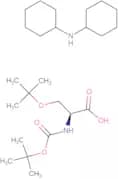
CAS:Produto ControladoFórmula:C16H10OCor e Forma:Light Yellow To Light BrownPeso molecular:218.25BOC-SER(TBU)-OH DCHA
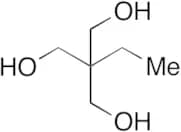
CAS:<p>M06199 - BOC-SER(TBU)-OH DCHA</p>Fórmula:C24H46N2O5Pureza:95%Cor e Forma:SolidPeso molecular:442.6411,1,1-Tris(hydroxymethyl)propane
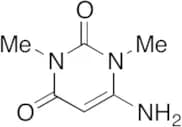
CAS:Produto Controlado<p>Applications 1,1,1-Tris(hydroxymethyl)propane is a building block often used to make polymers. 1,1,1-Tris(hydroxymethyl)propane has been used as a precursor to prepatre alkyd resins for linseed oil based paint.<br>References Wang, X., et. al.: J. Polym. Res., 18, 721 (2011); Isiri-Caglar, D., et. al.: Rog. Org. Coat., 77, 81 (2014); Heiskanen,N., et. al.: J. Appl. Polym. Sci., 119, 209 (2011)<br></p>Fórmula:C6H14O3Cor e Forma:White CrystallinePeso molecular:134.176-Amino-1,3-dimethyluracil
CAS:Produto Controlado<p>Applications 6-Amino-1,3-dimethyluracil is used as a reagent in the synthesis of new pyrimidine and caffeine derivatives that display highly potential antitumor activity. It is also used as a starting material in the synthesis of fused pyrido-pyrimidines.<br>References Abu-Hashem, A., et al.: Lett. Drug. Des. Discov., 12, 471 (2015); Azev, Y., et al.: Mendeleev Commun., 25, 310 (2015)<br></p>Fórmula:C6H9N3O2Cor e Forma:Light YellowPeso molecular:155.151-(Chloromethyl)cyclohexanecarbonitrile
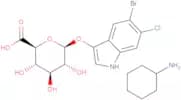
CAS:Pureza:95.0%Cor e Forma:LiquidPeso molecular:157.639999389648445-Bromo-6-chloro-3-indolyl β-D-glucuronide cyclohexylammonium salt
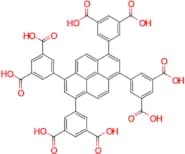
CAS:<p>M04074 - 5-Bromo-6-chloro-3-indolyl beta-D-glucuronide cyclohexylammonium salt</p>Fórmula:C20H26BrClN2O7Pureza:99%Cor e Forma:Solid, Beige powderPeso molecular:521.795,5',5'',5'''-(Pyrene-1,3,6,8-tetrayl)tetraisophthalic acid
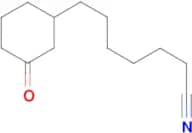
CAS:Pureza:98%Peso molecular:858.7199707031257-(3-oxocyclohexyl)heptanenitrile
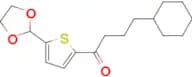
CAS:Pureza:97.0%Cor e Forma:LiquidPeso molecular:207.31700134277344(3-Cyclohexyl)propyl 5-(1,3-dioxolan-2-yl)-2-thienyl ketone
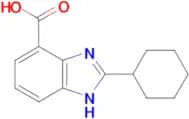
CAS:Pureza:97.0%Peso molecular:308.440002441406252-cyclohexyl-1H-1,3-benzodiazole-4-carboxylic acid
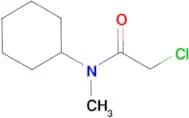
CAS:Pureza:95.0%Cor e Forma:Liquid, No data available.Peso molecular:244.294006347656252-chloro-N-cyclohexyl-N-methylacetamide
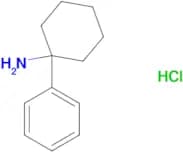
CAS:Pureza:95.0%Cor e Forma:LiquidPeso molecular:189.679992675781251-Phenylcyclohexylamine hydrochloride
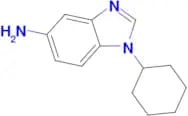
CAS:Pureza:95.0%Cor e Forma:SolidPeso molecular:211.729995727539061-Cyclohexyl-1H-benzoimidazol-5-ylamine
CAS:Fórmula:C13H17N3Pureza:97%Cor e Forma:SolidPeso molecular:215.3Ethyl 4-cyclohexyl-3-oxobutanoate
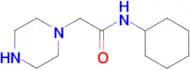
CAS:Pureza:95.0%Cor e Forma:Liquid, No data available.Peso molecular:212.28900146484375N-Cyclohexyl-2-piperazin-1-yl-acetamide
CAS:Pureza:98.0%Cor e Forma:SolidPeso molecular:225.33599853515625{[4-(1H-benzimidazol-2-yl)cyclohexyl]methyl}amine dihydrochloride
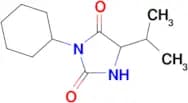
CAS:Pureza:95.0%Peso molecular:302.239990234375(1-cyclohexyl-2,5-dioxoimidazolidin-4-yl)acetic acid
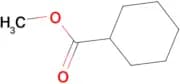
CAS:Pureza:95.0%Peso molecular:240.25900268554688Methyl cyclohexanecarboxylate
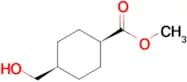
CAS:Fórmula:C8H14O2Pureza:98.0%Cor e Forma:LiquidPeso molecular:142.198Methyl cis-4-hydroxymethylcyclohexane-1-carboxylate
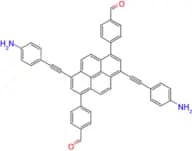
CAS:Pureza:97.0%Cor e Forma:LiquidPeso molecular:172.22399902343754,4'-(3,8-Bis((4-aminophenyl)ethynyl)pyrene-1,6-diyl)dibenzaldehyde
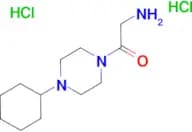
CAS:Pureza:97%Peso molecular:640.74200439453122-Amino-1-(4-cyclohexyl-piperazin-1-yl)-ethanone dihydrochloride
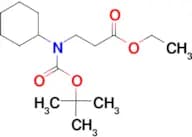
CAS:Pureza:98.0%Cor e Forma:Solid, CrystallinePeso molecular:298.253-(tert-Butoxycarbonyl-cyclohexyl-amino)-propionic acid ethyl ester
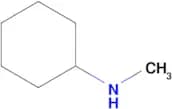
Pureza:95.0%Peso molecular:299.4110107421875N-Methylcyclohexylamine
CAS:Fórmula:C7H15NPureza:95.0%Cor e Forma:Liquid, Clear LiquidPeso molecular:113.2041-((4'-methoxy-[1,1'-biphenyl])-4-sulfonamido)cyclohexane-1-carboxylic acid
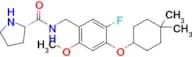
CAS:Pureza:95.0%Peso molecular:389.4700012207031(S)-N-(4-((4,4-DIMETHYLCYCLOHEXYL)OXY)-5-FLUORO-2-METHOXYBENZYL)PYRROLIDINE-2-CARBOXAMIDE
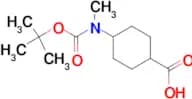
CAS:Pureza:95.0%Peso molecular:378.48800659179694-(TERT-BUTOXYCARBONYL-METHYL-AMINO)-CYCLOHEXANECARBOXYLIC ACID
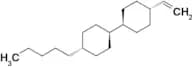
CAS:Pureza:95.0%Peso molecular:257.3299865722656(trans,trans)-4-Pentyl-4'-vinyl-1,1'-bi(cyclohexane)
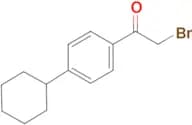
CAS:Pureza:95.0%Cor e Forma:SolidPeso molecular:262.48098754882812-Bromo-1-(4-cyclohexylphenyl)ethanone
CAS:Fórmula:C14H17BrOPureza:95%Cor e Forma:SolidPeso molecular:281.1931-((4-(o-tolyloxy)phenyl)sulfonamido)cyclohexane-1-carboxylic acid
CAS:Pureza:95.0%Peso molecular:389.4700012207031((1S,2S,5R)-2-Isopropyl-5-methylcyclohexyl)diphenylphosphine
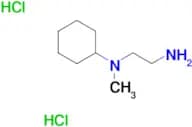
CAS:Fórmula:C22H29PPureza:98%Cor e Forma:SolidPeso molecular:324.448N1-Cyclohexyl-N1-methylethane-1,2-diamine dihydrochloride
CAS:Pureza:95.0%Peso molecular:229.190002441406251-(4-(BENZYLOXY)CYCLOHEXYL)-2-(5H-IMIDAZO[5,1-A]ISOINDOL-5-YL)ETHANOL
Pureza:90.0%Peso molecular:388.5109863281252-(4-Methylcyclohexylidene)acetic acid
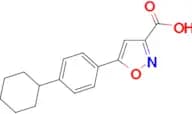
CAS:Fórmula:C9H14O2Pureza:95.0%Cor e Forma:SolidPeso molecular:154.2095-(4-cyclohexylphenyl)-1,2-oxazole-3-carboxylic acid
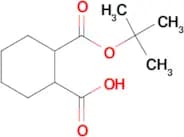
CAS:Pureza:95.0%Peso molecular:271.3160095214844Cyclohexane-1,2-dicarboxylic acid mono-tert-butylester
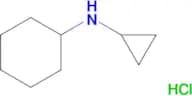
CAS:Pureza:97.0%Peso molecular:228.28799438476562N-cyclopropylcyclohexanamine hydrochloride
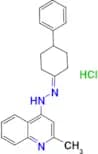
CAS:Pureza:95.0%Cor e Forma:SolidPeso molecular:175.69999694824222-methyl-4-(2-(4-phenylcyclohexylidene)hydrazinyl)quinoline hydrochloride
CAS:Pureza:95.0%Peso molecular:365.9100036621094Cyclohexylmethylhydrazine hydrochloride
CAS:Fórmula:C7H17ClN2Pureza:95.0%Cor e Forma:SolidPeso molecular:164.68Aldol® 515 β-D-xylopyranoside, Biosynth Patent: EP 2427431 and US 8940909
CAS:<p>Aldol® 515 beta-D-xylopyranoside is a chemiluminescent ligand that can be used for the detection of beta-xylosidase activity to yield a red color.</p>Fórmula:C28H34N2O6Pureza:Min. 95%Cor e Forma:PowderPeso molecular:494.59 g/molIPTG
CAS:<p>Isopropyl-beta-D-thiogalactopyranoside (IPTG) is a non-metabolizable allolactose analogue, widely used in molecular biology for overexpression of recombinant proteins from inducible systems under the control of lac promoter. IPTG binds to the LacI repressor and causes its release from the lac operator, allowing gene expression of lac operon to take place. IPTG is present in vectors of pGEX, pGEM-T, pET, pRSET, pMAL class and others.</p>Fórmula:C9H18O5SPureza:Min. 99 Area-%Cor e Forma:White PowderPeso molecular:238.3 g/mol5-Bromo-4-chloro-3-indoxyl-1-acetate
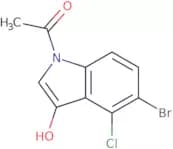
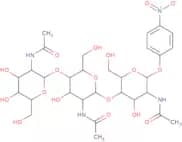
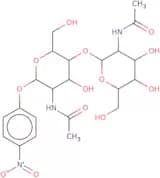
CAS:<p>5-Bromo-4-chloro-3-indoxyl-1-acetate is a chromogenic substrate used to detect the specific enzymatic activity of esterase. After cleavage, 5-bromo-4-chloro-indoxyl is released, resulting in a blue to blue-green color change in bacterial colonies or media. 5-Bromo-4-chloro-3-indoxyl-1-acetate is used in bacterial esterase activity assays (e.g. Pseudomonas spp.).</p>Pureza:Min. 95%Cor e Forma:PowderPeso molecular:288.52 g/mol4-Nitrophenyl 2-acetamido-6-O-(2-acetamido-2-deoxy-b-D-glucopyranosyl)-3-O-(b-D-galactopyranosyl)-2-deoxy-a-D-galactopyranoside
CAS:<p>4-Nitrophenyl 2-acetamido-6-O-(2-acetamido-2-deoxy-b-D-glucopyranosyl)-3-O-(b-D-galactopyranosyl)-2-deoxy-a-D-galactopyranoside is a specific chromogenic substrate designed for the highly sensitive and accurate detection of glycosidase enzyme activity. Glycosidases are responsible for the cleavage of glycosidic bonds between saccharide units in various carbohydrates. The hydrolysis of this substrate by glycosidase enzymes produces 4-nitrophenol, a yellow-colored compound that can be easily monitored through spectrophotometric measurements due to its strong absorbance at 405 nm. This chromogenic substrate is widely used in the analysis of glycosidase activity in various biological samples, including bacterial, fungal, and plant tissues, as well as in environmental samples and biotechnological applications.</p>Fórmula:C28H41N3O18Pureza:Min. 95 Area-%Cor e Forma:White PowderPeso molecular:707.63 g/mol5-Bromo-4-chloro-3-indoxyl-N-acetyl-β-D-galactosaminide
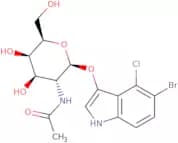
CAS:<p>5-Bromo-4-Chloro-3-Indoxyl-N-Acetyl-Beta-D-Galactosaminide is a chromogenic substrate for detecting beta-galactosidase and GalNAc-transferase enzymes. Upon hydrolysis by the enzyme, it produces a blue-green colored compound that can be detected visually or measured spectrophotometrically. This substrate is useful in characterizing the activity of Beta-Galactosidase and GalNAc-transferase enzymes involved in glycobiology research and diagnostic applications.</p>Fórmula:C16H18BrClN2O6Pureza:Min. 98 Area-%Cor e Forma:Crystalline PowderPeso molecular:449.68 g/mol4-Nitrophenyl butyrate
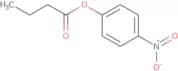
CAS:<p>Chromogenic substrate for esterases</p>Fórmula:C10H11NO4Pureza:Min. 98%Cor e Forma:Slightly Yellow Yellow Green Clear LiquidPeso molecular:209.2 g/mol6-Chloro-3-indoxyl-β-D-galactopyranoside, plant origin
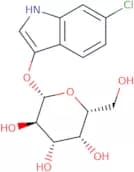
CAS:<p>6-Chloro-3-indoxyl-beta-D-galactopyranoside is a chromogenic substrate for beta-galactosidase that yields a salmon or rose-coloured precipitate and hence is also known as Salmon-Gal. It can be used in conjunction with isopropyl-beta-D-thiogalactopyranoside (IPTG) as an alternative to the chromogenic substrate 5-bromo-4-chloro-3-indolyl beta-D-galactopyranoside (X-Gal) for detection of beta-galactosidase activity in bacterial colonies in colorimetric assays. Where beta-galactosidase expressed from a reporter gene in molecular biology experiments, recombinant colonies on growth plates are salmon-coloured while non-recombinants appear as white. Use of nitroblue tetrazolium salt (NBT) with Salmon-Gal may provide faster results, yielding a clear, purple precipitate, than for Salmon-Gal alone. In conjunction with 5-bromo-4-chloro-3-indolyl-beta-D-glucoside (X-Glc), Salmon-Gal is useful for simultaneous detection of GUS and Lac activities in the same medium.</p>Fórmula:C14H16ClNO6Pureza:Min. 98.0 Area-%Peso molecular:329.74 g/mol5-Bromo-3-indoxyl-β-D-galactopyranoside
CAS:<p>Chromogenic substrate for beta-D-galactosidase yielding a lapis colored precipitate. 5-Bromo-3-indoxyl-beta-D-galactopyranoside can be used in conjunction with isopropyl-beta-D-thiogalactopyranoside as an alternative to 5-bromo-4-chloro-3-indolyl-beta-D-galactopyranoside (X-gal), producing a darker blue color for detection of beta-galactosidase activity in bacterial colonies in a colorimetric assay to detect recombinants (white) from non-recombinants (blue). 5-Bromo-3-indoxyl-beta-D-galactopyranoside is also used in histochemistry to demonstrate beta-galactosidase activity in tissues.</p>Fórmula:C14H16BrNO6Pureza:Min. 99.0 Area-%Peso molecular:374.20 g/mol6-Chloro-3-indoxyl-N-acetyl-β-D-galactosaminide
CAS:<p>Chromogenic substrate for N-Acetyl-β-D-galactosaminidase yielding a salmon-colored precipitate.</p>Fórmula:C16H19ClN2O6Pureza:Min. 98.0 Area-%Peso molecular:370.79 g/mol5-Nitro-3-indoxyl-β-D-galactopyranoside
<p>Please enquire for more information about 5-Nitro-3-indoxyl-β-D-galactopyranoside including the price, delivery time and more detailed product information at the technical inquiry form on this page</p>Fórmula:C14H16N2O8Pureza:Min. 95%Peso molecular:340.29 g/molAldol® 518 α-D-galactopyranoside, Biosynth Patent: EP 2427431 and US 8940909
CAS:<p>Aldol® 518 alpha-D-galactopyranoside is a chromogenic and fluorogenic enzyme substrate used for detection of alpha-galactosidase activity. The enzyme substrate is cleaved by alpha-galactosidase positive bacteria and yeasts in liquid or solid media, yielding red color and red fluorescence signal. Aldol® 518 alpha-D-galactopyranoside can also be used to detect alpha-galactosidase (encoded by the Mel1 gene) in yeast gene reporter assays or for identification of alpha-gal positive transformants on agar plates. Aldol® 518 alpha-D-galactopyranoside can be used under aerobic and anaerobic conditions.</p>Fórmula:C29H29ClN2O7Pureza:Min. 95.0 Area-%Peso molecular:553.01 g/mol5-Bromo-3-indolyl phosphate disodium salt
CAS:<p>5-Bromo-3-indolyl phosphate disodium salt is a chemiluminescent substrate that is used for the detection of bacterial activity. It reacts with oxygen to produce light, which can be measured using a luminometer. It is also used as a chromogenic substrate for detection of bacterial activity in culture media. The enzyme reaction produces an intense blue fluorescence and is used for diagnostic purposes in food testing and medical diagnostics. 5-Bromo-3-indolyl phosphate disodium salt has been shown to be effective against many bacteria and fungi, including Staphylococcus aureus, Streptococcus pyogenes, Escherichia coli, Pseudomonas aeruginosa, Candida albicans and Aspergillus niger. This product is chemically stable at room temperature but should be stored at 4°C or below.</p>Fórmula:C8H5BrNO4PNa2Pureza:Min. 95%Cor e Forma:PowderPeso molecular:335.99 g/mol5-Bromo-4-chloro-3-indoxyl choline phosphate
CAS:<p>5-Bromo-4-chloro-3-indoxyl choline phosphate is a synthetic enzyme substrate for detecting phosphatidylcholine-specific phospholipase C.</p>Fórmula:C13H17BrClN2O4PPureza:Min. 99 Area-%Peso molecular:411.63 g/molAldol® 470 β-D-galactopyranoside, Biosynth Patent: EP 2427431 and US 8940909
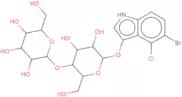
CAS:<p>Aldol® 470 beta-D-galactopyranoside is a chromogenic and fluorogenic enzyme substrate used for detection of beta-galactosidase activity. The colorless enzyme substrate is cleaved by lactose-utilizing bacteria grown in liquid or solid media, yielding yellow coloration and green fluorescence. Aldol® 470 beta-D-galactopyranoside can also be used in beta-galactosidase gene reporter assays or immunoassay applications (ELISA). Aldol® 470 beta-D-galactopyranoside can be used under aerobic and anaerobic conditions.</p>Fórmula:C29H29NO9Pureza:Min. 95 Area-%Cor e Forma:PowderPeso molecular:535.54 g/mol5-Bromo-4-chloro-3-indolyl a-D-maltopyranoside
CAS:<p>5-Bromo-4-chloro-3-indolyl a-D-maltopyranoside is a chromogenic substrate used to detect the specific enzymatic activity of alpha-glucosidase. After cleavage, 5-bromo-4-chloro-indoxyl is released, resulting in a blue to blue-green color change in bacterial colonies or media. 5-Bromo-4-chloro-3-indolyl a-D-maltopyranoside is used in Pompe disease screening and glycogen storage disorder diagnosis.</p>Fórmula:C20H25BrClNO11Pureza:Min. 95%Cor e Forma:PowderPeso molecular:570.77 g/mol4-Nitrophenylphosphorylcholine
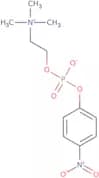
CAS:<p>Chromogenic substrate used to measure phospholipase C (PLC) activity</p>Fórmula:C11H17N2O6PPureza:Min. 95 Area-%Cor e Forma:PowderPeso molecular:304.24 g/mol2-Chloro-4-nitrophenyl-α-L-fucopyranoside
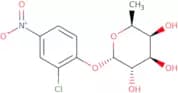
CAS:<p>Alternative chromogenic substrate for alpha-D-galactosidase</p>Fórmula:C12H14ClNO7Pureza:Min. 98 Area-%Cor e Forma:White PowderPeso molecular:319.69 g/mol4-Nitrophenyl 3-O-(β-D-glucopyranosyl)-α-D-glucopyranoside
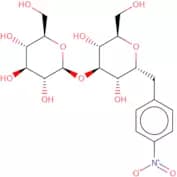
<p>4-Nitrophenyl 3-O-(beta-D-glucopyranosyl)-alpha-D-glucopyranoside is a chromogenic substrate for alpha-glucosidase. Upon hydrolysis, para-nitrophenol is released yielding a yellowish colour. 4-Nitrophenyl 3-O-(beta-D-glucopyranosyl)-alpha-D-glucopyranoside is used in different applications such as the Gaucher disease screening, carbohydrate metabolism studies</p>Fórmula:C18H25NO13Pureza:Min. 95%Peso molecular:463.39 g/mol5-Bromo-4-chloro-3-indoxyl-α-L-arabinopyranoside
<p>5-Bromo-4-chloro-3-indoxyl-alpha-L-arabinopyranoside is a fluorogenic substrate that can be used in enzyme and chromogenic assays. It is a high purity, stable product with a CAS number of 53673-61-7. This product has been shown to have fluorescence properties under acidic conditions, as well as chemiluminescence properties when exposed to an oxidizing agent. This compound can be used for the detection of bacterial activity in culture media and for the detection of pathogens in environmental samples. The conjugate can also be used for food testing.</p>Fórmula:C13H13BrClNO5Peso molecular:378.61 g/molAldol® 535 myo-inositol-1-phosphate, ammonium salt, Biosynth Patent: EP 2427431 and US 8940909
CAS:<p>Aldol 535 is a chemiluminescent substrate for the detection of myo-inositol-1-phosphate. It has been shown to have high purity and high quality, and is suitable for use in diagnostics, food testing, and as a bioluminescence substrate. Aldol 535 is also used as a ligand in various enzyme assays. It has been tested for its ability to react with the fluorogenic substrates: 4-methylumbelliferyl phosphate and 4-methylumbelliferone phosphate. The CAS number is 2484872-80-0.</p>Fórmula:C29H32BrClN3O10PPureza:Min. 95%Cor e Forma:PowderPeso molecular:728.91 g/mol6-Bromo-2-naphthyl-2-acetamido-2-deoxy-β-D-glucopyranoside
CAS:<p>6-Bromo-2-naphthyl 2-acetamido-2-deoxy-beta-D-glucopyranoside is a chromogenic substrate used for the detection of chitinase activity. Upon hydrolysis by chitinase, it releases a yellow-brown color, which is easily detected by spectrophotometry. This substrate has been used to study chitinases in various organisms, including bacteria, fungi, and insects. It can also be used to quantitate chitinase activity in various biological samples.</p>Fórmula:C18H20BrNO6Peso molecular:426.26 g/molAldol® 515 propionate, Biosynth Patent: EP 2427431 and US 8940909
CAS:<p>Aldol® 515 propionate is a chromogenic substrate for many enzymes, including beta-galactosidase, β-glucuronidase, α-galactosidase, β-galactosidase, and acid phosphatase. It can be used as a substrate in the detection of staining and enzyme activity in diagnostic testing. Aldol® 515 propionate has been shown to be an effective ligand for the protein Glu-C.</p>Fórmula:C26H24N2O3Pureza:Min. 95%Cor e Forma:PowderPeso molecular:412.48 g/mol5-Bromo-4-chloro-3-indoxyl phosphate, disodium salt sesquihydrate
CAS:<p>Water soluble, chromogenic substrate for visualizing alkaline phosphatase activity. Produces a blueinsoluble end product that is detected visually when used together with nitroblue tetrazolium. The substrate system is versatile and functions in a variety of applications, including Northern, Southern, and Western blotting, in situhybridization, ELISAs and immunohistochemistry.</p>Fórmula:C8H4BrClNNa2O4P·5(H2O)Pureza:Min. 98.0 Area-%Peso molecular:397.45 g/molAldol® 495 β-D-galactopyranoside, Biosynth Patent: EP 2427431 and US 8940909
CAS:<p>Aldol® 495 beta-D-galactopyranoside is a chromogenic and fluorogenic enzyme substrate used for detection of beta-galactosidase activity. The colorless enzyme substrate is cleaved by lactose-utilizing bacteria in liquid or solid media, yielding orange color as well as green fluorescence if a fluorescence enhancer or a suitable matrix are present. Aldol® 495 beta-D-galactopyranoside can also be used in beta-gal reporter gene assays or for identification of beta-gal positive transformants on agar plates. Aldol® 495 beta-D-galactopyranoside can be used under aerobic and anaerobic conditions.</p>Fórmula:C26H25ClN2O7Pureza:Min. 95.0 Area-%Peso molecular:512.94 g/mol3-Indoxyl phosphate, p-toluidine salt
CAS:Produto Controlado<p>3-Indoxyl phosphate, p-toluidine salt is a fluorogenic substrate that can be used for the detection of β-galactosidase. 3-Indoxyl phosphate, p-toluidine salt is a highly active chromogenic substrate that can be used as a diagnostic tool in the food industry to determine whether or not milk has been adulterated with animal milk. This product is also used in environmental testing to detect bacteria and fungi. 3-Indoxyl phosphate, p-toluidine salt is a high purity, high quality conjugate that can be used for the detection of β-galactosidase.</p>Fórmula:C8H8NO4P·C7H9NPureza:Min. 98 Area-%Peso molecular:320.28 g/mol1-Naphthyl b-D-glucuronide sodium salt
CAS:<p>1-Naphthyl b-D-glucuronide sodium salt is a chromogenic substrate commonly used to assay the activity of beta-glucuronidase enzymes. It is hydrolyzed by beta-glucuronidase to yield a yellow-colored product, 1-naphthol, which can be quantified spectrophotometrically. This substrate is widely used in diagnostic tests for detection of beta-glucuronidase activity, particularly in clinical microbiology for the identification of E. coli and other enteric bacteria. With its sodium salt form, it boasts increased solubility in aqueous solutions, ensuring seamless integration into various experimental settings.</p>Fórmula:C16H15NaO7Pureza:Min. 95%Cor e Forma:PowderPeso molecular:342.28 g/mol2-Nitrophenyl-β-D-glucopyranoside
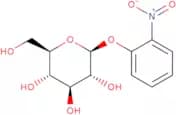
CAS:<p>Chromogenic beta-Glucosidase substrate yielding a yellow solution upon cleavage.</p>Fórmula:C12H15NO8Peso molecular:301.26 g/molRef: 3D-N-4320
5gA consultar10gA consultar25gA consultar50gA consultar2500mgA consultar-Unit-ggA consultar5-Bromo-4-chloro-3-indolyl a-D-xylopyranoside
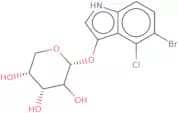
CAS:<p>5-Bromo-4-chloro-3-indolyl a-D-xylopyranoside is a chromogenic substrate used to detect the specific enzymatic activity of alpha-xylosidase. After cleavage, 5-bromo-4-chloro-indoxyl is released, resulting in a blue to blue-green color change in bacterial colonies or media. 5-Bromo-4-chloro-3-indolyl a-D-xylopyranoside is used in bacterial xylan metabolism studies and plant cell wall degradation assays.</p>Fórmula:C13H13BrClNO5Pureza:Min. 95%Cor e Forma:White to off-white solid.Peso molecular:378.61 g/molAldol® 458 acetate, Biosynth Patent: EP 2427431 and US 8940909
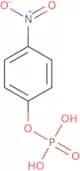
CAS:Produto Controlado<p>Aldol 458 acetate is a synthetic chemical that is used in the food industry as an enzyme substrate and in diagnostic tests to measure the level of enzymes. Aldol 458 acetate is a ligand that binds to proteins, such as horseradish peroxidase and alkaline phosphatase, which are commonly used for detection of antibodies or other proteins. This product can be used as a culture medium additive for bacteria, fungi, and yeast. It can also be used for diagnostics and chemiluminescence reactions. Aldol 458 acetate has high purity and quality.</p>Fórmula:C18H15NO4Pureza:Min. 95.0 Area-%Peso molecular:309.32 g/molPhosphoric acid, mono(4-nitrophenyl) ester
CAS:<p>Phosphatase substrate</p>Fórmula:C6H6NO6PPureza:Min. 95%Cor e Forma:White PowderPeso molecular:219.09 g/mol4-Nitrophenyl N,N',N''-triacetyl-b-D-chitotriose
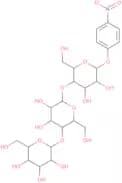
CAS:<p>Substrate for determining hydrolytic activity of chitinase</p>Pureza:Min. 95%Cor e Forma:White PowderPeso molecular:748.69 g/mol6-Bromo-2-naphthyl-α-D-galactopyranoside
CAS:<p>6-Bromo-2-naphthyl-alpha-D-galactopyranoside is a bioluminescent substrate for the enzyme luciferase that has been shown to be useful in detection of phenazines, antibiotics and other compounds in environmental testing. 6-Bromo-2-naphthyl-alpha-D-galactopyranoside can also be used for measurements of total microbial counts and for the measurement of the activity of enzymes such as beta galactosidase. It is also a ligand for the peroxidase enzyme, which makes it useful in staining techniques. 6BARG can be used as a fluorogenic substrate or as an indicator in chromogenic substrates. It is an important reagent for chemiluminescence and can also be used to measure the concentration of various substances.</p>Fórmula:C16H17BrO6Pureza:Min. 98 Area-%Peso molecular:385.22 g/molAldol® 518 β-D-galactopyranoside, Biosynth Patent: EP 2427431 and US 8940909
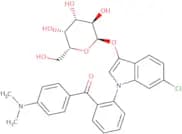
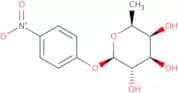
CAS:<p>Aldol® 518 beta-D-galactopyranoside is a chromogenic and fluorogenic enzyme substrate used for detection of beta-galactosidase activity. The colorless enzyme substrate is cleaved by lactose-utilizing bacteria in liquid or solid media, yielding intense red color as well as red fluorescence when a fluorescence enhancer or a suitable matrix is present. Aldol® 518 beta-D-galactopyranoside can also be used in beta-gal reporter gene assays or for identification of beta-gal positive transformants on agar plates. Aldol® 518 beta-D-galactopyranoside can be used under aerobic and anaerobic conditions.</p>Fórmula:C29H29ClN2O7Pureza:Min. 95 Area-%Peso molecular:553.01 g/mol4-Nitrophenyl-β-L-fucopyranoside
CAS:<p>4-Nitrophenyl-beta-L-fucopyranoside is a high-quality pNP enzyme substrate developed for the sensitive detection and quantification of Beta-L-fucosidase activity. The enzymatic hydrolysis of the substrate generates 4-nitrophenol, a yellow chromogenic component that can be conveniently measured spectrophotometrically, allowing for accurate determination of enzyme concentration and kinetics. This substrate finds applications in various research fields, diagnostics, and industrial enzyme production.</p>Fórmula:C12H15NO7Pureza:Min. 95%Cor e Forma:White PowderPeso molecular:285.25 g/molPhosphoric acid, mono(4-nitrophenyl) ester
CAS:<p>Phosphoric acid, mono(4-nitrophenyl) ester is an inhibitor that binds to the human serum albumin (HSA), thereby preventing it from binding to the transcriptional regulatory protein. This leads to a decrease in the activity of this protein and consequently less inhibition of gene expression. The structural analysis of this inhibitor has shown that it forms hydrogen bonding interactions with basic proteins, while its reactivity is mainly dependent on Michaelis–Menten kinetics. The inhibitor also inhibits enzyme activities by binding to their active sites, reducing the enzyme's ability to catalyze reactions.</p>Fórmula:C6H6NO6PPeso molecular:219.09 g/molRef: 3D-P-6460
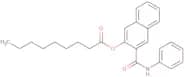
1kgA consultar50gA consultar100gA consultar250gA consultar500gA consultar-Unit-kgkgA consultarNaphthol AS nonanoate
CAS:<p>Modified naphtol AS substrate used in histochemical and cytochemical staining</p>Fórmula:C26H29NO3Pureza:Min. 95%Cor e Forma:PowderPeso molecular:403.51 g/mol6-Chloro-3-indolyl β-D-cellobioside
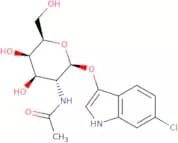
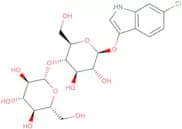
CAS:<p>6-Chloro-3-indolyl b-D-cellobioside is a chromogenic substrate that produces a salmon-pink color after enzymatic cleavage. It is used for detecting the activity of beta-D-cellobiosidase in enzyme assays.</p>Pureza:Min. 95%Cor e Forma:White To Off-White SolidPeso molecular:491.87 g/mol5-Amino-3-indoxyl-β-D-galactopyranoside
<p>5-Amino-3-indoxyl-beta-D-galactopyranoside (AIG) is a chromogenic substrate that is used for the detection of beta-galactosidase activity. AIG is also used in food testing, diagnostics, and environmental testing. The detection of beta-galactosidase activity can be done by either using the fluorogenic substrate 4-methylumbelliferyl galactopyranoside or the bioluminescence system of firefly luciferase and luciferin. This product has a CAS number of 110114-03-0 and a molecular weight of 417.5 g/mol.</p>Fórmula:C14H18N2O6Peso molecular:310.31 g/mol3,4-Cyclohexenoesculetin β-D-galactopyranoside
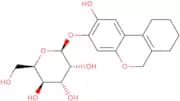
CAS:<p>Chromogenic substrate for beta-galactosidase</p>Fórmula:C19H22O9Pureza:Min. 95 Area-%Cor e Forma:PowderPeso molecular:394.37 g/molNaphthol AS-E acetate
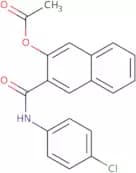
CAS:<p>Modified naphtol AS substrate used in histochemical and cytochemical staining</p>Fórmula:C19H14ClNO3Pureza:Min. 95%Peso molecular:339.77 g/molAldol® 484 β-D-galactopyranoside, Biosynth Patent: EP 2427431 and US 8940909
CAS:<p>Aldol® 484 beta-D-galactopyranoside is a chromogenic enzyme substrate for beta-galactosidase activity. The colorless product is cleaved by lactose-utilizing bacteria in liquid or solid media, yielding intense red color. Aldol® 484 beta-D-galacto-pyranoside can also be used in beta-gal reporter gene assays or for identification of beta-gal positive transformants on agar. Aldol® 484 beta-D-galactopyranoside can be used under aerobic and anaerobic conditions.</p>Fórmula:C26H24ClFN2O7Pureza:Min. 95%Cor e Forma:PowderPeso molecular:530.93 g/mol5-Bromo-6-chloro-3-indoxyl sulfate, potassium salt
CAS:<p>5-Bromo-6-chloro-3-indoxyl sulfate, potassium salt is a fluorogenic substrate for the enzyme alkaline phosphatase. This compound is used in the detection of alkaline phosphatase activity as well as in many other applications such as diagnostic tests and environmental testing. 5-Bromo-6-chloro-3-indoxyl sulfate, potassium salt is available at high purity and quality.</p>Fórmula:C8H4BrClKNO4SPureza:Min. 98 Area-%Peso molecular:364.65 g/molAldol® 470 L-alanine amide, acetate salt, Biosynth Patent: EP 2427431 and US 8940909
CAS:Produto Controlado<p>Aldol® 470 L-alanine amide is a chromogenic and fluorogenic enzyme substrate used for detection of L-alanine aminopeptidase activity. The colorless enzyme substrate is cleaved by L-alanine aminopeptidase, yielding orange-yellow coloration. In addition, green fluorescence is generated when Aldol® 355 fluorescence enhancer or a suitable matrix is present. Aldol® 470 L-alanine amide can also be used in enzymatic assays or within live bacterial cultures. Aldol® 470 L-alanine amide is suitable for use in liquid and solid media, under aerobic as well as anaerobic conditions.</p>Fórmula:C28H29N3O6Pureza:Min. 95.0 Area-%Peso molecular:503.55 g/mol5-Iodo-3-indoxyl-β-D-galactopyranoside
CAS:<p>5-Iodo-3-indoxyl-beta-D-galactopyranoside is a chromogenic substrate for beta-galactosidase.</p>Fórmula:C14H16INO6Pureza:Min. 99 Area-%Peso molecular:421.19 g/mol5-Bromo-6-chloro-3-indoxylphosphat, disodium salt trihydrate
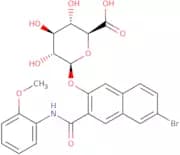
<p>5-Bromo-6-chloro-3-indoxylphosphate, disodium salt trihydrate is a bioluminescent substrate that can be used in a variety of diagnostic applications. This compound reacts with luciferase to yield light and can serve as an indicator for various enzymes and chemical reactions. 5-Bromo-6-chloro-3-indoxylphosphate, disodium salt trihydrate has been shown to be compatible with both culture media and food testing.</p>Pureza:Min. 95%6-Bromo-2-naphthyl b-D-glucuronide
CAS:<p>6-Bromo-2-naphthyl beta-D-glucuronide is a substrate for beta-glucuronidase, an enzyme involved in detoxification and bacterial metabolism. Upon enzymatic hydrolysis, it releases 6-bromo-2-naphthol, which forms a detectable dye when reacted with diazonium salts. This compound is widely used in microbiology to detecting E. coli in water testing and histochemical staining. 6-Bromo-2-naphthyl beta-D-glucuronide is also been used in cancer research studies. It has been found that some tumors are related to a high activity of beta-glucuronidase, responsible to reactivate the carcinogens and promote tumor progression, developing a drug resistance to chemotherapy.</p>Fórmula:C16H15BrO7Pureza:Min 97%Cor e Forma:White Off-White PowderPeso molecular:399.2 g/mol4-Nitrophenyl b-D-cellotrioside
CAS:<p>4-Nitrophenyl beta-D-cellotrioside is a chromogenic substrate for cellulase. Upon hydrolysis, para-nitrophenol is released yielding a yellowish colour. 4-Nitrophenyl beta-D-cellotrioside is used in different applications such as the Biomass conversion research, paper industry applications</p>Fórmula:C24H35NO18Pureza:Min. 95%Cor e Forma:PowderPeso molecular:625.53 g/mol8-Hydroxyquinoline-beta-D-glucuronic acid, sodium salt
CAS:<p>8-Hydroxyquinoline-beta-D-glucuronic acid, sodium salt is a fluorogenic substrate that can be used for enzymatic detection of peroxidase. The substrate is available in a variety of forms, including powder and liquid. This product has been tested for environmental and bioluminescence activity, as well as food safety. It has also been shown to be a useful ligand in immunoassays.</p>Fórmula:C15H14NNaO7Pureza:Min. 98 Area-%Cor e Forma:White PowderPeso molecular:343.26 g/mol4-Nitrophenyl palmitate
CAS:<p>4-Nitrophenyl palmitate is a lipase-sensitive chromogenic substrate commonly used in the study of lipase and esterase activity. Its hydrolysis by lipases produces a yellow 4-nitrophenol, which can be easily detected spectrophotometrically, offering a quantitative measure of enzyme activity. This substrate is widely utilized in the screening of lipase-producing microorganisms and the optimization of enzyme-catalyzed reactions in various fields, including biotechnology and pharmaceutical research.</p>Fórmula:C22H35NO4Pureza:Min. 95%Cor e Forma:Off-White PowderPeso molecular:377.52 g/mol2-Nitrophenyl-1-thio-β-D-galactopyranoside
CAS:<p>2-Nitrophenyl-1-thio-beta-D-galactopyranoside is a nitroaryl compound that can be synthesized from beta-D-galactopyranosides and nitric acid. It has a molecular conformation that is stabilized by hydrogen bonds, which allows it to form supramolecular assemblies with other molecules. The nitro group in this molecule is responsible for the formation of the nitro group in 1,2,4,5,-tetranitrobenzene.</p>Fórmula:C12H15NO7SPeso molecular:317.32 g/molRef: 3D-N-5100
1gA consultar5gA consultar10gA consultar500mgA consultar2500mgA consultar-Unit-ggA consultarNaphthol AS-BI β-L-fucopyranoside
CAS:<p>Substrate for the detection of beta-D-fucosidase</p>Fórmula:C24H24BrNO7Pureza:Min. 95%Peso molecular:518.35 g/mol6-Bromo-2-naphthyl-b-D-xylopyranoside
CAS:<p>6-Bromo-2-naphthyl-b-D-xylopyranoside (BNX) is a chromogenic enzyme substrate used primarily to detect xylosidase activity. It is cleaved by the enzyme, resulting in the release of a colored product that can be measured spectrophotometrically. BNX is widely used as a substrate in research studies for the detection and quantification of various glycoside hydrolases, and it is particularly useful for studying cellulases and xylanases.</p>Pureza:Min. 95%Cor e Forma:PowderPeso molecular:355.18 g/mol2-Chloro-4-nitrophenyl 4-O-b-D-galactopyranosylmaltoside
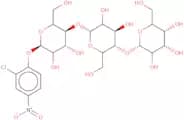
CAS:<p>2-Chloro-4-nitrophenyl 4-O-b-D-galactopyranosylmaltoside, also known as Gal-G2-CNP, is a high quality, water soluble, chromogenic substrate that is used as an enzyme substrate and can be used in bioluminescence and chemiluminescence assays. This product is designed for use in diagnostics, culture media, food testing, environmental testing, and other research applications. 2-Chloro-4-nitrophenyl 4-O-b-D-galactopyranosylmaltoside has been tested in chromogenic assays with alpha-amylases.</p>Fórmula:C24H34ClNO18Pureza:(Hplc) Min. 90%Cor e Forma:PowderPeso molecular:659.98 g/molAldol® 470 butyrate, Biosynth Patent: EP 2427431 and US 8940909
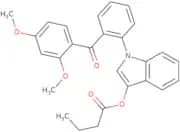
CAS:Produto Controlado<p>Aldol 470 butyrate is a chromogenic substrate for the enzyme aldolase. It can be used in diagnostics, food testing and culture media. Aldol 470 butyrate has been shown to be useful in detecting the presence of a number of different substances, including alcohols, organic acids, ketones, amines and amino acids. Aldol 470 butyrate is also an excellent ligand for determination of protein-ligand interactions. The conjugation of this product with other molecules provides an excellent tool for chemiluminescence assays. This product is also used as a fluorogenic substrate in environmental testing.</p>Fórmula:C27H25NO5Pureza:Min. 95.0 Area-%Peso molecular:443.5 g/mol4-Nitrophenyl-α-D-mannopyranoside
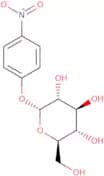
CAS:<p>Chromogenic α-mannosidase substrate yielding a absorbent solution upon cleavage. Also used for studies of the crystal structure of the complexes of concanavalin A and binding studies with concanavalin A.</p>Fórmula:C12H15NO8Pureza:Min. 99 Area-%Peso molecular:301.26 g/mol4-Nitrophenyl-α-D-glucopyranoside, β-Anomer < 0.1%
CAS:<p>4-Nitrophenyl-alpha-D-glucopyranoside, beta-Anomer is a chromogenic sugar that can be used as an indicator for the presence of 4-nitrophenol. It is a highly reactive compound that spontaneously reacts with nitrobenzene to form a dinitroaniline. This anomeric structure is easily oxidized by air and light to form the corresponding o-dinitroaniline. When this reaction occurs, this substance changes color from yellow to red.</p>Fórmula:C12H15NO8Pureza:Min. 99.0 Area-%Peso molecular:301.26 g/molNaphthol AS-BI b-D-glucuronide
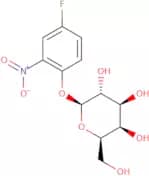
CAS:<p>Chromogenic substrate to visualize beta-glucuronidase activity; produces a red color</p>Fórmula:C24H22BrNO9Pureza:Min. 98 Area-%Cor e Forma:White PowderPeso molecular:548.34 g/mol4-Fluoro-2-nitrophenyl b-D-galactopyranoside
CAS:<p>4-Fluoro-2-nitrophenyl beta-D-galactopyranoside, a fluorinated analog of ONPG, is a chromogenic enzyme substrate specifically used to detect beta-galactosidase in bacterial media. 4-Fluoro-2-nitrophenyl beta-D-galactopyranoside is used in Lactose intolerance screening, bacterial beta-galactosidase detection (E. coli)</p>Pureza:Min. 95%Cor e Forma:PowderPeso molecular:319.24 g/mol4-Nitrophenyl 2,3,4,6-tetra-O-acetyl-b-D-thioglucopyranoside
CAS:<p>4-Nitrophenyl 2,3,4,6-tetra-O-acetyl-b-D-thioglucopyranoside is a fluorescent dye that is used in recording and registration. It has been shown to be a very sensitive reporter of protein interactions in living cells. This dye binds to proteins via the hydroxyl groups on its sugar moiety, and has been shown to bind to a variety of proteins such as myosin light chain kinase and phosphatidylinositol 4-kinase. The fluorescent properties of this dye make it useful for tracking protein localization in the cell.</p>Pureza:Min. 95%Peso molecular:485.46 g/molNaphthol AS-BI-β-D-glucuronic acid
CAS:<p>Naphthol AS-BI-beta-D-glucuronic acid is a β-glucuronidase substrate. The substrate is used in combination with stabilized diazonium salts such as Fast Red Violet LB salt (5-chloro-4-benzamido-2-methylbenzenediazonium chloride). Free Naphthol AS and Fast Red Violet undergo a chemical reaction to yield intensely colored azo-dyes.</p>Fórmula:C24H22BrNO9Pureza:Min. 98 Area-%Peso molecular:548.35 g/molAldol® 470 choline phosphate, Biosynth Patent: EP 2427431 and US 8940909
CAS:<p>Aldol® 470 choline phosphate is a chromogenic and fluorogenic enzyme substrate used for detection of phosphatidyl-choline specific phospholipase C (PC-PLC, EC 3.1.4.3) activity. The colorless product is cleaved by PC-PLC positive microorganisms in liquid or solid media, yielding a yellow color and green fluorescence. Aldol® 470 choline phosphate therefore, enables the detection and identification of PC-PLC positive pathogenic bacteria, such as, Clostridium perfringens, Pseudomonas aeruginosa, Helicobacter pylori, Legionella pneumophila, Bacillus cereus, Bacillus anthracis, Listeria monocytogenes, and others. Aldol® 470 choline phosphate can be used under aerobic and anaerobic conditions.</p>Fórmula:C28H31N2O7PPureza:Min. 95 Area-%Peso molecular:538.53 g/mol5-Bromo-3-indoxyl nonanoate
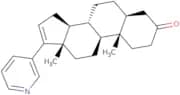
CAS:<p>Chromogenic substrate for esterase with C9 activity yielding a lapis colored precipitate upon cleavage.</p>Fórmula:C17H22BrNO2Pureza:Min. 99 Area-%Peso molecular:352.28 g/mol(5α)-17-(3-Pyridinyl)androst-16-en-3-one
CAS:Produto Controlado<p>(5α)-17-(3-Pyridinyl)androst-16-en-3-one is a natural metabolite of testosterone that is produced in the liver. It has been identified as an impurity in API, which can be found in drugs used for the treatment of high blood pressure and prostate cancer. (5α)-17-(3-Pyridinyl)androst-16-en-3-one is not active as a drug itself, but it can be used as a standard to study the metabolism of testosterone and other steroids.</p>Fórmula:C24H31NOPureza:Min. 98 Area-%Cor e Forma:White PowderPeso molecular:349.51 g/mol3-Nitrophenyl b-D-galactopyranoside
CAS:<p>Chromogenic substrate targeting beta-galactosidase</p>Fórmula:C12H15NO8Cor e Forma:PowderPeso molecular:301.25 g/mol5-Bromo-4-chloro-3-indoxyl-α-D-fucopyranoside
CAS:<p>5-Bromo-4-chloro-3-indoxyl-alpha-D-fucopyranoside is a photosynthetic agent that belongs to the class of fucopyranosides. It is a non-proteinogenic amino acid that has been shown to be encoded in chloroplasts and mitochondria in photosynthetic organisms. 5B4C3IF has also been found to be involved in the synthesis of polynucleotides and polypeptides, as well as the regulation of biomass.</p>Fórmula:C14H15BrClNO5Peso molecular:392.64 g/molRef: 3D-B-7134
1gA consultar5gA consultar250mgA consultar500mgA consultar2500mgA consultar-Unit-ggA consultar4-Nitrophenyl laurate
CAS:<p>4-Nitrophenyl laurate is a chromogenic substrate for lipase. Upon hydrolysis, para-nitrophenol is released yielding a yellowish colour. 4-Nitrophenyl laurate is used in different applications such as the Lipase activity screening, clinical diagnostics</p>Fórmula:C18H27NO4Pureza:Min. 95%Cor e Forma:White PowderPeso molecular:321.41 g/mol4-Nitrophenyl 2-acetamido-4-O-(2-acetamido-2-deoxy-b-D-glucopyranosyl)-2-deoxy-a-D-galactopyranoside
<p>4-Nitrophenyl 2-acetamido-4-O-(2-acetamido-2-deoxy-b-D-glucopyranosyl)-2-deoxy-a-D-galactopyranoside is an enzyme substrate that is used in the detection of phenylalanine, tyrosine, and tryptophan. It is also used for environmental testing, bioluminescence, culture media, chemiluminescence, fluorogenic substrate, food testing, diagnostics and other applications.</p>Pureza:Min. 95%Cor e Forma:Off-White PowderPeso molecular:545.49 g/molAldol® 455 β-D-glucopyranoside, Biosynth Patent: EP 2427431 and US 8940909
CAS:<p>Aldol® 455 beta-D-glucopyranoside is a chromogenic and fluorogenic enzyme substrate used for detection of beta-glucosidase activity. The colorless enzyme substrate is cleaved by beta-glucosidase producing bacteria grown in liquid or solid media, yielding a yellow color and green to orange fluorescence. Aldol® 455 beta-D-glucopyranoside can be used under aerobic and anaerobic conditions.</p>Fórmula:C27H24ClNO7Pureza:Min. 92.0 Area-%Peso molecular:509.94 g/molCelluchrome
<p>Celluchrome (short name for remazol brilliant blue carboxymethyl cellulose or RBB-CMC) is a chromogenic substrate for cellulases. With a higher sensitivity, RBB-CMC allows for the detection of the enzyme activity even when small amounts are present.</p>Pureza:Min. 95%Cor e Forma:Powder




![7-Ethyl-5-oxo-5H-[1]benzopyrano[2,3-b]pyridine](/_next/image/?url=https%3A%2Fstatic.cymitquimica.com%2Fproducts%2FTR%2Fthumb-webp%2FE925380.webp&w=3840&q=75)
![4-[[4-Fluoro-3-(1-piperazinylcarbonyl)phenyl]methyl]-1(2H)-phthalazinone](/_next/image/?url=https%3A%2Fstatic.cymitquimica.com%2Fproducts%2FTR%2Fthumb-webp%2FF594442.webp&w=3840&q=75)
![Ethyl 3-[(2-methylcyclohexyl)amino]propanoate](/_next/image/?url=https%3A%2Fstatic.cymitquimica.com%2Fproducts%2F10%2Fthumb-webp%2FF522788.webp&w=3840&q=75)
![{5-[1-(benzylamino)cyclohexyl]-1H-tetrazol-1-yl}acetic acid](/_next/image/?url=https%3A%2Fstatic.cymitquimica.com%2Fproducts%2F10%2Fthumb-webp%2FF313669.webp&w=3840&q=75)
](/_next/image/?url=https%3A%2Fstatic.cymitquimica.com%2Fproducts%2FTR%2Fthumb-webp%2FN649350.webp&w=3840&q=75)

![2,8-Dichloro-6,12-diphenyldibenzo[b,f][1,5]diazocine](/_next/image/?url=https%3A%2Fstatic.cymitquimica.com%2Fproducts%2FTR%2Fthumb-webp%2FD434065.webp&w=3840&q=75)

![2,3-Dihydro-1-(3-hydroxypropyl)-5-[(2R)-2-[[2-[2-(2,2,2-trifluoroethoxy)phenoxy]ethyl]amino]propyl]](/_next/image/?url=https%3A%2Fstatic.cymitquimica.com%2Fproducts%2FTR%2Fthumb-webp%2FD449705.webp&w=3840&q=75)
![α-Methyl-5-oxo-5H-[1]benzopyrano[2,3-b]pyridine-7-acetic Acid](/_next/image/?url=https%3A%2Fstatic.cymitquimica.com%2Fproducts%2FTR%2Fthumb-webp%2FM325405.webp&w=3840&q=75)


![N-[2-(ethylthio)ethyl]cyclohexanamine hydrochloride](/_next/image/?url=https%3A%2Fstatic.cymitquimica.com%2Fproducts%2F10%2Fthumb-webp%2FF361642.webp&w=3840&q=75)








![{[4-(1H-benzimidazol-2-yl)cyclohexyl]methyl}amine dihydrochloride](/_next/image/?url=https%3A%2Fstatic.cymitquimica.com%2Fproducts%2F10%2Fthumb-webp%2FF359612.webp&w=3840&q=75)




![Cyclohexyl [1,1'-biphenyl]-3-ylcarbamate](/_next/image/?url=https%3A%2Fstatic.cymitquimica.com%2Fproducts%2F10%2Fthumb-webp%2FF233853.webp&w=3840&q=75)
![1-((4'-methoxy-[1,1'-biphenyl])-4-sulfonamido)cyclohexane-1-carboxylic acid](/_next/image/?url=https%3A%2Fstatic.cymitquimica.com%2Fproducts%2F10%2Fthumb-webp%2FF512251.webp&w=3840&q=75)
![Tert-butyl 3-[(2-methylcyclohexyl)amino]propanoate](/_next/image/?url=https%3A%2Fstatic.cymitquimica.com%2Fproducts%2F10%2Fthumb-webp%2FF522739.webp&w=3840&q=75)




![1-(4-(BENZYLOXY)CYCLOHEXYL)-2-(5H-IMIDAZO[5,1-A]ISOINDOL-5-YL)ETHANOL](/_next/image/?url=https%3A%2Fstatic.cymitquimica.com%2Fproducts%2F10%2Fthumb-webp%2FF531088.webp&w=3840&q=75)



![5-(Benzo[d][1,3]dioxol-5-yl)cyclohexane-1,3-dione](/_next/image/?url=https%3A%2Fstatic.cymitquimica.com%2Fproducts%2F10%2Fthumb-webp%2FF729767.webp&w=3840&q=75)