Outros
Foram encontrados 6300 produtos de "Outros"
2-(2-Chlorophenyl)-2-(methylamino)-6-(phenylmethylene)cyclohexanone
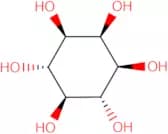
CAS:Pureza:98%Peso molecular:325.84myo-Inositol
CAS:M01914 - myo-Inositol
Fórmula:C6H12O6Pureza:98.00%Cor e Forma:Solid, Crystalline or PowderPeso molecular:180.156Chitin azure
CAS:Chitin azure is a chromogenic substrate for chitinases. It is one of the few specific substrates for this enzyme that produces chito-oligosaccharides from chitin.
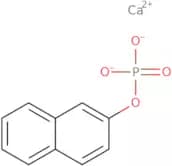
Cor e Forma:PowderCalcium 2-naphthylphosphate
CAS:Calcium 2-naphthylphosphate, which is the calcim salt of 2-naphthylphosphate, is a chromogenic substrate to measure alkaline phosphatase activity. After enzymatic cleavage, the product yielded (2-naphthol) generates a red-colored complex upon reaction with a diazonium salt like Fast Blue RR or Fast Garnet GBC.
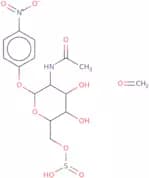
Pureza:(%) Min. 95%Cor e Forma:PowderPeso molecular:282.24 g/mol4-Nitrophenyl 2-acetamido-2-deoxy-b-D-glucopyranoside-6-sulfate
4-Nitrophenyl 2-acetamido-2-deoxy-b-D-glucopyranoside is a chemiluminescent substrate that can be used in the detection of various enzymes. This product has been tested for sterility and purity, and it has passed all tests. It is also free of any detectable levels of heavy metals or other contaminants. 4NP2AG6S is a high quality bioluminescent substrate with CAS No. 71498-92-5. It is a fluorescent compound that reacts with an enzyme to produce light. The reaction can be detected by measuring the emitted light intensity at 680 nm (max).Pureza:Min. 95%2-Nitrophenyl-1-thio-β-D-galactopyranoside
CAS:2-Nitrophenyl-1-thio-beta-D-galactopyranoside is a nitroaryl compound that can be synthesized from beta-D-galactopyranosides and nitric acid. It has a molecular conformation that is stabilized by hydrogen bonds, which allows it to form supramolecular assemblies with other molecules. The nitro group in this molecule is responsible for the formation of the nitro group in 1,2,4,5,-tetranitrobenzene.
Fórmula:C12H15NO7SPeso molecular:317.32 g/molRef: 3D-N-5100
1gA consultar5gA consultar10gA consultar500mgA consultar2500mgA consultar-Unit-ggA consultarAldol® 515 L-alanine amide, hydrochloride, Biosynth Patent: EP 2427431 and US 8940909
CAS:Aldol® 515 L-alanine amide is a chromogenic and fluorogenic enzyme substrate used for detection of L-alanine aminopeptidase activity. The colorless enzyme substrate is cleaved by L-alanine aminopeptidase produced by microorganisms, grown in liquid or solid media yielding red color. In addition, red fluorescence is generated when a fluorescence enhancer or a suitable matrix is present. Aldol® 515 L-alanine amide can be used under aerobic and anaerobic conditions.
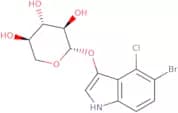
Fórmula:C26H27ClN4O2Pureza:Min. 95.0 Area-%Peso molecular:462.97 g/mol5-Bromo-4-chloro-3-indolyl β-D-xylopyranoside
CAS:5-Bromo-4-chloro-3-indolyl b-D-xylopyranoside is an enzyme substrate. This chromogenic substrate is used for beta-D-xylosidase enzyme. In culture media, 5-Bromo-4-chloro-3-indolyl b-D-xylopyranoside is utilised for identification of bacteria such as Klebsiella and Enterobacter.
Fórmula:C13H13BrClNO5Pureza:Min. 95%Cor e Forma:PowderPeso molecular:378.6 g/mol4-Chloro-1-naphthol
CAS:Substrate for horseradish peroxidase (HRP). HRP catalyzes oxidation of 4-chloro-1-naphthol in the presence of peroxide to the blue insoluble product 4-chloro-1-naphthon. It is used for both blotting and immunohistochemical staining but is less sensitive than other precipitating HRP substrates.Fórmula:C10H7ClOPureza:Min. 97.0 Area-%Peso molecular:178.62 g/molRef: 3D-C-5180
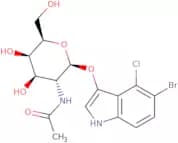
1kgA consultar100gA consultar250gA consultar500gA consultar2500gA consultar-Unit-ggA consultar5-Bromo-4-chloro-3-indoxyl-N-acetyl-beta-D-galactosaminide
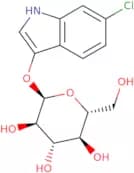
CAS:5-Bromo-4-Chloro-3-Indoxyl-N-Acetyl-Beta-D-Galactosaminide is a chromogenic substrate for detecting beta-galactosidase and GalNAc-transferase enzymes. Upon hydrolysis by the enzyme, it produces a blue-green colored compound that can be detected visually or measured spectrophotometrically. This substrate is useful in characterizing the activity of Beta-Galactosidase and GalNAc-transferase enzymes involved in glycobiology research and diagnostic applications.Fórmula:C16H18BrClN2O6Pureza:Min. 98 Area-%Cor e Forma:Crystalline PowderPeso molecular:449.68 g/molChloro-3-indolyl a-D-glucopyranoside
CAS:Chromogenic substrate for α-glucosidaseFórmula:C14H16ClNO6Pureza:Min. 97 Area-%Cor e Forma:White PowderPeso molecular:329.73 g/mol5-Bromo-4-chloro-3-indoxyl-alpha-D-N-acetylneuraminic acid, cyclohexylammonium salt
5-Bromo-4-chloro-3-indoxyl-alpha-D-N-acetylneuraminic acid, cyclohexylammonium salt is a chemiluminescent substrate that provides a significant increase in light emission. It has a CAS number of 59820-92-0 and is supplied in high purity and high quality. This product is used for the detection of various biological reactions, including diagnostics, enzyme substrates, food testing, and more.Pureza:Min. 95%6-Bromo-2-naphthyl 2-acetamido-2-deoxy-b-D-glucopyranoside
CAS:6-Bromo-2-naphthyl 2-acetamido-2-deoxy-b-D-glucopyranoside is a chromogenic substrate used for the detection of chitinase activity. Upon hydrolysis by chitinase, it releases a yellow-brown color, which is easily detected by spectrophotometry. This substrate has been used to study chitinases in various organisms, including bacteria, fungi, and insects. It can also be used to quantitate chitinase activity in various biological samples.
Fórmula:C18H20BrNO6Pureza:Min 97%Cor e Forma:White PowderPeso molecular:426.26 g/mol4-(Hydroxymethyl)phenyl-α-D-galactopyranoside tetraacetate
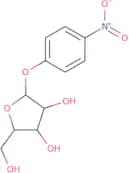
CAS:4-(Hydroxymethyl)phenyl-alpha-D-galactopyranoside tetraacetate is a substrate for enzymes that catalyze the hydroxylation of carbohydrates. It can be used as a substrate for peroxidase and beta-glucosidase, which are important in the production of natural products such as resveratrol, catechins, and lignin. 4-(Hydroxymethyl)phenyl-alpha-D-galactopyranoside tetraacetate is also a chromogenic substrate for chemiluminescence reactions. The product is available as a powder and can be used in diagnostic kits to detect the presence of enzymes or other substances in food or environmental samples.Fórmula:C21H26O11Peso molecular:454.43 g/mol4-Nitrophenyl β-D-galactofuranoside
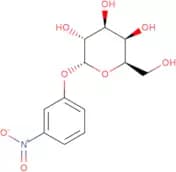
CAS:Chromogenic substrate for beta-galactofuranosidaseFórmula:C12H15NO8Pureza:Min. 98 Area-%Cor e Forma:White PowderPeso molecular:301.25 g/mol3-Nitrophenyl a-D-galactopyranoside
CAS:3-Nitrophenyl alpha-D-galactopyranoside is a chromogenic substrate to measure the activity of the alpha-galactosidase enzymes. Upon hydrolysis by galactosidase, 3NPG releases a yellowish product, 3-nitrophenol, which can be easily measured spectrophotometrically. Some of the applications include enzyme assays, screening for alpha-galactosidase-producing microorganisms, and studying the kinetics and inhibition of alpha-galactosidase enzymes.Pureza:Min. 95%Cor e Forma:PowderPeso molecular:301.25 g/molAldol® 515 N-glutaryl-L-phenylalanine amide potassium salt, Biosynth Patent: EP 2427431 and US 8940909
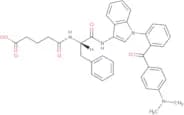
CAS:Aldol® 515 N-glutaryl-L-phenylalanine amide is a chromogenic and fluorogenic enzyme substrate used for detection of L-glutamate-phenylalanine (GluPhe)-specific peptidase activity. The colorless enzyme substrate is cleaved the GluPhe-specific peptidase, yielding development of orange-red coloration. In addition, red fluorescence is generated when Aldol® 355 fluorescence enhancer or a suitable matrix is present. Aldol® 515 N-glutaryl-L-phenylalanine amide can be used in enzyme assays and live bacterial cultures. Aldol® 515 N-glutaryl-L-phenylalanine amide is suitable for use in liquid and solid media, under aerobic as well as anaerobic conditions.
Fórmula:C37H35KN4O5Pureza:Min. 95%Cor e Forma:PowderPeso molecular:654.8 g/mol2-Nitrophenyl b-D-fucopyranoside
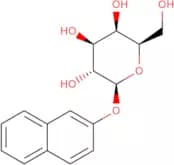
CAS:2-Nitrophenyl b-D-fucopyranoside is a chromogenic substrate used in various enzymatic assays to detect the presence of fucosidase enzymes. It consists of a nitrophenyl group attached to a fucose sugar molecule. When acted upon by enzymes such as fucosidases, it releases the colored nitrophenyl group, which can be detected using spectrophotometry.Fórmula:C12H15NO7Pureza:Min. 95%Cor e Forma:White Off-White PowderPeso molecular:285.25 g/mol2-Naphthyl b-D-galactopyranoside
CAS:2-Naphthyl beta-D-galactopyranoside is a glycoside that is found in the flowers of the plant Eschscholzia californica. It is used as a localizer for bacterial strains and can be hydrolyzed by enzymes to release naphthalene. 2-Naphthyl beta-D-galactopyranoside has been shown to inhibit the growth of corynebacterium and diazonium salt, which may be due to its ability to bind to DNA and disrupt protein synthesis. The potential use of this molecule is for its insolubility, which prevents it from being absorbed by skin cells.
Fórmula:C16H18O6Pureza:Min. 99 Area-%Cor e Forma:PowderPeso molecular:306.31 g/mol5-Bromo-4-chloro-3-indolyl b-D-galactofuranoside
5-Bromo-4-chloro-3-indolyl b-D-galactofuranoside is a chromogenic substrate used to detect the specific enzymatic activity of beta-D-galactofuranosidase. After cleavage, 5-bromo-4-chloro-indoxyl is released, resulting in a blue to blue-green color change in bacterial colonies or media. 5-Bromo-4-chloro-3-indolyl b-D-galactofuranoside is used in assays for detecting bacterial pathogens (e.g., Mycobacterium tuberculosis).Fórmula:C14H15BrClNO6Pureza:Min. 95%Cor e Forma:PowderPeso molecular:408.63 g/molAldol® 518 palmitate, Biosynth Patent: EP 2427431 and US 8940909
Aldol 518 Palmitate is a high purity and high quality, bioluminescent substrate for use in diagnostic applications. Aldol 518 Palmitate is an enzyme substrate that is used for the detection of hydrogen peroxide through chemiluminescence or bioluminescence. It can be used in the diagnosis of bacterial infections and to test food products for spoilage. The enzyme substrate has a CAS number of 646-12-2.Fórmula:C39H49ClN2O3Pureza:Min. 95 Area-%Peso molecular:629.28 g/mol5-Bromo-4-chloro-3-indoxyl butyrate
CAS:Chromogenic substrate for carboxylesterase yielding a blue precipitate upon cleavage. It has been proposed for the rapid detection of Branhamella catarrhalis in a strip test because unlike most other members of the family Neisseriaceae, Branhamella catarrhalis produces a butyrateesterase.Fórmula:C12H11BrClNO2Pureza:Min. 98.0 Area-%Peso molecular:316.59 g/mol5-Bromo-3-indolyl 2-acetamido-2-deoxy-b-D-glucopyranoside
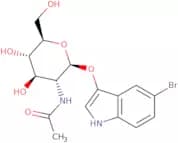
CAS:5-Bromo-3-indolyl 2-acetamido-2-deoxy-b-D-glucopyranoside is a lapis substrate, a chromogenic substrate that yields a deep blue color after cleavage. It is used in lysosomal storage disorder screening such as for Sanfilippo syndrome.Fórmula:C16H19BrN2O6Pureza:Min. 98 Area-%Cor e Forma:White Off-White PowderPeso molecular:415.24 g/mol3-Indoxyl-β-D-galactopyranoside
CAS:Chromogenic substrate for β-D-galactosidase, yielding a blue precipitate upon cleavage.Fórmula:C14H17NO6Pureza:Min. 98 Area-%Peso molecular:295.29 g/molRef: 3D-I-6000
5gA consultar10gA consultar25gA consultar50gA consultar100gA consultar-Unit-ggA consultarAldol® 515 acetate, Biosynth Patent: EP 2427431 and US 8940909
CAS:Aldol® 515 acetate is a chromogenic and fluorogenic substrate, used for detection of esterase activity. The colorless product is cleaved by purified esterase, or esterase secreted by microorganisms in liquid or solid media, yielding a red color and red fluorescence signal when Aldol® 355 fluorescence enhancer or a suitable matrix is present. Aldol® 515 acetate can be used under aerobic and anaerobic conditions. Well detectable color/fluorescence of bacterial colonies or liquid cultures is obtained within 16-48 h. In the presence of a purified esterase, color and fluorescence develops within minutes to few hours.Fórmula:C25H22N2O3Pureza:Min. 95.0 Area-%Peso molecular:398.45 g/mol5-Bromo-4-chloro-3-indolyl myristate
CAS:5-Bromo-4-chloro-3-indolyl myristate is a chromogenic substrate used to detect the specific enzymatic activity of lipase or esterase. After cleavage, 5-bromo-4-chloro-indoxyl is released, resulting in a blue to blue-green color change in bacterial colonies or media. 5-Bromo-4-chloro-3-indolyl myristate is used in screening assays for pancreatic lipase deficiency and lipid metabolism studies.Fórmula:C22H31BrClNO2Pureza:Min. 95%Cor e Forma:PowderPeso molecular:456.84 g/molAldol® 470 acetate, Biosynth Patent: EP 2427431 and US 8940909
CAS:Produto ControladoAldol® 470 acetate is a Fluorogenic substrate that is used in enzymatic reactions to produce a fluorescent product. Aldol® 470 acetate can be used as a ligand or a chromogenic substrate. This product is also used in diagnostic tests, such as conjugates and chemiluminescence, to detect the presence of certain enzymes or microorganisms. It can be used in culture media to measure the amount of certain enzymes, such as phosphatases or proteases, and has been shown to have high purity and quality. This product has CAS No. 1318785-37-3, 1318785-38-4, 1318785-39-5, 1318785-40-6 and 1318785-41-7.
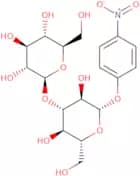
Fórmula:C25H21NO5Pureza:Min. 95%Cor e Forma:PowderPeso molecular:415.44 g/mol4-Nitrophenyl 3-O-(β-D-glucopyranosyl)-β-D-glucopyranoside
CAS:Chromogenic substrate for beta-glucanaseFórmula:C18H25NO13Pureza:Min. 95 Area-%Cor e Forma:PowderPeso molecular:463.39 g/mol5-Iodo-3-indolyl-b-D-galactopyranoside-6-sulfate sodium salt
5-Iodo-3-indolyl-b-D-galactopyranoside-6-sulfate sodium salt is a high purity, water soluble fluorogenic substrate for the detection of beta-galactosidase activity. This product is used in food testing, environmental testing, and diagnostics. 5-Iodo-3-indolyl-b-D-galactopyranoside (5IIAG) is a beta galactosidase substrate that provides a convenient method for determining beta galactosidase activity. This product is also used as an indicator to measure the rate of hydrolysis of ester bonds in other compounds that contain acid functional groups such as glycerides and oils.Pureza:Min. 95%Peso molecular:523.24 g/molAldol® 458 acetate, Biosynth Patent: EP 2427431 and US 8940909
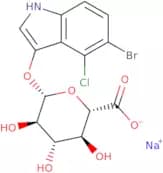
CAS:Produto ControladoAldol 458 acetate is a synthetic chemical that is used in the food industry as an enzyme substrate and in diagnostic tests to measure the level of enzymes. Aldol 458 acetate is a ligand that binds to proteins, such as horseradish peroxidase and alkaline phosphatase, which are commonly used for detection of antibodies or other proteins. This product can be used as a culture medium additive for bacteria, fungi, and yeast. It can also be used for diagnostics and chemiluminescence reactions. Aldol 458 acetate has high purity and quality.Fórmula:C18H15NO4Pureza:Min. 95.0 Area-%Peso molecular:309.32 g/mol5-Bromo-4-chloro-3-indolyl b-D-glucuronide sodium salt
CAS:Chromogenic substrate for beta-glucuronidase
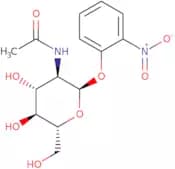
Fórmula:C14H12BrClNNaO7Pureza:Min. 98 Area-%Cor e Forma:White Off-White PowderPeso molecular:444.59 g/mol2-Nitrophenyl 2-acetamido-2-deoxy-a-D-glucopyranoside
CAS:2-Nitrophenyl 2-acetamido-2-deoxy-alpha-D-glucopyranoside is a chromogenic substrate used to assay the activity of enzymes that cleave N-acetyl-alpha-D-glucosaminide, such as chitinases and lysozymes. Upon cleavage by the enzyme of interest, the substrate releases a yellow-colored 2-nitrophenol that can be measured spectrophotometrically. This substrate is widely used in the food industry to monitor the activity of lysozyme in cheese, as well as in biomedical research for studying cellular and molecular mechanisms involved in conditions such as inflammation and cancer.Pureza:Min. 95%Cor e Forma:PowderPeso molecular:342.3 g/mol4-Nitrophenyl-N-acetyl-α-D-glucosaminide
CAS:4-Nitrophenyl-N-acetyl-α-D-glucosaminide is a chromogenic substrate for N-acetyl-β-D-glucosaminidase yielding a yellow solution upon cleavage.Fórmula:C14H18N2O8Peso molecular:342.31 g/molRef: 3D-N-4030
1gA consultar100mgA consultar250mgA consultar500mgA consultar2500mgA consultar-Unit-ggA consultar5-Bromo-4-chloro-3-indolyl a-L-arabinofuranoside
5-Bromo-4-chloro-3-indolyl a-L-arabinofuranoside is a chromogenic substrate used to detect the specific enzymatic activity of alpha-L-arabinofuranosidase. After cleavage, 5-bromo-4-chloro-indoxyl is released, resulting in a blue to blue-green color change in bacterial colonies or media. 5-Bromo-4-chloro-3-indolyl a-L-arabinofuranoside is used in bacterial arabinan degradation assays (e.g. Bacillus spp.).Fórmula:C13H13BrClNO5Pureza:Min. 98.0 Area-%Cor e Forma:PowderPeso molecular:378.6 g/molAldol® 458 nonanoate, Biosynth Patent: EP 2427431 and US 8940909
CAS:Produto ControladoAldol 458 nonanoate is a fluorogenic substrate that can be used in the detection of enzyme activity particularly C8/C9-esterases, lipases activity producing a yellow/green-orange color. Aldol 458 nonanoate reacts with enzymes, such as oxidoreductases and hydrolases, to produce light. This product is a conjugate of aldol 458 nonanoate and an enzyme substrate for the detection of these enzymes. It has been shown to be useful in food testing, staining, fluorogenic substrate, environmental testing, chromogenic substrate, conjugate, high purity, enzyme substrate for diagnostics and ligand.
Fórmula:C25H29NO4Pureza:Min. 95%Peso molecular:407.5 g/mol5-Bromo-6-chloro-3-indoxyl-beta-D-glucopyranoside
CAS:Chromogenic substrate for β-D-glucosidase yielding a magenta precipitate. Differentiation of Salmonella spp. (negative) from other Enterobacteriaceae.Fórmula:C14H15BrClNO6Pureza:Min. 99 Area-%Peso molecular:408.64 g/molAldol® 455 beta-D-glucopyranoside, Biosynth Patent: EP 2427431 and US 8940909
CAS:Aldol® 455 beta-D-glucopyranoside is a chromogenic and fluorogenic enzyme substrate used for detection of beta-glucosidase activity. The colorless enzyme substrate is cleaved by beta-glucosidase producing bacteria grown in liquid or solid media, yielding a yellow color and green to orange fluorescence. Aldol® 455 beta-D-glucopyranoside can be used under aerobic and anaerobic conditions.
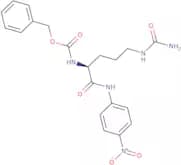
Fórmula:C27H24ClNO7Pureza:Min. 95%Cor e Forma:PowderPeso molecular:509.94 g/molN-α-CBZ-L-citrulline-p-nitroanilide
CAS:Nalpha-CBZ-L-Citrulline-p-nitroanilide is a synthetic chromogenic enzyme substrate used in protease enzymatic stutides. After hydrolysis, p-nitroaniline is released, which produces a yellow color detectable spectrophotometrically at 405 nm.
Fórmula:C20H23N5O6Pureza:Min. 95%Peso molecular:429.43 g/mol5-Bromo-3-indoxyl phosphate, disodium salt
CAS:5-Bromo-3-indoxyl phosphate, disodium salt is an enzyme substrate that is used for environmental testing, bioluminescence, culture media, chemiluminescence, fluorogenic substrate and food testing. It is also used as a ligand for diagnostic purposes. 5-Bromo-3-indoxyl phosphate, disodium salt has CAS number 16036-59-2 and it is soluble in water. This product has high quality and purity with a conjugate of 5% phenol red. 5-Bromo-3-indoxyl phosphate, disodium salt reacts with the enzyme horseradish peroxidase to produce a red color. This product can be used to detect hydrogen peroxide in the presence of an oxidizing agent such as hydrogen peroxide or potassium permanganate. The reaction produces a blue color when the solution is viewed in daylight or under ultraviolet light.Fórmula:C8H5BrNNa2O4PPureza:98.0 To 100.0 Area-%Peso molecular:335.99 g/mol4-Nitrophenyl b-L-arabinofuranoside
CAS:Chromogenic substrate targeting alpha-L-arabinofuranosidase
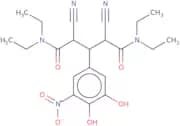
Pureza:Min. 95%Cor e Forma:White/Off-White SolidPeso molecular:271.22 g/mol2,4-Dicyano-3-(3,4-dihydroxy-5-nitrophenyl)-N1,N1,N5,N5-tetraethylpentanediamide
2,4-Dicyano-3-(3,4-dihydroxy-5-nitrophenyl)-N1,N1,N5,N5-tetraethylpentanediamide is a white crystalline solid that is used as an analytical reference standard in HPLC. It is used for the determination of purity and impurities in pharmaceuticals and drug products. This compound can be custom synthesized or obtained from natural sources. It can be found in the USP Drug Impurity Standards and the European Pharmacopoeia.Fórmula:C21H27N5O6Pureza:Min. 95%Peso molecular:445.47 g/molAldol® 515 beta-D-xylopyranoside, Biosynth Patent: EP 2427431 and US 8940909
CAS:Aldol® 515 beta-D-xylopyranoside is a chemiluminescent ligand that can be used for the detection of beta-xylosidase activity to yield a red color.
Fórmula:C28H34N2O6Pureza:Min. 95%Cor e Forma:PowderPeso molecular:494.59 g/mol2-Naphthyl-alpha-D-glucopyranoside
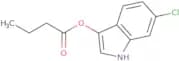
CAS:2-Naphthyl-α-D-glucopyranoside is a substrate for α-glucosidase. 2-Naphthol is released upon hydrolyzation. By simultaneous coupling with a suitable staining reagent, such as hexazonium p-rosaniline, the corresponding reddish-brown azo-dye is formed. Naphthols can also be detected by fluorescence analysis.Fórmula:C16H18O6Pureza:Min. 98.0 Area-%Peso molecular:306.32 g/mol6-Chloro-3-indolyl butyrate
CAS:6-Chloro-3-indolyl butyrate is a chromogenic substrate for lipases. Use in lipid digestion and metabolism studies, it produces a salmon-pink color when 6-chloro-3-indolyl is released after enzymatic cleavage.Fórmula:C12H12ClNO2Pureza:Min. 95%Cor e Forma:PowderPeso molecular:237.68 g/mol2-Chloro-4-nitrophenyl a-D-maltotrioside
CAS:2-Chloro-4-nitrophenyl a-D-maltotrioside (2CNP) is a potent hypoglycemic agent that has been shown to decrease postprandial blood glucose levels in humans. 2CNP is a white crystalline solid that is soluble in water and ethanol. The transfer reactions of 2CNP are enhanced by benzalkonium chloride, which forms an organic complex with the drug. The optimum concentration for the hypoglycemic effect of 2CNP is determined to be 10 μM, which can be detected using an optical sensor. This compound also inhibits α-amylase and other enzymes involved in carbohydrate metabolism, leading to the accumulation of glycogen and lowering the blood glucose level.
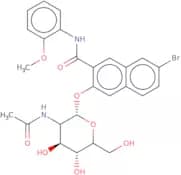
Fórmula:C24H34CiNO18Pureza:Min. 95%Cor e Forma:Off-White Yellow PowderPeso molecular:659.98 g/molNaphthol AS-BI N-acetyl-b-D-galactosaminide
CAS:Modified naphtol AS substrate used in histochemical and cytochemical stainingFórmula:C26H27BrN2O8Pureza:Min. 95%Cor e Forma:PowderPeso molecular:575.41 g/mol5-Bromo-4-chloro-1H-indol-3-yl-β-D-cellotetraoside
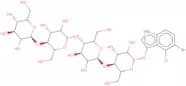
5-Bromo-4-chloro-1H-indol-3-yl-b-D-cellotetraoside is a chromogenic substrate used to detect the specific enzymatic activity of cellulase. After cleavage, 5-bromo-4-chloro-indoxyl is released, resulting in a blue to blue-green color change in bacterial colonies or media. 5-Bromo-4-chloro-1H-indol-3-yl-b-D-cellotetraoside is used in bacterial cellulase detection and biomass conversion research.Fórmula:C32H45BrClNO21Pureza:Min. 95%Cor e Forma:PowderPeso molecular:895.05 g/mol5-Bromo-3-indolyl phosphate disodium salt
CAS:5-Bromo-3-indolyl phosphate disodium salt is a chemiluminescent substrate that is used for the detection of bacterial activity. It reacts with oxygen to produce light, which can be measured using a luminometer. It is also used as a chromogenic substrate for detection of bacterial activity in culture media. The enzyme reaction produces an intense blue fluorescence and is used for diagnostic purposes in food testing and medical diagnostics. 5-Bromo-3-indolyl phosphate disodium salt has been shown to be effective against many bacteria and fungi, including Staphylococcus aureus, Streptococcus pyogenes, Escherichia coli, Pseudomonas aeruginosa, Candida albicans and Aspergillus niger. This product is chemically stable at room temperature but should be stored at 4°C or below.
Fórmula:C8H5BrNO4PNa2Pureza:Min. 95%Cor e Forma:PowderPeso molecular:335.99 g/mol5-Bromo-4-chloro-3-indoxyl oleate
CAS:5-Bromo-4-chloro-3-indoxyl oleate is a chromogenic substrate used to detect the specific enzymatic activity of lipase. After cleavage, 5-bromo-4-chloro-indoxyl is released, resulting in a blue to blue-green color change in bacterial colonies or media. 5-Bromo-4-chloro-3-indoxyl oleate is used in lipid metabolism disorder screening.Fórmula:C26H37BrClNO2Pureza:Min. 95%Cor e Forma:PowderPeso molecular:510.93 g/mol2-Nitrophenyl a-D-galactopyranoside
CAS:2-Nitrophenyl alpha-D-galactopyranoside is a chromogenic substrate used to detect the enzymatic activity of alpha-galactosidase. After cleavage, the nitrophenyl moiety is released exhibiting a light yellowish color. 2-Nitrophenyl alpha-D-galactopyranoside is used in Fabry disease screening.Fórmula:C12H15NO8Pureza:Min. 95%Cor e Forma:White Off-White PowderPeso molecular:301.25 g/mol