Outros
Foram encontrados 6275 produtos de "Outros"
Ordenar por
Pureza (%)
0
100
|
0
|
50
|
90
|
95
|
100
Chlorophenol red-β-D-cellotrioside
CAS:<p>Chromogenic substrate for cellulases; red color</p>Fórmula:C37H42Cl2O20SPureza:Min. 95%Cor e Forma:Orange to red solid.Peso molecular:909.69 g/molAldol® 515 palmitate, Biosynth Patent: EP 2427431 and US 8940909
CAS:<p>Aldol® 515 palmitate is a chromogenic substrate that is used in food testing, diagnostics, and other applications. It has a high purity and is conjugated to various ligands for specific applications. Aldol® 515 palmitate is an excellent chemiluminescent substrate for the detection of ATP and other nucleotides. It also has high bioluminescence activity for the detection of adenosine-5'-triphosphate (ATP) or luciferin as well as enzyme substrates to measure β-galactosidase or β-glucuronidase activity.</p>Fórmula:C39H50N2O3Pureza:Min. 95.0 Area-%Peso molecular:594.83 g/mol1-Naphthyl β-D-glucuronide
CAS:<p>1-Naphthyl beta-D-glucuronide (NPG) is a chromogenic enzyme substrate used to detect the presence of β-glucuronidase activity. Upon hydrolysis by the enzyme, it produces a yellow product that can be detected by spectrophotometry or visually. It is commonly used in clinical assays to detect the presence of the enzyme in urine samples, as elevated levels can indicate liver or urinary tract diseases. It is also utilized in environmental testing, as some bacteria strains can produce the enzyme as a by-product, making NPG a useful tool for detecting these strains in contaminated water or food sources.</p>Fórmula:C16H16O7Pureza:Min. 95%Cor e Forma:White PowderPeso molecular:320.29 g/mol2-Chloro-4-nitrophenyl α-D-mannopyranoside
CAS:<p>2-Chloro-4-nitrophenyl alpha-D-mannopyranoside is a substrate used to measure the alpha-mannosidase activity. This enzyme plays a crucial role in the lysosomal degradation of asparagine-linked carbohydrate cores of glycoproteinsis. The use of 2-Chloro-4-nitrophenyl alpha-D-mannopyranoside in diagnostic assays is important as a deficiency in alpha-mannosidase leads to the accumulation of mannose-rich oligosaccharides in lysosomes, causing a range of health problems collectively known as alpha-mannosidosis.</p>Fórmula:C12H14ClNO8Pureza:Min. 98 Area-%Cor e Forma:White PowderPeso molecular:335.69 g/molAldol® 455 β-D-galactopyranoside, Biosynth Patent: EP 2427431 and US 8940909
CAS:<p>Aldol® 455 beta-D-galactopyranoside is a chromogenic substrate for the enzyme β-galactosidase. It is used to detect the activity of β-galactosidase in cell culture, and has been shown to be highly purified and of high quality. This product can be used as a ligand for receptor binding studies or as an agent in enzyme substrates in fluorescence and chemiluminescence reactions.</p>Fórmula:C27H24ClNO7Pureza:Min. 93.0 Area-%Peso molecular:509.94 g/molChlorophenol red-b-D-galactopyranoside sodium salt
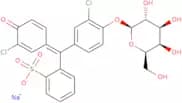
CAS:<p>Chlorophenol red-b-D-galactopyranoside sodium salt is the salt from of CPRG (chlorophenol red-b-D-galactopyranoside), that has a higher solubility. It is a chromogenic substrate for beta-galactosidases that, after enzymatic cleavage, releases chlorophenol red, a dark red compound quantified by absorbance at 570 nm.</p>Fórmula:C25H21Cl2O10SNaPureza:Min. 96 Area-%Cor e Forma:PowderPeso molecular:607.4 g/mol2-Nitrophenyl b-L-fucopyranoside
CAS:<p>2-Nitrophenyl beta-L-fucopyranoside is a chromogenic substrate used to detect the enzymatic activity of beta-L-fucosidase. After cleavage, the nitrophenyl moiety is released exhibiting a light yellowish color. 2-Nitrophenyl beta-L-fucopyranoside is used in bacterial fucose metabolism studies to identify and quantify the enzymatic activity in, for example, Bacteroides spp..</p>Pureza:Min. 98 Area-%Cor e Forma:PowderPeso molecular:285.25 g/mol3,4-Cyclohexenoesculetine-N-acetyl-glucosamine
<p>Please enquire for more information about 3,4-Cyclohexenoesculetine-N-acetyl-glucosamine including the price, delivery time and more detailed product information at the technical inquiry form on this page</p>Pureza:Min. 95%2-Nitrophenyl-β-D-galactopyranoside - non-animal origin
CAS:<p>2-Nitrophenyl-beta-D-galactopyranoside is a non-animal origin chromogenic substrate for the detection of beta-galactosidase activity. It is used in food testing, diagnostics, and environmental testing. 2-Nitrophenyl-beta-D-galactopyranoside is also used as a ligand in enzyme assays and a fluorogenic substrate for chemiluminescent reactions. This product is conjugated to HRP.</p>Fórmula:C12H15NO8Pureza:Min. 98 Area-%Peso molecular:301.25 g/mol5-Bromo-4-chloro-3-indolyl b-D-galactofuranoside
<p>5-Bromo-4-chloro-3-indolyl b-D-galactofuranoside is a chromogenic substrate used to detect the specific enzymatic activity of beta-D-galactofuranosidase. After cleavage, 5-bromo-4-chloro-indoxyl is released, resulting in a blue to blue-green color change in bacterial colonies or media. 5-Bromo-4-chloro-3-indolyl b-D-galactofuranoside is used in assays for detecting bacterial pathogens (e.g., Mycobacterium tuberculosis).</p>Fórmula:C14H15BrClNO6Pureza:Min. 95%Cor e Forma:PowderPeso molecular:408.63 g/mol6-Bromo-2-naphthyl b-D-glucuronide
CAS:<p>6-Bromo-2-naphthyl beta-D-glucuronide is a substrate for beta-glucuronidase, an enzyme involved in detoxification and bacterial metabolism. Upon enzymatic hydrolysis, it releases 6-bromo-2-naphthol, which forms a detectable dye when reacted with diazonium salts. This compound is widely used in microbiology to detecting E. coli in water testing and histochemical staining. 6-Bromo-2-naphthyl beta-D-glucuronide is also been used in cancer research studies. It has been found that some tumors are related to a high activity of beta-glucuronidase, responsible to reactivate the carcinogens and promote tumor progression, developing a drug resistance to chemotherapy.</p>Fórmula:C16H15BrO7Pureza:Min 97%Cor e Forma:White Off-White PowderPeso molecular:399.2 g/mol5-Bromo-4-chloro-3-indoxyl oleate
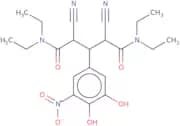
CAS:<p>5-Bromo-4-chloro-3-indoxyl oleate is a fluorescent substrate that is used for staining and enzyme substrate. It is a conjugate that is used in environmental testing, food testing, and diagnostics. 5-Bromo-4-chloro-3-indoxyl oleate has a CAS number of 341972-97-2 and its molecular weight is 229.5 g/mol. It's purity is > 98%, with a specific optical rotation of +147° (c=1, CHCl3). This compound can be used as a chromogenic or fluorogenic substrate in bioluminescence assays. 5BRIO3 has been shown to be an excellent ligand for the detection of DNA polymerase I activity.</p>Fórmula:C26H37BrClNO2Pureza:Min. 98 Area-%Peso molecular:510.95 g/mol2,4-Dicyano-3-(3,4-dihydroxy-5-nitrophenyl)-N1,N1,N5,N5-tetraethylpentanediamide
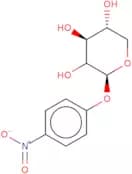
<p>2,4-Dicyano-3-(3,4-dihydroxy-5-nitrophenyl)-N1,N1,N5,N5-tetraethylpentanediamide is a white crystalline solid that is used as an analytical reference standard in HPLC. It is used for the determination of purity and impurities in pharmaceuticals and drug products. This compound can be custom synthesized or obtained from natural sources. It can be found in the USP Drug Impurity Standards and the European Pharmacopoeia.</p>Fórmula:C21H27N5O6Pureza:Min. 95%Peso molecular:445.47 g/mol4-Nitrophenyl b-D-arabinopyranoside
CAS:<p>Chromogenic substrate targeting beta-L-arabinofuranosidase</p>Pureza:Min. 95%Peso molecular:271.22 g/molAldol® 495 acetate, Biosynth Patent: EP 2427431 and US 8940909
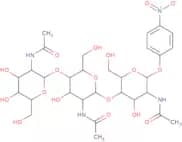
CAS:Produto Controlado<p>Aldol 495 acetate is a chromogenic substrate that contains the chemical compound Aldol. It is used in food testing, diagnostics, and environmental testing. Aldol 495 acetate can be used as a ligand to detect the presence of enzymes or bacteria in culture media and diagnostics. This product has been shown to have a high purity and quality.</p>Fórmula:C22H17ClN2O3Pureza:Min. 95.0 Area-%Peso molecular:392.83 g/mol4-Nitrophenyl N,N',N''-triacetyl-b-D-chitotriose
CAS:<p>Substrate for determining hydrolytic activity of chitinase</p>Pureza:Min. 95%Cor e Forma:White PowderPeso molecular:748.69 g/mol5-Bromo-6-chloro-3-indoxyl butyrate
CAS:<p>5-Bromo-6-chloro-3-indoxyl butyrate is an enzyme substrate that is used for the detection of bacteria and fungi in environmental testing, food testing, and diagnostics. It is also used as a fluorogenic substrate in bioluminescence and chemiluminescence assays. 5-Bromo-6-chloro-3-indoxyl butyrate binds to proteins on the cell surface, causing an increase in fluorescence when excited by light of a specific wavelength. The conjugate can be detected using a variety of methods, including staining with dyes such as safranin or methylene blue. This product has high purity and high quality.</p>Fórmula:C12H11BrClNO2Pureza:Min. 98 Area-%Peso molecular:316.59 g/molRef: 3D-B-7060
1gA consultar5gA consultar10gA consultar500mgA consultar2500mgA consultar-Unit-ggA consultartert-Butyl cis-4-formylcyclohexylcarbamate
CAS:Fórmula:C12H21NO3Pureza:98%Cor e Forma:SolidPeso molecular:227.304(S)-1-Cyclohexylethanamine
CAS:Fórmula:C8H17NPureza:98%Cor e Forma:Liquid, ClearPeso molecular:127.2313-[[3,5-Bis(trifluoromethyl)phenyl]amino]-4-[[(1R,2R)-2-(1-pyrrolidinyl)cyclohexyl]amino]-3-cyclobutene-1,2-dione
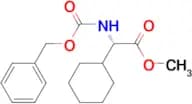
CAS:Pureza:97%Peso molecular:475.4349976(S)-methyl 2-(((benzyloxy)carbonyl)amino)-2-cyclohexylacetate
CAS:Pureza:98%Peso molecular:305.37399291-(3,5-Bis(trifluoromethyl)phenyl)-3-((1S,2S)-2-(dimethylamino)cyclohexyl)thiourea
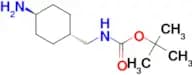
CAS:Fórmula:C17H21F6N3SPureza:97%Cor e Forma:Liquid, No data available.Peso molecular:413.43tert-Butyl ((trans-4-aminocyclohexyl)methyl)carbamate
CAS:Fórmula:C12H24N2O2Pureza:97%Cor e Forma:SolidPeso molecular:228.336Methyl 4-Hydroxycyclohexanecarboxylate
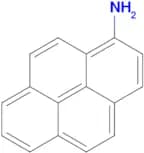
CAS:Fórmula:C8H14O3Pureza:98%Cor e Forma:SolidPeso molecular:158.197Pyren-1-amine
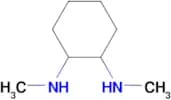
CAS:Fórmula:C16H11NPureza:95%Cor e Forma:Solid, Pale yellow to deep yellow green powderPeso molecular:217.271N,N’-Dimethylcyclohexane-1,2-diamine
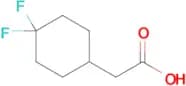
CAS:Fórmula:C8H18N2Pureza:95%Cor e Forma:ClearPeso molecular:142.2462-(4,4-Difluorocyclohexyl)acetic acid
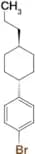
CAS:Fórmula:C8H12F2O2Pureza:97%Cor e Forma:SolidPeso molecular:178.179(trans,trans)-4-Butyl-4′-propyl-1,1′-bicyclohexyl
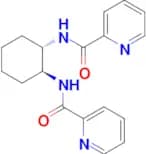
CAS:Fórmula:C19H36Pureza:97%Cor e Forma:Liquid, No data available.Peso molecular:264.497N,N’-((1S,2S)-Cyclohexane-1,2-diyl)dipicolinamide
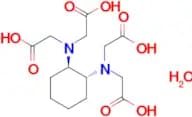
CAS:Fórmula:C18H20N4O2Pureza:98%Peso molecular:324.3842,2′,2”,2”’-(1R, 2R)-rel-(Cyclohexane-1,2-diylbis(azanetriyl))tetraacetic acid hydrate
CAS:Fórmula:C14H24N2O9Pureza:97%Cor e Forma:SolidPeso molecular:364.351(R)-3-[(tert-Butoxycarbonyl)amino]-4-cyclohexylbutyric acid
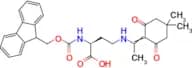
CAS:Fórmula:C15H27NO4Pureza:98%Cor e Forma:SolidPeso molecular:285.384(S)-2-((((9H-Fluoren-9-yl)methoxy)carbonyl)amino)-4-((1-(4,4-dimethyl-2,6-dioxocyclohexylidene)ethyl)amino)butanoic acid
CAS:Pureza:95%Peso molecular:504.5830078(4S,4’S)-4,4′-Dicyclohexyl-1,1′-bis(2,6-dimethylphenyl)-4,4′,5,5′-tetrahydro-1H,1’H-2,2′-biimidazole
Pureza:97%Peso molecular:510.769989









![3-[[3,5-Bis(trifluoromethyl)phenyl]amino]-4-[[(1R,2R)-2-(1-pyrrolidinyl)cyclohexyl]amino]-3-cyclob…](/_next/image/?url=https%3A%2Fstatic.cymitquimica.com%2Fproducts%2F10%2Fthumb-webp%2FF616082.webp&w=3840&q=75)










![(R)-3-[(tert-Butoxycarbonyl)amino]-4-cyclohexylbutyric acid](/_next/image/?url=https%3A%2Fstatic.cymitquimica.com%2Fproducts%2F10%2Fthumb-webp%2FF032343.webp&w=3840&q=75)