Carboidratos e Glicoconjugados
Os carboidratos são compostos orgânicos formados por carbono, hidrogénio e oxigénio, cuja estrutura básica é composta por monossacarídeos. Estes podem ligar-se para formar dissacarídeos, oligossacarídeos ou polissacarídeos, dependendo do número de unidades monoméricas. Os carboidratos desempenham um papel fundamental no armazenamento de energia, na estrutura celular e na comunicação celular. Os seus derivados são utilizados em produtos farmacêuticos, como adoçantes e excipientes.
Na CymitQuimica, oferecemos uma ampla variedade de carboidratos e seus derivados para investigação e aplicações industriais.
Foram encontrados 5006 produtos de "Carboidratos e Glicoconjugados"
Ordenar por
Pureza (%)
0
100
|
0
|
50
|
90
|
95
|
100
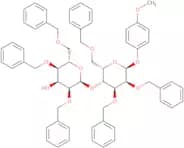
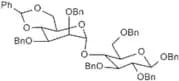
4-Methoxyphenyl 4-O-(2,4,6-tri-O-benzyl-b-D-galactopyranosyl)-2,3,6-tri-O-benzyl-b-D-glucopyranoside
CAS:<p>4-Methoxyphenyl 4-O-(2,4,6-tri-O-benzyl-b-D-galactopyranosyl)-2,3,6-tri-O-benzyl-b-D-glucopyranoside is a suppressor of genes that has been shown to be active in the treatment of leukemia. It suppresses transcription by inhibiting histone H3 acetylation and DNA replication by binding to the dna replication complex at sites of replication. The suppression of genes may be due to its ability to inhibit translation by blocking signal sequences and hybridization with complementary mRNA.</p>Fórmula:C61H64O12Pureza:Min. 95%Peso molecular:989.15 g/mol4-O-(a-D-Galactopyranosyl)-b-D-galactopyranosyl-CETE-BSA Conjugate
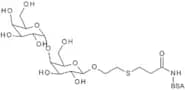
<p>This product is a complex carbohydrate that is used in the modification of oligosaccharides and polysaccharides. It is synthesized by reacting 4-O-(a-D-galactopyranosyl)-b-D-galactopyranosyl chloride with bovine serum albumin (BSA) under acidic conditions. The product has a purity of greater than 98% and a molecular weight of approximately 3,000 Daltons.</p>Pureza:Min. 95%Peso molecular:77,000 g/mol3'-a-Sialyl-N-acetyllactosamine-PAA-biotin
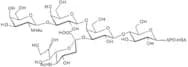
<p>3'-a-Sialyl-N-acetyllactosamine-PAA-biotin is a biotin labelled sialylglycoside</p>Pureza:Min. 95 Area-%Cor e Forma:Off-White PowderMethyl 3-O-(b-D-galactopyranosyl)-b-D-galactopyranoside
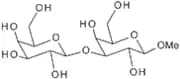
CAS:<p>Methyl 3-O-(b-D-galactopyranosyl)-b-D-galactopyranoside is a disaccharide that is the residue of 6-fluoro-3-indoxyl beta-D-galactopyranoside. This product is a glycoside of methyl 3,6,3',6'-tetraacetate and b-D-galactose.</p>Fórmula:C13H24O11Pureza:Min. 95%Peso molecular:356.32 g/molGD2-Oligosaccharide-desthiobiotin
<p>Desthiobiotin is a modified form of biotin that binds less tightly to biomolecules like proteins and carbohydrates than it does biotin, while still providing excellent specificity in affinity purification methods (Hirsch, 2002). The structure of GD2-oligosaccharide-desthiobiotin (sodium salt) comprises (GalNAcβ1,4Galβ1,4Glc) of its two sialic acids linked α2,3/α2,8 to the central galactose residue (Ledeen, 2009). The desthiobiotin is attached β to position 1 of the reducing glucose moiety. GD2 ganglioside is expressed at a low concentration in the central nervous system, nerves, skin melanocytes and stem cells in healthy adults. On the other hand, GD2 ganglioside is overexpressed in a number of tumors including: neuroblastoma, melanoma, small cell lung carcinoma and brain tumors. Recently, GD2 ganglioside has been found in low concentration on breast cancer stem cells (CSC) that possess: self-renewal properties (division without disrupting the undifferentiated state) and tumor-initiating capabilities. It has been suggested that GD2 ganglioside may be developed as an effective target antigen for CSC immunotherapy (Fleurence, 2017).</p>Fórmula:C65H106N10O37·2NaPureza:Min. 95%Cor e Forma:PowderPeso molecular:1,665.56 g/molAcarbose EP Impurity D
CAS:<p>Acarbose EP Impurity D is a polymerase chain reaction (PCR) product that is produced by the subtilis, which is a bacterium. Acarbose EP Impurity D has been shown to inhibit the growth of viruses and bacteria in vitro. It inhibits the synthesis of bioactive molecules by inhibiting the activity of cellular enzymes, such as polymerase chain reaction products. Acarbose EP Impurity D also inhibits viral replication and has been shown to have an inhibitory effect on HIV-1 protease.</p>Fórmula:C19H33NO13Pureza:Min. 95%Peso molecular:483.46 g/molCarboxymethyl cellulose sodium - Viscosity 300-600 mPa·s
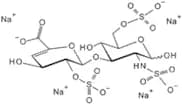
CAS:<p>Food additive; soil suspension polymer in detergents; thickening agent</p>Pureza:Min. 95%Heparin disaccharide I-S, tetrasodium salt
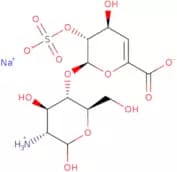
CAS:<p>Heparin disaccharide I-S, tetrasodium salt is a sodium salt of heparin that has been modified to contain two sulfate groups. The chemical modification of heparin disaccharide I-S, tetrasodium salt alters the molecule's charge and surface properties. This modification increases the molecule's ability to bind with cell surface markers and inhibits the activity of proteases. Heparin disaccharide I-S, tetrasodium salt is able to inhibit leukaemia proliferation in thp-1 cells by binding with cytoskeletal proteins such as vimentin and actin. This chemical also prevents PMA induced morphological changes in thp-1 cells. Heparin disaccharide I-S, tetrasodium salt is used as an anticoagulant in therapeutic settings. It is used to prevent blood clotting by inhibiting the activation of factors Xa and IIa. Heparin disaccharide</p>Fórmula:C12H15NO19S3·4NaPureza:Min. 98 Area-%Cor e Forma:White PowderPeso molecular:665.4 g/molSucrose 1,6,6'-tricarboxylic acid trimethyl ester
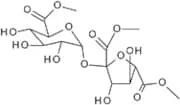
CAS:<p>Sucrose 1,6,6'-tricarboxylic acid trimethyl ester is a carbohydrate that has been fluorinated and methylated. It is a synthetic sugar that can be custom synthesized by our chemists to meet your specifications. This product is very pure and has a high degree of purity. It can be used as an oligosaccharide or as a monosaccharide in glycosylation or methylation reactions. Sucrose 1,6,6'-tricarboxylic acid trimethyl ester is also known as sucrose 3-fluoro-3-methylbutyrate, CAS No. 289711-92-8, or C12H18O7F3.</p>Fórmula:C15H22O14Pureza:Min. 95%Peso molecular:426.33 g/molNGA4F N-Glycan
CAS:<p>NGA4F N-Glycan is a modification of the N-glycan structure. It is an oligosaccharide composed of a single monosaccharide, methylated and glycosylated to form a polysaccharide with sugar groups on every other carbon. This product can be custom synthesized by our chemists at your request.</p>Fórmula:C72H120N6O50Pureza:Min. 95%Peso molecular:1,869.73 g/mol2,3,4,3',4'-Penta-O-isovaleryl-sucrose
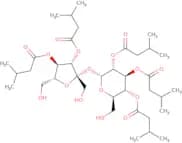
CAS:<p>2,3,4,3',4'-Penta-O-isovaleryl-sucrose is a custom synthesis that has been modified by fluorination and methylation. It is a monosaccharide with a molecular weight of 596.84 g/mol. This compound is synthesized from sucrose through a click modification reaction and then further modified by glycosylation reactions to form an oligosaccharide or polysaccharide. 2,3,4,3',4'-Penta-O-isovaleryl-sucrose can be used in the production of complex carbohydrates such as Sucralose and Stevia.</p>Pureza:Min. 95%Cor e Forma:PowderD-Raffinose undecaacetate
CAS:<p>D-Raffinose undecaacetate is a sweetener that is used in some chewing gum and other foods. It is a sucrose ester with the chemical formula C12H24O11. D-Raffinose undecaacetate has been shown to increase the release of insulin, which may be due to its effects on glucose uptake or modulation of taste receptors on the tongue. It has also been shown to have an anti-inflammatory effect, which may be due to its interactions with the bitter taste receptors present in tissues such as the small intestine and liver.</p>Fórmula:C40H54O27Pureza:Min. 95%Peso molecular:966.84 g/molParomamine trihydrochloride
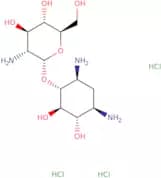
CAS:<p>Paromamine trihydrochloride is a Custom synthesis, Modification, Fluorination, Methylation, Monosaccharide, Synthetic, Click modification of the chemical compound. Paromamine trihydrochloride is an Oligosaccharide and saccharide that has been Glycosylated. The Carbohydrate complex is made up of a number of sugar units that are linked together to form a polysaccharide. This Polysaccharide can be found in many plants and animals.</p>Fórmula:C12H25N3O7•(HCl)3Pureza:Min. 95%Cor e Forma:PowderPeso molecular:432.72 g/molLacto-N-difucohexaose I-BSA
<p>Lacto-N-difucohexaose I-BSA is a high purity, custom synthesis sugar that is fluorinated, glycosylated, and methylated. It has been modified to be an oligosaccharide or monosaccharide with saccharides. Lacto-N-difucohexaose I-BSA is a complex carbohydrate that is made up of several different sugars. This product can be used for many purposes such as Click modification and Fluorination.</p>Pureza:Min. 95%Cor e Forma:PowderPrimeverose
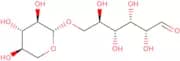
CAS:<p>Primeverose is a p-hydroxybenzoic acid that is found in the genus Primula and mammalian tissue. Primeverose has been shown to inhibit the activity of an enzyme called fatty acid activated, which is involved in the biosynthesis of anthraquinone glycosides. Primeverose is also able to hydrolyze enzymes such as primeverose and may act as a signal peptide for biological samples. The hydroxyl group on primeverose can form hydrogen bonds with other molecules and is present in food composition.</p>Fórmula:C11H20O10Pureza:Min. 95%Peso molecular:312.27 g/mol(5aR,10aR)-Tetrahydro-3H,5H,8H,10H-bisthiazolo[3,4-a:3',4'-d]pyrazine-5,10-dione
CAS:<p>(5aR,10aR)-Tetrahydro-3H,5H,8H,10H-bisthiazolo[3,4-a:3',4'-d]pyrazine-5,10-dione is a drug product that is an impurity standard for the API (Active Pharmaceutical Ingredient) 5α-tetrahydrospiro[benzofuran-1(3H),2'(3'H)]pyrido-[2,1'-cyclohexan]-6β,7β-(1'H)-dione. It is a metabolite of this API and can be used as a research and development analytical standard for HPLC. The CAS number for this compound is 72744-67-3. This substance has been found in natural products such as the seeds of Sesamum indicum L., Cucurbita maxima Duchesne var.</p>Fórmula:C8H10N2O42S2Pureza:Min. 95%Peso molecular:870.29 g/molLewis Y tetrasaccharide-APE-HSA
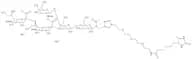
<p>Lewis Y tetrasaccharide-APE-HSA is a synthetic, high purity glycosylated oligosaccharide. It is composed of a Lewis Y tetrasaccharide linked to an APE peptide and HSA. The Lewis Y tetrasaccharide has been custom synthesized with click modification and fluorination. The APE peptide has been modified with glycosylation and methylation. The HSA has been modified with glycosylation, methylation, and acetylation. The oligosaccharide was synthesized using the solid phase method on a CEM Liberty Star Column. This glycoconjugate is CAS No., which can be found at Pubchem CID: 10609300.</p>Pureza:Min. 95%Methyl a-D-laminarabioside heptaacetate
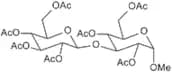
CAS:<p>Methyl a-D-Lamarabioside heptaacetate is a synthetic, fluorinated monosaccharide derived from the natural compound D-Lamarabioside. It is used as a building block for the synthesis of novel oligosaccharides and glycosylated proteins. This product also has applications in medical research and development, such as for the design of new drugs and vaccines, as well as in biotechnology and chemical engineering. Methyl a-D-laminarabioside heptaacetate is soluble in water with a melting point of 230°C. It can be used to modify proteins with high purity by introducing glycosylation sites. This product is also useful for click chemistry reactions.</p>Fórmula:C27H38O18Pureza:Min. 95%Peso molecular:650.58 g/molBenzyl 2-acetamido-3-O-(2,3,4,6-tetra-O-acetyl-b-D-galactopyranosyl)-4,6-O-benzylidene-2-deoxy-a-D-glucopyranose
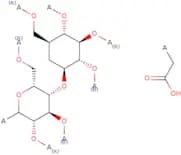
<p>2-Acetamido-3,4,6-tri-O-acetyl-b-D-galactopyranosyl bromide is an intermediate in the synthesis of 2,6-dideoxyglucose and has been used as a model for the glycosidic linkage to fluoroquinolones. The compound is a white solid that can be synthesized by reacting D-galactose with acetamidobenzene in the presence of sodium hydroxide and chloroacetone.<br>The molecular weight of this compound is 703.1 g/mol.<br>This product was developed through custom synthesis and modification. It is available at high purity.</p>Fórmula:C36H43NO15Pureza:Min. 95%Peso molecular:729.72 g/molGal[2346Ac]b(1-3)GlcN3[46Bzd]-b-MP
<p>Gal[2346Ac]b(1-3)GlcN3[46Bzd]-b-MP is a custom synthesis that has been modified with fluorination, methylation, and modification. The product contains a monosaccharide, oligosaccharide, saccharides, and complex carbohydrates.</p>Fórmula:C34H39N3O15Pureza:Min. 95%Peso molecular:729.68 g/molTetrasaccharide dp4
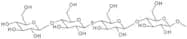
<p>Tetrasaccharide dp4 is a custom synthesis that is modified with fluorination, methylation, and click modification of the monosaccharides. It can be used for the synthesis of oligosaccharides and saccharides. Tetrasaccharide dp4 is a glycosylated carbohydrate that belongs to the group of polysaccharides. This product has CAS number 87392-00-6.</p>Fórmula:C24H62N10O38S6Pureza:Min. 95%Peso molecular:1,291.19 g/molMethyl-O-b-D-glucopyranosyl-(1-3)-S-b-D-glucopyranosyl-(1-4)-O-4-thio-b-D-glucopyranosyl-(1-4)-b-D-glucopyranoside
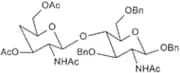
CAS:<p>Methyl-O-b-D-glucopyranosyl-(1-3)-S-b-D-glucopyranosyl-(1-4)-O-4-thio-b-D-glucopyranosyl-(1,4)-b-D-[2] glucopyranoside is a synthetic saccharide with a single modification of 4'-fluoro substitution on the O6 position. This modification provides an increased stability to acid hydrolysis. Methylation and saccharide synthesis is performed in our lab and custom modifications are available upon request.</p>Fórmula:C25H44O20SPureza:Min. 95%Peso molecular:696.67 g/mol2-Acetamido-4-O-(2-acetamido-3,6-di-O-acetyl-2,4-dideoxy-b-D-glucopyranosyl)-1,3,6-tri-O-benzyl-2-deoxy-b-D-glucopyranoside
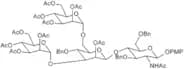
<p>2-Acetamido-4-O-(2-acetamido-3,6-di-O-acetyl-2,4-dideoxy-b-D-glucopyranosyl)-1,3,6-tri-O-benzyl-2-deoxy -bDglucopyranoside is a methylated oligosaccharide. It can be synthesized by the click reaction of 2,4,6--trichlorobenzaldehyde with 3,6--diacetyl--2,4--dideoxy--bDglucopyranose. This compound has an acetamido group on C3 and a benzoyl group on C6. The molecular weight of this compound is 1076 g/mol.</p>Fórmula:C41H50N2O12Pureza:Min. 95%Peso molecular:762.84 g/mol4-Methoxyphenyl 2-acetamido-4-O-[2-O-acetyl-3,6-di-O-(2,3,4,6-tetra-O-acetyl-a-D-mannopyranosyl)-4-O-benzyl-b-D-mannopyranosyl]-3,6- di-O-benzyl-2-deoxy-b-D-glucopyranoside
<p>This product is a custom synthesis and modification of a natural product. The chemical name is 4-Methoxyphenyl 2-acetamido-4-O-[2-O-acetyl-3,6-di-O-(2,3,4,6-tetra-O-acetyl-aDmannopyranosyl)-4-ObenzylbDmannopyranosyl]-3,6diOBenzyl2deoxybDglucopyranoside. This molecule has been fluorinated with trifluoromethanesulfonic acid in the presence of polystyrene as an initiator to form the desired compound. The molecular weight of this molecule is 1,895.09 g/mol. This product was synthesized by methylation using methanol and ammonium chloride as reagents in the presence of tetrapropylammonium perruthenate as catalyst for the process.</p>Fórmula:C72H87NO31Pureza:Min. 95 Area-%Cor e Forma:PowderPeso molecular:1,462.45 g/molGM1-Pentasaccharide, APD-HSA conjugate
<p>GM1 pentasaccharide, APD-HSA has a core tetrasaccharide structure (Galβ1,3GalNAcβ1,4Galβ1,4Glc) with a single sialic acid residue linked α2,3 to the inner galactose residue. Human serum albumin (HSA) is attached β to position 1 of the reducing glucose moiety via an acetylphenylenediamine (APD)â¯linker (Ledeen, 2009). This type of conjugate has been useful in the study of the role of GM1 ganglioside in the diarrheal response caused by cholera toxin (Cervin, 2018).</p>Pureza:Min. 95%Man-2b N-Glycan
CAS:<p>Man-2b N-glycan is an acidic glycoprotein that is synthesized in the endoplasmic reticulum of mammalian cells. It is a precursor to the oligosaccharide terminal sugar, which connects the glycan to protein. Man-2b N-glycan plays an important role in metabolic disorders such as renal proximal tubule dysfunction and metabolic acidosis by regulating protein synthesis. The Man-2b N-glycan mutation has been shown to lead to changes in cell surface proteins and metabolism, which can be modeled using a glycosylation mutant strain of yeast.</p>Fórmula:C28H48N2O21Pureza:Min. 95%Peso molecular:748.68 g/mol2,3,6,2',3',4',6'-Hepta-O-acetyl-a-D-lactosyl fluoride
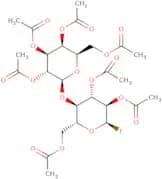
CAS:<p>2,3,6,2',3',4',6'-Hepta-O-acetyl-a-D-lactosyl fluoride (HAP) is a synthetic compound that has been modified with fluorine and methyl groups. It is a monosaccharide with a glycosylation pattern that includes a terminal glucose unit. HAP has been shown to be an effective carbohydrate in the synthesis of complex carbohydrate structures.</p>Fórmula:C26H35FO17Pureza:Min. 95%Peso molecular:638.54 g/mol3-O-(2-Acetamido-3,4,6-tri-O-acetyl-2-deoxy-D-glucopyranosyl)-1,2-di-O-benzyl-4,6-O-benzylidene-D-mannopyranoside
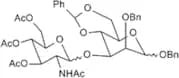
<p>3-O-(2-Acetamido-3,4,6-tri-O-acetyl-2-deoxy-D-glucopyranosyl)-1,2-di-O-benzyl-4,6-O-benzylidene--D--mannopyranoside is an oligosaccharide that has a high purity and custom synthesis. This compound is synthesized by Click modification of the sugar with fluorination. The glycosylation and methylation reactions are then carried out to obtain the final product. 3--0-(2--Acetamido--3,4,6--tri--O--acetyl--2--deoxy---D----glucopyranosyl)--1,2--di--O-----benzyl----4,6---O------benzylidene----D--------mannopyranoside is used in the synthesis of oligosaccharides for</p>Fórmula:C41H47NO14Pureza:Min. 95%Peso molecular:777.83 g/molDimeric Lewis X hexasaccharide-APE-HSA
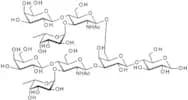
<p>Dimeric Lewis X hexasaccharide-APE-HSA is a carbohydrate molecule that is a modification of a saccharide. It is an oligosaccharide sugar with a CAS number. The monosaccharide sugar in this molecule has been synthetically modified and fluorinated to yield the desired product. This complex carbohydrate has been custom synthesized for high purity and has undergone methylation and glycosylation reactions to achieve the desired modification. The final result of these modifications is a dimeric Lewis X hexasaccharide-APE-HSA, which will be used as an immunogen.</p>Pureza:Min. 95%3,2'-Di-O-acetyl-3',4'-O-carbonyl-6,6'-di-O-tert-butyldimethylsilyl-lactal
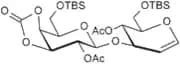
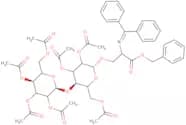
<p>3,2'-Di-O-acetyl-3',4'-O-carbonyl-6,6'-di-O-tert-butyldimethylsilyl-lactal is a fluorinated oligosaccharide that is custom synthesized for glycosylation and polysaccharide modifications. This product has been shown to be resistant to degradation by enzymes, including aminoglycosides, beta-lactam antibiotics, and penicillin. 3,2'-Di-O-acetyl-3',4'-O-carbonyl-6,6'-di-O-tert-butyldimethylsilyl--lactal is a high purity product with CAS number 207787 - 39 - 0.</p>Pureza:Min. 95%Peso molecular:646.87 g/molN-Diphenylmethylene-O-(2,3,6,2',3',4',6'-hepta-O-acetyl-b-D-lactosyl)-L-serine, benzyl ester
CAS:<p>N-Diphenylmethylene-O-(2,3,6,2',3',4',6'-hepta-O-acetyl-b-D-lactosyl)-L-serine, benzyl ester is a complex carbohydrate that is used for the modification of saccharides. This compound has been synthesized using Click chemistry and NMR spectroscopy. It has a CAS number of 337903-59-0 and is an off white solid with a melting point of 155°C to 158°C.</p>Fórmula:C49H55NO20Pureza:Min. 95%Peso molecular:977.96 g/molMonofucosyl-para-lacto-N-hexaose I
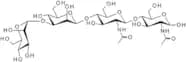
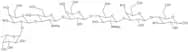
<p>Monofucosyl-para-lacto-N-hexaose I is an oligsaccharide that is found in human milk</p>Fórmula:C46H78N2O35Pureza:Min. 95%Peso molecular:1,219.12 g/mol4-Deoxy-D-chitobiose heptaacetate
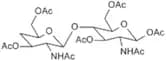
CAS:<p>4-Deoxy-D-chitobiose heptaacetate is a synthetic compound that has been modified by the addition of a heptaacetate group. This modification provides an additional site for attachment to other molecules, such as nucleic acids or proteins. The fluorination of this saccharide provides further protection against degradation and increases its stability in aqueous solutions. 4-Deoxy-D-chitobiose heptaacetate is available in high purity and can be custom synthesized to meet your needs.</p>Fórmula:C26H38N2O15Pureza:Min. 95%Peso molecular:618.58 g/molMaltobionic acid dicyclohexylammonium salt
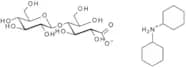
CAS:Produto Controlado<p>An antioxidant used in food and feeds, produced from starch, using enzymes</p>Fórmula:C24H45NO12Pureza:Min. 95%Peso molecular:539.61 g/molNA2F N-Glycan
CAS:<p>NA2F N-Glycan is a custom synthesized, high purity and monosaccharide glycoprotein. NA2F N-Glycan has been fluorinated and methylated to produce NA2F N-Glycan. The product is a complex carbohydrate that is comprised of an oligosaccharide and polysaccharide. NA2F N-Glycan is synthesized from the sugar saccharide, which is a hexose made up of six carbon atoms that are bonded to each other in a ring.</p>Fórmula:C68H114N4O50Pureza:Min. 85 Area-%Cor e Forma:PowderPeso molecular:1,787.63 g/molGentiobiulose
CAS:<p>Gentiobiulose is a natural sweetener that is made from the sugar glucose and has a low glycemic index. It is produced by the enzymatic reaction of glucose with an acid catalyst in the presence of c1-6 alkyl groups. Gentiobiulose has a diameter of 0.5-2 micrometers and is used as a prebiotic, which promotes the growth and activity of beneficial bacteria in the gut. In addition, gentiobiulose can be used as an ingredient for detergent compositions because it has a high viscosity and particle size.</p>Fórmula:C12H22O11Pureza:Min. 95%Cor e Forma:SolidPeso molecular:342.3 g/molTrehalose 6,6'-dimycolate
CAS:<p>Trehalose 6,6'-dimycolate (T6DM) is a trehalose analog with lipophilic side chain. T6DM causes apoptosis by blocking the toll-like receptor 4 (TLR4) and TLR2 pathways. T6DM has also been shown to reduce the inflammatory response caused by lipopolysaccharides (LPS), which are bacterial cell wall components. T6DM is a promising agent for the treatment of infectious diseases such as tuberculosis and other bacterial infections that cause inflammation.Isolated from microbial source: mycobacterium bovis</p>Cor e Forma:White PowderPeso molecular:2642.48GM3-Ganglioside labelled by NBD ammonium
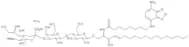
<p>GM3-ganglioside NBD (ammonium salt) has a core disaccharide structure (Galβ1,4Glc) with sialic acid linked α2,3 to the galactose residue with nitrobenzoxadiazole (NBD) linked β to position 1 on the reducing terminal glucose residue, in place of the ceramide fatty acid (Ledeen, 2009). Ganglioside GM3 is strongly associated with human tumors, such as, lung, brain, and melanomas, where it is frequently found to be overexpressed. GM3 ganglioside is seen as a possible tumor-associated carbohydrate antigen for cancer immunotherapy (Changping, 2019). GM3 ganglioside is implicated in various other diseases involving chronic inflammation, such as: insulin resistance, leptin resistance, T-cell function, and immune disorders (e.g. allergic asthma). It has also been shown to play an essential role in murine and human auditory systems, and is a common pathological feature of GM3S deficiency is deafness (Inokuchi, 2018).</p>Fórmula:C55H90N6O24·H3NPureza:Min. 95%Cor e Forma:PowderPeso molecular:1,236.36 g/molGal[2346Ac]b(1-3)GlcNPhth[46Bzd]-b-MP
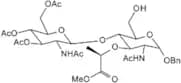
<p>Gal[2346Ac]b(1-3)GlcNPhth[46Bzd]-b-MP is a custom synthesis of an oligosaccharide. It has been modified to include fluorination and click chemistry. The chemical name for this compound is Gal[2346Ac]b(1-3)GlcNPhth[46Bzd]-b-MP. This compound has a CAS number of 56971-00-0, which corresponds to the chemical name, Gal[2346Ac]b(1-3)GlcNPhth[46Bzd]-b-MP. The molecular weight of this compound is unknown. The purity of this compound is greater than 99%. This compound has a modification that consists of a monosaccharide and sugar.</p>Fórmula:C42H43NO17Pureza:Min. 95%Peso molecular:833.79 g/molBenzyl 4-O-(2-acetamido-2-deoxy-3,4,6-tri-O-acetyl-b-D-glucopyranosyl)-N-acetyl-a-D-muramic acid methyl ester
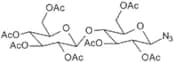
<p>This substance is a custom synthesis, which is created in the laboratory. The modification of this product has been done by fluorination, methylation, and monosaccharide synthesis. This substance is a synthetic compound that belongs to the group of oligosaccharides. It is a saccharide that contains an oxygen atom and belongs to the group of complex carbohydrates. It has been shown to be effective against cancer cells in vitro and has been used as a diagnostic agent for breast cancer.</p>Fórmula:C33H46N2O16Pureza:Min. 95%Peso molecular:726.72 g/mol2,3,6,2',3',4',6'-Hepta-O-acetyl-b-D-cellobiosyl azide
CAS:<p>2,3,6,2',3',4',6'-Hepta-O-acetyl-b-D-cellobiosyl azide is a sugar that belongs to the group of carbohydrates. It is modified with fluorination and glycosylation. The CAS number for this compound is 33012-50-9. 2,3,6,2',3',4',6'-Hepta-O-acetyl-b-D-cellobiosyl azide has been synthesized and its chemical modification has been studied. This compound has an average degree of polymerization (DP) of 10. The molecular weight of 2,3,6,2',3',4',6'-Hepta-O-acetyl-b -D -cellobiosyl azide is 569.27 g/mol.</p>Fórmula:C26H35N3O17Pureza:Min. 95 Area-%Cor e Forma:PowderPeso molecular:661.6 g/mol2,5-Anhydro-4-O-(a-L-idopyranosyluronic acid 2-sulfate)-D-mannofuranose 6-sulfate trisodium salt
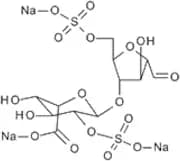
<p>Methylation, Custom synthesis, Click modification, CAS No., Oligosaccharide, Polysaccharide, saccharide, Carbohydrate, Fluorination, complex carbohydrate, High purity, Modification. Monosaccharide sugar. Synthetic.<br>2-Anhydro-4-O-(a-L-idopyranosyluronic acid 2-sulfate)-D-mannofuranose 6-sulfate trisodium salt is a methylated and modified form of D-mannose. It is a monosaccharide with a molecular weight of 376.34 and a CAS number of 64459-77-5. This product can be used in the synthesis of oligosaccharides or polysaccharides as well as in the production of high purity mannose derivatives with modified linkages.</p>Fórmula:C12H15O17S2·Na3Pureza:Min. 95%Peso molecular:564.34 g/mol1,6-Anhydro-4-O-(2,3,4,6-tetra-O-acetyl-a-D-mannopyranosyl)-b-D-mannopyranose
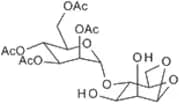
CAS:<p>1,6-Anhydro-4-O-(2,3,4,6-tetra-O-acetyl-a-D-mannopyranosyl)-b-D-mannopyranose is a modified oligosaccharide that is a carbohydrate. This product is custom synthesized and has high purity. It is a monosaccharide with methylation and glycosylation. The CAS number for this product is 6765035505.</p>Fórmula:C20H28O14Pureza:Min. 95%Peso molecular:492.44 g/molk-Carraheptaose tetrasulfate tetrasodium salt
<p>k-carrageenan derived heptasaccharide tetrasulfate+(3-6 anhydrogalactose)</p>Fórmula:C42H62O45S4Na4Pureza:Min. 95%Peso molecular:1,507.14 g/molBlood Group B type III/IV tetrasaccharide
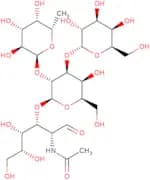
CAS:<p>The blood group B type III/IV tetrasaccharide is a synthetic, fluorinated carbohydrate that has been custom synthesized for glycosylation and methylation. The monosaccharide of the tetrasaccharide is a hexose, which can be modified with fluorine and click chemistry. The product is a complex carbohydrate with high purity and can be used in pharmaceuticals as an antigen for immunoglobulin G (IgG) production.</p>Fórmula:C26H45NO20Pureza:Min. 95%Peso molecular:691.63 g/molSialylglycan
<p>Sialylglycan is a glycan that is found on the surface of cells and is important in cell-cell interactions. It is involved in the binding of influenza virus to its receptor, and sialylglycan has been shown to be bifunctional, meaning it can act as both an antigen and an antibody. Sialylglycan oligosaccharides are found in muscle tissue, which is where influenza viruses are most likely to attach. The molecule's fluorimetric properties have also been used to study outbreaks of avian influenza. <br>Sialylglycan has been used for gene analysis by attaching fluorescent tags to the molecule that can be detected using fluorescence microscopy techniques. In vivo assays have also been performed with sialylglycan as a model antigen.</p>Fórmula:C76H125N5O57Pureza:Min. 95%Cor e Forma:PowderPeso molecular:2,020.81 g/molGlycyl-lacto-N-tetraose
<p>Glycyl-lacto-N-tetraose is an oligosaccharide that is modified with lactose. The structure of this carbohydrate is a glycosyl linkage between two glucose residues, plus a galactose residue at the non-reducing end of the chain. This sugar has been custom synthesized and purified to be free of other carbohydrates or contaminants. Glycyl-lacto-N-tetraose has a CAS number of 55719-02-1 and can be used in many applications including as a pharmaceutical ingredient, food additive, or cosmetic ingredient.</p>Fórmula:C28H49N3O21Pureza:Min. 95%Peso molecular:763.7 g/molMethyl 6-O-(b-D-galactopyranosyl)-b-D-galactopyranoside
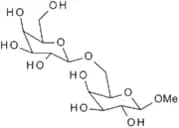
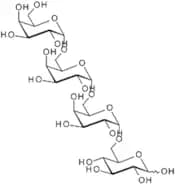
<p>Methyl 6-O-(b-D-galactopyranosyl)-b-D-galactopyranoside is a white crystalline solid that belongs to the category of carbohydrates. It is a synthetic carbohydrate with a molecular weight of 496.06 and a CAS number of 3489-94-3. This product has been custom synthesized for research purposes, and can be purchased in high purity (>98%) from various suppliers. It is an oligosaccharide that contains a single sugar unit, which is galactose. This product has been modified with fluorination and methylation to prevent hydrolysis by esterases and glucuronidases, respectively. It also has glycosylation sites on the terminal glucose residues that allow for further modification with other carbohydrates or proteins. The methyl 6-O-(b-D-galactopyranosyl)-b-D-galactopyranoside can be used as an affinity ligand</p>Fórmula:C13H24O11Pureza:Min. 95%Peso molecular:356.32 g/mol3'-Sialyl-3-fucosyllactose-BSA
<p>3'-Sialyl-3-fucosyllactose-BSA is a glycosylation that has been modified with fluorination and methylation. This product can be custom synthesized to order, in any quantity, using high purity reagents. 3'-Sialyl-3-fucosyllactose-BSA is a complex carbohydrate that is found on the surface of many human cells, including erythrocytes and B cells. It is also an important component of the oligosaccharide chains of glycoproteins and glycolipids. The modification of 3'-sialyl-3-fucosyllactose with fluorine or other halogens can be used as a fluorescent probe for carbohydrate binding proteins.</p>Pureza:Min. 95%4-O-b-(2,3,4,6-Tetra-O-acetyl-D-galactopyranosyl)-1,6-anhydro-2,3-O-isopropylidene-b-D-mannopyranose
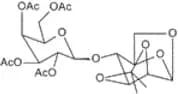
CAS:<p>4-O-b-(2,3,4,6-Tetra-O-acetyl-D-galactopyranosyl)-1,6-anhydro-2,3-O-isopropylidene-b-D-mannopyranose is a custom synthesis of a monosaccharide. This monosaccharide is synthesized by the fluorination and methylation of 4,6 anhydro b D mannose followed by the click modification of the hydroxyl groups. The chemical name for this monosaccharide is 1,6 anhydro 2,3 O isopropylidene b D mannopyranose. It has a molecular weight of 390. The CAS number for this monosaccharide is 5346 69 0. 4,6 anhydro b D mannose is found in polysaccharides such as glycosaminoglycans</p>Fórmula:C23H32O14Pureza:Min. 95%Peso molecular:532.49 g/molGalacto-N-biose-PAA-biotin
<p>Galacto-N-biose-PAA-biotin is a carbohydrate that is synthesized by the addition of PAA (polyallylamine) to galactose. This compound can be used in fluorescence labeling and detection of carbohydrates, glycosylation, and polysaccharide synthesis. Galacto-N-biose-PAA-biotin has a CAS number (CAS: 146988-01-4).</p>Pureza:Min. 95%Cor e Forma:White/Off-White SolidDifucosyllacto-N-neohexaose I
CAS:<p>Difucosyllacto-N-neohexaose I is a fluorinated oligosaccharide that was synthesized by click chemistry. The synthesis of this compound involved the addition of a methyl group to the penultimate carbon on the reducing end of a disaccharide. Fluorination was then performed to introduce a trifluoromethyl group onto the sugar ring, which is an important step in obtaining a high level of purity. This compound has been shown to be effective in inhibiting bacterial growth and can be used as an antibacterial agent for prevention and treatment of various infections.</p>Fórmula:C52H88N2O39Pureza:Min. 95%Peso molecular:1,365.25 g/mol4-Methoxyphenyl 2,4-di-O-benzoyl-3-O-benzyl-6-O-[methyl 5-(acetoxyacetamido)-4,7,8,9-tetra-O-acetyl-3,5-dideoxy-D-glycero-α-D-ga lacto-2-nonulopyranosylonate]-β-D-galactopyranoside
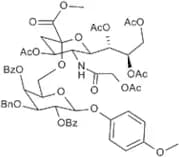
<p>The methylation of a glycosylation is an organic chemistry technique that can be used to modify the chemical structure of a carbohydrate. A glycosylation is the reaction between an alcohol and a sugar, which produces a glycoside. The addition of methyl groups at specific positions on the sugar molecule can lead to improved properties such as increased stability, increased solubility, or increased uptake by cells. This process has been shown to produce compounds with more desirable pharmacological properties than their parent compounds. Click chemistry is a versatile and powerful method for modifying carbohydrates. It involves the use of copper-catalyzed azide-alkyne cycloaddition reactions to form carbon-nitrogen bonds in place of conventional amide linkages in peptides and proteins. Carbohydrates are modified using this method by attaching small molecules such as fluorine atoms onto one or more carbons in the carbohydrate structure. This process can be used to create novel sugars with improved properties including high purity, high stability</p>Fórmula:C56H61NO23Pureza:Min. 95%Peso molecular:1,116.08 g/mol3'-Sialyllacto-N-biose
<p>3'-Sialyllacto-N-biose is a regiospecific, biochemically defined carbohydrate. It is a component of the glycan chains that are present on the surface of cell membranes. Lacto-n-biose has been shown to have inhibitory activity against the growth of Mycobacterium tuberculosis and Mycobacterium avium complex bacteria.</p>Pureza:Min. 95%Cor e Forma:PowderSulpho Lewisx Na
<p>Sulpho Lewisx Na is a high purity, custom synthesized sugar that has been modified using a click chemistry reaction. It has been fluorinated and glycosylated to produce a complex carbohydrate. Sulpho Lewisx Na is a synthetic oligosaccharide produced with the intention of mimicking the structure of Lewisx in order to study its properties. The CAS number for this compound is 2641-19-2 and it can be found under the name Oligosaccharide, Monosaccharide, saccharide, Carbohydrate on Pubchem CID 1039264.</p>Fórmula:C20H34NNaO18SPureza:Min. 95%Peso molecular:631.54 g/molLipid A (E. Coli) triethylammonium salt
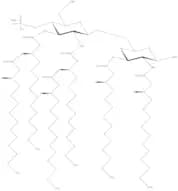
CAS:<p>The Lipid A moiety of lipopolysaccharide forms the outer monolayer of the outer membrane in most Gram-negative bacteria. Escherichia coli lipid A is synthesized on the cytoplasmic side of the inner membrane by a conserved pathway of nine constitutive enzymes. Following attachment of the core oligosaccharide, nascent core-lipid A is flipped to the outer surface of the inner membrane by the ABC transporter MsbA, where the O-antigen polymer is attached. These complex glycoforms protect bacteria from antibiotics and complement-mediated lysis. The core and O-antigen domains are required for virulence and consequently are present in most clinical and environmental isolates (Raetz, 2007).</p>Fórmula:C94H178N2O25P2Pureza:Min. 95%Peso molecular:1,798.37 g/mol6-Deoxy-6-Fluorocyclomaltoheptaose
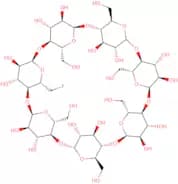
CAS:<p>The 6-deoxy-6-fluorocyclomaltoheptaose is a low molecular weight compound that has been found to have anti-amylase activity. This substance is characterized by its chromatographic techniques, which can be used to identify the chemical structure of the molecule. The 6-deoxy-6-fluorocyclomaltoheptaose has been found to consist of an amylase inhibitor and an enzyme substrate. It exhibits specificity for the catalytic site of amylase, which is located in subsite 1, and it attacks this substrate at the 6-position of glucose. This substance is not as potent as other amylase inhibitors such as d-glucose, but it does show greater specificity for amylase than other substances with similar structures.</p>Fórmula:C42H69FO34Pureza:Min. 95%Peso molecular:1,136.98 g/mol3'-Sialyl Lewis X-BSA
<p>3'-Sialyl Lewis X-BSA is a custom synthesis that is a complex carbohydrate. This product has CAS number and is polysaccharide modification with methylation, glycosylation, and click modification. The 3'-Sialyl Lewis X-BSA is fluorinated for high purity and synthetic.</p>Pureza:Min. 95%Cor e Forma:White Powderb1-4-Galactosyl-Galactose-BSA
<p>b1-4-Galactosyl-Galactose-BSA is a carbohydrate, modification and saccharide that is an Oligosaccharide and sugar. It is custom synthesized and has high purity. This compound can be fluorinated, complexed, or methylated. It also contains glycosylation or click modification.</p>Pureza:Min. 95%1,2,3,6-Tetra-O-benzyl-4-O-(2,3-di-O-benzyl-4,6-O-benzylidene-a-D-mannopyranosyl)-b-D-glucopyranoside
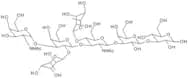
CAS:<p>Tetra-O-benzyl-4-O-(2,3-di-O-benzyl-4,6-O-benzylidene)-a-D-mannopyranosyl)-b-D-glucopyranoside is a carbohydrate that has been modified with fluorination and methylation. It is a saccharide with an oligosaccharide group, which is attached to the 1-, 2-, 3-, 6-, and 4'-positions of the sugar. This product is synthesized by custom synthesis and is available in high purity. Tetra-O-benzyl-4-O-(2,3-di-O--benzyl--4,6--O--benzylidene)-a--D--mannopyranosyl)-b--D--glucopyranoside can be used as a glycosylation or click modification agent.</p>Fórmula:C61H62O11Pureza:Min. 95%Peso molecular:971.14 g/molHybrid N-Glycan
CAS:<p>Hybrid N-glycans are glycan structures that contain both a high mannose and complex type oligosaccharide. Hybrid N-glycans are expressed on the surface of mammalian cells, and they can be found in human serum. Hybrid N-glycans have been shown to activate caspase 3 and induce apoptosis in some mouse models. They also have biological functions such as growth factor binding or antibody binding. Hybrid N-glycans may be involved in the activation of the immune system or in the development of cancerous tumors.</p>Fórmula:C62H104N4O46Pureza:Min. 95%Cor e Forma:PowderPeso molecular:1,641.49 g/mola-Heptasaccharide
CAS:<p>a-Heptasaccharide is a complex carbohydrate that is synthesized from glycerol and seven monosaccharides. It is used in the synthesis of other carbohydrates and as a fluorination reagent.</p>Fórmula:C46H78N2O34Pureza:Min. 95 Area-%Cor e Forma:PowderPeso molecular:1,203.13 g/molGM2-Oligosaccharide-spacer-NH2 ammonium
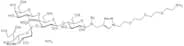
<p>GM2-Oligosaccharide-spacer-NH2 ammonium is a complex carbohydrate with an oligosaccharide spacer and a hydrophobic NH2 group. The product is custom synthesized to your specifications and is available in high purity. It can be modified with fluorination or click chemistry. GM2-Oligosaccharide-spacer-NH2 ammonium is used in the synthesis of polysaccharides, saccharides, and carbohydrates. Some of its applications include modifying proteins, monosaccharides, and sugars.</p>Fórmula:C44H75N7O27·NH3Pureza:Min. 95%Peso molecular:1,151.13 g/mol2,3,6,2',3',4',6'-Hepta-O-acetyl-b-D-maltosyl isothiocyanate
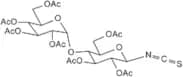
CAS:<p>2,3,6,2',3',4',6'-Hepta-O-acetyl-b-D-maltosyl isothiocyanate is a custom synthesis of a complex carbohydrate. It has been modified by fluorination and click chemistry. The product is available in high purity with CAS No. 81319-58-6. This product is synthesized from a monosaccharide and polysaccharide. The product is produced by methylation of the complex carbohydrate followed by modification with fluoro groups to create the desired product.</p>Fórmula:C27H35NO17SPureza:Min. 95%Peso molecular:677.64 g/mol4-Methoxyphenyl 4-O-(3,6-di-O-benzyl-2-deoxy-4-O-levulinoyl-2-phthalimido-b-D-glucopyranosyl)-3-O-benzyl-6-O-tert-butyldimethylsilyl -2-deoxy-2-phthalimido-b-D-glucopyranoside
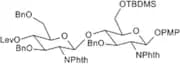
<p>4-Methoxyphenyl 4-O-(3,6-di-O-benzyl-2-deoxy-4-O-levulinoyl-2-phthalimido-b-D-glucopyranosyl)-3,6,3'-tri O -benzylidene -2,4′-(1,3,5) triazine -6,7′-[1,3]dioxane</p>Fórmula:C67H72N2O16SiPureza:Min. 95%Peso molecular:1,189.38 g/molVerbascotetraose
CAS:<p>Verbascotetraose is a disaccharide that is found in plants. Its chemical structure is composed of one glucose molecule and one fructose molecule. Verbascotetraose is produced by the plant tissue through a biosynthetic process, which involves the transfer reactions of phosphorylated hexoses. The resulting product is then converted to stachyose and oligosaccharides by dephosphorylation, glycan synthesis, and chromatographic method.<br>The production of verbascotetraose has been demonstrated in soybean products incubated with cellotriose and glycoside derivatives.</p>Fórmula:C24H42O21Pureza:Min. 95%Peso molecular:666.58 g/mol4-O-b-D-Galactosyl maltose
CAS:<p>4-O-b-D-Galactosyl maltose is a Glycosylation, Oligosaccharide, sugar, Synthetic, CAS No. 143444-32-0 that is custom synthesized and fluorinated. It is a complex carbohydrate with high purity and modification. The 4-O-b-D-Galactosyl maltose has the following properties: Methylation, Monosaccharide, Polysaccharide, saccharide, Click modification.</p>Fórmula:C18H32O16Pureza:Min. 95%Peso molecular:504.44 g/molSucrose - USP
CAS:<p>Consumed in large amounts around the world as a food ingredient. Other applications of sucrose include its use in surfactants (esters), polyurethanes (polyols), plastics (alkyds) to produce dextrans (Leuconostoc mesenteroides fermentation) and ethanol (Saccharomyces cerevisiae fermentation).</p>Fórmula:C12H22O11Pureza:Min. 95%Cor e Forma:White/Off-White SolidPeso molecular:342.3 g/molLactose-sp-biotin
<p>Lactose-sp-biotin is a complex carbohydrate that has been modified with biotin. It is synthesized by the click modification of lactose and spacer arm, followed by glycosylation with biotin. Lactose-sp-biotin is soluble in water, which makes it suitable for use as a food additive. This product can also be used for labeling and identification of biomolecules in various fields such as fluorescence, immunoassay, or immunohistochemistry.</p>Fórmula:C31H54N4O14SPureza:Min. 95%Cor e Forma:PowderPeso molecular:738.85 g/molDisialylated pentaose type I
<p>Disialylated pentaose type I (DSI-1) is a disaccharide sugar that is synthesized in high purity by custom synthesis. It is a complex carbohydrate that consists of five monosaccharides: glucose, galactose, mannose, fucose and N-acetylneuraminic acid. DSI-1 has been shown to have glycosylation and methylation activity. This product has been modified with fluorination and saccharide modification, as well as Click chemistry. Disialylated pentaose type I is used in the pharmaceutical industry as an intermediate for the production of glycoconjugates and in the food industry to produce artificial sweeteners.</p>Fórmula:C42H67N3O32Na2Pureza:Min. 95%Peso molecular:1,171.96 g/molMaltohexaose
CAS:<p>Maltohexaose is a polysaccharide formed by 6 units of glucose and can be metabolised inside the cell to a substrate-based inhibitor of fucosyltransferases. It can also be converted to GDP-2-deoxy-2-fluoro-L-fucose, a competitive inhibitor of α-1,3-fucosyltransferase. Matohexaose is used as acceptor for measuring the activity of 4-Alpha-Glucanotransferase.</p>Fórmula:C36H62O31Pureza:Min. 95.0 Area-%Peso molecular:990.86 g/molMaltododecaose
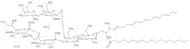
CAS:<p>α-1,4-glucododecasaccharide derived from starch by hydrolysis and chromatography</p>Fórmula:C72H122O61Pureza:Min. 95%Cor e Forma:Clear Liquid PowderPeso molecular:1,962 g/molDi[3-deoxy-D-manno-octulosonyl]-lipid A sodium salt - 0.5mg/ml aqueous solution
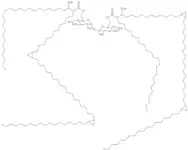
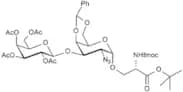
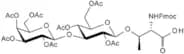
CAS:<p>Essential component of lipopolysaccharide in most Gram-negative bacteria and the minimal structural component to sustain bacterial viability. It serves as the active component of lipopolysaccharide to stimulate potent host immune responses through the complex of Toll-like-receptor 4 and myeloid differentiation protein 2.</p>Fórmula:C110H198N2Na4O39P2Pureza:Min. 95%Cor e Forma:PowderPeso molecular:2,326.65 g/mol3-O-(2,3,4,6-Tetra-O-acetyl-b-D-galactopyranosyl)-2-azido-4,6-O-benzylidene-2-deoxy-a-D-galactopyranosyl-Fmoc serine tert-butyl este r
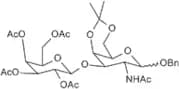
CAS:<p>Methylation of polysaccharides is the process of adding methyl groups to chemical compounds. This process can be achieved by using a variety of reagents. One type of reagent is a methyl donor, which is capable of transferring a methyl group to another molecule. The Methylation Kit contains various reagents that allow for the efficient and specific modification of polysaccharides, including carbohydrates, oligosaccharides, and saccharides. The kit includes two types of reagents: Methyl donors and Methyl acceptors. The kit also contains other additives such as solvents, buffers, and pH indicators. The 3-O-(2,3,4,6-Tetra-O-acetyl-b-D-galactopyranosyl)-2-azido-4,6-O-benzylidene-2-deoxy-a-D-galactopyranosyl Fmoc serine tert but</p>Fórmula:C49H56N4O18Pureza:Min. 95%Peso molecular:988.99 g/molBenzyl 2-acetamido-3-O-(2,3,4,6-tetra-O-acetyl-b-D-galactopyranosyl)-2-deoxy-4,6-O-isopropylidene-D-galactopyranose
<p>This is a custom synthesized, high purity and complex carbohydrate. The synthesis process involves the following steps: 1) Acetylation of a monosaccharide, 2) Fluorination, 3) Methylation, 4) Oligosaccharide formation, 5) Polysaccharide formation with glycosylation and 6) Click modification. <br>Benzyl 2-acetamido-3-O-(2,3,4,6-tetra-O-acetyl-b-D-galactopyranosyl)-2-deoxy-4,6-O-isopropylidene-D-galactopyranose is an oligosaccharide that has been modified by methylation and click chemistry. It has CAS No. 77562-20-0 and can be used as a sugar in various applications.</p>Fórmula:C32H43NO15Pureza:Min. 95%Peso molecular:681.7 g/molMethyl (4S)-b-cellobiosyl-4-thio-b-cellobioside
CAS:<p>Methyl (4S)-b-cellobiosyl-4-thio-b-cellobioside is a custom synthesis, modification and fluorination of methyl 4-thioacetate with b-D-cellobiosyl 4-thioacetate. This complex carbohydrate has been shown to have antiviral activity against herpes simplex virus type 1 (HSV1), and can be used as a monotherapy or in combination therapy for HSV1 infections. It inhibits the viral process by inhibiting the viral DNA polymerase and preventing DNA replication. Methyl (4S)-b-cellobiosyl-4-thio-b-cellobioside also inhibits the enzyme glycosyltransferase that is required for HSV1 replication.<br>Methyl (4S)-b - cellobiosyl - 4 - thio - b - cellobioside is a sugar that can be modified with click chemistry to produce different derivatives such as phosph</p>Fórmula:C25H44O20SPureza:Min. 95%Peso molecular:696.67 g/mola1,2-Mannobiose-BSA
<p>a1,2-Mannobiose-BSA is a glycosylation that can be used for the synthesis of complex carbohydrate. It is methylated and click modified with fluorine, which renders it resistant to proteolytic degradation. This product is also available in various purities and modifications.</p>Pureza:Min. 95%Lacto-N-fucopentaose III-BSA
<p>Lacto-N-fucopentaose III-BSA is a carbohydrate that is modified with fluorine. It is a complex carbohydrate that has been custom synthesized and methylated. Lacto-N-fucopentaose III-BSA is a high purity, synthetic oligosaccharide that has been glycosylated and click modified. The CAS number for this product is 73638-80-9.</p>Pureza:Min. 95%Blood Group H-BSA - 15 atom spacer
<p>The H-BSA-15-atom spacer is a synthetic polymer that can be modified to create a glycolipid or glycopeptide. The H-BSA-15-atom spacer is an oligosaccharide with a molecular weight of 3,500 daltons and has been custom synthesized for this use. This product is highly purified and does not contain any other substances, such as proteins. It has been fluorinated to increase its resistance to degradation by enzymes. Glycosylation and click modification have also been performed on the H-BSA-15 atom spacer.</p>Pureza:Min. 95%Cor e Forma:PowderBiotinylated Linear B trisaccharide
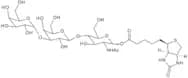
<p>Blood group B antigen trisaccharide conjugated to Biotin</p>Fórmula:C30H49N3O18SPureza:Min. 95%Peso molecular:771.79 g/molGangliotriose
CAS:<p>Gangliotriose is the core trisaccharide structure in gangliosides, such as, GD2 (GalNAcβ1,4Galβ1,4Glc) (Ledeen, 2009). GD2 ganglioside is expressed at a low concentration in the central nervous system, nerves, skin melanocytes and stem cells in healthy adults. On the other hand, GD2 ganglioside is overexpressed in a number of tumors including: neuroblastoma, melanoma, small cell lung carcinoma and brain tumors. Recently, GD2 ganglioside has been found in low concentrations on breast cancer stem cells (CSC) that posess: self-renewal properties (division without disrupting the undifferentiated state), and tumor-initiating capabilities. It has been suggested that GD2 ganglioside may be developed as an effective target antigen for CSC immunotherapy (Fleurence, 2017).</p>Fórmula:C20H35NO16Pureza:90%MinCor e Forma:PowderPeso molecular:545.49 g/molHeparin disaccharide III-H disodium salt
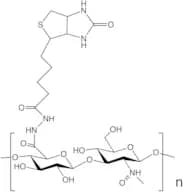
CAS:<p>Heparin is a polysaccharide consisting of repeating units of glucosamine and glucuronic acid that has been shown to have anti-coagulant, antithrombotic, and anti-inflammatory properties. Heparin disaccharide III-H disodium salt is a heparin disaccharide that has been modified by the addition of sodium ions. This heparin disaccharide has been shown to inhibit the proliferation of leukaemia cells in vitro, which may be due to its inhibition of DNA synthesis or cell cycle progression. The mechanism by which this heparin disaccharide inhibits cell growth is not yet known. Research into this mechanism could lead to new treatments for cancer and other diseases.</p>Fórmula:C12H18NNaO13SPureza:Min. 95%Peso molecular:439.33 g/molHyaluronate biotin - Molecular Weight - 10kDa
<p>Hyaluronate biotin is a custom synthesis of a 10kDa molecule. This product is modified and fluorinated, with methylation of the hydroxyl group and the glycosylation of the sugar monosaccharide. It is a synthetic oligosaccharide that is saccharide-containing. This product has CAS number and belongs to the group of polysaccharides or glycosylations. The carbohydrate in this product is complex.</p>Pureza:Min. 95%Cor e Forma:White PowderMethyl b1-4-D-xylobioside
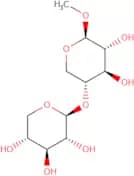
CAS:<p>Methyl b1-4-D-xylobioside is a bioreactor that binds to the carbohydrate binding domain of the enzyme. It has been shown to be reactive with galactose and other glycosides, and is used as a substrate for electrophotographic analysis. This product also has immobilized properties, which make it suitable for use in an acceptor column in order to purify oligosaccharides or gene products with similar sequences. Methyl b1-4-D-xylobioside is used as a selective inhibitor of tuberculosis by binding to the enzyme mycobactin synthase, which is involved in the biosynthesis of mycolic acids.</p>Fórmula:C11H20O9Pureza:Min. 95%Peso molecular:296.27 g/molN-Methyl acarbose
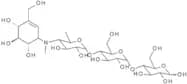
<p>N-Methyl acarbose is a synthetic, high purity, fluorinated carbohydrate with a variety of applications. It has been modified to contain methyl groups on the carbons adjacent to the anomeric carbon, which are used for click chemistry and other bioconjugation reactions. N-Methyl acarbose can be used in glycosylation reactions and offers a wide range of custom synthesis options. This compound is a complex sugar that contains both glucose and fructose monomers.</p>Fórmula:C26H45NO18Pureza:Min. 95%Peso molecular:659.63 g/molBlood group B trisaccharide-GEL
<p>Gala1-3(Fuca1-2)Gal Conjugated to BSA on Fractogel with glycosylamine formation</p>Pureza:Min. 95%Hepta-O-acetyl-b-Lactosyl-N-Fmoc-L-threonine
CAS:<p>Hepta-O-acetyl-b-Lactosyl-N-Fmoc-L-threonine is a substance that can be used for the diagnosis of radiation exposure. It is a liquid that is injected into the body, where it accumulates in tissues such as bone marrow. The presence of Hepta-O-acetyl-b-Lactosyl-N-Fmoc-L-threonine in bone marrow cells can be detected using an imaging technique called balloon injury. This liquid also has synergistic effects with radiation and may be useful for the treatment of diseases such as thrombolysis.</p>Fórmula:C45H53NO22Pureza:Min. 95%Peso molecular:959.9 g/molGalα(1-3) N-Glycan
CAS:<p>Galα(1-3) N-glycan is a glycoconjugate that is an oligosaccharide with a galactose residue at the nonreducing end of the glycan. It has been synthesized using Click chemistry to introduce fluorination and methylation. Galα(1-3) N-glycan is an important model for studying the biological function of glycosylations in humans. It has also been shown to have anti-inflammatory properties, which may be due to its ability to inhibit prostaglandin synthesis. This product is custom synthesis, high purity, and CAS No. 115973-45-0.</p>Fórmula:C74H124N4O56Pureza:Min. 95%Peso molecular:1,965.78 g/molHexasaccharide dp6
<p>Hexasaccharide dp6 is a synthetic hexasaccharide that mimics heparin. It binds to the antithrombin III and pentasaccharide in human plasma, which are proteins that inhibit blood clotting. Hexasaccharide dp6 also has affinity for peptides from HIV-1 and anti-HIV activity. Hexasaccharide dp6 can be used to prevent coagulation or as an antithrombotic agent.</p>Fórmula:C36H93N15O57S9Pureza:Min. 95%Peso molecular:1,936.78 g/molGlycyl-lacto-N-fucopentaose II
<p>Glycyl-lacto-N-fucopentaose II is a synthetic glycosylation product. It has high purity and is easy to use in the synthesis of complex carbohydrates. This product can be fluorinated, methylated, or modified with click chemistry to generate a wide range of products. Glycyl-lacto-N-fucopentaose II is CAS No. 107834-53-2 and has a molecular weight of 707.5 Da.END>></p>Fórmula:C34H59N3O25Pureza:Min. 95%Peso molecular:909.84 g/molMaltotetradecaose
CAS:<p>1,4-glucotetradecaose derived from starch by hydrolysis and chromatography</p>Fórmula:C84H142O71Pureza:Min. 95%Peso molecular:2,287.98 g/molGD1b-Ganglioside ammonium
CAS:<p>GD1b ganglioside (shown as ammonium salt) is one of the major gangliosides in neuronal and glial membranes. It has a core tetrasaccharide structure (Galβ1,3GalNAcβ1,4Galβ1,4Glc) with its two sialic acids linked α2,3/α2,8 to the inner galactose residue, and ceramide linked β to position 1 on the reducing terminal glucose residue (Ledeen, 2009). GD1b ganglioside acts as a receptor for BK virus, as well as for heat-labile LTII-a toxin, produced by enteropathogenicâ¯E. coli. GD1b ganglioside also interacts with tetanus neurotoxin (TeNT) and is crucial for its entry into cells (Kolter, 2012). The functional significance of ammonia in the brain is not yet fully understood: see (Modi 1994).</p>Pureza:Min. 95%2'-Fucosyllactose-BSA
<p>2'-Fucosyllactose-BSA is a high purity, custom synthesis, synthetic oligosaccharide. It is a glycosylated and methylated monosaccharide that can be used for Click modification with azido-functionalized molecules. 2'-Fucosyllactose-BSA has a CAS number of 113959-06-8 and an Oligosaccharide content of >95%. It is soluble in water and has a Glycosylation content of >95% and a Carbohydrate content of >95%.</p>Pureza:Min. 95%Galacturonan DP3/DP4 sodium salt
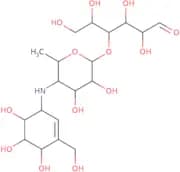
<p>A mixture of sodium trigalacturonate & tetragalacturonate (α-1,4 sodium galacturonotriose + α-1,4 sodium galacturonotetraose) is derived from pectin or pectic acid, by enzymatic or partial acid hydrolysis (Combo, 2012). It is used inâ¯galacturonic acidâ¯metabolism research as a substrate to identify, differentiate, and characterize endo- and exopolygalacturonase(s), and gluconase(s) (Jayani, 2005). The addition of very short fragments of homogalacturonan, tri-galacturonate, and tetra-galacturonate oligosaccharides, restore development in dark-grown, de-etiolated seedling mutants, suggesting that they are unable to generate de-methylesterified pectin fragments. A model of spatiotemporally separated photoreceptive and signal-responsive cell types has been proposed, that contains overlapping subsets of the regulatory network of light-dependent seedling development (Sinclair, 2017).</p>Pureza:Min. 95%Cor e Forma:Powder5-O-(5-Amino-5-deoxy-b-D-ribofuranosyl)-1-N-[(S)-4-amino-2-hydroxy-butanoyl]paromamine
<p>5-O-(5-Amino-5-deoxy-b-D-ribofuranosyl)-1-N-[(S)-4-amino-2-hydroxybutanoyl]paromamine is a Glycosylation agent that is used in the synthesis of oligosaccharides and polysaccharides. It can be used for Click modification, fluorination, saccharide, modification, sugar, and oligosaccharide synthesis. This product is CAS No. 51417-97-9 and has purity >99% (HPLC).</p>Pureza:Min. 95%8-Methoxycarbonyl-3-benzyl-3',4',6',6-tetra-O-acetyl-N,N'-diacetyl-b-chitobioside
CAS:<p>8-Methoxycarbonyl-3-benzyl-3',4',6',6-tetra-O-acetyl-N,N'-diacetyl b-chitobioside is a synthetic product that belongs to the class of glycosides. This compound has been modified by the incorporation of methyl and fluorine atoms. It is used as an intermediate in the synthesis of oligosaccharides and saccharides for use in biotechnology research.</p>Fórmula:C39H58N2O16Pureza:Min. 95%Peso molecular:810.88 g/mol6'-Sialyllactosyl azide
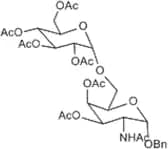
<p>6'-Sialyllactosyl azide is a modified carbohydrate that can be synthesized from sialic acid and azide. The synthesis of 6'-sialyllactosyl azide is a modification of the glycosylation reaction. It is a monosaccharide, methylated at the hydroxyl group, and has one glycosylation site with a glycose molecule attached to it. This product has high purity and CAS number. It is also synthesized using synthetic methods and has a molecular weight of 232.6 g/mol.</p>Pureza:Min. 95%Benzyl 2-acetamido-3,4-di-O-acetyl-6-O-(2,3,4,6-tetra-O-acetyl-a-D-glucopyranosyl)-2-deoxy-a-D-galactopyranoside
<p>Benzyl 2-acetamido-3,4-di-O-acetyl-6-O-(2,3,4,6-tetra-O-acetyl-aDglucopyranosyl)-2deoxy-. D.galactopyranoside (BzAGDP) is a complex carbohydrate that belongs to the group of oligosaccharides. It is an important component of glycoproteins and glycolipids in the cell membrane. BzAGDP has been synthesized by custom synthesis and has high purity with a CAS number of 80612-95-5. The chemical name for BzAGDP is benzyl 2 acetamido 3,4 di O acetyl 6 O (2,3 4 6 tetra O acetyl a D glucopyranosyl) 2 deoxy-. D galactopyranoside. The molecular formula is C21H32O7 and the molecular weight</p>Fórmula:C33H43NO17Pureza:Min. 95%Peso molecular:725.69 g/molA2G1 N-Glycan
<p>A2G1 N-glycan is a high purity, methylated, custom modified oligosaccharide with a fluorinated terminal monosaccharide. It is an oligosaccharide composed of a mixture of saccharides and is synthesized using Click chemistry to introduce the fluorination at the C-3 position. A2G1 N-glycan has been shown to be useful in various applications, such as Methylation, Custom synthesis, Click modification, CAS No., Oligosaccharide, Polysaccharide, saccharide, Carbohydrate, Fluorination, complex carbohydrate.</p>Pureza:Min. 95%Cor e Forma:PowderPeso molecular:1,625 g/mol


![(5aR,10aR)-Tetrahydro-3H,5H,8H,10H-bisthiazolo[3,4-a:3',4'-d]pyrazine-5,10-dione](/_next/image/?url=https%3A%2Fstatic.cymitquimica.com%2Fproducts%2F3D%2Fthumb-webp%2FIT145578.webp&w=3840&q=75)

![Gal[2346Ac]b(1-3)GlcN3[46Bzd]-b-MP](/_next/image/?url=https%3A%2Fstatic.cymitquimica.com%2Fproducts%2F3D%2Fthumb-webp%2FOG60595.webp&w=3840&q=75)


![Gal[2346Ac]b(1-3)GlcNPhth[46Bzd]-b-MP](/_next/image/?url=https%3A%2Fstatic.cymitquimica.com%2Fproducts%2F3D%2Fthumb-webp%2FOG60596.webp&w=3840&q=75)





![Di[3-deoxy-D-manno-octulosonyl]-lipid A sodium salt - 0.5mg/ml aqueous solution](/_next/image/?url=https%3A%2Fstatic.cymitquimica.com%2Fproducts%2F3D%2Fthumb-webp%2FOD29173.webp&w=3840&q=75)




![5-O-(5-Amino-5-deoxy-b-D-ribofuranosyl)-1-N-[(S)-4-amino-2-hydroxy-butanoyl]paromamine](/_next/image/?url=https%3A%2Fstatic.cymitquimica.com%2Fproducts%2F3D%2Fthumb-webp%2FOA32030.webp&w=3840&q=75)