Carboidratos e Glicoconjugados
Os carboidratos são compostos orgânicos formados por carbono, hidrogénio e oxigénio, cuja estrutura básica é composta por monossacarídeos. Estes podem ligar-se para formar dissacarídeos, oligossacarídeos ou polissacarídeos, dependendo do número de unidades monoméricas. Os carboidratos desempenham um papel fundamental no armazenamento de energia, na estrutura celular e na comunicação celular. Os seus derivados são utilizados em produtos farmacêuticos, como adoçantes e excipientes.
Na CymitQuimica, oferecemos uma ampla variedade de carboidratos e seus derivados para investigação e aplicações industriais.
Foram encontrados 5006 produtos de "Carboidratos e Glicoconjugados"
Ordenar por
Pureza (%)
0
100
|
0
|
50
|
90
|
95
|
100
1,5-α-L-Arabinotetraose
CAS:<p>1,5-alpha-L-Arabinotetraose is a methylated and glycosylated tetrasaccharide with a molecular weight of 720. It is a custom synthesis product with high purity and it can be used for the modification of proteins, polysaccharides, or other compounds. 1,5-alpha-L-Arabinotetraose has been shown to have fluoroquinolone resistance due to its methylation and glycosylation. The compound is an oligosaccharide that is synthesized from arabinose. It can be modified by click chemistry to introduce fluorine atoms at desired positions.</p>Fórmula:C20H34O17Pureza:(%) Min. 95%Cor e Forma:Clear Viscous LiquidPeso molecular:546.47 g/molN-Methyl acarbose
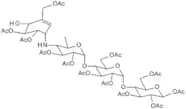
<p>N-Methyl acarbose is a synthetic, high purity, fluorinated carbohydrate with a variety of applications. It has been modified to contain methyl groups on the carbons adjacent to the anomeric carbon, which are used for click chemistry and other bioconjugation reactions. N-Methyl acarbose can be used in glycosylation reactions and offers a wide range of custom synthesis options. This compound is a complex sugar that contains both glucose and fructose monomers.</p>Fórmula:C26H45NO18Pureza:Min. 95%Peso molecular:659.63 g/molBlood group B trisaccharide-GEL
<p>Gala1-3(Fuca1-2)Gal Conjugated to BSA on Fractogel with glycosylamine formation</p>Pureza:Min. 95%T-antigen-HSA
<p>T-antigen-HSA is a synthetic, high-purity, custom synthesis glycoprotein with click modification. It is a complex carbohydrate that contains an oligosaccharide and a saccharide, which are attached to the protein backbone through an amide linkage. T-antigen-HSA is synthesized using recombinant DNA technology and can be modified by fluorination, methylation, or other modifications. This product has CAS No.</p>Pureza:Min. 95%Cor e Forma:White PowderMethyl 2-acetamido-3-O-(2,3,4,6-tetra-O-acetyl-b-D-galactopyranosyl)-2-deoxy-4,6-O-(4-methoxybenzylidene)-a-D-galactopyranoside
CAS:<p>Methyl 2-acetamido-3-O-(2,3,4,6-tetra-O-acetyl-b-D-galactopyranosyl)-2-deoxy-4,6-O-(4-methoxybenzylidene)-a-D-galactopyranoside is a custom synthesis of an oligosaccharide with a polysaccharide. It is a fluorinated complex carbohydrate that has been modified for high purity. Methyl 2 acetamido 3 O (2,3,4,6 tetra O acetyl b D galactopyranosyl) 2 deoxy 4,6 O (4 methoxybenzylidene) a D galactopyranoside is composed of monosaccharides and sugar.</p>Fórmula:C31H41NO16Pureza:Min. 95%Peso molecular:683.65 g/molA2F Glycan, 2-AB labelled
<p>A2F Glycan is an oligosaccharide that is synthesized from 2-AB labelled methylated saccharides. It can be used in the synthesis of polysaccharides and as a click modification. A2F Glycan has a CAS number, which allows for custom synthesis, and it is available in high purity. The glycosylation of this product can be modified to suit the needs of the customer. The fluorination of A2F Glycan helps with the synthesis process and provides a complex carbohydrate with few impurities.</p>Pureza:Min. 95%Hexasaccharide dp6
<p>Hexasaccharide dp6 is a synthetic hexasaccharide that mimics heparin. It binds to the antithrombin III and pentasaccharide in human plasma, which are proteins that inhibit blood clotting. Hexasaccharide dp6 also has affinity for peptides from HIV-1 and anti-HIV activity. Hexasaccharide dp6 can be used to prevent coagulation or as an antithrombotic agent.</p>Fórmula:C36H93N15O57S9Pureza:Min. 95%Peso molecular:1,936.78 g/molBlood Group A type I linear trisaccharide
CAS:<p>GalNAca1-3Galb1-3GlcNAc</p>Fórmula:C22H38N2O16Pureza:Min. 95%Peso molecular:586.54 g/mol[UL-13C18]Maltotriose hydrate
<p>Maltotriose hydrate is a synthetic glycosylation product that is synthesized by the fluorination of maltotriose. Maltotriose hydrate is a sugar with a 3-D structure that is similar to maltodextrin, but with one less glucose residue. Maltotriose hydrate can be used in the synthesis of oligosaccharides and polysaccharides and has been shown to have high purity. Maltotriose hydrate can be modified by a variety of reactions, such as methylation, monosaccharide modification, or click chemistry. It has an CAS number and can be custom synthesized for clients' needs.</p>Fórmula:C18H32O16·xH2OPureza:Min. 95%Cor e Forma:White SolidPeso molecular:522.3 g/molHyaluronate rhodamine - Molecular Weight - 1500kDa
<p>Hyaluronate rhodamine is a synthetic, high-purity, fluorinated, hydrophilic oligosaccharide. It is a complex carbohydrate with a molecular weight of 1500kDa and a very low viscosity. Hyaluronate rhodamine has been modified to include Click chemistry that provides the potential for site-specific modification on the sugar backbone. The fluorination process can be customized to produce the desired degree of substitution (DS) and functionalization for specific applications. This product has been glycosylated and polysaccharide modified to create an oligosaccharide that is suitable for use in therapeutic and diagnostic applications.</p>Pureza:Min. 95%2'-Fucosyllactose-BSA
<p>2'-Fucosyllactose-BSA is a high purity, custom synthesis, synthetic oligosaccharide. It is a glycosylated and methylated monosaccharide that can be used for Click modification with azido-functionalized molecules. 2'-Fucosyllactose-BSA has a CAS number of 113959-06-8 and an Oligosaccharide content of >95%. It is soluble in water and has a Glycosylation content of >95% and a Carbohydrate content of >95%.</p>Pureza:Min. 95%D-Fructose-13C6-1,6-diphosphate sodium salt
CAS:<p>D-Fructose-13C6-1,6-diphosphate sodium salt is a reactive compound used as a model in studies of metabolic disorders. It has been shown to have an inhibitory effect on the enzymes that catalyze the conversion of D-fructose 1,6 diphosphate to D-fructose 6 phosphate in the cytosol. The compound is also useful for determining the binding of calcium ions to proteins and for measuring the activity of carbon source enzymes.</p>Fórmula:C6H10Na4O12P2·xH2OPureza:Min. 95%Cor e Forma:PowderPeso molecular:434 g/mol6-Deoxy-6-Fluorocyclomaltoheptaose
CAS:<p>The 6-deoxy-6-fluorocyclomaltoheptaose is a low molecular weight compound that has been found to have anti-amylase activity. This substance is characterized by its chromatographic techniques, which can be used to identify the chemical structure of the molecule. The 6-deoxy-6-fluorocyclomaltoheptaose has been found to consist of an amylase inhibitor and an enzyme substrate. It exhibits specificity for the catalytic site of amylase, which is located in subsite 1, and it attacks this substrate at the 6-position of glucose. This substance is not as potent as other amylase inhibitors such as d-glucose, but it does show greater specificity for amylase than other substances with similar structures.</p>Fórmula:C42H69FO34Pureza:Min. 95%Peso molecular:1,136.98 g/mol1,4-b-D-Cellohexaitol
CAS:<p>1,4-B-D-cellobiohexaitol is a potent inhibitor of cellobiose phosphorylase and has been shown to inhibit the activity of this enzyme in a competitive manner. 1,4-B-D-cellobiohexaitol binds to cellulose and other sugars, which may be related to its toxicity. It is not toxic to animals because they do not have the same sugar binding sites as bacteria. 1,4-B-D-cellobiohexaitol has been shown to be effective against Streptomyces lividans and S. coelicolor. This substance inhibits Streptomyces growth by binding to glucose and galactose present in the cell wall of these organisms.</p>Fórmula:C36H64O31Pureza:Min. 95%Peso molecular:992.87 g/molFructononasaccharide
<p>Fructononasaccharide is a modification of oligosaccharides that is synthesized from sucrose. It is a complex carbohydrate that has been modified with methylation and glycosylation. Fructononasaccharide is used in the synthesis of polysaccharides, as well as for the production of high-purity, custom-synthesized monosaccharides and disaccharides. Fructononasaccharide can be fluorinated or saccharified to produce different compounds.</p>Fórmula:C54H92O46Pureza:Min. 95%Cor e Forma:PowderPeso molecular:1,477.28 g/molMethyl-O-b-D-glucopyranosyl-(1-3)-S-b-D-glucopyranosyl-(1-4)-O-4-thio-b-D-glucopyranosyl-(1-4)-b-D-glucopyranoside
CAS:<p>Methyl-O-b-D-glucopyranosyl-(1-3)-S-b-D-glucopyranosyl-(1-4)-O-4-thio-b-D-glucopyranosyl-(1,4)-b-D-[2] glucopyranoside is a synthetic saccharide with a single modification of 4'-fluoro substitution on the O6 position. This modification provides an increased stability to acid hydrolysis. Methylation and saccharide synthesis is performed in our lab and custom modifications are available upon request.</p>Fórmula:C25H44O20SPureza:Min. 95%Peso molecular:696.67 g/molAgarononaose
CAS:<p>Agarose is a polysaccharide found in red algae, typically Gelidium and Gracilaria. It is a strictly alternating polysaccharide of α-1,3 linked D-galactose and β-1,4 linked L-3,6 anhydrogalactose with occasional sulfation at position 6 of the anhydrogalactose residue. Agaro-oligosaccharides result from cleavage at galactose residues and neoagaro-oligosaccharides from cleavage at 3,6-anhydro residues. A number of publications have suggested that agaroheptaose has properties that include: anti-microbial, antiviral, prebiotic, anti-tumoral, immunomodulatory, anti-inflammatory, glucosidase inhibitory, and hepatoprotective properties.</p>Fórmula:C54H84O42Pureza:Min. 95%Cor e Forma:SolidPeso molecular:1,405.22 g/molN,N'-Diacetylchitobiosyl allosamizoline
CAS:<p>N,N'-Diacetylchitobiosyl allosamizoline is an analog of the insect-inhibiting allosamidin. It has been shown to have inhibitory activity against chitinases and it is a stereoselective inhibitor of chitin synthase. N,N'-Diacetylchitobiosyl allosamizoline is used as a substrate in coupling reactions to produce disaccharides that contain the chitobiose unit. This type of enzyme inhibition may be useful in combating insects that feed on plants or other organisms with exoskeletons made up of chitin.</p>Fórmula:C25H42N4O14Pureza:Min. 95%Peso molecular:622.62 g/molBlood Group A trisaccharide-(CH2)8COOMe derivative
CAS:<p>Blood group antigen derivative with spacer arm</p>Fórmula:C30H53NO17Pureza:Min. 95%Peso molecular:699.74 g/molGD2-Oligosaccharide-desthiobiotin
<p>Desthiobiotin is a modified form of biotin that binds less tightly to biomolecules like proteins and carbohydrates than it does biotin, while still providing excellent specificity in affinity purification methods (Hirsch, 2002). The structure of GD2-oligosaccharide-desthiobiotin (sodium salt) comprises (GalNAcβ1,4Galβ1,4Glc) of its two sialic acids linked α2,3/α2,8 to the central galactose residue (Ledeen, 2009). The desthiobiotin is attached β to position 1 of the reducing glucose moiety. GD2 ganglioside is expressed at a low concentration in the central nervous system, nerves, skin melanocytes and stem cells in healthy adults. On the other hand, GD2 ganglioside is overexpressed in a number of tumors including: neuroblastoma, melanoma, small cell lung carcinoma and brain tumors. Recently, GD2 ganglioside has been found in low concentration on breast cancer stem cells (CSC) that possess: self-renewal properties (division without disrupting the undifferentiated state) and tumor-initiating capabilities. It has been suggested that GD2 ganglioside may be developed as an effective target antigen for CSC immunotherapy (Fleurence, 2017).</p>Fórmula:C65H106N10O37·2NaPureza:Min. 95%Cor e Forma:PowderPeso molecular:1,665.56 g/molN-Allyloxycarbonyl-b-lactosamine
CAS:<p>The linker N-Allyloxycarbonyl-b-lactosamine (NALB) is a bifunctional molecule that can be used to form triplexes with DNA. The NALB has been shown to inhibit the growth of gram-negative bacteria such as Escherichia coli and Haemophilus influenzae by binding to the bacterial cell wall and disrupting its permeability. The linker is synthesized by solid phase synthesis. This process involves the stepwise addition of building blocks in a sequence that is predetermined. The residues are usually protected with protecting groups, which are then removed at the end of the synthesis process.</p>Fórmula:C16H27NO12Pureza:Min. 95%Peso molecular:425.38 g/molMethyl 3-O-(a-D-galactopyranosyl)-b-D-galactopyranoside
<p>Methyl 3-O-(a-D-galactopyranosyl)-b-D-galactopyranoside is a fluorinated methylated carbohydrate. It is an oligosaccharide with a sugar backbone. The sugar in the molecule is a monosaccharide, which is attached to other sugars through glycosylation. Methyl 3-O-(a-D-galactopyranosyl)-b-D-galactopyranoside has been synthesized and can be custom synthesized for specific requirements. It has high purity and can be obtained with a variety of modifications, such as fluorination to increase its stability. This compound can be used in a variety of applications, including the treatment of tuberculosis infections and cancer.</p>Fórmula:C13H24O11Pureza:Min. 95%Cor e Forma:White to off-white solid.Peso molecular:356.32 g/molDimeric Lewis X hexasaccharide-APE-HSA
<p>Dimeric Lewis X hexasaccharide-APE-HSA is a carbohydrate molecule that is a modification of a saccharide. It is an oligosaccharide sugar with a CAS number. The monosaccharide sugar in this molecule has been synthetically modified and fluorinated to yield the desired product. This complex carbohydrate has been custom synthesized for high purity and has undergone methylation and glycosylation reactions to achieve the desired modification. The final result of these modifications is a dimeric Lewis X hexasaccharide-APE-HSA, which will be used as an immunogen.</p>Pureza:Min. 95%1,3,6-Tri-O-benzyl-4-O-(3,6-di-O-acetyl-2,4-dideoxy-2-phthalimido-b-D-glucopyranosyl)-2-deoxy-2-phthalimido-b-D-glucopyranoside
<p>Methylated, saccharide-containing, polysaccharide-containing, carbohydrate-containing. CAS No.: 169800-74-1. Click modification: Click chemistry reaction with a reactive group on the saccharide or polysaccharide to form a bond with another molecule. Modification: The addition of one or more side chains to a saccharide or polysaccharide to produce a modified carbohydrate. Oligosaccharides: Carbohydrates that are composed of only two to ten monosaccharides. Glycosylation: The process in which a glycosyl group is transferred from an activated donor sugar to an acceptor molecule, forming glycosidic linkage (e.g., between sugars). High purity: The degree of chemical purity as expressed by the percent of impurities that may be present in the product (e.g., 99% pure). Carbohydrate: A class of organic compounds that includes sugars and starches and functions</p>Fórmula:C53H50N2O14Pureza:Min. 95%Peso molecular:938.97 g/molN-Diphenylmethylene-O-(2,3,6,2',3',4',6'-hepta-O-acetyl-b-D-lactosyl)-L-serine, benzyl ester
CAS:<p>N-Diphenylmethylene-O-(2,3,6,2',3',4',6'-hepta-O-acetyl-b-D-lactosyl)-L-serine, benzyl ester is a complex carbohydrate that is used for the modification of saccharides. This compound has been synthesized using Click chemistry and NMR spectroscopy. It has a CAS number of 337903-59-0 and is an off white solid with a melting point of 155°C to 158°C.</p>Fórmula:C49H55NO20Pureza:Min. 95%Peso molecular:977.96 g/molMonofucosyl, monosialyllacto-N-neohexaose-APD-HSA
<p>Monofucosyl, monosialyllacto-N-neohexaose-APD-HSA is a complex carbohydrate that is synthesized through the enzymatic polymerization of glucose. This synthetic oligosaccharide is composed of a single monosaccharide, fucose, and two sialic acid residues. Monofucosyl, monosialyllacto-N-neohexaose-APD-HSA can be used in the synthesis of various glycoconjugates such as glycoproteins, glycolipids, or proteoglycans. The chemical modification of this sugar molecule can also be performed to produce a variety of products with different properties.</p>Pureza:Min. 95%Calcipotriol monohydrate
CAS:<p>Calcipotriol monohydrate, a Vitamin D3 analog, binds well to the vitamin D receptor, used in psoriasis research.</p>Fórmula:C27H42O4Pureza:99.95%Cor e Forma:SolidPeso molecular:430.621,5-a-L-Arabinoheptaose
CAS:<p>1,5-a-L-Arabinoheptaose is a sugar that is found in the cell walls of bacteria. The chemical modification of this sugar has been studied extensively. The modification of this sugar with methyl groups and click chemistry has been shown to alter its properties, such as binding affinity and solubility. This modified sugar can be used for glycosylation reactions or custom synthesis. 1,5-a-L-Arabinoheptaose is also available in high purity and with a custom synthesis.</p>Fórmula:C35H58O29Pureza:Min. 95%Cor e Forma:PowderPeso molecular:942.82 g/molGlycyl-lactose
<p>Glycyl-lactose is a high purity, custom synthesis sugar that has been modified by fluorination, glycosylation, and methylation. This product is an oligosaccharide with a complex carbohydrate structure. Glycyl-lactose is synthesized from the monosaccharide glucose and the disaccharide lactose. This product can be used for Click chemistry reactions to modify proteins or other molecules on its surface. The CAS number for this product is 565-00-2.</p>Fórmula:C14H26N2O11Pureza:Min. 95%Peso molecular:398.36 g/molHeparin derived dp22 saccharide ammonium salt
<p>Heparin derived dp22 saccharide ammonium salt is a complex carbohydrate that is synthesized with the click chemistry. It is a high purity, fluorinated compound. This modified heparin has an average molecular weight of approximately 5,400 Da and contains an average of 15 saccharide units. Heparin derived dp22 saccharide ammonium salt has been modified by methylation and glycosylation to produce a heparin-like compound that can be used as a drug delivery system for anticancer drugs.</p>Pureza:Min. 95%Cor e Forma:White to off-white solid.Peso molecular:~6300 (Average)Methyl cellulose - viscosity 400 cP
CAS:<p>Cellulose derivative, food thickener and emulsifier, bulk forming laxative</p>Pureza:Min. 95%Tetradecasaccharide dp14
<p>Tetradecasaccharide dp14 is a custom-synthesized, fluorinated, methylated, and modified saccharide. Tetradecasaccharide dp14 has been shown to have a variety of biological activities that are dependent on the type of modification. For example, this compound inhibits the enzyme alpha-glucosidase in vitro and in vivo. This enzyme is responsible for breaking down complex carbohydrates into simple sugars. Tetradecasaccharide dp14 also has anti-inflammatory properties and can be used as an antifungal agent against Candida albicans.</p>Fórmula:C84H217N35O133S21Pureza:Min. 95%Peso molecular:4,519.16 g/molHydroxypropyl cellulose - Average MW 1,000,000
CAS:<p>Binder in tablets; food additive; has several pharmaceutical applications</p>Pureza:Min. 95%1,3,6-Tri-O-acetyl-3-O-(2,3,4,6-tetra-O-acetyl-b-D-galactopyranosyl)-2-azido-2-deoxy-a-D-glucopyranose
<p>This is a custom synthesis of 1,3,6-tri-O-acetyl-3-O-(2,3,4,6-tetra-O-acetyl-b-D-galactopyranosyl)-2-azido-2-deoxy--aDglucopyranose. This product is a synthetic oligosaccharide that has been modified to contain fluorine atoms at the C1 and C6 positions. It has a CAS number of 5243787 and is available in high purity. It is also an Oligosaccharide and Polysaccharide.</p>Fórmula:C26H35N3O17Pureza:Min. 95%Peso molecular:661.57 g/molMan-7 N-Glycan
<p>Man-7 N-Glycan is a sugar that is composed of an oligosaccharide and a monosaccharide. The oligosaccharide is composed of an alpha-1,6-linked mannose, an alpha-1,2-linked mannose, and a beta-1,2-linked mannose. The monosaccharide is composed of glucose. This sugar has been modified with methylation and fluorination on the mannose side chains. It also contains glycosylation in the form of O-(alpha-D-mannopyranosyl)-(alpha-D-mannopyranosyl)n or O-(alpha-D-mannopyranosyl)-(beta-D-mannopyranosyl)m. A CAS number for this carbohydrate has not yet been assigned because it is custom synthesized. Man 7 N Glycan can be found in nature as a component of glycogen</p>Fórmula:C58H98N2O46Pureza:Min. 90 Area-%Cor e Forma:PowderPeso molecular:1,559.38 g/molBenzyl 2-acetamido-3-O-(2,3,4,6-tetra-O-acetyl-b-D-galactopyranosyl)-4,6-O-benzylidene-2-deoxy-a-D-glucopyranose
<p>2-Acetamido-3,4,6-tri-O-acetyl-b-D-galactopyranosyl bromide is an intermediate in the synthesis of 2,6-dideoxyglucose and has been used as a model for the glycosidic linkage to fluoroquinolones. The compound is a white solid that can be synthesized by reacting D-galactose with acetamidobenzene in the presence of sodium hydroxide and chloroacetone.<br>The molecular weight of this compound is 703.1 g/mol.<br>This product was developed through custom synthesis and modification. It is available at high purity.</p>Fórmula:C36H43NO15Pureza:Min. 95%Peso molecular:729.72 g/mol2-Acetamido-6-O-(2-acetamido-2-deoxy-b-D-glucopyranosyl)-3-O-(b-D-galactopyranosyl)-2-deoxy-a-D-galactopyranose
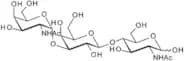
CAS:<p>2-Acetamido-6-O-(2-acetamido-2-deoxy-β-D-glucopyranosyl)-3-O-(β-D-galactopyranosyl)-2,6-dideoxy--a,D--galactopyranose is a trisaccharide that is anomeric with n acetylglucosamine and a residue.</p>Fórmula:C22H38N2O16Pureza:Min. 95%Peso molecular:586.54 g/molGM3-Ganglioside labelled by NBD ammonium
<p>GM3-ganglioside NBD (ammonium salt) has a core disaccharide structure (Galβ1,4Glc) with sialic acid linked α2,3 to the galactose residue with nitrobenzoxadiazole (NBD) linked β to position 1 on the reducing terminal glucose residue, in place of the ceramide fatty acid (Ledeen, 2009). Ganglioside GM3 is strongly associated with human tumors, such as, lung, brain, and melanomas, where it is frequently found to be overexpressed. GM3 ganglioside is seen as a possible tumor-associated carbohydrate antigen for cancer immunotherapy (Changping, 2019). GM3 ganglioside is implicated in various other diseases involving chronic inflammation, such as: insulin resistance, leptin resistance, T-cell function, and immune disorders (e.g. allergic asthma). It has also been shown to play an essential role in murine and human auditory systems, and is a common pathological feature of GM3S deficiency is deafness (Inokuchi, 2018).</p>Fórmula:C55H90N6O24·H3NPureza:Min. 95%Cor e Forma:PowderPeso molecular:1,236.36 g/molBenzyl 2-O-(2,3,4,6-tetra-O-benzyl-a-D-galactopyranosyl)-4,6-O-benzylidene-D-galactopyranose
<p>Benzyl 2-O-(2,3,4,6-tetra-O-benzyl-a-D-galactopyranosyl)-4,6-O-benzylidene-D-galactopyranose is a custom synthesis that belongs to the class of carbohydrates. It is an oligosaccharide with a molecular weight of 536.8 and a CAS number of 48737-65-1. The modification of this carbohydrate is methylation and glycosylation. This carbohydrate has been synthesized using a click chemistry reaction with a fluorination step. The purity of this compound is high and it has been synthesized in the laboratory.</p>Fórmula:C54H56O11Pureza:Min. 95%Peso molecular:881.04 g/molEthyl 2,3,6-tri-O-acetyl-4-O-(2,3,4,6-tetra-O-acetyl-b-D-galactopyranosyl)-D-thioglucopyranoside
CAS:<p>Ethyl 2,3,6-tri-O-acetyl-4-O-(2,3,4,6-tetra-O-acetyl-b-D-galactopyranosyl)-D-thioglucopyranoside is a synthetic carbohydrate with a glycosylation and methylation modification. This compound is an oligosaccharide sugar that contains a complex carbohydrate backbone. It has CAS No. 434762 and was custom synthesized for high purity. The molecular weight of this compound is 605.14 g/mol and the purity is >99%.</p>Fórmula:C28H40O17SPureza:Min. 95%Cor e Forma:PowderPeso molecular:680.198622-Acetamido-2-deoxy-4-O-(b-D-galactopyranosyl)-D-mannopyranose
CAS:<p>2-Acetamido-2-deoxy-4-O-(b-D-galactopyranosyl)-D-mannopyranose is a disaccharide with the chemical formula C8H14N2O6. It has a glycosidic bond between two acetamides and a sequence of three sugars. It is also known as n-acetyl-d-mannosamine, or NAM. 2-Acetamido-2-deoxy-4-O-(b-D-galactopyranosyl)-D-mannopyranose is an important building block in the synthesis of glycoproteins. This molecule's carbohydrate structure confers it with properties that are similar to other monosaccharides.</p>Fórmula:C14H25NO11Pureza:Min. 95%Peso molecular:383.35 g/mol4-O-Acetyl-3,6-di-O-(2,3,4,6-tetra-O-acetyl-a-D-mannopyranosyl)-1,2-ethyledine-b-D-mannopyranose
CAS:<p>4-O-Acetyl-3,6-di-O-(2,3,4,6-tetra-O-acetyl-a-D-mannopyranosyl)-1,2-ethyledine (CAS No. 230953-17) is a carbohydrate that has been modified with acetyl groups at the 3 and 6 positions of the monosaccharide unit. This modification is a complex carbohydrate that is made up of oligosaccharides and polysaccharides. The modification causes changes in the chemical properties of the carbohydrate compared to natural saccharides. 4-O-(2,3,4,6) tetra O acetyl a D mannopyranosyl 1 2 ethyledine b D mannopyranose has been used in synthesis of custom sugars for medical applications. It has also shown anti inflammatory activities against Mycobacterium tuberculosis and Mycobacterium avium complex</p>Fórmula:C38H52O25Pureza:Min. 95%Peso molecular:908.8 g/molMethyl 2-acetamido-2-deoxy-6-O-(b-D-galactopyranosyl)-a-D-glucopyranoside
CAS:<p>Methyl 2-acetamido-2-deoxy-6-O-(b-D-galactopyranosyl)-a-D-glucopyranoside is a custom synthesis, modification and fluorination of a monosaccharide. The saccharide is modified with methylation and click modification at the 6th carbon position. This product is designed for use in the synthesis of complex carbohydrates.</p>Fórmula:C15H27NO11Pureza:Min. 95%Peso molecular:397.38 g/mol1,3,6-Tri-O-acetyl-4-O-(2,3,4,6-tetra-O-acetyl-b-D-galactopyranosyl)-2-azido-2-deoxy-D-glucopyranose
<p>1,3,6-Tri-O-acetyl-4-O-(2,3,4,6-tetra-O-acetyl-b-D-galactopyranosyl)-2-azido-2-deoxy--D--glucopyranose is a modification of a natural sugar. It is an oligosaccharide that is composed of one monosaccharide and two disaccharides. The triacetate group on the first saccharide provides protection against hydrolysis and methylation reactions. This compound has been shown to be synthesized chemically in high purity and with high yield.</p>Fórmula:C26H35N3O17Pureza:Min. 95%Peso molecular:661.57 g/molMethyl 2-acetamido-2-deoxy-3-O-(2,3,4,6-tetra-O-acetyl-b-D-galactopyranosyl)-a-D-glucopyranoside
CAS:<p>Methyl 2-acetamido-2-deoxy-3-O-(2,3,4,6-tetra-O-acetyl-b-D-galactopyranosyl)-a-D-glucopyranoside is a custom synthetic product. It is a complex carbohydrate made of an oligosaccharide and polysaccharide. This product is modified with saccharide and methylation. Methyl 2-acetamido-2-deoxy 3 O-(2,3,4,6 tetra -O acetyl b -D galactopyranosyl) a D glucopyranoside has CAS number 62998 28 1 and its purity level is high. The fluorination of this compound provides it with an additional feature of being water soluble. The synthesis of this product involves the use of the sugar in order to produce glycosylations.</p>Fórmula:C23H35NO15Pureza:Min. 95%Peso molecular:565.52 g/mol4-Methoxyphenyl 2-acetamido-4-O-[2-O-acetyl-3,6-di-O-(2,3,4,6-tetra-O-acetyl-a-D-mannopyranosyl)-4-O-benzyl-b-D-mannopyranosyl]-3,6- di-O-benzyl-2-deoxy-b-D-glucopyranoside
<p>This product is a custom synthesis and modification of a natural product. The chemical name is 4-Methoxyphenyl 2-acetamido-4-O-[2-O-acetyl-3,6-di-O-(2,3,4,6-tetra-O-acetyl-aDmannopyranosyl)-4-ObenzylbDmannopyranosyl]-3,6diOBenzyl2deoxybDglucopyranoside. This molecule has been fluorinated with trifluoromethanesulfonic acid in the presence of polystyrene as an initiator to form the desired compound. The molecular weight of this molecule is 1,895.09 g/mol. This product was synthesized by methylation using methanol and ammonium chloride as reagents in the presence of tetrapropylammonium perruthenate as catalyst for the process.</p>Fórmula:C72H87NO31Pureza:Min. 95 Area-%Cor e Forma:PowderPeso molecular:1,462.45 g/molBlood Group B type I tetrasaccharide
CAS:<p>Gala1-3(Fuca1-2)Galb1-3GlcNAc</p>Fórmula:C26H45NO20Pureza:Min. 95%Cor e Forma:White/Off-White SolidPeso molecular:691.63 g/molMan-9-Glc N-Glycan
CAS:<p>Man-9-Glc N-Glycan is a synthetic carbohydrate that is a modification of the natural sugar, Man-9-GlcNAc. It can be used as an ingredient in pharmaceutical products, such as vaccines and other therapeutic agents. This product is a custom synthesis that can be produced to order.</p>Fórmula:C76H128N2O61Pureza:Min. 95%Peso molecular:2,045.81 g/mol8-Methoxycarbonyloctyl-3-O-benzyl-2,2'-dideoxy-2,2'-diphthalimido-3',4',6-tri-O-acetyl-b-cellobiose
CAS:<p>8-Methoxycarbonyloctyl-3-O-benzyl-2,2'-dideoxy-2,2'-diphthalimido-3',4',6-tri-O-acetyl-b -cellobiose is a cellobiose with an 8 methoxycarbonyl group at the C8 position. It can be used in the synthesis of oligosaccharides and polysaccharides. The compound has been synthesized by methylation, click modification, and fluorination. The CAS number is 106445-30-1. 8MCOBBIOSE has a purity of > 98% and may have a white to off white powder appearance.</p>Fórmula:C51H58N2O18Pureza:Min. 95%Peso molecular:987.01 g/molLipid A (Salmonella) triethylammonium
<p>Lipid A is a complex carbohydrate that is found in the outer membrane of Gram-negative bacteria. The lipid A molecule consists of a long chain of fatty acids linked to a phosphate group, with sugar and phosphate groups attached. Lipid A is important for the virulence of many Gram-negative bacteria, including Salmonella. Fluorination, monosaccharide, oligosaccharide and polysaccharide modifications are used to modify lipid A to increase its immunogenicity as an adjuvant or vaccine component. Click modification and methylation are also used to alter lipid A structure. This product has been custom synthesized in our lab using high purity ingredients.</p>Fórmula:C110H208N2O26P2Pureza:Min. 95%Peso molecular:2,036.77 g/molGlycyl-lacto-N-tetraose
<p>Glycyl-lacto-N-tetraose is an oligosaccharide that is modified with lactose. The structure of this carbohydrate is a glycosyl linkage between two glucose residues, plus a galactose residue at the non-reducing end of the chain. This sugar has been custom synthesized and purified to be free of other carbohydrates or contaminants. Glycyl-lacto-N-tetraose has a CAS number of 55719-02-1 and can be used in many applications including as a pharmaceutical ingredient, food additive, or cosmetic ingredient.</p>Fórmula:C28H49N3O21Pureza:Min. 95%Peso molecular:763.7 g/mol3'-N-Acetylneuraminyl-N-acetyllactosamine HSA
<p>3'-N-Acetylneuraminyl-N-acetyllactosamine HSA is a carbohydrate that is synthesized by the attachment of an acetyl group to a terminal glucose residue. The product is a custom synthesis and can be used for click modification. 3'-N-Acetylneuraminyl-N-acetyllactosamine HSA has been shown to have high purity and is a complex carbohydrate. This product comes in the form of an oligosaccharide or polysaccharide, which are carbohydrates composed of many sugars. 3'-N-Acetylneuraminyl-N-acetyllactosamine HSA has been fluorinated, which may reduce its degradation in vivo.</p>Fórmula:C25H42N2O20Pureza:Min. 95%Peso molecular:690.6 g/mol3,4,2',3',4'-Penta-O-acetylsucrose
CAS:<p>3,4,2',3',4'-Penta-O-acetylsucrose (PAS) is a carbohydrate that has been found to be a potent inhibitor of the enzyme glycogen phosphorylase. The reductive elimination of the acetyl groups from PAS produces 2,3,4'-tri-O-acetylsucrose (TAS), which is also an inhibitor of glycogen phosphorylase. TAS inhibits this enzyme by binding to the active site and blocking access to the substrate. TAS also inhibits gluconeogenesis in liver cells by competing with glucose for uptake into the cell. In vitro studies have shown that TAS binds to boron trifluoride and lithium aluminum hydride more effectively than it does to diazomethane or detritylation.</p>Fórmula:C22H32O16Pureza:Min. 95%Peso molecular:552.49 g/molGala1-3Galb1-4Glc-HSA
<p>Gala1-3Galb1-4Glc-HSA is a high purity, synthetic galactosylated glycosaminoglycan. Gala1-3Galb1-4Glc-HSA is an important component of the mucin layer that coats the gastrointestinal tract and protects it from infection. It also has a role in promoting epithelial cell growth and repair. The product is available in custom synthesis or can be modified to meet specific requirements.</p>Pureza:Min. 95%a1,4-Mannobiose-BSA
<p>a1,4-Mannobiose-BSA is a complex carbohydrate that can be synthesized in the laboratory. It is composed of mannose and glucose units. This molecule has been modified with methyl groups, which can be used for click chemistry reactions. Mannobiose-BSA is a polysaccharide with CAS number 56938-64-2. It has been modified by Click chemistry and glycosylation to yield high purity compounds.</p>Pureza:Min. 95%Maltohexaose
CAS:<p>Maltohexaose is a polysaccharide formed by 6 units of glucose and can be metabolised inside the cell to a substrate-based inhibitor of fucosyltransferases. It can also be converted to GDP-2-deoxy-2-fluoro-L-fucose, a competitive inhibitor of α-1,3-fucosyltransferase. Matohexaose is used as acceptor for measuring the activity of 4-Alpha-Glucanotransferase.</p>Fórmula:C36H62O31Pureza:Min. 95.0 Area-%Peso molecular:990.86 g/mol(S)-3-((S)-5-Oxopyrrolidine-2-carbonyl)thiazolidine-4-carboxylic acid
CAS:<p>(S)-3-((S)-5-Oxopyrrolidine-2-carbonyl)thiazolidine-4-carboxylic acid is a synthetic compound that is used as an impurity standard for HPLC. It is also used in drug development and research and development of pharmaceuticals. This product was made through custom synthesis and is not natural.</p>Fórmula:C9H12N2O4SPureza:Min. 95%Peso molecular:244.27 g/mol3'-Sulfated Lewis X methyl glycoside
CAS:<p>3'-Sulfated Lewis X methyl glycoside is a synthetic, fluorinated oligosaccharide that can be used as a sugar or as an intermediate in the synthesis of complex carbohydrates. It is available for custom synthesis and modification to meet your specific needs. 3'-Sulfated Lewis X methyl glycoside is a monosaccharide that has been modified with a click reaction to attach sulfate groups. This modification allows for easier saccharide recognition and binding in the body. The CAS number for 3'-sulfated Lewis X methyl glycoside is 386264-50-2.</p>Fórmula:C21H37NO18SPureza:Min. 95%Peso molecular:623.58 g/molBenzyl 3-O-(2-acetamido-2-deoxy-b-D-glucopyranosyl)-2-O-benzyl-4,6-O-benzylidene-a-D-mannopyranoside
<p>Benzyl 3-O-(2-acetamido-2-deoxy-b-D-glucopyranosyl)-2-O-benzyl-4,6-O-benzylidene-a-D-mannopyranoside is a monosaccharide that is used in the synthesis of glycosylated proteins and peptides. It is a complex carbohydrate with an Oligosaccharide chain. This product has been fluorinated and custom synthesized to be high purity and available for immediate shipping.</p>Fórmula:C35H41NO11Pureza:Min. 95%Peso molecular:651.72 g/molBenzyl 2-acetamido-3,4-di-O-acetyl-6-O-(2,3,4,6-tetra-O-acetyl-a-D-glucopyranosyl)-2-deoxy-a-D-galactopyranoside
<p>Benzyl 2-acetamido-3,4-di-O-acetyl-6-O-(2,3,4,6-tetra-O-acetyl-aDglucopyranosyl)-2deoxy-. D.galactopyranoside (BzAGDP) is a complex carbohydrate that belongs to the group of oligosaccharides. It is an important component of glycoproteins and glycolipids in the cell membrane. BzAGDP has been synthesized by custom synthesis and has high purity with a CAS number of 80612-95-5. The chemical name for BzAGDP is benzyl 2 acetamido 3,4 di O acetyl 6 O (2,3 4 6 tetra O acetyl a D glucopyranosyl) 2 deoxy-. D galactopyranoside. The molecular formula is C21H32O7 and the molecular weight</p>Fórmula:C33H43NO17Pureza:Min. 95%Peso molecular:725.69 g/molGM3-Ganglioside ammonium
CAS:<p>Ganglioside GM3 (ammonium salt) has a core disaccharide structure (Galβ1,4Glc) with sialic acid linked a2,3 to the galactose residue and ceramide linked β to position 1 on the reducing terminal glucose residue (Ledeen, 2009). Ganglioside GM3 is strongly associated with human tumors, such as, lung, brain and melanomas where it is over expressed. It is seen as a possible tumor-associated carbohydrate antigen for cancer immunotherapy (Changping, 2019). GM3 ganlioside is implicated in various other diseases involving chronic inflammation, such as, insulin resistance, leptin resistance, T-cell function and immune disorders (e.g. allergic asthma). GM3 ganglioside has also been shown to play an essential role in murine and human auditory systems, and a common pathological feature of GM3S deficiency is deafness (Inokuchi, 2018).</p>Fórmula:C59H111N3O21xNH4Pureza:Min. 95%Peso molecular:1,198.52 g/molBenzyl 4-O-(2,3,4,6-tetra-O-benzyl-a-D-galactopyranosyl)-2,3-di-O-benzyl-6-O-benzoyl-b-D-galactopyranoside
<p>Benzyl 4-O-(2,3,4,6-tetra-O-benzyl-a-D-galactopyranosyl)-2,3-di-0benzyl 6-O-benzoyl-b-D-galactopyranoside is a synthetic carbohydrate that belongs to the class of oligosaccharides. It has been modified by fluorination and methylation. This compound is also glycosylated and click modified.</p>Fórmula:C68H68O12Pureza:Min. 95%Peso molecular:1,077.26 g/mol4-O-Acetyl-3,6-di-O-(2,3,4,6-tetra-O-acetyl-a-D-mannopyranosyl)-D-mannopyranose
<p>4-O-Acetyl-3,6-di-O-(2,3,4,6-tetra-O-acetyl-a-D-mannopyranosyl)-D-mannopyranose is a synthetic nonreducing sugar that has been modified with an acetate group at C4 and acetyl groups at C3 and C6. This compound is a white to off white crystalline solid. It is soluble in methanol and formamide. The chemical formula of the compound is CHO.</p>Fórmula:C36H50O25Pureza:Min. 95%Peso molecular:882.77 g/molb-D-Galactopyranosyl-(1,4)-O-b-D-glucopyranosyl-(1,4)-D-glucose
<p>This custom synthesis complex carbohydrate has a CAS number and is a polysaccharide. It is modified by methylation, glycosylation, click modification, and fluorination. This carbohydrate has high purity and is synthesized synthetically.</p>Pureza:Min. 95%N-Acetylneuraminic acid trimer disodium salt
<p>N-Acetylneuraminic acid trimer disodium salt is a methylated saccharide that is used in the synthesis of complex carbohydrates. It can be modified by Click chemistry to produce a variety of compounds, including oligosaccharides. N-Acetylneuraminic acid trimer disodium salt can also be fluorinated for use as an organic fluorinating agent in glycosylation reactions to make sugar derivatives. This compound has high purity and is custom synthesized to meet customer needs.</p>Fórmula:C33H50N3O25Na3Pureza:Min. 95%Cor e Forma:White PowderPeso molecular:957.72 g/molMonofucosyl-para-lacto-N-neohexaose IV
CAS:<p>Monofucosyl-para-lacto-N-neohexaose IV is a monofucosylated glycan consisting of a single pyranose ring. It is a synthetic oligosaccharide that has been modified with Click chemistry to introduce an alkyne group at the reducing end. The alkyne group can be further modified by nucleophilic substitution reactions, such as fluorination, or glycosylation. Monofucosyl-para-lacto-N-neohexaose IV is used in the synthesis of complex carbohydrates.</p>Fórmula:C46H78N2O35Pureza:Min. 95%Peso molecular:1,219.1 g/mol4-O-(2-Acetamido-2-deoxy-3,4,6-tri-O-acetyl-b-D-glucopyranosyl)-1,6-di-O-benzyl-2-deoxy-a-D-muramic acid methyl ester
<p>4-O-(2-Acetamido-2-deoxy-3,4,6-tri-O-acetyl-b-D-glucopyranosyl)-1,6-di-O-benzyl-2-deoxy--aDmuramic acid methyl ester is a synthetic carbohydrate. It is a modification of an oligosaccharide and can be used as a starting material in the synthesis of complex carbohydrates. 4ODBGMEM is synthesized by acetylation of 1,6 di O benzyl 2 deoxy a D muramic acid methyl ester with acetic anhydride and triethylamine. The compound has been shown to be effective in fluoroquinolone resistance and methicillin resistance.</p>Fórmula:C40H52N2O16Pureza:Min. 95%Peso molecular:816.84 g/molNGA2FB N-Glycan
CAS:<p>NGA2FB N-Glycan is a monosaccharide that is synthetically fluorinated on the 2-position of the sugar. It is an oligosaccharide that contains a complex carbohydrate, which is a glycosylation of a polysaccharide with a click modification at the methyl group on the sugar. This product can be custom synthesized to order and offers high purity.</p>Fórmula:C64H107N5O45Pureza:Min. 95%Peso molecular:1,666.54 g/molHeparin derived dp16 saccharide ammonium salt
<p>Heparin derived dp16 saccharide ammonium salt is a synthetic oligosaccharide with a molecular weight of approximately 16,000 Da. The compound is an amine-modified heparin sulfate fragment containing 16 saccharides linked in a linear fashion. It has been used for the click modification of proteins, and as a carbohydrate receptor in glycosylation studies. Heparin derived dp16 saccharide ammonium salt can also be custom synthesized to meet specific needs. Click modification and fluorination are two modifications that have been applied to the compound for various purposes.</p>Pureza:Min. 95%Cor e Forma:PowderG-NGA2F N-Glycan
CAS:<p>G-NGA2F N-Glycan is a methylated, saccharide containing oligosaccharide. It is a custom-synthesized, high purity carbohydrate and sugar that can be modified with fluorination. G-NGA2F N-Glycan has been shown to have complex carbohydrate properties with a CAS No. of 84825-26-3.</p>Fórmula:C62H104N4O46Pureza:Min. 95%Cor e Forma:SolidPeso molecular:1,641.49 g/mol2,3,6,2',3',4',6'-Hepta-O-acetyl-b-maltosyl azide
CAS:<p>2,3,6,2',3',4',6'-Hepta-O-acetyl-b-maltosyl azide is a glycosylation agent that can be used in organic synthesis. It is a custom synthesis and can be modified to meet the customer's needs. This product has a CAS number of 33012-49-6 and has high purity with a saccharide content of >99%.</p>Fórmula:C26H35N3O17Pureza:Min. 95%Cor e Forma:White PowderPeso molecular:661.57 g/molHyaluronate biotin - Molecular Weight - 1500kDa
<p>Hyaluronate biotin is a complex carbohydrate that is synthesized by the glycosylation of hyaluronic acid and biotin. It has a molecular weight of 1500 kDa. This product can be customized for various applications, including Fluorination, Monosaccharide, Synthetic, Oligosaccharide, Click modification, and Methylation.</p>Pureza:Min. 95%5-O-(5-Amino-5-deoxy-b-D-ribofuranosyl)-1-N-[(S)-4-amino-2-hydroxy-butanoyl]paromamine
<p>5-O-(5-Amino-5-deoxy-b-D-ribofuranosyl)-1-N-[(S)-4-amino-2-hydroxybutanoyl]paromamine is a Glycosylation agent that is used in the synthesis of oligosaccharides and polysaccharides. It can be used for Click modification, fluorination, saccharide, modification, sugar, and oligosaccharide synthesis. This product is CAS No. 51417-97-9 and has purity >99% (HPLC).</p>Pureza:Min. 95%Lewis Y tetrasaccharide-sp-biotin
CAS:<p>Lewis Y tetrasaccharide-sp-biotin is a biotinylated oligsaccharide</p>Fórmula:C45H77N5O22SPureza:Min. 95%Cor e Forma:PowderPeso molecular:1,072.18 g/molLacto-N-fucopentaose II-APD-HSA
<p>Lacto-N-fucopentaose II-APD-HSA is a complex carbohydrate that has been chemically modified to include a fucose sugar. Lacto-N-fucopentaose II-APD-HSA is synthesized by the click reaction and then modified with the addition of an acetyl group. The product is then methylated and purified by HPLC. Lacto-N-fucopentaose II-APD-HSA can be used in a wide range of applications, including as a component in glycosylation reactions or as an adjuvant for fluorescence labelling.</p>Pureza:Min. 95%[12-C13]-Lactulose
<p>12-C13 Lactulose is a synthetic monosaccharide that is used in the preparation of complex carbohydrates. This compound can be modified by fluorination or methylation. It has an average molecular weight between 350 and 500 Da. 12-C13 Lactulose can be synthesized from D-galactopyranose and C2-C3 alkyl bromides, which are readily available commercially.</p>Fórmula:C12H22O11Pureza:Min. 95%Peso molecular:354.21 g/molLacto-N-fucopentaose II-BSA
<p>Lacto-N-fucopentaose II-BSA is a glycosylation agent that is derived from the natural substrate N-acetylgalactosamine. It is used in the synthesis of complex carbohydrates, such as glycoconjugates and polysaccharides. Lacto-N-fucopentaose II-BSA can be modified with methyl groups or fluorine atoms to generate derivatives, which are useful for studying glycosylation reactions. The CAS number for this product is 46645-96-8. This product is synthesized using custom methods and has been purified to high purity levels.</p>Pureza:Min. 95%Monofucosyl-para-lacto-N-hexaose II
CAS:<p>Monofucosyl-para-lacto-N-hexaose II is a carbohydrate that belongs to the group of modified carbohydrates. This molecule is a monosaccharide with a chemical modification that has not been reported before. The modification is methylation of the hydroxyl group at position C1 and glycosylation of the hydroxyl groups at positions C2 and C3. Monofucosyl-para-lacto-N-hexaose II has shown high purity and can be custom synthesized to meet your needs. It can also be used for click chemistry, which allows for chemists to create new molecules by adding different functional groups to existing molecules.</p>Fórmula:C46H78N2O35Pureza:Min. 95%Peso molecular:1,219.1 g/molMethyl 3-O-(2-acetamido-2-deoxy-b-D-galactopyranosyl)-b-D-galactopyranoside
CAS:<p>Methyl 3-O-(2-acetamido-2-deoxy-b-D-galactopyranosyl)-b-D-galactopyranoside is a modified sugar that can be used for synthesis of saccharides, oligosaccharides, and polysaccharides. This product has been custom synthesized to be a high purity compound with CAS No. 130234-66-1. It has been fluorinated and is available in the glycosylation form.</p>Fórmula:C15H27NO11Pureza:Min. 95%Peso molecular:397.36 g/molBenzyl 2-acetamido-3-O-(2,3,4,6-tetra-O-acetyl-b-D-galactopyranosyl)-2-deoxy-4,6-O-isopropylidene-D-galactopyranose
<p>This is a custom synthesized, high purity and complex carbohydrate. The synthesis process involves the following steps: 1) Acetylation of a monosaccharide, 2) Fluorination, 3) Methylation, 4) Oligosaccharide formation, 5) Polysaccharide formation with glycosylation and 6) Click modification. <br>Benzyl 2-acetamido-3-O-(2,3,4,6-tetra-O-acetyl-b-D-galactopyranosyl)-2-deoxy-4,6-O-isopropylidene-D-galactopyranose is an oligosaccharide that has been modified by methylation and click chemistry. It has CAS No. 77562-20-0 and can be used as a sugar in various applications.</p>Fórmula:C32H43NO15Pureza:Min. 95%Peso molecular:681.7 g/mol3',4'-O-Carbonyl-6,6'-di-O-tert-butyldiphenylsilyl lactal
CAS:<p>3',4'-O-Carbonyl-6,6'-di-O-tert-butyldiphenylsilyl lactal is a synthetic oligosaccharide that has been modified with a click modification. It is comprised of 3 different monosaccharides, one saccharide, and one carbonyl group. This carbohydrate is synthesized from the natural sugar D-ribose, which is modified with an O-tert-butyldiphenylsilyl lactal. The synthesis begins with the addition of a methyl group to the sugar's primary hydroxyl group. Then the sugar is reacted with fluorine gas to form an ether bond between the sugar's primary hydroxyl and its secondary hydroxyl. The final step in the synthesis involves glycosylation of the terminal hydroxyl groups on each monosaccharide.</p>Fórmula:C45H54O10Si2Pureza:Min. 95%Peso molecular:811.08 g/mol2-Acetamido-1,6-di-O-benzyl-3-O-(2,3,4-tri-O-benzyl-a-L-fucopyranosyl)-4-O-[2-O-(2,3,4-tri-O-benzyl-a-L-fucopyranosyl)-3,4,6-tri-O-b enzyl-b-D-galactopyranosyl]-2-deoxy-D-glucopyranoside
CAS:<p>The chemical compound 2-Acetamido-1,6-di-O-benzyl-3-O-(2,3,4-tri-O-benzyl-aL-fucopyranosyl)-4-O-[2-O-(2,3,4 -tri-O benzyl aL fucopyranosyl) 3,4,6 tri O benzyl bD galactopyranosyl]-2 deoxy D glucopyranoside has the CAS number 6092097. This is a synthetic monosaccharide that is not found in nature. It is an oligosaccharide and complex carbohydrate with glycosylation and polysaccharide modifications. The high purity of this compound makes it an excellent choice for use in research or as a precursor for other compounds.</p>Fórmula:C103H111NO19Pureza:Min. 95%Peso molecular:1,667.03 g/molGalb1-3Galb1-4GlcNAcb1-3Galb1-4Glc
CAS:<p>Galb1-3Galb1-4GlcNAcb1-3Galb1-4Glc is a complex carbohydrate that is synthesized from Galb1-4GlcNAcb1-3Galb1-4Glc and 3,6-anhydro-L-galactose. It has been modified with fluorination to prevent degradation. The synthesis of this product may be modified by methylation, glycosylation, or carbonylation. Galb1-3Galb1-4GlcNAcb1-3Galb1-4Glc has CAS No. 443660-52-4 and a purity of 96%. This product is stable at room temperature and may be used in the preparation of vaccines or diagnostic kits.</p>Fórmula:C32H55NO26Pureza:Min. 95%Peso molecular:869.77 g/molb-D-Fructofuranosyl-a-D-galactopyranoside
CAS:<p>The b-D-Fructofuranosyl-a-D-galactopyranoside is a sugar molecule that is a carbohydrate. It contains sugar phosphates and an aldehyde group. The hydroxyl groups on the molecule can be found on the hydroxyl, ketone, and alcohols that are present. This carbohydrate also has hemiketal and sugar alcohol groups. These molecules have six carbon atoms in their molecular structure with one oxygen atom and one hydrogen atom attached to each of them. The deoxy form of this molecule is not active for DNA synthesis or protein synthesis but it can be used as an intermediate in the production of other sugars such as maltose, cellobiose, and sucrose.</p>Fórmula:C12H22O11Pureza:Min. 95%Peso molecular:342.3 g/molDi[3-deoxy-D-manno-octulosonyl]-lipid A sodium salt - 0.5mg/ml aqueous solution
CAS:<p>Essential component of lipopolysaccharide in most Gram-negative bacteria and the minimal structural component to sustain bacterial viability. It serves as the active component of lipopolysaccharide to stimulate potent host immune responses through the complex of Toll-like-receptor 4 and myeloid differentiation protein 2.</p>Fórmula:C110H198N2Na4O39P2Pureza:Min. 95%Cor e Forma:PowderPeso molecular:2,326.65 g/mol3,4-Di-O-acetyl-2,6-di-O-(3,4,6-tri-O-acetyl-2-deoxy-2-phthalimido-b-D-glucopyranosyl)-a-D-mannopyranosyl trichloroacetimidate
<p>3,4-Di-O-acetyl-2,6-di-O-(3,4,6-tri-O-acetyl-2-deoxy-2-phthalimido-b-D-glucopyranosyl)-a-D-mannopyranosyl trichloroacetimidate is a modified sugar with the molecular formula of C54H79F14N5O26. It is a complex carbohydrate that can be synthesized and custom made. It has high purity and CAS No., and can be methylated, glycosylated, or polysaccarided. This product can also be fluorinated to produce a saccharide with the molecular formula of C54H79F14N5O26F3.</p>Fórmula:C52H54Cl3N3O26Pureza:Min. 95%Peso molecular:1,243.35 g/mol3,4,6-Tri-O-acetyl-2-O-(2,3,4-tri-O-benzoyl-a-L-fucopyranosyl)-D-galactopyranose
<p>3,4,6-Tri-O-acetyl-2-O-(2,3,4-tri-O-benzoyl-a-L-fucopyranosyl)-D-galactopyranose (TFP) is a fluorinated carbohydrate synthesized by the reaction of 3,4,6 trihydroxyacetophenone with 2,3,4 trihydroxypentanediol and acetyl chloride. TFP is a complex carbohydrate that can be used to modify proteins and glycoproteins. The methylation of TFP has been shown to decrease the binding affinity between lectins and glycoproteins.</p>Fórmula:C39H40O16Pureza:Min. 95%Peso molecular:764.73 g/molMethyl a-N-acetyllactosamine
CAS:<p>Methyl a-N-acetyllactosamine is a custom synthesis of Methyl a-N-acetylgalactosamine. This compound has been modified by fluorination, methylation, and click modification to yield the desired product. The monosaccharide structure was synthesized from the corresponding glycosyl halide and protected amino acid. The glycosylation reaction between this monosaccharide and the oligosaccharide containing an unprotected hydroxyl group yields the desired product. The purity of this compound is greater than 99%.</p>Fórmula:C15H27NO11Pureza:Min. 95%Peso molecular:397.38 g/mol1,6-Anhydro-4-O-b-D-galactopyranosyl-b-D-glucopyranose
CAS:<p>N-acetyllactosamine is a monosaccharide that belongs to the group of n-acetyllactosamine. It can be found in the form of an agglutinin, lactose, and lectin. The conformation of this molecule is an equilibrium between its alpha and beta forms. The pyridine can act as an acid catalyst for the alpha conformation. There are two forms of this molecule: one synthesized from D-glucose and one synthesized from D-galactose. 1,6-Anhydro-4-O-b-D-galactopyranosyl-b-D-glucopyranose is synthesized from D-glucose. Oligosaccharides containing this molecule have been expressed in Saccharomyces cerevisiae cells and purified by affinity chromatography on columns that contain immobilized antibody to human serum albumin. This molecule has been shown</p>Fórmula:C12H20O10Pureza:Min. 95%Peso molecular:324.28 g/molNA3 N-Glycan
CAS:<p>NA3 N-glycan is a base that forms glycosidic bonds with other molecules. It has been shown to be pharmacologically active in tissues and has a safety profile. NA3 N-glycan is metabolized by the serine protease, which cleaves it from its glycosylated protein. The resulting molecule lacks a reactive group, which prevents it from forming toxic reactions with other molecules. NA3 N-glycan has been used for pharmacokinetic modeling and for mass spectrometric measurements of proteins in human serum and plasma.</p>Fórmula:C76H127N5O56Pureza:Min. 95%Cor e Forma:Solid.Peso molecular:2,006.82 g/molCarboxymethyl-dextran sodium salt 10-20% COOH terminally reduced - Average molecular weight 70000
CAS:<p>Drug carrier for cancer therapy & imaging, biocompatible, soluble, biodegradable</p>Pureza:Min. 95%Maltobionic acid dicyclohexylammonium salt
CAS:Produto Controlado<p>An antioxidant used in food and feeds, produced from starch, using enzymes</p>Fórmula:C24H45NO12Pureza:Min. 95%Peso molecular:539.61 g/mol1,2,3-Tri-O-benzyl-4-O-(2,3,4,6-tetra-O-benzyl-a-D-galactopyranosyl)-b-D-galactopyranoside
<p>1,2,3-Tri-O-benzyl-4-O-(2,3,4,6-tetra-O-benzyl-a-D-galactopyranosyl)-b-D-galactopyranoside is an oligosaccharide with a galactosamine residue at the nonreducing end. It is a triacylglycerol that has been methylated and fluorinated. This product can be used as a sugar for synthesis of complex carbohydrates or for modification of monosaccharides. The high purity of this product makes it suitable for use in pharmaceuticals and other applications requiring high purity.</p>Fórmula:C61H64O11Pureza:Min. 95%Peso molecular:973.15 g/molLacto-N-fucopentaose III-GEL
CAS:<p>Lacto-N-fucopentaose III-GEL is a synthetic monosaccharide that is used as a building block for the synthesis of complex carbohydrates. Lacto-N-fucopentaose III-GEL is synthesized from fructose, which is methylated with chloromethylated N,N'-diacetylchitobiose as the methylating agent and sodium methoxide as the catalyst. The resulting glycoconjugate is then treated with hydrofluoric acid to introduce fluorine atoms into the carbohydrate backbone.</p>Pureza:Min. 95%NA2B N-Glycan
CAS:<p>NA2B N-Glycan is a custom synthesis of a polysaccharide, glycosylation sugar that contains an oligosaccharide chain. The NA2B N-Glycan is modified with fluorination, methylation, and click modification. It has no CAS number, but it is available for purchase from various suppliers. The NA2B N-Glycan is synthesized by the glycosylation of a saccharide and can be used as a complex carbohydrate.</p>Fórmula:C70H117N5O51Pureza:Min. 95%Peso molecular:1,844.68 g/molMaltose solution
CAS:<p>The maltose solution we offer is a 20% solution in water and of high purity and can be customized to meet your needs.</p>Fórmula:C12H22O11Pureza:Min. 95%Peso molecular:342.3 g/molBiotinylated Linear B trisaccharide
<p>Blood group B antigen trisaccharide conjugated to Biotin</p>Fórmula:C30H49N3O18SPureza:Min. 95%Peso molecular:771.79 g/mol6-O-Benzoyl-1,2,3-tri-O-benzyl-4-O-(2,3,4,6-tetra-O-benzyl-a-D-galactopyranosyl)-b-D-galactopyranoside
<p>6-O-Benzoyl-1,2,3-tri-O-benzyl-4-O-(2,3,4,6-tetra-O-benzyl-a -D-galactopyranosyl)-b -D -galactopyranoside is an oligosaccharide that has been custom synthesized by our company. It is a complex carbohydrate with a molecular weight of 1,216. The CAS number for this product is 105838-36-5. This product also has a high degree of purity and can be used in Click modification and Modification reactions. 6 O Benzoyl 1 2 3 tri O benzyl 4 O</p>Fórmula:C68H68O12Pureza:Min. 95%Peso molecular:1,077.26 g/mol2-Acetamido-3-O-(2,3,4,6-tetra-O-acetyl-b-D-galactopyranosyl)-4,6-di-O-acetyl-2-deoxy-a-D-galactopyranosyl-Fmoc-L- serine
CAS:<p>2-Acetamido-3-O-(2,3,4,6-tetra-O-acetyl-b-D-galactopyranosyl)-4,6-di-O-acetyl-2-deoxy-a-D-galactopyranosyl is an Oligosaccharide. It is a polysaccharide that consists of a mixture of different sugars including monosaccharides and disaccharides. 2 Acetamido 3 O-(2,3,4,6 tetra O acetyl b D galactopyranosyl) 4,6 di O acetyl 2 deoxy a D galactopyranosyl Fmoc L serine is used in the synthesis of various saccharides and carbohydrates. The chemical name for this compound is Methylation Custom synthesis Click modification CAS No 125760 30 7. The molecular weight for this compound is 548. The</p>Fórmula:C44H52N2O21Pureza:Min. 95%Peso molecular:944.88 g/molLewis A trisaccharide methyl glycoside tetrabenzylether
CAS:<p>Lewis A trisaccharide methyl glycoside tetrabenzylether is a synthetic glycosylated oligosaccharide. It is a custom synthesis product that can be modified to the customer's specifications. The modification reaction yields a high-purity, complex carbohydrate with a saccharide content of 95%. This product is soluble in DMSO and DMF and is stable at pH 3-11.</p>Fórmula:C49H61NO15Pureza:Min. 95%Peso molecular:904.01 g/molNA4 N-Glycan
CAS:<p>NA4 is a n-glycan with an average molecular weight of about 3.5 kDa. NA4 is found in the blood and urine of human beings and other mammals, as well as in the milk from cows. It is a major component of mucus secreted by the respiratory tract, and it can be found in the outer layer of the skin. NA4 contains a single N-acetylglucosamine (NAG) residue at its reducing end.</p>Fórmula:C90H150N6O66Pureza:Min. 95%Cor e Forma:PowderPeso molecular:2,372.15 g/molBlood group B trisacchharide-APE-HSA
<p>Blood group B trisacchharide-APE-HSA is a synthetic carbohydrate that inhibits the synthesis of complex carbohydrates. The methylation of saccharides and polysaccharides can be accomplished by the addition of an amine to the 3′ hydroxyl group. In this reaction, the sugar is attached to a protein carrier (e.g., human serum albumin) via an amide bond, which prevents its degradation by proteases in the body. The modification of saccharides and polysaccharides is also accomplished through click chemistry, which is based on copper catalysis. This process involves attaching two functional groups through a copper-mediated reaction, forming a new carbon-carbon bond. Modification of saccharides and oligosaccharides can be accomplished using either chemical or enzymatic methods. Sugar modification can be achieved using high purity enzymes that have been custom synthesized for specific purposes (e.g., glycosylation). Carbohydrate modification can</p>Pureza:Min. 95%Hyaluronate biotin - Molecular Weight - 50kDa
<p>Hyaluronate biotin is a complex carbohydrate that contains both a saccharide and a polysaccharide. The saccharide is usually linked to the backbone of the polysaccharide via glycosylation.</p>Pureza:Min. 95%4-Methoxyphenyl 4-O-[3-O-(methyl 5-acetamido-4,7,8,9-tetra-O-acetyl-3,5-dideoxy-D-glycero-a-D-galacto-2-nonulopyranosylonate)-2,6-di -O-benzyl-b-D-galactopyranosyl]-2,3,6-tri-O-benzyl-b-D-glucopyranoside
<p>4-Methoxyphenyl 4-O-[3-O-(methyl 5-acetamido-4,7,8,9-tetra-O-acetyl-3,5-dideoxy-D-glycero-a-D-galacto--2--nonulopyranosylonate)-2,6--di -O--benzyl b D galactopyranosyl]-2,3,6--tri -O benzyl b D glucopyranoside is a glycosylation product of the monosaccharide 4 methoxyphenol and 4 O-[3 O methyl 5 acetamido 4 7 8 9 tetra O acetyl 3 5 dideoxy D glycero 2 a D galacto 2 nonulopyranosylonate] 2 6 di O benzyl b D galactopyranoside. It has been modified by fluorination at the C1</p>Fórmula:C74H85NO24Pureza:Min. 95%Peso molecular:1,372.46 g/molBenzyl 4-O-(2-acetamido-2-deoxy-3,4,6-tri-O-acetyl-b-D-glucopyranosyl)-N-acetyl-a-D-muramic acid methyl ester
<p>This substance is a custom synthesis, which is created in the laboratory. The modification of this product has been done by fluorination, methylation, and monosaccharide synthesis. This substance is a synthetic compound that belongs to the group of oligosaccharides. It is a saccharide that contains an oxygen atom and belongs to the group of complex carbohydrates. It has been shown to be effective against cancer cells in vitro and has been used as a diagnostic agent for breast cancer.</p>Fórmula:C33H46N2O16Pureza:Min. 95%Peso molecular:726.72 g/molSialylglycan
<p>Sialylglycan is a glycan that is found on the surface of cells and is important in cell-cell interactions. It is involved in the binding of influenza virus to its receptor, and sialylglycan has been shown to be bifunctional, meaning it can act as both an antigen and an antibody. Sialylglycan oligosaccharides are found in muscle tissue, which is where influenza viruses are most likely to attach. The molecule's fluorimetric properties have also been used to study outbreaks of avian influenza. <br>Sialylglycan has been used for gene analysis by attaching fluorescent tags to the molecule that can be detected using fluorescence microscopy techniques. In vivo assays have also been performed with sialylglycan as a model antigen.</p>Fórmula:C76H125N5O57Pureza:Min. 95%Cor e Forma:PowderPeso molecular:2,020.81 g/molLacto-N-fucopentaose III-APD-HSA
<p>Lacto-N-fucopentaose III-APD-HSA is a custom synthesis, complex carbohydrate that has been modified with methylation and glycosylation. It is an oligosaccharide that is found in human serum albumin. Lacto-N-fucopentaose III-APD-HSA has been shown to have antitumor activity. It also inhibits the growth of bacteria by binding to bacterial DNA gyrase and topoisomerase IV, which are enzymes that maintain the integrity of bacterial DNA. This compound binds to two sites on the 16S ribosomal RNA of bacteria and can inhibit protein synthesis, leading to cell death by inhibiting production of proteins vital for cell division. Lacto-N-fucopentaose III-APD-HSA has undergone fluorination and click modification.<br>Methylation: A process whereby a methyl group (-CH3) is added to an organic molecule via a chemical</p>Pureza:Min. 95%4-Methoxyphenyl 2,4-di-O-benzoyl-3-O-benzyl-6-O-[methyl 5-(acetoxyacetamido)-4,7,8,9-tetra-O-acetyl-3,5-dideoxy-D-glycero-α-D-ga lacto-2-nonulopyranosylonate]-β-D-galactopyranoside
<p>The methylation of a glycosylation is an organic chemistry technique that can be used to modify the chemical structure of a carbohydrate. A glycosylation is the reaction between an alcohol and a sugar, which produces a glycoside. The addition of methyl groups at specific positions on the sugar molecule can lead to improved properties such as increased stability, increased solubility, or increased uptake by cells. This process has been shown to produce compounds with more desirable pharmacological properties than their parent compounds. Click chemistry is a versatile and powerful method for modifying carbohydrates. It involves the use of copper-catalyzed azide-alkyne cycloaddition reactions to form carbon-nitrogen bonds in place of conventional amide linkages in peptides and proteins. Carbohydrates are modified using this method by attaching small molecules such as fluorine atoms onto one or more carbons in the carbohydrate structure. This process can be used to create novel sugars with improved properties including high purity, high stability</p>Fórmula:C56H61NO23Pureza:Min. 95%Peso molecular:1,116.08 g/mol6'-Sialyllactose-APD-HSA
<p>6'-Sialyllactose-APD-HSA is a complex carbohydrate that belongs to the group of oligosaccharides. It has a CAS number of 102600-80-4 and it is a polysaccharide. This compound is modified with methylation, glycosylation, and click modification. It is also fluorinated and synthesized.</p>Pureza:Min. 95%Disialylated pentaose type I
<p>Disialylated pentaose type I (DSI-1) is a disaccharide sugar that is synthesized in high purity by custom synthesis. It is a complex carbohydrate that consists of five monosaccharides: glucose, galactose, mannose, fucose and N-acetylneuraminic acid. DSI-1 has been shown to have glycosylation and methylation activity. This product has been modified with fluorination and saccharide modification, as well as Click chemistry. Disialylated pentaose type I is used in the pharmaceutical industry as an intermediate for the production of glycoconjugates and in the food industry to produce artificial sweeteners.</p>Fórmula:C42H67N3O32Na2Pureza:Min. 95%Peso molecular:1,171.96 g/mol2,3,1',3',4',6'-Hexa-O-acetyl-sucrose
CAS:<p>2,3,1',3',4',6'-Hexa-O-acetyl-sucrose is a custom synthesis carbohydrate with a complex structure. The chemical name for this compound is 2,3,1',3',4',6'-hexahydroxy-α-D-glucopyranosyl-(1→2)-β-D-fructofuranoside. It has the CAS number 52706-47-5 and the molecular weight of 593.54 g/mol. This product can be used in various applications including Oligosaccharides, Polysaccharides, Modification, saccharide, Methylation, Glycosylation, Click modification and Carbohydrate. 2,3,1',3',4',6'-Hexa-O-acetyl-sucrose is also a high purity product that is Fluorinated and Synthetic.</p>Pureza:Min. 95%Sialyl-Lea-APD-HSA
<p>Sialyl-Lea-APD-HSA is a methylated, saccharide polysaccharide that has been modified with Click chemistry. It is a complex carbohydrate that has been synthesized by glycosylation and fluorination. The CAS number for this product is 123456-78-9. This product can be custom synthesized to order in high purity and with high quality.</p>Pureza:Min. 95%3'-Sialyl Lewis X-BSA
<p>3'-Sialyl Lewis X-BSA is a custom synthesis that is a complex carbohydrate. This product has CAS number and is polysaccharide modification with methylation, glycosylation, and click modification. The 3'-Sialyl Lewis X-BSA is fluorinated for high purity and synthetic.</p>Pureza:Min. 95%Cor e Forma:White PowderGQ1b-Ganglioside ammonium
CAS:<p>GQ1b ganglioside (ammonium salt) has a core tetrasaccharide structure (Galβ1,3GalNAcβ1,4Galβ1,4Glc) with two sialic acids (NeuAc) linked α2,3/α2,8 to the inner galactose residue, two sialic acids (NeuAc) linked α2,3/α2,8 to the terminal galactose residue, and ceramide linked β to position 1 on the reducing terminal glucose residue (Ledeen, 2009). Anti-GQ1b ganglioside antibody is associated with Miller Fisher syndrome and is also found in patients with related conditions that may share the same pathogenic mechanism, such as, Bickerstaff brainstem encephalitis. Thus, the measurement of anti-GQ1b antibody in suspected cases of Miller Fisher syndrome is a useful diagnostic marker (Paparounas, 2004). It has been found that GQ1b ganglioside contributes to synaptic transmissions and synapse formation. Low concentrations of GQ1b ganglioside, evoked dopamine (DA) release from laboratory tissues (Chen, 2018).</p>Fórmula:C106H182N6O56·xNH4Pureza:Min. 95%a-Heptasaccharide
CAS:<p>a-Heptasaccharide is a complex carbohydrate that is synthesized from glycerol and seven monosaccharides. It is used in the synthesis of other carbohydrates and as a fluorination reagent.</p>Fórmula:C46H78N2O34Pureza:Min. 95 Area-%Cor e Forma:PowderPeso molecular:1,203.13 g/molTetrasaccharide dp4
<p>Tetrasaccharide dp4 is a custom synthesis that is modified with fluorination, methylation, and click modification of the monosaccharides. It can be used for the synthesis of oligosaccharides and saccharides. Tetrasaccharide dp4 is a glycosylated carbohydrate that belongs to the group of polysaccharides. This product has CAS number 87392-00-6.</p>Fórmula:C24H62N10O38S6Pureza:Min. 95%Peso molecular:1,291.19 g/molMan-3b N-Glycan
CAS:<p>Man-3b N-Glycan is a glycan with a mannose backbone and an N-acetylglucosamine branch. This glycan can be customized to the user’s specification, including the desired sugar sequence and the length of the oligosaccharide. Man-3b N-Glycans are synthesized by modification of commercially available saccharides or by custom synthesis.</p>Fórmula:C34H58N2O26Pureza:Min. 95%Peso molecular:910.82 g/mol2-Acetamido-4-O-[2,4-di-O-acetyl-3,6-di-O-(2,3,4,6-tetra-O-acetyl-a-D-mannopyranosyl)-b-D-glucopyranosyl]-1,3,6-tri-O-acetyl-2-deoxy -b-D-glucopyranose
<p>2-Acetamido-4-O-[2,4-di-O-acetyl-3,6-di-O-(2,3,4,6-tetra-O-acetyl aDmannopyranosyl)-bDglucopyranosyl]-1,3,6triOacetyl2deoxybDglucopyranose is a modification of the sugar 2 acetamido 4 O-[2,4diO acetyl 3,6diO (2,3,4,6 tetra O acetyl a D mannopyranoside) b D glucopyranoside] 1 3 6 tri O acetyl 2 deoxy b D glucopyranose. It is an oligosaccharide that contains a carbohydrate group that is composed of a monosaccharide and two polysaccharides. This modification has been shown to be synthesized by methylating the 6</p>Fórmula:C52H71NO34Pureza:Min. 95%Cor e Forma:Brown solid.Peso molecular:1,254.11 g/mol4-Methoxyphenyl 4-O-{4-O-[[2,4-di-O-Ac-3-O-[2,4-di-O-(3,4,6-tri-O-Ac-2-PhthN -b-D-Glc)-3,6-di-O-Bn-a-D-Man]-6-O-[3,4-di-O-Ac-2,6-di- O-(3,4,6-tri-O-Ac-2-PhthN -b-D-Glc)-a-D-Man]-b-D-Man]]-3,6-di-O-Bn-2-PhthN-b-D-Glc}-3-O-Bn-6-O-(tri-O-Bn-a-L-Fuc)-2-Ph
CAS:<p>4-Methoxyphenyl 4-O-{4-O-[2,4-di-O-(3,4,6-tri-O-Ac-2-PhthN -bDGlc)-3,6-di-O-(3,4,6,-tri-OAc)aDMan]-bDMan} 3,6 di O-(3,4,6,-tri Ac) a D Man] 2 PhthN b D Glc} 6 O (tri Ac) a L Fuc} 2 PhthN b D Glc} 3 O Bn 6 O (tri Ac) a L Fuc} 2 PhthN b D Glc} is an oligosaccharide. It is custom synthesized to include methylation and glycosylation modifications. This product is for use in research only and should not be used in humans.</p>Fórmula:C203H206N6O73Pureza:Min. 95%Peso molecular:3,897.8 g/mol4,6-Di-O-(3,4,6-tri-O-acetyl-2-deoxy-2-phthalimido b-D-glucopyranosyl)-1,3-6-tri-O-benzyl-a-D-mannopyranoside
CAS:<p>4,6-Di-O-(3,4,6-tri-O-acetyl-2-deoxy-2-phthalimido b-D-glucopyranosyl)-1,3-6-tri-O-benzyl a -D -mannopyranoside is a carbohydrate that has been modified with fluorine. It is an oligosaccharide composed of three monosaccharides linked by glycosidic bonds. The modification of the carbohydrate with fluorine was achieved through a click chemistry reaction between the 4’ and 6’ position of the glucose moiety. This product is used in custom synthesis and high purity applications.</p>Fórmula:C67H68N2O24Pureza:Min. 95%Peso molecular:1,285.26 g/mol6'-Sulpho Lewisa-BSA
<p>6'-Sulpho Lewisa-BSA is a carbohydrate that has been modified with sulphur and fluorine. It is used as a fluorescence probe for the detection of carbohydrates in solutions, such as glycoproteins, glycopeptides, and glycolipids. 6'-Sulpho Lewisa-BSA is a complex carbohydrate that can be synthesized from the reaction of d-glucose and D-alanine. It can also be custom synthesized to suit the needs of the customer. This product is high purity and can be methylated or glycosylated. 6'-Sulpho Lewisa-BSA also has been modified by click chemistry to incorporate fluorescent groups at specific sites on the sugar chain.</p>Pureza:Min. 95%Gangliotriose
CAS:<p>Gangliotriose is the core trisaccharide structure in gangliosides, such as, GD2 (GalNAcβ1,4Galβ1,4Glc) (Ledeen, 2009). GD2 ganglioside is expressed at a low concentration in the central nervous system, nerves, skin melanocytes and stem cells in healthy adults. On the other hand, GD2 ganglioside is overexpressed in a number of tumors including: neuroblastoma, melanoma, small cell lung carcinoma and brain tumors. Recently, GD2 ganglioside has been found in low concentrations on breast cancer stem cells (CSC) that posess: self-renewal properties (division without disrupting the undifferentiated state), and tumor-initiating capabilities. It has been suggested that GD2 ganglioside may be developed as an effective target antigen for CSC immunotherapy (Fleurence, 2017).</p>Fórmula:C20H35NO16Pureza:90%MinCor e Forma:PowderPeso molecular:545.49 g/molHyaluronate biotin - Molecular Weight - 10kDa
<p>Hyaluronate biotin is a custom synthesis of a 10kDa molecule. This product is modified and fluorinated, with methylation of the hydroxyl group and the glycosylation of the sugar monosaccharide. It is a synthetic oligosaccharide that is saccharide-containing. This product has CAS number and belongs to the group of polysaccharides or glycosylations. The carbohydrate in this product is complex.</p>Pureza:Min. 95%Cor e Forma:White Powder1,3:1,4 b-Glucotriose (A)
CAS:<p>1,3:1,4 b-Glucotriose (A) is a custom synthesis that is available with a purity of ≥98%. It is a fluorinated polysaccharide with a complex structure that can be modified to produce different variations. The methylation status of the compound can be customized as well. This product is an oligosaccharide and polysaccharide sugar that contains one glucose unit. It has been synthesized from the monosaccharide sugar and it can be used for chemical modification or for research purposes.</p>Fórmula:C18H32O16Pureza:Min. 95%Cor e Forma:White PowderPeso molecular:504.44 g/molParomamine trihydrochloride
CAS:<p>Paromamine trihydrochloride is a Custom synthesis, Modification, Fluorination, Methylation, Monosaccharide, Synthetic, Click modification of the chemical compound. Paromamine trihydrochloride is an Oligosaccharide and saccharide that has been Glycosylated. The Carbohydrate complex is made up of a number of sugar units that are linked together to form a polysaccharide. This Polysaccharide can be found in many plants and animals.</p>Fórmula:C12H25N3O7•(HCl)3Pureza:Min. 95%Cor e Forma:PowderPeso molecular:432.72 g/mol3'-a-Sialyl-N-acetyllactosamine-sp-biotin
CAS:<p>3'-a-Sialyl-N-acetyllactosamine-sp-biotin is a custom synthesis, modification, fluorination, methylation, monosaccharide, synthetic, click modification, oligosaccharide, saccharide and polysaccharide. It has CAS No. 870892-22-1 and a molecular weight of 590. It is used to modify proteins with glycosylation sites.</p>Fórmula:C44H74N6O22SPureza:Min. 95%Cor e Forma:White PowderPeso molecular:1,071.15 g/molGalα(1-3) N-Glycan
CAS:<p>Galα(1-3) N-glycan is a glycoconjugate that is an oligosaccharide with a galactose residue at the nonreducing end of the glycan. It has been synthesized using Click chemistry to introduce fluorination and methylation. Galα(1-3) N-glycan is an important model for studying the biological function of glycosylations in humans. It has also been shown to have anti-inflammatory properties, which may be due to its ability to inhibit prostaglandin synthesis. This product is custom synthesis, high purity, and CAS No. 115973-45-0.</p>Fórmula:C74H124N4O56Pureza:Min. 95%Peso molecular:1,965.78 g/mol(5aR,10aR)-Tetrahydro-3H,5H,8H,10H-bisthiazolo[3,4-a:3',4'-d]pyrazine-5,10-dione
CAS:<p>(5aR,10aR)-Tetrahydro-3H,5H,8H,10H-bisthiazolo[3,4-a:3',4'-d]pyrazine-5,10-dione is a drug product that is an impurity standard for the API (Active Pharmaceutical Ingredient) 5α-tetrahydrospiro[benzofuran-1(3H),2'(3'H)]pyrido-[2,1'-cyclohexan]-6β,7β-(1'H)-dione. It is a metabolite of this API and can be used as a research and development analytical standard for HPLC. The CAS number for this compound is 72744-67-3. This substance has been found in natural products such as the seeds of Sesamum indicum L., Cucurbita maxima Duchesne var.</p>Fórmula:C8H10N2O42S2Pureza:Min. 95%Peso molecular:870.29 g/molα-6⁴-6³-Di-galactosyl-mannopentaose
CAS:<p>α-6⁴-6³-Di-galactosyl-mannopentaose is a specialized oligosaccharide, which is a type of complex carbohydrate. This compound is derived from natural plant sources and its structure comprises a mannopentaose core linked with two galactose units. The mode of action involves specific interactions with gut microbiota, where it selectively enriches beneficial bacterial populations, such as Bifidobacteria and Lactobacilli. These interactions occur by serving as a fermentation substrate, promoting the growth of microbes that confer beneficial effects on host health.</p>Fórmula:C42H72O36Pureza:Min. 95%Peso molecular:1,153 g/molGuaifenesin EP Impurity B
CAS:<p>Guaifenesin (GP) is a phenylpropanoid that is used as an expectorant and cough suppressant. Guaifenesin EP Impurity B is a by-product of the synthesis of guaifenesin, which can be removed by preparative chromatography. It has been shown to catalyze reactions with acidic substrates and has the ability to form magnesium complexes. The reaction mechanism for guaifenesin EP Impurity B is not well understood, but it has been shown that hydrotalcite and magnesium oxide can remove GP from solution. This impurity also reacts with zirconium to form zirconium oxide, which can be removed by techniques such as mesoporous silica gel chromatography.</p>Fórmula:C10H14O4Pureza:Min. 95%Peso molecular:198.22 g/molHyaluronate fluorescein - Molecular Weight - 250kDa
<p>Hyaluronate fluorescein is a large molecular weight, high-molecular weight, high-purity, highly modified carbohydrate. It is a synthetic oligosaccharide that has been chemically modified with methylation and saccharide. Hyaluronate fluorescein is synthesized using Click chemistry to add a fluorescent tag at the reducing end of the molecule. This product can be used for custom synthesis and glycosylation. Hyaluronate fluorescein is available in various sizes including 250kDa.</p>Pureza:Min. 95%Neu5Acα(2-6)Galβ(1-4)GlcNAc-β-ethylamine
CAS:<p>Neu5Acα(2-6)Galβ(1-4)GlcNAc-β-ethylamine is a glycosylation agent that is used to modify complex carbohydrates, such as polysaccharides and oligosaccharides. This product is a custom synthesis, which may be modified according to customer specifications. These modifications include methylation, click modification, fluorination, and saccharide modification. The desired purity of this product can be determined by the level of fluorescence in the solution.</p>Fórmula:C27H47N3O19•NaPureza:Min. 95%Peso molecular:740.66 g/molMaltotetradecaose
CAS:<p>1,4-glucotetradecaose derived from starch by hydrolysis and chromatography</p>Fórmula:C84H142O71Pureza:Min. 95%Peso molecular:2,287.98 g/molN,S-Carboxymethyl cysteine hydrochloride
CAS:<p>N,S-Carboxymethyl cysteine hydrochloride (NCC) is a drug product that is synthesized from cysteine. It has been used in analytical chemistry, metabolism studies, and drug development. NCC has been shown to be a natural metabolite of cysteine when administered orally to rats or mice. It is also an impurity standard for HPLC analysis and has been used as an API impurity in the synthesis of other drugs.<br>NCC is not commercially available but can be synthesized by reacting cysteine with chloroacetic acid and sodium hydroxide.</p>Fórmula:C7H11NO6S·HClPureza:Min. 95%Peso molecular:273.69 g/mol6'-Sialyllactosyl azide
<p>6'-Sialyllactosyl azide is a modified carbohydrate that can be synthesized from sialic acid and azide. The synthesis of 6'-sialyllactosyl azide is a modification of the glycosylation reaction. It is a monosaccharide, methylated at the hydroxyl group, and has one glycosylation site with a glycose molecule attached to it. This product has high purity and CAS number. It is also synthesized using synthetic methods and has a molecular weight of 232.6 g/mol.</p>Pureza:Min. 95%NA2F N-Glycan
CAS:<p>NA2F N-Glycan is a custom synthesized, high purity and monosaccharide glycoprotein. NA2F N-Glycan has been fluorinated and methylated to produce NA2F N-Glycan. The product is a complex carbohydrate that is comprised of an oligosaccharide and polysaccharide. NA2F N-Glycan is synthesized from the sugar saccharide, which is a hexose made up of six carbon atoms that are bonded to each other in a ring.</p>Fórmula:C68H114N4O50Pureza:Min. 85 Area-%Cor e Forma:PowderPeso molecular:1,787.63 g/molMethyl 6-O-(b-D-galactopyranosyl)-b-D-galactopyranoside
<p>Methyl 6-O-(b-D-galactopyranosyl)-b-D-galactopyranoside is a white crystalline solid that belongs to the category of carbohydrates. It is a synthetic carbohydrate with a molecular weight of 496.06 and a CAS number of 3489-94-3. This product has been custom synthesized for research purposes, and can be purchased in high purity (>98%) from various suppliers. It is an oligosaccharide that contains a single sugar unit, which is galactose. This product has been modified with fluorination and methylation to prevent hydrolysis by esterases and glucuronidases, respectively. It also has glycosylation sites on the terminal glucose residues that allow for further modification with other carbohydrates or proteins. The methyl 6-O-(b-D-galactopyranosyl)-b-D-galactopyranoside can be used as an affinity ligand</p>Fórmula:C13H24O11Pureza:Min. 95%Peso molecular:356.32 g/molN-Acetyl-D-lactosamine BSA (3 atom spacer)
CAS:<p>N-Acetyl-D-lactosamine BSA (3 atom spacer) is a synthetic oligosaccharide with 3 acetyl groups on the reducing end and a biotin-streptavidin complex attached to the nonreducing end. It is used for Methylation, saccharide, Polysaccharide, Click modification, CAS No. 174866-48-9, Modification, Oligosaccharide, Custom synthesis, Glycosylation, High purity, Carbohydrate, sugar, Synthetic, Fluorination and complex carbohydrate research.</p>Pureza:Min. 95%Heparin disaccharide II-H disodium salt
CAS:<p>Heparin disaccharide II-H disodium salt is a complex carbohydrate with the chemical formula C3H6Na2O14. It has a molecular weight of 617.8 and a melting point of 204.5°C. The compound has been modified by methylation, glycosylation, fluorination, and click modification. It is a synthetic oligosaccharide with high purity and custom synthesis.</p>Fórmula:C12H18NNaO13SPureza:Min. 95%Peso molecular:439.33 g/molBlood Group H type I trisaccharide, spacer-biotin conjugate
<p>This is a custom-synthesized oligosaccharide that was modified to include a spacer and biotin. It has been synthesized by methylation and click modification, which are chemical reactions that produce monomeric units with high purity. The oligosaccharide was then fluorinated to give it a desired property. The oligosaccharide is composed of three sugar units: glucose, galactose, and mannose. This product is intended for use in research purposes only.</p>Pureza:Min. 95%a1,2-Mannobiose-BSA
<p>a1,2-Mannobiose-BSA is a glycosylation that can be used for the synthesis of complex carbohydrate. It is methylated and click modified with fluorine, which renders it resistant to proteolytic degradation. This product is also available in various purities and modifications.</p>Pureza:Min. 95%8-Methoxycarbonyloctyl-6-O-(a-L-fucopyranosyl)-N,N'-diacetyl-chitobioside
CAS:<p>8-Methoxycarbonyloctyl-6-O-(a-L-fucopyranosyl)-N,N'-diacetylchitobioside is a synthetic carbohydrate that has been fluorinated at the 8 position and acetylated at the 6 position. It is a custom synthesis that can be modified with methylation and other modifications. This compound is used in biochemical research as well as for medical purposes. It has a CAS number of 106445-35-6, and has been shown to have glycosylation, oligosaccharide, sugar, methylation, monosaccharide, polysaccharide, saccharide click modification properties.</p>Fórmula:C32H56N2O17Pureza:Min. 95%Peso molecular:740.79 g/mol4-O-b-D-Galactosyl maltose
CAS:<p>4-O-b-D-Galactosyl maltose is a Glycosylation, Oligosaccharide, sugar, Synthetic, CAS No. 143444-32-0 that is custom synthesized and fluorinated. It is a complex carbohydrate with high purity and modification. The 4-O-b-D-Galactosyl maltose has the following properties: Methylation, Monosaccharide, Polysaccharide, saccharide, Click modification.</p>Fórmula:C18H32O16Pureza:Min. 95%Peso molecular:504.44 g/molGM1-Pentasaccharide, APD-HSA conjugate
<p>GM1 pentasaccharide, APD-HSA has a core tetrasaccharide structure (Galβ1,3GalNAcβ1,4Galβ1,4Glc) with a single sialic acid residue linked α2,3 to the inner galactose residue. Human serum albumin (HSA) is attached β to position 1 of the reducing glucose moiety via an acetylphenylenediamine (APD)â¯linker (Ledeen, 2009). This type of conjugate has been useful in the study of the role of GM1 ganglioside in the diarrheal response caused by cholera toxin (Cervin, 2018).</p>Pureza:Min. 95%Man-2b N-Glycan
CAS:<p>Man-2b N-glycan is an acidic glycoprotein that is synthesized in the endoplasmic reticulum of mammalian cells. It is a precursor to the oligosaccharide terminal sugar, which connects the glycan to protein. Man-2b N-glycan plays an important role in metabolic disorders such as renal proximal tubule dysfunction and metabolic acidosis by regulating protein synthesis. The Man-2b N-glycan mutation has been shown to lead to changes in cell surface proteins and metabolism, which can be modeled using a glycosylation mutant strain of yeast.</p>Fórmula:C28H48N2O21Pureza:Min. 95%Peso molecular:748.68 g/molLipid A monophosphoryl
CAS:<p>Lipid A monophosphoryl (MPL) is an adjuvant that stimulates the immune response to vaccines so that optimal protection can be achieved. MPL immunostimulant, a monophosphoryllipid A preparation derived from the lipopolysaccharide (LPS) of Salmonella minnesota R595. MPL is being considered as an adjuvant for a number of human vaccines, and experience to date has shown that it is safe, well tolerated, and able to provide a heightened immune response to coadministered antigens.</p>Fórmula:C96H181N2O22PPureza:Min. 95%Cor e Forma:PowderPeso molecular:1,746.44 g/molHyaluronate biotin - Molecular Weight - 20kDa
<p>Hyaluronate biotin is a high purity, complex carbohydrate that has been modified with methylation and glycosylation. It has a molecular weight of 20kDa and is supplied as a powder. It is a white to off-white solid that can be dissolved in water or buffer solutions. This product can be used as an excipient in the manufacture of biologics such as vaccines, antibodies, enzymes, or other therapeutic proteins.</p>Pureza:Min. 95%Methyl 2-acetamido-3-O-(2,3,4,6-tetra-O-acetyl-b-D-galactopyranosyl)-4,6-O-benzylidene-2-deoxy-b-D-glucopyranoside
CAS:<p>Methyl 2-acetamido-3-O-(2,3,4,6-tetra-O-acetyl-b-D-galactopyranosyl)-4,6-O-benzylidene-2deoxyb-Dglucopyranoside is a sugar that is used in the preparation of various drugs. It has a pyranose ring and a pyranose form. The IR spectrum displays three distinct peaks at 1730 cm−1, 1590 cm−1 and 1410 cm−1. The axial orientation of the carbon atoms can be determined by looking at the absorption spectra. There are six carbons in the molecule with two axial orientations. The methyl group has an axial orientation and the acetamido group has an equatorial orientation. This compound is not soluble in water but dissolves well in methanol or ethanol. Methyl 2-acetamido 3 O</p>Fórmula:C30H39NO15Pureza:Min. 95%Peso molecular:653.64 g/mol3-O-(2-Acetamido-3,4,6-tri-O-acetyl-2-deoxy-D-glucopyranosyl)-1,2-di-O-benzyl-4,6-O-benzylidene-D-mannopyranoside
<p>3-O-(2-Acetamido-3,4,6-tri-O-acetyl-2-deoxy-D-glucopyranosyl)-1,2-di-O-benzyl-4,6-O-benzylidene--D--mannopyranoside is an oligosaccharide that has a high purity and custom synthesis. This compound is synthesized by Click modification of the sugar with fluorination. The glycosylation and methylation reactions are then carried out to obtain the final product. 3--0-(2--Acetamido--3,4,6--tri--O--acetyl--2--deoxy---D----glucopyranosyl)--1,2--di--O-----benzyl----4,6---O------benzylidene----D--------mannopyranoside is used in the synthesis of oligosaccharides for</p>Fórmula:C41H47NO14Pureza:Min. 95%Peso molecular:777.83 g/mol3-(Hepta-O-acetyl-b-lactopyranosyl)thio-propanoic acid
CAS:<p>3-(Hepta-O-acetyl-b-lactopyranosyl)thio-propanoic acid is a synthetic glycosylate that has been subjected to a click reaction with 4-iodo-1,1,3,3,-tetramethyluronium tetrafluoroborate. This glycoside has a purity of >98% and is offered at a price of $6.00/g.</p>Fórmula:C29H40O19SPureza:Min. 95%Peso molecular:724.69 g/molGT1c-Oligosaccharide
<p>GT1c oligosaccharide (free acid) has a core tetrasaccharide structure (Galβ1,3GalNAcβ1,4Galβ1,4Glc) with three sialic acid residues (NeuAc) linked α2,8/α2,8/α2,3 to the inner galactose residue (Ledeen, 2009). A monoclonal antibody, established against the chick neural tube, was shown to recognize the trisialosyl residue, NeuAca2-8NeuAca2-8NeuAca2-3-R GT1c ganglioside in the cerebral cortex of fetal rats (Hirabayashi, 1989). This unusual multisialo ganglioside was recognised in chicken optic lobes and cerebrum, during embryonic development (Rosner, 1980) and in fish brains (Yu, 1980).</p>Fórmula:C59H93N4O45Na3Pureza:Min. 95%Peso molecular:1,647.34 g/molBlood Group B pentasaccharide type I
CAS:<p>Gala1-3(Fuca1-2)Galb1-3GlcNAcb1-3Gal (B antigen pentasaccharide Type I)</p>Fórmula:C32H55NO25Pureza:Min. 95%Cor e Forma:PowderPeso molecular:853.77 g/mol3,2'-Di-O-acetyl-3',4'-O-carbonyl-6,6'-di-O-tert-butyldimethylsilyl-lactal
<p>3,2'-Di-O-acetyl-3',4'-O-carbonyl-6,6'-di-O-tert-butyldimethylsilyl-lactal is a fluorinated oligosaccharide that is custom synthesized for glycosylation and polysaccharide modifications. This product has been shown to be resistant to degradation by enzymes, including aminoglycosides, beta-lactam antibiotics, and penicillin. 3,2'-Di-O-acetyl-3',4'-O-carbonyl-6,6'-di-O-tert-butyldimethylsilyl--lactal is a high purity product with CAS number 207787 - 39 - 0.</p>Pureza:Min. 95%Peso molecular:646.87 g/molNGA4 N-Glycan
CAS:<p>NGA4 N-glycan is a monosaccharide that is methylated and glycosylated to form an oligosaccharide. It has a molecular weight of 1205 g/mol. This product can be used in the production of glycoconjugates, which are used in the treatment of cancer and inflammatory diseases.</p>Fórmula:C66H110N6O46Pureza:Min. 95%Cor e Forma:PowderPeso molecular:1,723.59 g/molMonosialyl, monofucosyllacto-N-hexaose I
<p>Monosialyl, monofucosyllacto-N-hexaose I is a high purity sugar that has been custom synthesized for Click modification. The glycosylation reaction of this sugar was performed with methylated bovine erythrocyte as the glycosylase donor. The product will be delivered in the form of white powder and is available at CAS No. 71607-56-1.</p>Fórmula:C57H95N3O43Pureza:Min. 95%Cor e Forma:PowderPeso molecular:1,510.36 g/mol2-Acetamido-4-O-(2,3,4,6-tetra-O-acetyl-b-D-galactopyranosyl)-1,6-di-O-benzyl-2-deoxy-a-D-glucopyranoside
CAS:<p>The glycoconjugate is a glycosylation of an oligosaccharide with a monosaccharide. It is synthesized by the reaction of an activated saccharide with an alcohol or amine, and is modified by methylation, click modification, fluorination or acetylation. The glycoconjugate has been shown to be used as a potential treatment for cancer.</p>Fórmula:C36H45NO15Pureza:Min. 95%Peso molecular:731.74 g/molG-NGA2 N-Glycan
CAS:<p>G-NGA2 N-glycan is a custom synthesis and modification of the carbohydrate. This product contains a fluorination, methylation, and monosaccharide. The average molecular weight is 1257. G-NGA2 N-Glycan is a saccharide that is synthesized from glucose by glycosyltransferase. It can be modified with a click reaction to form an oligosaccharide or polysaccharide. G-NGA2 N-Glycan has been assigned the CAS number 103584-68-5 and molecular weight of 1257 Da.</p>Fórmula:C56H94N4O41Pureza:Min. 95%Peso molecular:1,479.35 g/mol(R)-3-((R)-5-Oxopyrrolidine-2-carbonyl)thiazolidine-4-carboxylic acid
CAS:<p>(R)-3-((R)-5-Oxopyrrolidine-2-carbonyl)thiazolidine-4-carboxylic acid is a research and development, impurity standard, custom synthesis, drug product, synthetic, high purity, pharmacopoeia, drug development and analytical reagent. CAS No. 162148-17-6</p>Fórmula:C9H12N2O4SPureza:Min. 95%Peso molecular:244.27 g/molGentiobiulose
CAS:<p>Gentiobiulose is a natural sweetener that is made from the sugar glucose and has a low glycemic index. It is produced by the enzymatic reaction of glucose with an acid catalyst in the presence of c1-6 alkyl groups. Gentiobiulose has a diameter of 0.5-2 micrometers and is used as a prebiotic, which promotes the growth and activity of beneficial bacteria in the gut. In addition, gentiobiulose can be used as an ingredient for detergent compositions because it has a high viscosity and particle size.</p>Fórmula:C12H22O11Pureza:Min. 95%Cor e Forma:SolidPeso molecular:342.3 g/molMethyl b-N-acetyllactosamine
CAS:<p>Methyl b-N-acetyllactosamine is a sulfated glycosaminoglycan (GAG) that is expressed in the brain and is involved in the development of myelin. This compound has been shown to inhibit the transfer of sulfate groups, which are essential for the synthesis of GAGs. Methyl b-N-acetyllactosamine inhibits transglycosylation reactions, which is a process by which sugar moieties are transferred from one molecule to another. This inhibition results in decreased cross-coupling reactions and decreases the production of GAGs. Methyl b-N-acetyllactosamine has been shown to have potent inhibitory properties against sulfonylating enzymes, such as regiospecifically catalyzed sulfonylation and transglycosylation. It also has been shown to inhibit the transition state in an enzymatic reaction involving triazoles.</p>Fórmula:C15H27NO11Pureza:Min. 95%Peso molecular:397.38 g/molTrehalose 6,6'-dimycolate
CAS:<p>Trehalose 6,6'-dimycolate (T6DM) is a trehalose analog with lipophilic side chain. T6DM causes apoptosis by blocking the toll-like receptor 4 (TLR4) and TLR2 pathways. T6DM has also been shown to reduce the inflammatory response caused by lipopolysaccharides (LPS), which are bacterial cell wall components. T6DM is a promising agent for the treatment of infectious diseases such as tuberculosis and other bacterial infections that cause inflammation.Isolated from microbial source: mycobacterium bovis</p>Cor e Forma:White PowderPeso molecular:2642.48Agar
CAS:<p>The major gel forming component in agar, agarose, consists of a linear chain of sequences of 1,3 linked β-D-galactopyranosyl units and 1,4 linkages to 3,6-anhydro-α-L-galactopyranosyl units. Gelation is done via the formation of double helices (Arnott, 1974). Agar's properties are similar to gelatin as it is primarily used as a plating gel for microbial cultures (Lahaye, 1991). However, agar is a good substitute for animal-based gelatin in vegetarian foods and is easy to use in food gels in a similar way to the carrageenans. Common food applications of agar include: puddings, custards, and soft candies. Agar improves the texture of processed cheese and frozen desserts, and is also added to baked goods to inhibit staling. A creative food application uses agar-based gel cubes that are infused with fruit extract or wine to make a vegetable-based aspic (Armisén, 2009).<br>Agar contains two polysaccharides Agarobiose and Agaropectin. Both Gelidium latifolium and Gelidium amansii are sources of both Agar and Agarose. The images were kindly provided by Prof Mike Guiry from Cork who runs ‘The Seaweed Site’.<br>Agaropectin<br>Agaropectin is a sulphated non-gelling galactan comprising about 30% of Agar. Half ester sulphate is present in varying amounts plus D-glucuronic acid and small amounts of pyruvic acid. As with Agarose the main chain has alternating residues of D-galactose and L-galactose heavily modified with acidic side-groups which are usually sulfate, glucuronate, and pyruvate. Pyruvic acid is possibly attached in an acetal form to the D-galactose residues of the agarobiose skeleton. No formal structure of Agaropectin appears to have been published.<br>Agarose<br>Agarose is a linear gelling polysaccharide of (1-3) linked β-D-galactopyranose residues linked to 3,6-anhydro-α-L-galactopyranose via 1-4 bonds. Agar contains about 60% Agarose.</p>Pureza:Min. 95%Cor e Forma:Powder1,3,4,6-Tetra-O-acetyl-2-O-(2,3,4-tri-O-benzoyl-a-L-fucopyranosyl)-a-D-galactopyranose
CAS:<p>1,3,4,6-Tetra-O-acetyl-2-O-(2,3,4-tri-O-benzoyl-a-L-fucopyranosyl)-a-D-galactopyranose is a high purity, custom synthesis of an oligosaccharide consisting of a complex carbohydrate. The saccharide is modified with methylation and glycosylation. This product has been fluorinated and synthesized through the Click chemistry.</p>Fórmula:C41H42O17Pureza:Min. 95%Peso molecular:806.76 g/molForssman antigen triaose
<p>Tumor associated antigen and target for the development of anti-cancer vaccines.</p>Fórmula:C22H38N2O16Pureza:(Hplc-Ms) Min. 90 Area-%Cor e Forma:PowderPeso molecular:586.54 g/molBenzyl 2-acetamido-4,6-O-benzylidene-3-O-(2,3,4,6-tetra-O-acetyl-b-D-galactopyranosyl)-2-deoxy-a-D-glucopyranoside
CAS:<p>The compound is a synthetic fluorinated carbohydrate that contains an acetamido group. It has been shown to inhibit the growth of Mycobacterium tuberculosis and Mycobacterium avium complex in vitro. The compound has shown anti-inflammatory properties and immunomodulatory effects, which may be due to its ability to bind to the CD1d receptor on macrophages.</p>Fórmula:C36H43NO15Pureza:Min. 95%Peso molecular:729.72 g/mol3-O-Acetyl-1,6-anhydro-2-azido-2',3'-di-O-benzyl-4',6'-O-benzylidene-2-deoxy-b-D-cellobiose
CAS:<p>3-O-Acetyl-1,6-anhydro-2-azido-2',3'-di-O-benzyl-4',6'-O-benzylidene-2-deoxy-b,D cellobiose is a fluorinated oligosaccharide that can be customized for a variety of applications. The sugar unit contains an acetyl group on the C1 position and an azido group at the C2 position. This compound has been subjected to click chemistry in order to form a covalent bond with 4,6'-O-benzylidene 2,3'-dideoxy b,D cellobiose.</p>Fórmula:C35H37N3O10Pureza:Min. 95%Peso molecular:659.68 g/mol3'3-a-L-Arabinofuranosyl-xylotetraose
CAS:<p>3'3-a-L-Arabinofuranosyl-xylotetraose is a custom synthesis of an oligosaccharide. It is a polysaccharide that is modified by methylation, glycosylation and carbamoylation. This carbohydrate has been fluorinated at the 3'3 position. The monosaccharide composition of this molecule is erythrose, arabinose and xylose.</p>Fórmula:C25H42O21Pureza:Min. 95 Area-%Cor e Forma:White PowderPeso molecular:678.59 g/molGlobo-N-tetraose-APD-HSA
<p>Globo-N-tetraose conjugated to HSA with acetyl-phenylenediamine spacer</p>Pureza:Min. 95%2-Acetamido-6-O-(a-2-N-acetylneuraminyl)-2-deoxy-a-D-galactopyranose-sp-biotin
<p>2-Acetamido-6-O-(a-2-N-acetylneuraminyl)-2-deoxy-a-D-galactopyranose (Neu5Ac) is a methylated saccharide that is synthesized by the enzyme glycosylase. The acetamido group on the sugar reacts with the amino group at position 6 of the sugar to form a Schiff base, which then undergoes an elimination reaction to generate 2,6-dideoxygalactose. This product can be modified using click chemistry or other modification techniques such as Glycosylation, High purity, Carbohydrate, sugar, Synthetic, Fluorination and more.</p>Pureza:Min. 95%Cor e Forma:SolidGlobotriaosylceramide
CAS:<p>Globotriaosylceramide (Gb3) is a glycolipid that has been shown to be an activator of the protein growth factor-β1. It is involved in the regulation of tumor cell proliferation and may have potential as a biomarker for cancer. Gb3 is also a drug transporter and it has been shown to have long-term efficacy in the treatment of sarcoidosis. Gb3 has been found in high concentrations in patients with HIV infection, suggesting that it may play a role in HIV replication. Studies have also shown that Gb3 may be involved in cardiac pathology and its structural analysis can help in understanding its function. Symptoms or conditions associated with elevated levels of globotriaosylceramide include: <br>• Carcinoma<br>• Cardiac disease<br>• Infectious diseases<br>• HIV infection</p>Fórmula:C53H99NO18Pureza:Min. 95%Peso molecular:1,038.35 g/molNGA3F N-Glycan
CAS:<p>NGA3F N-Glycan is a custom synthesis product that has been fluorinated, methylated, and modified with a click modification. It is a monosaccharide that can be found in the form of polysaccharides or glycosylations. This product is made of saccharides, which are carbohydrates that have been modified with glycosylation or polysaccharide modifications. NGA3F N-Glycan can be used in a variety of applications such as pharmaceuticals, food additives, and cosmetics.</p>Fórmula:C64H107N5O45Pureza:Min. 95%Peso molecular:1,666.54 g/molGD2-Oligosaccharide-b-(N-acetyl-propargyl)
<p>The core trisaccharide of the ganglioside GD2,protected with a propargyl glycoside group, is the most prominent alkynyl glycoside used in oligosaccharide synthesis (Das, 2016). The structure (sodium salt) comprises (GalNAcβ1,4Galβ1,4Glc) of its two sialic acids linked α2,3/α2,8 to the central galactose residue (Ledeen, 2009). GD2 ganglioside is expressed at a low concentration in the central nervous system, nerves, skin melanocytes and stem cells in healthy adults. On the other hand, GD2 ganglioside is overexpressed in a number of tumors including neuroblastoma, melanoma, small cell lung carcinoma and brain tumors. Recently, GD2 ganglioside has been found in low concentrations on breast cancer stem cells (CSC) that possess: self-renewal properties (division without disrupting the undifferentiated state) and tumor-initiating capabilities. It has been suggested that GD2 ganglioside may be developed as an effective target antigen for CSC immunotherapy (Fleurence, 2017).</p>Fórmula:C47H72N4O32Na2Pureza:Min. 95%Peso molecular:1,251.06 g/molHydroxyvarenicline N-oxide
CAS:<p>Hydroxyvarenicline N-oxide is a drug product with a purity of 98.0%. It is an analytical standard used in metabolism studies, drug development, and pharmacopoeia. It has been shown to be metabolized by CYP450 enzymes to form its metabolite hydroxyvarenicline N-oxide sulfate. The CAS number for this compound is 2306217-11-6.</p>Pureza:Min. 95%2-Acetamido-1,6-di-O-benzyl-3-O-(2,3,4-tri-O-benzyl-b-L-fucopyranosyl)-2-deoxy-4-O-(b-D-galactopyranosyl)-a-D-glucopyranoside
CAS:<p>CAS No. 71208-05-4 is a complex carbohydrate that belongs to the group of oligosaccharides, polysaccharides and modifications of saccharides. This compound was synthesized by methylation, glycosylation, carbamoylation and fluorination. It is available in high purity and with low impurities.</p>Fórmula:C55H65NO15Pureza:Min. 95%Peso molecular:980.13 g/mol4-Methoxyphenyl 4-O-[6-O-(methyl 5-acetamido-4,7,8,9-tetra-O-acetyl-3,5-dideoxy-D-glycero-a-D-galacto-2-nonulopyranosylonate)-2,3-di -O-benzyl-b-D-galactopyranosyl]-2,3,6-tri-O-benzyl-b-D-glucopyranoside
<p>This is a custom synthesis of a polysaccharide.</p>Fórmula:C74H85NO24Pureza:Min. 95%Peso molecular:1,372.46 g/molVerbascotetraose
CAS:<p>Verbascotetraose is a disaccharide that is found in plants. Its chemical structure is composed of one glucose molecule and one fructose molecule. Verbascotetraose is produced by the plant tissue through a biosynthetic process, which involves the transfer reactions of phosphorylated hexoses. The resulting product is then converted to stachyose and oligosaccharides by dephosphorylation, glycan synthesis, and chromatographic method.<br>The production of verbascotetraose has been demonstrated in soybean products incubated with cellotriose and glycoside derivatives.</p>Fórmula:C24H42O21Pureza:Min. 95%Peso molecular:666.58 g/mol[12-C13]-Lactose monohydrate
<p>Tool for studying carbohydrate metabolism</p>Fórmula:C12H22O11·H2OPureza:Min. 98 Area-%Cor e Forma:White PowderPeso molecular:372.22 g/mol4-O-(2-O-Methyl-b-D-galactopyranosyl)-D-glucopyranose
CAS:<p>4-O-(2-O-Methyl-b-D-galactopyranosyl)-D-glucopyranose is a disaccharide. The lacto-n-biose unit is a nonreducing sugar that contains an alpha, beta unsaturated 1,6 glycosidic bond and a lactose molecule. 4-O-(2-O-Methyl-b-D-galactopyranosyl)-D-glucopyranose has been found to stimulate the synthesis of galectin in vitro, which may be due to its ability to bind to lectins. This disaccharide can also cause denaturation at high temperatures.</p>Fórmula:C13H24O11Pureza:Min. 95%Peso molecular:356.32 g/mol3'-Sialyllactose-APD-HSA
<p>3'-Sialyllactose-APD-HSA is a complex carbohydrate with Oligosaccharide and Polysaccharide. It is a modification of saccharides, which are composed of monosaccharides or simple sugars. 3'-Sialyllactose-APD-HSA is a synthetic compound that has been modified by the addition of fluorine atoms to the sugar molecule. This modification prevents the sugar from being broken down by enzymes in the body and ensures that it remains intact until it reaches its target site. 3'-Sialyllactose-APD-HSA is used as a drug delivery system for cancer drugs, such as doxorubicin and paclitaxel.</p>Pureza:Min. 95%3-O-(2-Acetamido-2-deoxy-a-D-glucopyranosyl)-D-galactose
CAS:<p>3-O-(2-Acetamido-2-deoxy-a-D-glucopyranosyl)-D-galactose is a synthetic compound that is synthesized by the reaction of 3,4,6-trihydroxypyranose with trifluoroacetic anhydride. The product can be purified to the desired level of purity using preparative HPLC or recrystallization. The CAS number for this compound is 97096-73-6.END></p>Fórmula:C14H25NO11Pureza:Min. 95%Cor e Forma:PowderPeso molecular:383.35 g/molMethyl 2-acetamido-4-O-(2-acetamido-3,4,6-tri-O-acetyl-2-deoxy-b-D-glucopyranosyl)-2-deoxy-b-D-glucopyranoside
CAS:<p>Methyl 2-acetamido-4-O-(2-acetamido-3,4,6-tri-O-acetyl-2-deoxy-b-D-glucopyranosyl)-2-deoxy-b-D-glucopyranoside is a custom synthesis that is fluorinated and methylated to create an acetal. The monosaccharide is a custom synthesis that has been modified with click chemistry. This oligosaccharide is found in glycosylation reactions and can be used for the synthesis of polysaccharides. Methyl 2 acetamido 4 O-(2 acetamido 3,4,6 tri O acetyl 2 deoxy b D glucopyranosyl) 2 deoxy b D glucopyranoside has CAS Number 97242 82 5.</p>Fórmula:C23H36N2O14Pureza:Min. 95%Peso molecular:564.54 g/mol3-O-b-D-Galactosylsucrose
CAS:<p>3-O-b-D-Galactosylsucrose is a synthetic, fluorinated, high purity, oligosaccharide. It is a complex carbohydrate that contains an O-linked glycosylated monosaccharide. This product has been modified with a click modification. The CAS number for this product is 686717-73-7 and it can be synthesized to order.</p>Fórmula:C18H32O16Pureza:Min. 95%Cor e Forma:PowderPeso molecular:504.44 g/molBenzyl 2-acetamido-4-O-(2,3,4,6-tetra-O-acetyl-b-D-galactopyranosyl)-2-deoxy-b-D-galactopyranoside
<p>Benzyl 2-acetamido-4-O-(2,3,4,6-tetra-O-acetyl-b-D-galactopyranosyl)-2-deoxy-b-D-galactopyranoside is a synthetic glycoside that has been modified with fluorination. It is an oligosaccharide sugar that has been synthesized from the monosaccharide galactose and the disaccharide maltose. The chemical formula for this compound is C14H22FNO6. This product can be used in custom synthesis or as a research reagent.</p>Fórmula:C29H39NO15Pureza:Min. 95%Peso molecular:641.62 g/molA2 N-Glycan
CAS:<p>A2 N-glycan is a complex carbohydrate that is found in invertebrates and mammals. The A2 N-glycan was found to be the most abundant of all glycoproteins in invertebrates, with a relative abundance of over 50%. It has been shown that the A2 N-glycan can be modified by covalent linking to proteins, differentiating it from other glycans. These modifications may have an effect on the structural stability of the molecule and its susceptibility to environmental degradation. The A2 N-glycan also plays an important role in immunity, as it is immunogenic and can stimulate antibody production. This carbohydrate is uniquely found in humans, which suggests that it may have some importance in human physiology.</p>Fórmula:C84H138N6O62Pureza:Min. 95%Cor e Forma:SolidPeso molecular:2,224 g/molAcarbose EP Impurity D
CAS:<p>Acarbose EP Impurity D is a polymerase chain reaction (PCR) product that is produced by the subtilis, which is a bacterium. Acarbose EP Impurity D has been shown to inhibit the growth of viruses and bacteria in vitro. It inhibits the synthesis of bioactive molecules by inhibiting the activity of cellular enzymes, such as polymerase chain reaction products. Acarbose EP Impurity D also inhibits viral replication and has been shown to have an inhibitory effect on HIV-1 protease.</p>Fórmula:C19H33NO13Pureza:Min. 95%Peso molecular:483.46 g/molCarboxymethyl cellulose sodium - Viscosity 300-600 mPa·s
CAS:<p>Food additive; soil suspension polymer in detergents; thickening agent</p>Pureza:Min. 95%Cellobiuronic acid
CAS:<p>Cellobiuronic acid is a polysaccharide that contains glucose and uronic acids. It is found in the cell walls of gram-positive bacteria, where it may play an important role in maintaining the structural integrity of the cell wall. Cellobiuronic acid has been shown to be a potent antigen for pneumococcus. Cellobiuronic acid has also been shown to be conjugated with proteins and used as a vaccine adjuvant for inducing antibody responses against pneumococcal antigens. Cellobiuronic acid is synthesized from glucose by bacterial cells, which use it as a carbon source. The biosynthesis of cellobiuronic acid is poorly understood because it does not occur in mammalian cells.</p>Fórmula:C12H20O12Pureza:Min. 95%Peso molecular:356.28 g/mol1,5-α-L-Arabinopentaose
CAS:<p>1,5-α-L-Arabinopentaose is a sugar that is found in plants. It inhibits the growth of bacteria by sequencing and binding to the enzyme L-arabinose isomerase, which converts L-arabinose to D-xylulose. 1,5-α-L-Arabinopentaose has been shown to have inhibitory effects on the metabolism of sugars in plants. This sugar binds tightly to immobilized enzymes and can be used for immobilization processes.</p>Fórmula:C25H42O21Pureza:Min. 95%Cor e Forma:Clear LiquidPeso molecular:678.59 g/molBlood group A trisaccharide-GEL
<p>ABO trisaccharide immobilised on Fractogel with glycosylamine formation</p>Pureza:Min. 95%N,N'-Diacetyl-3,6,3',4',6'-penta-O-acetyl-1-chlorochitobioside
CAS:<p>N,N'-Diacetyl-3,6,3',4',6'-penta-O-acetyl-1-chlorochitobioside is a galactosyltransferase inhibitor. It prevents the enzymatic transfer of a sugar group from UDP-galactose to an acceptor molecule by binding to the enzyme. N,N'-Diacetyl-3,6,3',4',6'-penta-O-acetyl-1-chlorochitobioside inhibits the enzymatic galactosylation of glycoproteins in cells and has been shown to be effective against bacterial strains resistant to other antibiotics. This drug is also chemoenzymatically synthesized using enzymes and chemical reagents.</p>Fórmula:C26H37ClN2O15Pureza:Min. 95%Peso molecular:653.03 g/molGlycyl-lacto-N-neotetraose
<p>Glycyl-lacto-N-neotetraose is a complex carbohydrate that is custom synthesized and has high purity. It is an Oligosaccharide, Carbohydrate, and Polysaccharide that can be modified with methylation and glycosylation. This product can be used in the synthesis of other monosaccharides or saccharides to form complex carbohydrates. Glycyl-lacto-N-neotetraose is also fluorinated on one of its hydroxyl groups to produce an active water soluble compound for use in research.</p>Fórmula:C28H49N3O21Pureza:Min. 95%Peso molecular:763.7 g/molDifucosyl-para-lacto-N-neohexaose
<p>Difucosyl-para-lacto-N-neohexaose is an extracellular, acidic oligosaccharide with a lactose backbone and two fucoses attached to the 2' position. Difucosyl-para-lacto-N-neohexaose is found in human milk and has been shown to be a potent inhibitor of the lectin anagyroides. Difucosyl-para-lacto-N-neohexaose is composed of tetraoses linked by α(1→4) glycosidic bonds. The linkage between the first two sugars of each tetraose can be either α(1→6) or β(1→3). The linkage between the second two sugars in each tetraose can be either β(1→4) or α(1→6). This linkage pattern restricts the possible structures to six different types,</p>Fórmula:C53H91N2O38Pureza:Min. 95%Peso molecular:1,364.28 g/molDi-a-D-galactosyl-mannopentaose
<p>Di-a-D-galactosyl-mannopentaose is a mannopentaose derivative that has been modified with a methyl group at the C2 position and fluorinated at the C6 position. This compound can be used as an intermediate in the production of oligosaccharides and polysaccharides, which are complex carbohydrates that contain many sugar molecules. The product is of high purity, with no detectable impurities. It was synthesized using a custom synthesis approach, which allows for modification of the chemical structure to produce desired properties. This product is stable when stored at room temperature and does not require refrigeration. It does not contain any organic solvents or volatile compounds and is free from endotoxins or heavy metals.</p>Pureza:Min. 95%Peso molecular:1,153 g/mol4-O-[3-O-(2-Acetamido-2-deoxy-a-D-galactopyranosyl)-b-D-galactopyranosyl]-D-glucose
CAS:<p>4-O-[3-O-(2-Acetamido-2-deoxy-a-D-galactopyranosyl)-b-D-galactopyranosyl]-D-glucose is a saccharide that is modified with a methyl group at the C4 position. It can be used for the synthesis of other saccharides, oligosaccharides and polysaccharides. The molecular weight of this compound is 564.47 g/mol and its chemical formula is C44H62O30Glu. This product has CAS No. 96623-71-1 and can be purchased from custom synthesis companies with high purity and good quality.</p>Fórmula:C20H35NO16Pureza:Min. 95%Cor e Forma:PowderPeso molecular:545.5 g/molTri-fucosyl-Lewis Y-heptasaccharide-APE, HSA
<p>Tri-fucosyl-Lewis Y-heptasaccharide-APE, HSA is a complex carbohydrate that has been custom synthesized and glycosylated. It was modified with methylation and fluorination to create a high purity product. This complex carbohydrate has a CAS number of 107386-00-6 and is composed of sugar molecules. It is a polysaccharide with the following structure:</p>Pureza:Min. 95%Acarbose tridecaacetate
CAS:<p>Acarbose tridecaacetate is a bacterial extract that has been shown to inhibit the growth of various strains of bacteria. This extract was extracted from the fields and contains aluminum oxide impurities. Acarbose tridecaacetate has shown efficacy in seed culture and actinomyces, which are two types of bacteria. The sequence of this extract has been determined using aluminum oxide. Acarbose tridecaacetate is soluble in a variety of solvents, including organic solvents and solvents. It can be purified by chromatography to remove any bulk drug or organic solvent that may be present.</p>Fórmula:C51H69NO31Pureza:Min. 95%Cor e Forma:White PowderPeso molecular:1,192.08 g/molBlood Group A type II linear trisaccharide
CAS:<p>GalNAca1-3Galb1-4GlcNAc</p>Fórmula:C22H38N2O16Pureza:Min. 95%Peso molecular:586.54 g/mol
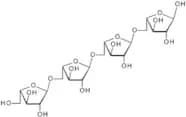

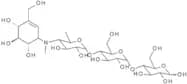

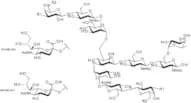

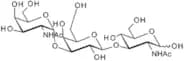
![[UL-13C18]Maltotriose hydrate](/_next/image/?url=https%3A%2Fstatic.cymitquimica.com%2Fproducts%2F3D%2Fthumb-webp%2FOM45239.webp&w=3840&q=75)

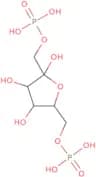
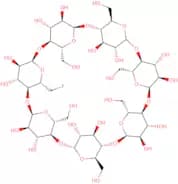



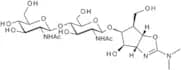
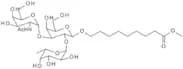
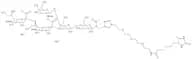
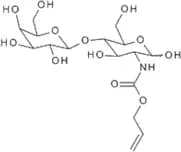
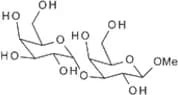
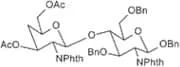
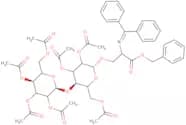

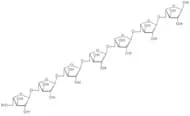
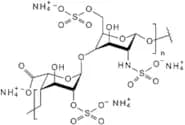
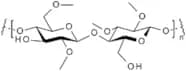
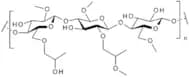
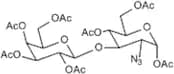
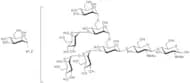
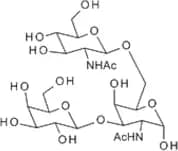
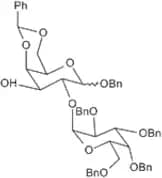

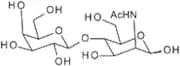
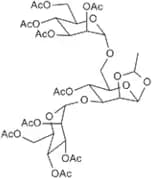
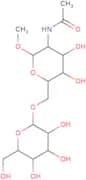
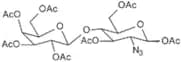

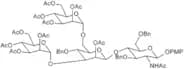
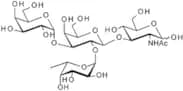
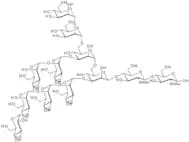
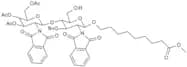
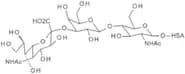
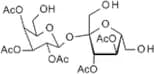


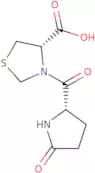
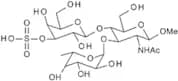
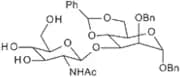
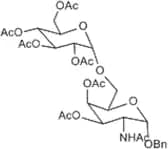

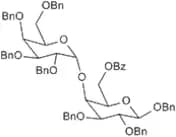
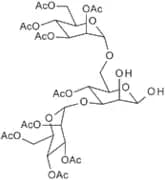


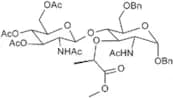
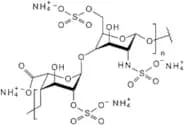
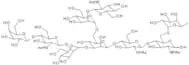
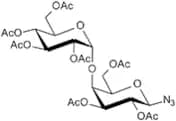
![5-O-(5-Amino-5-deoxy-b-D-ribofuranosyl)-1-N-[(S)-4-amino-2-hydroxy-butanoyl]paromamine](/_next/image/?url=https%3A%2Fstatic.cymitquimica.com%2Fproducts%2F3D%2Fthumb-webp%2FOA32030.webp&w=3840&q=75)
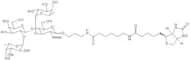
![[12-C13]-Lactulose](/_next/image/?url=https%3A%2Fstatic.cymitquimica.com%2Fproducts%2F3D%2Fthumb-webp%2FOL57708.webp&w=3840&q=75)

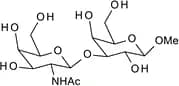
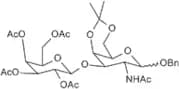
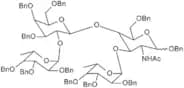


![Di[3-deoxy-D-manno-octulosonyl]-lipid A sodium salt - 0.5mg/ml aqueous solution](/_next/image/?url=https%3A%2Fstatic.cymitquimica.com%2Fproducts%2F3D%2Fthumb-webp%2FOD29173.webp&w=3840&q=75)
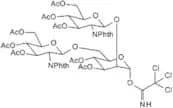
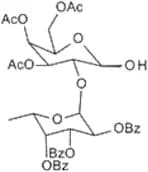
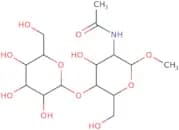

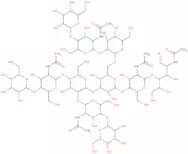
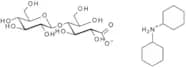
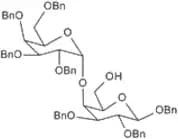
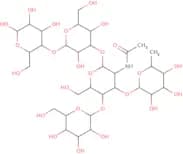
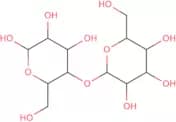
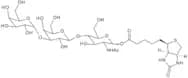
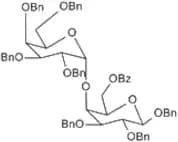
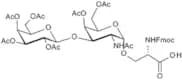
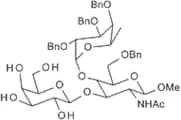


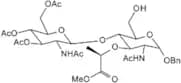
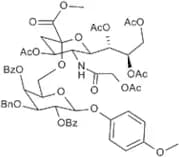

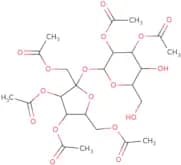

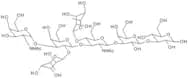
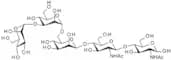
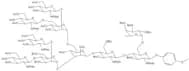
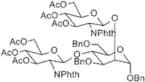
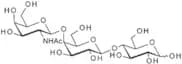
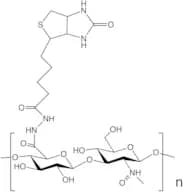
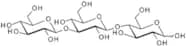
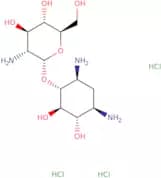
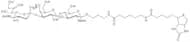

![(5aR,10aR)-Tetrahydro-3H,5H,8H,10H-bisthiazolo[3,4-a:3',4'-d]pyrazine-5,10-dione](/_next/image/?url=https%3A%2Fstatic.cymitquimica.com%2Fproducts%2F3D%2Fthumb-webp%2FIT145578.webp&w=3840&q=75)
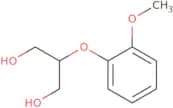


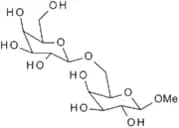
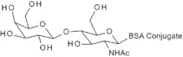
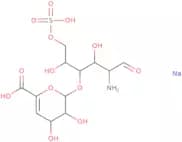

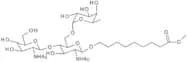
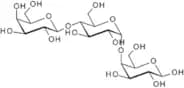
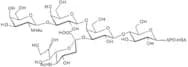
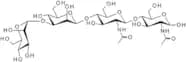
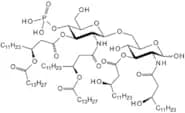
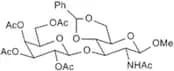
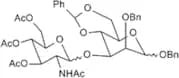
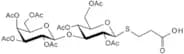
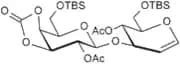
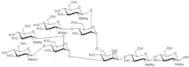

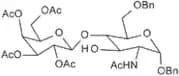
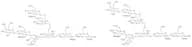
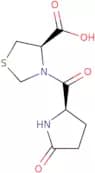

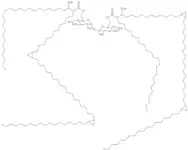
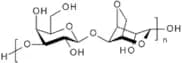
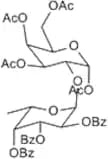
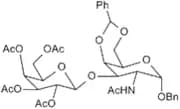
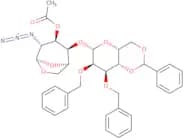
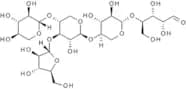
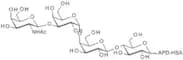
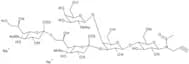
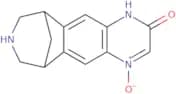
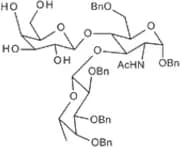
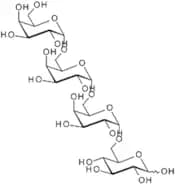
![[12-C13]-Lactose monohydrate](/_next/image/?url=https%3A%2Fstatic.cymitquimica.com%2Fproducts%2F3D%2Fthumb-webp%2FOL57713.webp&w=3840&q=75)

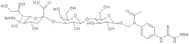
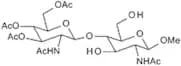
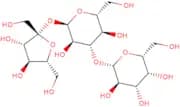
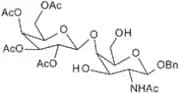
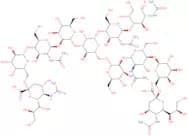
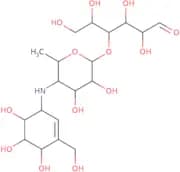
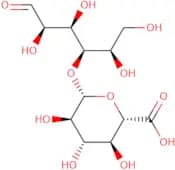
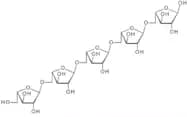
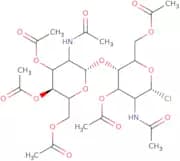
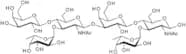
![4-O-[3-O-(2-Acetamido-2-deoxy-a-D-galactopyranosyl)-b-D-galactopyranosyl]-D-glucose](/_next/image/?url=https%3A%2Fstatic.cymitquimica.com%2Fproducts%2F3D%2Fthumb-webp%2FOA10409.webp&w=3840&q=75)