Monossacáridos
Subcategorias de "Monossacáridos"
- Aloses(11 produtos)
- Arabinoses(21 produtos)
- Eritroses(11 produtos)
- Frutoses(9 produtos)
- Fucoses(36 produtos)
- Galactosamina(41 produtos)
- Galactoses(261 produtos)
- Glucoses(365 produtos)
- Ácidos Glucurónicos(52 produtos)
- Glico-substratos para enzimas(78 produtos)
- Guloses(6 produtos)
- Idoses(4 produtos)
- Inositóis(15 produtos)
- Lixoses(4 produtos)
- Mannoses(65 produtos)
- O-Glicanos(48 produtos)
- Psicoses(3 produtos)
- Ramnoses(10 produtos)
- Riboses(61 produtos)
- Ácidos siálicos(100 produtos)
- Sorboses(4 produtos)
- Açúcares(173 produtos)
- Tagatoses(4 produtos)
- Taloses(8 produtos)
- Xiloses(20 produtos)
Foram encontrados 6088 produtos de "Monossacáridos"
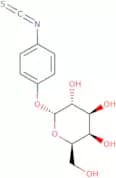
α-D-Galactopyranosyl phenylisothiocyanate
CAS:a-D-Galactopyranosyl phenylisothiocyanate is a compound that is used in the synthesis of saccharides and oligosaccharides. It reacts with a variety of sugars, including glucose, sucrose, maltose and lactose, to produce methylated derivatives. This reagent is also useful for the synthesis of glycosides. The product can be used in custom synthesis or as a fluorinated carbohydrate.
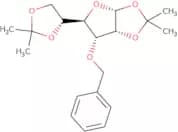
Fórmula:C13H15NO6SPureza:Min. 95%Cor e Forma:Off-White SolidPeso molecular:313.33 g/mol3-O-Benzyl-1,2:5,6-di-O-isopropylidene-α-D-allofuranose
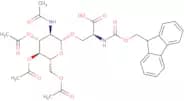
CAS:3-O-Benzyl-1,2:5,6-di-O-isopropylidene-α-D-allofuranose is a carbohydrate that belongs to the group of saccharides. It is an oligosaccharide with a molecular weight of 607.3 g/mol and a CAS number of 22331-21-1. 3OBAF is used in the synthesis of complex carbohydrates or as a sugar substitute and can be custom synthesized to meet your specifications. This product is available for sale and can be shipped internationally.Fórmula:C19H26O6Pureza:Min. 95%Cor e Forma:White Off-White PowderPeso molecular:350.41 g/mol2-Acetamido-3,4,6-tri-O-acetyl-2-deoxy-β-D-glucopyranosyl-Fmoc serine
CAS:2-Acetamido-3,4,6-tri-O-acetyl-2-deoxy-β-D-glucopyranosyl Fmoc serine is a modified sugar that is synthesized by the glycosylation of 2,3,4,6-tetra‑O‑acetyl‑2‑deoxy‑α‑D‑glucopyranose with an amino acid. It is used in peptide synthesis and as a building block for other oligosaccharides and saccharides. This compound has been shown to be useful in the production of complex carbohydrates.Fórmula:C32H36N2O13Pureza:Min. 95 Area-%Cor e Forma:White To Off-White SolidPeso molecular:656.63 g/mol1,2,3,4,6-Penta-O-(3,4,5-tri-O-benzylgalloyl)-b-D-glucopyranose
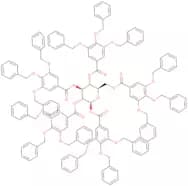
CAS:1,2,3,4,6-Penta-O-(3,4,5-tri-O-benzylgalloyl)-b-D-glucopyranose is a custom synthesis, complex carbohydrate that has been modified with methylation and glycosylation. It is also a saccharide that can be found in the form of an Oligosaccharide or Polysaccharide. The CAS No. for this compound is 122625-60-9. This compound has a purity level of 99% and is 100% synthetic. It has been fluorinated to make it more stable. 1,2,3,4,6-Penta-O-(3,4,5-tri-O-benzylgalloyl)-b-D-glucopyranose can be used in pharmaceuticals as a sugar or carbohydrate. It can also be used as a food additive for flavoring purposesFórmula:C146H122O26Pureza:Min. 95%Peso molecular:2,292.52 g/mol3,4-O-Isopropylidene-2-C-methyl-D-arabinopyranose
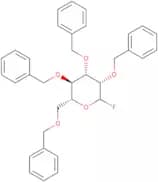
3,4-O-Isopropylidene-2-C-methyl-D-arabinopyranose is a glycosylation reagent that is synthesized by the fluorination of D-arabinose. It is an oligosaccharide sugar with a high purity and can be used for synthesis of complex carbohydrates.Pureza:Min. 95%2,3,4,6-Tetra-O-benzyl-D-mannopyranosyl fluoride
CAS:2,3,4,6-Tetra-O-benzyl-D-mannopyranosyl fluoride is a glycosylamine that has been synthesized from l-threonine. The chemical structure of this compound can be classified as a pyranose sugar with an O-methylated benzyl group at the C2 position. This sugar is synthesized by reductive cleavage of the methyl ether and subsequent reaction with sodium borohydride. The conformational analysis of the molecule was performed using molecular mechanics calculations and quantum mechanical simulations. In addition, electron paramagnetic resonance (EPR) experiments were conducted to determine the chemical shift in the 1H NMR spectrum and to identify the acceptor or donor in the molecule. Trichloroacetimidates are used as monomers for this type of synthesis because they provide good yields and can be easily prepared by reacting chloroacetic acid with chloral hydrate.Fórmula:C34H35FO5Pureza:Min. 95%Cor e Forma:Yellow PowderPeso molecular:542.64 g/molMethyl 2,3-O-isopropylidene-α-L-rhamnopyranoside
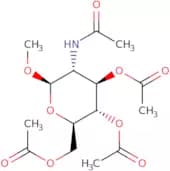
CAS:Methyl 2,3-O-isopropylidene-a-L-rhamnopyranoside is a custom synthesis that was developed to meet the specifications of our customer. It is a high purity, custom synthesis that has undergone click modification and glycosylation. This product is a monosaccharide with an Oligosaccharide modification.Fórmula:C10H18O5Pureza:Min. 95%Cor e Forma:Clear LiquidPeso molecular:218.25 g/molMethyl 2-acetamido-3,4,6-tri-O-acetyl-2-deoxy-β-D-glucopyranoside
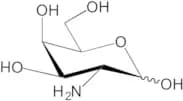
CAS:Methyl 2-acetamido-3,4,6-tri-O-acetyl-2-deoxy-β-D-glucopyranoside is an Oligosaccharide that is used in the preparation of complex carbohydrates. It has a CAS number of 2771-48-4 and can be synthesized using a custom synthesis. This product is available in high purity and monosaccharide form. It has been glycosylated and methylated as well as fluorinated and saccharified.Fórmula:C15H23NO9Pureza:Min. 95%Cor e Forma:White Off-White PowderPeso molecular:361.34 g/molD-Galactosamine hydrochloride - Synthetic origin
CAS:D-Galactosamine (GalN) is an aldohexose (2-Amino-2-deoxygalactose) in which the hydroxyl group at position 2 is replaced by an amino group (Collins, 2006). Galactosamine (as the N-Acetyl derivative) forms a key part of both N- and O-linked glycoproteins, glycolipids and glycosaminoglycans. Treatment of experimental animals with D-galactosamine / lipopolysaccharide causes lethal liver injury characterized by apoptosis of the hepatocyte and it is used as a laboratory model to study the effect of therapeutic agents (Hirono, 2001).Fórmula:C6H13NO5·HClPureza:Min. 98 Area-%Cor e Forma:White PowderPeso molecular:215.63 g/mol2,3:5,6-Di-O-isopropylidene-α-D-mannofuranose
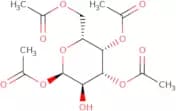
CAS:2,3:5,6-Di-O-isopropylidene-a-D-mannofuranose is a nutrient solution that can be used in tissue culture. It is a complex sugar with an active hydroxyl group and a hydrogen bond. This compound has been shown to have antiviral activity against HIV in the laboratory. 2,3:5,6-Di-O-isopropylidene-a-D-mannofuranose is also able to inhibit the growth of liver cells and can be used for diagnostic purposes.Fórmula:C12H20O6Pureza:Min. 95%Cor e Forma:PowderPeso molecular:260.28 g/mol1,3,4,6-Tetra-O-acetyl-a-D-galactopyranose
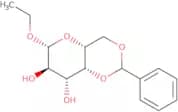
CAS:1,3,4,6-Tetra-O-acetyl-a-D-galactopyranose is a custom synthesis of 1,3,4,6-tetra-O-acetyl-a-D-galactopyranose. It is used in the modification of saccharides and polysaccharides. The modification is done by Click chemistry with the incorporation of fluorine in the sugar ring. This product is available as a white powder and has a CAS number of 19186-40-4.Fórmula:C14H20O10Pureza:Min. 95%Cor e Forma:White PowderPeso molecular:348.3 g/molEthyl 4,6-O-benzylidene-b-D-galactopyranoside
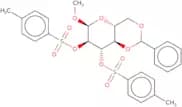
CAS:Ethyl 4,6-O-benzylidene-β-D-galactopyranoside is a carbohydrate that belongs to the monosaccharide class. It is glycosylated with an ethyl group at the hydroxyl group at the 6th position and methylated on the benzene ring at the 4th position. This modification has been shown to increase its solubility in water and its stability in basic solutions. The synthesis of this compound is performed through a click reaction, which allows for high purity and custom synthesis. Ethyl 4,6-O-benzylidene-β-D-galactopyranoside can be used as a sugar substitute or in pharmaceuticals for treatment of diabetes mellitus type 2.Fórmula:C15H20O6Pureza:Min. 95%Cor e Forma:PowderPeso molecular:296.32 g/molMethyl 4,6-O-benzylidene-2,3-di-O-(p-toluenesulfonyl)-α-D-glucopyranoside
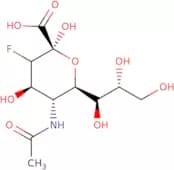
CAS:Methyl 4,6-O-benzylidene-2,3-di-O-(p-toluenesulfonyl)-a-D-glucopyranoside is a custom synthesis that has been modified with fluorination, methylation, and click modification. It is a monosaccharide that can be found in saccharides and polysaccharides. This product is also a synthetic carbohydrate with the CAS number of 6884-01-1. Methyl 4,6-O-benzylidene-2,3-di-O-(p-toluenesulfonyl)-a -D -glucopyranoside has been shown to have antihyperglycemic properties by inhibiting the action of alpha amylase on starch. This product also inhibits the activity of alpha amylase on glycogen and lactose.Fórmula:C28H30O10S2Pureza:Min. 95%Peso molecular:590.66 g/molN-Acetyl-3-fluoro-neuraminic acid sodium
CAS:N-Acetyl-3-fluoro-neuraminic acid sodium (AFNA) is an inhibitor that binds to the terminal sialic acid residue of the glycoprotein neuraminidase in influenza viruses, preventing the virus from attaching to cells. AFNA is a fluorinated derivative of mannosamine and is synthesized by reacting an aldolase with sulfur trifluoride. AFNA has been shown to inhibit sialidases and utilising enzymes, which are necessary for viral replication. AFNA also inhibits bacterial sialidases, which are required for the synthesis of cell wall components.
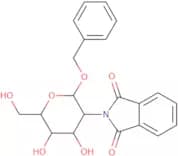
Fórmula:C11H18FNO9•Nax327Pureza:Min. 95%Cor e Forma:PowderPeso molecular:326.25 g/molBenzyl 2-deoxy-2-phthalimido-β-D-glucopyranoside
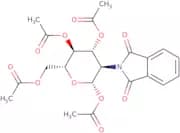
CAS:Benzyl 2-deoxy-2-phthalimido-b-D-glucopyranoside is a custom synthesis that belongs to the group of complex carbohydrates. It is an oligosaccharide or polysaccharide that is modified with methylation, glycosylation, and carbamylation, and has a CAS number of 80035-32-1. This compound has been used in the synthesis of saccharides for the preparation of an antibody drug conjugate. Benzyl 2-deoxy-2-phthalimido-b-D-glucopyranoside is also known as 6Fluoro 3 indoxyl beta D galactopyranoside.Fórmula:C21H21NO7Pureza:Min. 95%Peso molecular:399.39 g/mol1,3,4,6-Tetra-O-acetyl-2-deoxy-2-phthalimido-b-D-glucopyranoside
CAS:The interaction of 1,3,4,6-tetra-O-acetyl-2-deoxy-2-phthalimido-b-D-glucopyranoside with DNA is selective for the hydroxyl group and for the stacking of its glycosidic bonds. The data obtained from the spectra show that this compound interacts with the sugar moiety of nucleosides to yield a product with a lower melting point. The binding constants are high and the yields are low.
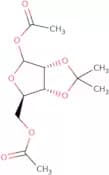
Fórmula:C22H23NO11Pureza:Min. 95%Cor e Forma:White PowderPeso molecular:477.42 g/mol1,5-Di-O-acetyl-2,3-O-isopropylidene-D-ribofuranose
CAS:1,5-Di-O-acetyl-2,3-O-isopropylidene-D-ribofuranose is a sugar that can be modified for various purposes. It is a synthetic sugar with a CAS number of 141979-56-8. The compound has fluoroquinolone resistance and is used in the synthesis of oligosaccharides and polysaccharides. This product can be custom synthesized. It has high purity and a modification of methylation or monosaccharide click modification. It also has complex carbohydrate properties.Fórmula:C12H18O7Pureza:(%) Min. 95%Cor e Forma:PowderPeso molecular:274.27 g/mol2,3-O-Isopropylidene-D-erythronolactone
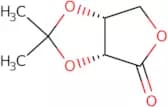
CAS:2,3-O-Isopropylidene-D-erythronolactone is a chromophore that has been synthesised. It is a chiral heterocycle with an anion linker and a boron trifluoride etherate group. The carbon chain of 2,3-O-isopropylidene-D-erythronolactone has been found to be essential for its antibacterial activity against tuberculosis. This compound binds to the adenosine receptor in the bacterial cell membrane and inhibits bacterial growth.Fórmula:C7H10O4Pureza:Area-% Min. 95 Area-%Cor e Forma:PowderPeso molecular:158.15 g/mol3,4-Dihydro-5-hydroxy-2-(3-hydroxy-4-methoxyphenyl)-4-oxo-2H-1-benzopyran-7-yl β-D-glucopyranosiduronic acid
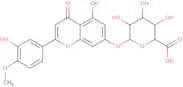
CAS:Hesperetin 7-O-b-D-glucuronide is a metabolite of hesperetin, a flavonoid primarily sourced from citrus fruits. This compound is formed through the glucuronidation process, a metabolic pathway that modifies hesperetin to enhance its solubility and facilitate its excretion from the human body. Hesperetin 7-O-b-D-glucuronide exerts biological effects through various modes of action, including antioxidant and anti-inflammatory mechanisms. It is thought to scavenge free radicals and modulate inflammatory pathways by inhibiting specific enzymes and cytokines.In scientific research, Hesperetin 7-O-b-D-glucuronide is studied for its potential therapeutic applications, particularly its role in reducing oxidative stress and inflammation-related diseases. It has garnered attention in the context of cardiovascular health, neuroprotection, and metabolic disorders. The exploration of its bioavailability and specific interactions at the molecular level continues to provide insights into its promising applications in nutraceuticals and pharmaceuticals. Researchers investigate its efficacy and safety to better understand its potential role in disease prevention and therapy.Fórmula:C22H22O12Pureza:Min. 95%Cor e Forma:PowderPeso molecular:478.4 g/molPhenyl 2,3,6-tri-O-acetyl-2-deoxy-2-trichloroacetamido-b-D-thioglucopyranoside
Phenyl 2,3,6-tri-O-acetyl-2-deoxy-2-trichloroacetamido-b-D-thioglucopyranoside is a monosaccharide with a molecular weight of 594.5. It is derived from the reaction of methyl acetate and benzene in the presence of sulfuric acid. Phenyl 2,3,6-tri-O-acetyl-2-deoxy-2-trichloroacetamido b D thioglucopyranoside is an intermediate in the synthesis of saccharides that are modified by click chemistry or modification. This product has been shown to be synthesized with high purity and good yield. The product can be used for custom synthesis as well as glycosylation reactions. This product also has a CAS number and can be used for Click chemistry or modification reactions.Fórmula:C20H22Cl3NO8SPureza:Min. 95%Cor e Forma:White to off-white solid.Peso molecular:542.81 g/molPhenyl 4,6-O-benzylidene-2-deoxy-2-phthalimido-b-D-thioglucopyranoside
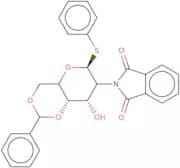
CAS:Phenyl 4,6-O-benzylidene-2-deoxy-2-phthalimido-b-D-thioglucopyranoside is a custom synthesis sugar that has been modified with fluorination, glycosylation, and carbamoylation. It is an oligosaccharide that contains a saccharide at the reducing end of the molecule. The CAS number for this compound is 79528-51-1.Fórmula:C27H23NO6SPureza:Min. 95%Cor e Forma:White PowderPeso molecular:489.54 g/mol2-Acetamido-3,4,6-tri-O-benzyl-2-deoxy-D-glucono-1,5-lactone
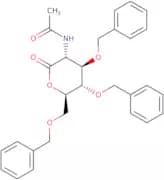
CAS:2-Acetamido-3,4,6-tri-O-benzyl-2-deoxy-D-glucono-1,5-lactone is a methylated saccharide with a modified sugar. This compound can be used as a building block for the synthesis of glycosides and oligosaccharides. 2AATGL has been shown to be compatible with click chemistry and is available in high purity. It can also be custom synthesized to meet your needs.Fórmula:C29H31NO6Pureza:Min. 90%Cor e Forma:PowderPeso molecular:489.56 g/molD-Galactosamine-1-phosphate
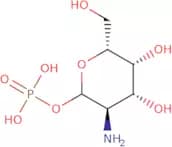
CAS:D-Galactosamine-1-phosphate is a precursor of UDP-glucose and is used in the synthesis of fatty acids. D-Galactosamine-1-phosphate is synthesized by the enzyme UDP-glucose pyrophosphorylase, which catalyzes the reaction between UDP and D-galactose. It is expressed in strains that have been engineered to produce recombinant proteins. This product can be produced in vitro by a number of methods, including enzymatic or chemical synthesis. The enzyme activity of D-galactosamine 1 phosphate synthase is temperature dependent, with optimal activity at 40°C. This product has been shown to inhibit hepatitis virus production and lipid formation in vitro.Fórmula:C6H14NO8PPureza:Min. 95%Cor e Forma:PowderPeso molecular:259.15 g/molMethyl 2,3,6-tri-O-benzoyl-α-D-galactopyranoside
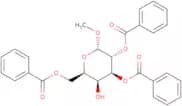
CAS:Methyl 2,3,6-tri-O-benzoyl-α-D-galactopyranoside is a water soluble white powder. It has a molecular weight of 370.62 and a melting point of 199°C. This product is used as an intermediate in the synthesis of complex carbohydrates and is also used in the production of glycosylations and polysaccharides. The purity of this product is >98%.Fórmula:C28H26O9Pureza:Min. 95%Cor e Forma:White PowderPeso molecular:506.5 g/mol2,3,4,6-Tetra-O-acetyl-1-S-acetyl-b-D-thiogalactopyranose
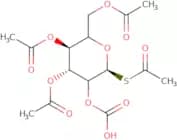
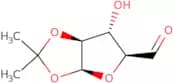
2,3,4,6-Tetra-O-acetyl-1-S-acetyl-b-D-thiogalactopyranose is a synthetic sugar that is used in the synthesis of complex carbohydrates. It has been modified with methylation and acetylation reactions. The CAS number for this compound is 112724-71-8.Fórmula:C15H20O11SPureza:Min. 95%Peso molecular:408.38 g/mol5-Aldo-1,2-O-isopropylidene-b-D-arabinofuranose
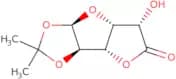
CAS:5-Aldo-1,2-O-isopropylidene-b-D-arabinofuranose is a sugar that is synthesized from D-glucose. It has been modified with fluorine to produce an analogue of 5-fluoroarabinofuranose. The methylation and glycosylation of this compound have also been investigated. This chemical can be used for the synthesis of complex carbohydrates.Fórmula:C8H12O5Pureza:Min. 95%Cor e Forma:PowderPeso molecular:188.18 g/mol1,2-O-Isopropylidene-α-D-glucofuranurono-6,3-lactone
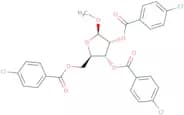
CAS:1,2-O-Isopropylidene-a-D-glucofuranurono-6,3-lactone is a compound with hepatocyte growth factor activity that is used in the diagnosis of liver diseases. It can also be used as a reagent for the detection of lactones and as an industrial chemical. 1,2-O-Isopropylidene-a-D-glucofuranurono-6,3-lactone has been shown to activate the hepatocyte growth factor receptor (HGFR) and induce cell proliferation in human hepatocytes. This compound is not toxic to cells at concentrations up to 100 mM.Fórmula:C9H12O6Pureza:Min. 98%Cor e Forma:PowderPeso molecular:216.19 g/molMethyl 2,3,5-tri-O-(p-chlorobenzoyl)-β-D-ribofuranoside
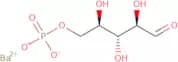
CAS:Methyl 2,3,5-tri-O-(p-chlorobenzoyl)-b-D-ribofuranoside is a custom synthesis that has been modified with fluorination and methylation. It is a monosaccharide that can be synthesized by the reaction of 3,5-di-O-(p-chlorobenzoyl)ribose with formaldehyde. Methyl 2,3,5-tri-O-(p-chlorobenzoyl)-b-D-ribofuranoside can be used in saccharide or glycosylation reactions to produce oligosaccharides or polysaccharides. This chemical is also useful for click chemistry modifications.Fórmula:C27H21Cl3O8Pureza:Min. 95%Cor e Forma:White to off-white solid.Peso molecular:579.81 g/molD-Ribose-5-phosphate barium salt hexahydrate
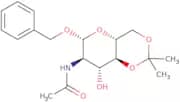
CAS:D-Ribose-5-phosphate barium salt hexahydrate is a Modification, Oligosaccharide, Carbohydrate, complex carbohydrate. It is a Custom synthesis, Synthetic, High purity, Monosaccharide, Methylation, Glycosylation and Polysaccharide. D-Ribose-5-phosphate barium salt hexahydrate has CAS No. 15673-79-7 and Fluorination. It is an saccharide sugar.Fórmula:C5H9BaO8P·6H2OPureza:Min. 95%Cor e Forma:White PowderPeso molecular:473.51 g/molBenzyl 2-acetamido-2-deoxy-4,6-O-isopropylidene-b-D-glucopyranoside
CAS:Benzyl 2-acetamido-2-deoxy-4,6-O-isopropylidene-b-D-glucopyranoside is a surfactant that is used in the measurement of polymers. It is soluble in water and has a low concentration. This surfactant can be used as a copolymer with terephthalate to form polyurethane foam. Benzyl 2-acetamido-2-deoxy-4,6-O-isopropylidene b -D -glucopyranoside also has high concentrations for sedimentation and sulfonate properties.Fórmula:C18H25NO6Pureza:Min. 95%Cor e Forma:PowderPeso molecular:351.39 g/mol4-Methoxyphenyl 3-O-benzyl-6-O-tert-butyldimethylsilyl-2-deoxy-2-phthalimido-b-D-glucopyranoside
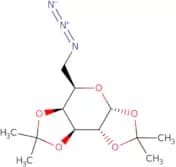
CAS:C3-Benzyl-6-O-tert-butyldimethylsilyl-2-deoxy-2-phthalimido-b-D-glucopyranoside is a synthetic glycosylation agent that converts carbohydrates to sugar derivatives. It is a fluorinated sugar with a benzyl group and can be used in the synthesis of complex polysaccharides and saccharides. C3BzTBDMSG has been shown to have high purity, which makes it an ideal choice for Click chemistry and modification.Fórmula:C34H41NO8SiPureza:Min. 95%Peso molecular:619.78 g/mol6-Azido-6-deoxy-1,2:3,4-di-O-isopropylidene-a-D-galactopyranose
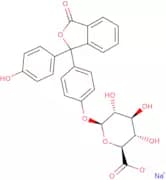
CAS:6-Azido-6-deoxy-1,2:3,4-di-O-isopropylidene-a-D-galactopyranose is a copper complex that is soluble in water. It is used as an initiator for the polymerization of galactose monomers. 6AIDOGAL reacts with azide or diazo compounds to form a cycloaddition reaction and can be used to prepare copolymers by reacting with other monomers such as D-glucose. The temperature range for this reaction is between 20°C and 100°C. This compound has been shown to form stable complexes with Cu(II) ions at temperatures below 0°C.Fórmula:C12H19N3O5Pureza:Min. 98 Area-%Cor e Forma:Colorless Clear LiquidPeso molecular:285.3 g/molPhenolphthalein b-D-glucuronic acid sodium salt
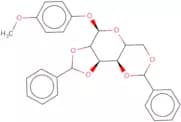
CAS:beta-glucuronidase substrateFórmula:C26H22O10NaPureza:Min. 95 Area-%Cor e Forma:Yellow PowderPeso molecular:517.44 g/mol4-Methoxyphenyl 2,3:4,6-di-O-benzylidene-α-D-mannopyranoside
CAS:4-Methoxyphenyl 2,3:4,6-di-O-benzylidene-a-D-mannopyranoside is a water soluble polysaccharide that is a methylated derivative of mannose. It has been fluorinated at the 4 position and modified with benzyl groups at the 2, 3, and 6 positions. This compound is used in custom synthesis to synthesize oligosaccharides or polysaccharides.Fórmula:C27H26O7Pureza:Min. 95%Peso molecular:462.49 g/molGlucosyl-C18-sphingosine
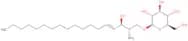
CAS:Glucosyl-C18-sphingosine is a sphingolipid that has been shown to inhibit the activity of Gaucher's enzyme, which is responsible for the synthesis of glucosylceramide. It has been demonstrated in a model system that glucosyl-C18-sphingosine inhibits mitochondrial membrane potential and decreases ATP levels, leading to cell death. The molecular pathogenesis of Gaucher disease is not well understood but it is believed to be related to defective lysosomal function. Glucosyl-C18-sphingosine may be used as a diagnostic agent for Gaucher disease and other metabolic disorders involving glucosylceramide accumulation.Fórmula:C24H47NO7Pureza:Min. 95%Cor e Forma:PowderPeso molecular:461.63 g/molAllyl 3-O-benzyl-a-D-glucopyranoside
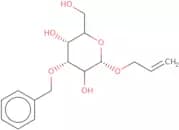
CAS:Allyl 3-O-benzyl-a-D-glucopyranoside is a synthetic, monosaccharide carbohydrate. The product is a modification of the natural polysaccharide allyl 3-O-benzyl-a-D-glucopyranoside. Allyl 3-O-benzyl-a -D glucopyranoside is an Oligosaccharide with CAS No. 145454-72 -4 and has the molecular formula C14H20O6 and molecular weight of 312.32 g/mol. The product is available in high purity and can be synthesized to order. Allyl 3-O -benzyl -a D glucopyranosides are useful as a Fluorination, saccharide for use in glycosylation or methylation reactions or as a complex carbohydrate in the synthesis of oligosaccharides, polysaccharides, or sugar chains.Fórmula:C16H22O6Pureza:Min. 95%Peso molecular:310.34 g/mol(2R, 3R, 3aS, 9aR) -2, 3, 3a, 9a-Tetrahydro- 3- hydroxy- 2- (hydroxymethyl) - 3a- methyl- 6H- Furo[2', 3':4, 5] oxazolo[3, 2- a] pyr imidin- 6- one,
This compound is a custom synthesis. It is an oligosaccharide that has a CAS number. The molecular weight of this compound is 5,871. This product is a sugar that contains glycosylation and methylation modifications, as well as click chemistry modifications. The purity of this product is high, with a purity level of 99%. This product also contains fluorination on the alpha-carbon atom in the 2 position.Pureza:Min. 95%(2S, 3S, 4R) -3- Azido- 4- [[[(1, 1- dimethylethyl) dimethylsilyl] oxy] methyl] - 1- (phenylmethyl) -2- azetidinecarboxylic acid met hyl ester
CAS:(2S, 3S, 4R) -3- Azido-4-[[[(1,1-dimethylethyl) dimethylsilyl]oxy]methyl]-1-(phenylmethyl)-2-azetidinecarboxylic acid methyl ester is a fluorinated monosaccharide that is synthesized by the reaction of an aldehyde and 2-azidoethanol. It is a white crystalline powder that has the molecular formula C14H18N2O6 and molecular weight of 290.38. This compound has been shown to be an efficient glycosylation agent for the synthesis of complex carbohydrates. It has also been shown to be useful as a click modification reagent in the synthesis of oligosaccharides and polysaccharides.Fórmula:C19H30N4O3SPureza:Min. 95%Peso molecular:394.53 g/molD-Glucurono-3,6-lactone
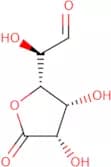
CAS:Glucose metaboliteFórmula:C6H8O6Pureza:Min 98%Cor e Forma:White PowderPeso molecular:176.12 g/mol1-(Piperidine-2,6-dione-4-yl) - 4-([2-nitro] phenyl)-3- buten- 2- one
Piperidine-2,6-dione-4-yl) - 4-[2-nitrophenyl]-3-buten-2-one is a custom synthesis of a high purity, methylated, glycosylated, and click modified carbohydrate. It is an oligosaccharide with a complex structure that includes saccharide units linked by glycosidic bonds. The saccharide units are made up of monosaccharides that are modified with fluorine atoms. This product is available through Custom Synthesis and can be ordered in bulk quantities.Pureza:Min. 95%Methyl 4,6-O-benzylidene-a-D-mannopyranoside
CAS:Methyl 4,6-O-benzylidene-a-D-mannopyranoside is a hexadecanoic acid that is mediated by the target cell. It has been shown to inhibit the growth of bacteria and cancer cells in vitro. Methyl 4,6-O-benzylidene-a-D-mannopyranoside also possesses an antibacterial activity with a low mammalian toxicity. This compound is hydrolyzed by esterases or glucuronidases, oxidized by cytochrome P450 enzymes, reduced by glutathione reductase, or conjugated with glucuronic acid. The residue of this compound has been shown to be carcinogenic in vivo and in vitro. Anticancer activity of this compound may be due to its ability to disrupt DNA synthesis and induce apoptosis of cancer cells.Fórmula:C14H18O6Pureza:Min. 95%Cor e Forma:PowderPeso molecular:282.29 g/molPropyl b-D-glucuronide
CAS:Propyl b-D-glucuronide is a synthetic compound that belongs to the family of carbohydrates. It has a fluorinated hydroxyl group at the C3 position and an esterified carboxylic acid at the C1 position. This compound can be used as a building block for oligosaccharides and polysaccharides, which are complex carbohydrates. Propyl b-D-glucuronide is soluble in water and has a molecular weight of 176.Fórmula:C9H16O7Pureza:Min. 95%Cor e Forma:Tan To Brown SolidPeso molecular:236.22 g/mol1,3,4,6-Tetra-O-acetyl-a-D-glucopyranose
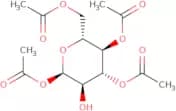
CAS:1,3,4,6-Tetra-O-acetyl-a-D-glucopyranose is a synthon that is used as a synthetic intermediate for the synthesis of other compounds. It is also a reactive compound that can be used to synthesize carboxylic acids and hydroxy ketones by reaction with water or alcohols. 1,3,4,6-Tetra-O-acetyl-a-D-glucopyranose can also be converted into esters by reaction with alcohols.Fórmula:C14H20O10Pureza:Min. 93 Area-%Cor e Forma:White Off-White PowderPeso molecular:348.3 g/mol1,2,3,4-Tetra-O-acetyl-L-fucopyranose
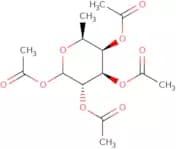
CAS:Intermediate for the anomeric modification of Fuc, including fucosylationFórmula:C14H20O9Pureza:Min. 97 Area-%Cor e Forma:White PowderPeso molecular:332.3 g/mol1-Octylamino-1-deoxy-D-glucitol
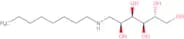
CAS:1-Octylamino-1-deoxy-D-glucitol is a natural product that is extracted from the bark of the tree Streptomyces griseorubens. It has been shown to have a diastereomeric ratio of 97:3 and an optical purity of 98%. The thermodynamic properties of this compound are determined by the reaction time, which can vary from 1 to 24 hours. The enantiomers are separated by chromatography or crystallization, and the solubility data is determined at 25°C.Fórmula:C14H31NO5Pureza:Min. 95%Cor e Forma:PowderPeso molecular:293.4 g/mol(3S, 4R) - 2- [(1S) - 1, 2- Dihydroxyethyl] - 3, 4- pyrrolidinediol
(3S, 4R) - 2- [(1S) - 1, 2- Dihydroxyethyl] - 3, 4- pyrrolidinediol is a Custom synthesis of an Oligosaccharide. It is a Polysaccharide and Modification of a saccharide with Methylation and Glycosylation. This Carbohydrate has been Fluorinated and Synthetically created to be High purity.Pureza:Min. 95%Benzyl D-glucuronate
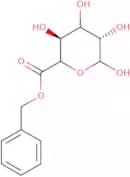
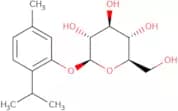
CAS:Used for the synthesis of 1β-O-acyl glucuronidesFórmula:C13H16O7Pureza:Min. 95%Cor e Forma:White PowderPeso molecular:284.26 g/molThymol-β-D-glucopyranoside
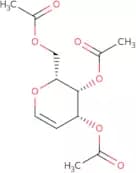
CAS:Thymol-b-D-glucopyranoside is a bactericidal agent that is resistant to encapsulation. It has been shown to be effective against animals and typhimurium in an incubated population and endogenous deaminase inhibitor strategy. The porcine activated food chemistry and abattoir experiments show that thymol-b-D-glucopyranoside has the potential to reduce populations of bacteria in the gastrointestinal tract by inhibiting protein synthesis.Fórmula:C16H24O6Pureza:Min. 95%Cor e Forma:PowderPeso molecular:312.36 g/mol3,4,6-Tri-O-acetyl-D-galactal
CAS:3,4,6-Tri-O-acetyl-D-galactal is a versatile building block used for the synthesis of mono- and oligosaccharides. The galactal double bond affords a ready means through which to introduce new functionality or introduce deoxy positions at the C1 and C2 positions to afford functionalised monosaccharides and also allows galactals to be used as glycosylation donors.Fórmula:C12H16O7Pureza:Min. 98 Area-%Cor e Forma:Slightly Yellow Clear LiquidPeso molecular:272.25 g/mol(1R) -1- [(2R, 3S,4S) -4-Hydroxymethyl-3- hydroxy- 1- azetidinyl] -1, 2- ethanediol
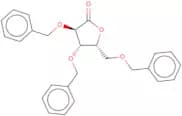
1-Azetidinecarboxylic acid, 3-[(2R,3S,4S)-4-hydroxymethyl-3- hydroxy-1-azetidinyl]-, (1R) -1- [(2R, 3S,4S) -4-hydroxymethyl-3- hydroxy-1-azetidinyl] -1, 2-ethanediol is a complex carbohydrate that belongs to the group of polysaccharides. It has been modified by methylation and glycosylation. This product has high purity and is fluorinated for solubility.Pureza:Min. 95%2,3,5-Tri-O-benzyl-D-xylonic acid-1,4-lactone
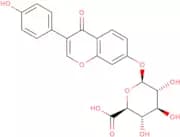
CAS:2,3,5-Tri-O-benzyl-D-xylonic acid-1,4-lactone is a complex carbohydrate that has been synthesized from saccharides. This compound is fluorinated and methylated at the 2, 3, and 5 positions of the xylan backbone. The lactone ring has been modified with a click chemistry reaction to introduce an alkyne group for glycosylation. This product can be custom synthesized to include any modification of your choice.Fórmula:C26H26O5Pureza:Min. 98 Area-%Cor e Forma:PowderPeso molecular:418.48 g/molFormononetin-β-D-glucuronide sodium
CAS:Formononetin-b-D-glucuronide sodium salt is a synthetic compound that is commonly used as a building block in the synthesis of oligosaccharides and polysaccharides. Formononetin-b-D-glucuronide sodium salt is also known to be an inhibitor of human DNA polymerase alpha, which has been shown to inhibit the replication of human immunodeficiency virus (HIV) and herpes simplex virus type 1 (HSV1). Formononetin-b-D-glucuronide sodium salt has high purity, with a purity level of >99%.Fórmula:C22H19O10NaPureza:Min. 95%Cor e Forma:White To Off-White SolidPeso molecular:466.37 g/molUDP-6-azido-6-deoxy-D-glucose x·triethylammonium salt
CAS:UDP-6-azido-6-deoxy-D-glucose is a chemical building block that is used for saccharide synthesis. The azide group can be reduced to give the amine which has been used to make a fluorescent tag for 5-(hydroxymethyl)cytosine in DNA. UDP-6-azido-6-deoxy-D-glucose has also been used to synthesise siderophore conjugates which can be used to deliver functional reagents across bacterial cell membranes.Fórmula:C15H23N5O16P2·x(C6H15N)Pureza:Min. 85 Area-%Cor e Forma:Off-White PowderPeso molecular:591.31 g/mol(2E) -2, 3- Dideoxy- 3- methyl- 4, 5- O- isopropylidene - D- erythro- Hex- 2- enonic acid methyl ester
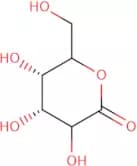
(2E) -2, 3- Dideoxy- 3- methyl- 4, 5- O- isopropylidene - D- erythro- Hex- 2- enonic acid methyl ester is a custom synthesis sugar that can be fluorinated and glycosylated. It is a monosaccharide or saccharide carbohydrate that has the CAS No. of 91428-07-3. This sugar can be modified with methylation, modification, and Click modification to create new sugars for use in biotechnology and pharmaceuticals.Pureza:Min. 95%D-Glucono-1,5-lactone
CAS:D-Glucono-1,5-lactone is a chemical compound that is a member of the class of compounds known as diketones. It can be used in chemical biology and polymer chemistry to probe hydrogen bonding interactions, polymer compositions, and redox potentials. D-Glucono-1,5-lactone has been shown to inhibit the growth of cells in culture by inhibiting DNA synthesis. This inhibition is due to its ability to bind with high affinity to nucleic acids and prevent the formation of the enzyme complexes required for transcription and replication. The effects are reversible.
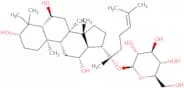
Fórmula:C6H10O6Pureza:Min. 95%Cor e Forma:PowderPeso molecular:178.14 g/molGinsenoside F1
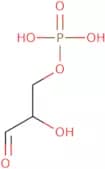
CAS:Ginsenoside F1 is a natural compound found in ginseng. It is believed to have anti-cancer properties. Ginsenoside F1 has been shown to inhibit the proliferation of HL-60 cells and have an apoptotic effect by regulating mitochondrial membrane potential and activating the apoptotic pathway. The mechanism of action for the anti-cancer activity of Ginsenoside F1 may be due to its ability to inhibit angiogenesis, which is needed for cancer cell proliferation. Ginsenoside F1 also inhibits the growth of skin cancer cells in mice by regulating microvessel density. This compound has been found in foods such as soybeans, rice, peanuts, and kiwifruit.Fórmula:C36H62O9Pureza:Min. 95%Cor e Forma:PowderPeso molecular:638.87 g/molDL-Glyceraldehyde 3-phosphate - 45-55 mg/mL aqueous solution
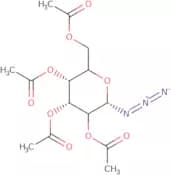
CAS:Glyceraldehyde-3-phosphate dehydrogenase (GAPDH) is an enzyme that catalyzes the conversion of glyceraldehyde-3-phosphate to 1,3 bisphosphoglycerate. GAPDH is involved in glycolysis and the pentose phosphate pathway. It has been shown to be an important player in mediating cellular responses to hypoxia, inflammation, and oxidative stress. The glyceraldehyde-3-phosphate dehydrogenase gene has been found to be mutated in a number of cancers including breast cancer and colon cancer. This gene also has a role in inflammatory lesion development as well as energy metabolism. GAPDH also participates in the biochemical reactions that lead to neuronal death during neurodegenerative diseases such as Alzheimer's disease and Parkinson's disease.Fórmula:C3H7O6PCor e Forma:Colorless Clear LiquidPeso molecular:170.06 g/mol2,3,4,6-Tetra-O-acetyl-a-D-glucopyranosyl azide
CAS:This compound is a custom synthesis. It is used to synthesize complex carbohydrates, such as oligosaccharides and polysaccharides. This product has been modified with methylation and glycosylation. It is a carbohydrate that is classified as a saccharide. The CAS number for this product is 20379-61-7. This product has high purity, with the purity being over 99%. This product has been fluorinated and synthesized using Click chemistry.
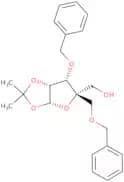
Fórmula:C14H19N3O9Pureza:Min. 95%Cor e Forma:PowderPeso molecular:373.32 g/mol3-O-Benzyl-1,2-O-isoproylidene-4-C-(phenylmethoxy)methyl-β-L-lyxofuranose
CAS:3-O-Benzyl-1,2-O-isoproylidene-4-C-(phenylmethoxy)methyl-b-L-lyxofuranose is a monosaccharide that belongs to the group of carbohydrates. It is used as a raw material in the synthesis of complex carbohydrates by click chemistry, glycosylation and methylation. 3-O-Benzyl--1,2--O--isoproylidene--4--C-(phenylmethoxy)methyl--b--L--lyxofuranose has been modified for use in fluoroformations and glycosylations. This compound can also be used as an intermediate for the synthesis of other saccharides.Fórmula:C23H28O6Pureza:Min. 95%Cor e Forma:PowderPeso molecular:400.46 g/mol3,5-Dideoxy-3,5-imino-1,2-O-isopropylidene-N-methyl-L-idofuranose
3,5-Dideoxy-3,5-imino-1,2-O-isopropylidene-N-methyl-L-idofuranose is a custom synthesis that can be modified to the customer's specifications. This product has CAS No. and is a polysaccharide with modification. It is a carbohydrate that is a saccharide with methylation, glycosylation and click modification. This product is high purity, fluorinated and synthetic.Pureza:Min. 95%(2R, 3R, 4R) -3, 4- Dihydroxy- 2- (hydroxymethyl) - 1- pyrrolidinepropanoic acid
CAS:(2R, 3R, 4R) -3, 4-Dihydroxy-2-(hydroxymethyl)-1-pyrrolidinepropanoic acid is a sugar derivative of Glycosylation. The compound is a custom synthesis that can be modified to meet your requirements. The CAS number is 1207674-35-8. This product has purity of >99% and can be used in the laboratory or as an intermediate in chemical synthesis.Pureza:Min. 95%2-Azido-2,6-dideoxy-3,5-((R)-benzylidene-L-mannofuranose
2-Azido-2,6-dideoxy-3,5-((R)-benzylidene-L-mannofuranose) is a synthetic, fluorinated carbohydrate that can be used to modify saccharides, oligosaccharides, or polysaccharides with click chemistry. This product has been modified by the addition of an azido group at the 2 position and a fluoride atom at the 6 position. The CAS number for this product is 52765-69-0.Pureza:Min. 95%Ferric carboxymaltose
CAS:Ferric carboxymaltose is a form of iron that is administered intravenously and is used to treat iron deficiency. Ferric carboxymaltose has been shown to be effective in treating iron deficiency anemia as well as other conditions, such as inflammation of the bowel or hematologic response. Ferric carboxymaltose binds to free iron in the blood and prevents it from oxidizing. Ferric carboxymaltose also exhibits an anti-inflammatory effect by inhibiting the production of pro-inflammatory cytokines and chemokines. The polymerase chain reaction (PCR) technique has been used to measure ferritin levels in the blood, which are then used to determine whether treatment with ferric carboxymaltose is necessary.Cor e Forma:PowderD-Arabinaric acid dipotassium salt
CAS:D-Arabinaric acid dipotassium salt is a custom synthesis with complex carbohydrate, which can be modified by methylation, glycosylation, and carbonylation. It has CAS number 6703-05-5 and a high purity. This product is also fluorinated, which makes it an excellent synthetic reagent.Fórmula:C5H6K2O7Pureza:Min. 95 Area-%Cor e Forma:White Off-White PowderPeso molecular:256.29 g/mol2-Deoxy-3,4-O-benzylidene-2-methylidene-D-ribono-1,5-lactone
2-Deoxy-3,4-O-benzylidene-2-methylidene-D-ribono-1,5-lactone is a synthetic sugar that has been modified at the 3 and 4 positions of the sugar ring. The 2 position on the sugar ring has been fluorinated. It is monosaccharide that has been methylated at the 2 position of the sugar ring. The saccharide is a glycosylate and it has been glycosylated at the 1 and 5 positions of the sugar ring. It is a carbohydrate that belongs to a complex carbohydrate class.Pureza:Min. 95%D-Glucose 3-sulfate sodium salt
CAS:D-Glucose 3-sulfate sodium salt is a fluorinated, monosaccharide that can be used as a synthetic, oligosaccharide or complex carbohydrate. It is custom synthesized with glycosylation and polysaccharides and has been shown to be useful in click modification. D-Glucose 3-sulfate sodium salt is also methylated and sugar modified. The CAS number for this product is 89830-83-1. It has high purity and can be purchased at any lab supply store.Fórmula:C6H11NaO9SPureza:Min. 98 Area-%Cor e Forma:PowderPeso molecular:282.2 g/molPhloridzin dihydrate
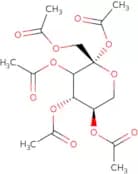
CAS:Phloridzin is a phenolic acid that is found in the cell walls of plants. It has been shown to be a potent antioxidant, with anti-inflammatory and anti-tumour properties. Phloridzin is also an inhibitor of the divalent metal ion-dependent diphenolase activity that causes oxidative DNA damage. The dihydrate form of phloridzin has been shown to inhibit cisplatin-induced nephrotoxicity in mice by reducing oxidative stress.Fórmula:C21H24O10·2H2OPureza:Min. 95%Cor e Forma:Off-White PowderPeso molecular:472.44 g/mol1,2,3,4,5-Penta-O-acetyl-β-D-fructose
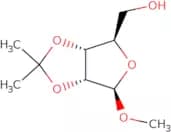
CAS:1,2,3,4,5-Penta-O-acetyl-β-D-fructose is a synthetic oligosaccharide that is modified with fluorine to produce a variety of products. This product is used in the synthesis of complex carbohydrates and has been shown to have high purity. It is used for methylation reactions and can be found in saccharides and polysaccharides. The CAS number for this compound is 20764-61-8.Fórmula:C16H22O11Pureza:Min. 95%Cor e Forma:White PowderPeso molecular:390.34 g/molMethyl 2,3-O-isopropylidene-β-D-ribofuranoside
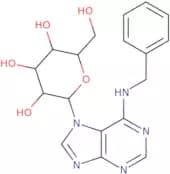
CAS:Methyl 2,3-O-isopropylidene-β-D-ribofuranoside is a heterocycle that is classified as a furanose. It reacts with reactive compounds such as nitro groups to form nitrofurans. This compound also has carcinogenic properties and has been shown to be an animal carcinogen. Methyl 2,3-O-isopropylidene-β-D-ribofuranoside is also capable of forming conformationally constrained derivatives in which the carbonyl group adopts an α,α'-diaxial orientation with the adjacent nitrogen atom and can be used for synthesis of phenalenes.Fórmula:C9H16O5Pureza:Min. 95%Cor e Forma:Colorless Clear LiquidPeso molecular:204.22 g/molN6-Benzyladenine-7-glucoside
CAS:N6-Benzyladenine-7-glucoside is a benzyladenine derivative that is the major precursor of dihydrozeatin, an important plant growth regulator. N6-Benzyladenine-7-glucoside has been shown to be a potent inhibitor of the uptake of radioactive n6-benzyladenine in tobacco leaves. It also inhibits the uptake of radioactive adenine and guanine in tabacum l. explants and tissues. The compound can inhibit cell division by interfering with hormonal treatments that promote growth and development. The inhibition of cell division may be due to interference with the auxin transport system in plants, which leads to decreased levels of endogenous auxins and growth regulators, such as cytokinins, gibberellins, abscisic acid, and ethylene.
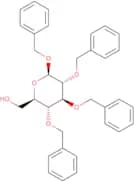
Fórmula:C18H21N5O5Pureza:Min. 95%Cor e Forma:PowderPeso molecular:387.39 g/mol1,2,3,4-Tetra-O-benzyl-β-D-glucopyranoside
CAS:1,2,3,4-Tetra-O-benzyl-β-D-glucopyranoside is a prodrug that becomes active after acetylation. It is an endogenous compound that has been shown to inhibit the synthesis of myelin and lipid peroxidation in rat brains. This drug has also been found to be effective in the treatment of amyotrophic lateral sclerosis (ALS). 1,2,3,4-Tetra-O-benzyl-β-D-glucopyranoside is unmodified and does not have any side effects on the nervous system. It can be used for the treatment of Parkinson's disease when combined with levodopa.Fórmula:C34H36O6Pureza:Min. 95%Cor e Forma:White Off-White PowderPeso molecular:540.65 g/molmuco-Inositol
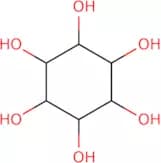
CAS:Muco-Inositol is a compound that is involved in the metabolism of glucose, lipid and protein. It can be synthesized from myo-inositol and plays an important role in the synthesis of phosphatidylinositols. Muco-Inositol has been shown to inhibit enzyme activities in a wild type strain of E. coli. This inhibition may be due to its ability to bind to the active site of these enzymes, thereby inhibiting their activity. Muco-Inositol also inhibits the growth of ovarian cancer cells, as well as myo-inositol levels in maternal blood.Fórmula:C6H12O6Pureza:Min. 95%Cor e Forma:PowderPeso molecular:180.16 g/mol1,2,4,6-Tetra-O-acetyl-3-azido-3-deoxy-D-galactopyranose
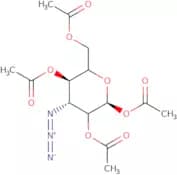
CAS:Building block for galectin-3 inhibitors based on 3â-modified LacNAcFórmula:C14H19N3O9Pureza:Min. 98 Area-%Cor e Forma:White PowderPeso molecular:373.32 g/molD-Erythrose - min 50% purity as a 70% aq. solution
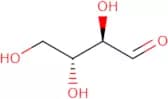
CAS:Erythrose is a sugar that is used in the biosynthesis of other sugars, such as ribose and D-erythrose. It is also an intermediate in the pentose phosphate pathway for the production of NADPH. Erythrose can be converted to erythritol by reductase enzymes, which are necessary for the synthesis of DNA. The enzyme erythrose reductase has been shown to act on wild-type strains. Erythrose reduces d-erythrose to erythritol, which inhibits polymerase chain reactions by blocking transcription and replication of DNA. Erythrose has also been shown to have inhibitory properties against Toll-like receptor signaling pathways, which may be due to its ability to reduce reactive oxygen species (ROS) and hydrogen peroxide levels in cells.
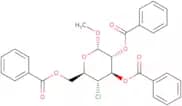
Fórmula:C4H8O4Pureza:Min. 50 Area-%Cor e Forma:Clear LiquidPeso molecular:120.1 g/molMethyl 2,3,6-tri-O-benzoyl-4-deoxy-4-chloro-α-D-glucopyranoside
CAS:Methyl 2,3,6-tri-O-benzoyl-4-deoxy-4-chloro-a-D-glucopyranoside is a modification of the sugar monosaccharide. It is an Oligosaccharide with Carbohydrate and Complex carbohydrate. Methyl 2,3,6-tri-O-benzoyl-4-deoxy-4-chloro--a D glucopyranoside is a Custom synthesis that is Synthetic and High purity. It has CAS No. 41881 07 6 and Polysaccharide as its sugar type. This Modification has Fluorination and saccharide as its modification type.Fórmula:C28H25ClO8Pureza:Min. 95%Cor e Forma:PowderPeso molecular:524.96 g/mol2-Hydroxydesipramine glucuronide
CAS:2-Hydroxydesipramine glucuronide is a metabolite of desipramine, which is a tricyclic antidepressant that inhibits the uptake of noradrenaline and 5-hydroxytryptamine. 2-Hydroxydesipramine glucuronide is formed by conjugation with glucuronic acid. It has been found in human urine and has been proposed as a biomarker for the clinical monitoring of patients taking desipramine. The pharmacological effects of 2-hydroxydesipramine glucuronide are similar to those of desipramine, but it is less potent and selective than its parent compound. This metabolite also has biliary excretion properties, which may be due to its small molecular size.Fórmula:C24H30N2O7Pureza:Min. 95 Area-%Cor e Forma:PowderPeso molecular:458.51 g/mol(2S,3R)-3,4-Bis-benzoyloxy-4-azidomethyl-pyrrolidin-2-one
(2S,3R)-3,4-Bis-benzoyloxy-4-azidomethyl-pyrrolidin-2-one is a custom synthesis product. It is a fluorinated pyrrolidinone that has been modified with an azide group. This product can be used as an intermediate in the synthesis of glycoconjugates and saccharides. It can also be used to modify other molecules such as proteins, polymers, and oligosaccharides. (2S,3R)-3,4-Bis-benzoyloxy-4-azidomethyl-pyrrolidin-2-one is a white solid that is insoluble in water. This compound has a molecular weight of 216.26 g/mol and a molecular formula of C11H14N6O5. The CAS number for this compound is 538113–92–1.Pureza:Min. 95%3,4:5,6-Di-O-isopropylidene-L-gulonic acid methyl ester
3,4:5,6-Di-O-isopropylidene-L-gulonic acid methyl ester is a synthetic monosaccharide. It is fluorinated at the hydroxyl group on C2 and also has a methoxy group on C3. The compound is an Oligosaccharide with a sugar unit of D-gulonic acid at the reducing end of the molecule. This product can be custom synthesized for your specific needs. 3,4:5,6-Di-O-isopropylidene-L-gulonic acid methyl ester has been shown to have Click modification and also complex carbohydrate modifications.Pureza:Min. 95%5-Deoxy- 5- iodo- 2, 3- O- isopropylidene -D- ribonic acid γ-lactone
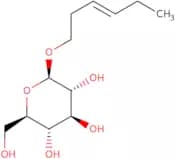
5-Deoxy-5-iodo-2,3-O-isopropylidene-D-ribonic acid gamma-lactone is a sugar molecule that has been modified and synthesized. It is a glycosylation product of 5'-deoxy-5'-iodoarabinose with 3,4,6-trihydroxybenzoic acid. It can be used for the synthesis of oligosaccharides and saccharides. This compound has been shown to inhibit the growth of Mycobacterium tuberculosis in culture.Pureza:Min. 95%(Z)-3-Hexen-1-yl b-D-glucopyranoside
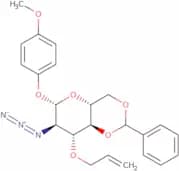
CAS:The chemical profile of the methyl ester (Z)-3-hexen-1-yl b-D-glucopyranoside has been determined using high performance liquid chromatography. The compound is an anti-fungal agent and its main pharmacological effects are related to radical scavenging activity. It shows possible neuropharmacological activity, but further studies are required to confirm this. The chemical profile of Z)-3-hexen-1-yl b-D-glucopyranoside was found to be different from that of other compounds in the genus. This compound belongs to a group of compounds called aldehydes, which is characterized by methoxy and dimethoxy substitutions on the benzene ring. The compound is used in traditional Chinese medicine for the treatment of scopolin or codonopsis radix, which are two types of chinese medicinal herbs.Fórmula:C12H22O6Pureza:Min. 95%Cor e Forma:PowderPeso molecular:262.30 g/mol4-Methoxyphenyl 3-O-allyl-2-azido-4,6-O-benzylidene-2-deoxy-β-D-glucopyranoside
CAS:4-Methoxyphenyl 3-O-allyl-2-azido-4,6-O-benzylidene-2-deoxy-b-D-glucopyranoside (MPA) is a glycosylated antigen that has been shown to be specific for mycobacterium avium. It is a cytosolic calcium ionophore and can induce platelet membrane activation and coagulation. MPA has also been found to be chemoprotective in animal models of cancer. MPA can be used as an indicator of the body mass index (BMI).Fórmula:C23H25N3O6Pureza:Min. 95%Cor e Forma:PowderPeso molecular:439.47 g/molHexadecyl-D-xylopyranoside
CAS:Hexadecyl-D-xylopyranoside is a synthetic sugar that has been fluorinated and methylated. It is a complex carbohydrate that belongs to the group of modified sugars. This product has many applications in the synthesis of oligosaccharides and saccharides, as well as in glycosylation reactions. Hexadecyl-D-xylopyranoside can be used in custom syntheses, and has been shown to have high purity with a CAS No. 115211-19-3.Fórmula:C21H42O5Pureza:Min. 95 Area-%Cor e Forma:White Off-White PowderPeso molecular:374.56 g/mol2,3:4,5-Di-O-isopropylidene-D-gulonic acid methyl ester
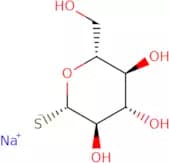
2,3:4,5-Di-O-isopropylidene-D-gulonic acid methyl ester is a custom synthesis that has been modified with fluorination and methylation. It is a monosaccharide, which is synthesized by the click modification of an oligosaccharide. The CAS number for this compound is 7791-54-2. This chemical can be used to produce polysaccharides and complex carbohydrates.Pureza:Min. 95%b-D-Thioglucose sodium salt
CAS:Keratin-reducing component in cosmetic applications; used in Glc conjugation
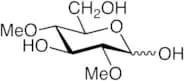
Fórmula:C6H11NaO5SPureza:Min. 95%Cor e Forma:White PowderPeso molecular:218.2 g/mol2,4-Di-O-methyl-D-glucose
CAS:2,4-Di-O-methyl-D-glucose is a partially O-methylated glucose sugar.Fórmula:C8H16O6Pureza:Min. 95%Cor e Forma:PowderPeso molecular:208.21 g/molXylitol
CAS:Xylitol is a sugar alcohol that has been shown to have antimicrobial properties. It is also used as a sweetener in chewing gum and toothpaste. Xylitol inhibits the growth of bacteria by binding to the enzyme adenosine triphosphate (ATP) synthase, which is required for energy metabolism. The binding of xylitol to ATP synthase prevents the formation of ATP and blocks bacterial growth, leading to cell death. Xylitol can be produced from xylose, a sugar found in plants and animals, through biochemical reactions that are catalyzed by enzymes such as xylitol dehydrogenase and xylulokinase. This process is anaerobic and does not require oxygen or organic nutrients. Xylitol has been shown to have physiological effects on wild-type strain bacteria such as Aerobacter aerogenes.Fórmula:C5H12O5Pureza:Min. 95%Cor e Forma:White PowderPeso molecular:152.15 g/molMethyl a-L-fucopyranoside
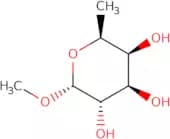
CAS:Methyl a-L-fucopyranoside is a natural product that has been shown to have many biological effects, including antioxidant and anti-inflammatory properties. It has been shown to inhibit the growth of bacteria by binding to the ribosome, preventing protein synthesis and cell division. The compound has also been shown to have anti-inflammatory effects in mice with inflammatory bowel disease. Methyl a-L-fucopyranoside inhibits the production of pro-inflammatory cytokines, such as interferon alfa-2b (IFNα2β), which is induced by IFNγ. This inhibition of IFNα2β activity may be due to methyl a-L-fucopyranoside's ability to bind to cytosolic calcium and inhibit its transport into the nucleus. Methyl a-L-fucopyranoside also blocks the production of antimicrobial peptides, such as defensins or cathelicidins.Fórmula:C7H14O5Pureza:Min. 98 Area-%Cor e Forma:White PowderPeso molecular:178.18 g/mol2, 4- Anhydro-3,5-O-[(R)-benzylidene]- 6- deoxy- L- mannonic acid benzamide
2, 4-Anhydro-3,5-O-[(R)-benzylidene]-6-deoxy-L-mannonic acid benzamide is a synthetic sugar that is fluorinated and methylated. It has been custom synthesized and can be modified to have any desired modification. This product is in high purity and has a CAS No.Pureza:Min. 95%Diethoxy phosphonyl 4,7,8,9-tetra-O-acetyl-N-acetyl-D-neuraminic acid methyl ester
Diethoxy phosphonyl 4,7,8,9-tetra-O-acetyl-N-acetyl-D-neuraminic acid methyl ester is a glycosylation agent that is used in the synthesis of complex carbohydrates. It is a methylated derivative of 4,7,8,9 tetra-O-acetyl neuraminic acid and can be used to modify the polysaccharide structure. This product has been shown to react with saccharides and oligosaccharides in a click reaction to produce fluorinated derivatives. Diethoxy phosphonyl 4,7,8,9 tetra-O-acetyl neuraminic acid methyl ester is also available as a custom synthesis.Fórmula:C24H39NO19P2Pureza:Min. 95%Peso molecular:707.51 g/mol2-Azido-2-deoxy-L-glucopyranose
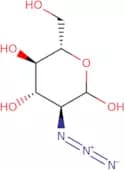
2-Azido-2-deoxy-L-glucopyranose is a Custom synthesis, modification and fluorination of methylated glucopyranosides. This compound has been shown to be effective in the synthesis of mono-, oligo-, and polysaccharides. 2-Azido-2-deoxy-L-glucopyranose is used for the preparation of glycosylation reagents. It can also be used to modify saccharide chains with azide or alkyne functionalities. 2-Azido-2-deoxy-L-glucopyranose is an important building block for the synthesis of complex carbohydrates, such as polysaccharides, glycosylation reagents, and click chemistry compounds.Fórmula:C6H11N3O5Pureza:Min. 95%Cor e Forma:White to off-white solid.Peso molecular:205.17 g/mol(1S) -1- [(2S, 3R) - 3- Hydroxy- 1- ((4-methoxyphenyl)methyl) - 2- azetidinyl] -1, 2- ethanediol
(1S) -1- [(2S, 3R) - 3- Hydroxy- 1- ((4-methoxyphenyl)methyl) - 2- azetidinyl] -1, 2- ethanediol is a synthetic monosaccharide. It can be used in the synthesis of oligosaccharides and glycosylations. Click modification, methylation, and fluorination are all possible modifications for this product. The CAS number for this item is 52634-73-0.Pureza:Min. 95%N-Methyldeoxynojirimycin
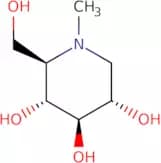
CAS:N-Methyldeoxynojirimycin is a monoclonal antibody that is a competitive inhibitor of the melanoma antigen gp75. It is also an inhibitor of oligosaccharide synthesis and has been shown to have anti-inflammatory properties. N-Methyldeoxynojirimycin binds to the golgi alpha-mannosidases, preventing them from processing high-mannose type oligosaccharides. This leads to decreased chemoattractant protein production by neutrophils, which are important in the inflammatory process. N-Methyldeoxynojirimycin has also been shown to inhibit myocardial infarct size and glomerular filtration rate in rats, as well as increase biochemical markers for inflammation, such as α subunit of α1 acid glycoprotein and basic fibroblast growth factor.Fórmula:C7H15NO4Pureza:Min. 95%Cor e Forma:White PowderPeso molecular:177.2 g/mol6-O-Malonylgenistin, free acid
CAS:Genistin is an isoflavone found in soybeans and other plants. It has antioxidative properties, which may be due to its ability to scavenge free radicals. Genistin also has protein-binding activity, and it can inhibit the growth of certain insects by binding to their DNA. Genistin can also bind to a number of enzymes and affect their activities, including amylase, chymotrypsin, trypsin, and lipase. It is also involved in energy metabolism and protein synthesis. The physiological effects of genistin are not well understood but may be related to its ability to act as a phytoestrogen or mimic estrogen.Fórmula:C24H22O13Pureza:Min. 95%Cor e Forma:Slightly Brown PowderPeso molecular:518.42 g/mol3,5-Dideoxy-3,5-imino-1,2-O-isopropylidene-N-methyl-L-xylofuranose
3,5-Dideoxy-3,5-imino-1,2-O-isopropylidene-N-methyl-L-xylofuranose (3,5DDIMX) is a custom synthesis that belongs to the group of oligosaccharides. It is a fluorinated saccharide and has a high purity. 3,5DDIMX is a monosaccharide sugar with an O-methylation at the C6 position. This modification leads to high reactivity and selectivity in chemical reactions. The methylation also increases the stability of the molecule and prevents unwanted side reactions from occurring.Pureza:Min. 95%Methyl 3,5-di-O-(p-chlorobenzoyl)-α-D-ribofuranoside
Methyl 3,5-di-O-(p-chlorobenzoyl)-a-D-ribofuranoside is an organic compound. It is a synthetic product that is used in the synthesis of saccharides and polysaccharides. This chemical can be modified with Click chemistry to create a glycosylate or fluorinated complex carbohydrate. The compound has CAS number 62700-92-3 and can be custom synthesized to meet customer specifications.Pureza:Min. 95%2,3,4,6-Tetra-O-acetyl-β-D-glucopyranosyl-Fmoc serine
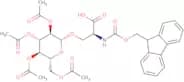
CAS:2,3,4,6-Tetra-O-acetyl-b-D-glucopyranosyl-Fmoc serine is a protein that belongs to the group of bifunctional glycosides. It is used in recombinant virus production as a component of the viral coat protein (VP). 2,3,4,6-Tetra-O-acetyl-b-D-glucopyranosyl-Fmoc serine binds to tyrosine kinase receptors and inhibits their activity. This inhibition prevents cell adhesion and migration and can cause tumor regression in some cancers. 2,3,4,6-Tetra-O-acetyl-b-D--glucopyranosyl--Fmoc serine also has antiviral activity due to its ability to inhibit the replication of viruses containing RNA genomes.
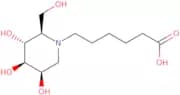
Fórmula:C32H35NO14Pureza:Min. 95%Cor e Forma:SolidPeso molecular:657.63 g/molN-(5-Carboxypentyl)-deoxymannojirimycin hydrochloride
CAS:N-(5-Carboxypentyl)-deoxymannojirimycin hydrochloride is a high purity, custom synthesis, CAS No. 104154-10-1. It is a sugar that contains the Click modification, fluorination, glycosylation, and synthetic modifications. It contains methylation, modification and oligosaccharide or monosaccharide saccharides. This compound has been modified by Carbohydrate Complex.Fórmula:C12H23NO6·HClPureza:Min. 95%Cor e Forma:PowderPeso molecular:313.77 g/molUDP-D-glucuronide trisodium salt
CAS:Substrate for glucuronosyltransferases
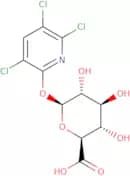
Fórmula:C15H19N2Na3O18P2Pureza:Min. 98 Area-%Cor e Forma:White Off-White PowderPeso molecular:646.24 g/mol3,5,6-Trichloro-2-pyridinol β-D-glucuronide
CAS:3,5,6-Trichloro-2-pyridinol b-D-glucuronide is a synthetic glycosylate that has been modified by fluorination and methylation. It is used as an intermediate in the manufacture of a variety of saccharides and oligosaccharides. The sugar has been synthesized to have a high purity. 3,5,6-Trichloro-2-pyridinol b-D-glucuronide is a complex carbohydrate that can be modified using click chemistry. Click chemistry is a modification technique that uses copper (II) ions as catalysts for the formation of carbon–carbon bonds. This process can be used to modify saccharides and oligosaccharides with functional groups such as amines, thiols, alcohols, carboxylic acids, or nitriles.Fórmula:C11H10Cl3NO7Pureza:Min. 95%Cor e Forma:White PowderPeso molecular:374.56 g/mol6-Chloro-6-deoxy-D-glucose
CAS:6-Chloro-6-deoxy-D-glucose is a sugar that is used as a carbon source in the process of spermatozoa production. It has been shown to increase the fertility of animals by increasing the uptake of phosphorus pentachloride and ganglion cells in the testes. This drug also has contraceptive and antifertility effects, which may be due to its ability to inhibit the uptake of adenine nucleotide in cells. 6-Chloro-6-deoxy-D-glucose may have a role in ATP levels, with intracellular levels being higher than those in control analysis.Fórmula:C6H11ClO5Pureza:Min. 95%Cor e Forma:White Off-White PowderPeso molecular:198.6 g/mol





![(2S, 3S, 4R) -3- Azido- 4- [[[(1, 1- dimethylethyl) dimethylsilyl] oxy] methyl] - 1- (phenylmethyl…](/_next/image/?url=https%3A%2Fstatic.cymitquimica.com%2Fproducts%2F3D%2Fthumb-webp%2FMA163461.webp&w=3840&q=75)
![1-(Piperidine-2,6-dione-4-yl) - 4-([2-nitro] phenyl)-3- buten- 2- one](/_next/image/?url=https%3A%2Fstatic.cymitquimica.com%2Fproducts%2F3D%2Fthumb-webp%2FMP170734.webp&w=3840&q=75)


![(3S, 4R) - 2- [(1S) - 1, 2- Dihydroxyethyl] - 3, 4- pyrrolidinediol](/_next/image/?url=https%3A%2Fstatic.cymitquimica.com%2Fproducts%2F3D%2Fthumb-webp%2FMD163525.webp&w=3840&q=75)
![(1R) -1- [(2R, 3S,4S) -4-Hydroxymethyl-3- hydroxy- 1- azetidinyl] -1, 2- ethanediol](/_next/image/?url=https%3A%2Fstatic.cymitquimica.com%2Fproducts%2F3D%2Fthumb-webp%2FMH163381.webp&w=3840&q=75)










![2, 4- Anhydro-3,5-O-[(R)-benzylidene]- 6- deoxy- L- mannonic acid benzamide](/_next/image/?url=https%3A%2Fstatic.cymitquimica.com%2Fproducts%2F3D%2Fthumb-webp%2FMA163989.webp&w=3840&q=75)
![(1S) -1- [(2S, 3R) - 3- Hydroxy- 1- ((4-methoxyphenyl)methyl) - 2- azetidinyl] -1, 2- ethanediol](/_next/image/?url=https%3A%2Fstatic.cymitquimica.com%2Fproducts%2F3D%2Fthumb-webp%2FMM163533.webp&w=3840&q=75)