Monossacáridos
Monossacarídeos são a forma mais simples de carboidratos e servem como building blocks fundamentais para açúcares mais complexos e polissacarídeos. Essas moléculas de açúcar único desempenham papéis críticos no metabolismo energético, na comunicação celular e nos componentes estruturais das células. Nesta seção, você encontrará uma ampla variedade de monossacarídeos essenciais para pesquisas em bioquímica, biologia molecular e glicociência. Esses compostos são cruciais para estudar vias metabólicas, processos de glicosilação e desenvolvimento de agentes terapêuticos. Na CymitQuimica, oferecemos monossacarídeos de alta qualidade para apoiar suas necessidades de pesquisa, garantindo precisão e confiabilidade em suas investigações científicas.
Subcategorias de "Monossacáridos"
- Aloses(11 produtos)
- Arabinoses(21 produtos)
- Eritroses(11 produtos)
- Frutoses(9 produtos)
- Fucoses(36 produtos)
- Galactosamina(41 produtos)
- Galactoses(261 produtos)
- Glucoses(365 produtos)
- Ácidos Glucurónicos(51 produtos)
- Glico-substratos para enzimas(77 produtos)
- Guloses(6 produtos)
- Idoses(4 produtos)
- Inositóis(15 produtos)
- Lixoses(4 produtos)
- Mannoses(65 produtos)
- O-Glicanos(48 produtos)
- Psicoses(3 produtos)
- Ramnoses(10 produtos)
- Riboses(61 produtos)
- Ácidos siálicos(100 produtos)
- Sorboses(4 produtos)
- Açúcares(173 produtos)
- Tagatoses(4 produtos)
- Taloses(8 produtos)
- Xiloses(20 produtos)
Exibir 17 mais subcategorias
Foram encontrados 6090 produtos de "Monossacáridos"
Ordenar por
Pureza (%)
0
100
|
0
|
50
|
90
|
95
|
100
2-Keto-D-glucose
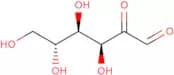
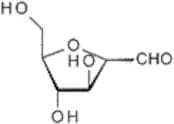
CAS:<p>2-Keto-D-glucose is a substrate molecule that is used in the study of plant physiology, enzyme kinetics, and metabolic regulation. It has been shown to be an important factor in redox potential and the activation of detoxification enzymes. 2-Keto-D-glucose has also been found to be an important factor in energy metabolism, as it can be converted into pyruvate and acetyl CoA. 2-Keto-D-glucose is a common substrate molecule for many enzymes, including glycolytic enzymes, hexokinase, alcohol dehydrogenase, lactate dehydrogenase, and phosphofructokinase. 2-Keto-D-glucose has also been found to play a role in human blood serum biochemistry by acting as a substrate for erythrocyte D glucose transporter protein and glycerol kinase.</p>Fórmula:C6H10O6Pureza:Min. 98 Area-%Cor e Forma:White Beige Yellow PowderPeso molecular:178.14 g/mol1-Deoxyfuconojirimycin HCl
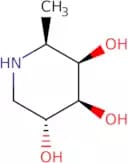
CAS:<p>Specific, potent and competitive inhibitor of α-L-fucosidase with Ki of 10 nM. In human breast cancer cells, it causes increase of fucosylation on cell surface molecules such as Lewis X antigen (CD15) and CD44 glycoprotein. The 1-deoxyfuconojirimycin treatment increases invasiveness of cancer cells.</p>Fórmula:C6H13NO3·HClPureza:Min. 95%Cor e Forma:Off-White PowderPeso molecular:183.63 g/mol4,6-O-Benzylidene-D-galactose
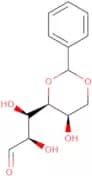
CAS:<p>4,6-O-Benzylidene-D-galactose is an anomer of D-galactose. It is a lectin that has been shown to inhibit the binding of amyloid beta to the cerebroside in the brain tissue. This activity may be due to its ability to form an amide bond with galactose, which is present in amyloid beta. 4,6-O-Benzylidene-D-galactose also has a coronary heart disease prevention effect and can help reduce cholesterol levels. Furthermore, it has been found to have anti-cancer properties and can help prevent the growth of cancerous cells by inhibiting protein synthesis. In addition, 4,6-O-Benzylidene-D-galactose can be used as a cationic surfactant or detergent composition for cleaning or treating surfaces.</p>Fórmula:C13H16O6Pureza:Min. 95%Cor e Forma:White To Off-White SolidPeso molecular:268.26 g/molSedoheptulose-1-phosphate
CAS:<p>Sedoheptulose-1-phosphate is a ribosomal metabolite that is produced by marine microorganisms. It is catabolized by sedoheptulose-7-phosphate kinase and converted to the pentose phosphate pathway. The metabolic profile of sedoheptulose-1-phosphate has been shown to be altered in response to environmental stress, such as changes in pH, oxygen levels, and temperature. Sedoheptulose-1-phosphate has also been shown to have structural properties similar to those of ATP and ADP, which may make it an important target for the development of antibiotics.</p>Fórmula:C7H15O10PPureza:Min. 95%Peso molecular:290.16 g/molMethyl b-D-ribofuranoside
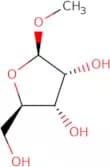
CAS:<p>Methyl b-D-ribofuranoside is a compound that has been found to be a substrate for the phosphodiesterase enzyme. This natural product can be used to study the function of this enzyme and its effect on cellular processes. The rate of hydrolysis at 25 degrees Celsius is about 0.03 min-1, which is about one order of magnitude faster than the rate at 37 degrees Celsius, which is about 0.003 min-1. In addition, methyl b-D-ribofuranoside hydrolyzes more rapidly in anaerobic conditions than in aerobic conditions. It also has a constant sedimentation coefficient of 1.10 ± 0.01 Svedbergs, which indicates that it consists of long unbranched chains with a high molecular weight (e.g., dodecyl). Methyl b-D-ribofuranoside has been found to inhibit intramolecular hydrogen transfer reactions, such as those catalyzed</p>Fórmula:C6H12O5Pureza:Min. 95%Cor e Forma:White PowderPeso molecular:164.16 g/molEpilactose
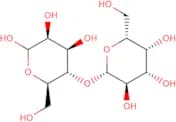
CAS:<p>Epilactose is a monosaccharide with biological properties. It is the 2-epimer of lactulose, and can be synthesized from cellobiose by epimerase. Epilactose has been shown to have beneficial effects on bowel disease in mice, which may be related to its ability to stimulate intestinal motility and improve the intestinal microflora. Epilactose has also been shown to have anti-inflammatory activity in rats with colitis. Epilactose can be used as a structural probe for oligosaccharides, due to its ability to form hydrogen bonds with sugars. In addition, epilactose has been found in marine microalgae such as Chlorella pyrenoidosa, but not in higher plants or animals.</p>Fórmula:C12H22O11Pureza:Min. 95%Cor e Forma:PowderPeso molecular:342.3 g/molD-Erythrose 4-phosphate sodium
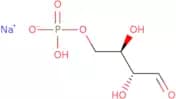
CAS:<p>D-erythrose 4-phosphate sodium (D-EPPS) is a phosphoenolpyruvate analog and an inhibitor of chorismate mutase, which is an enzyme that catalyzes the conversion of D-arabinose 5-phosphate to D-erythrose 4-phosphate. It is used to study the biosynthesis of aromatic amino acids in bacteria. This compound has also been shown to inhibit phosphate uptake by Escherichia coli K12, leading to a decrease in the accumulation of ATP and other nucleotides. D-EPPS binds metal ions and organic acids such as citrate, which influences its thermodynamic stability. Biochemical techniques can be used for profiling D-EPPS in bacterial cells.</p>Fórmula:C4H8NaO7PPureza:(%) Min. 50%Cor e Forma:White PowderPeso molecular:222.07 g/molN-Acetyl-D-galactosamine
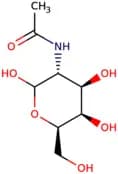
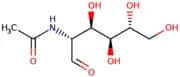
CAS:<p>N-acetyl D-galactosamine (GalNAc) is an aldohexose (2-acetamido-2-deoxygalactose) in which the hydroxyl group at position 2 is replaced by a N-acetyl group (Collins, 2006). GalNAc forms a key part of both N- and O-linked glycoproteins, glycolipids, gangliosides, blood groups, glycosaminoglycans (chondroitin and dermatan sulfate) and human milk oligosaccharides. The number of GalNAc residues attached to the IgA O-linked glycans of Crohns Disease patients was significantly decreased, and strongly correlated with clinical activity. It is suggested that alterations of GalNAc attachment in IgA may be useful as a novel diagnostic and prognostic marker of Crohns Disease (Inoue, 2012).</p>Fórmula:C8H15NO6Pureza:Min. 99.0 Area-%Peso molecular:221.21 g/molRef: 3D-A-1170
10gA consultar25gA consultar50gA consultar100gA consultar250gA consultar-Unit-ggA consultarD-Arabinose
CAS:<p>D-Arabinose is a dinucleotide phosphate that is an important metabolic intermediate in the pentose phosphate pathway. It has been shown to have pharmacological effects, such as enzyme inhibition and binding to DNA. D-Arabinose has been used in biochemical studies of energy metabolism and related areas. D-Arabinose is converted to ribitol by ribitol dehydrogenase, which can be oxidized to ribulose 5-phosphate by ribulose 5-phosphate dehydrogenase. The conversion of D-arabinose to ribitol requires NAD(P)H, which provides the reducing power for this reaction. The conversion of ribitol to ribulose 5-phosphate also requires NAD(P)H, but does not produce any reducing power. A redox potential measurement was used to determine the relative reduction potentials of the two reactions and found that they are equal at -0.5 volts (V).</p>Fórmula:C5H10O5Peso molecular:150.13 g/molRef: 3D-A-8200
1kgA consultar5kgA consultar10kgA consultar25kgA consultar2500gA consultar-Unit-kgkgA consultar4-Aminophenyl-α-D-glucopyranoside
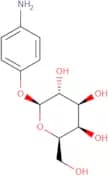
CAS:<p>4-Aminophenyl-alpha-D-glucopyranoside is a natural product that has been found to be an antigen. The compound has been shown to have anticancer activity, which may be due to its ability to inhibit the growth of cells and induce apoptosis. 4-Aminophenyl-alpha-D-glucopyranoside also possesses magnetic properties. The chemical structure of this compound is characterized by an acrylate group, which is a small organic molecule with two carbon atoms and one oxygen atom. This compound is synthesized in a preparative manner using methoxy, ethyl bromoacetate, and mesitylene in the presence of irradiation. NMR spectroscopy can be used for the characterization of this compound as well as other compounds with similar structures that are catalytic in nature.</p>Fórmula:C12H17NO6Pureza:Min. 98.0 Area-%Peso molecular:271.27 g/molL-Arabitol
CAS:<p>Used as source of carbon in culture medium.</p>Fórmula:C5H12O5Pureza:Min. 98.0 Area-%Peso molecular:152.15 g/molN-Acetyl-D-glucosamine
CAS:<p>N-acetyl D-glucosamine (GlcNAc) is an aldohexose (2-acetamido-2-deoxyglucose) in which the hydroxyl group at position 2 is replaced by NHAc (Collins, 2006). N-acetyl D-glucosamine forms the exoskeletons of molluscs and insects as the building block of the polysaccharide chitin (Rudrapatnam, 2003). N-acetyl D-glucosamine is a key component of N- and O-linked glycans, present in glycolipids and the glycosaminoglycan hyaluronic acid (Fallacara, 2018). A recent study has suggested that N-acetyl D-glucosamine may have therapeutic potential for COVID-19 as it affects the spike protein-ACE2 receptor interaction during the infection with SARS-CoV-2 virus (Baysal, 2021).</p>Fórmula:C8H15NO6Pureza:Min. 98.0 Area-%Peso molecular:221.21 g/molRef: 3D-A-1200
5gA consultar1kgA consultar5kgA consultar100gA consultar2500gA consultar-Unit-kgkgA consultarL-Arabinose
CAS:<p>The aldopentose L-arabinose (Ara) is, after xylose, the second most abundant pentose in nature. It is found in plant cell walls as a component of polysaccharides, including: hemicelluloses, pectin, arabinogalactan-protein complexes and in exudate plant gums, such as: Gum Arabic (Fehér, 2018). L-arabinose is an important component of the mycobacterial cell wall and is involved in the synthesis of arabinogalactan and lipoarabinomannan, which suggests that it can modulate cell wall permeability and drug resistance. Mycobacterium smegmatis is a useful tool for research into Mycobacteria due to it being a "fast grower" and non-pathogenic (Zhou, 2019).</p>Fórmula:C5H10O5Pureza:Min. 99 Area-%Peso molecular:150.13 g/molRef: 3D-A-8240
1kgA consultar25gA consultar250gA consultar500gA consultar2500gA consultar-Unit-kgkgA consultarD-Arabitol
CAS:<p>D-Arabitol (or D-Arabinitol) is the reduced alcohol form of Arabinose. Arabitol is a commonly used food supplement, it is comparably sweet to sucrose but the oral flora cannot metabolize Arabitol, and hence protects from caries. Arabitol plays also an important role in energy controlled diets since it is absorbed slowly by the human digestive tract and has a low caloric content. The differential metabolism of the Arabitol D- and L-forms suggested its use in microbiological diagnostics (Bernard, E.M. et al. 1981) and became a routine urine laboratory test: L-Arabitol is metabolized by a variety of different bacteria and fungi utilizing an arabitol dehydrogenase enzyme. Therefore, it serves as a biomarker for, e.g., invasive candidiasis, since an infection results in an elevated urine D-Arabitol/L-Arabitol (DA/LA) ratio. Cymit Quimica offers both isomers in research grade: D-Arabitol (A-8270) and L-Arabitol (A-8280).</p>Fórmula:C5H12O5Pureza:Min. 99.0 Area-%Peso molecular:152.15 g/molRef: 3D-A-8270
10gA consultar1kgA consultar250gA consultar500gA consultar2500gA consultar-Unit-kgkgA consultarAdonitol
CAS:<p>Used to differentiate bacteria on the basis of carbohydrate fermentation abilities.</p>Fórmula:C5H12O5Pureza:Min. 98.0 Area-%Peso molecular:152.15 g/molRef: 3D-A-3000
1kgA consultar50gA consultar100gA consultar250gA consultar500gA consultar-Unit-kgkgA consultar1-Bromo-2,3,4,6-tetra-O-acetyl-α-D-galactopyranoside
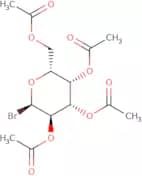
CAS:Donor for Koenigs-Knorr type galactosylation and other anomeric substitutionsFórmula:C14H19BrO9Peso molecular:411.21 g/molRef: 3D-B-8975
1kgA consultar100gA consultar250gA consultar500gA consultar2500gA consultar-Unit-ggA consultar2-Deoxy-D-ribose
CAS:<p>High purity grade. Used in synthetic organic chemistry and natural product synthesis. Induces apoptosis by inhibiting the synthesis and increasing the efflux of glutathione. It is used for synthesis of optically active dipyrrolyl alkanols from pyrroles on the surface of montmorillonite KSF clay.Due to its integral role in the formation of DNA, 2-Deoxy-D-ribose is critical in studies of genetic expression, DNA repair mechanisms, and the synthesis of nucleotides. Researchers utilize it extensively in molecular biology and biochemistry to understand cell replication and gene function, and it serves as a standard in research pertaining to oxidative stress, where its degradation may indicate the presence of reactive oxygen species. Additionally, it is involved in the development of various pharmacological agents, particularly those targeting cancer and viral infections, where the synthesis and function of DNA are pivotal aspects of pathogenesis and treatment response.</p>Fórmula:C5H10O4Pureza:Min. 99.0 Area-%Peso molecular:134.13 g/molN-Acetyl-D-glucosamine - plant source
CAS:<p>Please enquire for more information about N-Acetyl-D-glucosamine - plant source including the price, delivery time and more detailed product information at the technical inquiry form on this page</p>Fórmula:C8H15NO6Pureza:Min. 98 Area-%Peso molecular:221.21 g/mol3,4-O-Benzylidene-D- ribonic acid γ-lactone
3,4-O-Benzylidene-D-ribonic acid gamma-lactone is a synthetic sugar that has been modified with fluorination and methylation. It is a complex carbohydrate that has been shown to have antiviral activity against influenza A virus. 3,4-O-Benzylidene-D- ribonic acid gamma-lactone has been synthesized using custom synthesis and high purity. The chemical structure of this product is O-(1,2:3,4:6,7:8,9) benzylidene D-ribonolactone.Pureza:Min. 95%6-Deoxy-L-allitol
<p>6-Deoxy-L-allitol is a white crystalline solid that melts at 122°C. It has an amorphous character and may be present as a mixture of rotations, form, and crystalline polymorphs. 6-Deoxy-L-allitol can be oxidized to its diol derivative by hydrogen peroxide or sodium periodate. This compound is soluble in water, methanol, and acetone. The molecular weight of this compound is 179.06 g/mol.</p>Pureza:Min. 95%2,3,4,6-Tetra-O-acetyl-D-mannopyranose
CAS:<p>2,3,4,6-Tetra-O-acetyl-D-mannopyranose is a glycosylated polysaccharide. It is a complex carbohydrate with a methylated D-mannopyranose backbone and an acetylated 2,3,4,6-tetraose sidechain. This product can be fluorinated or saccharified to make it more reactive for click chemistry. 2,3,4,6-Tetra-O-acetyl-D-mannopyranose has been custom synthesized in a high purity form that is suitable for use in various applications including polymeric materials and pharmaceuticals.</p>Fórmula:C14H20O10Pureza:Min. 95%Peso molecular:348.3 g/molUDP-2-deoxy-2-fluoro-D-mannose
CAS:<p>UDP-2-deoxy-2-fluoro-D-mannose is a modified monosaccharide that is synthesized from D-mannose. It can be used for the synthesis of glycosyls and polysaccharides as well as for the modification of complex carbohydrates. UDP-2-deoxy-2-fluoro-D-mannose has been shown to be an excellent substrate for methylation, glycosylation, and fluorination reactions. This compound can also be used to modify high purity oligosaccharides with a high degree of substitution.</p>Fórmula:C15H23FN2O16P2Pureza:Min. 95%Peso molecular:568.29 g/mol3,5-Dideoxy-N-(1-hexyl)-3,5-imino-D-xylopentitol
<p>3,5-Dideoxy-N-(1-hexyl)-3,5-imino-D-xylopentitol is a synthetic monosaccharide that is used in the production of complex carbohydrates. It can be modified with fluorination and methylation to produce 3,5-dideoxy-N-(1-hexyl)-3,5-[(2-[(2,6-difluoro phenoxy)methyl]phenyl]imino)D-xylopentitol. The compound has been shown to have antiviral properties and has been used in the synthesis of glycosaminoglycans.</p>Pureza:Min. 95%Methyl 2-deoxy-2-fluoro-a-D-mannopyranoside
<p>Methyl 2-deoxy-2-fluoro-a-D-mannopyranoside is a custom synthesis product. It is a fluorinated sugar that can be used in the modification of carbohydrates, saccharides, oligosaccharides, and polysaccharides. Methyl 2-deoxy-2-fluoro-a-D-mannopyranoside has shown to have high purity and excellent stability. This compound has been used for the synthesis of various saccharides including glucose, fructose, glycerol, erythritol, and mannitol.</p>Pureza:Min. 95%N-Acetyl-D-galactosamine-PAP-HSA
CAS:<p>N-Acetyl-D-galactosamine-PAP-HSA is a complex carbohydrate that consists of a sugar, an acetyl group and a phosphate. This product is available in custom synthesis and modification. N-Acetyl-D-galactosamine-PAP-HSA can be used for the treatment of cancer, diabetes, liver disease, kidney disease and other diseases. It has been modified with fluorine groups to create new derivatives with improved properties.</p>Pureza:Min. 95%1,2:3,4-Diacetone-β-D-glucopyranoside
CAS:<p>1,2:3,4-Diacetone-b-D-glucopyranoside is a glycosylation agent that is used in the synthesis of polysaccharides. It reacts with the hydroxyl groups of saccharide molecules to form glycosidic bonds. 1,2:3,4-Diacetone-b-D-glucopyranoside can be modified by methylation and fluorination reactions to produce different derivatives. This product is CAS No. 496879-67-5 and has a purity of >98%.</p>Fórmula:C12H20O6Pureza:Min. 97 Area-%Cor e Forma:PowderPeso molecular:260.29 g/mol3-C-Methyl-1-deoxy-psicose
<p>3-C-Methyl-1-deoxy-psicose is a sugar that is used in the synthesis of complex carbohydrates. This synthetic sugar is synthesized by the click modification of 3,4-dihydroxybenzaldehyde with 1,2,3,4-tetraacetylated benzyl chloride. The compound has a molecular weight of 228.22 and an empirical formula of C6H8O6F2. It's CAS number is 52714-32-0 and it's Oligosaccharide number is 976.</p>Pureza:Min. 95%L-Glucose
CAS:<p>L-Glucose is a monosaccharide that belongs to the group of carbohydrates. L-Glucose is an important energy source for living organisms and plays a role in many metabolic pathways, including glycolysis and gluconeogenesis, as well as cell signaling. It is also an essential component of DNA and RNA. L-Glucose has been shown to have effects on brain functions such as memory and learning ability, which may be due to its ability to signal neurons. L-Glucose can be used in model systems to study the effects of diabetes on cells and has been shown to have pluripotent effects on cells. In addition, this molecule has been shown to inhibit the growth of bacteria by binding to the enzyme polysaccharide kinase and reducing its activity. This inhibition leads to decreased synthesis of polysaccharides (e.g., glycogen) that are necessary for cell division.</p>Fórmula:C6H12O6Pureza:Min. 99.5 Area-%Peso molecular:180.16 g/molCorn Cob - Syrup
<p>Corn Cob Syrup is a custom synthesis of polysaccharides, which are complex carbohydrates. This syrup is made from corn cobs and has been modified with fluorine and methyl groups. The monosaccharides in this syrup have been modified with a click modification and the oligosaccharides have been modified with glycosylation. This product contains sugar that has been modified by glycosylation.</p>Pureza:Min. 95%b-D-Galactosylceramide
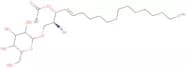
CAS:<p>Inducer of cytochine and chemochine production in blood cells</p>Pureza:Min. 95%UDP-6-deoxy-6-fluoro-D-glucose
CAS:<p>UDP-6-deoxy-6-fluoro-D-glucose is a chemical compound that is an intermediate in glucosyltransferase and 4 epimerase reactions. UDP-6-deoxy-6-fluoro-D-glucose is used in the enzymatic synthesis of oligosaccharides, which are important to the biology of E. coli. The structure of this compound has been determined by X ray crystallography, revealing that it is a beta anomer. UDP-6 deoxy 6 fluoro D glucose also shows promiscuity with other enzymes, such as kinases, and can be used as a substrate for profiling.</p>Pureza:Min. 95%1,2,3,4-Tetra-O-acetyl-D-mannopyranose
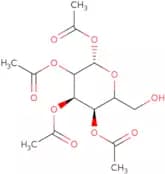
CAS:<p>1,2,3,4-Tetra-O-acetyl-D-mannopyranose is a modified monosaccharide that is synthesized by the Click reaction. This compound has been shown to be useful in the synthesis of oligosaccharides and polysaccharides. It can also be used for protein modification or the fluorination of saccharides. It is also a high purity product that can be used as an intermediate for custom synthesis.</p>Fórmula:C14H20O10Pureza:Min. 95%Peso molecular:348.3 g/mol1,2-O-Isopropylidene-b-L-arabinofuranose
<p>1,2-O-Isopropylidene-b-L-arabinofuranose is a custom synthesis. It is modified by fluorination, methylation, and monosaccharide synthesis. This product can be used in the creation of oligosaccharides and saccharides. 1,2-O-Isopropylidene-b-L-arabinofuranose is a carbohydrate that has been glycosylated and polysaccharided with other sugars to form complex carbohydrates.</p>Pureza:Min. 95%UDP-2-ketopropyl-a-D-galactose
<p>UDP-2-ketopropyl-a-D-galactose is a synthetic compound that belongs to the group of oligosaccharides. It is an excellent candidate for glycosylation, methylation, and click modification. The product has a CAS number, which provides high purity and custom synthesis. The product is also a complex carbohydrate with a variety of modifications.</p>Pureza:Min. 95%Xylitol
CAS:<p>Xylitol is a sugar alcohol that can be found in some plants, including berries and corn husks. It is also produced by the body during normal metabolism. Xylitol has been shown to have antimicrobial properties against aerobacter aerogenes, a bacterium that inhabits the human gastrointestinal tract. Xylitol inhibits bacterial growth by binding to glucose-6-phosphate dehydrogenase, which prevents the conversion of glucose into energy for cell growth and reproduction. Xylitol also affects the water balance of cells by inhibiting their ability to extract water vapor from their environment. Xylitol is metabolized by a number of bacteria strains, which leads to the production of hydrogen peroxide or xylose as an end product. The biochemical properties of xylitol are still being researched and it is not yet known how this compound interacts with other biological compounds.</p>Fórmula:C5H12O5Pureza:Min. 98.5 Area-%Peso molecular:152.15 g/molO-(2,3,4,6-Tetra-O-acetyl-b-D-galactopyranosyl)-N-hydroxysuccinimide
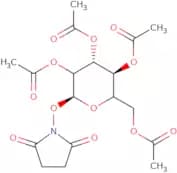
CAS:<p>O-(2,3,4,6-Tetra-O-acetyl-b-D-galactopyranosyl)-N-hydroxysuccinimide is a synthetic glycosylation reagent. It has the CAS number 896730-84-0 and is available for custom synthesis. O-(2,3,4,6-Tetra-O-acetyl-b-D-galactopyranosyl)-N-hydroxysuccinimide is used in the synthesis of oligosaccharides and saccharides. It is also used in click chemistry to modify proteins and other biomolecules. This product has a purity of 99% or higher and can be modified at any position with fluorination or methylation.</p>Fórmula:C18H23NO12Pureza:Min. 95%Peso molecular:445.37 g/molGDP-D-mannose diammonium salt
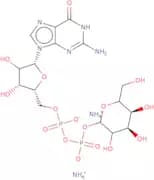
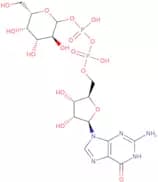
<p>GDP-D-mannose diammonium salt is a custom synthesis. It has been modified with fluorination, methylation, and monosaccharide substitution. The structure of this compound consists of a glucose molecule bonded to a D-mannose molecule by an oxygen linkage at the 1-position. This product has been synthetically modified to include a click modification and oligosaccharides. GDP-D-mannose diammonium salt is used for the production of polysaccharides as well as glycosylation reactions.</p>Fórmula:C16H23N5O16P2·N2H8Pureza:Min. 95%Peso molecular:639.4 g/molUDP-3-O-(R-3-hydroxymyristoyl)-GlcNAc disodium
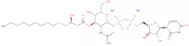
<p>Substrate for UDP-3-O-acyl-N-acetylglucosamine deacetylase (LpxC)</p>Fórmula:C31H53N3O19P2•Na2Pureza:Min. 95%Cor e Forma:White PowderPeso molecular:879.67 g/molD-myo-Inositol-2,4,5-triphosphate sodium salt
<p>D-myo-Inositol-2,4,5-triphosphate sodium salt is a phosphoinositide that is involved in the process of cell signaling. It mediates the release of intracellular calcium ions from the endoplasmic reticulum and is involved in a number of processes including protein synthesis and efflux. D-myo-Inositol-2,4,5-triphosphate sodium salt can be found in many cells and tissues, including the brain and gastrointestinal tract. The concentration of calcium ions affects the activity of this compound by enhancing or terminating its effects. In cells that are not stimulated by an agonist such as ionomycin, divalent cations can enhance the activity of this compound. When stimulated by an agonist like ionomycin, divalent cations will terminate its effects by binding to it more strongly than to guanosine residues. This dual effect on divalent cations enhances the specificity for D</p>Fórmula:C6H12O15P3·xNaPureza:Min. 95%Peso molecular:417.07 g/mol2,3:5,6-Di-O-isopropylidene-D-talose
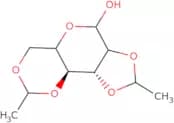
<p>2,3:5,6-Di-O-isopropylidene-D-talose is a custom synthesis of methylated oligosaccharides. It is a complex carbohydrate that contains both a monosaccharide and a polysaccharide. 2,3:5,6-Di-O-isopropylidene-D-talose is a modification of the sugar D(+)-talose (a pentasaccharide), which has been fluorinated to make it more stable. This product has high purity, and can be used in many different applications such as click chemistry, oligosaccharide synthesis, or fluorination reactions.<br>2,3:5,6-Di-O-isopropylidene-D-talose is an Oligosaccharide that is a Polysaccharide. It can be used as an inhibitor for DNA polymerase α and β enzymes in PCR reactions</p>Fórmula:C10H16O6Pureza:Min. 95%Peso molecular:232.23 g/mol3,4,6-Tri-O-acetyl-2-deoxy-2-phthalimido-b-D-glucopyranosyl trichloroacetimidate
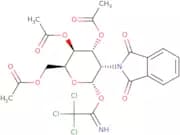
CAS:<p>3,4,6-Tri-O-acetyl-2-deoxy-2-phthalimido-b-D-glucopyranosyl trichloroacetimidate is a custom synthesis that has been modified with fluorine. It is a white powder and is soluble in water. 3,4,6-Tri-O-acetyl-2-deoxy-2-phthalimido-b-D--glucopyranosyl trichloroacetimidate is used for the production of saccharide and carbohydrate derivatives. This product has a CAS number of 871906788 and an ACD/IEC number of P077G10.</p>Fórmula:C22H21Cl3N2O10Cor e Forma:PowderPeso molecular:579.77 g/mol3-Epicasuarine
CAS:<p>3-Epicasuarine is an Oligosaccharide, which is a carbohydrate with a low molecular weight. It has two monosaccharides, which are the structural units of carbohydrates. 3-Epicasuarine is a glycosylation product of sucrose and glycine and has been fluorinated at the 8-position. The chemical formula for 3-Epicasuarine is C6H14FO4S2. This compound can be custom synthesized to meet your specifications or it can be purchased from us at a reasonable price.<br>A variety of modifications are available including methylation, click chemistry, and modification with saccharride residues such as maltose or glucose.<br>3-Epicasuarine may be used in the synthesis of oligosaccharides or as an intermediate in the synthesis of complex carbohydrates. It has been shown to have high purity and can be synthesized at any desired purity level.</p>Fórmula:C8H15NO5Pureza:Min. 95%Peso molecular:205.21 g/mol1-D-3-Deoxy-myo-inositol
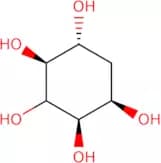
CAS:<p>Myoinositol is a cyclitol and a member of the group of hexahydroxycyclohexanes. It is found in many plants and animals, especially in brain tissue, and plays an important role as a component of cell membranes. Myoinositol has been shown to inhibit cellular glycosidases, which are enzymes that break down complex sugars. In addition, myoinositol has been shown to have anti-cancer properties. Myoinositol is used as an analytical reagent in phase chromatography to separate molecules based on their hydrophobicities. 1-D-3-Deoxy-myo-inositol also has corrosion inhibition properties and can be used as a pesticide or agrochemical.</p>Fórmula:C6H12O5Pureza:Min. 95 Area-%Cor e Forma:White PowderPeso molecular:164.16 g/mol4-Aminophenyl β-D-galactopyranoside
CAS:<p>4-Aminophenyl-beta-D-galactopyranoside is a substrate for beta-galactosidase. 4-aminophenol is released upon cleavage by beta-galactosidase. 4-aminophenol can be assayed by electro-oxidation to 4-imino quinone while recording changes in potential or current of a galvanic system. 4-Aminophenyl-beta-D-galactopyranoside can be used in affinity chromatography for the isolation of galactose-binding lectins.</p>Fórmula:C12H17NO6Pureza:Min. 95%Cor e Forma:PowderPeso molecular:271.27 g/mol6-Deoxy-L-glucitol
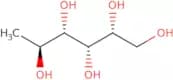
CAS:<p>6-Deoxy-L-glucitol is a sugar alcohol that is found in the body and has been used as a substitute for sucrose. 6-Deoxy-L-glucitol is metabolized by deamination and reduction to produce lactobionic acid. This reaction can be catalyzed by either an enzyme or by chemical means. 6-Deoxy-L-glucitol can also be partially reduced to form 6-phospho--erythritol, which can be further reduced to form erythritol. Muscle cells contain hexokinases and phosphofructokinase, which are required for the final step in glucose metabolism. These enzymes are important in the regulation of blood sugar levels and energy production. In addition, these enzymes play a role in the metabolism of other sugars such as fructose and galactose.</p>Fórmula:C6H14O5Pureza:Min. 95%Peso molecular:166.17 g/molL-Allose
CAS:L-Allose is a monosaccharide that has the chemical formula HOCH(OH)CH(OH)CHO. L-Allose is a stereoisomer of D-allose, which differs in the orientation of the hydroxyl group on its asymmetric carbon atom. L-Allose can be produced by condensation of glucose and galactose, or by hydrogenation of allulose. The enzyme immobilized on alumina catalyzes the synthesis in high yield. L-Allose has been used as a carbon source for molecular modeling studies and as an enzymatic reaction substrate in sugar alcohols production.Fórmula:C6H12O6Pureza:Min. 95%Cor e Forma:White PowderPeso molecular:180.16 g/mol1,6:2,3-Dianhydro-b-D-mannopyranose
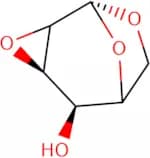
CAS:<p>1,6:2,3-Dianhydro-b-D-mannopyranose is a high purity sugar used in the synthesis of complex carbohydrates. This compound is an oligosaccharide that has been modified by methylation and glycosylation. It can be found in the CAS registry number 3868-03-9.</p>Fórmula:C6H8O4Pureza:Min. 95%Cor e Forma:PowderPeso molecular:144.13 g/mol2,3-O-Isopropylidene-hamamelono-1,4-lactone
<p>2,3-O-Isopropylidene-hamamelono-1,4-lactone is an Oligosaccharide with a Glycosylation that is Synthetic and Fluorinated. It has a Custom synthesis and Methylation. This product is Monosaccharide and Polysaccharide. It has a Click modification, a complex carbohydrate, and is High purity. The CAS number for this product is 62968-07-1.</p>Pureza:Min. 95%2-Azido-2-deoxy-L-lyxono-1,4-lactone
<p>2-Azido-2-deoxy-L-lyxono-1,4-lactone is a fluorinated monosaccharide. It is synthesized using the Curtius rearrangement of 2-azidoethyl 4,6-dioxohexanoate and a Lewis acid. This compound is used as an intermediate in the synthesis of glycosylides and polysaccharides. The methylation of this molecule has been shown to be useful for the modification of carbohydrates, such as polysaccharides. The product purity can be as high as 98% when it is custom synthesized to order.</p>Pureza:Min. 95%Varenicline N-glucoside
CAS:<p>Varenicline N-glucoside is a modification of varenicline, which is an antagonist of the nicotinic acetylcholine receptor. This compound has been synthesized using custom synthesis and glycosylation to obtain high purity. It has been methylated and fluorinated in order to remove any impurities. Varenicline N-glucoside is a carbohydrate with a molecular weight of 581.5 g/mol, consisting of one monosaccharide and one disaccharide. It also contains a complex carbohydrate with an oligosaccharide chain that is composed of glycosylation and saccharide units. The CAS number for this compound is 873302-31-9.</p>Fórmula:C19H23N3O5Pureza:Min. 95%Cor e Forma:PowderPeso molecular:373.4 g/molCyclohexyl b-D-glucopyranoside
<p>Cyclohexyl b-D-glucopyranoside is a synthetic sugar that is modified with fluorine. Cyclohexyl b-D-glucopyranoside can be custom synthesized to meet your specific needs. This product has a high purity and is methylated and glycosylated. Cyclohexyl b-D-glucopyranoside's CAS number is 113488-25-8.</p>Pureza:Min. 95%Daunorubicinol-D3
<p>Daunorubicinol-D3 is a synthetic drug that is a fluorinated analogue of daunorubicin. It has been designed to be more stable and resistant to degradation in the body, as well as being resistant to the drug's own metabolism. Daunorubicinol-D3 is used in the treatment of leukemia, lymphoma, and other cancers. This drug is a large molecule that contains many sugars or saccharides including an oligosaccharide and polysaccharide. The modification of this molecule includes methylation, click chemistry modifications, and fluorination. Daunorubicinol-D3 has high purity with a low level of impurities such as monosaccharides, sugars, or synthetic compounds.</p>Pureza:Min. 95%1,2,3,4-Tetra-O-pivaloyl-6-O-(tert-butyldiphenylsilyl)-b-D-glucopyranose
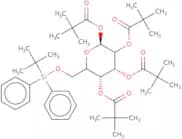
<p>1,2,3,4-Tetra-O-pivaloyl-6-O-(tert-butyldiphenylsilyl)-b-D-glucopyranose is a custom synthesis of an oligosaccharide with a polysaccharide. The carbohydrate is modified with fluorination and methylation. This product has high purity and is synthesized using click chemistry. Monosaccharides are attached to the sugar backbone in order to form complex carbohydrates. This product can be used as a synthetic sugar or in the production of other oligosaccharides.</p>Fórmula:C42H62O10SiPureza:Min. 95%Peso molecular:755.04 g/mol6-O-Tert.butyldimethylsilyl - 2, 3- O- isopropylidene- 5-O tolenesulfonyl-L- gulonic acid γ-lactone
6-O-Tert.butyldimethylsilyl - 2, 3- O- isopropylidene- 5-O tolenesulfonyl-L- gulonic acid gamma-lactone is a Carbohydrate, Modification, saccharide, Oligosaccharide, sugar. It has CAS number 713891–07–4. This product is a synthetic monosaccharide and has been custom synthesized for the customer’s specific need. The purity of this product is >98% with a methylation level of >99%. This product can be used in glycosylation reactions or click chemistry reactions as it contains an amino group at the C6 position.Pureza:Min. 95%Mannosucrose
CAS:<p>Mannosucrose (MS) is a natural sugar that is found in various plants, such as sugar cane and sugar beets. It is a disaccharide composed of two molecules of glucose linked by an alpha-1,2 glycosidic bond. Mannosucrose has been shown to have antioxidant properties and may be used as a functional sweetener for food products. This compound acts as a solute and can bind to the surface of the tongue's taste buds, which may result in its use as a microalgal particle to improve the taste of food products containing algae.<br>Mannosucrose also has been used as a model protein in order to study genetic mechanisms.</p>Fórmula:C12H22O11Pureza:Min. 95%Peso molecular:342.3 g/molTetra-O-acetyl-L-rhamnopyranose
CAS:<p>Tetra-O-acetyl-L-rhamnopyranose is a custom synthesis, complex carbohydrate. It is an Oligosaccharide, Polysaccharide, Modification, saccharide with Methylation, Glycosylation, Carbohydrate that has CAS No. 7404-35-5. Tetra-O-acetyl-L-rhamnopyranose has High purity and Fluorination properties. This product can be Synthetic or Custom synthesis for industrial applications.</p>Fórmula:C14H20O9Pureza:Min. 95%Peso molecular:332.3 g/mol6-O-Tert.butyldimethylsilyl - 2, 3- O- isopropylidene-L- gulonic acid γ-lactone
6-O-Tert.butyldimethylsilyl - 2, 3- O- isopropylidene-L- gulonic acid gamma-lactone is a glycosylate of 6-O-tert.butyl dimesitylglycolic acid. It is a monosaccharide with an α--glycosidic linkage that may be used in the synthesis of complex carbohydrates or as a sugar surrogate for saccharide chemistry applications. This product can be custom synthesized to your specifications and has high purity.Pureza:Min. 95%Propofol-4-Hydroxy-1-D-glucuronide
<p>Propofol-4-Hydroxy-1-D-glucuronide is a modification of propofol, which is commonly used as an intravenous anesthetic. It is a synthetic compound that can be custom synthesized by adding the sugar group to propofol. Propofol-4-Hydroxy-1-D-glucuronide has been shown to be a high purity and pure oligosaccharide with a CAS number. It also contains methylated and glycosylated saccharides.</p>Fórmula:C18H26O8Pureza:Min. 95%Peso molecular:370.39 g/molN-Acetyl-L-neuraminic acid
CAS:<p>N-Acetyl-L-neuraminic acid is a glycosylation compound that is an important component of the cell wall of Gram negative bacteria. It is used in the synthesis of polysaccharides and in the formation of complex carbohydrates. N-Acetyl-L-neuraminic acid has been studied for its potential use as a drug delivery agent due to its ability to inhibit the activity of enzymes such as α-mannosidase, which can lead to tumor metastasis. This compound can be synthesized using methylation, fluorination, and click chemistry, or custom synthesized by ordering specific monosaccharides. N-Acetyl-L-neuraminic acid can also be modified with acetate groups to create an acetylated form for use in chemical analysis or as a substrate for enzymatic reactions.</p>Fórmula:C11H19NO9Pureza:Min. 95%Peso molecular:309.27 g/molmyo-Inositol trispyrophosphate hexasodium salt
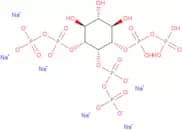
CAS:Myo-Inositol trispyrophosphate (ITPP) hexasodium salt is a drug with anti-cancer properties. It is an allosteric effector that interact with hemoglobin, releasing oxygen into the target tissues to avoid hypoxia. Several studies has shown an increase on the affinity of hemoglobin to oxygen when using ITPP, fact that demonstrated it can be a good strategy for the treatment of several cardiovascular diseases.Fórmula:C6H6Na6O21P6Pureza:Min. 95%Cor e Forma:White Off-White PowderPeso molecular:737.88 g/molOctyl b-D-glucuronic acid
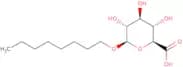
CAS:<p>Octyl b-D-glucuronic acid is a custom synthesis of an oligosaccharide with a high purity. It is a modification of a carbohydrate, which is a complex carbohydrate. This product has been synthesized by methylation and glycosylation. Octyl b-D-glucuronic acid has many applications in the chemical industry due to its fluoroquinolone resistance and its high purity. This product is used as an excipient in pharmaceuticals, foods, and cosmetics.</p>Fórmula:C14H26O7Pureza:Min. 95%Cor e Forma:PowderPeso molecular:306.36 g/mola-D-Glucuronic acid-1-phosphate
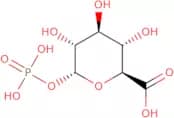
CAS:<p>a-D-Glucuronic acid-1-phosphate is a substrate for alkaline phosphatase. It hydrolyzes phosphate esters and modifies inorganic phosphate, including pyrophosphate. It also catalyzes the hydrolysis of nucleotide monophosphates such as NADPH and UDPglucose to their respective diphosphates. This enzyme is not inhibited by inorganic phosphate, phosphatase, NADP+, or UDP-.</p>Fórmula:C6H11O10PPureza:Min. 95%Cor e Forma:PowderPeso molecular:274.12 g/mol2-Azido-2-deoxy-L-xylonic acid
<p>2-Azido-2-deoxy-L-xylonic acid is a synthetic monosaccharide and a member of the xylonic acid family. It is used in the synthesis of glycosides and oligosaccharides, as well as being used to modify proteins. 2-Azido-2-deoxy-L-xylonic acid has been fluorinated and then glycosylated with a variety of saccharides including maltose, cellobiose, and sucrose. This compound is also methylated at the hydroxyl group to give an azidomethyl ester derivative. The chemical name for this compound is 2-[(2S)-2-(diethylamino)ethylamino]pentanedioic acid, 2-[1-(diethylamino)ethyl]azide].</p>Pureza:Min. 95%L-Xylulose, 1.0 M aqueous solution
CAS:<p>L-Xylulose is a pentose sugar that can be used as a precursor for the synthesis of l-xylitol and arabinitol. L-Xylulose is an intermediate in the pentose phosphate pathway, which produces ribose 5-phosphate and NADPH. L-Xylulose has been shown to have anticancer activity by inhibiting polymerase chain reactions (PCRs) in cancerous tissues. This effect has been attributed to its ability to reduce the levels of dNTPs, which are required for DNA replication. L-Xylulose also inhibits aerobic respiration, which may be due to its ability to inhibit enzymatic activity of both ribitol dehydrogenase and l-arabinitol dehydrogenase.</p>Fórmula:C5H10O5Pureza:Min. 98 Area-%Cor e Forma:PowderPeso molecular:150.13 g/mol2,5-Deoxyfructosazine
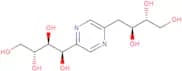
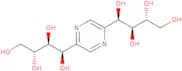
CAS:<p>2,5-Deoxyfructosazine is a physiological agent that inhibits the growth of bacteria and fungi. 2,5-Deoxyfructosazine is active against Gram-positive and Gram-negative bacteria, as well as Candida albicans and other yeasts. This drug is effective in inhibiting water vapor loss in the lungs and has been shown to be an effective antimicrobial agent for the treatment of acute lung infections. 2,5-Deoxyfructosazine has been shown to reduce the development of antibiotic resistance in bacteria by preventing cell wall synthesis. The mechanism of action is thought to involve a matrix effect with cationic compounds, which are deposited on the surface of bacterial cells and destroy them by osmotic lysis. 2,5-Deoxyfructosazine also has antidiabetic effects due to its ability to inhibit glucose uptake into cells by binding to glucose transporters on the cell membrane. A reaction mechanism for this process involves hydrogen</p>Fórmula:C12H20N2O7Pureza:Min. 98 Area-%Cor e Forma:PowderPeso molecular:304.3 g/mol2,5-Anhydro-D-mannofuranose
CAS:<p>2,5-Anhydro-D-mannofuranose is a biologically active compound that belongs to the group of inorganic acids. It has been shown to be an inhibitor of heparin-induced thrombocytopenia. 2,5-Anhydro-D-mannofuranose inhibits platelet aggregation and prolongs bleeding time in rats by blocking glycosidic bond formation. This compound is also found as a constituent of oligosaccharides and nitrous oxide. Structural analysis has revealed that this molecule contains reactive groups and is acidic in nature. The analytical method for this compound is α1-acid glycoprotein. Monoclonal antibodies against fatty acid have been used for its detection in human serum.</p>Fórmula:C6H10O5Pureza:Min. 85 Area-%Cor e Forma:PowderPeso molecular:162.14 g/mol(+)-pinoresinol-b-D-glucoside
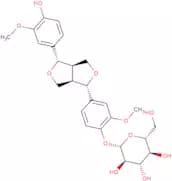
CAS:<p>(+)-Pinoresinol-b-D-glucoside is a fluorinated, monosaccharide that is synthetically produced by glycosylation. It can also be modified using methylation and click chemistry. The chemical formula for (+)-pinoresinol-b-D-glucoside is C10H14O8. It has a molecular weight of 288.24 g/mol and an empirical formula of (C10H14O8)2. The CAS number for this compound is 69251-963. This product is in the Carbohydrate family and has a purity level of >99%.</p>Fórmula:C26H32O11Pureza:Min. 95%Cor e Forma:PowderPeso molecular:520.53 g/mol2,2’-Anhydro-L-lyxo-uridine
<p>2,2’-Anhydro-L-lyxo-uridine is a modified sugar that is synthesized from L-lyxo-uridine. This product is used as a monosaccharide in the synthesis of complex carbohydrate and has been shown to inhibit the growth of bacteria by preventing bacterial DNA transcription. 2,2’-Anhydro-L-lyxo-uridine has also been used to inhibit glycosylation, which is an enzyme that catalyzes the addition of sugars to protein molecules. 2,2’-Anhydro-L-lyxo-uridine can be fluorinated for use in glycoproteins and can be methylated for use in oligosaccharides.</p>Pureza:Min. 95%b-D-Glucose - 95%
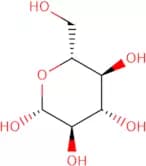
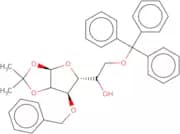
CAS:<p>B-D-glucose is a monosaccharide with the molecular formula C6H12O6. It is the major form of glucose in plants, and is one of the simplest carbohydrates. B-D-glucose is synthesized by photosynthesis in plants and used as an energy source for cellular respiration. The hydroxyl group of b-D-glucose reacts with p-hydroxybenzoic acid to form a new compound called glucopyranosiduronic acid. The hydroxyl group also reacts with sodium citrate to form sodium hydrogen citrate. This reaction can be used to measure the concentration of b-D-glucose in an unknown solution using high performance liquid chromatography (HPLC). B-D-glucose has been shown to have antidiabetic activity, as it improves insulin sensitivity, reduces blood glucose levels, and decrease body mass index (BMI) in animal models. A model system</p>Fórmula:C6H12O6Pureza:Min. 95 Area-%Cor e Forma:PowderPeso molecular:180.16 g/mol3-O-Benzyl-1,2-O-isopropylidene-6-O-trityl-a-D-glucofuranose
CAS:<p>3-O-Benzyl-1,2-O-isopropylidene-6-O-trityl-a-D-glucofuranose is a synthetic oligosaccharide. It is a glycosylation product of the 6′ position of β-(3,4-)dihydroxybenzoyl α-(1,6)-Dglucopyranosyl bromide with 3,5,-O-(tetraisopropyldisiloxanyl) benzyl alcohol. The molecular weight is 588.8 g/mol and it has the molecular formula C28H31NO14. 3BBIG is soluble in water and methanol, but insoluble in ethanol or ether. This compound can be used for methylation reactions or click chemistry modifications.</p>Fórmula:C35H36O6Pureza:Min. 95%Peso molecular:552.66 g/mol2-Iodoethyl α-L-fucopyranoside
<p>2-Iodoethyl a-L-fucopyranoside is an organic compound that belongs to the group of fluorinated saccharides. It is used in the synthesis of oligosaccharides, polysaccharides, and complex carbohydrates. 2-Iodoethyl a-L-fucopyranoside can be modified with click chemistry at the C4 position for the synthesis of monosaccharides or sugar derivatives. This modification leads to high purity and chemical stability.</p>Fórmula:C8H15IO5Pureza:Min. 95%Cor e Forma:White to off-white solid.Peso molecular:318.11 g/molAstragalus polysaccharide
CAS:<p>The chemical structure of Astragalus polysaccharide is complex and consists of an α-D-(1,4)-Glc and (1,6)-α-D-Glcp backbone, and a branch point at O-6. The molecular weight is approximately 3.01 × 10⁵ Da from Mongolian Astragalus using low concentration of ethanol for precipitation and gel chromatography for purification. Spectral analysis results of 1H NMR and 13C NMR showed that the polysaccharide backbone has a 1,3-linked β-D-Gal residue and the branched portion has β-Glc, 1,6-linked α-Gal; 1,5-linked β-Xyl; 1,4-linked β-Gal; β-D-Gal, 1,2-linked α-Rha; and 1,2,4-linked α-Rha residues.</p>Fórmula:C10H7ClN2O2SPureza:Min. 95%Cor e Forma:Brown PowderPeso molecular:254.69 g/molFructosazine
CAS:<p>Fructosazine is a natural compound that is found in the bark of the fructus quinquefoliae tree. It has been shown to have antimicrobial properties when it reacts with hydrochloric acid. Fructosazine inhibits the growth of bacteria by reacting with their cell walls and interfering with their metabolism. Fructosazine may also have physiological effects, such as reducing blood pressure and body weight gain, which are not fully understood. The reaction mechanism for fructosazine is not yet known, but it may be due to its reactive nature. More research needs to be done on this compound before we can understand its full potential.</p>Fórmula:C12H20N2O8Pureza:Min. 96 Area-%Cor e Forma:PowderPeso molecular:320.3 g/mol2,3-O-Isopropylidene-5-O-tosyl-D-ribonic acid-1,4-lactone
CAS:<p>2,3-O-Isopropylidene-5-O-tosyl-D-ribonic acid-1,4-lactone is a synthetic 2,3:5,6-diisopropylidene glycoside of D-ribose. It is a methylated sugar with an alpha-(2,3)-linked D-(+)-glucopyranosyl moiety and an alpha-(2,5)-linked L(+)-fucopyranosyl moiety. This compound can be used as a building block for the synthesis of polysaccharides and glycoconjugates. 2,3:5,6-Diisopropylidene glycoside of D-ribose is also used to synthesize oligosaccharides in carbohydrate chemistry.</p>Fórmula:C12H14O7SPureza:Min. 95%Cor e Forma:White PowderPeso molecular:302.04 g/molBenzyl β-D-glucopyranosiduronic acid
CAS:Benzyl b-D-glucopyranosiduronic acid is a synthetic monosaccharide that is used for the synthesis of oligosaccharides, polysaccharides, and saccharides. It has been shown to be a substrate for methylation reactions and can be modified with fluorination or click chemistry. The CAS number for this compound is 5285-02-9.Fórmula:C13H16O7Pureza:Min. 95%Cor e Forma:Off-White PowderPeso molecular:284.26 g/molGlycerone phosphate dilithium salt
CAS:<p>Glycerone phosphate dilithium salt is a cross-linking agent that has been used in clinical trials as a dietary supplement. It has been shown to reduce the levels of ATP, adenine nucleotides, and 6-phosphate. Glycerone phosphate dilithium salt is not metabolized by cellular enzymes and can be used as an alternate energy source for cells that are low in ATP or have high rates of glycolysis. When glycerone phosphate dilithium salt is added to fat cells in culture, it increases the rate of lipid synthesis.</p>Fórmula:C3H5Li2O6PPureza:Min. 93%Cor e Forma:PowderPeso molecular:181.92 g/molAlkylsophorolipids
Alkylsophorolipids are custom-synthesized complex carbohydrates. They are composed of an oligosaccharide and methylated saccharides, which have been modified with fluorine at the C3 position. This modification increases the hydrophobicity of the molecule, which makes it more soluble in organic solvents such as chloroform. Alkylsophorolipids have a CAS number of 1269-61-6.Pureza:Min. 95%GDP-L-galactose sodium salt
CAS:<p>GDP-L-galactose is a sugar molecule that is an intermediate in the biosynthesis of ascorbate. GDP-L-galactose is synthesized from GDP-D-mannose and GDP-L-glucose by the enzyme GDP-mannose 4,6 dehydratase. The enzyme GDP-L-galactose dehydrogenase then converts GDP-L-galactose to ascorbic acid (vitamin C). Ascorbate is essential for many biological functions such as synthesis of collagen and neurotransmitters, regulation of gene expression, and protection against oxidative stress. The biosynthesis of ascorbate occurs in a light dependent reaction involving L -galactono 1,4 diphosphate synthase and UDP glucose 6 phosphate uridylyl transferase. This process is regulated by transcriptional factors such as MYB and NAC2/NAC4.</p>Fórmula:C16H23N5O16P2Na2Pureza:(Hplc-Ms) Min. 95 Area-%Cor e Forma:White Off-White PowderPeso molecular:649.3 g/mol1,5-Anhydro-D-mannitol
CAS:<p>1,5-Anhydro-D-mannitol is a monosaccharide that is used as an active ingredient in many pharmaceuticals. It is synthesized by the reaction of benzyl chloride with galactose. The compound has been shown to have radical scavenging activities and to inhibit the formation of carbonyl groups and hydroxyl radicals. 1,5-Anhydro-D-mannitol has also been shown to be effective against dendrobium candidum. This substance is tasteless and has a sweet taste at high concentrations.br><br>1,5-Anhydro-D-mannitol is a molecule that consists of two hydroxyl groups and one deuterium atom. The molecule has a basic ph and can exist in six different forms depending on the orientation of the hydrogen atoms on the hydroxyl group. In addition, it contains one acidic ph because it contains a carboxylic acid group on one side.</p>Fórmula:C6H12O5Pureza:Min. 97 Area-%Cor e Forma:PowderPeso molecular:164.16 g/mol2-C-Methyl-D-arabino-1,4-lactone
<p>2-C-Methyl-D-arabinose is a modification of the sugar arabinose. It is an oligosaccharide that can be synthesized in the laboratory. 2-C-Methyl-D-arabinose can be used as a custom synthesis and has been identified by its CAS number, which is 76447-07-6. This compound is a monosaccharide that has a molecular formula of C5H10O4 and an atomic weight of 150.12 g/mol. It is also referred to as methylated arabinose or D(+)-2,3,4,5,6 tetra‑O-methyl‑D‑arabino‑1,4‑lactone. 2-C-Methyl-D-arabinose is also a polysaccharide that contains glucose subunits with modifications such as fluorination or saccharides with glycosylation or methylation.</p>Pureza:Min. 95%1-Deoxy-D-psicose
<p>1-deoxy-D-psicose is a deoxy sugar that can be used as a reagent for the conversion of 1-deoxy-d-fructose to d-psicose. It is useful in the synthesis of rhamnose, which is a precursor to pharmaceuticals and agrochemicals. 1-Deoxy-D-psicose can be used in the synthesis of l-rhamnose from d-psicose or vice versa. This process of converting one epimer to another isomerization is very efficient, with an 88% yield.</p>Pureza:Min. 95%3-C-Methyl-allonolactone
3-C-Methyl-allonolactone is an oligosaccharide that is modified by methylation, glycosylation, and polysaccharide. It is a custom synthesis and has a high purity. 3-C-Methyl-allonolactone may be used as a precursor to 3-carbon sugars.Pureza:Min. 95%4-Aminophenyl b-D-lactopyranoside
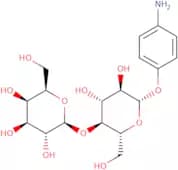
CAS:<p>4-Aminophenyl b-D-lactopyranoside is a chemical compound that has been used to optimize the production of human immunoglobulin. It has been shown to have diagnostic value for several viruses, including Epstein-Barr virus and cytomegalovirus. Electron microscopic studies have revealed organisms agglutinated by 4-aminophenyl b-D-lactopyranoside. The receptor binding properties and antigen concentration of this compound have been determined using agglutinin and lectin techniques. This molecule also has inhibitory potency on the synthesis of polypeptides, which are essential for the growth of certain organisms.</p>Fórmula:C18H27NO11Pureza:Min. 95%Cor e Forma:Off-White PowderPeso molecular:433.41 g/mol5,6-Dichloro-5,6-dideoxy-b-L-talofuranose
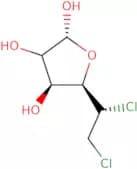
<p>5,6-Dichloro-5,6-dideoxy-b-L-talofuranose is a carbohydrate. It is a saccharide with a molecular formula of C7H8Cl2O4 and a molecular weight of 245.1. This compound has been modified by fluorination and methylation. 5,6-Dichloro-5,6-dideoxy-b-L-talofuranose is stable in the presence of acid or base at room temperature and has a melting point of >200°C. The CAS number for this compound is 677638-78-0. 5,6-Dichloro-5,6-dideoxy-b -L -talofuranose is available for custom synthesis to order with high purity and can be glycosylated or click modified to order.</p>Fórmula:C6H10Cl2O4Pureza:Min. 95%Peso molecular:217.05 g/mol6'-O-Acetylpaniculoside II
<p>6'-O-Acetylpaniculoside II is an oligosaccharide that contains a methylated saccharide. It has CAS No. 836-50-4 and Click modification, which is a chemical reaction between the glycone of a saccharide and an electrophile. 6'-O-Acetylpaniculoside II is also a glycosylation product of a polysaccharide and it can be custom synthesized to produce high purity carbohydrates. This compound is fluorinated for complex carbohydrate chemistry.</p>Pureza:Min. 95%6-Cyclohexylhexyl-4-O-(a-D-glucopyranosyl)-b-D-glucopyranoside
CAS:<p>The 6-cyclohexylhexyl-4-O-(a-D-glucopyranosyl)-b-D-glucopyranoside is a monoclonal antibody that targets acetylcholine. It binds to nicotinic acetylcholine receptors in the nervous system, preventing the binding of acetylcholine and thereby inhibiting the transmission of nerve impulses. The antibody has been shown to inhibit multidrug resistance in cell culture. This may be due to its ability to bind hydroxyl groups on molecules that are known inhibitors of multidrug resistance. This drug also has an amphipathic nature, which allows it to penetrate lipid bilayers and membranes.</p>Fórmula:C24H44O11Peso molecular:508.60 g/molRef: 3D-W-201950
1gA consultar5gA consultar10gA consultar500mgA consultar2500mgA consultar-Unit-ggA consultar1-Epi-adenophorine
<p>1-Epi-adenophorine is a synthetic molecule that can inhibit the activity of enzymes. It is an epoxide that forms from the 1,2-epoxidation of cinnamic acid and has been shown to have many effects on various enzymes, including inhibiting enzyme activities. This drug has been used in the synthesis of miglustat, a macrocyclic molecule that inhibits a number of enzymes involved in protein folding and cell proliferation. 1-Epi-adenophorine is also effective as a cancer therapeutic agent by inhibiting glycosidases and cellular glycosylation.</p>Pureza:Min. 95%Hyacinthacine A2
CAS:<p>Hyacinthacine A2 (HA2) is a diastereomer of hyacinthacine A3. It is a radical coupling compound that has been shown to be stereoselective. HA2 selectively reacts with d-arabinose and other sugar molecules, but not with L-arabinose or other sugar molecules, which makes it useful in the synthesis of polyhydroxylated compounds. HA2 has been found to inhibit the growth of bacteria such as Staphylococcus aureus and Clostridium perfringens, making it an antibacterial agent. HA2 also inhibits protein synthesis and cell division by binding to DNA-dependent RNA polymerase, preventing transcription and replication. This inhibition is due to conformational changes in the molecule as well as radical mechanisms.</p>Fórmula:C8H15NO3Pureza:Min. 95%Peso molecular:173.21 g/mol5,6-O-Isopropylidene-phlorigidoside B
<p>5,6-O-Isopropylidene-phlorigidoside B is a glycosylation inhibitor that belongs to the class of oligosaccharides and synthetic compounds. This compound has been shown to inhibit the synthesis of complex carbohydrates by reacting with a phosphoryl group on an activated sugar. The 5,6-O-isopropylidene group on the molecule is fluorinated and methylated, which may be used for custom synthesis or modification. 5,6-O-Isopropylidene-phlorigidoside B can also be used as a fluorescent probe in fluorescence microscopy.</p>Pureza:Min. 95%1-Deoxy-D-sorbofuranose
<p>1-Deoxy-D-sorbofuranose is a custom synthesis that is an oligosaccharide with a complex carbohydrate structure. It has a molecular weight of 399.54, and CAS No. of 1092-19-3. 1DDS is modified with methylation, glycosylation, click modification and fluorination. 1DDS is also an Oligosaccharide and Polysaccharide with high purity (99.5%), Mw of 399.54 g/mol, MWt of 603.2 g/mol, Mz of 1204.8 g/mol, Purity of 99%.</p>Pureza:Min. 95%1,4-Dideoxy-1,4-imino-L-altritol
<p>The compound 1,4-dideoxy-1,4-imino-L-altritol is a synthetic carbohydrate that is made of a monosaccharide and an oligosaccharide. The monosaccharide is a simple sugar with the chemical formula C5H10O5. The oligosaccharide has the chemical formula C2n+1(C3H3O3)n. The monosaccharide has four carbons and one oxygen molecule. The oligosaccharide also has five carbon atoms, but it also has three oxygen molecules. The two sugars are linked by a glycosidic linkage. <br>The compound was created to be used in the synthesis of complex carbohydrates. It can be modified to have fluorine atoms added to it, methyl groups added to it, or both. It can also be modified to make it into an ester or an amide. It is soluble in water and alcohol</p>Pureza:Min. 95%5,6-O-Isopropylidene-D-mannofurano-1,4-lactone
<p>5,6-O-Isopropylidene-D-mannofurano-1,4-lactone (5,6-OI) is a synthetic monosaccharide that is used in the synthesis of oligosaccharides and complex carbohydrates. This compound can be fluorinated to 5,6-OI(F) and methylated to 5,6-OMe. It also has a glycosylation site at C2. The CAS number for this compound is 218070-07-5.</p>Pureza:Min. 95%L-Xylosamine
<p>L-Xylosamine is a carbohydrate that has been modified with fluorine. It is a monosaccharide and is found in plant cell walls. L-Xylosamine can be custom synthesized and has a high purity level. It is also methylated and glycosylated, which makes it an ideal compound for click chemistry.</p>Fórmula:C5H11NO4Pureza:Min. 95%Peso molecular:149.15 g/molLincosamine
CAS:<p>Lincosamine is a nitrogen nucleophile that reacts with the electrophilic carbon of an activated aromatic ring in a chemical reaction. Lincosamine has been shown to be effective against infectious diseases caused by bacteria, such as Staphylococcus and Streptococcus, but not against viruses. The glycosidic bond between lincosamine and glucose is stereoselective. Lincosamine binds to the hybridoma cell strain through its monoclonal antibody and can be used for pharmacokinetic properties studies. Lincosamine has been used as an antimicrobial agent in biological samples such as urine, blood, and sputum.</p>Fórmula:C8H17NO6Pureza:Min. 95%Peso molecular:223.22 g/mol4-(b-D-Mannopyranosyl)-D-rhamnose
<p>4-(b-D-Mannopyranosyl)-D-rhamnose is a glycosylation agent that can be methylated and fluorinated. It is also capable of being modified with the Click reaction to add polysaccharide or oligosaccharide moieties. 4-(b-D-Mannopyranosyl)-D-rhamnose is an important building block for complex carbohydrates, which are important in many aspects of life. This product is available in custom synthesis, high purity, and CAS No.</p>Pureza:Min. 95%3-Amino-3-deoxy-D-glucose HCl
CAS:<p>3-Amino-3-deoxy-D-glucose HCl is a synthetic compound that inhibits the efflux of glucose from cells. It has been shown to inhibit growth in Saccharomyces cerevisiae, which may be due to its ability to inhibit the function of an efflux pump. 3-Amino-3-deoxy-D-glucose HCl has also shown antifungal activity against Candida albicans and Aspergillus fumigatus.</p>Fórmula:C6H13NO5·HClPureza:Min. 98 Area-%Cor e Forma:Slightly Yellow PowderPeso molecular:215.63 g/molD-Glucuronic acid, free acid
CAS:<p>D-Glucuronic acid (GlcA) is D-glucose with position six oxidised to a carboxyl group (Collins, 2006). It is a common component of a number of gums and mucilages structurally related to pectins, where it is can be present as a terminal non reducing end residue (Renard, 1999). Glucuronic acid is also found in bacterial polysaccharides, such as, xanthan gum produced by Xanthomonas campestris (Faria, 2011), and in glycosaminoglycans, such as, heparan sulfate (Casale, 2020).</p>Fórmula:C6H10O7Peso molecular:194.14 g/mol(+)-syringaresinol-4,4'-bis-O-b-D-glucopyranoside
<p>(+)-syringaresinol-4,4'-bis-O-b-D-glucopyranoside is a synthetic compound that is fluorinated with (2,2,2-trifluoroethyl)trimethylsilane. It is a sugar molecule that is an oligosaccharide. This compound has been synthesized from syringic acid and (+)-syringaresinol by glycosylation and methylation. It is insoluble in water and has a melting point of 129°C. The CAS number for this compound is 73987-07-8.</p>Pureza:Min. 95%2,5-Anhydro- 3- deoxy-D- ribo- hexonic acid
<p>2,5-Anhydro-3-deoxy-D-ribohexonic acid is a fluorinated monosaccharide. It is synthesized by the modification of 2,5-anhydro-3-deoxyglucose with N-(2'-fluoroethyl)trimethoxysilane (FETS). This synthetic compound can be used as a glycosylation or polysaccharide building block in the synthesis of complex carbohydrates. The FETS modification allows for the introduction of various functional groups on C1 and C2 while maintaining the high purity.</p>Pureza:Min. 95%L-DMDP
CAS:<p>a-âglucosidase inhibitor</p>Fórmula:C6H13NO4Pureza:Min. 95%Peso molecular:163.17 g/mol