Monossacáridos
Subcategorias de "Monossacáridos"
- Aloses(11 produtos)
- Arabinoses(21 produtos)
- Eritroses(11 produtos)
- Frutoses(9 produtos)
- Fucoses(36 produtos)
- Galactosamina(41 produtos)
- Galactoses(261 produtos)
- Glucoses(365 produtos)
- Ácidos Glucurónicos(51 produtos)
- Glico-substratos para enzimas(77 produtos)
- Guloses(6 produtos)
- Idoses(4 produtos)
- Inositóis(15 produtos)
- Lixoses(4 produtos)
- Mannoses(65 produtos)
- O-Glicanos(48 produtos)
- Psicoses(3 produtos)
- Ramnoses(10 produtos)
- Riboses(61 produtos)
- Ácidos siálicos(100 produtos)
- Sorboses(4 produtos)
- Açúcares(173 produtos)
- Tagatoses(4 produtos)
- Taloses(8 produtos)
- Xiloses(20 produtos)
Foram encontrados 6090 produtos de "Monossacáridos"
Calcium α-D-isosaccharinate
CAS:Please enquire for more information about Calcium α-D-isosaccharinate including the price, delivery time and more detailed product information at the technical inquiry form on this page
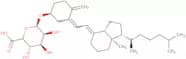
Fórmula:C12H24O12•CaPureza:Min. 95%Peso molecular:400.39 g/molVitamin D3 b-D-glucuronide
CAS:Vitamin D3 b-D-glucuronide is a modified version of vitamin D3. It is a high purity chemical with a purity level of at least 99%. This product can be used in the synthesis of complex carbohydrates and saccharides.
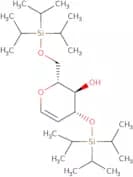
Fórmula:C33H52O7Pureza:Min. 95%Peso molecular:560.76 g/mol3,6-Di-O-triisopropylsilyl-D-glucal
CAS:3,6-Di-O-triisopropylsilyl-D-glucal is a synthetic monosaccharide. It has a molecular weight of 368.76 g/mol and chemical formula C14H22O8Si. 3,6-Di-O-triisopropylsilyl-D-glucal is soluble in water and ethanol.
It is used for the synthesis of oligosaccharides and polysaccharides, as well as for modification of sugar moieties on glycoproteins and glycolipids. 3,6-Di-O-triisopropylsilyl-D-glucal can be used for the preparation of complex carbohydrate structures by glycosylation or polysaccharide structures by methylation. 3,6-Di-O-triisopropylsilyl--D--glucal can also be used to synthesize sugar moFórmula:C24H50O4Si2Pureza:Min. 95%Peso molecular:458.82 g/mol1,2-o-Isopropylidene-β-L-idofuranuronic acid 5-o-pivaloate 6,3-lactone
CAS:Please enquire for more information about 1,2-o-Isopropylidene-β-L-idofuranuronic acid 5-o-pivaloate 6,3-lactone including the price, delivery time and more detailed product information at the technical inquiry form on this page
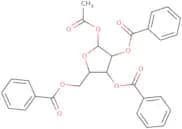
Fórmula:C14H20O7Pureza:Min. 95%Peso molecular:300.3 g/mol1-o-Acetyl-2,3,5-tri-o-benzoyl-L-ribose
CAS:1-o-Acetyl-2,3,5-tri-o-benzoyl-L-ribose is a potent inhibitor of human kinases and has been shown to have anticancer properties. It is an analog of tumor suppressor protein and induces apoptosis in cancer cells. This compound has been found in the urine of Chinese medicinal plants and has been extensively studied for its potential use in cancer treatment. Its ability to inhibit kinases makes it a promising candidate for the development of new anticancer drugs. Additionally, 1-o-Acetyl-2,3,5-tri-o-benzoyl-L-ribose has been found to have significant anti-inflammatory effects, which may also make it useful in treating other diseases associated with inflammation. Overall, this compound shows great potential as a therapeutic agent for various diseases and conditions.Fórmula:C28H24O9Pureza:Min. 95%Peso molecular:504.5 g/molD-Arabinose-1-D
CAS:D-Arabinose-1-D is a potent inhibitor of human kinases, which are enzymes that play a crucial role in the regulation of cell growth and division. This analog has been shown to be effective in inhibiting tumor growth and inducing apoptosis in cancer cells. D-Arabinose-1-D is commonly used as a medicinal compound for its anticancer properties. It has also been found in human urine and Chinese medicinal herbs. As an inhibitor of protein kinases, D-Arabinose-1-D can block the activity of these enzymes, which are often overexpressed in cancer cells. The inhibition of these kinases can lead to the suppression of tumor growth and increase the efficacy of other anticancer drugs.Fórmula:C5H10O5Pureza:Min. 95%Peso molecular:151.14 g/molD-Lyxose-1-C-D
CAS:Please enquire for more information about D-Lyxose-1-C-D including the price, delivery time and more detailed product information at the technical inquiry form on this page
Fórmula:C5H10O5Pureza:Min. 95%Peso molecular:151.14 g/molD-Galactose-2-D
CAS:D-Galactose-2-D is an anticancer agent that has been shown to inhibit the activity of kinases, which are enzymes involved in cell signaling pathways. It is a derivative of D-galactose and has been found in human urine. D-Galactose-2-D has demonstrated potent antitumor effects against various cancer cell lines, including Chinese hamster ovary cells and human colon carcinoma cells. This compound induces apoptosis, or programmed cell death, in cancer cells by inhibiting the activity of key proteins involved in cell survival. Additionally, D-Galactose-2-D has been found to be a potent inhibitor of capsaicin-induced activation of kinase, suggesting its potential as a therapeutic agent for inflammatory conditions.
Fórmula:C6H12O6Pureza:Min. 95%Peso molecular:181.16 g/mol2,3,4-Tri-O-acetyl-a-D-glucuronic acid methyl ester
CAS:2,3,4-Tri-O-acetyl-a-D-glucuronic acid methyl ester is a hydroxylated glucuronic acid that is found in the structural skeleton of many organisms. It has been shown to have isosteric properties and it can be used as a transport agent for xenobiotics. 2,3,4-Tri-O-acetyl-a-D-glucuronic acid methyl ester is metabolized by alcohols and hydrolysis to form adducts with nitrosoamines. These adducts are excreted from the body through urine.Fórmula:C13H18O10Pureza:Min. 95%Cor e Forma:White PowderPeso molecular:334.28 g/molD-Allose-13C
CAS:Please enquire for more information about D-Allose-13C including the price, delivery time and more detailed product information at the technical inquiry form on this page
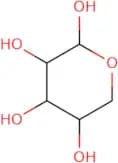
Fórmula:C6H12O6Pureza:Min. 95%Peso molecular:181.15 g/molL-[5-13C]Xylose
CAS:Please enquire for more information about L-[5-13C]Xylose including the price, delivery time and more detailed product information at the technical inquiry form on this pageFórmula:C5H10O5Pureza:Min. 95%Peso molecular:151.12 g/molb-D-Glucosyl C4-ceramide
CAS:b-D-Glucosyl C4-ceramide is a synthetic, fluorinated polysaccharide that has been modified with methylation, saccharide and glycosylation. This product is a complex carbohydrate consisting of a polymer of D-glucose units linked by β-(1→4) bonds. It is used in the synthesis of polysaccharides and oligosaccharides. The b-D-glucosyl C4-ceramide can be custom synthesized to meet customer specifications for purity, molecular weight and other physical properties.Fórmula:C28H53NO8Pureza:Min. 95%Peso molecular:531.72 g/moltrans-Zeatin-9-glucuronide
trans-Zeatin-9-glucuronide is a cytokinin derivative, which is synthesized from the conjugation of trans-zeatin with glucuronic acid. It is sourced from plant metabolic processes where cytokinins play a pivotal role in promoting cell division and growth regulation. The mode of action of trans-Zeatin-9-glucuronide involves its capacity to modulate signal transduction pathways linked to cytokinin activity. This regulation influences various physiological processes such as cell proliferation, differentiation, and morphogenesis in plants.
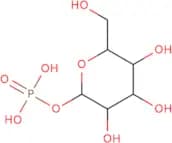
Fórmula:C16H21N5O7Pureza:Min. 95%Peso molecular:395.37 g/molα-D-Mannose 1-phosphate
CAS:α-D-Mannose 1-phosphate is a complex carbohydrate that is modified with methylation, glycosylation and fluorination. This product has been custom synthesized to order. It is an oligosaccharide that can be modified with glycosylation and carbonylation. Methylation of α-D-mannose 1-phosphate leads to the formation of a fluorinated sugar called α-D-mannose 1,6-diphosphate. The modification process can be done in several ways, including Click chemistry. This product is of high purity and has been synthesized from natural materials.Fórmula:C6H13O9PPureza:Min. 95%Peso molecular:260.14 g/molD-Threose-4-13C
CAS:Please enquire for more information about D-Threose-4-13C including the price, delivery time and more detailed product information at the technical inquiry form on this pageFórmula:C4H8O4Pureza:Min. 95%Peso molecular:121.1 g/molD-Galactose-4-D
CAS:Please enquire for more information about D-Galactose-4-D including the price, delivery time and more detailed product information at the technical inquiry form on this pageFórmula:C6H12O6Pureza:Min. 95%Peso molecular:181.16 g/molD-Arabinose-2-D
CAS:Please enquire for more information about D-Arabinose-2-D including the price, delivery time and more detailed product information at the technical inquiry form on this page
Fórmula:C5H10O5Pureza:Min. 95%Peso molecular:151.14 g/mol6-o-Benzyl D-mannose
CAS:Please enquire for more information about 6-o-Benzyl D-mannose including the price, delivery time and more detailed product information at the technical inquiry form on this pageFórmula:C12H16O6Pureza:Min. 95%Peso molecular:256.25 g/mol4-Methylphenyl 4,6-o-benzylidene-2,3-di-o-(4-methoxybenzyl)-β-D-thiogalactopyranoside
CAS:Please enquire for more information about 4-Methylphenyl 4,6-o-benzylidene-2,3-di-o-(4-methoxybenzyl)-β-D-thiogalactopyranoside including the price, delivery time and more detailed product information at the technical inquiry form on this pageFórmula:C36H38O7SPureza:Min. 95%Peso molecular:614.7 g/molD-Glucose-1,3-13C2
CAS:Please enquire for more information about D-Glucose-1,3-13C2 including the price, delivery time and more detailed product information at the technical inquiry form on this page
Fórmula:C6H12O6Pureza:Min. 95%Peso molecular:182.14 g/molHeptamaloxyloglucan
CAS:Heptamaloxyloglucan is an analog of marbofloxacin that has been shown to inhibit tumor growth and induce apoptosis in cancer cells. This compound acts as a kinase inhibitor, blocking the activity of enzymes involved in cell division and proliferation. Heptamaloxyloglucan has also been found to have anticancer properties, inhibiting the growth of cancer cells and inducing apoptosis through various mechanisms. In addition, this compound has been shown to be effective in treating urinary tract infections caused by gram-negative bacteria such as Escherichia coli and Proteus mirabilis. Heptamaloxyloglucan may also have potential therapeutic applications for other diseases such as hypertension, as it has been found to be a potent inhibitor of ACE (angiotensin-converting enzyme) activity.Fórmula:C40H70O33Pureza:75%MinPeso molecular:1,079 g/molMethyl a-L-arabinopyranoside
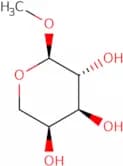
CAS:Methyl a-L-arabinopyranoside is an organic compound that has resonance configurations and can exist in two different stereoisomers. It can be synthesized by reacting 1,2-dichloroethane with glycerol and aqueous sodium hydroxide. The ethers of methyl a-L-arabinopyranoside are catalytic oxidation epoxides. Magnetic resonance analysis of the molecule has been done using nuclear magnetic resonance (NMR). Methylation of the compound will yield methyl ethers, which are obtained by reacting methyl a-L-arabinopyranoside with methanol and sodium methoxide in methanol.Pureza:Min. 95%4-Methylphenyl 2,3,4,6-tetra-O-benzyl-b-D-thiogalactopyranoside
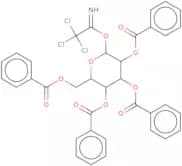
CAS:4-Methylphenyl 2,3,4,6-tetra-O-benzyl-b-D-thiogalactopyranoside is a synthetic saccharide set up to be an oligo-saccharide building block.Fórmula:C41H42O5SPureza:Min. 95%Peso molecular:646.84 g/mol2,3,4,6-Tetra-O-benzoyl-D-galactopyranosyl trichloroacetimidate
CAS:2,3,4,6-Tetra-O-benzoyl-D-galactopyranosyl trichloroacetimidate is a fluorinated carbohydrate that can be used for synthesis of complex carbohydrates. It is a monosaccharide with an O-benzoyl group at the 2 position and a glycosylation at the 4 position. The chemical structure has been modified by a reaction with trichloroacetimidate to form an acetal linker. This product is available in both custom synthesis and high purity.Fórmula:C36H28Cl3NO10Pureza:Min. 95%Cor e Forma:White To Yellow SolidPeso molecular:740.97 g/molD-Xylose-1-C-D
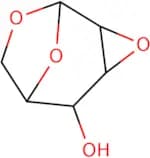
CAS:Please enquire for more information about D-Xylose-1-C-D including the price, delivery time and more detailed product information at the technical inquiry form on this pageFórmula:C5H10O5Pureza:Min. 95%Peso molecular:151.14 g/mol1,6, 2,3-Dianhydro-beta-D-talopyranose
CAS:1,6, 2,3-Dianhydro-beta-D-talopyranose is a fluorinated sugar that is an intermediate in the synthesis of complex carbohydrates. It has been used as a monosaccharide building block and can also be used to synthesize oligosaccharides and polysaccharides. 1,6, 2,3-Dianhydro-beta-D-talopyranose can be modified with methylation or click chemistry to alter its properties. This product is a carbohydrate that has been modified for research purposes.Fórmula:C6H8O4Pureza:Min. 95%Peso molecular:144.12 g/mol5-Deoxy-3,4-di-O-methyl-D-arabinose
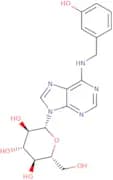
5-Deoxy-3,4-di-O-methyl-D-arabinose is a custom synthesis that is a complex carbohydrate. It has been modified by methylation and glycosylation. This product is soluble in water and can be used as a saccharide or sugar. The product has been fluorinated and modified with click chemistry to provide high purity.Pureza:Min. 95%Allyl 6-o-allyl-α-D-galactopyranoside
CAS:Allyl 6-o-allyl-α-D-galactopyranoside is a medicinal compound with potential anticancer properties. It is an analog of α-D-galactopyranoside and has been shown to inhibit the activity of protein kinases, which are enzymes involved in cell signaling and regulation. This inhibition can lead to apoptosis, or programmed cell death, in cancer cells. Allyl 6-o-allyl-α-D-galactopyranoside has been studied extensively in Chinese medicine as a potential inhibitor of tumor growth and has also been found in human urine. This compound holds great promise as a natural alternative for cancer treatment and warrants further investigation into its therapeutic potential.
Fórmula:C12H20O6Pureza:Min. 95%Peso molecular:260.28 g/molD-(+)-Melezitose dihydrate
CAS:D-(+)-Melezitose dihydrate is a potent inhibitor of cancer cell growth. It has been shown to inhibit the proliferation of Chinese hamster ovary cells and human bladder cancer cells in vitro. D-(+)-Melezitose dihydrate is also found in urine samples from cancer patients, suggesting that it may be a potential biomarker for cancer diagnosis. This compound has been identified as an analog of indirubin, which is known to have anti-tumor properties. D-(+)-Melezitose dihydrate has been shown to induce apoptosis in cancer cells by inhibiting protein kinases, including the kinase inhibitors and tumor suppressor proteins. Additionally, this compound has demonstrated anticancer activity against a variety of tumors, making it a promising candidate for future cancer therapies.Fórmula:C18H36O18Pureza:Min. 95%Peso molecular:540.5 g/mol2-(2-Aminoethoxy)ethyl 6-deoxy-α-L-mannopyranoside
CAS:Please enquire for more information about 2-(2-Aminoethoxy)ethyl 6-deoxy-α-L-mannopyranoside including the price, delivery time and more detailed product information at the technical inquiry form on this pageFórmula:C10H21NO6Pureza:Min. 95%Peso molecular:251.28 g/molBenzyl 2-(acetylamino)-2-deoxy-3-o-[3,4,6-tri-o-acetyl-2-(acetylamino)-2-deoxy-β-D-glucopyranosyl]-α-D-galactopyranoside 4,6-diaceta te
CAS:Please enquire for more information about Benzyl 2-(acetylamino)-2-deoxy-3-o-[3,4,6-tri-o-acetyl-2-(acetylamino)-2-deoxy-β-D-glucopyranosyl]-α-D-galactopyranoside 4,6-diaceta te including the price, delivery time and more detailed product information at the technical inquiry form on this page
Fórmula:C33H44N2O16Pureza:Min. 95%Peso molecular:724.7 g/molα-D-Maltotetraose
CAS:α-D-Maltotetraose is a natural carbohydrate that has been shown to have potential as an anticancer agent. It is an inhibitor of tumor-associated kinases and has been found to induce apoptosis in cancer cells. α-D-Maltotetraose has also been shown to inhibit streptokinase, an enzyme involved in the breakdown of blood clots. This carbohydrate analog has been detected in human urine and may play a role in regulating gastrin secretion. Studies have shown that α-D-Maltotetraose can inhibit the growth of Chinese hamster ovary cells, suggesting its potential as a novel anticancer therapy.
Fórmula:C24H42O21Pureza:Min. 95%Peso molecular:666.6 g/molD-Xylose-2-C-D
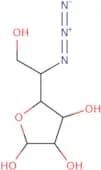
CAS:Please enquire for more information about D-Xylose-2-C-D including the price, delivery time and more detailed product information at the technical inquiry form on this pageFórmula:C5H10O5Pureza:Min. 95%Peso molecular:151.14 g/mol5-Azido-5-deoxy-α-D-glucofuranose
CAS:Please enquire for more information about 5-Azido-5-deoxy-α-D-glucofuranose including the price, delivery time and more detailed product information at the technical inquiry form on this pageFórmula:C6H11N3O5Pureza:Min. 95%Peso molecular:205.17 g/molD-Altrose-1-13C
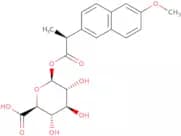
CAS:Please enquire for more information about D-Altrose-1-13C including the price, delivery time and more detailed product information at the technical inquiry form on this pageFórmula:C6H12O6Pureza:Min. 95%Peso molecular:181.15 g/mol(S)-Naproxen acyl-b-D-glucuronide
CAS:Naproxen is a non-steroidal anti-inflammatory drug (NSAID) that is used to relieve pain and reduce inflammation. The NSAIDs are metabolized in the liver by oxidation, reduction, hydrolysis, or conjugation with glucuronic acid. Naproxen undergoes a number of metabolic transformations including fragmentation, which can be detected using an MS/MS analyzer. Naproxen acyl-b-D-glucuronide is an oxidative metabolite of naproxen that has been shown to have high uptake into mammalian cells and bioconcentrates in fish. This metabolite has also been shown to be metabolized in the liver by conjugation with glucuronic acid.
Fórmula:C20H22O9Pureza:Min. 95%Peso molecular:406.38 g/molSialyl Lewis A (Slea)-BSA
Sialyl Lewis A (Slea)-BSA is a synthetic glycoprotein that is modified with fluorine, methylation and click chemistry. It has the ability to bind to the surface of cells, where it can be used as an antigen for the detection of cancer cells. The protein contains both oligosaccharide and polysaccharide components, which are made up of sugar molecules linked together in different configurations. The carbohydrate component is composed of complex carbohydrates that are glycosylated, meaning they have sugar molecules attached to them.Pureza:Min. 95%Mogroside II A2
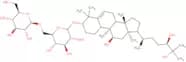
CAS:Mogroside II A2 is a fructan that is found in the fruit of the plant Glycosmis erythrorhiza, which is a member of the family Rutaceae. This compound has been shown to have immune-modulating properties and is used as an ingredient in some pharmaceutical drugs. Mogroside II A2 has also been demonstrated to have antiviral activity and may be helpful for cancer treatment. The effects of this compound on kidney fibrosis are unclear; however, it does have anti-inflammatory properties.
Fórmula:C42H72O14Pureza:Min. 95%Cor e Forma:PowderPeso molecular:801.01 g/molSennoside C
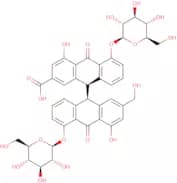
CAS:Sennoside C is a bioactive phytochemical extracted from the leaves of Eclipta prostrata. It has been shown to have anti-tumor and anti-inflammatory properties. Sennoside C has also been found to be effective in treating autoimmune diseases, including psoriasis and rheumatoid arthritis. Sennoside C is a low-energy compound that binds with fatty acids to form a bound form. This bound form can be hydrolyzed by sodium hydroxide solution to release free sennosides, which are anthraquinone glycosides that can be used for the treatment of skin conditions such as eczema and dermatitis.
Fórmula:C42H40O19Pureza:Min. 95%Cor e Forma:SolidPeso molecular:848.76 g/mol2- Deoxy-2-[(7-nitro-2,1,3-benzoxadiazol-4-yl)amino]-b-D-glucopyranose
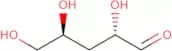
CAS:2-Deoxy-2-[(7-nitro-2,1,3-benzoxadiazol-4-yl)amino]-b-D-glucopyranose is a synthetic sugar that is used as a glycosylate building block in the synthesis of oligosaccharides and polysaccharides. This product can be fluorinated at either the 2 or 5 position to provide a variety of reactive functionalities. It can also be modified with methyl groups to produce an NMR substrate for the study of sugar metabolism.Fórmula:C12H14N4O8Pureza:Min. 95%Peso molecular:342.26 g/mol3-Deoxy-D-arabinose
CAS:3-Deoxy-D-arabinose is a sugar that is synthesized by the biochemical process of de novo synthesis. It is a structural component of glycoproteins and lipopolysaccharides, which are essential for bacterial growth. 3-Deoxy-D-arabinose is also used in the regulation of gene expression. The efficient method for its production was discovered by enzymatic dehydrogenation of glucose with the enzyme dehydrogenase, which is encoded by corynebacterium glutamicum. This discovery has led to an unraveling of the wild-type strain's metabolic pathways.Fórmula:C5H10O4Pureza:Min. 95%Peso molecular:134.13 g/molD-Ribulose 5-phosphate
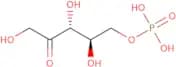
CAS:D-Ribulose 5-phosphate is a phosphorylated sugar, which is a key intermediate in the pentose phosphate pathway, derived from the enzymatic phosphorylation of D-ribulose. This pathway is crucial in cells for the generation of NADPH and the synthesis of ribose-5-phosphate, which is essential for nucleotide biosynthesis. The compound is produced from ribulose via the action of ribose-phosphate isomerase, a crucial enzyme in cellular metabolism.D-Ribulose 5-phosphate primarily functions as a precursor in the biosynthesis of nucleotides and nucleic acids. It acts within the cellular context to balance the supply of ribose-5-phosphate for nucleotide production, while its role in the oxidative branch of the pentose phosphate pathway helps maintain redox homeostasis through NADPH production.The primary application of D-Ribulose 5-phosphate is in biochemical research and metabolic engineering, where it is vital for studies focusing on metabolic flux analysis and the elucidation of biosynthetic pathways. Understanding its pathway and regulation can lead to insights into metabolic disorders and the development of therapeutic strategies targeting nucleotide synthesis abnormalities.Fórmula:C5H11O8PPeso molecular:230.11 g/molEthyl 2,3,4-tri-O-benzyl-L-fucopyranoside
Ethyl 2,3,4-tri-O-benzyl-L-fucopyranoside is a polysaccharide that is modified by the addition of benzyl groups to the hydroxyl group at C2. This modification increases the resistance of this compound to degradation by glycosidases and also prevents any undesired reactions with other saccharides. Ethyl 2,3,4-tri-O-benzyl-L-fucopyranoside is a custom synthesis that can be made in high purity and with high carbohydrate content. The CAS number for this compound is 61721–76–8.Fórmula:C29H34O5Pureza:Min. 95%Peso molecular:462.58 g/molD-Galactose diethyldithioacetal
CAS:D-Galactose diethyldithioacetal is a phenylhydrazone that has an affinity for the C-3 position of sugars. It is synthesised from D-galactose and diethyldithiocarbonyl chloride, with a borohydride reduction to give the hydroxyl group. The hydroxyl group reacts with methyl glycosides or carbohydrates to produce 3-substituted glycosides or 3-substituted carbohydrate. D-Galactose diethyldithioacetal also inhibits glycosidase enzymes, which are enzymes that break down sugars, and thus prevents the digestion of sugars. The chemical structure of D-galactose diethyldithioacetal was determined by magnetic resonance spectroscopy. The product was found to be L-fucitol (a sweetener) after desulfurization using hydrogen gas for removal of sulfur compounds.
Fórmula:C10H22O5S2Pureza:Min. 95%Peso molecular:286.41 g/molN’-Nitrosonornicotine N-β-D-glucuronide (mixture of diastereomers) hydrate
CAS:Please enquire for more information about N’-Nitrosonornicotine N-β-D-glucuronide (mixture of diastereomers) hydrate including the price, delivery time and more detailed product information at the technical inquiry form on this page
Fórmula:C15H19N3O7•(H2O)xPureza:Min. 95%a-D-Fucose-1-phosphate
a-D-Fucose-1-phosphate is a complex carbohydrate. It is an Oligosaccharide with CAS No. that can be modified by methylation, glycosylation, or click modification. Carbohydrates are saccharides that can be modified by fluorination or synthesis. a-D-Fucose-1-phosphate has high purity and a custom synthesis can be ordered from the company.
Pureza:Min. 95%Nefopam glucuronide
Nefopam is a compound that has been used as an analgesic and antipyretic. It is structurally related to the benzodiazepine class of drugs, but is not chemically equivalent to any other known drug. Nefopam has a low therapeutic index and can cause severe toxic effects in overdose. The most common adverse effects of nefopam are dizziness, drowsiness, headache, nausea and vomiting. An overdose can lead to death by respiratory paralysis or cardiac arrest.
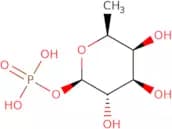
Fórmula:C23H27NO7Pureza:Min. 95%Peso molecular:429.46 g/molβ-L-Fucopyranosyl phosphate
CAS:b-L-Fucopyranosyl phosphate is a glycosylphosphate that is expressed on the cell surface of many organisms and is an analog of the natural sugar. It has been shown to be a competitive inhibitor, uncompetitive inhibitor, or stereoselective of glycoconjugates. b-L-Fucopyranosyl phosphate binds to the lectin receptor by binding at the monosaccharide in the terminal position, which prevents the attachment of glycoconjugates to this receptor. This binding decreases cellular adhesion and causes cells to become less adherent to other cells or surfaces. The ph optimum for b-L-fucopyranosyl phosphate is 7.5 and it can be used in vitro as a preparative hplc column eluent for lectins.Fórmula:C6H13O8PPureza:Min. 95%Cor e Forma:PowderPeso molecular:244.14 g/molD-Tagatose-6-phosphate lithium salt
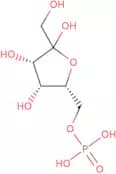
CAS:D-Tagatose-6-phosphate lithium salt is a bacterial strain that belongs to the group of polyols. It is an epimerization product of D-tagatose, which is converted by the enzyme tagatose kinase to D-tagatose-6-phosphate. D-Tagatose-6-phosphate lithium salt can be used as a substrate for the enzymes galactitol dehydrogenase and galactitol 1,2-dioxygenase, which are involved in the metabolism of D-tagatose.
Fórmula:C6H13O9P·xLiPureza:Min. 95%Peso molecular:260.14 g/mol4-Deoxy-L-fucose
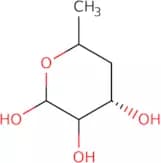
CAS:4-Deoxy-l-fucose is a molecule that has been found to inhibit the synthesis of gangliosides. It is an acetylated derivative of l-fucose and can be synthesized from ethyl 4-deoxy-D-glucuronate with the help of a multivorans enzyme. This molecule is metabolically unstable and reacts with oxygen to form a divalent alcohol that can be identified by magnetic resonance spectroscopy. 4-Deoxy-l-fucose inhibits the biosynthesis of gangliosides, which are important molecules in cell signaling, through its ability to inhibit enzymes such as acetyltransferase.
Fórmula:C6H12O4Pureza:Min. 95%Cor e Forma:White To Off-White SolidPeso molecular:148.16 g/molMethyl 4-O-methyl-D-glucopyranosyluronate
Methyl 4-O-methyl-D-glucopyranosyluronate is a fungal metabolite that is produced by the reaction of armillaria with methyl 4-O-methyl-D-glucopyranoside. Methyl 4-O-methylglucuronyluronate has been shown to have an esterase activity, which can hydrolyze esters and linkages in the cell wall of fungi. This enzyme has been shown to have kinetic parameters that are different for different substrates. The catalytic site of this enzyme has also been found to be glutamic acid, which plays a role in the synthesis and degradation of proteins. Methyl 4-O-methylglucuronyluronate has been found to be insoluble in water and is not active against bacteria.
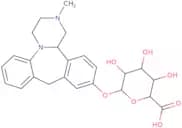
Fórmula:C8H14O7Pureza:Min. 95%Peso molecular:222.2 g/mol8-Hydroxymianserin b-D-glucuronide
CAS:8-Hydroxymianserin b-D-glucuronide is a synthetic, fluorinated glycosylated analog of mianserin. It is a white to off-white powder that is soluble in water and methanol. This compound has been studied as a potential antihypertensive agent, but was never marketed. 8-Hydroxymianserin b-D-glucuronide is used in the synthesis of glycosylated oligosaccharides with click modification.Fórmula:C24H28N2O7Pureza:Min. 95%Peso molecular:456.5 g/mol1,4:3,6-Dianhydro-5-nitro-D-glucitol
CAS:Isosorbide is a naturally occurring sugar alcohol (polyol) that is found in small quantities in many plants and fruits. It is used as a pharmaceutical drug to treat angina pectoris, congestive heart failure, and high blood pressure. Isosorbide has been shown to inhibit the activity of matrix metalloproteinases (MMPs), which are enzymes that degrade extracellular matrix proteins. This effect may be beneficial for patients with disorders such as arthritis. Isosorbide also increases nitric oxide production, leading to vasodilation and improved blood flow. The therapeutic effect of isosorbide has been demonstrated in experimental models using mice with congestive heart failure due to myocardial infarction or chronic heart disease. Pharmacological treatment of these animals with isosorbide resulted in an improvement of left ventricular function, reduction of myocardial fibrosis, and reduced levels of cardiac markers.
Fórmula:C6H9NO6Pureza:Min. 95%Peso molecular:191.14 g/molD-Glucose 6-phosphate - Powder
CAS:D-glucose 6-phosphate is an intermediate in the hexose monophosphate shunt pathway. It is formed by the enzyme phosphoglucomutase from D-glucose 1-phosphate and UTP. D-glucose 6-phosphate is also an important intermediate in glycolysis. The conversion of D-glucose 6-phosphate to glucose 1,6-bisphosphate occurs through a series of reactions catalyzed by enzymes that are sensitive to inhibition by magnesium ions. These reactions include the phosphofructokinase, hexokinase, and pyruvate kinase reactions. The accumulation of glucose 6-phosphate leads to increased levels of lactate production and decreased levels of ATP production. This may be due to its ability to inhibit monoamine reuptake, which would lead to decreased synthesis of dopamine and serotonin.
Fórmula:C6H13O9PPureza:Min. 95%Cor e Forma:PowderPeso molecular:260.14 g/molNorcyclobenzaprine N-glucuronide
Norcyclobenzaprine N-glucuronide is a custom synthesis of the complex carbohydrate, oligosaccharides. It has CAS No. and is a polysaccharide that is modified by methylation, glycosylation, click modification and fluorination. Norcyclobenzaprine N-glucuronide also has high purity and can be synthesized using sugar or carbohydrate. This product has been created through synthetic means with the addition of fluorine to the molecule.
Fórmula:C25H27NO6Pureza:Min. 95%Peso molecular:437.49 g/mol2,5-Anhydro-D-mannitol tetraacetate
CAS:2,5-Anhydro-D-mannitol tetraacetate (2,5-AMT) is a medicament that belongs to the group of tetraacetates. It is used as an oral preparation and has been shown to be effective in treating acute myeloid leukemia. 2,5-AMT is an analog of D-mannitol and it can be used for the treatment of cancer. 2,5-AMT has anticancer activity that is due to its ability to inhibit the growth of tumor cells by inhibiting the synthesis of proteins necessary for cell division. It also inhibits the production of fibrous tissue in chronic pancreatitis and fibrosis. This drug may cause allergic reactions such as skin rashes or lip swelling.Fórmula:C14H20O9Pureza:Min. 95%Peso molecular:332.3 g/mol3-Deoxy-3-fluoro-D-mannose
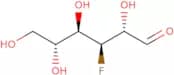
CAS:3-Deoxy-3-fluoro-D-mannose (3DFM) is a synthetic sugar molecule that acts as an inhibitor of bacterial growth. It binds to the 6-phosphate group of nucleic acids, which prevents the addition of sugar molecules to ribose or deoxyribose groups. 3DFM also inhibits the synthesis of proteins and RNA, which are necessary for bacterial growth. 3DFM is a structural analog of mannose and glucose, and has been shown to be effective against chronic infections caused by bacteria that produce lectins, such as C. difficile. This drug can be used in combination with other antibiotics to enhance their effectiveness.
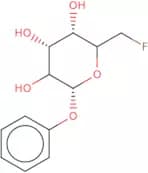
Fórmula:C6H11FO5Pureza:Min. 95%Cor e Forma:PowderPeso molecular:182.15 g/molPhenyl 6-deoxy-6-fluoro-a-D-glucopyranoside
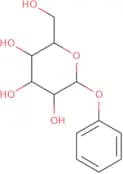
Phenyl 6-deoxy-6-fluoro-a-D-glucopyranoside is a modification of the natural sugar, deoxyglucose. It is an oligosaccharide with a complex carbohydrate structure that has been modified by methylation and glycosylation. This product is synthesized from monosaccharides, and it can be fluorinated or saccharided. Phenyl 6-deoxy-6-fluoro-a-D-glucopyranoside is used in the synthesis of polysaccharides.
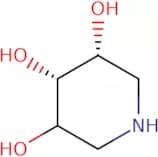
Fórmula:C12H15FO5Pureza:Min. 95%Peso molecular:258.24 g/mol1,5-Dideoxy-1,5-imino-D-xylitol
CAS:1,5-Dideoxy-1,5-imino-D-xylitol is a synthetic molecule that inhibits the enzyme glycinamide ribonucleotide transformylase (GART) and blocks the synthesis of purines. 1,5-Dideoxy-1,5-imino-D-xylitol has been shown to be potent in inhibiting GART with an IC50 of 0.3 μM. This inhibitory effect was observed in Sprague Dawley rats after oral administration of 1,5-dideoxy-1,5 imino D xylitol at a dose of 10 mg/kg. The inhibition was found to be specific for amination reactions that are catalyzed by GART and not by other enzymes such as glycine amidinotransferase or adenylate kinase. It can be used to study the structure and function of tissue cells.
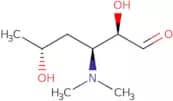
Fórmula:C5H11NO3Pureza:Min. 95%Peso molecular:133.15 g/molD-Desosamine
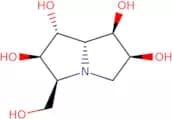
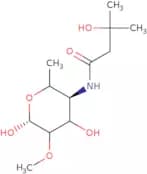
CAS:D-Desosamine is a chemical compound that has been isolated from human serum. It is an enzyme inhibitor that inhibits the activity of enzymes such as phosphatases, kinases, and proteases. D-Desosamine also has a matrix effect, which can be used to modify the properties of polymer matrices in order to improve their biocompatibility and mechanical properties. The molecular docking analysis indicated that desosamine can bind to bacterial serine/threonine protein kinase Streptococcus pyogenes phage T4 (SpyPK) and inhibit its activity. This inhibition may be due to the transfer reactions caused by desosamine binding to the enzyme's active site and blocking it. Structural analysis showed that D-desosamine forms hydrogen bonds with amino acids in SpyPK's active site, forming a covalent bond with cysteine residue Cys240. D-Desosamine has been shown to have anti-bacterial properties againstPureza:Min. 95%3,7,7a-Triepicasuarine
CAS:3,7,7a-Triepicasuarine is a synthetic compound that belongs to the group of polysaccharides. It can be used as a fluorinated reagent for the synthesis of complex carbohydrates and sugar molecules. 3,7,7a-Triepicasuarine is one of the most widely applied reagents in organic synthesis because it can be easily modified with various functional groups. This product has been shown to have high purity and may be used as an additive in other products.Fórmula:C8H15NO5Pureza:Min. 95%Peso molecular:205.21 g/molPhenyl 2-azido-3,4,6-tri-O-benzyl-2-deoxy-b-D-thioglucopyranoside
CAS:Phenyl 2-azido-3,4,6-tri-O-benzyl-2-deoxy-b-D-thioglucopyranoside is a custom synthesis of an oligosaccharide with a complex carbohydrate. It is modified by methylation and has been fluorinated for the purpose of synthesizing the drug. This product is stable to heat and acid and can be used as a synthetic sugar. It has high purity and can be used in glycosylation reactions or click chemistry.Fórmula:C33H36N3O4SPureza:Min. 95%Peso molecular:570.72 g/molcis-Zeatin-9-glucoside
CAS:Cis-Zeatin-9-glucoside is a plant hormone known as a cytokinin, which is primarily synthesized in plants such as Zea mays (corn) and other monocots. Cytokinins play a critical role in regulating plant growth and development by promoting cell division, influencing nutrient allocation, and delaying leaf senescence. The mode of action of cis-Zeatin-9-glucoside involves its role as a signaling molecule that interacts with specific receptors in plant cells, thereby triggering a cascade of gene expression changes that modulate physiological processes.
Fórmula:C16H23N5O6Pureza:Min. 95%Cor e Forma:PowderPeso molecular:381.38 g/mol6,6'-Di-O-tert-butyldiphenylsilyl-lactal
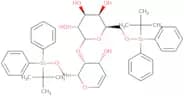
CAS:6,6'-Di-O-tert-butyldiphenylsilyl-lactal is an oligosaccharide that has been modified with a click modification. This chemical is synthesized from lactal and contains three monosaccharides. The monosaccharides are 6,6'-di-O-tert-butyldiphenylsilyl-lactal and two different sugars. It is a white to off white solid that is soluble in water. The chemical can be used for glycosylation reactions or for other modifications of carbohydrates.Pureza:Min. 95%3,5-O-Isopropylidene-L-arabinofuranose
3,5-O-Isopropylidene-L-arabinofuranose is a sugar that is used in the synthesis of saccharides. It is a monosaccharide that can be modified by fluorination, methylation, and custom synthesis. This product has been shown to be an excellent substrate for click chemistry and can be used as an intermediate in the production of oligosaccharides and polysaccharides. 3,5-O-Isopropylidene-L-arabinofuranose has a high purity level and can be used as a replacement for other sugars in complex carbohydrate synthesis.
Pureza:Min. 95%D-Xylonic acid lithium
CAS:D-Xylonic acid lithium salt is a redox potential regulator that belongs to the class of nucleotide phosphate. It has been shown to inhibit the transcriptional regulation of genes in Saccharomyces cerevisiae strain. D-Xylonic acid lithium salt inhibits the growth of bacteria by binding to a hydroxyl group on the surface of bacterial cells, which disrupts the cell membrane and causes cell death. This drug also has film-forming properties and can be used as a model system for studying glycolaldehyde, an intermediate in sugar metabolism.
Fórmula:C5H10O6•LiPureza:Min. 95%Peso molecular:173.07 g/mol6-Deoxy-3-C-methyl-D-gulose
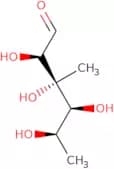
CAS:6-Deoxy-3-C-methyl-D-gulose is an enantiomer of 3,6-dideoxy-D-gluconic acid. This compound has been shown to be a virulent factor in mastitis caused by the mutant strain of Escherichia coli (MT1) and to be expressed at a higher level in mastitic milk than in normal milk. 6DMG has also been shown to induce monoclonal antibody production and stimulate specific immune responses. It is thought that 6DMG damages cells, which leads to the release of intracellular components that trigger an antibody response. The biological function of 6DMG is not known, but it may play a role in the infection process by stimulating an antibody response against infectious agents.
Pureza:Min. 95%D-Mannose- 1, 2- 13C2
CAS:D-Mannose- 1, 2- 13C2 is a synthetic sugar that has been modified with a fluorination reaction. D-Mannose-1,2- 13C2 is used for the synthesis of glycosylations and oligosaccharides. This product is available in high purity and custom synthesis. CAS No. 141789-26-6Pureza:Min. 95%Peso molecular:182.14 g/mol1-Amino-1-deoxy-D-ribitol
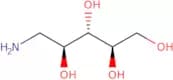
CAS:1-Amino-1-deoxy-D-ribitol is a product of the enzymatic conversion of ribose to ribulose. It is an intermediate in the synthesis of other biologically important compounds, such as flavin and coenzyme A. 1-Amino-1-deoxy-D-ribitol can be stabilized with hydrochloric acid, acetylated into 1,2,3,4,-tetrahydroxybutane by acetic anhydride and metaperiodate. The bond cleavage reaction can be activated by hydrogen chloride or metaperiodate. High concentrations of these reagents are needed for this process to take place.Fórmula:C5H13NO4Pureza:Min. 95%Peso molecular:151.16 g/molN-Ethyl glucamine
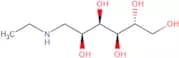
CAS:N-Ethyl glucamine is a nonsteroidal anti-inflammatory drug (NSAID) that belongs to the class of drugs called salicylates. It is a prodrug that is hydrolyzed in vivo to form salicylic acid and ethylene glycol. The sub-effective dose of N-ethyl glucamine has been shown to be effective against various types of cancer cells, including lung, colon, breast, prostate, and skin cancers. This drug also has an effect on lipid metabolism and can be used for the treatment of metabolic disorders such as hyperlipidemia. N-Ethyl glucamine has been shown to have anti-inflammatory properties by inhibiting prostaglandin synthesis.Fórmula:C9H19NO5Pureza:Min. 95%Peso molecular:221.25 g/molRhein acyl-b-D-glucuronide
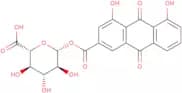
CAS:Rhein acyl-b-D-glucuronide is a fluorinated monosaccharide, which can be synthesized from glucose. This product is a complex carbohydrate that is synthesized from glucose and has been modified with methyl groups to provide high purity. It is also an oligosaccharide and can be custom synthesized for your needs. The chemical formula for Rhein acyl-b-D-glucuronide is C6H14O5F2O4.Fórmula:C21H16O12Pureza:Min. 95%Peso molecular:460.34 g/mol3-Amino-2,3,6-trideoxy-β-L-lyxo-hexopyranose hydrochloride
CAS:Please enquire for more information about 3-Amino-2,3,6-trideoxy-β-L-lyxo-hexopyranose hydrochloride including the price, delivery time and more detailed product information at the technical inquiry form on this pageFórmula:C6H13NO3•HClPureza:Min. 95%Peso molecular:183.63 g/mol2,3-Desisopropylidene topiramate
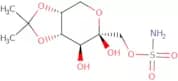
CAS:2,3-Desisopropylidene topiramate is a modified sugar that is synthesized from 2-deoxy-D-ribose and 3,4,5-trihydroxybenzoic acid. This product is a white to off-white powder with a molecular weight of 238.17 g/mol. It has been shown to have excellent stability and high purity in synthesis.Fórmula:C9H17NO8SPureza:Min. 95%Cor e Forma:White to off-white solid.Peso molecular:299.3 g/molUzarigenin digitaloside
CAS:Uzarigenin digitaloside is a glycoside that belongs to the group of cardiac glycosides. It is derived from digitoxigenin and uzarigenin, which are present in the roots of Digitalis lanata. Uzarigenin digitaloside has been shown to have effects on cardiac muscle tissue, inhibiting the production of cAMP and cGMP and thereby reducing the activity of protein kinases and phosphodiesterase. This leads to an increase in intracellular levels of calcium ions, which in turn activates the myofilaments that contract the heart muscle cells.Pureza:Min. 95%prim-O-glucosylangelicain
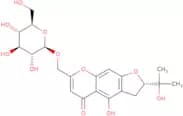
CAS:Prim-O-glucosylangelicain is a complex carbohydrate that has been synthesized by custom synthesis and modification. Prim-O-glucosylangelicain is a monosaccharide that has been methylated and then click modified. It also contains an oligosaccharide with glycosylation. The prim-O-glucosylangelicain has been synthesized to have a saccharide chain consisting of glycosidic linkages with a polysaccharide. Click modification is the process of attaching reactive groups to the hydroxyl groups of sugars. This process can be used to replace the hydroxyl group with fluorine, which is done in this case to increase stability and reduce reactivity.Pureza:Min. 95%Methylglycol chitosan
CAS:Methylglycol chitosan is a cationic surfactant that has been shown to have the ability to bind with zirconium oxide and polymannuronic acid. It is used in the treatment of infectious diseases, autoimmune diseases, and histological analysis. Methylglycol chitosan has been shown to inhibit the toll-like receptor 4 (TLR4) from binding with lipopolysaccharides and other molecules that are implicated in autoimmune diseases. This binding also prevents TLR4 from activating other cells involved in inflammatory responses. The surface of methylglycol chitosan particles also have a patterning effect on bacteria by preventing them from adhering to the surface of the particle, reducing their virulence.Pureza:Min. 95%Daunorubicin-13C,d3
Daunorubicin-13C,d3 is a custom synthesis of daunorubicin that has been modified by the addition of 13C and 3H isotopes. The chemical name is: 4′,5′-O-(4,4′-dimethoxytrityl)-2′,3′-dideoxyadenosine-5′-O-(4,4′-dimethoxytrityl) (13C,d3) 2″-[(2″-deoxy-β--D--ribofuranosyl)amino]-5’-[(2″-deoxy--β--D--ribofuranosyl)amino]-3’ adenosine. It contains a complex carbohydrate with an oligosaccharide chain. This product is CAS No., 50739-09-1 and has a purity of 98%. Daunorubicin is a sugarFórmula:CC26H26D3NO10Pureza:Min. 95%Peso molecular:531.53 g/mol2,4-Dideoxy-2,4-difluoro-D-galactose
2,4-Dideoxy-2,4-difluoro-D-galactose is a high purity custom synthetic monosaccharide that is modified with fluorine. It has been synthesized by the methylation of 2,4-dideoxy-2,4-difluoroglucose followed by the click modification of the methyl group. This compound is a complex carbohydrate and an oligosaccharide. It can be used as an intermediate in the synthesis of polysaccharides and saccharides. 2,4-Dideoxy-2,4-difluoro D galactose has CAS No.: 157099-27-1.Pureza:Min. 95%2,3-O-Isopropylidene-L-apiose
CAS:2,3-O-Isopropylidene-L-apiose is a synthetic monosaccharide with a fluorinated substituent at the C2 position. It is an oligosaccharide that has been custom synthesized for glycosylation and polysaccharide modifications. The chemical name of 2,3-O-Isopropylidene-L-apiose is 2,3-O-(2,3,4,5,6) -Heptafluoroisopropylidene apiose. The CAS number for this compound is 70147-51-2. This product is available in high purity.Fórmula:C8H14O5Pureza:Min. 95%Peso molecular:190.19 g/molL-Fucal
CAS:L-Fucal is a chemical that belongs to the group of glycosidic bonds. It is synthesized by reacting ethyl diazoacetate with an activated hydroxyl group. L-Fucal has been shown to inhibit the growth of cancer cells and lymphocytic leukemia cells. It binds to the receptors on the surface of cancer cells and inhibits their growth by interfering with cellular metabolism and DNA synthesis.Pureza:Min. 95%Methyl 1-thiolincosaminide
CAS:Intermediate in the production of biosynthetic antibioticsFórmula:C9H19NO5SPureza:Min. 95%Peso molecular:253.32 g/molFurosemide acyl-b-D-glucuronide
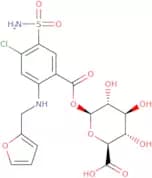
CAS:Furosemide acyl-b-D-glucuronide is a derivative of Furosemide. It is a potent diuretic that has been used in the treatment of hypertension and congestive heart failure. The drug is excreted by the kidney, and its clearance is dependent on urine flow rate. Furosemide acyl-b-D-glucuronide can be detected in human serum and urine samples following oral administration, but its detection in urine may be delayed due to its low solubility. This active form of the drug may also cause drug reactions, such as nausea and vomiting, which are most likely due to the acidic nature of this form. Hydrochloric acid increases the absorption of Furosemide acyl-b-D-glucuronide, so it is recommended to take this medication with an acidic beverage containing hydrochloric acid or food high in pyridinium content. The elimination half life for this activeFórmula:C18H19ClN2O11SPureza:Min. 95%Cor e Forma:Yellow PowderPeso molecular:506.87 g/molNojirimycin 1-sulfonic acid
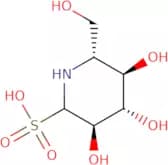
CAS:Nojirimycin 1-sulfonic acid is a synthetic compound that has been shown to be an inhibitor of glycosylation. It is a modification of nojirimycin, which is a natural product that has been used as an anti-inflammatory agent for years. Nojirimycin 1-sulfonic acid (NJA) binds to the active site of the glycosyltransferase enzyme and prevents the transfer of sugar from the donor substrate to the acceptor substrate. This inhibits the synthesis of complex carbohydrates, oligosaccharides, and polysaccharides. The fluorination on NJA's sulfonate group also makes it more soluble in water, which increases its activity.Fórmula:C6H13NO7SPureza:Min. 95%Cor e Forma:White PowderPeso molecular:243.24 g/mol1-Benzyl-4,6-O-acetamidogalactose
1-Benzyl-4,6-O-acetamidogalactose is an aminoglycoside antibiotic that inhibits the growth of bacteria by binding to the 50S ribosomal subunit. It enters the bacterial cell wall and blocks the synthesis of peptidoglycan, which is an essential component of the cell wall. 1-Benzyl-4,6-O-acetamidogalactose has been shown to have a potent bactericidal effect against Mycobacterium tuberculosis, with a half maximal inhibitory concentration (IC50) of 0.5 µg/mL. It also has a significant inhibitory effect on Mycobacterium avium complex (MIC=8 µg/mL).Pureza:Min. 95%rac-Hesperetin-d3 3’-O-bea-D-glucuronide
Hesperetin-3-O-beta-D-glucuronide is a synthetic derivative of hesperidin that can be used as a metabolite marker for the assessment of drug metabolism in humans. Hesperetin-3-O-beta-D-glucuronide is an oligosaccharide that contains three sugar units: D-galactopyranosyl, D-glucopyranosyl, and D-(+)-lactose. This compound has been shown to inhibit the activity of alpha amylase and alpha glucosidase.Fórmula:C22H19D3O12Pureza:Min. 95%Peso molecular:481.42 g/mol3-Acetamido-3-deoxy-D-allose
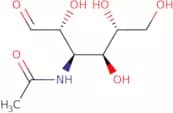
CAS:3-Acetamido-3-deoxy-D-allose is a ringed sugar that is nucleophilic and reacts with hydroxide solution to form a dithioacetal. It has been analyzed using deuterium and cyclic voltammetry. 3-Acetamido-3-deoxy-D-allose can be oxidized by periodate to form an alditol acetal and then reacted with ammonium hydroxide to produce the corresponding amine. This reaction was used to generate the compound in large quantities.Fórmula:C8H15NO6Pureza:Min. 95%Peso molecular:221.21 g/molUDP-N-acetyl-D-glucosamine
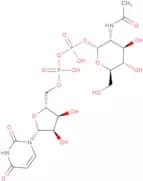
CAS:UDP-N-acetyl-D-glucosamine is a nucleotide that is found in the cell membrane of Gram-positive bacteria. It has been shown to inhibit the growth of bacteria by binding to the 50S ribosomal subunit. This binding prevents the formation of an antibiotic-inhibitor complex with the enzyme cell wall synthesis that is required for cell wall biosynthesis, inhibiting protein synthesis and cell division. UDP-N-acetyl-D-glucosamine has also been shown to be a substrate for glycosylation enzymes, which are involved in the production of glycogen, chitin, and other polysaccharides.Fórmula:C17H27N3O17P2Pureza:Min. 95%Cor e Forma:PowderPeso molecular:607.35 g/molIvermectin monosaccharide
CAS:Ivermectin monosaccharide is a molecule that has been shown to have an inhibitory effect on the uptake of glucose by cyathostomes. This molecule does not bind to inulin, but it does bind to the receptor binding site for ivermectin. Ivermectin monosaccharide has been shown to have a high affinity for the receptor binding site and can be used as an alternative method for detecting low concentrations of ivermectin.
Fórmula:C41H62O11Pureza:Min. 95%Peso molecular:730.92 g/mol2-Bromoethyl a-L-fucopyranoside
This compound is a modification of the 2-bromoethyl a-L-fucopyranoside. It is an oligosaccharide that is a carbohydrate. It is made up of many monosaccharides, which are sugar molecules linked together. This modified carbohydrate has been synthesized from other carbohydrates and then fluorinated to make it more stable.
Pureza:Min. 95%CMP-Neu5Gc sodium salt
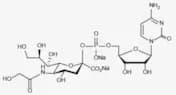
CAS:Please enquire for more information about CMP-Neu5Gc sodium salt including the price, delivery time and more detailed product information at the technical inquiry form on this pageFórmula:C20H29N4Na2O17PPeso molecular:674.41 g/mol1,2,3,4,5,6-Hexa-O-acetyl-D-mannitol
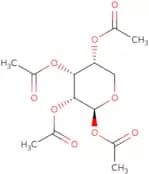
CAS:1, 2, 3, 4, 5, 6-Hexa-O-acetyl-D-mannitol (1,2,3,4,5,6-HOM) is a glycoside that belongs to the group of pentose sugars. It is the only natural hexose sugar that contains an acetate residue in its structure. 1,2,3,4,5,6-HOM is found in plants and animals and has been shown to have anti-cancer properties. The reaction products of 1 with various enzymes are also studied for their cancer inhibitory effects. This molecule has also been shown to inhibit lipid peroxidation in mitochondria. 1,2,3,4,5,6-HOM binds to cell surface receptors on cancer cells and inhibits growth by inhibiting the synthesis of DNA and RNA.Fórmula:C18H26O12Pureza:Min. 95%Cor e Forma:PowderPeso molecular:434.39 g/mol1,2,3,4-Tetra-O-acetyl-β-D-ribopyranose
CAS:1,2,3,4-Tetra-O-acetyl-b-D-ribopyranose is a lipase inhibitor that belongs to the class of lipolytic enzymes. It has been shown to be an effective inhibitor of lipases and has demonstrated enantiopure selectivity for the hydrolysis of racemic mixtures. This substance is used in industrial processes as a surrogate for other more expensive substances. The 1,2,3,4-Tetra-O-acetyl-b-D-ribopyranose has been used as a screening tool to identify potential inhibitors of human pancreatic lipase. The results have shown that this compound inhibits the activity of this enzyme with high specificity and sensitivity.Fórmula:C13H18O9Pureza:Min. 95%Cor e Forma:PowderPeso molecular:318.28 g/molAbacavir 5'-β-D-glucuronide
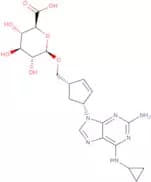
CAS:Main metabolite of antiretroviral drug Abacavir with potent activity against human immunodeficiency virus type 1 (HIV-1). Abacavir is eliminated by hepatic metabolism to two major metabolites: 5’-glucuronide formed by uridine diphosphate glucuronyl transferase and 5’-carboxylate formed by cytosolic alcohol dehydrogenase.
Fórmula:C20H26N6O7Pureza:Min. 95%Cor e Forma:PowderPeso molecular:462.46 g/mol6-Amino-6-deoxy-L-sorbose
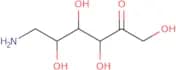
CAS:6-Amino-6-deoxy-L-sorbose is a sugar that is metabolized by the body to produce energy. This compound has been shown to be an effective antidiabetic, as it may inhibit glucose production in the liver and enhance insulin sensitivity. 6-Amino-6-deoxy-L-sorbose is a nutrient that can be found in food sources such as bananas, potatoes, and soybeans. It can also be synthesized from various plant sources. The biosynthesis of this compound is dependent on a number of enzymes, including L-arabinose 1 phosphate dehydrogenase.
Pureza:Min. 95%Dicyclohexylidene pinitol
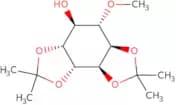
CAS:Dicyclohexylidene pinitol is a synthetic, cyclic oligosaccharide with an interesting structure. It is produced by the Click modification of a sugar, followed by a fluorination step and glycosylation. The methylation of the sugar can also be performed to produce this product. Its CAS number is 1037-92-1. Dicyclohexylidene pinitol has been used as an intermediate in the synthesis of saccharides, polysaccharides and other carbohydrates.Fórmula:C19H30O6Pureza:Min. 95%Peso molecular:354.44 g/molCyclobenzaprine b-D-glucuronide
CAS:Cyclobenzaprine b-D-glucuronide is a synthetic compound that has been modified to increase its solubility in water. The modification of the sugar moiety with glycosylation and fluorination increases the bioavailability of cyclobenzaprine, which is an important factor for drugs that are intended for oral administration. Cyclobenzaprine b-D-glucuronide is a complex carbohydrate that has been modified with methylation and monosaccharide. This modification helps to protect the drug from degradation by enzymes in the stomach and intestines, increasing its half-life in the body.Fórmula:C26H31NO6Pureza:Min. 95%Peso molecular:453.53 g/molm-Topolin-9-glucoside
CAS:M-topolin-9-glucoside is a synthetic sugar that has been modified by the introduction of fluorine atoms at C-2, C-3, and C-4. This sugar is used to study the interactions between carbohydrates and proteins. It is also used for the synthesis of oligosaccharides as well as for glycosylation and methylation reactions. M-topolin-9-glucoside is a monosaccharide that has been glycosylated and methylated. It can be used as a replacement for glucose in some reactions due to its stability and low cost.
Fórmula:C18H21N5O6Pureza:Min. 95%Cor e Forma:PowderPeso molecular:403.39 g/molAnthrose
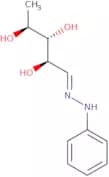
CAS:Anthrose is a natural product that has been isolated from the larvae of Galleria mellonella, an insect. It has been shown to have antiviral activity against anthracis, a bacterium that causes anthrax. Anthrose treatment leads to cell lysis and DNA degradation in both prokaryotic and eukaryotic cells. The mechanism of action of this compound is not yet known, but it may be due to its ability to act as a competitive inhibitor for the enzyme aminotransferase activity. It also has antimicrobial properties and has been shown to inhibit Mycobacterium tuberculosis growth.Fórmula:C12H23NO6Pureza:Min. 95%Cor e Forma:PowderPeso molecular:277.31 g/mol5-Deoxy-L-ribose phenylhydrazone
CAS:Intermediate in the synthesis of L-PrimapterinFórmula:C11H16N2O3Pureza:Min. 95%Peso molecular:224.26 g/mol






![L-[5-13C]Xylose](/_next/image/?url=https%3A%2Fstatic.cymitquimica.com%2Fproducts%2F3D%2Fthumb-webp%2FDUA50664.webp&w=3840&q=75)





![Benzyl 2-(acetylamino)-2-deoxy-3-o-[3,4,6-tri-o-acetyl-2-(acetylamino)-2-deoxy-β-D-glucopyranosyl]…](/_next/image/?url=https%3A%2Fstatic.cymitquimica.com%2Fproducts%2F3D%2Fthumb-webp%2FKDA05428.webp&w=3840&q=75)


![2- Deoxy-2-[(7-nitro-2,1,3-benzoxadiazol-4-yl)amino]-b-D-glucopyranose](/_next/image/?url=https%3A%2Fstatic.cymitquimica.com%2Fproducts%2F3D%2Fthumb-webp%2FMD146413.webp&w=3840&q=75)