Monossacáridos
Subcategorias de "Monossacáridos"
- Aloses(11 produtos)
- Arabinoses(21 produtos)
- Eritroses(11 produtos)
- Frutoses(9 produtos)
- Fucoses(36 produtos)
- Galactosamina(41 produtos)
- Galactoses(261 produtos)
- Glucoses(365 produtos)
- Ácidos Glucurónicos(52 produtos)
- Glico-substratos para enzimas(78 produtos)
- Guloses(6 produtos)
- Idoses(4 produtos)
- Inositóis(15 produtos)
- Lixoses(4 produtos)
- Mannoses(65 produtos)
- O-Glicanos(48 produtos)
- Psicoses(3 produtos)
- Ramnoses(10 produtos)
- Riboses(61 produtos)
- Ácidos siálicos(100 produtos)
- Sorboses(4 produtos)
- Açúcares(173 produtos)
- Tagatoses(4 produtos)
- Taloses(8 produtos)
- Xiloses(20 produtos)
Foram encontrados 6089 produtos de "Monossacáridos"
6-O-tert-Butyldimethylsilyl-D-glucal
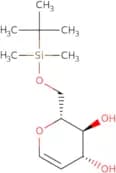
CAS:6-O-tert-Butyldimethylsilyl-D-glucal is a glycosyl compound that is produced from the reaction of ethyl diazoacetate and cyclopropanes. This process can be catalyzed by metal catalysts, such as palladium. The use of bromides in this reaction allows for the production of unsaturated compounds. This compound has been shown to undergo cyclopropanation with alkenes, leading to the synthesis of cyclopropanes. 6-O-tert-Butyldimethylsilyl-D-glucal is used as a precursor to other compounds, such as polymers and pharmaceuticals.Pureza:Min. 95%Methyl 2,3,6-tri-O-benzyl-a-D-glucopyranoside
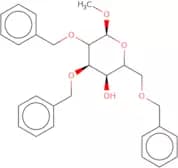
CAS:Methyl 2,3,6-tri-O-benzyl-a-D-glucopyranoside is a reductive amine that can be used as an inhibitor of enzymes. The compound has been shown to inhibit the enzyme formate dehydrogenase. In addition, it has been found to inhibit other enzymes such as primary amines and reductive amination. Methyl 2,3,6-tri-O-benzyl-a-D-glucopyranoside is also a potential inhibitor of coupling reactions and anti HIV activity.Fórmula:C28H32O6Pureza:Min. 95%Peso molecular:464.22 g/mol2-Isobutyramido guanosine 2',3',5'-tris(isobutanoate)
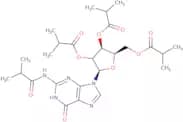
CAS:2-Isobutyramido guanosine 2',3',5'-tris(isobutanoate) is an oligosaccharide, which is a type of carbohydrate. The structure of this compound is composed of a sugar, the monosaccharide saccharide and the complex carbohydrate. This compound is synthesized by a click modification and fluorination reaction using 2-amino-2-deoxy-D-ribose as the starting material. The product contains glycosylation and methylation modifications.Fórmula:C26H37N5O9Pureza:Min. 95%Peso molecular:563.6 g/mol5-Deoxy-D-lyxono-1,4-lactone
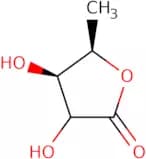
CAS:5-Deoxy-D-lyxono-1,4-lactone is an oligosaccharide that is a sugar derivative. It has been synthesized by the introduction of fluorine at the C2 position of glucopyranose with methylation at the C3 position and glycosylation at the C6 position. 5-Deoxy-D-lyxono-1,4-lactone has been shown to be useful in protein labeling and detection.Fórmula:C5H8O4Pureza:Min. 95%Peso molecular:132.12 g/molPent-4-enyl-D-glucopyranoside
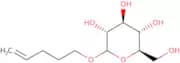
CAS:Pent-4-enyl-D-glucopyranoside is a kind of compound that reacts with acetonitrile to form sodium methoxide. The reaction of the sodium methoxide with the acetonitrile will produce 2-chlorobenzoic acid and conformation. The result of this reaction is the stereospecifically, which is a pyranose ring.Fórmula:C11H20O6Pureza:Min. 95%Peso molecular:248.27 g/mol2-C-(2,3,4,6-Tetra-O-acetyl-b-D-glucopyranosyl) ethyne
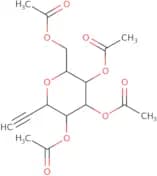
CAS:2-C-(2,3,4,6-Tetra-O-acetyl-b-D-glucopyranosyl) ethyne is a fluorescent reagent that is used to detect glycosylation. It reacts with the glucose residue of an oligosaccharide or polysaccharide to form a fluorescent product. This product can be detected by fluorescence spectroscopy. 2-C-(2,3,4,6-Tetra-O-acetyl-b-D-glucopyranosyl) ethyne has been shown to react with Oligo 1 and Oligo 2 in the following reaction: 2-[(2,3,4,6 Tetra -O -acetyl -b -D -glucopyranosyl )ethynyl]Fórmula:C16H20O9Pureza:Min. 95%Peso molecular:356.32 g/mol1,2:3,5-Di-O-isopropylidene-a-D-apiose
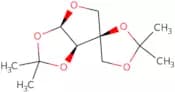
CAS:1,2:3,5-Di-O-isopropylidene-a-D-apiose is a monosaccharide that is synthesized from D-apiose by methylation of the C1 hydroxyl group with formaldehyde and sodium methoxide in methanol. This carbohydrate has been shown to be a good substrate for glycosylation reactions and click chemistry.
1,2:3,5-Di-O-isopropylidene-a-D-apiose is a white powder that can be dissolved in water or ethanol. It has no odor and is stable at pH 2 to pH 10. The compound does not react with other carbohydrates or proteins under normal conditions.Fórmula:C11H18O5Pureza:Min. 95%Cor e Forma:PowderPeso molecular:230.26 g/molBenzyl 5-amino-5-deoxy-2,3-O-isopropylidene-a-D-mannofuranoside
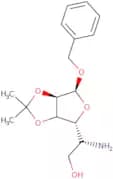
CAS:Benzyl 5-amino-5-deoxy-2,3-O-isopropylidene-a-D-mannofuranoside is custom synthesized to order and can be modified with Click chemistry. It can be fluorinated or glycosylated. It is a sugar that has been synthesized from a monosaccharide and saccharide. The CAS number for this compound is 91364-19-1. This compound is an oligosaccharide and complex carbohydrate.Fórmula:C16H23NO5Pureza:Min. 95%Peso molecular:309.36 g/molDiosmetin-d3-3'-O-glucuronide
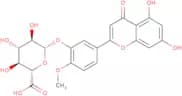
CAS:Diosmetin-d3-3'-O-glucuronide is a synthetic sugar derivative that is used as a building block for the synthesis of oligosaccharides and polysaccharides. Diosmetin-d3-3'-O-glucuronide can be fluorinated and methylated, which makes it useful for click chemistry reactions, because it can be easily modified to create new structures. This product is available in high purity with custom synthesis options.
Fórmula:C22H17D3O12Pureza:Min. 95%Peso molecular:479.4 g/mol1,2,6-Tri-O-galloylglucose
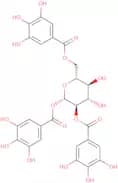
CAS:1,2,6-Tri-O-galloylglucose is a natural compound that has been shown to have inhibitory effects on the human immunodeficiency virus (HIV) enzyme serine protease. This inhibits the viral replication process by preventing the protease from cleaving viral polyproteins. The compound also inhibits complement activation and has antioxidant properties. 1,2,6-Tri-O-galloylglucose is active against leukemia cells and has been shown to be more effective at lower pH levels. It also has an inhibitory effect on ellagitannins and anticomplement activity.Fórmula:C27H24O18Pureza:Min. 95%Peso molecular:636.47 g/mol2,3,4-Tri-O-benzyl-D-xylopyranose
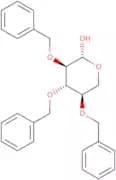
CAS:Calystegine is a benzyl ester of D-xylose. It is the reaction product of D-xylose with benzaldehyde and hydrochloric acid. The condensation product of calystegine with chondroitin sulfate is calystegine B2, which has been shown to be an inhibitor of protein glycosylation in human erythrocytes. This compound inhibits the oxygenated form of D-xylose, which may be useful in inhibiting the growth of certain cancer cells. Calystegine also has anti-inflammatory properties that may be due to its ability to inhibit prostaglandin synthesis.Pureza:Min. 95%Methyl 2-deoxy-b-L-ribofuranoside
CAS:Methyl 2-deoxy-β-L-ribofuranoside is a custom synthesis, modification, fluorination and methylation of the monosaccharide ribose. This product has been modified with the addition of a methyl group on the hydroxyl group at position 2. Methyl 2-deoxy-β-L-ribofuranoside can be used as an oligosaccharide or polysaccharide in glycosylation reactions. The CAS number for this product is 144301-85-9.Fórmula:C6H12O4Pureza:Min. 95%Peso molecular:148.16 g/mol2-Octyldodecyl-D-xylopyranoside
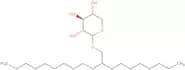
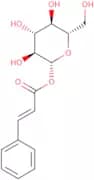
CAS:2-Octyldodecyl-D-xylopyranoside is a synthetic, fluorinated glycosylated monosaccharide. The chemical name for this compound is 2-octyldodecyl-D-xylopyranoside and the CAS number is 423772-95-6. It is a white to off white solid that has Glycosylation and Methylation. This compound can be modified with Click modification and Polysaccharide. It has a molecular weight of 400.25 g/mol and it's molecular formula is C32H62O14F2N2O8S2. 2-Octyldodecyl-D-xylopyranoside can be used as a methyl donor in the synthesis of glycoproteins, glycolipids, glycopeptides, polysaccharides, oligosaccharides, or other complex carbohydrates. It is also used in fluorFórmula:C25H50O5Pureza:Min. 95%Cor e Forma:White solid.Peso molecular:430.66 g/moltrans-Cinnamoyl b-D-glucoside
CAS:Trans-Cinnamoyl b-D-glucoside is a plant tissue that can be used as a natural chemical transformation agent. Trans-Cinnamoyl b-D-glucoside is also a chemical catalyst in the synthesis of medicines. The structure of trans-Cinnamoyl b-D-glucoside has been shown to have a high degree of stereoselectivity and sensitivity to tissue culture conditions, which are due to its aldehydic group. This molecule is also able to form gels when combined with other molecules and exhibits endogenous activity.
Fórmula:C15H18O7Pureza:Min. 95%Peso molecular:310.3 g/mol4-Methoxyphenyl-D-ribofuranoside
4-Methoxyphenyl-D-ribofuranoside is a monosaccharide that is used in the synthesis of oligosaccharides and polysaccharides. It is a synthetic compound that can be fluorinated, methylated, or glycosylated. The chemical formula for 4-methoxyphenyl-D-ribofuranoside is C6H8O5. The molecular weight of 4-methoxyphenyl-D-ribofuranoside is 184.12 g/mol. This product does not contain any hazardous chemicals and can be custom synthesized to meet your needs.Pureza:Min. 95%D-Mannitol - EP
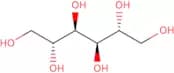
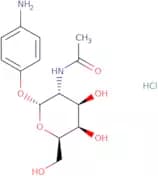
CAS:Mannitol is a sugar alcohol occurring widely in plants and they are exudates, for example, in olive and plane trees (Collins, 2006). It is produced commercially by the catalytic hydrogenation of fructose (Zelin, 2019). Mannitol is used extensively in food and pharmaceutical industries because of its unique functional properties. It is about 50% as sweet as sucrose and has a desirable cooling effect often used to mask bitter tastes. Mannitol is non-cariogenic and has a low caloric content. Mannitol is an osmotic diuretic that is metabolically inert in humans and is used for: the promotion of diuresis before irreversible renal failure becomes established, the promotion of urinary excretion of toxic substances, as an Antiglaucoma agent, and as a renal function diagnostic aid (OâNeil, 2013). Additonally, in 2020, mannitol was approved by the FDA as add-on maintenance therapy for the control of pulmonary symptoms associated with cystic fibrosis in adult patients (McKenna, 2020).Fórmula:C6H14O6Pureza:Min. 97 Area-%Cor e Forma:White PowderPeso molecular:182.17 g/mol4-Aminophenyl 2-acetamido-2-deoxy-a-D-galactopyranoside HCl
CAS:4-Aminophenyl 2-acetamido-2-deoxy-a-D-galactopyranoside HCl is an oligosaccharide that is composed of glucose, galactose, and two amino acids. It has a molecular weight of 496.34 g/mol and a chemical formula of C14H20N2O8. This compound is synthesized by the click modification of 2,5-diaminopyridine with D -galactopyranosyl chloride. The methylation and glycosylation reactions are also performed to produce this compound.
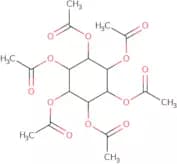
Fórmula:C14H20N2O6·HClPureza:Min. 95%Peso molecular:348.78 g/mol1,2,3,4,5,6-Hexa-O-acetyl-myo-inositol
CAS:Myo-inositol is a naturally occurring organic compound that belongs to the group of sugars and polyols. It has been isolated from plants, where it is found in the form of its solubilized acetate ester. Myo-inositol is important as a component of cell membranes, as well as being an essential part of intracellular signaling pathways. This compound has also been shown to have an inhibitory effect on cervical cancer cells and can be used in the treatment of this condition. Myo-inositol binds iron and has been shown to have anti-inflammatory properties.Fórmula:C18H24O12Pureza:Min. 95%Peso molecular:432.16 g/molEthyl 2,3-di-O-benzoyl-b-D-thiogalactopyranoside
CAS:Ethyl 2,3-di-O-benzoyl-b-D-thiogalactopyranoside is a modification of the sugar galactose. It is an oligosaccharide that is a complex carbohydrate with a high purity and CAS No. 154391-05-6. This product is supplied as white powder and can be used in a number of applications including custom synthesis and synthetic chemistry. Ethyl 2,3-di-O-benzoyl-b-D-thiogalactopyranoside can be modified by methylation, glycosylation, and polysaccharide synthesis. The molecule has been fluorinated to create ethyl 2,3,4,5,6-[F]fluorohexanedioate.Pureza:Min. 95%N-Acetyl-2-chloro-2-deoxyneuraminic acid methyl ester 4,7,8,9-tetraacetate
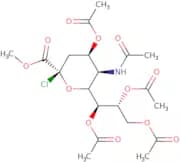
CAS:N-Acetyl-2-chloro-2-deoxyneuraminic acid methyl ester 4,7,8,9-tetraacetate is a sialic acid analog that has been shown to have antiviral properties. It binds to the influenza virus and inhibits its activity by blocking the hemagglutinin receptor. The compound is soluble in water and organic solvents and can be modified with perbenzylated groups to increase its stability in plasma and tissues. N-Acetyl-2-chloro-2-deoxyneuraminic acid methyl ester 4,7,8,9-tetraacetate is resistant to hydrolysis by esterases and can also be used for the treatment of infections caused by bacteria or fungi.
Fórmula:C20H28ClNO12Pureza:Min. 95%Cor e Forma:PowderPeso molecular:509.89 g/mol1,6-Anhydro-2-O-p-toluenesulfonyl-b-D-glucopyranose
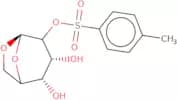
CAS:1,6-Anhydro-2-O-p-toluenesulfonyl-b-D-glucopyranose is a synthetic sugar that is used in glycosylation reactions. It has high purity and is available for custom synthesis. The compound is primarily used as a substrate for Click chemistry modifications to the anomeric carbon. It has been shown to effectively inhibit the growth of bacteria by binding to DNA gyrase, preventing the formation of covalent bonds that are required for bacterial cell division.Fórmula:C13H16O7SPureza:Min. 95%Peso molecular:316.33 g/mol1,2,4,6-Tetra-O-acetyl-3-azido-3-deoxy-D-glucopyranose
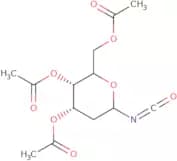
1,2,4,6-Tetra-O-acetyl-3-azido-3-deoxy-D-glucopyranose is a custom synthesis that has been fluorinated and modified with methyl groups. It is used to synthesize complex carbohydrates and it can be used as a raw material for the production of oligosaccharides. 1,2,4,6-Tetra-O-acetyl-3-azido-3-deoxy--D--glucopyranose is soluble in water and ethanol and has a CAS number.Fórmula:C14H19N3O9Pureza:Min. 95%Peso molecular:373.32 g/mol3,4,6-Tri-O-acetyl-2-deoxy-D-glucopyranosyl isocyanate
3,4,6-Tri-O-acetyl-2-deoxy-D-glucopyranosyl isocyanate is a synthetic reagent that can be used to modify oligosaccharides, monosaccharides, and polysaccharides. It reacts with the hydroxyl group of the sugar molecule to form an ether linkage. This chemical reaction is called glycosylation. The product from this reaction is called as a glycoside. This product has a CAS number of 587-66-0 and can be synthesized in high purity.Fórmula:C13H17NO8Pureza:Min. 95%Peso molecular:315.28 g/molEthyl β-D-xylopyranoside
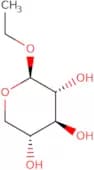
CAS:Ethyl b-D-xylopyranoside is a sugar that is synthesized from the reaction of b-D-xylopyranoside with ethyl bromoacetate. The product of this reaction is a glycoside, which can be modified in many ways. It can be fluorinated, glycosylated, methylated, and/or modified in order to produce desired properties. Ethyl b-D-xylopyranoside has a molecular weight of 294.24 g/mol and a CAS number of 6743-62-0. This compound is used as an intermediate for the synthesis of complex carbohydrates or saccharides and it contains an oligosaccharide chain at its end.Fórmula:C7H14O5Pureza:Min. 95%Cor e Forma:White PowderPeso molecular:178.19 g/molKetoprofen acyl-β-D-glucuronide
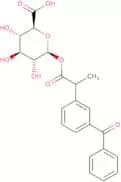
CAS:Ketoprofen acyl-β-D-glucuronide is a nonsteroidal anti-inflammatory drug that inhibits prostaglandin synthesis. It binds to the enzyme cyclooxygenase, which prevents the formation of prostaglandins and thromboxanes. The binding constants have been measured using radiolabeled ketoprofen acyl-β-D-glucuronide in urine samples from patients taking ketoprofen. Ketoprofen acyl-β-D-glucuronide has also been shown to be stereoselective for liver cells and fatty acid metabolism in humans. This drug has not been shown to produce covalent adducts with DNA or RNA.Fórmula:C22H22O9Pureza:Min. 97 Area-%Cor e Forma:White Off-White PowderPeso molecular:430.4 g/mol3-Deoxy-3-fluoro-1,2:5,6-di-O-isopropylidene-a-D-glucofuranose
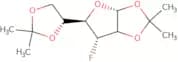
CAS:3-Deoxy-3-fluoro-1,2:5,6-di-O-isopropylidene-a-D-glucofuranose (3DF) is a fluorinated sugar that is synthesized by reacting 2,3:5,6-di-O-isopropylidene a D glucofuranose with methyl iodide and trifluoromethanesulfonic acid. 3DF has been used for the synthesis of oligosaccharides and polysaccharides. It is also possible to use this compound for the preparation of other sugars as well as more complex carbohydrates. The purity of 3DF is 98% or higher. 3DF can be modified with click chemistry reactions and then reacted with amines to form amide bonds. This modification allows for the synthesis of high purity monosaccharides and disaccharides.Fórmula:C12H19FO5Pureza:Min. 95%Peso molecular:262.27 g/molMethyl 2-acetamido-3-O-benzyl-4,6-O-benzylidene-b-D-glucopyranoside
Methyl 2-acetamido-3-O-benzyl-4,6-O-benzylidene-b-D-glucopyranoside is an acetamido sugar and a glycoside of methylated glucosamine. It is a custom synthesis product that can be used to modify the saccharides in polysaccharides or oligosaccharides. Methyl 2-acetamido-3-O-benzyl-4,6 -O ben zy lidene - b - D - gl u co pyran o s ide has no CAS number and is not on the market for purchase. Methyl 2 acetamido 3 O benzyl 4,6 O benzylidene b D glucopyranoside is also known as Click modification and Modification. This product is most commonly used to synthesize oligosaccharides with fluorine groups. It has high purity and can be usedPureza:Min. 95%Methyl β-D-glucuronide sodium
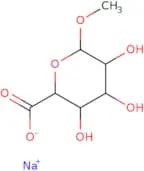
CAS:Methyl β-D-glucuronide sodium is a synthetic sugar that is used as a building block for the synthesis of glycoconjugates. This compound has been shown to be an efficient reagent for the introduction of click modifications into saccharides and oligosaccharides in order to produce glycosylations. Methyl β-D-glucuronide sodium is also used in the modification of polysaccharides, such as starch, cellulose, and chitin.Fórmula:C7H11NaO7Pureza:Min. 95%Cor e Forma:PowderPeso molecular:230.15 g/molPhenyl 2-acetamido-3,4,6-tri-O-acetyl-2-deoxy-a-D-glucopyranoside
CAS:Phenyl 2-acetamido-3,4,6-tri-O-acetyl-2-deoxy-a-D-glucopyranoside is a high purity, custom synthesis sugar. It's Click modification has been fluorinated and glycosylated. This sugar can be used in the synthesis of oligosaccharides and monosaccharides. Phenyl 2-acetamido-3,4,6-tri-O-acetyl -2 deoxy -a D glucopyranoside is a carbohydrate that belongs to the complex carbohydrate group. It has CAS No. 1308919 5 and can be modified with methylation.Fórmula:C20H25NO9Pureza:Min. 95%Peso molecular:423.41 g/molBenzyl 2,3-O-isopropylidene-6-O-trityl-5-keto-a-D-mannofuranose
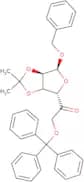
CAS:Benzyl 2,3-O-isopropylidene-6-O-trityl-5-keto-a-D-mannofuranose is a modification of the monosaccharide mannose. It is synthesized by reacting the heterocyclic base benzaldehyde with the appropriate glycosyl acceptor. This modification has been shown to increase the stability of glycans.Fórmula:C35H34O6Pureza:Min. 95%Peso molecular:550.64 g/molGlucose pentasulfate potassium
CAS:Glucose pentasulfate potassium is a synthetic, fluorinated sugar that can be used as a building block for the synthesis of glycoconjugates. It is also used in the modification of saccharides and oligosaccharides, and in click chemistry to produce complex carbohydrates. Glucose pentasulfate potassium is soluble in water, which makes it suitable for use in chemical reactions. The compound has been assigned CAS number 359435-44-2.Fórmula:C6H7K5O21S5Pureza:Min. 95%Cor e Forma:PowderPeso molecular:770.92 g/molDiosmetin-d3-3,7-O-di-Glucuronide
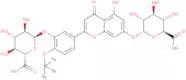
CAS:Produto ControladoDiosmetin-d3-3,7-O-di-Glucuronide is a white to off-white powder that is soluble in water. It is a synthetic compound that can be used as a sugar or carbohydrate modification. It has been shown to be useful for the synthesis of complex carbohydrates and polysaccharides. This product can also be used in click chemistry, methylation, and fluoroination.Fórmula:C28H25D3O18Pureza:Min. 95%Peso molecular:655.53 g/mol5-epi-isofagomine
CAS:5-Epi-isofagomine is a piperidine compound that can be used as a synthon for various carbohydrate derivatives. It has been shown to inhibit glycosidases and may be applied in the synthesis of carbohydrates. This compound is synthesized by a stepwise nitro reduction of d-mannitol, followed by an enolate reaction with an appropriate acid chloride. The 5-epi-isofagomine skeleton is obtained by stereoselective polyhydroxylation of the corresponding 2,5-dihydroxybenzaldehyde.Fórmula:C6H13NO3Pureza:Min. 95%Peso molecular:147.17 g/molCyanomethyl-2,3,4,6-tetra-O-acetyl-a-D-thiomannopyranoside
CAS:Cyanomethyl-2,3,4,6-tetra-O-acetyl-a-D-thiomannopyranoside is a glycosylated thioglycoside that contains sulfur. It is used as an intermediate in the synthesis of 2′,3′,5′-trihydroxybenzaldehyde and 2′,3′,5′-trihydroxybenzoic acid.Pureza:Min. 95%5-Bromo-5-deoxy-2,3-O-isopropylidene-D-ribono-1,4-lactone
CAS:5-Bromo-5-deoxy-2,3-O-isopropylidene-D-ribono-1,4-lactone is a modified sugar that can be synthesized from other sugars. It is used in the synthesis of oligosaccharides and polysaccharides. 5BDBOL has a CAS number of 94324-23-9. 5BDBOL can be methylated and glycosylated. This compound has high purity and is monosaccharide.Fórmula:C8H11BrO4Pureza:Min. 95%Cor e Forma:SolidPeso molecular:251.07 g/molPhenyl 2-O-Acetyl-3,4,6-tri-O-benzyl-1-thio-b-D-galactopyranoside
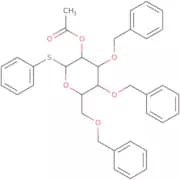
CAS:Phenyl 2-O-Acetyl-3,4,6-tri-O-benzyl-1-thio-b-D-galactopyranoside is a glycosylated sugar that is under custom synthesis. The molecule contains a fluorinated benzene ring and an acetyl group. Phenyl 2-O-Acetyl-3,4,6-tri-O-benzyl 1,5 b -D -galactopyranoside can be modified in the laboratory to produce different derivatives and modifications. This product is made of high purity and has CAS No. 18387528 7.Fórmula:C35H36O6SPureza:Min. 95%Peso molecular:584.72 g/mol2-Azidoethyl 2-O-benzoyl-4,6-O-benzylidene-3-O-(4-methoxybenzyl)-a-D-mannopyranoside
2-Azidoethyl 2-O-benzoyl-4,6-O-benzylidene-3-O-(4-methoxybenzyl)-a-D-mannopyranoside is a synthetic sugar that has been modified with fluorination and glycosylation. The carbohydrate is made of a complex chain of monosaccharides and saccharides. It is the CAS number for this chemical agent.
Pureza:Min. 95%Methyl 1-(4'-tert-butyldimethylsilyl-6-hydroxyraloxifene)-2,3,4-tri-O-acetyl-b-D-glycopyranuronate
CAS:Methyl 1-(4'-tert-butyldimethylsilyl-6-hydroxyraloxifene)-2,3,4-tri-O-acetyl-b-D-glycopyranuronate is a modified carbohydrate. It is a synthetic saccharide that has been modified with methylation, fluorination and saccharide synthesis. This product can be custom synthesized and is available in high purity. Methyl 1-(4'-tert-butyldimethylsilyl-6-hydroxyraloxifene)-2,3,4-tri-O-acetyl-b-D--glycopyranuronate can be used in glycosylation reactions as well as Click modification reactions. CAS No: 174264–49–4.Fórmula:C46H55NO13SSiPureza:Min. 95%Peso molecular:890.08 g/molDehydroclindamycin
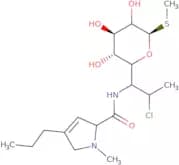
CAS:Dehydroclindamycin is a semisynthetic antibiotic that belongs to the class of antibiotics known as lincosamides. It is used in clinical treatment for bacterial infections. Dehydroclindamycin acts by interfering with the bacterial ribosome and prevents the formation of proteins required for cell division. This drug may be susceptible to degradation by hydrolysis or oxidation, which can lead to impurities. Dehydroclindamycin is produced by hydrogenation of clindamycin hydrochloride using a Raney nickel catalyst, followed by chromatography. The spectrum of dehydroclindamycin consists of antibacterial activity against gram-positive bacteria such as Staphylococcus aureus and Enterococcus faecalis and gram-negative bacteria such as Escherichia coli and Klebsiella pneumoniae.
Fórmula:C18H31ClN2O5SPureza:Min. 95%Peso molecular:422.97 g/molAMP-Deoxynojirimycin - Solution in ethanol
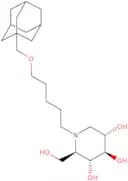
CAS:Potent inhibitor of non-lysosomal glucosylceramidase, without having any effect on glucosylceramide synthase and glucosidases. Anti-inflammatory and immunosuppressive effect of AMP-DNM demonstrated in a model of hapten-induced colitis in vivo. Reduces glycosphingolipids and increases insulin sensitivity in murine models of obesity-related insulin resistance. Induces sterol regulatory element-binding protein (SREBP) target genes in HepG2 cells, activating cholesterol biosynthesis.Fórmula:C22H39NO5Pureza:Min. 95%Cor e Forma:Colorless Clear LiquidPeso molecular:397.55 g/mol2,3-O-Carbonyl-4,6-O-isopropylidene-a-D-mannopyranoside
CAS:2,3-O-Carbonyl-4,6-O-isopropylidene-a-D-mannopyranoside is a custom synthesis of a monosaccharide with a fluorinated methyl group. It is an oligosaccharide with a saccharide that contains an oxygen atom and two carbon atoms. This carbohydrate is polysaccharide which has glycosylation. 2,3-O-Carbonyl-4,6-O-isopropylidene-a-D-mannopyranoside is also known as CAS No. 669730 - 3,6'-diacetoxyacetoneFórmula:C10H14O7Pureza:Min. 95%Peso molecular:246.21 g/molMethyl 2,3,4-tri-O-benzoyl-6-O-tert-butyldimethylsilyl-a-D-glucopyranoside
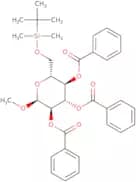
CAS:Methyl 2,3,4-tri-O-benzoyl-6-O-tert-butyldimethylsilyl-a-D-glucopyranoside is a custom synthesis of a complex carbohydrate. It is an Oligosaccharide and Polysaccharide that has been modified with methylation and glycosylation. The CAS number for this chemical is 128142-70-1 and it has a purity of >99%. This chemical also has fluorination and click modification. Methyl 2,3,4-tri-O-benzoyl-6-O-tert-butyldimethylsilyl--a--D--glucopyranoside can be used in the production of polymers and plastics.Fórmula:C34H40O9SiPureza:Min. 95%Peso molecular:620.78 g/molEthyl 4,6-O-benzylidene-D-thiomannopyranoside
CAS:Ethyl 4,6-O-benzylidene-D-thiomannopyranoside is a synthetic monosaccharide with the molecular formula C 10 H 12 O 8 and a molecular weight of 340.24 g/mol. It is a white crystalline solid that is soluble in many organic solvents. Ethyl 4,6-O-benzylidene-D-thiomannopyranoside has the potential to be used as a building block for the synthesis of oligosaccharides and polysaccharides. This building block can be modified with fluorination, methylation, or click modification to produce other derivatives.Fórmula:C15H20O5SPureza:Min. 95%Cor e Forma:PowderPeso molecular:312.38 g/molPhenyl 2,3-di-O-benzyl-4,6-O-benzylidene-b-D-thioglucopyranoside
CAS:Phenyl 2,3-di-O-benzyl-4,6-O-benzylidene-b-D-thioglucopyranoside is an oligosaccharide that can be used to modify carbohydrate polymers. It is synthesized from the reaction of phenyl 2,3-di-O-benzylglycosides with boron trifluoride etherate and dithioglycolate in acetic acid. This material has a purity of >98% and can be used as a sugar modification agent for glycoproteins.
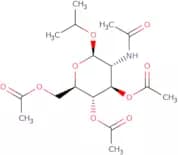
Fórmula:C33H32O5SPureza:Min. 95%Peso molecular:540.67 g/molIsopropyl 2-acetamido-3,4,6-tri-O-acetyl-2-deoxy-b-D-glucopyranoside
CAS:Isopropyl 2-acetamido-3,4,6-tri-O-acetyl-2-deoxy-b-D-glucopyranoside (IATA) is a synthetic analog of retinoic acid (RA), a natural metabolite of vitamin A. IATA has been shown to be effective in the treatment of acute lung cancer. It activates TLR4 and inhibits TNF production in human monocytes. IATA also has antiinflammatory properties and can be used as a diagnostic agent for inflammatory diseases. This molecule can be used to diagnose the presence of various cancers, including prostate cancer, breast cancer, colon cancer, pancreatic cancer, lung cancer and leukemia.Fórmula:C17H27NO9Pureza:Min. 95%Peso molecular:389.4 g/mol5-O-(t-Butyldiphenylsilyl)-1,2-O-isopropylidene-a-D-xylofuranose
CAS:5-O-(t-Butyldiphenylsilyl)-1,2-O-isopropylidene-a-D-xylofuranose is a modification of the sugar xylofuranose. This compound is synthesized from 1,2-O-isopropylidene erythrose using tetrabutyldiphenylsilyl chloride and triethylamine. It is a white solid that can be used as a monosaccharide or polysaccharide in glycosylation reactions. 5-O-(t-Butyldiphenylsilyl)-1,2-O-isopropylidene -a D -xylofuranose has been found to have high purity and can be used for methylation and fluorination reactions.Fórmula:C24H32O5SiPureza:Min. 95%Peso molecular:428.59 g/mol1,2-o-Isopropylidene-β-D-fructopyranose
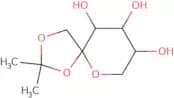
CAS:1,2-O-Isopropylidene-β-D-fructopyranose is a synthetic monosaccharide. It is a fluorinated derivative of fructopyranose. This product is a modification of the alpha anomeric form of β-D-fructopyranose. It has been used as a substrate for various types of glycosylation reactions, such as methylation and click modification.Fórmula:C9H16O6Pureza:Min. 95%Peso molecular:220.22 g/molD-Gluconic acid calcium salt monohydrate
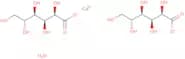
CAS:D-Gluconic acid calcium salt monohydrate (DGC) is a metabolite of the digestion of glucose. It is a calcium salt that is usually formed in the gut due to the neutralization of acids by sodium bicarbonate. DGC has been shown to be effective for treatment of bowel diseases such as ulcerative colitis, but has not been tested for other conditions. DGC has been shown to have antioxidant properties, which may be responsible for its therapeutic effects in treating bowel disease. The structural analysis of DGC show that it can form stable complexes with many drugs and therefore may interfere with their absorption and distribution into tissue cells. It also can increase the risk of drug interactions because it inhibits P-glycoprotein, an efflux pump protein that pumps drugs out of cells. DGC also may cause metabolic disorders due to its ability to inhibit enzymes involved in glycolysis and gluconeogenesis, including pyruvate kinase, phosphofructokinFórmula:C12H22CaO14·H2OPureza:Min. 95%Peso molecular:448.39 g/molN-(Dithiocarboxy)-N-methyl-D-glucamine sodium salt
CAS:N-(Dithiocarboxy)-N-methyl-D-glucamine sodium salt is a carbohydrate that can be synthesized by the reaction of D-glucamine with 2,4,6-trichlorobenzene dicarboxylic acid. This product is often used as a modifying agent for saccharides and oligosaccharides. N-(Dithiocarboxy)-N-methyl-D-glucamine sodium salt has CAS No. 91840-27-6 and the molecular formula C12H14Cl3NO5S2Na. The molecular weight is 503.95 g/mol.Fórmula:C8H16NO5S2NaPureza:Min. 95 Area-%Cor e Forma:PowderPeso molecular:293.34 g/molPhenyl 2,4,6-Tri-O-acetyl-3-O-allyl-b-D-thiogalactopyranoside
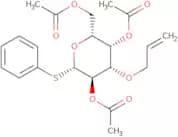
CAS:Phenyl 2,4,6-Tri-O-acetyl-3-O-allyl-b-D-thiogalactopyranoside is a custom synthesis that can be modified to suit your needs. This product is a complex carbohydrate that is used in glycosylation reactions as an Oligosaccharide. It is fluorinated at the hydroxyl group of the sugar and methylated at the C5 position of the sugar. The CAS number for this product is 1820572-28-8.Fórmula:C21H26O8SPureza:Min. 95%Peso molecular:438.49 g/mol