Monossacáridos
Subcategorias de "Monossacáridos"
- Aloses(11 produtos)
- Arabinoses(21 produtos)
- Eritroses(11 produtos)
- Frutoses(9 produtos)
- Fucoses(36 produtos)
- Galactosamina(41 produtos)
- Galactoses(261 produtos)
- Glucoses(365 produtos)
- Ácidos Glucurónicos(52 produtos)
- Glico-substratos para enzimas(78 produtos)
- Guloses(6 produtos)
- Idoses(4 produtos)
- Inositóis(15 produtos)
- Lixoses(4 produtos)
- Mannoses(65 produtos)
- O-Glicanos(48 produtos)
- Psicoses(3 produtos)
- Ramnoses(10 produtos)
- Riboses(61 produtos)
- Ácidos siálicos(100 produtos)
- Sorboses(4 produtos)
- Açúcares(173 produtos)
- Tagatoses(4 produtos)
- Taloses(8 produtos)
- Xiloses(20 produtos)
Foram encontrados 6088 produtos de "Monossacáridos"
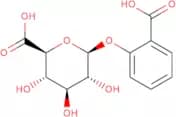
Salicylic acid D-glucuronide
CAS:Salicylic acid D-glucuronide is the major metabolite of aspirin, which is formed by hydrolysis of acetylsalicylic acid. It has been demonstrated to have anti-inflammatory and analgesic effects. Salicylic acid D-glucuronide is excreted in urine and can be detected in human serum. The formation rate of this metabolite varies with the individual's age, sex, and kidney function.
Salicylic acid D-glucuronide can be formed in vitro using hydrochloric acid and acetylsalicylic acid as substrates. This reaction is catalyzed by the enzyme uridine diphosphate glucuronyltransferase (UGT). Salicylic acid D-glucuronide has been shown to form covalent adducts with hydroxyl groups from other molecules in vivo and in vitro, including proteins (e.g., albumin) and DNA bases (e.g.,Fórmula:C13H14O9Pureza:Min. 95%Cor e Forma:PowderPeso molecular:314.24 g/molRef: 3D-MS09950
Produto descontinuado1,2,3,4-Tetra-O-benzyl-6-O-tert-butyldimethylsilyl-b-D-galactopyranose
1,2,3,4-Tetra-O-benzyl-6-O-tert-butyldimethylsilyl-b-D-galactopyranose is a glycosylation product of 1,2,3,4 tetra O benzyl 6 O tert butyldimethylsilyl b D galactopyranose. It is a member of the class of complex carbohydrates and has a molecular weight of 582. The compound is soluble in methanol and acetone. It has been shown to be effective for methylation, click modification and fluorination reactions as well as other modifications such as polysaccharide synthesis and saccharide modification. This compound is custom synthesized by our company with high purity.
Fórmula:C40H50O6SiPureza:Min. 95%Peso molecular:654.93 g/mol1-Deoxy-D-psicose
1-deoxy-D-psicose is a deoxy sugar that can be used as a reagent for the conversion of 1-deoxy-d-fructose to d-psicose. It is useful in the synthesis of rhamnose, which is a precursor to pharmaceuticals and agrochemicals. 1-Deoxy-D-psicose can be used in the synthesis of l-rhamnose from d-psicose or vice versa. This process of converting one epimer to another isomerization is very efficient, with an 88% yield.
Pureza:Min. 95%1,2:3,4:5,6-Tri-O-isopropylidene-D-glycero-L-gulo-heptitol
1,2:3,4:5,6-Tri-O-isopropylidene-D-glycero-L-gulo-heptitol is a fluorinated monosaccharide that is synthesized from D-glucose. It is used as an experimental carbohydrate for glycosylation and modification reactions with other compounds. 1,2:3,4:5,6-Tri-O-isopropylidene-D-glycero-L-gulo-heptitol has a CAS number of 152400–59–1.
Pureza:Min. 95%L-Xylosamine
L-Xylosamine is a carbohydrate that has been modified with fluorine. It is a monosaccharide and is found in plant cell walls. L-Xylosamine can be custom synthesized and has a high purity level. It is also methylated and glycosylated, which makes it an ideal compound for click chemistry.
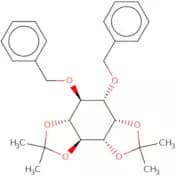
Fórmula:C5H11NO4Pureza:Min. 95%Peso molecular:149.15 g/mol2,3:4,5-Di-O-isopropylidene-1,6-di-O-benzyl-D-myo-inositol
2,3:4,5-Di-O-isopropylidene-1,6-di-O-benzyl-D-myo-inositol is a complex carbohydrate and a sugar. It is an oligosaccharide with two monosaccharides and a glycosidic linkage. It has been modified by methylation, fluorination and Click chemistry. This compound has been custom synthesized for high purity.
Fórmula:C26H32O6Pureza:Min. 95%Peso molecular:440.53 g/mol1-Deoxy-3,4-O-isopropylidene-6-O-tert.butyldimethylsilyl-D-tagatose
1-Deoxy-3,4-O-isopropylidene-6-O-tert.butyldimethylsilyl-D-tagatose (1DOP) is a carbohydrate that can be used in the synthesis of oligosaccharides and polysaccharides. It is a synthetic monosaccharide that has been modified with fluorine and methyl groups to increase its stability. 1DOP can be reacted with other sugars like glucose or mannose to form glycosidic linkages. The resulting product is called an oligosaccharide, which can then be further modified by adding more sugar residues to form a polysaccharide.
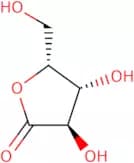
Pureza:Min. 95%D-Xylonic-1,4-lactone
CAS:D-Xylonic acid-1,4-lactone is a substrate that participates in the synthesis of glyceric acid. It has been shown to be a synthetic substrate for benzyl groups and leukemia HL-60 cells. D-Xylonic acid-1,4-lactone can react with chloride ions to form D-xylose. The product of this reaction is an epimerization reaction that occurs when the hydroxyl group on the carbon atom adjacent to the carbonyl group (C1) reacts with a proton from water to form a double bond at C2. This conversion produces xylonic acid and lactone.
Fórmula:C5H8O5Pureza:Min. 97 Area-%Cor e Forma:White PowderPeso molecular:148.11 g/molRef: 3D-MX00474
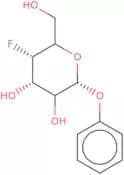
Produto descontinuadoPhenyl 4-deoxy-4-fluoro-α-D-glucopyranoside
Phenyl 4-deoxy-4-fluoro-a-D-glucopyranoside is a custom synthesis that can be modified with fluorination, methylation, monosaccharide and oligosaccharide. It has CAS No. and is a polysaccharide. Phenyl 4-deoxy-4-fluoro-a-D-glucopyranoside is a sugar that is glycosylated and complexed with carbohydrates.
Fórmula:C12H15FO5Pureza:Min. 95%Cor e Forma:White to off-white solid.Peso molecular:258.24 g/molRef: 3D-MP11444
Produto descontinuadoa-D-Arabinopyranosyl azide
CAS:a-D-Arabinopyranosyl azide is a new modified sugar that has been synthesized by the Click chemistry method. It is a complex carbohydrate with different substituents at the C2, C4, and C6 positions. This compound can be used for methylation, saccharide, polysaccharide, glycosylation or other custom synthesis. The CAS No. for this product is 138892-04-3, and it has a purity of >99%.
Fórmula:C5H9N3O4Pureza:Min. 95%Peso molecular:175.14 g/mol5,6-O-Isopropylidene-D-mannofurano-1,4-lactone
5,6-O-Isopropylidene-D-mannofurano-1,4-lactone (5,6-OI) is a synthetic monosaccharide that is used in the synthesis of oligosaccharides and complex carbohydrates. This compound can be fluorinated to 5,6-OI(F) and methylated to 5,6-OMe. It also has a glycosylation site at C2. The CAS number for this compound is 218070-07-5.
Pureza:Min. 95%4-Methoxyphenyl 2,4,6-tri-O-benzoyl-a-D-mannopyranoside
4-Methoxyphenyl 2,4,6-tri-O-benzoyl-a-D-mannopyranoside is a glycosylation product of mannose with 4-methoxybenzoic acid. It is a complex carbohydrate that has been modified by methylation and click modification. The fluorination increases the reactivity of the hydroxyl groups on the sugar ring. This product can be synthesized in high purity and custom synthesis.
Fórmula:C34H30O10Pureza:Min. 95%Peso molecular:598.6 g/mol4,6-O-Benzylidene-D-glucose
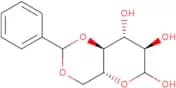
CAS:4,6-O-Benzylidene-D-glucose is a potent inhibitor of the enzyme dibutyltin oxide, which is involved in the synthesis of energy. It has been shown to have clinical activity in rat cardiomyocytes and has been tested in clinical studies. 4,6-O-Benzylidene-D-glucose inhibits enzymes by forming hydrogen bonds with their substrates. This compound also interacts with hydrochloric acid to form a stable complex that prevents it from interacting with other molecules. 4,6-O-Benzylidene-D-glucose is rapidly broken down into glucose and benzaldehyde when it reacts with carbonyl groups or amines. The asymmetric synthesis of this compound can be achieved using an intramolecular hydrogen transfer reaction.
4,6-O-Benzylidene glucose is derived from D-mannose derivatives and contains a hydroxyl group on the central carbonFórmula:C13H16O6Pureza:Min. 98 Area-%Cor e Forma:White PowderPeso molecular:268.26 g/molRef: 3D-MB03806
Produto descontinuado2,3-O-Isopropylidene-hamamelono-1,4-lactone
2,3-O-Isopropylidene-hamamelono-1,4-lactone is an Oligosaccharide with a Glycosylation that is Synthetic and Fluorinated. It has a Custom synthesis and Methylation. This product is Monosaccharide and Polysaccharide. It has a Click modification, a complex carbohydrate, and is High purity. The CAS number for this product is 62968-07-1.
Pureza:Min. 95%Colchicoside
CAS:Colchicoside is a natural compound that belongs to the chemical family of phenylpropanoids. It is used in the treatment of gout and pseudogout, and has been shown to be effective against demecolcine-induced hemolytic activity. Colchicoside has also shown to be an analog for other compounds with toxicological studies, such as hydrochloric acid and potassium dichromate. The toxicity studies performed on colchicoside have shown that it can cause damage to cells in culture by inhibiting DNA repair mechanisms.
Fórmula:C27H33NO11Pureza:Min. 95%Cor e Forma:PowderPeso molecular:547.55 g/mol1-Epi-adenophorine
1-Epi-adenophorine is a synthetic molecule that can inhibit the activity of enzymes. It is an epoxide that forms from the 1,2-epoxidation of cinnamic acid and has been shown to have many effects on various enzymes, including inhibiting enzyme activities. This drug has been used in the synthesis of miglustat, a macrocyclic molecule that inhibits a number of enzymes involved in protein folding and cell proliferation. 1-Epi-adenophorine is also effective as a cancer therapeutic agent by inhibiting glycosidases and cellular glycosylation.
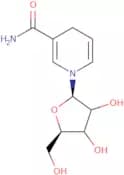
Pureza:Min. 95%Reduced nicotinamide riboside
CAS:The reduced form of nicotinamide riboside or NRH is a potent NAD+ precursor that helps to replenish its levels in the cell. The reduced nicotinamide riboside form has shown high tolerance against degradation in plasma, which is why it is beneficial as a metabolite for the synthesis of NAD/NADH.
Fórmula:C11H16N2O5Pureza:Min. 95 Area-%Cor e Forma:Clear Viscous LiquidPeso molecular:256.26 g/molRef: 3D-MR31174
Produto descontinuadoD-Mannonic acid-1,4-lactone
CAS:D-Mannonic acid-1,4-lactone is a recombinant carbohydrate that is synthesized from l-ribose and l-arabinose. It has lysozyme inhibitory activity. D-Mannonic acid-1,4-lactone can be used to study the synthesis of lactones by escherichia coli and their inhibitory effects on lysozyme. The compound consists of two stereoisomers: dl-mannonic acid and ldl-mannonic acid. It can be detected by liquid chromatography (LC) and electrophoresis.
Fórmula:C6H10O6Pureza:Min. 95%Cor e Forma:White PowderPeso molecular:178.14 g/molRef: 3D-MM02634
Produto descontinuadoZiyuglycoside II
CAS:Ziyuglycoside II is a steroidal alkaloid that has been shown to have anti-angiogenic properties. It is a natural compound extracted from the Chinese herb ziyuglycoside. This compound has been shown to inhibit the activation of toll-like receptor 4, which plays an important role in inflammation and immunity. Ziyuglycoside II also inhibits the production of reactive oxygen species and autophagy, leading to cell death by apoptosis. This compound has been shown to be effective against bowel disease and epithelial mesenchymal transition (EMT). Ziyuglycoside II has also been shown to have matrix effects on the cells Hl-60, which are related to tumor metastasis.
Fórmula:C35H56O8Pureza:Min. 95%Cor e Forma:White To Off-White SolidPeso molecular:604.81 g/molRef: 3D-MZ44339
Produto descontinuadoUDP-2-deoxy-2-fluoro-D-mannose
CAS:UDP-2-deoxy-2-fluoro-D-mannose is a modified monosaccharide that is synthesized from D-mannose. It can be used for the synthesis of glycosyls and polysaccharides as well as for the modification of complex carbohydrates. UDP-2-deoxy-2-fluoro-D-mannose has been shown to be an excellent substrate for methylation, glycosylation, and fluorination reactions. This compound can also be used to modify high purity oligosaccharides with a high degree of substitution.
Fórmula:C15H23FN2O16P2Pureza:Min. 95%Peso molecular:568.29 g/molα-D-Fucose
CAS:Fucose is a 6-carbon sugar that is an essential component of the human diet. It is found in many vegetables and fruits, but it can also be produced by the body from glucose. Fucose is involved in a number of important biochemical processes, including calcium metabolism and the synthesis of galactose, l-glutamic acid, and other carbohydrates. Fucose has been shown to inhibit leukemia cells through programmed cell death and may also have a role in regulating cell proliferation.
Fórmula:C6H12O5Pureza:Min. 98.0 Area-%Peso molecular:164.16 g/mol1-Deoxy- 6- O- tert.butyl dimethylsilyl]- 3, 4- O- isopropylidene-D- Psicofuranose
This complex carbohydrate is a modification of the 6-O-tert.butyl dimethylsilyl]psicofuranose. It is an Oligosaccharide that has been modified with methylation, glycosylation, and Click modification of the sugar moieties. The CAS number for this complex carbohydrate is 10963-29-3, and it has a purity of 99%.
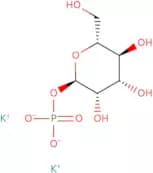
Pureza:Min. 95%a-D-Mannose-1-phosphate dipotassium salt
CAS:a-D-Mannose-1-phosphate dipotassium salt (DMDK) is a synthetic oligosaccharide that was designed and synthesized for use as a potential drug in the treatment of cancer. DMDK has been shown to be an inhibitor of protein glycosylation, which may lead to the prevention of tumor formation. It also has anti-inflammatory properties and can inhibit the growth of bacteria by binding to bacterial 16S ribosomal RNA and inhibiting protein synthesis.Fórmula:C6H11K2O9PPureza:Min. 95%Cor e Forma:PowderPeso molecular:336.32 g/molRef: 3D-MM06146
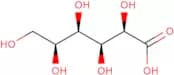
Produto descontinuadoL-Idonic acid sodium
CAS:L-Idonic acid sodium is a plant hormone that regulates carbohydrate metabolism. It has been shown to regulate the synthesis of galacturonic acid and malic acid, which are important for the production of glucose. L-Idonic acid sodium also regulates the synthesis of fatty acids, which are important for cell membrane formation. L-Idonic acid sodium is an intermediate in the biosynthesis of l-tartaric acid, which is an enzyme substrate. The gene product that encodes this molecule has been characterized as a protein with a molecular weight of approximately 9,000 daltons and a hydroxyl group on C-3.
Fórmula:C6H11O7NaPureza:Min. 95%Cor e Forma:PowderPeso molecular:218.15 g/molRef: 3D-MI170962
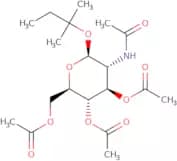
Produto descontinuadotert-Amyl 2-acetamido-3,4,6-tri-O-acetyl-2-deoxy-b-D-glucopyranoside
CAS:Tert-Amyl 2-acetamido-3,4,6-tri-O-acetyl-2-deoxy-b-D-glucopyranoside is a custom synthesis that has not been reported in the literature or commercialized. The compound is an oligosaccharide with a fluorinated saccharide unit. It is synthesized by methylation of glycosylation and click modification of the sugar. Tert-Amyl 2-acetamido-3,4,6-tri-O-acetyl-2DGPA has been shown to be resistant to enzymatic digestion and hydrolysis by esterases. The compound can also be used as a fluorescent probe for studying carbohydrate metabolism.
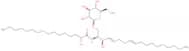
Fórmula:C19H31NO9Pureza:Min. 95%Peso molecular:417.45 g/molGlucosylceramide
CAS:Glucosylceramide (Glc-Cer) is the common precursor in the biosynthesis of most glycosphingolipids, with exception of some Gal-Cer derivatives, such as, GM4. Glucosylceramide consists of a glucosyl moiety which is β-O-glycosydically linked to ceramide, which itself, consists of the long-chain aminoalcohol sphingosine and a fatty acid. Glucosylceramide (also called glucocerebroside) is synthesised enzymatically, by the glucosylceramide synthase-catalysed with the addition of a glucose residue to ceramide. Glucosylceramide is involved in the regulation of various cellular events and also serves as a main constituent in liposome formulations.
Fórmula:C40H75NO9Pureza:Min. 98 Area-%Cor e Forma:White Off-White PowderPeso molecular:714.02 g/molRef: 3D-MG16326
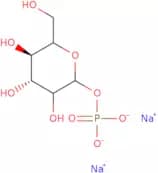
Produto descontinuadoD-Galactose-1-phosphate disodium
CAS:D-Galactose-1-phosphate disodium is an organic compound that is used as a methylation and glycosylation reagent. It can be used in the synthesis of oligosaccharides, polysaccharides, and other complex carbohydrates. D-Galactose-1-phosphate disodium is a fluorinated saccharide that can be custom synthesized to order. It is also available in high purity and has CAS No. 147072-63-7.Fórmula:C6H13O9P•(Na)2Pureza:(31P-Nmr) Min. 98%Cor e Forma:PowderPeso molecular:304.1 g/molRef: 3D-MG04375
Produto descontinuado1-Amino-D-butane-2,3,4-triol
1-Amino-D-butane-2,3,4-triol is a custom synthesis of 1,2,3,4-1-amino butane. It has been modified with fluorination and methylation. This product has a CAS number of 20897-16-0. The molecular weight is 152.17 g/mol and the molecular formula is C6H11NO3. This product is a synthetic compound that consists of monosaccharides and oligosaccharides. The glycosylation is Oligosaccharide and saccharide. It can be found in the carbohydrate category as it contains complex carbohydrates.
Pureza:Min. 95%2-Azido-2-deoxy-3,5-O-benzylidene-D-xylono-1,4-lactone
2-Azido-2-deoxy-3,5-O-benzylidene-D-xylono-1,4-lactone is a synthetic sugar that is used in the synthesis of glycosylation, methylation and click modification reactions. It has been shown to be a potential precursor for polysaccharides and fluorinated saccharides. This product can be custom synthesized and is available at high purity.
Pureza:Min. 95%Methyl 4-azido-4-deoxy-2,3-O-isopropylidene-a-D-mannopyranoside
Methyl 4-azido-4-deoxy-2,3-O-isopropylidene-a-D-mannopyranoside is a glycosylation reagent that is used to synthesize complex carbohydrates. This product is a monosaccharide with CAS No. 682487-41-6 and has a custom synthesis. It can be fluorinated and saccharified, resulting in an oligosaccharide. The synthesis of this product is based on the Click reaction, which is an efficient way to modify sugar molecules. This product has high purity and can be custom synthesized to meet your needs.
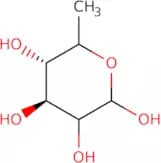
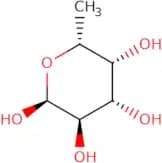
Pureza:Min. 95%6-Deoxy-L-talose
CAS:6-Deoxy-L-talose is a sugar that is found in the cell walls of bacteria. It is a component of glycan, which are long chains of sugar molecules linked together. Glycans are important for the structural integrity and function of bacterial cell walls. 6-Deoxy-L-talose is a monosaccharide that has been detected in the type strain of Bacillus subtilis and in wild-type strains of Pseudomonas aeruginosa. This sugar can be chemically analyzed using gas chromatography and mass spectrometry to determine its structure and chemical composition. 6-Deoxy-L-talose can be used to detect specific monoclonal antibodies against it, which could be useful for detecting bacterial infections or determining how antibiotics affect bacteria.
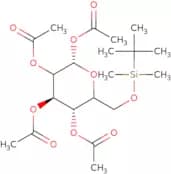
Fórmula:C6H12O5Pureza:Min. 98 Area-%Cor e Forma:White PowderPeso molecular:164.16 g/mol1,2,3,4-Tetra-O-acetyl-6-O-(tert-butyldimethylsilyl)-b-D-galactopyranose
1,2,3,4-Tetra-O-acetyl-6-O-(tert-butyldimethylsilyl)-b-D-galactopyranose is a custom synthesis with methylation and click modification. It is a high purity compound that is available for purchase. This compound has been fluorinated to create 1,2,3,4-Tetra-O-acetyl-6-[(trifluoromethyl)oxy]-b-D-galactopyranose. The chemical formula is C14H27F3O7. It can be used in the synthesis of oligosaccharides and polysaccharides.
Fórmula:C20H34O10SiPureza:Min. 95%Peso molecular:462.57 g/mol2,3:4,5:6,7-Tri-O-isopropylidene-D-glycero-D-ido-heptonic acid methyl ester
2,3:4,5:6,7-Tri-O-isopropylidene-D-glycero-D-ido-heptonic acid methyl ester is an oligosaccharide that is a synthetic glycosylation product. It is a complex carbohydrate that has a high purity and CAS No. This compound can be custom synthesized to your specifications and modified in the lab with fluorination or methylation.
Pureza:Min. 95%2-Azido- 2- deoxy- 2- C- methyl-D- ribono-1,5- lactone
2-Azido-2-deoxy-2-C-methyl-D-ribono-1,5-lactone is a custom synthesized carbohydrate. It is an oligosaccharide that is modified by methylation and glycosylation. The carbohydrate has been fluorinated to provide the desired properties of this product. 2-Azido-2-deoxy-2-C-methyl-Dribono1,5 -lactone is a high purity product that is synthesized in a controlled environment with strict quality control measures. It has been synthesized using Click chemistry and is available for purchase in bulk quantities.
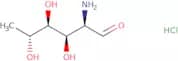
Pureza:Min. 95%D-Quinovosamine hydrochloride
CAS:Quinovosamine hydrochloride (QNH) is a fatty acid that belongs to the group of galacturonic acid. It has been shown to be biologically active in wild-type strains and in some bacterial strains, including Pseudomonas aeruginosa. QNH has also been used for preparation of monoclonal antibodies directed against receptor activity, which are activated by QNH.
Fórmula:C6H13NO4·HClPureza:Min. 95%Cor e Forma:PowderPeso molecular:199.63 g/molRef: 3D-MQ31639
Produto descontinuadoVarenicline N-glucoside
CAS:Varenicline N-glucoside is a modification of varenicline, which is an antagonist of the nicotinic acetylcholine receptor. This compound has been synthesized using custom synthesis and glycosylation to obtain high purity. It has been methylated and fluorinated in order to remove any impurities. Varenicline N-glucoside is a carbohydrate with a molecular weight of 581.5 g/mol, consisting of one monosaccharide and one disaccharide. It also contains a complex carbohydrate with an oligosaccharide chain that is composed of glycosylation and saccharide units. The CAS number for this compound is 873302-31-9.
Fórmula:C19H23N3O5Pureza:Min. 95%Cor e Forma:PowderPeso molecular:373.4 g/molRef: 3D-MV16891
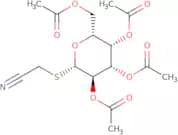
Produto descontinuadoCyanomethyl 2,3,4,6-tetra-O-acetyl-b-D-thiogalactopyranoside
CAS:Cyanomethyl 2,3,4,6-tetra-O-acetyl-b-D-thiogalactopyranoside is an important reagent for the synthesis of glycosides and oligosaccharides. This substance has been used to synthesize a variety of modified saccharides, such as methylated sugars and fluorinated saccharides. It also has been applied to the synthesis of complex carbohydrates with the click modification.Fórmula:C16H21NO9SPureza:Min. 98 Area-%Cor e Forma:White Off-White PowderPeso molecular:403.41 g/molRef: 3D-MC04530
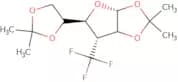
Produto descontinuado3-Deoxy-1,2:5,6-di-O-isopropylidene-3-trifluoromethyl-a-D-glucofuranose
CAS:3-Deoxy-1,2:5,6-di-O-isopropylidene-3-trifluoromethyl-a-D-glucofuranose is a carbohydrate that has the following modifications: methylation at the 6 position of the 3rd carbon atom, glycosylation at the 2nd and 4th positions of the 5th carbon atom, fluorination at the 1st position of the 5th carbon atom. This carbohydrate has a CAS number 1426243-44-8 and can be found under Polysaccharide in CAS.
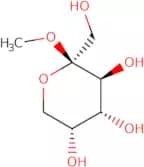
Fórmula:C13H19F3O5Pureza:Min. 95%Peso molecular:312.28 g/molMethyl β-D-fructopyranoside
CAS:Methyl β-D-fructopyranoside is a glycoside that is made up of a pyranose ring and the sugar d-fructose. This molecule is stable because of its hydrogen bonds, which are formed between the oxygen atom of the hydroxyl group and the hydrogen atom of the methyl group. Methyl β-D-fructopyranoside has two chiral centers, so it can exist as two enantiomers. The most common form is D-(+)-methyl β-d-fructopyranoside, which has a configuration of R (right) and S (left).
Fórmula:C7H14O6Pureza:One SpotCor e Forma:PowderPeso molecular:194.18 g/molRef: 3D-MM168138
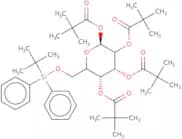
Produto descontinuado1,2,3,4-Tetra-O-pivaloyl-6-O-(tert-butyldiphenylsilyl)-b-D-glucopyranose
1,2,3,4-Tetra-O-pivaloyl-6-O-(tert-butyldiphenylsilyl)-b-D-glucopyranose is a custom synthesis of an oligosaccharide with a polysaccharide. The carbohydrate is modified with fluorination and methylation. This product has high purity and is synthesized using click chemistry. Monosaccharides are attached to the sugar backbone in order to form complex carbohydrates. This product can be used as a synthetic sugar or in the production of other oligosaccharides.
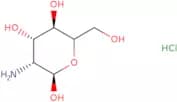
Fórmula:C42H62O10SiPureza:Min. 95%Peso molecular:755.04 g/molD-Galactosamine hydrochloride
CAS:D-Galactosamine (GalN) is an aldohexose (2-Amino-2-deoxygalactose) in which the hydroxyl group at position 2 is replaced by an amino group (Collins, 2006). Galactosamine (as the N-Acetyl derivative) forms a key part of both N- and O-linked glycoproteins, glycolipids and glycosaminoglycans. Treatment of experimental animals with D-galactosamine / lipopolysaccharide causes lethal liver injury characterized by apoptosis of the hepatocyte and it is used as a laboratory model to study the effect of therapeutic agents (Hirono, 2001).
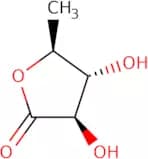
Fórmula:C6H14ClNO5Peso molecular:215.63 g/mol5-Deoxy-L-arabonic acid 1,4-lactone
CAS:5-Deoxy-L-arabonic acid 1,4-lactone is a phytochemical present in the flowers of some plants. It has been shown to have anti-cancer properties in lung cancer cells by inhibiting the growth of these cells. 5-Deoxy-L-arabonic acid 1,4-lactone inhibits cell division and induces apoptosis by binding to DNA, preventing replication. This compound also inhibits the production of prostaglandins that promote inflammation, which may be related to its anti-cancer effects. 5-Deoxy-L-arabonic acid 1,4-lactone has been shown to inhibit the production of phenolic compounds such as vanillic acid and apigenin in lung cancer cell lines. These compounds have been shown to have chemopreventive activities against various cancers including breast cancer and colon cancer.
Fórmula:C5H8O4Pureza:Min. 95%Cor e Forma:PowderPeso molecular:132.12 g/moln-Dodecyl-β-D-maltoside
CAS:Dodecyl maltoside (DDM) is a non-ionic detergent that consists of a hydrophilic maltose head and a hydrophobic long chain alkyl tail. It has a relatively low critical micelle concentration of 0.17 mM and is considered a gentle but powerful detergent. DDM is often the best tool for solubilising/crystallising membrane proteins. Membrane proteins usually have α-helical structures that are easily destroyed when the protein is released from its membrane environment. DDM can often preserve these structures during the solubilisation. In addition, membrane proteins can often be renatured when isolated with DDM.
Fórmula:C24H46O11Peso molecular:510.63 g/molTetra- O- benzoyl- b- D- xylofuranose
CAS:Tetra-O-benzoyl-b-D-xylofuranose is a custom synthesis. It is an oligosaccharide with a saccharide chain of four sugar units that are linked by glycosylation. The first and third sugars have a benzoyl group, while the second and fourth sugars are xylopyranosyl residues. The molecule has been modified with fluorination, methylation, and click chemistry. Tetra-O-benzoyl-b-D-xylofuranose is soluble in water, methanol, acetone, chloroform, ethanol, ethylene glycol ethers, and acetonitrile.
Tetra-O-benzoyl-b-D-xylofuranose has CAS number 18530–90–0.Fórmula:C33H26O9Pureza:Min. 95%Peso molecular:566.55 g/mol1,2-O-Benzylidene -β- L- idofuranuronic acid γ-lactone
1,2-O-Benzylidene -beta- L- idofuranuronic acid gamma-lactone is a custom synthesis of a fluorinated monosaccharide. The modification of the sugar is accomplished by methylation and click chemistry. The monosaccharide can be used as a building block for oligosaccharides and polysaccharides. It is also used as an intermediate in the glycosylation process that produces complex carbohydrates.
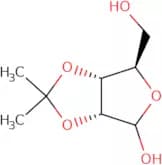
Pureza:Min. 95%2,3-O-Isopropylidene-D-ribofuranose
CAS:Pharmaceutical intermediate
Fórmula:C8H14O5Pureza:Min. 95%Cor e Forma:PowderPeso molecular:190.19 g/molRef: 3D-MI05290
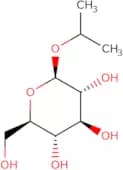
Produto descontinuadoIsopropyl beta-D-glucopyranoside
CAS:Isopropylbeta-D-glucopyranoside is a chemical compound that has been studied for its antibacterial activity. It has been shown to inhibit the growth of bacteria by reacting with fatty acids in the cell membrane, which leads to the disruption of the cell membrane and death. Isopropylbeta-D-glucopyranoside is a member of the sugar alcohols class, and it can be synthesized from glucose, fatty acid, and hydrochloric acid using an acid catalyst. The reaction system is typically carried out in microcapsules.
Fórmula:C9H18O6Pureza:Min. 95%Cor e Forma:PowderPeso molecular:222.24 g/molRef: 3D-FI152923
Produto descontinuado6-O-Malonyldaidzin free acid
CAS:6-O-Malonyldaidzin is a metabolite of the soybean isoflavone daidzein. It is an isoflavonoid that has been shown to activate estrogen receptors in vitro and in vivo. 6-O-Malonyldaidzin has been found to have a protective effect on hepatic steatosis, as well as an anti-inflammatory effect. This compound also appears to have matrix effects on plasma lipoproteins and vascular endothelial cells. 6-O-Malonyldaidzin is absorbed efficiently from the gastrointestinal tract, with its bioavailability being 70% or higher when taken orally. The chemical reaction for the synthesis of 6-O-Malonyldaidzin free acid can be carried out using acetylgenistin as a starting material. The sample preparation for this reaction solution may include distillation, recrystallization, or column chromatography. The analytical method for measuring the concentration of this compound includes UV spectrosc
Fórmula:C24H22O12Pureza:Min. 95%Cor e Forma:White PowderPeso molecular:502.42 g/molRef: 3D-MM09965
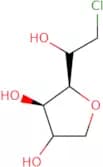
Produto descontinuado1,4-Anhydro-6-chloro-6-deoxy-D-glucitol
1,4-Anhydro-6-chloro-6-deoxy-D-glucitol is a complex carbohydrate that has been fluorinated and modified with methyl groups. It can be custom synthesized to produce high purity compounds. 1,4-Anhydro-6-chloro-6-deoxy-D-glucitol is used in synthesis of saccharides and oligosaccharides. The compound has been modified with Click chemistry to produce glycosylation products. It can also be used as an intermediate for the synthesis of sugar derivatives.
1,4-Anhydro-6-chloro-6-deoxy--D--glucitol has the following chemical structure:Fórmula:C6H11ClO4Pureza:Min. 95%Peso molecular:182.61 g/mol







![1-Deoxy- 6- O- tert.butyl dimethylsilyl]- 3, 4- O- isopropylidene-D- Psicofuranose](/_next/image/?url=https%3A%2Fstatic.cymitquimica.com%2Fproducts%2F3D%2Fthumb-webp%2FMD170320.webp&w=3840&q=75)