Monossacáridos
Subcategorias de "Monossacáridos"
- Aloses(11 produtos)
- Arabinoses(21 produtos)
- Eritroses(11 produtos)
- Frutoses(9 produtos)
- Fucoses(36 produtos)
- Galactosamina(41 produtos)
- Galactoses(262 produtos)
- Glucoses(365 produtos)
- Ácidos Glucurónicos(52 produtos)
- Glico-substratos para enzimas(78 produtos)
- Guloses(6 produtos)
- Idoses(4 produtos)
- Inositóis(15 produtos)
- Lixoses(4 produtos)
- Mannoses(65 produtos)
- O-Glicanos(48 produtos)
- Psicoses(3 produtos)
- Ramnoses(10 produtos)
- Riboses(61 produtos)
- Ácidos siálicos(100 produtos)
- Sorboses(4 produtos)
- Açúcares(173 produtos)
- Tagatoses(4 produtos)
- Taloses(8 produtos)
- Xiloses(20 produtos)
Foram encontrados 6089 produtos de "Monossacáridos"
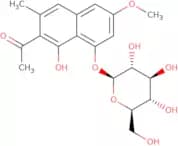
Torachrysone 8-O-glucoside
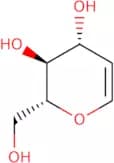
CAS:Torachrysone 8-O-glucoside is a natural product found in the rhizome of Chinese medicinal plant Rhubarb. It is an antiinflammatory that has been shown to be effective in vitro against inflammation induced by spleen, blood, and the stomach. Torachrysone 8-O-glucoside has also been shown to have protective effects on the kidney and bladder.Fórmula:C20H24O9Pureza:Min. 95%Cor e Forma:White PowderPeso molecular:408.4 g/molD-Glucal
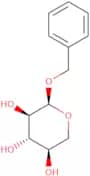
CAS:D-Glucal is a protonated d-glucal, which is a simple sugar. It reacts with the electron acceptor oxygen to form an oxidized product. This product can be reduced back to the original molecule by using a reducing agent, such as sodium borohydride or sodium dithionite. D-Glucal has been shown to inhibit the growth of tumor cells in mice that are resistant to other anticancer drugs. D-Glucal inhibits transcription and replication of DNA by binding to the DNA-dependent RNA polymerase and blocking its ability to transcribe messenger RNA (mRNA). The enzyme is also inhibited by glycosidic bond architectures that prevent it from binding to the DNA template strand. D-Glucal also has an effect on protein synthesis because it binds to proteins and prevents them from performing their normal functions. D-Glucal has been used as a model system for studying cellular processes in mammalian cells, such as oxidationFórmula:C6H10O4Pureza:Min. 98 Area-%Cor e Forma:White Off-White PowderPeso molecular:146.14 g/molBenzyl a-D-xylopyranoside
CAS:Benzyl a-D-xylopyranoside is a benzyl galactofuranose that is synthesized from the condensation of benzaldehyde and D-xylose. This compound has been shown to be an excellent target molecule for the detection of Mycobacterium tuberculosis, as it constitutes about 10% of the mycolic acid in this organism. Benzyl a-D-xylopyranoside can also be used to detect other bacteria such as Actinomyces, Streptomyces, and Corynebacterium. The yield of this compound is high and its regiospecificity is complete.
Fórmula:C12H16O5Pureza:Min. 95%Cor e Forma:PowderPeso molecular:240.25 g/mol3-Azido-3-deoxy-1,2:5,6-di-O-isopropylidene-a-D-glucofuranose
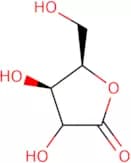
CAS:3-Azido-3-deoxy-1,2:5,6-di-O-isopropylidene-a-D-glucofuranose is a synthetic sugar that has been modified by Fluorination, Monosaccharide, Synthetic, Oligosaccharide, complex carbohydrate, CAS No. 13964-23-3 and Glycosylation. It is also a Polysaccharide with modifications of Click modification and Methylation. 3A3DG can be used to modify the sugar content of glycoproteins and glycolipids in order to study their role in cellular processes such as transcriptional regulation and apoptosis. This product is available for custom synthesis in quantities from milligrams to kilograms.Fórmula:C12H19N3O5Pureza:Min. 95%Cor e Forma:Yellow PowderPeso molecular:285.3 g/molD-Ribonic acid-1,4-lactone
CAS:D-ribono-1,5-lactone is a useful intermediate for the synthesis of bioactive compounds including antivirals.
Fórmula:C5H8O5Cor e Forma:White PowderPeso molecular:148.11 g/mol1-O-Methyl-β-D-glucopyranoside
CAS:1-O-Methyl-β-D-glucopyranoside is a β-glucosidase inducer.
Fórmula:C7H14O6Pureza:Min. 98.0 Area-%Peso molecular:194.19 g/molRef: 3D-M-3592
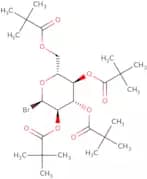
-Unit-ggA consultar5gA consultar25gA consultar50gA consultar100gA consultar250gA consultar2,3,4,6-Tetra-O-pivaloyl-a-D-glucopyranosyl bromide - stabilised with CaCO3
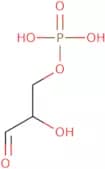
CAS:Intermediate in the synthesis of dapagliflozinFórmula:C26H43BrO9Pureza:Min. 95%Cor e Forma:White To Off-White SolidPeso molecular:579.52 g/molDL-Glyceraldehyde 3-phosphate - 45-55 mg/mL aqueous solution
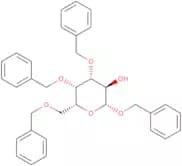
CAS:Glyceraldehyde-3-phosphate dehydrogenase (GAPDH) is an enzyme that catalyzes the conversion of glyceraldehyde-3-phosphate to 1,3 bisphosphoglycerate. GAPDH is involved in glycolysis and the pentose phosphate pathway. It has been shown to be an important player in mediating cellular responses to hypoxia, inflammation, and oxidative stress. The glyceraldehyde-3-phosphate dehydrogenase gene has been found to be mutated in a number of cancers including breast cancer and colon cancer. This gene also has a role in inflammatory lesion development as well as energy metabolism. GAPDH also participates in the biochemical reactions that lead to neuronal death during neurodegenerative diseases such as Alzheimer's disease and Parkinson's disease.Fórmula:C3H7O6PCor e Forma:Colorless Clear LiquidPeso molecular:170.06 g/mol1,3,4,6-Tetra-O-benzyl-b-D-galactopyranoside
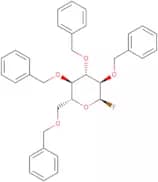
CAS:1,3,4,6-Tetra-O-benzyl-b-D-galactopyranoside is a custom synthesis that has been modified with methylation and fluorination. It is an oligosaccharide composed of saccharides linked by glycosidic bonds. Carbohydrates are polymers of monosaccharides, which can be classified as either simple sugars or complex carbohydrates. This product is a high purity, synthetic sugar that is suitable for use in the synthesis of complex carbohydrate polymers.Fórmula:C34H36O6Pureza:Min. 95%Cor e Forma:PowderPeso molecular:540.65 g/mol2,3,4,6-Tetra-O-benzyl-a-D-glucopyranosyl fluoride
CAS:2,3,4,6-Tetra-O-benzyl-a-D-glucopyranosyl fluoride is a modification of a carbohydrate. It is a complex carbohydrate that has the CAS No. 89025-46-7 and is custom synthesized. The product contains an oligosaccharide and high purity that are synthetic and monosaccharides that are methylated, glycosylated, and polysaccharides that are sugars with fluorination. The product also contains saccharides with glycosylation and polysaccharide sugar units.Fórmula:C34H35FO5Pureza:Min. 95%Cor e Forma:White To Off-White SolidPeso molecular:542.64 g/molPhenyl 4,6-O-benzylidene-β-D-glucopyranoside
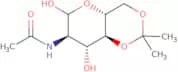
CAS:Phenyl 4,6-O-benzylidene-b-D-glucopyranoside is a white crystalline powder that belongs to the group of glycoconjugates. It has been made by the modification of glycosides and saccharides. This product can be used as a fluorination agent in organic synthesis, or as a click modification in carbohydrate chemistry. Phenyl 4,6-O-benzylidene-b-D-glucopyranoside can also be used for glycosylation reactions and methylation reactions.Fórmula:C19H20O6Pureza:Min. 95%Cor e Forma:White to off-white solid.Peso molecular:344.36 g/mol2-Acetamido-2-deoxy-4,6-O-isopropylidene-D-glucopyranose
CAS:2-Acetamido-2-deoxy-4,6-O-isopropylidene-D-glucopyranose is a modification of 2,3,4,5,6 tetraacetamido 1,2,3,4,5 pentaoxo 1,2 deoxy D glucose. It is an oligosaccharide that has been synthesized for the first time in 1977. The monosaccharide can be methylated and glycosylated to form polysaccharides such as mannans and galactans. The chemical structure of this product can be modified with fluorination or saccharide substitution.Fórmula:C11H19NO6Pureza:Min. 95%Peso molecular:261.27 g/mol1,5-Anhydro-D-fructose
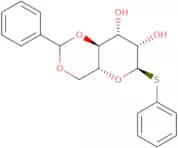
CAS:Antioxidant; antibacterial; suppresses LPS-induced inflammatory responseFórmula:C6H10O5Pureza:Min. 95%Cor e Forma:PowderPeso molecular:162.14 g/molPhenyl 4,6-O-benzylidene-a-D-thiomannopyranoside
CAS:Phenyl 4,6-O-benzylidene-a-D-thiomannopyranoside is a custom synthesis that is modified with fluorination, methylation and click modification. It is a monosaccharide that is used in the preparation of polysaccharides and glycosylations. Phenyl 4,6-O-benzylidene-a-D-thiomannopyranoside also has saccharide and carbohydrate properties.Fórmula:C19H20O5SPureza:Min. 95%Cor e Forma:White PowderPeso molecular:360.43 g/molD-Glucono-1,5-lactone
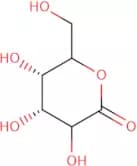
CAS:D-Glucono-1,5-lactone is a chemical compound that is a member of the class of compounds known as diketones. It can be used in chemical biology and polymer chemistry to probe hydrogen bonding interactions, polymer compositions, and redox potentials. D-Glucono-1,5-lactone has been shown to inhibit the growth of cells in culture by inhibiting DNA synthesis. This inhibition is due to its ability to bind with high affinity to nucleic acids and prevent the formation of the enzyme complexes required for transcription and replication. The effects are reversible.
Fórmula:C6H10O6Pureza:Min. 95%Cor e Forma:PowderPeso molecular:178.14 g/molN-Acetyl-2-O-methyl-b-D-neuraminic acid
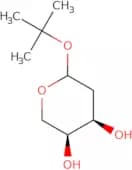
CAS:N-Acetyl-2-O-methyl-b-D-neuraminic acid (AOMBNA) is a modification of sialic acid. It is an N-acetylated, O-methylated analogue of b-D-neuraminic acid. AOMBNA is synthesized by the chemical modification of D,L -erythro -2,3,4,6 tetra hydro sialic acid with methyl bromo acetate in the presence of sodium methoxide. The product can be purified by crystallization from dichloromethane and methanol mixture. AOMBNA has been used in complex carbohydrate synthesis and glycosylation reactions.Fórmula:C12H21NO9Pureza:Min. 95%Cor e Forma:PowderPeso molecular:323.3 g/moltert-Butyl 2-deoxy-L-ribopyranoside
CAS:Tert-butyl 2-deoxy-L-ribopyranoside is a synthetic monosaccharide that can be used in the synthesis of polysaccharides and oligosaccharides. It is also used for fluorination reactions, such as click modification. This compound can be custom synthesized to order, and it is available in high purity. Tert-butyl 2-deoxy-L-ribopyranoside can be modified with a variety of different functional groups, including methylation. It has an CAS number of 1032153-57-3.Fórmula:C9H18O4Pureza:Min. 95%Cor e Forma:White to off-white solid.Peso molecular:190.24 g/mol2,3,4,6-Tetra-O-pivaloyl-D-glucopyranosyl azide
CAS:2,3,4,6-Tetra-O-pivaloyl-D-glucopyranosyl azide is an oligosaccharide that has been modified for use in the synthesis of complex carbohydrates. It is synthesized through a methylation reaction and then click chemistry. The resulting product is a high purity chemical that can be used to modify saccharides or sugars. 2,3,4,6-Tetra-O-pivaloyl-D-glucopyranosyl azide is a white crystalline solid with CAS No. 1251910-91-4.Fórmula:C26H43N3O9Pureza:Min. 95%Cor e Forma:White SolidPeso molecular:541.63 g/molPhenyl 2-acetamido-2-deoxy-β-D-glucopyranoside
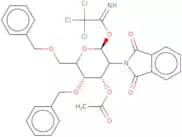
CAS:Phenyl 2-acetamido-2-deoxy-b-D-glucopyranoside is a chemical compound that is a member of the class of phenyl 2-acetamido-2-deoxy-b-D-glucopyranosides. This compound has been shown to be anomeric, substituent and phenyl.Fórmula:C14H19NO6Pureza:Min. 90%Cor e Forma:PowderPeso molecular:297.3 g/mol4-O-Acetyl-3,6-di-O-benzyl-2-deoxy-2-phthalimido-b-D-glucopyranosyl trichloroacetimidate
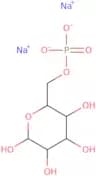
CAS:4-O-Acetyl-3,6-di-O-benzyl-2-deoxy-2-phthalimido-b-D-glucopyranosyl trichloroacetimidate is a methylated saccharide that can be obtained through the Click modification of an oligosaccharide. It is a custom synthesis that has been modified with fluorination. This product is available in high purity and has been glycosylated. It is also a synthetic carbohydrate with a complex structure.Fórmula:C32H29Cl3N2O8Pureza:Min. 95%Peso molecular:675.94 g/molD-Mannose-6-phosphate disodium salt hydrate
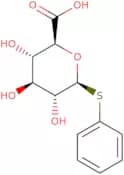
CAS:D-Mannose-6-phosphate disodium salt hydrate (DMDSP) is an endogenous pentose phosphate metabolite that is found in the human body. DMDSP is generated from the metabolism of mannose and glucose and functions as a regulator of metabolic intermediates. It has also been shown to inhibit bacterial growth and function as a competitive inhibitor of bacterial DNA gyrase, an enzyme that maintains the integrity of bacterial DNA. Genetic polymorphism in the DMDP gene may be associated with changes in response to DMDSP. The reductive amination reaction can be used to synthesize this compound from L-aspartic acid, malic enzyme, and nicotinamide adenine dinucleotide phosphate.Fórmula:C6H11O9PNa2·H2OPureza:Min. 95 Area-%Cor e Forma:White PowderPeso molecular:322.11 g/molPhenyl b-D-thioglucuronide
CAS:Phenyl b-D-thioglucuronide is a synthetic molecule that has been used in studies of the carotid, abdominal and symmetric techniques. It can be used to study water absorption and squamous cell growth. Phenyl b-D-thioglucuronide has been used as a crosslinking agent for optical imaging techniques, such as fluorescence microscopy and confocal microscopy. The basic protein form of phenyl b-D-thioglucuronide is found in the human brain and spinal cord. There have been reports that phenyl b-D-thioglucuronide causes death and teratomas in mice when injected into the sigmoid colon or teratoma. Phenyl b-D-thioglucuronide also causes neuroinflammation, which may be due to its ability to induce matrix metalloproteinase production.Fórmula:C12H14O6SPureza:(%) Min. 95%Peso molecular:286.3 g/mol1,2-O-Isopropylidene-3-deoxy-3-fluoro-a-D-xylofuranose
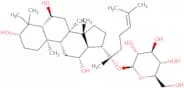
CAS:1,2-O-Isopropylidene-3-deoxy-3-fluoro-a-D-xylofuranose is a synthetic compound that has been modified by methylation, saccharide and glycosylation. It is a fluorinated sugar that can be used for Click modification, such as for oligosaccharide synthesis or other modifications. 1,2-O-Isopropylidene-3-deoxy-3-fluoro-a-D-xylofuranose is a high purity compound that can be custom synthesized to your specifications. It has CAS No. 1853084 2 and is listed under the Glycosylation section in the Carbohydrate database.Fórmula:C8H13FO4Pureza:Min. 95%Peso molecular:192.18 g/molGinsenoside F1
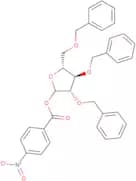
CAS:Ginsenoside F1 is a natural compound found in ginseng. It is believed to have anti-cancer properties. Ginsenoside F1 has been shown to inhibit the proliferation of HL-60 cells and have an apoptotic effect by regulating mitochondrial membrane potential and activating the apoptotic pathway. The mechanism of action for the anti-cancer activity of Ginsenoside F1 may be due to its ability to inhibit angiogenesis, which is needed for cancer cell proliferation. Ginsenoside F1 also inhibits the growth of skin cancer cells in mice by regulating microvessel density. This compound has been found in foods such as soybeans, rice, peanuts, and kiwifruit.Fórmula:C36H62O9Pureza:Min. 95%Cor e Forma:PowderPeso molecular:638.87 g/mol2,3,5-Tri-O-benzyl-1-O-(4-nitrobenzoyl)-D-arabinofuranose
CAS:2,3,5-Tri-O-benzyl-1-O-(4-nitrobenzoyl)-D-arabinofuranose is an organic compound that belongs to the group of furan derivatives. The configuration of this molecule was determined to be (2S,3S) by the use of stereoselective synthesis. It can be synthesized from a benzaldehyde and a ribofuranosyl chloride with a yield of about 95%. This compound has been shown to react with azides in a catalytic transfer reaction yielding yields of up to 100%.Fórmula:C33H31NO8Pureza:Min. 95%Cor e Forma:PowderPeso molecular:569.6 g/molD-Xylulose - Aqueous solution
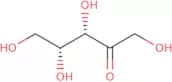
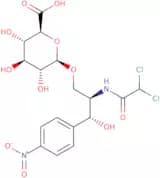
CAS:D-Xylulose is a sugar monomer found in the cell walls of bacteria. It is also present in human blood, where it is converted to xylitol. D-Xylulose has been shown to be an important component of bacterial cell wall synthesis and can be used as a probiotic for humans. The enzyme xylitol dehydrogenase catalyses the conversion of D-xylulose to xylitol. The reaction mechanism is thought to be similar to that of other enzymes in the glycolysis pathway, such as ribitol dehydrogenase, which converts ribitol to ribose 5-phosphate. This conversion can be achieved through two different methods: hydrogen fluoride or sodium hydroxide. D-Xylulose can also be used for analytical purposes, such as in the detection of trifluoroacetic acid (TFA) by gas chromatography and mass spectrometry.Fórmula:C5H10O5Pureza:Min. 99 Area-%Cor e Forma:Clear LiquidPeso molecular:150.13 g/molChloramphenicol glucuronide
CAS:Chloramphenicol glucuronide is an active metabolite of chloramphenicol. It can be detected in human serum and urine, as well as rat liver microsomes. Chloramphenicol glucuronide binds to the cytosolic protein, cytochrome b5 reductase, which inhibits protein synthesis and cell growth. This compound has been shown to be effective for treating infectious diseases such as typhoid fever, pelvic inflammatory disease, and pneumonia. The chloramphenicol glucuronide group also includes a number of other metabolites that are formed from chloramphenicol by conjugation with glucuronic acid.Fórmula:C17H20Cl2N2O11Pureza:Min. 95 Area-%Cor e Forma:PowderPeso molecular:499.26 g/molUDP-6-azido-6-deoxy-D-glucose x·triethylammonium salt
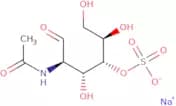
CAS:UDP-6-azido-6-deoxy-D-glucose is a chemical building block that is used for saccharide synthesis. The azide group can be reduced to give the amine which has been used to make a fluorescent tag for 5-(hydroxymethyl)cytosine in DNA. UDP-6-azido-6-deoxy-D-glucose has also been used to synthesise siderophore conjugates which can be used to deliver functional reagents across bacterial cell membranes.Fórmula:C15H23N5O16P2·x(C6H15N)Pureza:Min. 85 Area-%Cor e Forma:Off-White PowderPeso molecular:591.31 g/molN-Acetyl-D-galactosamine-4-O-sulphate sodium
CAS:N-Acetyl-D-galactosamine-4-O-sulphate sodium salt is a carbohydrate, modification. It is a synthetic, custom synthesis, high purity, monosaccharide, glycosylation and methylation product. The CAS number of this product is 660839-03-2.Fórmula:C8H15NO9S•NaPureza:Min. 95%Cor e Forma:PowderPeso molecular:324.26 g/mol1,2-O-Isopropylidene-a-D-xylofuranose
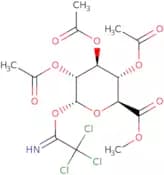
CAS:Chiral building block for synthesis of carbohydrate and nucleoside derivativesFórmula:C8H14O5Pureza:(%) Min. 98%Cor e Forma:White PowderPeso molecular:190.19 g/mol2,3,4-Tri-O-acetyl-a-D-glucuronide methyl ester trichloroacetimidate
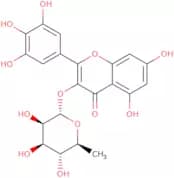
CAS:2,3,4-Tri-O-acetyl-a-D-glucuronide methyl ester trichloroacetimidate (TOG) is a synthetic glycosylation reagent that has been used for the synthesis of complex carbohydrates. It is an O-glycosidase inhibitor and is used in the preparation of saccharides with a high degree of substitution. TOG can be used to modify saccharides, oligosaccharides, and polysaccharides.Fórmula:C15H18Cl3NO10Pureza:Min. 98 Area-%Cor e Forma:White PowderPeso molecular:478.66 g/molMyricitrin
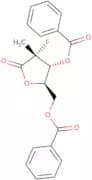
CAS:Myricitrin is a natural compound that is found in the bark of the Myrica tree. It has been shown to have antioxidant effects and pro-apoptotic activities. Myricitrin has been shown to induce apoptosis in HL-60 cells through activation of the caspase-3 pathway, which includes cleavage of poly (ADP-ribose) polymerase and activation of caspases. In addition, myricitrin induces apoptosis by binding to DNA and inhibiting transcription. The physiological effects of myricetin are similar to those of myricitrin due to their structural similarity. However, there is no data available on the anti-inflammatory properties or hypoglycemic effect of myricetin.Fórmula:C21H20O12Pureza:Min. 95%Cor e Forma:White PowderPeso molecular:464.38 g/mol3,5-Di-O-benzoyl-2-deoxy-2-fluoro-2C-methyl-D-ribono-1,4-lactone
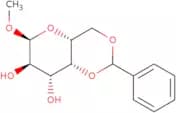
CAS:3,5-Di-O-benzoyl-2-deoxy-2-fluoro-2C-methyl-D-ribono-1,4-lactone is a synthetic compound with the molecular formula C6H12F6O8. It has a molecular weight of 536.14 and an empirical formula of C24H32F6O8. 3,5-Di-O-benzoyl -2,3,4,5,-tetra-, 2C-, methyl -D-, ribo-, 1,4-, lactone is soluble in water and it can be synthesized from D-(+)-glucose and methyl 4-(trifluoromethyl)benzoate in three steps. The structure of 3,5 Di O benzoic acid was first determined by XRD analysis. The compound is a white crystalline solid with melting point at 180°C to 181°C and boilingFórmula:C20H17FO6Pureza:Min. 97 Area-%Cor e Forma:White Off-White PowderPeso molecular:372.34 g/molMethyl 4,6-O-benzylidene-a-D-galactopyranoside
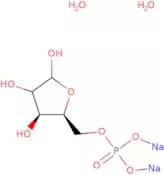
CAS:Methyl 4,6-O-benzylidene-a-D-galactopyranoside is a high purity, custom synthesis, sugar modified product. It has a CAS No. 72904-85-9, and can be synthesized by the click modification of methyl 1,4-O-diacetyl D-mannopyranoside. The fluorination of the glucose moiety in this molecule is accomplished using NCS/BF3 complex in acetonitrile. Glycosylation is achieved using NEM/HBTU and DCC in DMF. The saccharide is then modified with methyl 4,6-O-benzylidene alditol acetate to yield Methyl 4,6-O-benzylidene a D galactopyranoside. This product can also be synthesized by the glycosylation of methyl 2,5 dihydroxyacetophenone with methylFórmula:C14H18O6Pureza:Min. 95%Cor e Forma:White to off-white solid.Peso molecular:282.29 g/molL-Ribose-5-phosphate disodium salt hydrate
L-Ribose-5-phosphate disodium salt hydrate is a carbohydrate that has been modified by the addition of fluorine. L-Ribose-5-phosphate disodium salt hydrate can be used in the synthesis of complex carbohydrates, oligosaccharides, and sugars. It is also used in the synthesis of glycoconjugates and glycoproteins. L-Ribose-5-phosphate disodium salt hydrate is available for custom synthesis to meet specific requirements. The purity level is high, with less than 0.1% impurities. The methylation, glycosylation, and click modification are all possible modifications for this product.
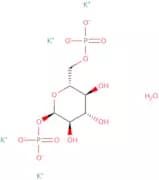
Fórmula:C5H9Na2O8PPureza:Min. 95%Cor e Forma:PowderPeso molecular:274.07 g/molα-D-Glucose-1,6-diphosphate tetrapotassium hydrate
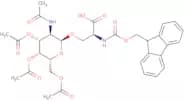
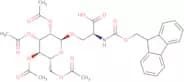
CAS:Inhibitor of hexokinase; activator of phosphofructokinase-1Fórmula:C6H14O12P2•4K•(H2O)nPureza:Min. 95%Cor e Forma:PowderPeso molecular:496.51 g/mol2-Acetamido-3,4,6-tri-O-acetyl-2-deoxy-α-D-galactopyranosyl-Fmoc serine
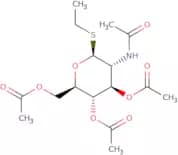
CAS:2-Acetamido-3,4,6-tri-O-acetyl-2-deoxy-α-D-galactopyranosyl-Fmoc serine is an amino sugar that has been shown to be a supplement for soybean cultivars. It is a basic compound that is obtained from the condensation of glycine and acetamidodeoxygalactose. This amino sugar can be used as a matrix in genetic engineering and tissue culture experiments with soybean plants. Transgenic soybeans have been created using 2AAGFS as the source of galactose for glycoprotein synthesis. Soybean plants with transgenes are also able to synthesize high levels of seed protein, which may increase the quality of soybean products.Fórmula:C32H36N2O13Pureza:Min. 95 Area-%Cor e Forma:White PowderPeso molecular:656.63 g/molEthyl 2-acetamido-3,4,6-tri-O-acetyl-2-deoxy-b-D-thioglucopyranoside
CAS:Ethyl 2-acetamido-3,4,6-tri-O-acetyl-2-deoxy-b-D-thioglucopyranoside is a modified carbohydrate that has been synthesized by the click modification of an acetylated triose. This chemical was synthesized by reacting ethyl 2-(2'-deoxy-(1->4)-beta--D--glucopyranoside) with trimethylsilylacetamide and copper(I) chloride in dry tetrahydrofuran. This product has high purity and is used as a research tool for glycobiology.
Fórmula:C16H25NO8SPureza:Min. 95%Cor e Forma:White PowderPeso molecular:391.44 g/mol2,3,4,6-Tetra-O-acetyl-α-D-mannopyranosyl-Fmoc serine
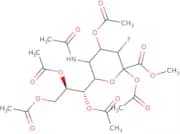
CAS:2,3,4,6-Tetra-O-acetyl-a-D-mannopyranosyl-Fmoc serine is a sugar that is synthesized from the natural amino acid serine. It is a modified sugar that has been fluorinated and acetylated on the 4th carbon position. The Fmoc protecting group was removed through a click modification to yield 2,3,4,6-Tetra-O-acetyl-a-D-mannopyranosyl serine. This glycoconjugate can be used for glycosylation or methylation of proteins or peptides. This sugar has been shown to have antihypertensive effects in animal models and has been used as an adjuvant therapy in cancer treatment.Fórmula:C32H35NO14Pureza:Min. 95%Cor e Forma:PowderPeso molecular:657.63 g/mol2,4,7,8,9-Penta-O-acetyl-N-acetyl-3-fluoro-b-D-neuraminic acid methyl ester
CAS:Inhibitor of sialyltransferases
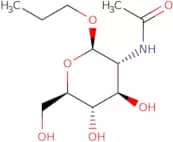
Fórmula:C36H54N18O24Pureza:Min. 90 Area-%Cor e Forma:White PowderPeso molecular:551.47 g/molPropyl 2-acetamido-2-deoxy-β-D-glucopyranoside
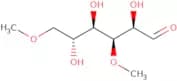
CAS:Propyl 2-acetamido-2-deoxy-b-D-glucopyranoside is a synthetic monosaccharide that has been fluorinated and methylated. It is a custom synthesis and can be modified to suit your needs. This compound has been glycosylated and click modified. The purity of this product is high and it's molecular weight is 798 Da.Fórmula:C11H21NO6Pureza:Min. 95%Cor e Forma:White to off-white solid.Peso molecular:263.3 g/mol3,6-Di-O-methyl-D-glucose
CAS:3,6-Di-O-methyl-D-glucose is a glycopeptide sugar that is used as a terminal sugar in the cell wall of many gram-positive bacteria. It is found on the surface of most strains of Streptococcus pneumoniae and Staphylococcus aureus. 3,6-Di-O-methyl-D-glucose is an antigen for monoclonal antibodies against the streptococcal M protein and has been used to identify the carbohydrate chemistry of Streptococcus pneumoniae. 3,6-Di-O-methyl glucose may also be useful in the detection of cellulose derivatives by magnetic resonance spectroscopy or nitrocellulose membranes. The terminal sugars found on these membranes are hydrolyzed by acid and dry weight methods before being analyzed by gas chromatography or high performance liquid chromatography.Fórmula:C8H16O6Pureza:Min. 95%Peso molecular:208.21 g/molGalactosyl diglyceride - 10 mg/ml solution in chloroform/methanol
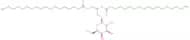
CAS:The galactosyl diglyceride (GalDG) is a lipid molecule that is found naturally in plants. The chemical formula for GalDG is C22H44O8 and it has a molecular weight of 464.36 g/mol. This lipid molecule is composed of two fatty acid chains, one glycerol molecule and one galactose molecule. It can be synthesized with the help of a transition metal catalyst and an oxidizing agent such as hydrogen peroxide or sodium hypochlorite. When heated to a temperature of about 200-250 degrees Celsius, the transformation process takes place which results in the conversion of the lamellar phase to the crystalline phase. The diffraction method was used to determine its crystal structure and it was found that this lipid molecule has a lamellar phase at room temperature but transforms into a crystalline phase when heated to 250 degrees Celsius. The diffraction pattern obtained from x-ray diffraction analysis indicated that thisFórmula:C45H86O10Pureza:Min. 95%Cor e Forma:Colourless to yellow liquid.Peso molecular:787.16 g/mol1,2,3,4,6-Penta-O-galloyl-β-D-glucopyranose
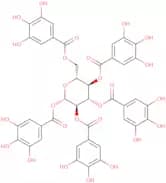
CAS:A gallotannin found in plants, with various biological activities. Its anti-cancer effect has been demonstrated in several cancer cell lines, mediated by inhibition of DNA replication, proliferation and angiogenesis. Elicits anti-inflammatory, antioxidative and anti-diabetic effects. Recently, it has been identified as an inhibitor of c-Myc in hepatocellular carcinoma and multiple myeloma cells.Fórmula:C41H32O26Pureza:Min. 96 Area-%Cor e Forma:PowderPeso molecular:940.68 g/molPhenyl 2,3,4-tri-O-benzyl-b-L-thiofucopyranose
CAS:Phenyl 2,3,4-tri-O-benzyl-b-L-thiofucopyranose is a synthetic monosaccharide that is modified with fluorine. It is also known as 3,4,6-tri-O-benzyl-2,3,4,6-tetra-O-(trifluoromethyl) fucopyranose. This compound is a complex carbohydrate that belongs to the group of glycoconjugates and polysaccharides. Phenyl 2,3,4-tri-O-benzyl-b-L-thiofucopyranose has been shown to be useful in glycosylation reactions as well as in click chemistry reactions. This compound can be used for the synthesis of oligosaccharides and polysaccharides with custom modifications. Phenyl 2,3,4 tri O benzyl b L thiofFórmula:C33H34O4SPureza:Min. 95%Cor e Forma:PowderPeso molecular:526.69 g/mol3,4,6-Tri-O-acetyl-D-galactal
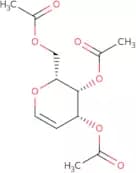
CAS:3,4,6-Tri-O-acetyl-D-galactal is a versatile building block used for the synthesis of mono- and oligosaccharides. The galactal double bond affords a ready means through which to introduce new functionality or introduce deoxy positions at the C1 and C2 positions to afford functionalised monosaccharides and also allows galactals to be used as glycosylation donors.Fórmula:C12H16O7Pureza:Min. 98 Area-%Cor e Forma:Slightly Yellow Clear LiquidPeso molecular:272.25 g/mol1,3:2,4-Bis(O-benzylidene)-D-sorbitol
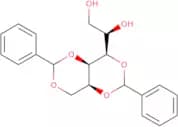
CAS:1,3:2,4-Bis(O-benzylidene)-D-sorbitol is a hydrogenated derivative of sorbitol. It is used in fatty acid devices and as a surfactant in hydrogenation reactions. 1,3:2,4-Bis(O-benzylidene)-D-sorbitol is an acidic compound that has a low molecular mass and is soluble in water. It reacts with magnesium oxide to form the corresponding magnesium salt. This derivative is also used in silicone residue removal and as an activated organic base.Fórmula:C20H22O6Cor e Forma:White PowderPeso molecular:358.39 g/mol1,2,3,4,6-Penta-O-acetyl-a-D-mannopyranose
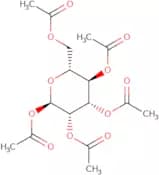
CAS:1,2,3,4,6-Penta-O-acetyl-α-D-mannopyranose is an acetylated sugar which is used as an intermediate in the mannosylation of glycoproteins or glycoconjugates. It can be used in the production of mannosylated glycoconjugate vaccines or lipid nanoparticles (LNPs) which have been investigated for improving antigen up-take mediated, via the mannose receptor (MR) of human antigen presenting cells (APCs). 1,2,3,4,6-Penta-O-acetyl-a-D-mannopyranose, also known as α-D-Mannose pentaacetate, has also been used in the study of isolated rat pancreatic islets where it stimulates insulin release.
Fórmula:C16H22O11Pureza:Min. 98 Area-%Cor e Forma:White Off-White PowderPeso molecular:390.34 g/molThymol-β-D-glucopyranoside
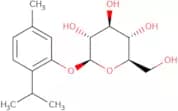
CAS:Thymol-b-D-glucopyranoside is a bactericidal agent that is resistant to encapsulation. It has been shown to be effective against animals and typhimurium in an incubated population and endogenous deaminase inhibitor strategy. The porcine activated food chemistry and abattoir experiments show that thymol-b-D-glucopyranoside has the potential to reduce populations of bacteria in the gastrointestinal tract by inhibiting protein synthesis.Fórmula:C16H24O6Pureza:Min. 95%Cor e Forma:PowderPeso molecular:312.36 g/molBenzyl D-glucuronate
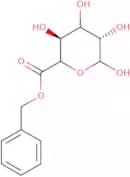
CAS:Used for the synthesis of 1β-O-acyl glucuronidesFórmula:C13H16O7Pureza:Min. 95%Cor e Forma:White PowderPeso molecular:284.26 g/mol