Monossacáridos
Monossacarídeos são a forma mais simples de carboidratos e servem como building blocks fundamentais para açúcares mais complexos e polissacarídeos. Essas moléculas de açúcar único desempenham papéis críticos no metabolismo energético, na comunicação celular e nos componentes estruturais das células. Nesta seção, você encontrará uma ampla variedade de monossacarídeos essenciais para pesquisas em bioquímica, biologia molecular e glicociência. Esses compostos são cruciais para estudar vias metabólicas, processos de glicosilação e desenvolvimento de agentes terapêuticos. Na CymitQuimica, oferecemos monossacarídeos de alta qualidade para apoiar suas necessidades de pesquisa, garantindo precisão e confiabilidade em suas investigações científicas.
Subcategorias de "Monossacáridos"
- Aloses(11 produtos)
- Arabinoses(21 produtos)
- Eritroses(11 produtos)
- Frutoses(9 produtos)
- Fucoses(36 produtos)
- Galactosamina(41 produtos)
- Galactoses(261 produtos)
- Glucoses(365 produtos)
- Ácidos Glucurónicos(51 produtos)
- Glico-substratos para enzimas(77 produtos)
- Guloses(6 produtos)
- Idoses(4 produtos)
- Inositóis(15 produtos)
- Lixoses(4 produtos)
- Mannoses(65 produtos)
- O-Glicanos(48 produtos)
- Psicoses(3 produtos)
- Ramnoses(10 produtos)
- Riboses(61 produtos)
- Ácidos siálicos(100 produtos)
- Sorboses(4 produtos)
- Açúcares(173 produtos)
- Tagatoses(4 produtos)
- Taloses(8 produtos)
- Xiloses(20 produtos)
Exibir 17 mais subcategorias
Foram encontrados 6090 produtos de "Monossacáridos"
Ordenar por
Pureza (%)
0
100
|
0
|
50
|
90
|
95
|
100
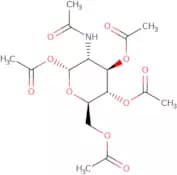
2-Acetamido-1,3,4,6-tetra-O-acetyl-2-deoxy-a-D-glucopyranose
CAS:<p>2-Acetamido-1,3,4,6-tetra-O-acetyl-2-deoxy-a-D-glucopyranose (2AAT) is a synthetic nucleoside that binds to the same sequence of n-acetylgalactosamine in the cell wall of Gram positive bacteria. It was found to be effective against bacterial strains that produce beta lactamase enzymes. 2AAT has been shown to inhibit the growth of Gram positive bacteria and is able to penetrate tissues. It also prevents bacterial DNA gyrase and topoisomerase IV from binding with their respective substrates. 2AAT is made up of four parts: two ribose molecules, one deoxyribose molecule and one acetamido group. This last part is what makes it bind to the bacterial cell wall and inhibits protein synthesis by preventing mRNA from being translated into proteins.</p>Fórmula:C16H23NO10Pureza:Min. 98 Area-%Cor e Forma:White PowderPeso molecular:389.36 g/mol1,2,3,4-Tetra-O-acetyl-6-O-(tert-butyldiphenylsilyl)-b-D-glucopyranose
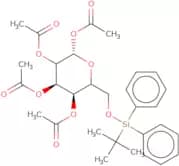
CAS:<p>1,2,3,4-Tetra-O-acetyl-6-O-(tert-butyldiphenylsilyl)-b-D-glucopyranose is a synthetic oligosaccharide that has been modified by fluorination and methylation. It is used as a building block for the synthesis of complex carbohydrates. This product has a CAS number of 224778-57-8 and can be custom synthesized to meet your specifications.</p>Fórmula:C30H38O10SiPureza:Min. 95%Peso molecular:586.72 g/mol3,5-Di-O-benzoyl-2-deoxy-2,2-difluoro-D-ribonic acid-1,4-lactone
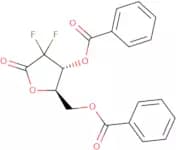
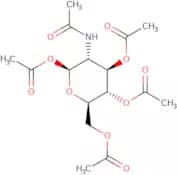
CAS:<p>3,5-Di-O-benzoyl-2-deoxy-2,2-difluoro-D-ribonic acid-1,4-lactone (3DBR) is a nucleoside that has been shown to have antiaging properties. It has been found to be an effective scavenger of peroxyl radicals and reactive oxygen species (ROS). 3DBR also inhibits the formation of aluminum oxide and styrene by catalyzing the salt formation reaction. This compound also has anti-tumour activity and can be used as a chemotherapeutic agent for the treatment of cancer. It is heat resistant and can be combined with gemcitabine hydrochloride in chemotherapy.</p>Fórmula:C19H14F2O6Pureza:Min. 95%Cor e Forma:White PowderPeso molecular:376.31 g/mol2-Acetamido-1,3,4,6-tetra-O-acetyl-2-deoxy-b-D-glucopyranose
CAS:<p>Promotes hyaluronic acid production; synthetic building block</p>Fórmula:C16H23NO10Pureza:Min. 98 Area-%Cor e Forma:PowderPeso molecular:389.36 g/molMethyl 2,3,6-tri-O-benzoyl-4-deoxy-4-fluoro-a-D-glucopyranoside
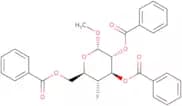
CAS:Methyl 2,3,6-tri-O-benzoyl-4-deoxy-4-fluoro-a-D-glucopyranoside is a sugar that is synthetically modified. This product has been fluorinated and glycosylated with a benzoyl group at C2 position. It contains methyl groups attached to the ring carbons at C1 and C6 positions. The product is also an oligosaccharide that contains two monosaccharides (sugar units) linked by an alpha (1→4) glycosidic bond. Methyl 2,3,6-tri-O-benzoyl-4-deoxy-4-fluoro-a-Dglucopyranoside can be used as a synthetic building block for the synthesis of complex carbohydrate structures.Fórmula:C28H25FO8Pureza:Min. 95%Cor e Forma:White PowderPeso molecular:508.49 g/mol1,2-O-Isopropylidene-3-deoxy-3-fluoro-a-D-ribofuranose
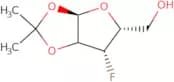
CAS:<p>1,2-O-Isopropylidene-3-deoxy-3-fluoro-a-D-ribofuranose is a custom synthesis. It is a complex carbohydrate that has been modified by methylation and glycosylation. This molecule has been fluorinated to produce a high purity product with the desired properties. The 1,2-O-isopropylidene group provides for increased stability and solubility of the product.</p>Fórmula:C8H13FO4Pureza:Min. 95%Peso molecular:192.18 g/molMethyl β-D-ribopyranoside
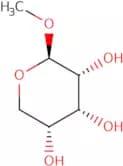
CAS:<p>Methyl β-D-ribopyranoside is a sugar alcohol that belongs to the group of pentoses. It is a potential precursor for the synthesis of phosphite, which is a reactive anion used in organic chemistry. Methyl β-D-ribopyranoside has been shown to regulate the growth of bacteria and fungi by altering their metabolic pathways. This compound also has shown to be programmed death in certain bacterial strains, although it is not clear how it induces this programmed death. Methyl β-D-ribopyranoside can also affect the rhizosphere and can be used as a substrate for anions and sugar alcohols.</p>Fórmula:C6H12O5Pureza:Min. 99 Area-%Cor e Forma:White PowderPeso molecular:164.16 g/molPhenolphthalein b-D-glucuronic acid sodium salt
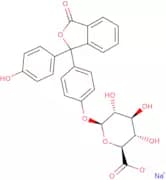
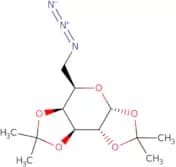
CAS:<p>beta-glucuronidase substrate</p>Fórmula:C26H22O10NaPureza:Min. 95 Area-%Cor e Forma:Yellow PowderPeso molecular:517.44 g/mol6-Azido-6-deoxy-1,2:3,4-di-O-isopropylidene-a-D-galactopyranose
CAS:<p>6-Azido-6-deoxy-1,2:3,4-di-O-isopropylidene-a-D-galactopyranose is a copper complex that is soluble in water. It is used as an initiator for the polymerization of galactose monomers. 6AIDOGAL reacts with azide or diazo compounds to form a cycloaddition reaction and can be used to prepare copolymers by reacting with other monomers such as D-glucose. The temperature range for this reaction is between 20°C and 100°C. This compound has been shown to form stable complexes with Cu(II) ions at temperatures below 0°C.</p>Fórmula:C12H19N3O5Pureza:Min. 98 Area-%Cor e Forma:Colorless Clear LiquidPeso molecular:285.3 g/molPropofol-4-Hydroxy-4-D-glucuronide
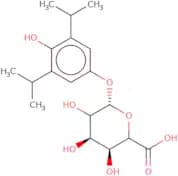
<p>Propofol-4-Hydroxy-4-D-glucuronide is a fluorinated monosaccharide that has been synthesized using the glycosylation, polysaccharide and modification methods. This compound is a custom synthesis that has been modified with methylation and click chemistry. The CAS number for this product is 54910-87-6. This product is a complex carbohydrate with high purity.</p>Fórmula:C18H26O8Pureza:Min. 95%Peso molecular:370.39 g/mol1,3,4,6-Tetra-O-acetyl-b-D-glucosamine HCl
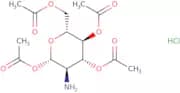
CAS:<p>1,3,4,6-Tetra-O-acetyl-b-D-glucosamine HCl is a compound that can be used in the production of bacterial cellulose. It is a white powder with a molecular weight of 536.2. 1,3,4,6-Tetra-O-acetyl-b-D-glucosamine HCl has been shown to be effective in the cultivation of microorganisms such as bacteria and fungi. This product is also an additive for deionized water and deionized sucrose solutions. Tetraacetylated glucosamine hydrochloride is used to produce bacterial cellulose through the action of cellulase enzymes on sucrose solutions containing NaOH. In addition, this product has been shown to inhibit the proliferation of fibroblasts and epithelial cells when cultured in vitro.</p>Fórmula:C14H21NO9·HClPureza:Min. 95.0 Area-%Cor e Forma:PowderPeso molecular:383.78 g/mol2-Acetamido-2-deoxy-D-mannono-1,4-lactone
CAS:<p>2-Acetamido-2-deoxy-D-mannono-1,4-lactone is a chemical compound that is an aldonic acid and is classified as an ester. It has a molecular formula of C8H10O5 and it has the following structural formula:<br>This product can be synthesized from benzoic acid and glyceraldehyde. 2-Acetamido-2-deoxy-D-mannono-1,4-lactone is also known as benzoylated mannose. It has been reconfirmed to have high yield in acetylation reactions with molybdate. 2-Acetamido-2deoxy-Dmannono1,4lactone can also undergo epimerization to form the optical antipode of 2,3,4,6tetraacetyloxybenzoic acid (2,3,4,6tetraacetyl</p>Fórmula:C8H13NO6Pureza:Min. 95%Cor e Forma:White to off-white solid.Peso molecular:219.19 g/mol3-O-Methyl-α-D-glucopyranose
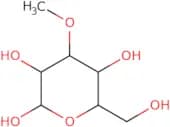
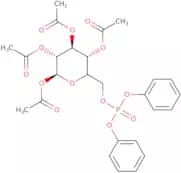
CAS:<p>3-O-Methyl-α-D-glucopyranose is a synthetic, fluorinated monosaccharide. This compound is a custom synthesis, and it can be used as an intermediate in glycosylation reactions. 3-O-Methyl-α-D-glucopyranose is typically used for the modification of polysaccharides by methylation or fluorination. It also has potential applications in the production of high purity sugar compounds.</p>Fórmula:C7H14O6Pureza:Min. 95%Peso molecular:194.18 g/mol1,2,3,4-Tetra-O-acetyl-6-diphenylphosphoryl-b-D-mannopyranose
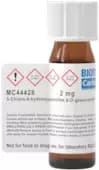
CAS:This product is custom synthesized. The synthesis of this product was accomplished by modification, fluorination, methylation and monosaccharide synthesis. It is a synthetic oligosaccharide that has been modified with click chemistry. This product is made up of saccharides in a glycosylation configuration. It is a complex carbohydrate that contains sugar units in various configurations. This product has high purity and can be used as an intermediate for the synthesis of other products.Fórmula:C26H29O13PPureza:Min. 95%Cor e Forma:White PowderPeso molecular:580.47 g/mol5-Chloro-8-hydroxyquinoline b-D-glucuronide
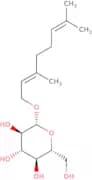
CAS:<p>Chromogenic substrate targeting beta-glucuronidase</p>Fórmula:C15H14ClNO7Pureza:Min. 98 Area-%Cor e Forma:White PowderPeso molecular:355.73 g/molGeranyl b-D-glucoside
CAS:<p>Geranyl b-D-glucoside is a supramolecular amphiphile that can be used as a biofuel. It is made up of two molecules: geranyl and glucose. Geranyl b-D-glucoside has been shown to form micelles in water with the help of ions, which are complex aggregates of many molecules that have a hydrophobic interior and hydrophilic exterior. The micelles are able to stabilize the fuel and protect it from degradation by sunlight or other environmental factors. The thermodynamics of the system can be quantified through the parameters of this supramolecular amphiphile, which will allow for predictive modelling.</p>Fórmula:C16H28O6Pureza:Min. 95 Area-%Cor e Forma:White PowderPeso molecular:316.39 g/molD-Ribose-1-phosphate bis(cyclohexylammonium)
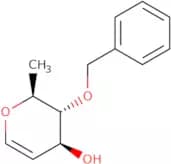
CAS:<p>D-Ribose-1-phosphate bis(cyclohexylammonium) salt is a custom synthesis of D-ribose. It is a monosaccharide that has been fluorinated, methylated, and glycosylated. The chemical modification of the sugar allows for it to have properties such as high purity and custom synthesis. This product can be used in a number of applications including complex carbohydrate, glycosylation, Methylation, and click modification.</p>Fórmula:C5H11O8P•(C6H13N)2Pureza:Min. 97 Area-%Cor e Forma:PowderPeso molecular:428.46 g/mol4-O-Benzyl-L-rhamnal
CAS:<p>4-O-Benzyl-L-rhamnal is a functionalized, asymmetric, glycosylating agent that is used in the synthesis of glycoconjugates. 4-O-Benzyl-L-rhamnal is synthesized by the reaction of benzaldehyde with an aldehyde group on the sugar molecule. The product is then reacted with an alcohol to form a glycosidic bond. This process can be repeated until the desired number of sugar molecules are added. It can also be used to synthesize disaccharides and polysaccharides by convergent or nucleophile reactivity. 4-O-Benzyl-L-rhamnal utilizes a chiral auxiliary to produce its product, which can be used for synthesis purposes or as a starting material for other reactions.</p>Fórmula:C13H16O3Pureza:Min. 95%Cor e Forma:PowderPeso molecular:220.27 g/molPhenyl-beta-D-glucopyranoside
CAS:<p>Phenyl-beta-D-glucopyranoside is a phenolic compound that can be found in plant cell walls. It is a monosaccharide with an ester linkage, which is hydrolyzed by esterases to yield protocatechuic acid. Phenyl-beta-D-glucopyranoside is an inhibitor of sugar transport and has been shown to have protective effects on the liver when it is exposed to toxic substances. This sugar also binds to proteins, which may alter the function of these proteins. Phenyl-beta-D-glucopyranoside has been shown to inhibit glycolysis in hepatic tissues and tannins are released from erythrocytes treated with this substance. Phenyl-beta-D-glucopyranoside has been shown to be chemically stable under acidic conditions.</p>Fórmula:C12H16O6Peso molecular:256.26 g/mol2-O-Methyl-D-glucose
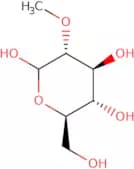
CAS:<p>2-O-Methyl-D-glucose is an aldohexose that is used in the synthesis of a number of biological compounds. It has been shown to inhibit the growth of cancer cells by interfering with the synthesis of fatty acids and proteins.</p>Fórmula:C7H14O6Pureza:Min. 95%Cor e Forma:PowderPeso molecular:194.18 g/molN-(2,4-Dinitrophenyl-deoxygalactonojirimycin
<p>N-(2,4-Dinitrophenyl-deoxygalactonojirimycin is a complex carbohydrate that has been modified with methylation, glycosylation, and click modification. It has an Oligosaccharide chain and a CAS number of 888315-21-2. N-(2,4-Dinitrophenyl-deoxygalactonojirimycin is a high purity product that is available in the form of a white solid.</p>Pureza:Min. 95%Phenyl 2,3,4,6-tetra-O-benzyl-b-D-thioglucopyranoside
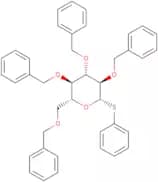
CAS:<p>Phenyl 2,3,4,6-tetra-O-benzyl-b-D-thioglucopyranoside is a modification. It is an oligosaccharide that belongs to the class of carbohydrates. Phenyl 2,3,4,6-tetra-O-benzyl-b-D-thioglucopyranoside has a high purity and can be synthesized in a custom manner. It is a white to off white powder that has CAS No. 38184-10-0 and can be used for glycosylation or methylation reactions. It also has fluoroquinolone resistance and can be used as a complex carbohydrate in the synthesis of polysaccharides.</p>Fórmula:C40H41O5SPureza:Min. 95%Cor e Forma:White Off-White PowderPeso molecular:632.83 g/molPhenyl 2-acetamido-3,4,6-tri-O-acetyl-2-deoxy-α-D-galactopyranoside
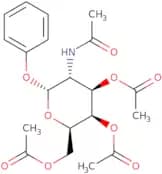
CAS:<p>Phenyl 2-acetamido-3,4,6-tri-O-acetyl-2-deoxy-a-D-galactopyranoside is a sugar that is used in the synthesis of oligosaccharides and polysaccharides. This compound has an acetamido group on the phenyl ring, which reacts with the aldehyde group of galactose to form an ether bond. The glycosylation reaction can be carried out using either an acid or base catalyst. Acetal formation is also possible when this compound reacts with alcohols. Phenyl 2-acetamido-3,4,6-tri-O-acetyl-2-deoxygalactopyranoside is soluble in water and other polar solvents. It has a CAS number of 130894350 and can be found under the name Oligosaccharide, Monosaccharide, saccharide, Carbohydrate</p>Fórmula:C20H25NO9Pureza:Min. 95%Cor e Forma:White to off-white solid.Peso molecular:423.41 g/mol2,3:4,5-Di-O-isopropylidene-D-arabitol
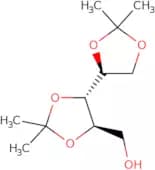
CAS:<p>2,3:4,5-Di-O-isopropylidene-D-arabitol is a synthetic sugar that is used for glycosylation, methylation, and fluorination. The compound is an oligosaccharide that has been modified with methyl groups and activated monosaccharides. 2,3:4,5-Di-O-isopropylidene-D-arabitol is white in color and has a melting point of 109°C. It can be synthesized from D-mannitol with the help of sodium methoxide in methanol.<br>2,3:4,5-Di-O-isopropylidene-D-arabitol is also known as 1-(2,3:4,5) triose; 1-(2,3:4)-diose; 1-(2,3:4)-triose; 1-(2,3:4)-</p>Fórmula:C11H20O5Pureza:Min. 95%Cor e Forma:Colorless PowderPeso molecular:232.27 g/mol1,2,3,4,6-Penta-O-acetyl-a-D-glucopyranose
CAS:<p>1,2,3,4,6-Penta-O-acetyl-a-D-glucopyranose is a chemical compound that is an ester of the sugar penta-O-acetyl-a-D-glucopyranose and acetic acid. It has been shown to inhibit the activity of a number of enzymes, including proteins such as phospholipases C and D and fatty acid synthetases. The 1,2,3,4,6-penta-O-acetyl analogues have been shown to be effective in inhibiting model systems for the pathogenesis of inflammatory bowel disease and cancer. The hydroxyl group on the sugar ring may be important for binding to these enzymes.</p>Fórmula:C16H22O11Pureza:Min. 95%Cor e Forma:White PowderPeso molecular:390.34 g/molL-Arabonic acid-1,4-lactone
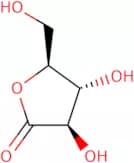
CAS:<p>L-Arabonic acid-1,4-lactone (LL) is the product of the reaction between L-arabinose and trifluoroacetic acid. LL is an enantiomer of D-arabinose and has a pK a of 6.5, which makes it a weak base. This compound has been shown to be a hydroxyl group donor in human liver and is also used as a chaperone for protein folding.</p>Fórmula:C5H8O5Pureza:Min. 95%Cor e Forma:White PowderPeso molecular:148.11 g/molD-Glucosamine HCl - sea shell origin
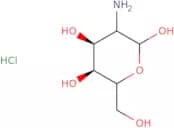
CAS:<p>D-Glucosamine (GlcN) is an aldohexose (2-Amino-2-deoxyglucose) in which the hydroxyl group at position 2 is replaced by an amino group (Collins, 2006). D-Glucosamine is found in chitosan as the N-Acetylated derivative in chitin (Rudrapatnam, 2003), glycoproteins, glycolipids and the glycosaminoglycan hyaluronic acid (Fallacara, 2018). Glucosamine, as its sulfate salt, often in combination with the polydisaccharide chondroitin, is marketed over-the-counter as a treatment for osteoarthritis inflammation and its accompanying pain. Only the D-enantiomer of glucosamine exists in nature.</p>Fórmula:C6H13NO5·HClPureza:(Titration) Min. 98%Cor e Forma:White PowderPeso molecular:215.63 g/molD-Glucamine
CAS:<p>D-Glucamine, also known as glycamine, 1-Amino-1-deoxy-D-glucitol and 1-Amino-1-deoxy-L-sorbitol, is a naturally occurring amino sugar, precursor for glycosylated proteins and lipids. It is used as an excipient in pharmaceutical formulations, where it can act as a stabilizer, pH adjuster, or osmotic agent. D-Glucamine is also used, together with iodinated organic compounds, in X-ray contrast media. In cosmetics, it is used as moisturizer and smoother.</p>Fórmula:C6H15NO5Pureza:Area-% Min. 95 Area-%Cor e Forma:White Off-White PowderPeso molecular:181.19 g/mol4-Methoxyphenyl 3-O-benzyl-6-O-tert-butyldimethylsilyl-2-deoxy-2-phthalimido-b-D-glucopyranoside
CAS:<p>C3-Benzyl-6-O-tert-butyldimethylsilyl-2-deoxy-2-phthalimido-b-D-glucopyranoside is a synthetic glycosylation agent that converts carbohydrates to sugar derivatives. It is a fluorinated sugar with a benzyl group and can be used in the synthesis of complex polysaccharides and saccharides. C3BzTBDMSG has been shown to have high purity, which makes it an ideal choice for Click chemistry and modification.</p>Fórmula:C34H41NO8SiPureza:Min. 95%Peso molecular:619.78 g/mol2-O-Benzyl-2,4-di-C-methyl-L-arabinopyranose
<p>2-O-Benzyl-2,4-di-C-methyl-L-arabinopyranose is a high purity, complex carbohydrate that is custom synthesized for use in glycosylation reactions. It is a synthetic compound that is sold by the CAS number. 2-O-Benzyl-2,4-di-C-methyl-L-arabinopyranose is a carbohydrate that has been modified with fluorination and methylation to provide an active site for glycosylation reactions. This product can be used to synthesize oligosaccharides and polysaccharides.</p>Pureza:Min. 95%1,2,3,4-Tetra-O-benzoyl-6-O-tert-butyldiphenylsilyl-b-D-galactopyranose
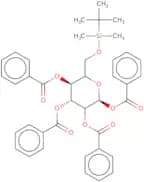
CAS:<p>1,2,3,4-Tetra-O-benzoyl-6-O-tert-butyldiphenylsilyl-b-D-galactopyranose is a modified oligosaccharide that is synthesized and offered at high purity. The chemical name of this compound is 1,2,3,4 tetra O benzoyl 6 O tert butyldiphenylsilyl b D galactopyranose. This compound is fluorinated at the 2 position of the sugar molecule with a silyl group on the 3 position. It has CAS number 1222709-87 6.</p>Fórmula:C40H42O10SiPureza:Min. 95%Peso molecular:710.86 g/mol4'-O-(β-D-Glucopyranosyl)-L-DOPA
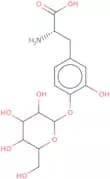
Produto Controlado<p>4'-O-(b-D-Glucopyranosyl)-L-DOPA is a custom synthesis, modification, fluorination, methylation, monosaccharide, synthetic, click modification, oligosaccharide saccharide. 4'-O-(b-D-Glucopyranosyl)-L-DOPA may be used in the treatment of certain cancers and for other conditions as determined by your doctor. 4'-O-(b-D-Glucopyranosyl)-L-DOPA may also be used for purposes not listed in this medication guide.</p>Fórmula:C15H21NO9Pureza:Min. 95%Cor e Forma:White to off-white solid.Peso molecular:359.33 g/molBenzyl 2-acetamido-2-deoxy-4,6-O-isopropylidene-b-D-glucopyranoside
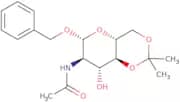
CAS:<p>Benzyl 2-acetamido-2-deoxy-4,6-O-isopropylidene-b-D-glucopyranoside is a surfactant that is used in the measurement of polymers. It is soluble in water and has a low concentration. This surfactant can be used as a copolymer with terephthalate to form polyurethane foam. Benzyl 2-acetamido-2-deoxy-4,6-O-isopropylidene b -D -glucopyranoside also has high concentrations for sedimentation and sulfonate properties.</p>Fórmula:C18H25NO6Pureza:Min. 95%Cor e Forma:PowderPeso molecular:351.39 g/molD-Ribose-5-phosphate barium salt hexahydrate
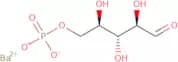
CAS:<p>D-Ribose-5-phosphate barium salt hexahydrate is a Modification, Oligosaccharide, Carbohydrate, complex carbohydrate. It is a Custom synthesis, Synthetic, High purity, Monosaccharide, Methylation, Glycosylation and Polysaccharide. D-Ribose-5-phosphate barium salt hexahydrate has CAS No. 15673-79-7 and Fluorination. It is an saccharide sugar.</p>Fórmula:C5H9BaO8P·6H2OPureza:Min. 95%Cor e Forma:White PowderPeso molecular:473.51 g/mol4-O-Methyl-D-glucuronic acid
CAS:<p>Component of plant, especially grape, glucuronoxylans</p>Fórmula:C7H12O7Pureza:Min. 95%Cor e Forma:Colorless PowderPeso molecular:208.17 g/molMethyl 2,3:4,6-di-O-isopropylidene-D-mannopyranoside
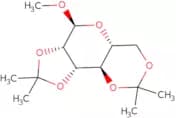
CAS:<p>Methyl 2,3:4,6-di-O-isopropylidene-D-mannopyranoside is a synthetic glycosylate sugar that has been modified with fluorination. It is a monosaccharide that is used in the synthesis of complex carbohydrates. Click modification of this molecule has been performed to yield high purity and desired modifications. CAS number 50705-56-1.</p>Fórmula:C13H22O6Pureza:Min. 95%Cor e Forma:PowderPeso molecular:274.31 g/mol1,2,3,4-Tetra-O-acetyl-6-O-tosyl-b-D-glucopyranose
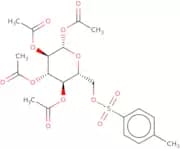
CAS:The tetra-acetyl-6-tosyl-b-D-glucopyranose is a modification of the natural 1,2,3,4-tetra-O-acetyl-6-O-tosyl--D glucopyranose. It is synthesized by reacting the 1,2,3,4 tetra acetyl b glucopyranose with tosyl chloride and anhydrous pyridine in dry dichloromethane. The product is purified by column chromatography on silica gel using a solvent system consisting of ethyl acetate and methanol. The yield of this reaction is about 60%. The molecular weight of this compound is 876.7 g/mol and its melting point is 253°C. The CAS No. for this compound is 661910-9 and its IUPAC name is (1R*, 2S*, 4R*)-1,2,Fórmula:C21H26O12SPureza:Min. 95%Cor e Forma:White PowderPeso molecular:502.49 g/mol1,2:3,5-Di-O-Isopropylidene-α-L-xylofuranose
CAS:<p>1,2:3,5-Di-O-Isopropylidene-a-L-xylofuranose is a fluorinated sugar that is used as a building block in the synthesis of complex carbohydrates and oligosaccharides. It has a CAS number of 131156-47-3. 1,2:3,5-Di-O-Isopropylidene-a-L-xylofuranose is an active component in the modification of saccharide and polysaccharide structures by click chemistry. It can be modified with various functional groups such as methylation or monosaccharide to produce specific compounds. This product is available for custom synthesis.</p>Fórmula:C11H18O5Pureza:Min. 95%Cor e Forma:PowderPeso molecular:230.26 g/mol1,2-O-Isopropylidene-3-deoxy-3-fluoro-a-D-xylofuranose
CAS:1,2-O-Isopropylidene-3-deoxy-3-fluoro-a-D-xylofuranose is a synthetic compound that has been modified by methylation, saccharide and glycosylation. It is a fluorinated sugar that can be used for Click modification, such as for oligosaccharide synthesis or other modifications. 1,2-O-Isopropylidene-3-deoxy-3-fluoro-a-D-xylofuranose is a high purity compound that can be custom synthesized to your specifications. It has CAS No. 1853084 2 and is listed under the Glycosylation section in the Carbohydrate database.Fórmula:C8H13FO4Pureza:Min. 95%Peso molecular:192.18 g/molD-Mannosaminuronic acid
<p>D-Mannosaminuronic acid is a monosaccharide that has been isolated from the seed of the African plant, Acacia drepanolobium. It is found to be an antigenic component of shigella and related enterobacteria and plays an important role in the biosynthesis of glycolipids. D-Mannosaminuronic acid can be hydrolyzed by acidic enzymes such as lipases, esterases, phosphatases, or proteases. This process may lead to the liberation of fatty acids and sugars. The purified enzyme preparations have been shown to catalyze the synthesis of D-mannosaminuronic acid from mannose and fructose.</p>Pureza:Min. 95%Methyl β-D-arabinopyranoside
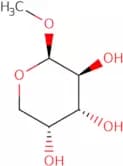
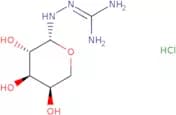
CAS:<p>Methyl b-D-arabinopyranoside is a fluorine containing molecule that has been shown to be an excellent marker for suberin. It is insoluble in water, and can be detected by resonator diffraction. The chemical composition of methyl b-D-arabinopyranoside was determined using liquid crystal composition and plates. A polymer particle with a macroscopic size was used to determine the fluorescence of methyl b-D-arabinopyranoside. Fluorescence analysis showed that methyl b-D-arabinopyranoside is a green fluorescent material with a maximum emission wavelength of 514 nm. Hydroalcoholic extraction was used to isolate this compound from the plant Ricinus communis L., where it was found in constant proportions.</p>Fórmula:C6H12O5Pureza:Min. 95%Cor e Forma:PowderPeso molecular:164.16 g/molN1-β-D-Arabinopyranosylamino-guanidine hydrochloride
CAS:<p>N1-b-D-arabinopyranosylamino-guanidine HCl is a modified carbohydrate. It is a synthetic monosaccharide that is custom synthesized by methylation and glycosylation. This product has high purity and can be used for modification of saccharides or oligosaccharides to create new carbohydrates with desired properties.</p>Fórmula:C6H14N4O4•HClPureza:Min. 95%Cor e Forma:White to light beige solid.Peso molecular:242.66 g/mol2,3,4,6-Tetra-O-acetyl-b-D-glucopyranosyl chloride
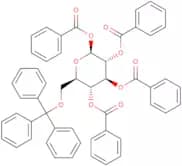
CAS:2,3,4,6-Tetra-O-acetyl-b-D-glucopyranosyl chloride is a fluorescent probe for nuclei and quadrupole resonance spectroscopy. It has been used to study the nuclear quadrupole resonance of anions in aqueous solution. The fluorescence intensity of 2,3,4,6-Tetra-O-acetyl-b-D-glucopyranosyl chloride is proportional to the concentration of anions in water. Fluorescence properties were evaluated by measuring the emission spectrum at various excitation wavelengths. The absorption spectrum was also measured to determine the fluorescence quantum yield and fluorescence lifetime.Fórmula:C14H19ClO9Pureza:Min. 95 Area-%Cor e Forma:White Off-White PowderPeso molecular:366.8 g/mol1,2,3,4-Tetra-O-benzoyl-6-O-trityl-b-D-glucopyranose
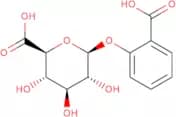
CAS:<p>1,2,3,4-Tetra-O-benzoyl-6-O-trityl-b-D-glucopyranose is a custom synthesis that can be used for methylation and Click modification. This compound is an oligosaccharide consisting of sugar molecules linked by glycosidic bonds. It is a polysaccharide with a saccharide repeating unit composed of monosaccharides. The carbohydrate chain contains 1,2,3,4 tetra O benzoyl groups and 6 O trityl groups. This product has a high purity and can be used in the synthesis of other compounds.<br>1,2,3,4 Tetra O benzoyl 6 O trityl b D glucopyranose (1) was synthesized from 4-(2'-hydroxyethyl)benzaldehyde (2), 4-(2'-hydroxyethyl)benzoic acid (3),</p>Fórmula:C53H42O10Pureza:Min. 95%Peso molecular:838.89 g/molSalicylic acid D-glucuronide
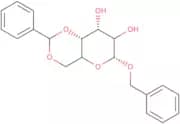
CAS:<p>Salicylic acid D-glucuronide is the major metabolite of aspirin, which is formed by hydrolysis of acetylsalicylic acid. It has been demonstrated to have anti-inflammatory and analgesic effects. Salicylic acid D-glucuronide is excreted in urine and can be detected in human serum. The formation rate of this metabolite varies with the individual's age, sex, and kidney function.<br>Salicylic acid D-glucuronide can be formed in vitro using hydrochloric acid and acetylsalicylic acid as substrates. This reaction is catalyzed by the enzyme uridine diphosphate glucuronyltransferase (UGT). Salicylic acid D-glucuronide has been shown to form covalent adducts with hydroxyl groups from other molecules in vivo and in vitro, including proteins (e.g., albumin) and DNA bases (e.g.,</p>Fórmula:C13H14O9Pureza:Min. 95%Cor e Forma:PowderPeso molecular:314.24 g/molBenzyl 4,6-O-benzylidine-β-D-galactopyranoside
CAS:<p>Benzyl 4,6-O-benzylidine-b-D-galactopyranoside is a benzoylated sugar. It is prepared by reacting benzoyl chloride with benzene and then with the sugar in an equimolar ratio. The reaction proceeds via a nucleophilic substitution at the 2' position of the sugar followed by an elimination of water. Benzyl 4,6-O-benzylidine-b-D-galactopyranoside reacts with dibutyltin to form a benzoylated tin compound that can be used as a catalyst for organic synthesis.</p>Fórmula:C20H22O6Pureza:Min. 95%Cor e Forma:White To Off-White SolidPeso molecular:358.39 g/mol3,4,5,7-Tetra-O-acetyl-2,6-anhydro-D-lyxo-hept-2-enononitrile
CAS:3,4,5,7-Tetra-O-acetyl-2,6-anhydro-D-lyxo-hept-2-enononitrile is a synthetic compound that is used in the synthesis of glycosylation and oligosaccharide. This product has been modified with fluorine and methyl groups. The purity of this product is greater than 99%. 3,4,5,7-Tetra-O-acetyl-2,6-anhydro-D-lyxo-hept-2 -enononitrile is also known as CAS No. 120085–67–8.Fórmula:C15H17NO9Pureza:Min. 95%Cor e Forma:PowderPeso molecular:355.3 g/molD-Sorbitol hexaacetate
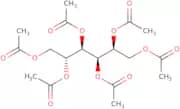
CAS:<p>Sorbitol hexaacetate is a low-energy compound that has a hydroxyl group and a phenolic acid. It is used as an intermediate in the production of detergents, surfactants, and other industrial chemicals. In addition to this, sorbitol hexaacetate can be used as a radiation shield and an effective dose for radiation therapy. Sorbitol hexaacetate is also used as an ingredient in lipolytic enzymes. It has been shown to inhibit the activity of lipolytic enzymes by forming hydrogen bonds with the enzyme active site. Magnetic resonance spectroscopy studies have revealed that sorbitol hexaacetate has a cavity that can be filled with water molecules, which may explain its ability to act as an optical polarizer.</p>Fórmula:C18H26O12Pureza:Min. 97 Area-%Cor e Forma:White PowderPeso molecular:434.39 g/molMethyl 2,3,5-tri-O-(p-chlorobenzoyl)-β-D-ribofuranoside
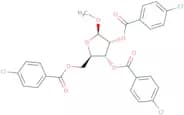
CAS:<p>Methyl 2,3,5-tri-O-(p-chlorobenzoyl)-b-D-ribofuranoside is a custom synthesis that has been modified with fluorination and methylation. It is a monosaccharide that can be synthesized by the reaction of 3,5-di-O-(p-chlorobenzoyl)ribose with formaldehyde. Methyl 2,3,5-tri-O-(p-chlorobenzoyl)-b-D-ribofuranoside can be used in saccharide or glycosylation reactions to produce oligosaccharides or polysaccharides. This chemical is also useful for click chemistry modifications.</p>Fórmula:C27H21Cl3O8Pureza:Min. 95%Cor e Forma:White to off-white solid.Peso molecular:579.81 g/molD-Glucose - monohydrate
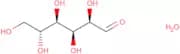
CAS:<p>D-Glucose - monohydrate is a glucose molecule that is found in the blood stream. It is the preferred source of energy for the brain and has been shown to enhance brain function. Glucose is also used to maintain the water balance of cells and tissues, as well as to prevent or treat hypoglycemia. This molecule can be found in many foods, such as honey, corn syrup, molasses, fruits and fruit juices. D-Glucose - monohydrate has antibacterial efficacy against a number of bacteria including staphylococcus aureus, Escherichia coli, Pseudomonas aeruginosa and Bacillus subtilis. It can also inhibit squamous cell carcinoma growth in vivo by preventing the proliferation of cancer cells. D-Glucose - monohydrate is structurally similar to adenosine diphosphate (ADP), which binds to dinucleotide phosphate (DP) enzymes that are involved in energy metabolism</p>Fórmula:C6H12O6·H2OPureza:(%) Min. 95%Cor e Forma:White PowderPeso molecular:198.17 g/mol