Monossacáridos
Subcategorias de "Monossacáridos"
- Aloses(11 produtos)
- Arabinoses(21 produtos)
- Eritroses(11 produtos)
- Frutoses(9 produtos)
- Fucoses(36 produtos)
- Galactosamina(41 produtos)
- Galactoses(262 produtos)
- Glucoses(365 produtos)
- Ácidos Glucurónicos(52 produtos)
- Glico-substratos para enzimas(78 produtos)
- Guloses(6 produtos)
- Idoses(4 produtos)
- Inositóis(15 produtos)
- Lixoses(4 produtos)
- Mannoses(65 produtos)
- O-Glicanos(48 produtos)
- Psicoses(3 produtos)
- Ramnoses(10 produtos)
- Riboses(61 produtos)
- Ácidos siálicos(100 produtos)
- Sorboses(4 produtos)
- Açúcares(173 produtos)
- Tagatoses(4 produtos)
- Taloses(8 produtos)
- Xiloses(20 produtos)
Foram encontrados 6089 produtos de "Monossacáridos"
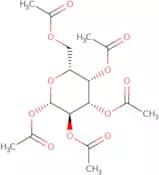
1,2,3,4,6-Penta-O-acetyl-b-D-galactopyranose
CAS:1,2,3,4,6-Penta-O-acetyl-b-D-galactopyranose, also known as beta-D-galactose pentaacetate, has high chemical stability and long shelf life. This protected form of galactose is a key building block of any chemical synthesis of galactose-containing oligosaccharides or glycoconjugates. In the presence of Lewis acids it can be used as a glycosyl donor to make simple glycosides. In order to perform more complex galactosylations it can be converted into more reactive donors, such as glycosyl halides or thioglycosides.Fórmula:C16H22O11Pureza:Min. 98 Area-%Cor e Forma:White Off-White PowderPeso molecular:390.34 g/mol2,3,4,6-Tetra-O-acetyl-5-thio-D-galactopyranosyl trichloroacetimidate
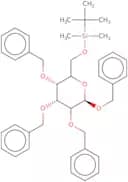
2,3,4,6-Tetra-O-acetyl-5-thio-D-galactopyranosyl trichloroacetimidate is a carbohydrate that is modified with acetylation at the 2' and 3' positions of the 5'-hydroxyl group of the sugar. This modification can be used for oligosaccharides, complex carbohydrates, and synthetic carbohydrates. The CAS number for this product is 4862-90-8.Fórmula:C16H20Cl3NO9SPureza:Min. 95%Cor e Forma:PowderPeso molecular:508.76 g/mol1,2,3,4-Tetra-O-benzyl-6-O-tert-butyldimethylsilyl-b-D-glucopyranose
Tetra-O-benzyl-6-O-tert-butyldimethylsilyl-b-D-glucopyranose is an Oligosaccharide. It is a synthetic compound that can be used for glycosylation, methylation, and other chemical modifications. Tetra-O-benzyl-6-O-tert-butyldimethylsilyl-b-D-glucopyranose is a high purity product with CAS No. 92382–10–9. This product can be custom synthesized to meet your specifications.Fórmula:C40H50O6SiPureza:Min. 95%Peso molecular:654.93 g/mol(2S, 3S, 4S) -3-Benzyloxy- 4- (hydroxymethyl) - 1- (phenylmethyl) -2- azetidinecarboxylic acid
2-Amino-3,4-dihydroxybenzoic acid is an organic compound. It is a white solid that is soluble in water and polar organic solvents. 2-Amino-3,4-dihydroxybenzoic acid is used as an anti-inflammatory agent and for the treatment of arthritis.
Pureza:Min. 95%Ethyl 2,3,4,6-tetra-O-benzyl-β-D-thioglucopyranoside
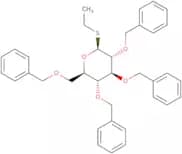
CAS:Ethyl 2,3,4,6-tetra-O-benzyl-b-D-thioglucopyranoside is a sugar alcohol that is selective for the formation of disaccharides. It has a constant yield and can be synthesized from phenyl glycosides or acetonitrile.Fórmula:C36H40O5SPureza:Min. 95%Cor e Forma:PowderPeso molecular:584.77 g/molMethyl 4,6-O-isopropylidene-a-D-glucopyranoside
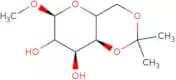
Methyl 4,6-O-isopropylidene-a-D-glucopyranoside is a glycosylation reagent that is used in the synthesis of oligosaccharides and polysaccharides. It is used as an intermediate for the production of active pharmaceutical ingredients and in the production of modified sugars. Methyl 4,6-O-isopropylidene-a-D-glucopyranoside can be custom synthesized to meet specific requirements such as purity, fluorination, and complex carbohydrate. This product is available with high purity and has been shown to be stable under a wide range of conditions. Methyl 4,6-O-isopropylidene-a-D-glucopyranoside is not compatible with strong acids or bases.Fórmula:C10H18O6Pureza:Min. 95%Peso molecular:234.25 g/mol3,4:5,6-Di-O-Isopropylidene-D- glycero- L- gulo- heptitol
3,4:5,6-Di-O-Isopropylidene-D-glycero-L-guloheptitol is a synthetic glycosylate that is used as a molecular probe for glycosyltransferases. It can be fluorinated at the 3, 4, and 6 positions to produce 3,4:5,6-DiFluoro-D-glycero-L-guloheptitol. This product is made by reacting glycerol with glyceraldehyde in the presence of sodium borohydride in an acid medium. The resulting product is purified by crystallization.Pureza:Min. 95%1,3,5-Tri-O-benzoyl-2-deoxy-2-bromo-alpha-L-arabinofuranose
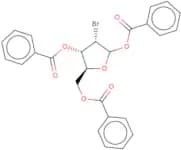
1,3,5-Tri-O-benzoyl-2-deoxy-2-bromo-alpha-L-arabinofuranose is a complex monosaccharide that can be used as a building block in the synthesis of various compounds. It is a derivative of the sugar arabinose, with the addition of benzoyl and bromo groups at specific positions. The compound has potential applications in the fields of organic chemistry and medicinal chemistry and is available for research.Fórmula:C26H21BrO7Pureza:Min. 95%Peso molecular:524.04 g/molL-Fucitol
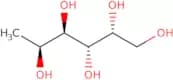
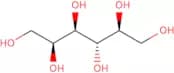
CAS:L-Fucitol is a sugar that is found in the form of D-arabinose and D-xylitol. It is used in flow systems for the detection of herpes simplex virus type 1 (HSV1) glycoproteins and can be used to measure xylitol dehydrogenase activity. L-Fucitol has been shown to inhibit the growth of bacteria that are resistant to penicillin, ampicillin, and erythromycin. L-Fucitol also inhibits enzymes such as galactocerebrosidase, which breaks down galactocerebroside, a myelin constituent. This inhibition leads to accumulation of galactitol, an inhibitor of oligosaccharide synthesis. L-Fucitol also inhibits enzyme activities such as glycosidases and glycosyltransferases, which affect metabolic profiles by inhibiting the breakdown or synthesis of sugars. L-Fucitol is a monosac
Fórmula:C6H14O5Pureza:Min. 95%Cor e Forma:White Off-White PowderPeso molecular:166.17 g/mol2-Acetamido-2,6-dideoxy-L-mannose
2-Acetamido-2,6-dideoxy-L-mannose is a deoxyhexose that is found in lipopolysaccharides from Gram-negative bacteria. 2-Acetamido-2,6-dideoxy-L-mannose is the only hexose that can be used for O antigen synthesis, which makes it an important component of LPS and O antigens. It has been sequenced in many organisms including animals, plants, and bacteria. 2-Acetamido-2,6-dideoxy-L-mannose may be involved in the translocation of bacteria across the gut epithelium into the bloodstream. The monosaccharide also plays a role in serogrouping and serotyping of bacteria.Pureza:Min. 95%3b,19a-dihydroxyurs-12-en-28-oic acid 28-b-D-glucopyranosyl ester
3b,19a-dihydroxyurs-12-en-28-oic acid 28-b-D-glucopyranosyl ester is an Methylated saccharide. It is a white to off-white crystalline powder that is soluble in water and methanol. The CAS number for this product is 805829-15-6. This product can be custom synthesized with a modification of the glycosylation site, or glycosylation can be removed by Click chemistry.Pureza:Min. 95%α-D-Mannopyranosyl azide
CAS:a-D-Mannopyranosyl azide is a custom synthesis, modification, fluorination, methylation, monosaccharide, synthetic and glycosylation agent. It can be used as a monosaccharide or oligosaccharide for the synthesis of complex carbohydrates.Fórmula:C6H11N3O5Pureza:Min. 95%Cor e Forma:White PowderPeso molecular:205.17 g/mol2,3,4,6-Tetra-O-acetyl-a-D-glucopyranosyl azide
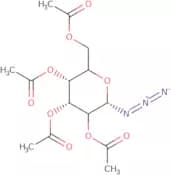
CAS:This compound is a custom synthesis. It is used to synthesize complex carbohydrates, such as oligosaccharides and polysaccharides. This product has been modified with methylation and glycosylation. It is a carbohydrate that is classified as a saccharide. The CAS number for this product is 20379-61-7. This product has high purity, with the purity being over 99%. This product has been fluorinated and synthesized using Click chemistry.
Fórmula:C14H19N3O9Pureza:Min. 95%Cor e Forma:PowderPeso molecular:373.32 g/mol1,2:4,5-Di-O-cyclohexylidene-b-D-fructopyranose
CAS:1,2:4,5-Di-O-cyclohexylidene-b-D-fructopyranose is a modification of the natural carbohydrate 1,2:4,5-di-O-isopropylidene-b-D-fructopyranose. It is an oligosaccharide composed of three units of b-D-fructofuranose linked by α-(1,2) and β-(1,4) glycosidic bonds. The methylation and glycosylation of this saccharide can be customized to produce a wide range of products with different properties. 1,2:4,5 Di O cyclohexylidene b D fructopyranose can be used in applications such as pharmaceuticals and agrochemicals.
The molecular formula for this compound is C10H14O8 and its CAS number is 18608-92-9.Fórmula:C18H28O6Pureza:Min. 95%Peso molecular:340.41 g/mol2-Aminophenyl 2,3,4-tri-O-acetyl-β-D-glucuronide methyl ester
CAS:2-Aminophenyl 2,3,4-tri-O-acetyl-b-D-glucuronide methyl ester is a glycosylation reagent and can be used in synthesis of oligosaccharides and sugar. This chemical has been modified with fluorination, methylation and monosaccharide modification to provide a high purity product. It is also available in complex carbohydrate form.Fórmula:C19H23NO10Pureza:Min. 95%Cor e Forma:White to off-white solid.Peso molecular:425.39 g/mol1,2:3,4-Di-O-isopropylidene-6-thio-a-D-galactopyranose
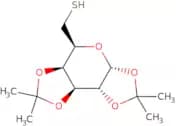
CAS:1,2:3,4-Di-O-isopropylidene-6-thio-a-D-galactopyranose is a synthetic oligosaccharide that contains a fluorinated sugar. It has been used for the synthesis of glycoproteins and polysaccharides. This product is custom synthesized and can be modified to your specifications. It is typically used in the production of polysaccharides or glycoproteins. This product has a high purity and CAS No. 16714-07-1.Fórmula:C12H20O5SPureza:Min. 95%Cor e Forma:Clear LiquidPeso molecular:276.35 g/mol1,2,3,4-Tetra-O-acetyl-6-aminobenzoyl-6-deoxy-a-D-glucopyranoside
1,2,3,4-Tetra-O-acetyl-6-aminobenzoyl-6-deoxy-a-D-glucopyranoside is a fluorinated monosaccharide that is synthesized from 6-deoxyglucose through the glycosylation of 1,2,3,4,-tetraaminobenzoyl chloride. It is a white solid with a molecular weight of 242.1 g/mol and a CAS Number of 368737-85-0. This product has been modified with methylation and click chemistry to give it desired properties for use as an intermediate in the synthesis of complex carbohydrates.
Fórmula:C21H25NO10Pureza:Min. 95%Peso molecular:451.42 g/mol1-Cyano-1-methylethyl b-D-glucopyranosiduronic acid
CAS:1-Cyano-1-methylethyl b-D-glucopyranosiduronic acid (1CMEG) is a synthetic monosaccharide that has been modified with fluorination. It is an oligosaccharide, which is a complex carbohydrate made up of many sugar molecules. The CAS number for 1CMEG is 78662-58-5. This product can be custom synthesized to meet customer specifications and needs. It has been shown to have glycosylation and polysaccharide properties, and it can be modified with methylation or sugar binding. This product's purity level is high, making it ideal for use in pharmaceuticals or other applications where purity matters.Fórmula:C10H15NO7Pureza:Min. 98 Area-%Cor e Forma:PowderPeso molecular:261.23 g/molMethyl 2,3-di-O-acetyl-4,6-O-benzylidene-a-D-galactopyranoside
CAS:Methyl 2,3-di-O-acetyl-4,6-O-benzylidene-a-D-galactopyranoside is a custom synthesis of a complex carbohydrate that can be modified with a methyl group on the C2 position. This compound has been fluorinated and glycosylated in the laboratory. This product has high purity and is insoluble in water.Fórmula:C18H22O8Pureza:Min. 95%Peso molecular:366.37 g/mol2-Amino-2-deoxy-D-fucose
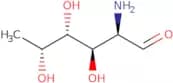
CAS:2-Amino-2-deoxy-D-fucose is a sugar molecule that is found in the cell wall of bacteria, including Staphylococcus aureus. It may be used to treat microbial infections by binding to bacterial cell walls and causing them to lose their ability to adhere to host cells. This sugar molecule may also be effective against Pseudomonas aeruginosa. 2-Amino-2-deoxy-D-fucose has been shown to inhibit the growth of P. aeruginosa in vitro by inhibiting the synthesis of fatty acids and increasing the production of hydrogen fluoride, which leads to cell death.Fórmula:C6H13NO4Pureza:Min. 95%Peso molecular:163.17 g/mol2, 5- Anhydro- 6- azido- 3, 6- dideoxy- L -arabino- hexonic acid methyl ester
CAS:2,5-Anhydro-6-azido-3,6-dideoxy-L-arabino-hexonic acid methyl ester (ADAEM) is a modified sugar that can be used as a building block for oligosaccharides and polysaccharides. ADAEM is a monosaccharide with six hydroxyl groups. This modification of the sugar molecule prevents it from participating in glycosidic bond formation. ADAEM has been shown to be resistant to enzymatic degradation and has high purity. It is also stable at high temperatures and pH ranges.Fórmula:C7H11N3O4Pureza:Min. 95%Peso molecular:201.18 g/mol(3S, 4S, 5R) -Dihydro- 4, 5- bis(phenylmethoxy) -2(3H) - furanone
This product is a modification of the natural compound (3S, 4S, 5R) -Dihydro-4,5-bis(phenylmethoxy)-2(3H)-furanone. It is an oligosaccharide that is composed of three monosaccharides. This product has been synthesized and modified to have high purity and no detectable contaminants. The CAS number for this product is 120548-06-1. This product can be used in the synthesis of complex carbohydrates. It also can be methylated, glycosylated, or polysaccharided with other sugars such as galactose, glucose, or maltose. This product has been fluorinated to increase its solubility in organic solvents. It is a saccharide that contains one carbon atom and five hydrogen atoms per molecule.Pureza:Min. 95%(2R, 3R, 4R) -3, 4- Difluoro- 1- (phenylmethyl) - 2- pyrrolidinemethanol
CAS:(2R, 3R, 4R) -3, 4- Difluoro- 1- (phenylmethyl) - 2- pyrrolidinemethanol is a synthetic compound that has been modified to contain fluoro substituents. It is an intermediate for the synthesis of oligosaccharides and complex carbohydrates. This compound can be used in click chemistry or glycosylation reactions. The purity of this compound is greater than 99% and it has not been tested on animals.Pureza:Min. 95%Isorhamnetin 3-O-galactoside
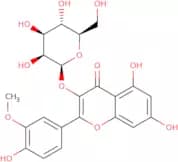
CAS:Isorhamnetin 3-O-galactoside is a flavonoid derivative that is found in plant tissue. It has antioxidant properties and has been shown to inhibit leucaena seed germination, growth, and the production of reactive oxygen species (ROS). Isorhamnetin 3-O-galactoside can be extracted from fruit by using an aqueous solution of potassium hydroxide. It is also used as a dietary supplement for its potent inhibitory activity on ROS. Isorhamnetin 3-O-galactoside is found in plants with other flavonoids such as quercetin and kaempferol. The chemical structure of this compound consists of a hydroxyl group at the C3 position and an O-glycosidic linkage to galactose at the C2 position. This compound can be detected by mass spectrometric methods such as electron ionization or electrospray ionization because it
Fórmula:C22H22O12Pureza:Min. 95%Peso molecular:478.4 g/molD-Gluconic acid manganese salt
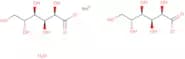
CAS:D-Gluconic acid manganese salt (DGM) is a glycol ether that is used as an antimicrobial agent in the treatment of infectious diseases. It binds to the metal ions in bacterial cell walls and disrupts their function. DGM has been shown to inhibit enzymes such as phosphoglucoisomerase, glucose-6-phosphate dehydrogenase, and pyruvate kinase. DGM also has covalent linkages that may be involved in its antimicrobial activity. The structure of DGM has been determined by X-ray diffraction data and electrochemical impedance spectroscopy, which show that it belongs to group p2.
Fórmula:C6H11O7·MnPureza:Min. 98%Cor e Forma:PowderPeso molecular:445.24 g/mol1-O-(trans-3-Hydroxycotinine)-b-D-glucuronide ammonium salt
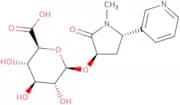
CAS:The glucuronidation of 1-O-(trans-3-hydroxycotinine)-b-D-glucuronide ammonium salt is mediated by the enzyme UDP-glucuronosyltransferase. This reaction is catalyzed by the transfer of a glucuronic acid residue from UDP-glucuronic acid to a hydroxyl group on the side chain of 1-O-(trans-3-hydroxycotinine)-b-D-glucuronide ammonium salt. The kinetic analysis of human urine samples has shown that this reaction is significant. This metabolite can be detected in urine samples using next generation sequencing and its concentration can be used as an indicator for the consumption of tobacco or nicotine containing products. Epidemiological studies have shown that this metabolite has significant effects on cancer risk. Genotyping and genotype studies have shown that this metabolite is responsible for genetic polymorphisms that are associated with increased cancer risk.
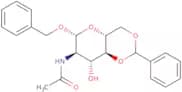
Fórmula:C16H20N2O8•(NH3)xPureza:Min. 97%Cor e Forma:White PowderPeso molecular:368.34 g/molBenzyl 2-acetamido-4,6-O-benzylidene-2-deoxy-β-D-glucopyranoside
CAS:This product is a computational, experimental, and acoustic expansion of benzyl 2-acetamido-4,6-O-benzylidene-2-deoxy-b-D-glucopyranoside. It is used as an additive to motorcycle fuel, with the purpose of preventing engine knock. The experiment was conducted by measuring the pressure levels in a cylinder at different temperatures. The results showed that the highest pressure level was obtained when the temperature was increased to 220 degrees Celsius and the pressure level decreased when it was lowered to 200 degrees Celsius.Fórmula:C22H25NO6Pureza:Min. 95%Cor e Forma:White to off-white solid.Peso molecular:399.44 g/molL-Talitol
CAS:L-Talitol is a naturally occurring sugar alcohol that is found in the human body and in many vegetables, fruits, and grains. It has been shown to be a potent inhibitor of the bacterium Klebsiella aerogenes. L-talitol has been used as a model system to study the effect of matrix on the growth of cells. It has also been shown to have chronic pulmonary effects and to be effective for treating selenium deficiency. L-talitol can inhibit b-raf by binding to the hydroxyl group on its kinase domain and inhibiting downstream signaling pathways. This inhibition leads to reduced levels of transcriptional regulation in cells, which may be due to decreased protein synthesis or increased degradation of mRNA. L-Talitol also inhibits d-talitol dehydrogenase, which results in an increase in d-talitol concentrations in cells.Fórmula:C6H14O6Pureza:Min. 95%Cor e Forma:PowderPeso molecular:182.17 g/mol3-O-Benzyl-1,2-O-isoproylidene-4-C-(phenylmethoxy)methyl-β-L-lyxofuranose
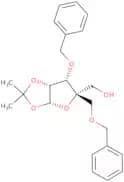
CAS:3-O-Benzyl-1,2-O-isoproylidene-4-C-(phenylmethoxy)methyl-b-L-lyxofuranose is a monosaccharide that belongs to the group of carbohydrates. It is used as a raw material in the synthesis of complex carbohydrates by click chemistry, glycosylation and methylation. 3-O-Benzyl--1,2--O--isoproylidene--4--C-(phenylmethoxy)methyl--b--L--lyxofuranose has been modified for use in fluoroformations and glycosylations. This compound can also be used as an intermediate for the synthesis of other saccharides.Fórmula:C23H28O6Pureza:Min. 95%Cor e Forma:PowderPeso molecular:400.46 g/mol(5S, 8S, 9R) -8- [(4R) - 2, 2- Dimethyl- 1, 3- dioxolan- 4- yl] - 9- hydroxy- 2, 2- dimethyl- 1, 3, 7- trioxaspiro[4.4] nonan- 6- on e
(5S, 8S, 9R) -8- [(4R) - 2, 2- Dimethyl- 1, 3- dioxolan- 4- yl] - 9- hydroxy- 2, 2- dimethyl- 1, 3, 7- trioxaspiro[4.4] nonan- 6- on e is a fluorinated monosaccharide that is synthetically derived. It has been used in glycosylation and polysaccharide synthesis and can be modified with methylation or Click chemistry. This compound is a sugar with CAS number 100741-42-2.Pureza:Min. 95%2-Azido-2-deoxy-3,5-O-benzylidene-L-xylono-1,4-lactone
2-Azido-2-deoxy-3,5-O-benzylidene-L-xylono-1,4-lactone is a sugar compound that can be custom synthesized. It has been shown to be a methylation product of 2,3,4,6-tetraacetylgalactose and is an oligosaccharide with a saccharide chain that includes glucose and xylose. The chemical formula for this compound is C11H13NO7. This compound has a CAS Number of 73028-81-2 and can be purchased from various vendors at high purity levels. 2Azido2deoxy3,5ObenzylideneLxylono1,4lactone is used as a reagent in the synthesis of complex carbohydrates. It can also be used to modify monosaccharides and sugar compounds with fluorination or modification reactions.Pureza:Min. 95%2-Acetamido-3,4,6-tri-O-acetyl-2-deoxy-a-D-glucopyranosyl chloride - Stabilised with 2.5% CaCO3
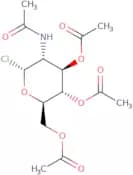
CAS:2-Acetamido-3,4,6-tri-O-acetyl-2-deoxy-a-D-glucopyranosyl chloride - Stabilised with 2.5% CaCO3 is a crystalline compound that is synthesized from acetobromosugars and has the ability to inhibit virus activity. The compound binds to the reactive sulfhydryl groups on the surface of the virus, inhibiting its infectivity. This compound can be used in biomedical research for the treatment of hepatitis.Fórmula:C14H20ClNO8Pureza:Min. 95%Cor e Forma:White PowderPeso molecular:365.76 g/mol2,3,5,6-Tetra-O-acetyl-D-galactono-1,4-lactone
CAS:2,3,5,6-Tetra-O-acetyl-D-galactono-1,4-lactone is a morpholidate that can be synthesized from l-fucose and phosphates. This chemical has been shown to have anti-inflammatory properties due to its ability to inhibit prostaglandin synthesis. The compound also inhibits the production of diphosphorylated guanosine (GDP) from guanosine monophosphate (GMP), which may be important in the regulation of cellular growth. 2,3,5,6-Tetra-O-acetyl-D-galactono-1,4-lactone has also been shown to inhibit the conversion of GMP into GTP by binding to the enzyme GMP synthase.Fórmula:C14H18O10Pureza:Min. 95%Peso molecular:346.29 g/mol1,2:4,5-Di-O-isopropylidene-3-O-methacryloyl-b-D-fructopyranose
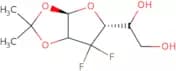
1,2:4,5-Di-O-isopropylidene-3-O-methacryloyl-b-D-fructopyranose is a monosaccharide that has been modified with fluorination and methylation. The methylation of this molecule provides a high degree of purity. This synthetic product is a complex carbohydrate that is used as an additive in food and medicine. 1,2:4,5-Di-O-isopropylidene-3-O-methacryloyl b -D -fructopyranose has the CAS number 64794-52-9.Pureza:Min. 95%3-Deoxy-3,3-difluoro-1,2-O-Di-O-isopropylidene-a-D-glucofuranose
3-Deoxy-3,3-difluoro-1,2-O-Di-O-isopropylidene-a-D-glucofuranose is an alpha, beta unsaturated carbonyl sugar. It can be used as a building block to synthesize oligosaccharides or glycosylations. It has been shown that 3DG reacts with the amino group of proteins and peptides leading to the formation of methylated sugars. This compound can also be used to modify saccharides such as by converting them into click or substitution derivatives. 3DG is readily available in high purity and is stable under a variety of conditions.Fórmula:C9H14F2O5Pureza:Min. 95%Peso molecular:240.2 g/mol3,5-Dideoxy-3,5-imino-1,2-O-isopropylidene-N-methyl-L-idofuranose
3,5-Dideoxy-3,5-imino-1,2-O-isopropylidene-N-methyl-L-idofuranose is a custom synthesis that can be modified to the customer's specifications. This product has CAS No. and is a polysaccharide with modification. It is a carbohydrate that is a saccharide with methylation, glycosylation and click modification. This product is high purity, fluorinated and synthetic.Pureza:Min. 95%Methyl b-D-thioglucopyranoside
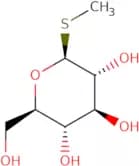
CAS:Methyl b-D-thioglucopyranoside is a mucolytic that is used to treat respiratory disorders such as chronic bronchitis, asthma, and emphysema. It can be used topically or orally, and is typically taken twice a day. Methyl b-D-thioglucopyranoside works by breaking down the mucus coating in the lungs, making it easier to cough up. This drug also has viscosity-lowering properties due to its ability to break down mucus.Fórmula:C7H14O5SPureza:Min. 95%Peso molecular:210.25 g/molMethyl 2, 3- anhydro- 4, 6- O- [(R) - benzylidene] -a- D- allopyranoside
CAS:Methyl 2, 3-anhydro-4, 6-O-[(R)-benzylidene]-a-D-allopyranoside is a glycosylation product of methyl 4, 6-O-[(R)-benzylidene]-a-D-allopyranoside. It is a complex carbohydrate that is fluorinated and saccharified. Methyl 2, 3-anhydro-4, 6-(R)-benzylidene]-a-D-allopyranoside is custom synthesized to high purity and quality.Pureza:Min. 95%Methyl (2R,3R,4S)-2,3-dihydroxy-4-oxo-butanoate 2,4-hemiacetal
Methyl (2R,3R,4S)-2,3-dihydroxy-4-oxo-butanoate 2,4-hemiacetal is a custom synthesis chemical that is not found in nature. It has the molecular formula CH3O(COOCH3)2C(OH)(OCH2CH2)2CHO. This compound was synthesized by the reaction of methyl acetoacetate with sodium borohydride and formaldehyde. The product was purified by recrystallization from ethyl acetate and hexane. Methyl (2R,3R,4S)-2,3-dihydroxy-4-oxo-butanoate 2,4-hemiacetal is a colorless solid that melts at 60°C and decomposes at 160°C. The purity of this compound is greater than 99%. This chemical reacts with nucleophiles to form acetals or hemiacetPureza:Min. 95%1-O-Acetyl-2-azido-2-deoxy-3,4-di-O-benzyl-6-O-benzoyl-D-glucopyranose
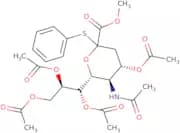
This compound is a custom synthesis of 1-O-acetyl-2-azido-2-deoxy-3,4-di-O-benzyl-6-O-benzoylglucopyranose. It is a synthetic carbohydrate that is used in the modification of saccharides and oligosaccharides. This product has been fluorinated to allow for fluorescence detection and click chemistry applications. It is a white solid with a melting point of 105 degrees Celsius. The CAS number for this compound is 15148344.Fórmula:C29H29N3O7Pureza:Min. 95%Peso molecular:531.56 g/molPhenyl 4,7,8,9-tetra-O-acetyl-2-thio-N-acetyl-D-neuraminic acid methyl ester
CAS:N-Acetyl-2-phenylthioneuraminic acid methyl ester 4,7,8,9-tetraacetate, also called per-O-acetyl-thiophenyl-N-acetylneuraminic acid methyl ester, belongs to the family of sialic acids. This neuraminic acid derivative, as well as other related compounds, such as, N-Acetyl-9-azido-9-deoxy-neuraminic acid, N-Acetyl-2-O-methyl-a-D-neuraminic acid and N-Acetylneuraminic acid dihydrate, act as ligands for the synthesis of many intermediates of sialylated carbohydrates. Sialic acid derivatives present on the surface of vertebrate cells are crucial to advances in biology, as they play a significant role in pathogen-cell interactions and act as mediators of physiological processes.Fórmula:C26H33NO12SPureza:Min. 95%Cor e Forma:PowderPeso molecular:583.61 g/mol2-Azido- 2- deoxy- 3, 4- O-benzylidene-D- ribonic acid d- lactone
2-Azido-2-deoxy-3,4-O-benzylidene-D-ribonic acid d-lactone is a glycosylation product of 2,4,6 azido 2,3,4 O benzylidene D -ribose. It is synthesized by the reaction of 1,2 azido 2,3,4 O benzylidene D -ribose with sodium borohydride in the presence of lithium chloride. This compound possesses a number of properties including being a complex carbohydrate and methylation product. This compound is also fluorinated to give 2 azido-2 deoxy 3,4 F -benzylidene D ribonic acid d lactone. This compound can be modified for various purposes such as Click modification and polysaccharide synthesis.Pureza:Min. 95%2,6-Anhydro-D-glycero-D-gluo-heptonic acid methylamide
2,6-Anhydro-D-glycero-D-gluo-heptonic acid methylamide is a synthetic sugar that is used as a building block for the synthesis of oligosaccharides and monosaccharides. The glycosylation of 2,6-Anhydro-D-glycero-D-gluo-heptonic acid methylamide can be catalyzed by any of the glycosylators that use saccharides as substrates. This modification can also be achieved by methylation to produce methylated 2,6-Anhydro-D-glycero-D-gluo heptonic acid methylamide. It has been shown to exhibit antiviral activity against herpes simplex virus type 1.Pureza:Min. 95%(2S, 3S, 4R) -3- [[[(2S, 3S, 4R) - 3- Azido- 4- [[[(1, 1- dimethylethyl) dimethylsilyl] oxy] methyl] - 1- (phenylmethyl) - 2- azetid inyl] carbonyl] amino] - 4- [[[(1, 1- dimethylethyl) dimethylsilyl] oxy] methyl] - 1- (phenylmethyl) -2- azetidinecarb
The synthesis starts with a commercially available, methyl-protected, phenyl-protected 2-azetidinecarboxylic acid. The carbonyl group is then converted to an amide by reaction with ammonia in the presence of a base (such as triethylamine) and an appropriate coupling agent (such as HOBt). The amide is then deprotected by treatment with hydrochloric acid to give the desired product. This compound has not been characterized fully yet but it is expected to be a complex carbohydrate.
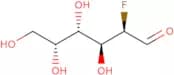
Pureza:Min. 95%2-Deoxy-2-fluoro-D-galactose - non-animal origin
CAS:2-Deoxy-2-fluoro-D-galactose, also called 3-fluoro-6-hydroxymethyl-tetrahydro-pyran-2,4,5-triol, can be added to the medium of primary cultured rat hepatocytes to inhibit N-glycosylation of proteins. Immunoglobulin G (IgG) is the most common antibody found in blood and 2-deoxy-2-fluoro-D-galactose modifies the galactosylation of the N-linked glycan in the IgG-Fc receptor. We also have the same product MD04718.Fórmula:C6H11FO5Pureza:Min. 97 Area-%Cor e Forma:White Off-White PowderPeso molecular:182.15 g/mol2,3,4-Tri-O-acetyl-1-O-azido-1-deoxy-b-D-arabinopyranoside
CAS:2,3,4-Tri-O-acetyl-1-O-azido-1-deoxy-b-D-arabinopyranoside is a methylated sugar that can be used to modify oligosaccharides. It has an acetyl functional group on the 2' position of the ribose moiety. This product is a white crystalline powder and it is soluble in water and methanol.Fórmula:C11H15N3O7Pureza:Min. 95%Peso molecular:301.25 g/mol2-Acetamido-4,6-O-benzylidene-2-deoxy-D-glucopyranose
CAS:2-Acetamido-4,6-O-benzylidene-2-deoxy-D-glucopyranose is an ether of d-glucosamine. It is formed by the reaction of benzyl alcohol and acetamidine with sodium methoxide in the presence of a catalyst. The stereoselectivity of this reaction can be tuned by using different alkali metals as catalysts. The nature and reactivity of the metal cation determines whether 2-acetamido-4,6-O-benzylidene-2,3,5,6,-tetraacetate or 2,3,5,6,-tetraacetate will be produced.Fórmula:C15H19NO6Pureza:Min. 95%Cor e Forma:White PowderPeso molecular:309.31 g/mol(5R, 6R, 7S, 8R) -5, 6, 7, 8-Tetrahydro- 5- methyl- tetrazolo[1, 5- a] pyridine- 6, 7, 8- triol
CAS:Tetrahydro-5-methyl-tetrazolo[1,5-a]pyridine-6,7,8-triol is an organic compound that has been synthesized from a sugar. Tetrahydro-5-methyl-tetrazolo[1,5-a]pyridine-6,7,8-triol is soluble in water and formic acid. It is used as a synthetic intermediate for the production of oligosaccharides and saccharides. Tetrahydro-5-methyl-tetrazolo[1,5-a]pyridine-6,7,8-triol can be used to produce glycosylation or methylation in the laboratory. It is also used as a chemical reagent in complex carbohydrate synthesis.Fórmula:C6H10N4O3Pureza:Min. 95%Peso molecular:186.17 g/mol3-C-Methyl- 5, 6- O- isopropylidene-D- gluconic acid g- lactone
3-C-Methyl- 5, 6- O- isopropylidene-D- gluconic acid g- lactone is an oligosaccharide that was synthesized by the reaction of 3,4-dihydroxybenzoic acid and methyl acrylate. The molecular weight of this sugar is 459. Its CAS number is 72854-10-7. This sugar has a purity level of >95%. It has been modified with methylation and click chemistry to afford various derivatives. This carbohydrate can be used in glycosylation reactions or as a building block for polysaccharides.Pureza:Min. 95%Sucrose 6'-monophosphate dipotassium
CAS:Sucrose 6'-monophosphate dipotassium salt is a high purity, custom synthesis sugar. Click modification and fluorination of sucrose with potassium fluoride yields an oligosaccharide. Glycosylation and methylation of the saccharide with sodium methoxide yields a monosaccharide. Carbohydrates are defined as polyhydroxy aldehydes or ketones that contain either aldoses or ketoses. Complex carbohydrates are sugars that consist of two or more simple sugars linked together. Sucrose has six carbon atoms, 12 hydrogen atoms, six oxygen atoms, and two sulfur atoms in its molecular structure. The molecular formula for sucrose is C12H22O11S2K2O4P. The CAS number for sucrose is 36064-19-4. Molecular weight: 342.3 g/molFórmula:C12H23O14P•K2Pureza:Min. 95%Cor e Forma:PowderPeso molecular:500.47 g/mol








![(5S, 8S, 9R) -8- [(4R) - 2, 2- Dimethyl- 1, 3- dioxolan- 4- yl] - 9- hydroxy- 2, 2- dimethyl- 1, 3…](/_next/image/?url=https%3A%2Fstatic.cymitquimica.com%2Fproducts%2F3D%2Fthumb-webp%2FMD170671.webp&w=3840&q=75)



![Methyl 2, 3- anhydro- 4, 6- O- [(R) - benzylidene] -a- D- allopyranoside](/_next/image/?url=https%3A%2Fstatic.cymitquimica.com%2Fproducts%2F3D%2Fthumb-webp%2FMM163569.webp&w=3840&q=75)
![(2S, 3S, 4R) -3- [[[(2S, 3S, 4R) - 3- Azido- 4- [[[(1, 1- dimethylethyl) dimethylsilyl] oxy] methy…](/_next/image/?url=https%3A%2Fstatic.cymitquimica.com%2Fproducts%2F3D%2Fthumb-webp%2FMA163462.webp&w=3840&q=75)


![(5R, 6R, 7S, 8R) -5, 6, 7, 8-Tetrahydro- 5- methyl- tetrazolo[1, 5- a] pyridine- 6, 7, 8- triol](/_next/image/?url=https%3A%2Fstatic.cymitquimica.com%2Fproducts%2F3D%2Fthumb-webp%2FMT163943.webp&w=3840&q=75)