Monossacáridos
Monossacarídeos são a forma mais simples de carboidratos e servem como building blocks fundamentais para açúcares mais complexos e polissacarídeos. Essas moléculas de açúcar único desempenham papéis críticos no metabolismo energético, na comunicação celular e nos componentes estruturais das células. Nesta seção, você encontrará uma ampla variedade de monossacarídeos essenciais para pesquisas em bioquímica, biologia molecular e glicociência. Esses compostos são cruciais para estudar vias metabólicas, processos de glicosilação e desenvolvimento de agentes terapêuticos. Na CymitQuimica, oferecemos monossacarídeos de alta qualidade para apoiar suas necessidades de pesquisa, garantindo precisão e confiabilidade em suas investigações científicas.
Subcategorias de "Monossacáridos"
- Aloses(11 produtos)
- Arabinoses(21 produtos)
- Eritroses(11 produtos)
- Frutoses(9 produtos)
- Fucoses(36 produtos)
- Galactosamina(41 produtos)
- Galactoses(260 produtos)
- Glucoses(365 produtos)
- Ácidos Glucurónicos(51 produtos)
- Glico-substratos para enzimas(77 produtos)
- Guloses(6 produtos)
- Idoses(4 produtos)
- Inositóis(15 produtos)
- Lixoses(4 produtos)
- Mannoses(65 produtos)
- O-Glicanos(48 produtos)
- Psicoses(3 produtos)
- Ramnoses(10 produtos)
- Riboses(61 produtos)
- Ácidos siálicos(100 produtos)
- Sorboses(4 produtos)
- Açúcares(173 produtos)
- Tagatoses(4 produtos)
- Taloses(8 produtos)
- Xiloses(20 produtos)
Exibir 17 mais subcategorias
Foram encontrados 6088 produtos de "Monossacáridos"
Ordenar por
Pureza (%)
0
100
|
0
|
50
|
90
|
95
|
100
2-Azido-2-deoxy-L-xylonic acid
<p>2-Azido-2-deoxy-L-xylonic acid is a synthetic monosaccharide and a member of the xylonic acid family. It is used in the synthesis of glycosides and oligosaccharides, as well as being used to modify proteins. 2-Azido-2-deoxy-L-xylonic acid has been fluorinated and then glycosylated with a variety of saccharides including maltose, cellobiose, and sucrose. This compound is also methylated at the hydroxyl group to give an azidomethyl ester derivative. The chemical name for this compound is 2-[(2S)-2-(diethylamino)ethylamino]pentanedioic acid, 2-[1-(diethylamino)ethyl]azide].</p>Pureza:Min. 95%L-Xylulose, 1.0 M aqueous solution
CAS:<p>L-Xylulose is a pentose sugar that can be used as a precursor for the synthesis of l-xylitol and arabinitol. L-Xylulose is an intermediate in the pentose phosphate pathway, which produces ribose 5-phosphate and NADPH. L-Xylulose has been shown to have anticancer activity by inhibiting polymerase chain reactions (PCRs) in cancerous tissues. This effect has been attributed to its ability to reduce the levels of dNTPs, which are required for DNA replication. L-Xylulose also inhibits aerobic respiration, which may be due to its ability to inhibit enzymatic activity of both ribitol dehydrogenase and l-arabinitol dehydrogenase.</p>Fórmula:C5H10O5Pureza:Min. 98 Area-%Cor e Forma:PowderPeso molecular:150.13 g/molPropargyl b-D-galactopyranoside
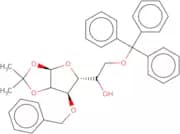
CAS:<p>Propargyl b-D-galactopyranoside is a custom synthesis that is a modified form of galactose. The modification was accomplished by adding fluorine to the sugar. Methylation of the sugar was also done, and it has been shown to have anti-tuberculosis properties. It also has been shown to inhibit the growth of bacteria in vitro and in vivo, including Mycobacterium tuberculosis.</p>Fórmula:C9H14O6Pureza:Min. 95%Cor e Forma:PowderPeso molecular:218.2 g/mol3-O-Benzyl-1,2-O-isopropylidene-6-O-trityl-a-D-glucofuranose
CAS:<p>3-O-Benzyl-1,2-O-isopropylidene-6-O-trityl-a-D-glucofuranose is a synthetic oligosaccharide. It is a glycosylation product of the 6′ position of β-(3,4-)dihydroxybenzoyl α-(1,6)-Dglucopyranosyl bromide with 3,5,-O-(tetraisopropyldisiloxanyl) benzyl alcohol. The molecular weight is 588.8 g/mol and it has the molecular formula C28H31NO14. 3BBIG is soluble in water and methanol, but insoluble in ethanol or ether. This compound can be used for methylation reactions or click chemistry modifications.</p>Fórmula:C35H36O6Pureza:Min. 95%Peso molecular:552.66 g/mol2,3-O-Isopropylidene-L-gulonic acid-1,4-lactone
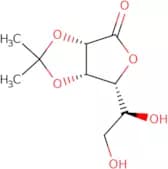
CAS:<p>2,3-O-Isopropylidene-L-gulonic acid-1,4-lactone is a synthetic sugar that has been fluorinated. The methyl group at the C2 position of this compound can be modified by various methods to give different derivatives. 2,3-O-Isopropylidene-L-gulonic acid-1,4-lactone is an oligosaccharide that is found in natural glycosides and saccharides. It is also used for click chemistry modifications in complex carbohydrate chemistry. This compound is CAS number 94840-08-1.</p>Fórmula:C9H14O6Pureza:Min. 95%Cor e Forma:White To Off-White SolidPeso molecular:218.21 g/mol2-Iodoethyl α-L-fucopyranoside
<p>2-Iodoethyl a-L-fucopyranoside is an organic compound that belongs to the group of fluorinated saccharides. It is used in the synthesis of oligosaccharides, polysaccharides, and complex carbohydrates. 2-Iodoethyl a-L-fucopyranoside can be modified with click chemistry at the C4 position for the synthesis of monosaccharides or sugar derivatives. This modification leads to high purity and chemical stability.</p>Fórmula:C8H15IO5Pureza:Min. 95%Cor e Forma:White to off-white solid.Peso molecular:318.11 g/molGlucosamine sulfate potassium chloride
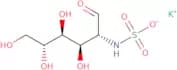
CAS:<p>Glucosamine sulfate potassium chloride is a reaction solution that contains glucosamine and hydrochloric acid. It is used in the treatment of osteoarthritis and related diseases, as well as for the prevention of cardiovascular disease. Glucosamine sulfate potassium chloride has been shown to reduce pain and improve the clinical response in patients with osteoarthritis. The synergic effect of glucosamine sulfate potassium chloride may be due to its ability to inhibit the degradation of collagen by hydrochloric acid. This drug also increases the production of glycoside derivatives from glucose, which are important for basic protein synthesis. Glucosamine sulfate potassium chloride can be used as a dietary supplement for infants, who have fatty acid deficiencies.</p>Fórmula:(C6H14NO5)2SO4•(KCl)2Pureza:Min. 95%Peso molecular:605.52 g/mol4-Acetamido-4-deoxy-D-glucose
CAS:<p>4-Acetamido-4-deoxy-D-glucose is a custom synthesis of a monosaccharide that is modified with fluorine and methyl groups. It is synthesized by the Click modification, which involves the addition of an azide to an alkyne in a copper catalyzed reaction. 4-Acetamido-4-deoxy-D-glucose can be used as a building block for complex carbohydrate synthesis. 4-Acetamido-4-deoxy-D-glucose has shown effectiveness against fluoroquinolone resistance, as well as activity against methicillin resistant Staphylococcus aureus (MRSA) and Clostridium perfringens.</p>Fórmula:C8H15NO6Pureza:Min. 95%Cor e Forma:PowderPeso molecular:221.21 g/molD-Galactose - anhydrous
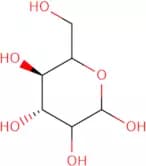
CAS:<p>Galactose (Gal) is the C4 epimer of glucose with one hydroxyl group axial which by Hudsons rules makes it slightly less stable than glucose (Hudson, 1948). However, galactose is very common in plants and animals, and occurs in many polysaccharides, such as, galactomannans (e.g. Guar, Locust Bean Gum), Carrageenans , Agar (L-Galactose), Hemicellulose, Gum Arabic [link] and galactans (e.g. from Lupin) (Whistler, 1993). Galactose is one of the key mammalian monosaccharides (glucose, galactose, mannose, fucose, N-acetyl glucosamine, N-acetyl galactosamine and sialic acid) and it occurs in blood, milk, gangliosides, N- and O-linked glycans (Gabius, 2009). Like glucose, galactose exhibits mutarotation (Acree, 1968) and is optically active (dextrorotary) with L-galactose as its enantiomer (levorotary).</p>Fórmula:C6H12O6Pureza:Min. 98 Area-%Cor e Forma:White PowderPeso molecular:180.16 g/mol2N-Boc-amino-2- deoxy- b- D- galactopyranosylamine
<p>2N-Boc-amino-2-deoxy-b-D-galactopyranosylamine is a synthetic sugar that can be used in the synthesis of oligosaccharides and glycosylations. It is a modification of galactose, which is an important saccharide in the synthesis of polysaccharides. 2N-Boc-amino-2-deoxy-b-D-galactopyranosylamine is also an excellent fluorinating agent that can be used for complex carbohydrate syntheses.</p>Fórmula:C11H22N2O6Pureza:Min. 95%Peso molecular:278.3 g/mol1,4-Anhydro-D-glucitol
CAS:<p>1,4-Anhydro-D-glucitol is a compound that belongs to the group of monosaccharides and has biological properties. It has also been used in the production of acetate extracts from fetal bovine erythrocytes. The ester linkages are formed between 1,4-anhydro-D-glucitol and sodium salt by reaction with acetic anhydride. The reaction mechanism has been studied in detail, and it was found that hydroxyl groups on the molecule react with sodium ions to form an ester linkage. This compound is toxicologically safe at high doses, but can become toxic at lower doses due to its acid formation potential.</p>Fórmula:C6H12O5Pureza:Min. 97.0 Area-%Peso molecular:164.16 g/molRef: 3D-W-202151
5gA consultar10gA consultar25gA consultar50gA consultar2500mgA consultar-Unit-ggA consultar5-Keto-D-gluconic acid potassium salt
CAS:<p>5-Keto-D-gluconic acid potassium salt is a custom synthesis of 5-keto-D-gluconic acid, which is a monosaccharide. It is modified with fluorination and methylation at the C5 position. The chemical formula for 5-keto-D-gluconic acid potassium salt is C6H7O6K2. This compound has been used in the synthesis of oligosaccharides, saccharides, and polysaccharides.</p>Fórmula:C6H9KO7Pureza:Min. 99.0%Peso molecular:232.23 g/molD-Fructose-1,6-diphosphate dicalcium salt
CAS:<p>D-Fructose-1,6-diphosphate dicalcium salt is an inorganic compound that is used as a pharmaceutical ingredient. It is the calcium salt of D-fructose-1,6-diphosphate. D-Fructose-1,6-diphosphate dicalcium salt can be isolated from a variety of sources, including by reprecipitation from ethanol and isolation from impurities in monophosphates. This product is obtained through ion exchange with alkali and calcium. The purity of this compound is confirmed by its free acidity (pH less than 1) and the absence of contaminating phosphate ions.</p>Fórmula:C6H10Ca2O12P2Cor e Forma:PowderPeso molecular:416.24 g/mol2,3,4,6-Tetra-O-acetyl-β-D-glucopyranosyl trichloroacetimidate
CAS:<p>Gadolinium is a magnetic, paramagnetic metal that is used to enhance the contrast in magnetic resonance imaging (MRI) and has been shown to be effective in ectopic expression of gene products. Gadolinium-enhanced MRI has been shown to be a more sensitive method for detection of pancreatic cancer cells than CT scans. Gadolinium also binds to monoclonal antibodies and can be detected using immunohistochemical staining. Gadolinium is a prohormone that is converted into its active form by cleavage of the glycosidic bond between carbons 2 and 3 in the 6-phosphate position. The gadolinium ion is chemically neutral, which may account for its lack of toxicity in vivo.</p>Fórmula:C16H20Cl3NO10Pureza:Min. 98 Area-%Cor e Forma:PowderPeso molecular:492.69 g/mol2,3:4,6-Di-O-isopropylidene-α-L-sorbofuranose
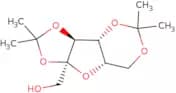
CAS:<p>2,3:4,6-Di-O-isopropylidene-α-L-sorbofuranose is a furanose sugar that is structurally similar to sorbose. It is a five membered ring with two stereocenters. The conformation of this molecule encompasses the techniques of dialkyl and furanose synthesis. This compound can be used as a vitamin and can be degraded by ozonation in water. 2,3:4,6-Di-O-isopropylidene-α-L-sorbofuranose is biodegradable and has been shown to have antiinflammatory properties.</p>Fórmula:C12H20O6Pureza:Min. 95%Cor e Forma:White PowderPeso molecular:260.28 g/molMethyl 6-O-acetyl-3-O-benzyl-2-benzyloxycarbonylamino-2-deoxy-a-D-glucopyranoside
CAS:<p>Methyl 6-O-acetyl-3-O-benzyl-2-benzyloxycarbonylamino-2-deoxy-a-Dglucopyranoside is a synthetic sugar with an acetyl group at the 6th position and a benzyloxycarbonyl group at the 3rd position. This sugar has been modified to produce complex carbohydrates, oligosaccharides, and polysaccharides. Methyl 6-O-acetyl 3 -O -benzyl 2 -benzyloxycarbonylamino 2 -deoxy a D glucopyranoside is used in the synthesis of glycosylates, which are sugars that have been modified by the addition of other molecules. This molecule is also used in click chemistry as it can be modified by adding fluorine atoms to its structure. Methyl 6 -O -acetyl 3 -O -benzyl 2 -benzyloxycarbonylam</p>Fórmula:C24H29NO8Pureza:Min. 95%Peso molecular:459.49 g/mol1,2-O-Di-O-acetyl-5-O-benzoyl-3-deoxy-D-ribofuranose
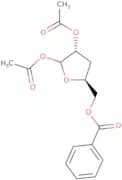
CAS:<p>1,2-O-Di-O-acetyl-5-O-benzoyl-3-deoxy-D-ribofuranose is a carbohydrate that is used as a building block in the synthesis of oligosaccharides and polysaccharides. The compound is also used to modify glycoproteins to increase their stability and to improve their solubility. 1,2-O-Di-O-acetyl-5-O-benzoyl--3 -deoxy--D--ribofuranose has been modified with fluorination, saccharide methylation, glycosylation and polysaccharide synthesis.</p>Fórmula:C16H18O7Pureza:Min. 90%Cor e Forma:PowderPeso molecular:322.31 g/mol2,3,5-Tri-O-benzyl-1,4-dideoxy-1,4-epithio-D-arabinitol
CAS:<p>2,3,5-Tri-O-benzyl-1,4-dideoxy-1,4-epithio-D-arabinitol is a compound that belongs to the family of thiosugars. It has been isolated from a variety of plant sources and has been shown to have inhibitory activity against the growth of bacteria. 2,3,5-Tri-O-benzyl-1,4-dideoxy-1,4 epithio D arabinitol inhibits bacterial growth by binding to the enzyme formate dehydrogenase and thereby prevents the formation of formate. This compound also inhibits salacinol and thiosugar synthesis in extracts of plants such as Salacia reticulata. 2,3,5 Tri O Benzyl 1,4 dideoxy 1 4 epithio D arabinitol is also found in the Ayurvedic medicine water extract known as voglibose.</p>Fórmula:C26H28O3SPureza:Min. 95%Peso molecular:420.56 g/molMethyl 4,6-O-benzylidene-α-D-glucopyranoside
CAS:<p>Methyl 4,6-O-benzylidene-α-D-glucopyranoside is a custom synthesis that can be used in the modification of complex carbohydrates. It is a high purity oligosaccharide with click modification and fluorination. The product is a monosaccharide sugar that has been synthesized by the process of glycosylation and hydrolysis. Methyl 4,6-O-benzylidene-α-D-glucopyranoside also has an Oligosaccharide, Polysaccharide, saccharide, Carbohydrate, Fluorination, complex carbohydrate, High purity, Modification, Monosaccharide, sugar, Synthetic.</p>Fórmula:C14H18O6Pureza:Min. 95%Cor e Forma:White Off-White PowderPeso molecular:282.29 g/mol(2S, 3S, 4R) -2- [(1S) - 1, 2- Dihydroxyethyl] - 4- (hydroxymethyl) - 3, 4- pyrrolidinediol
<p>2-Keto-3-deoxy-4-O-(1,2-dihydroxyethyl)-D-glycero-D-galactonate is a synthetic intermediate for the production of (2S, 3S, 4R) -2-[(1S)-1,2-dihydroxyethyl]-4-[(hydroxymethyl)]--3,4-pyrrolidinediol. This compound is a carbohydrate with the molecular formula C8H13NO5 and a molecular weight of 201.23 g/mol. The chemical name for 2-keto-3-deoxy--4O-(1,2 dihydroxyethyl)-D glycero D galactonate is 2-[(1R)-1,2 dihydroxyethyl]-3,4 dihydroxypyrrolidine dicarboxylate; its CAS number is 73006–37–0. It has a sugar</p>Pureza:Min. 95%1,2,3-Tri-O-benzoyl-4,6-O-benzylidene-b-D-glucopyranose
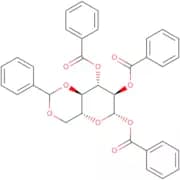
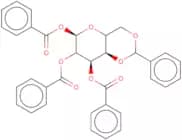
CAS:<p>1,2,3-Tri-O-benzyl-4,6-O-benzylidene-b-D-glucopyranose is a synthetic compound that is used for glycosylation and modification of complex carbohydrates. It is a sugar that can be custom synthesized by coupling benzoyl chloride with 1,2,3,4,5,6-hexamethoxybenzene. The product is a white to off white solid in crystalline form. This compound has CAS No. 113544-56-2 and molecular weight of 533.</p>Fórmula:C34H28O9Pureza:Min. 95%Peso molecular:580.58 g/molD-Lyxono-1,4-lactone
CAS:<p>D-Lyxono-1,4-lactone is a 4-deoxy-l-fucose derivative that is a potent inhibitor of bacterial growth. It is a highly effective antibiotic with a broad spectrum of activity against Gram-positive and Gram-negative bacteria. D-Lyxono-1,4-lactone has been shown to be active against multivorans, including Escherichia coli and Salmonella enterica serovar Typhimurium. This compound was found to be more active than antibiotics such as penicillin and streptomycin. The structure of D-Lyxono-1,4-lactone includes two hydroxamic acid groups that are connected by an acetal linkage to form the benzylidene acetal moiety. The optical enantiomers of this molecule have been characterized using high resolution NMR spectroscopy and magnetic resonance spectroscopy techniques.BR><br>Dosis: 250</p>Fórmula:C5H8O5Pureza:Min. 95.0 Area-%Peso molecular:148.11 g/molRef: 3D-W-201380
5gA consultar10gA consultar25gA consultar50gA consultar2500mgA consultar-Unit-ggA consultarD-Glucose 1-13C
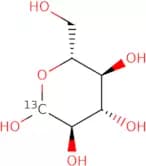
CAS:<p>D-Glucose 1-13C is a kinetic isotope that is used to study the metabolic pathways of glucose. The presence of 13C in the molecule allows for the identification of metabolites and provides an accurate measurement of metabolic rate. This isotope has been used to study lipid metabolism in exudates from animals, as well as fatty acid synthesis in microsomes from rats. D-Glucose 1-13C has also been used in studies on yeast, specifically Saccharomyces cerevisiae strain and Saccharomyces cerevisiae strain.</p>Fórmula:CC5H12O6Pureza:Min. 95%Cor e Forma:White PowderPeso molecular:181.15 g/mol1,2,3-Tri-O-benzoyl-4,6-O-benzylidene-a-D-mannopyranose
<p>1,2,3-Tri-O-benzoyl-4,6-O-benzylidene-a-D-mannopyranose is a synthetic carbohydrate that has been modified with fluorine. It is a complex carbohydrate that has been designed to have high purity and custom synthesis. This product also contains methylation and glycosylation modifications. 1,2,3-Tri-O-benzoyl-4,6-O-benzylidene-a-D -mannopyranose can be used in the synthesis of oligosaccharides and polysaccharides for research purposes.</p>Fórmula:C34H28O9Pureza:Min. 95%Peso molecular:580.58 g/mol1-Deoxy-1-nitro-D-mannitol
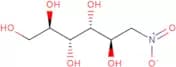
CAS:<p>1-Deoxy-1-nitro-D-mannitol is an inorganic molecule that has a proton and a voltammetry. It is used to monitor the transport of d-arabinose across the blood vessels in the femoral vein. This compound is synthesized by the reaction of sodium nitrite with mannitol in the presence of hydrochloric acid. It can be detected using optical techniques, such as UV/VIS spectroscopy, fluorescence spectroscopy, and absorption spectroscopy. 1-Deoxy-1-nitro-D-mannitol has been shown to have a cotton effect on neurotransmitters in the frontoparietal cortex.</p>Fórmula:C6H13NO7Pureza:Min. 95%Peso molecular:211.17 g/mol4, 6- O- [(R) - Phenylmethylene] -a- D-glucopyranose
CAS:<p>4,6-O- (R)- Phenylmethylene -a- D-glucopyranose is a modification of the sugar glycoside glucose. This compound is synthesized from glucose by methylation and fluorination. The synthesis process begins with the addition of sodium borohydride to a solution of glucose in methanol. The next step involves the treatment of this mixture with phenylmagnesium bromide followed by phenylmethylene bromine. The final step involves heating the reaction mixture at reflux for 10 hours. 4,6-O- (R)- Phenylmethylene -a- D-glucopyranose is extremely pure and offers a wide range of applications in the fields of biochemistry, medicinal chemistry, and polymer science.</p>Fórmula:C13H16O6Pureza:Min. 95%Peso molecular:268.26 g/mol(5R, 6S, 7R) -6, 7- Dihydro- 5- [(1R) - 1- hydroxyethyl] - 5H- pyrrolotetrazole- 6, 7- diol
<p>(5R, 6S, 7R) -6, 7- Dihydro- 5- [(1R) - 1- hydroxyethyl] - 5H- pyrrolotetrazole- 6, 7- diol is a synthetic compound used in the synthesis of various complex carbohydrates. It is a methylated derivative of 2-(2-(4-nitrophenyl) diazenyl)-5H-pyrrolo[2,3-d]pyrimidine and can be synthesized by the click modification of an oligosaccharide or polysaccharide (such as cellulose). This compound has been modified with fluorine and is highly pure. It belongs to the group of monosaccharides and sugars.</p>Pureza:Min. 95%UDP-D-glucose disodium salt
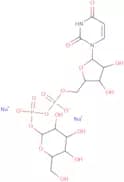
CAS:<p>UDP-D-glucose disodium salt is a sugar-nucleotide substrate of glucosyltransferases. It’s used as the donor of glucose in the biosyntheses of glycoproteins, glycolipids and polysaccharides. It’s also used with its membrane receptor, P2RY14, to investigate innate mucosal immune responses in preventing infection in the female reproductive tract (FRT).</p>Fórmula:C15H22N2Na2O17P2Pureza:Min. 85 Area-%Cor e Forma:White PowderPeso molecular:610.27 g/mol1,5-Anhydro-4,6-O-benzylidene-D-glucitol
CAS:<p>1,5-Anhydro-4,6-O-benzylidene-D-glucitol is a type of d-mannitol that is used as an intermediate in organic chemistry. It can be converted to a number of other compounds such as epoxides and nucleophilic agents. 1,5-Anhydro-4,6-O-benzylidene-D-glucitol is also an inhibitor of thrombin. It has been shown to inhibit the activity of trypsin and epoxide by forming hydrogen bonds with the enzyme's active sites. This molecule has been studied using molecular modeling and simulations with axial hydrogens found on the purine ring. In addition, 1,5-Anhydro-4,6-O-benzylidene -D -glucitol can be synthesized in organic chemistry through different routes. One method starts from dibenzoylmethane and 3-(</p>Fórmula:C13H16O5Pureza:Min. 95%Cor e Forma:PowderPeso molecular:252.26 g/mol[1S- (1a, 2a, 8a, 8ab) ] -2, 3, 8, 8a-Tetrahydro- 1, 2, 8- trihydroxy-5(1H) - indolizinone
CAS:<p>Methylation of the C-2' and C-8a positions of a 2,3,8,8a tetrahydroindolizinone derivative affords a methylated saccharide. A fully fluorinated analogue is obtained by performing a click modification on the C-2' position. The methylated saccharide has been used in the synthesis of oligosaccharides and glycosylations. This product is high purity and custom synthesis.</p>Fórmula:C8H11NO4Pureza:Min. 95%Peso molecular:185.18 g/molD-Glucopyranosyl thiosemicarbazide
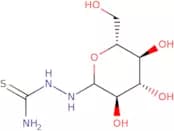
CAS:<p>D-Glucopyranosyl thiosemicarbazide is a synthetic molecule that reacts with halides to produce regiospecifically substituted aldehydes. It has been used in the synthesis of glycosylated heterocycles and for the conversion of amines into reactive intermediates. D-Glucopyranosyl thiosemicarbazide can be prepared by reacting 2,3-dichloro-5,6-dicyanobenzoquinone with sodium nitrite in methanol followed by hydrolysis with water. This reaction produces an intermediate that reacts with sulfur dioxide to form the desired product. The structure of this molecule was determined using X-ray crystallography on crystals obtained from aspergillus mold.</p>Fórmula:C7H15N3O5SPureza:Min. 95%Cor e Forma:White to off-white powder.Peso molecular:253.28 g/mol(1R) -1- [(2S, 3S) - N-Methyl-3- hydroxy- 1- azetidinyl] -1, 2- ethanediol
<p>(1R) -1- [(2S, 3S) - N-Methyl-3- hydroxy- 1- azetidinyl] -1, 2- ethanediol is a synthetic sugar that is used in the manufacture of other chemical compounds. It has a CAS number of 93908-06-6 and can be custom synthesized to fit your needs. This product is highly pure and can be modified with methylation or glycosylation. The synthesis of this product can be done with click chemistry.</p>Pureza:Min. 95%2-Amino-2-N-carbobenzoxy-2-deoxy-D-mannose
CAS:<p>2-Amino-2-N-carbobenzoxy-2-deoxy-D-mannose is a custom synthesis product that can be produced with high purity. It has a CAS number of 137157-50-7 and is an oligosaccharide, polysaccharide, and carbohydrate. 2-Amino-2-N-carbobenzoxy-2-deoxy-D-mannose is synthesized by the methylation of 2,3,4,6 tetraaminopyrimidine with formaldehyde to give 1,4 diaminocyclohexane. This compound is then reacted with carbonyl chloride to give carbamoyl chloride. The last step in the synthesis process is reacting this compound with 2,3,4,6 tetraaminopyrimidine to give the final product.</p>Fórmula:C14H19NO7Pureza:Min. 95%Cor e Forma:White PowderPeso molecular:313.3 g/mol3-Deoxy-1,2-O-isopropylidene-3-trifluoromethyl-a-D-xylofuranose
<p>3-Deoxy-1,2-O-isopropylidene-3-trifluoromethyl-a-D-xylofuranose is a modification of the sugar xylose. It is an Oligosaccharide that belongs to the Carbohydrate group. 3-Deoxy-1,2-O-isopropylidene-3-trifluoromethyl-a -D -xylofuranose is synthesized through the Custom synthesis process and has a high purity. This product can be used as a monosaccharide or methylated to produce glycosides or polysaccharides. 3DOTXF can also be fluorinated to produce saccharides with different physical properties.</p>Fórmula:C9H13F3O4Pureza:Min. 95%Peso molecular:242.19 g/mol(Piperidine-2,6-dione-4-yl) b-D-ribofuranoside
<p>Methylation of a saccharide is the covalent addition of a methyl group to one of the hydroxyl groups. This process may be achieved through an electrophilic substitution reaction with a methylating agent such as dimethyl sulfate. In the case of polysaccharides, this process can be carried out in vitro using enzymes called glycosyltransferases. The mechanism for glycosyltransferase-mediated methylation was elucidated by Michaelis and Menten in 1913.</p>Pureza:Min. 95%Methyl 2,3,4-tri-O-methyl-β-D-xylopyranoside
CAS:<p>Fully protected xylopyranoside</p>Fórmula:C9H18O5Pureza:Min. 95%Cor e Forma:PowderPeso molecular:206.24 g/molUrsodeoxycholic acid acyl-β-D-glucuronide
CAS:<p>Ursodeoxycholic acid acyl-b-D-glucuronide (UDCA) is a synthetic bile acid that is used to treat liver diseases such as cirrhosis, primary biliary cirrhosis and cholelithiasis. UDCA inhibits the enzyme 7α-hydroxylase in the liver, which converts cholesterol into bile acids. This prevents the formation of lithocholic acid from cholesterol and the accumulation of lipids in the liver. UDCA also suppresses inflammatory cytokines and oxidative stress by inhibiting NF-κB activation.Supplied as the sodium salt</p>Fórmula:C30H48O10Pureza:Min. 95%Cor e Forma:PowderPeso molecular:568.7 g/mol(2R,3S,4R)-4-C-((2R,3S)-N-Benzyl-3-tert.butylsilyloxy-2-azetidinyl)-3-O-tert.butyldimethylsilyl-2,3,4-trihydroxybutanoic acid
<p>(2R,3S,4R)-4-C-((2R,3S)-N-Benzyl-3-tert.butylsilyloxy-2-azetidinyl)-3-O-tert.butyldimethylsilyl-2,3,4-trihydroxybutanoic acid is a methylated and fluorinated oligosaccharide with a high purity. It is a complex carbohydrate that can be modified to include saccharides and monosaccharides. This product is synthesized using Click chemistry and has been shown to have antiallergic activities.</p>Pureza:Min. 95%4-Toluoyl 2,3-di-O-benzyl-4,6-O-benzylidene-b-D-thioglucopyranoside
<p>4-Toluoyl 2,3-di-O-benzyl-4,6-O-benzylidene-b-D-thioglucopyranoside is a modified carbohydrate. It is an oligosaccharide that can be synthesized through the chemical modification of a saccharide molecule. The synthesis of this compound may involve methylation, saccharide, and click modification. This product has CAS No. 627072 and its molecular weight is 574.5. This product is available for custom synthesis in order to meet your needs.</p>Pureza:Min. 95%Phenyl 2-O-benzoyl-3-O-benzyl-4-O-levulinoyl-b-D-thioglucuronide methyl ester
<p>Phenyl 2-O-benzoyl-3-O-benzyl-4-O-levulinoyl-b-D-thioglucuronide methyl ester is a high purity, custom synthesis, sugar that has been click modified with fluorination. It can be used in glycosylation and synthetic modification. The CAS number for this compound is 123456. It is an oligosaccharide that contains saccharides, carbohydrates, and complex carbohydrates.</p>Pureza:Min. 95%1-Deoxy-1-nitro-D-galactitol
CAS:<p>1-Deoxy-1-nitro-D-galactitol is a methoxide that exhibits mutagenic activity. It reacts with nitromethane to form an intermediate, which then reacts with sodium methoxide to produce the final product. This product can be used as a precursor for other compounds.</p>Fórmula:C6H13NO7Pureza:Min. 95%Peso molecular:211.17 g/mol3-Deoxy-1,2-O-isopropylidene-5-p-toluoyl-a-D-glycero-pent-3-enofuranose
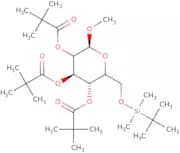
CAS:<p>3-Deoxy-1,2-O-isopropylidene-5-p-toluoyl-a-D-glycero-pent-3-enofuranose is a modified sugar that is synthesized by click chemistry. The chemical modification of this sugar consists of fluorination and glycosylation. This compound has been used in the synthesis of complex carbohydrates. 3 Deoxy 1,2 O isopropylidene 5 p toluoyl a D glycero pent 3 enofuranose has CAS No. 75096 63 8. This product can be used as a replacement for fluorescein in many applications because it fluoresces under UV light.</p>Pureza:Min. 95%Methyl 6-O-tert-butyldimethylsilyl-2,3,4-tri-O-pivaloyl-a-D-galactopyranoside
<p>Methyl 6-O-tert-butyldimethylsilyl-2,3,4-tri-O-pivaloyl-a-D-galactopyranoside is a synthetic saccharide that can be used as a monosaccharide building block in the synthesis of complex carbohydrates. It has a CAS number and can be custom synthesized to meet the customer's needs. It is also fluorinated and can be modified with Click chemistry. This product is high purity and has been synthesized from glycosylation and fluorination.</p>Fórmula:C28H52O9SiPureza:Min. 95%Peso molecular:560.81 g/mol2-Azido- 2- deoxy- 3, 4:5, 6- bis- O- isopropylidene-D- mannonic acid methyl ester
<p>2-Azido-2-deoxy-3,4:5,6-bis-O-isopropylidene-D-mannonic acid methyl ester is a synthetic carbohydrate molecule that has been synthesized from 2,2'-azido-2,2'-dideoxyribose. The monosaccharide moiety of the molecule has been fluorinated to create a reactive site for modification with other molecules. This modification can be done by glycosylation or polysaccharide attachment. The azido group on the sugar can be modified with any number of different methyl groups and this is done through a process called Click chemistry. The chemical formula for 2ADDMEM is C8H12N4O8F. <br>The CAS Number for 2ADDMEM is 103510-60-1 and it has an average purity of 99%.</p>Pureza:Min. 95%Hexahydro- 1, 2, 8- tris-acetoxy- [1S- (1a, 2a, 8a, 8ab) ]-5(1H) -indolizinone
CAS:<p>Hexahydro-1,2,8-tris-acetoxy-[1S-(1a,2a,8a, 8ab)]-5(1H)-indolizinone is a custom synthesis of a complex carbohydrate. It has been modified by fluorination and methylation. The CAS number for this chemical is 107741-72-0. Hexahydro-1,2,8-tris-acetoxy-[1S-(1a,2a,8a, 8ab)]-5(1H)-indolizinone is soluble in water and ethanol and insoluble in ether. This product can be used as an intermediate for the preparation of oligosaccharides and polysaccharides.</p>Fórmula:C14H19NO7Pureza:Min. 95%Peso molecular:313.3 g/mol2-Azido-2-deoxy-3,5-O-benzylidene-D-xylono-1,4-lactone
<p>2-Azido-2-deoxy-3,5-O-benzylidene-D-xylono-1,4-lactone is a synthetic sugar that is used in the synthesis of glycosylation, methylation and click modification reactions. It has been shown to be a potential precursor for polysaccharides and fluorinated saccharides. This product can be custom synthesized and is available at high purity.</p>Pureza:Min. 95%Benzyl β-D-glucopyranosiduronic acid
CAS:<p>Benzyl b-D-glucopyranosiduronic acid is a synthetic monosaccharide that is used for the synthesis of oligosaccharides, polysaccharides, and saccharides. It has been shown to be a substrate for methylation reactions and can be modified with fluorination or click chemistry. The CAS number for this compound is 5285-02-9.</p>Fórmula:C13H16O7Pureza:Min. 95%Cor e Forma:Off-White PowderPeso molecular:284.26 g/molGlycerone phosphate dilithium salt
CAS:<p>Glycerone phosphate dilithium salt is a cross-linking agent that has been used in clinical trials as a dietary supplement. It has been shown to reduce the levels of ATP, adenine nucleotides, and 6-phosphate. Glycerone phosphate dilithium salt is not metabolized by cellular enzymes and can be used as an alternate energy source for cells that are low in ATP or have high rates of glycolysis. When glycerone phosphate dilithium salt is added to fat cells in culture, it increases the rate of lipid synthesis.</p>Fórmula:C3H5Li2O6PPureza:Min. 93%Cor e Forma:PowderPeso molecular:181.92 g/molAlkylsophorolipids
<p>Alkylsophorolipids are custom-synthesized complex carbohydrates. They are composed of an oligosaccharide and methylated saccharides, which have been modified with fluorine at the C3 position. This modification increases the hydrophobicity of the molecule, which makes it more soluble in organic solvents such as chloroform. Alkylsophorolipids have a CAS number of 1269-61-6.</p>Pureza:Min. 95%5-Azido-5-deoxy-2,3-O-isopropylidene-L-lyxofuranose
<p>5-Azido-5-deoxy-2,3-O-isopropylidene-L-lyxofuranose (AIL) is a synthetic molecule that belongs to the group of carbohydrates. It is synthesized by the glycosylation and methylation of 5-(azido)-5,6-dideoxyglucose. AIL has been shown to have anti-inflammatory effects in cell culture models and in mice with inflammatory bowel disease.</p>Pureza:Min. 95%








![(2S, 3S, 4R) -2- [(1S) - 1, 2- Dihydroxyethyl] - 4- (hydroxymethyl) - 3, 4- pyrrolidinediol](/_next/image/?url=https%3A%2Fstatic.cymitquimica.com%2Fproducts%2F3D%2Fthumb-webp%2FMD163541.webp&w=3840&q=75)

![4, 6- O- [(R) - Phenylmethylene] -a- D-glucopyranose](/_next/image/?url=https%3A%2Fstatic.cymitquimica.com%2Fproducts%2F3D%2Fthumb-webp%2FMP163945.webp&w=3840&q=75)
![(5R, 6S, 7R) -6, 7- Dihydro- 5- [(1R) - 1- hydroxyethyl] - 5H- pyrrolotetrazole- 6, 7- diol](/_next/image/?url=https%3A%2Fstatic.cymitquimica.com%2Fproducts%2F3D%2Fthumb-webp%2FMD163944.webp&w=3840&q=75)

![[1S- (1a, 2a, 8a, 8ab) ] -2, 3, 8, 8a-Tetrahydro- 1, 2, 8- trihydroxy-5(1H) - indolizinone](/_next/image/?url=https%3A%2Fstatic.cymitquimica.com%2Fproducts%2F3D%2Fthumb-webp%2FMT163925.webp&w=3840&q=75)
![(1R) -1- [(2S, 3S) - N-Methyl-3- hydroxy- 1- azetidinyl] -1, 2- ethanediol](/_next/image/?url=https%3A%2Fstatic.cymitquimica.com%2Fproducts%2F3D%2Fthumb-webp%2FMM163409.webp&w=3840&q=75)





![Hexahydro- 1, 2, 8- tris-acetoxy- [1S- (1a, 2a, 8a, 8ab) ]-5(1H) -indolizinone](/_next/image/?url=https%3A%2Fstatic.cymitquimica.com%2Fproducts%2F3D%2Fthumb-webp%2FMH163921.webp&w=3840&q=75)