Sais metálicos
Nesta seção, você pode encontrar vários sais metálicos, que são compostos caracterizados por conter átomos metálicos e não metálicos. Essencialmente, os sais metálicos são compostos por cátions que são um ou mais átomos metálicos. Esses sais desempenham um papel crucial em inúmeras reações e aplicações químicas, servindo como catalisadores, reagentes ou intermediários em vários processos industriais e de pesquisa. Na CymitQuimica, oferecemos uma ampla seleção de sais metálicos de alta qualidade para atender às suas necessidades de pesquisa e industriais, garantindo desempenho confiável e eficaz em suas aplicações.
Foram encontrados 2870 produtos de "Sais metálicos"
Ordenar por
Pureza (%)
0
100
|
0
|
50
|
90
|
95
|
100
(Trimethyl)pentamethylcyclopentadienyltitanium(IV)
CAS:<p>Please enquire for more information about (Trimethyl)pentamethylcyclopentadienyltitanium(IV) including the price, delivery time and more detailed product information at the technical inquiry form on this page</p>Fórmula:C13H24TiPureza:Min. 95%Peso molecular:228.2 g/molLithium difluoro(oxalato)borate
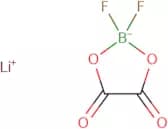
CAS:<p>Lithium difluoro(oxalato)borate is an electron-microscopic corrosion inhibitor that belongs to the class of ester compounds. It is a solid compound that has been shown to be efficacious against oxidation products. The efficiency of this compound is dependent on the concentration and purity of lithium difluoro(oxalato)borate and the type of metal, such as steel or aluminum. Lithium difluoro(oxalato)borate can be used in rechargeable batteries, due to its transport properties, high salt tolerance, and low self-discharge rate. This compound has been shown to have functional groups that are capable of interacting with hydrogen fluoride in an organic solution.</p>Fórmula:C2BF2O4•LiPureza:Min. 95%Peso molecular:143.77 g/mol[1,4-Bis(diphenylphosphino)butane]palladium(II) Dichloride
CAS:Produto Controlado<p>[1,4-Bis(diphenylphosphino)butane]palladium(II) dichloride (PdCl2(DPPB)) is a covalent catalyst that is used in the cross-coupling of styrene with chlorides. It has been shown to be a very effective catalyst for this reaction and yields high yields. The use of this catalyst allows for the quantification of the phosphine ligand that is used in the reaction. [1,4-Bis(diphenylphosphino)butane]palladium(II) dichloride has also been shown to be an efficient catalyst for other reactions, such as solvents and diphosphine ligands.</p>Fórmula:C28H28Cl2P2PdPureza:Min. 95%Peso molecular:603.79 g/molMercury(II) bis(dithizonate)
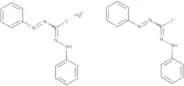
CAS:Produto Controlado<p>Mercury(II) bis(dithizonate) is an isomeric form of mercury that exhibits photochromism. It has a yellow color in the solid state and can reversibly change to a red color when exposed to light. Mercury(II) bis(dithizonate) is soluble in organic solvents and forms bright yellow crystals with a melting point of 81-82 °C. It has been used as an optical dye for microscopy, where it absorbs ultraviolet radiation and emits visible light. This property makes it useful for detection of bacteria or other microorganisms by optical microscopy or fluorescence microscopy. The solvents acetonitrile, diethylether, or acetone can be used to dissolve this compound. Mercury(II) bis(dithizonate) is metastable which means that it will decompose spontaneously into mercury(I) oxide and hydrogen gas if heated to 180 °C.</p>Fórmula:C26H22HgN8S2Pureza:Min. 95%Cor e Forma:Dark Red SolidPeso molecular:711.23 g/molSodium hexamethylene-1,6-bisthiosulfate dihydrate
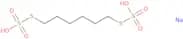
CAS:<p>Sodium hexamethylene-1,6-bisthiosulfatedihydrate is a salt of an oxide of benzene with hexamethylene 1,6-disulfate dihydrate. It has a white to off-white crystalline appearance and is used as an additive in mixtures to improve the wetting and dispersing properties of the mixture. The chemical formula for this compound is C8H4NaOS·2H2O.</p>Fórmula:C6H12Na2O6S4Pureza:Min. 95%Cor e Forma:PowderPeso molecular:354.4 g/molDichloro(1,5-cyclooctadiene)palladium(II)
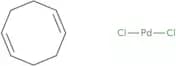
CAS:Produto Controlado<p>Dichloro(1,5-cyclooctadiene)palladium(II) is a stable metal complex in which the chlorine atom is coordinated to two benzyl groups and one palladium atom. The chloride ion is coordinated to the palladium atom through a strong coordinate bond. The chloride ion is also coordinated to the two benzyl groups by weaker coordinate bonds. In the presence of sodium carbonate, hydrogen chloride and nitrogen gas, dichloro(1,5-cyclooctadiene)palladium(II) reacts with hydrogen chloride to form stable complexes that are soluble in water. These complexes can be used as catalysts for organic reactions because they are able to transfer hydrogen atoms between molecules without breaking covalent bonds. Dichloro(1,5-cyclooctadiene)palladium(II) has been shown to have antibacterial activity against Staphylococcus aureus and Pseudomonas aeruginosa</p>Fórmula:C8H12Cl2PdPureza:Min. 98%Peso molecular:285.51 g/molTris(dibenzylideneacetone)dipalladium(0)
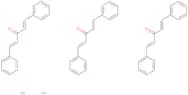
CAS:<p>Tris(dibenzylideneacetone)dipalladium(0) (Pd2(dba)) is a monoclonal antibody that is used to treat infectious diseases. The metal complex binds to the fatty acid and inhibits the synthesis of membrane lipids, which leads to an inhibition of virus replication. Tris(dibenzylideneacetone)dipalladium(0) has been shown to have potent antitumor activity in animal models, with cytotoxic effects on mutant melanoma cells and hydrochloric acid. This drug also has potent pro-apoptotic properties, inducing apoptosis by binding to pro-apoptotic proteins. Tris(dibenzylideneacetone)dipalladium(0) has been shown to be a potent inhibitor of x-ray crystal structures at high temperatures, where it competes with water for the labile hydrogen atoms on the surface of hydroxyl groups.</p>Fórmula:C17H14O·Pd2Pureza:Min. 95%Cor e Forma:Purple PowderPeso molecular:915.72 g/mol4-Hydroxy atorvastatin disodium salt
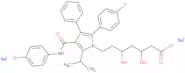
CAS:<p>Please enquire for more information about 4-Hydroxy atorvastatin disodium salt including the price, delivery time and more detailed product information at the technical inquiry form on this page</p>Fórmula:C33H33FN2Na2O6Pureza:Min. 95%Peso molecular:618.6 g/molTin(II) oxalate
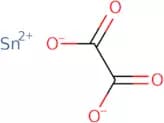
CAS:<p>Tin(II) oxalate is a chemical compound with the formula (CH3COO)2SnO. It is a white crystalline solid that is soluble in water and alcohol but not ether. Tin(II) oxalate has been shown to be an effective inhibitor of epidermal growth factor (EGF). This compound also inhibits the formation of dibutyltin oxide, which is a component of some paints. The following are the high-quality product descriptions for eCommerce: Rifapentine Rifapentine is an anti-tuberculosis drug that belongs to the class of rifamycins. It is the most active of the rifamycins for the treatment of tuberculosis. Rifapentine inhibits bacterial growth by binding to DNA-dependent RNA polymerase, thereby preventing transcription and replication. The high frequency of human activity has been shown using a patch-clamp technique on human ery</p>Fórmula:C2O4SnPureza:Min. 95%Peso molecular:206.73 g/mol4-Chloro-benzene-sulfinic acid sodium salt
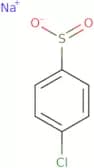
CAS:The 4-chloro-benzenesulfinic acid sodium salt is a type of sulfinic acid. It can be used to control experiments involving methides, halides, and human macrophages. Sodium salts of this compound have been shown to inhibit the growth of Candida glabrata and Galleria mellonella in vitro. The 4-chloro-benzenesulfinic acid sodium salt reacts with chloride ion to form a nucleophilic trifluoroacetate anion, which reacts with thiosulfonates to produce type strain. Trifluoroacetic acid is used as a solvent in the reaction.Fórmula:C6H4ClNaO2SPureza:Min. 95%Peso molecular:198.6 g/molBromocresol purple sodium salt
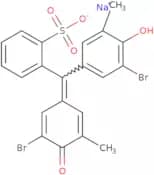
CAS:<p>Bromocresol purple sodium salt is a dye that emits light when it is irradiated with light of a particular wavelength. It has been used to detect amniotic fluid contamination in the laboratory and as an absorber in polymer films. Bromocresol purple sodium salt absorbs ultraviolet and visible light, which causes it to emit red light. The molecules of bromocresol purple sodium salt are long-chain triazoles, which absorb water vapor and emit infrared radiation. This property can be used to detect the presence of alkali metals. The luminescent property of bromocresol purple sodium salt can be enhanced by adding an alkali metal, such as potassium or lithium chloride, to the solution where it is dissolved.</p>Fórmula:C21H15Br2O5S·NaPureza:Min. 95%Peso molecular:562.2 g/molCalcium pyrophosphate
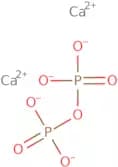
CAS:<p>Calcium pyrophosphate is a compound that is used in the diagnosis and treatment of chronic arthritis. It has been shown to induce caspase-independent cell death and inhibit the proliferation of fibroblasts. Calcium pyrophosphate also inhibits nuclear DNA fragmentation and caspases, which are proteins that are involved in apoptosis. This drug has a structural analysis that shows it to be a crystalline compound with a molecular weight of 622.6 Da. The crystals are composed of two calcium ions, two phosphate ions, one pyrophosphate ion, and three water molecules. Calcium pyrophosphate is biocompatible and can be used as a coating for medical implants because it does not cause any inflammation or organ rejection.</p>Fórmula:Ca2P2O7Pureza:Min. 95%Cor e Forma:SolidPeso molecular:254.1 g/molRuthenium(III) chloride
CAS:<p>Ruthenium(III) chloride is a compound of ruthenium and chlorine that is used in the preparation of pharmaceuticals. Ruthenium(III) chloride reacts with potassium dichromate to form stable complexes, as well as being oxidized by picolinic acid or other oxidizing agents to form stable complexes. It has been shown to be an effective catalyst for organic synthesis reactions and biological studies have shown it can inhibit the growth of bacteria such as Mycobacterium tuberculosis by inhibiting the synthesis of proteins necessary for cell division. Ruthenium(III) chloride also forms complexes with amines and nitrogen atoms, which may be due to its ability to bind with these groups.</p>Fórmula:RuCl3Pureza:Min. 95%Cor e Forma:Black SolidPeso molecular:207.43 g/molDipotassium glycyrrhizinate
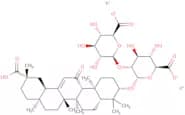
CAS:<p>Dipotassium glycyrrhizinate is a compound that is soluble in water and is found in the roots of Glycyrrhiza glabra, an herb that has been used for centuries to treat a variety of inflammatory conditions. The main component of this extract is glycyrrhizinic acid, a triterpene that has been shown to have anti-inflammatory effects. This compound binds to toll-like receptor 4 (TLR4), which is involved in the innate immune response. Dipotassium glycyrrhizinate can inhibit the production of pro-inflammatory cytokines such as tumor necrosis factor alpha and interleukin-8. It also inhibits the release of histamine from mast cells, which are implicated in allergic reactions.</p>Fórmula:C42H60K2O16Pureza:75%Peso molecular:899.11 g/molPotassium trimethylsilanolate
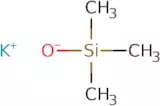
CAS:<p>Potassium trimethylsilanolate is a chemical substance that has inhibitory properties. It is a trifluoroacetic acid derivative that inhibits the activity of certain enzymes, such as proteases and lipases. The compound's inhibitory properties are due to its ability to bind to cytochrome cb2 receptors by means of hydrogen bonding. The binding of potassium trimethylsilanolate to the receptor prevents the activation of apoptosis proteins and protein synthesis in cells. This substance also has an inhibitory effect on water vapor, inhibiting the formation of water molecules from hydrogen atoms and oxygen atoms. Potassium trimethylsilanolate can be used as an anti-cancer agent by preventing cell division in tumor cells and preventing cancer metastasis through inhibition of protease activity.</p>Fórmula:C3H9KOSiPureza:Min. 95%Peso molecular:128.29 g/molTauroursodeoxycholic acid, sodium salt
CAS:<p>Tauroursodeoxycholic acid, sodium salt is a taurine-conjugated bile acid derivative, which is synthesized in the liver from ursodeoxycholic acid. It functions through its role in stabilizing the mitochondria and inhibiting apoptosis by modulating the unfolded protein response. This molecular action involves reducing endoplasmic reticulum stress, thereby providing cytoprotective effects in various cellular environments.</p>Fórmula:C26H44NNaO6SPureza:Min. 95%Peso molecular:521.69 g/molButynediol sulfopropyl ethersodium
CAS:Produto Controlado<p>Please enquire for more information about Butynediol sulfopropyl ethersodium including the price, delivery time and more detailed product information at the technical inquiry form on this page</p>Fórmula:C7H11NaO5SPureza:Min. 95%Peso molecular:230.22 g/molFerroceneacetic acid
CAS:Produto Controlado<p>Ferroceneacetic acid is a compound that has been shown to have chemiluminescent properties. It is a potent reductant and oxidant, which means that it can reduce or oxidize other compounds. Ferroceneacetic acid is also an active enzyme, and its redox potential changes depending on the concentration of ferrocene in the solution. Ferroceneacetic acid can be used as a model system for analytical chemistry and electrochemistry.</p>Fórmula:C12H12FeO2Pureza:Min. 95%Cor e Forma:PowderPeso molecular:244.07 g/molDiacetato[(R)-(+)-2,2'-bis(diphenylphosphino)-1,1'-binaphthyl]ruthenium(II)
CAS:<p>Please enquire for more information about Diacetato[(R)-(+)-2,2'-bis(diphenylphosphino)-1,1'-binaphthyl]ruthenium(II) including the price, delivery time and more detailed product information at the technical inquiry form on this page</p>Fórmula:C48H38O4P2RuPureza:Min. 95%Peso molecular:841.83 g/mol[1,1'-Bis(diphenylphosphino)ferrocene]-dichloropalladium (II) dichloromethane complex
CAS:Produto Controlado<p>1,1'-Bis(diphenylphosphino)ferrocene]-dichloropalladium (II) dichloromethane complex is a fine chemical that is used as a scaffold for the synthesis of other compounds. It can be used as a building block to make other chemicals or as an intermediate in chemical reactions. It is also a versatile research chemical and is used to make speciality chemicals. 1,1'-Bis(diphenylphosphino)ferrocene]-dichloropalladium (II) dichloromethane complex has high quality and is a useful building block for making other compounds.</p>Fórmula:C35H30Cl4P2PdFePureza:Min. 95%Cor e Forma:Red PowderPeso molecular:816.64 g/molPotassium periodate
CAS:<p>Potassium periodate is an oxidizing agent that is used in analytical chemistry to oxidize the hydroxyl groups of glycolipids, glycoproteins, and glycoconjugates. Potassium periodate has been shown to be effective against infectious diseases such as HIV, hepatitis B virus, and herpes simplex virus. It has also been used as a nutrient solution in pharmaceutical preparations. The mechanism of this reaction is not fully understood but it is thought that the trifluoroacetic acid reacts with potassium periodate to form hypochlorous acid which then reacts with the amino group on the glycolipid or protein. This reaction results in a linear calibration curve for the concentration of hydroxyl ions.</p>Fórmula:KIO4Pureza:Min. 95%Peso molecular:230 g/molBis(perfluorohexyl)phosphinic acid sodium salt
CAS:<p>Please enquire for more information about Bis(perfluorohexyl)phosphinic acid sodium salt including the price, delivery time and more detailed product information at the technical inquiry form on this page</p>Fórmula:C12F26NaO2PPureza:Min. 95%Peso molecular:724.05 g/molCalcium
CAS:Produto Controlado<p>Calcium is a chemical element with the symbol Ca and atomic number 20. It has an atomic weight of 40.078, which means that it is 40.078 times heavier than hydrogen. Calcium is an alkaline earth metal, as are magnesium and barium. Calcium is classified as a hard metal because it has a high melting point and its oxide layer resists corrosion by water and air. The ionized form of calcium (Ca2+) may be found in the cytosol, or in transport vesicles in muscle cells or other types of cells such as those of the intestine or bone cells. The main biological role of calcium ions is to maintain the potential difference across excitable cell membranes, enabling normal nerve transmission and muscle contraction, including the contraction of heart muscles. The concentration of calcium ions in extracellular fluid is tightly regulated by the kidneys under instruction from parathyroid hormone (PTH) and calcitonin hormones to keep blood calcium levels within a narrow range</p>Fórmula:CaPureza:Min. 95%Cor e Forma:Metal Or Metallic SolidPeso molecular:40.08 g/molPlatinum(IV) oxide monohydrate
CAS:<p>Platinum(IV) oxide monohydrate (PtO) is a compound used as an oxidation catalyst in organic synthesis. It can be used to oxidize fatty acids in rat liver microsomes and has been shown to hydrolyze hydrogenated, hydrated, and nitro fatty acids. PtO also has the ability to catalyze the oxidation of alcohols and ketones. Platinum(IV) oxide monohydrate is a brown powder that is soluble in water at high concentrations and slightly soluble in methanol. It has a molecular weight of 243.3 g/mol and a melting point of over 2000 °C. PtO can be analyzed by determining its mass spectrum or its fluorescence properties with a specific probe.</p>Fórmula:PtO2•H2OPureza:Min. 95%Cor e Forma:PowderPeso molecular:245.09 g/molHydroxymethanesulfinic acid monosodium salt dihydrate
CAS:<p>Hydroxymethanesulfinic acid monosodium salt dihydrate (HMSD) is a chemical that can be used to remove sulfoxylate and formaldehyde in wastewater. It can also be used as a polymerization catalyst, an activator for epoxy resins, and as a stabilizer of glycol ethers. HMSD is formed by the reaction of methyl ethyl sulfoxide with copper chloride. This chemical has been shown to have thermal expansion properties and high chemical stability, making it useful for industrial processes involving polymerization or glycol esters.</p>Fórmula:CH3NaO3S·2H2OPureza:Min. 95%Cor e Forma:White/Off-White SolidPeso molecular:154.12 g/molSodium phenoxide
CAS:<p>Sodium phenoxide is a glycol ether that has been used to treat wastewater containing phenol and p-hydroxybenzoic acid. The reaction solution is prepared by mixing the desired amount of sodium phenoxide with an excess of copper chloride in anhydrous sodium. This process can be monitored using electrochemical impedance spectroscopy, which provides information about the chemical stability of the product. The use of sodium phenoxide as a wastewater treatment agent can be evaluated through treatment trials, where it is mixed with wastewater containing different concentrations of inhibitor drugs such as metoprolol succinate. Langmuir adsorption isotherm can also be used to determine the effectiveness of this product for wastewater treatment purposes.</p>Fórmula:C6H5O·NaPureza:Min. 95%Cor e Forma:PowderPeso molecular:116.09 g/molN,N-Bis-(4-sulfobutyl)-3-methylaniline disodium salt
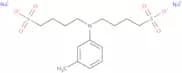
CAS:<p>N,N-Bis-(4-sulfobutyl)-3-methylaniline disodium salt is a fine chemical that is used as a building block for organic synthesis. It can be used in the formulation of pharmaceuticals and other chemicals. N,N-Bis-(4-sulfobutyl)-3-methylaniline disodium salt has been shown to be an excellent reagent for the synthesis of complex compounds with high purity and high quality. This compound is also versatile in its use as a building block, scaffold or intermediate for the synthesis of many different types of molecules.</p>Fórmula:C15H23NNa2O6S2Pureza:Min. 95%Cor e Forma:PowderPeso molecular:423.46 g/molZinc iodide
CAS:<p>Zinc iodide is a chemical compound with the molecular formula ZnI. It is used as an anti-inflammatory agent, and it has been shown to be effective against inflammatory diseases such as asthma. The reaction mechanism of zinc iodide is complex and may involve a copper complex. One possible reactive site for this reaction is a hydroxyl group on the nitrogen atom. Hydrogen bonds are also present in this molecule, which may allow the formation of polymeric matrices that can be used to deliver ZnI to cells or tissues.</p>Fórmula:I2ZnPureza:Min. 95%Cor e Forma:PowderPeso molecular:319.19 g/molBarium chloride anhydrous
CAS:<p>Barium chloride anhydrous is a chemical compound with the formula BaCl2. It is soluble in water and has been used for wastewater treatment. The solubility of this compound increases as temperature decreases. Barium chloride anhydrous can also be used to measure the levels of calcium ions in cells and tissues, by measuring the fluorescence intensity produced when the compound reacts with Ca2+. This property has been utilized to study neuronal death and Ca2+ overload. Barium chloride anhydrous also exhibits biological properties, such as enzyme activity or the ability to bind coumarin derivatives. X-ray diffraction data have shown that BaCl2 consists of a cubic crystalline structure, with each barium ion coordinated by six chloride ions. In solution, BaCl2 dissociates into Ba2+ and Cl-. Water vapor may cause the formation of anhydrous sodium carbonate on surfaces of objects exposed to it. The structural analysis of this compound has been modeled using particle methods.</p>Fórmula:BaCl2Pureza:Min. 95%Peso molecular:208.23 g/molDiphenylsulfone-3,3'-disulfonic Acid Disodium Salt
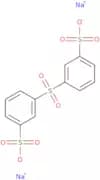
CAS:<p>Please enquire for more information about Diphenylsulfone-3,3'-disulfonic Acid Disodium Salt including the price, delivery time and more detailed product information at the technical inquiry form on this page</p>Pureza:Min. 95%Alizarin Yellow R sodium salt
CAS:<p>Acid-base indicator dye; textile dye; yellow color</p>Fórmula:C13H8N3O5NaPureza:Min. 95%Peso molecular:309.21 g/molTetrakis[N-phthaloyl-(S)-phenylalaninato]dirhodium Ethyl Acetate Adduct
CAS:<p>Please enquire for more information about Tetrakis[N-phthaloyl-(S)-phenylalaninato]dirhodium Ethyl Acetate Adduct including the price, delivery time and more detailed product information at the technical inquiry form on this page</p>Fórmula:C68H48N4O16Rh2·C4H8O2Pureza:Min. 95%Peso molecular:1,471.04 g/mol1-Acetylferrocene
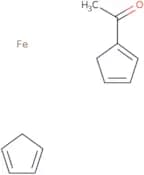
CAS:Produto Controlado<p>1-Acetylferrocene is a reaction vessel for the synthesis of ferrocenecarboxylic acids and their derivatives. It is also used as an initiator for the polymerization of epoxides, dienes, and cyclohexenes. 1-Acetylferrocene is used in the production of active substances such as anti-cancer drugs, pharmaceuticals, and pesticides. This compound has been shown to have a redox potential that is lower than copper complex compounds. 1-Acetylferrocene can be used for desulfurization reactions because it reacts with sulfur dioxide at low temperatures.</p>Fórmula:C7H8O·C5H6FePureza:Min. 95%Cor e Forma:Light yellow low melting solid.Peso molecular:230.08 g/molSinalbin potassium
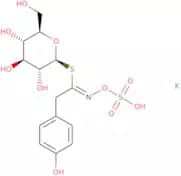
CAS:<p>Sinalbin potassium is a chemical compound that serves as a glucosinolate derivative, specifically sourced from white mustard seeds. It is a naturally occurring molecule that undergoes enzymatic conversion to yield biologically active substances. This compound is primarily characterized by its role in plant defense mechanisms, where it participates in chemical reactions that deter herbivores and pathogens.</p>Fórmula:C14H18NO10S2·KPureza:Min. 95%Cor e Forma:Off-White PowderPeso molecular:463.52 g/molSodium 1-Dodecanesulfonate
CAS:<p>Sodium 1-dodecanesulfonate is a surfactant that can be used in the treatment of wastewater containing organic and inorganic substances. This compound adsorbs on the surface of bacteria and helps to destroy them by inhibiting their growth. Sodium 1-dodecanesulfonate has been shown to inhibit the growth of Gram-positive and Gram-negative bacteria, including Pseudomonas aeruginosa, Staphylococcus aureus, Escherichia coli, Enterobacter cloacae, Klebsiella pneumoniae, Citrobacter freundii, Proteus mirabilis, Salmonella typhimurium, Campylobacter jejuni and Shigella sonnei. The sodium dodecyl sulfonate molecule binds to phospholipids in bacterial cell membranes by electrostatic interactions with the hydrophilic head group and hydrophobic tail. This inhibits the activity of enzymes such as protein</p>Fórmula:C12H25NaO3SPureza:Min. 95%Cor e Forma:White To Light (Or Pale) Yellow SolidPeso molecular:272.38 g/molIodosulfuron-methyl sodium
CAS:<p>Iodosulfuron-methyl sodium is a herbicide that inhibits the activity of lipid-metabolizing enzymes in plants. It inhibits the action of phosphatases, which are enzymes that catalyze hydrolysis of phosphoric acid esters, and can be used to control weeds. Iodosulfuron-methyl sodium has been shown to have synergistic interactions with other herbicides, such as 2,4-D or dicamba. The effective dose for this product varies depending on the plant species and type of soil.</p>Fórmula:C14H13IN5NaO6SPureza:Min. 90 Area-%Cor e Forma:White Off-White PowderPeso molecular:529.24 g/molDilithium phthalocyanine
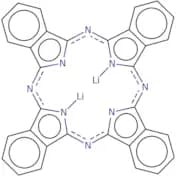
CAS:<p>Dilithium phthalocyanine is a low-energy metathesis catalyst that is used in the synthesis of organic compounds. It is a coordination complex that has been shown to have a high chemical stability and to be resistant to radiation. The mechanism of action of dilithium phthalocyanine involves the formation of a covalent bond between two molecules or ions. The activation energy for this reaction is relatively low, making it an ideal catalyst for reactions involving ether linkages in which the hydrochloric acid acts as the base. One example of such a reaction is the synthesis of phthalocyanines from lithium and hydrogen chloride.</p>Pureza:93%MinCalcium iodide
CAS:<p>Calcium iodide is a polarizer that can be used for the analysis of metal hydroxides. It reacts with the substrate film and forms a reaction solution that can be examined by microscope or spectrophotometer. Calcium iodide has been used to study the structure of glycol ethers, alkanoic acids, and carbohydrates. This chemical is also used in nutrient solutions and as a control substance in biochemical tests.</p>Fórmula:CaI2Pureza:Min. 95%Cor e Forma:PowderPeso molecular:293.89 g/molAcetaminophen glutathione disodium salt
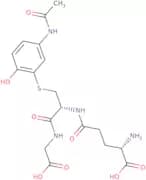
CAS:<p>Acetaminophen glutathione disodium salt is a prodrug of acetaminophen, which is a non-opioid analgesic and antipyretic drug. It has been shown to be protective against cisplatin-induced nephrotoxicity in cell culture and in CD-1 mice. Acetaminophen glutathione disodium salt inhibits mitochondrial enzyme activities, including dehydroascorbate reductase, which reduces the formation of reactive oxygen species. Acetaminophen glutathione disodium salt also blocks proximal tubule reabsorption and increases the excretion of drugs or their metabolites by increasing the second-order rate constant.</p>Fórmula:C18H22N4Na2O8SPureza:Min. 95%Peso molecular:500.43 g/molSodium stearyl maleate
CAS:Sodium stearyl maleate is a pharmaceutical excipient that has been used as a diluent and granule. It is an effective particle in the treatment of pancreatitis. Sodium stearyl maleate is also used to help treat chronic bladder inflammation by increasing its fluidity. The use of sodium stearyl maleate in lipoprotein preparations can increase their proliferative activity, which can be useful in cancer research and the treatment of malignant and benign tumors. The long-chain fatty acids found in sodium stearyl maleate have been shown to decrease cholesterol levels and prevent the progression of liver cirrhosis and hepatocellular carcinoma.Fórmula:C22H39NaO4Pureza:Min. 95%Peso molecular:390.53 g/molEplerenone hydroxyacid potassium salt
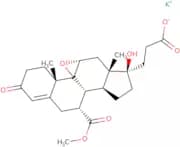
CAS:<p>Eplerenone is a drug that belongs to the class of drugs known as selective mineralocorticoid receptor antagonists. It is a prodrug that is metabolized in vivo to its active form, eplerenone acid. Eplerenone inhibits the binding of aldosterone to its receptors in the kidney. Eplerenone hydroxyacid potassium salt has been shown to have stereochemical purity of >98% and no detectable process-related impurities or experimental impurities. High-performance liquid chromatography (HPLC) methods have been used to characterize this drug substance and confirm that it has an average particle size 10 micrometers with no particles > 150 micrometers.</p>Fórmula:C24H31KO7Pureza:Min. 95%Peso molecular:470.6 g/molSodium linoleate
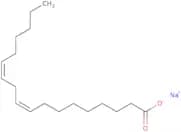
CAS:<p>Sodium linoleate is a model system for studying the effect of radiation on tumorigenesis. Sodium linoleate is used to study the relationship between light exposure and cancer. It has been shown to inhibit Cox-2 expression in carcinoma cell lines, which may be due to its ability to inhibit cox-2 activity by preventing the production of prostaglandins E2 (PGE2). The increased levels of PGE2 can lead to an increase in inflammation and cancer growth. Sodium linoleate has also been shown to have a synergic effect with sodium carbonate in inhibiting tumour growth, which is due to the inhibition of nuclear DNA transcription and protein synthesis.</p>Fórmula:C18H32O2·NaPureza:Min. 95%Cor e Forma:PowderPeso molecular:303.44 g/molAllylpalladium(II) chloride dimer
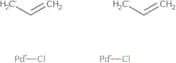
CAS:<p>Allylpalladium(II) chloride dimer is a homogeneous catalyst that can be used for the asymmetric synthesis of organosilicon compounds. It is an allylation agent and has been shown to react with certain nitrogen-containing compounds to form a palladium nitride complex. This compound is also a good transport agent, due to its high solubility in organic solvents. Allylpalladium(II) chloride dimer has been shown to be effective in the production of cancer chemotherapeutic agents, including chlorambucil, as well as anti-inflammatory drugs such as ibuprofen. This catalyst has also been used for cross-coupling reactions with alkyl bromides and iodides. A major drawback of this catalyst is that it often leads to an isolated yield of the product, which can be improved by using a solvent or by adding water or alcohols.</p>Fórmula:C6H10Cl2Pd2Pureza:95%NmrPeso molecular:365.89 g/molBis(tricyclohexylphosphine)palladium(II) Dichloride
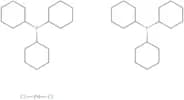
CAS:Produto Controlado<p>Bis(tricyclohexylphosphine)palladium(II) Dichloride is a cross-coupling agent that is used for the synthesis of organic and organometallic compounds. It reacts with terminal alkynes to form a phosphine oxide, which can then be converted into an arylated product. The reaction proceeds by the formation of a palladium-carbon bond and subsequent cleavage of the carbon-palladium bond in the presence of ammonium formate. Bis(tricyclohexylphosphine)palladium(II) Dichloride is insoluble in water, but soluble in organic solvents such as dichloromethane, 1,2-dichloroethane, or chloroform. This reagent has been shown to enhance the rate of transfer reactions between monomers.</p>Fórmula:C36H66Cl2P2PdPureza:Min. 95%Peso molecular:738.18 g/molDichloro(1,1-bis(diphenylphosphino)ferrocene)palladium(II)acetoneadduct
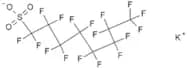
CAS:Produto Controlado<p>Please enquire for more information about Dichloro(1,1-bis(diphenylphosphino)ferrocene)palladium(II)acetoneadduct including the price, delivery time and more detailed product information at the technical inquiry form on this page</p>Fórmula:C37H34Cl2FeOP2PdPureza:Min. 95%Peso molecular:789.78 g/molHeptadecafluorooctanesulfonic acid potassium
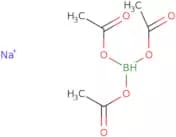
CAS:<p>Please enquire for more information about Heptadecafluorooctanesulfonic acid potassium including the price, delivery time and more detailed product information at the technical inquiry form on this page</p>Fórmula:C8HF17O3S•KPureza:Min. 95%Cor e Forma:PowderPeso molecular:539.23 g/molSodium triacetoxyborohydride
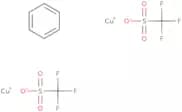
CAS:<p>Sodium triacetoxyborohydride is an oxidizing agent that is used in organic synthesis as a reagent for the reduction of esters and nitriles to alcohols and amines, respectively. This compound has been shown to be effective in reducing the activity of ccr5 receptors, which are important in HIV infection. Sodium triacetoxyborohydride can also be used to reduce antibodies, such as monoclonal antibodies, that have been conjugated with drugs or toxins to produce immunotoxins. Sodium triacetoxyborohydride has also been shown to be an effective agent for the treatment of inflammatory bowel disease and cancer therapy. It has been found to be toxic to some bacteria, fungi, and protozoa.</p>Fórmula:C6H10BNaO6Cor e Forma:White PowderPeso molecular:211.94 g/molCopper(I) trifluoromethanesulfonate benzene complex
CAS:<p>Copper trifluoromethanesulfonate is a copper complex that inhibits the activity of thrombin receptor and other diazo compounds. It has been shown to inhibit the activity of the cannabinoid receptors, sodium channels, and voltage-gated potassium channels. Copper trifluoromethanesulfonate can be used in organic chemistry as an alkylating agent or to form thioacetals. The activity of this compound is chiral, meaning that it can exist as two different enantiomers: (1) (S)-(+)-Copper(I) trifluoromethanesulfonate benzene complex and (2) (R)-(-)-Copper(I) trifluoromethanesulfonate benzene complex. These two enantiomers have different chemical properties, including their ability to bind to protein receptors.</p>Fórmula:(CF3SO3Cu)2•C6H6Pureza:Min. 95%Cor e Forma:PowderPeso molecular:503.34 g/molSilver(I) cyanide
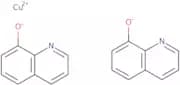
CAS:Produto Controlado<p>Silver(I) cyanide is an inorganic compound that is a silver salt of cyanide. It is a high-resistance material and can be used for the treatment of cancer. Silver(I) cyanide has been shown to induce apoptotic cell death in cultured cells by interfering with protein synthesis and the mitochondria membrane potential. The vibrational, structural, and functional properties of silver(I) cyanide are studied using different techniques. Silver(I) cyanide has also been shown to have fluorescence properties.</p>Fórmula:AgCNPureza:Min. 95%Peso molecular:133.89 g/mol8-Hydroxyquinoline copper(II)
CAS:<p>8-Hydroxyquinoline copper(II) salt is a metal chelate that can be used as an analytical reagent. It is prepared by the reaction of ethylene diamine with 8-hydroxyquinoline and copper(II) chloride. The product has been found to emit light when irradiated with UV light. This product is also used as a substrate for methyl transferase, which is an enzyme involved in the metabolism of drugs. 8-Hydroxyquinoline copper(II) salt has been shown to inhibit the activity of P-glycoprotein (Pgp), which is a drug transporter protein found in mammalian cells that functions to pump xenobiotics from the inside of cells out into the bloodstream. When Pgp is inhibited, it causes cellular accumulation of certain drugs, such as cyclosporin A and tacrolimus.</p>Fórmula:C18H12CuN2O2Pureza:Min. 95%Cor e Forma:PowderPeso molecular:351.85 g/mol


![[1,4-Bis(diphenylphosphino)butane]palladium(II) Dichloride](/_next/image/?url=https%3A%2Fstatic.cymitquimica.com%2Fproducts%2F3D%2Fthumb-webp%2FFB60968.webp&w=3840&q=75)


![Diacetato[(R)-(+)-2,2'-bis(diphenylphosphino)-1,1'-binaphthyl]ruthenium(II)](/_next/image/?url=https%3A%2Fstatic.cymitquimica.com%2Fproducts%2F3D%2Fthumb-webp%2FFD162446.webp&w=3840&q=75)
![[1,1'-Bis(diphenylphosphino)ferrocene]-dichloropalladium (II) dichloromethane complex](/_next/image/?url=https%3A%2Fstatic.cymitquimica.com%2Fproducts%2F3D%2Fthumb-webp%2FFB31909.webp&w=3840&q=75)








![Tetrakis[N-phthaloyl-(S)-phenylalaninato]dirhodium Ethyl Acetate Adduct](/_next/image/?url=https%3A%2Fstatic.cymitquimica.com%2Fproducts%2F3D%2Fthumb-webp%2FFT60014.webp&w=3840&q=75)