Sais metálicos
Nesta seção, você pode encontrar vários sais metálicos, que são compostos caracterizados por conter átomos metálicos e não metálicos. Essencialmente, os sais metálicos são compostos por cátions que são um ou mais átomos metálicos. Esses sais desempenham um papel crucial em inúmeras reações e aplicações químicas, servindo como catalisadores, reagentes ou intermediários em vários processos industriais e de pesquisa. Na CymitQuimica, oferecemos uma ampla seleção de sais metálicos de alta qualidade para atender às suas necessidades de pesquisa e industriais, garantindo desempenho confiável e eficaz em suas aplicações.
Foram encontrados 2870 produtos de "Sais metálicos"
Ordenar por
Pureza (%)
0
100
|
0
|
50
|
90
|
95
|
100
Sodium 1-naphthalenesulfonate
CAS:<p>Sodium 1-naphthalenesulfonate is a zirconium oxide that is used to remove particles from water. It has been shown that the adsorption mechanism of this compound is based on its crystalline polymorphs. Sodium 1-naphthalenesulfonate has been used in the treatment of fatty acid and hydrochloric acid in urine samples, with sodium carbonate as a buffer. This compound also has film-forming properties, which are beneficial for wastewater treatment and can be used in the formation of polymer films. Sodium 1-naphthalenesulfonate also shows toxicity at high concentrations, but does not cause any toxic effects at low concentrations.</p>Fórmula:C10H7NaO3SPureza:Min. 95%Cor e Forma:White Off-White PowderPeso molecular:230.22 g/molBis(tri-tert-butylphosphine)platinum(0)
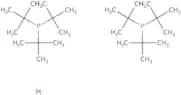
CAS:<p>Bis(tri-tert-butylphosphine)platinum(0) is a coordination complex with a chemical formula of Pt[P(C)(CH)]. It has been shown that this compound is obtained in high yields when the platinum metal is heated to temperatures between 500 and 600 degrees Celsius. This compound has been shown to be soluble in acetone at low temperatures, and it crystallizes to form a purple solid. Bis(tri-tert-butylphosphine)platinum(0) has been shown to have magnetic properties, as well as being active in x-ray crystallographic studies. The crystal diffraction pattern of this compound was found to be similar to that observed for the ligand phosphine, which is consistent with the proposed structure of bis(tri-tert-butylphosphine)platinum(0).</p>Fórmula:C24H54P2PtPureza:Min. 95%Peso molecular:599.72 g/molSodium 2-thiobarbiturate
CAS:Produto Controlado<p>Sodium 2-thiobarbiturate is a nitrosating agent that has been shown to protect the lungs from ischemia–reperfusion injury in vitro. It exerts its protective effects by inhibiting the release of nitric oxide (NO) and protects against neuronal death by preventing mitochondrial dysfunction. Sodium 2-thiobarbiturate also has genotoxic effects, which are reduced in the presence of antioxidants, and can cause DNA damage. This drug is reactive with oxygen, so it should not be stored in airtight containers or exposed to light.</p>Fórmula:C4H4N2O2S·NaPureza:Min. 95%Cor e Forma:White/Off-White SolidPeso molecular:167.14 g/molPotassium diformate
CAS:<p>Potassium diformate is a fatty acid that is used for dietary purposes, as it may be helpful in the treatment of pancreatic enzyme deficiencies. It has been shown to inhibit the growth of lactic acid bacteria, such as Lactobacillus acidophilus, and other microorganisms. Potassium diformate reacts with sodium hydroxide to form potassium hydroxide, which is then reacted with hydrogen chloride gas to produce potassium chloride. This reaction provides an alternative method for industrial preparation of potassium chloride from potash. Potassium diformate also shows potential use as an antimicrobial agent due to its ability to bind and disrupt bacterial cell membranes.</p>Fórmula:CH2O2·CHKO2Pureza:Min. 95%Peso molecular:130.14 g/molSulfo-N-succinimidyl 4-maleimidobutyrate sodium salt
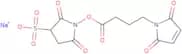
CAS:<p>Please enquire for more information about Sulfo-N-succinimidyl 4-maleimidobutyrate sodium salt including the price, delivery time and more detailed product information at the technical inquiry form on this page</p>Fórmula:C12H11N2NaO9SPureza:Min. 95%Peso molecular:382.28 g/molCalcium stearate
CAS:<p>Calcium stearate is a calcium salt that is used as an emulsifier and thickener. It has been shown to have the optimum concentration for inhibiting enzymes such as phospholipase A2, which is responsible for the release of arachidonic acid from phospholipids found in cell membranes. Calcium stearate can also be used in combination with zirconium oxide or sodium salts as a drug-release system. The phase transition temperature of calcium stearate is around 100 degrees Celsius, which means it melts at this temperature. This property makes calcium stearate useful in many applications, including as a lubricant and anti-wear additive in automotive parts. Calcium stearate may also have physiological effects on the human body, such as reducing water vapor and increasing co2 flow.</p>Fórmula:C36H70CaO4Pureza:Min. 95%Cor e Forma:White PowderPeso molecular:607.02 g/molLithium bis(oxalato)borate
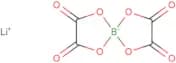
CAS:<p>Lithium bis(oxalato)borate (LBBO), also known as Lithiumbis(oxalato)borate, is a lithium salt of the borate ester. The optimum concentration for LBBO is 1-2 mol/L. LBBO is soluble in water and reacts with glycol esters to form lithium glycolates. This reaction is reversible and the equilibrium can be shifted by changing the temperature or pressure. The NMR spectra of LBBO show a peak at 3.3 ppm which corresponds to the carbon atom attached to the carbonyl group, which is indicative of an organic solution.<br>LBBO has been shown to be an electrolyte for lithium ion batteries but it has not been studied extensively because it decomposes at temperatures above 400°C and exhibits poor transport properties, limiting its application in electronic devices.</p>Fórmula:C4BO8•LiPureza:Min. 95%Peso molecular:193.79 g/molCalcium carbonate
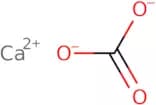
CAS:<p>Calcium carbonate is a chemical compound that can be found in natural limestone, marble and seashells. It is used as an industrial mineral for the production of lime and cement, as well as a chemical agent in wastewater treatment. Calcium carbonate has been shown to have synergistic effects with sodium carbonate when used to treat sewage effluent. It also has a high solubility in water, which makes it suitable for use in the production of concrete. The reaction mechanism is dependent on the particle size and temperature. The thermal expansion coefficient of calcium carbonate is 2.6x10^-5/°C, meaning that it expands by 0.26% per degree Celsius increase in temperature.</p>Fórmula:CaCO3Pureza:Min. 95%Cor e Forma:PowderPeso molecular:100.09 g/mol5,5-Diphenylhydantoin sodium
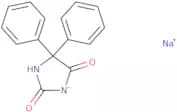
CAS:Produto Controlado<p>5,5-Diphenylhydantoin sodium salt is an anticonvulsant drug that belongs to the class of diphenylhydantoins. This drug has been shown to have a number of clinical effects, including cardiac effects, hypersensitivity syndrome, and eosinophilic fasciitis. It also has been shown to be associated with drug interactions and toxic epidermal necrolysis. 5,5-Diphenylhydantoin sodium salt is used in the treatment of epilepsy and neuropathic pain. The mechanism of action for this drug has been shown to be due to its ability to inhibit the release of acetylcholine from nerve terminals by blocking voltage-sensitive sodium channels. 5,5-Diphenylhydantoin sodium salt can also cause fetal bovine serum disease when administered intravenously or intramuscularly in pregnant animals. It also causes experimental carcinogenic potential in laboratory animals.br></p>Fórmula:C15H12N2O2•NaPureza:Min. 95%Cor e Forma:PowderPeso molecular:275.26 g/mol1,3,6,8-Pyrenetetrasulfonic acid tetrasodium, 10% aqueous solution
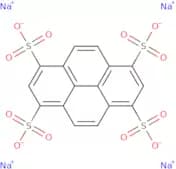
CAS:<p>1,3,6,8-Pyrenetetrasulfonic acid tetrasodium salt (PTS) is a palladium complex that is used as a catalyst in the chemical industry. It can be prepared by the reaction of palladium chloride with sodium sulfide and sodium hydroxide. PTS has been shown to react with diethyl succinate, forming a solid catalyst that can be stored for longer periods of time. This compound has been found to catalyze hydrogenations under constant pressure conditions and also exhibit low energy consumption when performing reactions. PTS is able to bind to DNA, leading to cancer cell death. PTS also has fluorescence properties and can be used in electrochemical impedance spectroscopy.</p>Fórmula:C16H10O12S4•Na4Pureza:Min. 95%Cor e Forma:Clear LiquidPeso molecular:614.47 g/molCarbamoyl-Asp-OH·magnesium salt/Carbamoyl-Asp-OH·dipotassium salt (1:1)
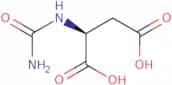
CAS:<p>Carbamoyl-Asp-OH·magnesium salt/Carbamoyl-Asp-OH·dipotassium salt (1:1) is a derivate of p-hydroxybenzoic acid that has been shown to inhibit leukotriene receptor antagonists and basic proteins. It has been found in urine samples, but its function is not yet known. The uptake of this molecule may be a potential biomarker for the diagnosis of orotic aciduria and HIV infection. Carbamoyl-Asp-OH·magnesium salt/Carbamoyl-Asp-OH·dipotassium salt (1:1) has also been shown to be an inhibitor of intramolecular hydrogen transfer reactions in model systems.</p>Fórmula:C10H12K2MgN4O10Pureza:Min. 95%Peso molecular:450.72 g/molSodium cyanate
CAS:<p>Sodium cyanate is a sodium salt that is used in the treatment of wastewater. It inhibits the growth of microorganisms and can be used as a biocide. Sodium cyanate has been shown to have inhibitory properties against bacteria, fungi, and viruses. Sodium cyanate also has been shown to have a protective effect on the papillary muscle during experimental heart failure in rats. This compound may be able to prevent infections caused by infectious agents, such as those found in wastewater treatment plants and hospitals. The mechanism of action of sodium cyanate is related to its ability to release cyanide ions, which disrupts electron transport chains within cells and prevents ATP production. Sodium cyanate has been shown to have a chronic oral toxicity that affects the liver and kidneys at high doses (LD50: 3-6 g/kg).</p>Fórmula:CNNaOPureza:Min. 95%Peso molecular:65.01 g/molCalcium ascorbate dihydrate
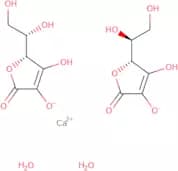
CAS:<p>Calcium ascorbate dihydrate (CAD) is a model system of the skin tumor formation in response to ionizing radiation. CAD is a reaction solution that contains calcium and ascorbate ions. The optimum concentration for CAD is 8 mg/ml. This solution has been shown to be an effective inhibitor of microbial growth and can be used as an antimicrobial agent. It also has a protective effect against acute toxicities, such as those caused by ascorbic acid or sodium citrate.</p>Fórmula:C12H14CaO12•(H2O)2Pureza:Min. 95%Peso molecular:426.34 g/molPhacolysine sodium salt
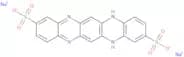
CAS:<p>Phacolysine sodium salt is a drug that activates the choroidal neovascularization receptor. It has been shown to inhibit the growth of tumors by synchronous fluorescence and disulfide bond binding. Phacolysine sodium salt has shown clinical efficacy in the treatment of choroidal neovascularization, with an average success rate of 75%. It has also been shown to be effective in treating other types of cancer, such as prostate cancer. In addition, it has antioxidative properties and can inhibit prostaglandin synthesis. This medicine is sometimes used in combination with ondansetron hydrochloride and benzalkonium chloride for pharmacological treatment.</p>Fórmula:C18H10N4Na2O6S2Pureza:Min. 95%Cor e Forma:Red PowderPeso molecular:488.41 g/mol(1S,2S)-N,N'-Bis(2-acetyl-3-oxo-2-butenylidene)-1,2-dimesitylethylenediaminato Cobalt(II)
CAS:<p>(1S,2S)-N,N'-Bis(2-acetyl-3-oxo-2-butenylidene)-1,2-dimesitylethylenediaminato Cobalt(II) is a catalyst in cycloaddition reactions. It is soluble in organic solvents and has been used as a catalyst for the synthesis of imines and aryl ketones. This compound also catalyzes the reduction of borohydride to form borane.</p>Fórmula:C32H38CoN2O4Pureza:Min. 95%Peso molecular:573.59 g/molEthylenediaminetetraacetic acid tripotassium salt dihydrate
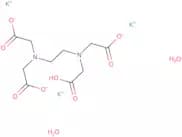
CAS:<p>Ethylenediaminetetraacetic acid tripotassium salt dihydrate is an anticoagulant that can be used as a coagulant for blood samples. It is often used in polymerase chain reactions to synthesize DNA, or to isolate and purify genomic DNA. This compound has ferroelectric properties and can be used as a target cell in optical imaging applications. Ethylenediaminetetraacetic acid tripotassium salt dihydrate is also used in the production of polyurethanes and as a polymerization inhibitor in cinnamon oil.</p>Fórmula:C10H13K3N2O8·2H2OPureza:Min. 95%Peso molecular:442.54 g/molCalcium chloride dihydrate
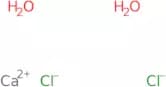
CAS:<p>Calcium chloride dihydrate is a chemical compound that is used in the preparation of buffers, as well as in polymer synthesis and analytical chemistry. It is also used in the treatment of low blood calcium levels, which may occur from chronic kidney failure, malnutrition or malabsorption. Calcium chloride dihydrate has been shown to inhibit the proliferation of various cancer cells, including prostate cancer cells. This inhibition has been shown to be due to its ability to significantly cytotoxic effects on these cells. The cytotoxicity was found to be due to lysosomal membrane permeabilization and Ca2+ influx into the cell leading to apoptosis induction.</p>Fórmula:CaCl2•(H2O)2Pureza:Min. 95%Cor e Forma:White Clear LiquidPeso molecular:147.01 g/molZinc lactate
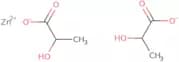
CAS:<p>Zinc lactate is an ionic salt that contains zinc and lactate ions. It is a particle that can be used as an oral supplement to treat zinc deficiency. Zinc lactate is soluble in water, which makes it easy to take orally. The other benefits of this supplement include its ability to reduce the risk of dental cavities and promote wound healing. In addition, zinc lactate has been shown to have antibacterial properties against throat infections and cavity-causing bacteria such as Streptococcus mutans. This product is also beneficial for brain cells due to its ability to remove polyphosphates from neurons, which are toxic substances that accumulate when brain cells are injured or diseased.</p>Fórmula:C6H10O6ZnPureza:Min. 95%Cor e Forma:White PowderPeso molecular:243.52 g/molPotassium ferrocyanide trihydrate
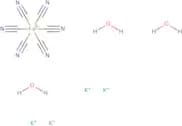
CAS:<p>Potassium ferrocyanide trihydrate is a stable compound that has high resistance to corrosion by acids and bases. It is an inorganic compound that belongs to the class of ferroelectric materials. The crystal structure of potassium ferrocyanide trihydrate is a metastable phase with a very high thermal expansion coefficient. This compound can be synthesized by reacting ethylene diamine with hydrochloric acid and sodium carbonate, followed by adding potassium hydroxide. Potassium ferrocyanide trihydrate can also be produced from potassium malonate, which is prepared from malonic acid and potassium hydroxide in the presence of an aryl halide.</p>Fórmula:C6FeN6•(H2O)3•K4Pureza:Min. 95%Peso molecular:422.39 g/molTianeptine sodium salt
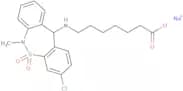
CAS:Produto Controlado<p>Full agonist of the μ-opioid receptor (MOR) with Ki of 383 nM. It also weakly agonizes the δ-opioid receptor (DOR) with a Ki >10 μM. Tianeptine has antidepressant effects but can also regulate neuroplasticity in the amygdala and stress-induced release of glutamate. It can generate analgesia and reward, typical opiate-like behavioural effects, but does not induce tolerance or withdrawal.</p>Fórmula:C21H24ClN2NaO4SPureza:Min. 98.5 Area-%Cor e Forma:White Slightly Yellow PowderPeso molecular:458.93 g/molCalcium-Like Peptide
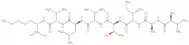
CAS:<p>Please enquire for more information about Calcium-Like Peptide including the price, delivery time and more detailed product information at the technical inquiry form on this page</p>Fórmula:C40H75N9O10Pureza:Min. 95%Peso molecular:842.08 g/molSodium ferriceddha
CAS:<p>Sodium ferriceddha is a chemical compound that belongs to the family of ferrocenes. It has been used in research as a useful building block and reagent, as well as in the synthesis of various compounds. Sodium ferriceddha is a versatile building block that can be used in the synthesis of complex compounds, such as pharmaceuticals, agricultural chemicals, and other specialty chemicals. It can also be used as an intermediate or scaffold for drug discovery.</p>Fórmula:C18H16FeN2NaO6Cor e Forma:PowderPeso molecular:435.16 g/molPhosphoramidon sodium
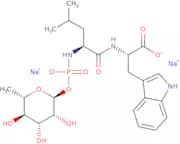
CAS:<p>Phosphoramidon sodium is a chemical inhibitor that is used in wastewater treatment. It has been shown to decrease bronchial reactivity in humans by modulating the activity of peptidases, which are enzymes that break down proteins. Phosphoramidon sodium has also been shown to reduce pain responses in animal models by inhibiting the release of fatty acids from nerve cells. This drug also decreases inflammation and swelling by preventing the production of prostaglandins and leukotrienes.</p>Fórmula:C23H34N3O10P·xNaPureza:Min. 95%Cor e Forma:PowderPeso molecular:587.47 g/molZinc pivalate
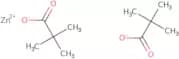
CAS:<p>Zinc pivalate is a coordination complex that has been shown to be an effective metal-based catalyst for amine-mediated cross-coupling reactions. It has also been used as a ligand in the synthesis of metal complexes. Zinc pivalate is soluble in water and its molecular weight is 198.2 daltons. It has two functional groups, carboxylate and formyl group, and can be synthesized by reacting zinc chloride with pivalic acid. The molecule contains a water molecule that acts as a base to deprotonate the carboxylate group on the zinc atom, forming an alcohol group which reacts with amines to produce an aminoglycoside. Zinc pivalate is also capable of forming coordination complexes with palladium, which catalyzes cross-coupling reactions with chlorides under mild conditions.</p>Fórmula:C5H9O2ZnPureza:Min. 95%Peso molecular:166.5 g/molTetrakis(4-Fluorophenyl)-Borate Sodium (1:1)
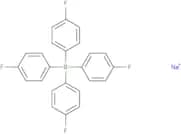
CAS:<p>Tetrakis(4-fluorophenyl)borate sodium (1:1) is a solid that is soluble in organic solvents. It has been used as an adsorbent for nuclear waste and organic molecules. Tetrakis(4-fluorophenyl)borate sodium (1:1) has been shown to adsorb hydrophobic molecules such as polycyclic aromatic hydrocarbons, which are difficult to remove from the environment. Tetrakis(4-fluorophenyl)borate sodium (1:1) can be prepared by reacting tetraphenylborate with 4-fluoroboric acid. This reaction produces a mixture of products, of which tetrakis(4-fluorophenyl)borate sodium (1:1) is the most common. Tetrakis(4-fluorophenyl)borate sodium (1:1), like other borate salts, is used in zeolites to</p>Fórmula:C24H16BF4NaPureza:Min. 95%Peso molecular:414.18 g/molRhodium(III) chloride hydrate
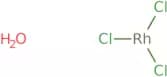
CAS:<p>Rhodium(III) chloride hydrate is a catalyst that is used in the oxidation of aromatic hydrocarbons. It has been shown to have an acidic reaction with hydrochloric acid and is used in the oxidation of benzene, toluene, ethylbenzene, and xylene. Rhodium(III) chloride hydrate has also been shown to be a good catalyst for the production of polycyclic aromatic hydrocarbons from light emitting diodes. This product can be used as an oxidizing agent in organic synthesis reactions. The 6-Fluoro-3-indoxyl-beta-D-galactopyranoside is an antituberculosis drug that belongs to the class of rifamycins. It is the most active of the rifamycins for the treatment of tuberculosis. Rifapentine inhibits bacterial growth by binding to DNA-dependent RNA polymerase, thereby preventing transcription and replication. The high frequency of</p>Fórmula:RhCl3·xH2OPureza:Min. 95%Peso molecular:209.26 g/molPamidronate disodium pentahydrate
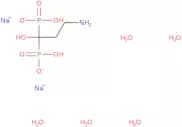
CAS:<p>Farnesyl diphosphate synthase inhibitor</p>Fórmula:C3H19NNa2O12P2Pureza:Min. 95%Peso molecular:369.11 g/molIron(III) trifluoromethanesulfonate
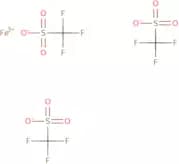
CAS:<p>Iron trifluoromethanesulfonate is an inorganic compound that is used as a catalyst in organic reactions. It is a salt of iron(III) and triflic acid, with the formula Fe(O)(CF). It has been shown to be a cocatalyst for benzofuran derivatives and can be used to synthesize methyl ketones, alkylation products, diarylmethanes, primary alcohols, and cleavage products. Iron trifluoromethanesulfonate can also be used as a control experiment to study reaction mechanisms.</p>Fórmula:C3F9FeO9S3Pureza:Min. 95%Cor e Forma:White SolidPeso molecular:503.06 g/molLithium acetoacetate
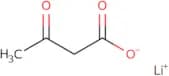
CAS:<p>Lithium acetoacetate is a compound that is used in the treatment of cancer. It is a salt that contains lithium and acetoacetate. Lithium acetoacetate has been shown to be clinically relevant for the treatment of cancer, particularly in patients who have not responded well to other treatments. This drug has also been shown to induce apoptosis in animal cells, which may be due to its ability to produce acid.</p>Fórmula:C4H6O3•LiPureza:Min. 95%Cor e Forma:PowderPeso molecular:109.03 g/molCalcium phosphate
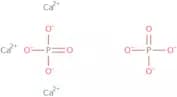
CAS:<p>Calcium phosphate is a white, odorless powder that is used in the production of casein, a protein used to make cheese. In cell culture, calcium phosphate has been shown to have important transport properties and can be used to maintain the pH gradient across the cell membrane. Calcium phosphate has also been shown to reduce renal dysfunction associated with chronic kidney disease. Hydroxyapatite is an important component of bone tissue and its presence in the body can help prevent osteoporosis. Calcium phosphate also has anti-infective properties and can be used as a film-forming polymer or in pharmaceutical dosage forms such as tablets or capsules.</p>Fórmula:Ca3O8P2Pureza:Min. 95%Cor e Forma:PowderPeso molecular:310.18 g/mol1,9-Dimethyl-methylene blue zinc chloride
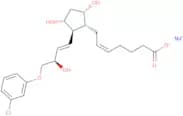
CAS:<p>1,9-Dimethyl-methylene blue zinc chloride double salt is a fluorescent dye that has been used in the study of hyaluronic acid and mesenchymal stem cells. The compound absorbs light at a wavelength of 580 nm, which is the same as the absorption wavelength for hyaluronic acid and mesenchymal stem cells. 1,9-Dimethyl-methylene blue zinc chloride double salt can be used to measure the amount of these compounds in tissues. This dye also shows sensitivity to artifacts such as hemolysis and lipemia, making it useful for research purposes.</p>Fórmula:(C18H22ClN3S)2•ZnCl2Pureza:Min. 95%Cor e Forma:PowderPeso molecular:832.11 g/molCloprostenol sodium
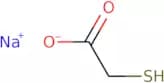
CAS:<p>Cloprostenol sodium is a prostaglandin analogue that is used in veterinary medicine. It is administered intravenously to induce ovulation, improve estrus and fertility, or control luteal function in cows. Cloprostenol sodium has been shown to have a positive effect on the ovulatory process by stimulating the release of endogenous progesterone and estradiol benzoate from the follicle cells. This drug also increases luteal activity by increasing the production of progesterone and inhibiting its metabolism. Cloprostenol sodium has been shown to be effective in inducing ovulation in pregnant women who do not respond to clomiphene citrate (CC) alone. Cloprostenol sodium can also be used for induction of labour in pregnant women with an uncomplicated pregnancy at term, where it is given intravenously or intramuscularly, but intravaginally or orally are not recommended.</p>Fórmula:C22H28ClNaO6Pureza:Min. 95%Cor e Forma:White PowderPeso molecular:446.9 g/molMercaptoacetic acid sodium salt
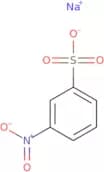
CAS:<p>Mercaptoacetic acid sodium salt (MAS) is an oxidation catalyst that is used to convert ethyl alcohol into acetic acid. It has been shown to be a good catalyst for the oxidation of hydroxyl groups in the presence of metal hydroxides or inorganic acids, such as sodium carbonate. MAS has also been shown to be toxic to human serum and is not recommended for use in humans. The toxicity of MAS may be due to its ability to react with fatty acids and form mercaptans, which are volatile compounds that can cause irritation. Mercaptoacetic acid sodium salt reacts with potassium dichromate and forms mercaptans and other products, which may contribute to its toxicity.</p>Fórmula:C2H3NaO2SPureza:(Titration) Min. 90%Cor e Forma:PowderPeso molecular:114.1 g/molSodium 3-nitrobenzenesulphonate
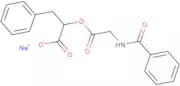
CAS:<p>Sodium 3-nitrobenzenesulphonate is a reactive chemical that can be used in the treatment of wastewater. It reacts with sulfonic acid to form a cross-link between two molecules, which lowers the solubility of the organic compound. This reaction product can then be removed from solution by adding sodium carbonate or sodium citrate to form insoluble salts that are removed from the water by filtration. Sodium 3-nitrobenzenesulphonate is an alternative to chlorine for water treatment because it does not react with ammonia and other nitrogenous compounds.</p>Fórmula:O2NC6H4SO3NaPureza:Min. 95%Cor e Forma:White To Yellow SolidPeso molecular:225.16 g/molO-Hippuryl-DL-b-phenyllactic acid sodium salt
CAS:<p>Please enquire for more information about O-Hippuryl-DL-b-phenyllactic acid sodium salt including the price, delivery time and more detailed product information at the technical inquiry form on this page</p>Fórmula:C18H16NNaO5Pureza:Min. 95%Peso molecular:349.31 g/molSodium potassium tartrate tetrahydrate
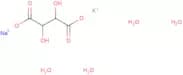
CAS:<p>Sodium potassium tartrate tetrahydrate is a crystal compound made up of potassium and sodium. It is a ferroelectric material that exhibits polarization and piezoelectric properties. The growth rate of these crystals can be controlled by using inhibitors such as protein kinase inhibitors. Sodium potassium tartrate tetrahydrate has been shown to have inhibitory activity against certain enzymes, including proteases and kinases. Additionally, it exhibits dielectric properties and can be used in the production of capacitors and other electronic components.</p>Fórmula:C4H4KNaO6·4H2OPureza:Min. 95%Cor e Forma:White PowderPeso molecular:282.22 g/molCalcium oxalate
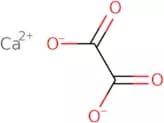
CAS:<p>Calcium oxalate is a crystal that can be found in plants and animals. It is used as a model system to study cell death. Calcium oxalate crystals are inert, but when they react with other substances, they create reactive calcium oxalate crystals that can kill cells by caspase-independent cell death. The crystals also cause cell lysis and are a potential candidate for chemoattractant proteins. Calcium oxalates have been shown to induce phase transition at temperatures below the boiling point of water, which may lead to pharmacological treatments for osteoporosis or kidney stones.</p>Fórmula:CaC2O4Pureza:Min. 95%Peso molecular:128.1 g/molTrisodium 1,3,6-naphthalenetrisulfonate
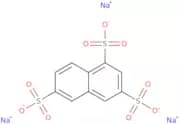
CAS:<p>Trisodium 1,3,6-naphthalenetrisulfonate is a polymer coating that can be used for industrial applications such as water treatment, oil and gas drilling, or textile manufacturing. It has been shown to have a high hydrophobicity and low surface tension. Trisodium 1,3,6-naphthalenetrisulfonate has also been shown to have a ring structure that can interact with other materials. Trisodium 1,3,6-naphthalenetrisulfonate has been observed to form supramolecular structures when in contact with surfactants and other additives. Trisodium 1,3,6-naphthalenetrisulfonate is reactive and can be used as an alternative to chromium plating for the production of plates.</p>Fórmula:C10H8O9S3•Na3Pureza:Min. 95%Cor e Forma:White To Reddish Yellow SolidPeso molecular:437.33 g/molSodium 2,3,5,6-Tetrafluoro-4-hydroxybenzenesulfonate
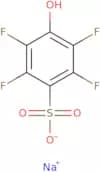
CAS:<p>Sodium 2,3,5,6-Tetrafluoro-4-hydroxybenzenesulfonate is a synthetic compound that is used as a probe for catalytic reactions. It has been shown to be active in the oxidation of glycols and ethylene glycols. This compound is also useful for the tethering of metal atoms or ions. Sodium 2,3,5,6-Tetrafluoro-4-hydroxybenzenesulfonate can be used in catalysis due to its ability to act as an electron donor.</p>Fórmula:C6HF4NaO4SPureza:Min. 95%Cor e Forma:White PowderPeso molecular:268.12 g/mol4-Sulpho-1,8-naphthalic anhydride potassium salt
CAS:<p>4-Sulpho-1,8-naphthalic anhydride potassium salt is a reagent that belongs to the family of sulfonic acids. It is used for recycling purposes in biochemical studies and for the synthesis of other compounds in organic chemistry. The chloride ion can be substituted with bromide or iodide ions to yield 4-bromobenzaldehyde. Studies have also shown that 4-SNAK can act as an electron acceptor in cellular respiration pathways and has been shown to inhibit synaptic transmission.</p>Fórmula:C12H5KO6SPureza:Min. 95%Cor e Forma:SolidPeso molecular:316.33 g/molPatent blue V Calcium salt
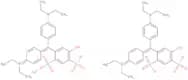
CAS:<p>Patent Blue V calcium salt is a calcium salt of Patent Blue V, which is a light-sensitive dye with an absorption peak at 450 nm. It has been used in analytical chemistry to measure the fatty acid content of oils and fats. Patent Blue V calcium salt has also been used as a reagent in kinetic studies to measure the rate of reactions involving detergent compositions, cationic surfactants, and hydroxyl groups. The lymphatic vessels react to this dye by showing an increase in permeability. The activation energies for these reactions have been determined using kinetic data.</p>Fórmula:C27H31N2O7S2·5CaPureza:Min. 85.0 Area-%Cor e Forma:PowderPeso molecular:582.7 g/molPotassium cyanate
CAS:<p>Potassium cyanate is an active analogue of sodium cyanate. It is used in biochemical research for the preparation of samples and in the study of reactions that involve the formation of carboxylic acid derivatives from primary alkyl halides. This compound was found to be significantly cytotoxic, with a median lethal dose (LD50) at 3,000 mg/kg. The mechanism of action is not known. Potassium cyanate has been shown to inhibit human serum cholesterol levels and reduce atherosclerotic cardiovascular events in animal models, which may be due to its ability to inhibit cholesterol synthesis by inhibiting HMG-CoA reductase activity.</p>Fórmula:KOCNPureza:Min. 95%Peso molecular:81.12 g/molPotassium 4-methoxycinnamate
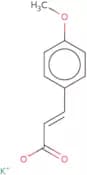
CAS:<p>Potassium 4-methoxycinnamate is a fine chemical that is used as a versatile building block in the synthesis of complex compounds. It can be used in research and as a reagent or speciality chemical. It is also a useful building block for high quality, useful intermediate, and reaction component. Potassium 4-methoxycinnamate can be used as a scaffold to synthesize compounds with diverse applications such as pharmaceuticals, polymers, and agrochemicals.</p>Fórmula:C10H9O3·KPureza:Min. 95%Peso molecular:216.27 g/molZinc oxalate dihydrate
CAS:<p>Zinc oxalate hydrate is a skin condition treatment that is made of zinc oxide and oxalic acid. It is used to treat acne, eczema, and psoriasis by inhibiting bacterial growth. The reaction solution is prepared by adding sodium citrate to a solution of vitamin B3 in dextrose. The mixture is heated until the crystals dissolve and then cooled down. The final product has a liquid phase synthesis and contains ZnO, Na2C6H5O7, C6H12O6, and H2O. Other uses for this compound include its use as an antibacterial agent for biomineralization or as a dextrose substitute in the manufacture of cyclic hydrocarbons. This product also has the ability to form nanowires when it is dehydrated under high temperatures.</p>Fórmula:ZnC2O4•2H2OPureza:Min. 95%Cor e Forma:PowderBismuth citrate
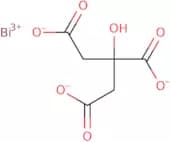
CAS:<p>Bismuth citrate is an antimicrobial agent that is used to treat helicobacter pylori infections. Bismuth citrate may be an alternative to clarithromycin and metronidazole for the treatment of antibiotic-resistant strains of helicobacter. It has been shown to improve duodenal ulcer healing and reduce the incidence of gastric ulcers in a group of patients with duodenal ulcer disease. This drug has also been shown to significantly reduce the incidence of gastric cancer in patients with Helicobacter pylori infection. Bismuth citrate is a polymeric compound that is thought to bind to the bacterial cell wall and inhibit its growth through inhibition of protein synthesis, but this mechanism is not well understood. Bismuth citrate has been used as an antacid for decades, but it does not have any anti-inflammatory properties and should not be used for this purpose.</p>Fórmula:C6H5BiO7Pureza:Min. 95%Cor e Forma:PowderPeso molecular:398.08 g/molL-Tyrosine dipotassium
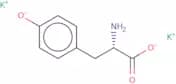
CAS:<p>L-Tyrosine dipotassium salt is a high quality, reagent, complex compound, useful intermediate and fine chemical. It is a useful scaffold that can be used in the synthesis of various important natural products. L-Tyrosine dipotassium salt is a versatile building block that has been widely applied in research on the development of new drugs, such as antiviral agents and antibiotics. L-Tyrosine dipotassium salt can act as a reaction component for many organic reactions. It also has applications in many areas such as medicine, food production, and environmental protection.</p>Fórmula:C9H11NO3•K2Pureza:Min. 95%Peso molecular:259.39 g/molDisodium clodronate tetrahydrate
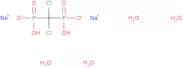
CAS:Disodium clodronate tetrahydrate is a water-soluble salt of the active form of clodronic acid, which has been shown to have anti-inflammatory activity. It is used in the treatment of breast cancer, as well as bowel disease. Disodium clodronate tetrahydrate inhibits basic protein synthesis and the production of pro-inflammatory cytokines by toll-like receptor 4 (TLR4) on polymorphonuclear leucocytes (PMN). This drug has also been shown to inhibit the enzyme activities of sodium salts, but not other enzymes such as phosphofructokinase or lactate dehydrogenase. Disodium clodronate tetrahydrate is also used in analytical methods that are based on measuring changes in the migration rate of proteins.Fórmula:CH2Cl2Na2O6P2·4H2OCor e Forma:White PowderPeso molecular:360.92 g/mol1,2-Distearoyl-sn-glycero-3-phosphatidic acid·disodium salt
CAS:<p>Please enquire for more information about 1,2-Distearoyl-sn-glycero-3-phosphatidic acid·disodium salt including the price, delivery time and more detailed product information at the technical inquiry form on this page</p>Fórmula:C39H75Na2O8PPureza:Min. 95%Peso molecular:748.96 g/mol4,4'-Dichlorodiphenylsulfone-3,3'-disulfonic acid disodium salt
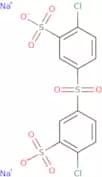
CAS:<p>Please enquire for more information about 4,4'-Dichlorodiphenylsulfone-3,3'-disulfonic acid disodium salt including the price, delivery time and more detailed product information at the technical inquiry form on this page</p>Fórmula:C12H6Cl2Na2O8S3Pureza:Min. 95 Area-%Cor e Forma:White Off-White PowderPeso molecular:491.25 g/molO-Hippuryl-L-b-phenyllactic acid sodium salt
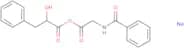
CAS:<p>Please enquire for more information about O-Hippuryl-L-b-phenyllactic acid sodium salt including the price, delivery time and more detailed product information at the technical inquiry form on this page</p>Fórmula:C18H16NNaO5Pureza:Min. 95%Peso molecular:349.31 g/mol