Sais metálicos
Foram encontrados 2872 produtos de "Sais metálicos"
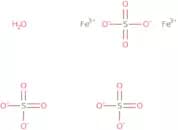
Iron(III) sulfate hydrate
CAS:Iron(III) sulfate hydrate is a chemical compound that is used as a coagulant in wastewater treatment. It reacts with hydrogen ions to form ferric hydroxides, which are insoluble and settle out of the water. Iron sulfate also has been used to identify the presence of bacteria in histological preparations by staining. The optimum concentration for this reaction is 1%. The reaction mechanism for this process is not known and it is difficult to determine the optimal pH range because it depends on the type of bacteria being studied. Iron(III) sulfate hydrate has a carcinogenic potential, but this risk can be minimized by adding an acidic substance such as caproic acid or citric acid to the solution. Iron(III) sulfate hydrate also has been shown to have nutrient-rich properties and can be used as a nutrient solution in conditions where other nutrients are unavailable. When heated, iron sulfate undergoes a redox reaction, producing water vapor and fer
Fórmula:Fe2(SO4)3•(H2O)xPureza:Min. 95%Cor e Forma:Off-White To Yellow To Beige SolidPeso molecular:399.88 g/molRef: 3D-FI166723
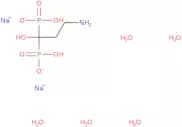
Produto descontinuadoPamidronate disodium pentahydrate
CAS:Farnesyl diphosphate synthase inhibitor
Fórmula:C3H19NNa2O12P2Pureza:Min. 95%Peso molecular:369.11 g/molRef: 3D-FP148956
Produto descontinuadoIndium - 99.999% trace metals basis
CAS:Indium-99.999% trace metals basis is a radioactive metal whose atomic number is 49, and it is the heaviest element in Group 3 of the periodic table. Indium-99.999% trace metals basis can be used in the treatment of bowel disease, such as inflammatory bowel disease (IBD) and Crohn's disease. It may also be used to diagnose other diseases that are not visible through medical imaging techniques, such as cancer or inflammatory diseases of the bowel. It can be used to measure cell nuclei and nuclear DNA for disease activity, or identify response elements for autologous stem-cell transplantation. It has been shown that this metal can cause long-term toxicity to cells when combined with injury models. This toxicity may be due to its coordination geometry, which causes a disruption in electron flow during oxidation reactions.
Fórmula:InPureza:Min. 95%Peso molecular:114.82 g/molRef: 3D-FI158340
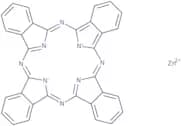
Produto descontinuadoZinc phthalocyanine
CAS:Zinc phthalocyanine is a blue dye that is used in the manufacture of paints, plastics, and rubber. It has been shown to be a potential cancer treatment for skin cancer because it absorbs ultraviolet light. Zinc phthalocyanine can also be used in wastewater treatment as a coagulant and disinfectant. In addition, zinc phthalocyanine has been shown to have anti-microbial properties against opportunistic fungal and bacterial infections. This compound is also an antioxidant that can protect cells from damage caused by reactive oxygen species. Zinc phthalocyanine's photophysical properties are characterized by its absorption spectrum, which includes the visible region of the electromagnetic spectrum between 400 nm and 700 nm. It is a strong electron acceptor with a redox potential of -0.4 V at pH 7 and 0°C. This molecule also inhibits cytochrome P450 activity in model systems.
Fórmula:C32H16N8ZnPureza:90%MinPeso molecular:577.9 g/molGold(III) hydroxide
CAS:Gold(III) hydroxide is a yellow solid that is soluble in acidic and alkaline solutions. It can be prepared by the reaction of gold(III) nitrate with sodium hydroxide, or by the reaction of hydrochloric acid with sodium chloride and ferrous sulfate. Gold hydroxide can be used in a number of techniques such as nature, hydrolysis, synthons, and high yield. Gold hydroxide has been shown to have luminescent properties when mixed with nitrate. The synthesis of gold nanoparticles is also possible using gold hydroxide at temperatures below 100°C. The yields for this process are variable depending on the conditions used, but it has been shown to produce approximately 10% of the theoretical yield. Gold hydroxide will react with deionized water to form a gel-like substance, which is due to its interaction with water molecules. This compound also has nucleation properties that allow it to act as an initiator for
Fórmula:AuH3O3Pureza:Min. 95%Peso molecular:247.99 g/molPhacolysine sodium salt
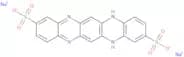
CAS:Phacolysine sodium salt is a drug that activates the choroidal neovascularization receptor. It has been shown to inhibit the growth of tumors by synchronous fluorescence and disulfide bond binding. Phacolysine sodium salt has shown clinical efficacy in the treatment of choroidal neovascularization, with an average success rate of 75%. It has also been shown to be effective in treating other types of cancer, such as prostate cancer. In addition, it has antioxidative properties and can inhibit prostaglandin synthesis. This medicine is sometimes used in combination with ondansetron hydrochloride and benzalkonium chloride for pharmacological treatment.
Fórmula:C18H10N4Na2O6S2Pureza:Min. 95%Cor e Forma:Red PowderPeso molecular:488.41 g/molPotassium hexafluorophosphate
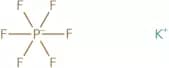
CAS:Potassium hexafluorophosphate is a chemical compound that is used as an antimicrobial agent in the laboratory. It reacts with hydroxyl groups on various surfaces to form potassium hexafluorophosphate and water. The reaction solution can be used to disinfect equipment and surfaces, and is stable at room temperature. Potassium hexafluorophosphate has been shown to have biological properties such as inhibiting the growth of bacteria and fungi, but not viruses. This chemical compound has been shown to be effective against E. coli, Klebsiella pneumoniae, Staphylococcus aureus, Proteus vulgaris, Bacillus subtilis, Pseudomonas aeruginosa, Aspergillus niger, Candida albicans, or Saccharomyces cerevisiae.
Fórmula:KPF6Pureza:Min. 95%Cor e Forma:PowderPeso molecular:184.06 g/molSodium phosphate dibasic dodecahydrate
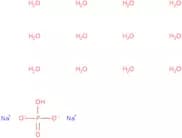
CAS:Sodium phosphate dibasic dodecahydrate is a sodium salt that has been used in analytical chemistry, water treatment, and as a buffering agent. It is also used as a synergistic agent with other sodium salts to increase their bioavailability. This substance has been studied extensively for its effects on cancer tissues and has shown promise in inhibiting the growth of cancer cells. Sodium phosphate dibasic dodecahydrate is not very soluble in water but is highly permeable through human serum membranes. It can be administered orally or intravenously and will have different effects depending on the route of administration.
Fórmula:H3PO4·Na2·12H2OPureza:Min. 95%Peso molecular:358.14 g/molZinc 1,2,3,4,8,9,10,11,15,16,17,18,22,23,24,25-hexadecafluoro-29H,31H-phthalocyanine
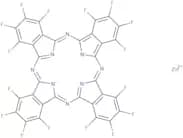
CAS:Please enquire for more information about Zinc 1,2,3,4,8,9,10,11,15,16,17,18,22,23,24,25-hexadecafluoro-29H,31H-phthalocyanine including the price, delivery time and more detailed product information at the technical inquiry form on this pageFórmula:C32F16N8ZnPureza:Min. 95%Peso molecular:865.75 g/molSodium tert butoxide
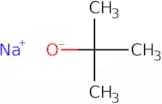
CAS:Please enquire for more information about Sodium tert butoxide including the price, delivery time and more detailed product information at the technical inquiry form on this page
Fórmula:C4H9NaOPureza:Min. 95%Cor e Forma:PowderPeso molecular:96.1 g/molRef: 3D-FS03425
Produto descontinuadoSodium phenylacetate
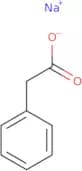
CAS:Produto ControladoSodium phenylacetate is a chemical compound that is used as an antifungal agent in vitro. It has also been shown to have anti-proliferative and cytotoxic effects on neuroblastoma cells. The physiological function of sodium phenylacetate is not well understood, but it may act as a neurotransmitter by inhibiting the release of acetylcholine or by regulating cell signaling pathways. Sodium phenylacetate may also inhibit angiogenesis, which would limit the growth of cancerous tumors.
Fórmula:C8H7NaO2Pureza:Min. 95%Cor e Forma:PowderPeso molecular:158.13 g/molSodium mercaptopyruvate
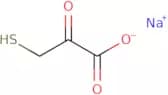
CAS:Sodium mercaptopyruvate is a pyruvate compound that is synthesized by the reaction of sodium sulfide with 3-bromopyruvic acid. It has been shown to be effective in treating emphysema, chronic bronchitis and seborrheic dermatitis. Sodium mercaptopyruvate has also been found to modify the activity of enzymes that are related to inflammation and autoimmune diseases. This drug is an efficient nucleophile, which is important for its ability to interact with proteins via covalent modification. The compound can also be used as a substrate for various dehydrogenases, which can lead to metabolic reactions mediated by these enzymes.
Fórmula:C3H3NaO3SPureza:Min. 95%Cor e Forma:SolidPeso molecular:142.11 g/mol