APIs para pesquisa e impurezas
Os Ingredientes Farmacêuticos Ativos (APIs) são as substâncias nos medicamentos responsáveis por seus efeitos terapêuticos. Nesta seção, você encontrará uma ampla variedade de APIs destinados a uso em pesquisa. Esses compostos são essenciais para o desenvolvimento, teste e validação de novas formulações farmacêuticas. Na CymitQuimica, oferecemos APIs de alta qualidade para apoiar a pesquisa em descoberta e desenvolvimento de medicamentos.
Subcategorias de "APIs para pesquisa e impurezas"
- Aminoácidos e Derivados(12.278 produtos)
- Antraquinonas e Derivados(405 produtos)
- Derivados de Benzimidazol e Imidazol(10.376 produtos)
- Derivados das Benzodiazepinas(333 produtos)
- Carboidratos e Glicoconjugados(5.013 produtos)
- Ésteres e Derivados(42.045 produtos)
- Ácidos Graxos e Derivados Lipídicos(32.246 produtos)
- Flavonoides e Polifenóis(17.012 produtos)
- Radicais Livres e Agentes Oxidantes/Redutores(213 produtos)
- Cetonas e Derivados(2.394 produtos)
- Antibióticos Naturais e Semissintéticos(6.364 produtos)
- Nitrilas e Derivados Ciano(3.045 produtos)
- Nitrosaminas e Derivados(55 produtos)
- Nucleosídeos e Nucleotídeos(3.428 produtos)
- Fosfatos e Fosfonatos Orgânicos(1.201 produtos)
- Sulfonatos e Sulfatos Orgânicos(10.406 produtos)
- Compostos Organometálicos(4.401 produtos)
- Outros(6.279 produtos)
- Peptídeos e Proteínas(3.129 produtos)
- Polímeros e Derivados(99 produtos)
- Derivados de Purinas e Pirimidinas(8.902 produtos)
- Derivados de Quinazolina e Quinolina(65.630 produtos)
- Quinonas e Derivados(24.237 produtos)
- Sais e Derivados de API(79.468 produtos)
- Esteroides e Derivados(4.964 produtos)
- Sulfonamidas e Derivados(2.592 produtos)
- Terpenoides e Derivados(3.839 produtos)
- Tiazolidinedionas e Tiopiranos(2.733 produtos)
- Compostos β-Adrenérgicos(230 produtos)
Exibir 21 mais subcategorias
Foram encontrados 56796 produtos de "APIs para pesquisa e impurezas"
Ordenar por
Pureza (%)
0
100
|
0
|
50
|
90
|
95
|
100
7-(3-Bromopropoxy)-3,4-dihydrocarbostyril
CAS:<p>7-(3-Bromopropoxy)-3,4-dihydrocarbostyril is a white crystalline powder that is soluble in ethanol and ether. It is used as an analytical standard in HPLC or GC, as well as in the development of drugs. 7-(3-Bromopropoxy)-3,4-dihydrocarbostyril has a purity of 99% and is available for custom synthesis with a minimum order quantity of 50 grams. This compound can be synthesized from natural or synthetic sources.</p>Fórmula:C12H14BrNO2Pureza:Min. 95%Peso molecular:284.15 g/mol8-Methyl etodolac
CAS:<p>8-Methyl etodolac is an impurity of etodolac that is used in the drug development and analytical chemistry industry. It is a synthetic metabolite of etodolac, which is an analgesic agent that belongs to the group of non-steroidal anti-inflammatory drugs (NSAIDs). 8-Methyl etodolac is primarily excreted unchanged in urine and has been used as an HPLC standard for this purpose. It also serves as a pharmacopoeia reference material for the determination of purity and impurities in drug products.</p>Fórmula:C16H19NO3Pureza:Min. 95%Peso molecular:273.33 g/molpep2-SVKE
CAS:<p>Pep2-SVKE is an analog of a protein kinase inhibitor that has shown potent anticancer activity. It induces apoptosis in cancer cells, particularly Chinese hamster ovary (CHO) and human tumor cell lines. Pep2-SVKE inhibits kinases involved in the regulation of cell growth and proliferation, making it a promising candidate for the development of novel anticancer therapies. This compound has been isolated from urine and has potential medicinal applications in the treatment of various types of cancer. Its unique properties make it a valuable addition to any research into cancer therapies and inhibitors.</p>Fórmula:C59H89N13O20Pureza:Min. 95%Peso molecular:1,300.4 g/mol(R)-7-(But-2-yn-1-yl)-8-(3-(1,3-Dioxoisoindolin-2-yl)piperidin-1-yl)-3-methyl-1-((4-methylquinazolin-2-yl)methyl)-1H-purine-2,6(3H,7 H)-dione
CAS:<p>7-(But-2-yn-1-yl)-8-(3-(1,3-Dioxoisoindolin-2-yl)piperidin-1-yl)-3-methyl-1-(4-methylquinazolin-2(4H)-yl)methyl)-1H -purine-2,6(3H,7H)-dione is a synthetic drug that has been modified to have a higher flow rate. It is used in the synthesis of other drugs. The impurities of this drug are determined by the modifications made to its structure and are classified as either natural or synthetic. Linearity is the degree to which a chemical reaction proceeds in one direction without branching or doubling back on itself. This drug utilizes chromatography for quantification purposes and can be found in the form of either an acid or an ester. Formic acid and acetonitrile are two solvents that can be utilized for this drug's elution from</p>Fórmula:C33H30N8O4Pureza:Min. 95%Peso molecular:602.64 g/mol5-[[4-[2-(5-Ethyl-2-pyridinyl)ethoxy]phenyl]-methylene]-2,4-thiazolidinedione
CAS:<p>5-[[4-[2-(5-Ethyl-2-pyridinyl)ethoxy]phenyl]-methylene]-2,4-thiazolidinedione is a drug product that is used for the research and development of drugs. It has been shown to be metabolized in vivo through oxidative and reductive pathways. 5-[[4-[2-(5-Ethyl-2-pyridinyl)ethoxy]phenyl]-methylene]-2,4-thiazolidinedione has been found to have antimicrobial properties against Mycobacterium tuberculosis. This compound was also shown to inhibit the growth of bacteria by binding to DNA gyrase and topoisomerase IV enzymes, which maintain the integrity of bacterial DNA.</p>Fórmula:C19H18N2O3SPureza:Min. 95%Peso molecular:354.42 g/mol3,5-Bis[2-[[[2-[(aminoiminomethyl)amino]thiazol-4-yl]methyl]sulphanyl]ethyl]-4H-1,2,4,6-thiatriazine-1,1-dioxide
CAS:<p>Famotidine is a pharmaceutical agent that belongs to the class of H2-receptor antagonists. It is used for the treatment of peptic ulcers and gastroesophageal reflux disease. Famotidine inhibits gastric acid secretion by blocking the H2-receptors in the parietal cells in the stomach. There are two major impurities, 4-amino-N-[(4-[[[2-(aminosulphonyl)thiazol-4-yl]methyl]sulphanyl]ethyl]-3,5-bis[[2-[(aminoiminomethyl)amino]thiazol-4-yl]methyl]sulphanyl]ethyl]-1,2,4,6-thiatriazine 1,1 dioxide and 2-[(aminoiminomethyl)amino]-N-[(4-[[2-(aminosulphonyl)thiazol-4-yl</p>Fórmula:C16H23N11O2S5Pureza:Min. 95%Peso molecular:561.76 g/molSpiramycin EP impurity B
CAS:<p>Spiramycin EP impurity B is an analytical standard that is used to measure the purity of Spiramycin EP. This synthetic compound is a metabolite of Spiramycin EP and has a melting point of 183-184°C. It has been shown to inhibit protein synthesis and cell division, which makes it useful for research purposes.</p>Fórmula:C43H76N2O14Pureza:Min. 95%Peso molecular:845.08 g/mol3-[[[2-[(Aminoiminomethyl)amino]-4-thiazolyl]methyl]sulfinyl]-N-(aminosulfonyl)propanimidamide
CAS:<p>3-[[[2-[(Aminoiminomethyl)amino]-4-thiazolyl]methyl]sulfinyl]-N-(aminosulfonyl)propanimidamide is a drug product that is custom synthesized. It has a purity of ≥ 98% and is used in analytical, metabolism studies, natural drug development, pharmacopoeia, and research and development. 3-[[[2-[(Aminoiminomethyl)amino]-4-thiazolyl]methyl]sulfinyl]-N-(aminosulfonyl)propanimidamide has an impurity standard of 5% and can be found under CAS No. 90237-03-9.</p>Fórmula:C8H15N7O3S3Pureza:Min. 95%Peso molecular:353.45 g/molFp-biotin-d4
CAS:<p>Please enquire for more information about Fp-biotin-d4 including the price, delivery time and more detailed product information at the technical inquiry form on this page</p>Fórmula:C27H50FN4O5PSPureza:Min. 95%Peso molecular:596.8 g/mol10-Oxo mirtazapine
CAS:<p>10-Oxo mirtazapine is a metabolite of the antidepressant drug mirtazapine. It is an impurity in the HPLC standard for mirtazapine and has been shown to be pharmacologically active in animal models. 10-Oxo mirtazapine has also been found to be an impurity in other drugs, such as fluoxetine hydrochloride, but it is not known if it has any activity.</p>Fórmula:C17H17N3OPureza:Min. 95%Peso molecular:279.34 g/mol3,14-Dihydroxy 14β-estra-1,3,5(10)-trien-17-one
CAS:Produto Controlado<p>Please enquire for more information about 3,14-Dihydroxy 14β-estra-1,3,5(10)-trien-17-one including the price, delivery time and more detailed product information at the technical inquiry form on this page</p>Fórmula:C18H22O3Pureza:Min. 95%Peso molecular:286.4 g/molSacubitril methyl ester
CAS:<p>Sacubitril methyl ester is a drug product that belongs to the group of angiotensin receptor blockers. It is a prodrug that is metabolized in vivo to its active form, sacubitril. Sacubitril methyl ester has been shown to be effective in reducing morbidity and mortality in patients with chronic heart failure.</p>Fórmula:C23H27NO5Pureza:Min. 95%Cor e Forma:PowderPeso molecular:397.47 g/mol(4R)-1-(4-O-b-D-Galactopyranosyl-b-D-glucopyranosyl)-4-(2-methylpropyl)-2-pyrrolidinone
CAS:<p>(4R)-1-(4-O-b-D-Galactopyranosyl-b-D-glucopyranosyl)-4-(2-methylpropyl)-2-pyrrolidinone is a synthetic, impurity standard and research and development compound. (4R)-1-(4-O-b-D-Galactopyranosyl-b-D-glucopyranosyl)-4-(2-methylpropyl)-2pyrrolidinone is used as an analytical reference in the synthesis of other compounds. It is also used in drug development for the treatment of tuberculosis. This product has a high purity level and is pharmacopoeia grade.</p>Fórmula:C20H35NO11Pureza:Min. 95%Peso molecular:465.49 g/molN-Acetyl-L-cystine
CAS:<p>N-Acetyl-L-cystine is a water soluble amino acid that has been approved for treatment of cystic fibrosis in adults and children older than six years. It is available as an aerosol, nebulized solution or oral capsule. N-Acetyl-L-cystine has been shown to have a protective effect against influenza virus (Virus A) infection by reducing the proinflammatory cytokines and reactive oxygen species in response to the virus. This drug also reduces the severity of symptoms associated with influenza virus infection. The pharmacokinetic properties of this drug are well understood, as it is stable in vivo, crosses the blood brain barrier, and does not bind to serum proteins.</p>Fórmula:C8H14N2O5S2Pureza:Min. 95%Peso molecular:282.3 g/molN’-(4-Aminophenyl)-N,N-dimethylacetamidine
CAS:<p>N’-(4-Aminophenyl)-N,N-dimethylacetamidine (ADAA) is a cholinergic anthelmintic drug that is effective against endoparasites. It has been shown to be effective against caenorhabditis, resistant mutants and acetylcholine receptor. ADAA is administered to animals and humans orally or intravenously. The pharmacokinetics of ADAA have been studied in rats, mice, pigs and humans. ADAA has a long half-life in rats and mice but not in humans.</p>Fórmula:C10H15N3Pureza:Min. 95%Peso molecular:177.25 g/mol3-Chloro-10-[3-(dimethylamino)propyl]-9(10H)-acridinone
CAS:<p>Please enquire for more information about 3-Chloro-10-[3-(dimethylamino)propyl]-9(10H)-acridinone including the price, delivery time and more detailed product information at the technical inquiry form on this page</p>Fórmula:C18H19ClN2OPureza:Min. 95%Peso molecular:314.8 g/molColterol-d9
CAS:<p>Please enquire for more information about Colterol-d9 including the price, delivery time and more detailed product information at the technical inquiry form on this page</p>Fórmula:C12H19NO3Pureza:Min. 95%Peso molecular:234.34 g/molLiotrix
CAS:<p>Liotrix is a drug that acts as an inhibitor of apoptosis and has been shown to have anticancer properties. It is derived from Chinese urine and works by inhibiting kinase activity, which is essential for the survival of cancer cells. Liotrix is an analog of quetiapine, a drug used to treat schizophrenia and bipolar disorder, and has been found to be effective against various types of tumors in human cancer cell lines. This drug specifically targets kinases, which are enzymes involved in the regulation of cellular processes such as growth and differentiation. By inhibiting these kinases, Liotrix can prevent the proliferation and survival of cancer cells, making it a promising candidate for the treatment of various forms of cancer.</p>Fórmula:C30H21I7N2Na2O8Pureza:Min. 95%Peso molecular:1,471.8 g/molN-(3-hydroxytricyclo[3.3.1.1]dec-1-yl)glycyl-L-prolinamide
CAS:<p>N-(3-hydroxytricyclo[3.3.1.1]dec-1-yl)glycyl-L-prolinamide is a metabolite that is formed when the drug product, ticagrelor, undergoes metabolism in the liver. Ticagrelor is a prodrug that requires conversion to its active form, which is N-(3-hydroxytricyclo[3.3.1.1]dec-1-yl)glycyl-L-prolinamide, before it can be used as a platelet inhibitor and antiplatelet agent for the prevention of thrombotic events such as heart attack and stroke. It has been shown to have an excellent stability profile and high purity when produced by HPLC or synthesized using the latest methodology under GMP conditions.</p>Pureza:Min. 95%Triclosan o-β-D-glucuronide sodium salt
CAS:<p>Triclosan o-β-D-glucuronide sodium salt is an analog of Triclosan, which is a potent inhibitor of bacterial enoyl-acyl carrier protein reductase. It has been shown to have anticancer properties, inhibiting the growth of cancer cells by inducing apoptosis and inhibiting kinase activity. This compound has been found to be effective against a variety of tumors and cancers, including thyroid cancer. Triclosan o-β-D-glucuronide sodium salt has also been shown to inhibit the activity of human protein kinases, making it a potential candidate for the development of new anticancer drugs. This compound can be detected in urine samples from both humans and Chinese hamsters, indicating its potential for use as a diagnostic tool for cancer detection.</p>Fórmula:C18H15Cl3O8Pureza:Min. 95%Peso molecular:465.7 g/mol(3S,4R)-3-((Benzo[D][1,3]dioxol-5-yloxy)methyl)-4-(4-fluorophenyl)piperidine hydrochloride
CAS:Produto Controlado<p>(3S,4R)-3-((Benzo[D][1,3]dioxol-5-yloxy)methyl)-4-(4-fluorophenyl)piperidine hydrochloride is a potent inhibitor of kinase proteins in humans. It is an analog of tumor inhibitors that induce apoptosis in cancer cells. This compound has been shown to be a selective inhibitor of cyclin-dependent kinases (CDKs) and can be used as an anticancer drug. It has been tested on Chinese hamster ovary cells and has demonstrated strong inhibition of CDK activity. In addition, it has been shown to inhibit the growth of cancer cells and promote apoptosis in vitro. This compound also has potential therapeutic applications for certain types of cancers and is excreted in urine after administration.</p>Fórmula:C19H21ClFNO3Pureza:Min. 95%Peso molecular:365.8 g/molRAD51-IN-2
CAS:<p>Please enquire for more information about RAD51-IN-2 including the price, delivery time and more detailed product information at the technical inquiry form on this page</p>Fórmula:C27H40N4O6S2Pureza:Min. 95%Peso molecular:580.8 g/molWarfarin alcohol, mixture of diastereomers
CAS:<p>Warfarin is a clinically used drug that is an anticoagulant and has been shown to have anticancer activity. Warfarin has been shown to inhibit the synthesis of unsaturated ketones by carbonyl reduction and asymmetric synthesis. It also inhibits the growth of cancer cells in animals and human liver cells. Warfarin reduces the production of coagulation factors II, VII, IX, and X by inhibiting protein synthesis in the liver. The anticoagulant effect of warfarin is due to inhibition of the synthesis of vitamin K-dependent clotting factors II, VII, IX, and X. Warfarin also binds to a cytosolic protein called matrix metalloproteinase-9 (MMP-9) which inhibits its proteolytic activity.</p>Fórmula:C19H18O4Pureza:Min. 95%Peso molecular:310.3 g/mol9-(Sulfooxy)dibenz[b,f][1,4]oxazepin-11(10H)-one
CAS:<p>Please enquire for more information about 9-(Sulfooxy)dibenz[b,f][1,4]oxazepin-11(10H)-one including the price, delivery time and more detailed product information at the technical inquiry form on this page</p>Fórmula:C13H9NO6SPureza:Min. 95%Peso molecular:307.28 g/molN2'-Deacetyl-N2'-[3-(methylthio)-1-oxopropyl]-maytansine
CAS:<p>N2'-Deacetyl-N2'-[3-(methylthio)-1-oxopropyl]-maytansine is a cytotoxic drug that belongs to the class of maytansinoids. It is metabolized in vivo to produce cytotoxic metabolites which inhibit protein synthesis by binding to ribosomes, preventing peptide bond formation. The preclinical studies have shown that N2'-deacetyl-N2'-[3-(methylthio)-1-oxopropyl]-maytansine has a better therapeutic index than other maytansinoids, with fewer side effects. In animal models, N2'-deacetyl-N2'-[3-(methylthio)-1-oxopropyl]-maytansine showed efficacy against human tumor cells and was not toxic to normal cells. This agent also showed no impurities when incubated with human liver microsomes and it was well tolerated in clinical trials in humans</p>Fórmula:C36H50ClN3O10SPureza:Min. 95%Peso molecular:752.3 g/molL-Threo-hex-2-enaric acid 1,4-lactone 6-methyl ester
CAS:<p>L-Threo-hex-2-enaric acid 1,4-lactone 6-methyl ester is a research and development compound. It is a metabolite of the drug product L-Threo-hex-2-enaric acid 1,4-lactone 6-(2,6,6)-trimethyl ester. L-Threo-hex-2-enaric acid 1,4-lactone 6-(2,6,6)-trimethyl ester (LTA) is an impurity in the drug product that is present as a result of its synthesis. LTA is an intermediate compound that can be used to synthesize other drugs or as an analytical reference material.</p>Fórmula:C7H8O7Pureza:Min. 95%Peso molecular:204.13 g/mol(S)-2-Amino-3-(4-(4-hydroxy-3,5-diiodophenoxy)-3,5-diiodophenyl)-N-methylpropanamide
CAS:<p>(S)-2-Amino-3-(4-(4-hydroxy-3,5-diiodophenoxy)-3,5-diiodophenyl)-N-methylpropanamide is an analytical standard that is used as an impurity in the synthesis of a drug product. The purity of this compound is greater than 99%. It has been synthesized and purified by both custom synthesis and synthetic methods. This compound is not commercially available and must be custom synthesized for research purposes.</p>Fórmula:C16H14I4N2O3Pureza:Min. 95%Peso molecular:789.91 g/mol1,3-Dithietan-2-imine hydrochloride
CAS:<p>Please enquire for more information about 1,3-Dithietan-2-imine hydrochloride including the price, delivery time and more detailed product information at the technical inquiry form on this page</p>Fórmula:C2H4ClNS2Pureza:Min. 95%Peso molecular:141.6 g/molDapagliflozin hydroxy impurity
CAS:<p>Dapagliflozin hydroxy impurity is an amorphous, solid oral pharmaceutical composition that is orally administered for the treatment of diabetes mellitus. Dapagliflozin hydroxy impurity is a stable formulation of dapagliflozin, which is a member of the class of drugs known as sodium-glucose cotransporter 2 inhibitors. Dapagliflozin hydroxy impurity has been shown to be effective in the treatment of type 2 diabetes mellitus, with a reduction in blood glucose levels.</p>Fórmula:C21H25ClO7Pureza:Min. 95%Peso molecular:424.9 g/molTirofiban impurity 9
CAS:<p>Please enquire for more information about Tirofiban impurity 9 including the price, delivery time and more detailed product information at the technical inquiry form on this page</p>Fórmula:C27H33N3O3Pureza:Min. 95%Peso molecular:447.6 g/molEpi lovastatin
CAS:<p>Lovastatin is a cholesterol-lowering drug that acts by inhibiting the enzyme HMG-CoA reductase. It is also used to prevent organ rejection after a liver transplant, and has been shown to have anti-aging effects. Lovastatin has been shown to reduce serum cholesterol levels, which may be due to its ability to inhibit cellular proliferation in rat hepatocytes. This drug has been shown to have an effect on DNA damage and post-translational modification of proteins, as well as on health care foods. Lovastatin is a member of the statins family of drugs, which are all natural products isolated from fungi or bacteria. The active form of lovastatin is made in the laboratory by chemical synthesis, using recombinant DNA technology. The recombinant gene encoding lovastatin was cloned into an expression vector and expressed in Escherichia coli cells (E.M.).</p>Fórmula:C24H36O5Pureza:Min. 95%Peso molecular:404.54 g/molD-Ribose-1-D
CAS:<p>D-Ribose-1-D is a medicinal compound that has been shown to have anticancer properties. It is a kinase inhibitor that prevents the activation of proteins involved in cancer cell growth and division. Studies have shown that D-Ribose-1-D induces apoptosis, or programmed cell death, in leukemia cells. It also inhibits the cell cycle, preventing cancer cells from dividing and growing. D-Ribose-1-D has potential as an effective treatment for human cancers and may be useful in combination with other inhibitors to enhance its anticancer effects. This compound can be found naturally in Chinese herbs and is excreted in urine after consumption.</p>Fórmula:C5H10O5Pureza:Min. 95%Peso molecular:151.14 g/mol1-[5-(Hydroxymethyl)-2-furyl]-2-methyl-1,2,3,4-tetrahydroisochinolin-4,8-diol
CAS:<p>1-[5-(Hydroxymethyl)-2-furyl]-2-methyl-1,2,3,4-tetrahydroisochinolin-4,8-diol is a compound that has not been fully characterized. It is a synthetic product with the following chemical structure:</p>Fórmula:C15H17NO4Pureza:Min. 95%Peso molecular:275.3 g/molMeropenem-d6
CAS:<p>Meropenem-d6 is an inhibitor that targets hepcidin, a protein involved in iron metabolism. It also inhibits kinase activity in human cells, which can play a role in tumor growth and apoptosis. Meropenem-d6 has been studied as a potential anticancer agent, showing promise in inhibiting the growth of cancer cells in Chinese hamsters. In addition to its anticancer properties, Meropenem-d6 has also been used as an inhibitor of ranitidine metabolism and excretion in urine. Overall, Meropenem-d6 holds potential for both cancer research and pharmaceutical development.</p>Fórmula:C17H19D6N3O5SPureza:90%MinCor e Forma:PowderPeso molecular:389.5 g/molMethyl 4-methyl-3-[2-(propylamino)acetamido)thiophene-2-carboxylate
CAS:<p>Methyl 4-methyl-3-[2-(propylamino)acetamido]thiophene-2-carboxylate is an impurity that can be found in the drug product. It is a metabolite of clozapine, which is used to treat schizophrenia and other psychiatric disorders. This impurity can be detected by HPLC or LC/MS analysis and quantified using a calibration curve generated from standards. Methyl 4-methyl-3-[2-(propylamino)acetamido]thiophene-2-carboxylate may also be found in the urine as an indicator of clozapine use.</p>Fórmula:C12H18N2O3SPureza:Min. 95%Peso molecular:270.35 g/mol3-(Dimethylamino)-1-(2-thienyl)propanone hydrochloride
CAS:<p>3-(Dimethylamino)-1-(2-thienyl)propanone hydrochloride is a sulfoxide that is used as a solvent. It has been used in the synthesis of benzylsulfoxides and solvents for the manufacture of pharmaceuticals. 3-(Dimethylamino)-1-(2-thienyl)propanone hydrochloride is also a potent compound, which is structurally similar to benzene but with an additional methyl group. 3-(Dimethylamino)-1-(2-thienyl)propanone hydrochloride has been used in the synthesis of melphalan and elemental analysis. The chloride group on its structure makes it soluble in water and organic solvents such as acetonitrile. 3-(Dimethylamino)-1-(2-thienyl)propanone hydrochloride can be synthesized by reacting nitric acid with 2-aminothiophenol and dimethylanil</p>Fórmula:C9H14ClNOSPureza:Min. 95%Peso molecular:219.73 g/molN-(4-Aminobenzenesulfonyl) sulfamethoxazole N-acetate
CAS:<p>4-aminobenzenesulfonyl sulfamethoxazole N-acetate is a drug product that has been approved for use in humans. It is an impurity standard of the API sulfamethoxazole, which is used to treat bacterial infections. 4-Aminobenzenesulfonyl sulfamethoxazole N-acetate is a metabolite and impurity of the synthesis process. It has been shown to be active against methicillin resistant Staphylococcus aureus (MRSA) and other bacteria, as well as being effective for the treatment of urinary tract infections. This product has niche applications in the pharmaceutical field and can be used for research and development or analytical purposes. 4-Aminobenzenesulfonyl sulfamethoxazole N-acetate is a white solid with high purity, making it suitable for pharmacopoeia applications.</p>Fórmula:C18H18N4O6S2Pureza:Min. 95%Peso molecular:450.5 g/molL-Pyroglutamic acid-13C5
CAS:<p>L-Pyroglutamic acid-13C5 is a drug product that is used as an impurity standard in the synthesis of L-pyroglutamic acid, which is an API for the treatment of various diseases. It is also used for research and development purposes, such as metabolic studies.</p>Fórmula:C5H7NO3Pureza:Min. 95%Peso molecular:134.08 g/molN-Desmethyl eletriptan hydrochloride
CAS:<p>Please enquire for more information about N-Desmethyl eletriptan hydrochloride including the price, delivery time and more detailed product information at the technical inquiry form on this page</p>Fórmula:C21H25ClN2O2SPureza:Min. 95%Peso molecular:405 g/mol4-Amino-5,6-dimethoxypyrimidine
CAS:<p>4-Amino-5,6-dimethoxypyrimidine is a pyrimethamine derivative that has been used as an antimalarial agent. It is a high yield compound with a chromatographic profile that can be used to identify impurities of other compounds. 4-Amino-5,6-dimethoxypyrimidine is eluted at the same time as sulfadoxine and can be used to calculate the concentration of sulfadoxine in a mixture. It can also be used as a reagent for rp-hplc. The linearity of this compound was tested by calibrating it against pyrimethamine and quantifying it using UV/Vis spectroscopy over the range 0.05 to 1 mg/mL.</p>Fórmula:C6H9N3O2Pureza:Min. 95%Peso molecular:155.15 g/molRemdesivir related compound 7
CAS:<p>Remdesivir related compound 7 is a drug product that is being synthesized for use in research and development. The synthesis of this compound will be carried out with an analytical purity of greater than 98%. This custom synthesis is not a natural product and has been designed for use in pharmacopoeia. Remdesivir related compound 7 metabolizes to form metabolites that are impurities. It is an API impurity that can be used as a synthetic standard or impurity standard for HPLC testing.</p>Fórmula:C15H17N5O4Pureza:Min. 95%Peso molecular:331.33 g/molAmino albendazole sulfone
CAS:<p>Amino albendazole sulfone is an anthelmintic drug that is used to treat worm infestations in animals. It is the active metabolite of fenbendazole sulfone and has a terminal half-life of 12 hours in humans. Amino albendazole sulfone can be prepared by chromatographic methods, such as liquid chromatography or gas chromatography, and it can be analyzed with a fluorescence detector. This drug has been shown to have a concentration–time curve following administration to rats and results in an increase in the number of worms eliminated from the body.</p>Fórmula:C10H13N3O2SPureza:Min. 95%Peso molecular:239.3 g/molThymine-d4
CAS:<p>Thymine-d4 is a medicinal compound that has been found to be an effective inhibitor of cancer cell growth. It is a deuterated analog of thymine, which is a pyrimidine base found in DNA. Thymine-d4 has been shown to induce apoptosis in Chinese hamster ovary (CHO) cells and other cancer cell lines. It is an anticancer agent that works by inhibiting protein kinases, which are enzymes involved in the regulation of cell growth and division. Thymine-d4 has also been detected in human urine, suggesting that it may have potential as a diagnostic marker for certain cancers. This inhibitor has shown promising results in preclinical studies as a potential therapeutic agent for the treatment of tumors.</p>Fórmula:C5H6N2O2Pureza:Min. 95%Peso molecular:130.14 g/molPyrene-13C6
CAS:<p>Pyrene-13C6 is a medicinal compound that has been shown to be an effective inhibitor of apoptosis in tumor and leukemia cells. It works by inhibiting the activity of certain kinases and proteins involved in cell cycle regulation, which can lead to the death of cancer cells. Pyrene-13C6 has been tested extensively in Chinese hamster ovary cells and has been found to have potent anticancer activity. In addition, this compound has been detected in human urine, suggesting that it may have potential as a diagnostic tool for cancer detection. Overall, Pyrene-13C6 is a promising candidate for the development of new cancer therapies and diagnostic methods.</p>Fórmula:C16H10Pureza:Min. 95%Peso molecular:202.25 g/molRivaroxaban impurity 79
CAS:<p>Please enquire for more information about Rivaroxaban impurity 79 including the price, delivery time and more detailed product information at the technical inquiry form on this page</p>Fórmula:C38H38N4O12Pureza:Min. 95%Peso molecular:742.74 g/molKetoconazole Impurity A
CAS:<p>Ketoconazole Impurity A is a synthetic impurity of Ketoconazole, which is used as an anti-fungal agent. Ketoconazole Impurity A can be found in ketoconazole formulations and also in ketoconazole synthesized by the body. Ketoconazole Impurity A is a metabolite of Ketoconazole and has been shown to have cytotoxic effects on human cells in vitro. Ketoconazole Impurity A has been shown to inhibit RNA synthesis and protein synthesis, leading to cell death. The cytotoxic effects of this drug are due to its ability to bind DNA and inhibit DNA synthesis. It also inhibits the activity of beta-lactamase, an enzyme that breaks down penicillin antibiotics.</p>Fórmula:C26H26Cl2N4O4Pureza:Min. 95%Peso molecular:529.41 g/molEurycomanol
CAS:<p>Eurycomanol is a potent anticancer compound that has been extensively studied for its medicinal properties. It is an analog of the Chinese herb Tongkat Ali, which has traditionally been used to treat a variety of ailments. Eurycomanol works by inhibiting specific kinases and proteins that are involved in cancer cell growth and proliferation. This inhibition leads to apoptosis, or programmed cell death, in tumor cells. Eurycomanol has been shown to be effective against a range of human cancers and cancer cell lines, making it a promising candidate for future cancer treatments. Additionally, eurycomanol can be detected in urine samples, making it a potential biomarker for cancer diagnosis and monitoring.</p>Fórmula:C20H26O9Pureza:Min. 95%Peso molecular:410.4 g/molFluorindine
CAS:<p>Fluorindine is a medicinal compound that has shown promise in inhibiting the growth of cancer cells. It works by targeting specific kinases involved in cell cycle regulation and inducing apoptosis, or programmed cell death, in tumor cells. Fluorindine has been tested on human and Chinese hamster cells and has shown potent anticancer activity. It also acts as an inhibitor of nintedanib, a protein kinase inhibitor that is used to treat certain types of cancer. In addition, Fluorindine has been found to have potential for use as an anticancer drug due to its ability to inhibit the activity of apomorphine, a protein involved in cancer cell growth. Overall, Fluorindine has promising potential as a novel therapeutic agent for the treatment of cancer.</p>Fórmula:C5H4FInPureza:Min. 95%Peso molecular:197.9 g/mol(4-Carboxy-3-ethoxy)phenyl acetic acid
CAS:<p>4-Carboxy-3-ethoxy)phenyl acetic acid (CPAE) is a fluorescent compound that has been shown to have antidiabetic and luminescence properties. It absorbs light at wavelengths of 340, 405, and 455 nm and emits light at 525 nm. It also absorbs UV light at 310 nm and emits fluorescence at 495 nm. CPAE is formed by the condensation of two molecules of 4-carboxybenzaldehyde with one molecule of ethyl 3-ethoxypropanoate in the presence of a base. The crystals are monoclinic, with space group P2/c and lattice constants a = 12.872(1) Å, b = 7.319(1) Å, c = 17.814(2) Å, β = 98.664(9)°, Z = 2. The molecular weight is 182.24 g/mol and its molecular</p>Fórmula:C11H12O5Pureza:Min. 95%Peso molecular:224.21 g/molUSP7-IN-3
CAS:<p>Please enquire for more information about USP7-IN-3 including the price, delivery time and more detailed product information at the technical inquiry form on this page</p>Fórmula:C29H31F3N6O3Pureza:Min. 95%Peso molecular:568.6 g/mol(S)-Cy-BINAP
CAS:<p>Please enquire for more information about (S)-Cy-BINAP including the price, delivery time and more detailed product information at the technical inquiry form on this page</p>Fórmula:C44H56P2Pureza:Min. 95%Peso molecular:646.9 g/mol(R)-Cy-BINAP
CAS:<p>Please enquire for more information about (R)-Cy-BINAP including the price, delivery time and more detailed product information at the technical inquiry form on this page</p>Fórmula:C44H56P2Pureza:Min. 95%Peso molecular:646.9 g/molCDC25B-IN-1
CAS:<p>Please enquire for more information about CDC25B-IN-1 including the price, delivery time and more detailed product information at the technical inquiry form on this page</p>Fórmula:C20H19NO3Pureza:Min. 95%Peso molecular:321.4 g/molGW300657X
CAS:<p>GW300657X is an indirubin analog that has been shown to act as a potent inhibitor of tumor growth in Chinese hamster ovary cells. It has also demonstrated anticancer activity in human cancer cell lines by inducing apoptosis, or programmed cell death. GW300657X targets kinases and proteins involved in the regulation of cell division and proliferation, making it a promising candidate for cancer treatment. This compound can be detected in urine after administration, indicating its potential for clinical use. As a kinase inhibitor, GW300657X shows great potential in the development of new cancer therapies.</p>Fórmula:C21H18N6O4SPureza:Min. 95%Peso molecular:450.5 g/molN-[(6-Chloropyridin-3-yl)methyl]-N-methylacetamide
CAS:<p>N-[(6-Chloropyridin-3-yl)methyl]-N-methylacetamide (CAS No. 864628-19-3) is a drug product that has a natural and synthetic origin. Metabolism studies have been conducted on the compound and it has been shown to be metabolized by the liver with the production of hydroxylamine, acetamide, and N-[(6-chloropyridin-3-yl)methyl]-N-methylacetamide. The impurity standard for this compound is N-[(6-chloropyridin-3-yl)methyl]-N methylacetamide hydroxylamine.</p>Fórmula:C9H11ClN2OPureza:Min. 95%Peso molecular:198.65 g/molCarbamazepine impurity
CAS:<p>Carbamazepine is a drug that has been used to treat epileptic seizures and trigeminal neuralgia. Impurities in the drug are removed by using chromatographic methods, such as high-performance liquid chromatography (HPLC). The rotarod test is an animal model of motor coordination and balance that can be used to assess the effects of drugs on these functions. Carbamazepine impurities may cause depression and have an epileptic effect on animals. Chronic exposure to carbamazepine can lead to drug reactions and gene polymorphisms, which may alter the metabolism of the drug. Analytical methods for determining carbamazepine impurities include HPLC, gas chromatography mass spectrometry (GC-MS), and thin-layer chromatography (TLC).</p>Fórmula:C15H14N2OPureza:Min. 95%Peso molecular:238.28 g/molLevothyroxine lactose adduct
<p>Levothyroxine is a drug product that is used for the treatment of hypothyroidism. It is an analog of thyroxine, which is synthesized in the thyroid gland. Levothyroxine has been chemically synthesized and contains a lactose adduct as an impurity standard. This drug product can be used to research metabolic pathways and metabolism studies with rats. Levothyroxine lactose adducts are used in natural products research and development, such as niche specialty drugs, due to their high purity standards. The CAS number for Levothyroxine lactose adduct is 266-072-3.</p>Fórmula:C27H31I4NO14Pureza:85%MinPeso molecular:1,101.15 g/molProbimane
CAS:<p>Probimane is an anticancer drug that belongs to the class of kinase inhibitors. It is a synthetic analog of the Chinese herb, curcumol, and has been shown to inhibit the growth of tumor cells in vitro and in vivo. Probimane targets cyclin-dependent kinases (CDKs) and other protein kinases involved in cell cycle regulation, leading to apoptosis or programmed cell death. This drug has demonstrated potent activity against a range of human cancer cell lines, including breast, lung, and colon cancer. Probimane has also been found to be excreted in urine, making it a potential candidate for non-invasive monitoring of treatment efficacy.</p>Fórmula:C21H34N6O6Pureza:Min. 95%Peso molecular:466.5 g/molMycophenolic acid lactone - EP
CAS:<p>Mycophenolic acid lactone (MPA) is an analytical standard for HPLC, used as a reference material in drug development. It is also a metabolite of mycophenolate mofetil and mycophenolic acid, which are used to treat immunodeficiency disorders. MPA is not active by itself but it can be converted into the active form, mycophenolic acid, by esterases. MPA has been shown to have anti-inflammatory activities and can inhibit the production of prostaglandins in animals. Mycophenolic acid lactone is a metabolite of drugs that are used for the treatment of immunodeficiency disorders, such as mycophenolate mofetil and mycophenolic acid. The chemical structure of MPA is closely related to that of these drugs and it has been shown to have similar anti-inflammatory properties in animal studies.</p>Fórmula:C17H20O6Pureza:Min. 95%Peso molecular:320.34 g/molα-Hydroxy-cyclohexanemethanesulfonic acid sodium salt
CAS:<p>Please enquire for more information about α-Hydroxy-cyclohexanemethanesulfonic acid sodium salt including the price, delivery time and more detailed product information at the technical inquiry form on this page</p>Fórmula:C7H14NaO4SPureza:Min. 95%Peso molecular:217.24 g/molParitaprevir
CAS:<p>Paritaprevir is a medicinal compound that acts as an inhibitor of protein kinases. It has been shown to be effective against various types of cancer cells, including those found in the urine and tumors. Paritaprevir is an analog of a Chinese anticancer compound and has been shown to induce apoptosis in human cancer cells. This potent kinase inhibitor selectively targets specific kinases involved in cancer cell proliferation, making it a promising candidate for the treatment of cancer. Its ability to inhibit kinases also makes it an attractive therapeutic option for other diseases that involve aberrant kinase activity.</p>Fórmula:C40H43N7O7SPureza:Min. 95%Peso molecular:765.9 g/molrac Methotrimeprazine maleate salt
CAS:Produto Controlado<p>Rac Methotrimeprazine maleate salt is a potent cancer drug that targets kinases, enzymes involved in regulating cell growth and division. It has been shown to be effective against various types of cancer cells, including those that are resistant to other forms of chemotherapy. Rac Methotrimeprazine maleate salt works by inhibiting the activity of these kinases, which prevents cancer cells from replicating and undergoing apoptosis. This drug is an analog of astaxanthin, a natural compound found in Chinese herbal medicine, and it has been shown to have similar effects on cancer cells. Rac Methotrimeprazine maleate salt is excreted primarily through urine and has minimal side effects compared to other cancer drugs such as methotrexate. This inhibitor is a promising new treatment option for patients with various types of tumors.</p>Fórmula:C23H28N2O5SPureza:Min. 95%Peso molecular:444.5 g/molDes[2-(1,2,4-triazolyl)] itraconazole-2-isocyanate
CAS:<p>Please enquire for more information about Des[2-(1,2,4-triazolyl)] itraconazole-2-isocyanate including the price, delivery time and more detailed product information at the technical inquiry form on this page</p>Fórmula:C34H36Cl2N6O5Pureza:Min. 95%Peso molecular:679.6 g/molLoratadine epoxide
CAS:<p>Loratadine is an antihistamine drug and its metabolite, loratadine epoxide, can be detected in the blood and urine of patients. Loratadine epoxide can be isolated from high-performance liquid chromatography (HPLC) with a spectrometer. The experimental method for the isolation of loratadine epoxide is to add diazomethane to a solution of loratadine in benzene. This experiment yielded a n-oxide that reacts with oxygen to form an aliphatic compound with a shift on the mass spectrum. This n-oxide has been found as an analyte in urine samples.</p>Fórmula:C22H23ClN2O3Pureza:Min. 95%Peso molecular:398.9 g/molAcitretin o-β-D-glucuronide
CAS:Produto Controlado<p>Acitretin o-β-D-glucuronide is a potent anticancer agent that induces apoptosis in cancer cells. It is an analog of octreotide, a synthetic hormone used to treat tumors. Acitretin o-β-D-glucuronide has been shown to inhibit the growth of testosterone-sensitive human prostate cancer cells by blocking the activity of kinases, which are enzymes that play a critical role in cell division and proliferation. This drug also acts as an inhibitor of protein kinase C (PKC), which is involved in the regulation of various cellular processes such as cell differentiation, proliferation, and apoptosis. Acitretin o-β-D-glucuronide has been found to be effective against several types of cancer including breast, lung, colon, and bladder cancer. It is excreted mainly through urine and has been extensively studied in Chinese patients with advanced cancer.</p>Fórmula:C27H34O9Pureza:Min. 95%Peso molecular:502.6 g/molRaltegravir -ethoxyacethydrazone
CAS:<p>Please enquire for more information about Raltegravir -ethoxyacethydrazone including the price, delivery time and more detailed product information at the technical inquiry form on this page</p>Fórmula:C22H27FN6O6Pureza:Min. 95%Peso molecular:490.5 g/mol4-Amino-5-(3-methoxyphenyl)pentan-1-ol
CAS:<p>Please enquire for more information about 4-Amino-5-(3-methoxyphenyl)pentan-1-ol including the price, delivery time and more detailed product information at the technical inquiry form on this page</p>Fórmula:C12H19NO2Pureza:Min. 95%Peso molecular:209.28 g/molFlutianil
CAS:<p>Flutianil is an analog of a medicinal compound that has been shown to have potent anticancer activity. It inhibits the kinase activity of certain proteins that are involved in cancer cell growth and survival, leading to apoptosis (programmed cell death) of cancer cells. Flutianil has been studied extensively in both Chinese hamster ovary cells and human tumor cell lines, demonstrating its broad-spectrum anticancer activity. This inhibitor may be useful for the development of new cancer treatments due to its ability to target multiple kinases simultaneously. Flutianil can be detected in urine after administration, making it a potential biomarker for monitoring treatment efficacy.</p>Fórmula:C19H14F4N2OS2Pureza:Min. 95%Peso molecular:426.5 g/molMorphothion
CAS:<p>Morphothion is a potent anticancer drug that has been synthesized as an analog of capsaicin, a compound found in chili peppers. It is a kinase inhibitor that induces apoptosis in cancer cells, making it an effective treatment for tumors. Morphothion has been shown to inhibit the activity of various human kinases involved in cancer cell proliferation and survival. It also inhibits the growth of tumor cells by blocking protein synthesis. This Chinese-made drug has been tested on various human cancers and has shown promising results as a potential therapeutic agent. Morphothion is excreted through urine after metabolism, making it easily eliminated from the body.</p>Fórmula:C8H16NO4PS2Pureza:Min. 95%Peso molecular:285.3 g/molTofacitinib impurity 5
CAS:<p>Please enquire for more information about Tofacitinib impurity 5 including the price, delivery time and more detailed product information at the technical inquiry form on this page</p>Fórmula:C13H18ClN5Pureza:Min. 95%Peso molecular:279.77 g/molCitalopram N-oxide hydrochloride
CAS:<p>Citalopram N-oxide hydrochloride is the n-oxide form of the antidepressant drug citalopram. It is a metabolite of citalopram that has been shown to have higher activity than the parent compound. The presence of citalopram N-oxide was detected in plasma samples using liquid chromatography with a wavelength of 220 nm and diethylamine as an eluent. Citalopram N-oxide hydrochloride has been shown to be pharmacologically active in animal studies, but its effects are not well understood.</p>Fórmula:C20H22FN2O2ClPureza:Min. 95%Cor e Forma:SolidPeso molecular:376.135383,5-Diiodosalicylic acid lithium salt
CAS:<p>3,5-Diiodosalicylic acid lithium salt is a potent inhibitor of kinases and has been studied for its potential use in cancer treatment. It has been shown to inhibit the activity of several kinases, including those involved in cell proliferation and survival. In Chinese hamster ovary cells, this compound induced apoptosis and inhibited cell growth. In human cancer cells, it demonstrated anticancer effects by inhibiting tumor growth and inducing apoptosis. Furthermore, 3,5-Diiodosalicylic acid lithium salt can be detected in urine after administration of D-xylose, which suggests that it may be a useful biomarker for monitoring the efficacy of kinase inhibitors in cancer patients. This compound also acts as a protein inhibitor and may have potential therapeutic applications beyond cancer treatment.</p>Fórmula:C7H3I2LiO3Pureza:Min. 95%Peso molecular:395.9 g/molCyanthoate
CAS:<p>Cyanthoate is an analog with anticancer properties that has been used in Chinese medicine for centuries. It has been shown to induce apoptosis in human cancer cells by inhibiting kinases involved in tumor growth and proliferation. Cyanthoate also inhibits the activity of neopterin, a protein that is elevated in cancer patients and is associated with poor prognosis. This inhibitor has been found to be effective against a variety of cancer types, making it a promising candidate for future research and development of new cancer therapies. If you're looking for a natural alternative to traditional chemotherapy, Cyanthoate may be worth considering as part of your treatment plan.</p>Fórmula:C10H19N2O4PSPureza:Min. 95%Peso molecular:294.31 g/mol2-(3-Nitrophenyl)-2,3-dihydro-1H-benzo[D]imidazole
CAS:<p>Please enquire for more information about 2-(3-Nitrophenyl)-2,3-dihydro-1H-benzo[D]imidazole including the price, delivery time and more detailed product information at the technical inquiry form on this page</p>Fórmula:C13H11N3O2Pureza:Min. 95%Peso molecular:241.24 g/molAT-406 hydrochloride
CAS:<p>AT-406 hydrochloride is an analog of the anticancer protein kinase inhibitor, SMAC. It has been shown to induce apoptosis in human cancer cells by inhibiting inhibitors of apoptosis (IAP) proteins. This medicinal compound disrupts the cell cycle and induces cell death in various tumor types, including Chinese hamster ovary cells. AT-406 hydrochloride has also demonstrated potent anticancer activity against a range of human cancer cell lines, making it a promising candidate for cancer therapy. Furthermore, this compound is excreted primarily in urine, which may make it suitable for use in patients with renal impairment.</p>Fórmula:C32H43N5O4Pureza:Min. 95%Peso molecular:561.7 g/molRel-(3R,5R)-fluvastatin sodium
CAS:<p>Rel-(3R,5R)-fluvastatin sodium is an impurity standard of fluvastatin that is used in the development of new drugs. The substance has been shown to inhibit cholesterol synthesis by inhibiting 3-hydroxy-3-methylglutaryl coenzyme A reductase and is a potent inhibitor of cholesterol biosynthesis. Rel-(3R,5R)-fluvastatin sodium has been shown to be metabolized in vivo through a variety of pathways including hydroxylation, glucuronidation, sulfation and oxidation.</p>Fórmula:C24H25FNNaO4Pureza:Min. 95%Peso molecular:433.4 g/mol2,4-Diamino-7-pteridinemethanol
CAS:<p>2,4-Diamino-7-pteridinemethanol (2,4-DPPM) is a drug product and an impurity found in the synthesis of 2,4-diamino-7-(2H)-pteridinone. 2,4-DPPM is a synthetic product that can be used as an analytical standard for the determination of aminopyrine in pharmaceuticals and other organic compounds. This compound has been used in pharmacological studies to investigate its effects on various enzymes associated with metabolism. It has also been used as an impurity standard for HPLC analysis of aminopyrine.</p>Fórmula:C7H8N6OPureza:Min. 95%Peso molecular:192.18 g/molN-Boc-(R)-2-(3-thiazolidinylcarbonyl)pyrrolidine
CAS:<p>N-Boc-(R)-2-(3-thiazolidinylcarbonyl)pyrrolidine is a molecule that is used to develop analytical methods. It is a key intermediate in the synthesis of metformin hydrochloride, an anti-diabetic drug. N-Boc-(R)-2-(3-thiazolidinylcarbonyl)pyrrolidine can be used as a surrogate for impurities in pharmaceuticals and other substances. This product can be used to validate analytical methods and has been shown to have high sensitivity. <br>N-Boc-(R)-2-(3-thiazolidinylcarbonyl)pyrrolidine can be synthesized by reacting acetonitrile with melamine, which is an impurity found in products such as milk powder, baby formula, and wheat gluten. The compound is then purified using RP-HPLC.</p>Fórmula:C13H22N2O3SPureza:Min. 95%Peso molecular:286.39 g/mol1-(1-Cyclohexen-1-yl)-cyclohexanecarboxylic acid
CAS:<p>Please enquire for more information about 1-(1-Cyclohexen-1-yl)-cyclohexanecarboxylic acid including the price, delivery time and more detailed product information at the technical inquiry form on this page</p>Fórmula:C13H20O2Pureza:Min. 95%Peso molecular:208.3 g/molMch-1 antagonist 1
CAS:<p>Mch-1 antagonist 1 is a drug product that is custom synthesized and is available in high purity. This compound is analytical, and it has been shown to be metabolized in vivo. Metabolism studies have been performed using this compound for the purposes of drug development. CAS No. 1039825-68-7 is the unique identification number for this compound, and it appears on the U.S. Drug Enforcement Administration's list of controlled substances as a natural product. It can be found in the pharmacopoeia as both a synthetic and natural product, with its synthetic form being an impurity standard for HPLC analysis. Mch-1 antagonist 1 has also been studied for its potential use in niche areas such as research and development of drugs or as an analytical standard for HPLC analysis.</p>Fórmula:C25H26N4O2Pureza:Min. 95%Peso molecular:414.5 g/molStilbamidine
CAS:<p>Stilbamidine is a potent inhibitor of cancer cell growth that has been shown to induce apoptosis in Chinese hamster ovary cells. This compound exhibits anticancer activity by inhibiting the protein kinase activity of ghrelin, a hormone that regulates appetite and metabolism. Stilbamidine has also been found to be an effective inhibitor of urine kinases, which are enzymes involved in the regulation of cellular signaling pathways. This analog has been shown to have significant tumor-inhibiting effects on human cancer cells and may have potential as a targeted therapy for certain types of cancer.</p>Fórmula:C16H16N4Pureza:Min. 95%Peso molecular:264.32 g/molAnhydrovinblastine N’B-oxide sulfate salt
CAS:<p>Please enquire for more information about Anhydrovinblastine N’B-oxide sulfate salt including the price, delivery time and more detailed product information at the technical inquiry form on this page</p>Fórmula:C46H58N4O13SPureza:Min. 95%Peso molecular:907 g/molDecyclohexanol-ethoxycarbonyl-o-desmethyl venlafaxine
CAS:<p>Please enquire for more information about Decyclohexanol-ethoxycarbonyl-o-desmethyl venlafaxine including the price, delivery time and more detailed product information at the technical inquiry form on this page</p>Fórmula:C13H19NO3Pureza:Min. 95%Peso molecular:237.29 g/molAzilsartan Dimer
CAS:<p>Azilsartan Dimer is a crystalline solid with a melting point of 95-98°C. It is insoluble in water and soluble in acetone, acetonitrile, and dimethyl sulfoxide. Azilsartan Dimer has shown antihypertensive effects in animal models. The chemical structure of Azilsartan Dimer is based on the alkyl ester of azilsartan and an acetone solvent.</p>Fórmula:C35H28N4O11Pureza:Min. 95%Peso molecular:680.62 g/molAcetylazide
CAS:<p>Acetylazide is an analog of a compound found in human urine that has shown promising anticancer activity. It is a potent inhibitor of protein kinases, which are enzymes involved in the regulation of cell growth and division. Acetylazide has been shown to induce apoptosis (cell death) in cancer cells, particularly those associated with thyroid cancer. This compound has also been tested in Chinese hamster ovary cells and has demonstrated a high degree of selectivity for tumor cells over normal cells. Acetylazide may be a promising candidate for the development of new anticancer drugs.</p>Fórmula:C13H14N4O4SPureza:Min. 95%Peso molecular:322.34 g/mol5-Nitro-2-(pyridin-4-yl)-2,3-dihydro-1H-isoindole-1,3-dione
CAS:<p>Please enquire for more information about 5-Nitro-2-(pyridin-4-yl)-2,3-dihydro-1H-isoindole-1,3-dione including the price, delivery time and more detailed product information at the technical inquiry form on this page</p>Fórmula:C13H7N3O4Pureza:Min. 95%Peso molecular:269.21 g/molFoxy 5 trifluoroacetic acid
CAS:<p>Foxy 5 trifluoroacetic acid is a nanofiber that can be used to create a cancer-fighting drug. It is made of polymers and has been shown to have the ability to absorb electromagnetic fields from all directions. Foxy 5 trifluoroacetic acid is packaged in a small, easy-to-handle container that releases the drug when the package is positioned against the tumor. This drug can be used for colon cancer and colorectal cancer because it targets only cells with efflux proteins, which are proteins that promote cancer cell metastasis. In addition, Foxy 5 trifluoroacetic acid has been shown to be effective against prostate and breast cancers by targeting specific receptors on these cells.</p>Fórmula:C26H42N6O12S2Pureza:Min. 95%Peso molecular:694.8 g/molFluticasone propionate dithioacid
<p>Fluticasone propionate dithioacid is a synthetic corticosteroid that has anti-inflammatory and anti-allergic effects. It binds to the glucocorticoid receptor, which prevents the release of inflammatory mediators. Fluticasone propionate dithioacid is used in research and development, as well as for custom synthesis and drug product development. This compound has been shown to have high purity and is often used as a pharmacopoeia or drug development standard. Metabolism studies have also been conducted on this compound.</p>Fórmula:C24H30F2O4S2Pureza:Min. 95%Peso molecular:484.62 g/mol[p-(Benzyloxy)phenyl]acetic acid tert-butyl ester
CAS:<p>Please enquire for more information about [p-(Benzyloxy)phenyl]acetic acid tert-butyl ester including the price, delivery time and more detailed product information at the technical inquiry form on this page</p>Fórmula:C19H22O3Pureza:Min. 95%Peso molecular:298.4 g/molNizatidine sulfoxide
CAS:<p>Nizatidine sulfoxide is a drug product with CAS No. 102273-13-2. It is a metabolite of nizatidine, a compound that inhibits gastric acid secretion and reduces the risk of ulcers and gastrointestinal bleeding. Nizatidine sulfoxide is an impurity in the synthesis of nizatidine. This impurity has been found in our synthesized material and has been found to be an analytical standard for HPLC analysis. Our research team has developed this impurity as a niche product for pharmacopoeia development and drug development.</p>Fórmula:C12H21N5O3S2Pureza:Min. 95%Peso molecular:347.5 g/mol25-Hydroxy vitamin d3 3-sulfate sodium salt
CAS:<p>25-Hydroxy vitamin D3 3-sulfate sodium salt is a unique compound that exhibits various characteristics and functions. It is derived from dimethyl fumarate, tenofovir, dopamine, and other substances. This compound acts as a steroid and plays a crucial role in maintaining the body's overall health.</p>Fórmula:C27H44O5SPureza:Min. 95%Peso molecular:480.7 g/molEthyl 3,6-dioxocyclohexa-1,4-diene-1-sulfonate
CAS:<p>Ethyl 3,6-dioxocyclohexa-1,4-diene-1-sulfonate is an analog that has shown potential as an anticancer agent. It works by inhibiting kinases that are involved in cancer cell growth and proliferation. Studies have shown that this compound induces apoptosis in human tumor cells, making it a promising candidate for cancer treatment. Ethyl 3,6-dioxocyclohexa-1,4-diene-1-sulfonate has also been found to be a potent inhibitor of protein kinase D (PKD), which plays a key role in cancer cell survival and proliferation. This compound has been compared to the well-known kinase inhibitor saxagliptin and found to be more effective at inhibiting PKD activity. Additionally, Chinese hamster ovary cells treated with Ethyl 3,6-dioxocyclohexa-1,4-diene-1-sulfonate showed reduced levels of urinary ex</p>Fórmula:C12H12CaO11S2Pureza:Min. 95%Peso molecular:436.4 g/mol(9Z)-Roxithromycin
CAS:<p>Roxithromycin is a macrolide antibiotic that inhibits protein synthesis in bacteria. It binds to the 50S ribosomal subunit, thereby inhibiting bacterial growth. Roxithromycin has been used to diagnose intestinal and esophageal diseases, inflammatory diseases, and cancer. There are some cardiac effects associated with Roxithromycin that may be related to its ability to inhibit serotonin reuptake. This drug also has anti-inflammatory properties and has been shown to be effective against influenza virus infections as well as other infectious diseases such as tuberculosis and HIV/AIDS.</p>Fórmula:C41H76N2O15Pureza:Min. 95%Peso molecular:837.05 g/molLisinopril (8R,S)-diketopiperazine
CAS:<p>Lisinopril is a drug product that is used to treat high blood pressure, heart failure and other conditions. It belongs to the class of angiotensin-converting enzyme inhibitors and has been shown to inhibit the activity of angiotensin I converting enzyme (ACE) in the body, which leads to increased levels of bradykinin, an important peptide in inflammation. Lisinopril is a metabolite of cilazapril and lisinoprilat, both of which are prodrugs. Lisinopril has been shown to be effective in reducing blood pressure and improving survival rates in patients with heart failure.</p>Fórmula:C21H29N3O4Pureza:Min. 95%Peso molecular:387.5 g/molCaptopril-cysteine disulfide
CAS:<p>Captopril-cysteine disulfide is an inhibitor that has been shown to induce apoptosis in cancer cells. It is a potent anticancer agent and has been found in human urine. This compound is an analog of capsaicin, which is known for its anticancer properties. Captopril-cysteine disulfide inhibits the activity of protein kinases, which are enzymes involved in cell growth and division. It has been shown to be effective against a variety of cancer types, including those of the lung, breast, and prostate. In Chinese hamster ovary cells, this compound inhibited the growth of tumor cells by up to 50%. Captopril-cysteine disulfide may have potential as a therapeutic agent for cancer treatment.</p>Fórmula:C12H20N2O5S2Pureza:Min. 95%Peso molecular:336.4 g/molPogostol
CAS:<p>Pogostol is a potent anticancer agent that has been shown to inhibit the growth of tumor cells in humans. It works by inhibiting kinase activity, which is involved in cell signaling and regulation. Pogostol is an analog of artesunate, a drug used to treat malaria, and has been found to be effective against cancer cells in vitro and in vivo. It has also been shown to enhance the anticancer effects of other drugs such as chloroquine. Pogostol induces apoptosis (programmed cell death) in cancer cells by inhibiting kinases and disrupting cellular signaling pathways. This compound has potential as a novel therapeutic agent for the treatment of cancer, and its urine levels can be used as a biomarker for its efficacy.</p>Fórmula:C15H26OPureza:Min. 95%Peso molecular:222.37 g/molN-(4-Amino-3-pyridinyl)-acetamide hydrochloride
CAS:<p>N-(4-Amino-3-pyridinyl)-acetamide hydrochloride is a white, crystalline solid. It is soluble in water, methanol and ethanol. The chemical formula for this compound is C6H8N2O2. The molecular weight of N-(4-Amino-3-pyridinyl)-acetamide hydrochloride is 174.16. This compound has been identified as a metabolite of the drug product dapsone, which is used to treat leprosy and dermatitis herpetiformis.</p>Fórmula:C7H10ClN3OPureza:Min. 95%Peso molecular:187.63 g/molCereulide
CAS:<p>Cereulide is a potent inhibitor of apoptosis and has been shown to have medicinal properties in Chinese traditional medicine. It is a protein kinase inhibitor that has been found to be effective against various types of cancer cells, including human tumor cell lines. Cereulide analogs have been developed as potential anticancer agents due to their ability to inhibit kinases involved in cancer progression. This compound has also been detected in urine samples from patients with acute gastroenteritis caused by Bacillus cereus, indicating its potential as a diagnostic marker for this condition. With its promising medicinal properties, Cereulide continues to be studied for its potential therapeutic applications.</p>Fórmula:C57H96N6O18Pureza:Min. 95%Peso molecular:1,153.4 g/molN,5-Dibenzyl-5-hydroxy-indole-3-glyoxylamide
CAS:<p>N,5-Dibenzyl-5-hydroxy-indole-3-glyoxylamide is a drug product that can be used as an analytical reference standard and an impurity standard. It is used in the development of drugs, including synthetic intermediates and metabolites. N,5-Dibenzyl-5-hydroxy-indole-3-glyoxylamide is a natural metabolite. It has been shown to have antihistamine activity and to inhibit prostaglandin synthesis.</p>Fórmula:C24H20N2O3Pureza:Min. 95%Peso molecular:384.43 g/mol3,4-Dimethoxy-a-(1-methylethyl)benzeneacetonitrile
CAS:<p>3,4-Dimethoxy-a-(1-methylethyl)benzeneacetonitrile (DXM) is a synthetic phenylethylamine that is usually found in cough suppressant preparations. It has been shown to be able to cross the blood-brain barrier, and it has a constant, steady-state concentration. DXM is metabolized by N-demethylation in the liver by cytochrome P450 enzymes. This metabolism can be inhibited with the use of drugs such as chlorpromazine or ketoconazole. Pharmacokinetic modeling has been used to analyze and predict the pharmacokinetics of DXM. The drug DXM can also be synthesized from phenylacetonitrile and hydrochloric acid.</p>Fórmula:C13H17NO2Pureza:Min. 95%Cor e Forma:PowderPeso molecular:219.28 g/molChlordene
CAS:<p>Chlordene is an analog of geniposide, a natural compound found in Chinese herbal medicine. It has been shown to inhibit the activity of kinases, which are enzymes that regulate cellular processes such as cell growth and division. Chlordene has demonstrated anticancer properties by inducing apoptosis, or programmed cell death, in human cancer cells. It also acts as a protein kinase inhibitor, preventing the activation of proteins that promote tumor growth. Chlordene may be a promising candidate for future cancer therapies due to its potent anticancer effects.</p>Fórmula:C10H6Cl6Pureza:Min. 95%Peso molecular:338.9 g/molrac 2-Isopropyl pentanoic acid
CAS:<p>Rac 2-isopropyl pentanoic acid (rac-2IP) is a natural product that has been shown to induce apoptosis in cancer cells. Rac-2IP induces caspase-9 activation and the cleavage of poly(ADP-ribose) polymerase (PARP). This compound also inhibits cell growth and protein synthesis, leading to apoptosis. Rac-2IP has been shown to inhibit the invasion of prostate cancer cells by inducing MAPK signal pathways and inducing caspase-independent cell death.</p>Fórmula:C8H16O2Pureza:Min. 95%Cor e Forma:PowderPeso molecular:144.21 g/molDM3-SMe
CAS:<p>Please enquire for more information about DM3-SMe including the price, delivery time and more detailed product information at the technical inquiry form on this page</p>Fórmula:C38H54ClN3O10S2Pureza:Min. 95%Peso molecular:812.4 g/mol3,4-Diphenylmethylidene luteolin
CAS:<p>3,4-Diphenylmethylidene luteolin is a synthetic compound with pharmacological activity. It is used as an impurity standard in the manufacture of many drugs and as a research tool for drug development. 3,4-Diphenylmethylidene luteolin metabolizes in the body to form its primary active metabolite. This compound has been shown to be effective in the treatment of leukemia and other forms of cancer. 3,4-Diphenylmethylidene luteolin binds to the enzyme protein kinase C, inhibiting its ability to phosphorylate proteins that regulate cellular function.</p>Fórmula:C28H18O6Pureza:Min. 95%Peso molecular:450.4 g/molOxolamine citrate salt
CAS:<p>Oxolamine citrate salt is a pharmaceutical drug used for the treatment of scleroderma. It acts as an iron chelator and inhibits the production of the cytotoxic agent, podophyllotoxin, by inhibiting its conversion to epipodophyllotoxin. Oxolamine citrate salt has been shown to have a beneficial effect on Alzheimer's disease and may have therapeutic potential in other neurological diseases such as Parkinson's disease. The compound has been shown to inhibit acetonitrile-induced hyperactivity in mice. Oxolamine citrate salt has also been found to be effective against Pseudomonas aeruginosa and Staphylococcus aureus isolates that are resistant to oxacillin, ginkgetin, or pseudoephedrine. This drug can be analyzed using liquid chromatography with an acetonitrile gradient and a hypersil C18 column.</p>Fórmula:C14H19N3O·C6H8O7Pureza:Min. 95%Peso molecular:437.44 g/moltrans-4-(Aminomethyl)cyclohexanecarboxylic acid
CAS:<p>Trans-4-(aminomethyl)cyclohexanecarboxylic acid (AMCA) is a histamine antagonist that is used to treat bowel disease. It may also be useful for the treatment of other inflammatory diseases and as an anticoagulant. AMCA has been shown to be safe and effective for the prevention of postoperative bleeding in patients who are undergoing major surgery. This drug is a potent inhibitor of platelet aggregation, but does not affect the function of erythrocytes or leukocytes. AMCA inhibits platelet aggregation by blocking the binding of adenosine diphosphate (ADP) to its receptor on platelets, thus inhibiting ADP-mediated activation of phospholipase A2 and arachidonic acid release from membranes. An increase in blood levels of AMCA may lead to cardiac toxicity and bleeding events.</p>Fórmula:C8H15NO2Pureza:Min. 95%Peso molecular:157.21 g/mol1,3-Bis[4-(2-methoxyethyl)phenoxy]-2-propanol
CAS:<p>1,3-Bis[4-(2-methoxyethyl)phenoxy]-2-propanol is a synthetic compound that is used as an impurity standard in the manufacture of drug products. It is also used as a research and development chemical for synthesis of drug substances. 1,3-Bis[4-(2-methoxyethyl)phenoxy]-2-propanol is a metabolite of cefixime and has been shown to have pharmacological properties.</p>Fórmula:C21H28O5Pureza:Min. 95%Peso molecular:360.4 g/molDesfluoro impurity
CAS:<p>Desfluoro impurity is a drug product that is an analytical standard for the identification of impurities in API. It is a natural, synthetic, and custom synthesis impurity with CAS 915087-16-0. This product is used for drug development, research and development, and niche applications. Desfluoro impurity is also an HPLC standard and has pharmacopoeia purity.</p>Fórmula:C21H17F3N4O2SPureza:Min. 95%Cor e Forma:PowderPeso molecular:446.45 g/molSceptrin dihydrochloride
CAS:<p>Sceptrin dihydrochloride is a natural product that is the first asymmetric synthesis of the sceptrin molecule. It has been shown to have anti-inflammatory properties and can be used for the treatment of inflammatory bowel disease. Sceptrin dihydrochloride inhibits the activity of leukotriene A4 hydrolase, which is an enzyme that controls the production of leukotrienes. This inhibition leads to decreased levels of leukotrienes and reduced inflammation in the gastrointestinal tract. Sceptrin dihydrochloride has also been shown to have an effect on skeleton cells, where it can inhibit bone resorption by activating osteoclasts and inhibiting osteoblasts.<br>Sceptrin dihydrochloride belongs to a group of compounds called fatty acid esters and has a chemical structure consisting of nitrogen atoms with two chiral centers. The synthesis was carried out using an asymmetric synthesis method that involved reaction with a chiral catalyst and</p>Fórmula:C22H26Br2Cl2N10O2Pureza:Min. 95%Peso molecular:693.2 g/molCefpodoxime proxetil impurity E
CAS:<p>Cefpodoxime proxetil impurity E is an active compound that belongs to the group of mixtures. It has been shown to have a film-forming property and it may contain sugar.</p>Fórmula:C22H27N5O10S2Pureza:Min. 95%Peso molecular:585.61 g/molLenvatinib impurity 2
CAS:<p>Lenvatinib impurity 2 is a drug product that is used as an HPLC standard. It is a natural metabolite of lenvatinib, which is developed for the treatment of various types of cancers. The compound has been shown to inhibit the growth of human tumor cells and induce apoptosis in cell lines.<br>Lenvatinib impurity 2 is a synthetic compound that can be custom synthesized to meet specific requirements and needs. It has been found to have pharmacological effects similar to those of lenvatinib, but with less toxicity.<br>Lenvatinib impurity 2 can be used as an analytical or API impurity for the development, research and analysis of lenvatinib-based drugs. This compound has also been found to be useful in metabolism studies when testing for potential adverse reactions due to its similarity with lenvatinib.</p>Fórmula:C25H21ClN4O5Pureza:Min. 95%Peso molecular:492.9 g/molDes(2-methylbutyryl) pravastatin
CAS:<p>Des(2-methylbutyryl) pravastatin is a synthetic allylic alcohol that is synthesized from the natural product, pravastatin. It has been shown to have carboxylic acid and carboxylic functional groups as well as two hydrogens on the allylic side of the molecule. In addition, des(2-methylbutyryl) pravastatin has two allylic alcohols with two hydrogens on the allylic side of the molecule. The synthesis of this compound is done by reacting 2-methylbutanoic acid with an allyl bromide in a reaction catalyzed by sodium methoxide. This reaction produces a mixture of products that includes des(2-methylbutyryl)pravastatin.</p>Fórmula:C18H28O6Pureza:Min. 95%Peso molecular:340.41 g/mol7-Chloro-1-methyl-2,3,4,5-tetrahydro-1H-3-benzazepine
CAS:<p>Please enquire for more information about 7-Chloro-1-methyl-2,3,4,5-tetrahydro-1H-3-benzazepine including the price, delivery time and more detailed product information at the technical inquiry form on this page</p>Fórmula:C11H14ClNPureza:Min. 95%Peso molecular:195.69 g/molMeclizine ortho chloro isomer bishydrochloride salt
CAS:<p>Please enquire for more information about Meclizine ortho chloro isomer bishydrochloride salt including the price, delivery time and more detailed product information at the technical inquiry form on this page</p>Fórmula:C25H29Cl3N2Pureza:Min. 95%Peso molecular:463.9 g/mol2-[(E)-[(4-Fluorophenyl)imino]methyl]phenol
CAS:<p>2-[(E)-[(4-Fluorophenyl)imino]methyl]phenol is a synthetic substance that is used as an analytical reagent, research and development, drug development, and impurity standard. It is an impurity of certain drugs, such as furosemide, which are metabolized to 2-[(E)-[(4-fluorophenyl)imino]methyl]phenol. 2-[(E)-[(4-Fluorophenyl)imino]methyl]phenol is also a metabolite of the drug product erythromycin. This chemical has been identified in the National Institute for Standards and Technology (NIST) mass spectral library. The CAS number for this substance is 252573-77-6.</p>Fórmula:C13H10FNOPureza:Min. 95%Peso molecular:215.22 g/molo-Acetyl silodosin
CAS:<p>O-Acetyl silodosin is a synthetic, natural metabolite of silodosin. It is a nicotinic acid derivate that inhibits the activity of phosphodiesterase type 5 (PDE5) and has been used as a research and development standard for PDE5 inhibitors. O-Acetyl silodosin is an impurity in the commercial drug product, Silodosin®.</p>Fórmula:C27H34F3N3O5Pureza:Min. 95%Peso molecular:537.60 g/molLy-338979 dimethyl ester
CAS:<p>Ly-338979 dimethyl ester is a drug product that is custom synthesized for research and development. It has the CAS number of 1320346-45-9, and exhibits high purity. Ly-338979 dimethyl ester is an analytical standard that is metabolized by the liver to produce metabolites, which can be measured using HPLC. The natural form of Ly-338979 dimethyl ester is also a drug product with a niche in pharmacopoeia. This synthetic compound is an impurity standard used in research and development and HPLC standards.</p>Fórmula:C22H25N5O7Pureza:Min. 95%Peso molecular:471.5 g/molMono(3-hydroxybutyl)phthalate-d4
CAS:<p>Mono(3-hydroxybutyl)phthalate-d4 is a research and development, impurity standard, custom synthesis, drug product, synthetic and high purity chemical that is used as an analytical standard in the pharmacopoeia. Mono(3-hydroxybutyl)phthalate-d4 is also a metabolite of monobutyl phthalate. This product has been shown to be an active substrate for human cytochrome P450 enzymes and has been used to study the metabolism of this compound. Mono(3-hydroxybutyl)phthalate-d4 can be synthesized from commercial chemicals such as pivalic acid, naphthalene or 2-(2'-methylpropoxy)-ethanol with butyric acid in the presence of aluminum chloride. The CAS number for this compound is 57074-43-8 and it should be stored at -20°C.</p>Fórmula:C12H10D4O5Pureza:Min. 95%Peso molecular:242.26 g/molDoxorubicin Impurity 15
CAS:<p>Doxorubicin impurity 15 is a natural product that is used as an analytical reference standard in pharmacopoeia. It has been synthesized for use in drug development and research and development, and is available as a high-purity HPLC standard. Doxorubicin impurity 15 has a CAS number of 131086-18-5.</p>Fórmula:C31H38BrNO11Pureza:Min. 95%Peso molecular:680.54 g/mol(S)-3-((R)-5-Oxopyrrolidine-2-carbonyl)thiazolidine-4-carboxylic acid
CAS:<p>(S)-3-((R)-5-Oxopyrrolidine-2-carbonyl)thiazolidine-4-carboxylic acid is a drug product of the drug development industry. It is a metabolite of 3-(1,2,4-triazol-1-ylmethyl)thiazolidine-4-carboxylic acid and has been used as an analytical standard for HPLC methods. The compound has been shown to be naturally occurring in humans. (S)-3-(1,2,4-Triazol-1ylmethyl)thiazolidine 4 carboxylic acid is also used as the impurity standard for the API 3-(1,2,4 triazol 1ylmethyl)thiazolidine 4 carboxylic acid.</p>Fórmula:C9H12N2O4SPureza:Min. 95%Peso molecular:244.27 g/mol2,2-Bis[4-(2-diethylaminoethoxy)phenyl]-1,2-diphenylethanone
CAS:Produto Controlado<p>2,2-Bis[4-(2-diethylaminoethoxy)phenyl]-1,2-diphenylethanone (bis-DEA) is a synthetic metabolite that has been shown to inhibit human liver microsomal cytochrome P450 enzymes. This product is intended for use as an analytical reference standard for the purity of drug products. It is also used in pharmacological and metabolic studies.</p>Fórmula:C38H46N2O3Pureza:Min. 95%Peso molecular:578.78 g/molRegaloside F
CAS:<p>Regaloside F is a potent medicinal compound with anticancer properties. It is an analog of a kinase inhibitor found in Chinese medicinal herbs and has been shown to induce apoptosis (cell death) in cancer cells. Regaloside F inhibits protein kinases involved in cell cycle regulation, which can lead to the suppression of tumor growth. This compound has been isolated from urine and has demonstrated promising results as an anticancer agent in preclinical studies. Regaloside F may be a potential candidate for the development of new cancer therapies.</p>Fórmula:C19H26O11Pureza:Min. 95%Peso molecular:430.4 g/molAmlodipine besilate impurity B
CAS:<p>Amlodipine besilate impurity B is a metabolite of amlodipine besilate. It is an impurity that originates from the synthesis of amlodipine besilate, which is a calcium channel blocker used to treat high blood pressure. Amlodipine besilate impurity B can be synthesized or found in nature, depending on the desired purity and availability.</p>Fórmula:C29H32ClN3O7Pureza:Min. 95%Peso molecular:570 g/mol3,4-Dimethoxy-N,N-dimethyl-benzeneethanamine hydrochloride
CAS:Produto Controlado<p>3,4-Dimethoxy-N,N-dimethyl-benzeneethanamine hydrochloride is a drug product that is used as an analytical standard. This drug development chemical is not found in nature and has been synthesized in the laboratory. The chemical's structure closely resembles that of amphetamine and methamphetamine. 3,4-Dimethoxy-N,N-dimethyl-benzeneethanamine hydrochloride is used to develop analytical methods for determining impurities in APIs such as 3,4-dimethoxyamphetamine (DMA). It is also used to help identify metabolites of amphetamines. 3,4-Dimethoxy-N,N-dimethyl-benzeneethanamine hydrochloride has been shown to have a half life of approximately 12 hours and is excreted through the urine.</p>Fórmula:C12H19NO2·HClPureza:Min. 95%Peso molecular:245.75 g/molPeraquinsin
CAS:<p>Peraquinsin is a potent anticancer drug that targets human protein kinases, which are enzymes involved in cell cycle regulation and apoptosis. It is an analog of a natural product found in urine, and has been shown to inhibit the activity of several kinases that are important for tumor growth. Peraquinsin is a promising inhibitor of cancer cell proliferation, with potential applications in medicinal chemistry. Its mechanism of action involves inhibiting the activity of specific protein kinases, leading to cell cycle arrest and apoptosis. This drug has shown great potential as an anticancer agent due to its ability to target multiple signaling pathways involved in cancer development and progression.</p>Fórmula:C23H28N4O4Pureza:Min. 95%Peso molecular:424.5 g/molCp-66713 mesylate
CAS:<p>Cp-66713 mesylate is a synthetic drug product with a molecular formula of C17H19NO2 and a molecular weight of 269.34. It has the following CAS number: 91896-58-1. The purity of this compound is >99% (HPLC).</p>Fórmula:C15H10ClN5Pureza:Min. 95%Peso molecular:295.72 g/mol4-Methanesulfonyloxybutanol
CAS:<p>4-Methanesulfonyloxybutanol is a chemical substance with the molecular formula CH3SO2CH(CH2OH)CH2OH. It is used as an intermediate in the synthesis of 4-methanesulfonyloxybutanol, which is a potent inhibitor of busulfan-induced leukopenia and myelosuppression. This substance has been shown to be highly effective in preventing busulfan-induced side effects when administered intravenously. 4-Methanesulfonyloxybutanol is chemically synthesized by intramolecular alkylation of butanol, followed by hydrolysis. The reaction product can be detected using an ionization detector in conjunction with gas chromatography. This product is an alkylation agent that reacts with polypropylene to produce polypropylene glycols.</p>Fórmula:C5H12O4SPureza:Min. 95%Cor e Forma:LiquidPeso molecular:168.21 g/molCDK9-IN-8
CAS:<p>Please enquire for more information about CDK9-IN-8 including the price, delivery time and more detailed product information at the technical inquiry form on this page</p>Fórmula:C31H32FN7O3Pureza:Min. 95%Peso molecular:569.6 g/molMidostaurin Impurity 2
CAS:<p>Midostaurin Impurity 2 is a drug product that has been custom synthesized by our scientists. It is of high purity, and is used in analytical studies to understand its metabolism. This impurity also plays a role in drug development and pharmacopoeia. It can be found under CAS No. 155848-20-7, and has the molecular formula C10H16N4O2S. This compound has an analytical standard at HPLC, which can be used to make sure that it's purity meets FDA standards for research and development purposes.</p>Pureza:Min. 95%N-Acetyl N-descarboxyethyl retigabine d4
CAS:<p>N-Acetyl N-descarboxyethyl retigabine (D4) is a pharmaceutical drug that is used for the treatment of epilepsy. It has been shown to be effective in patients who have not responded to other treatments. D4 binds to voltage-gated potassium channels and inhibits their opening, which leads to a decrease in neurotransmitter release from nerve cells. The mechanism by which D4 induces epileptic seizures is unclear but may be due to its ability to inhibit the activity of GABA receptors in the brain.</p>Fórmula:C15H16FN3OPureza:Min. 95%Peso molecular:273.3 g/mol3-[(4-Amino-2-methylpyrimidin-5-yl)methyl]-5-(2-chloroethyl)-4-methyl-1,3-thiazol-3-ium
CAS:<p>3-[(4-Amino-2-methylpyrimidin-5-yl)methyl]-5-(2-chloroethyl)-4-methyl-1,3-thiazol-3-ium is a drug product that belongs to the group of synthetic drugs. It is metabolized by the liver and has an oral bioavailability of 100%. 3-[(4-Amino-2-methylpyrimidin-5-yl)methyl]-5-(2-chloroethyl)-4-methylthiazol 3 -ium is used in research and development for pharmacopoeia standard. This compound is an impurity in the synthesis of other compounds, such as quetiapine.</p>Fórmula:C12H16ClN4SPureza:Min. 95%Cor e Forma:PowderPeso molecular:283.8 g/mol(1-(Cyanomethyl)cyclopropyl)methyl methanesulfonate
CAS:<p>(1-(Cyanomethyl)cyclopropyl)methyl methanesulfonate is a potent inhibitor of kinases, which are enzymes that play a critical role in tumor growth and replication. This compound has been shown to inhibit the activity of several cancer cell lines, including those resistant to methotrexate, by inducing apoptosis. It is an analog of astaxanthin, a natural antioxidant found in Chinese urine. This compound has potential as a cancer therapeutic due to its ability to selectively target cancer cells while sparing normal human cells. Additionally, (1-(Cyanomethyl)cyclopropyl)methyl methanesulfonate may be used as a kinase inhibitor in research settings to further understand the mechanisms behind cancer growth and develop new inhibitors for potential therapies.</p>Fórmula:C7H11NO3SPureza:Min. 95%Peso molecular:189.23 g/molDi-destriazole anastrozole dimer impurity
CAS:<p>Di-destriazole anastrozole dimer impurity is a synthetic impurity that is created during the synthesis of anastrozole. It has been studied as a possible metabolite of the drug, but its role in metabolism is not well understood. Di-destriazole anastrozole dimer impurity is soluble in water and methanol and has a melting point of between 1°C to 2°C. The purity of this compound is typically at least 99% with a specific gravity of 1.043 g/mL.</p>Fórmula:C26H29N3Pureza:Min. 95%Peso molecular:383.53 g/mol7-Hydroxy-furo[3,4-b]pyrazin-5-one
CAS:<p>Please enquire for more information about 7-Hydroxy-furo[3,4-b]pyrazin-5-one including the price, delivery time and more detailed product information at the technical inquiry form on this page</p>Fórmula:C6H4N2O3Pureza:Min. 95%Peso molecular:152.11 g/mol[5-L-Aspartic Acid]-desmopressin
<p>Desmopressin is a synthetic drug that is used to treat diabetes insipidus and bleeding in patients who are on anticoagulants. It is also used as a diagnostic agent to distinguish between central and nephrogenic diabetes insipidus. Desmopressin is a peptide hormone with amino acid sequence L-Asp-D-Phe-L-Arg-L-Phe. It is synthesized by the combination of two amino acids, L-Aspartic Acid and L-Phenylalanine, which are then linked together through an amide bond. The synthesis of desmopressin occurs in two steps: first, the coupling of amino acid L-Aspartic Acid with the peptide linkage (N-[3-(2'-aminoethyl) carbonyl]glycine) to form the intermediate N-[3-(2'-Aminoethyl) carbonyl]-L-Aspartic Acid; second</p>Pureza:Min. 95%Norchlorprothixene
CAS:<p>Norchlorprothixene is a psychoactive drug with hypnotic and sedative effects. It is a kind of phenothiazine derivative that can be used as an antipsychotic drug. Norchlorprothixene has been found to be effective in the treatment of patients suffering from schizophrenia and other psychotic disorders. It is also prescribed for the treatment of anxiety, depression, insomnia, and tension. The death rate of norchlorprothixene is unknown. Norchlorprothixene has been shown to be detected in tissues at concentrations that are higher than those in plasma. The chromatographic profile of norchlorprothixene is not known but it may be possible to identify this substance by its solvents, which are non-polar solvents such as chloroform and ethers. Norchlorprothixene can be quantified by immunoassays or by polypeptide assays using electrospray ionization mass spectrom</p>Fórmula:C17H16ClNSPureza:Min. 95%Cor e Forma:Clear LiquidPeso molecular:301.8 g/mol5-(Aminosulfonyl)-2-methoxy-benzoic acid methyl ester
CAS:<p>5-(Aminosulfonyl)-2-methoxy-benzoic acid methyl ester is a synthetic compound that is used for pharmaceutical preparations. It is typically prepared by the reaction of ethylene and chloroacetic acid in the presence of an organic solvent. The reaction time can be adjusted to produce the desired amount of 5-(aminosulfonyl)-2-methoxy-benzoic acid methyl ester. This synthetic compound has been shown to have a high yield, with minimal contaminating impurities. It has also been shown to be effective in both pharmaceutical dosage and calibration.</p>Fórmula:C9H11NO5SPureza:Min. 95%Peso molecular:245.25 g/mol(R)-1-Trichloromethyl-1,2,3,4-tetrahydro-β-carboline
CAS:<p>(R)-1-Trichloromethyl-1,2,3,4-tetrahydro-β-carboline is a potent inhibitor of kinases that play key roles in cancer. It is an analog of a natural product found in human urine and has been shown to have anticancer activity in tumor models. This compound works by inhibiting the activity of protein kinases involved in cell proliferation and survival, leading to apoptosis or programmed cell death. (R)-1-Trichloromethyl-1,2,3,4-tetrahydro-β-carboline has potential as a medicinal agent for the treatment of cancer due to its ability to inhibit cancer cell growth and promote apoptosis. Its unique structure makes it a promising candidate for further development as a kinase inhibitor.</p>Fórmula:C12H11Cl3N2Pureza:Min. 95%Peso molecular:289.6 g/molSurfactin
CAS:<p>Surfactin is a cyclic lipopeptide that has been found in urine and has shown potential as an anticancer agent. It has been shown to inhibit kinases, including indirubin and Chinese hamster ovary cell tumor kinase, which are involved in cancer cell proliferation. Surfactin analogs have also been developed as inhibitors of cancer cell growth and inducers of apoptosis. In addition to its anticancer properties, surfactin has been found to have antimicrobial activity against a variety of bacteria, including Clostridium perfringens. Overall, surfactin shows promise as a multifunctional therapeutic agent with potential applications in both cancer treatment and microbial control.</p>Fórmula:C53H93N7O13Pureza:Min. 95%Peso molecular:1,036.3 g/molN-Formyl oxcarbazepine
CAS:<p>N-Formyl oxcarbazepine is a metabolite of carbamazepine which is a drug product for the treatment of epilepsy. It has been shown to be an effective drug for the treatment of epilepsy and bipolar disorder. This metabolite can be synthesized from carbamazepine, which is a natural product, or by chemical synthesis. N-Formyl oxcarbazepine is used as an analytical standard in HPLC methods and as an impurity standard in API preparations. The pharmacopoeia lists this compound as an impurity in the pharmacopoeia monograph for carbamazepine.</p>Fórmula:C16H12N2O3Pureza:Min. 95%Peso molecular:280.28 g/molDibenzazepine-10,11-dione
CAS:<p>Dibenzazepine-10,11-dione is a dibenzazepine that has been used as a solvent in pharmacopoeias. It has been shown to stabilize the solvents and increase the rate of dissolution of other compounds. Dibenzazepine-10,11-dione can be sublimed or recrystallized from solvents such as chloroform, acetone, ethanol, benzene, ethers, and halogenated hydrocarbons. The compound is orthorhombic at room temperature and can be converted to monoclinic by heating or cooling. This compound has not been extensively studied because it is insoluble in water.</p>Fórmula:C14H9NO2Pureza:Min. 95%Peso molecular:223.23 g/molLoxoprofen methyl-d3 ethyl ester
CAS:<p>Please enquire for more information about Loxoprofen methyl-d3 ethyl ester including the price, delivery time and more detailed product information at the technical inquiry form on this page</p>Fórmula:C17H22O3Pureza:Min. 95%Peso molecular:274.35 g/mol[(1S)-(1α,2β,3β)]-3-(2-Amino-6-iodo-7H-purin-7-yl)-1,2-cyclobutanedimethanol dibenzoate ester
CAS:<p>[(1S)-(1Alpha,2Beta,3Beta)]-3-(2-Amino-6-iodo-7H-purin-7-yl)-1,2-cyclobutanedimethanol dibenzoate ester is a synthetic drug product that is used in the development and manufacture of pharmaceutical products. It is an impurity standard for HPLC. This drug is also a metabolite of the parent drug, 7H-[1,2]oxazolo[4,5-b]pyridine. The chemical formula is C19H22N6O3 and molecular weight is 356.37 g/mol. CAS No. 1246812-29-2</p>Fórmula:C25H22IN5O4Pureza:Min. 95%Peso molecular:583.40 g/molDiclazuril 6-carboxylic acid [(4-chlorophenyl)cyanomethyl]-2,6-dichlorophenyl-4-amide
CAS:<p>Diclazuril is a drug product that is custom synthesized in our laboratory. It is a high purity, analytical standard with a CAS No. 1796928-69-2. Diclazuril is metabolized through a number of metabolic transformations, including hydrolysis by esterases or glucuronidases, oxidation by cytochrome P450 enzymes, reduction by glutathione reductase, or conjugation with glucuronic acid. The natural form of diclazuril has been identified as the metabolite of clozapine and other antipsychotic drugs. This drug has been evaluated for its pharmacopoeia and HPLC standards. These standards are used to determine the quality and purity of drugs that are used in research and development.</p>Fórmula:C32H16Cl6N6O3Pureza:Min. 95%Peso molecular:745.2 g/mol2-Deoxy-5-O-toluoyl-D-ribofuranose
CAS:<p>2-Deoxy-5-O-toluoyl-D-ribofuranose is an analytical standard for the determination of purity in drug products. It is also used as a reference compound for HPLC and as a metabolite to study metabolism. This impurity can be synthesized from D-ribose and 2(3,4,5)-O-benzylidenebutyraldehyde.</p>Fórmula:C13H16O5Pureza:Min. 95%Peso molecular:252.26 g/molDes-6-methoxyethanol erlotinib
CAS:<p>Please enquire for more information about Des-6-methoxyethanol erlotinib including the price, delivery time and more detailed product information at the technical inquiry form on this page</p>Fórmula:C19H17N3O3Pureza:Min. 95%Peso molecular:335.4 g/mol1-Glycoloyl-L-prolinamide
CAS:<p>1-Glycoloyl-L-prolinamide is a drug product that is an analytical standard for the impurity 1-glycoloyl-L-proline (CAS No. 96166-39-1) in the API 1,4,5,6-tetrahydrobenzothiazole (CAS No. 86687-93-0). It has been synthesized to be used as an impurity standard and is provided at a purity of 98.0% or greater by weight. This chemical compound can be used in research and development for the production of drugs as well as in pharmaceutical manufacturing.</p>Fórmula:C7H12N2O3Pureza:Min. 95%Peso molecular:172.18 g/molVU 0465350
CAS:<p>Please enquire for more information about VU 0465350 including the price, delivery time and more detailed product information at the technical inquiry form on this page</p>Fórmula:C19H18N4OPureza:Min. 95%Peso molecular:318.4 g/molChk1-in-5
CAS:<p>Please enquire for more information about Chk1-in-5 including the price, delivery time and more detailed product information at the technical inquiry form on this page</p>Fórmula:C18H22FN7O2Pureza:Min. 95%Peso molecular:387.4 g/molTetramethylrhodamine cadaverine
CAS:<p>Tetramethylrhodamine cadaverine is a medicinal compound that has shown promising results in the treatment of cancer. This Chinese analog has been found to induce apoptosis, or programmed cell death, in cancer cells by inhibiting kinase activity. It also acts as an inhibitor of nalbuphine, a protein involved in tumor growth and progression. Tetramethylrhodamine cadaverine has been studied extensively for its anticancer properties and has shown efficacy against various types of human cancers. Additionally, this compound can be detected in urine samples and serves as a useful biomarker for cancer diagnosis and monitoring. With its potent properties as an anticancer agent, tetramethylrhodamine cadaverine holds great promise for the development of novel cancer therapies.</p>Fórmula:C60H68N8O8Pureza:Min. 95%Peso molecular:1,029.2 g/molBetanidine
CAS:<p>Betanidine or betanidine is a glycosidic dye or pigment responsible to provide their color to the plant. It belongs to the family of betalain and is used as coloring agent in the food industry. Betadinine is also involved in the in the metabolism of betalains via tyrosinase regulation. It has high antioxidant properties and in certains studies in mice it has been proved to be involved in the regulation of blood glucose levels.</p>Fórmula:C18H16N2O8Pureza:Min. 95%Peso molecular:388.3 g/mol5-Benzoyl-1,3-dihydro-2H-benzimidazol-2-one
CAS:<p>5-Benzoyl-1,3-dihydro-2H-benzimidazol-2-one is a synthetic compound that has been used as an impurity standard. This substance is also found in the drug product Loxapine (Loxitane) and is metabolized to the active ingredient loxapine. 5-Benzoyl-1,3-dihydro-2H-benzimidazol-2-one has not been shown to have any therapeutic effects.</p>Fórmula:C14H10N2O2Pureza:Min. 95%Peso molecular:238.24 g/molDiclofenac dimer impurity
CAS:<p>Diclofenac dimer impurity is a synthetic impurity that is used as a research and development, impurity standard, custom synthesis, drug product, and analytical standard. It is a high purity, CAS No. 1609187-30-5, pharmacopoeia (USP), Drug development (DSD), Metabolite (MET), niche, analytical standard. Diclofenac dimer impurity is a natural metabolite of diclofenac in humans and other animals. The chemical name for the metabolite is 2-(dichlorophenyl) propionic acid or 2-[2-chloro-4-(2,2-dichlorovinyl)phenoxy]propanoic acid. Diclofenac dimer impurity may be synthesized by reacting diclofenac with paraformaldehyde followed by hydrolysis with sodium hydroxide or potassium hydroxide. HPLC analysis</p>Fórmula:C28H20Cl4N2O4Pureza:Min. 95%Peso molecular:590.30 g/molWH-4-025
CAS:<p>WH-4-025 is a potent kinase inhibitor that has shown promising results in the treatment of various cancers. It is derived from Chinese medicinal herbs and has been extensively studied for its anticancer properties. WH-4-025 works by inhibiting the activity of specific kinases that are involved in tumor growth and cell cycle regulation. It has been shown to induce apoptosis in cancer cells, leading to their death, and also inhibit the growth of leukemia cells. This protein inhibitor has been found to be effective against a wide range of human cancers and is currently being investigated as a potential therapy for cancer patients. WH-4-025 is excreted through urine, making it an attractive candidate for further development as an anticancer drug.</p>Fórmula:C39H38F3N7O5Pureza:Min. 95%Peso molecular:741.8 g/molPDdEC-NB
CAS:<p>Please enquire for more information about PDdEC-NB including the price, delivery time and more detailed product information at the technical inquiry form on this page</p>Fórmula:C16H16N2O5S2Pureza:Min. 95%Peso molecular:380.4 g/molHexyl ((4-aminophenyl)(imino)methyl)carbamate hydrochloride
CAS:<p>Hexyl ((4-aminophenyl)(imino)methyl)carbamate hydrochloride is a research and development impurity standard that has been shown to be synthetically derived. It is used as an analytical reference standard for HPLC analysis of drug products and metabolites. Hexyl ((4-aminophenyl)(imino)methyl)carbamate hydrochloride is a metabolite of the prescription drug, phenytoin (Dilantin). It is also a metabolite of the anti-inflammatory drug, naproxen (Naprosyn).</p>Fórmula:C14H22ClN3O2Pureza:Min. 95%Peso molecular:299.79 g/molOseltamivir acid hydrochloride
CAS:<p>Oseltamivir is an antiviral drug that prevents the replication of influenza viruses in the body. It is a prodrug, which means it must be converted to its active form in vivo by hydrolysis. Oseltamivir is metabolized to oseltamivir acid by the enzyme amidase, which is found in the gastrointestinal tract. Oseltamivir acid inhibits the neuraminidase enzyme, which allows viral particles to attach to and invade cells. Oseltamivir acid has a low dosage, so it can be taken orally with or without food and does not require intravenous administration. This drug also has a low toxicity profile and can be given at low dosages for long periods of time without significant side effects such as kidney problems or bone marrow suppression.</p>Fórmula:C14H25ClN2O4Pureza:Min. 95%Peso molecular:320.81 g/molChlorhexidine diacetate EP Impurity O
CAS:<p>Chlorhexidine diacetate EP Impurity O is an analytical reference material that is used as a pharmaceutical impurity. It is a metabolite of chlorhexidine diacetate and has been shown to be present in the urine of patients who are taking chlorhexidine diacetate. Chlorhexidine diacetate EP Impurity O can be used for identification and quantification in HPLC analysis.</p>Fórmula:C22H30Cl2N10Pureza:Min. 95%Peso molecular:505.45 g/molN-[[Cis-4-(1-methylethyl)cyclohexyl]carbonyl]-D-phenylalanine(nateglinide impurity)
CAS:<p>N-[[Cis-4-(1-methylethyl)cyclohexyl]carbonyl]-D-phenylalanine (nateglinide impurity) is a postprandial blood glucose lowering agent that belongs to the class of glp-1 analogues. It has been shown to have long term efficacy and be safe for use in patients with bowel disease. Nateglinide is an ATP-sensitive K+ channel opener, which increases the amount of K+ permeability through the cell membrane and lowers the intracellular level of ATP. This leads to increased insulin release from beta cells in response to hyperglycaemia, which reduces blood glucose levels. Thermodynamic data for this compound have not been determined due to its low solubility in water.</p>Fórmula:C19H27NO3Pureza:Min. 95%Peso molecular:317.4 g/mol13-Cis acitretin o-β-D-glucuronide
CAS:Produto Controlado<p>Please enquire for more information about 13-Cis acitretin o-β-D-glucuronide including the price, delivery time and more detailed product information at the technical inquiry form on this page</p>Fórmula:C27H34O9Pureza:Min. 95%Peso molecular:502.6 g/molN-[(2R)-3-{[3-Fluoro-4-(4-morpholinyl)phenyl]amino}-2-hydroxypropyl]acetamide
CAS:<p>N-[(2R)-3-{[3-Fluoro-4-(4-morpholinyl)phenyl]amino}-2-hydroxypropyl]acetamide is an impurity in a high purity analytical reference standard of 3-fluoro-4-(4-morpholinyl)aniline. It is also a metabolite that may be present in drug products containing 3-fluoro-4-(4-morpholinyl)aniline as the active ingredient, such as fluoroquinolones. N-[(2R)-3-{[3-Fluoro-4-(4-morpholinyl)phenyl]amino}-2-hydroxypropyl]acetamide has been shown to inhibit DNA gyrase and topoisomerase IV, which are enzymes that maintain the integrity of bacterial DNA. It binds to bacterial 16S ribosomal RNA and inhibits protein synthesis, leading to cell death by inhib</p>Fórmula:C15H22FN3O3Pureza:Min. 95%Peso molecular:311.35 g/molrac-1,2,3,4-Tetrahydro-5-methoxy-N-propyl-2-naphthalenamine
CAS:<p>Rac-1,2,3,4-Tetrahydro-5-methoxy-N-propyl-2-naphthalenamine is an organic compound with the molecular formula C10H14N. Racemic rac-1,2,3,4-tetrahydro-5-methoxy-N propyl 2 naphthalenamine has been used in the synthesis of rotigotine. The enantiomers can be separated by means of an electrophoretic method. Racemic rac 1,2 3 4 tetrahydro 5 methoxy n propyl 2 naphthalenamine has a melting point range of 138 to 141 °C and a boiling point range of 285 to 288 °C at atmospheric pressure. This compound is soluble in organic solvents such as chloroform and ethanol and insoluble in water. It has a density of 1.07 g/cm3 at 20 °C and it is</p>Fórmula:C14H21NOPureza:Min. 95%Peso molecular:219.32 g/molBenidipine 5-(1-benzylpiperidin-3-yl)
CAS:<p>Benidipine 5-(1-benzylpiperidin-3-yl) is a potent calcium channel blocker that is used to treat hypertension. It contains mannitol and acts as a kinase inhibitor, which has been shown to have anticancer properties. Benidipine inhibits the growth of cancer cells by inducing apoptosis and suppressing protein synthesis. This drug has been studied extensively in Chinese medicinal research for its tumor-inhibiting effects, and it has demonstrated promising results in human urine samples. Benidipine is an analog of other medicinal inhibitors and has shown efficacy against various types of cancer cells.</p>Fórmula:C28H31N3O6Pureza:Min. 95%Peso molecular:505.6 g/molN-Ethoxycarbonyl dabigatran ethyl ester
CAS:<p>N-Ethoxycarbonyl dabigatran ethyl ester is a synthetic compound that is an impurity in the drug product, Dabigatran etexilate (CAS No. 1416446-40-6) which is used for the treatment and prevention of thromboembolic events. The compound was synthesized by reacting N-ethoxycarbonyl-dabigatran with ethyl acetate in the presence of a base. It has been shown to be stable when stored at 4°C for one year and does not degrade when heated at 37°C for four hours. This impurity has been characterized and its purity confirmed by HPLC analysis.</p>Fórmula:C30H33N7O5Pureza:Min. 95%Peso molecular:571.63 g/molAE-3763
CAS:<p>AE-3763 is an inhibitor of kinases that has shown promise in the treatment of cancer. It is a small molecule that selectively inhibits the activity of certain kinases, which are enzymes involved in cell signaling pathways. AE-3763 has been found to induce apoptosis (programmed cell death) in cancer cells by blocking the activity of specific kinases. This compound has also been shown to inhibit tumor growth in animal models and to have anticancer effects in human cancer cell lines. AE-3763 can be detected in urine and has been studied extensively for its potential therapeutic use against various types of cancer, including breast, lung, and colon cancers. The compound is derived from d-xylose and was first identified as a potent kinase inhibitor by Chinese researchers.</p>Fórmula:C23H34F3N5O7Pureza:Min. 95%Peso molecular:549.5 g/mol4-Hydroxy atorvastatin lactone-d5
CAS:<p>4-Hydroxy atorvastatin lactone-d5 is a stable isotope that is used to characterize the 3-hydroxy-3-methylglutaryl-coa reductase (HMGCR) inhibition constant of atorvastatin. It is used for calibration and quantification in the analysis of atorvastatin in human liver supernatants and interactions with cytochrome P450 enzymes. The high degree of hydrophilicity of 4-hydroxy atorvastatin lactone-d5 makes it suitable for hydrophilic interaction chromatography (HILIC) separation.</p>Fórmula:C33H33FN2O5Pureza:Min. 95%Peso molecular:556.6 g/mol2-tert-Butyl-1,2,3,4-tetrahydro-isoquinoline-4,6,8-triol
CAS:<p>2-tert-Butyl-1,2,3,4-tetrahydro-isoquinoline-4,6,8-triol is an impurity found in the drug product 2-tert-butyl-1,2,3,4-tetrahydroisoquinoline. It is a synthetic compound with pharmacological properties that have been studied in animals and humans. The chemical name for 2-tert-butyl isoquinoline is 4-(2'-methylpropoxy)-isoquinoline. The structure of this compound is shown below:</p>Fórmula:C13H19NO3Pureza:Min. 95%Peso molecular:237.29 g/molN-[(2E)-6,6-Dimethyl-2-hepten-4-yn-1-yl]-N-methyl-2-naphthalenemethanamine hydrochloride
CAS:<p>N-[(2E)-6,6-Dimethyl-2-hepten-4-yn-1-yl]-N-methyl-2-naphthalenemethanamine hydrochloride is a synthetic compound that has been used as an impurity standard for the synthesis of drug products. It is also used for research and development purposes. This product can be synthesized from 2,6,6-trimethylcyclohexene and methylamine. N-[(2E)-6,6-Dimethyl-2-hepten-4-yn-1-yl]-N methyl 2 naphthalenemethanamine hydrochloride may be metabolized by CYP450 enzymes to form metabolites such as HNE and 4-(hydroxymethyl)naphthalene 1,2 diol. The compound is water soluble and has a melting point of 183°C. N-[(2E)-6,6</p>Fórmula:C21H26ClNPureza:Min. 95%Peso molecular:327.9 g/molFluticasone furoate EP impurity E
CAS:<p>Fluticasone furoate EP impurity E is an analytical reference standard for pharmacopoeia and research. It is a synthetic fluticasone furoate EP impurity that has been custom synthesized for use as a high-purity, HPLC-grade standard. Fluticasone furoate EP impurity E is characterized by its natural origin and purity, making it appropriate for use in drug development and research. The CAS number for this product is 398454-97-2.</p>Fórmula:C25H31F3O5SPureza:Min. 95%Peso molecular:500.5 g/molDmab-anabaseine dihydrochloride
CAS:<p>Dmab-anabaseine dihydrochloride is an analytical reference standard for HPLC. It has been used as an impurity standard in the production of drugs and drug products. Dmab-anabaseine dihydrochloride is an impurity that can be found in the synthesis of Metabolite. The purity of this compound is 99% with a CAS number of 154149-38-9. Dmab-anabaseine dihydrochloride is natural or synthetic and it does not have any pharmacopoeia listings. Custom synthesis and research and development are some other uses for this product.</p>Fórmula:C19H23Cl2N3Pureza:Min. 95%Peso molecular:364.3 g/molDefluoropitavastatin calcium Salt
CAS:<p>Defluoropitavastatin calcium salt is a synthetic, high purity, pharmacopoeia drug product. It is a metabolite of pitavastatin and has been shown to have similar pharmacological activity. Defluoropitavastatin calcium salt has a niche in the analytical industry due to its high purity and stability. It has been used as an impurity standard for HPLC analysis. Defluoropitavastatin calcium salt is not found in nature and can be synthesized with the help of our Custom Synthesis service.</p>Pureza:Min. 95%5-Amino-2-(phenylmethoxy)benzoic acid methyl ester
CAS:<p>Please enquire for more information about 5-Amino-2-(phenylmethoxy)benzoic acid methyl ester including the price, delivery time and more detailed product information at the technical inquiry form on this page</p>Fórmula:C15H15NO3Pureza:Min. 95%Peso molecular:257.28 g/molCarbocisteine lactam sodium salt
CAS:<p>Carbocisteine is a drug that belongs to the class of non-steroidal anti-inflammatory drugs. It is used in the treatment of bronchial asthma, bronchitis, and chronic obstructive pulmonary disease. Carbocisteine has been shown to inhibit platelet aggregation and to reduce blood viscosity. Carbocisteine may also be classified as a drug that binds to octadecyl groups. In this way it can be used as an analytical reagent for substances with similar chemical structures.</p>Fórmula:C5H6NNaO3SPureza:Min. 95%Peso molecular:183.16 g/molLinagliptin Impurity 18
CAS:Produto Controlado<p>Please enquire for more information about Linagliptin Impurity 18 including the price, delivery time and more detailed product information at the technical inquiry form on this page</p>Fórmula:C22H23N7O2Pureza:Min. 95%Peso molecular:417.46 g/molPyrazole N-demethyl sildenafil-d3
CAS:<p>Pyrazole N-demethyl sildenafil-d3 is a synthetic impurity standard for drug development and research. It is used as an analytical reference material for the study of metabolism in humans, animals, and other species. Pyrazole N-demethyl sildenafil-d3 has been shown to inhibit the CYP2C9 enzyme from metabolizing sildenafil, leading to increased plasma levels of active sildenafil.</p>Fórmula:C21H25D3N6O4SPureza:Min. 95%Peso molecular:463.57 g/molElsinochrome A
CAS:<p>Elsinochrome A is a drug product that has not been approved for human use. It belongs to the class of drugs called natural products and has not been synthesized. Elsinochrome A is a metabolite of erythromycin, which is produced by the fungus Elsinoë sp. The chemical structure of this natural product was determined using spectral analysis, and it was found to be similar to the antibiotic erythromycin. Elsinochrome A has shown promising results in pharmacological studies as a potential drug candidate for tuberculosis treatment because it inhibits bacterial growth by binding to DNA-dependent RNA polymerase, thereby preventing transcription and replication.</p>Fórmula:C30H24O10Pureza:Min. 95%Peso molecular:544.50 g/molHydroxyvarenicline N-oxide
CAS:<p>Hydroxyvarenicline N-oxide is a drug product with a purity of 98.0%. It is an analytical standard used in metabolism studies, drug development, and pharmacopoeia. It has been shown to be metabolized by CYP450 enzymes to form its metabolite hydroxyvarenicline N-oxide sulfate. The CAS number for this compound is 2306217-11-6.</p>Pureza:Min. 95%(1R,3S,5S)-3-(2-Hydroxy-2,2-di(thiophen-2-yl)acetoxy)-8,8-dimethyl-8-azabicyclo[3.2.1]oct-6-en bromide
CAS:<p>The human red blood cell (RBC) is a non-nucleated cell in the human blood that carries oxygen to the body's cells. The erythrocyte is characterized by its biconcave shape and its lack of organelles. It has a volume of about 80 fL, and a diameter of about 7 micrometers. The RBCs are produced in bone marrow from precursor cells that differentiate into erythroid progenitor cells. This drug binds to the hemoglobin molecules in the red blood cells and alters their shape, causing an increase in their deformability. In addition, this drug decreases the viscosity of the plasma outside of the red blood cell, which increases its extravascular sensitivity. Evaluations have been performed on low doses to evaluate sensitivities within capillaries with microscopy parameters such as magnification and resolution. These evaluations have shown that this drug can be used for quantifying changes in capillary size due to low doses (</p>Fórmula:C19H22NO3S2·BrPureza:Min. 95%Peso molecular:456.42 g/molFluorobexarotene
CAS:<p>Fluorobexarotene is a fatty acid that has been shown to induce the expression of inflammatory genes in animal models. It has also been shown to inhibit the growth of human cancer cells in vitro and in vivo. Fluorobexarotene is used for the diagnosis of x-linked adrenoleukodystrophy and is currently being studied as a treatment for liver cancer. This molecule is also an agonist of retinoic acid receptors, which may be responsible for its effects on gene transcription.</p>Fórmula:C24H27FO2Pureza:Min. 95%Peso molecular:366.5 g/mol4-Chloroestradiol
CAS:Produto Controlado<p>4-Chloroestradiol is a synthetic, natural, and drug development metabolite. It is a highly pure and analytical drug product with a niche in the market. This compound has been shown to inhibit proliferation of breast cancer cells in vitro. 4-Chloroestradiol is not currently used as a therapeutical agent but may be used for research and development purposes. The metabolite is also known to have anti-inflammatory activities, which are due to its ability to reduce prostaglandin synthesis.</p>Fórmula:C18H23ClO2Pureza:Min. 95%Peso molecular:306.8 g/mol7-Hydroxyhyoscyamine
CAS:<p>7-Hydroxyhyoscyamine is an antibacterial agent that is used in the treatment of bacterial infections. It has been shown to inhibit the growth of a number of bacteria including Staphylococcus aureus, Streptococcus pyogenes, and Escherichia coli. 7-Hydroxyhyoscyamine has been shown to be more potent than 6-hydroxyhyoscyamine (6-OH Hya) for inhibiting protein synthesis in the bacteria. The compound does not have any psychoactive effects, unlike atropine sulfate, which is also an alkaloid found in plants from the Solanaceae family. 7-Hydroxyhyoscyamine can be synthesized by reacting atropine with nitrous acid or hydrochloric acid. This synthetic process leads to n-oxides as impurities, which can be removed by using a reversed phase high performance liquid chromatography (RP HPLC). Validation of this</p>Fórmula:C17H23NO4Pureza:Min. 95%Cor e Forma:PowderPeso molecular:305.4 g/molFluticasone furoate EP impurity G
CAS:<p>Fluticasone furoate impurity K is a synthetic drug product that is used in the manufacture of pharmaceutical products. It has a CAS Number of 220589-37-7, and the purity of the compound is >98%. The compound has been synthesized using natural starting materials, and it has undergone metabolism studies to determine its pharmacological activity. Fluticasone furoate impurity K is on the list of substances that are not scheduled by the US DEA. Fluticasone furoate impurity K is an analytical standard and Metabolite for use in HPLC analysis. Fluticasone furoate impurity K can be used as a Research and Development or Pharmacopoeia standard. This compound may also be useful for niche applications such as Drug development or Custom synthesis.</p>Fórmula:C43H51F5O8SPureza:Min. 95%Peso molecular:822.92 g/mol(+)-Nefopam
CAS:<p>(+)-Nefopam is a medicinal analog that acts as an inhibitor of various kinases, including Chinese hamster ovary cell kinase and tumor-associated kinases. It has been shown to have anticancer effects by inhibiting the growth of cancer cells and inducing apoptosis. (+)-Nefopam is excreted primarily in urine and has been found to bind to proteins in human plasma. This potent inhibitor has promising potential for use as an anticancer drug in the future.</p>Fórmula:C17H19NOPureza:Min. 95%Peso molecular:253.34 g/molSanthopine
CAS:<p>Santhopine is a medicinal compound that has shown to be a promising anticancer agent. It is a kinase inhibitor that targets various protein kinases involved in cancer cell proliferation and survival. Santhopine has been found in the urine of Chinese cancer patients and has been shown to induce apoptosis (programmed cell death) in human cancer cells. This compound inhibits the cell cycle, preventing the uncontrolled growth of tumor cells. Santhopine's potential as an anticancer drug makes it an exciting area of research for cancer treatment.</p>Fórmula:C11H20N2O8Pureza:Min. 95%Peso molecular:308.29 g/mol4-Hydroxy mexiletine hydrochloride
CAS:<p>4-Hydroxy mexiletine hydrochloride is a compound with a high viscosity and the presence of impurities. It forms hydrogen bonds and has been found to interact with growth factors such as epidermal growth factor (EGF). This compound has been shown to have neutralizing effects on CDK4/6 inhibitors like palbociclib, which are commonly used in cancer treatment. Additionally, 4-Hydroxy mexiletine hydrochloride binds to proteins involved in cellular processes, such as interleukin-6 (IL-6) and monoclonal antibodies. Its structure includes a chelate ring, which can be observed in its mass spectrum analysis. Furthermore, this compound has demonstrated an impact on hepatocyte growth and phycocyanin.</p>Fórmula:C11H18ClNO2Pureza:Min. 95%Peso molecular:231.72 g/molDasatinib carboxylic acid ethyl ester
CAS:<p>Dasatinib is an inhibitor of tyrosine kinases, which are enzymes that transmit signals from outside the cell to inside the cell. Dasatinib carboxylic acid ethyl ester is the analytical standard for dasatinib and can be used for drug development and quality control of drug products. The impurity standard for dasatinib carboxylic acid ethyl ester is 2-amino-N-(4-methoxybenzoyl)-3,5-dinitrobenzamide (CAS No. 106560-78-1).</p>Fórmula:C24H28ClN7O3SPureza:Min. 95%Peso molecular:530 g/mol(5Z,9Z,13E)-Geranylgeranylacetone
CAS:<p>Please enquire for more information about (5Z,9Z,13E)-Geranylgeranylacetone including the price, delivery time and more detailed product information at the technical inquiry form on this page</p>Fórmula:C23H38OPureza:Min. 95%Peso molecular:330.5 g/mol6-Benzoyl-2,3-dihydro-1H-pyrrolizine-1-carboxylic acid, racemic
CAS:<p>6-Benzoyl-2,3-dihydro-1H-pyrrolizine-1-carboxylic acid, racemic is a drug product that is used as an analytical standard in the development of new drugs. It is also used to study the metabolism of drugs. 6BPDC has been shown to inhibit bacterial growth by binding to DNA and RNA, thereby preventing transcription and replication. This metabolite can be synthesized in the laboratory.</p>Fórmula:C15H13NO3Pureza:Min. 95%Peso molecular:255.27 g/molMirtazapine N-oxide
CAS:<p>Mirtazapine N-oxide is an antidepressant agent that is metabolized to mirtazapine. Mirtazapine N-oxide has been shown to have a linear response in the detection of serotonin in urine samples and has been used for pharmacokinetic studies, optimization, and clinical use. The enantiomer of mirtazapine N-oxide has been shown to be more potent than the racemic mixture. The drug is excreted unchanged into the urine with a half-life of 2 hours. Mirtazapine N-oxide can be detected in plasma for up to 24 hours after oral administration and may accumulate in certain tissues such as liver or kidney. This drug has also been shown to cause death in mice at very high doses.</p>Fórmula:C17H19N3OPureza:Min. 95%Peso molecular:281.35 g/molRfrp-1(A.A. sequence mphsfanlplrf)
CAS:<p>The Rfrp-1 product is a research and development impurity standard. It is used as a reference standard for HPLC analysis of drug products. This synthetic compound has high purity and is pharmacopoeia grade. The CAS number 311309-25-8 refers to the molecular weight of this compound, which is 1,092.2 daltons. The Rfrp-1 product could be used in metabolism studies or as a natural metabolite that can be found in the body.</p>Fórmula:C67H101N19O14SPureza:Min. 95%Peso molecular:1,428.7 g/mol2-Amino-N-(2-benzoyl-4-chlorophenyl)-N-methylacetamide
CAS:<p>2-Amino-N-(2-benzoyl-4-chlorophenyl)-N-methylacetamide is an impurity in the drug product, which is a metabolite of the active drug. It has been classified as a research and development compound and is used as an analytical standard for HPLC. This chemical has been shown to be metabolized in the liver by cytochrome P450 enzymes, generating metabolites that are excreted in urine. 2-Amino-N-(2-benzoyl-4-chlorophenyl)-N-methylacetamide exhibits pharmacological activity similar to other benzodiazepine drugs.</p>Fórmula:C16H15ClN2O2Pureza:Min. 95%Peso molecular:302.75 g/mol6-Hydroxy-4’-tert-butyldimethylsylyl raloxifene-d4
CAS:<p>Please enquire for more information about 6-Hydroxy-4’-tert-butyldimethylsylyl raloxifene-d4 including the price, delivery time and more detailed product information at the technical inquiry form on this page</p>Fórmula:C34H41NO4SSiPureza:Min. 95%Peso molecular:591.9 g/molNicergoline EP Impurity B
CAS:<p>Nicergoline EP Impurity B is a metabolite of nicergoline, a drug product. It has been synthesized for use as an impurity standard for analytical and pharmacopoeia purposes. Nicergoline EP Impurity B is not found in nature and has been shown to be metabolically stable in vitro. It can be used as a reference substance for the determination of nicergoline concentrations in human plasma samples.</p>Pureza:Min. 95%4-Desmethyl-3-methyl celecoxib
CAS:<p>This compound is a drug product that is used as an analytical standard for the identification of impurities. This compound is also a Metabolism studies, Natural, API impurity, Custom synthesis, Impurity standard, Synthetic and Drug development research chemical. The CAS number for this compound is 170570-01-1 and it has HPLC standards with high purity. This compound is also a Synthetic and Pharmacopoeia Research Chemical with a niche market.</p>Fórmula:C17H14F3N3O2SPureza:Min. 95%Peso molecular:381.37 g/mol6-Amino-2-(1-(2-fluorobenzyl)-1H-pyrazolo[3,4-b]pyridin-3-yl)-7,9-dimethyl-7H-purin-8(9H)-one
CAS:<p>6-Amino-2-(1-(2-fluorobenzyl)-1H-pyrazolo[3,4-b]pyridin-3-yl)-7,9-dimethyl-7H-purin-8(9H)-one is a drug product that belongs to the class of purine derivatives. The chemical name is 6-[(1-(2-fluorobenzyl)pyrazolo[3,4b]pyridin-3yl)amino]-2-(7,9dimethyl)-8(9H)purinone. It has been shown to be metabolized by esterases or glucuronidases, oxidation by cytochrome P450 enzymes, reduction by glutathione reductase, or conjugation with glucuronic acid. This active form is also bound to markers expressed at high levels in Mycobacterium tuberculosis strains (e.g., ESX</p>Fórmula:C20H17FN8OPureza:Min. 95%Peso molecular:404.4 g/molEnrofloxacin impurity C
CAS:<p>Enrofloxacin impurity C is an impurity of enrofloxacin, a drug product. It is a metabolite of enrofloxacin, which has been studied for its effects on the metabolism and pharmacokinetics of this drug. Enrofloxacin impurity C specifically inhibits the activity of CYP3A4 and CYP2C8 in vitro. Enrofloxacin impurity C also has been shown to have niche applications in analytical chemistry as an impurity standard for HPLC analyses.</p>Fórmula:C19H23N3O3Pureza:Min. 95%Cor e Forma:PowderPeso molecular:341.4 g/molLamivudine acid
CAS:<p>Lamivudine acid is a synthetic orotate prodrug that is converted to the active form, lamivudine. It inhibits the synthesis of viral DNA by inhibiting the reverse transcriptase enzyme and has been used as a treatment for HIV infection. Lamivudine acid is soluble in organic solvents such as acetone and cyclohexane. The crystal structure of this compound has been determined using X-ray crystallography and exhibits a zwitterion structure with a hydrogen bond between the carboxylate group and the amide nitrogen atom of the molecule.</p>Fórmula:C8H9N3O4SPureza:Min. 95%Peso molecular:243.24 g/molAciclovir EP impurity J
CAS:<p>Aciclovir EP impurity J is a drug product that is used as an analytical standard in HPLC. Aciclovir EP impurity J is the natural metabolite of aciclovir, which is an antiviral drug. It is not active against herpesviruses but has been shown to inhibit the growth of human cells infected with cytomegalovirus. Aciclovir EP impurity J has been studied for its effects on drug metabolism and pharmacokinetics. Aciclovir EP impurity J has been shown to be excreted primarily in urine, with some excretion in the feces.</p>Fórmula:C14H16N10O4Pureza:Min. 95%Peso molecular:388.34 g/molDutasteride EP impurity E
CAS:<p>Please enquire for more information about Dutasteride EP impurity E including the price, delivery time and more detailed product information at the technical inquiry form on this page</p>Fórmula:C27H30F6N2O2Pureza:Min. 95%Peso molecular:528.54 g/mol3'-Acetyl-4'-(2,3-epoxypropoxy)butyranilide
CAS:<p>3'-Acetyl-4'-(2,3-epoxypropoxy)butyranilide is an impurity found in the drug product of 3'-acetyl-4'-(2,3-epoxypropoxy)butyranilide hydrochloride. It has a molecular weight of 268.9 and chemical formula C12H18O6N2. 3'-Acetyl-4'-(2,3-epoxypropoxy)butyranilide is a synthetic compound that can be used as an analytical reference material for HPLC standardization or as an impurity standard for synthesis.</p>Fórmula:C15H19NO4Pureza:Min. 95%Peso molecular:277.32 g/mol
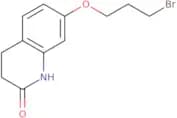

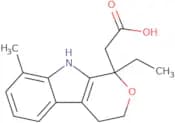
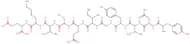
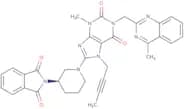
![5-[[4-[2-(5-Ethyl-2-pyridinyl)ethoxy]phenyl]-methylene]-2,4-thiazolidinedione](/_next/image/?url=https%3A%2Fstatic.cymitquimica.com%2Fproducts%2F3D%2Fthumb-webp%2FIE23114.webp&w=3840&q=75)
![3,5-Bis[2-[[[2-[(aminoiminomethyl)amino]thiazol-4-yl]methyl]sulphanyl]ethyl]-4H-1,2,4,6-thiatriazi…](/_next/image/?url=https%3A%2Fstatic.cymitquimica.com%2Fproducts%2F3D%2Fthumb-webp%2FIB58080.webp&w=3840&q=75)
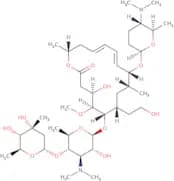
![3-[[[2-[(Aminoiminomethyl)amino]-4-thiazolyl]methyl]sulfinyl]-N-(aminosulfonyl)propanimidamide](/_next/image/?url=https%3A%2Fstatic.cymitquimica.com%2Fproducts%2F3D%2Fthumb-webp%2FIA182983.webp&w=3840&q=75)

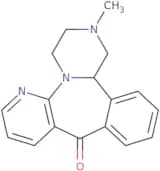
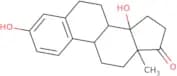
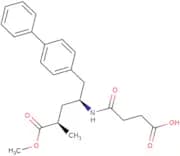

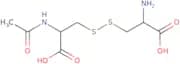
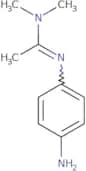
![3-Chloro-10-[3-(dimethylamino)propyl]-9(10H)-acridinone](/_next/image/?url=https%3A%2Fstatic.cymitquimica.com%2Fproducts%2F3D%2Fthumb-webp%2FIWC02821.webp&w=3840&q=75)
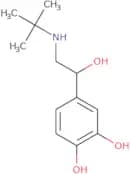
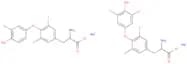
![N-(3-hydroxytricyclo[3.3.1.1]dec-1-yl)glycyl-L-prolinamide](/_next/image/?url=https%3A%2Fstatic.cymitquimica.com%2Fproducts%2F3D%2Fthumb-webp%2FIN176051.webp&w=3840&q=75)
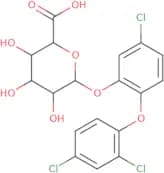
![(3S,4R)-3-((Benzo[D][1,3]dioxol-5-yloxy)methyl)-4-(4-fluorophenyl)piperidine hydrochloride](/_next/image/?url=https%3A%2Fstatic.cymitquimica.com%2Fproducts%2F3D%2Fthumb-webp%2FFFA85516.webp&w=3840&q=75)
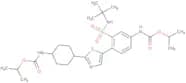
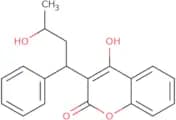
![9-(Sulfooxy)dibenz[b,f][1,4]oxazepin-11(10H)-one](/_next/image/?url=https%3A%2Fstatic.cymitquimica.com%2Fproducts%2F3D%2Fthumb-webp%2FNDA37318.webp&w=3840&q=75)
![N2'-Deacetyl-N2'-[3-(methylthio)-1-oxopropyl]-maytansine](/_next/image/?url=https%3A%2Fstatic.cymitquimica.com%2Fproducts%2F3D%2Fthumb-webp%2FMLB56984.webp&w=3840&q=75)
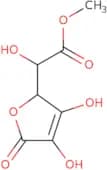
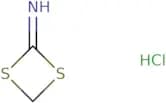
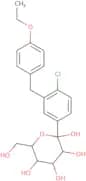
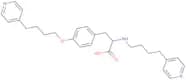
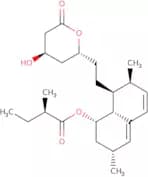
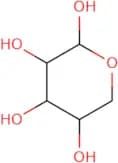
![1-[5-(Hydroxymethyl)-2-furyl]-2-methyl-1,2,3,4-tetrahydroisochinolin-4,8-diol](/_next/image/?url=https%3A%2Fstatic.cymitquimica.com%2Fproducts%2F3D%2Fthumb-webp%2FMCC70618.webp&w=3840&q=75)
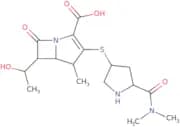
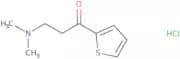
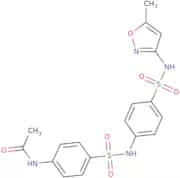

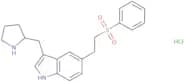
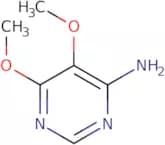
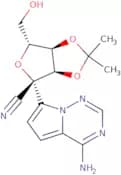
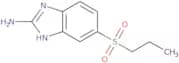
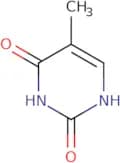
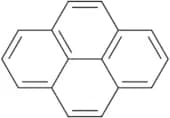
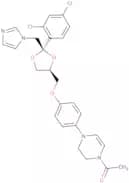
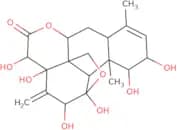
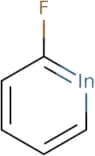
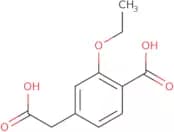

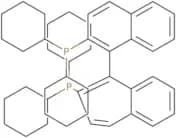
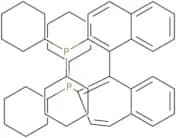
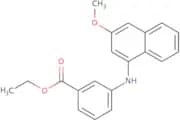
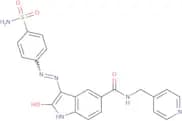
![N-[(6-Chloropyridin-3-yl)methyl]-N-methylacetamide](/_next/image/?url=https%3A%2Fstatic.cymitquimica.com%2Fproducts%2F3D%2Fthumb-webp%2FIC171311.webp&w=3840&q=75)

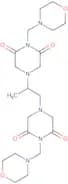
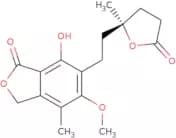
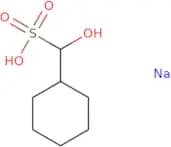

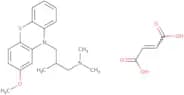
![Des[2-(1,2,4-triazolyl)] itraconazole-2-isocyanate](/_next/image/?url=https%3A%2Fstatic.cymitquimica.com%2Fproducts%2F3D%2Fthumb-webp%2FWZB81237.webp&w=3840&q=75)
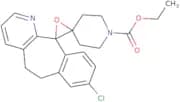
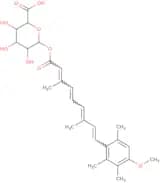
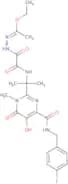
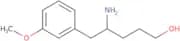
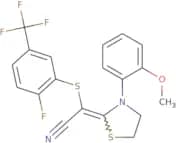
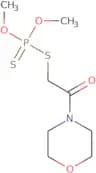
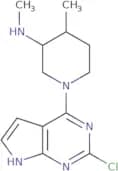
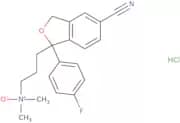
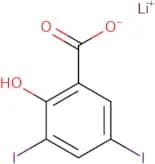
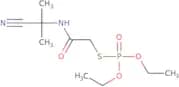
![2-(3-Nitrophenyl)-2,3-dihydro-1H-benzo[D]imidazole](/_next/image/?url=https%3A%2Fstatic.cymitquimica.com%2Fproducts%2F3D%2Fthumb-webp%2FYHA06924.webp&w=3840&q=75)
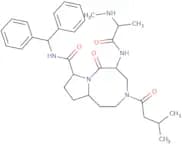
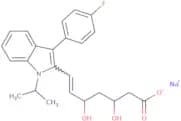
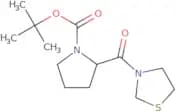

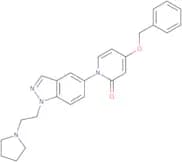
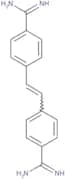

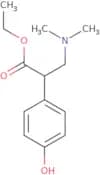
![[p-(Benzyloxy)phenyl]acetic acid tert-butyl ester](/_next/image/?url=https%3A%2Fstatic.cymitquimica.com%2Fproducts%2F3D%2Fthumb-webp%2FUAA71289.webp&w=3840&q=75)
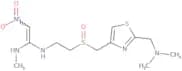
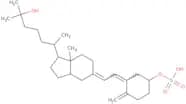
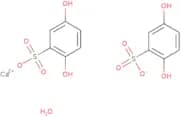
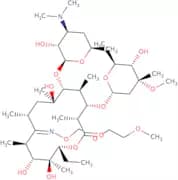
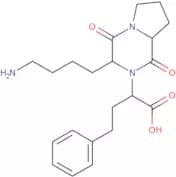
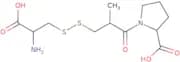
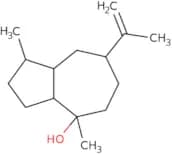
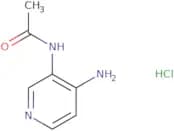
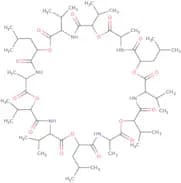
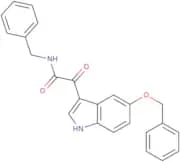
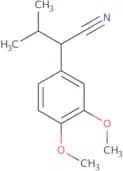
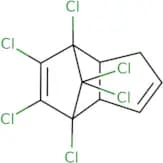
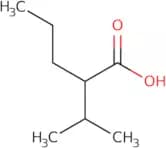

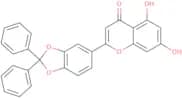
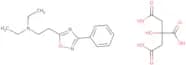
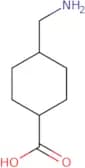
![1,3-Bis[4-(2-methoxyethyl)phenoxy]-2-propanol](/_next/image/?url=https%3A%2Fstatic.cymitquimica.com%2Fproducts%2F3D%2Fthumb-webp%2FFJA97530.webp&w=3840&q=75)
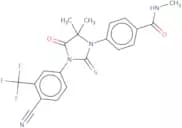
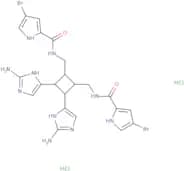
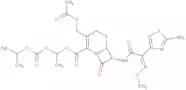
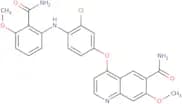
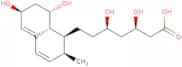


![2-[(E)-[(4-Fluorophenyl)imino]methyl]phenol](/_next/image/?url=https%3A%2Fstatic.cymitquimica.com%2Fproducts%2F3D%2Fthumb-webp%2FCKA57377.webp&w=3840&q=75)
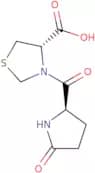
![2,2-Bis[4-(2-diethylaminoethoxy)phenyl]-1,2-diphenylethanone](/_next/image/?url=https%3A%2Fstatic.cymitquimica.com%2Fproducts%2F3D%2Fthumb-webp%2FOB166693.webp&w=3840&q=75)
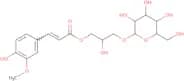
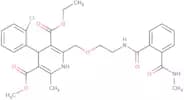
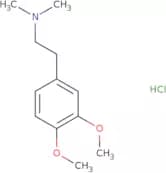
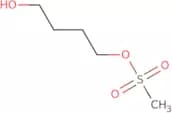
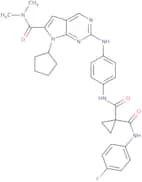
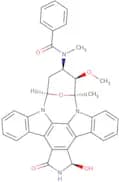
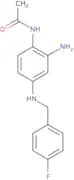
![3-[(4-Amino-2-methylpyrimidin-5-yl)methyl]-5-(2-chloroethyl)-4-methyl-1,3-thiazol-3-ium](/_next/image/?url=https%3A%2Fstatic.cymitquimica.com%2Fproducts%2F3D%2Fthumb-webp%2FIA181779.webp&w=3840&q=75)
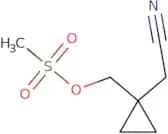
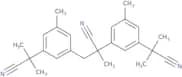
![7-Hydroxy-furo[3,4-b]pyrazin-5-one](/_next/image/?url=https%3A%2Fstatic.cymitquimica.com%2Fproducts%2F3D%2Fthumb-webp%2FQJB06150.webp&w=3840&q=75)
![[5-L-Aspartic Acid]-desmopressin](/_next/image/?url=https%3A%2Fstatic.cymitquimica.com%2Fproducts%2F3D%2Fthumb-webp%2FIA173260.webp&w=3840&q=75)
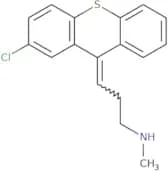
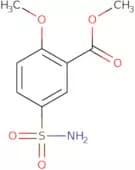
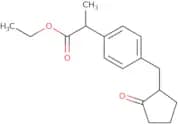
![[(1S)-(1α,2β,3β)]-3-(2-Amino-6-iodo-7H-purin-7-yl)-1,2-cyclobutanedimethanol dibenzoate ester](/_next/image/?url=https%3A%2Fstatic.cymitquimica.com%2Fproducts%2F3D%2Fthumb-webp%2FWZB81229.webp&w=3840&q=75)
![Diclazuril 6-carboxylic acid [(4-chlorophenyl)cyanomethyl]-2,6-dichlorophenyl-4-amide](/_next/image/?url=https%3A%2Fstatic.cymitquimica.com%2Fproducts%2F3D%2Fthumb-webp%2FWWC92869.webp&w=3840&q=75)
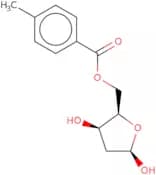
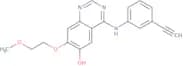
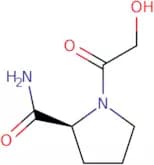
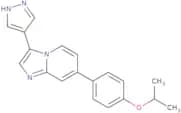
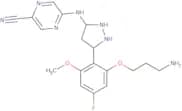
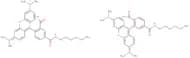
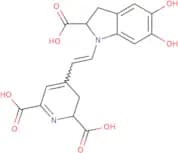
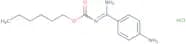
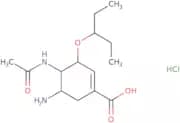
![N-[[Cis-4-(1-methylethyl)cyclohexyl]carbonyl]-D-phenylalanine(nateglinide impurity)](/_next/image/?url=https%3A%2Fstatic.cymitquimica.com%2Fproducts%2F3D%2Fthumb-webp%2FFEA81606.webp&w=3840&q=75)
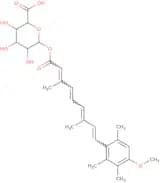
![N-[(2R)-3-{[3-Fluoro-4-(4-morpholinyl)phenyl]amino}-2-hydroxypropyl]acetamide](/_next/image/?url=https%3A%2Fstatic.cymitquimica.com%2Fproducts%2F3D%2Fthumb-webp%2FIF58040.webp&w=3840&q=75)
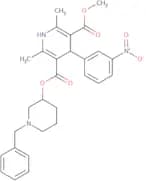
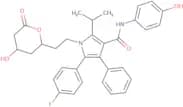
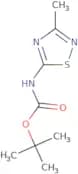
![N-[(2E)-6,6-Dimethyl-2-hepten-4-yn-1-yl]-N-methyl-2-naphthalenemethanamine hydrochloride](/_next/image/?url=https%3A%2Fstatic.cymitquimica.com%2Fproducts%2F3D%2Fthumb-webp%2FCKB26530.webp&w=3840&q=75)
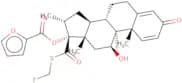
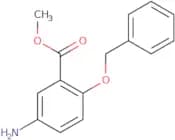
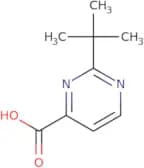
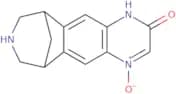
![(1R,3S,5S)-3-(2-Hydroxy-2,2-di(thiophen-2-yl)acetoxy)-8,8-dimethyl-8-azabicyclo[3.2.1]oct-6-en bro…](/_next/image/?url=https%3A%2Fstatic.cymitquimica.com%2Fproducts%2F3D%2Fthumb-webp%2FIH42882.webp&w=3840&q=75)

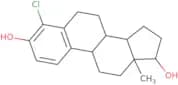
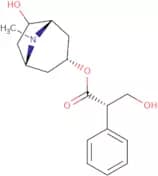
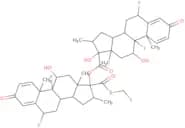
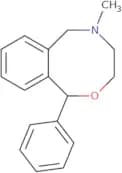
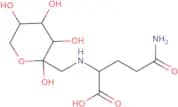
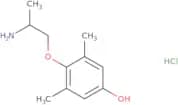
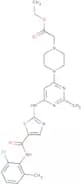
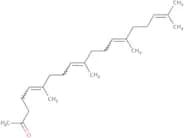
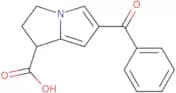
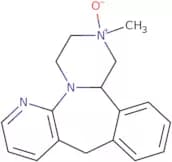
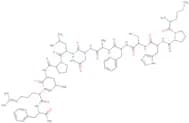

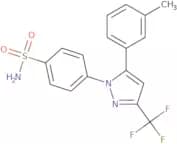
![6-Amino-2-(1-(2-fluorobenzyl)-1H-pyrazolo[3,4-b]pyridin-3-yl)-7,9-dimethyl-7H-purin-8(9H)-one](/_next/image/?url=https%3A%2Fstatic.cymitquimica.com%2Fproducts%2F3D%2Fthumb-webp%2FLEC56923.webp&w=3840&q=75)